
If you ski hard, you live on the edge of what your ligaments can tolerate. Long days in variable snow, surprise twists in moguls, and that one almost-save on an icy pitch all load your knees, ankles, and hips in ways few other sports do. Over the years, I have watched strong skiers sidelined not by muscle fatigue, but by compromised ligaments: sprained medial collateral ligaments (MCLs), irritated anterior cruciate ligaments (ACLs), and cranky ankle ligaments that never quite feel “trustworthy” again.
Alongside structured strength work and smart rehab, many of us in the performance and biohacking space have been experimenting with red and near‑infrared light therapy as a way to support tissue repair. The question is not “Is light therapy trendy?” It clearly is. The question is whether the science justifies a skier using it specifically to protect and rehab ligaments.
In this article, I will walk through what is actually known, what is still speculation, and how a thoughtful skier might integrate red light therapy into a ligament‑friendly training and recovery routine without falling for hype. I will lean on published clinical work, physical therapy reports, and sports medicine commentary from sources such as Stanford Medicine, the National Library of Medicine, and peer‑reviewed journals like Lasers in Medical Science and Pain and Therapy, plus clinic reports from ligament‑focused red light providers.
Ligaments 101: Why Skiers Should Care
Ligaments are dense bands of collagen that connect bone to bone and stabilize joints. In skiing, the most relevant ligaments include those around the knee, such as the ACL and MCL, and those around the ankle and foot. These structures resist excessive twisting and side‑to‑side motion so your joints track the way they are supposed to while your edges bite into snow.
One crucial detail for skiers: ligaments have a poor direct blood supply. Several clinical overviews in the notes emphasize that there are no blood vessels traveling through ligament tissue in the same way they do through muscle. Instead, ligaments rely on diffusion from surrounding tissues and tiny vessels at their attachments. This limited vascularization is one reason ligament sprains heal more slowly than muscle strains and why incomplete healing can leave a joint feeling unstable and prone to re‑injury.
For skiers, that translates into a familiar story. A “minor” MCL sprain from a twisting fall may feel better after a few weeks, but the ligament may not fully regain its pre‑injury strength or collagen organization. Residual laxity or scar tissue can subtly change biomechanics and load neighboring structures. Anything that safely boosts local circulation, supports collagen remodeling, and reduces chronic low‑grade inflammation could, in theory, support ligament health over a long ski season.

Red Light Therapy 101 For Skiers
Red light therapy, often bundled under the broader term photobiomodulation, uses specific wavelengths of red and near‑infrared (NIR) light at low power to influence cellular processes without heating or burning tissue. Multiple clinic and review sources in the notes converge on very similar wavelength ranges for musculoskeletal use.
The general pattern looks like this:
Parameter |
Red light |
Near‑infrared light |
Typical wavelength band |
Around 620–700 nm |
Around 800–900 nm (sometimes up to about 1,000 nm) |
Main depth of action |
More superficial tissues such as skin and subcutaneous capillaries |
Deeper tissues such as muscle, tendon, ligament, and even superficial bone |
Common sports use |
Skin healing, capillary circulation, superficial inflammation |
Muscle recovery, joint and tendon pain, ligament and deep soft‑tissue injuries |
Mechanistically, red and NIR photons are absorbed primarily by mitochondrial chromophores, especially the enzyme cytochrome c oxidase. Multiple sources in the notes (including sports therapy clinics and technical reviews) describe the same cascade: light absorption increases mitochondrial ATP production, can modulate reactive oxygen species, and can trigger nitric oxide release leading to vasodilation. These changes support better tissue energy status, improved microcirculation, and a shift from pro‑inflammatory to more repair‑oriented immune signaling.
A key point for ligament health is collagen. Several sports medicine and physical therapy sources note that red light therapy can stimulate collagen production and remodeling. Since ligaments are mostly collagen, anything that nudges fibroblasts toward more organized and stronger collagen fibrils is potentially highly relevant.

How Light Interacts With Ligament Tissue
Ligaments are difficult targets because they are deep and poorly vascularized. That is exactly why the few ligament‑specific light therapy reports in the notes are important.
Blood Flow To Poorly Vascularized Ligaments
A ligament‑focused clinical article emphasizes that ligaments and tendons heal slowly because of their limited blood supply. Red light therapy is proposed as a complementary tool to overcome that limitation by increasing vasodilation and enhancing blood flow in and around the injured area. The idea is not that light magically creates blood vessels inside ligaments, but that it widens nearby vessels and supports angiogenesis in the surrounding tissues so more oxygen‑ and nutrient‑rich blood can reach the region.
Another circulation‑focused source explains that red and NIR light can increase nitric oxide release from blood vessel linings, causing vessel relaxation and immediate boosts in blood flow. It also mentions stimulation of new capillary growth at the microcirculation level. For a skier rehabbing an MCL or lateral ankle ligament, better microcirculation around the joint could mean faster removal of inflammatory byproducts and improved delivery of nutrients required for collagen repair.
Collagen Structure And Fibril Quality
One ligament article discusses a study in patients recovering from MCL injuries in which laser or red light treatment was associated with an increase in ligament fibril diameter. Fibril diameter is a structural metric: thicker, properly organized collagen fibrils suggest more robust repair. While this is not a large randomized trial, it is one of the few references that speaks directly to microstructural changes in human ligament after light therapy.
Another ligament‑centric source focused on torn ligaments highlights the importance of energy dose and penetration depth. It notes that deeper‑penetrating NIR wavelengths such as 830 nm and 940 nm are preferred for ligament‑level tissues, while around 635–660 nm red light acts more on superficial tissues. The same source cites a clinical study where high‑output 830 nm LED therapy on sports injuries, including ligament tears, was associated with roughly halving mean recovery time and large drops in pain scores within a week, with no reported adverse effects. That study used energy densities around 4–6 J/cm² in some ligament protocols, although a separate university sports medicine pilot study (discussed below) used a higher dose of 60 J/cm² with an 830 nm device.
Taken together, these reports support the idea that appropriately dosed red and NIR light can influence collagen synthesis and organization in connective tissue and may translate into stronger, better‑healed ligaments.
Inflammation, Pain, And Functional Recovery
Inflammation is a double‑edged sword in ligament healing. Short‑term inflammation is protective; but persistent swelling and pro‑inflammatory cytokines can choke microcirculation and delay the remodeling phase. Multiple sources describe red light therapy as an anti‑inflammatory and analgesic modality that modulates cytokines and shifts immune cells toward a repair‑focused profile.
Ligament‑specific articles note that red light may reduce pain by increasing cellular energy for homeostatic tasks, including regulation of inflammation. Broader musculoskeletal reviews and clinic reports describe reductions in swelling, pain scores, and chronic joint stiffness in conditions such as tendonitis, osteoarthritis, and soft‑tissue injuries when red or NIR light is used consistently.
For a skier, this matters less for a catastrophic ligament tear, which usually needs surgical or mechanical repair, and more for the gray zone of partial tears, sprains, and chronic laxity where the goal is to calm pain and support gradual strengthening.
What The Research Actually Shows
The evidence base for red and NIR light in sports and ligament health is a patchwork: promising pilot studies, clinical experience in physical therapy, and cautious academic reviews that emphasize the need for more rigorous trials.
University Athlete Study With 830 nm LED
A single‑center pilot study at a university sports medicine department evaluated 830 nm LED low‑level light therapy in injured student‑athletes. The protocol used a near‑infrared LED system delivering 60 J/cm² over 20 minutes at 50 mW/cm². Treatments started as soon as possible after acute musculoskeletal injuries, which included hamstring strains, ankle and knee sprains, costochondral injuries, and hip pointers. Most injuries received between two and six sessions.
In a fully documented subset of 65 athletes, mean return‑to‑play was about 9.6 days compared with an anticipated 19.2 days based on conventional therapy histories. That is roughly a 50 percent reduction in time lost from sport. Pain scores on a standard visual analogue scale dropped by between two and eight points, and all athletes reached a score of zero after three to six sessions. No adverse events were recorded.
The limitations are significant: there was no randomized control group, and anticipated return‑to‑play was based on historical rather than concurrent controls. Injuries were also heterogeneous. However, the magnitude of the difference and the consistent pain resolution make this study relevant for any athlete dealing with soft‑tissue injuries, including ligament sprains.
Ligament‑Focused Clinical Reports
A torn‑ligament article focused on sports injuries reports similar recovery time reductions using high‑output 830 nm LED therapy, echoing the university data with mean recovery times dropping from about 19 days to roughly 9–10 days and pain scores falling by up to six points on a 10‑point scale within a week. Again, no adverse effects were reported. The authors stress the importance of energy dose, suggesting ligament work typically uses around 4–6 J/cm² delivered with sufficient irradiance to reach deep tissues. They also emphasize frequent, short sessions, such as five to six treatments per week early on, starting within 48–72 hours of injury, then tapering to three or four sessions per week in later remodeling phases.
Another ligament health overview highlights that several sessions of red light therapy integrated into a rehab plan for knee or ankle ligaments can support stronger and potentially faster healing, but repeatedly frames light as a complementary therapy, not a standalone cure. It advocates pairing red light with traditional physical therapy and specific stretching or strengthening.
A tendon and ligament repair article adds that red light therapy is generally non‑invasive and safe, with side effects usually limited to transient skin redness or irritation when used properly. It underscores that outcomes vary depending on tear severity, individual healing, and consistency of use, and that red light should be embedded in a broader plan that includes rest, exercise therapy, diet, and other treatments.
This cluster of ligament‑centric sources suggests that for sprains and partial tears, especially around the knee and ankle, red and NIR light can plausibly reduce pain, swelling, and time to functional recovery when used alongside standard rehab.
Broader Musculoskeletal Pain And Recovery Evidence
For skiers dealing with chronic knee pain, early arthritis, or stubborn tendinopathies, a wider musculoskeletal lens is useful. A physical therapy review summarized a 2020 meta‑analysis in the journal Lasers in Medical Science that found low‑level laser therapy significantly reduced pain and improved joint function in osteoarthritis and rheumatoid arthritis, with particularly strong effects in knee joints. A 2015 review in the Journal of Photochemistry and Photobiology B concluded that red light therapy reduces inflammation and supports tissue regeneration in musculoskeletal pain conditions such as muscle strains, tendonitis, and back pain. A 2021 systematic review in Pain and Therapy reported that photobiomodulation improved nerve regeneration and relieved burning and tingling in peripheral neuropathy.
Several sports‑oriented reviews note reductions in markers like creatine kinase and C‑reactive protein and modest improvements in strength, endurance, and delayed‑onset muscle soreness when photobiomodulation is used before or after exercise. However, they also emphasize that results are inconsistent and highly dependent on dose, wavelength, and timing, and that many consumer devices are weaker than research‑grade equipment.
Academic Caution: Promising But Not A Panacea
An academic review from Stanford Medicine frames red light therapy as well‑established in dermatology and modestly evidence‑backed for hair growth and certain skin rejuvenation uses. For athletic performance, muscle recovery, sleep, chronic pain, and similar claims, Stanford experts describe the data as speculative, with weak or conflicting evidence. They stress that red light can change cellular biology, but existing human trials do not justify treating it as a universal wellness or performance solution.
A sports medicine article from a major US hospital echoes this stance for musculoskeletal use. The orthopedic sports physician interviewed notes that red light therapy shows early promise for tendinopathies and superficial, inflammation‑driven conditions, and may help some chronic pain patients. However, he is explicit that red light therapy does not heal structural problems like ligament tears that require mechanical repair. In his words, when you have a true mechanical problem, light therapy is not going to reverse it. He also stresses that, while medical risk is low, the real risk is often financial, given that devices may cost from under $100 for small handhelds up to several thousand dollars for larger panels and are rarely covered by insurance.
Professional organizations in exercise science add another important nuance: there are currently no standardized, evidence‑based guidelines for frequency, intensity, time, and type of red light therapy in sports training. Coaches and clinicians are advised to treat photobiomodulation as a potentially useful but nonessential adjunct, to choose devices with validated output, and to integrate light within the broader pillars of load management, sleep, and nutrition.
Translating The Science To Skiers
Strictly speaking, none of the studies in the notes are trials in skiers specifically. They involve mixed athletes, general musculoskeletal patients, and people with arthritis or neuropathy. That means any application to skiing is an extrapolation, and it should be treated that way.
However, the demands of skiing align closely with those in many of the studied sports: high joint loads, rapid decelerations, rotational forces around the knee and ankle, and periods of intense training with limited recovery windows. Given that, it is reasonable for a ski‑focused athlete or coach to use the existing ligament and tendon data to guide a careful experiment.
A practical way to think about red light therapy for skiers’ ligaments is to divide the year into three phases: pre‑season preparation, in‑season maintenance and recovery, and post‑injury rehabilitation.
In pre‑season, the priority is building strength and resilience in the ligaments and surrounding musculature. Red or NIR light might be layered in for skiers who already have chronic MCL tenderness, early knee osteoarthritis, or Achilles or patellar tendon irritation, especially when these issues are superficial or inflammation‑dominant. In that context, the arthritis and tendinopathy findings suggest red light may reduce pain and stiffness enough to make strength work more tolerable and consistent.
During the season, the stress shifts toward repeated loading and microtrauma. This is where the sports recovery data become more relevant. Athletes in the pilot and clinic studies received NIR treatments shortly after acute injuries and sometimes as pre‑conditioning before training. For a skier, that might translate into short NIR sessions to the knees and ankles after heavy ski days or big bumps sessions, with the intent of modulating inflammation, improving local blood flow, and possibly reducing next‑day soreness.
After a sprain or partial tear, especially in knee and ankle ligaments, the ligament‑specific guidance is clearest. Several articles recommend beginning light therapy within the first one to three days after injury, when cleared by a clinician, and using frequent, short sessions in parallel with standard care such as rest, ice, compression, elevation, and structured physical therapy. The consistency appears to matter more than occasional high‑dose use.

Device Choices And Dosing For Skiers
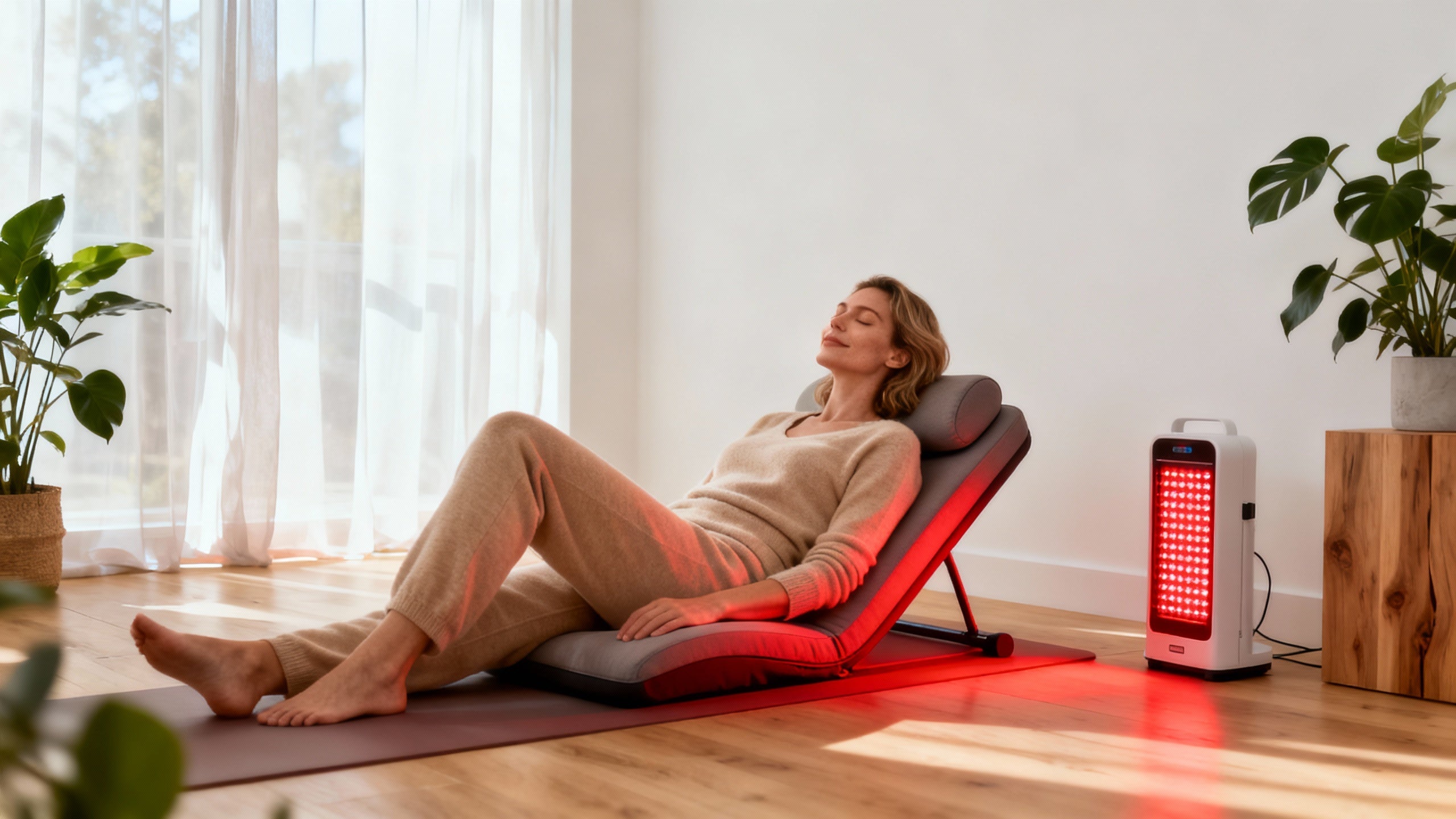
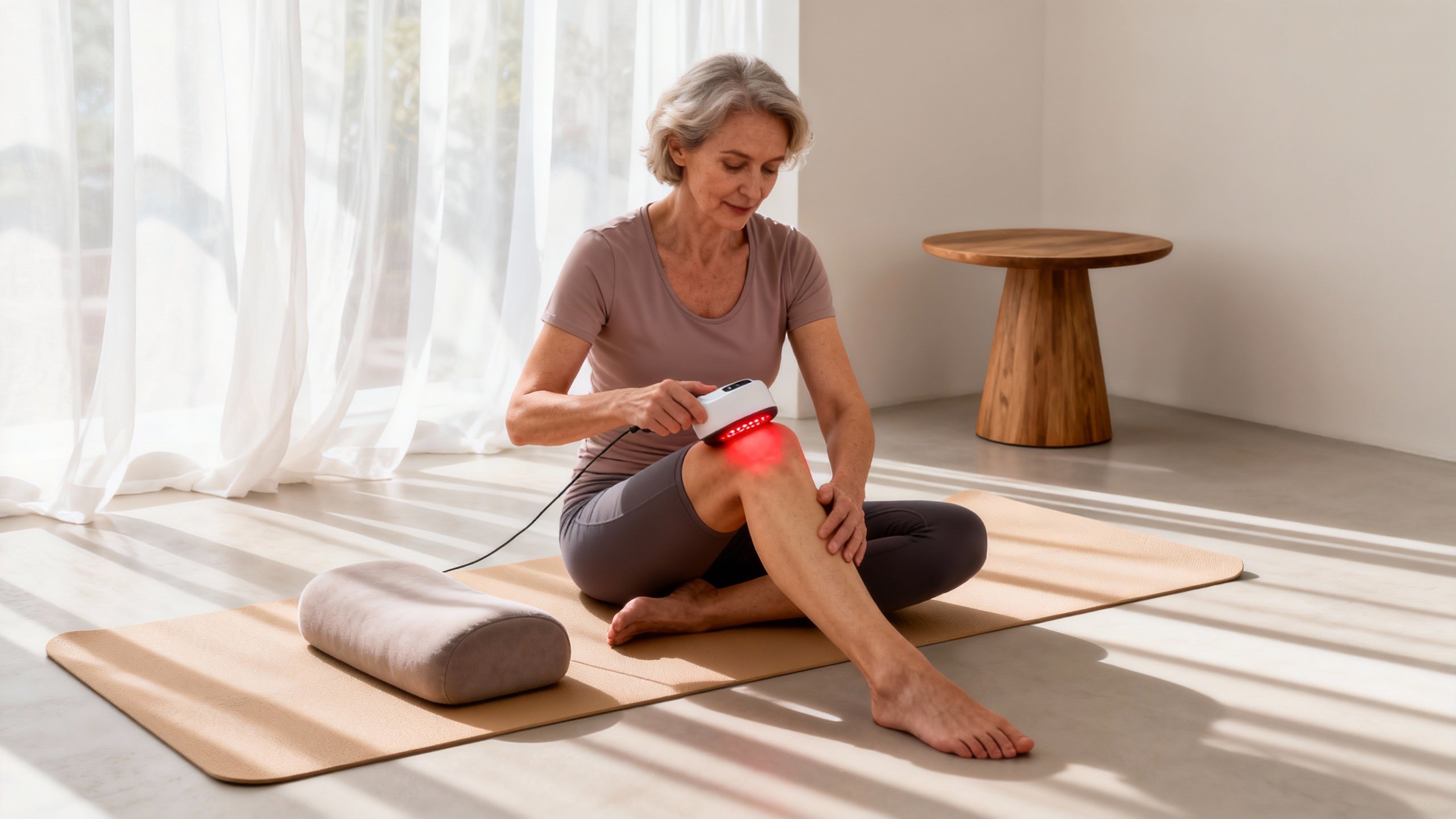
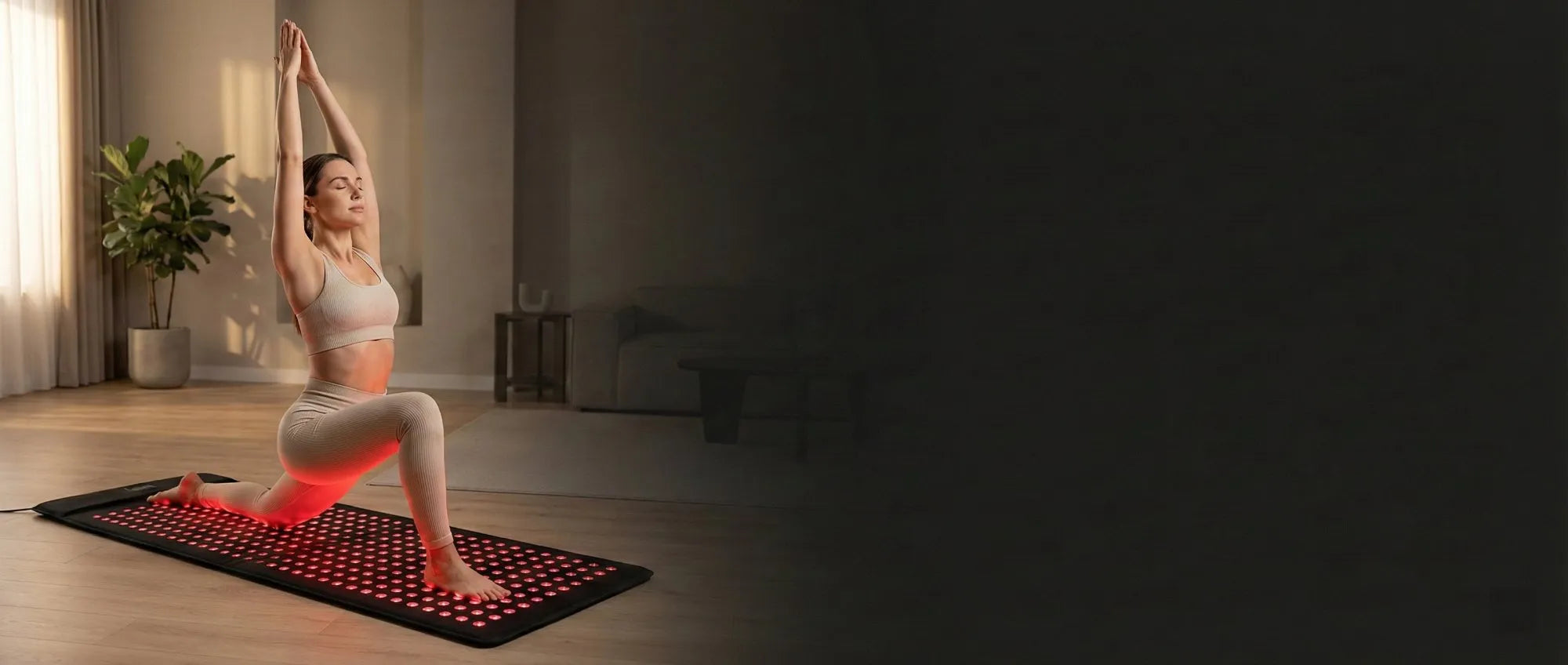
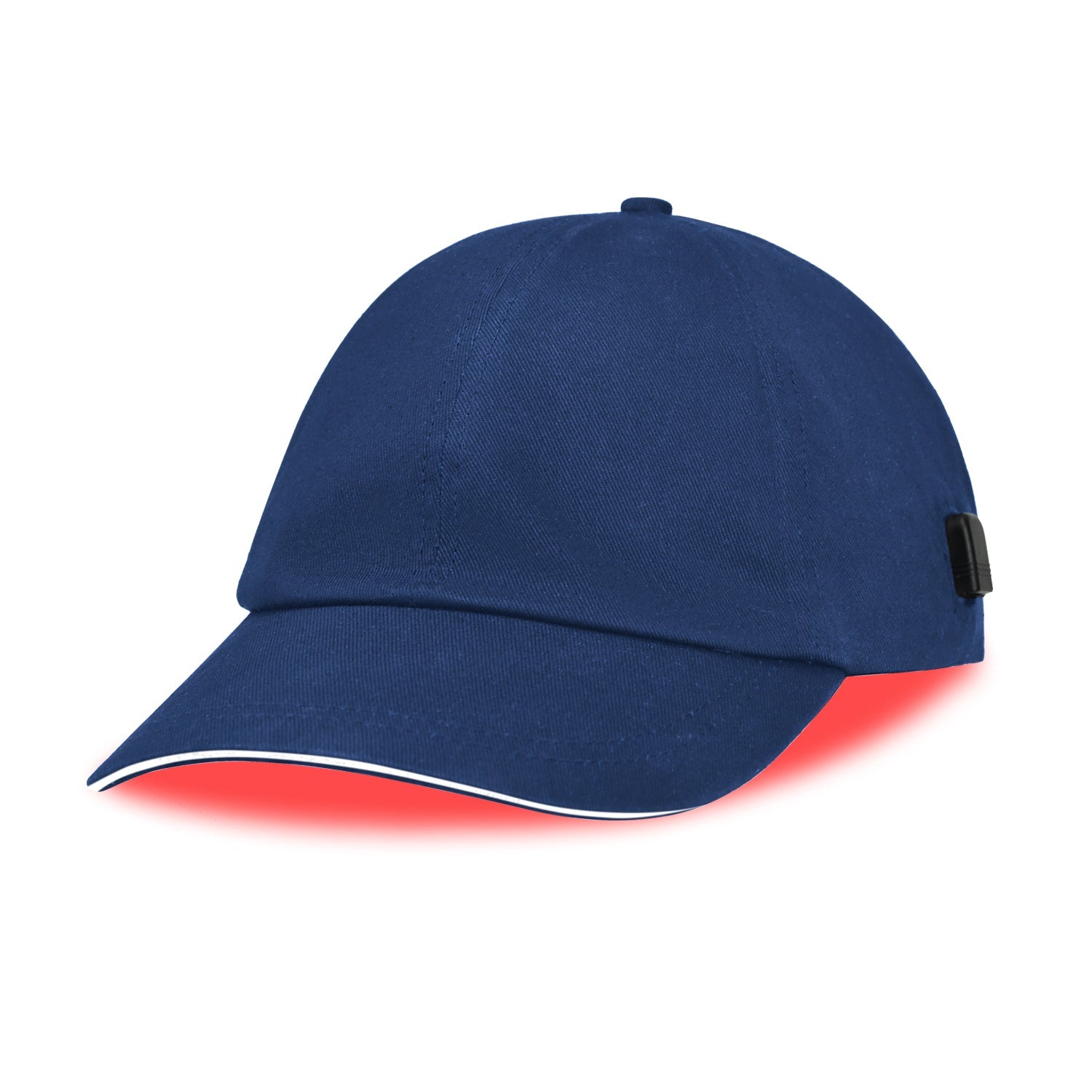
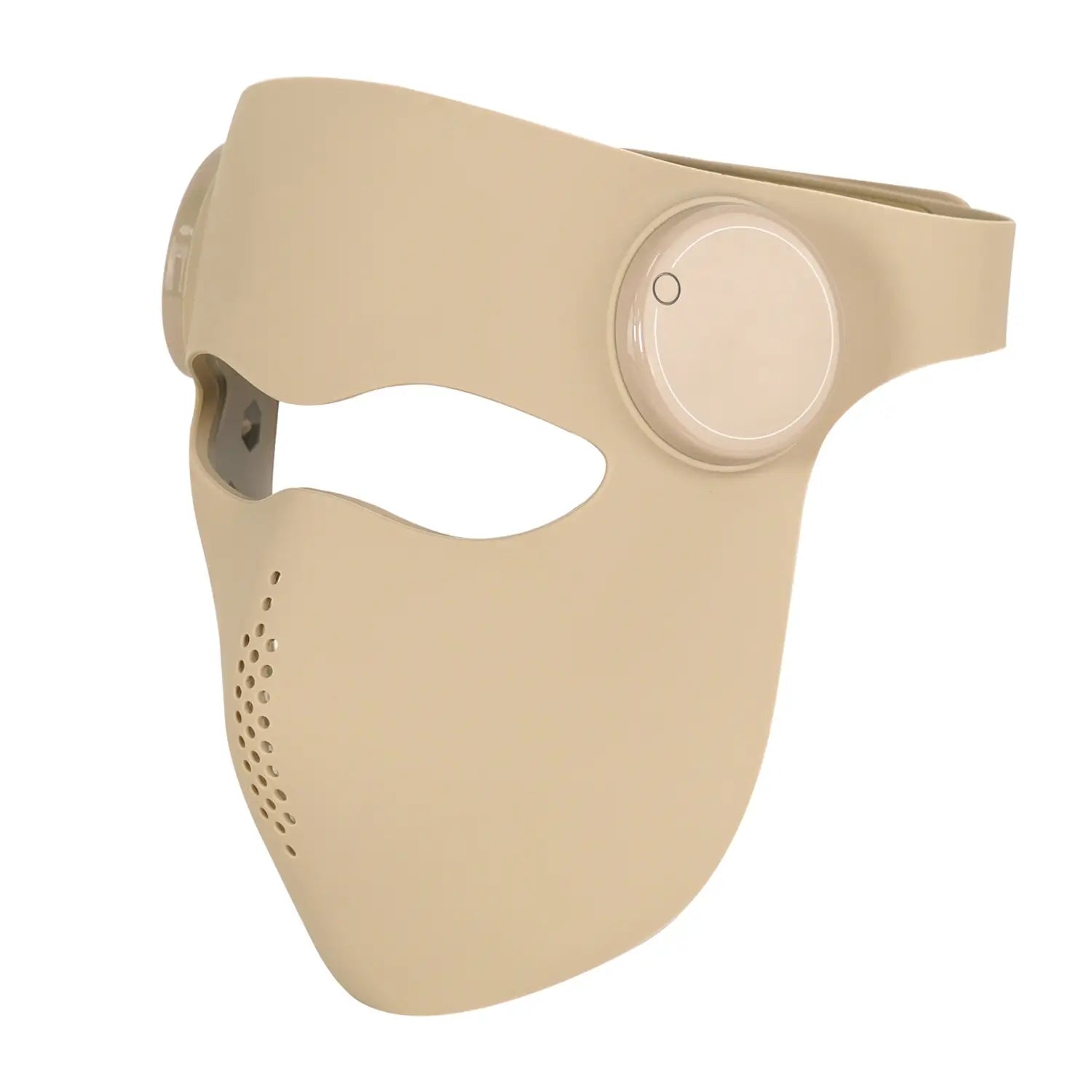
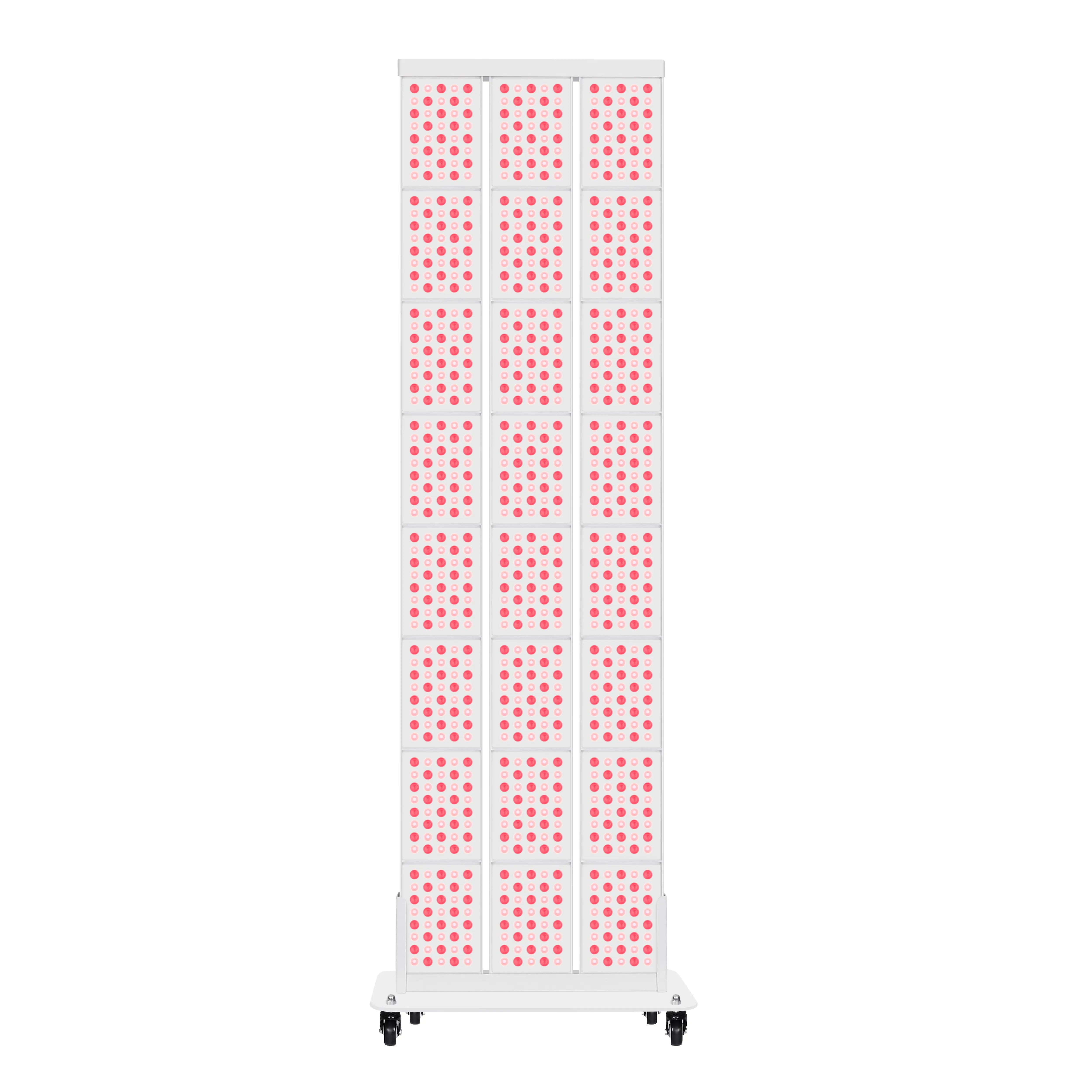
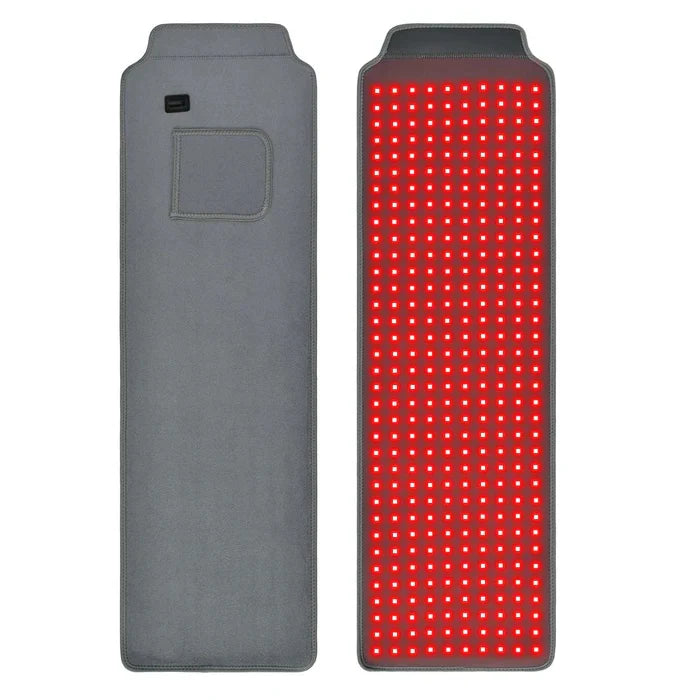
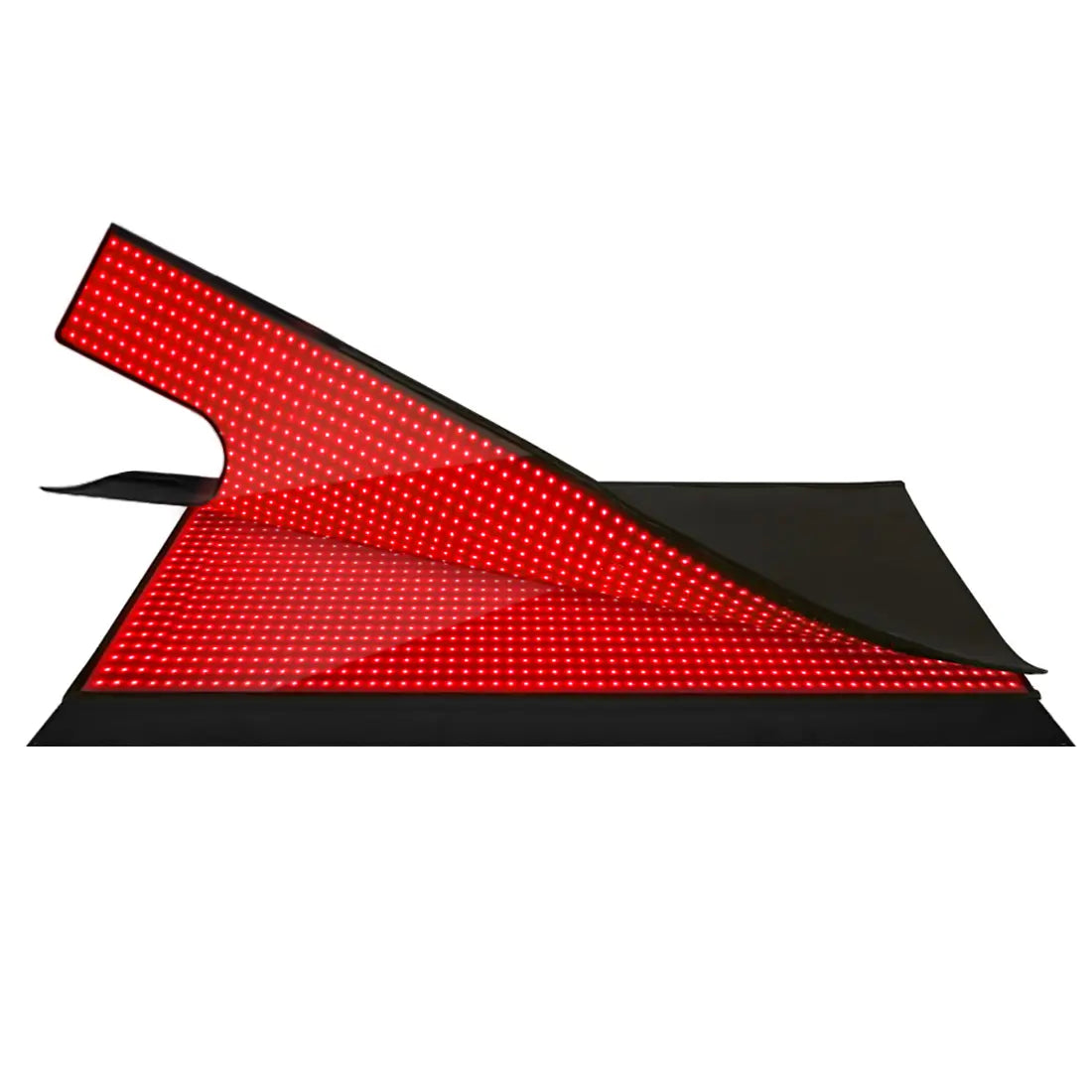
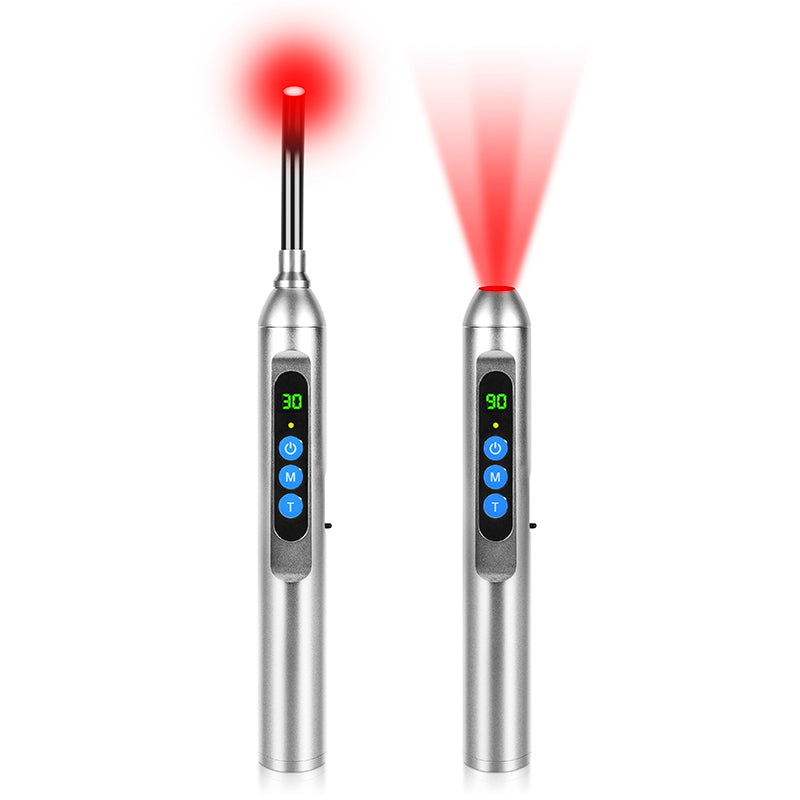
From a practical standpoint, skiers tend to choose between two categories of light devices. Clinic‑grade systems include high‑output LED arrays or medical lasers used by physical therapists, often with well‑documented wavelengths, irradiance, and energy densities. Home devices typically include panels, pads, or handheld units marketed for wellness and athletic recovery.
Several sources emphasize that deeper ligaments are more likely to benefit from near‑infrared wavelengths in the 800–900 nm range, sometimes up to about 940 nm, while visible red in the 630–700 nm range is better for more superficial targets. Some ligament‑oriented clinicians therefore favor devices that combine red and NIR, with NIR doing the heavy lifting for ligament tissue and red supporting superficial capillaries and skin.
A recurring theme across technical and clinical articles is the critical importance of dose. Energy density that is too low will not meaningfully affect tissue; too high may blunt benefits. One ligament‑therapy piece suggests around 4–6 J/cm² for ligament work, while the university pilot study used 60 J/cm² in a sports clinic context. The discrepancy reflects different devices and protocols rather than a clear standard. Sports science reviews talk about a biphasic dose response and advise practitioners to follow device‑specific guidance and documented protocols rather than improvising.
For skiers using home panels or pads, most practical protocols fall within short sessions, often in the 5–20 minute range per joint, several times per week. One performance‑focused physical therapy practice recommends using red light three to five times per week for 5–15 minutes per area rather than very long sessions, and a ligament article suggests five or six sessions per week early after injury before tapering.
The bottom line for home use is that you want to know three things about any device you are considering: its wavelengths, its irradiance (power per area at a given distance), and the delivered energy over a typical session. Several ligament and sports recovery sources caution against devices that do not publish these numbers, because they are often cosmetic rather than therapeutic.
Pros, Cons, And Realistic Expectations For Skiers
From the perspective of a light therapy geek who also obsesses over snow conditions, there are clear upsides to experimenting with red and NIR light in a ski context, and there are equally clear limitations.
On the plus side, the safety profile is generally favorable when devices are used correctly. Clinical studies and practice reports describe red and NIR therapy as non‑invasive, with adverse effects usually limited to mild, transient warmth or skin irritation. The pilot sports injury study reported no complications. The potential benefits are also meaningful: reduced pain, faster return to functional activity in some ligament and soft‑tissue injuries, improved joint mobility in arthritic knees, and better tolerance for strength work when tendons or ligaments are irritable.
There is also a plausible mechanistic fit for skiing. Ligaments that are slow to heal because of poor blood supply and high collagen demands sit right in the crosshairs of red light’s main actions: improved microcirculation, enhanced ATP production, and support for collagen synthesis and remodeling.
On the minus side, the evidence for performance enhancement and generalized “recovery hacking” is still patchy. Stanford experts characterize the data for athletic performance and global recovery as speculative. Sports science organizations point out that trial results are inconsistent and dose‑dependent. Consumer devices vary widely in power, and many likely deliver lower doses than those in studies that reported strong effects.
There is also the structural reality of ligament injury. An orthopedic sports physician from a major US hospital notes that red light therapy is not going to re‑grow a torn ACL or reverse advanced osteoarthritis. In skiing terms, it is not a substitute for proper imaging, surgical or bracing decisions, and serious rehabilitation in the setting of a major ligament tear.
Cost and time commitment are substantial. Quality devices can run anywhere from under $100 for small handhelds to several thousand dollars for panels or high‑output pads. Because results, when they occur, often require weeks of consistent use, a skier needs to be honest about whether they will stand in front of a panel for 10–20 minutes several times per week through the pre‑season and into winter.
A Light‑Assisted Framework For Ski Knee Health
Within those realities, how might a thoughtful skier integrate red and NIR light to support ligament health in a way that is grounded in the science rather than in wishful thinking?
In my own practice and self‑experiments, I treat light as a way to make proven interventions easier to execute and tolerate rather than as the primary driver of change. For a skier with a history of MCL sprain or early knee arthritis, that starts with traditional pillars: progressive strength training for quadriceps, hamstrings, and hip stabilizers; balance and proprioception work; and smart load management on snow. Light therapy then becomes an adjunct layered on top.
Pre‑season, sessions might focus on the knees and ankles three or four times per week. A practical pattern is to position an NIR‑capable device a sensible distance from the joint and irradiate the front and sides of each knee for a few minutes each, aiming roughly for the short, frequent exposure style seen in ligament protocols. Some athletes also treat hip and low‑back regions where supporting musculature attaches.
In‑season, the emphasis shifts to recovery after heavy days and calming flare‑ups. A skier might treat knees and ankles within a few hours after skiing, especially after days with deep moguls, variable snow, or longer descents. The goal is to reduce residual swelling and pain and to help the tissues transition from the inflammatory phase toward repair before the next ski day.
After a sprain or partial tear, the sequence should be driven by a sports medicine clinician or physical therapist. Based on the ligament‑focused reports, early initiation within one to three days, at modest energy doses, and at a frequency of several sessions per week appears reasonable when cleared medically. Light can be paired with hands‑on therapy, graded loading, and neuromuscular training, with pain and function monitored over time. If pain, swelling, or instability worsen, the priority is imaging and structural evaluation, not increasing light dose.
Throughout, the emphasis is on consistency and integration, not on maxing out the device. An under‑powered device used consistently and paired with good rehab may be more useful than a powerful one used sporadically and in isolation.
Safety, Contraindications, And When To Skip It
Across the sources, there is strong agreement that red and NIR light at therapeutic doses is low‑risk when used appropriately. Nonetheless, a few cautions matter for skiers.
Most clinical and guideline‑style pieces warn against shining powerful red or NIR light directly into the eyes without proper protection. Many clinicians also avoid treating over known or suspected malignancies, over the abdomen in pregnancy, or in people with photosensitive conditions or on photosensitizing medications without medical clearance. Some individuals have skin that is more reactive to light and may develop irritation, so starting conservatively and monitoring response is prudent.
The most important “safety” point for skiers with ligament issues is diagnostic, not optical. If you have a clear mechanism of injury, such as a twisting fall with a pop and rapid swelling, or significant joint instability, you need a proper orthopedic evaluation and imaging, not just a red light panel. Light therapy may have a role later in the rehab process, especially for pain modulation and function, but it should not delay structural diagnosis.
Finally, from a financial safety standpoint, the sports physician quoted in the University Hospitals article is blunt: for many people, the main risk is to the wallet, not the body. Starting with a modest, well‑specified device and seeing whether it meaningfully changes your symptoms or rehab experience over several weeks can be more sensible than immediately investing thousands of dollars in a full‑body system.
FAQ: Red Light Therapy And Skiing
Can red light therapy prevent ligament injuries on the slopes?
There are no direct trials in skiers showing that red light therapy prevents ligament tears or sprains. The available evidence suggests that photobiomodulation can improve tissue healing, reduce pain, and potentially shorten recovery time in soft‑tissue injuries when used with proper rehab. For prevention, the most powerful tools remain strength training, technique, equipment setup, and intelligent pacing. Red light therapy is best thought of as a supportive adjunct rather than a primary preventive measure.
Is there an ideal wavelength for ski ligament issues?
Ligament‑focused reports and sports medicine case series frequently use near‑infrared wavelengths around 830 nm, sometimes combined with red in the 630–660 nm range. Deeper ligaments likely benefit more from NIR because it penetrates further. That said, different devices and protocols have been used successfully, and academic reviewers stress that precise optimal wavelengths and doses are still being refined.
How soon should I start red light therapy after a ski ligament sprain?
Some torn‑ligament protocols recommend beginning within 48–72 hours after injury, while the university pilot study began as soon as possible after acute injuries. However, this needs to be coordinated with a medical professional. In the first days after a sprain, confirming the diagnosis and ruling out severe tears, fractures, or meniscal injuries is paramount. Once a plan is in place, your clinician can advise on timing and frequency of light sessions within that plan.
Can red light therapy replace a brace, surgery, or physical therapy?
No. Both academic and clinical sources are clear that red and NIR light do not reverse structural ligament damage. They can modulate inflammation, support collagen remodeling, and reduce pain, but they do not mechanically stabilize a joint the way a surgically repaired ligament, well‑designed brace, or strong musculature does. Light should support, not replace, braces, surgical decisions, and structured physical therapy.

Closing Thoughts
For skiers, ligaments are often the weakest link in an otherwise powerful chain. Red and near‑infrared light therapy offer a biologically plausible, generally safe way to support ligament health, particularly around pain, inflammation, and collagen remodeling. Pilot studies and clinical reports are encouraging, especially for knee and ankle sprains, but the evidence is not yet strong enough to treat light as a standalone solution or a guaranteed performance booster.
If you approach red light therapy as a disciplined optimiser rather than as a miracle fix, pair it with serious strength work, intelligent rehab, and honest medical guidance, it can become one more useful tool in keeping your knees and ankles ready for the next deep‑powder day.
References
- https://pmc.ncbi.nlm.nih.gov/articles/PMC4846838/
- https://safety.dev.colostate.edu/fulldisplay/F6Ywcn/2GF076/red_light_therapy_for_torn__ligament.pdf
- https://med.stanford.edu/news/insights/2025/02/red-light-therapy-skin-hair-medical-clinics.html
- https://www.acefitness.org/resources/pros/expert-articles/8857/red-light-therapy-and-post-exercise-recovery-the-physiology-research-and-practical-considerations/?srsltid=AfmBOooC6jCI3Zq-RW3JtTszgzcxgWvKxv67XA6gyq6xNVPc5JoeqCf8
- https://www.uhhospitals.org/blog/articles/2025/06/what-you-should-know-about-red-light-therapy
- https://www.physio-pedia.com/Red_Light_Therapy_and_Muscle_Recovery
- https://www.athleticlab.com/red-light-therapy-for-athletes/
- https://duluthmedspa.com/athletic-performance-and-recovery-using-red-light-therapy-for-muscle-repair/
- https://fickptandperformance.com/red-light-therapy-benefits-how-it-can-enhance-your-sports-recovery-and-performance/
- https://functionsmart.com/red-light-therapy-for-athletes-faster-recovery-and-enhanced-performance/