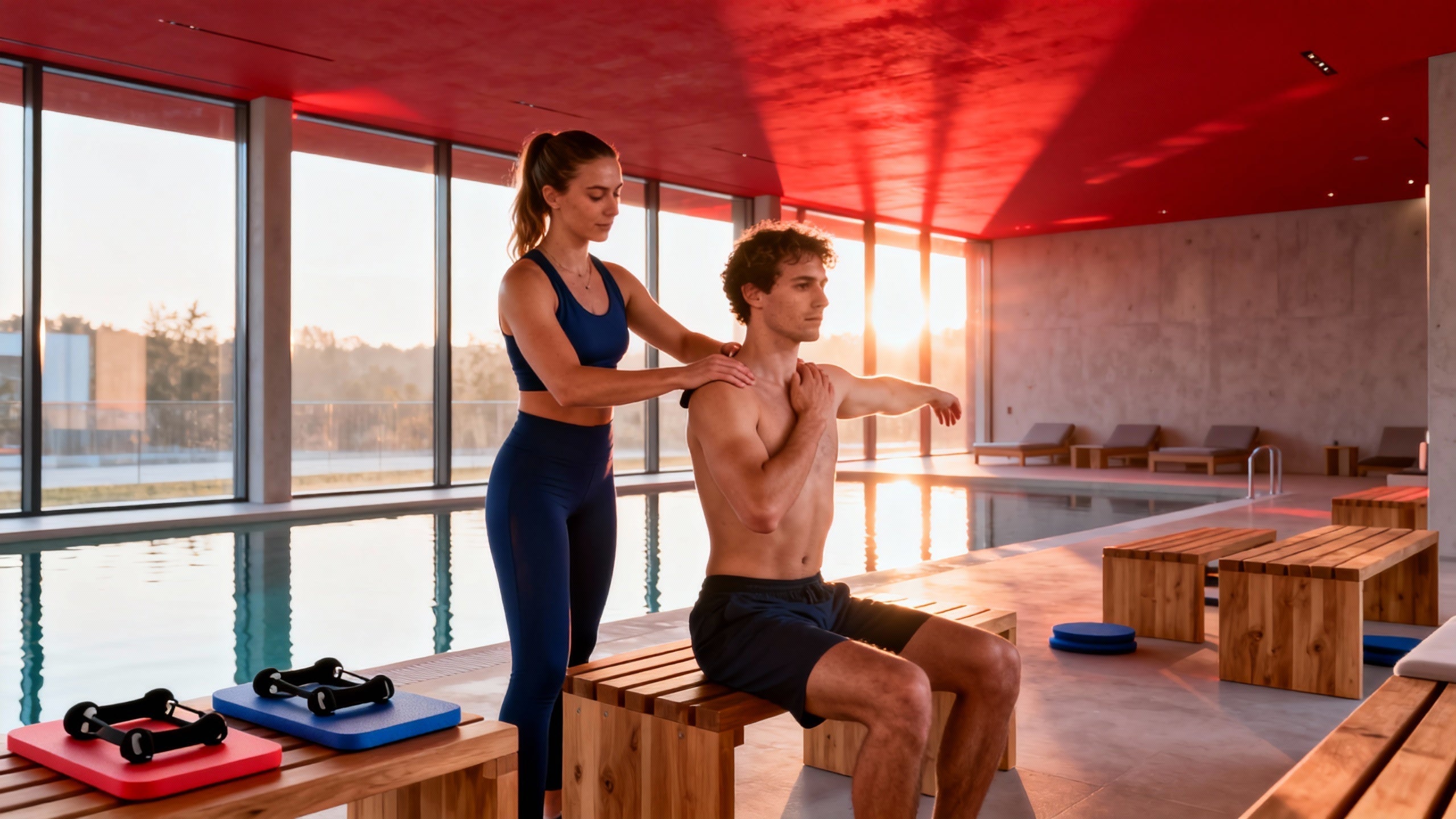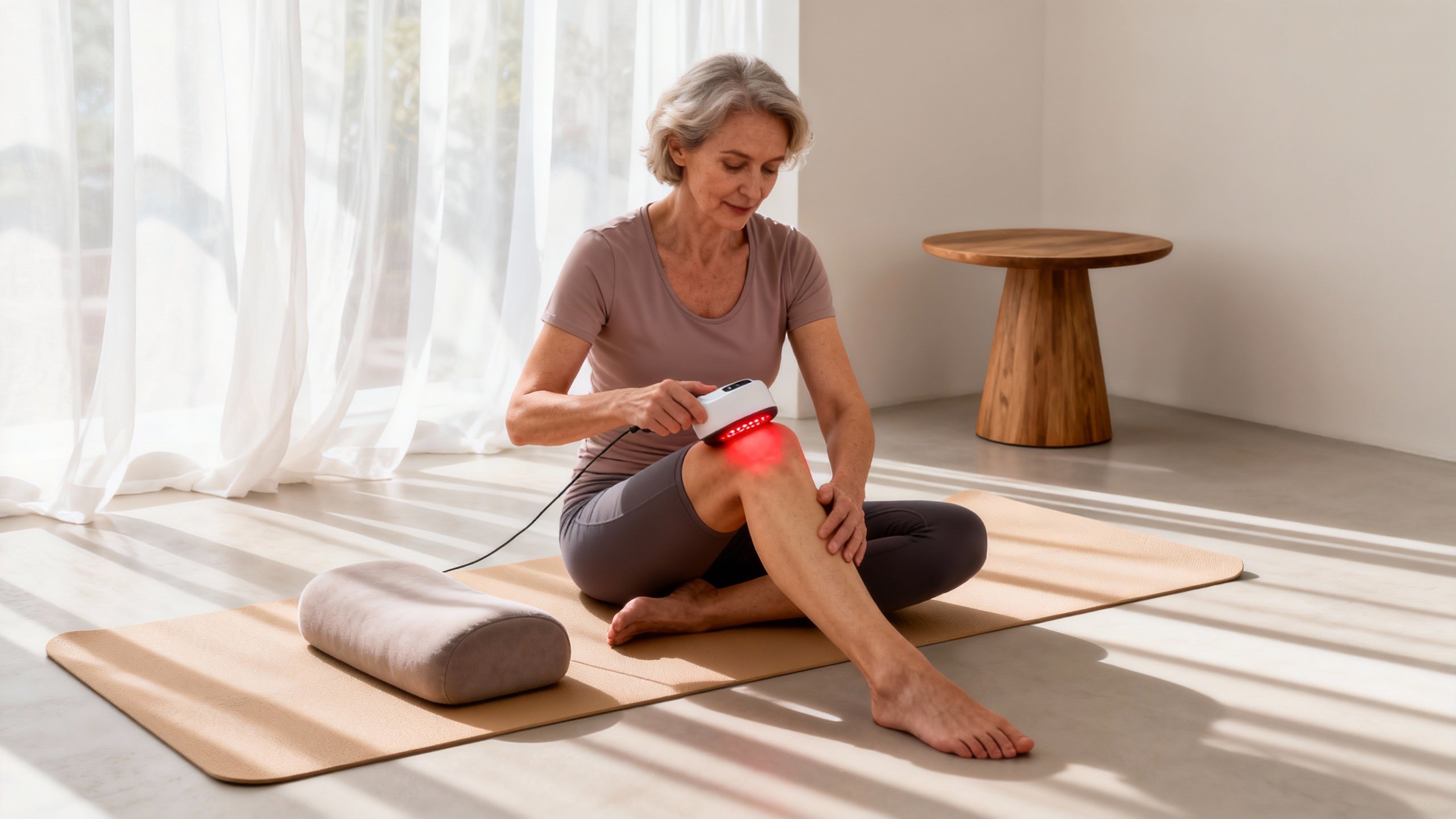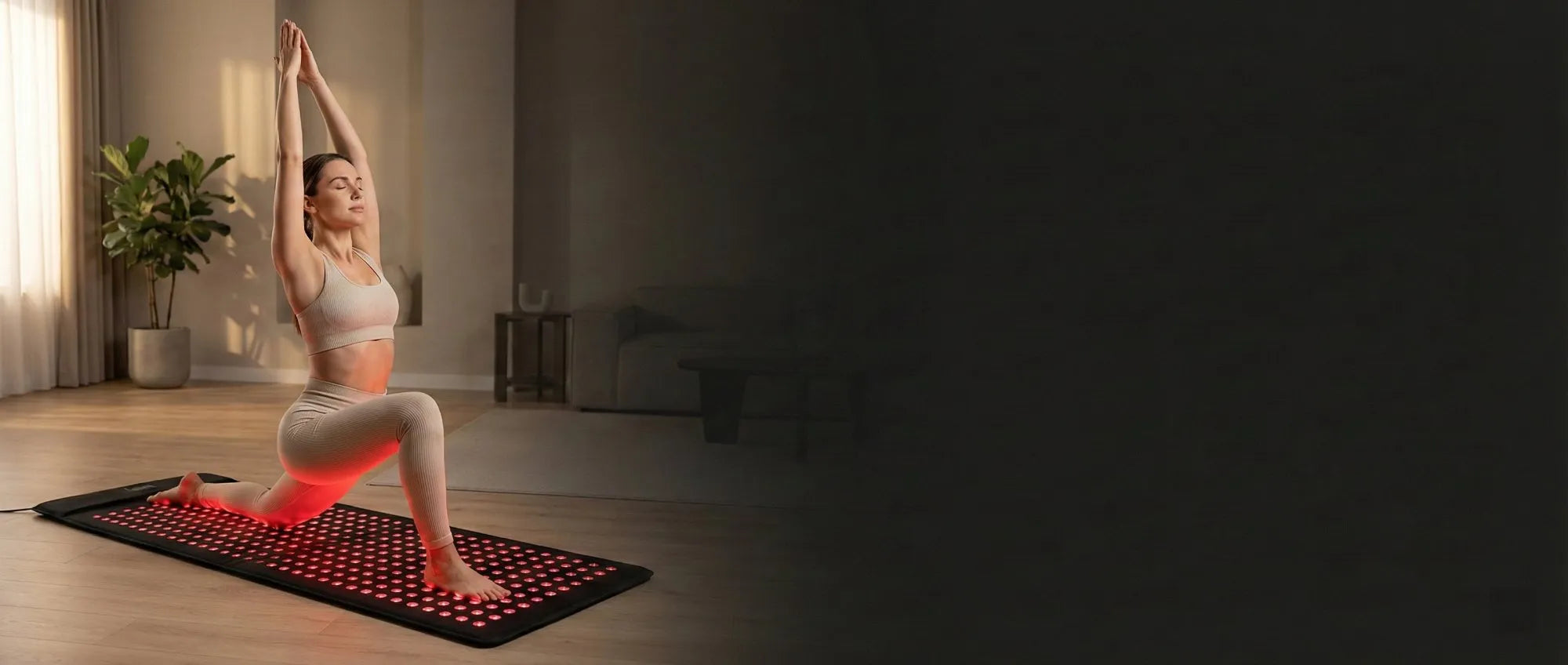
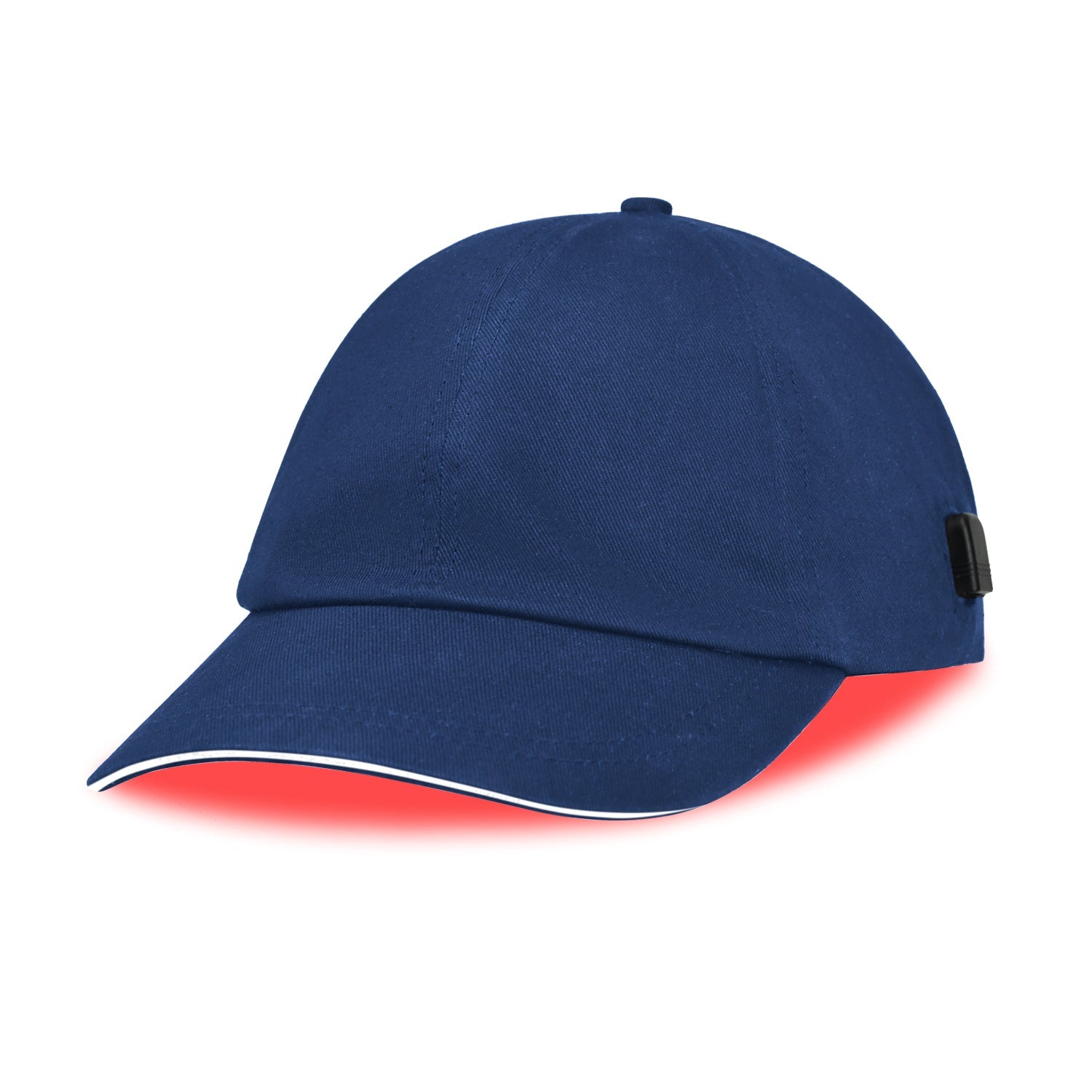
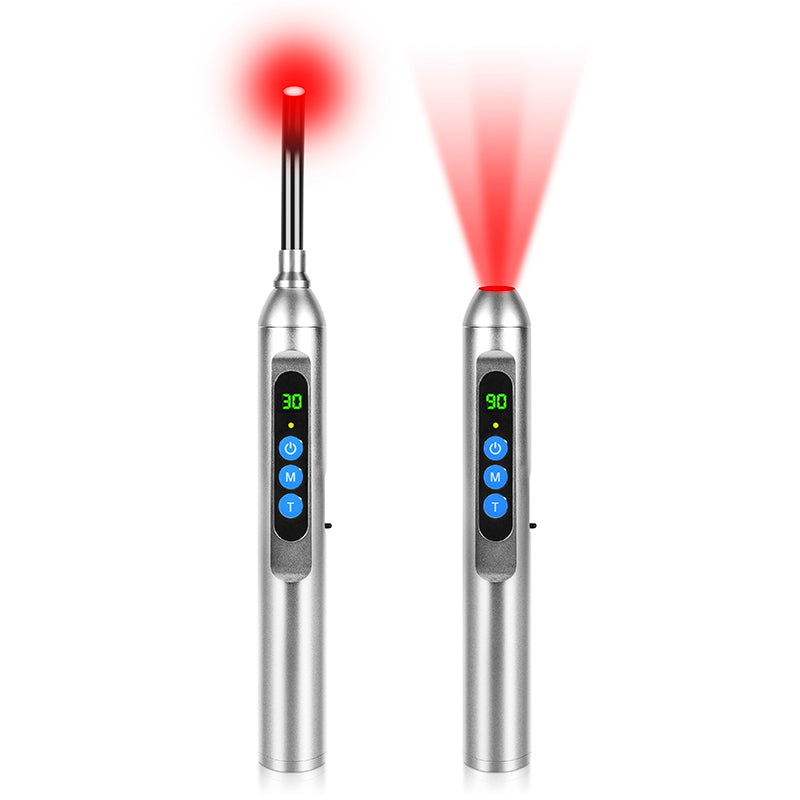

As someone who spends an unhealthy amount of time reading photobiomodulation papers and tinkering with light protocols, I can say this with confidence: if you care about keeping your spine dive‑ready for the long haul, red and near‑infrared light belong on your radar. Over 80% of Americans will experience back pain at some point, and divers add heavy gear, unstable boats, and repetitive loading to that baseline risk. The good news is that a growing body of research suggests red light therapy can be a powerful, non‑invasive tool for maintaining spinal health, accelerating recovery, and potentially even protecting neural tissue after serious injury.
This article pulls together what the science actually says about red light therapy and the spine, then maps it onto the real world of recreational, technical, and professional diving. I will stay close to the published data and be clear where the evidence is strong, where it is early‑stage, and where we are extrapolating for divers specifically.
Why Divers’ Spines Need Extra Attention
Diving looks weightless, but your spine knows the truth long before you hit the water. Tanks, weights, cameras, and drysuits load the lumbar spine when you stand, walk, and climb ladders. Step off a rocking boat with a single steel tank and you are asking your discs, facet joints, and paraspinal muscles to absorb sudden forces while your balance system is fighting the waves.
Over time, this loading pattern can feed into familiar problems: chronic low back pain, episodic muscle spasms, disc bulges or herniations, and sciatic‑type leg pain. Herniated discs occur when the soft inner core of a disc pushes through a tear in the tougher outer ring, irritating nearby nerves and causing pain, numbness, or weakness. Bulging discs are slightly less dramatic structurally but can still compress nerve roots and limit mobility.
When pain becomes chronic, it often reflects a mix of ongoing inflammation, sensitized nerves, and deconditioned muscles around the spine. Traditional tools—rest, heat or ice, stretching, non‑steroidal anti‑inflammatory drugs, physical therapy, and sometimes surgery—are all relevant for divers, but they are not complete solutions. That is where red and near‑infrared light therapy comes in as a low‑risk, biology‑level adjunct.

What Red Light Therapy Actually Is
Red light therapy, often called photobiomodulation or low‑level light therapy, uses specific wavelengths of red and near‑infrared light to influence cellular biology rather than heat tissue. Most of the spinal research uses light roughly in the 600–900 nanometer range. Clinically, that light is delivered using LEDs, low‑level lasers, or combinations of both.
At the cellular level, this light is absorbed primarily by mitochondria, the energy factories inside your cells. Multiple sources, including a comprehensive review of photobiomodulation for musculoskeletal pain and reports from Luminous Health Solutions on spinal cord injury therapy, highlight the same core mechanisms. Red and near‑infrared light can increase adenosine triphosphate (ATP) production, improve mitochondrial bioenergetics, and modulate inflammatory pathways. The result is more energy available for tissue repair, less oxidative stress, and a shift away from pro‑inflammatory signaling.
Nitric oxide release and local vasodilation also appear to be part of the picture, increasing blood flow and delivering more oxygen and nutrients to injured areas. In nerve and spinal cord models, red light has been shown to reduce neuronal apoptosis, alter glial cell activation, and promote neurogenesis and synaptogenesis, providing a plausible biological pathway for both pain reduction and functional recovery.
Major medical centers such as UCLA Health describe red light therapy as a non‑invasive modality with meaningful short‑term benefits and few adverse effects, while openly acknowledging that optimal dosing and long‑term safety are still being defined.
Red vs Near‑Infrared: Functional Roles
Across the spinal literature you see a fairly consistent wavelength pattern. Red light in the 630–670 nanometer band tends to target more superficial tissues, while near‑infrared light around 800–900 nanometers penetrates deeper into muscles, ligaments, and in some cases, toward the disc and facet joints. Devices aimed at spinal pain and disc conditions often combine both to cover the entire tissue stack, from skin and fascia to deeper connective tissue.
A typical example is the use of dual‑wavelength LED belts around 630–660 nanometers (red) and about 830 nanometers (near‑infrared) for herniated discs, and near‑infrared arrays in the 800–1200 nanometer range in chronic low back pain trials.

Evidence: Red and Infrared Light for the Spine
No randomized trials have been run specifically in divers, so everything that follows draws from broader spinal and musculoskeletal populations. For a diver thinking long term, this still matters, because the underlying structures—discs, facet joints, ligaments, spinal cord, and nerve roots—are the same.
Chronic Low Back Pain: Belt‑Style Infrared Therapy
One randomized, double‑blind, placebo‑controlled trial followed adults with long‑standing, intractable low back pain who were already on substantial pain regimens, including medications and nerve blocks. Participants used a portable lumbar belt containing infrared emitters in the 800–1200 nanometer range.
Over about seven weeks, the active infrared group saw their pain scores drop from an average of 6.9 out of 10 to around 3.0, roughly a 50% reduction. The placebo belt group improved from 7.5 to about 6.0, reflecting perhaps 15–20% relief from standard care and the supportive effect of wearing a belt. Statistical analysis showed a highly significant advantage for real infrared therapy over placebo, with no reported adverse events. The authors concluded that such belts are a safe, easy‑to‑use adjunctive option for chronic low back pain and called for further research to refine mechanisms and dosing.
For a diver managing chronic lumbar pain, this matters because the intervention is similar to what many divers can realistically use at home between trips: a flexible, wearable infrared wrap applied over the lumbar spine.
Disc Problems: Herniated and Bulging Discs
Disc pathology is especially relevant to divers who haul heavy gear or train hard outside the water. Articles focusing on lumbar disc herniation and bulging discs describe red light therapy as a complementary tool rather than a structural fix. A herniated disc occurs when the inner nucleus material protrudes through a tear in the outer annulus, while a bulging disc reflects outward deformation without full rupture, yet both can compress nerve roots and generate sciatic‑type symptoms.
The disc‑specific red light literature centers on several mechanisms. Photobiomodulation appears to modulate inflammatory cytokines and swelling around the disc and nerve root, support nerve regeneration and function, enhance microcirculation, relieve compensatory muscle tension, and stimulate fibroblasts and collagen synthesis to repair surrounding connective tissue. A clinical study reported in Lasers in Surgery and Medicine found that low‑level laser therapy in lumbar disc herniation reduced pain and improved mobility. A review in Journal of Pain Research concluded that photobiomodulation can help neuropathic pain and musculoskeletal recovery, though without providing dramatic numerical details.
Home protocols described in herniated‑disc guidance typically involve applying a dual‑wavelength LED belt over the lower back or neck for about 10–15 minutes per session, three to five times per week for eight to twelve weeks, then stepping down to one or two sessions per week for maintenance. Improvements in pain, stiffness, and mobility tend to emerge gradually over several weeks.
Crucially, these sources emphasize that red light therapy does not reverse the disc protrusion itself. Instead, it reduces inflammation and pain, supports surrounding tissue recovery, and makes it easier for patients to engage in physiotherapy, core strengthening, posture work, and ergonomic changes—exactly the kinds of lifestyle shifts that determine whether a diver can keep enjoying long days on the boat.
Spinal Cord Injury: Early‑Stage Neuroprotection and Repair
For the rare but devastating spinal cord injuries that can occur from falls, boat accidents, or other trauma, red light therapy research becomes more experimental but also more intriguing.
Preclinical work summarized by Luminous Health Solutions and detailed in peer‑reviewed rat studies shows that near‑infrared photobiomodulation targeting spinal cord tissue can increase ATP production, reduce oxidative stress, modulate inflammatory cytokines, and activate cellular pathways that reduce neuronal death and support mitochondrial function. In rodent models of spinal cord injury, daily near‑infrared treatment has reduced inflammation and apoptosis, improved mitochondrial health, and led to better motor and sensory recovery.
One detailed rat experiment using 670 nanometer red light applied for 30 minutes per day starting two hours after spinal cord injury found reduced mechanical hypersensitivity (a neuropathic pain marker), less neuronal death, and changes in glial activation. Microglia and macrophages showed reduced expression of inducible nitric oxide synthase, pointing toward a dampening of one key inflammatory pain pathway. The authors suggested red light therapy as a promising non‑pharmacologic adjunct for early neuropathic pain after spinal cord injury, while calling for more mechanistic and long‑term studies.
Parallel work at the University of Birmingham, widely reported by science outlets and spinal surgery news sources, optimized a 660 nanometer protocol in cell and animal models. In cell cultures of spinal cord injury, one minute of 660 nanometer light per day for five days increased cell viability by about 45%, demonstrating both neuroprotective and neuroregenerative effects. In animal models, one minute per day for seven days delivered either via an implantable light source or through the skin over the injury reduced tissue scarring and cavities, improved levels of regeneration‑associated proteins, and led to significant functional recovery. Importantly, this was the first direct comparison of invasive and non‑invasive delivery in spinal cord injury models, and both routes produced comparable biological and behavioral gains.
These studies remain preclinical and device development for humans is ongoing. The University of Birmingham team envisions an implantable photobiomodulation device that could be placed during standard spinal surgery to deliver controlled doses of light directly to the injured cord. For divers, the key takeaway is not that this is ready for clinical use, but that the spinal cord itself appears responsive to carefully dosed red light in ways that could eventually change how we handle traumatic spine injuries in and out of the water.
Post‑Surgical Spine Rehabilitation
Spine surgery is common, with analysts estimating over a million and a half spinal procedures annually in the United States alone. A technology‑focused article on using red light therapy after back surgery describes photobiomodulation as a non‑invasive, painless adjunct that can help control post‑operative pain and inflammation and support tissue healing.
The proposed mechanisms mirror those seen in other surgical contexts: improved circulation via nitric oxide–mediated vasodilation, reduced oxidative stress, modulation of inflammatory mediators, enhanced collagen remodeling, and support for nerve recovery. A 2021 study in another surgical domain found that early postoperative LED red light phototherapy was safe and appeared to reduce scarring and improve scar pliability over six months, which is biologically relevant to spine incisions as well.
Typical post‑spine‑surgery life looks like this: soreness and stiffness initially, encouragement to start short walks early, staple or stitch removal roughly a week out, and a multi‑month trajectory to regain full function. For light therapy, a common recommendation in the back‑surgery article is to begin daily sessions of about ten to fifteen minutes as soon as the surgeon is comfortable, continuing consistently for four to six weeks or more. Users of one wearable back device commonly report substantial pain reduction within one to four weeks, although these are user outcomes rather than controlled trial data.
The emphasis throughout is that red light is an adjunct, not a replacement, for surgeon‑directed rehabilitation; its main role is to make it more comfortable to participate fully in walking programs and physiotherapy, which ultimately drive long‑term functional gains.
Global Musculoskeletal Support Around the Spine
Beyond the spine itself, divers depend on a complex kinetic chain: hips, core, thoracic spine, and shoulders all interact with the lumbar region under load. Photobiomodulation trials covering knee pain, osteoarthritis, fibromyalgia, temporomandibular disorders, and post‑surgical recovery consistently show reductions in pain intensity and improvements in function when recommended doses are used.
A large review of low‑intensity laser and LED therapy for common musculoskeletal conditions notes that analgesia can appear within ten to twenty minutes of treatment, that chronic conditions often require daily or near‑daily sessions to maintain effect, and that optimized dosing (such as several joules per site at wavelengths in the 780–860 or about 900 nanometer bands) explains why some trials succeed where under‑dosed studies fail. Importantly, across multiple indications, photobiomodulation showed a strong safety profile with no demonstrated adverse effects when used correctly and clear cautions about avoiding treatment over active carcinoma, active infection, or the abdomen and pelvis in pregnancy.
Chiropractic and physiotherapy clinics have begun integrating red light immediately after spinal adjustments or manual therapy. Reports from chiropractic practices in Tallahassee and Texas describe red light reducing post‑adjustment inflammation, relaxing tight muscles around the spine, extending how long adjustments “hold,” and enhancing circulation so tissues remodel more easily. Physiotherapy clinics using large LED arrays highlight improved recovery from back strains, delayed‑onset muscle soreness, and general musculoskeletal sprains and strains.
For divers, that means red light therapy can be logically slotted into a broader spinal maintenance plan focused on strength, mobility, and technique.
How This Translates to Divers’ Spinal Health
Gear Load, Boat Days, and Chronic Low Back Pain
Chronic low back pain is a reality for many divers, especially those carrying heavy single or twin tanks, stage bottles, or camera rigs. The infrared belt trial in chronic low back pain and the broader photobiomodulation evidence suggest that a practical approach for divers would be to use a flexible red or near‑infrared wrap or a panel aimed at the lumbar area on land, not just when symptoms spike.
A typical pattern drawn from clinical and product‑protocol literature involves short sessions of about ten to twenty minutes over the painful region, three to five times per week for at least several weeks, then tapering to maintenance dosing once or twice weekly. For a diver, that might translate into running a session after a heavy packing day, following long boat days, and through the days after trips when the spine often feels stiffest.
Because photobiomodulation appears to reduce chronic inflammation, muscle tension, and pain, it may reduce reliance on repeated non‑steroidal anti‑inflammatory drug use and make it easier to stick with core training and stretching routines. Clinics such as Medical Pain and Spine Care of Indiana frame red light therapy not as a stand‑alone cure but as one component in a personalized, multi‑modal pain management strategy, which aligns well with the demands of a dive lifestyle.
Disc Injuries, Sciatic‑Type Pain, and Dive Fitness
For divers with MRI‑confirmed disc bulges or herniations, the goal is often to keep symptoms controlled well enough to avoid or delay surgery, or to stabilize the situation after surgery and return safely to diving. Articles on herniated and bulging discs repeatedly stress that red light therapy should sit alongside physiotherapy, posture correction, core strengthening, ergonomic changes, and sometimes other modalities such as massage, chiropractic care, or acupuncture.
The disc literature suggests that by modulating inflammation, supporting nerve health, and easing muscle guarding, photobiomodulation can make it easier to tolerate progressive loading exercises, from simple bird‑dog drills to more demanding strength work. For a diver, better tolerance of rehab means better odds of regaining the capacity to handle tanks and climb ladders without breakthrough sciatic pain.
What it does not do is “push the disc back in.” The structural issue is managed by rehabilitation, time, and sometimes surgery; the light is there to optimize the biological environment around that process. That is an important mindset shift for anyone tempted to see a light panel as a substitute for doing the work.
Post‑Surgical Divers
Many divers come to red light therapy after back surgery, looking for tools that might speed recovery and help them get back into the water without rushing. As described in the back‑surgery rehabilitation article, photobiomodulation can be positioned after the acute surgical phase as a way to reduce pain and swelling, improve scar quality, and support the tissues that will be stressed when lifting gear again.
Protocols in that context often start with ten to fifteen minutes daily over the area surrounding (not directly over) a healed incision, continued consistently for at least four to six weeks. Because functional recovery from spine surgery frequently spans four to six weeks for basic mobility and up to six to twelve months for full healing, many patients will extend light use longer, especially during phases when physiotherapy intensity increases.
For divers, the most important rule is to coordinate this with the surgeon or spine specialist. Light therapy should never override medical restrictions on lifting, twisting, or returning to depth after surgery; its role is to help the spine tolerate the rehab that determines long‑term outcomes.
Neurologic Red Flags: When Light Is Not the Answer
No matter how enthusiastic you are about technology, there are situations where red light therapy should not even be on the decision tree. Sudden onset of severe back pain with new leg weakness, loss of bowel or bladder control, saddle anesthesia, or progressive neurological deficits demands urgent medical evaluation, not a home device. The same is true for suspected decompression sickness involving spinal cord symptoms such as numbness, paralysis, or gait changes. These are emergency scenarios where delaying evidence‑based care to try light therapy could cost function.
In other words, light therapy has a place in spinal maintenance and recovery, but it is not a substitute for emergency medicine, decompression management, or specialist neurosurgical care.

Practical Protocol Design for Divers
Choosing a Device: Clinic vs Home
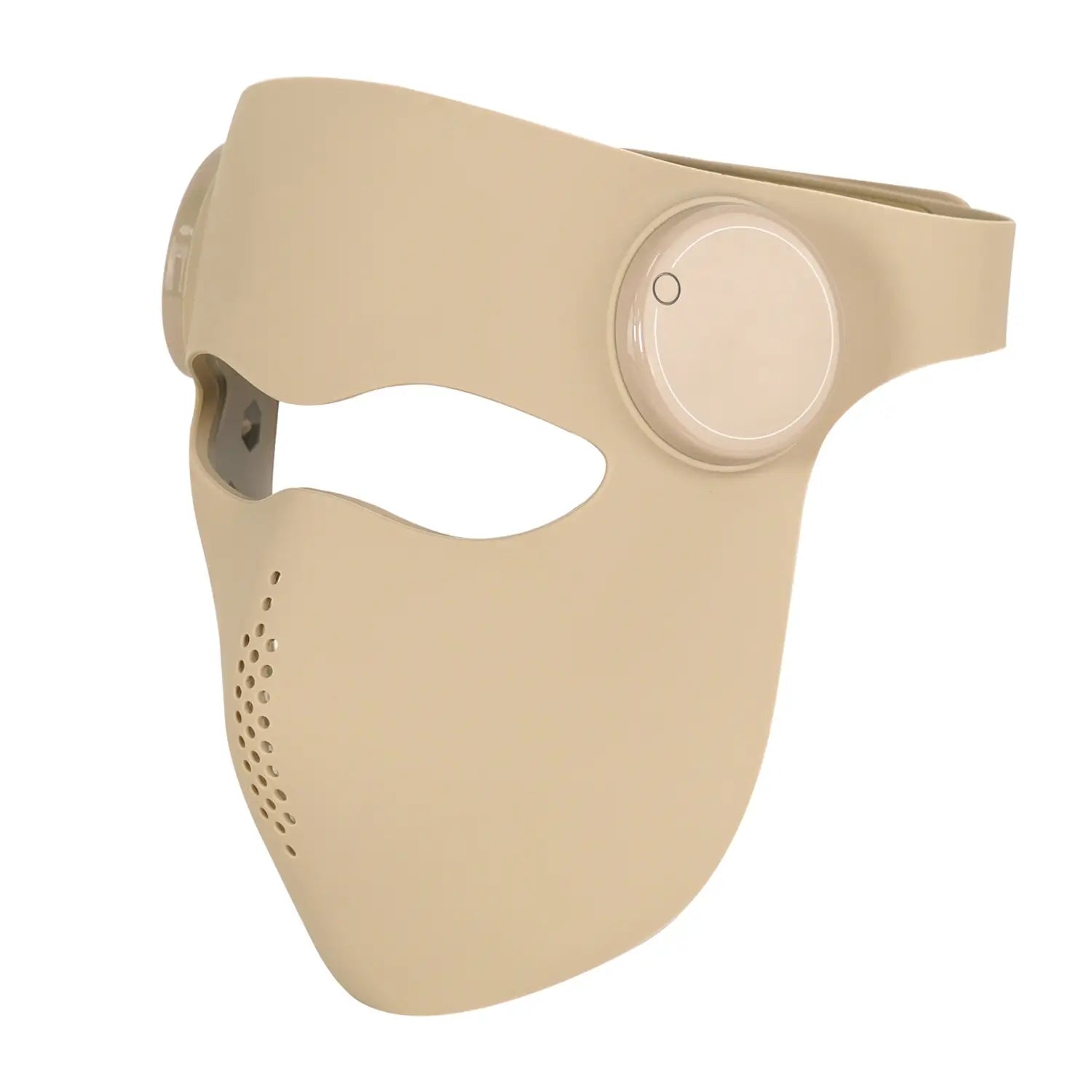
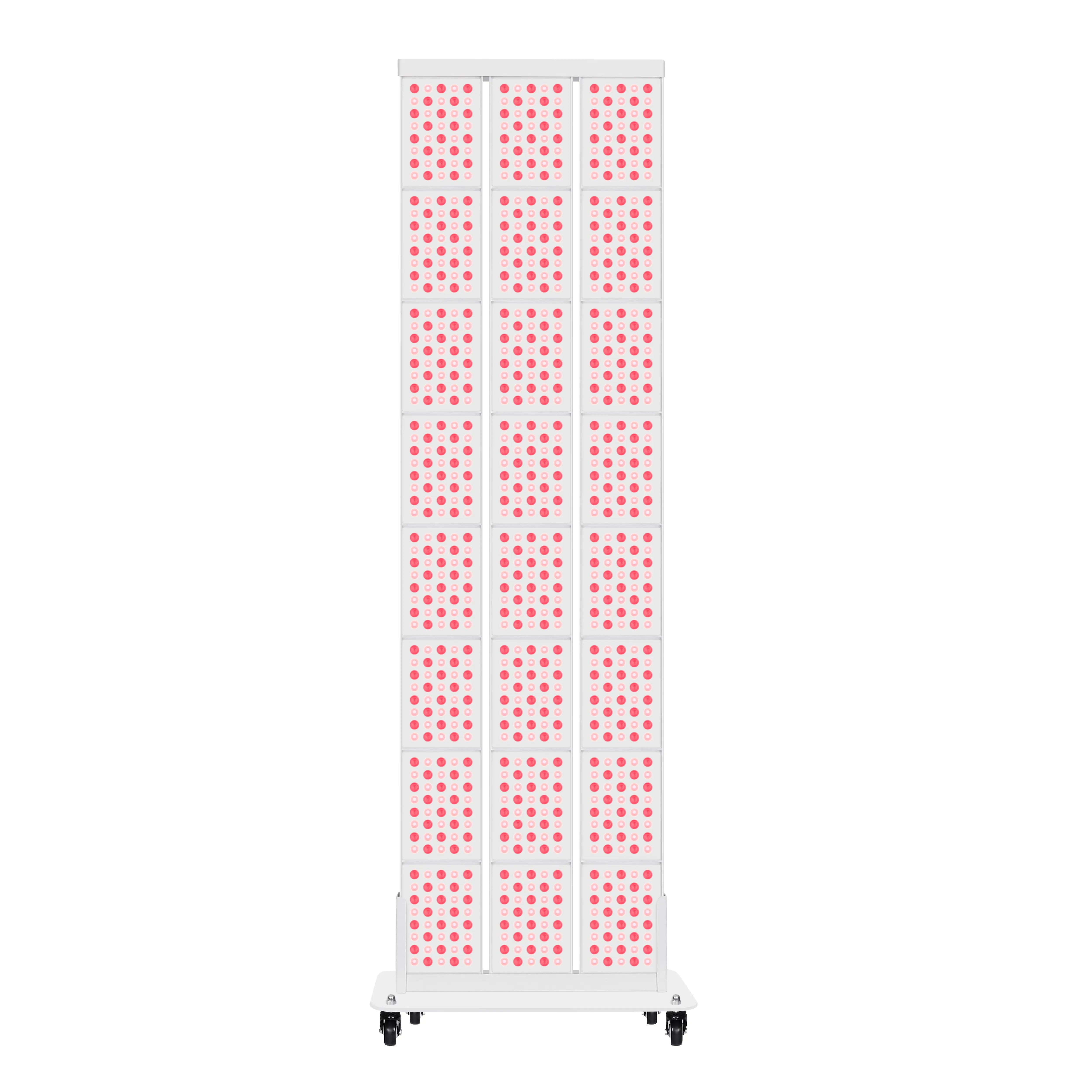
Divers generally face three practical options: in‑clinic treatments using professional laser or LED systems, home panels, and wearable belts or wraps. Evidence exists for all three classes, but the most diver‑friendly for ongoing spinal maintenance are usually home devices.
Here is a high‑level view based on how spinal studies and clinic reports describe them.
Context |
Typical device |
Key advantages |
Key trade‑offs |
Chronic low back pain with broad coverage needs |
Wall‑mounted or floor‑stand LED panel combining red and near‑infrared wavelengths |
Can bathe the entire lumbar and thoracic region; hands‑free once set up; supports other areas such as hips and shoulders |
Requires dedicated space and careful positioning at about 6 to 12 inches from bare skin; more upfront cost |
Focal lumbar or cervical disc symptoms |
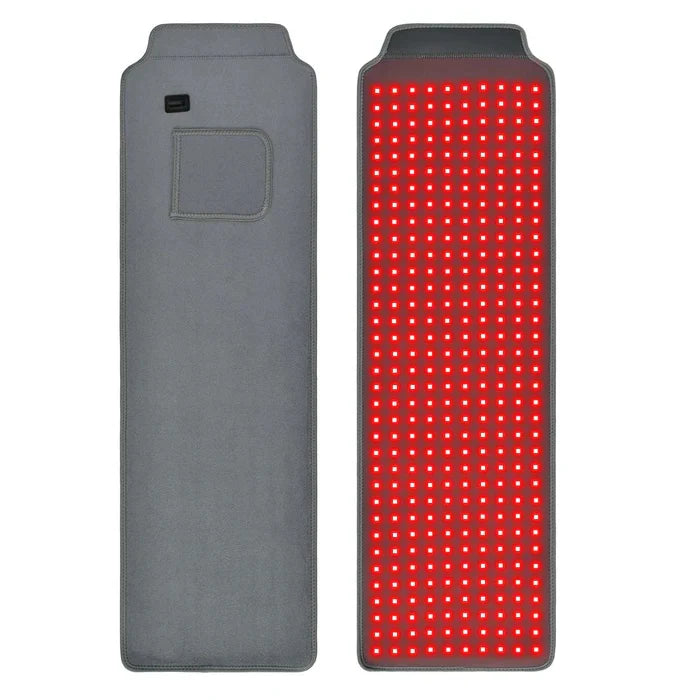
Flexible LED belt using red and near‑infrared light |
Direct, consistent contact with target area; easy to use seated or lying down; aligns closely with clinical herniated‑disc protocols |
Smaller treatment area; may be less convenient for full‑spine coverage |
Integrated care at a chiropractic or physiotherapy clinic |
Professional photobiomodulation laser or LED systems |
Higher power density and tightly controlled parameters; supervised protocols; integrated with manual therapy and exercise |
Requires appointments; less flexible for daily maintenance in a diver’s travel schedule |
Whatever route you choose, match the device to your primary goals: broad coverage after long dive days, or precise work around a known lumbar or cervical problem.
Basic Dosing Principles from Current Evidence
Spinal and musculoskeletal studies point toward several practical dosing patterns that divers can borrow while still deferring to individualized medical advice.
For chronic low back pain with belts or panels, both clinical trials and product protocols cluster around ten to twenty minutes per session over the target area. The infrared lumbar‑wrap trial involved repeated sessions over approximately six weeks. Herniated‑disc belt guidelines suggest ten to fifteen minutes per session, three to five sessions per week for eight to twelve weeks, then one or two weekly sessions for maintenance. Post‑surgery back protocols commonly use ten to fifteen minutes daily for at least four to six weeks, often longer.
For generalized musculoskeletal pain, a photobiomodulation review notes that analgesia can appear within about ten to twenty minutes and that chronic pain often requires treatment roughly every twenty‑four hours to maintain effect.
For a diver building a home protocol under healthcare supervision, a reasonable pattern inspired by these sources would be to target ten to twenty minutes per session over the lumbar region, three to five times per week during higher‑load periods (intense training blocks, frequent trips), with a transition to once‑ or twice‑weekly maintenance during lighter phases. Consistency across weeks matters more than doing occasional very long sessions.
Positioning is also important. Panel guidance from back‑pain articles suggests placing the panel within about 6 to 12 inches of bare skin, with no clothing between the light and the spine. Wearable belts, by design, sit directly on the skin or over a thin layer of fabric while conforming to lumbar or cervical curves.
Timing Around Dives and Training
Most people receiving spinal photobiomodulation report little more than gentle warmth at the treatment site and, in some cases, a feeling of relaxation afterward. That has two implications for divers. First, red light therapy is well suited for evenings after dive days, when your nervous system is winding down and the spine is stiff from tanks and ladders. Second, it is generally better to avoid experimenting with new protocols immediately before demanding dives or technical training where you rely on sharp awareness and finely tuned proprioception.
Think of light sessions as part of your recovery ritual, not as a last‑minute pre‑dive hack. Use them to prepare your spine for the next training block, not to mask symptoms so you can push through today’s pain.
Integrating Light with Other Spinal “Pillars”
The strongest spinal outcomes in the literature almost always involve multimodal care. Articles on herniated discs and bulging discs explicitly recommend combining red light therapy with physiotherapy, stretching, posture correction, ergonomic adjustments, massage, chiropractic care, acupuncture, and lifestyle changes such as anti‑inflammatory nutrition, weight management, good sleep, and stress regulation.
From a diver’s perspective, that means red light should sit alongside, not instead of, meticulous gear‑handling technique, hip and thoracic mobility work, core strength training, and adequate surface‑interval recovery. Clinics like Envision Wellness in North Carolina pair red light therapy with spinal decompression traction and other non‑surgical options to restore mobility and comfort in people whose back pain interferes with daily life. That same philosophy—using light to support a broader plan—translates well to maintaining a resilient “dive spine.”
Benefits, Limitations, and Risks for Divers
Potential Benefits
Drawing from randomized trials, mechanistic animal work, and clinical experience reports, several potential benefits for divers emerge. Red and near‑infrared light can reduce chronic low back pain intensity and improve function compared with placebo in properly dosed protocols. They appear to dampen inflammation, reduce muscle tension, and accelerate soft‑tissue healing around the spine, making it easier to stick with exercise and rehabilitation.
In post‑surgical contexts, red light therapy may lower pain and swelling and improve scar properties, supporting more comfortable adherence to walking and physiotherapy programs that eventually determine whether a diver can safely lift gear again. Preclinical spinal cord injury studies show neuroprotective and neuroregenerative effects in animal models, raising the possibility that future implantable or transcutaneous devices could modify neurological outcomes after severe spinal trauma.
Perhaps most importantly, photobiomodulation is non‑invasive, drug‑free, and generally associated with a favorable safety profile when used correctly, suggesting a way to reduce dependence on pain medications that can impair cognition or carry long‑term risks.
Limitations and Unknowns
There are important caveats. No clinical trials have tested red light therapy specifically in divers, so all applications to dive populations are based on general spinal data. Many photobiomodulation studies use small sample sizes, and some negative trials likely reflect suboptimal dosing or protocol design.
For disc conditions, red light does not structurally reverse a bulge or herniation; it supports the biology around the lesion. Benefits for chronic pain often diminish within weeks of stopping treatment, implying that maintenance sessions may be necessary rather than expecting a permanent cure from one treatment cycle.
Spinal cord injury work, while exciting, is still largely in rodent models and early pilot human studies. Extrapolating neuroprotective effects to actual traumatic injuries in divers is purely speculative at this stage and should not change acute management.
Lastly, long‑term safety data for very high cumulative red and near‑infrared light exposure are less mature than short‑term safety data. Expert groups and academic centers generally consider photobiomodulation low risk, but they also emphasize the need for continued research on lifetime exposure.
Safety Basics
Across the sources reviewed, red light therapy is repeatedly described as safe, non‑toxic, painless, and non‑invasive when used as directed. Typical side effects are mild and transient: gentle warmth, temporary redness, tingling, or slight itching at the treatment site.
However, several safety guidelines are consistent. Avoid shining high‑intensity light directly into the eyes; use appropriate eye protection when treating areas near the face or when panels are positioned at head level. Do not treat directly over open wounds or infected skin unless under medical guidance. Be cautious over areas with metal implants and seek approval from your surgeon or specialist before using light over spinal hardware.
Red light therapy should not be applied over known or suspected active malignancies, active infections, or the thoracoabdominal and pelvic regions of pregnant women, according to photobiomodulation safety recommendations. Certain rare conditions such as scleroderma and malignant hyperthermia have also been flagged as contexts where light or heat may be problematic. People taking photosensitizing medications or living with photosensitive disorders should discuss risks with their physician before starting.
Finally, remember that a “FDA‑cleared” label on a device indicates an assessment of safety for a specific use case, but does not guarantee effectiveness. Regulatory agencies evaluate safety more than efficacy in this category, so medical supervision and realistic expectations remain essential.
FAQ
Can red light therapy replace my back specialist or decompression treatments?
Red light therapy should not replace medical evaluation, diagnostic imaging when indicated, or established treatments such as physiotherapy, spinal decompression traction, or surgery when those are clearly needed. Clinics that specialize in back pain and spinal decompression often integrate red light as a complementary tool to reduce inflammation and pain while traction or rehabilitation address structural and mechanical issues. Think of red light as a powerful adjunct within a comprehensive plan, not a stand‑alone fix.
How quickly might a diver notice changes in spinal comfort?
Timelines vary, but the patterns in clinical and product protocols are similar. Some individuals report relief within days or the first week, especially for muscular pain and post‑surgical discomfort. However, most structured programs for herniated discs, chronic low back pain, or post‑operative recovery emphasize consistent use for four to twelve weeks before expecting robust, durable changes. It is better to think in terms of cycles of several weeks, aligned with your training or trip schedule, rather than single “miracle” sessions.
Is it safe to use red light therapy between repeated dive days?
For most healthy divers without contraindications, using red or near‑infrared light on the spine between dive days is generally considered low risk, especially at the modest doses used in home devices. The key is to avoid using light therapy as an excuse to ignore escalating symptoms or neurologic warning signs. If your pain is intensifying, spreading, or accompanied by new numbness, weakness, or changes in bladder or bowel function, you should pause self‑directed interventions and seek medical assessment instead of simply increasing session time.

Closing Thoughts
If you are serious about protecting your spine for decades of diving, think like a systems optimizer. The evidence suggests that red and near‑infrared light can meaningfully reduce spinal pain, support tissue healing, and, in early‑stage models, even protect neural tissue, but only when layered onto smart training, solid rehabilitation, and medical common sense. Use the light to calm inflammation, feed your mitochondria, and buy yourself better quality movement, then invest that margin in strength, mobility, and technique. That is how a diver turns photobiomodulation from a gadget into a genuine longevity tool for the spine.
References
- https://nsuworks.nova.edu/cgi/viewcontent.cgi?article=2599&context=ijahsp
- https://www.birmingham.ac.uk/news/2024/red-light-therapy-for-repairing-spinal-cord-injury-passes-milestone
- https://pmc.ncbi.nlm.nih.gov/articles/PMC2539004/
- https://safety.dev.colostate.edu/book-search/SqYand/6GF223/red__light_therapy__for-sciatica.pdf
- https://www.uclahealth.org/news/article/5-health-benefits-red-light-therapy
- https://www.cwc-familychiro.com/red-light-therapy-a-pain-management
- https://exstaticchiropractic.com/benefits-of-red-light-therapy/
- https://www.hellophysio.sg/treat-back-pain-with-red-light-therapy/
- https://www.linkedin.com/posts/school-of-infection-inflammation-and-immunology-university-of-birmingham_professor-zubair-ahmed-talks-about-red-light-activity-7333493238764367875-We66
- https://luminoushealthsolutions.com/pbm-red-light-therapy-for-spinal-cord-injuries/