

If you hang around biohackers long enough, you’ll eventually see the glow: full‑body red panels, light beds, helmets, and masks promising everything from better skin to better sleep. As someone who has spent years nerding out on light wavelengths and mitochondrial biology, I love the potential here—but chronic illness is where the hype absolutely has to meet data.
This article walks through where red light therapy (also called low‑level laser therapy or photobiomodulation) genuinely moves the needle for chronic illness, where it is promising but early, and how to integrate it sanely into a long‑term recovery plan instead of chasing yet another “miracle” device.
How Red Light Therapy Works At The Cellular Level
Most therapeutic devices use visible red and near‑infrared light roughly in the 600 to 850 nanometer range. Medical centers such as MD Anderson Cancer Center describe red light therapy as a continuous beam of low‑energy red light, often around 630 to 700 nanometers, aimed at tissue to improve healing and blood flow.
Across multiple sources, the mechanism is surprisingly consistent. Red and near‑infrared light are absorbed by mitochondria, particularly by the enzyme cytochrome c oxidase. Clinics focused on immunity and recovery, such as Deeply Vital Medical and Clinic 5C, point out that this stimulation increases adenosine triphosphate (ATP), which is your cell’s energy currency. More ATP means cells have the fuel to repair, regenerate, and maintain healthy function instead of just playing defense.
Researchers and clinical centers also repeatedly highlight two downstream effects. The first is inflammation modulation: places like Deeply Vital Medical and Physical Achievement Center describe reductions in pro‑inflammatory cytokines and increases in anti‑inflammatory mediators, shifting the body away from chronic low‑grade inflammation and toward repair. The second is microcirculation: Elevate Health and Physical Achievement Center emphasize that red and near‑infrared light boost nitric oxide, dilate blood vessels, improve capillary growth, and enhance lymphatic drainage.
When you combine more ATP, calmer inflammatory signaling, and better blood and lymph flow, you get exactly the cellular environment that chronic illness often strips away. That is why you see the same triad of claims—less pain, better skin, smoother recovery—show up across hospitals, dermatology departments, sports clinics, and chronic illness practices.
As a concrete example, a large controlled trial published and summarized in the National Library of Medicine database used full‑body red and red–near‑infrared lamps twice a week for thirty sessions. Volunteers reported better skin feel and complexion, and ultrasound showed higher collagen density with no skin damage, all from non‑thermal light doses around the mid‑600‑nanometer band. That is a classic signature of red light’s “more repair, less collateral damage” profile.

Chronic Pain And Inflammation: Where The Evidence Is Strongest
For chronic illness, pain is usually the first battlefield. Here, red light therapy is not just spa marketing; there is a substantial body of musculoskeletal research under the broader name photobiomodulation therapy.
A comprehensive narrative review in the medical literature on low‑intensity laser and LED photobiomodulation reports that properly dosed red and infrared light can reduce pain and inflammation in common musculoskeletal conditions with no documented serious adverse effects. Mechanistic work shows that these wavelengths can dampen pain signaling in peripheral nerves and nociceptors, reduce pro‑inflammatory mediators such as prostaglandin E2 and certain interleukins, and improve local blood flow.
Clinical data back this up. In non‑specific knee pain, a randomized trial using multi‑wavelength photobiomodulation plus standard physical or chiropractic care achieved about a fifty percent reduction in pain scores, which was roughly fifteen percent better than placebo, with better function maintained a month after treatment. A larger meta‑analysis covering more than one thousand people with knee osteoarthritis found that red and infrared light, when applied at recommended doses along the joint line, significantly reduced pain compared with sham treatment at the end of therapy and up to several weeks later.
Physical therapy‑driven clinics like Fyzical and Monarch Medical echo these findings in real‑world practice, using red light as an adjunct for arthritis, tendonitis, chronic back pain, post‑surgical recovery, and even peripheral neuropathy. A systematic review in Pain and Therapy summarized by Fyzical found that photobiomodulation improved nerve regeneration and significantly reduced burning and tingling in diabetic and chemotherapy‑related neuropathy.
The pattern you see across these sources is consistent: red light therapy reduces inflammatory pain and improves function, particularly in tissues that are close to the surface—arthritic knees, sore tendons, stiff backs, post‑operative scars—when it is used repeatedly over weeks, not as a one‑off.
Imagine a person with knee osteoarthritis doing standard exercise and physical therapy three times a week. If those sessions are paired with properly dosed red light on the joint line, meta‑analytic data suggest a clinically meaningful extra reduction in pain versus exercise alone. It is not that the light replaces movement or medication; it turns the dial down on pain enough that more movement and rehab become possible.

Skin, Wounds, And Visible Symptoms That Matter In Chronic Illness
When patients think “red light,” they often think vanity, not chronic illness. That is short‑sighted. For autoimmune and chronic inflammatory patients, skin integrity and wound healing are more than cosmetic; they are clues about underlying tissue repair.
Dermatology departments and academic groups have taken red light seriously for years. A controlled trial of large‑area red and red–near‑infrared photobiomodulation in more than one hundred volunteers showed statistically significant improvements in skin texture and intradermal collagen density after thirty non‑thermal sessions, with benefits still apparent at six‑month follow‑up. There were no major adverse events, and ultraviolet exposure was negligible.
The Stanford dermatology group notes that the best established dermatologic uses today are hair and skin. For hair, red light appears to enhance blood flow and nutrient delivery to hair follicles. Clinical data summarized by Stanford suggest regrowth and thickening in thinning areas when treatment is consistent over several months. They also emphasize an important caveat: once you stop, benefits typically fade, and dead follicles in completely bald areas do not come back.
For skin rejuvenation, Stanford points to hundreds of studies showing that red light can increase collagen and modestly reduce wrinkles and fine lines, although not every device or protocol performs equally. Cleveland Clinic and Healthline similarly describe modest improvements in scars, redness, sun damage, and acne when red light is used regularly and often combined with other dermatologic procedures.
A narrative review from Duke University focusing on red LED light in dermatology found the strongest evidence for acne vulgaris, with additional support in cancerous and pre‑cancerous lesions and some chronic inflammatory skin diseases. Across almost sixty studies and nearly two thousand patients, red LED phototherapy was generally well tolerated with minimal long‑term side effects.
Why does this matter for chronic illness? Many conditions—autoimmune connective tissue disease, diabetes, chronic steroid use—show up first in the skin. If red light can safely improve microcirculation, collagen, and inflammatory tone in the skin, it is often a visible proxy for deeper tissue health. Think about a person with a chronic inflammatory condition whose surgical scars and small wounds finally start closing faster after a few months of consistent red light. That does not prove systemic disease reversal, but it signals that the local biology is shifting toward repair instead of chronic injury.

Brain, Fatigue, Immunity, And Complex Chronic Illness: Promising, But Early
Pain and skin sit on the “solid evidence” end of the spectrum. Brain fog, fatigue, immune resilience, and syndromes like fibromyalgia or POTS sit in the “promising but early” category.
Cognitive function and brain health
Several teams are testing whether near‑infrared light delivered through the skull and even through the nostrils can support cognition. UCLA Health describes early research in people with dementia where intranasal and transcranial red light produced significant improvements in cognitive function without major side effects. In one study they highlight, people with mild to moderate dementia received six minutes of red light per day for eight weeks and showed measurable gains.
WebMD reviews ten dementia studies and notes that all reported benefits ranging from better memory and sleep to fewer behavioral outbursts after head and intranasal light therapy over about twelve weeks. However, they stress that most studies were small and lacked robust controls. A research abstract in photonics focusing on infrared therapy in an Alzheimer’s mouse model adds intriguing preclinical support: irradiated transgenic mice performed better on a standard memory maze, suggesting that infrared light can influence neuropathology and cognition in animals.
In practice, this means that if someone with early cognitive decline wants to experiment with transcranial red light, there is real early human data and strong animal data, but no definitive clinical protocol. It is the kind of intervention that should be done under supervision, ideally inside a research‑savvy clinical program, rather than as a solo home experiment.
Fatigue, fibromyalgia, dysautonomia, and “mystery” syndromes
Connective Wellness, a clinic that works extensively with complex chronic illness, uses red light as a gentle support for conditions such as Ehlers‑Danlos syndrome, postural orthostatic tachycardia syndrome (POTS), fibromyalgia, myalgic encephalomyelitis or chronic fatigue syndrome (ME/CFS), mast cell activation issues, chronic pain, anxiety, and sleep problems. They emphasize that sessions are passive, non‑thermal, and usually last fifteen to thirty minutes while the patient remains fully clothed and reclined, which matters for people who are overwhelmed by more aggressive treatments.
Deeply Vital Medical connects these kinds of fatigue‑dominant conditions to mitochondrial and immune dysregulation and cites data from the International Journal of Molecular Sciences suggesting that red light can improve mitochondrial output, circulation, fatigue, and immune resilience in chronic fatigue populations. The large musculoskeletal photobiomodulation review also includes trials in fibromyalgia, with some studies showing six to eight point drops in pain, fewer tender points, and better function, especially when red light is combined with exercise.
At the same time, not every study is positive. The pain review includes a trial in adolescents and young adults with temporomandibular disorders where red light at a particular dose did not outperform placebo. That is a critical reminder: wavelength, dose, treatment points, and overall protocol matter, and chronic illness physiology is notoriously variable.
In real life, think of a person with fibromyalgia who can barely tolerate exercise without crashing. If low‑intensity, whole‑body red light calms pain and inflammation enough that they can gradually increase their walking or physical therapy without flare‑ups, the light becomes a force multiplier. But it is not a short cut around movement, sleep, and nervous‑system retraining.
Immune function, infections, and long‑tail recovery
Deeply Vital Medical highlights several lines of evidence that red and near‑infrared light modulate immunity: lowering pro‑inflammatory cytokines such as IL‑1β and IL‑18, boosting anti‑inflammatory cytokines such as IL‑10, and enhancing macrophage and T‑helper cell activity. Clinical reports they summarize suggest that, when used two or three times per week for about twenty to sixty minutes, many people notice improved immunity, energy, and infection recovery within four to six weeks.
Physical Achievement Center echoes this by describing improvements in lymphatic drainage and oxidative stress control, which in turn reduce the chronic inflammatory load that drives many long‑term illnesses. Clinics oriented toward integrative medicine, such as Clinic 5C and Connective Wellness, routinely pair red light with detox protocols, sauna therapy, and vagus‑nerve‑focused work as part of a broader inflammation and immune‑regulation strategy.
The infection and post‑viral space, including long COVID‑like presentations, is still under active study. Deeply Vital Medical notes that clinical data suggest faster recovery from viral infections and symptom relief in long COVID through reduced oxidative stress and improved immune function. These reports are early but consistent with what we see mechanistically at the mitochondrial and cytokine level.
For someone who catches every cold and takes weeks to shake it, structuring a red light block—say, three sessions per week for six weeks alongside sleep optimization, nutrient support, and gentle movement—may be a reasonable experiment, with the expectation of incremental resilience rather than bulletproof immunity.
Devices, Dosing, And How To Build A Rational Protocol
The Light Therapy Geek in me loves gadgets, but chronic illness management lives or dies on protocol, not hardware alone. Several major medical centers and reviews give us useful guardrails.
Choosing between clinic and home devices
Cleveland Clinic, Healthline, UCLA Health, University Hospitals, MD Anderson Cancer Center, and WebMD all make the same core point: devices used in dermatology offices, pain clinics, and research settings are usually more powerful, standardized, and better characterized than consumer gadgets. At‑home masks, panels, caps, and wands are convenient and widely available but tend to deliver lower power and can vary in quality and safety features.
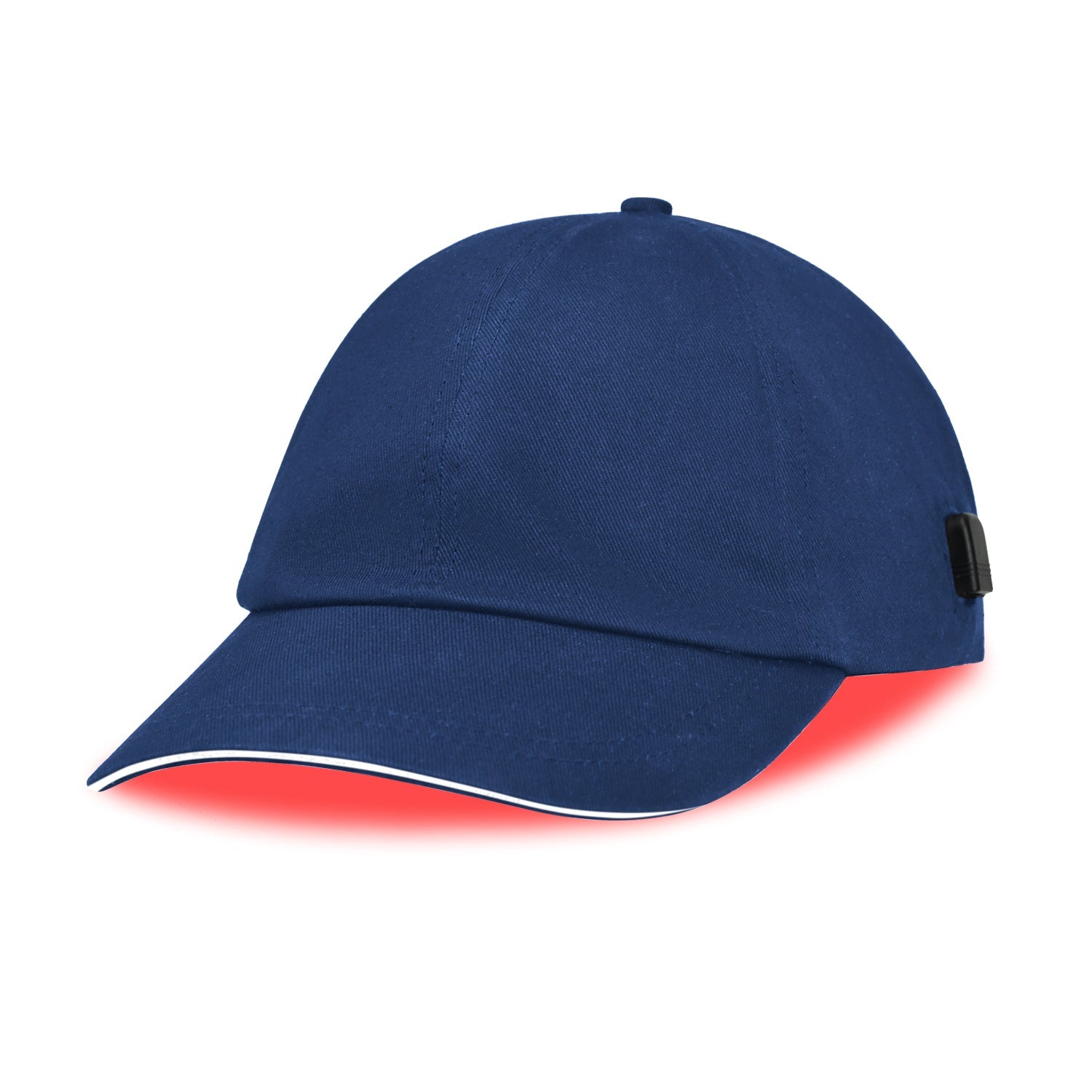
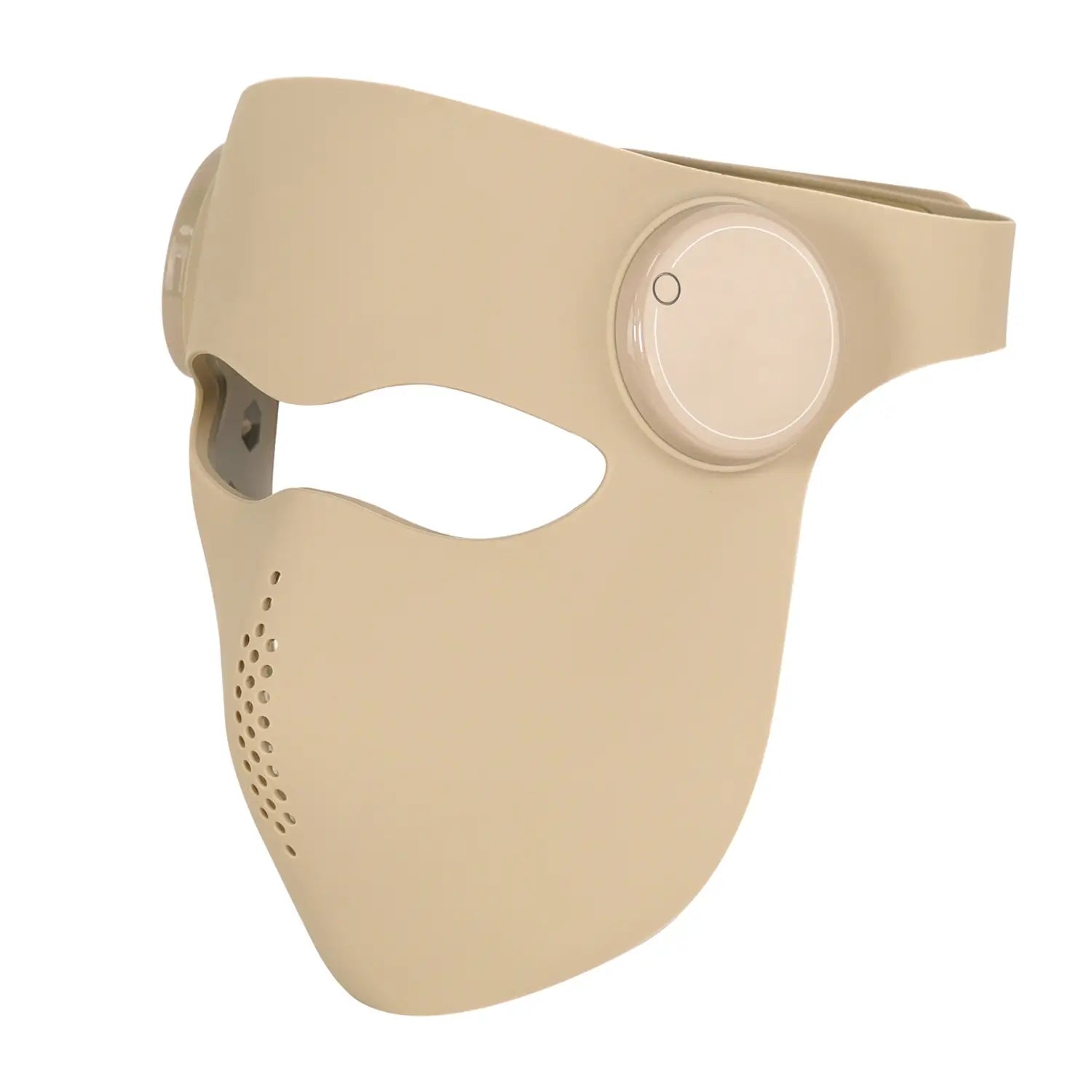
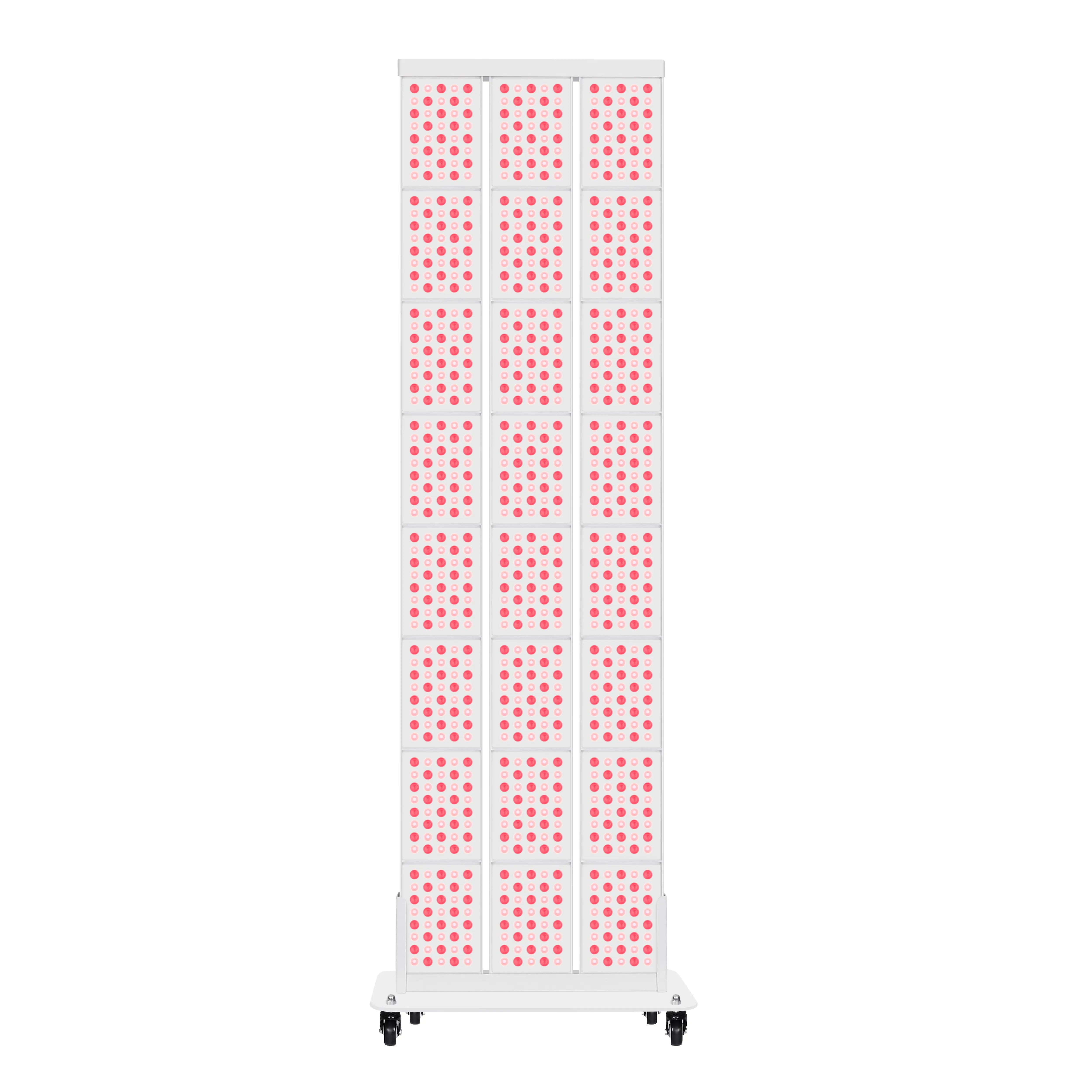
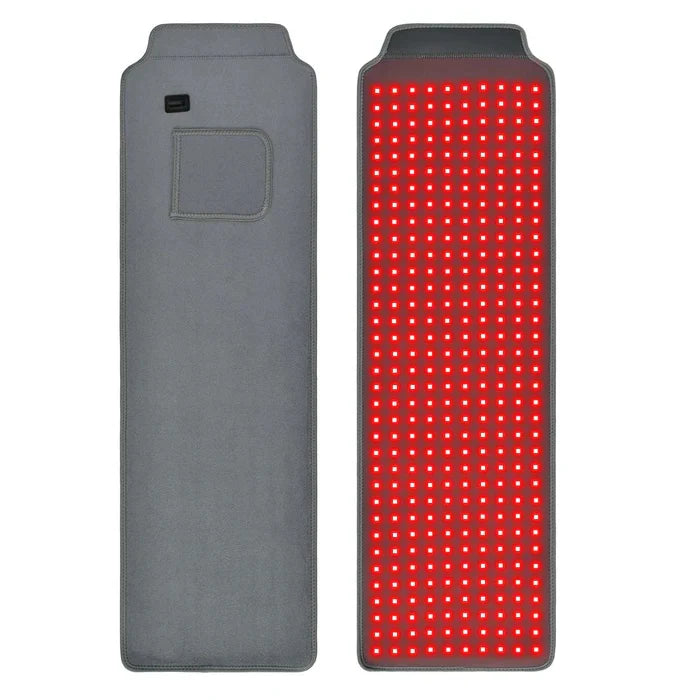
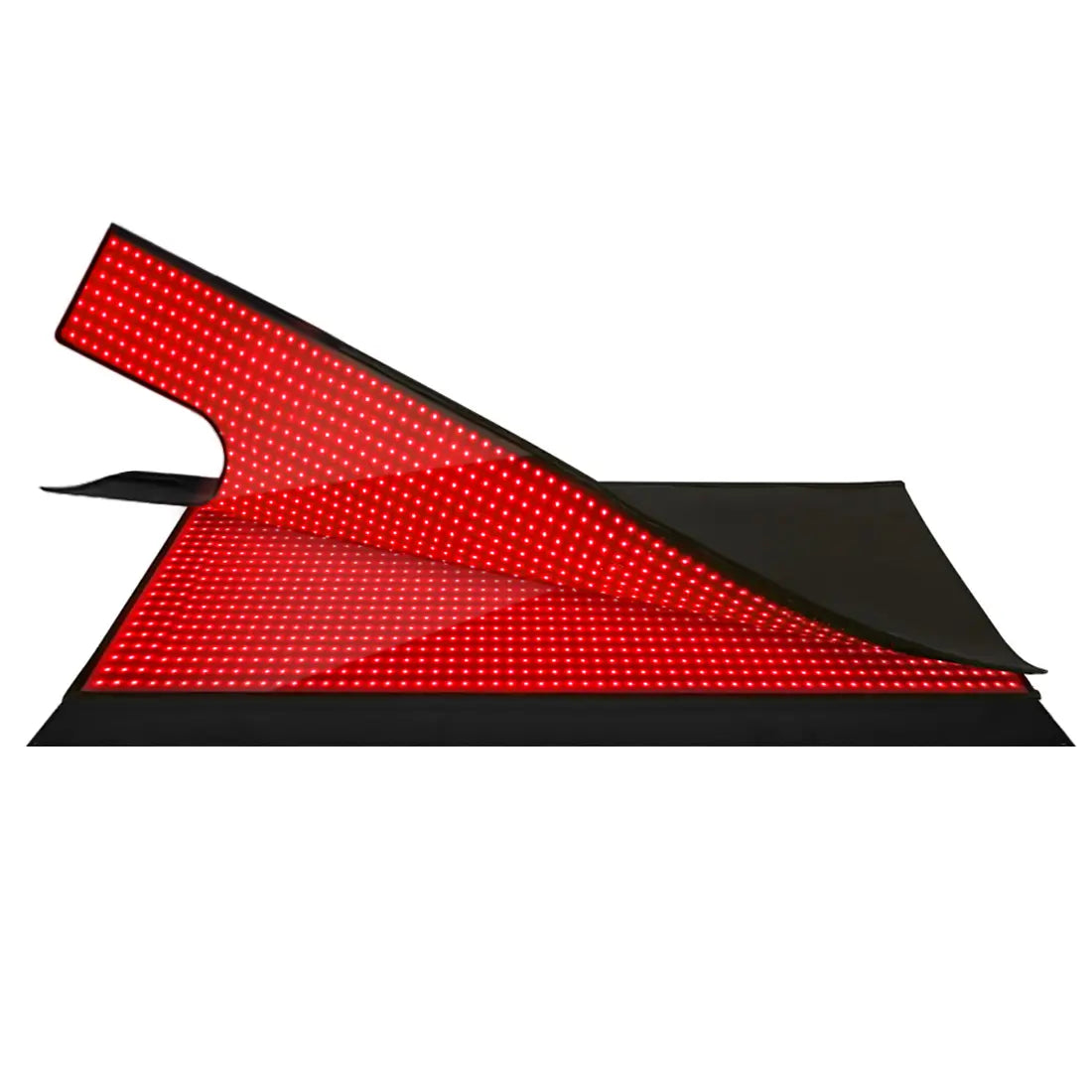
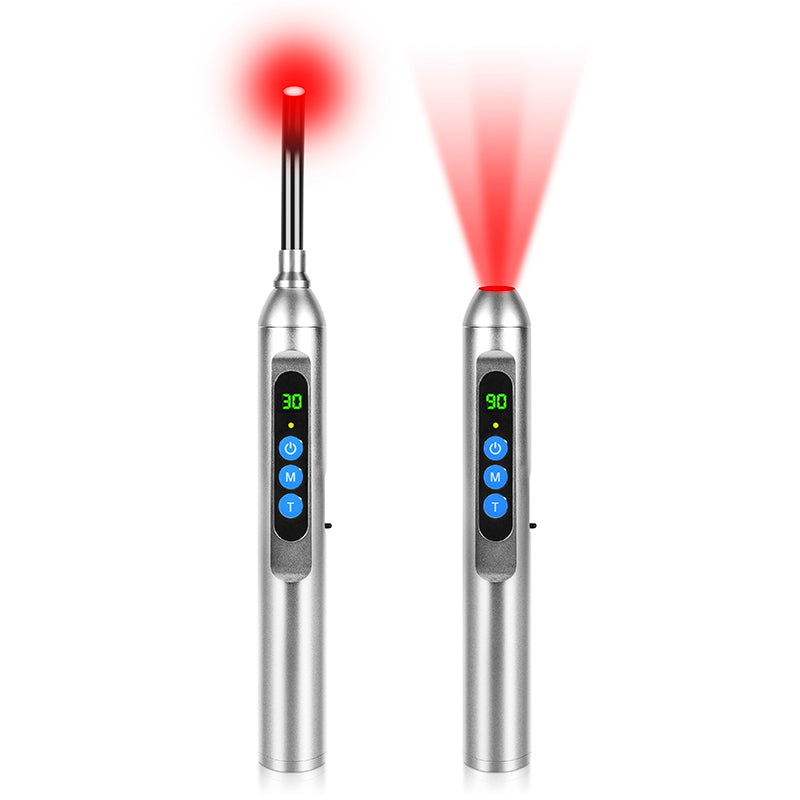
Different devices excel at different jobs. UCLA Health outlines common formats: full‑body beds that look like tanning beds, helmets and caps for scalp or brain, facial masks for skin and acne, wall‑mounted panels for large areas, and handheld wands for very specific spots such as a single knee or the backs of the hands. WebMD offers a similar breakdown.
The practical approach for a chronic illness patient is often a blend. Complex pain, post‑surgical recovery, or cancer‑related side effects such as oral mucositis may be best handled with clinic‑grade lasers or panels under supervision, as described by MD Anderson and Fyzical. Skin maintenance, hair support, or gentle whole‑body mitochondrial support can often be transitioned to a carefully chosen home panel or cap once you know your system tolerates light well.
University Hospitals notes that home devices can start under one hundred dollars, while larger and more sophisticated gear runs into the hundreds or thousands; WebMD estimates around eighty dollars per in‑office session. So a person doing two clinic treatments per week for six weeks is looking at close to a thousand dollars out of pocket if insurance does not cover it. For many, a strategy of a short supervised series to dial in response, followed by a mid‑range, FDA‑cleared home panel used consistently, is more sustainable.
Frequency, duration, and how long to keep going
Deeply Vital Medical observes that many patients notice improvements in immunity, energy, and recovery when they use red light two to three times per week for twenty to sixty minutes for about four to six weeks. The large skin trial with full‑body lamps delivered thirty sessions twice weekly, with benefits still visible months later. Chronic pain photobiomodulation trials often use daily or near‑daily sessions during acute phases, then gradually taper.
UCLA Health stresses that photobiomodulation is not a one‑time treatment; it requires consistent use, and researchers are still refining ideal protocols. They highlight that in many pain studies, benefits diminish within weeks after stopping therapy. Stanford’s dermatology group reports the same for hair regrowth: stop the light, and gains usually fade.
From a planning perspective, that means treating red light the way you would treat physical therapy or strength training. You define a block, such as a six‑ to eight‑week phase, and commit to regular sessions. Then you reassess. For example, someone with chronic knee pain might do three sessions per week for eight weeks, paired with exercise. If their pain scores drop substantially and function improves, they can shift to weekly maintenance or keep the block going. If nothing changes after a realistically dosed block, it is time to redirect resources.
Where red light fits inside a chronic illness plan
Medical and rehab organizations consistently frame red light as an adjunct, not a replacement. Fyzical describes it as a useful ally that should not replace standard physical therapy. Monarch Medical integrates it with exercise, stretching, injections, and medications such as duloxetine or pregabalin. Elevate Health combines red light with chiropractic care, physical therapy, and hyperbaric oxygen. Connective Wellness routinely uses it alongside craniosacral therapy, physical therapy for hypermobility, low‑dose naltrexone, sauna protocols, and vagus nerve work. Clinic 5C layers it into functional medicine plans for burnout, autoimmune flares, and post‑surgical recovery along with nutritional and detox strategies.
In practice, that might look like a person with fibromyalgia and POTS doing a weekly stack: a red light session, a gentle physical therapy session targeting deconditioning, and a short guided breathwork or vagus‑nerve session, repeated for several months. The light makes tissues and nerves less reactive, the movement retrains the body, and the nervous‑system work quiets the “alarm.” That is how you use light as leverage, not as a magic bullet.

Safety, Risks, And Who Should Be Cautious
One of the reasons red light has become so popular is its safety profile. Across sources such as Cleveland Clinic, Healthline, MD Anderson, Stanford, WebMD, and multiple narrative reviews, short‑term, properly dosed red light therapy is generally described as safe, non‑invasive, and non‑UV.
There are still real risks and caveats.
Eye protection is non‑negotiable at higher intensities. MD Anderson has patients wear goggles and eye shields to prevent retinal damage from direct laser exposure. WebMD reports that high‑level red LED exposure can cause eye injury, so protective goggles are advised even with non‑laser devices used near the face.
Skin reactions are uncommon at therapeutic doses but possible at high intensities or with overuse. WebMD cites an early clinical trial where very high red LED levels caused blistering and redness. MD Anderson notes case reports of skin burns and takes precautions to minimize them. Healthline and Cleveland Clinic both recommend following manufacturer instructions closely and not assuming that “more light for longer” is better.
Certain populations need extra caution. The musculoskeletal photobiomodulation review recommends avoiding active cancer areas, active infections, and the thoracoabdominal or pelvic region in pregnant women when using these devices. WebMD advises that people on medications that increase photosensitivity, or those with a history of skin cancer or eye disease, should consult a physician before using red light. UCLA Health points out that people with darker skin may be at higher risk for hyperpigmentation from red light and recommends dermatology guidance first.
Pregnancy data are limited but somewhat reassuring. WebMD cites a study of three hundred eighty pregnant women who received laser light treatments and found no harm to parent or fetus, but experts still call for caution and individualized medical advice, especially for non‑essential uses.
The financial risk may be larger than the medical one. University Hospitals and Healthline both note that red light therapy is usually not covered by insurance, and costs add up quickly when you need repeated sessions over weeks or months. Given that evidence for some chronic illness indications is still emerging, it is wise to budget for a time‑bound experiment rather than an open‑ended spend.
A simple way to think about safety is to ask three questions before starting: Is this being used on top of, rather than instead of, proven treatments for my condition? Do I understand the device’s wavelength, power, and recommended dose, including eye protection? Do I have a plan for how long I will try this before I reassess?
Quick Evidence Snapshot For Common Chronic Problems
The landscape is complex, but several reputable organizations paint a reasonably coherent picture. The table below summarizes a few key chronic issues and what current evidence and clinical practice suggest.
Chronic issue |
Evidence summary |
What to expect if it helps |
Osteoarthritis and joint pain |
Multiple randomized and controlled trials plus meta‑analyses show reduced pain and better function when doses are optimized (summarized in Lasers in Medical Science and larger PBMT reviews). |
Noticeable pain reduction and easier movement over weeks, particularly in load‑bearing joints like knees. |
Fibromyalgia and chronic widespread pain |
Trials and reviews show mixed but often positive results, especially when combined with exercise, with some studies reporting large pain and tender‑point reductions. |
Less tenderness and stiffness, better tolerance for activity, but usually as part of a broader program. |
Acne and chronic inflammatory skin |
Narrative and clinical reviews from dermatology journals and Duke University show strong evidence for acne and some chronic inflammatory skin diseases. |
Fewer lesions, calmer redness, smoother texture after a series of treatments. |
Hair thinning (androgenic alopecia) |
Stanford dermatology and multiple reviews (summarized by WebMD, UCLA Health) report increased hair density and thickness with consistent use. |
Gradual thickening and filling‑in over months; benefits tend to fade if treatment stops. |
Dementia and cognitive decline |
Early small human trials and reviews show cognitive improvements with intranasal and transcranial red light, but studies are small and not definitive. |
Potential modest cognitive gains in supervised settings; still considered investigational. |
For a person managing complex chronic illness, the signal is clearest in inflammatory pain and certain skin and hair conditions; brain and systemic immune benefits are promising but still in the research phase.
FAQ For The Serious Light Therapy Experimenter
Q: Can red light therapy replace my medications or physical therapy?
Most major medical sources, including Cleveland Clinic, MD Anderson, Fyzical, and Monarch Medical, position red light as a complement rather than a replacement. It can reduce pain and inflammation, making it easier to move, rehab, and sometimes reduce medication doses under supervision, but it does not substitute for disease‑modifying drugs, targeted rehab, or essential procedures. For chronic illnesses such as rheumatoid arthritis, reviews show short‑term improvements in pain and morning stiffness, but not enough to justify abandoning standard care.
Q: How quickly should I expect to feel something?
Timelines vary by condition and protocol. Deeply Vital Medical notes that many people notice better energy and resilience within four to six weeks of two or three sessions per week. In pain trials, some analgesia appears within ten to twenty minutes after treatment, but sustained improvements usually require repeated sessions over several weeks. In dementia studies summarized by UCLA Health and WebMD, cognitive gains were measured after eight to twelve weeks of daily or near‑daily transcranial and intranasal sessions. For skin rejuvenation, mask studies and full‑body lamp trials often use three months of consistent use before evaluation.
Q: Is a full‑body panel or bed better than a small, targeted device?
It depends on your goals and budget. Full‑body beds and large panels can deliver systemic exposure and are useful in settings like the large skin and collagen trial or whole‑body chronic pain and recovery clinics described by Elevate Health, Physical Achievement Center, and Clinic 5C. They are also more expensive and usually require clinic visits. Small panels and handheld wands are effective for focused targets: a sore knee, a post‑surgical scar, localized acne, or a cluster of neuropathic symptoms. Many chronic illness patients start with targeted work on the worst pain or skin issues, then layer in broader exposure once they know their system responds well.
From a veteran light‑therapy geek’s perspective, red light is not a panacea—but it is one of the few “biohacks” that has crossed the line from internet lore into serious clinical exploration at institutions ranging from MD Anderson Cancer Center and Stanford dermatology to Cleveland Clinic and university‑based pain and sleep programs. If you treat it as a structured experiment—clear goals, defined time frame, honest tracking—rather than a miracle box, it can become a powerful ally in chronic illness management, nudging your biology back toward healing while you do the deeper work of rebuilding your health.
References
- https://scholars.duke.edu/individual/pub1683616
- https://healthsciences.arizona.edu/news/stories/exploring-phototherapy-new-option-manage-chronic-pain
- http://ui.adsabs.harvard.edu/abs/2016SPIE.9709E..0QH/abstract
- https://pmc.ncbi.nlm.nih.gov/articles/PMC3926176/
- https://med.stanford.edu/news/insights/2025/02/red-light-therapy-skin-hair-medical-clinics.html
- https://www.mainlinehealth.org/blog/what-is-red-light-therapy
- https://www.mdanderson.org/cancerwise/what-is-red-light-therapy.h00-159701490.html
- https://my.clevelandclinic.org/health/articles/22114-red-light-therapy
- https://www.gundersenhealth.org/health-wellness/aging-well/exploring-the-benefits-of-red-light-therapy
- https://www.uclahealth.org/news/article/5-health-benefits-red-light-therapy