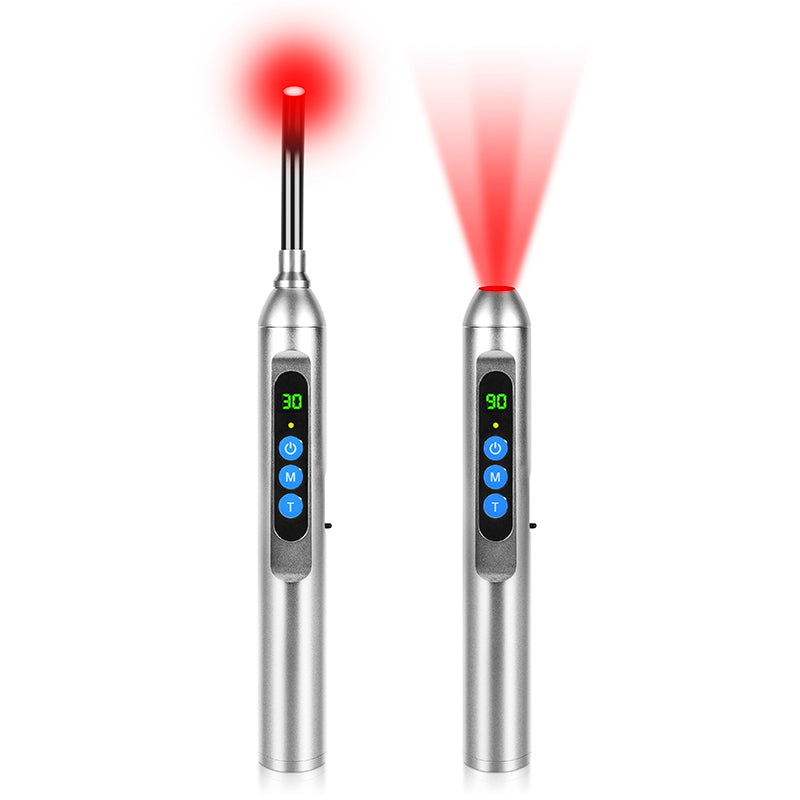

Red light therapy has become one of the few “biohacks” I am willing to recommend to cautious caregivers and older adults—provided we stay honest about what the science actually shows. Used well, it can be a gentle, non-drug way to support aging skin, joint comfort, and possibly even aspects of brain health. Used poorly, it is just another expensive light box gathering dust.
In this article, I will walk you through what red light therapy really is, where the evidence is strongest for seniors, how at-home devices compare with professional systems, and how to build a safe, realistic routine in an elderly home-care setting. Everything here is grounded in the research you would see from places like Cleveland Clinic, Stanford Medicine, UCLA Health, and peer-reviewed clinical trials, not social media hype.
Red Light Therapy 101: What It Actually Does
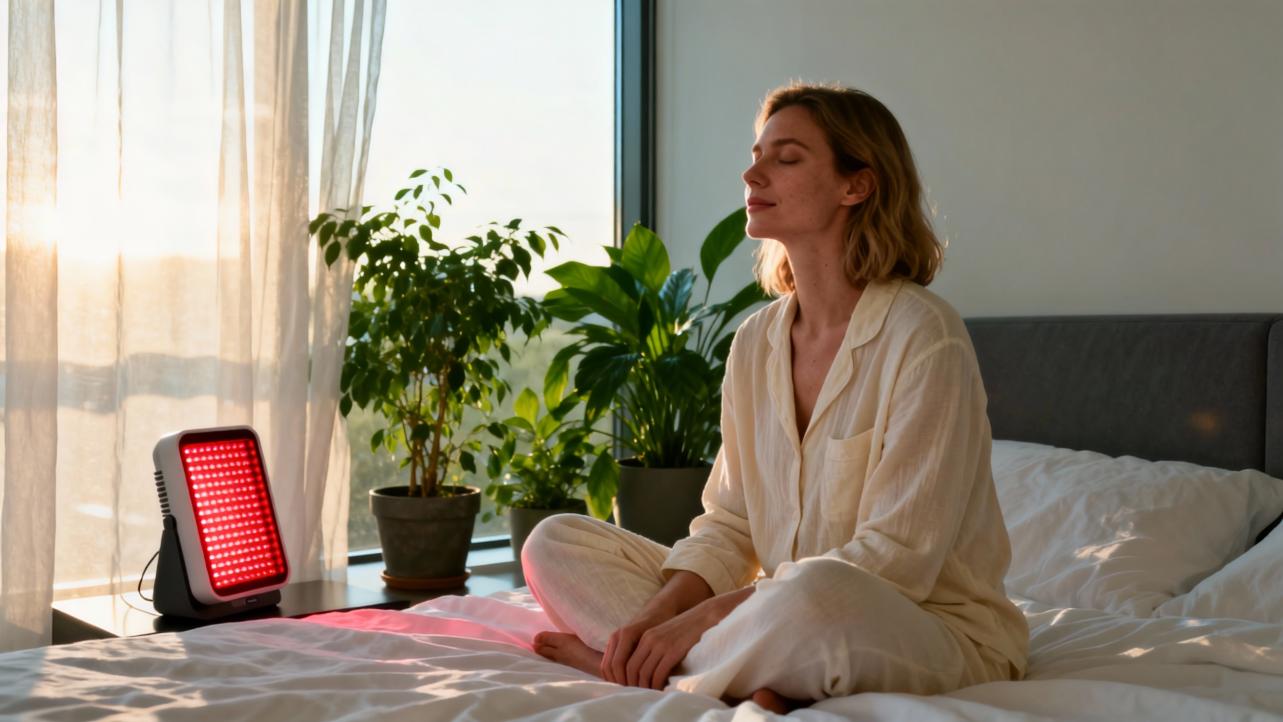
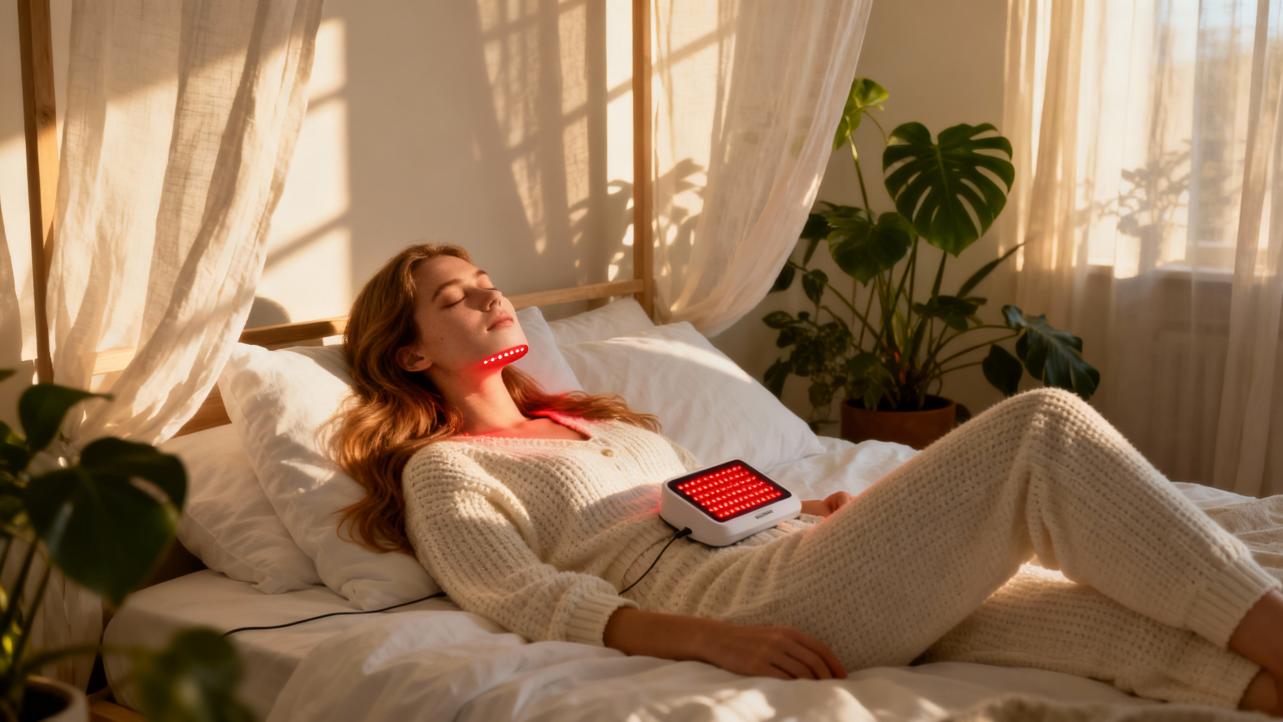
Red light therapy, sometimes called low-level light therapy or photobiomodulation, uses specific bands of red and near-infrared light to nudge cells into performing better. Most therapeutic devices focus on visible red light around roughly 630–670 nanometers and near-infrared light around roughly 800–850 nanometers, with some broader references spanning about 600–1,000 nanometers.
Cleveland Clinic explains that these wavelengths are absorbed in the mitochondria, the “power plants” of the cell, and can increase energy production (ATP), enhance collagen and fibroblast activity, improve blood circulation, and reduce cellular inflammation. Research summarized by Fuel Health Wellness and BodySpec echoes this: the core mechanism is a light-triggered boost in mitochondrial function that shifts cells into a more repair-oriented, less inflamed state.
Stanford Medicine frames this under the broader term “photobiomodulation,” which became an official medical subject heading in 2015 as the number of studies exploded. Importantly, they note that different wavelengths of light have very different biological effects. Shorter wavelengths can destroy cells; longer red and near-infrared wavelengths, when dosed correctly, tend to promote healing, cell growth, and collagen production rather than destruction.
Red light therapy also needs to be distinguished from photodynamic therapy. In dermatology and oncology, red light is sometimes used together with a photosensitizing drug to kill damaged cells in certain early skin cancers and other conditions. Both Stanford Medicine and Cleveland Clinic emphasize that red light on its own does not destroy skin cancers; in home wellness contexts, we are talking about low-level photobiomodulation, not cancer treatment.
Different parts of the light spectrum reach different tissues, which matters enormously in elderly care:
Wavelength band |
Typical range (approx.) |
Main tissue reach and targets |
Examples relevant to seniors |
Evidence snapshot |
Visible red light |
About 620–670 nm |
Primarily skin and upper dermis |
Fine lines and wrinkles, sun damage, mild acne, superficial inflammation |
Hundreds of small human studies; one at-home mask study showed substantial wrinkle and firmness improvements over 3 months in adults 45–70 |
Near-infrared light |
About 780–900 nm (often ~850 nm) |
Deeper tissues, up to several inches, reaching muscles, joints, and possibly brain tissue |
Joint and back pain, tendon issues, deep muscle recovery, experimental brain and heart applications |
Growing body of animal and early human data; promising but not definitive for systemic issues |
Blue-enriched light |
Around 460–470 nm |
Retina and circadian system rather than deep tissue |
Circadian rhythm, cognition, and mood in long-term-care residents |
A double-blind trial in a care facility showed measurable cognitive gains and reduced tension with daily blue light vs dim red placebo |
That third row is important. While this article centers on red and near-infrared light, one of the strongest clinical studies in seniors comes from blue light used to tune circadian rhythms. It reminds us that older brains are still very responsive to light, and that proper scheduling and spectrum matter as much as gadget shopping.
Finally, there is the “dose curve.” A clinical trial of an at-home red LED mask for facial aging, published in a dermatology journal, used a very precise protocol: 12-minute sessions, twice weekly, with about 21.7 milliwatts per square centimeter at 630 nm. The authors emphasize the “biphasic” dose response, also called the Arndt–Schulz law: a moderate, well-spaced dose can trigger repair, while too little does nothing and too much or too frequent exposure may actually inhibit benefits. That principle becomes crucial when you design routines for frail or medication-heavy older adults.

Where Red Light Therapy Helps Seniors Most
In a senior home-care context, I think of red light therapy across three domains: skin integrity and appearance, pain and physical function, and early-stage brain and cardiovascular applications. The evidence strength is not equal across these, so I will separate what is well supported from what is still emerging.
Skin Quality, Integrity, and Confidence
For older adults, skin is not just cosmetic. Thinning, fragile skin tears easily, heals slowly, and often becomes a source of discomfort and self-consciousness. Red light’s best documented success so far is in skin rejuvenation.
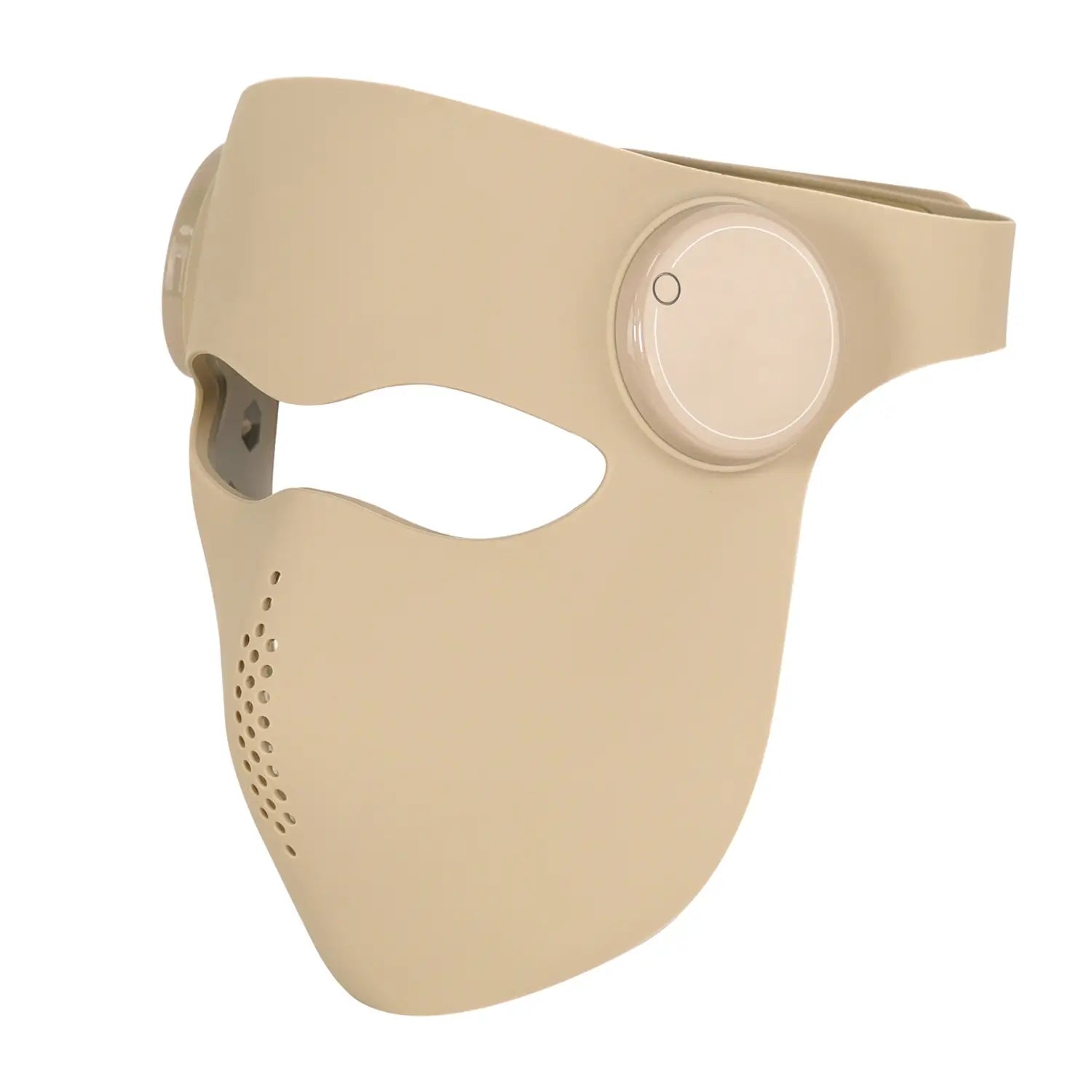
A single-arm clinical study of an at-home red LED mask (Skin Light Dior x Lucibel) followed 20 volunteers aged 45 to 70 over three months. The mask emitted non-heating red light around 630 nm at an intensity of about 21.7 milliwatts per square centimeter. Each session lasted 12 minutes, twice per week, with at least 72 hours between sessions to respect cellular recovery. Despite the modest schedule, the results were strikingly consistent by day 84:
Wrinkle depth at the crow’s feet region fell by about 38 percent, clinical sagging scores dropped by roughly 25 percent, dermal density increased by nearly 48 percent, and skin roughness and pore diameter both decreased noticeably. Sebum production fell by about 70 percent, and participants reported smoother, firmer, more homogeneous skin tone. Follow-up measurements at 2 and 4 weeks after stopping treatment showed that these gains largely held steady, suggesting structural rejuvenation rather than a fleeting “pump.” The protocol was well tolerated, including in darker skin types, when eye protection and pre-programmed dosing were used.
Cleveland Clinic and UCLA Health both note that the Food and Drug Administration has cleared several home-use red light devices for aging skin. Dermatologists often pair red light with other techniques like creams, microneedling, or peels to soften fine lines and improve texture. However, both institutions also stress that expectations should be realistic. Effects are modest, not a surgical face-lift, and require regular use over weeks to months.
For an older adult at home, this is actually a feature, not a bug. A twice-weekly, 12-minute session, similar to the mask study, amounts to just under 5 hours of total light-time across three months. That is a very manageable workload in a home-care routine, especially if you habit-stack it with relaxation, breathing exercises, or audiobooks.
Joint Pain, Stiffness, and Mobility
Chronic pain and stiffness are where most caregivers hope red light therapy will shine. The reality is encouraging but nuanced.
Fuel Health Wellness summarizes clinical data showing up to a 35 percent reduction in inflammatory markers after 4 weeks of three sessions per week, as well as about a 21 percent improvement in post-exercise muscle recovery and lower perceived pain when red or near-infrared light is used consistently. The underlying benefits include enhanced mitochondrial ATP output, reduced oxidative stress, better blood flow, and more efficient tissue repair. BodySpec similarly highlights red light’s role in decreasing inflammation, improving circulation, and supporting recovery for arthritis, back pain, and sports injuries.
Cleveland Clinic lists red light therapy as under investigation for pain and inflammation in conditions such as ankle tendonitis, rheumatoid arthritis, carpal tunnel syndrome, and knee osteoarthritis. At the same time, both Cleveland Clinic and Stanford experts caution that the evidence base is still limited and heterogeneous. Many trials are small, use different devices and doses, and do not focus exclusively on seniors. Claims that red light robustly improves athletic performance or chronic pain across the board are not yet backed by high-quality, standardized evidence.
That said, different expert sources converge on something very practical for home caregivers: an initial block of 10 to 20 minutes per session on the target area, three to five times per week, for about 4 weeks. That yields roughly 12 to 16 sessions before you judge response. Fuel Health Wellness recommends treatment logs—pain ratings, mobility scores, and notes on daily activities—to see whether those sessions translate into real-world improvements. A chronic pain review cited by that article found that twice-weekly maintenance sessions could help stabilize pain levels for at least 6 months after an initial improvement phase.
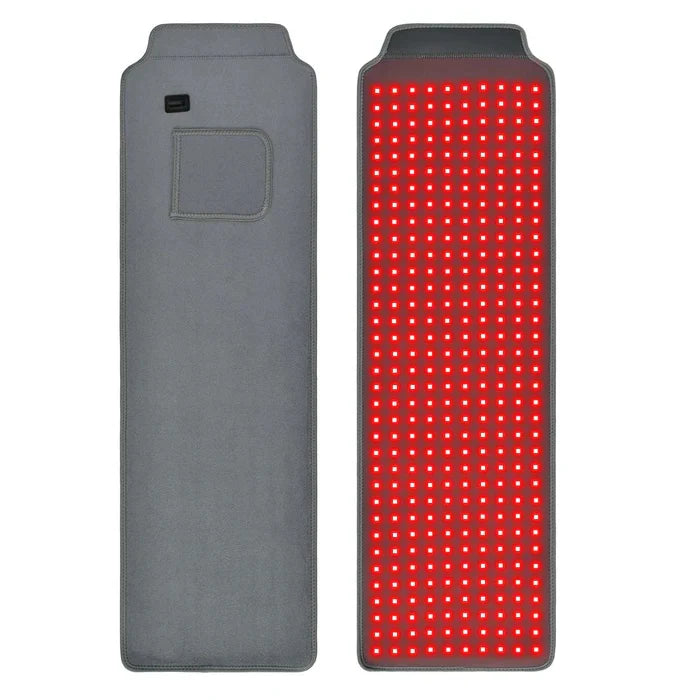
If an older adult in your care has knee pain, a realistic home protocol with a decent LED panel might look like this: three evenings a week, they sit in a comfortable chair with the panel about 6 to 12 inches from the knee, as many manufacturers recommend, for 15 minutes. Over 4 weeks, that is a total of 180 minutes of knee exposure. That is a small, measurable investment you can evaluate against changes in walking distance or stair tolerance.
The key is to treat red light as a complement, not a replacement, for established pain management. It may allow a reduction in some medications over time, but that is a decision to make with a physician once you see documented functional gains, not in anticipation of them.
Brain Health, Dementia, Mood, and Sleep
The most emotionally charged use of light in seniors is around dementia and cognitive decline. Here, we need to separate two related but different tools: environmental blue-enriched light for circadian and cognitive support, and near-infrared brain photobiomodulation devices.
A randomized, double-blind, placebo-controlled trial in a Pennsylvania long-term care facility, published in the Journal of the American Medical Directors Association, tested blue light in a general nursing-home population. Residents, many with dementia and mood disorders, received about 400 lux of blue LED light at around 464 nm for 30 minutes each weekday morning for 4 weeks. The placebo group received about 75 lux of red light from the same device.
Three of four composite scores on a computerized cognitive battery (MicroCog) improved significantly more in the blue-light group than in the red-light placebo group, with gains on general cognitive functioning and information-processing accuracy. The tension and anxiety subscale of the Profile of Mood States also improved significantly only in the blue-light group. Depression scores and daytime sleepiness did not change much, but the study still demonstrated that carefully scheduled, relatively low-intensity light can measurably sharpen cognition and ease anxiety in frail older adults.
On the red and near-infrared side, several early-stage efforts are under way. Alzheimer’s Society describes a Canadian near-infrared headset (Neuro RX Gamma) that delivers light through the skull and nostril. In a tiny 2017 pilot with five people with dementia, participants reported better cognitive function, improved sleep, fewer angry outbursts, less anxiety, and less wandering. A further study in 2018 suggested the device was safe and might improve some cognitive measures. But both studies had very small sample sizes and no proper control group, so, as Alzheimer’s Society stresses, no firm conclusions about effectiveness can be drawn.
UCLA Health highlights a 2021 study in mild-to-moderate dementia where people used a near-infrared device directed at the head for 6 minutes daily over 8 weeks. That study reported cognitive improvements with no significant adverse effects. At the same time, Stanford experts are very clear that claims about red light curing dementia remain largely unproven, and that most of the brain-related photobiomodulation research is still early and small-scale.
If you are caring for a parent with dementia at home and are considering a near-infrared headset, the most evidence-based attitude is to treat it as a structured experiment, not a miracle cure. A reasonable approach, with a neurologist’s knowledge, is to commit to a defined trial period similar to the 8-week research protocols, track simple metrics like orientation, agitation, and sleep, and stop if there is no clear benefit or if side effects such as headaches or increased agitation appear. At the same time, you can implement the better-validated blue-enriched daytime light strategy: consistent bright light in the morning, dimmer, warmer light in the evening, and darkness at night.
Circulation, Cardiovascular Aging, and Energy
Several wellness-oriented articles point out that red and near-infrared light can widen blood vessels and improve circulation, thereby supporting oxygen and nutrient delivery. This is consistent with the core photobiomodulation mechanism summarized by BodySpec and Fuel Health Wellness: better mitochondrial function and reduced inflammation often go hand in hand with better microcirculation.
One of the most intriguing cardiovascular pieces comes from mouse research highlighted by the University at Buffalo. In that study, middle-aged mice (roughly equivalent to human midlife) were exposed to low-dose near-infrared light from overhead LEDs for just 2 minutes per day, 5 days per week, over an 8-month period, with a brief interruption. Compared with controls, the treated mice had thinner, less stiff heart walls and better heart function. Their gait on a treadmill became more symmetrical, suggesting broader neuromuscular benefits. In a genetically engineered strain prone to severe heart disease and early death, near-infrared treatment halted disease progression and produced 100 percent survival, compared with about 43 percent survival in typical untreated mice.
Mechanistic analysis pointed toward changes in transforming growth factor beta 1, a signaling molecule involved in stem-cell activity, inflammation, and age-related disease. The authors argue that modulating such pathways with carefully dosed light may help maintain healthier cardiac structure and function with age.
Now for the critical caveat: these results are in mice, not people. The researchers themselves call for well-controlled human trials to see whether similar low-dose, long-term near-infrared exposure can safely help older human hearts. For now, we can say that the heart appears to be a responsive target in animal models, but no caregiver should treat a red light panel as a replacement for statins, blood-pressure medications, or other established therapies.
Still, the dosing pattern is instructive. Two minutes a day, 5 days a week is a weekly dose of only 10 minutes. Over 8 months, that sums to about 7 hours of total light exposure. For older adults, that kind of bite-sized daily routine is often far more sustainable than long, sporadic sessions.
Hair Density and Self-Image
Hair may seem like a vanity topic, but for many older adults, thinning hair impacts identity and mood. Interestingly, some of the earliest modern red light data came from hair-growth experiments. Stanford Medicine notes that studies dating back to the 1960s found low-level red light increased hair growth in mice, and later human studies showed that red light can stimulate hair follicles and promote regeneration. The mechanism is thought to be increased blood flow and nutrient delivery to follicles, somewhat analogous to the effect of topical minoxidil.
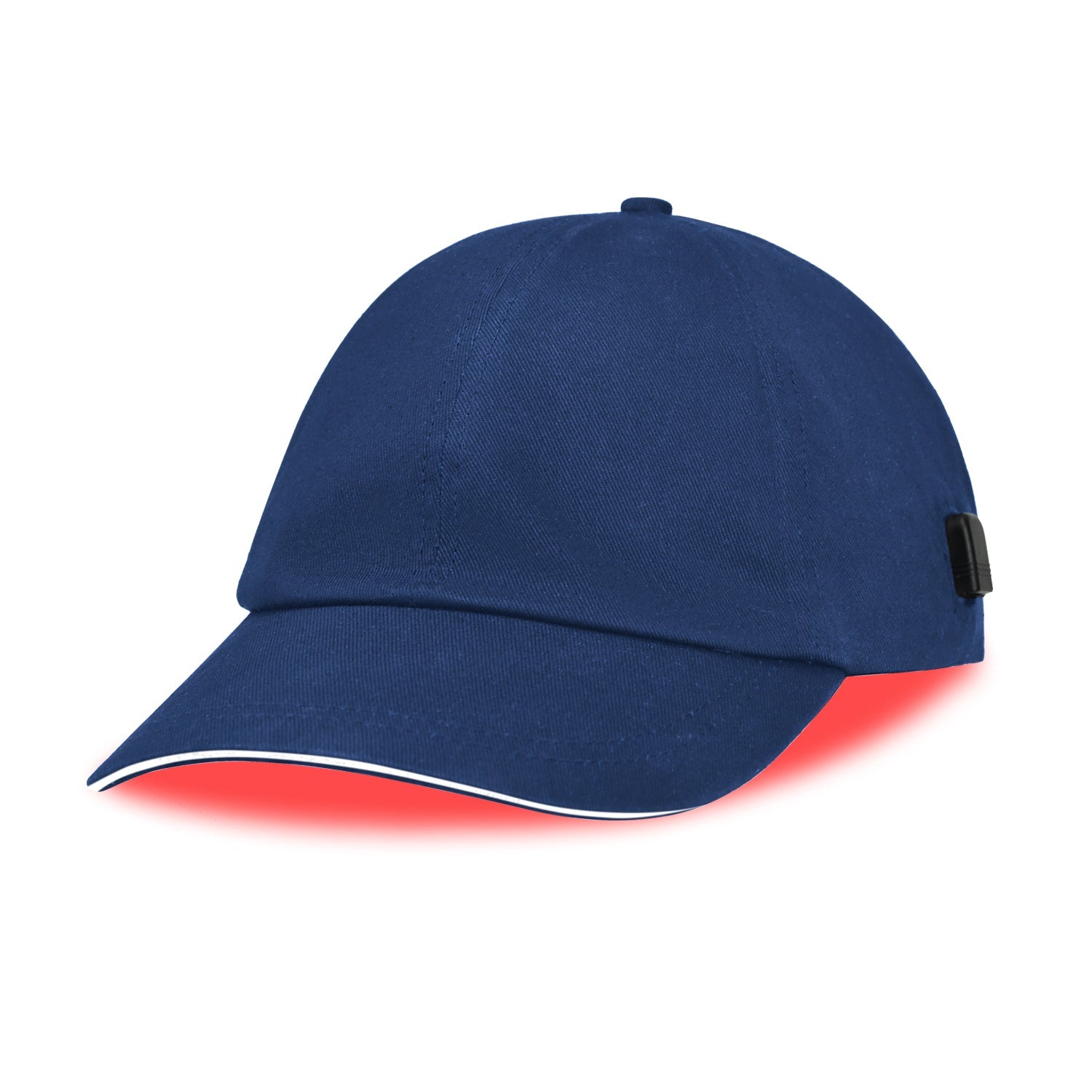
UCLA Health points out that the FDA has cleared combs, caps, and helmets that use near-infrared light for hereditary and hormonal hair loss. Repeated treatments can regrow hair and increase thickness and length, and one study even suggested outcomes roughly comparable to minoxidil for pattern hair loss. However, these benefits depend on follicle viability and ongoing treatment. Once you stop the light therapy, the benefits fade, and areas where follicles are already dead, such as completely bald patches, are unlikely to respond.
For seniors using a hair-growth cap at home, consistency is everything. Many commercial protocols involve daily or near-daily sessions of around 10 to 20 minutes. Five 15-minute sessions per week add up to 75 minutes weekly, which is a very different time commitment from a twice-weekly facial mask. If hair density and self-image are priorities and cognition is intact, this can be a worthwhile routine; in more frail or cognitively impaired elders, it may be more practical to focus on simpler, lower-burden protocols.

At-Home Devices Versus Professional Systems For Seniors
Choosing between an at-home device and clinic-based treatments is one of the most practical decisions families face. From a photobiomodulation standpoint, the biggest differences are power, coverage, and standardization.
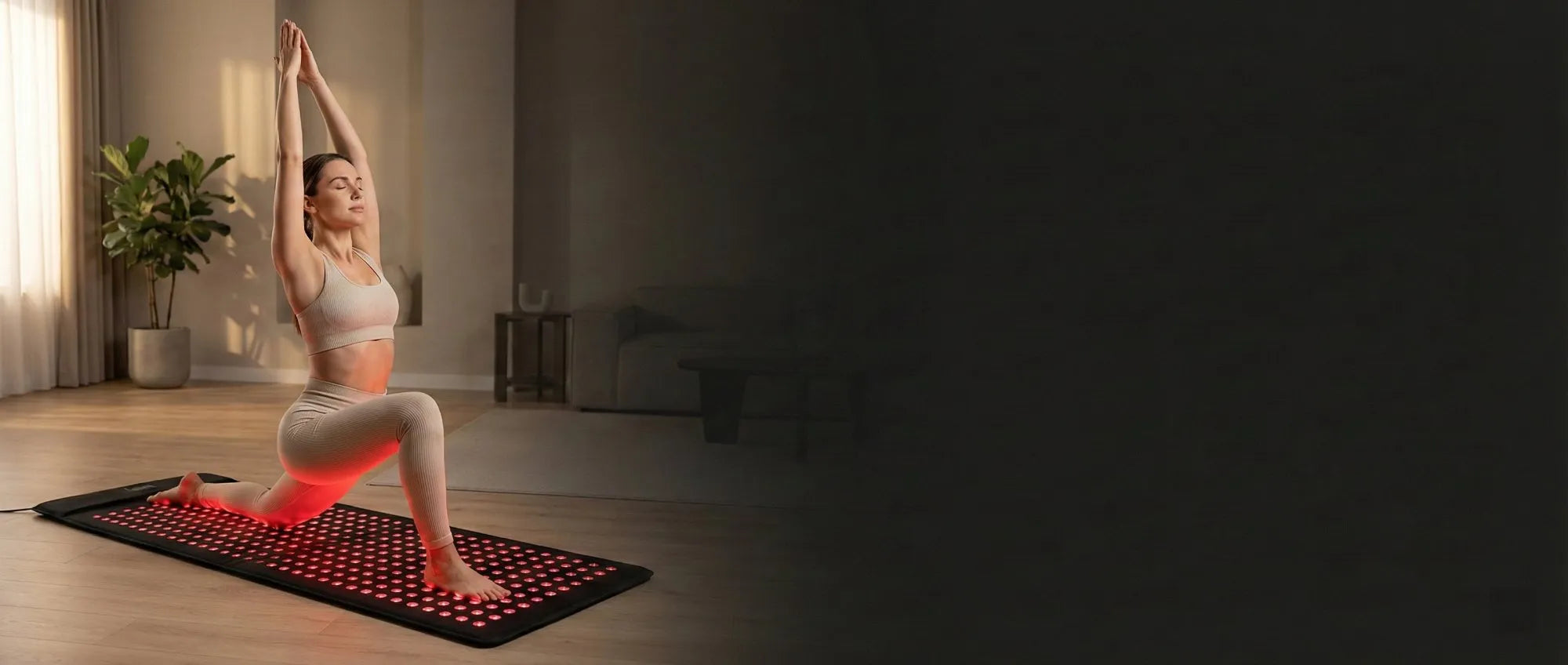
Physical Achievement Center’s clinical guide on red and near-infrared therapy spells this out. Professional full-body pods or panels often deliver power densities above 100 milliwatts per square centimeter over large areas. With that kind of uniform exposure, therapeutic energy doses can be reached in about 10 to 20 minutes for the whole body. Zero-gravity pods support the body in a neutral posture and provide 360-degree coverage, reducing musculoskeletal stress and ensuring every surface receives a consistent dose. That environment also encourages a parasympathetic “rest and digest” state, which can indirectly support healing, particularly for chronic fatigue or anxiety.
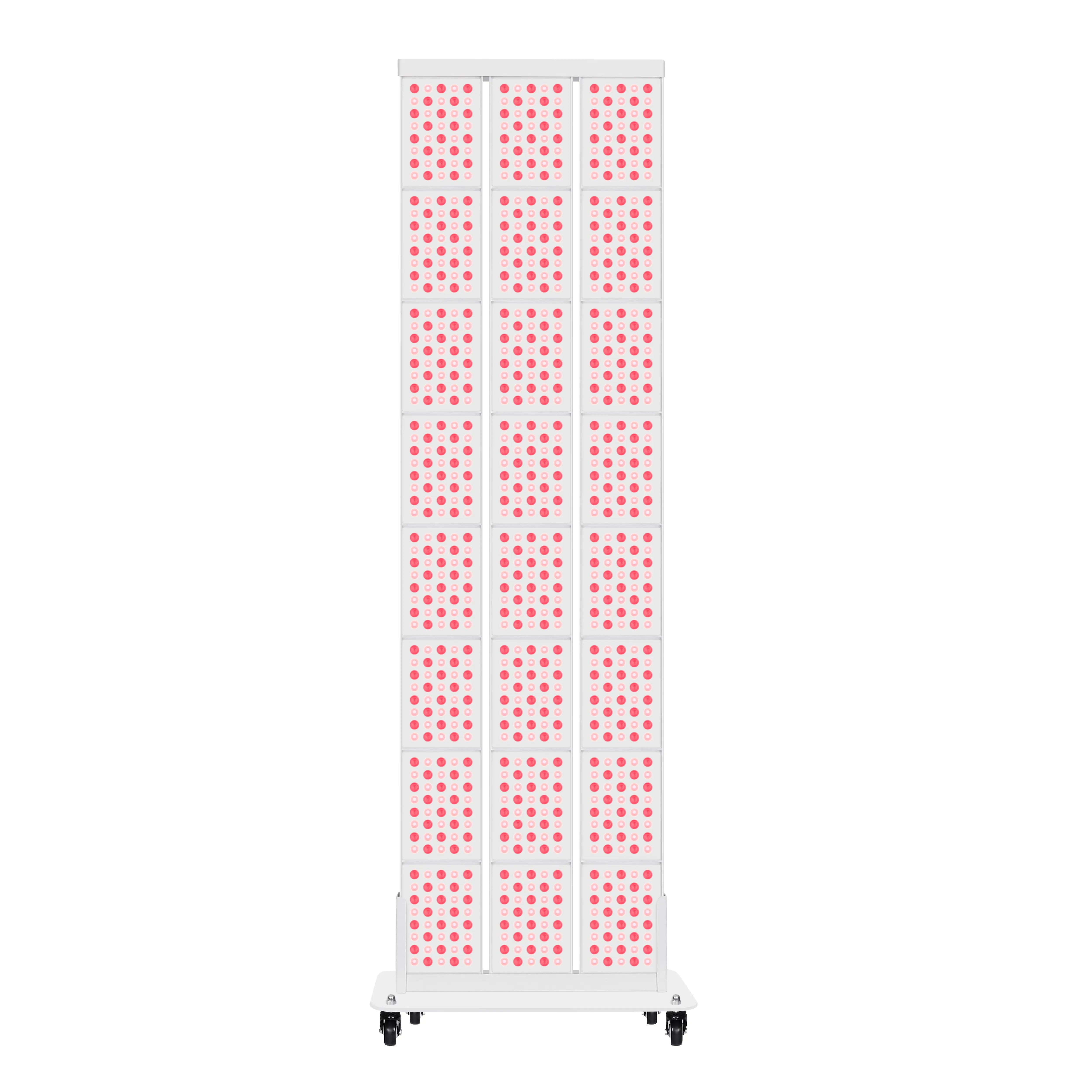
By contrast, most at-home wands, masks, and panels operate around 20 to 50 milliwatts per square centimeter and lose intensity quickly with distance. They also cover smaller areas, so treating even a modest region like the full back or both hips can take 45 to 60 minutes or more if you are repositioning the device. Many consumer tools use only a narrow slice of the red spectrum and may lack robust near-infrared output, limiting their reach into deeper muscles and joints.
Cleveland Clinic and Stanford Medicine both note that clinic devices are typically more powerful and standardized, with calibrated wavelength and intensity, while at-home devices vary widely in quality, spectrum, and dose. This makes real-world effectiveness of consumer devices harder to predict.
A simple comparison looks like this:
Parameter |
Typical at-home masks and panels |
Professional full-body pods and panels |
Power density |
Roughly 20–50 mW/cm² at close range |
Often above 100 mW/cm² across large surfaces |
Coverage |
Localized (face, single joint, small back area) |
Whole body or large regions in one session |
Session time per area |
About 10–20 minutes per small spot; 45–60 minutes to cover multiple areas |
About 10–20 minutes for systemic, full-body dosing |
Best suited goals |
Fine lines, small acne areas, minor tendonitis, maintenance |
More severe arthritis, chronic back pain, systemic inflammation, whole-body recovery |
Standardization |
User-dependent positioning and timing; inconsistent dosing likely |
Clinic protocols, calibrated devices, trained staff, more reproducible dosing |
So how should caregivers decide? For frail seniors who find travel exhausting, at-home devices are often the only realistic option, and they can absolutely deliver modest, targeted benefits for skin and localized discomfort if used consistently. For larger, deeper, or more systemic goals, a professionally supervised course of full-body photobiomodulation, when accessible, is more likely to deliver a measurable impact per unit of time.

Designing A Safe, Senior-Friendly Red Light Routine
Now let us translate all of this into a practical, safety-first framework for home use with older adults. This is not a substitute for medical care, but it reflects how veteran light-therapy users and clinical guidelines converge.
The first pillar is “start low and go slow.” The Dior mask study, along with many photobiomodulation reviews, supports a biphasic dose response where medium doses help and higher ones can backfire. Rather than jumping straight to daily 20-minute sessions, start with shorter exposures, perhaps around 5 to 10 minutes, and a frequency near the lower end of the common range, such as three sessions per week. Watch the skin and symptoms, then adjust upward only if tolerated.
For pain and mobility, many expert summaries point to a 4-week initial block: 10 to 20 minutes per session on the affected area, three to five times weekly, aiming for 12 to 16 total sessions before reassessment. If you pick 15 minutes, three times per week, that is 45 minutes weekly and 180 minutes total over a month, which is a manageable trial. During this period, use a diary to record pain scores, morning stiffness, walking distance, or ability to complete daily tasks. If you see meaningful change, you can taper to maintenance frequency, often about twice a week, as suggested by chronic pain research referenced by Fuel Health Wellness.
For skin rejuvenation, cosmetic protocols in the wellness world often push daily use, but the controlled LED mask trial showed that twice-weekly, 12-minute sessions spaced 72 hours apart produced robust improvements by three months. Given older adults’ thinner, sometimes more sensitive skin, a moderate schedule like this is a safer starting point than aggressive daily dosing, especially if the device is reasonably powerful. Once improvements stabilize, experts commonly recommend shifting to two or three sessions per week as maintenance.
Brain-directed near-infrared devices require extra caution. Here, the most responsible route is to involve a neurologist or geriatrician, share the small-study data summarized by Alzheimer’s Society and UCLA Health, and get an explicit medical opinion. In the published dementia study using 6-minute daily sessions, researchers monitored participants closely and still treated the intervention as experimental. At home, you should do the same: keep sessions short, watch for headaches, agitation, or changes in sleep, and stop if anything worsens.
Safety fundamentals cut across all use cases. Cleveland Clinic and BodySpec emphasize that red light therapy, when used properly, appears non-invasive and generally well tolerated, but overuse or misuse can damage skin or eyes. Strong devices, especially near the face, should never be stared into directly; eye protection or closed eyes with shielding are essential. People with known photosensitive conditions, those taking photosensitizing medications, anyone with active skin disease, and pregnant individuals should be extra cautious and ideally seek medical clearance before starting.
UCLA Health notes that people with darker skin tones may be more prone to hyperpigmentation from some light exposures. The LED mask study authors designed their device to reduce pigmentation risk and reported good tolerability even in darker phototypes, but this may not generalize to all consumer devices. The safest path for any significant skin concern or darker skin tone is to consult a dermatologist first. The American Academy of Dermatology Association explicitly recommends professional guidance before adding devices like this, particularly when existing conditions are present.
Cost and access also matter. Cleveland Clinic points out that red light therapy is usually not covered by insurance and often demands multiple sessions per week over weeks or months. For a family budgeting time and money for an older adult, that means every minute of light should be in service of a measurable goal, not vague “wellness.” Decide in advance what outcomes you care about, such as standing up from a chair with less pain, sleeping through the night, or feeling more confident about facial wrinkles, and design the routine around those.

How I Think About Value and Expectations For Seniors
After years of tinkering with light protocols, I no longer ask, “Does red light therapy work?” The better question is, “Where is it most likely to help this specific older adult, with the least burden and the least false hope?”
From the evidence above, cosmetic skin aging and hair density, as well as localized pain and inflammation, sit in the “modest but credible” category. You can see quantifiable changes in wrinkles, dermal density, pore size, and sebum over three months with a well-designed mask, and you can often ease joint and muscle discomfort enough to support physical therapy or daily movement.
Systemic and brain-related effects, such as dementia progression, heart aging, global fatigue, or dramatic mood shifts, belong in the “promising but early” category. We have intriguing mouse data on heart function, encouraging small dementia and cognitive trials, and conceptual mechanisms that make sense, but not yet the large, long-term, senior-specific human trials that would justify bold promises.
Finally, there is the marketing-driven zone: weight loss, cellulite removal, direct depression treatment, or sweeping claims of “reverse aging.” Cleveland Clinic is blunt that there is no scientific evidence for weight loss, cellulite treatment, or mental health cures, despite heavy online advertising. Stanford experts reiterate that many systemic claims are unproven. When I advise caregivers, I consider those off the table.
The older the adult, the more we must bias toward safety, simplicity, and realistic wins. A protocol that gently improves knee comfort and skin confidence, while fitting into existing routines, will always beat a heroic, complex regimen that overwhelms both caregiver and elder.
Short FAQ
Is red light therapy safe for my 80-plus parent at home?
Short-term, directed use of red and near-infrared light appears generally safe when you follow manufacturer instructions, protect the eyes, and avoid overexposure. Cleveland Clinic describes red light therapy as non-invasive and non-toxic when used correctly, and studies such as the 3‑month LED mask trial reported excellent tolerability even in older adults. However, seniors often have thinner skin, multiple medications, and conditions like diabetes or cardiovascular disease. That is why medical organizations and dermatology experts recommend checking with a healthcare professional, especially if your parent has photosensitive disorders, darker skin with a history of pigment issues, or active skin diseases.
Should we start with a home device or try professional sessions first?
It depends on your goals and logistics. Physical Achievement Center and similar clinical programs argue that professional, full-body systems are more efficient and reliable for deep, systemic goals like severe arthritis, chronic back pain, or whole-body inflammation because they deliver higher, more uniform doses in 10 to 20 minutes. On the other hand, at-home devices are more convenient, private, and better suited for localized issues, such as facial aging, small acne areas, minor tendonitis, or maintenance after a professional course. For many families, a reasonable strategy is to begin with a well-chosen, evidence-aligned home device for a targeted goal, run a 4‑ to 12‑week experiment, and consider professional care later if deeper or faster results are needed and travel is feasible.
How quickly will we know if red light therapy is helping?
Most credible sources emphasize that red light therapy is not a single-session fix. Fuel Health Wellness describes typical starter protocols as three to five sessions per week for about 4 weeks (12 to 16 sessions) before judging pain or inflammation changes. The LED mask study showed early skin improvements by one month that continued to build through three months. UCLA’s dementia-related trial used 8 weeks of daily sessions before analyzing cognitive changes. As a rule of thumb for seniors, expect to evaluate pain and function after about one month of consistent use, and cosmetic or hair changes after two to three months. If you have been diligent for that long with no measurable benefit in diaries, photos, or mobility tests, it is reasonable to question whether that particular device, protocol, or indication is worth continuing.
When you strip away the hype, red light therapy is not magic, but it is far from snake oil. For older adults cared for at home, it can become a quiet, sustainable ally: a few minutes of structured light, several times a week, that helps joints complain less, skin hold up better, and routines feel a little more intentional. Approach it with the same respect you would give any drug or procedure—defined goals, clear dosing, close observation—and it can earn its place in a science-backed, humane approach to aging well.
References
- https://www.academia.edu/96116933/Light_Therapy_for_Seniors_in_Long_Term_Care?uc-g-sw=97266169
- https://pubmed.ncbi.nlm.nih.gov/21683660/
- http://shimberg.ufl.edu/publications/Lighting.Effects.on.Older.Adults.Visual.and.Nonvisual.Performance.A.Systematic.Review.pdf
- https://research.tilburguniversity.edu/files/32885380/23_01_2020_van_Lieshout_van_Dal_E..pdf
- https://safety.dev.colostate.edu/fulldisplay/uhSINR/8GF265/LightTherapyForNeuropathyInFeet.pdf
- https://www.buffalo.edu/ubnow/stories/2023/03/light-therapy-aging-hearts.html
- https://news.duke.edu/stories/2024/03/06/a-new-headset-aims-to-treat-alzheimers-with-light-and-sound/
- https://med.stanford.edu/news/insights/2025/02/red-light-therapy-skin-hair-medical-clinics.html
- https://www.mainlinehealth.org/blog/what-is-red-light-therapy
- https://my.clevelandclinic.org/health/articles/22114-red-light-therapy