
Why Red Light Therapy Deserves A Spot In Your Parents' Wellness Routine
As someone who has spent years testing panels, masks, caps, and even full-body beds, I can tell you this: most “biohacks” are hype, but red light therapy is one of the rare tools that keeps showing up in the medical literature and in real-world dermatology clinics. That is exactly what you want when you’re considering a wellness gift for your parents.
Medically, red light therapy is often called photobiomodulation or low-level light therapy. It uses visible red light, roughly in the 620–700 nanometer range, plus near-infrared light around 800–1000 nanometers, to bathe the skin in non-ionizing, non-UV light. As outlined by Atria and Cleveland Clinic, these wavelengths are absorbed mostly by mitochondria (the energy centers in our cells), especially via an enzyme called cytochrome c oxidase. The result is more ATP (cellular energy), improved antioxidant defenses, and the release of nitric oxide, which helps blood vessels relax and improves microcirculation.
Dermatology groups from Harvard Health, Stanford Medicine, Franklin Dermatology, and Cleveland Clinic all describe a similar picture. Low-level red and near-infrared light can: support collagen production, improve skin texture and fine lines, help certain inflammatory skin conditions such as acne and psoriasis, promote hair growth in pattern hair loss, and accelerate wound healing in some settings. A large narrative review from Duke also found the strongest evidence for acne and several cancerous or chronic inflammatory skin conditions, with more variable but real signals for skin rejuvenation.
At the same time, experts at places like Harvard Health and Cleveland Clinic are clear that this is not a miracle device. Many studies are small, protocols differ, and long-term safety data and ideal dosing are still being refined. Think of red light therapy less like a magic wand and more like a gentle nudge to the body’s repair systems. For parents, that kind of nudge can be incredibly practical when it is safe, comfortable, and easy to use at home.

Question 1: Is Red Light Therapy Evidence-Based Enough To Gift?
If you are the evidence-first person in the family, this is the real question. Are you gifting something your parents will quietly roll their eyes at, or something a dermatologist would recognize as legitimate?
Franklin Dermatology summarizes the core mechanism: low-wavelength red light in the 600–650 nanometer band, plus near-infrared around 800–880 nanometers, penetrates into the dermis and boosts mitochondrial ATP production in fibroblasts. Those fibroblasts are the factories that make collagen and elastin, which are critical for firm, resilient skin. Clinical trials summarized by Franklin Dermatology and in a controlled trial published in Photomedicine and Laser Surgery show increased collagen, improved skin texture and elasticity, and reductions in fine lines and wrinkles after several weeks of consistent exposure.
A large prospective trial of polychromatic red light and related wavelengths enrolled over one hundred people and gave them twice-weekly treatments for fifteen weeks. Participants reported better skin complexion and feel, and objective measurements showed increased dermal collagen and reduced skin roughness compared with controls. The treatments were non-thermal and well tolerated, without the downtime associated with ablative lasers or chemical peels.
For at-home use similar to what you might gift, a clinical study of a red light mask emitting around 630 nanometers had participants use the mask for twelve minutes twice per week over three months. By one, two, and three months, objective measures showed progressive improvements in wrinkles, firmness, texture, and tone, and even fourteen to twenty-eight days after stopping, benefits were still present. The authors emphasized that this pattern suggests genuine structural changes rather than a short-lived glow.
On the mainstream medicine side, Harvard Health, Cleveland Clinic, UCLA Health, and Stanford all converge on a message that is cautiously positive. They recognize red light therapy as a noninvasive, generally low-risk option with solid support for:
- cosmetic skin rejuvenation, including fine lines, wrinkles, and uneven tone
- certain acne, rosacea, and inflammatory skin issues
- some wound-healing scenarios and scar appearance
- pattern hair loss, using caps, combs, or helmets with appropriate wavelengths
They also emphasize that evidence for things like athletic performance, systemic pain, metabolic disease, or dementia is early and not yet strong enough to treat red light as a medical therapy for these conditions.
A simple way to translate this into a gifting decision is to align the gift with areas where the science is strongest. If your parents care about healthier-looking skin, gentler support for acne or redness, or modest help with hair thinning, the evidence is good enough that you are not just gifting a gadget. You are gifting a tool backed by dermatology departments and discussed in reviews from respected medical centers.
As a quick example, imagine you gift your mom a quality red light mask and she follows a protocol similar to the Dior at-home study: twelve minutes, twice per week, for twelve weeks. That adds up to about 288 minutes, or just under five hours of total treatment time, spread over three months. For that investment, the study found measurable improvements in wrinkles and firmness, with effects lasting at least a month after stopping. For many parents, that is a reasonable time trade for a visible return.
Question 2: What Real-World Benefits Might Your Parents Feel?
Science is one thing; how it shows up in daily life is another. When I help people choose red light set-ups for their parents, I ask what outcome would make the gift “obviously worth it” three to six months from now. Most answers fall into a handful of very practical buckets.
Skin Quality And Visible Aging
This is where red light therapy shines most clearly. Multiple studies, from the controlled trial of red and near-infrared lamps to the at-home mask study, show smoother skin, improved elasticity, and softening of fine lines. Franklin Dermatology cites work where collagen synthesis in fibroblasts increased dramatically under red light, and clinical work in journals like Clinical, Cosmetic, and Investigational Dermatology shows reduced roughness, improved texture, and more even pigmentation with consistent use.
Harvard Health describes red light therapy as a noninvasive approach that can reduce fine lines, lighten dark spots, smooth texture, diminish redness, minimize scars, and even support hair regrowth and acne improvements. Baylor Scott & White Health and large dermatology practices echo that experience: regular use is associated with firmer, “glowier” skin, better tone, and smaller-looking pores.
In practice, for a parent, that might look like softening the etched crow’s feet around their eyes, subtly lifting skin that has started to sag, or making old sun spots and redness less obvious. It is not a facelift, and expectations should stay realistic, but for parents who want to look more rested without downtime, a home device is a very logical gift.
Irritated, Sensitive, Or Acne‑Prone Skin
Several sources, including Cleveland Clinic, Northwell Health, and Duke’s narrative review, note that red light therapy has meaningful anti-inflammatory effects. For acne, combining red light with or without blue light can reduce lesion counts, calm redness, and improve post-acne marks. Northwell Health highlights the strongest effects for mild to moderate inflammatory acne rather than deep scars, and the Duke review concludes that acne vulgaris is one of the clearest use cases.
Red light’s non-thermal, gentle nature matters for parents with sensitive skin or inflammatory conditions like rosacea or eczema. Clinics and reviews emphasize reduced redness and irritation without peeling or burning, especially compared to more aggressive treatments. Consumer-focused but medically informed sources such as Solawave point out that red light can be very well tolerated on reactive skin when used correctly, with common recommendations to pair it with hydrating serums rather than harsh acids.
If your dad struggles with shaving-related irritation or your mom battles persistent cheek redness, you could set them up with a routine where they use a mask or panel over the face for about ten to fifteen minutes three times per week. Over several weeks, studies and real-world reports suggest they may notice calmer skin, less flushing, and more even tone.
Hair Thinning And Scalp Confidence
Hair is emotional, especially as we age. Stanford dermatology experts and UCLA Health both highlight hair growth as one of the most evidence-supported uses of low-level red and near-infrared light. The mechanism appears to involve better blood flow to follicles, increased cellular energy in the follicle cells, and a more favorable environment for hair cycling.
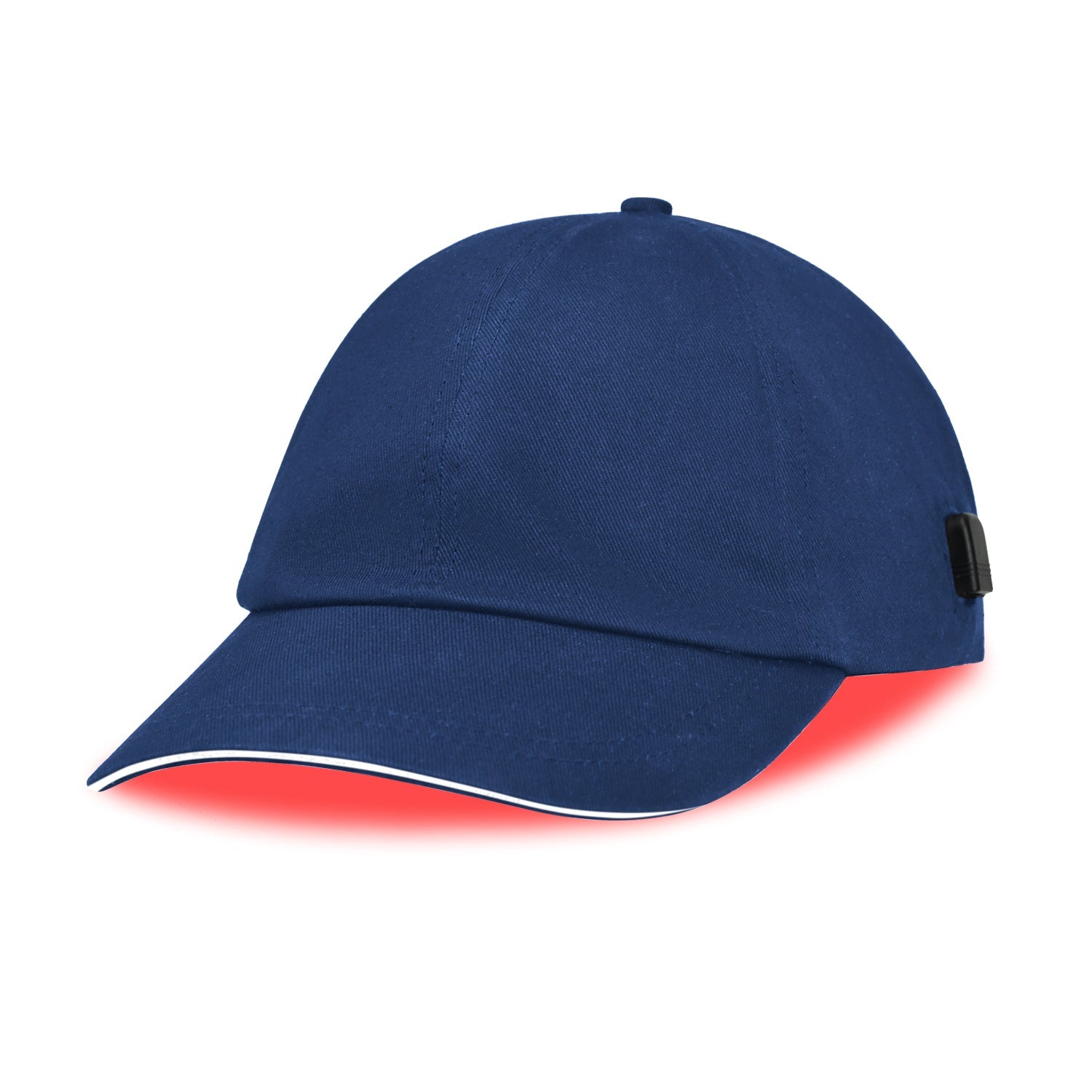
UCLA summarizes data showing that FDA-cleared combs, caps, and helmets using these wavelengths can thicken hair and reduce loss in hereditary or hormonal hair thinning. ZOE references trials where red light helmets outperformed placebo helmets, with one study showing around thirty-five percent more hair growth than placebo over sixteen weeks, although results vary and some researchers do not see the same magnitude of effect.
The important details for a parent are that treatments need to be regular and that benefits stop when sessions stop. If your father uses a red light cap for about fifteen to twenty minutes per day, several days per week, for four months, early improvements might show up as less hair in the shower or thicker strands when he runs his fingers through his hair. That can be a surprisingly powerful quality-of-life upgrade, even if it is not a dramatic regrowth.
Wound Healing And Treatment Side Effects
Atria and Cleveland Clinic both describe how red light therapy has been used to support wound healing, reduce scarring, and ease certain side effects of cancer treatment, such as mouth ulcers and radiation dermatitis. In some diabetic ulcers and surgical wounds, red light can speed tissue repair and improve circulation, although not every study finds large effects and optimal protocols are still being refined.
UCLA notes that in some surgical contexts, red light exposure led to faster early scar healing, though by six weeks the differences between treated and untreated sides narrowed. That suggests red light may help with the early phase of healing and comfort more than with long-term scar invisibility.
For an older parent who heals slowly or has a chronic area that always seems irritated, having a small handheld wand or panel in the home can be useful. They can apply ten to twenty minutes of red light to a stubborn scrape, a post-procedure area cleared by their dermatologist, or a recurring sore spot, always following medical guidance. Even modest improvements in healing speed can reduce frustration and risk of complications.
Comfort, Energy, And General Well-Being
In the University of Utah men’s health podcast, an internal medicine physician describes using a full-body red light bed and feeling more energized afterward, although the host remains skeptically amused. UCLA discusses early work suggesting potential cognitive benefits in dementia when light is delivered via headsets or intranasal devices, with one small trial reporting cognitive improvements and no significant side effects.
At the same time, Stanford experts are blunt that evidence for athletic performance, muscle recovery, sleep, erectile function, or dementia remains speculative and not clinically validated. ZOE’s review reaches a similar conclusion: commercial use has run ahead of strong data, and while some small studies are promising, many claims are not yet supported by high-certainty evidence.
When you gift red light therapy to your parents, it is best to frame any “energy” or mood benefit as a bonus. It might feel relaxing and nurturing to sit in front of warm red light for ten minutes, and that alone can be a lovely ritual. But the main justification should stay anchored in better-supported skin, hair, and wound-healing effects rather than in unproven systemic claims.

Question 3: Is It Safe For Mom And Dad?
For older adults, safety is non-negotiable. Fortunately, most major medical organizations describe red light therapy as low risk when used properly.
Cleveland Clinic emphasizes that red and near-infrared light used in these therapies is non-UV and non-ionizing. It does not tan the skin and is not known to cause skin cancer the way ultraviolet light can. Harvard Health and the American Academy of Dermatology echo that red light devices cleared by the FDA are generally safe, with side effects limited to temporary redness, mild irritation, or very occasionally darker patches in susceptible individuals.
Stanford cautions that while safety looks favorable, the long-term impact of chronic exposure is still being studied. Harvard’s LED overview notes that even relatively low-power visible light devices need proper eye protection and that at least one blue-light mask was recalled because of potential eye risk in susceptible users, a reminder that “harmless light” still needs respect.
The table below summarizes what the research brief from institutions like Cleveland Clinic, Harvard Health, AAD, Stanford, and UCLA suggests about safety and how to translate that into a parent-friendly set-up.
Issue or concern |
What experts report |
Practical safeguard for parents |
Skin cancer risk |
Red light is non-UV and not linked to skin cancer in current data |
Reassure parents it is not a tanning bed; keep usage within recommended limits |
Common side effects |
Mild redness, irritation, or swelling; occasional darkening in some skin types |
Start with shorter sessions and lower intensity; watch skin, adjust if irritated |
Eye safety |
Bright light can be uncomfortable or potentially harmful if misused |
Use eye shields or goggles when facing panels or masks; avoid staring at LEDs |
Photosensitizing meds or conditions |
Light-sensitive drugs and diseases can increase risk |
Have parents check with their doctor if on such meds or with lupus, porphyria |
Darker skin and hyperpigmentation |
Visible light, including red, may trigger dark spots in some darker skin types |
For darker skin, consult a dermatologist and use lower doses initially |
Device quality and overheating |
Burns usually stem from malfunctioning or poorly designed devices |
Choose FDA-cleared, reputable devices and avoid bargain, unverified electronics |
Atria adds another useful detail for those worried about electromagnetic fields. Many red light panels show no detectable EMFs beyond about six inches from the device, which means parents can sit at a comfortable distance and still limit exposure if that is a concern for them.
The concept of a “Goldilocks dose” also matters. Atria, the Dior mask study, and photobiomodulation research in general highlight that too little light yields no benefit and too much can actually blunt or inhibit the positive effects, a pattern known as biphasic dose response. That is why you see protocols like twelve minutes twice per week for three months or ten to twenty minutes per area three times per week rather than “more is better.” For older adults, sticking to manufacturer instructions and expert-recommended durations is safer and more effective than experimenting with very long sessions.
Question 4: Choosing The Right Device As A Gift
This is where being a “light therapy geek” actually pays off for your parents. You can filter the cluttered marketplace into something intuitive and safe.
Atria, Northwell Health, UCLA Health, and several dermatology sources all suggest starting with three core criteria: the right wavelength range, adequate but not extreme power, and a form factor that fits the target area.
Wavelengths first. Atria recommends choosing devices that emit visible red light roughly from 620 to 700 nanometers and near-infrared light around 800 to 1000 nanometers, which are the bands studied most in skin and hair applications. AARP notes that cosmetic red light devices for wrinkles often sit in the 625 to 670 nanometer range. Stanford’s review of dermatology devices emphasizes that while exact wavelengths vary, the broader red and near-infrared zones are what you want for healing and collagen support, rather than shorter, cell-killing wavelengths.
Next is power and dose. Atria provides practical numbers: aim for devices that deliver on the order of 20 to over 100 milliwatts per square centimeter, used for roughly five to twenty minutes per body area, at distances of about six to twenty-four inches. Remember that light intensity falls off quickly with distance, so a panel that delivers high power at six inches may be underpowered at three feet. The Dior mask trial used around 21.7 milliwatts per square centimeter for twelve minutes, twice per week, to good effect.
Finally, consider the form factor. Different device types fit different parental priorities.
Device type |
Best use cases for parents |
Pros for a gift |
Limitations to keep in mind |
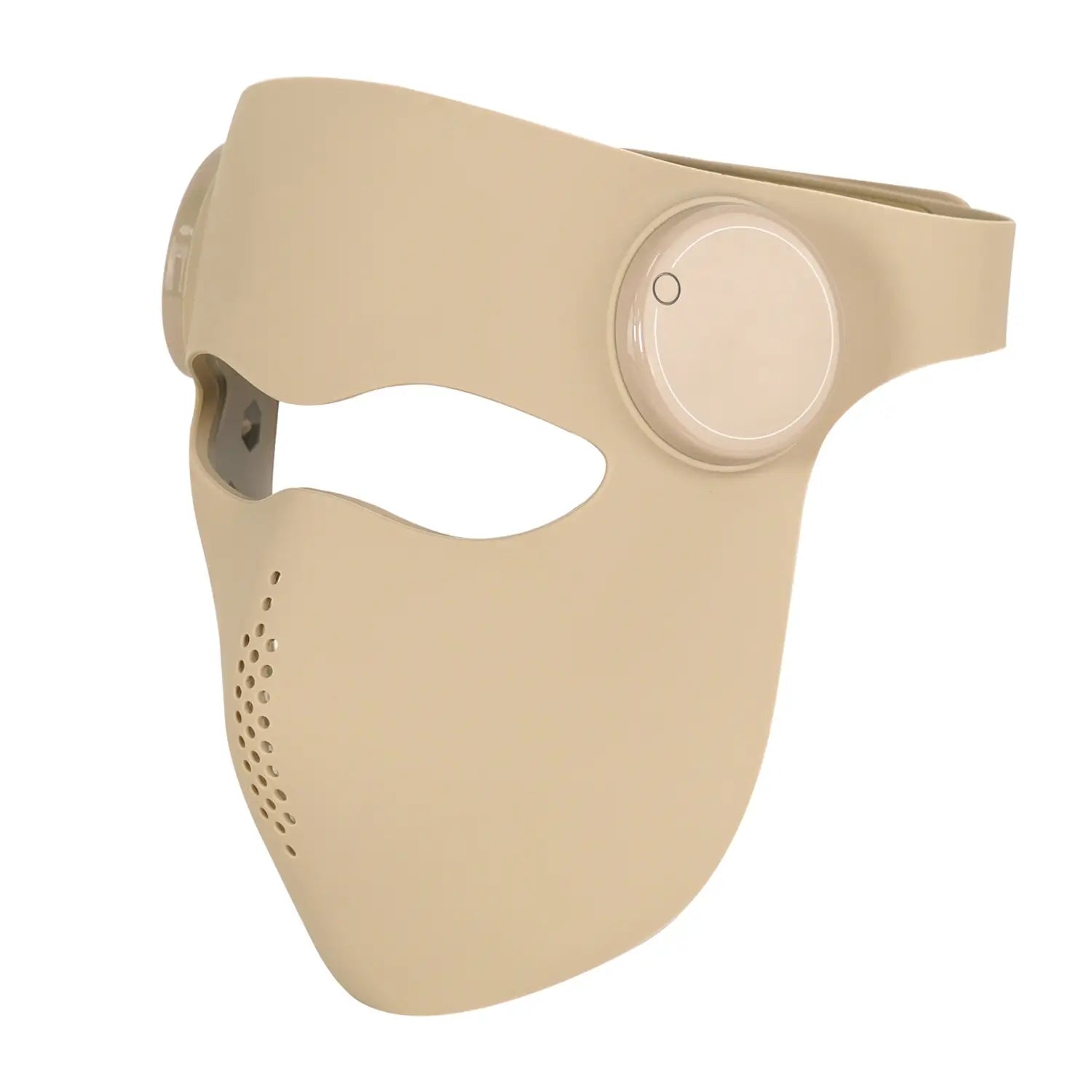
Face mask |
Facial wrinkles, redness, acne, overall complexion |
Hands-free, easy to understand, covers whole face evenly |
Less flexible for neck, hands, joints |
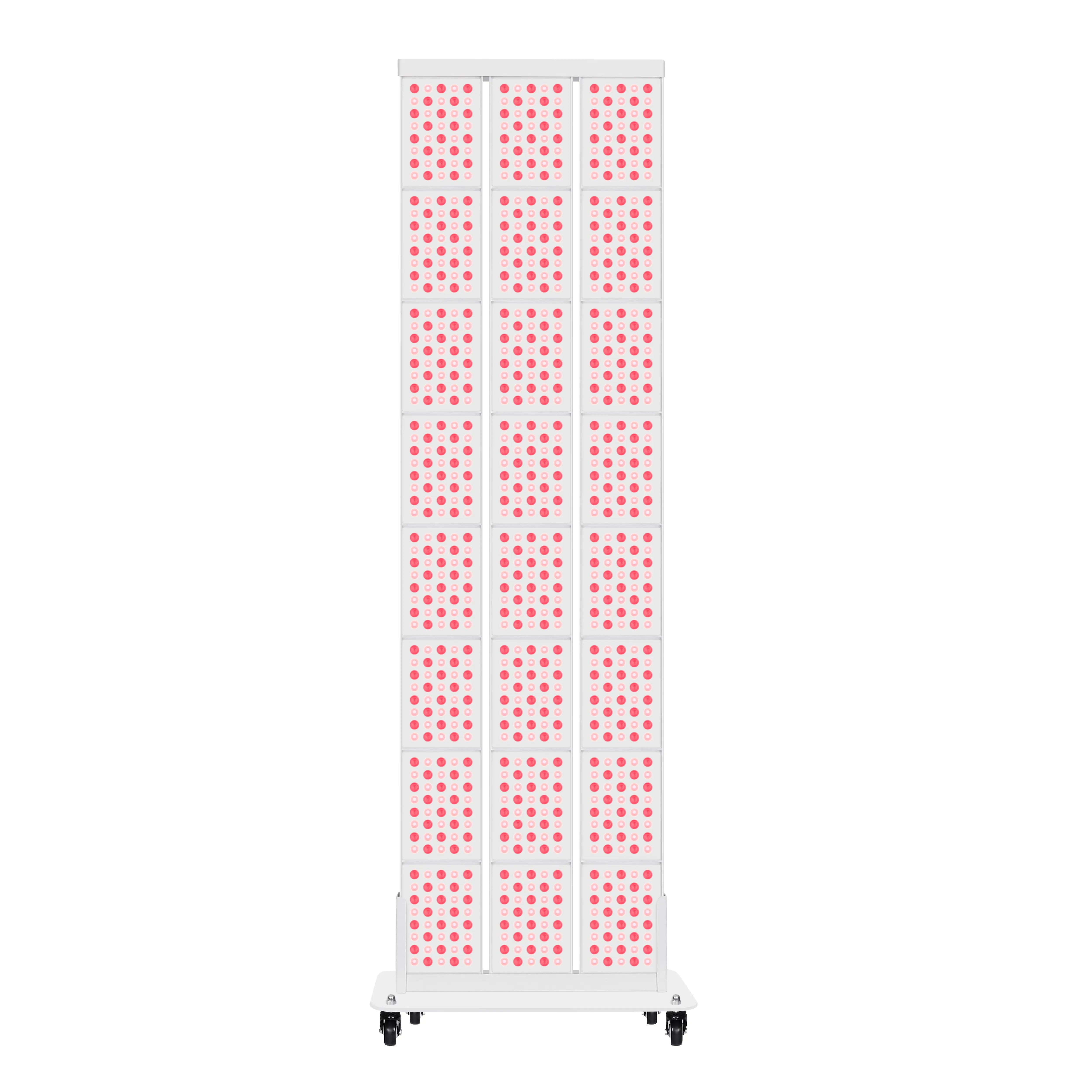
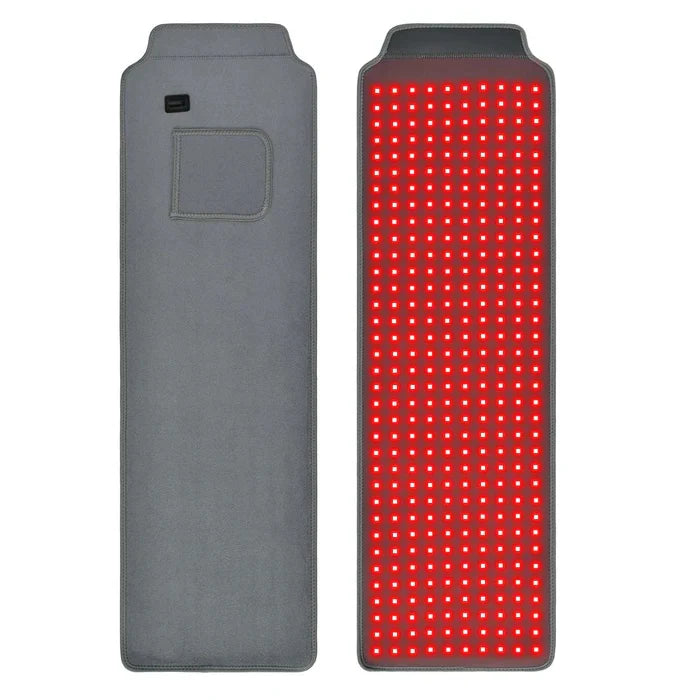
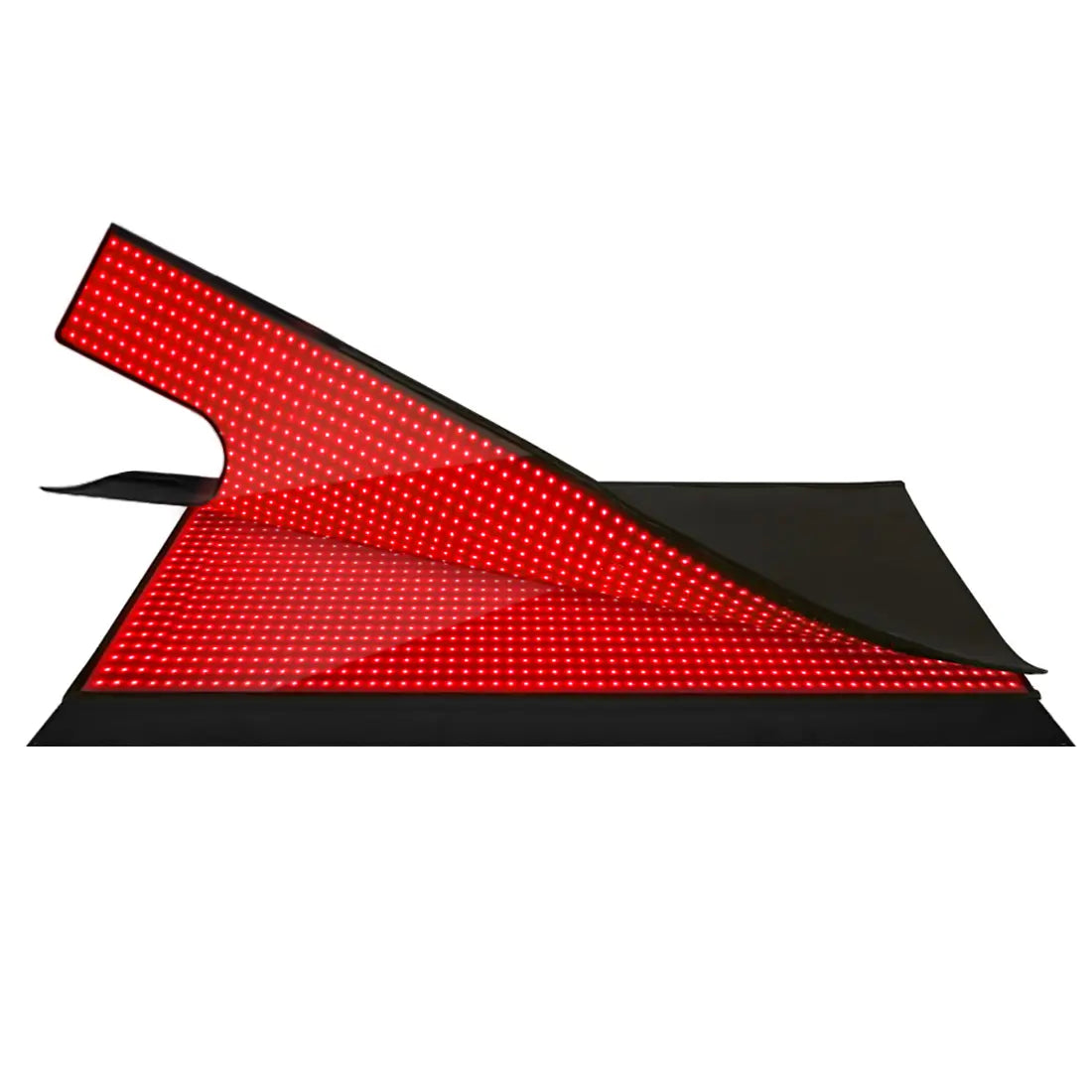
Flat panel |
Face, neck, chest, joints, general wellness exposure |
Versatile, can be used for multiple body areas |
Requires positioning and distance control |
Scalp cap/helmet |
Pattern hair thinning on scalp |
Targets hair follicles directly, supported by hair studies |
Usually single-purpose; can feel bulky for some users |
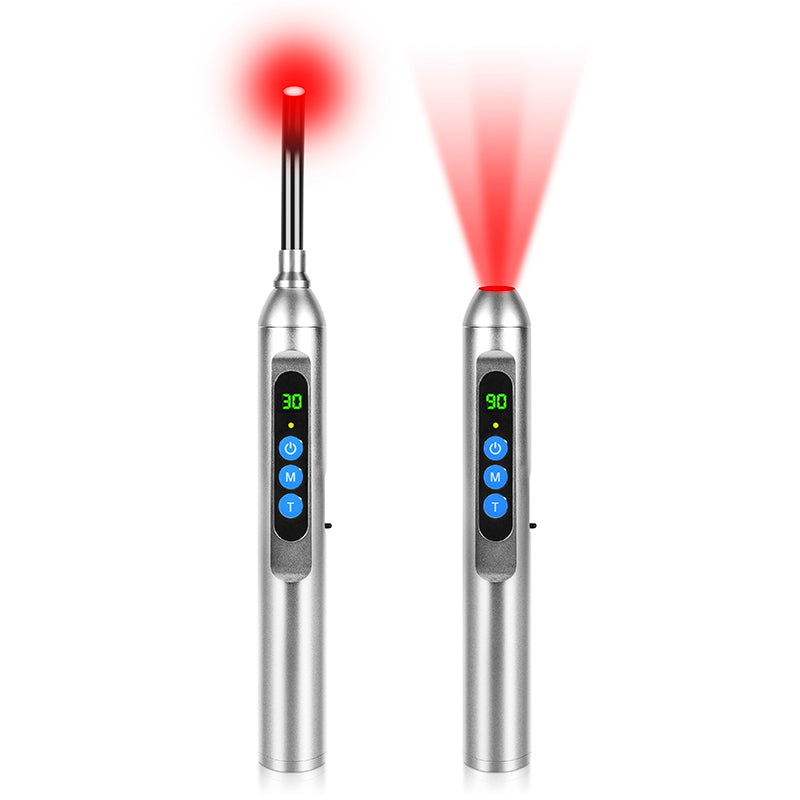
Handheld wand |
Small scars, specific joints, localized problem spots |
Portable, great for targeted therapy |
Time-consuming for large areas; depends on user patience |
Northwell Health and BSW Health highlight full-face masks for convenience and coverage, while handheld wands are better for that one persistent age spot or sore knee. UCLA and Stanford remind us that professional in-clinic devices tend to be more powerful and precise than at-home tools, but for everyday cosmetic use, a well-chosen home device can still deliver meaningful improvement.
Cost is the other unavoidable variable. AARP reports that in-office sessions for wrinkles usually cost around fifty to one hundred fifty dollars per visit, typically not covered by insurance. At-home masks and panels run from about fifty to five hundred dollars, with some premium devices into four figures. The University of Utah discussion even mentions high-end full-body beds that can cost tens of thousands of dollars, which is more a clinic investment than a family gift.
If you spend three hundred dollars on a solid, FDA-cleared home mask and your mom uses it three times per week for ten minutes over six months, that is roughly seventy-eight sessions. The cost per session comes out to under four dollars, and if she continues for a full year the cost per use drops closer to a couple of dollars. Compared with ongoing in-office treatments, the economics can look very favorable if the device is used consistently.
From a veteran-optimizer perspective, the sweet spot for most adult children gifting to parents is a mid-range FDA-cleared face mask or a mid-size panel with documented red and near-infrared wavelengths, automatic shutoff around ten to twenty minutes, and clear dosage instructions. It is powerful enough to matter but simple enough that your parents will actually plug it in.

Question 5: How To Help Your Parents Actually Use The Device
The biggest risk with any wellness gadget is that it becomes expensive clutter. The research is clear that red light therapy is not a one-and-done treatment. Almost every credible source, from Atria and Harvard Health to BSW Health and Northwell, emphasizes the need for repeated sessions over weeks to months.
Harvard Health notes that for devices to be effective, they must be used multiple times per week for four to six months, and describes red light therapy as slow and steady rather than a quick fix. Atria recommends at least three days per week, often three to five, and potentially daily use once someone is established, with benefits usually showing up after about two to four weeks. Many at-home consumer devices are designed for around ten to twenty or sometimes thirty minutes per session, three to five times per week.
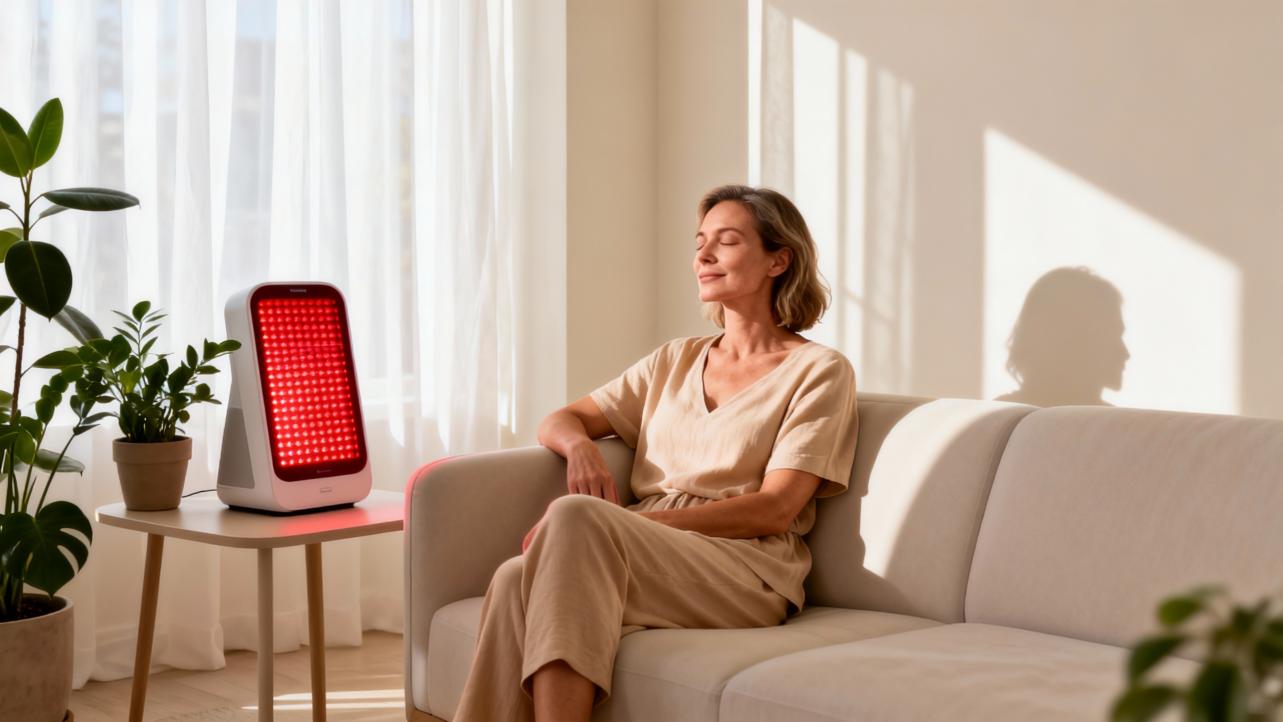
For parents, the key is lowering friction. A simple starting protocol for facial skin that stays within published parameters could look like this. Your parent uses a mask or sits in front of a panel at about six to twelve inches, three days per week, for ten to fifteen minutes per session, focusing on the face and perhaps neck or chest if the panel is large enough. That keeps the weekly light exposure within commonly studied totals while still being realistic for busy or skeptical parents.
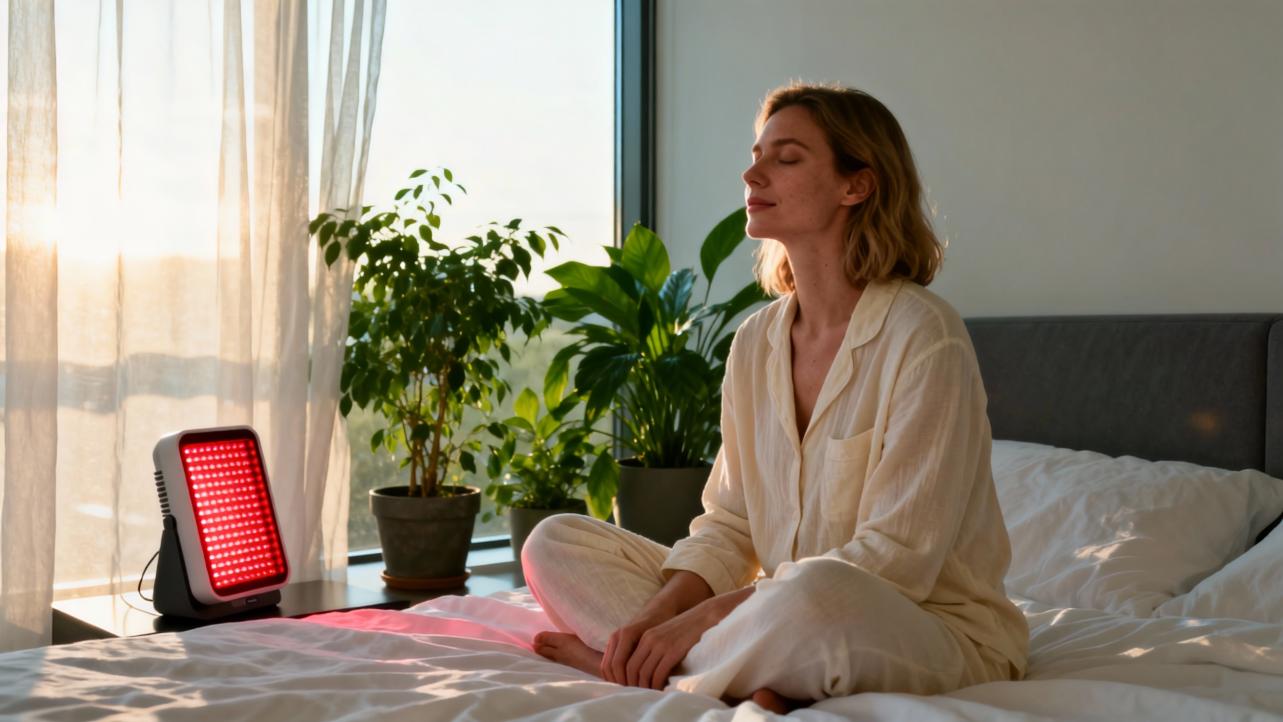
Pairing the sessions with something they already do is crucial. Atria explicitly suggests combining five to twenty minute sessions with mindfulness or meditation for adherence. In the real world, that might mean your dad uses the panel while listening to his favorite podcast, or your mom uses the mask while watching a show or doing a short breathing practice. When the activity feels pleasant in its own right, adherence goes up dramatically.
If a device includes blue light along with red, Atria advises using it only in the morning or afternoon to avoid disrupting circadian rhythm. That is an easy rule to build into your parents’ routine: red-only sessions can be morning or early evening depending on how stimulating they feel, while any mixed red and blue combinations should stay earlier in the day.
It is also wise to start with a small patch test on the skin, especially for parents with sensitive or darker skin tones or those on medications. Cleveland Clinic, Harvard Health, and Solawave all recommend testing a small area and watching for persistent redness, itching, or unexpected darkening. If anything concerning appears, the safest move is to pause and talk with a dermatologist before continuing.
If your parents are managing chronic conditions or taking multiple medications, frame the device clearly as a supportive, cosmetic, or comfort-oriented tool, not a replacement for medical care. Cleveland Clinic, Harvard Health, and Stanford all warn against stopping prescribed treatments or using red light therapy as a substitute for evidence-based care for conditions like moderate to severe acne, psoriasis, arthritis, or cancer.
Brief FAQ
Can red light therapy replace my parents’ existing skin or hair treatments? No. Cleveland Clinic, Harvard Health, Stanford, and the American Academy of Dermatology all position red light therapy as an adjunct rather than a replacement for proven treatments. For acne, psoriasis, hair loss, or post-surgical wounds, it may complement prescription creams, medications, or procedures, but your parents should not stop those on their own. The best approach is to let their dermatologist know about the device and integrate it into a broader plan.
How long before my parents see results? Most clinical and expert sources describe visible changes after several weeks, not days. Facial skin studies often used protocols of eight to fifteen weeks with two or more sessions per week. The Dior at-home mask study saw progressive improvements at one, two, and three months, with benefits still present a month after stopping. Hair studies typically run for twelve to sixteen weeks before measuring density changes. As a rule of thumb, encourage your parents to commit to at least three months of consistent use before deciding whether the gift was worth it.
Is it a bad idea if they occasionally miss sessions? Missing a session here and there is not a safety issue; it just slows progress. Photobiomodulation research, including Atria’s guidance and the Dior mask protocol, suggests that spacing sessions by about forty-eight to seventy-two hours can actually align well with the biology of repair. The bigger risk is stopping entirely after a few weeks because they are not yet seeing dramatic changes. As long as the overall trend is three or so sessions per week over months, the occasional miss is not a problem.

A Veteran Optimizer’s Closing Thought
If you strip away the hype and influencer glow, what is left is a gentle, noninvasive, reasonably well-studied way to give your parents better skin, a calmer scalp, and a small edge in healing, right in their own home. When you choose a device with solid wavelengths, modest but clear dosing, and FDA clearance, you are not just giving them a gadget. You are handing them a daily ritual of light that quietly supports their biology as it works to repair, rebuild, and age a little more gracefully.
References
- https://lms-dev.api.berkeley.edu/does-red-light-therapy-help-wrinkles
- https://brillarebeautyinstitute.edu/red-light-therapy-vs-traditional-skin-treatments/
- https://scholars.duke.edu/individual/pub1683616
- https://www.health.harvard.edu/diseases-and-conditions/led-lights-are-they-a-cure-for-your-skin-woes
- https://digitalcommons.kansascity.edu/cgi/viewcontent.cgi?article=2015&context=studentpub
- https://thewell.northwell.edu/skin-health/red-light-therapy-skincare
- https://pmc.ncbi.nlm.nih.gov/articles/PMC10311288/
- https://med.stanford.edu/news/insights/2025/02/red-light-therapy-skin-hair-medical-clinics.html
- https://healthcare.utah.edu/the-scope/mens-health/all/2024/06/176-red-light-therapy-just-fad
- https://atria.org/education/your-guide-to-red-light-therapy/