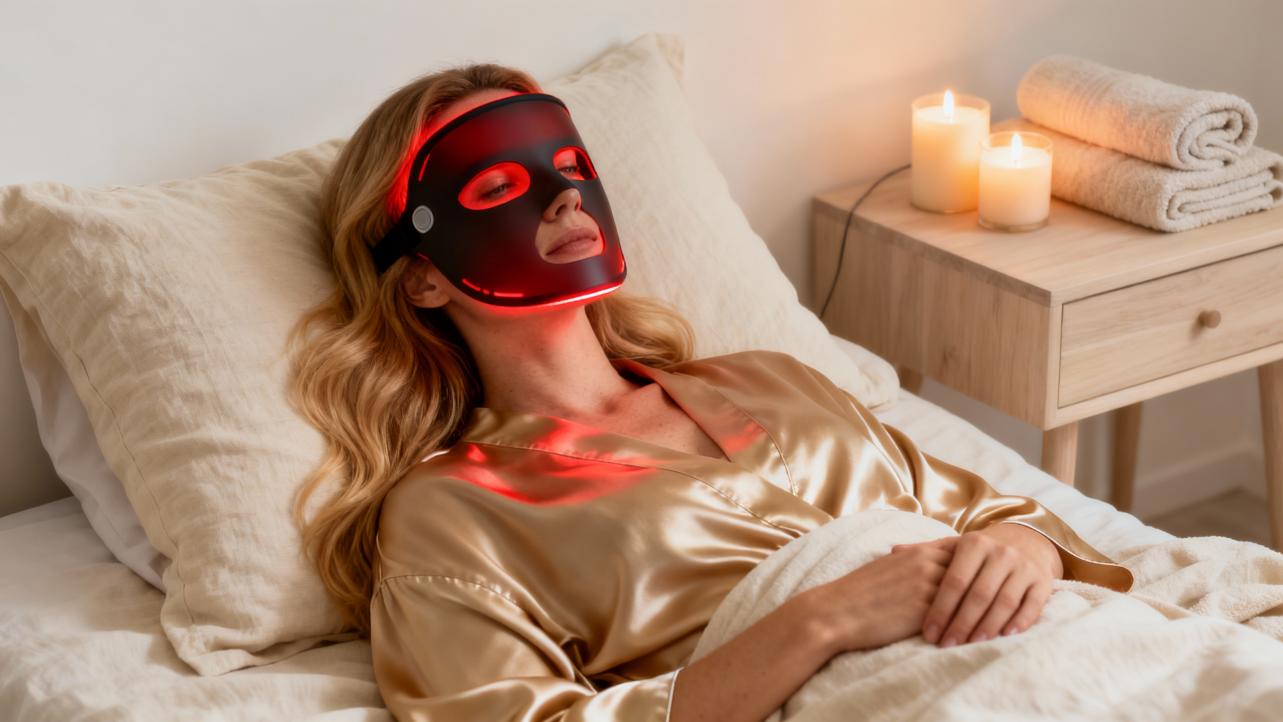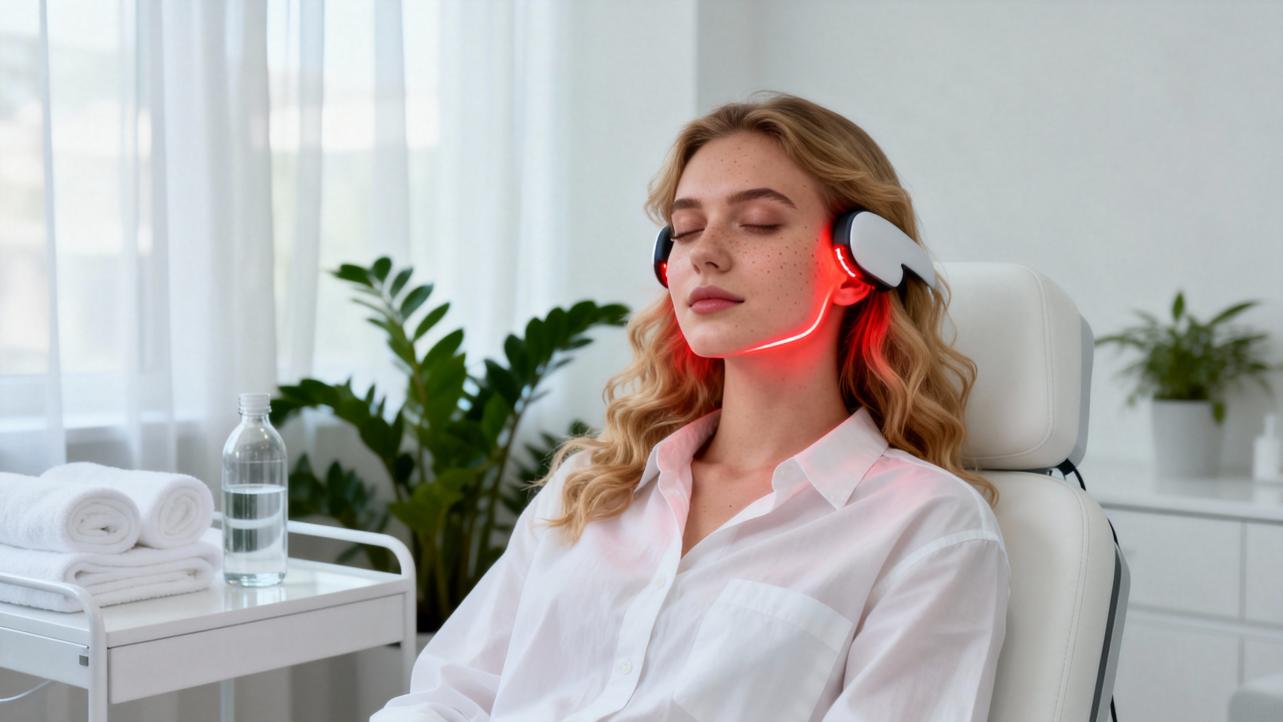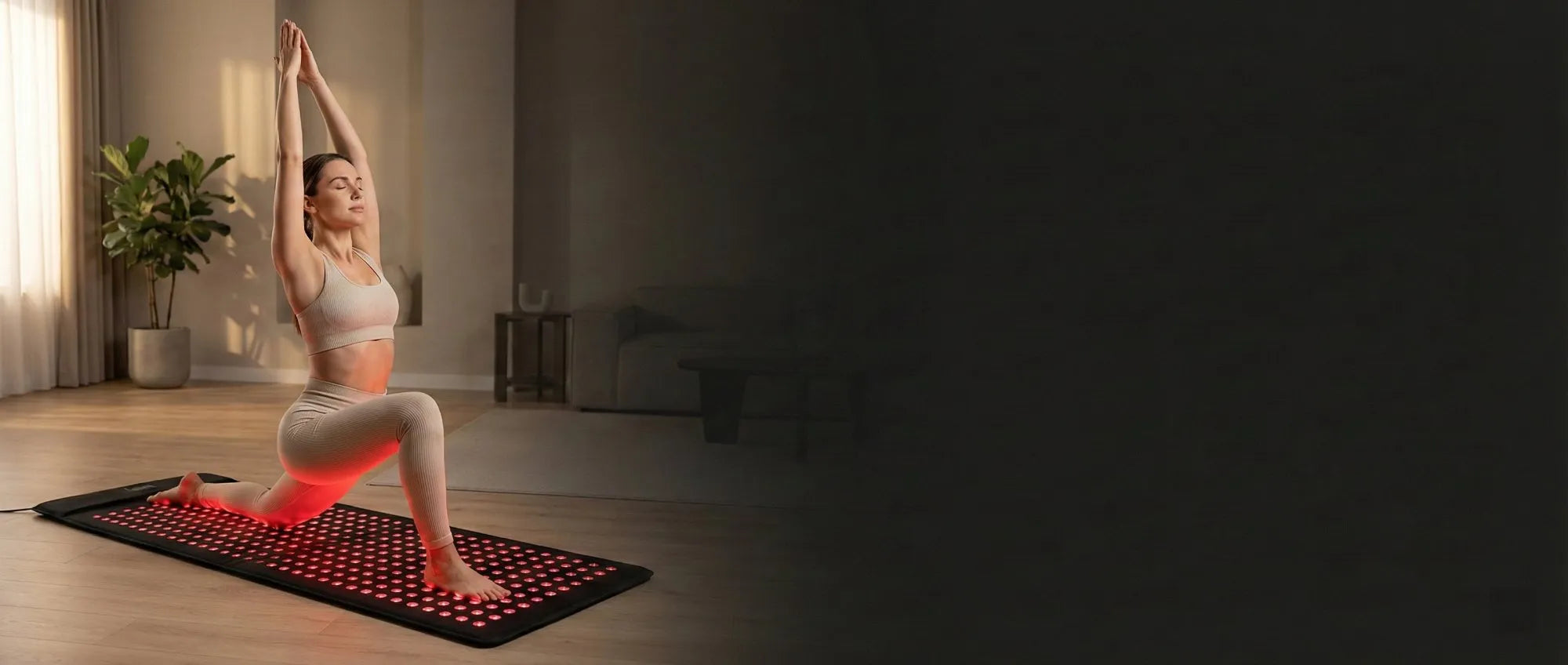
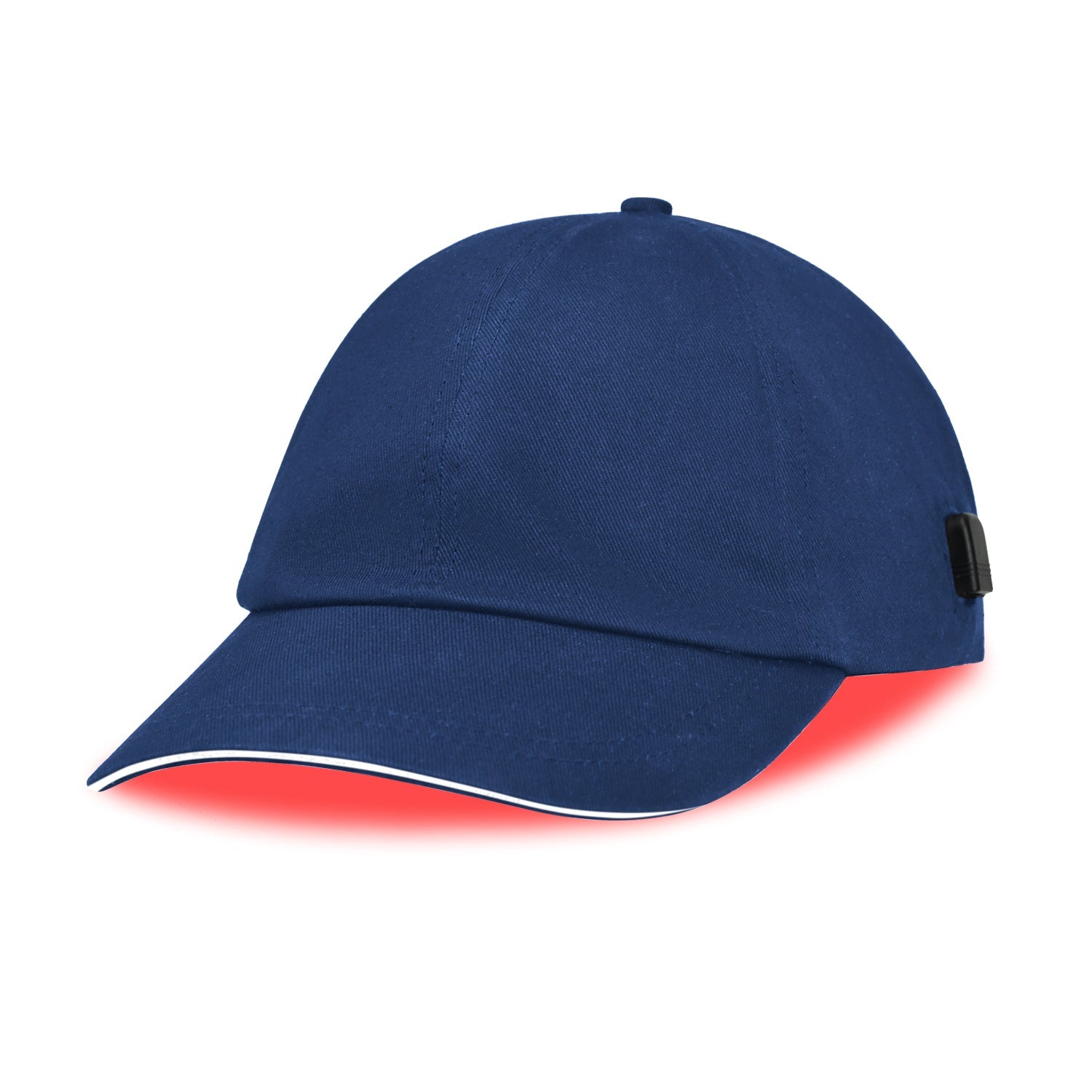

Red light therapy is having a moment. If you scroll wellness feeds, you would think sitting in front of a glowing red panel is the new sunscreen, wrinkle cream, and collagen shot rolled into one. As someone who has spent years testing light panels, LED masks, and clinical protocols, I am enthusiastic about what this technology can do. I am also very clear on what it cannot do yet.
Age spots are one of the biggest concerns I hear about from skin‑optimizers: not just fading the spots you already have, but preventing new ones from ever showing up. The key question is simple: can red light therapy actually keep new age spots from forming, or does it only help clean up damage after the fact?
To answer that properly, we need to unpack what age spots really are, how red light interacts with skin biology, what the clinical research shows for pigmentation, and where the evidence stops and speculation begins.
What Age Spots Really Are (And Why They Keep Showing Up)
Dermatologists group age spots under the broader umbrella of hyperpigmentation. That word just means certain patches of skin make more pigment than the surrounding areas, so they look darker. These can show up as flat tan or brown “liver spots,” melasma patches, or the marks that linger after acne and rashes.
Melanin, the pigment in your skin, is not the enemy. It is a built‑in defense system that absorbs ultraviolet and blue light and helps neutralize reactive oxygen species. When the system works well, you tan a little, repair the damage, and move on. When the system is overwhelmed or dysregulated, your melanocytes overproduce melanin in certain zones, and that excess pigment gets packaged into skin cells that eventually become visible spots.
From the research, the major drivers of dark spots and age spots include long‑term sun exposure, especially on the face, chest, and hands, hormonal shifts that drive melasma, chronic inflammation from acne, eczema, or injuries, certain medications and medical conditions, and aging itself, which slows cell turnover and weakens the skin’s structural support. Over decades, cumulative ultraviolet damage, low‑grade inflammation, and slower repair give you that uneven, mottled look many people label as “old skin.”
Conventional management of hyperpigmentation focuses on a few pillars. Dermatologists emphasize daily broad‑spectrum sunscreen with at least SPF 30, sun avoidance and hats, not picking at lesions, correcting nutritional and hormonal issues, and using lightening topicals such as vitamin C, kojic acid, alpha hydroxy acids, and retinoids. When spots are stubborn, they may add chemical peels or lasers, which can work well but are more invasive and can cause swelling, infection, or scarring if misused.
Red light therapy enters this story as a non‑UV, non‑ablative option that aims to improve the underlying skin biology instead of just stripping or burning the surface.

How Red Light Therapy Interacts With Your Skin
Red light therapy, also called low‑level light therapy or photobiomodulation, uses specific bands of visible red and sometimes near‑infrared light, generally in the 600 to about 650 nanometer range for red and around 800 to about 880 nanometers for near‑infrared. Unlike ultraviolet, these longer wavelengths do not damage DNA or tan the skin. Instead, they act like an energetic nudge for your cells.
The key targets are the mitochondria, the little power plants in your cells. Several lines of research, including work highlighted by Cleveland Clinic and Stanford Medicine, show that mitochondrial enzymes such as cytochrome c oxidase absorb these red photons. When that happens, ATP production increases, and downstream you see increased RNA and protein synthesis, better cellular respiration, and more robust repair activity.
For skin specifically, the cells that really matter here are fibroblasts in the dermis. Multiple lab and clinical studies summarized by Franklin Dermatology and others have shown that red light can significantly increase collagen and elastin production. One Lasers in Medical Science study reported up to a fourfold increase in collagen synthesis in fibroblast cultures under certain conditions. Clinical trials in journals such as Photomedicine and Laser Surgery report that several weeks of red light treatment can improve skin tone, texture, and elasticity in aging skin.
Red light does more than push collagen. It improves microcirculation, bringing more oxygen and nutrients to the skin surface. It reduces inflammatory signaling, which is important because chronic inflammation is a major driver of both skin aging and post‑inflammatory hyperpigmentation. It can also accelerate wound healing and reduce redness in conditions such as acne and rosacea.
Crucially, this is all happening without the thermal injury that lasers or intense peels use to force a regeneration cycle. Instead of “controlled damage,” red light is about targeted support. That is why academic centers and dermatology practices increasingly see it as a gentle adjunct for skin rejuvenation, even if the perfect dosing protocols are still being worked out.

What The Science Actually Says About Dark Spots And Pigmentation
Now, let us talk specifically about pigmentation and age spots.
Several lines of evidence suggest red light can help fade existing dark spots and even out overall tone.
Clinical and cosmetic dermatology studies reviewed by Franklin Dermatology have found that consistent red light therapy improves skin texture, tone, and elasticity while reducing uneven pigmentation and age spots. These trials are generally short term, often running around four to twelve weeks, but they show measurable improvements in color uniformity and surface roughness alongside wrinkle changes.
Dedicated hyperpigmentation overviews from brands that cite scientific work, such as HigherDose and Infraredi, describe how red wavelengths penetrate deep enough to reach melanocytes in the basal layer of the epidermis. The proposed mechanism is that red light helps downregulate overactive pigment cells and calms the inflammatory environment that drives them. In acne‑related hyperpigmentation and scarring, red light’s ability to reduce redness, swelling, and vascular congestion appears particularly helpful.
Medical organizations echo this cautiously positive stance. Cleveland Clinic and Harvard Health both list dark spots and age spots among the skin issues where red light therapy may help. Harvard’s review of red light for skin care notes evidence for lightening dark spots and improving texture, but it is careful to emphasize that many studies are small, vary in protocols, and often lack the kind of large, placebo‑controlled design we would like for definitive conclusions.
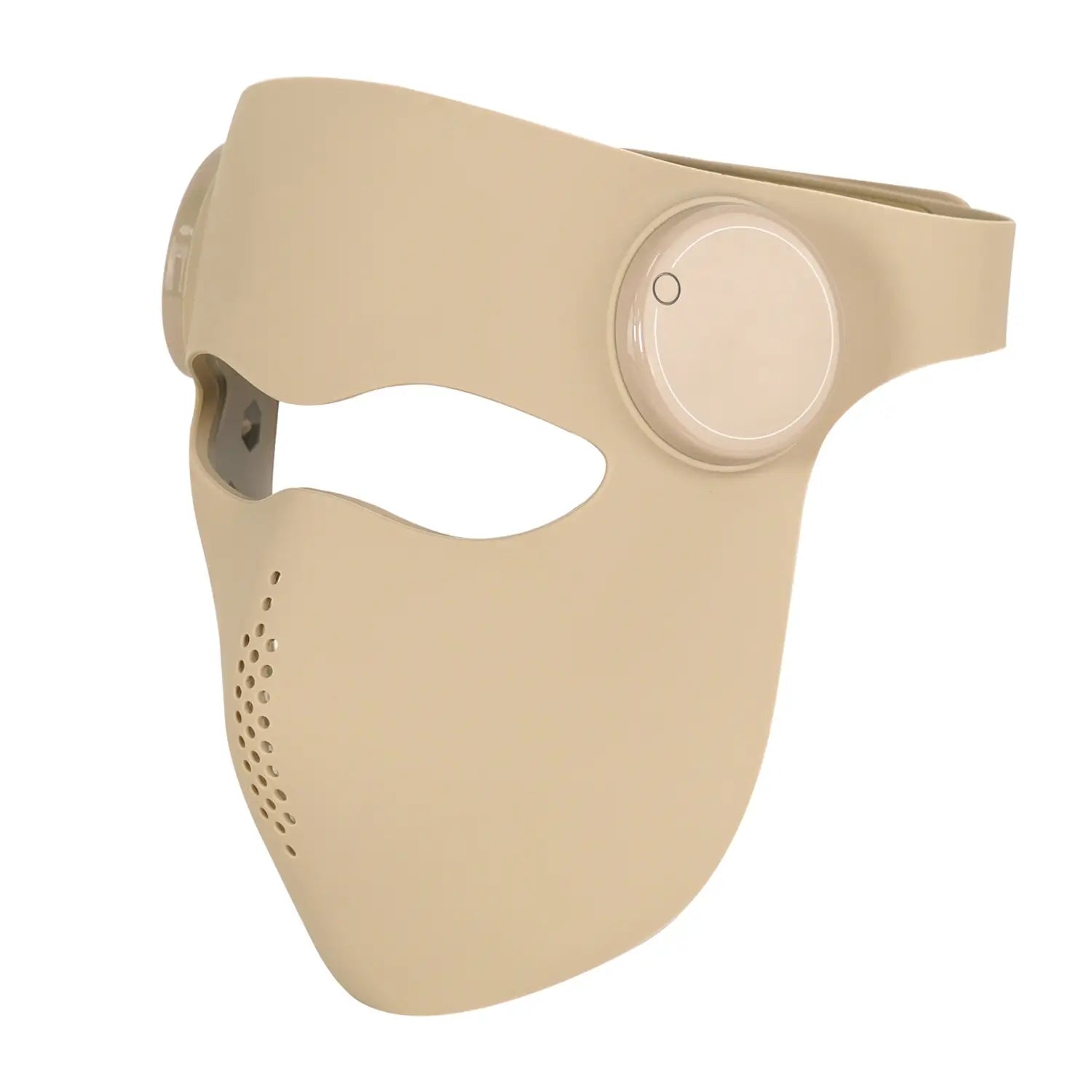
A particularly interesting data point comes from a clinical trial of a red LED mask at around 630 nanometers, known commercially as the Dior x Lucibel mask. In a three‑month study of twenty adults aged roughly mid‑40s to 70, participants used the mask at home for twelve minutes, twice a week, with about seventy‑two hours between sessions. Under dermatologist supervision, researchers measured wrinkle depth, skin firmness, dermis density, texture, pore characteristics, oil levels, and complexion homogeneity.
Over one, two, and three months, results showed progressive improvement across these metrics. Importantly for our topic, complexion homogeneity improved, meaning the contrast between lighter and darker zones of the face decreased. Even more interesting, follow‑up measurements two and four weeks after stopping treatment showed that many of the benefits persisted for about a month, suggesting structural changes in the skin rather than a fleeting plumping effect.
On the more anecdotal side, spa‑based facial studies reported by practitioners such as Greentoes Tucson found that after four weeks of regular red light facials, over ninety percent of participants perceived improvements in softness, smoothness, and tone, and a similar proportion reported lightening of dark spots. These are not randomized trials, but they align with the controlled data: red light is very good at nudging overall skin quality in the right direction, and pigmentation tends to improve alongside wrinkles and texture.
The hyperpigmentation‑focused reviews also point out that red light accelerates cell turnover, so pigmented cells move up and out more quickly, and that it supports collagen and barrier function, making the skin more resilient to photoaging over time.
So if the question is “Can red light help fade existing age spots and create a more even tone?” the answer, based on current evidence, is yes for many people, especially when you are consistent over several weeks to a few months.
The harder question is prevention.
Prevention Versus Treatment: A Subtle But Critical Distinction
Here is where, as a light therapy geek, I put on my strict evidence hat.
Most of the trials and case series we have talked about measure changes in things you already have: existing wrinkles, current texture and roughness, present uneven pigmentation. They look at how those markers shift over four to twelve weeks of treatment and sometimes a few weeks after stopping.
What they do not do is follow people for years and count how many new sun spots or age spots they develop compared with a control group that did not use red light. That means we do not have direct, high‑quality data showing that red light therapy reduces the incidence of new age spots over the long term.
What we do have is a plausible biological story and indirect evidence. If red light therapy reduces oxidative stress in skin cells, improves mitochondrial function, and lowers inflammatory signaling, that should reduce some of the stimuli that push melanocytes into overdrive. If red light thickens and strengthens the dermis by increasing collagen and elastin, that could make the skin more resilient to ultraviolet insult. If treatments speed up normal cell turnover, pigmented keratinocytes may not linger as long.
Some hyperpigmentation guides, like the HigherDose overview, suggest that red light may enhance the skin’s defense against UV damage. Brand‑driven content must always be weighed carefully, but they are drawing from the same mechanistic research: healthier, well‑energized skin tends to repair better and may accumulate damage more slowly.
At the same time, independent medical sources are clear that red light does not behave like sunscreen. It does not block or absorb ultraviolet in the way that mineral or chemical sunscreens do. It does not stop UV photons from hitting your DNA. Experts from institutions such as the University of Utah and Harvard emphasize that red light can change biology and help skin look and function better, but it is not a shield against sun exposure, and some claims pushed on social media go well beyond what the data support.
To put this tension into perspective, it helps to frame the current evidence in a simple way.
Question |
What Current Evidence Shows |
Confidence Level |
Fading existing age spots and dark marks |
Small clinical trials and practice experience consistently show more even tone and lighter dark patches over time |
Moderate |
Improving overall tone and “sun‑damaged” look |
Multiple studies report better texture, fewer fine lines, and more uniform complexion |
Moderate to strong |
Preventing new age spots from forming |
Mechanisms suggest it might help, but no long, rigorous trials specifically track new spot formation |
Low, currently speculative |
So, can red light therapy prevent new age spots? Right now, the most honest answer is that it may reduce some of the underlying drivers, but it has not been definitively proven as a preventive tool in the way sunscreen and sun‑protective behaviors are.
In my own framework, I treat red light as a powerful “skin fitness” tool. It helps your skin repair better, handle inflammation more gracefully, and look more uniform. Healthier skin logically should be less prone to rapid deterioration, but you still have to respect ultraviolet light and the basics of skin care.
Using Red Light Therapy When You Are Prone To Age Spots
Even if we cannot promise outright prevention, there is a strong case for using red light strategically if you tend to develop sun spots or post‑inflammatory marks. The goal is to combine the best of both worlds: rigorous prevention and biologic repair.
Choosing The Right Type Of Device
For pigmentation, visible red light is the primary workhorse. Articles on dark spots from Infraredi and hyperpigmentation reviews point out that red wavelengths around the low‑600 nanometer band are absorbed in the upper skin layers where melanocytes live. Near‑infrared light penetrates deeper into muscle and connective tissue, which is great for tendon or joint recovery but less targeted for surface pigment issues.
So, when your primary focus is age spots, I like devices that clearly specify a red wavelength around 630 to about 650 nanometers. Many good at‑home masks and panels are in that zone. Some combine red with near‑infrared, which can be valuable for deeper tissue and overall skin health, but pure red is enough for pigment‑focused work.
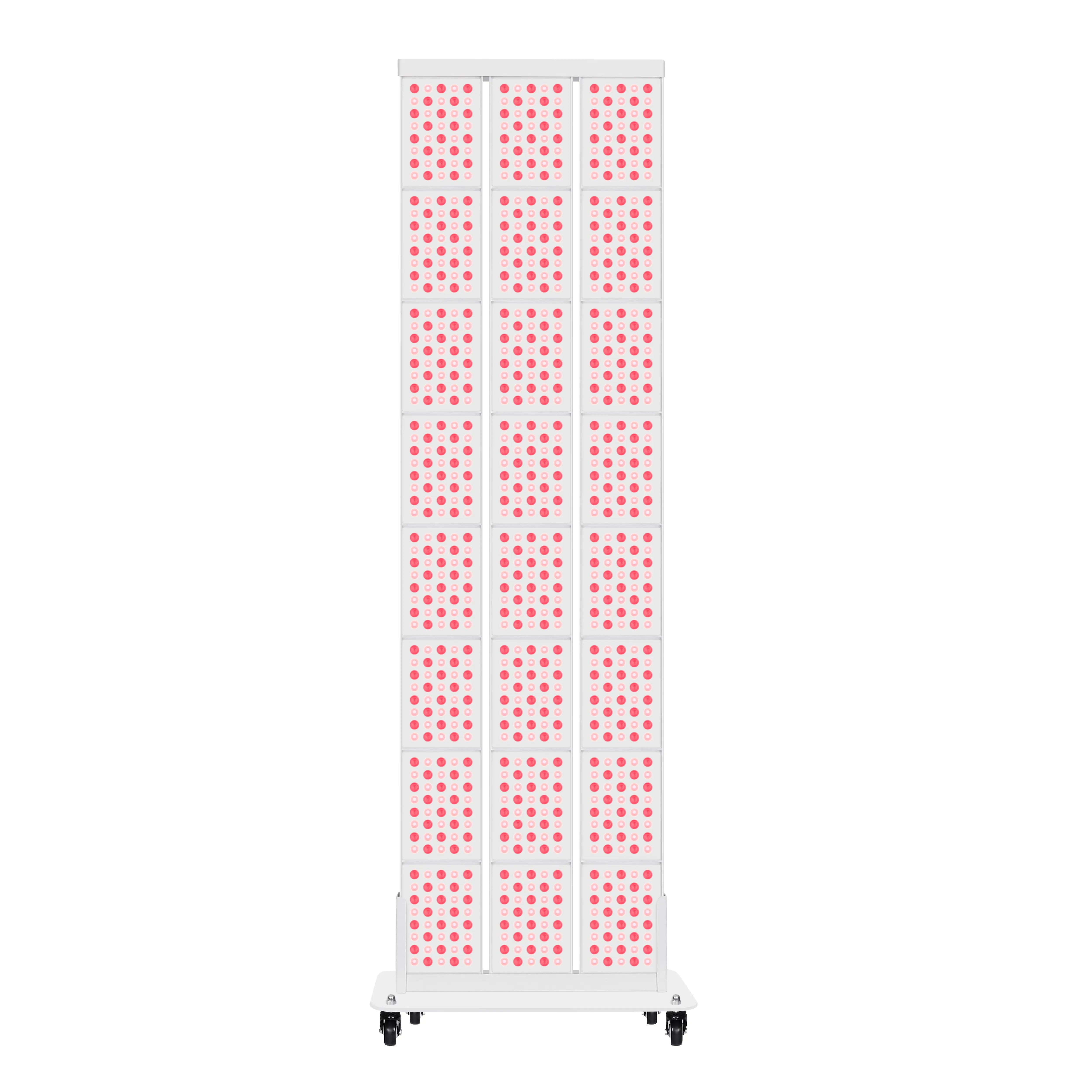
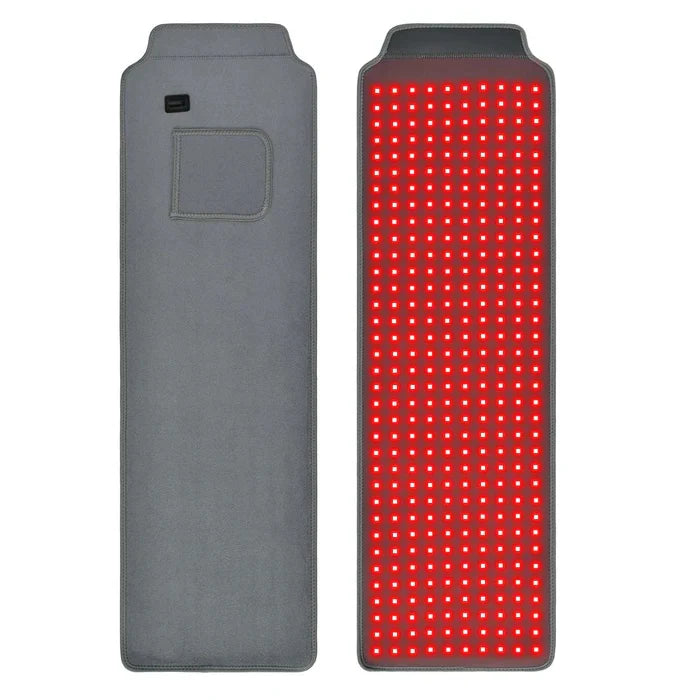
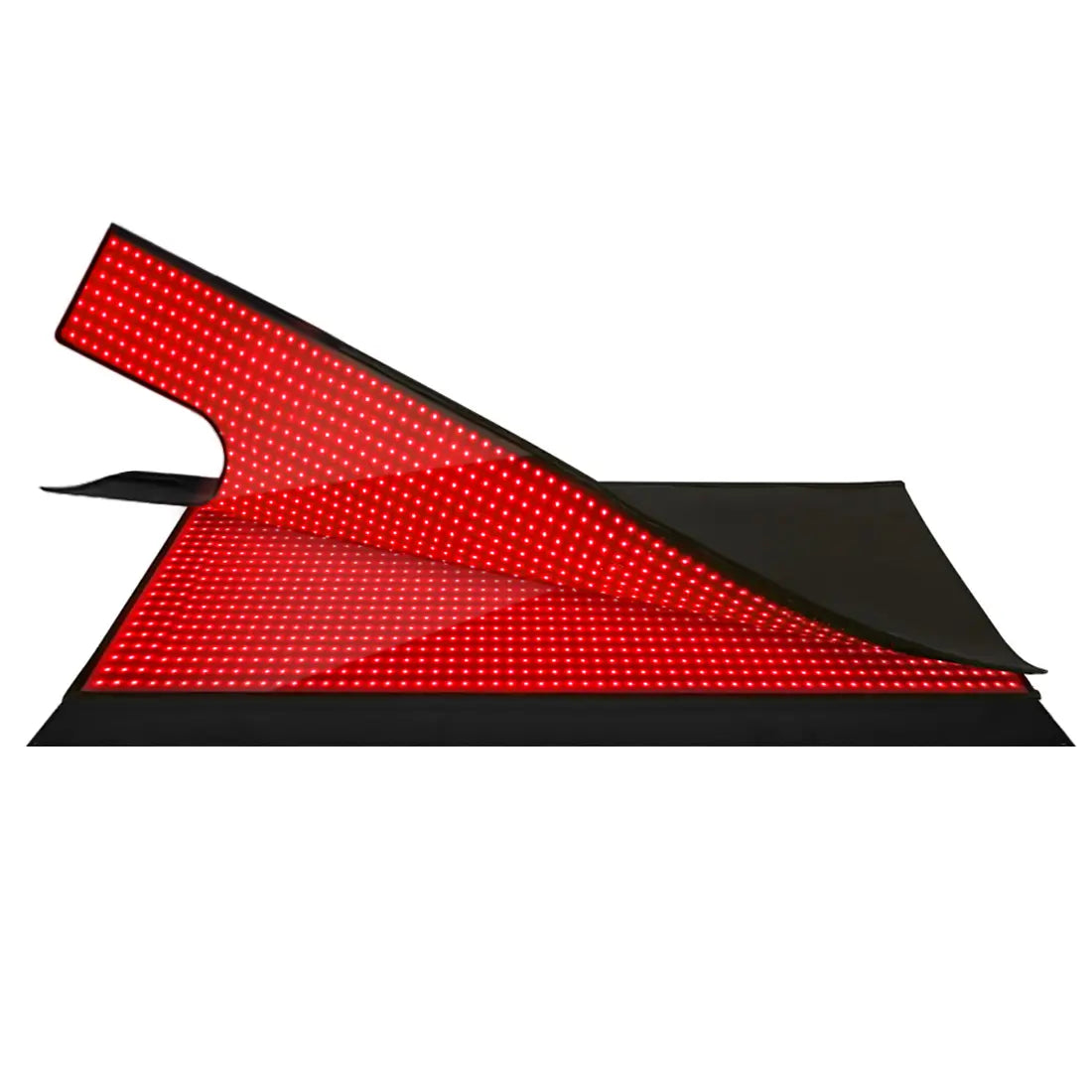
Medical centers and dermatology clinics often use more powerful, tightly calibrated systems than consumer devices. Office treatments may yield faster or more dramatic results, but they come with higher cost per session. At‑home panels and masks are weaker, but you can use them more often and build a long‑term routine. Cleveland Clinic and the American Academy of Dermatology both emphasize that at‑home tools can help, but expectations should be realistic and you should not abandon dermatologist‑recommended treatments in favor of gadgets alone.
Regardless of format, look for clear wavelength specifications, ideally FDA‑cleared status for a skin indication, and a manufacturer that publishes real output data instead of just influencer testimonials. Physicians interviewed by University of Utah Health also remind buyers that price does not guarantee the device matches what the research used, so specs matter more than marketing.
Dialing In Session Length And Frequency
There is no single perfect protocol for everyone, but the research gives useful guardrails.
Most clinical and spa protocols for skin fall in the ten to twenty minute range per session. The Dior x Lucibel mask study achieved significant anti‑aging and tone improvements with twelve‑minute sessions, twice a week, spaced about three days apart. Many dermatology practices and wellness centers recommend starting with two to three sessions per week, then dropping to a maintenance rhythm once you see changes. Hyperpigmentation guides from HigherDose and Infraredi often suggest three to five short sessions per week for at‑home masks.
The photobiomodulation community also talks about the Arndt–Schulz law, which describes a biphasic dose response: too little energy does nothing, a moderate dose stimulates, and too much can actually inhibit or irritate. That is why the Dior protocol spaced sessions seventy‑two hours apart despite using a potent mask, and why medical sources repeatedly warn that more time in front of a panel is not automatically better.
A practical, science‑aligned starting point if you are using a decent consumer mask or panel might look like this: cleanse your skin, remove makeup and sunscreen, sit about the manufacturer‑recommended distance from the lights, and do ten to fifteen minutes per treated area two or three evenings a week. If your skin tolerates this well for a few weeks, you can decide whether to increase frequency modestly, but I would avoid long daily marathons.
As for timelines, several sources converge nicely. Most people notice a subtle glow and smoother feel after a couple of weeks. Studies and clinical experience suggest more visible changes in fine lines, texture, and pigmentation often emerge between four and twelve weeks. In the Dior mask trial and in summaries from UCLA Health, improvements accumulated over three months and persisted for roughly a month after stopping.
The key is consistency. Sporadic use will not reprogram the way your skin behaves.
Combining Red Light With Proven Pigment Prevention
If age spots are your worry, red light should sit alongside, not instead of, the fundamentals.
Dermatologists and major health systems are unanimous on this. Daily broad‑spectrum sunscreen of at least SPF 30, reapplied during prolonged outdoor time, is still your front‑line defense. Hats, shade, and avoiding mid‑day sun do more to prevent new solar lentigines than any LED device currently can. For melasma and post‑acne marks, gentle but steady use of proven topicals such as vitamin C, niacinamide, alpha hydroxy acids, and prescription or over‑the‑counter retinoids can reduce pigment formation and speed clearance.
Where red light fits beautifully is as a supporter of those tools. By reducing inflammation, it may make your skin more tolerant of actives that would otherwise sting. By enhancing microcirculation and cellular energy, it can help healing between stronger treatments like chemical peels or microneedling, which is one reason plastic surgery and med‑spa practices are adopting it as a post‑procedure adjunct.
A simple way to integrate it is to use red light on clean, dry skin, then apply your serums or creams. Some people like a hydrating serum or antioxidant immediately after treatment, which is fine as long as the formula is not highly photosensitizing. I would avoid layering strong acids or retinoids directly before a session until you know how your skin responds.
Safety, Side Effects, And Who Should Be Careful
One of red light therapy’s biggest strengths is its safety profile when used correctly. Dermatology groups such as the American Academy of Dermatology and reviews from Harvard and Cleveland Clinic all note that non‑UV red and near‑infrared light do not carry the DNA‑damage risk of tanning beds or sun exposure, and side effects are usually limited to temporary redness, warmth, or mild irritation.
That said, safety is not automatic. Several key points matter.
Eye protection is non‑negotiable with higher‑intensity panels or full‑face masks. Looking directly into bright LEDs can cause discomfort or, in sensitive individuals, more significant stress. A major brand even recalled a consumer acne mask over concerns about potential eye effects in people with underlying eye conditions or photosensitizing medications. Use the goggles that come with your device, or at least keep your eyes gently closed and the light slightly off‑axis unless the manufacturer and your clinician explicitly say otherwise.
People with a history of skin cancer or pre‑cancer, those who have photosensitive disorders such as certain autoimmune conditions, and anyone taking medications that increase light sensitivity, including some antibiotics, acne medications, and anti‑inflammatory or psychiatric drugs, should talk with a dermatologist before starting. The Cleveland Clinic review emphasizes this caution.
Skin tone also matters. Visible light, including red, can potentially induce pigmentation changes in darker skin if misused. Some device designers, like the team behind the Dior x Lucibel mask, intentionally chose red‑only output and specific power densities to minimize heat and pigmentation risks so that even higher phototypes could use it safely. Harvard’s skin care review advises people with darker complexions to start with lower doses and medical guidance.
Lastly, remember that consumer devices are not created equal. University of Utah experts warn that malfunctioning or low‑quality products have caused burns, and that influencers often promote masks whose wavelengths do not match what the research actually supports. FDA clearance for a device mainly speaks to basic safety standards, not iron‑clad proof of effectiveness for every claim on the box.

Pros And Cons For Age Spot Prevention
When I boil all of this down from a veteran biohacker’s perspective, red light therapy occupies a sweet, but limited, spot in the pigmentation toolbox.
On the plus side, it is non‑invasive, generally painless, and plays well with almost every other skin strategy. The research is strongest for overall rejuvenation: smoother texture, better elasticity, improved fine lines, and a more even, radiant complexion. Pigmentation tends to track with these improvements, which is why several clinical and spa studies report both lighter spots and better wrinkles together. For people with acne‑related marks or mild sun damage, it can be an elegant way to nudge the skin toward clarity without risking the rebound hyperpigmentation that aggressive peels or ablative lasers can sometimes cause, especially in darker skin.
On the minus side, the evidence that it prevents new age spots, as opposed to softening the ones you already have, is indirect at best. Devices and sessions cost real money and time. Many protocols require multiple sessions per week for months, and once you stop, some benefits gradually fade, as shown in the Dior mask follow‑up window. Device quality is variable, and without good specs you may simply be bathing in red light that is too weak or poorly targeted to do much. And while short‑term safety looks very good, the long‑term effects of using bright LEDs near your eyes and skin several times a week for years are not fully mapped out.
A quick way to visualize the trade‑offs is to think of red light as a smart amplifier rather than a magic shield.
Potential Benefits For Age Spots |
Limitations And Risks For Prevention |
Helps fade existing spots and post‑inflammatory marks |
No long‑term trials yet showing fewer new age spots over years |
Improves overall tone, texture, and dermal resilience |
Requires frequent sessions for months; benefits can fade after stopping |
Non‑invasive, low downtime, usually well tolerated |
Device quality varies widely; some consumer tools are underpowered or poorly designed |
Synergizes with sunscreen, antioxidants, and retinoids |
Cannot replace sun protection; ultraviolet is still the main driver of new age spot formation |
Generally safe across skin tones with proper protocols |
People with photosensitivity, eye disease, or past skin cancer need medical supervision |

A Science‑Grounded Routine If You Are Prone To Age Spots
So how would I weave red light into a routine designed to minimize both current and future age spots?
On most mornings, think like a dermatologist, not a gadget lover. Cleanse gently, apply an antioxidant serum such as vitamin C if your skin tolerates it, layer a moisturizer suited to your skin type, and finish with a broad‑spectrum SPF 30 or higher. If you spend long stretches outside, reapply and wear a hat. This is non‑negotiable; everything else works on top of this foundation.
In the evenings, cleansing thoroughly and removing sunscreen and makeup are the first steps. On several nights a week, before applying strong actives, you can use your red light device on clean, dry skin for around ten to fifteen minutes, following the manufacturer’s distance and time recommendations. After the session, you can apply hydrating or barrier‑supportive products, and on nights when your skin feels calm, your retinoid or exfoliant. If your skin is sensitive, keep more aggressive topicals on nights without red light at first.
Across the week, aim for a rhythm rather than perfection. Maybe you use your panel Monday, Wednesday, and Friday evenings, reserving one or two other evenings for retinoid‑only nights. Over four to twelve weeks, watch for changes not only in spot intensity but in how quickly redness settles after a breakout, how even your tone looks across the cheeks and forehead, and how your skin feels to the touch. If you are under the care of a dermatologist for melasma or other pigment conditions, align your red light schedule with their plan.
In the background, do not neglect what some sports‑medicine and men’s health experts call the “core four”: nutrition, physical activity, sleep, and emotional health. University of Utah physicians rightly point out that dollars poured into expensive light beds may yield less benefit than those same dollars invested in nutrient‑dense food, strength training, and stress management. Skin is connected to all of that.
FAQ: Red Light Therapy And Age Spots
Is red light therapy safe for darker skin if I tend to get dark spots?
Most medical and industry sources consider red light therapy generally safe across skin tones when protocols are sensible. The Dior x Lucibel mask, for example, was engineered using red‑only output and specific power densities so even darker phototypes could safely benefit without overheating or triggering pigment issues, and clinical observations supported that safety.
That said, people with darker complexions can be more reactive to visible light. Harvard’s skin care guidance notes that visible wavelengths, including red, can theoretically provoke darkening if doses are too high or devices are misused. If you have a deep skin tone and a history of hyperpigmentation, it is wise to start with shorter sessions, less frequent use, and possibly an in‑office trial with a dermatologist before committing to an intense at‑home routine. Always pair red light with strict sun protection to reduce the overall pigment stimulus.
If I use red light therapy regularly, can I be more relaxed about sunscreen?
No. Red light therapy does not replace sunscreen. All the major medical sources, from the American Academy of Dermatology to Cleveland Clinic and Harvard, treat red light as a supportive cosmetic or therapeutic tool, not as ultraviolet armor.
Red light does not block or reflect ultraviolet rays. It works after the fact by modulating cellular behavior. If anything, people who invest in red light panels and masks have even more reason to protect their results with diligent sunscreen use, hats, and smart timing of outdoor exposure. Think of sunscreen and sun avoidance as the firewall; red light is the optimization layer behind it.
Are at‑home red light devices good enough, or do I need clinic treatments to help my age spots?
Both have roles. Clinic‑based systems in dermatology offices or plastic surgery centers tend to be more powerful and more precisely calibrated. They can deliver higher doses in fewer sessions and may be better for more complex cases or when combined with other procedures. Studies like the three‑month mask trial discussed by UCLA and others show what carefully designed, higher‑end devices can do.
At‑home devices are more accessible and convenient, but they are usually less powerful, and their true output is often unknown. Dermatology organizations and Harvard Health emphasize that improvements from home devices will likely be slower and more subtle, and that device quality can vary. If you choose an at‑home mask or panel, look for clear wavelength data, realistic claims, and FDA‑cleared status for skin use. For many people with mild to moderate age spots and realistic expectations, a good home device used consistently can be a valuable tool. For more severe or stubborn pigmentation, partnering with a dermatologist and possibly starting with in‑office treatments is the more strategic path.
Red light therapy is one of the few wellness trends that survives a hard look at the science, especially for skin quality and repair. When it comes to preventing new age spots, though, it is not a force field. Think of it as training your skin to be stronger, calmer, and more efficient, while sunscreen, smart sun habits, and targeted topicals handle the heavy lifting on true prevention. Use the light wisely, respect the biology, and you can stack the odds in favor of clearer, more even skin for the long run.
References
- https://lms-dev.api.berkeley.edu/studies-on-red-light-therapy
- https://scholars.duke.edu/individual/pub1683616
- https://www.health.harvard.edu/diseases-and-conditions/led-lights-are-they-a-cure-for-your-skin-woes
- https://pmc.ncbi.nlm.nih.gov/articles/PMC10311288/
- https://med.stanford.edu/news/insights/2025/02/red-light-therapy-skin-hair-medical-clinics.html
- https://healthcare.utah.edu/the-scope/mens-health/all/2024/06/176-red-light-therapy-just-fad
- https://my.clevelandclinic.org/health/articles/22114-red-light-therapy
- https://www.gundersenhealth.org/health-wellness/aging-well/exploring-the-benefits-of-red-light-therapy
- https://www.uclahealth.org/news/article/5-health-benefits-red-light-therapy
- https://www.aad.org/public/cosmetic/safety/red-light-therapy