
If you have cleared your breakouts but are left with red or brown marks that linger for months, you are not alone. Dermatology literature estimates that acne is one of the most common skin conditions worldwide, and about one in five people with acne go on to develop visible scars. Add in post-inflammatory hyperpigmentation and persistent redness, and “clear skin” can still look anything but clear.
As someone who has spent years testing light devices on my own skin and following the clinical data closely, I can tell you this: light therapy is not magic, but it is one of the more interesting, science-backed tools we have for improving post-acne pigmentation when it is used intelligently and consistently, and when it is paired with solid skincare and medical guidance.
This article walks through what the research actually shows about light therapy and post-acne marks, how different wavelengths behave in the skin, and how to design a practical, realistic plan to fade discoloration without wrecking your barrier in the process.
Why Post-Acne Marks Linger
Dermatologists often separate post-acne aftermath into three buckets: active scars that change the skin’s texture, red or pink marks from dilated blood vessels and residual inflammation, and brown or gray patches from post-inflammatory hyperpigmentation, often shortened to PIH. Several of the sources here, including Harvard Health Publishing and Cleveland Clinic, note that LEDs and lasers are being used across all three categories, but the strongest evidence sits with inflammatory lesions and scars.
Inflammation is the common denominator. During a breakout, swollen pores, bacteria, and immune cells release a storm of inflammatory mediators that damage surrounding tissue. One article on acne light therapy highlights genetics, hormonal changes, comedogenic products, and bacteria as core drivers of this process, and notes that roughly twenty percent of people with acne go on to develop visible scars. The more intense and prolonged the inflammation, the more likely you are to see lingering redness, stubborn brown marks, or true scarring.
Traditional tools like topical retinoids, benzoyl peroxide, salicylic acid, and chemical peels absolutely help, but they come with tradeoffs: dryness, peeling, irritation, and in some cases risk of hyperpigmentation or scarring, especially in deeper skin tones. This is exactly why low-level light therapies began gaining ground as an adjunct option: they aim to modulate biology rather than burn or peel it into submission.

Light Therapy 101: How Different Wavelengths Behave In Skin
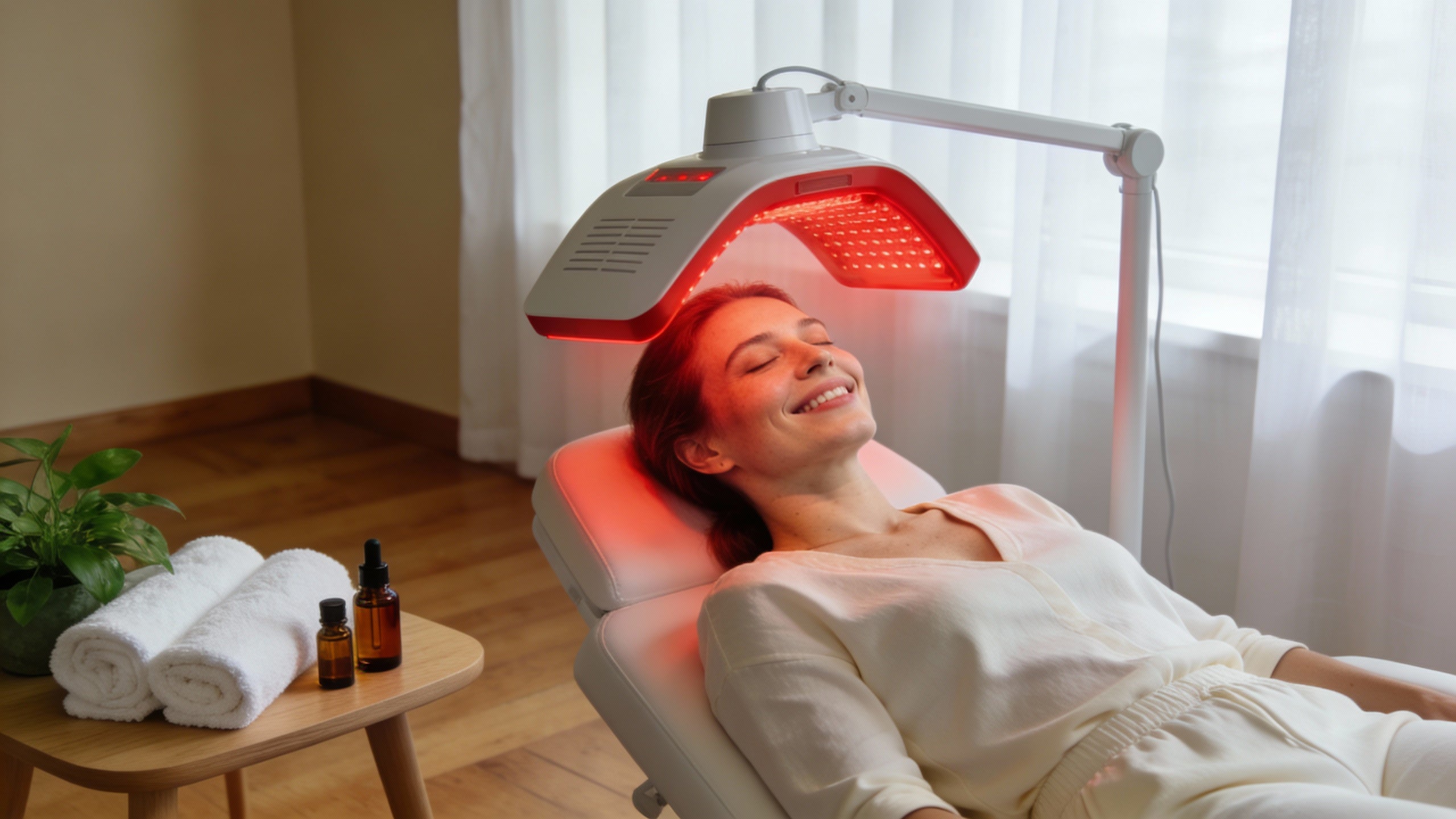
When dermatologists and device manufacturers talk about “red light therapy” for skin, they are usually talking about low-level light in roughly the 600–650 nanometer range, sometimes combined with slightly longer near‑infrared wavelengths. Cleveland Clinic and Stanford Medicine describe this family of treatments under names like low‑level laser therapy, photobiomodulation, or simply red light therapy.
Unlike ultraviolet light, which damages DNA and accelerates aging, low‑level red and near‑infrared light are non‑ionizing. They are absorbed mainly by mitochondrial structures inside cells and by chromophores such as porphyrins and hemoglobin. The working model, repeated across sources such as WebMD, UCLA Health, and DermNet, is that this absorption increases cellular energy production, nudges fibroblasts to make more collagen and elastin, improves microcirculation, and modulates inflammatory signals.
DermNet summarizes it neatly: low‑level red and blue light in the 390–1100 nanometer range is non‑thermal, is generally safe, and is delivered in multiple sessions. Blue light around 415 nanometers penetrates less deeply but strongly activates porphyrins produced by acne bacteria, generating reactive oxygen species that kill those bacteria and reduce inflammatory signals. Red light around 600–650 nanometers penetrates one to two millimeters into the skin, activates porphyrins more weakly but reduces inflammatory mediators from immune cells, helps normalise keratinisation, and accelerates wound healing.
That combination of deeper penetration, calming inflammation, and supporting repair is precisely why red light is the workhorse wavelength when the goal is smoother tone and less post-acne discoloration.

Blue, Red, And Combined LED For Acne And Marks
Blue and red LED therapies started as acne treatments, but they have direct implications for pigmentation because they change how much inflammation each lesion generates and how quickly it resolves.
DermNet reports that blue light in the 415–545 nanometer range targets porphyrins inside Cutibacterium acnes, creating reactive oxygen species that destroy the bacteria. It also dampens inflammatory mediators. Red light in the 600–650 nanometer range penetrates more deeply, reduces inflammatory cytokines and matrix metalloproteinases, and supports barrier repair and wound healing. When investigators combine both wavelengths, they see reductions in inflammatory and non‑inflammatory lesion counts, and this combined therapy has outperformed blue light alone in several trials.
One review of light‑based acne therapy notes that narrowband blue or blue–red LED sessions twice weekly for four weeks can reduce inflammatory lesions by roughly sixty to seventy percent, with smaller effects on comedonal acne. Another trial cited in the same review found that twelve weeks of combined blue and red LED treatment drove a seventy‑six percent reduction in inflammatory lesions and a sixty percent reduction in non‑inflammatory lesions, outperforming benzoyl peroxide and blue light alone.
Why does this matter for pigmentation? Fewer inflamed lesions and faster resolution mean fewer opportunities for melanocytes to overreact and lay down excess pigment. Red light’s anti‑inflammatory and wound‑healing actions also appear to reduce post‑flare redness and help remodel the dermal matrix that supports the skin. A red light explainer from a dermatology practice notes that in acne care, red light complements blue light by handling inflammation, supporting healing, and helping to decrease acne scarring and post‑inflammatory hyperpigmentation.
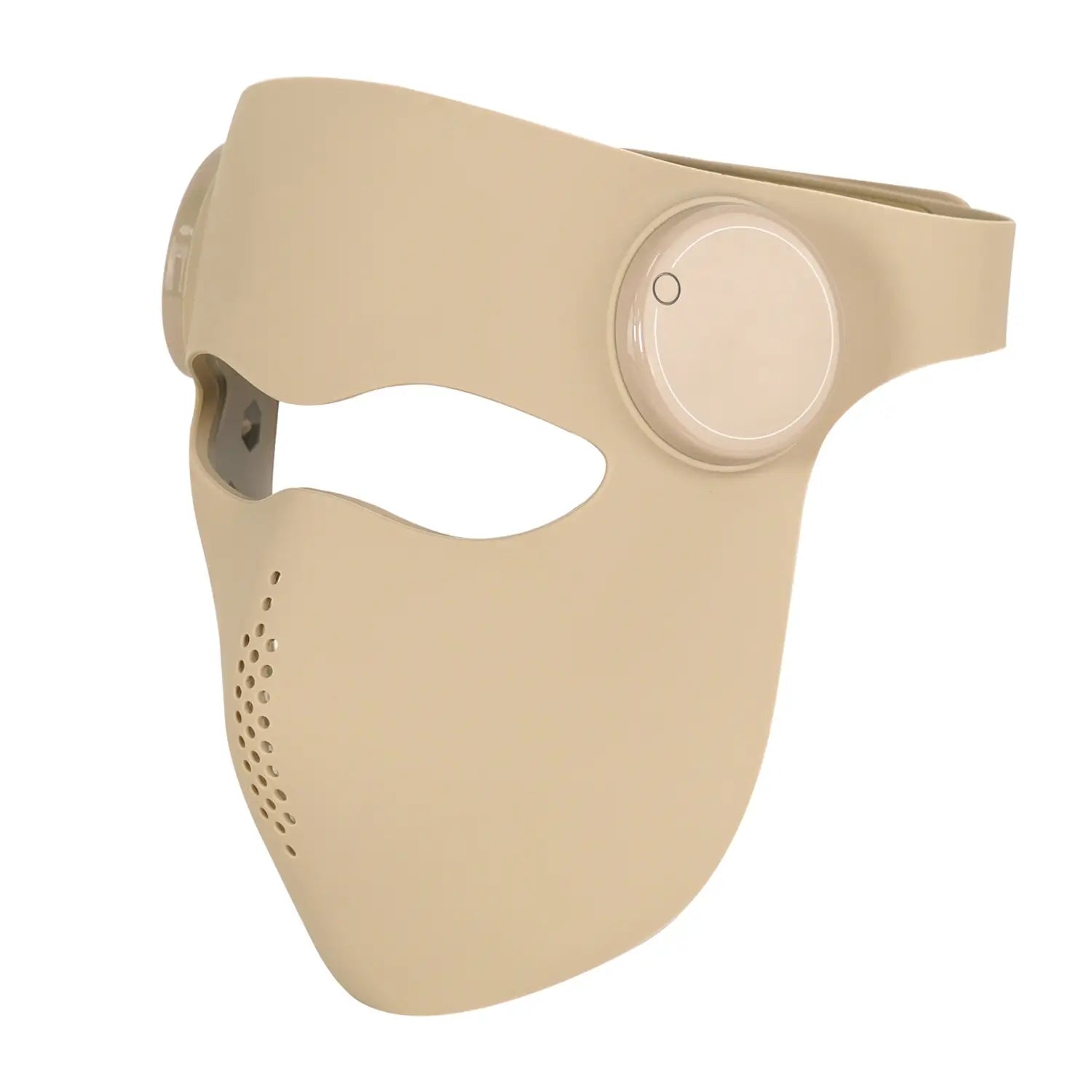
Home‑use LED masks extend the same principle into daily routines. DermNet describes wearable blue‑red masks for mild to moderate facial acne that, despite being less powerful than in‑office units, still reduced both inflammatory and non‑inflammatory lesions in trials and shrank sebaceous gland activity. One mask study they cite reported about twenty‑four percent improvement in inflammatory lesions and nearly twenty percent improvement in non‑inflammatory lesions compared with topical benzoyl peroxide.
From a pigmentation standpoint, this lands us at a clear principle: if you control inflammatory acne early and gently, you dramatically reduce the chance of deep, long‑lasting marks. Blue‑red LED is one way to do exactly that without over‑stripping the barrier.

High-Energy Devices: IPL, Lasers, And Photodynamic Therapy
When post-acne marks are very stubborn or when redness is driven by dilated vessels rather than active inflammation, dermatologists often call in higher‑energy devices such as intense pulsed light, vascular lasers, and photodynamic therapy. These are not the soft LED panels you can buy for your bathroom; they are medical tools that require precise parameter selection and careful skin‑type matching.
Intense pulsed light, or IPL, emits a broad spectrum from about 400 to 1200 nanometers, with filters and pulse structures that can be tailored to target porphyrins, melanin, or hemoglobin. DermNet notes that evidence for IPL alone in active acne is conflicting, but that combining IPL with a topical photosensitiser improves results, likely by activating bactericidal photodynamic effects and by selectively heating blood vessels that feed sebaceous glands. The same review of light‑based therapies in acne reports improvements in both active lesions and erythema with IPL, though benefits vary depending on pulse structure and filter choice.
Pulsed dye laser, usually around 585–595 nanometers, is designed to target oxyhemoglobin and selectively heat and close down dilated vessels. DermNet describes pulsed dye laser as useful for vascular lesions, atrophic scarring, and acne‑induced facial erythema, noting that it can upregulate anti‑inflammatory transforming growth factor‑beta while damping down inflammatory T‑cell activity. This is directly relevant to those persistent pink marks that can linger after cystic breakouts, particularly around the cheeks and jawline.
Green KTP lasers at 532 nanometers are used mainly for telangiectasia and rosacea, but small studies cited in the acne light therapy review show that they can reduce acne severity in the short term and improve redness, with side effects like transient crusting, swelling, and redness. Again, their main target is vascular structures, so they are better suited for red marks than for brown hyperpigmentation.
Photodynamic therapy (PDT) adds a topical photosensitiser such as aminolevulinic acid that concentrates in the pilosebaceous unit before exposure to blue, red, or IPL light. According to DermNet and the acne light therapy review, this approach can dramatically reduce acne severity. One comparison showed that ALA‑PDT led to at least ninety percent clearance rates in the vast majority of patients, outperforming blue‑red LED and IPL alone. The tradeoff is more pain, erythema, and edema lasting up to a week, and a higher incidence of transient hyperpigmentation and peeling, particularly in more aggressive protocols.
All of these devices influence pigmentation indirectly by resolving the vascular and inflammatory component of post-acne changes, and in some cases directly by targeting melanin or vascular chromophores. They are powerful, which is exactly why they can both help and harm. Several sources stress that they are best reserved for cases where topical and LED‑only approaches are not enough, and that they should be performed by experienced dermatology teams, especially in deeper skin tones where post‑treatment hyperpigmentation is a real risk.
What The Evidence Really Says About Scars, Tone, And Collagen
To understand how much light therapy can do for the look of post-acne pigmentation and texture, it helps to look at controlled trials that focused on skin structure rather than just breakouts.
A randomized split‑face clinical trial of twenty‑eight adults with mild to moderate acne compared 630‑nanometer red low‑level laser therapy to 890‑nanometer infrared low‑level laser therapy. Both sides also received topical clindamycin. After ten weeks, the red‑treated side showed a dramatic and statistically significant drop in inflammatory lesion counts, while the infrared side showed only modest, non‑significant change. All participants completed the trial without adverse effects. The researchers concluded that red wavelength low‑level therapy was safe and effective for acne in this setting, whereas the non‑thermal infrared parameters they used acted essentially like placebo. They did not measure pigmentation specifically, but from a practical standpoint, fewer inflamed lesions and faster resolution translate into less pigment formation.
Another prospective randomized controlled trial on non‑thermal photobiomodulation for skin rejuvenation followed 136 volunteers between ages twenty‑seven and seventy‑nine. Participants received either red‑dominant light in the 611–650 nanometer range or a broader 570–850 nanometer spectrum, in thirty sessions delivered twice weekly. Compared with untreated controls, treated subjects reported significant improvements in skin complexion and skin feel. Objective measures confirmed reductions in skin roughness and increases in ultrasound‑derived collagen density, and blinded physicians saw greater wrinkle reduction in treated groups. Importantly for our topic, the broader spectrum devices did not outperform red‑only devices, suggesting that the therapeutic sweet spot for visible skin quality lies right around the red band that acne devices already use.
Several clinical and practitioner‑level sources extend these findings to scars and pigment. A practical overview from a dermatology group emphasizes that red light accelerates wound healing, lessens the appearance of scars from acne, surgery, or injuries, and can even out skin tone and refine texture, including for sun damage and hyperpigmentation. Another article on LED therapy for scars describes how red and near‑infrared light support scar remodeling by boosting fibroblast activity and blood flow, and cites a study in which early postoperative red LED use reduced scarring and was safe in the immediate postoperative period.
On the acne‑specific side, a wellness clinic review of red light for acne and scars highlights a study where red light therapy reduced mild to moderate acne breakouts by thirty‑six percent and notes research showing improvements in both acne scars and overall complexion. The same piece stresses that these effects are non‑invasive, with minimal downtime and mostly mild warmth or transient redness as side effects.
Taken together, the picture that emerges is not of a miracle eraser, but of a modality that nudges skin biology in the right direction: less inflammatory activity, more collagen, better microcirculation, smoother texture, and gradually more even tone.
Comparing Options For Post-Acne Pigmentation
Because no single device does everything, it helps to see how different light‑based approaches line up specifically for post‑acne marks.
Modality |
Primary target for post-acne marks |
Evidence snapshot from sources |
Typical pros |
Typical cautions |
Blue + red LED (clinic or home) |
Active inflammatory acne; risk reduction for new PIH and redness |
Multiple trials show strong lesion reduction and improved healing; safe in pregnancy in combined blue‑red form |
Non‑invasive, painless, minimal downtime, safe for most skin types |
Requires multiple weekly sessions; results build gradually |
Red or red + near‑infrared LED |
Redness, mild scars, general tone and texture, some PIH support |
Rejuvenation trial showed increased collagen and smoother skin; multiple reports of scar and tone improvement |
Gentle, barrier‑friendly; pairs well with other treatments |
Evidence for pigment alone still emerging; device quality varies |
IPL (with or without PDT) |
Redness, vascular component, some dyschromia and scar remodeling |
Studies report thirty‑four to eighty‑eight percent acne improvement and better erythema; PDT versions reach very high clearance |
Stronger single‑session impact; can address redness and texture together |
More pain, downtime, and risk of temporary hyperpigmentation |
Pulsed dye or KTP lasers |
Persistent red marks and vascular lesions |
Used for acne‑induced facial erythema and atrophic scars; studies show notable severity reduction |
Highly targeted at redness; useful when erythema is the main issue |
Costly, require expertise; side effects limit routine use in some |
Infrared and Nd:YAG lasers |
Deep inflammatory lesions, sebaceous gland modulation, scarring |
Specific systems show long‑term lesion reductions up to roughly eighty percent, sustained to two years |
Can reach deeper structures than LED; good for resistant cases |
Some wavelengths are painful and drying; data still limited |
For most people dealing with mild to moderate post-acne discoloration, the practical entry point is blue–red or red‑only LED therapy, with IPL or vascular lasers reserved for persistent redness or combined with other scar‑targeted procedures when supervised by a dermatologist.

Designing A Light-Based Strategy For Post-Acne Pigmentation
If you want to deploy light therapy strategically rather than randomly flashing devices at your face, it helps to think in two phases: preventing new marks and fading existing ones.
Prevention starts with controlling active inflammatory acne gently but effectively. The combined blue–red LED protocols described by DermNet, Cleveland Clinic, and acne light therapy reviews typically involve sessions twice or three times per week over several weeks. Many patients in those reports notice visible breakout improvement after about four to six weeks, with better results toward eight to twelve weeks. In practice, that might look like scheduling twenty‑minute combined blue–red sessions two or three evenings a week during an acne flare, while continuing your dermatologist‑approved topical program.
During this phase, the goal is not just fewer pimples, but calmer lesions that do less collateral damage. Red light’s ability to reduce cytokine‑driven inflammation and support barrier repair means each breakout is less likely to trigger dramatic melanin overproduction afterward. A clinic review from Greentoes Tucson emphasizes that red light helps reduce inflammation, may lower oil production, and can calm redness and speed healing of inflammatory lesions, while also gradually softening pitted scars and reducing red or brown post‑inflammatory marks over time.
Once breakouts are under reasonable control, the focus shifts to existing marks. For diffuse redness and subtle textural changes, low‑level red or red plus near‑infrared LED panels or masks are a low‑risk starting point. Dermatology practices that use red light for rejuvenation typically recommend exposing clean skin to red light for about ten to twenty minutes per session, a few times per week, and emphasize that consistent, repeated treatments are key. The rejuvenation trial mentioned earlier delivered thirty sessions over about fifteen weeks and saw sustained improvements even six months after treatment.
For more stubborn red marks, particularly when individual vessels are visible or when redness has persisted for many months, pulsed dye or KTP laser and IPL come into play. The light‑based acne therapy review outlines how pulsed dye laser is used specifically for acne‑induced facial erythema and atrophic scarring, while IPL with appropriate filters can improve both active lesions and background redness. These are not treatments you replicate at home; they require a formal consultation, accurate skin typing, and a discussion of risks, especially if your skin is richly pigmented.
Brown post-inflammatory hyperpigmentation is more complex. Some IPL filters and broad‑spectrum devices can target melanin more directly, and dermatology sources on red light note benefits for sun damage and hyperpigmentation as part of overall tone improvement. Devices like the red and near‑infrared LED masks described by CurrentBody are reported to help hyperpigmentation and general dullness by enhancing cell turnover and collagen production. However, aggressive pigment‑targeting light procedures can provoke rebound darkening in susceptible skin types, especially when combined with photosensitisers, as the PDT literature makes clear.
From a veteran user perspective, the most sustainable strategy is typically to use gentle red or blue–red LED as a backbone, add in targeted vascular or pigment laser work when there is a compelling reason, and keep everything anchored to a dermatologist’s overview of your specific skin type and history.
Pros And Cons When You Zoom Out
Stepping back from the individual studies, light therapy for post-acne pigmentation has a fairly consistent set of advantages.
On the positive side, low‑level LED treatments are non‑invasive, do not rely on UV, and generate minimal heat. Cleveland Clinic, WebMD, and Harvard Health all emphasize that properly used red light therapy appears safe in the short term, with side effects typically limited to temporary redness, mild irritation, or dryness. It can be layered with topical regimens and, when used in blue–red combinations, is even considered safe in pregnancy in dermatology sources. It also targets several pathways at once: reducing inflammation, supporting barrier and collagen, improving microcirculation, and indirectly moderating pigment production by calming the entire inflammatory cascade.
On the caution side, the evidence base, while promising, is still developing. Harvard Health points out that many LED studies are small and early‑stage, and that large, high‑quality randomized trials are still relatively rare. Stanford Medicine experts echo this, noting that while there is solid evidence for hair growth and some wrinkle reduction with red light, data for other touted uses, including many wellness claims, are thin. The same skepticism needs to be applied when reading marketing claims about dramatic transformations in pigmentation.
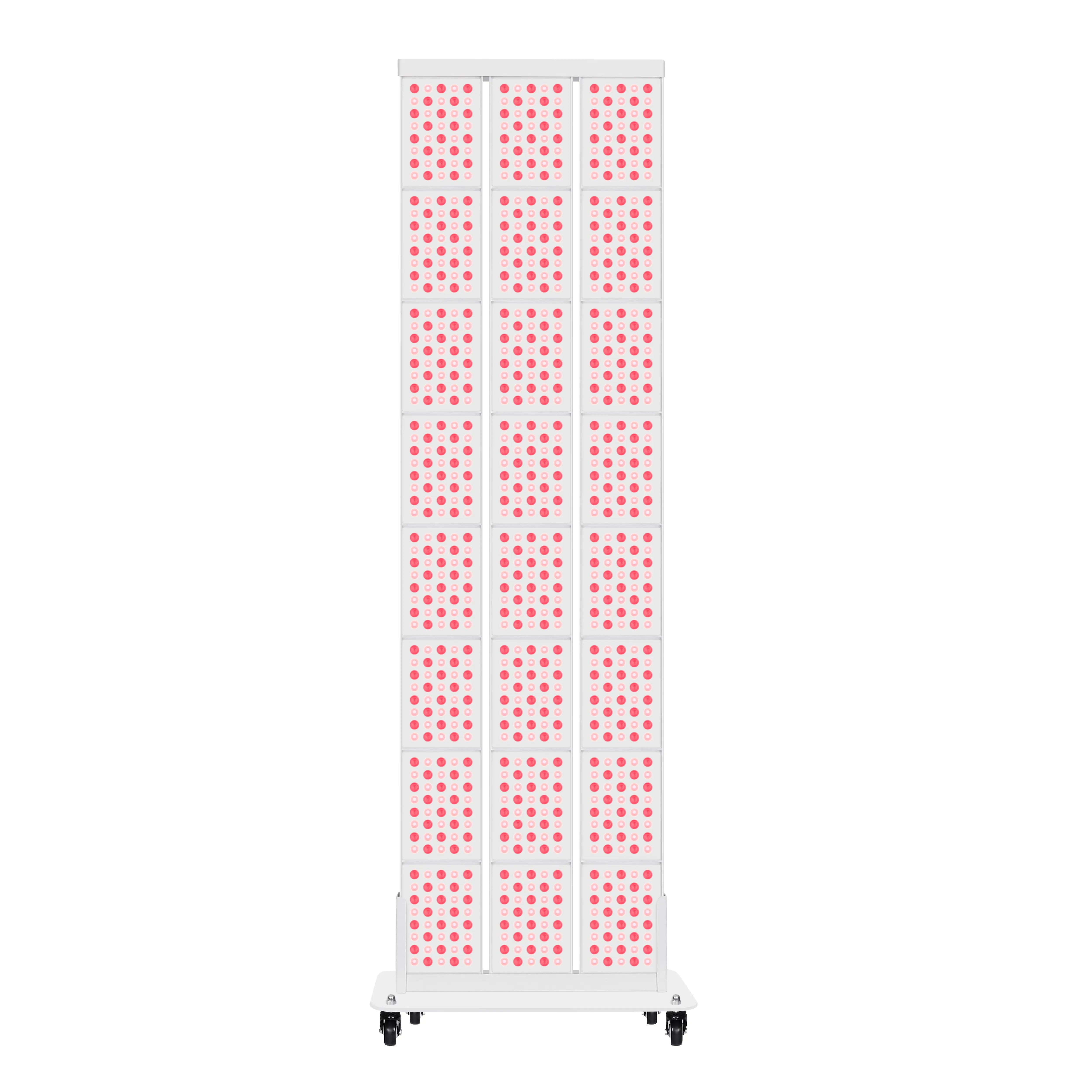
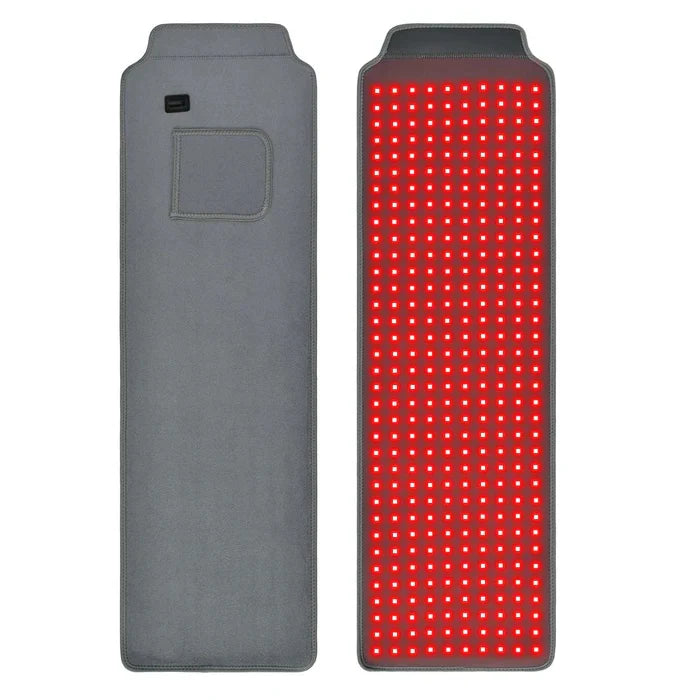
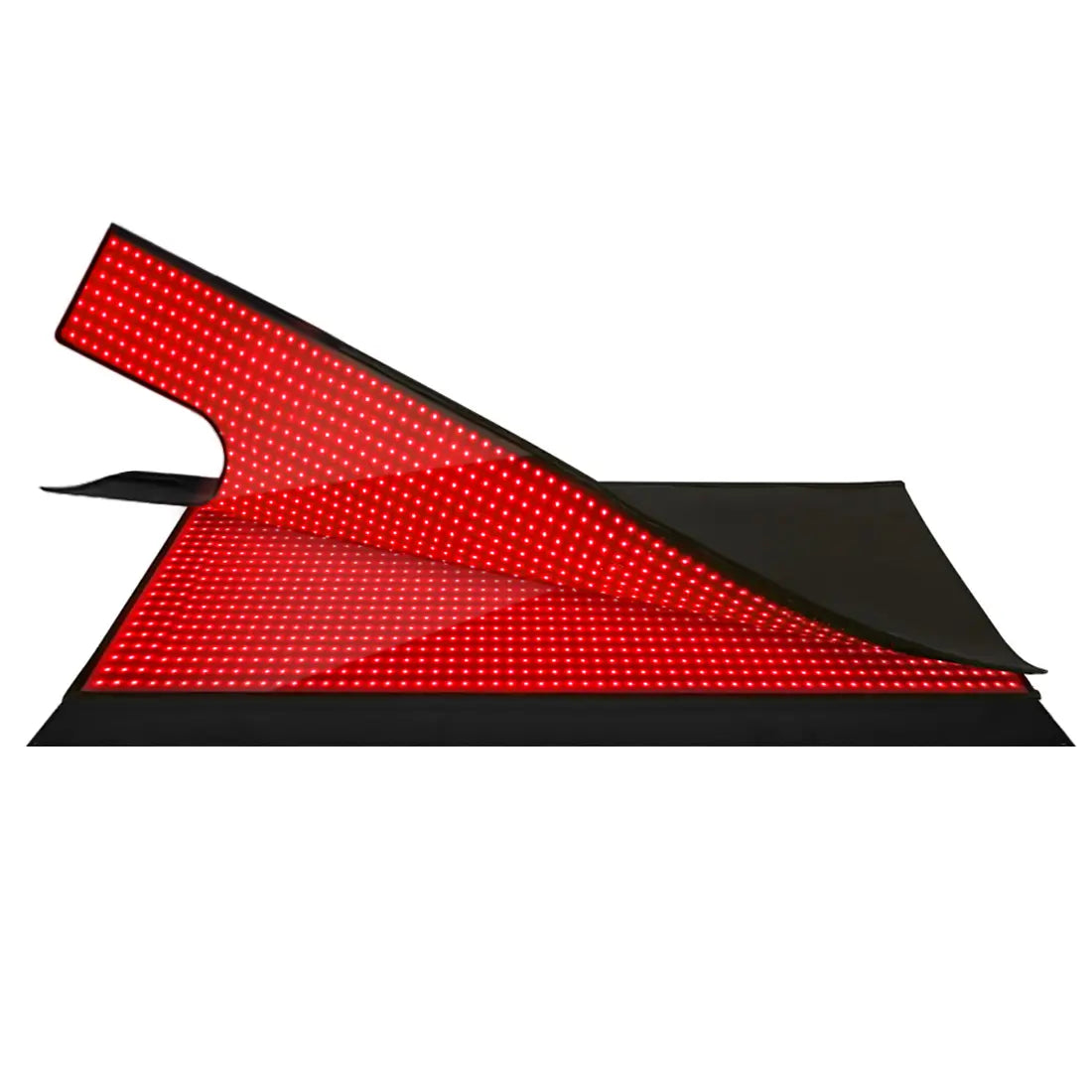
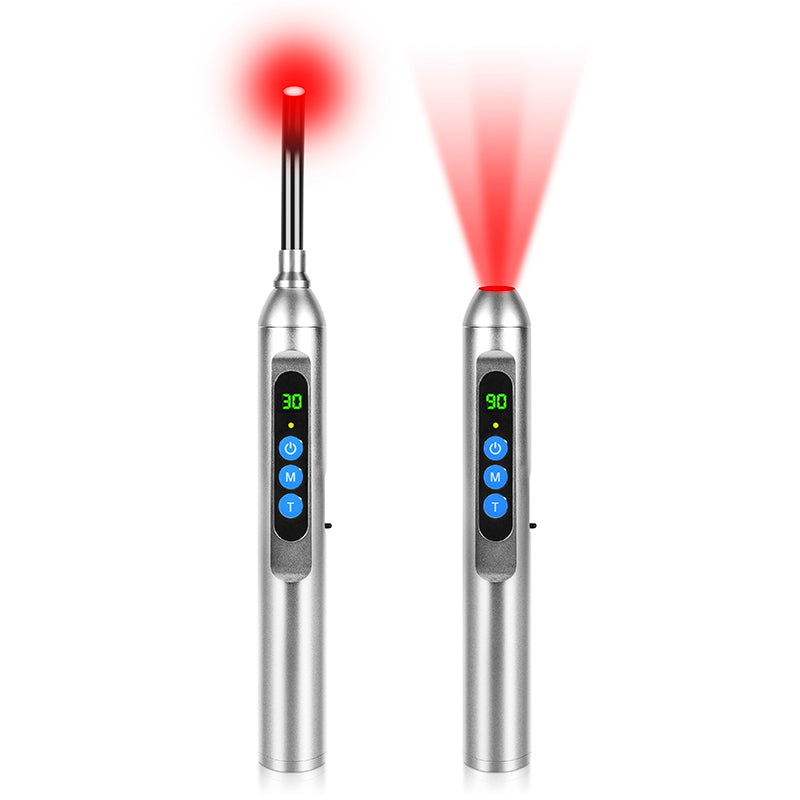
At-home devices add another layer of complexity. Stanford’s dermatology commentary warns that consumer tools vary widely in wavelength, intensity, and dose, and that users often have no clear way to know the actual energy delivered. At-home devices tend to be weaker than clinic systems, as Cleveland Clinic notes, so they may require longer or more frequent sessions for milder results. On the other hand, they are convenient and make it realistic for people to accumulate the dozens of sessions that clinical protocols often require, provided they are used correctly with eye protection and within recommended time limits.
Finally, cost and expectations cannot be ignored. University Hospitals and other health systems emphasize that red light therapy is rarely covered by insurance, that handheld devices start just under about one hundred dollars and can climb into the thousands, and that in‑office sessions can cost tens of dollars or more per treatment. They stress that it takes several treatments before effects are noticeable and that these treatments should be seen as complementary tools, not as substitutes for necessary medical care.
Safety, Skin Types, And When To See A Dermatologist
The overarching message on safety from Cleveland Clinic, WebMD, UCLA Health, and Stanford Medicine is that low‑level red and near‑infrared light used on the skin surface is low risk when used properly, especially compared with ultraviolet tanning or ablative lasers. The main long‑term unknown is cumulative exposure over many years, because long‑duration data are still limited.
Eye safety is not optional. Harvard Health highlights the recall of a popular LED acne mask over concerns about potential eye damage in susceptible individuals. WebMD and others recommend always using appropriate goggles and avoiding direct staring into LED panels, particularly at close range.
People taking photosensitizing medications or with a history of eye disease or skin cancer should not self‑treat with light devices. WebMD notes that conditions such as rheumatoid arthritis, tendinopathies, dementia, and pain syndromes are being studied with red light, but that anyone with complex medical histories needs medical guidance before adding unsupervised light exposure.
Skin tone matters as well. Light‑based acne therapy reviews point out that aggressive IPL or PDT protocols can provoke transient hyperpigmentation, especially in deeper skin phototypes, and that crusting and peeling can be more pronounced in these cases. This does not mean people with richly pigmented skin cannot benefit from light therapy; rather, it means protocol selection and parameters must be conservative and guided by clinicians who are experienced with skin of color.
The situations in which you absolutely want a dermatologist on board include severe or nodulocystic acne, any scarring that significantly alters facial contours, pigment changes that are spreading or uneven, and any history of keloids or problematic scars. Light therapy in these contexts can be very helpful, but it needs to be integrated into a broader plan that may include prescription medications, microneedling, chemical peels, or other interventions.
FAQ: Light Therapy And Post-Acne Pigmentation
How long does it usually take to see changes in post-acne marks with light therapy?
In acne and rejuvenation studies summarized by sources such as DermNet, Cleveland Clinic, and the skin rejuvenation trial, improvements typically begin to show after several weeks of consistent treatment. Combined blue–red LED protocols for acne often report visible lesion reductions around four to six weeks, with better results after eight to twelve weeks. Anti‑aging red light trials using thirty sessions over about three months saw smoother skin and improved collagen with benefits persisting for months. For post-acne marks, you can expect a similar timeline: modest change within the first month and more meaningful improvement over two to three months of steady use, especially when paired with sun protection and a supportive skincare routine.
Can red light therapy make hyperpigmentation worse?
The low‑level red and near‑infrared LED protocols described by dermatology clinics and Cleveland Clinic are not associated with increased pigmentation when used correctly. In fact, several sources describe improvements in sun damage, hyperpigmentation, and post‑inflammatory hyperpigmentation with red light as skin tone evens out. The main pigmentation risks in the literature arise with higher‑energy devices such as IPL and photodynamic therapy, especially when aggressive fluences or photosensitisers are used. Those treatments have documented cases of transient hyperpigmentation lasting up to about ten days. This is why it is crucial to distinguish gentle LED from high‑powered lasers and to involve a dermatologist when considering stronger modalities.
Does light therapy work for darker skin tones?
Most of the LED acne and rejuvenation trials include a range of skin types, and sources like DermNet and Greentoes Tucson describe blue–red LED and red light therapy as suitable for all skin types, including sensitive skin. That said, specific data on outcomes split by skin tone are still limited. For higher‑energy devices like IPL, pulsed dye, and PDT, the literature stresses careful parameter selection in deeper skin tones because melanized skin is more prone to post‑treatment hyperpigmentation. If you have a deeply pigmented complexion and are considering anything beyond low‑level LED, it is particularly important to work with a dermatologist who routinely treats skin of color.
Is an at-home red light mask worth it for post-acne pigmentation?
Home devices are weaker than in‑office systems, but they win on consistency. DermNet describes wearable masks that reduced inflammatory and non‑inflammatory acne lesions in trials, and other sources note that home masks and panels can improve overall skin quality when used several times per week. For post-acne pigmentation, an at‑home mask is unlikely to replace targeted vascular laser or IPL if you have severe redness or deep scars, but it can be a helpful maintenance and support tool. To get the most from it, choose an FDA‑cleared device from a reputable manufacturer, follow the recommended session times, protect your eyes, and view it as part of a longer‑term plan rather than a quick fix.
In the end, I look at light therapy for post-acne pigmentation the way I look at strength training for joints: not a miracle, not a replacement for expert care, but a powerful, science‑aligned input when you apply the right dose over time. If you are willing to pair consistent blue–red or red LED sessions with evidence‑based skincare and a dermatologist’s guidance when stronger tools are needed, light can absolutely become one of your best allies in fading the ghosts of old breakouts and getting your skin closer to the even, calm canvas you are after.
References
- https://brillarebeautyinstitute.edu/red-light-therapy-vs-traditional-skin-treatments/
- https://www.health.harvard.edu/diseases-and-conditions/led-lights-are-they-a-cure-for-your-skin-woes
- https://pmc.ncbi.nlm.nih.gov/articles/PMC3352636/
- https://med.stanford.edu/news/insights/2025/02/red-light-therapy-skin-hair-medical-clinics.html
- https://www.brownhealth.org/be-well/red-light-therapy-benefits-safety-and-things-know
- https://dermnetnz.org/topics/lasers-lights-and-acne
- https://my.clevelandclinic.org/health/articles/22114-red-light-therapy
- https://stvincents.org/about-us/news-press/news-detail?articleId=66176
- https://www.uclahealth.org/news/article/5-health-benefits-red-light-therapy
- https://www.aad.org/public/cosmetic/safety/red-light-therapy