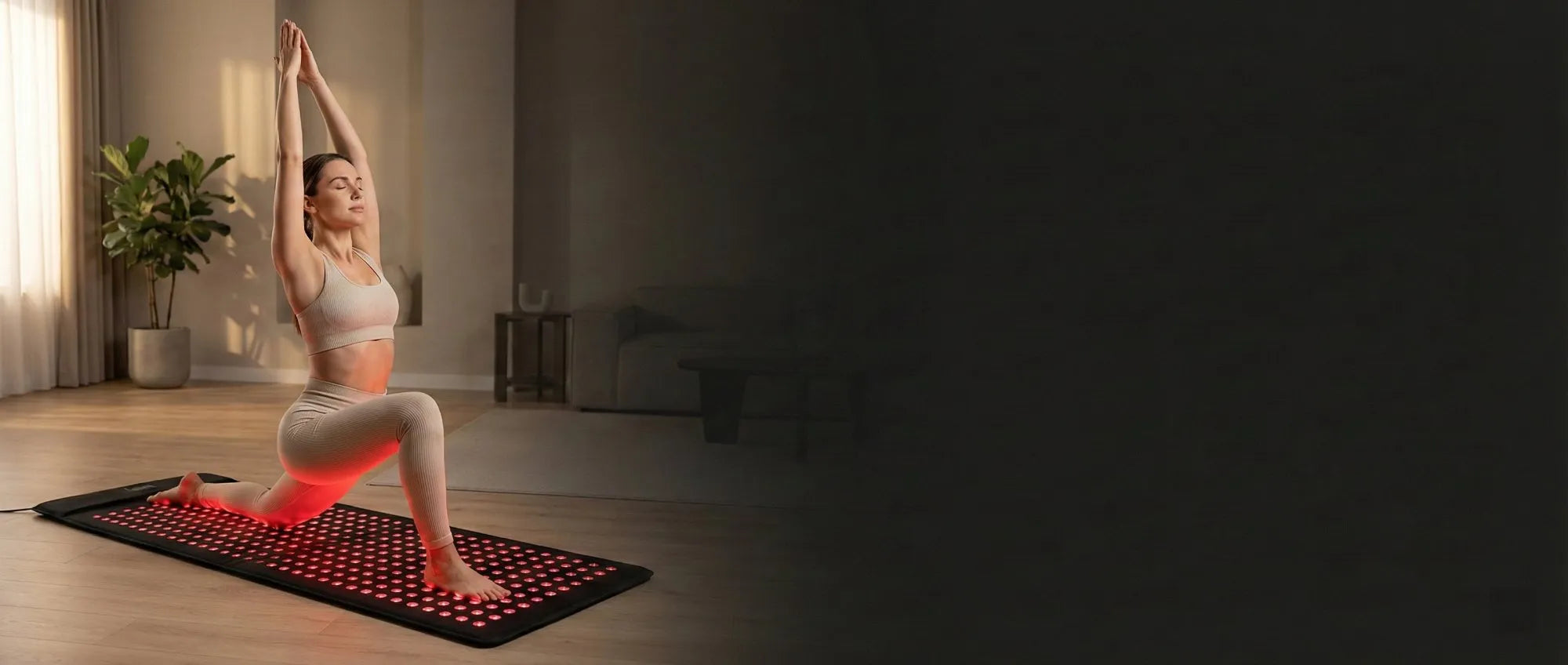
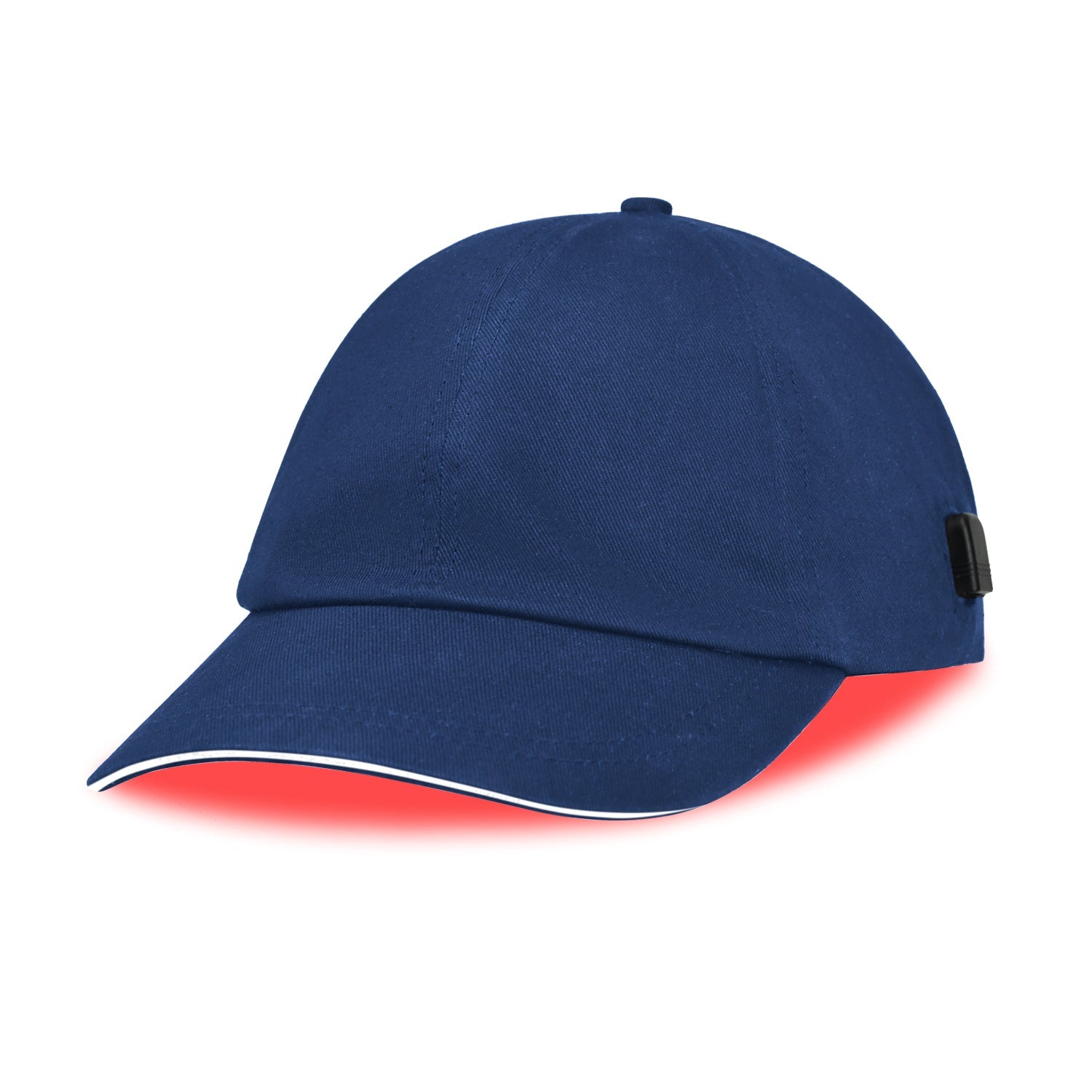
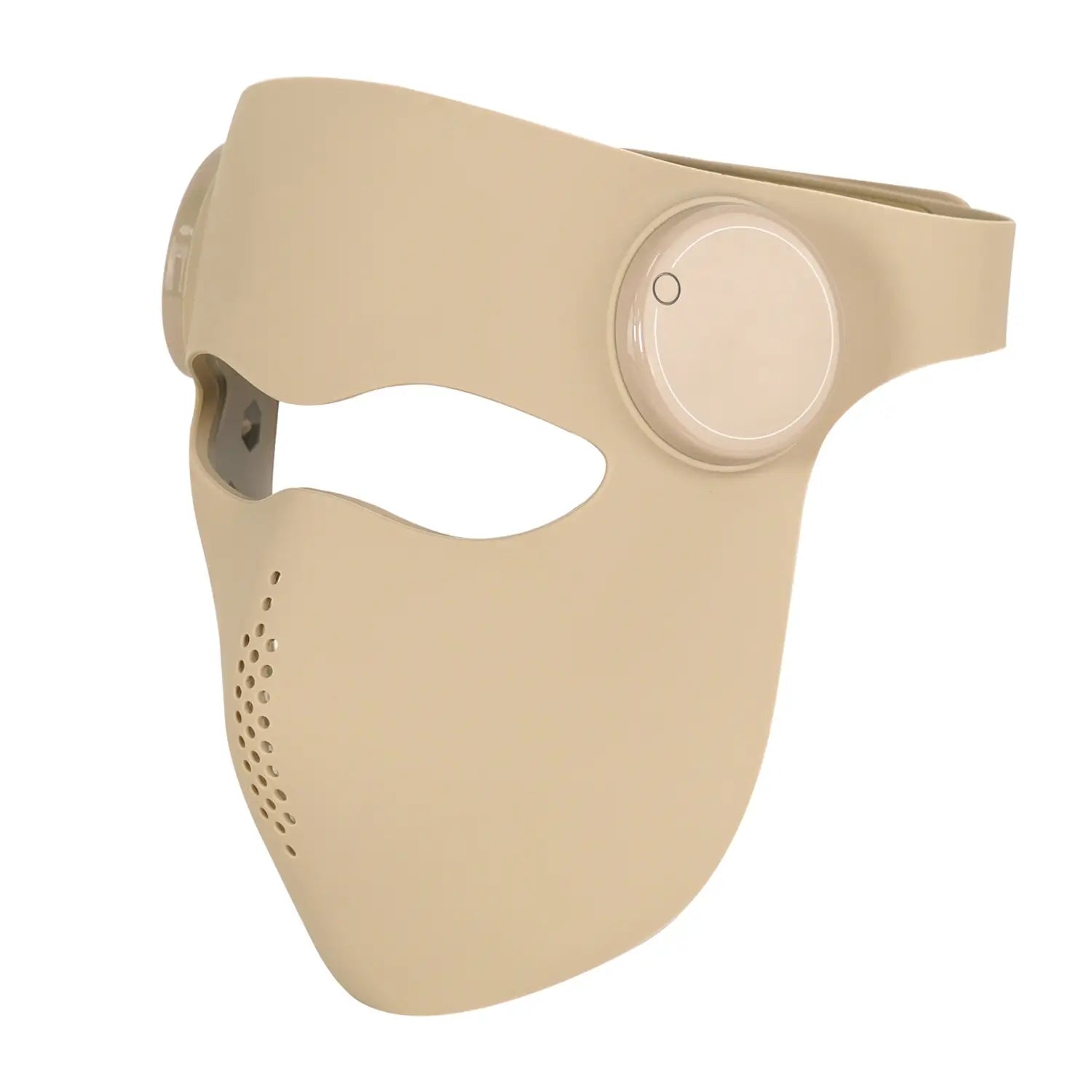
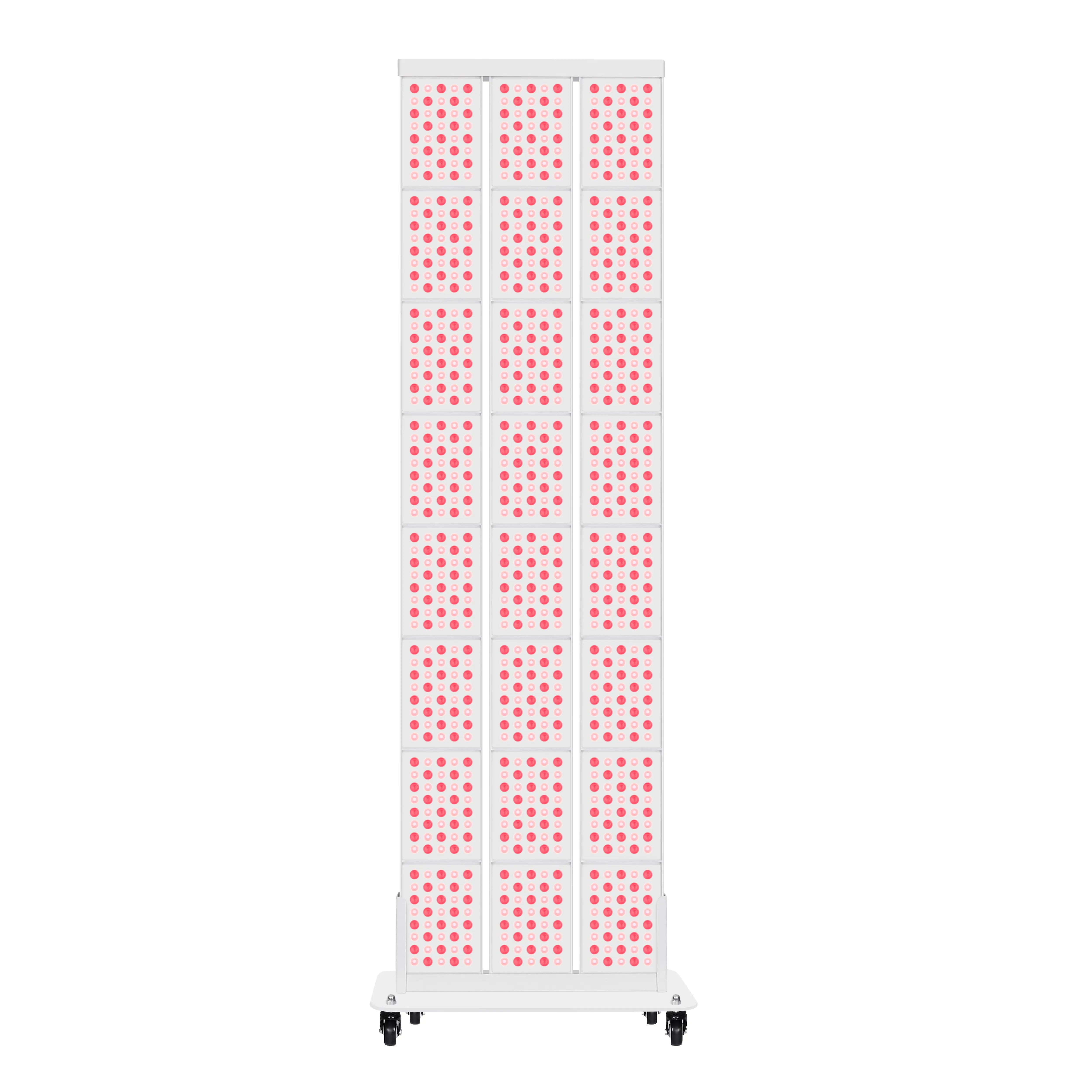
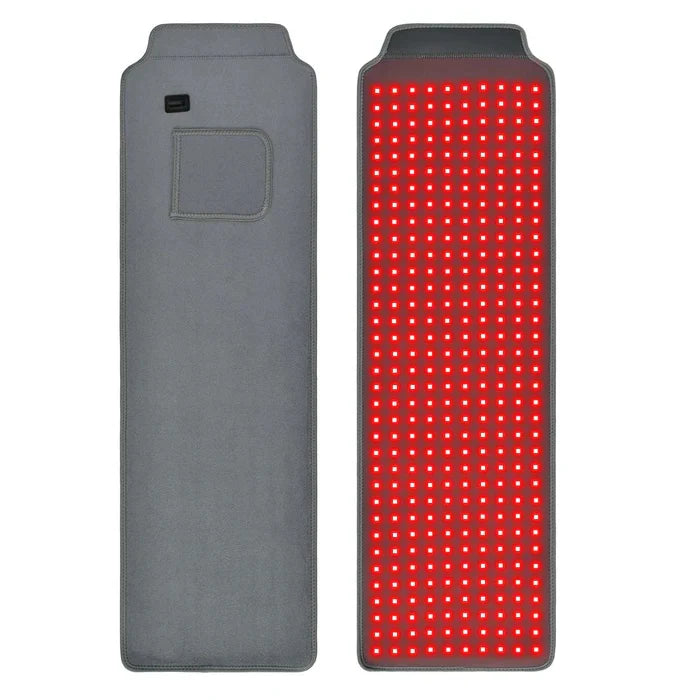
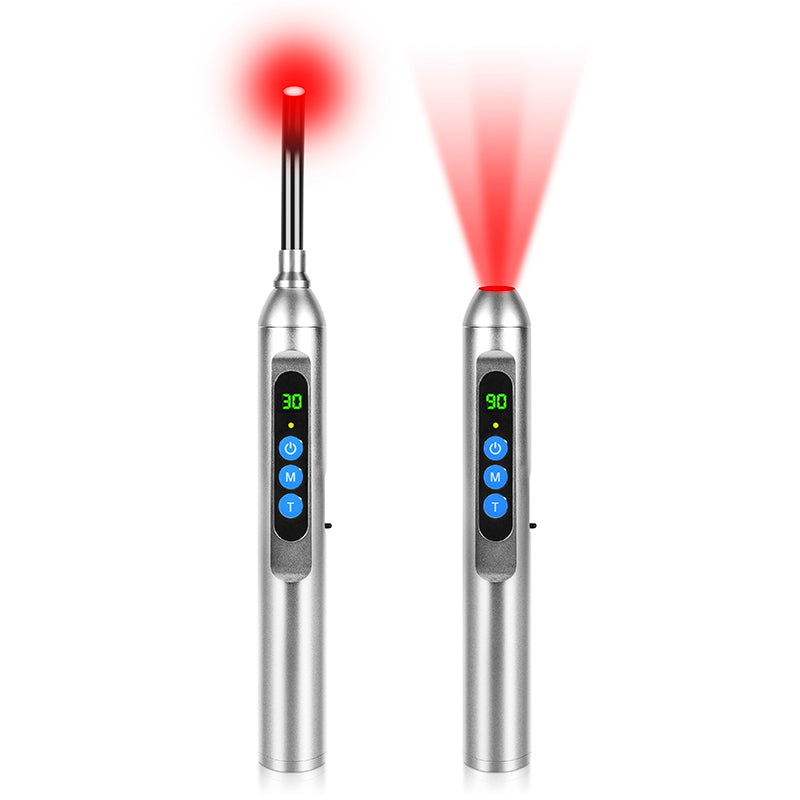

Red light therapy devices are everywhere right now: masks, panels, wands, even collagen-boosting “helmets.” If you struggle with those stubborn little bumps under the skin—closed comedones—it is natural to wonder whether bathing your face in red light can finally smooth them out.
As a long-time light therapy obsessive who reads the dermatology literature for fun, I want to unpack what the science actually says about red light and closed comedones. There is real promise here, but also limits that marketing rarely mentions. The goal is simple: help you decide where red light truly fits in a smart, science-backed routine for clogged pores and acne-prone skin.
Closed Comedones 101: The Texture Problem
Before we talk photons, we need to understand the target.
Closed comedones are essentially tiny, noninflamed clogged pores. Oil (sebum) and dead skin cells accumulate inside the pore, but the surface of the skin remains closed over the top. On the face, they often show up as small, skin‑colored or slightly white bumps, especially on the forehead, cheeks, and jawline. Many people casually call them “whiteheads,” even though dermatologists sometimes reserve that term for plugs that are closer to the surface.
This is different from open comedones (blackheads), where the top of the pore is open and the contents oxidize and darken, and it is also different from inflamed lesions like red papules, pustules, and cysts. Those inflamed lesions are where bacteria and immune activity really ramp up.
A key point for the light-therapy conversation is that closed comedones are primarily a keratin plug problem. They are about sticky dead skin and oil getting trapped, not primarily about infection. That is why topical retinoids and gentle exfoliating acids are classic first‑line tools for comedones, while antibiotics are reserved for more inflammatory acne. Light-based therapies, including red light, interact differently with these various lesion types.

How Red Light Therapy Actually Works On Skin
Red light therapy, often grouped with “low-level light therapy” or “photobiomodulation,” uses specific wavelengths of red and near‑infrared light to nudge cellular biology without burning or peeling the skin.
Major medical centers such as Cleveland Clinic and Stanford Medicine describe the core mechanism similarly. Red and near‑infrared light are absorbed by structures in the mitochondria (the cell’s power plants), which appears to boost energy production and upregulate repair processes. In skin, those downstream effects include increased fibroblast activity, more collagen and elastin, improved blood flow, and reduced inflammatory signaling.
Unlike ultraviolet (UV) light, red light does not damage DNA or cause tanning. The American Academy of Dermatology and Cleveland Clinic both emphasize that properly used red light is noninvasive and avoids the UV‑related cancer risks associated with sunlight and tanning beds.
Different colors of light penetrate to different depths and do different jobs. Dermatology and device manufacturers consistently describe something like this pattern:
Light color |
Typical wavelength band (approx.) |
Main action in skin |
Common skin uses |
Blue |
Around 405–420 nm |
Stays near the surface; activates porphyrins in acne bacteria |
Mild to moderate acne, especially inflamed lesions |
Red |
Roughly 620–660 nm |
Reaches into the upper dermis; modulates inflammation and collagen |
Photoaging, redness, support for acne and healing |
Near‑infrared |
Around 800–850 nm |
Penetrates deepest; affects circulation and deeper tissues |
Pain, deeper healing, long‑term rejuvenation support |
Dermatology clinics and medical sources report that red light’s strongest evidence so far is in skin aging and hair support. Stanford Medicine notes that among all uses, hair regrowth and wrinkle reduction currently have some of the best data, with hundreds of studies suggesting that shallow‑penetrating red light can “plump” skin by stimulating collagen.
For acne, red light is usually not the star of the show; it plays a supporting role.

Light-Based Acne Therapy: Big Picture
The most robust acne data comes from blue or blue‑plus‑red LED therapy rather than red light alone.
A detailed review of light‑based acne treatments archived by the National Institutes of Health reports that high‑intensity narrow‑band blue or blue–red light, used for several minutes twice weekly over about four weeks, consistently improves mild‑to‑moderate inflammatory acne. In multiple studies, inflammatory lesions dropped by roughly 60 to 70 percent. When researchers combined blue and red, results were better: some trials reported around 69 to 77 percent reductions in inflammatory lesions.
Noninflammatory lesions—meaning comedones—did improve, but less dramatically. In one randomized trial where participants used a blue–red LED device twice daily for several weeks, noninflammatory lesion counts fell by about 54 percent at twelve weeks, while inflamed lesions dropped more. Histology samples in that study showed decreased sebum production, smaller sebaceous glands, and less inflammation, which suggests light can nudge some of the biology that feeds comedones.
Clinical practices echo this. Dermatology clinics that use combination blue and red light describe benefits for acne redness and inflammation, some smoothing of texture, and gradual improvement in scars and post‑acne marks when treatments are repeated over weeks.
However, large academic centers add a strong note of caution. Cleveland Clinic’s guidance on LED light therapy points out that these treatments do not effectively treat acne cysts, blackheads, or whiteheads and emphasizes that research is still limited and highly variable in quality. The American Academy of Dermatology similarly describes red light therapy as a possible add‑on that may modestly help mild acne, rather than a replacement for proven treatments.
So, light therapies clearly do something for acne biology, particularly inflammation and bacteria. The real question is how much of that translates into visible change in closed comedones specifically.
Closed Comedones: What Can Red Light Realistically Do?
When you zoom in on closed comedones, the picture becomes more nuanced.
First, remember the underlying problem. Closed comedones are plugs of dead skin and oil trapped under a thin layer of skin. Light can reach that zone, but it is interacting with cells, not physically extracting the plug. This is very different from extracting a comedone with a tool or chemically normalizing the way cells shed with a retinoid.
Second, the strongest acne data for light therapy involves either blue light alone or blue combined with red. Blue light directly targets acne‑causing bacteria by exciting porphyrins in the microbes and generating reactive oxygen species that kill them. Red light’s contribution there is more about calming inflammation, improving circulation, and supporting healing.
In the NIH‑archived review, when noninflammatory lesions improved, it was under a blue–red protocol, not pure red light. Even then, comedones improved less than inflamed lesions and required consistent, frequent treatment over several weeks.
On the other side of the ledger, Cleveland Clinic’s LED therapy overview specifically notes that LED light therapy does not help with blackheads or whiteheads. That statement reflects both clinical experience and the fact that keratin plugs themselves are not directly broken apart by light at the doses used for cosmetic therapy.
Putting those pieces together, a science‑honest way to frame red light’s role for closed comedones looks like this:
Red light therapy alone is unlikely to dramatically “melt” closed comedones. Its strengths are anti‑inflammatory effects, support for healing, and long‑term improvements in texture and collagen. For many people, it will smooth the overall look of the skin, fade red marks and scars, and calm active breakouts, while the stubborn little closed bumps still need targeted comedone‑focused treatments.
Combination blue–red light, especially in properly designed clinical or medical‑grade devices, appears to have some ability to reduce both inflammatory and noninflammatory lesions, but even in those trials, comedones improved more slowly and less completely than inflamed pimples. And these protocols involve disciplined, repeated use under supervision.
So if closed comedones are your main concern, red light is best viewed as a supportive player, not the primary unclogging tool.
The Upside: Why Red Light Still Matters For Comedone‑Prone Skin
Even with those limitations, there are compelling reasons a closed‑comedone‑prone person might want red light in their toolkit, especially if the routine is built intelligently.
Medical and dermatologic sources converge on several science‑backed benefits.
Red light is anti‑inflammatory. Cleveland Clinic, Natural Image Skin Center, and multiple clinical summaries note that red light can reduce redness and inflammatory cytokines. If you have a mix of closed comedones and inflamed papules or pustules, calming the inflammation helps break the “flare, pick, scar” cycle that often follows clogged pores.
It supports healing and scar reduction. Arizona Dermatology describes red light’s role in promoting tissue repair and improving scars from acne and injuries. Studies summarized by Stanford Medicine and BSW Health show that shallow‑penetrating red light can increase collagen, which translates into smoother texture and subtly plumper skin over time. You may still need topical retinoids or procedures to fully address comedones, but red light can help the surface look and feel better while that is happening.
It can be gentler than many medications. Clinical overviews from Gold Skin Care Center and others emphasize that LED acne therapy is noninvasive and usually well tolerated, with far less dryness and peeling than classic topical regimens. For sensitive, easily irritated skin, red light may allow you to use lower doses of actives while still making progress.
It plays nicely with full‑routine skin health. LED therapy is frequently combined with established ingredients like retinoids, vitamin C, peptides, antioxidants, and gentle exfoliating acids in dermatology clinics and spas. Lace Leaf MedSpa notes that red light can even “prime” skin for regenerative treatments like platelet‑rich plasma, suggesting there may be synergy with other interventions that rebuild collagen and normalize cell turnover.
All of that matters if you are playing the long game: keeping your barrier healthy, minimizing inflammation and scarring, and optimizing texture so that even if a few closed comedones remain, they are less visible and less likely to evolve into angry cysts.

The Downsides: Limits, Costs, And Safety Realities
Now for the parts that marketers gloss over.
Evidence is still limited and mixed. The American Academy of Dermatology, Cleveland Clinic, Stanford Medicine, and WebMD all caution that many red‑light studies are small, short‑term, and use different devices and protocols. There are no large, definitive trials specifically proving that red light clears closed comedones. Where comedones do improve, it has usually been under blue–red combination protocols or more intensive approaches like photodynamic therapy, not simple red LED facials.
It is a time commitment. Medical and industry guidance points toward repeated sessions over weeks to months. Dermatology clinics commonly use twenty‑minute treatments once or twice weekly for several weeks. Cleveland Clinic notes that some at‑home devices call for twice‑daily sessions of thirty to sixty minutes for four to five weeks, while other devices use shorter daily exposures. BlockBlueLight’s guidance for home panels suggests starting with ten to twenty minutes three times per week and increasing to five sessions per week if desired. In other words, you earn the benefits through consistency, not a one‑time mask selfie.
Devices vary a lot. Stanford Medicine points out that clinic devices are typically more powerful and better characterized in wavelength and dose than at‑home options, which makes consumer gadgets hard to compare. The American Academy of Dermatology adds that at‑home devices are usually weaker and require more consistent, longer‑term use for any effect, and they urge skepticism toward sweeping “miracle” claims.
Results are modest and individual. The American Academy of Dermatology and Cleveland Clinic both frame red light as something that may modestly improve mild photoaging or acne in some people, but not a guarantee and not a stand‑alone cure. Outcomes depend on your skin type, the underlying cause of your acne, the wavelengths and power of your device, and how well you use it.
There are safety considerations, even though risk is low. Cleveland Clinic, the AAD, and WebMD agree that properly used red light is generally safe and noninvasive. But they also highlight some cautions. Overuse or overly intense devices can cause temporary redness, irritation, or even burns. Strong light directed into the eyes can be harmful, so protective eyewear and not staring at LEDs is important. People who take photosensitizing medications (such as isotretinoin, certain antibiotics, lithium, and some diuretics) or who have a history of skin cancer or inherited eye diseases should talk with a dermatologist before using light therapy. Long‑term safety data for very frequent, prolonged at‑home use are still limited.
And if your device adds blue light, there is one extra wrinkle: Cleveland Clinic notes that some research suggests blue light may contribute to skin aging through free radical damage. That does not mean blue light is off‑limits, but it does mean you should treat it with the same respect you give sun exposure: keep sessions reasonable and use antioxidant skincare and sunscreen.
Where Red Light Fits In A Closed‑Comedone Routine
The most effective routines treat red light as part of a system rather than a heroic solo act. Think of it as one more knob you can turn to support healthy skin biology while you address the fundamental clogging with well‑proven tools.
Start With A Clear Diagnosis And Plan
Acne is not one single disease. The NIH‑archived review notes that acne vulgaris affects more than 85 percent of adolescents and often persists into adulthood, with a mix of factors: oil production, sticky dead skin, bacteria, and inflammation. Closed comedones are only one expression of that complex biology.
If your skin is dominated by closed comedones with minimal redness, you may need a different plan than someone with mostly inflamed cysts. A consultation with a board‑certified dermatologist is ideal, especially if over‑the‑counter efforts have failed, you have scarring, or you are considering prescription retinoids or hormones. Major medical sources consistently recommend this step before investing heavily in red light, both to confirm the diagnosis and to review medication lists for photosensitizing drugs.
During that conversation, you can ask very concrete questions: whether red or blue–red light is appropriate for your specific pattern of acne, what to expect in terms of results, and how to time light sessions around prescription topicals or oral medications.
Choose Your Device With A Skeptical Eye
If you decide to bring red light into your routine, you want a device that at least aligns with what has been studied.
HealthLight, BlockBlueLight, and multiple medical overviews highlight the 630 to 850 nm band as the most common therapeutic range for skin and tissue support. Many professional dermatology devices use red around 630 to 660 nm and near‑infrared around 830 to 850 nm. Consumer devices that do not specify their wavelengths or that use vague language like “beauty light” are harder to trust.
Regulatory status matters too. HealthLight and the American Academy of Dermatology recommend prioritizing devices that are FDA‑listed or FDA‑cleared for skin indications, because that at least confirms a basic level of safety and quality. This does not guarantee strong clinical efficacy, but it filters out some of the worst junk.
You also need to decide between professional in‑office treatments and at‑home devices. Medical sources highlight a few trade‑offs.
Setting |
Typical device profile |
Commitment and experience |
Dermatology clinic or med spa |
Higher power, well‑characterized wavelengths and dosing; sometimes combined with photosensitizers or procedures |
Fewer, more intense sessions; medical oversight; higher per‑visit cost; no need to buy hardware |
At‑home device |
Lower power panels, masks, or wands; wide variability in quality and documentation |
Lower upfront power but convenient; requires frequent, consistent use over weeks to months; cost ranges from about $100.00 to $1,000.00 for many consumer units |
Academic and clinical sources repeatedly remind users that at‑home devices usually provide subtler, slower changes and require more discipline. If you are not realistically going to sit under a panel three to five evenings a week, you are better off spending your money on proven topicals and perhaps a short series of in‑office treatments instead.
Use It Like A Protocol, Not A Toy
Where I see red light really start to earn its keep is when people treat it like they would a serious supplement protocol: structured, consistent, and integrated with the rest of their regimen.
Most professional and manufacturer protocols cluster around ten to twenty minutes per area, several times per week. HealthLight, for example, suggests ten to twenty minutes per treatment area once or twice per day, while BlockBlueLight recommends starting at ten to twenty minutes three times weekly and increasing to five sessions a week if needed. Many dermatology offices schedule sessions once or twice weekly for several weeks, each lasting about twenty minutes, and UCLA Health describes a small acne study where six red‑light treatments every two weeks led to reduced oil and lesions.
Cleveland Clinic notes that some at‑home LED setups call for longer sessions—up to thirty to sixty minutes twice daily, particularly with weaker devices—while other high‑intensity masks are designed for brief daily exposures. Dr. Dennis Gross, for example, markets an FDA‑cleared mask that uses a three‑minute daily red–blue session.
What these protocols share is not an exact minute count but the insistence on regularity. Rouge, a home‑panel manufacturer, emphasizes that trying to “cram” many long sessions into one day does not make up for inconsistent use. Benefits build gradually and fade when you stop.
The basic steps look like this, regardless of device:
Begin with clean, product‑free skin unless your device is specifically engineered to pair with water‑based serums. Multiple medical and manufacturer guides—from Cleveland Clinic to HealthLight, Rouge, and Dr. Dennis Gross—emphasize removing makeup, sunscreen, and occlusive skincare before treatment because these can block light. Some newer brands, such as Solawave, incorporate hydrating serums designed to be used with their wands, but even they suggest avoiding harsh exfoliants or strong acids immediately beforehand.
Position your device at the recommended distance. Rouge suggests about twelve to thirty‑six inches from the skin for surface‑level goals, moving closer for deeper tissue targets, while many masks sit directly on or just off the face. More is not always better: going far beyond your device’s tested intensity and duration can lead to diminishing returns or irritation.
Protect your eyes. Professional guidelines from the American Academy of Dermatology and WebMD stress wearing appropriate eye protection when using bright LED devices, especially those that sit close to the face. Never stare directly into the LEDs.
Track your response over time. Clinical protocols and brands like LEDesthetics and Rouge encourage documenting progress with photos every couple of weeks. With closed comedones, you are looking for very gradual changes in texture and bumpiness, not overnight clearing.
Stack Red Light With Comedone‑Focused Basics
Red light does its best work when it is not trying to replace the foundations of comedone care.
The NIH‑archived acne review points out that conventional treatments like topical retinoids and benzoyl peroxide still form the backbone of evidence‑based management. LED therapies are most useful as adjuncts when standard treatments alone are not enough or are poorly tolerated. Cleveland Clinic and BSW Health both frame red light as a management tool that combines well with prescribed acne medications rather than something that lets you skip them.
In practical terms, that often means using red light on clean skin, then following with a gentle moisturizer and your prescribed topicals at the time of day recommended by your dermatologist. Many clinicians prefer retinoids at night, so some people use red light earlier in the evening on bare skin, then apply their retinoid after. On non‑retinoid nights, you might pair red light with hydrating, barrier‑supportive serums.
The key is not to overload the skin. The safest play, especially if you are prone to sensitivity, is to introduce one change at a time and watch for cumulative irritation: do not start a strong retinoid and daily LED sessions and a new acid toner all in the same week. Sensitive‑skin guidance from red‑light brands such as Solawave includes starting with shorter, lower‑intensity sessions, slowly increasing as tolerated, and pausing or scaling back if you see persistent redness or discomfort.

When Red Light Is Not Enough
There are situations where, based on current evidence, red light is unlikely to give you the payoff you want on closed comedones.
If your acne is almost entirely noninflamed texture with very few red lesions, light therapy is working against a purely mechanical problem. You may get some improvement in overall glow and firmness, but the plugs themselves usually need comedolytic strategies such as topical retinoids, gentle acids, and sometimes in‑office extractions or peels.
If you have significant scarring, deep cysts, or nodules, professional evaluation is even more critical. Cleveland Clinic explicitly notes that LED therapy does not treat acne cysts, and the American Academy of Dermatology emphasizes that red light should not be viewed as a replacement for well‑studied treatments or procedures. More intensive options, which might include prescription medications, microneedling, chemical peels, or even photodynamic therapy with a topical photosensitizer and red light, have stronger track records for severe or scarring acne—but they also come with more downtime and risk and must be guided by a dermatologist.
If you have medical reasons to avoid light therapy—photosensitizing medications, a history of skin cancer, certain eye diseases, or systemic conditions associated with photosensitivity—red light may be off the table entirely or need to be used only under tight medical supervision. Cleveland Clinic, the American Academy of Dermatology, and WebMD all underscore this.
In any of these circumstances, the healthiest mindset is to treat red light as an optional layer, not a necessity. Building a solid, gentle, comedone‑appropriate skincare routine and getting your diagnosis right will move the needle much more than any gadget.

FAQ: Red Light And Closed Comedones
Q: Can red light therapy alone clear my closed comedones? A: Based on current evidence, it is unlikely. Reviews of light‑based acne treatments show that combination blue–red LED can reduce both inflamed and noninflamed lesions, but comedones improve less than red pimples and only with very consistent use. Major institutions like Cleveland Clinic explicitly state that LED therapy does not effectively treat blackheads or whiteheads. Red light’s strengths are anti‑inflammatory effects, support for healing, and improvement in texture and fine lines. Those benefits can make comedones less noticeable, but they generally do not replace comedone‑focused treatments such as retinoids and gentle exfoliation.
Q: How long would I need to use red light before seeing any difference in my skin texture? A: The clinical studies we have suggest that acne and texture changes appear gradually over weeks, not days. Light‑based acne protocols in the dermatology literature often run for four weeks or more, with some improvements measured at twelve weeks. UCLA Health describes a small study where six red‑light treatments given every two weeks improved oil production and acne lesions, which is roughly a three‑month window. For closed comedones specifically, any changes are likely to be slower and subtler than for red, inflamed spots. A realistic test run is at least eight to twelve weeks of consistent, correctly dosed use, paired with a solid skincare routine, before you decide whether it is helping.
Q: Is a blue–red combination device better than pure red light if my main issue is closed comedones? A: For acne overall, blue–red combinations have stronger data than red light alone, with studies showing larger reductions in inflammatory lesions and meaningful, though smaller, reductions in noninflammatory lesions. The blue component targets acne bacteria and may indirectly reduce some of the inflammation and oiliness that make comedones worse. That said, Cleveland Clinic notes that blue light may contribute to free radical damage and aging, and some LED guidance warns that LED therapy still does not replace comedone‑specific treatments. If you choose a combination device, keep sessions within recommended limits, use antioxidant skincare and daily sunscreen, and work with a dermatologist to make sure it fits your skin type and risk profile.
Science‑backed biohacking is about stacking the odds in your favor, not betting everything on one shiny gadget. Red light can be a powerful ally for calming inflammation, boosting collagen, and elevating overall skin health. For closed comedones, its role is supportive rather than transformative—most of the heavy lifting still comes from smart, consistent skincare and, when needed, professional guidance. If you respect those boundaries, a well‑chosen red‑light protocol can become one more tool that helps your skin gradually move from rough and congested to smoother, clearer, and more resilient.
References
- https://pmc.ncbi.nlm.nih.gov/articles/PMC4439741/
- https://med.stanford.edu/news/insights/2025/02/red-light-therapy-skin-hair-medical-clinics.html
- https://my.clevelandclinic.org/health/articles/22114-red-light-therapy
- https://www.uclahealth.org/news/article/5-health-benefits-red-light-therapy
- https://www.aad.org/public/cosmetic/safety/red-light-therapy
- https://www.drdennisgross.com/how-to-use-an-led-device-at-home.html?srsltid=AfmBOoo4fSzkac9zdOJy5wm9b4WMsSE8A_h6vI-tzy1xI5w-Jk2kfWC3
- https://www.bswhealth.com/blog/5-benefits-of-red-light-therapy
- https://www.dermatologist-nyc.com/red-light-therapy-acne/
- https://goldskincare.com/acne-light-therapy-a-breakthrough-treatment-for-clearer-skin-2/
- https://laceleafmedspa.com/why-light-therapy-should-be-a-staple-in-your-skin-treatments/