
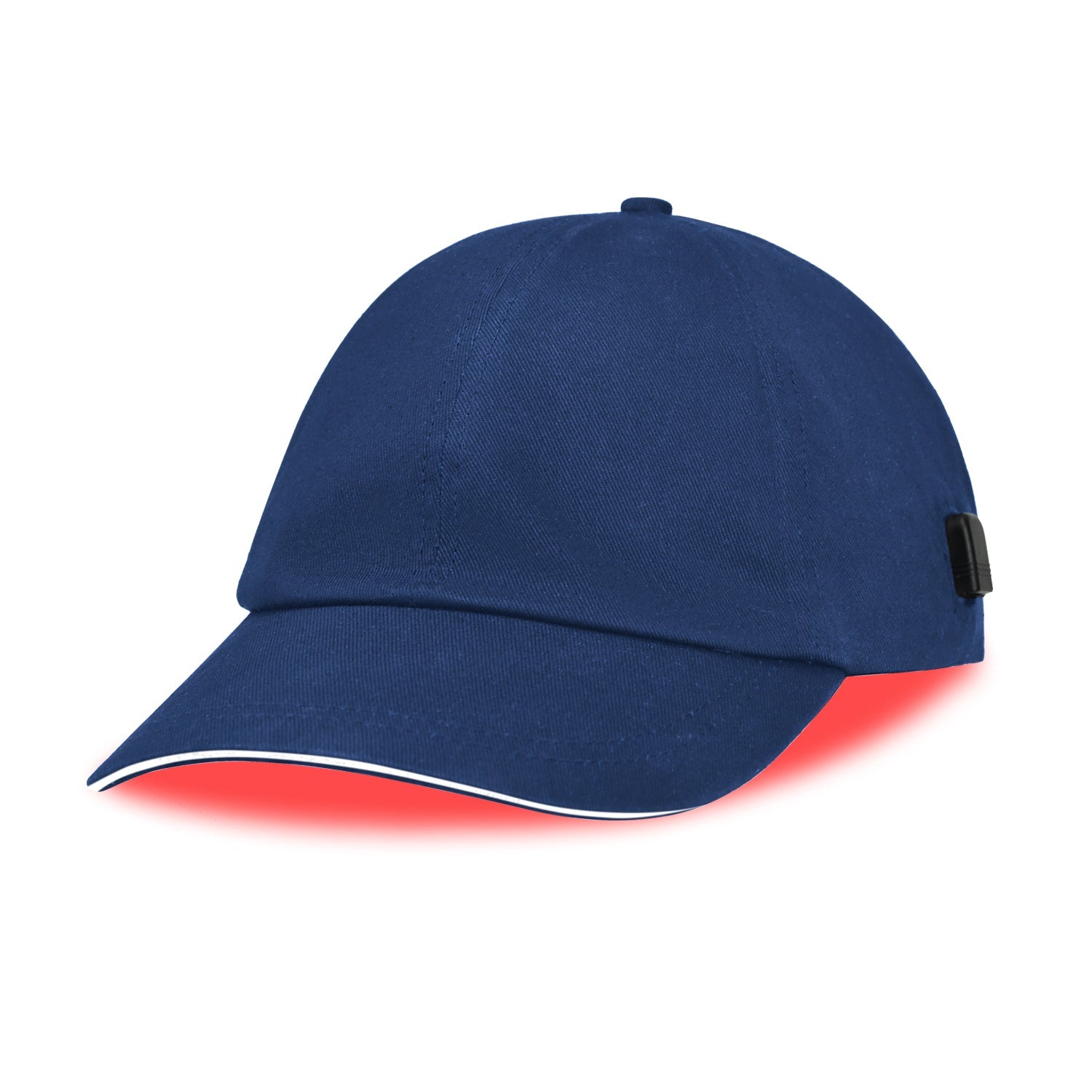
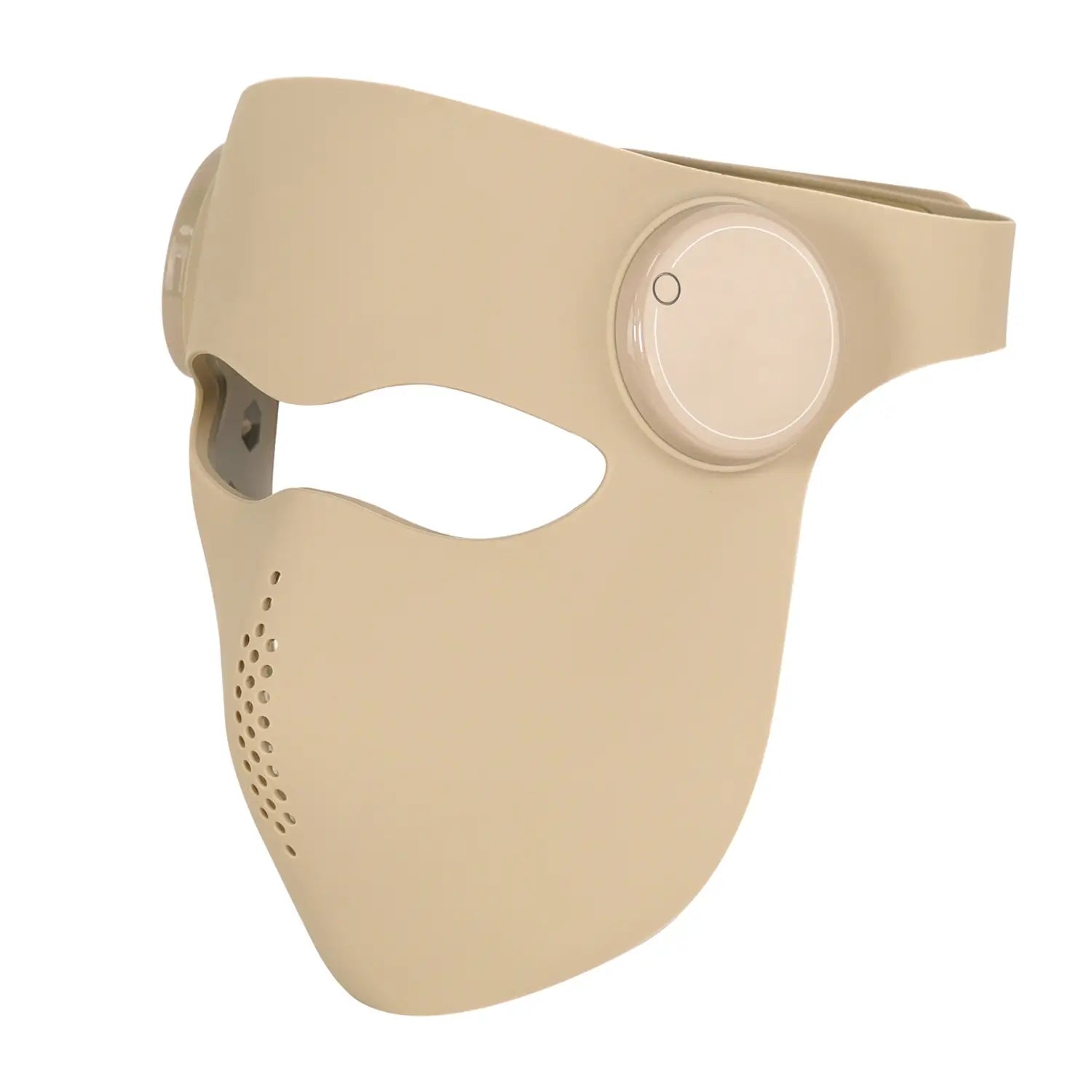
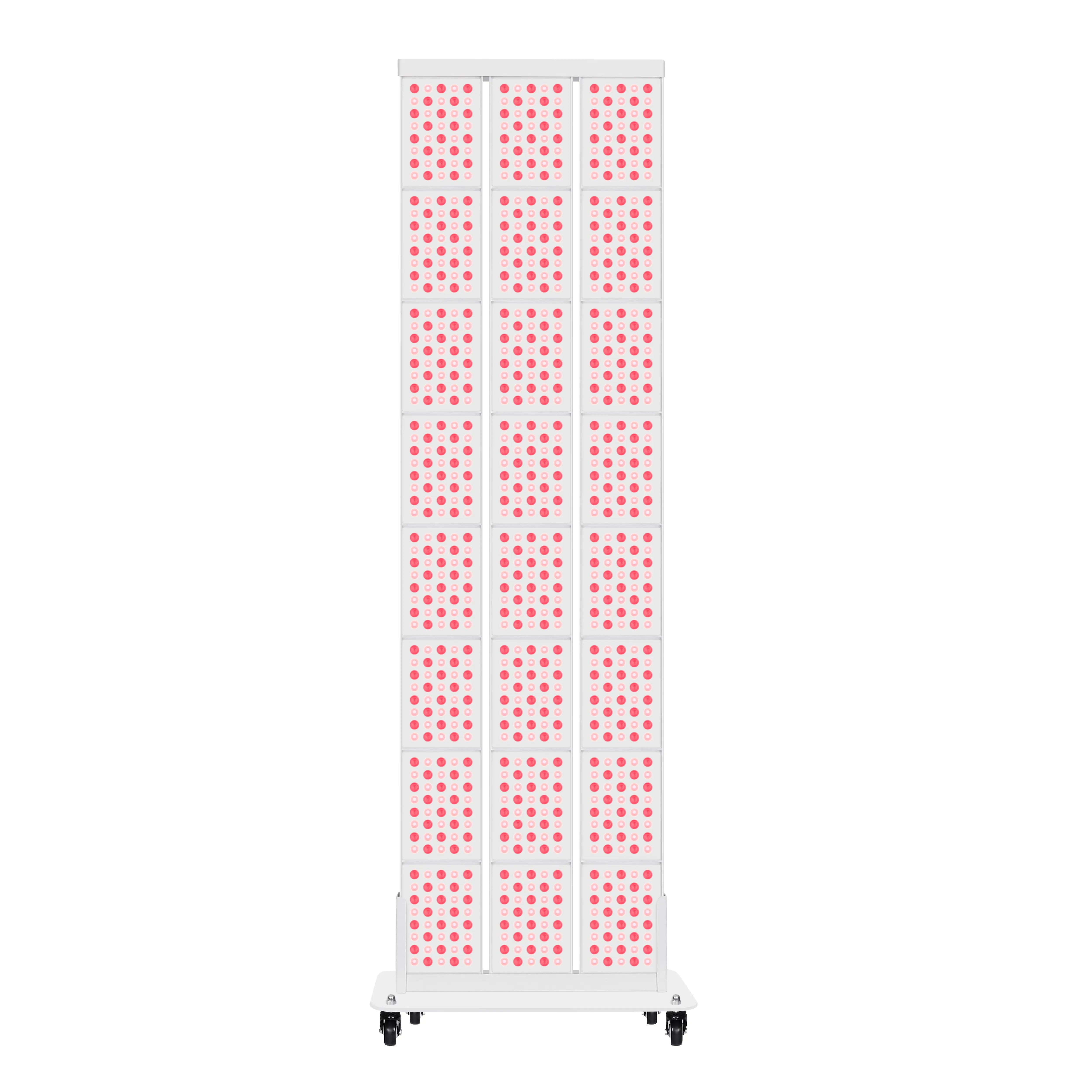
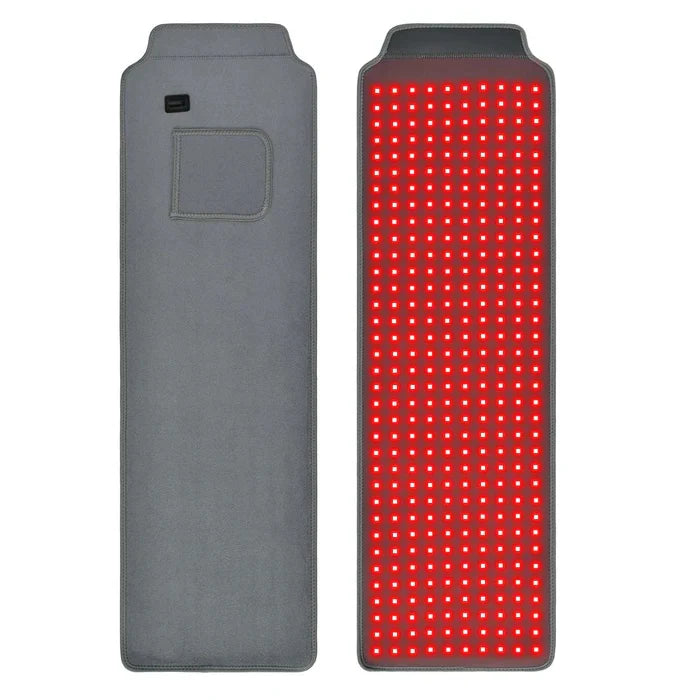

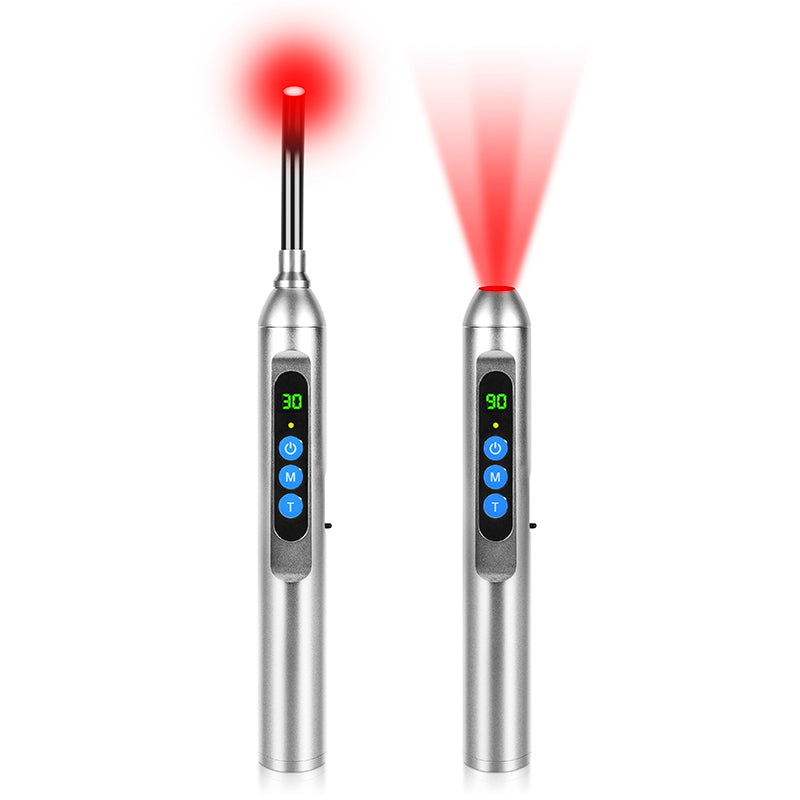

Red light therapy has exploded from clinic-only novelty to bathroom-shelf staple. The marketing spotlights wavelengths and watts, but in practice the unsexy details matter just as much: whether you forgot to wash off your mineral sunscreen, whether you layered glycolic acid right before a session, and what you put on your skin in the hour afterward.
Across clinic protocols, brand white papers, and dermatology commentary from sources such as Stanford Medicine, Cleveland Clinic, LED device manufacturers, and clinical registries, one pattern is crystal clear: the products you use before and after light exposure can either blunt the therapy or significantly boost it.
This is a deep dive into how to use skincare products intelligently around red light therapy, grounded in the available evidence and real-world protocols, and written from the perspective of someone who has optimized a lot of light routines over the years.
Why Skincare Around Red Light Therapy Actually Matters
Most consumer content treats red light therapy as if it were magic: sit in front of a panel and let the photons do the heavy lifting. The reality is more mechanical and more interesting.
Red and near‑infrared light in the typical therapeutic range (roughly around 630–660 nm for red, 810–850 nm for near‑infrared) is absorbed by chromophores inside cells, especially an enzyme in mitochondria called cytochrome c oxidase. Research summarized by LED device manufacturers and dermatology sources shows that this absorption can increase cellular energy (ATP), reduce low‑grade inflammation, and up‑regulate fibroblasts to produce more collagen and elastin. One neck‑focused LED article reports that 660 nm red light has been shown to increase collagen production by up to about 31% in treated skin, and clinical trials on sun‑damaged chest skin using combined red and near‑infrared for 10–20 minutes, 3–5 times per week, found measurable improvements in pigmentation, texture, dermal thickness, and collagen fiber density over weeks to months.
Several brands report in‑house or clinical outcomes that align with that biology. In one 10‑week consumer study from an FDA‑cleared device company, more than 97% of participants reported visible improvements in fine lines, wrinkles, and skin tone. Maysama’s customer case series shows acne, redness, and acne scarring improving over roughly 4–12 weeks with consistent red and near‑infrared sessions combined with antioxidant serums.
All of this only works if the light actually reaches the skin and the target cells in a usable dose. That is where skincare comes in. Sunscreen pigments, heavy oils, makeup, zinc and iron oxides, thick occlusive balms, or even a wet, freshly washed surface can scatter, reflect, or absorb light before it reaches the tissue. On the flip side, the post‑treatment period is a window where skin is more responsive and sometimes more fragile. Dermatology‑aligned sources and light therapy aftercare guides agree that harsh products in that window can trigger irritation, while smart use of hydrating, antioxidant, and collagen‑supportive formulas can amplify gains.
In other words, skincare around red light therapy is not decoration. It is part of the dose.

A Quick Science Snapshot: What Red Light Is Doing To Your Skin
Dermatology experts interviewed by Stanford Medicine and NPR describe red light therapy as photobiomodulation: low‑level, non‑burning light that nudges biology rather than blasting it. Several key points from the evidence base help explain why product timing matters.
Red light penetrates the epidermis and upper dermis, and near‑infrared reaches deeper dermal layers. At those depths, light can increase local blood flow, modestly dilate blood vessels, and stimulate fibroblasts to produce new collagen and elastin while reducing enzymes that break down the collagen matrix. Clinical imaging and histology in dermatology journals cited by LED manufacturers show thicker dermis, denser and better‑organized collagen fibers, and smoother, firmer skin surface after regular treatments.
The evidence is strongest for hair regrowth and wrinkle reduction; some studies on wound healing and scarring are promising but mixed. Importantly, there is a biphasic dose response: a certain range of energy density and exposure time improves biology, while too little does nothing and too much may reduce benefits or cause issues such as broken capillaries or pigment darkening. That principle applies both to the light dose and, by extension, to overly aggressive product use in the same window.
This is why many responsible brands and dermatology sources emphasize three themes: clean, bare skin for the actual light exposure; gentle, barrier‑supportive care right afterward; and cautious, strategic use of strong actives like retinoids and acids.

Before Your Red Light Session: Preparing a Clear Path for the Light
Most of the science‑backed prep advice converges on a simple idea: during the actual exposure, your skin should be clean, bare, and dry unless you are using a serum that has been specifically formulated and tested to be used with that device.
Clean, Bare Skin Is the Default Rule
Multiple sources, including Mito Red Light, Solawave’s protocol, Project E Beauty, and several spa protocols, stress that oils, makeup, sunscreen, and residue can block or reflect light and lead to uneven penetration.
A practical, evidence‑aligned prep routine looks like this. First, remove makeup and sunscreen thoroughly. Many experts recommend a double cleanse: start with an oil‑based or balm cleanser to break down pigments, sunscreen, and sebum, then follow with a gentle water‑based cleanser to remove remaining residue. Several guides emphasize using non‑drying formulas without harsh surfactants, especially if you are doing light therapy several times per week.
Second, ensure the skin is completely rinsed and patted dry. Solawave notes that not only product residue but excess moisture can act as a barrier or lens that scatters light. The idea is to present the device with a smooth, clean, dry surface.
Third, remove anything reflective. The Skinny Confidential’s prep guide recommends taking off shimmery makeup, metallic highlighters, jewelry, and glasses, and moving hair clips or hair away from the face so the mask or panel has unobstructed access.
Most device‑agnostic dermatology and brand guides also advise avoiding heavy occlusive moisturizers, oils, or any sunscreen immediately before treatment, particularly tinted or mineral formulas with zinc or iron oxides. Aspen Livewell explicitly points out that sunscreen, including mineral formulas, can block not just ultraviolet but also red and near‑infrared light, which defeats the purpose of therapy.
How Often Should You Exfoliate Before Sessions?
Removing dead skin cells can improve light penetration, but over‑exfoliating increases irritation risk. Prep guides from Mito Red Light and others recommend gentle exfoliation only once or twice a week. That might be a mild chemical exfoliant or a very gentle physical option, scheduled at a different time of day than your most intense sessions if your skin is reactive. Several sources caution against strong peels or high‑concentration acids immediately before sessions.
Should You Use Serums Before the Light?
This is where protocols diverge and the light therapy geek in me gets interested. Some brands and clinicians prefer universally bare skin during exposure. Others deliberately pair certain actives before or during the session.
One camp, represented by Mito Red Light, Solawave, Project E Beauty, and several prep articles, argues for absolutely bare skin during the exposure. Their rationale is simple: anything on the surface can change how photons are absorbed or scattered. They point out that you can still take advantage of antioxidant formulas, such as green tea extracts, vitamin C, or other serums, in your broader routine before or after sessions, but not layered directly on the skin while the LEDs are on, unless the product is specifically designed for that purpose.
Another camp, represented by LED Technologies and a few device‑specific systems, uses targeted serums before light in certain scenarios. For example, their guidance suggests vitamin C serum before red light therapy for brightening and hyperpigmentation, salicylic acid before blue light therapy for acne, glycolic acid before red light for collagen support, and hyaluronic acid before red light to hydrate and theoretically enhance light penetration. In these protocols, retinoids are reserved for shortly after treatment, usually about ten minutes later.
There are also hybrid systems like Solawave’s LightBoost line. Their general rule is bare skin before light, but they formulate specific conductive or “activating” serums to pair with particular devices, such as a glide serum for a red light wand with microcurrent. These are designed to be optically compatible and to enhance mitochondrial activity rather than block light.
Because the research notes show this diversity, the safest, evidence‑aligned way to interpret it is this. If your device manufacturer provides a serum that is explicitly tested for use with that light, follow that protocol. If you are using a generic device or your skin is reactive, treat bare, dry skin as your default and use your favorite serums either earlier in the day or immediately after the session instead.
Ingredients to Avoid Immediately Before
Multiple sources converge on a short “not before” list. Aspen Livewell specifically advises against applying retinol immediately before photobiomodulation due to the risk of unexpected reactions. Several aftercare guides from light therapy centers and dermatology‑oriented blogs extend that caution to strong acids, including aggressive glycolic or lactic acid treatments and high‑strength vitamin C, particularly if formulas include alcohol or irritating fragrance.
Blue‑light acne protocols are a special case. For example, Solawave’s blue light acne device must be used on completely clean, dry skin with no products beforehand so the light can directly target acne‑causing bacteria. Only afterward do they recommend microdart serum‑infused patches with soothing actives like gotu kola, green tea, and niacinamide.
Putting it together, you can think of pre‑session skin as a stripped‑down, low‑risk zone: clean and bare by default, with pre‑light serums reserved for specific, brand‑tested protocols rather than experimentation.

Right After Red Light: The Golden Hour for Skincare Products
Several aftercare articles note that in the hours after a session your skin is both more responsive and sometimes more sensitive. One aftercare guide states directly that skin is more sensitive and responsive post‑treatment, and that good care in that window can either maximize benefits or blunt results and trigger irritation.
Hydration and Barrier Support First
The most consistent recommendation across sources is to prioritize hydration and barrier support immediately after treatment. Within that theme, a handful of ingredients show up repeatedly.
Hydrating serums with hyaluronic acid or aloe vera are suggested in several aftercare guides to counteract any post‑treatment dryness and take advantage of increased skin receptivity. Moisturizers that are lightweight, non‑comedogenic, and rich in barrier‑supporting components such as ceramides, glycerin, and niacinamide are favored. These formulas lock in moisture, help stabilize the skin barrier, and minimize the risk that new actives will sting or disrupt the surface.
Antioxidant support is also recommended after light exposure. Articles from brands and clinicians suggest vitamin C and vitamin E serums or creams, as long as they are gentle and properly formulated. Some sources, like LED Technologies, emphasize applying most serums after light rather than before, which aligns with the idea of letting photons interact directly with the skin first and then feeding the newly energized tissue.
Hydration is not only topical. Several aftercare guides advise drinking plenty of water throughout the day—often framed as around eight glasses—to support internal hydration and the skin’s repair processes.
Collagen‑Supportive Actives: Peptides, Retinoids, and Vitamin C
This is the other hot zone where protocols vary and skin type really matters.
For collagen and elasticity, anti‑aging–focused sources agree on the long‑term value of retinoids and peptides. NPR’s expert panel highlights tretinoin and stabilized cosmetic retinoids such as retinol as some of the most evidence‑backed topical treatments for increasing cell turnover and boosting collagen and elastin, and explicitly suggests prioritizing daily sunscreen and retinoids even over red light therapy in an anti‑aging budget.
Brand‑specific RLT protocols build on that foundation. Aspen Livewell encourages anti‑aging products with peptides, retinol, vitamin C, or argan oil after photobiomodulation to potentially accelerate improvements in fine lines and skin texture. LED Esthetics recommends applying collagen‑supportive skincare such as peptides, retinoids, and antioxidants immediately after neck and chest LED sessions to leverage enhanced penetration and cellular activity, emphasizing that benefits accumulate over weeks to months.
LED Technologies’ serum guide suggests a more aggressive pairing: glycolic acid before red light to increase receptivity, then a retinoid about ten minutes after the session. They similarly recommend hyaluronic acid before and retinoid after for wrinkle reduction.
On the more cautious side, Dr. Muller’s aftercare article and several spa protocols advise avoiding strong acids and retinoids for at least 24–48 hours after treatment, especially for sensitive or compromised skin, and sticking to gentle hydrating and antioxidant support in that period. The Skinny Confidential likewise recommends skipping retinol, microneedling, strong peels, and harsh exfoliating acids on the same day as your red light sessions.
Taken together, the evidence‑based middle ground looks like this. Red light therapy pairs very well with collagen‑supportive actives in a long‑term routine. There is a strong case for using peptides, gentle antioxidants, and, if your skin tolerates them, retinoids as ongoing partners to light therapy. Whether you apply retinoids immediately after a session, wait ten minutes, or reserve them for non‑RLT nights should be determined by your skin’s sensitivity and your professional’s advice. For reactive or barrier‑impaired skin, the more conservative 24–48‑hour buffer favoured in aftercare articles is the safer choice.
Acne‑Focused Aftercare
For acne and post‑acne scarring, both light wavelength and product choice matter.
Red and blue light combinations are used to reduce inflammation, kill acne‑causing bacteria, and speed healing. A wellness‑center protocol reports that when red light is combined with blue light, many clients see less swelling and redness in about a week and fewer breakouts with ongoing use. Aspen Livewell notes that beta‑hydroxy acids such as salicylic acid complement photobiomodulation by clearing clogged pores, reducing inflammation, and gently exfoliating, particularly in acne‑prone or sensitive skin.
LED Technologies goes further and recommends targeted pairings, such as salicylic acid serum applied to acne‑prone areas before blue light treatment, with red light added when available; lactic acid combined with devices offering both blue and red light to fade acne scars; and retinoids applied about ten minutes after light therapy to enhance cell turnover and scar remodelling.
At the same time, general aftercare guidance emphasizes that post‑light skin can be more reactive. Strong acids, layered exfoliants, and potent retinoids in the immediate post‑treatment window can tip acne‑prone skin into irritation. Many protocols therefore favour a sequence where acne‑targeted acids are used either before light in carefully controlled ways, or on alternate days, while post‑light care centers on soothing hydration and lightweight, non‑comedogenic moisturizers, followed by sunscreen.
Sunscreen: Absolutely After, Never During
If there is one non‑negotiable, it is sunscreen placement.
Stanford‑aligned and NPR experts describe daily sunscreen as the single most important anti‑aging skincare step, and an Australian longitudinal study referenced by NPR found that people who wore sunscreen daily showed essentially no increase in visible skin aging over four to five years compared with those who used it only occasionally. Some sources estimate that, for white skin, about 80% of visible aging is attributable to sun exposure.
From a light therapy perspective, multiple sources warn that sunscreen products, especially tinted or mineral formulas with zinc and iron oxides or pigmentary titanium dioxide, are designed to block or scatter visible light—including the red wavelengths you are trying to deliver. Aspen Livewell, Solawave, and Mito Red Light all explicitly state that sunscreen should be removed before sessions and applied only afterward.
Post‑treatment, broad‑spectrum sunscreen of at least SPF 30 is considered essential. Several aftercare guides recommend mineral options to protect newly energized tissue and to prevent sun‑induced pigmentation that could counteract the therapy. Some light therapy centers go as far as to call post‑RLT sunscreen “non‑negotiable.”

Matching Products to Your Skin Goal
The right products before and after red light are highly goal‑specific. Here is how the research‑based guidance comes together for common objectives.
Anti‑Aging and Firmness
For fine lines, wrinkles, and loss of firmness, the combination of red or red‑plus–near‑infrared light, retinoids, peptides, and antioxidants appears particularly synergistic.
LED Esthetics’ neck and chest protocol suggests sessions of around ten minutes three times per week, focusing on even light coverage, and then applying collagen‑supportive skincare immediately afterward. Over roughly six to eight weeks, users and clinical imaging show improvements in texture and firmness when this pattern is followed consistently.
The in‑house wrinkle reduction trial from LED Technologies, which asked participants aged 39–66 to follow device instructions for ten weeks, saw nearly all subjects reporting visible improvements in fine lines and skin tone. While self‑reported outcomes are not the same as blinded clinical readings, they align with the broader body of photobiomodulation evidence for modest but meaningful wrinkle reduction.
In practical terms, an anti‑aging‑oriented routine might involve a thorough cleanse, a bare‑skin light session at the device’s recommended distance and time, immediate application of a hydrating serum with hyaluronic acid and soothing antioxidants, followed by a peptide‑rich or vitamin C serum, then a barrier‑supportive moisturizer. Retinoids can be reserved for nights without red light or added cautiously on light days if your skin is robust and your professional is on board. Sunscreen remains mandatory every morning.
Acne and Post‑Acne Scarring
For active acne, blue light combined with red light can reduce bacteria and inflammation, while skincare focuses on gently unclogging pores and supporting repair.
Protocols from LED Technologies and others suggest applying salicylic acid to acne‑prone areas before blue light sessions, then allowing the skin to rest briefly before any additional products. After light, soothing, non‑comedogenic hydration is the priority, followed by sunscreen. Lactic acid and retinoids can be introduced for post‑acne scars on a schedule that balances efficacy with irritation risk, and several brands emphasize that improvements are typically seen over four to twelve weeks, not overnight.
Redness, Sensitivity, and Rosacea‑Prone Skin
For persistent redness and reactive skin, think gentle, anti‑inflammatory support rather than aggressive actives.
A Maysama case story describes a user who reduced chronic facial redness and improved brightness over about ten weeks using a hydrating antioxidant atomizer before LED treatments, followed by red light therapy and a green rooibos antioxidant serum. Red light’s effects on the microvasculature can help calm the vascular component of redness, while antioxidant‑rich, fragrance‑free formulas support the barrier.
Aftercare guides from Dr. Muller, Mito Red Light, and clinics stress avoiding alcohol‑based products, strong acids, and retinoids for at least a day after sessions in sensitive or inflamed skin, and focusing instead on simple hydrating serums, ceramide‑rich moisturizers, and diligent sunscreen.
Neck and Chest Skin
Neck and chest skin age faster than facial skin in many people because they contain about 20–40% less collagen density, are thinner, and have fewer oil glands. That structural vulnerability, combined with chronic sun exposure and “tech neck” postures, means the lower face and chest often need special attention.
LED Esthetics’ neck‑specific guidance highlights the importance of clinically proven wavelengths at adequate power densities, consistent sessions, and immediate post‑treatment application of collagen‑supportive skincare. Given the area’s relative fragility, most experts would avoid strong acids or high‑strength retinoids immediately before or after sessions in this zone. Instead, they emphasize peptides, gentle antioxidants, and barrier‑supportive moisturizers, along with meticulous sunscreen across the neck and chest.
When Skincare and Light Go Wrong: Overdoing It
The research and expert commentary do not just outline what to do—they also warn against overdoing it.
Stanford Medicine dermatologists point out that while hair regeneration and wrinkle reduction have fairly robust evidence, many other claimed uses of red light lack strong data. NPR’s reporting underscores that the device market is poorly regulated, with underpowered at‑home devices and minimal standardization of wavelength or irradiance. Project E Beauty adds that LED therapy follows a biphasic dose‑response curve, so exceeding recommended doses can actually diminish benefits.
Layering too many aggressive skincare products into that environment is a recipe for problems. Overuse of acids and retinoids in the immediate pre‑ or post‑light window is linked in aftercare guides to irritation, barrier damage, and in some cases darkening of existing dark spots, particularly if combined with inadequate sunscreen.
The more conservative, evidence‑respecting approach is to treat red light as one tool in a broader, science‑backed routine. NPR’s experts recommend prioritizing daily broad‑spectrum sunscreen and well‑formulated retinoids as foundational and treating red light as a potentially helpful adjunct rather than a panacea. That mindset naturally encourages more thoughtful product choices and discourages “more is better” experimentation.

Snapshot: How Products Fit Around a Session
A simple way to integrate all of this is to think in terms of timing and product families rather than rigid step counts. The following table reflects the patterns repeated across the research notes.
Timing relative to light |
Helpful product approach |
Common pitfalls |
Before session |
Gentle cleanse, double cleanse if wearing makeup or sunscreen; skin dry and bare unless using a device‑specific serum |
Leaving on mineral or tinted sunscreen, heavy oils, occlusive balms, or fragranced products that block or irritate |
During session |
Usually no products; occasional exceptions for serums specifically designed and tested for that device |
Applying random acids, retinoids, or thick serums that have not been tested for optical compatibility |
First 1–2 hours after |
Hydrating serums with hyaluronic acid or aloe; gentle antioxidants; lightweight ceramide‑rich moisturizers |
Jumping straight to strong AHAs, BHAs, or high‑strength retinoids on sensitized skin |
First 24–48 hours after |
For sensitive skin, continue gentle hydration, barrier support, and broad‑spectrum SPF |
Layering multiple new actives, using alcohol‑heavy or fragrant products, skipping sunscreen on newly energized skin |
A similar pattern applies to specific product types.
Product type |
Best timing around red light therapy |
Notes and caveats |
Mineral sunscreen |
Always after sessions |
Remove completely before; pigments block red and near‑infrared light |
Retinoids |
In ongoing routine; after sessions only if skin tolerates them well |
Some protocols use them ten minutes post‑session; aftercare guides often prefer a 24–48‑hour buffer |
AHAs/BHAs |
Limited frequency; sometimes before blue light for acne or on off days |
Avoid stacking multiple acids immediately after sessions, especially at high strength |
Peptide serums |
After sessions |
Frequently recommended as anti‑aging partners to light therapy |
Antioxidants |
Either side of sessions, often after |
Green tea, vitamin C, and vitamin E are commonly paired; formulations must be gentle and stable |
Occlusive oils |
After sessions and away from device time |
Can lock in hydration at night; avoid immediately before or during exposure |

FAQ: Common Skincare Questions About Red Light Therapy
Do I really have to remove mineral sunscreen before every session?
Based on guidance from multiple sources, yes. Mineral and tinted sunscreens with zinc, iron oxides, or pigmented titanium dioxide are engineered to block and scatter visible light. That includes the red wavelengths your device uses. Several prep articles and brands specifically warn that these filters can dramatically reduce the effectiveness of sessions if left on. The recommended pattern is to cleanse thoroughly, do your session on bare skin, then reapply sunscreen afterward.
Is it better to use retinol before or after red light therapy?
The research notes show three approaches. Some protocols, especially for sensitive skin, avoid retinoids entirely in the immediate pre‑ and post‑treatment window and use them on alternate nights. Others, such as Aspen Livewell and LED Esthetics, endorse retinol or other retinoids after photobiomodulation to support cell turnover and collagen. LED Technologies goes further and suggests retinoids about ten minutes post‑session. At the same time, several aftercare guides caution against strong retinoids for 24–48 hours after sessions in easily irritated skin. The safest strategy is to introduce retinoids slowly, preferably under professional guidance, and to back off if you notice persistent redness, dryness, or burning.
Can red light therapy replace my vitamin C serum or tretinoin?
Current evidence does not support treating red light as a replacement for well‑studied topical actives. NPR’s experts emphasize that the evidence base for red light therapy, while real, is smaller and less robust than the decades of data behind sunscreen and retinoids for photoaging. Dermatologists interviewed suggest treating red light therapy as a secondary or complementary option while keeping daily sunscreen and proven actives such as tretinoin or stabilized cosmetic retinoids as the backbone of a serious anti‑aging routine.
How long does it take to see results if I combine good skincare with red light?
Timelines vary by concern and device strength, but the research notes show consistent ranges. Many users in case series and brand‑sponsored studies start noticing improvements in brightness, redness, or early texture changes within four to twelve weeks of regular use, with protocols ranging from several times per week at home to weekly professional sessions. Clinical studies on neck and chest collagen typically run for weeks to months, with progressive gains rather than instant transformations. Consistency—of both light sessions and smart, supportive skincare—is the common denominator in nearly every successful protocol.
The bottom line from a light‑therapy‑obsessed perspective is simple. If you respect both the physics and the biology, red light therapy and skincare products can be an elegant team instead of working at cross‑purposes. Let the photons hit clean, bare skin; feed the tissue with the right hydrating, antioxidant, and collagen‑supportive formulas afterward; treat acids and retinoids with the respect they deserve; and never skip sunscreen. That is how you turn a glowing gadget into a genuinely optimized skin protocol.
References
- https://clinicaltrials.gov/study/NCT07025837
- https://med.stanford.edu/news/insights/2025/02/red-light-therapy-skin-hair-medical-clinics.html
- https://www.npr.org/transcripts/nx-s1-5527867
- https://aspenlivewell.com/how-to-prepare-your-skin-for-red-light-therapy/
- https://redlitex.com/what-should-i-put-on-my-skin-before-red-light-therapy/
- https://www.theskinnyconfidential.com/how-to-prep-skin-for-red-light-therapy/
- https://thewellnessclubtampa.com/red-light-therapy-before-and-after/
- https://zaplaser.com/how-to-prep-your-skin-for-red-light-therapy-tips-that-maximize-results/
- https://www.goodmorningamerica.com/shop/story/top-red-light-skin-care-124841741
- https://ledesthetics.com/blogs/skin-care/perfect-skincare-routine-with-led-light-therapy-1?srsltid=AfmBOopTNXViPPkeGPiI6nWbIJj3IGe9Zg4UMItN5_6VIgiWdPxRBYE5