
When you are obsessed with light the way I am, you stop asking only “Does this gadget glow?” and start asking “Is this wavelength doing anything meaningful in living tissue?” Red light therapy is one of the few wellness trends that survives that scrutiny, at least for some skin goals. But how well does it actually work for post-spot treatment – the redness, roughness, and lingering marks after breakouts or targeted procedures?
In this article, I will walk through what the science really says, where the evidence is solid versus speculative, and how I personally structure red light protocols around acne flare-ups and post-procedure spots, while staying aligned with what dermatology and major medical centers currently report.
What Red Light Therapy Really Is
Red light therapy goes by several names: photobiomodulation, low-level light therapy, low-level laser therapy. Cleveland Clinic, Stanford Medicine, UCLA Health, and others describe the same basic concept. Devices use low-level visible red and near-infrared light to trigger biological changes inside cells without burning or destroying tissue.
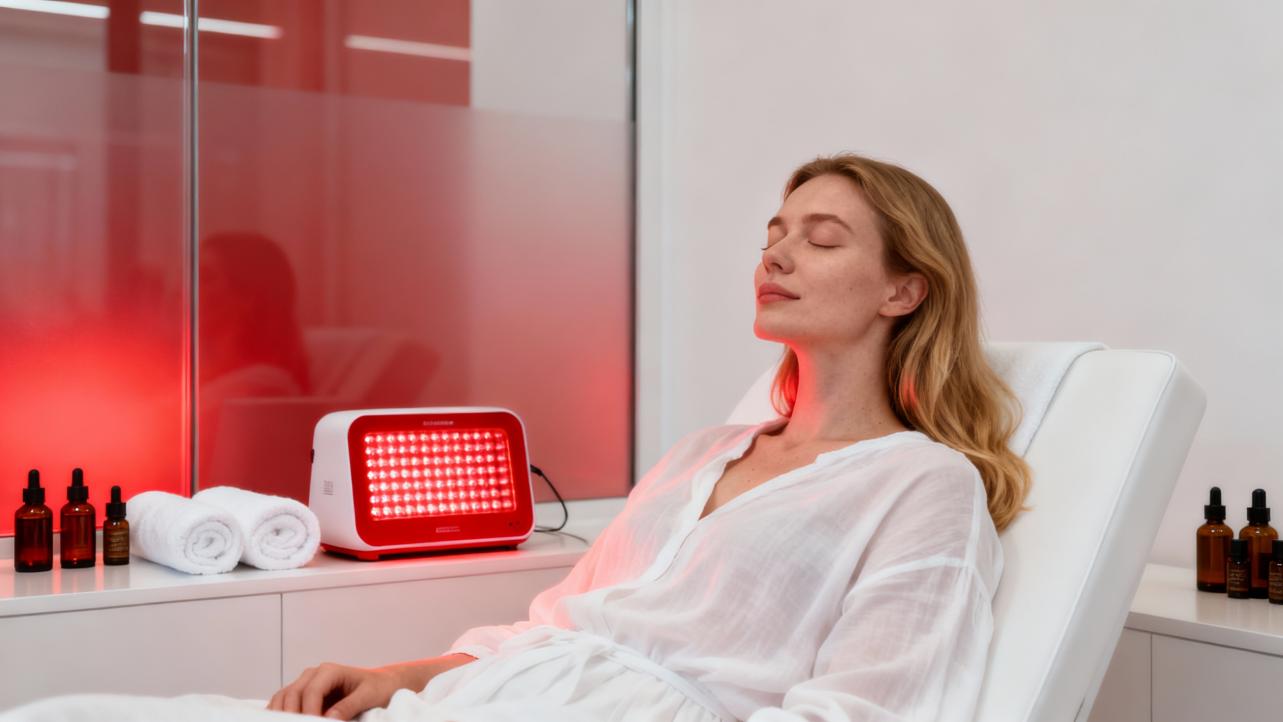
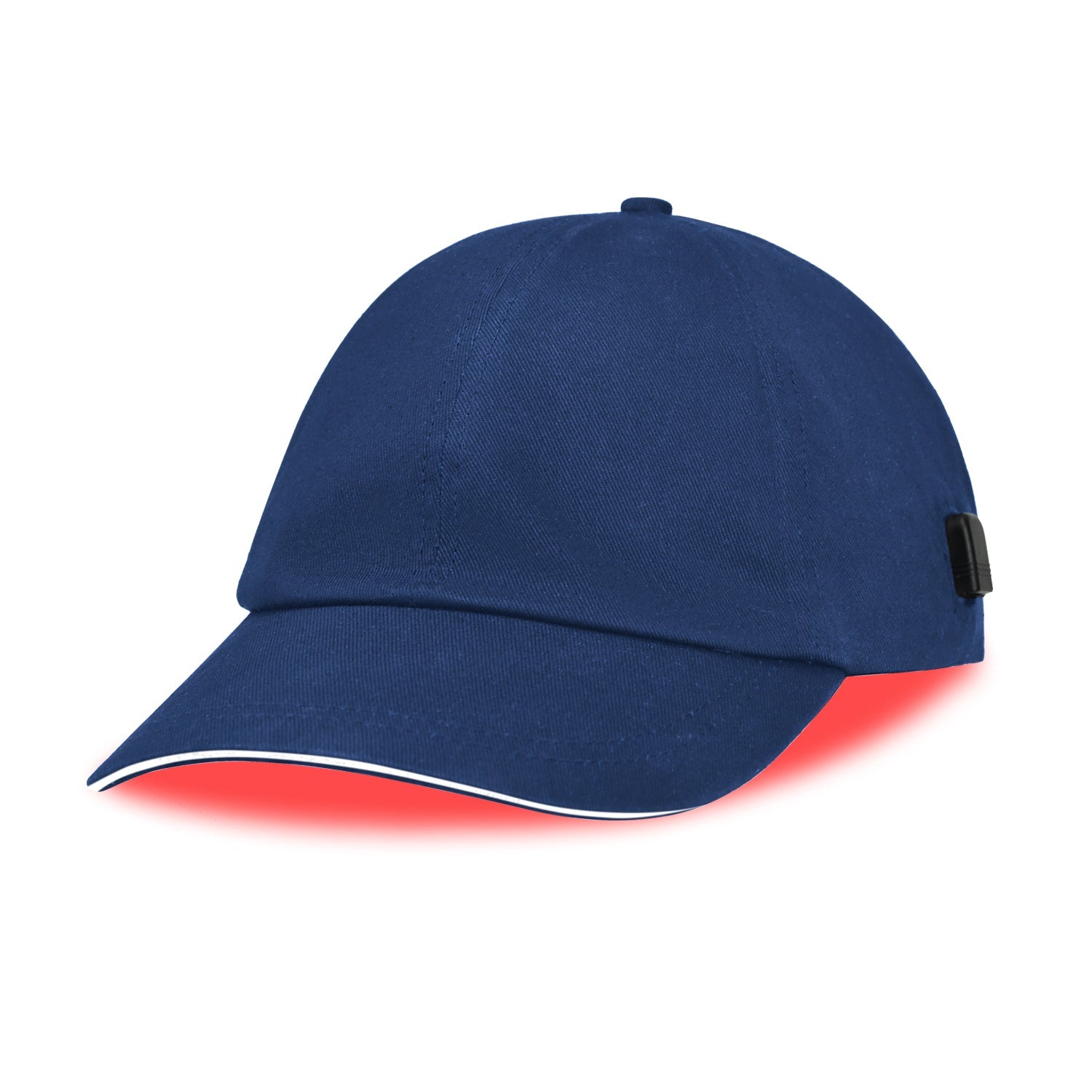
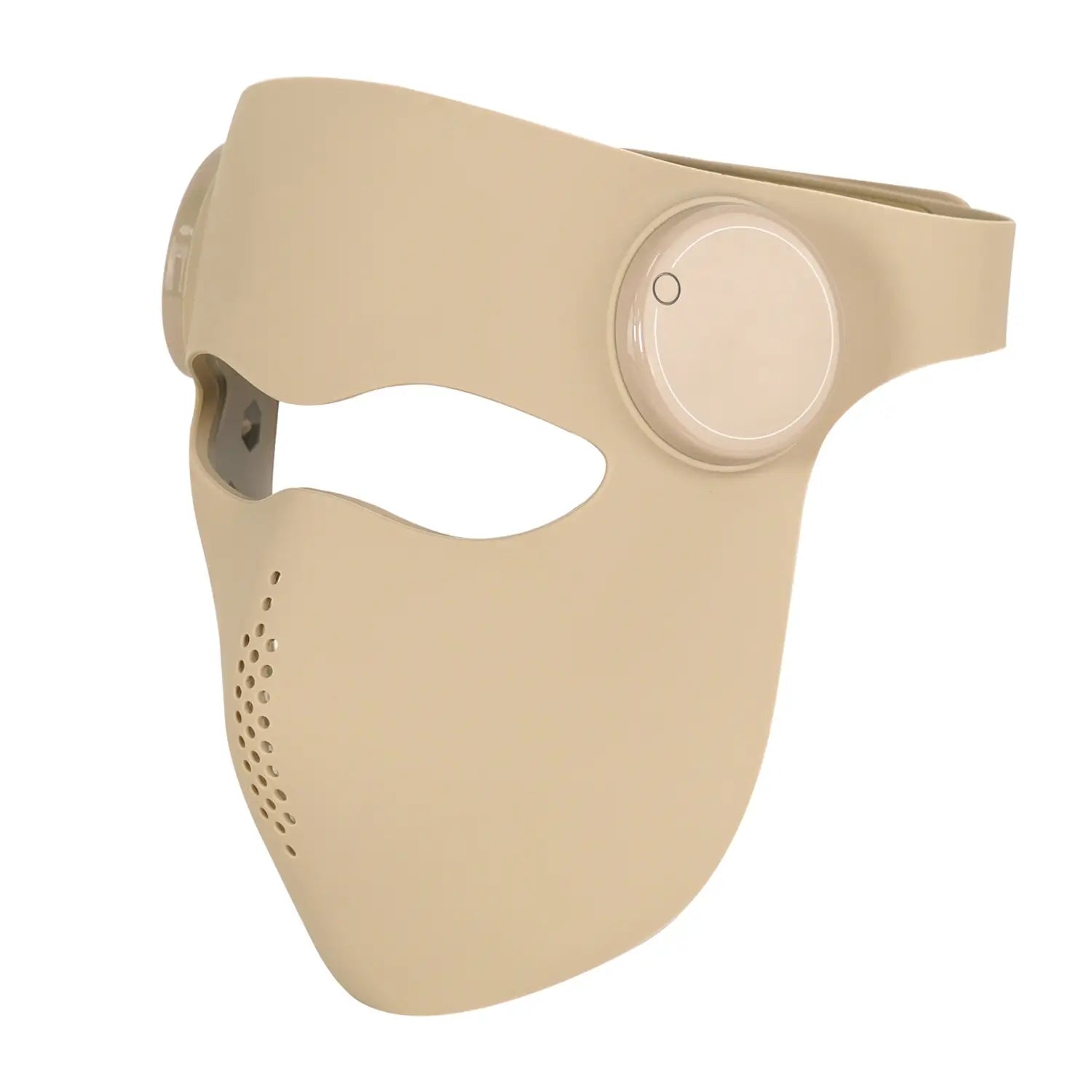
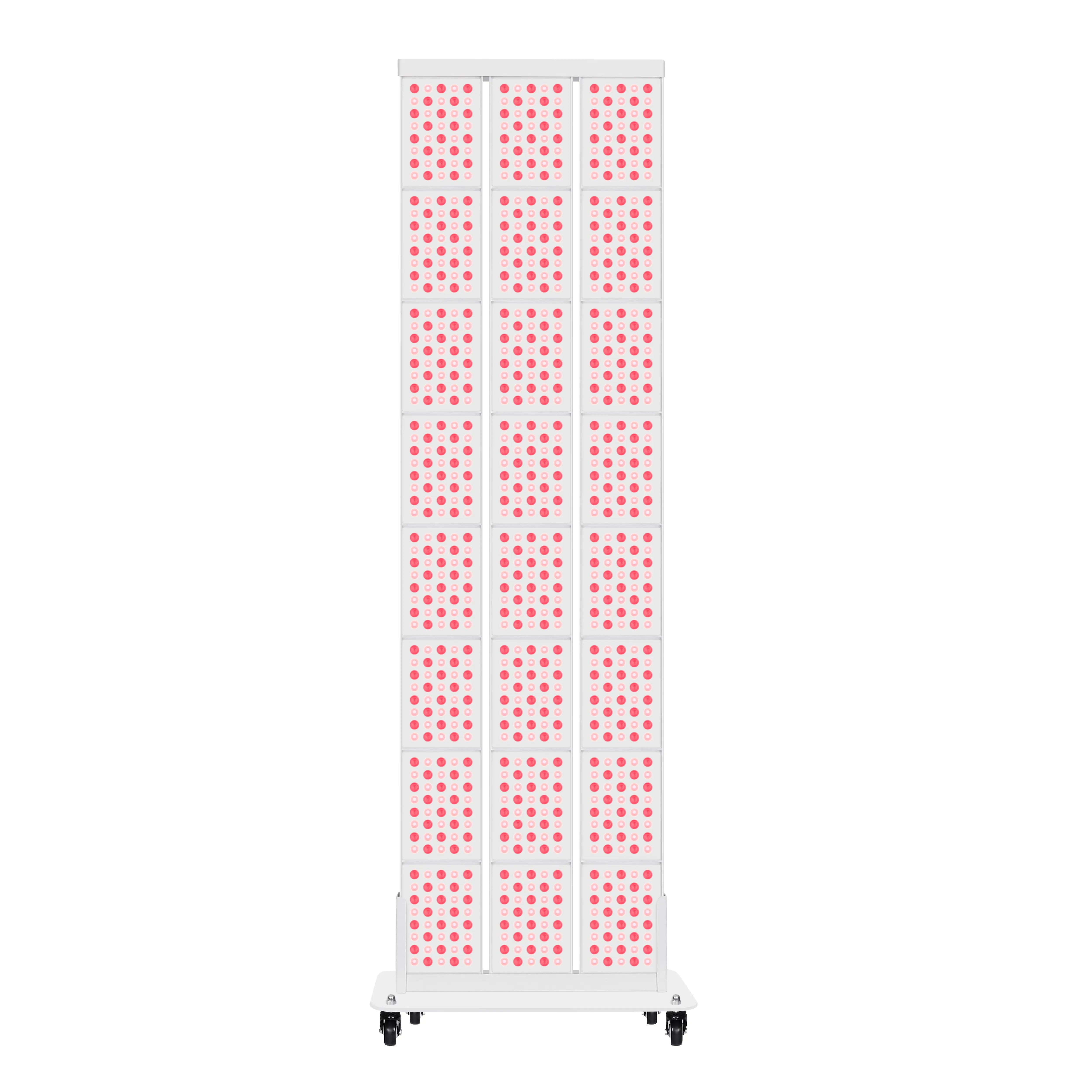
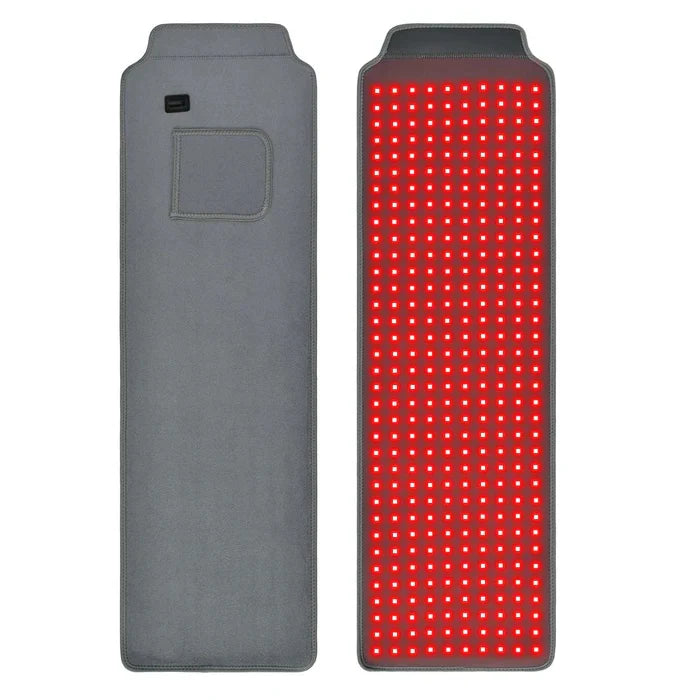
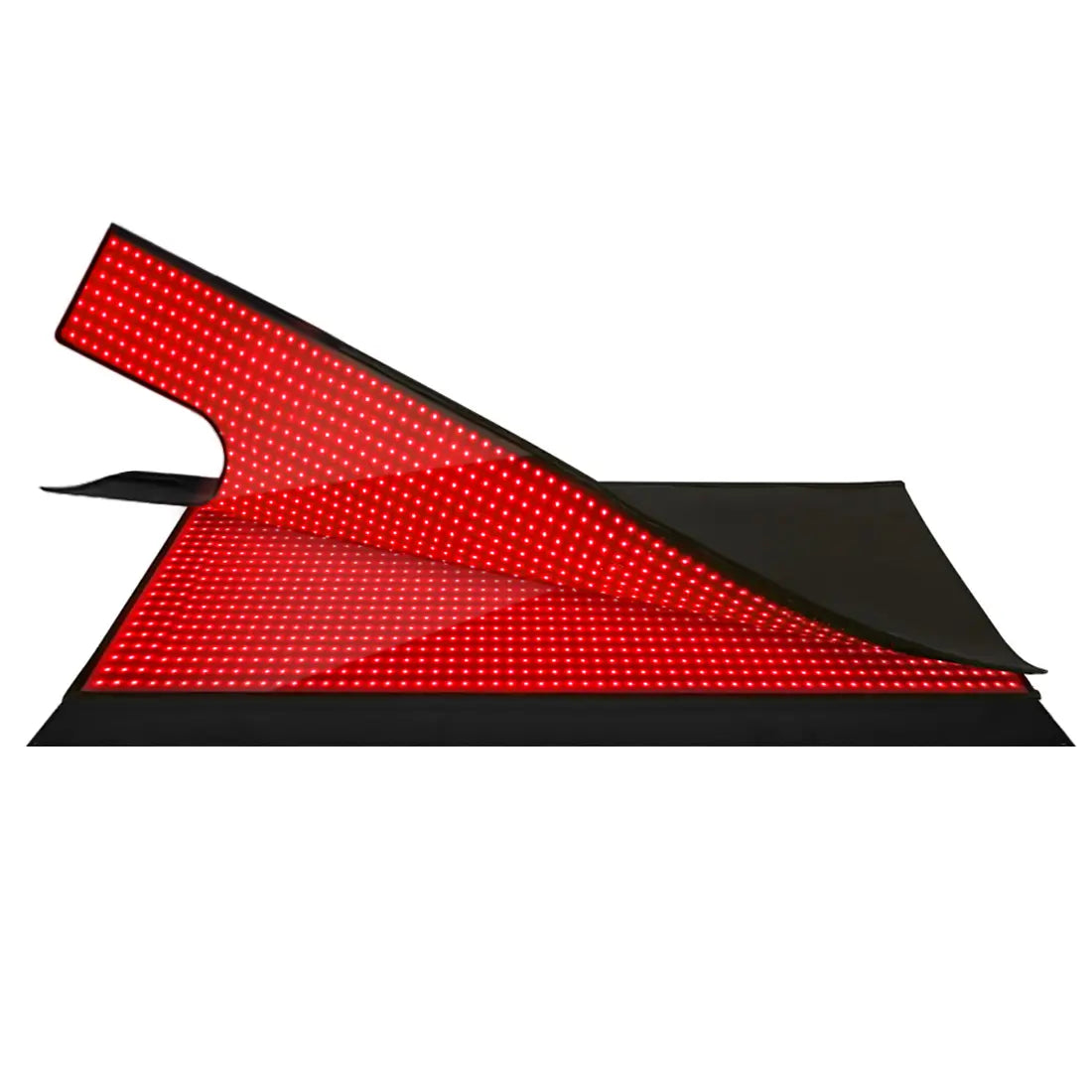
Most therapeutic devices use red light roughly in the 620–700 nanometer range for superficial targets like skin, and near-infrared light around 800–1000 nanometers for deeper penetration into tissue. The hardware varies. You will see everything from slim facial masks and handheld wands to large wall panels and even full-body beds, but the underlying playbook is similar.
Unlike UV tanning beds, these systems do not rely on ultraviolet light. WebMD, Cleveland Clinic, and UCLA Health all emphasize that properly used red and near‑infrared devices are non‑UV and non‑ionizing, so they do not tan or intentionally damage the skin. At typical consumer doses they generate little heat, which is why they are considered non‑thermal and non‑ablative.

How Red Light Interacts With Your Skin
At the cellular level, photobiomodulation is less “magic” and more “mitochondrial tuning.”
Research summarized by Atria, Cleveland Clinic, and the PubMed Central review on photobiomodulation shows that red and near‑infrared light can be absorbed by chromophores inside cells, especially an enzyme called cytochrome c oxidase in the mitochondrial respiratory chain. When that happens under the right dosing conditions, several downstream changes are observed in vitro and in clinical models:
Red light can increase ATP production, giving skin cells more energy to repair damage and maintain their structure. It can modulate reactive oxygen species and antioxidant defenses, shifting the redox environment toward controlled repair rather than runaway inflammation. It can promote nitric oxide release and vasodilation, which increases blood flow. That matters after a spot, because better circulation means more oxygen and nutrients delivered to the healing tissue.
Dermatology reviews from Stanford Medicine and the PubMed Central paper also highlight effects on fibroblasts, the cells that make collagen and elastin. Stimulating fibroblast activity and collagen synthesis is one mechanism behind the modest but real improvements in wrinkles and skin firmness seen in controlled trials.
Critically for post‑spot treatment, multiple sources, including Atria, Cleveland Clinic, and UCLA Health, point to anti-inflammatory effects and influence on all phases of wound healing. Red light has been shown to reduce inflammatory lesion counts in acne studies, support earlier stages of wound closure, and improve the quality of scar tissue in some models, although the magnitude of benefit and long‑term differences are not always dramatic.
What Do We Mean By “Post-Spot”?
When people ask me about “post-spot red light,” they are usually talking about one of three situations.
The first is the immediate aftermath of a breakout or targeted professional treatment, such as an extraction or a localized procedure, where the lesion is settling down and the goal is to calm inflammation and accelerate clean healing.
The second is the early remodeling phase, once the skin is closed but still pink, uneven, or slightly raised or indented. Here the goal is to support orderly collagen remodeling and keep the area from becoming a noticeable scar.
The third is established marks: older red or brown spots and textural changes that remain long after the original blemish has healed. At that stage you are mostly working on tone and texture rather than active wound biology.
Red light therapy intersects with each of these phases differently, and the science is not equally strong for all of them.
Evidence For Red Light Therapy In Post-Spot Scenarios
Active Breakouts And Early Healing
Acne is one of the best-studied skin uses of photobiomodulation. The PubMed Central review, Cleveland Clinic, WebMD, UCLA Health, and dermatology practices such as West Dermatology all report that red light has measurable effects on active acne.
Clinical and laboratory studies show that red light can reduce skin oil production and transepidermal water loss, and can be absorbed by local skin flora such as Cutibacterium acnes, contributing to bacterial reduction in some protocols. Several trials report significant drops in inflammatory lesion counts when red light or red plus blue light are used consistently over weeks.
UCLA Health notes that using red and blue light together was more likely to completely clear acne than either alone. Blue light targets acne-causing bacteria and oil glands more aggressively, while red light reduces inflammation and promotes healing without permanently destroying tissue.
From a post-spot perspective, that means if you have ongoing breakouts, using red light as part of an acne protocol may reduce the number and severity of new lesions, and may help the skin recover more smoothly after each one. It is not a standalone cure, and Cleveland Clinic is very clear that for many conditions evidence is still limited and studies are often small or lack strong controls. But for inflammatory acne, the trend across multiple reputable sources is cautiously positive.
Wound Healing, Scars, And Texture
The story gets more nuanced when we talk specifically about scars and textural change after spots.
The comprehensive photobiomodulation review in PubMed Central concludes that red and near‑infrared light influence all wound healing phases and can reduce inflammation. Studies in burns, chronic wounds, and post‑surgical scars have shown faster healing and better dermal collagen organization in treated areas. Atria also highlights controlled trials where red light led to wounds that healed faster with less scarring compared with controls, especially in medical settings like radiation dermatitis.
Stanford Medicine, however, points out that while some eyelid surgery studies showed red-light–treated scars healing roughly twice as fast initially, by about six weeks both treated and untreated sides often looked similar. The advantage appeared early and modest rather than dramatic and permanent.
A randomized controlled trial of full‑body polychromatic red light, published in a medical journal and summarized in the notes, treated volunteers twice a week for 30 sessions. Participants receiving red light had significantly improved skin complexion, smoother surface roughness in the eye area, and higher intradermal collagen density measured on ultrasound compared with untreated controls. That tells us red light can change skin texture and collagen architecture in a clinically meaningful way over a few months.
Putting this together, the evidence supports the idea that red light is a gentle optimizer of wound healing and scar quality, especially when used consistently during the early remodeling window. It is not a replacement for surgical technique, proper aftercare, or evidence‑based scar treatments. Think of it as a nudge that may help the skin remodel a bit more gracefully rather than a laser-style resurfacing tool.
Color Changes And Lingering Marks
For the color of post‑spot marks, the data are softer but still relevant.
Dermatology summaries from AZCDPS, West Dermatology, and Atria note that red light therapy can even out skin tone, reduce redness and irritation, and address issues such as sun damage, dullness, and some forms of hyperpigmentation. These reports are consistent with the general anti‑inflammatory and circulation-boosting effects seen in other studies.
At the same time, Cleveland Clinic stresses that for many aesthetic uses, including various pigmentary conditions, evidence remains limited or uncertain, with many studies small or not rigorously controlled. Stanford Medicine also emphasizes that the strongest cosmetic evidence is for modest wrinkle reduction and hair regrowth, and that broader claims should be viewed with healthy skepticism.
My interpretation is that red light can help calm residual redness around recent spots and contribute to a more uniform overall tone when used regularly over weeks to months. It may have a subtle supporting role in fading some types of dark marks as part of a broader skincare strategy, especially when combined with sun protection and topical therapies selected by a dermatologist. But it should not be sold or used as a guaranteed eraser of long‑standing post‑acne hyperpigmentation.

How I Integrate Red Light Into Post-Spot Routines
Timing: When To Use It
For home use, I am conservative about timing relative to open lesions. Some clinical protocols in the literature treat open wounds directly, but physical therapy and safety guidelines from clinics such as the Physical Achievement Center advise against using consumer devices over open wounds, active infections, or fresh burns unless a healthcare professional is supervising.
If a dermatologist has just performed a procedure and specifically included red light in the protocol, follow their instructions. If you are using your own panel or mask, I suggest waiting until the spot is no longer actively bleeding or weeping and the surface is intact before you start treating the area.
Once the skin is closed, the first two to three weeks are prime time for gentle red light. In that window, inflammation is still resolving and collagen is being laid down and remodeled. A calm, well‑perfused environment is exactly where photobiomodulation tends to shine.
Time of day matters less for your skin than for your sleep. Atria notes that some people find red light energizing, in which case morning or at least two hours before bed makes sense. If it feels relaxing, evening use is fine. If your device also includes blue light, use that earlier in the day to avoid disrupting your circadian rhythm.
Dosing: How Much And How Often
One of the easiest ways to sabotage results is to assume that if 10 minutes is good, 40 minutes must be amazing. That is not how photobiomodulation works.
Atria and several clinical summaries describe a “Goldilocks” or biphasic dose-response curve. Too little light and not much happens; too much and benefits flatten or even decline. Typical parameters across reputable sources for skin-level treatments look like this: power densities in the tens of milliwatts per square centimeter, with session lengths around 5–20 minutes per treatment area and device distances in the 6–24 inch range, depending on output.
For post‑spot facial care with a quality panel or mask, I usually aim for short, frequent exposures rather than rare marathons. A practical pattern, consistent with guidelines from Atria, Haven of Heat, Solawave, and Tsavo Wellness, is to start with roughly 10 minutes per area three to five days per week. Give your skin a few weeks to adapt before lengthening sessions, and increase duration gradually rather than jumping straight to the maximum the device allows.
In the controlled trial of full‑body red light, volunteers received treatments twice weekly for 30 sessions and still saw clear improvements in skin roughness and collagen versus controls. That tells us you do not need daily hour‑long sessions to see texture shifts. Consistency over months matters more than intensity on any single day.
Always respect the manufacturer’s dosing guidelines for your specific device, because power output can vary dramatically between consumer masks and clinic panels.
Choosing The Right Type Of Device
Different devices can deliver similar wavelengths with very different practical trade‑offs. Data from Cleveland Clinic, UCLA Health, and the University of Utah podcast all emphasize that at‑home devices are usually less powerful and more variable than medical‑grade units, but can still be helpful when used correctly and consistently.
Here is how I think about device categories for post‑spot use:
Device type |
Typical role in post-spot care |
Advantages |
Limitations |
Facial mask or small panel |
Targeted treatment for breakouts, cheeks, jawline |
Easy to position, good for consistent routines, often more affordable than full-body systems |
Limited coverage; power and wavelength specs vary widely between brands |
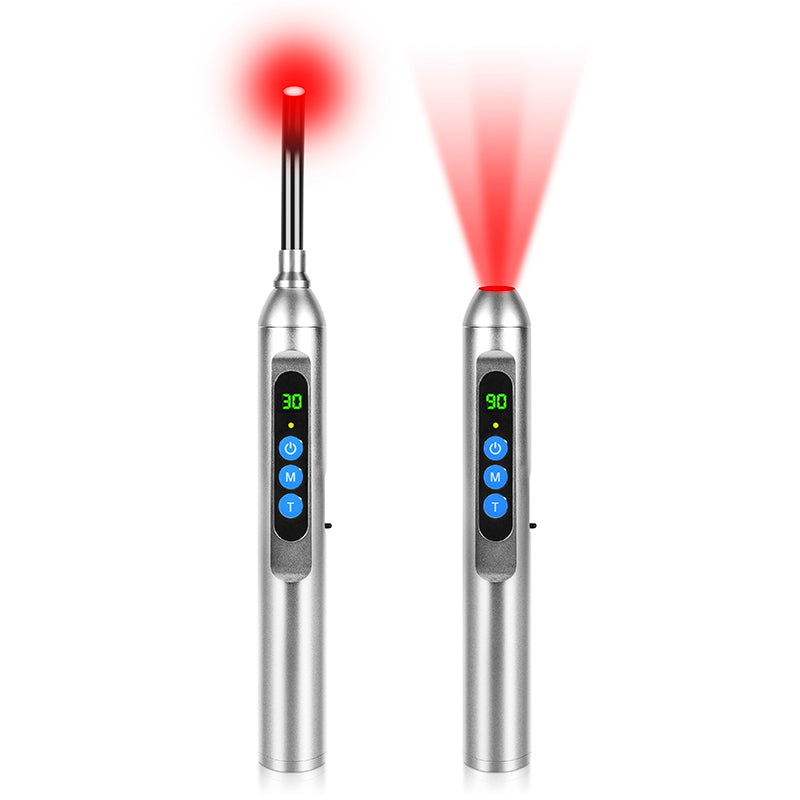
Handheld wand |
Spot treating small areas or individual marks |
Very targeted, convenient for traveling or quick use |
Easy to overdose a tiny area if you linger; requires discipline to cover larger regions evenly |
Clinic panel or bed |
Global skin quality, adjunct after procedures |
More powerful, better characterized wavelengths and dosing, overseen by professionals |
Higher cost per session; usually requires regular visits; not necessary for simple home post‑spot care |
Cost ranges are broad. The University of Utah discussion notes consumer masks advertised from about one hundred dollars into the mid hundreds, premium units in the thousands, and full‑body beds in the very high price range. WebMD reports that in‑office sessions may run around eighty dollars or more each and are not usually covered by insurance, while Cleveland Clinic highlights that repeated visits over weeks to months can add up quickly.
For straightforward post‑spot applications, a well‑specified at‑home mask or panel using studied red and near‑infrared wavelengths is usually the most rational starting point. Clinic sessions make more sense when you are already seeing a dermatologist for significant scarring or complex skin conditions and they want to integrate red light into a broader medical plan.
Skin Prep And Aftercare That Actually Matter
Light is only part of the equation. The condition of the skin before and after each session strongly influences outcomes.
Pre-treatment, several sources, including Haven of Heat and the Physical Achievement Center, recommend starting with clean, product‑free skin. Remove makeup, sunscreen, and heavy occlusives that could reflect or absorb light. I avoid applying strong acids, retinoids, or potentially irritating actives immediately before a red light session; there is no need to challenge the barrier right before you ask it to repair.
Post-treatment, the skin is more receptive and, in some cases, more sensitive. Aftercare guidance from Dr. Muller and Zap Laser Center converges on a few core themes. For roughly 24–48 hours, stick to gentle cleansers and soothing, hydrating products. Look for ingredients like hyaluronic acid, aloe vera, ceramides, glycerin, and niacinamide, and avoid heavy alcohol, synthetic fragrance, and strong exfoliating acids or high‑strength retinoids on the treated areas.
Hydration inside and out is not a cliché here. Drinking water regularly and applying a lightweight hydrating serum topped with a barrier-supporting moisturizer help the skin leverage the increased cellular activity that red light is driving.
Sun protection is non‑negotiable. Both Dr. Muller’s aftercare guide and Zap Laser Center emphasize broad‑spectrum sunscreen of at least SPF 30, with mineral filters such as zinc oxide or titanium dioxide preferred by many for sensitive skin. A wide‑brimmed hat and shade are your friends, especially in the first days after more intensive facial work.
Integrate this with broader lifestyle levers. Adequate sleep, stress management practices like deep breathing or yoga, and a diet rich in vitamins A, C, and E and omega‑3 fats all support the skin’s ability to heal, as highlighted in the Dr. Muller article. Light therapy works best as part of that ecosystem, not as a substitute.
Safety, Contraindications, And When To Skip A Session
Red light therapy earns its popularity partly because its safety profile, at normal doses, is relatively favorable. Cleveland Clinic, WebMD, and UCLA Health all categorize short‑term, properly used red and near‑infrared exposure as generally safe, non‑UV, and noninvasive, with few serious adverse effects reported.
That said, low risk does not mean no risk.
Safety guidelines from the Physical Achievement Center and major medical sources converge on several precautions. Always follow manufacturer instructions on distance and duration; overexposure at very close range for more than about half an hour can lead to dose‑related inhibition, mild heat buildup, and irritation. Protective goggles are essential when treating the face, particularly with near‑infrared wavelengths, because invisible light can bypass natural blink reflexes and potentially stress the eyes over time.
A patch test is wise if you have sensitive or reactive skin. Treat a small, inconspicuous area first, then wait 24–48 hours to check for persistent redness, itching, or rash before doing full‑face sessions.
Certain groups should be especially cautious or avoid home red light therapy unless a physician explicitly clears it. These include people who are pregnant, those with a history of skin cancer or suspicious lesions, individuals with photosensitive diseases such as lupus or porphyria, and anyone taking photosensitizing medications like some antibiotics, isotretinoin, or certain anti‑inflammatory drugs. Both Cleveland Clinic and the Physical Achievement Center stress the importance of medical consultation in these cases.
Finally, keep expectations in check. Stanford Medicine, WebMD, UCLA Health, and the University of Utah all stress that while there is credible evidence for some uses, claims about red light as a fix for weight loss, systemic cancer treatment, cellulite, or broad mental health conditions are not supported by robust clinical data. For post‑spot care, it should be viewed as an adjunct to, not a replacement for, proven acne treatments, scar protocols, and foundational skin health habits.
Pros And Cons Of Red Light Therapy For Post-Spot Treatment
From a veteran-wellness-optimizer perspective, red light therapy for post‑spot care has a very specific profile.
On the plus side, it is noninvasive and, when used properly, low risk. It targets real biological pathways involved in inflammation, blood flow, and collagen production. Clinical studies and reviews from sources such as PubMed Central, Cleveland Clinic, UCLA Health, and a controlled trial on skin rejuvenation show tangible improvements in complexion, texture, and collagen density over time. For someone prone to inflammatory breakouts who wants to smooth recovery and reduce the chance of rough, angry‑looking marks, that is worthwhile.
On the minus side, the effect size is modest. You are stacking small, incremental advantages over weeks and months, not flipping the skin’s state overnight. The evidence is strongest for fine wrinkles and general texture, not specifically for erasing long‑standing post‑acne spots. Costs can be non‑trivial if you pursue repeated clinic sessions or high‑end panels, and you still need to invest in sunscreen, gentle skincare, and, in many cases, medical acne management.
The biggest risk I see in practice is not physical harm but distraction. Several major centers, including the University of Utah discussion, emphasize that red light should not pull focus from the “core four” of health: nutrition, movement, emotional well‑being, and sleep. I extend that to core dermatologic fundamentals: correct diagnosis, appropriate prescriptions when needed, consistent barrier‑supportive skincare, and rigorous sun protection. Once those are in place, red light becomes an elegant add‑on rather than a shiny detour.
A Realistic Example Of A Post-Spot Week
Imagine you have a stubborn breakout treated on a Monday evening, either with your usual topical regimen or with help from a dermatologist. By Tuesday, the surface is intact and the area is no longer actively weeping.
Over the next couple of weeks, a reasonable red light plan might look like this. On most days, once the skin is clean and dry in the evening, you sit in front of a red‑light panel or wear your mask for about ten minutes at a comfortable distance specified by the manufacturer. You do this three to five nights per week, skipping a day whenever the skin feels warm, tight, or overworked.
Immediately afterward, you apply a simple hydrating serum and a non‑comedogenic moisturizer, and you keep potent acids or retinoids away from that area for the next day or two if it feels sensitive. Each morning you apply a broad‑spectrum SPF 30 or higher on the entire face and avoid picking or scrubbing the spot.
You keep this up for at least two to four weeks. That timeline aligns with Atria’s observation that benefits often become noticeable after several weeks of regular use, and with broader photobiomodulation literature where studies are typically measured in weeks to months, not days.
At the end of that period, you should not expect a miraculous erasure of every mark. What you are looking for is quieter, less persistent redness around newer spots, slightly smoother texture in recurrent breakout zones, and a general shift toward a calmer, more resilient complexion. If you are not seeing any change at all after two or three months of consistent, correctly dosed use, that is a cue to revisit your overall strategy with a dermatologist rather than just increasing session time.

Frequently Asked Questions About Red Light And Post-Spot Care
Can red light therapy erase old acne marks by itself?
The current evidence does not support red light therapy as a stand‑alone eraser for long‑standing post‑acne marks. Multiple reputable sources, including Cleveland Clinic and Stanford Medicine, find the strongest cosmetic data for red light in modest wrinkle reduction and general texture improvement, not in completely clearing older hyperpigmentation. Red light can be a helpful adjunct for overall tone and inflammation, but persistent dark or red marks usually still need targeted dermatologic strategies such as prescription topicals, procedural treatments, or both.
Is red light or blue light better if I care about spots?
They do different jobs. Blue light is more aggressive against acne-causing bacteria and oil glands, which is why it is frequently used in acne protocols. Red light is better at calming inflammation and supporting healing. UCLA Health reports that combining red and blue light cleared acne more effectively than either alone in a large study. For active, inflamed breakouts, a combination supervised by a professional can be powerful. For primarily post‑spot recovery once lesions have calmed, red light is the main workhorse; blue light is less essential when bacteria are no longer the main issue.
How long until I see a difference in my post-spot marks?
Patience is part of the protocol. Atria notes that benefits from red light often take two to four weeks of regular use to become noticeable. Haven of Heat highlights that some users notice changes after a few sessions, while others require several weeks. Clinical trials on skin quality and collagen run over many sessions and weeks as well. For post‑spot concerns, I would give a properly dosed, consistent regimen at least a full month before judging, and understand that improvements will be incremental rather than dramatic.
Can I combine red light with my usual spot treatments?
Yes, but sequence and gentleness matter. Multiple sources, including Dr. Muller and Solawave’s sensitive‑skin guidance, recommend avoiding harsh exfoliants and strong acids immediately around light sessions. A practical strategy is to use red light on clean, bare skin, then apply gentle hydration afterward. Strong actives like retinoids or high‑strength acids can be scheduled on alternate nights or away from freshly treated areas, especially in the first day or two after more intensive light exposure. If you are using prescription acne medications, check with your dermatologist about timing relative to red light, particularly if your regimen already causes dryness or peeling.
Stepping back as the “light therapy geek” in the room, here is my bottom line. Red light therapy is not a magic delete key for spots, but it is one of the rare wellness tools where lab data, dermatology practice, and real‑world experience converge on a consistent story: used correctly and consistently, it can meaningfully support how your skin heals. Anchor your routine in smart skincare, sleep, stress management, and sunlight discipline, then treat red light as a precise dial you turn to make each healing cycle a little calmer, cleaner, and kinder to your future skin.

References
- https://pmc.ncbi.nlm.nih.gov/articles/PMC11049838/
- https://med.stanford.edu/news/insights/2025/02/red-light-therapy-skin-hair-medical-clinics.html
- https://healthcare.utah.edu/the-scope/mens-health/all/2024/06/176-red-light-therapy-just-fad
- https://www.brownhealth.org/be-well/red-light-therapy-benefits-safety-and-things-know
- https://atria.org/education/your-guide-to-red-light-therapy/
- https://my.clevelandclinic.org/health/articles/22114-red-light-therapy
- https://www.uclahealth.org/news/article/5-health-benefits-red-light-therapy
- https://www.aad.org/public/cosmetic/safety/red-light-therapy
- https://www.theelixirwellness.com/guide-to-achieve-peak-red-light-therapy-session-results
- https://www.bswhealth.com/blog/5-benefits-of-red-light-therapy