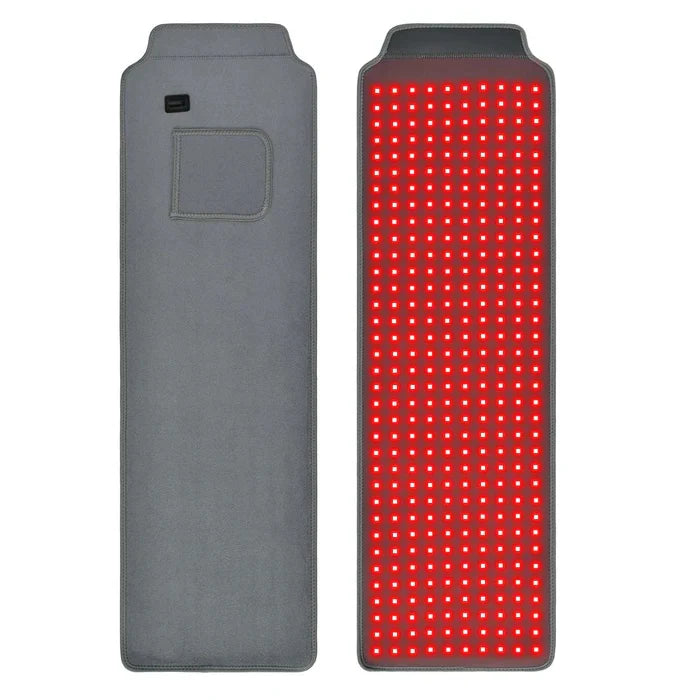
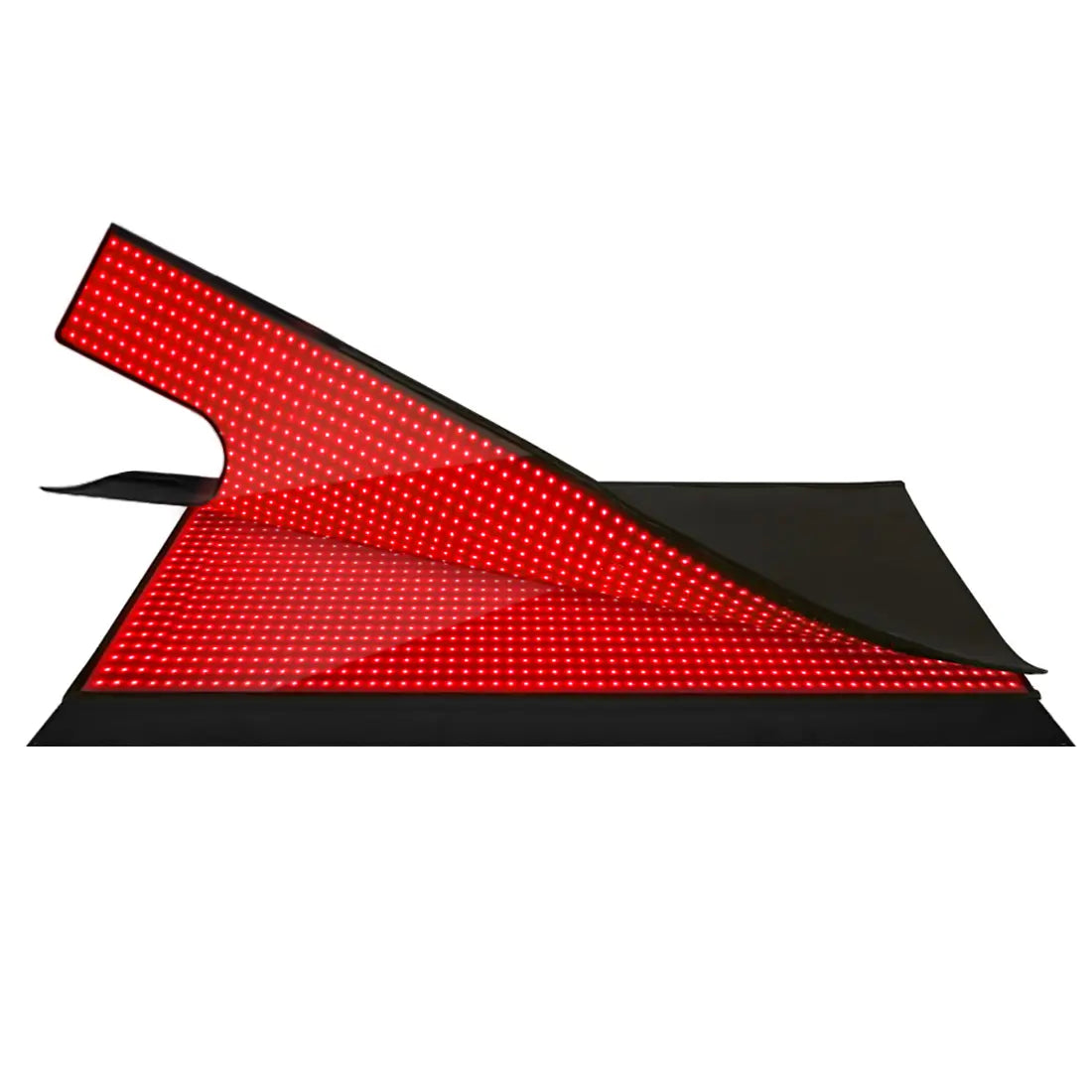
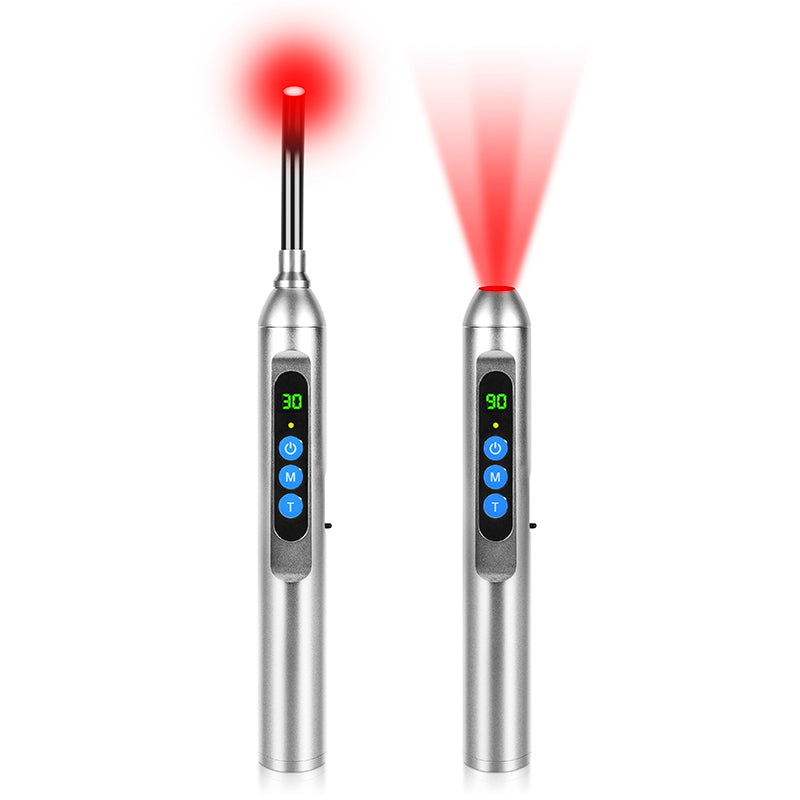

When people message me after DOT laser, it is almost always the same question wrapped in different skin types and life stories: “How long until I look normal again, and can I speed this up with red light?” As someone who lives and breathes light-based wellness, I love this question, because the honest answer is nuanced but empowering.
In this guide, I will walk you through what DOT laser actually does to your skin, realistic recovery timelines described by major centers like Cleveland Clinic, Mayo Clinic, and leading laser practices, and how a thoughtful red light therapy strategy might fit into that healing arc without risking your results. Think of this as the guide I wish I had the first time I combined fractional CO2 resurfacing with my own light therapy routine.
What DOT Laser Actually Does To Your Skin
DOT laser usually refers to fractional CO2 resurfacing, often called Dermal Optical Thermolysis. Instead of removing the entire surface of the skin, a fractional CO2 system drills many microscopic columns of controlled injury into the skin while leaving islands of untouched tissue in between. Cleveland Clinic explains this “columns” concept for fractional CO2: narrow holes are created deep into the skin layers, with surrounding skin intact. Those intact islands are what make fractional treatments heal faster and hurt less than older fully ablative resurfacing.
In practice, DOT laser is typically used on the face, and sometimes the neck or chest, for issues like wrinkles, sun damage, acne or surgical scars, and certain benign growths. Traditional CO2 laser resurfacing has been used for years for wrinkles, scars, warts, birthmarks, and oil gland overgrowth on the nose. Fractional patterns aim to keep much of that power while cutting down the horror-story downtime people associate with “old school” CO2.
Clinics such as The Elston Clinic describe the tradeoff clearly. A deeper, more aggressive CO2 setting can give maximum improvement but may keep you red for up to six weeks. Fractionated CO2 at more typical cosmetic settings shortens the most intense downtime to around one to two weeks and is usually less painful.
So when you say “DOT laser,” you are usually talking about a fractional CO2 procedure that creates thousands of tiny controlled wounds in the skin, triggers collagen remodeling, and then asks your biology to rebuild the surface better than before.

The Real Recovery Timeline After DOT Laser
Recovery after DOT laser is not a single date on the calendar. There is surface healing, social downtime, lingering redness, and deeper collagen remodeling that continues long after you are back to work and makeup. Pulling together guidance from Cleveland Clinic, Plastic Surgery–affiliated practices, and fractional CO2 clinics, a typical arc looks like this.
Days 0–2: Intense, Sunburn-Like Phase
Right after DOT laser, the treated skin usually looks and feels like a severe sunburn. Cleveland Clinic and multiple plastic surgery groups describe intense redness, heat, swelling, and oozing or weeping from the treated zones. The Elston Clinic notes that the face often feels tight, hot, and uncomfortable in the first few days, similar to a bad sunburn.
This phase is when dressing changes, cooling, and pain control matter most. Many practices apply an occlusive ointment and a nonstick dressing for about the first day, then transition you to frequent gentle cleansing followed by ointment. Over the counter pain relievers such as acetaminophen or ibuprofen are commonly used, and some patients receive prescription medication. Swelling around the eyes and lips is especially common and can look dramatic even when everything is healing normally.
Days 3–7: Peeling, Crusting, And Visible Downtime
From about day three through day seven, nearly every credible aftercare sheet agrees on the headline: peeling, crusting, and “not-going-out-to-dinner” skin. The Elston Clinic describes peeling, scaling, and oozing as normal in the first week. Other CO2 recovery guides describe yellowish fluid, crust formation, and tightness as new skin develops underneath.
This is the period where social downtime is at its peak for most people. According to Cleveland Clinic and PlasticSurgery.org educational material, ablative CO2 resurfacing generally needs up to two weeks for surface healing, while erbium and many fractional procedures heal faster. For fractional CO2 like DOT, several sources converge around an initial healing window of roughly one to two weeks.
During this time, typical instructions from clinics such as NorCal Surgery and Memorial Sloan Kettering Cancer Center include the following themes, expressed in different products and schedules:
You cleanse the treated skin multiple times per day with saline, diluted white vinegar, or a gentle cleanser. You keep the area continuously moist with a petrolatum-based ointment or post-procedure balm so crusts do not harden and crack. You avoid picking, scrubbing, or forcibly peeling any flaking skin. You stay away from hot tubs, pools, saunas, intense exercise, and anything that makes you sweat heavily or overheat.
If you do this well, you support faster re-epithelialization, which is the technical term for new surface skin formation.
Days 8–14: New Skin, Persistent Pink
Around days eight through fourteen, crusts are usually gone or nearly gone, and the surface is covered with fresh, bright pink skin. Many post-CO2 care protocols describe crusts resolving by about day ten and the surface looking mostly healed by roughly two weeks.
At this stage, the worst social downtime is usually over. Patients often start to feel comfortable returning to work, especially if they can use approved mineral makeup once their provider confirms the skin is closed. However, the color is not “normal” yet. Your skin may stay pink or red and more sensitive than usual for weeks to months.
Cleveland Clinic and PlasticSurgery.org content both point out that redness after CO2 resurfacing often lasts about two to three months and can persist up to six to twelve months in some people, particularly very fair individuals with blond or red hair. For fractional CO2, Elston Clinic notes that aggressive treatments can keep you red for up to six weeks, even though the most intense downtime is only one to two weeks.
Weeks 3–6: Redness, Sensitivity, And UV Vulnerability
From about week three through week six, your skin is no longer raw, but it is still remodeling. Most crusting is gone. Pinkness gradually fades but may still be noticeable. Dr. Rieger’s DOT laser instructions describe redness that can persist for up to six months, with pigment slowly returning over six to twelve months, especially after deeper treatments.
This period is where discipline pays off. Multiple sources, including Westlake Dermatology, PlasticSurgery.org, and post-laser handouts, emphasize strict sun protection for months after resurfacing. That usually means shade, hats, and daily broad-spectrum sunscreen as soon as your provider allows it. Some practices recommend daily sunscreen for at least three months after CO2 resurfacing to reduce the risk of hyperpigmentation.
Skin is also more reactive to products now. Many instruction sheets pause active ingredients such as retinoids, alpha hydroxy acids, or vitamin C for weeks, then reintroduce them slowly under physician guidance.
Months 3–6: Collagen Remodeling And Final Results
While you may feel “healed” on the surface within two weeks and look socially normal within one to two months, the deeper collagen story continues much longer. Clinics such as Elston Clinic and various CO2 recovery resources note that texture and wrinkle improvements often keep evolving for three to six months after a treatment. Plastic surgery and dermatology practices that use fractional CO2 frequently counsel patients to evaluate final results around the six-month mark.
This is where your long-game lifestyle and any adjunctive strategies, including red light therapy, can either support that remodeling or fight it through ongoing inflammation, sun exposure, or poor sleep and nutrition.
Snapshot: How DOT Compares To Other Laser Recovery Times
To put DOT laser into context, here is a simplified comparison of typical recovery ranges described by Cleveland Clinic, PlasticSurgery.org, and fractional CO2 clinics. These are approximate, not promises, and your individual plan should always follow your own surgeon’s instructions.
Laser type or setting |
Typical surface healing window |
Common social downtime window |
Typical redness duration (approximate) |
Traditional ablative CO2 resurfacing |
About 7–14 days |
Up to about 2 weeks |
Often 2–3 months; can be 6–12 months |
Fractional CO2 (DOT-style, moderate) |
About 7–14 days |
Roughly 1–2 weeks |
Several weeks; aggressive up to 6 weeks or more |
Fractional CO2 (lighter settings) |
Around 5–10 days |
Often about 1 week |
Weeks rather than months, but variable |
Erbium ablative resurfacing |
Around 7 days |
About 1 week |
Generally shorter than CO2, weeks to a few months |

What Actually Influences Your Recovery Time
When you ask, “How long until I am healed?” you are really asking about several overlapping clocks. The research notes and clinical guides point to a few major variables.
One clock is treatment intensity. Deeper, more aggressive DOT settings that chase maximum wrinkle reduction will hurt more, ooze more, and keep you red longer than lighter “polishing” fractional passes. Elston Clinic is explicit that maximum-benefit CO2 can mean up to six weeks of redness, even though the brunt of peeling lasts one to two weeks.
Another clock is laser type. Cleveland Clinic distinguishes traditional CO2, erbium, and fractional CO2. Traditional CO2 removes layers of skin and needs up to two weeks for surface healing. Erbium is often gentler, with about one week of recovery and less swelling, bruising, and redness. Fractional CO2 usually lands in between, with about a week of recovery but a more complex healing pattern.
Your skin and health matter too. People with darker skin tones have a higher risk of post-inflammatory hyperpigmentation, so many practices lean toward erbium or less aggressive settings and stricter sun avoidance. Underlying conditions such as autoimmune disease, connective tissue disorders, or immune compromise are red flags in Mayo Clinic guidance for ablative resurfacing. Smoking and heavy sun exposure impair healing and can stretch your recovery. Medications, especially isotretinoin, blood thinners, and photosensitizing antibiotics, need to be managed in advance.
Finally, the biggest modifiable variable is how precisely you follow aftercare. Almost every credible protocol, from Cleveland Clinic to Memorial Sloan Kettering to private plastic surgery offices, stresses meticulous cleansing, continuous moisture, infection prevention, and sun protection. People who shortcut these steps, pick at peeling, or go back to the gym and sauna too early tend to have longer, more complicated recoveries.

Evidence-Based Aftercare That Truly Speeds Recovery
Let’s translate the common threads from hospital systems and specialty practices into plain language. I am deliberately not naming specific brand products here, because different offices use different lines, but the principles are remarkably consistent.
Clean Gently, Often, And The Right Way
After the initial bandage comes off, many protocols recommend cleansing treated skin several times per day. PlasticSurgery.org and Cleveland Clinic describe washing two to five times daily with saline or a diluted vinegar solution, followed by ointment. Memorial Sloan Kettering’s fractionated CO2 instructions specify a simple recipe: mix eight ounces of water with one tablespoon of white vinegar and refrigerate for up to five days. That diluted solution is then used in alternation with liquid soap and water.
The key is lukewarm, not hot, water and extremely gentle pressure. Think soft cloth, light patting, or a gentle shower stream, never pounding jets. The goal is to loosen crusts and keep the surface clean without tearing fragile new skin. If you have well water, some centers recommend using distilled water for the treated area to reduce infection risk.
Keep The Skin Continuously Moist
Every major CO2 aftercare document I have seen converges on this: do not let the treated area dry out in the first phase. You want a shiny, ointment-slick surface, not a dry, cracking crust. Petrolatum-based products, post-procedure balms, or thick barrier creams are standard choices in the literature.
NorCal Surgery’s post-laser guide emphasizes that crusting and dryness increase infection risk and scarring. Memorial Sloan Kettering applies petroleum jelly or antibiotic ointment immediately after treatment and instructs patients to keep the area covered and moist. Several plastic surgery practices recommend reapplying occlusive ointment multiple times daily, particularly anytime the skin feels tight or dry.
This moist-wound approach shortens the time to re-epithelialization, which is directly connected to your visible recovery time.
Protect Against Infection And Viral Flares
Because DOT laser creates thousands of open micro-wounds, infection is a real concern. Many surgeons prescribe a prophylactic antiviral such as acyclovir or valacyclovir for patients with a history of cold sores or shingles in the treatment area. Cleveland Clinic, Memorial Sloan Kettering, and multiple private practices highlight this pattern: start antiviral medication about two days before the procedure and continue for several days afterward to reduce herpes simplex reactivation.
Some practices also prescribe antibiotics in higher-risk cases. Regardless, hygiene is nonnegotiable. Carefully washed hands before touching the face, freshly laundered pillowcases, no pets licking or sleeping on your pillow, and no shared towels all lower your risk.
Just as important is knowing red-flag symptoms. Across several instruction sheets, warning signs include increasing pain after initial improvement, spreading or asymmetric redness, warmth that feels different from the usual sunburn-like heat, foul odor, yellow or green drainage, fever above about 101°F, or new blisters and pustules. Any of these mean you stop experimenting and call your surgeon or follow their emergency instructions immediately.
Avoid Heat, Sweat, And Irritation
Your skin is already inflamed and busy repairing itself. Many CO2 post-care guides therefore ask you to avoid hot baths, hot tubs, steam rooms, very hot showers, and strenuous exercise for at least the first week, sometimes longer. Heat dilates blood vessels and can worsen swelling and discomfort. Heavy sweating introduces salt and bacteria into open channels and can sting intensely.
Similarly, contact sports, tight helmets or straps, and pressing a cell phone to your cheek are discouraged in early healing because they can traumatize the surface.
On the product side, this is not the time for scrubs, exfoliating brushes, retinoids, acids, or strong vitamin C. Several instructions recommend avoiding such actives for weeks to months until the skin is clearly fully healed and your provider gives the green light.
Make Sun Protection A Non-Negotiable Habit
If there is one theme the entire resurfacing literature screams, it is sun protection. Freshly lasered skin is exquisitely vulnerable to ultraviolet radiation. Cleveland Clinic, PlasticSurgery.org, Elston Clinic, and multiple practice handouts all emphasize strictly avoiding sun during healing and then using daily broad-spectrum sunscreen for weeks to months.
Some clinics recommend at least three months of serious sun avoidance and sunscreen after CO2 resurfacing. Patients with darker skin tones are at higher risk for darkening (post-inflammatory hyperpigmentation) and may also be offered lightening agents as part of their regimen. Mayo Clinic notes that people with brown or Black skin need especially careful pigment management around resurfacing.
In practical terms, that means planning your procedure during a season where you can actually stay out of intense midday sun, leaning on wide-brimmed hats and physical shade, and making sunscreen as automatic as brushing your teeth once your provider lets you apply it.

Where Red Light Therapy Fits Into DOT Laser Recovery
Now to the fun part for light therapy geeks like us: where does red light therapy belong in this picture?
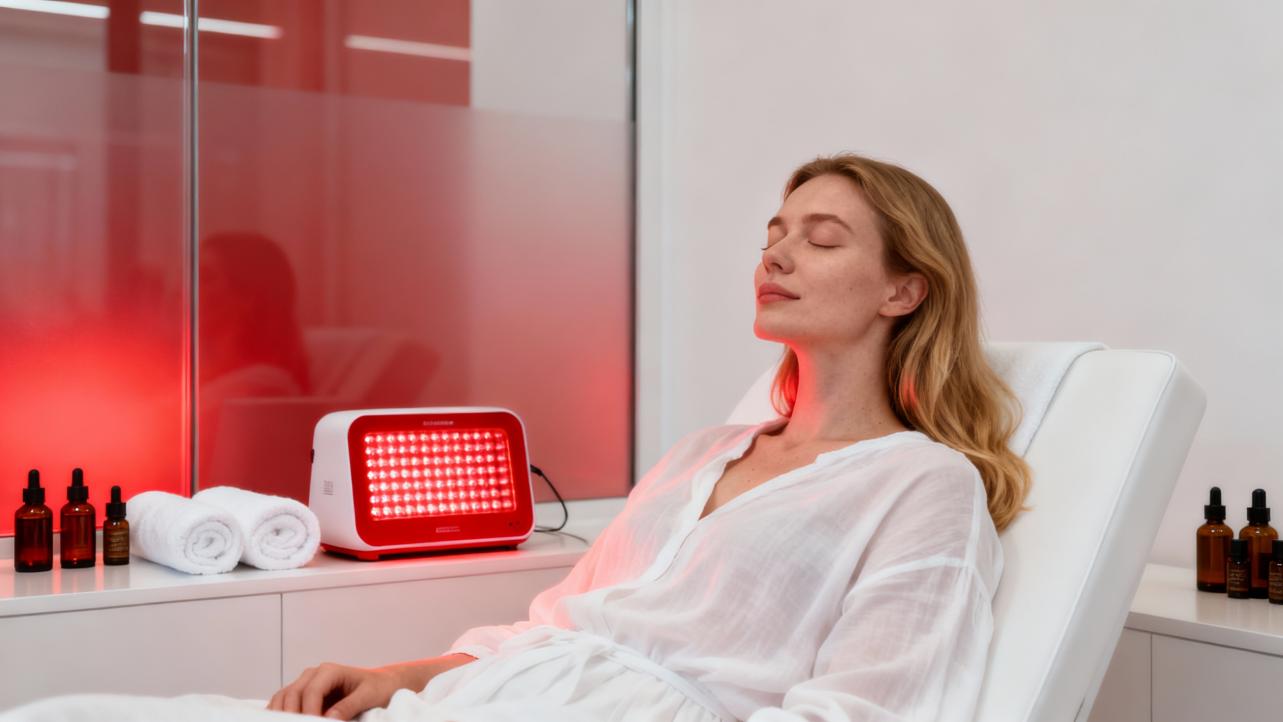
Red light therapy, often called low-level light therapy or photobiomodulation, uses low-intensity visible red or near-infrared light to influence cellular processes. Many people already use red light panels at home for skin quality, mood, or general recovery. It is very natural to want to stack this tool on top of DOT laser.
Here is the most important truth first. The research notes we have here focus on CO2 and DOT laser aftercare from institutions such as Cleveland Clinic, Mayo Clinic, Memorial Sloan Kettering, and various surgical practices. They discuss wound care, antivirals, sun protection, timelines, and risks in detail. They do not yet formally integrate red light therapy into their standard protocols.
That does not mean red light therapy is useless. It simply means that large, standardized protocols for DOT plus red light are not yet mainstream enough to appear in these documents. In my own experience and in the broader photobiomodulation literature, low-level red light has been studied for general wound healing and inflammation in other contexts. The physiology lines up with what we would want after laser: support for energy metabolism in cells, modulation of inflammatory signaling, and possibly faster resolution of redness and swelling.
However, until more DOT-specific research is clearly established in major clinical guidelines, I treat red light therapy as an optional, supportive layer rather than a core, proven requirement.

A Practical, Cautious Way To Layer Red Light Therapy After DOT Laser
So how do you actually use red light therapy without working against what your surgeon is trying to do?
First, respect the open-wound phase. In the first several days after DOT laser, your barrier is wide open and your marching orders are simple: gentle cleansing, moisture, and infection prevention. This is not the time to experiment. The safest approach is to hold red light therapy until your provider is comfortable that re-epithelialization has occurred; in many protocols that means crusts are gone and the surface is fully closed, usually somewhere in that seven to fourteen day range for typical fractional CO2.
Second, communicate with your provider. When I work with recovery plans, I always encourage patients to tell their dermatologist or surgeon exactly what type of device they own, where on the body they plan to use it, and how they intend to position it. Even if your physician is not a photobiomodulation enthusiast, they know your specific settings, skin type, and risk factors and can flag anything that seems unwise.
Third, start low, go slow, and monitor your skin. Once the surface is closed and you have a clear “okay” from your clinician, consider starting with shorter, less frequent sessions focused on surrounding areas or on general systemic support rather than blasting the exact lasered zone on day one. Many people, for example, will begin by using red light on the neck, chest, or non-treated areas to support overall circulation and comfort, then gradually include the treated region as it tolerates gentle light without increased heat, burning, or stinging.
Fourth, integrate red light into the broader routine, not instead of it. Red light therapy is not a replacement for vinegar soaks, ointment, antivirals, or sunscreen. It is an add-on. That means it fits around your cleansing and moisture schedule rather than disrupting it. Skin should be clean and gently patted dry before a session, and post-session, you return to your prescribed ointment or moisturizer.
Finally, keep expectations grounded. Based on the wider wound-healing literature, I am optimistic about red light helping with subjective comfort, resolution of redness, and overall skin quality over time. But I still advise people to plan their lives around the timelines described earlier from established CO2 protocols: up to two weeks of visible downtime, several weeks of pinkness, and three to six months of ongoing improvement. If red light shortens your downtime a little or makes your skin feel better throughout, that is a win. It is not a magic eraser for proper aftercare or biology.
Pros And Cons Of Red Light Therapy After DOT Laser
Here is a concise view of the potential upsides and downsides of adding red light therapy to your DOT laser recovery, based on the mechanisms of light therapy and the realities of laser aftercare protocols.
Potential advantages |
Potential drawbacks and cautions |
May support cellular energy and tissue repair in theory |
Not yet standard in most DOT/CO2 protocols from major clinics |
May help with perceived redness and inflammation over time |
Risk of overdoing it if you chase “more light, faster healing” |
Noninvasive and usually comfortable once skin is closed |
Some home devices produce heat; heat is not ideal on fresh laser skin |
Can be reused for general wellness beyond this procedure |
Adds one more variable during a period when simplicity is often better |
When I optimize a recovery plan, my bias is to get the fundamentals from the surgical team perfect first. Once cleansing, moisture, sleep, nutrition, and sun protection are dialed in, then I open the door to red light as an extra tool if it fits the person’s risk profile and preferences.

When To Avoid Or Delay Red Light Therapy
Even if you are excited about your panel, there are clear times when you should not be using red light on or near your treated skin.
Do not use red light therapy directly on open, weeping, or actively crusted DOT wounds unless your treating physician explicitly instructs you otherwise. During this phase, your main objectives are barrier restoration and infection control. The protocols we have from institutions such as Cleveland Clinic, Memorial Sloan Kettering, and multiple plastic surgery practices do not include additional light sources at this stage.
Do not use red light on areas that show signs of infection or complication. If you notice worsening pain after initial improvement, rapidly spreading redness, warmth, thick yellow or green discharge, foul smell, fever above about 101°F, or blisters and pustules near the treatment area, your next step is your surgeon, not your light device.
Be cautious if you have a history of photosensitive conditions or medications. Some drugs, including certain antibiotics, can increase sensitivity to light. Since the same medications are often being managed carefully around the time of laser, it is important to disclose your red light plans to your medical team so they can consider the whole picture.
Finally, if your provider is simply uncomfortable with the idea of layering red light into your recovery, listen to that. You can always go back to your panel later, once the months-long collagen remodeling is underway and your skin is fully stable.

FAQ: DOT Laser, Recovery, And Red Light Therapy
How long does it really take to look normal after DOT laser?
Most fractional CO2 DOT patients can expect about one to two weeks where peeling, oozing, and crusting are obvious enough that you may not want to be in public, depending on your comfort level. By two weeks, new pink skin generally covers the treated area, and makeup is often allowed. Redness can last several more weeks and sometimes months, especially after aggressive treatments, so “normal” under high-definition lighting can easily be a four to eight week process.
Does red light therapy shorten DOT laser downtime?
There is encouraging science on low-level red light for general wound healing, but DOT-specific protocols with red light are not yet standard in the clinical aftercare sheets reviewed here. In my experience, red light is best considered a promising, supportive tool once your skin is closed, not a guaranteed way to cut recovery time in half. Its benefits are likely to be incremental and depend heavily on doing the basics right.
When is the earliest safe time to start red light therapy after DOT?
Most cautious approaches wait until after re-epithelialization, meaning the skin surface is fully closed and crusts have resolved. For many fractional CO2 patients, that is somewhere in the seven to fourteen day range, but the only safe answer for you is the one your own surgeon gives after examining your skin. When in doubt, delay and ask.
Can red light therapy replace sunscreen after DOT laser?
No. Every credible resurfacing guideline, from Cleveland Clinic to plastic surgery societies, treats broad-spectrum sunscreen and physical sun avoidance as core pillars of post-laser care for months. Red light therapy does not block ultraviolet radiation and does not prevent pigment changes from sun exposure. If anything, you should think of red light as a possible adjunct and sunscreen as non-negotiable.
In the end, DOT laser is a powerful controlled injury, and your recovery is your biology’s reply. The science-backed playbook from major centers is clear: meticulous cleansing, constant moisture, antiviral protection when indicated, strict sun discipline, and early recognition of complications. As a light therapy geek, I see red light as a potentially valuable extra layer once that foundation is solid and your skin has closed, not as a shortcut.
Respect the timelines, treat your skin like a healing organ rather than a project, and you can let both the laser and the light work for you instead of against you.

References
- https://scholarworks.indianapolis.iu.edu/bitstream/handle/1805/9329/Carniol_2015_current.pdf;sequence=1
- https://my.clevelandclinic.org/health/treatments/11015-laser-skin-resurfacing
- https://www.mskcc.org/cancer-care/patient-education/skin-care-after-fractionated-carbon-dioxide-laser-treatment
- https://www.plasticsurgery.org/cosmetic-procedures/laser-skin-resurfacing/recovery
- https://www.mayoclinic.org/tests-procedures/laser-resurfacing/about/pac-20385114
- https://elston.clinic/co2-laser-before-and-after
- https://grossmancapraroplasticsurgery.com/my-experience-and-recovery-from-the-co2-tetra-dot-laser-procedure/
- https://jriegermd.com/dot-laser-pre-and-post-op-instructions/
- https://www.norcalsurgery.com/laser-resurfacing-post-instructions/
- https://www.virginiafacialplasticsurgery.com/operation-instructions/laser-skin-resurfacing-post-operative-instructions-in-office