
Why Longevity Matters More Than Before-and-After Photos
As a long-time light-therapy geek, I care less about dramatic “after” photos and more about what your skin looks like six or twelve months down the line. Anyone can look impressive for a week after a peel, filler, or microneedling session. The real question is how long that improvement holds before gravity, collagen loss, and inflammation drag things back toward baseline.
Red light therapy sits in an interesting space here. It is not a replacement for injectables, lasers, or surgical skill. It is a biological nudge that changes how your cells handle energy, inflammation, and repair. The science is clearest for skin rejuvenation, acne, wound healing, and hair growth, with mixed but promising data for scars. That gives us a reasonable, evidence-backed basis to ask: can consistent red light therapy help you maintain aesthetic results longer and with less damage along the way?
The short answer is that red light therapy can support the tissue quality that underlies your treatments, but it does not freeze time or make a three‑month treatment magically last for a year. To understand why, we need to look at what the light is actually doing.

What Red Light Therapy Really Is (And Is Not)
Photobiomodulation, Not Burning Or Blasting
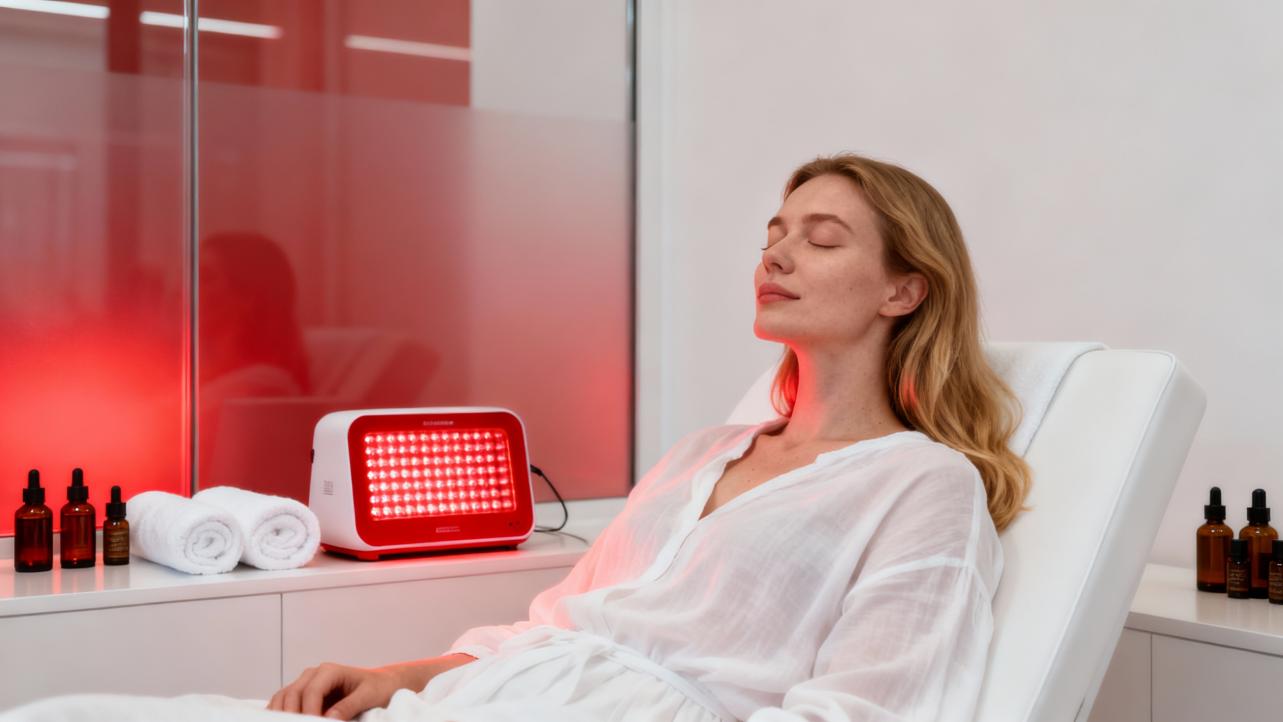
Modern red light therapy in aesthetics is usually a form of photobiomodulation, sometimes called low‑level light therapy. Devices use non‑ionizing red and near‑infrared light, generally in the 620–700 nanometer and 700–900 nanometer ranges, delivered by LEDs or low‑power lasers. According to dermatology reviews in major medical journals and overviews from Cleveland Clinic and Harvard, this light is deliberately kept at intensities that do not heat or ablate tissue.
This is very different from ablative lasers or intense pulsed light that intentionally create controlled damage to stimulate repair. In photobiomodulation, the power is low enough that you do not cross into thermal injury. A randomized controlled trial of full‑ and partial‑body red light exposure in over one hundred volunteers used red wavelengths around 611–650 nanometers, normalized to about 9 joules per square centimeter in the red band, and still reported no significant thermal or traumatic effects. Participants simply lay under the lamps for twelve to twenty‑five minutes, twice weekly, over roughly fifteen weeks.
It is also distinct from photodynamic therapy, where red lasers activate a photosensitizing drug to destroy precancerous or cancerous cells. As Stanford dermatology experts emphasize, red light by itself does not kill skin cancers; its standalone role in aesthetics is to modulate cellular biology, not to burn or destroy.
The Mitochondrial And Collagen Story
At the cellular level, multiple sources, including a comprehensive dermatology review of photobiomodulation and summaries from Cleveland Clinic and Harvard, converge on the same core mechanism. Red and near‑infrared photons are absorbed by chromophores inside mitochondria, especially cytochrome c oxidase. This shifts mitochondrial respiration, boosting ATP production, modulating reactive oxygen species and nitric oxide, and triggering downstream changes in gene expression.
These shifts, when dosed correctly, show several consistent effects in skin and hair research. Fibroblasts increase their production of collagen types I and III and elastin. Keratinocytes and immune cells adjust their inflammatory signaling. Blood vessels dilate, improving microcirculation and the delivery of oxygen and nutrients. In wound and scar models, reviews of dozens of animal and cell studies report reduced inflammatory cell infiltration, more fibroblast proliferation, enhanced collagen synthesis, and better angiogenesis and granulation tissue.
Importantly, this response follows a biphasic dose curve. Very low doses do little. Moderate doses, generally around 1–5 joules per square centimeter in wound‑healing studies and around 9 joules per square centimeter in the facial rejuvenation trial, tend to be beneficial. Excessively high doses start to inhibit cellular function. That is why expert reviews and practical guides from clinics and device manufacturers consistently recommend moderate session lengths, usually around ten to twenty minutes per area, a few times a week rather than long daily marathons.
This cellular story is the bridge to longevity. The same biology that makes a filler look smooth instead of lumpy or a peel heal with an even glow instead of blotchy pigment is the biology that red light can influence.

What The Research Actually Shows For Skin, Scars, And Hair
Wrinkles, Firmness, And Overall Skin Quality
Skin rejuvenation is where the data for red light therapy are strongest and most relevant to how long you keep your results. In the randomized controlled trial of over one hundred adults treated with red or red‑plus‑near‑infrared light twice per week for thirty sessions, researchers measured objective and subjective outcomes. Ultrasound showed increased intradermal collagen density, digital profilometry showed smoother skin surface (reduced roughness), and three independent physicians reviewing standardized photographs reported significant wrinkle improvement compared with untreated controls. This was achieved with non‑ablative, non‑thermal exposures and no serious adverse events.
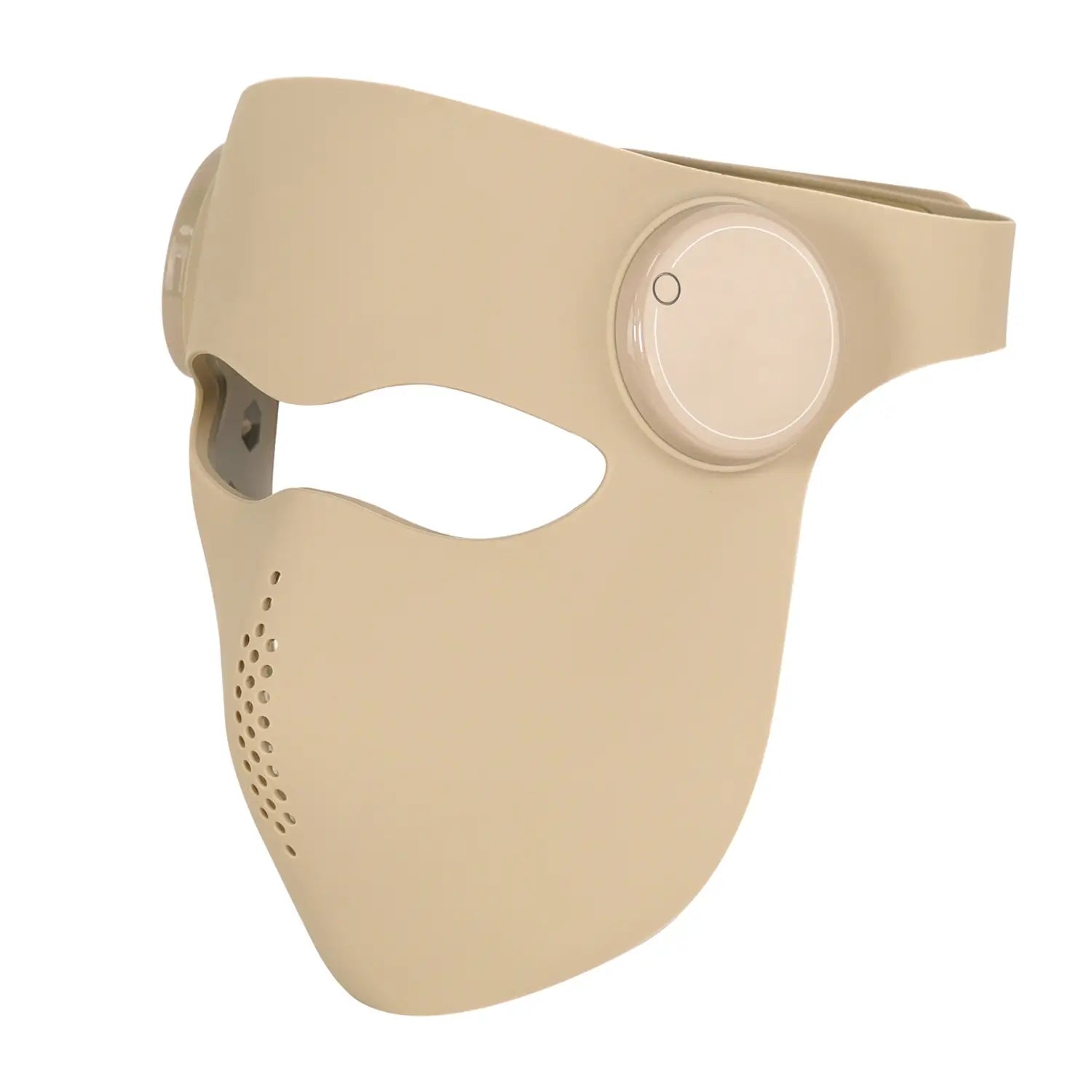
A separate LED mask study summarized by device manufacturers and discussed in hospital blogs used a consumer‑style anti‑aging mask for twelve minutes, twice weekly, over three months. The data were impressively granular. At one, two, and three months, crow’s feet depth decreased by roughly 15.6, 34.7, and 38.3 percent. Face sagging decreased 5.4, 14.7, and 24.8 percent. Skin firmness increased 13.6, 19.7, and 23.6 percent, and skin density rose 26.4, 41, and 47.7 percent. Pore diameter shrank by around 28 to 33 percent, and sebum levels dropped 34.9, 63.9, and 70.3 percent over the same timeframe. The most intriguing part for longevity: benefits were still present about a month after stopping treatment.
Harvard dermatology commentary and reviews from major dermatology associations echo this pattern. Red light therapy, when used consistently over months, can attenuate fine lines and wrinkles, improve texture, lighten some dark spots, and produce a more supple, “springy” skin feel. The effect size is modest compared with aggressive lasers or deep peels, but the risk, discomfort, and downtime are dramatically lower.
Acne, Redness, And Post‑Inflammatory Pigment
For acne and inflamed skin, red light is less about collagen and more about calming chaos. Clinical and preclinical work summarized in dermatology reviews and hospital blogs shows that red wavelengths can reduce sebum production, modulate inflammatory cytokines, and, in combination with blue light, help kill Cutibacterium acnes.
In one protocol highlighted by a red‑light timing guide, alternating blue and red LED sessions for twenty minutes twice per week led to mean acne lesion reductions of 46 percent at four weeks and 81 percent at twelve weeks. A small study referenced by university health systems reported significant improvements in skin oil production and acne lesions with six red‑light treatments given every two weeks, with no adverse effects.
From a longevity perspective, this matters because post‑procedural acne flares and chronic low‑grade inflammation can shorten the “honeymoon phase” after a peel, laser, or microneedling series. If oil production and inflammatory signaling are better controlled, you are less likely to prematurely blur your newly refined texture with breakouts or persistent redness.
Wound And Scar Healing
When you cut or otherwise injure skin, there is a brief window where the quality of healing determines whether you carry a faint line or a thick, raised scar for years. That same principle applies after eyelid surgery, facelifts, mole removals, and many other aesthetic procedures.
Reviews of low‑power light therapy for wounds, covering more than sixty preclinical studies, show that red and near‑infrared light in the so‑called optical window (around 630–830 nanometers) can decrease inflammatory cell infiltration, increase fibroblast proliferation, enhance collagen deposition, and stimulate angiogenesis. Most of the beneficial responses clustered at doses up to about 5 joules per square centimeter.
Human data are more mixed but still encouraging. A dermatology review out of Stanford notes that some clinical studies found treated areas healed about twice as fast or showed better early scar quality, while other trials saw only slight, statistically non‑significant differences and no long‑term advantage after full healing. A practical summary from a plastic surgery practice points out that red light can reduce post‑surgical inflammation, support tissue regeneration, and shorten downtime after cosmetic operations.
Another set of studies reviewed by a red‑light education site found that several‑week courses of red light for scars produced improvements that continued to evolve for months, with changes still being documented at six to twelve months. That is critical for longevity: if you improve the architecture of a scar during its first year, you are not just making it look better for a month; you are potentially influencing its stable, long‑term appearance.
Hair Density And Scalp Health
Hair is often the missing link in conversations about aesthetic longevity, especially after procedures like hair transplantation or aggressive shedding triggered by stress or illness. Red light therapy’s track record here is surprisingly strong.
Dermatology reviews and commentary from Stanford report that early concern about red lasers causing cancer or hair loss gave way, after trials, to evidence that low‑level red and near‑infrared light can actually stimulate hair growth. Photobiomodulation appears to prolong the anagen (growth) phase of hair follicles, boost paracrine growth factors from the dermal papilla, and improve scalp blood flow in a way similar to topical minoxidil.
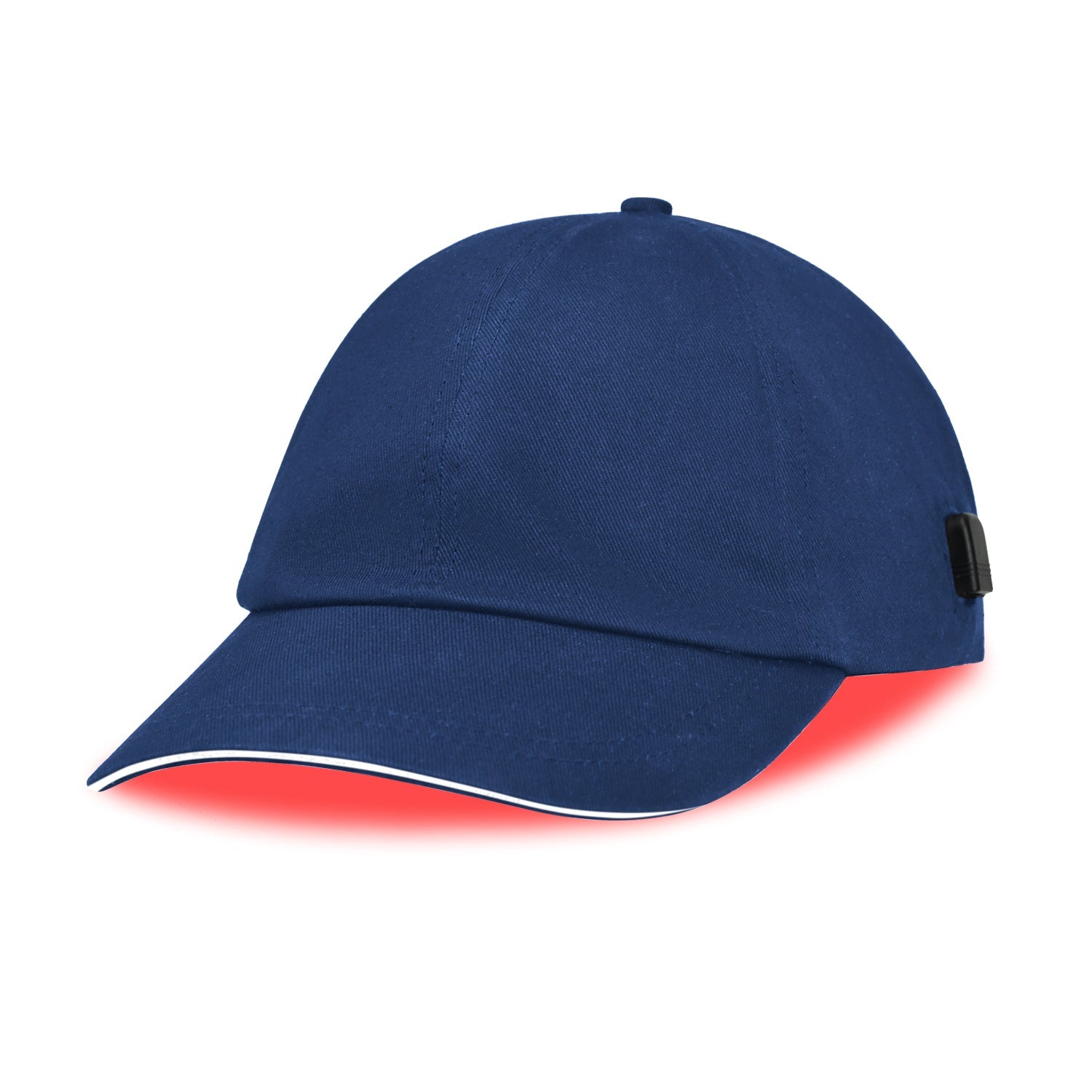
Large clinical trials and FDA‑cleared combs, caps, and helmets have demonstrated increased hair density and length in androgenetic alopecia. WebMD’s review notes that in some studies, low‑level light therapy was comparable to minoxidil in its effect on hereditary hair loss. However, both Stanford and general medical overviews agree on an important caveat: benefits usually stop when treatment stops.
That is pure longevity data. For hair, red light is less a one‑off “booster” and more a maintenance rhythm. Once you transform the scalp environment to grow thicker hair, you have to keep feeding that environment with light a few times a week to keep follicles in their healthier state.
How Red Light Therapy Can Support Aesthetic Treatment Longevity
We now have three pillars: red light can improve collagen and elastin, calm inflammation, and in some settings improve hair growth and scar quality. None of this is speculation; it is drawn from controlled trials, device studies, and expert reviews from institutions such as Harvard, Stanford, Cleveland Clinic, and university hospitals. The next step is applying those pillars to common aesthetic treatments.
A crucial honesty point first. There are no large, long‑term randomized human trials showing that “Botox plus red light lasts X months longer than Botox alone” or that a specific LED mask adds a precise number of months to your microneedling results. Stanford and Cleveland Clinic both emphasize that, outside of specific indications like hair growth and some skin rejuvenation, evidence remains limited and parameters are not fully standardized. What we can do is connect the dots between mechanisms and existing outcomes without overselling.
Here is a concise view of what the science suggests about time courses and durability when red light is used consistently.
Concern or goal |
Pattern of results with red light therapy |
What happens after stopping in studies |
Longevity implication |
Aging skin and wrinkles |
In an LED mask study, twice‑weekly twelve‑minute sessions produced progressive improvements in wrinkle depth, sagging, firmness, density, pores, and oil over three months. |
Benefits were still present about one month after stopping treatments. |
Red light can remodel skin over months and give a short “carryover” period; ongoing maintenance is likely needed to sustain peak results and support the outcome of procedures like fillers, lasers, or peels. |
Alternating blue and red LED sessions twice weekly reduced acne lesions by around 46 percent at four weeks and 81 percent at twelve weeks, with improvements in oil production and inflammation in other small studies. |
Data on long‑term follow‑up after stopping are limited, but improvements correlate strongly with consistent use over weeks to months. |
By keeping inflammation and oil production down between procedures, red light may help your texture and tone stay closer to the post‑treatment “ideal” instead of backsliding quickly. |
|
Scars and post‑procedure healing |
Several‑week red‑light courses have shown scar and wound improvements that continued to evolve at one, three, and up to twelve months, with better early healing documented in some surgical studies. |
In some trials, long‑term differences between treated and untreated areas eventually diminished; in others, quality improvements persisted. |
The biggest longevity win is likely in optimizing how scars mature over their first year, especially after surgeries, microneedling, or ablative treatments. |
Hair thinning and restoration |
Low‑level red and near‑infrared light has repeatedly increased hair density and length in clinical trials, and at least one review notes outcomes comparable to minoxidil in androgenetic alopecia. |
Stanford experts note that benefits generally stop when treatment stops; follicles tend to revert without ongoing stimulation. |
Red light acts as a sustained maintenance strategy for hair: a way to preserve and support gains from medical therapy or hair transplantation rather than a one‑time durability booster. |
Injectables And Neuromodulators
For neuromodulators and fillers, longevity is largely determined by pharmacology and product breakdown. Red light therapy will not change how fast your body metabolizes botulinum toxin or resorbable fillers. There is no credible evidence that it can extend the chemical life of these materials in your tissues.
Where red light can reasonably help is the canvas around those products. If your underlying skin has better collagen density, more even texture, controlled inflammation, and more efficient microcirculation, your injections tend to look smoother and more natural and are less likely to be overshadowed by dullness, redness, or crepey skin. Clinical data showing increased dermal collagen and reduced roughness after months of red light, along with the LED mask study’s firmness and pore changes, align well with this qualitative “finishing” role.
From a practical standpoint, that often means using red light therapy as a steady maintenance habit between injection appointments rather than trying to “pair” sessions right on top of injection days without medical input. Your injector or dermatologist should decide how close to treatment you can safely use light, especially if you bruise easily or are on medications that affect clotting or light sensitivity.
Microneedling, Lasers, And Peels
Microneedling, fractional lasers, and chemical peels share a core principle: controlled injury followed by controlled remodeling. Red light therapy slots neatly into the remodeling half of that equation.
Reviews of photobiomodulation show that red wavelengths can stimulate fibroblast proliferation, collagen synthesis, and angiogenesis while moderating inflammation. Clinical trials in facial rejuvenation demonstrate increased collagen density and smoother surfaces without added damage. Several aesthetic clinics, including dermatology and medical skin‑care practices, routinely add red light to facials, microneedling sessions, and post‑peel care to calm redness and speed visible recovery.
However, not all guidance is uniform. One red‑light timing and safety article cautions against use in people who have recently had cosmetic or skin procedures within the previous two months, grouping them with individuals on photosensitizing medications or with weakened immune systems as higher‑risk for adverse reactions. That stands in contrast to day‑of‑procedure protocols some clinics use.
The reconciliation is simple: different procedures and skin types carry different risk profiles. Aggressive ablative lasers and high‑strength peels can leave skin temporarily photosensitive and vulnerable. Milder procedures such as gentle microneedling or light‑strength peels may tolerate low‑dose red light soon after treatment under professional supervision. This is exactly where you want a dermatologist or experienced aesthetic physician directing the protocol rather than self‑experimenting.
In terms of longevity, the goal is not so much to make results last a specific number of extra months as to improve the quality and stability of the healed tissue. More organized collagen, less chronic redness, and fewer post‑inflammatory dark spots mean the outcome from your laser or peel stays closer to its best version for a longer portion of its natural lifespan.
Surgical Procedures And Scar Revision
After cosmetic surgery, everything from swelling and bruising to scar formation influences how long it takes to reach your “final” result and how good that final result looks. Plastic surgery and dermatology sources describe red light therapy as a tool to reduce post‑operative inflammation, accelerate healing, and support scar remodeling after facelifts, rhinoplasty, and other procedures.
The wound‑healing literature provides a biological rationale. Red and near‑infrared wavelengths can reduce excessive inflammatory cell infiltration and upregulate fibroblast activity, collagen deposition, and angiogenesis when dosed in the low‑to‑moderate range. Some surgical studies cited by Stanford dermatologists show faster early scar improvement or shorter healing times on treated areas, even if longer‑term differences sometimes narrow over time.
From a longevity perspective, the main advantage here is front‑loading a better healing trajectory. If early swelling, pain, and redness subside faster, you reach your best appearance sooner. If scar tissue forms in a more organized, less hypertrophic way, you carry that better scar for years. There is no evidence that red light somehow “locks in” a facelift for decades, but it can help your tissues complete the healing phase more efficiently and with fewer aesthetic penalties.
Hair Restoration Procedures
For hair restoration, red light therapy behaves more like part of the primary treatment than a mere adjunct. Clinical trials and medical reviews show that low‑level red and near‑infrared light increases hair density and length in various hair loss conditions by prolonging the growth phase and improving follicle environment.
When paired with medications like minoxidil or finasteride, or with hair transplant surgery, red light can create a more favorable scalp ecosystem, potentially improving the quality and uniformity of regrowth. However, experts at Stanford and in general medical reviews stress that once you stop red light sessions, gains tend to fade: follicles gradually revert if the environmental support disappears.
In other words, for hair longevity the question is not “Will red light give my transplant an extra year?” but “Am I willing to maintain a few short sessions per week to keep the follicles thriving?”

Practical Protocols: Using Red Light To Protect Your Investment
Timing And Frequency Around Aesthetic Treatments
In the real world, I see the best outcomes when people treat red light therapy as a lifestyle rhythm, not a frantic sprint the week before a big procedure. Multiple sources aimed at both consumers and clinicians converge on broadly similar timelines.
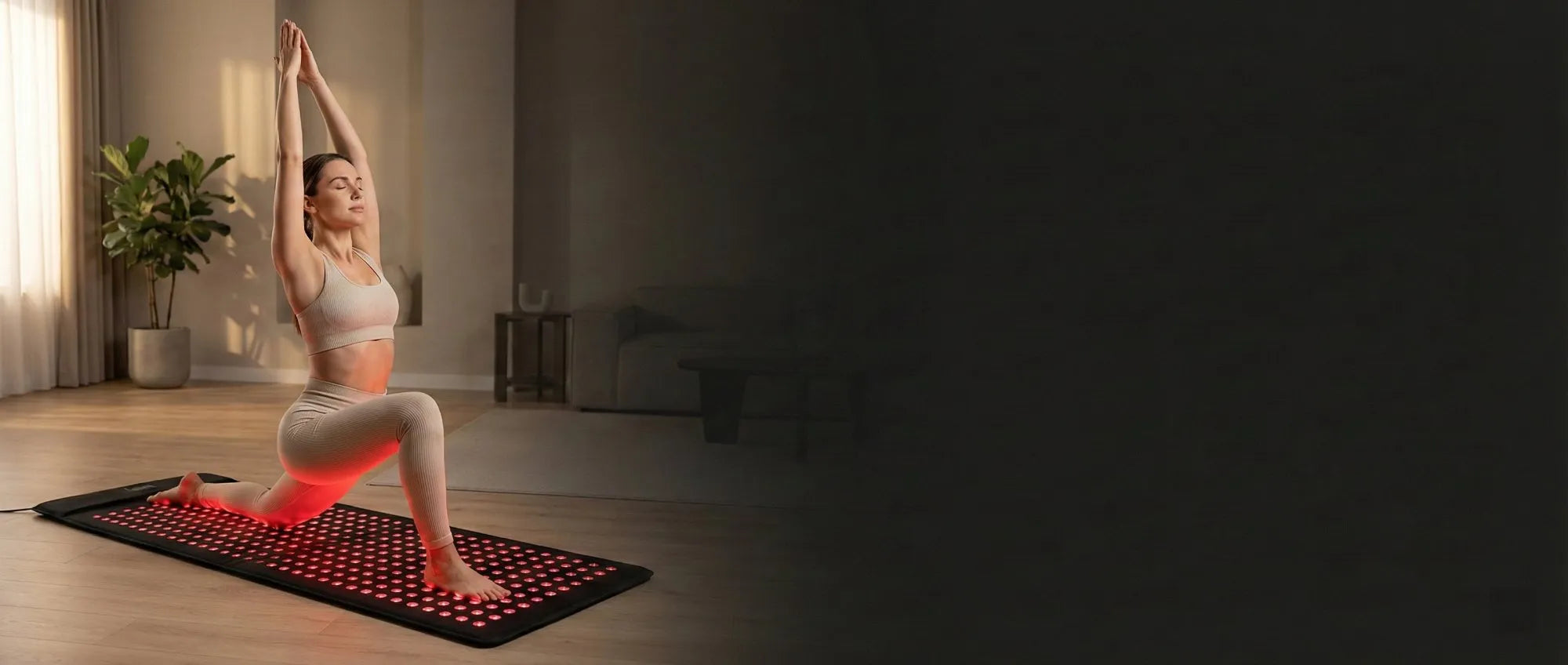
For general anti‑aging and skin rejuvenation, plastic surgery and dermatology practices often recommend about three to five sessions per week during the first four to six weeks, followed by one to three sessions per week for maintenance. Mask and panel studies that documented meaningful collagen and wrinkle changes typically used around ten to fifteen minutes per session, two times per week, for three months or longer. Improvement was progressive, not instantaneous.
For acne, protocols often start more intensively. Some clinical and at‑home guidelines suggest twenty‑minute sessions twice weekly, sometimes with alternating red and blue wavelengths, and in more inflamed cases daily sessions for the first week or two before tapering to several times per week. In the acne trial with 81 percent lesion reduction at twelve weeks, consistency over that entire period was crucial.
For surgical or injury‑related pain and healing, reviews and practical guides mention daily sessions for the first couple of weeks, then stepping down to three or so sessions per week as pain, swelling, and stiffness improve. For chronic pain or joint issues, evidence suggests ongoing treatment is needed; benefits tend to decline within weeks of stopping.
Where does that leave someone planning aesthetics? Ideally, you are already doing red light two or three times per week in the months before a procedure, enter the treatment with healthier, better‑perfused skin, and then follow the plan your physician designs for the immediate post‑procedure period. Once the acute healing phase is over, you return to a sustainable rhythm of one to three sessions a week to keep the tissue environment favorable.
Dose, Distance, And Device Choice
Because red light follows a biphasic dose response, more is not better. The wound‑healing review found the best outcomes clustered below about 5 joules per square centimeter, and a facial rejuvenation trial used roughly 9 joules per square centimeter in the red band with good tolerance. Consumer guidance from medical centers, dermatology groups, and photobiomodulation experts typically translates this into ten to twenty minutes per area, a few times per week. Podcast discussions from academic physicians specifically recommend not exceeding about thirty minutes per session.
Distance matters because of irradiance. A device‑maker’s educational article suggests placing panels roughly 4 to 6 inches from the skin, and staying within about 6 to 20 inches overall, acknowledging that closer distances increase intensity and allow shorter sessions. Several sources recommend starting with shorter sessions and greater distances, then adjusting based on skin response rather than hugging the panel for the maximum advertised dose.
Choosing the device is a pivotal longevity decision because you will be living with it for months or years. Medical and academic sources agree on a few non‑negotiables. The device should emit in effective red and near‑infrared bands, often around 630–660 and 800–850 nanometers, which align with mitochondrial action peaks described in photobiologic research. It should be strong enough to deliver therapeutic power at your working distance; some light‑therapy educators suggest aiming for devices that deliver around 100 milliwatts per square centimeter or more at common treatment distances, although this is not yet standardized.
Equally important is regulatory status. Health systems and dermatology organizations repeatedly advise choosing tools labeled as cleared by the US Food and Drug Administration for your intended purpose, such as skin rejuvenation or hair growth. “FDA‑cleared” indicates the agency has at least evaluated safety; marketing terms like “FDA approved” or “FDA certified” for home red‑light masks and panels are often misused and not meaningful.
From a cost perspective, podcast hosts and hospital blogs note that at‑home masks and panels can range from roughly $100.00 into the low thousands of dollars. Full‑body red light beds can run into six figures. In most cases, you will get more long‑term longevity benefit from a solid mid‑range at‑home panel or mask you actually use three times per week than from occasional sessions in a very expensive bed.
Safety, Contraindications, And Realistic Expectations
Short‑term safety data for red light therapy are reassuring. Dermatology overviews from Cleveland Clinic, Harvard, and Stanford, along with reviews in major journals, describe it as non‑invasive and generally safe when used correctly. Unlike ultraviolet light, red and near‑infrared wavelengths at therapeutic doses have not been linked to skin cancer. Common side effects are mild and transient, such as temporary redness, warmth, or tightness.
That does not mean “no rules.” Several groups recommend avoiding or closely supervising red light therapy in people with known photosensitive conditions, those taking photosensitizing medications such as certain antibiotics or isotretinoin, individuals with weakened immune systems, and those with a history of skin cancer in the treatment area. A safety‑focused red‑light guide also includes people who recently had cosmetic procedures in its caution group, suggesting that you involve a qualified physician before adding light to a fresh treatment area.
Eye safety is non‑negotiable. Academic podcasts and dermatology associations emphasize shielding your eyes during facial sessions and never directing red or near‑infrared light at the eyes unless you are under the supervision of an eye‑care professional using proper medical equipment.
The other safety risk is overuse. High‑intensity exposure for too long has caused skin redness and blistering in trials, and consumer guidance notes that daily heavy use can provoke irritation or sensitivity that usually resolves within a day but is unnecessary and counterproductive. The photobiologic literature is clear: there is a sweet spot, and pushing past it blunts benefits.
Finally, keep perspective. A men’s health podcast from a major university health system frames red light therapy as an optional add‑on that should never distract from the core foundations of health: nutrition, physical activity, mental and emotional health, and sleep. Harvard and WebMD experts also stress that red light works best as a complement to proven behaviors like sun protection, smart skincare, and smoking avoidance, not as a replacement or a cure‑all for aging.

Pros And Cons For Aesthetic Longevity
When you view everything through the lens of “How long do my results last?”, red light therapy has a clear profile.
On the plus side, it is one of the few interventions that directly improves the cellular environment your aesthetic procedures depend on. Clinical trials and reviews show it can increase dermal collagen and elastin, smooth skin texture, improve wrinkles, support wound healing, and enhance hair density, all with a low short‑term risk profile. For scars and surgical recovery, it can nudge healing toward a more organized, less inflamed state during the critical early months. For hair, it can help maintain regrowth as long as you keep using it.
On the downside, the evidence is uneven. Data are strongest for skin rejuvenation, hair growth, and some aspects of wound healing and oncology‑related toxicities. Claims around athletic performance, systemic metabolic benefits, and broad neurological or sexual function benefits remain speculative, based largely on animal studies and small human trials. There is also no direct, high‑quality evidence that red light therapy extends the pharmacologic lifespan of injectables or dramatically prolongs laser results; its support is mostly through healthier tissue, not drug kinetics.
There are practical costs. Devices that deliver therapeutic doses can be expensive. Sessions must be repeated multiple times per week for months. If you stop, many benefits fade over weeks to months, as hair and pain studies make clear. And if red light therapy becomes an excuse to ignore core habits like sun protection and sleep, you will not get the longevity you are hoping for.
Frequently Asked Questions
Will Red Light Therapy Make My Fillers Or Botox Last Longer?
Current evidence does not show that red light therapy changes how long neuromodulators or fillers stay active in the body. Those products have fairly fixed lifespans governed by their chemistry and how your body metabolizes them. Red light’s contribution is indirect: by improving collagen, texture, microcirculation, and inflammation, it can help the overall appearance of the treated area stay closer to its best for more of that lifespan. Consider it a way to keep the canvas healthy rather than a way to preserve the ink.
Should I Use Red Light Therapy Right After A Laser Or Peel?
Some dermatology and aesthetic practices routinely add red light immediately after facials, microneedling, or lighter peels to calm redness and support healing, citing its anti‑inflammatory and pro‑repair effects. At the same time, at least one safety‑focused guide recommends avoiding red light in people who have recently had cosmetic procedures because of potential photosensitivity and altered skin barrier. The safest course is to let your dermatologist or surgeon decide. For mild procedures, they may approve low‑dose red light soon after treatment; for deeper or more aggressive interventions, they may ask you to wait until the skin barrier has recovered. Avoid improvising your own protocol in the first weeks after a major procedure.
How Long Do I Need To Keep Using Red Light Therapy To Maintain Results?
For aging skin, LED mask and panel studies suggest you need at least one to three months of consistent use to see significant changes, with benefits persisting for about a month after stopping. For acne, lesion improvements build over two to twelve weeks depending on severity. For scars, several‑week courses can yield improvements that continue for months after the last session. For hair and chronic pain, benefits usually fade within weeks of stopping.
If your goal is aesthetic longevity, think in seasons rather than days. Plan three‑month cycles of regular red light therapy around major treatments, then continue with a maintenance rhythm of one to three sessions per week as long as you want to support collagen, circulation, and calm inflammation. When you stop altogether, expect a gradual drift back toward your baseline trajectory rather than an abrupt reversal.

Final Thoughts
Red light therapy will not make a mediocre procedure great, and it will not give you permanent results from treatments that are meant to be temporary. What it can do, according to a growing body of research from institutions like Harvard, Stanford, Cleveland Clinic, and others, is help your skin and hair behave more like the younger, higher‑energy versions of themselves while you are in the window of opportunity that your aesthetic treatments create.
As a veteran wellness optimizer, my bias is to stack low‑risk, biologically sensible habits on top of solid medical care. If your basics are in place and you are already investing in quality aesthetic work, adding a thoughtfully designed red light protocol is one of the more science‑backed ways to help those results look better and last closer to their full potential.
References
- https://www.health.harvard.edu/staying-healthy/red-light-therapy-for-skin-care
- https://pmc.ncbi.nlm.nih.gov/articles/PMC11049838/
- https://safety.dev.colostate.edu/Resources/6qzHQ0/9GF317/red-light-therapy__distance_from_skin.pdf
- https://med.stanford.edu/news/insights/2025/02/red-light-therapy-skin-hair-medical-clinics.html
- https://healthcare.utah.edu/the-scope/mens-health/all/2024/06/176-red-light-therapy-just-fad
- https://my.clevelandclinic.org/health/articles/22114-red-light-therapy
- https://www.gundersenhealth.org/health-wellness/aging-well/exploring-the-benefits-of-red-light-therapy
- https://www.jaad.org/article/S0190-9622(19)33160-3/fulltext
- https://www.uclahealth.org/news/article/5-health-benefits-red-light-therapy
- https://www.aad.org/public/cosmetic/safety/red-light-therapy