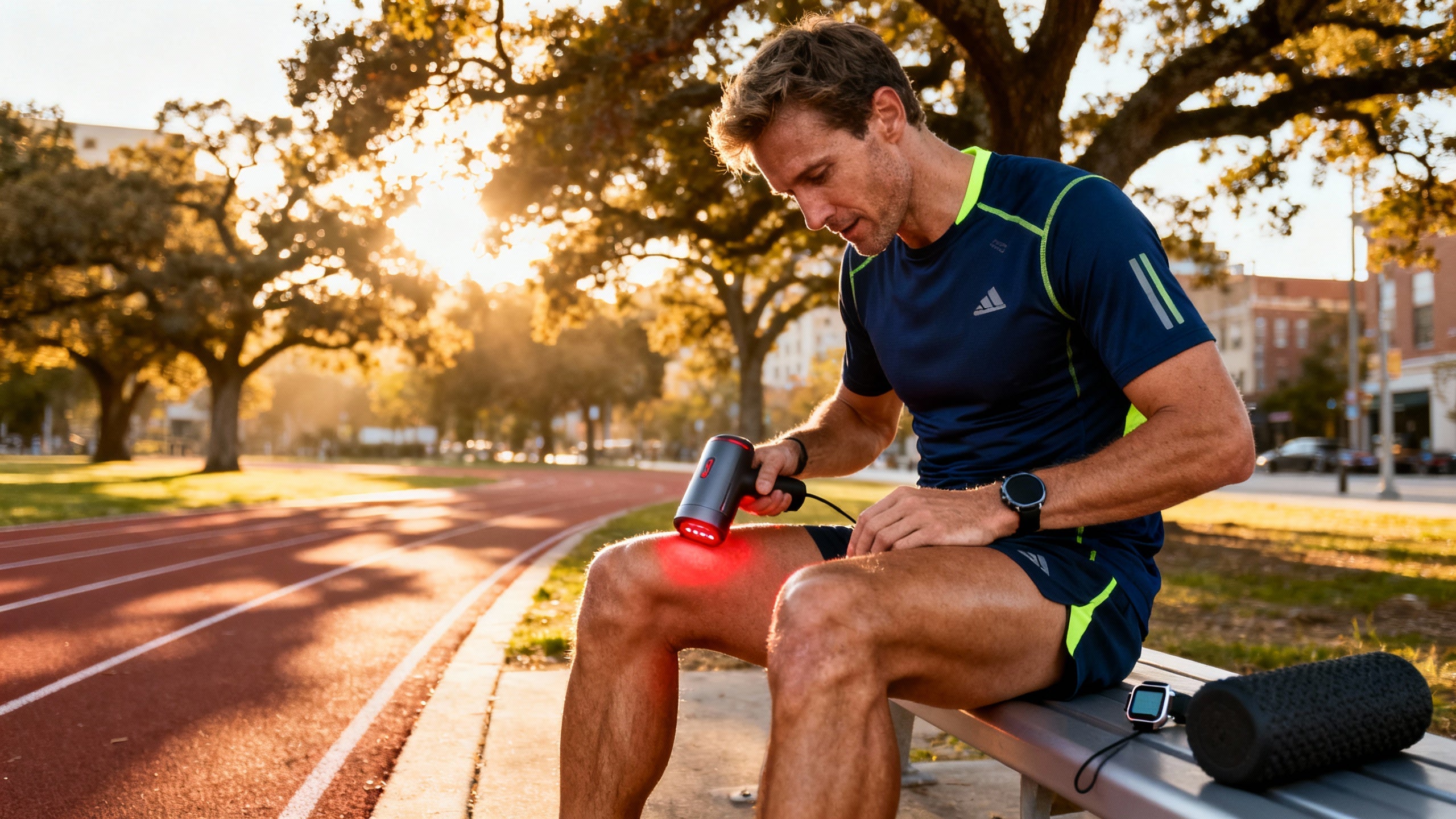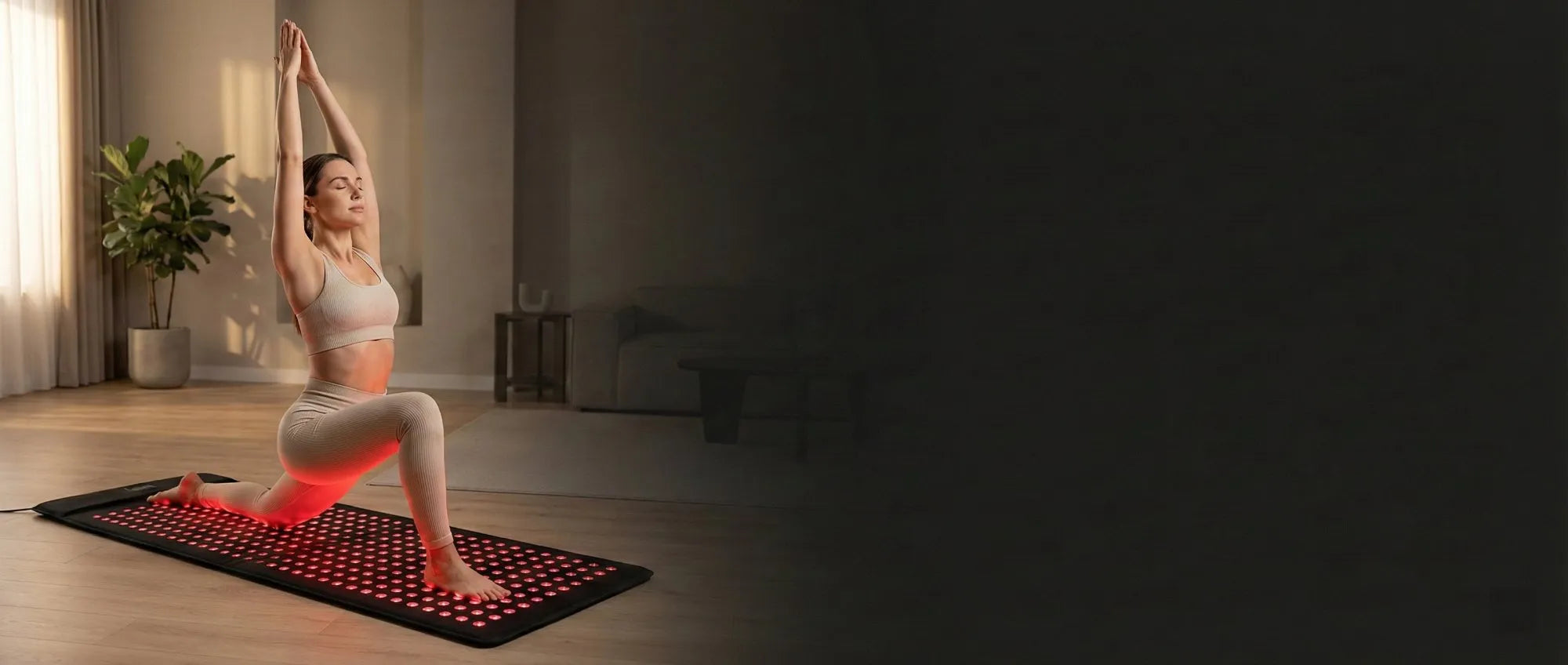

Sprinters live and die by milliseconds. When you are already strong, mobile, and technically sharp, the real separator is how much high-quality speed work you can tolerate and how quickly you bounce back from it. That is where red light therapy, or photobiomodulation, has quietly moved from spa gimmick to a serious recovery and performance tool used in physical therapy clinics, sports labs, and high-performance programs.
As a light-therapy-obsessed performance nerd, I am going to walk through what the science actually says, where the hype gets ahead of the data, and, most importantly, how you can intelligently plug red light into a sprint training program without falling for marketing or wasting time.
This is not medical advice. It is a synthesis of current research from groups such as Stanford Medicine, ACE, NSCA, MDPI, university hospitals, and sports physical therapy clinics that use red and near‑infrared light daily with athletes.
Red Light Therapy 101 for Sprinters
Red light therapy, often called photobiomodulation, is a noninvasive treatment that uses low-energy red and near‑infrared light to influence how your cells behave. In sports and rehab settings you will also see it labeled as low‑level laser therapy or simply light therapy.
Clinics and labs typically use light in the red and near‑infrared range, roughly from about 630 to 850 nanometers. That is important because different wavelengths penetrate to different depths. Articles from sports clinics such as Function Smart Physical Therapy and the Physical Achievement Center describe how red light around 630–660 nanometers mainly affects skin and superficial tissues, while near‑infrared light around 810–850 nanometers can reach deeper muscles, fascia, tendons, and even bone. That is why many performance-oriented systems combine both.
Mechanistically, multiple sources including NSCA Coach, the PBM Foundation, and Physiopedia converge on the same core story. Photons are absorbed by chromophores inside mitochondria, particularly an enzyme called cytochrome c oxidase. When that happens, several things tend to follow: ATP production can go up, nitric oxide is released which improves blood flow, reactive oxygen species are modulated, and signaling pathways that drive inflammation and tissue repair are altered.
Function Smart reports that properly dosed red and near‑infrared protocols in the 660–850 nanometer range can increase cellular energy production by as much as 200 percent in some studies. That does not mean you suddenly double your squat or sprint speed, but it does mean that the cellular “fuel budget” for repair and adaptation can be meaningfully higher.
It is critical to differentiate this from UV exposure or tanning beds. Stanford Medicine emphasizes that therapeutic red and near‑infrared light use non‑ionizing wavelengths that do not burn or damage DNA the way ultraviolet does. University Hospitals and multiple physical therapy providers note that, when used properly, the safety profile is very good, with side effects typically limited to temporary warmth or mild skin redness.

What Sprinters Actually Need
Before obsessing over wavelengths, it is worth anchoring in what sprint performance really demands.
Sprinting is brutally simple and brutally stressful. You need explosive force, elastic stiffness through the ankles, knees, and hips, and the ability to express very high power repeatedly in training without tearing hamstrings or irritating tendons. High‑intensity acceleration and max‑velocity work create micro‑damage in muscle fibers, connective tissue, and supporting structures. Heavy strength training and plyometrics amplify that load.
From a biology perspective, several pressure points stand out. Sprinting stresses the posterior chain muscles that decelerate and re‑accelerate your limbs under high tension. It drives up markers of muscle damage such as creatine kinase, and it creates delayed onset muscle soreness that can peak a day or two after a hard session. It also taxes the nervous system and sleep quality, especially when you string together dense blocks of speed, lifting, and travel.
Any recovery or performance tool worth your time as a sprinter must help you protect muscle fibers from damage, keep connective tissue happy, restore the nervous system, and enable you to maintain or increase the density of high‑quality sprint work across the season.

How Red Light Therapy Can Help Sprinters
The good news is that the way red light interacts with muscle and connective tissue lines up surprisingly well with sprint demands. The nuance is that the research is still evolving, and results are dose‑ and protocol‑dependent.
Mitochondrial Priming and Repeated Sprint Power
Sprinters often dismiss mitochondria as “endurance stuff,” but that misses the point. High‑power efforts rely on rapid ATP turnover, and your ability to repeat sprints, recover between reps, and adapt to training is deeply tied to mitochondrial health.
A sports medicine clinic in San Diego describes how red and near‑infrared wavelengths between about 660 and 850 nanometers can increase ATP production by up to 200 percent in muscle tissue while simultaneously increasing nitric oxide and improving blood flow. A narrative review in an MDPI sports science journal summarizes forty‑plus human trials where photobiomodulation was applied to working muscles. When used before exercise as “muscular pre‑conditioning,” several randomized, placebo‑controlled studies reported more repetitions to fatigue, longer time to exhaustion, and better maintenance of force output.
For sprinters, that matters less for a single all‑out 100 meter race and more for the repetitive sprinting and lifting that builds the engine behind that race. If your muscles can produce ATP more efficiently and clear metabolic by‑products faster between reps, you can often maintain quality deeper into a session and recover faster for the next one.
Protecting Muscle Fibers and Reducing DOMS
One of the most consistent findings across the sports light‑therapy literature is the effect on muscle damage and soreness.
Function Smart notes trials where red light therapy reduced delayed onset muscle soreness by up to about 50 percent after hard exercise. ACE Fitness reports that photobiomodulation has lowered markers of muscle damage such as creatine kinase and inflammatory markers such as C‑reactive protein in both resistance and endurance protocols. Spooner Physical Therapy describes a striking twin case: over twelve weeks of identical resistance training, the twin receiving red light therapy achieved roughly 20 percent muscle growth versus about 5 percent in the control twin, with less soreness along the way.
A review in the Journal of Biophotonics, referenced by Vitality Sol, points to reductions in inflammation and oxidative stress in muscle tissue and notes that red light exposure around resistance training can speed recovery and support greater gains in muscle mass. A pilot trial published in Laser Therapy with injured university athletes found that athletes receiving red light therapy returned to play in an average of about 9.6 days, compared with an expected 19.23 days under conventional care, with pain scores dropping sharply and no reported adverse effects.
The MDPI sports review paints a nuanced picture: some trials found significant reductions in muscle damage markers and soreness, while others, especially in untrained subjects or with suboptimal dosing, found only modest effects. Overall, the pattern suggests that when protocols are well‑designed, red light can blunt the worst of the damage and soreness that usually follow hard efforts.
For sprinters, that translates into fewer days where your hamstrings feel like concrete, faster return to crisp mechanics after heavy lifts or speed sessions, and a better balance between stimulus and recovery.
Managing Inflammation, Tendon Load, and Joint Stress
Sprinters are painfully familiar with cranky hamstrings, irritated Achilles tendons, and stiff knees. Several sources highlight how red light can be useful in that connective tissue zone.
Fick Physical Therapy emphasizes red light’s anti‑inflammatory effects, noting increased blood flow, modulation of inflammatory cytokines, and support for joint health through better collagen production and tendon and ligament elasticity. A piece from Light Lounge and a clinical blog from University Hospitals both underscore red light’s ability to reduce pain and stiffness in tendinopathies and joint conditions, likely by supporting tissue repair rather than directly “fixing” mechanical problems.
Rehabmart’s review of red light therapy for high‑stress performers explains how photons delivered to stressed and damaged cells reduce edema, oxidative stress markers, and pro‑inflammatory cytokines, which allows people under heavy load to “stay in the game” with less downtime. Synergy Physical Therapy cites trials where red and near‑infrared laser protocols reduced creatine kinase, increased muscle mass, and improved peak torque when paired with strength training.
For a sprinter, this combination of better blood flow, reduced inflammatory signaling, and enhanced collagen synthesis is exactly what you want around areas like the hamstrings, gluteal tendons, patellar tendon, plantar fascia, and Achilles. It does not replace sound mechanics or progressive loading, but it can shift tissues toward a more resilient baseline.
Sleep, Nervous System Recovery, and Mental Edge
Sleep is the ultimate recovery modality for speed and power athletes, and there is early but compelling evidence that red light can influence sleep physiology.
Athletic Lab highlights a study on female basketball players where evening red light therapy improved sleep quality and increased nocturnal melatonin versus placebo. Vitality Sol references a similar Journal of Athletic Training study in which red light therapy over a two‑week period improved melatonin levels, sleep quality, and endurance performance in basketball players. Athletic Lab also points to work suggesting that red light exposure upon waking can reduce sleep inertia, improving alertness and performance early in the day.
On the clinical side, Rehabmart describes how red light can help undo some of the mitochondrial dysfunction associated with chronic oxidative stress, which is linked to fatigue, brain fog, and mood changes. University Hospitals notes that red light therapy is increasingly explored for chronic pain and fibromyalgia, where improvements in pain often spill over into better sleep and daily function.
For sprinters juggling training, travel, academics or work, and stress, anything that nudges sleep quality up even modestly can compound into better nervous system recovery, cleaner motor patterns under fatigue, and better decision making in the blocks and during maximal efforts.

What the Science Really Shows (And Where It Is Weak)
A key part of being a responsible light‑therapy geek is being honest about the limits of the evidence. Not every study is positive, and performance claims are not all created equal.
A detailed literature review in the MDPI journal Applied Sciences evaluated forty‑six human trials of photobiomodulation on muscle performance and recovery. Participants included untrained adults, recreational athletes, and professional football players, judoka, and runners. Protocols varied widely in wavelength, power, dose, and timing.
Some aerobic and mixed‑modal studies stand out. In twelve‑week treadmill programs performed three times per week at substantial intensities, groups receiving red and near‑infrared protocols before and sometimes after each session improved measures like oxygen consumption and time to exhaustion more than placebo groups. In professional and top‑level footballers, applying red light before progressive running tests improved biochemical markers and time to exhaustion compared with sham treatment.
Strength and fatigue tests show a similar pattern. Several trials using isokinetic dynamometers found that red light therapy delayed the onset of fatigue, increased time to exhaustion, and improved maximal voluntary contraction or peak torque compared with control or placebo treatments. Integrating red light into strength programs improved muscle thickness and strength in some studies. Spooner Physical Therapy’s twin case pushes that theme further, with markedly greater hypertrophy in the twin receiving red light alongside training.
However, not all studies show benefit. Some cycling and running trials found no significant changes in oxygen consumption, blood lactate, or perceived effort versus placebo conditions, even when protocols looked similar on paper. A trial in judo athletes did not find meaningful reductions in fatigue or muscle damage markers, and a study in amateur indoor football players saw no significant differences in jumping performance, agility, or fatigue when photobiomodulation was used before tests.
A systematic review cited by Athletic Lab that looked at fifteen studies with over three hundred participants concluded that evidence for delayed onset muscle soreness reduction is still inconsistent and that better‑designed trials are needed. Stanford Medicine goes further, emphasizing that while red light has reasonably strong data for hair regrowth and modest skin rejuvenation, claims around sports performance and sleep remain based on smaller, less standardized studies and should be viewed as promising but not yet definitive.
There is also an interaction issue: one study summarized in the MDPI review found that combining red light therapy with cryotherapy actually blunted some of the positive effects of light on muscle recovery markers. That is a reminder that stacking modalities is not always additive.
The consensus across ACE Fitness, NSCA, University Hospitals, and physiotherapy sources is that red light therapy is a promising adjunct for performance and recovery, especially when applied before or around training with appropriate dosing, but that it should not be treated as a magic performance switch. Device power, wavelength, energy delivered, and timing relative to exercise all matter, and there are still gaps in sprint‑specific research.
Mechanisms and Benefits at a Glance
To connect the mechanistic science to sprint performance more directly, it helps to summarize how the key pathways map to what you feel on the track.
Mechanism or effect |
Research summary |
Why it matters for sprinters |
Clinics and reviews report that red and near‑infrared wavelengths in the 660–850 nanometer range can substantially increase ATP production and mitochondrial efficiency. |
More available cellular energy can support repeated sprint work, faster between‑rep recovery, and better adaptation to heavy training blocks. |
|
Antioxidant and anti‑inflammatory action |
MDPI, Journal of Biophotonics, NSCA, and Rehabmart report reductions in oxidative stress markers, creatine kinase, and inflammatory cytokines with well‑dosed protocols. |
Less muscle damage and inflammation means less soreness and stiffness after speed and strength sessions, which supports higher training quality. |
Blood flow and nitric oxide |
Clinical articles and basic science papers describe increases in nitric oxide and vasodilation, with better local circulation. |
Improved blood flow delivers oxygen and nutrients while clearing metabolic waste, which is valuable for both high‑intensity work and tissue healing. |
Collagen and connective tissue |
Physical therapy clinics and University Hospitals note support for collagen production, tendon and ligament elasticity, and joint comfort. |
Hamstrings, Achilles tendons, and knees are constant stress points in sprinters; healthier connective tissue is a major performance safeguard. |
Sleep and readiness |
Studies cited by Athletic Lab and Vitality Sol show improvements in melatonin, sleep quality, and endurance in athletes exposed to evening red light. |
Better sleep and reduced sleep inertia translate into sharper neural drive, improved coordination, and better recovery between sprint sessions. |

Designing a Sprinter‑Focused Red Light Protocol
Most of the published studies were not done on elite sprinters running the 100 meters, but the mechanisms and outcomes translate well if you set expectations and use common sense. Here is how to build a practical, evidence‑informed approach.
Devices and Wavelengths
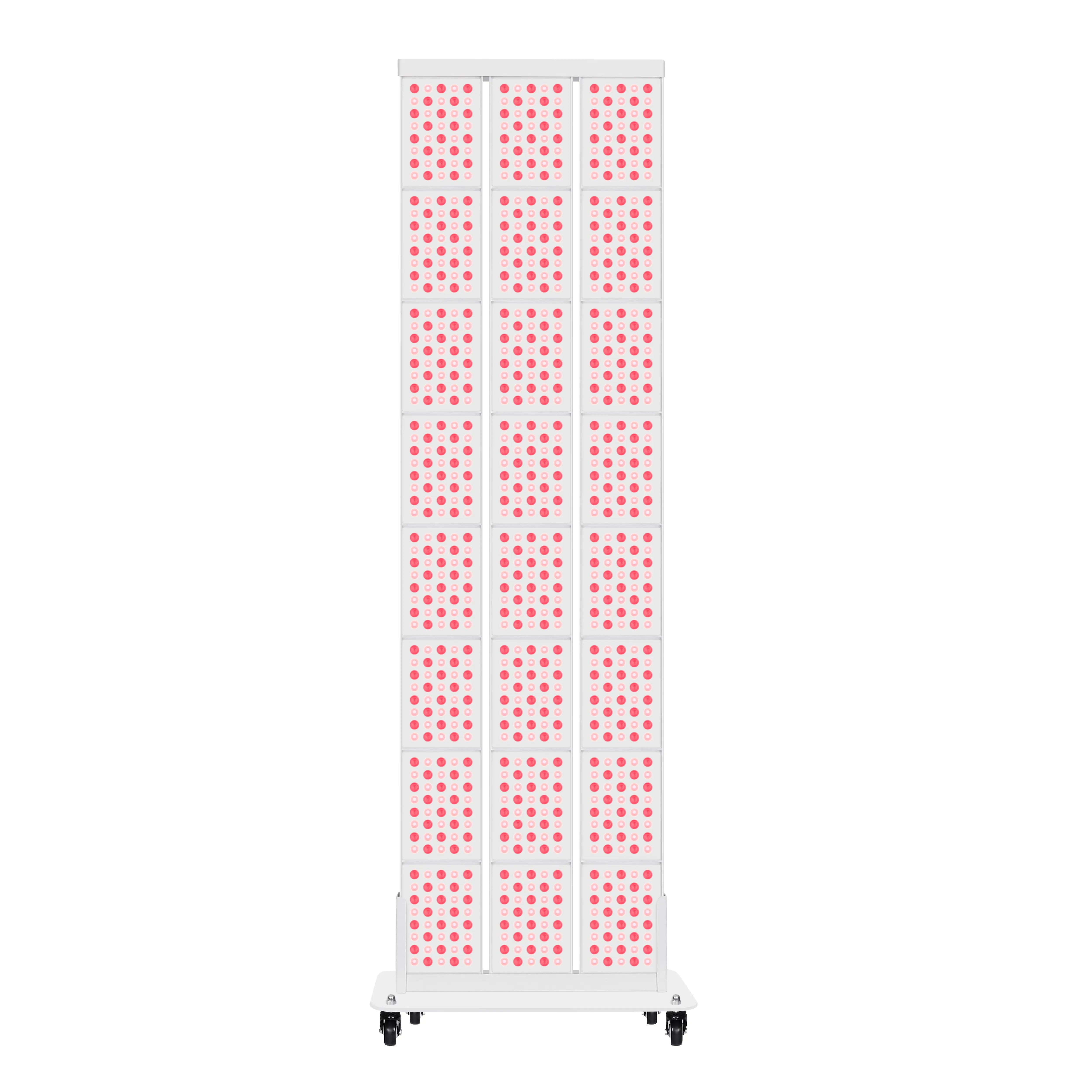
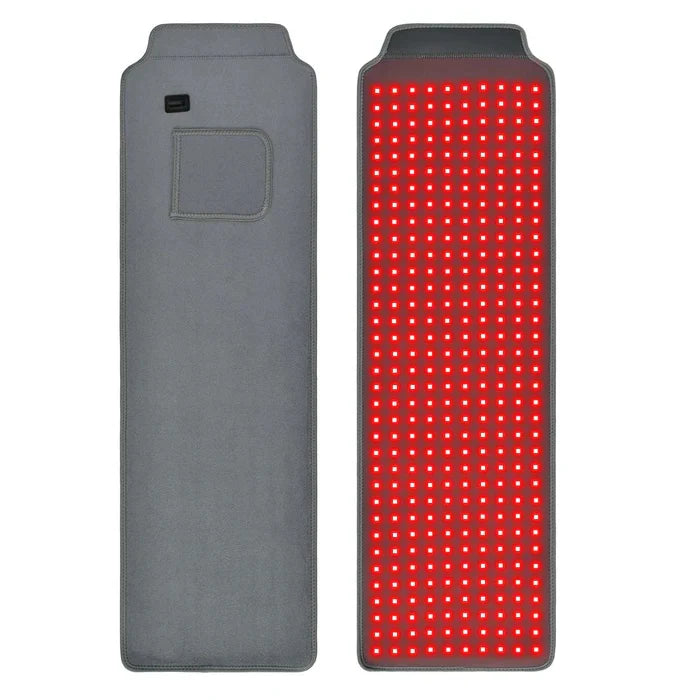
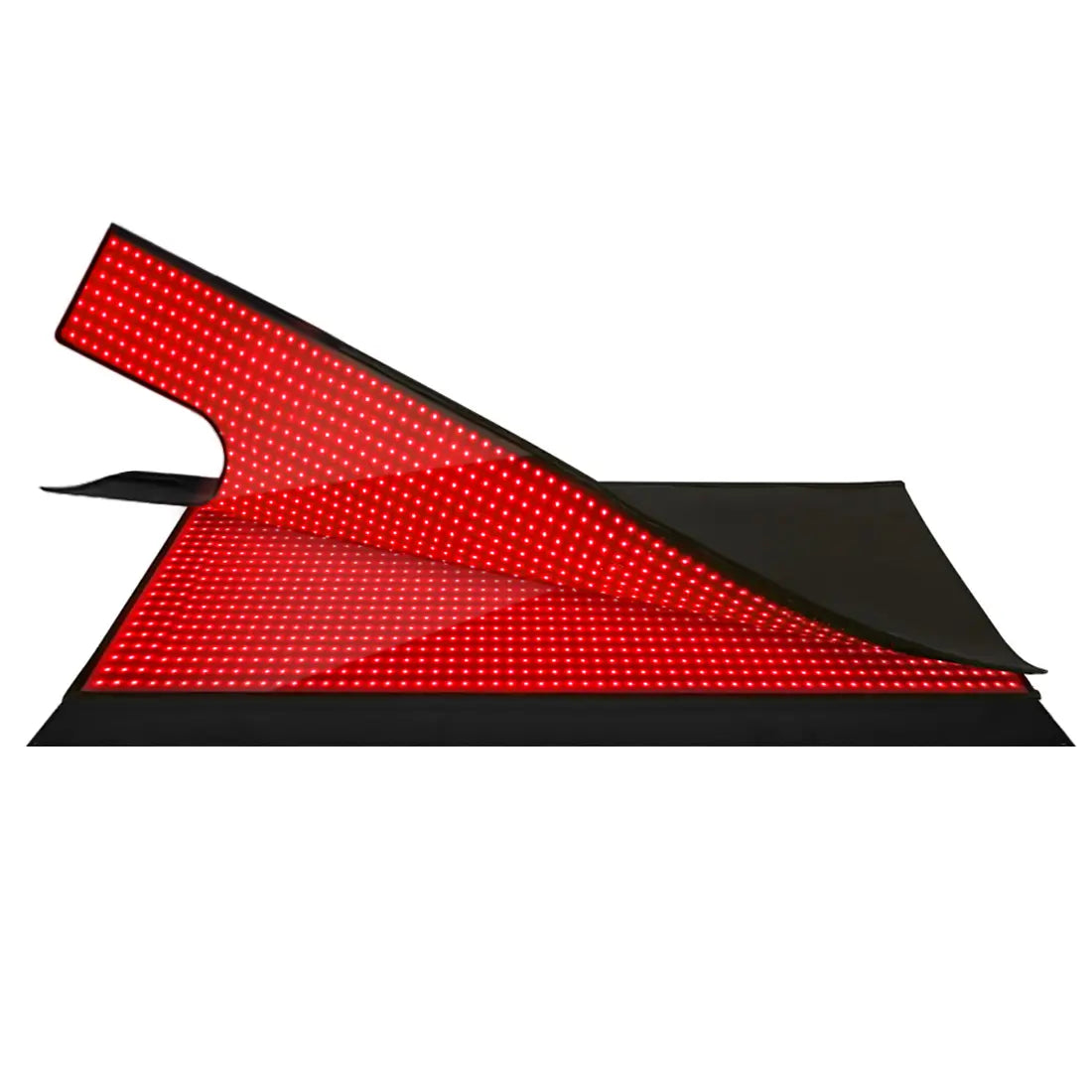
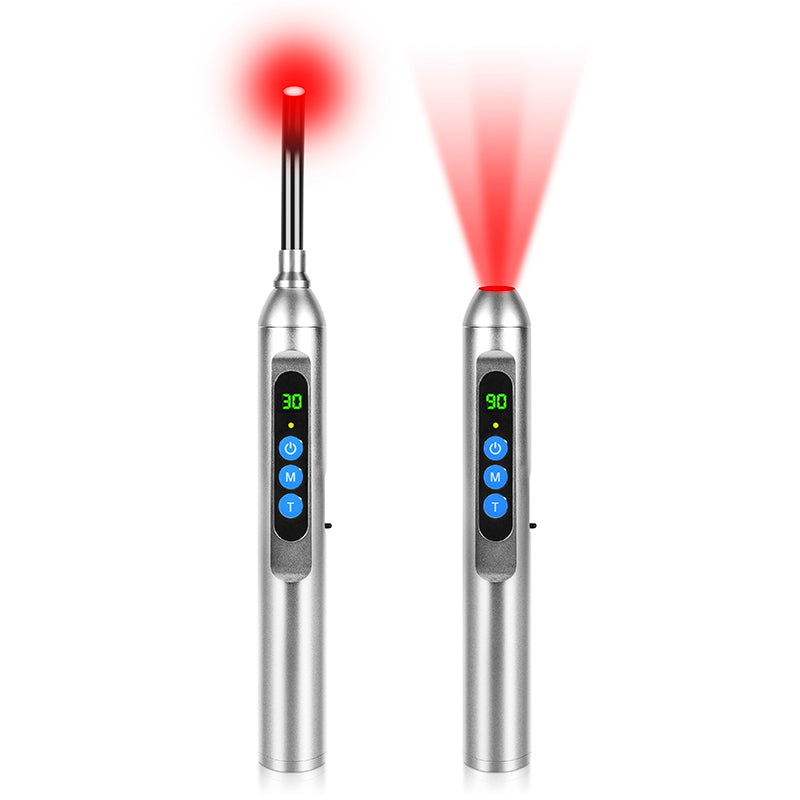
Red light therapy devices fall into a few broad categories. Clinical setups use powerful laser or LED clusters that can deliver precise doses over multiple points on major muscle groups. Physical therapy clinics such as Function Smart in San Diego and Synergy Physical Therapy use these systems to treat athletes and measure patient response closely. Other setups include full‑body LED beds used in spas and recovery centers, wall‑mounted panels aimed at larger body areas, and flexible wraps or pads that contour around a joint or muscle, like those described by Medco and Vitality Sol.
Regardless of format, the same wavelength logic applies. Red light in the approximate range of 630–660 nanometers is better for superficial tissues like skin and near‑surface structures. Near‑infrared light around 800–850 nanometers penetrates deeper toward muscles and connective tissue. The Physical Achievement Center emphasizes that combining both gives the most complete profile for athletes because you support both surface healing and deep muscle recovery.
Consumer devices vary widely in output, and Stanford Medicine and ACE Fitness both caution that home panels and beds often deliver less power and less precisely controlled doses than research‑grade systems. That does not mean they are useless, but it does mean you should view published protocols as directional rather than something you can copy one‑to‑one at home.
Timing Around Sprint Sessions
The timing of red light relative to training appears to be a key variable.
Multiple randomized trials summarized in the MDPI review, as well as performance articles from Athletic Lab and NSCA Coach, report that applying red or near‑infrared light before exercise as muscular pre‑conditioning is more consistently beneficial for performance. For strength and power work, studies using wavelengths around 808–905 nanometers applied to quadriceps or knee extensors before training sessions produced greater strength gains and muscle thickness than training alone. For endurance‑type running, work by Miranda and colleagues found that using photobiomodulation before and after treadmill sessions led to larger improvements in time to exhaustion and oxygen consumption than placebo.
On the recovery side, Function Smart and ACE Fitness highlight that post‑exercise treatments within about two to four hours of training can accelerate muscle repair, lower markers of muscle damage, and reduce delayed onset muscle soreness. Vitality Sol’s sports recovery article echoes this, recommending sessions immediately after intense training or competition to jumpstart tissue repair and circulation.
For sprinters, this suggests a two‑pronged approach. Before key strength or high‑velocity sessions, short pre‑session exposures to the primary working muscles may help preserve power deeper into the session and support long‑term strength adaptations. After the session or later that day, exposures aimed at the same tissues can support recovery and soreness reduction.
Practically, that might mean that on a heavy acceleration and lift day you spend roughly ten to twenty minutes with a panel or wrap targeting hamstrings and glutes in the hour before training, then another short session later the same day. On tempo or technical days, you might emphasize post‑session recovery only. During deload weeks or taper, you could reduce frequency and use red light mainly for general recovery and sleep support.
Frequency, Duration, and Progression
The sports and rehab literature does not agree on a single “magic dose,” but it clusters around some reasonable ranges.
Function Smart describes athletic protocols using near‑infrared wavelengths around 810–850 nanometers, with ten to twenty minutes per treatment area. The MDPI review reports studies using around twenty to thirty seconds per point when using smaller probes over multiple sites, yielding total doses on the order of tens of joules per point. ACE Fitness notes that performance benefits are generally seen when treatment is consistent over at least two to four weeks.
For a sprinter using a home panel or bed, a sensible starting framework is to target the primary sprint muscles two or three times per week per area, allowing at least a day between sessions on the same region at first. Sessions can be short initially, perhaps five to ten minutes of exposure at the manufacturer’s recommended distance, and then gradually extended if you tolerate them well and want to chase additional benefits. Because consumer devices vary so much in intensity, it is often better to start with less time and build up while paying attention to how your muscles feel over the next twenty‑four to forty‑eight hours.
Over a month or so, you can adjust the mix of pre‑session and post‑session use based on how your legs feel, how you are sleeping, and how your times and bar speeds look. Function Smart, Spooner Physical Therapy, and Vitality Sol all note that athletes typically notice subtle improvements in stiffness and recovery early, with more measurable performance changes emerging after several weeks of consistent use.
Target Areas for Sprinters
Most real‑world protocols do not irradiate every square inch of the body equally. They prioritize the tissues that do the most work or give the most trouble.
Performance and rehab providers frequently target the quadriceps, hamstrings, glutes, hip flexors, calves, and key tendons and fascia around the ankle and foot. For sprinters, that usually means making sure the hamstring complex, gluteal region, adductors, and calf–Achilles unit all see light regularly, with occasional attention to the lower back and hip flexors if those are limiting factors.
Some labs, such as the UTRGV Red Light Wellness Lab, also experiment with applying light to joints and painful areas in people with arthritis, nerve pain, or chronic issues. For a healthy sprinter, the priority is to pair red light with areas that take the brunt of acceleration and max‑velocity mechanics, especially if you have a history of strains or tendinopathy there.
Example Uses Across a Sprint Week
You can think of red light as one more “lever” in your training plan, alongside load, volume, sleep, and nutrition. Here is a conceptual sketch of how that might look over a typical training week.
Training context |
How red light might be used |
Rationale for sprinters |
Heavy acceleration plus lifting day |
Short pre‑session exposure to hamstrings and glutes, with an optional post‑session recovery exposure later the same day. |
Pre‑session light aims to preserve force output and delay fatigue in key muscles; later exposure supports repair after heavy eccentric loading. |
Max‑velocity and plyometric day |
Pre‑session exposure to hamstrings, calves, and Achilles region, minimal or no post‑session use if tissues are tolerating load well. |
High‑speed running and intense plyometrics place huge strain on muscle‑tendon units; pre‑conditioning may help protect fibers while you fine‑tune mechanics. |
Extensive tempo or special endurance session |
Post‑session exposure to larger regions such as posterior chain and hips, possibly combined with an evening session aimed at sleep quality. |
The goal is to accelerate clearance of metabolic by‑products, reduce soreness, and support parasympathetic shift for better overnight recovery. |
Off‑day or light technical work |
Single daily exposure to regions that feel stiff or historically vulnerable, possibly paired with mobility or easy walks. |
On lighter days, red light becomes a gentle tissue‑health and nervous‑system tool rather than a performance booster. |
Rehab for minor strains or tendinopathy (with medical guidance) |
Regular exposures directly over and around the injured area plus supporting musculature, integrated with physical therapy exercises. |
Studies in injured athletes show faster return‑to‑play times and larger pain reductions when red light is added to conventional rehab. |
Pros and Cons of Red Light Therapy for Sprinters
The performance world has a habit of treating every new tool as either snake oil or a miracle. Red light therapy is neither. It has clear upsides and equally clear limitations.
On the benefit side, multiple randomized studies and clinical case series show that well‑designed photobiomodulation protocols can increase muscle strength and power gains when combined with resistance training, reduce markers of muscle damage, shorten return‑to‑play times after injuries, and improve time to exhaustion in running and cycling tests. Spooner Physical Therapy’s twin case and the Laser Therapy pilot with injured athletes illustrate the kind of effect sizes that are possible in favorable conditions. Athletes and clinics also report improvements in sleep quality, mood, and general resilience when red light is used consistently.
Red light is also noninvasive and, when used correctly, has a very low incidence of side effects. There is no systemic drug exposure, and treatments are generally painless. For a sprinter already doing everything right with training, recovery, and nutrition, that makes it an appealing “nice‑to‑have” tool with relatively low downside.
On the limitation side, Stanford Medicine and University Hospitals point out that evidence for sports performance and sleep is still early and heterogenous. Many trials use small sample sizes, different devices, and inconsistent dosing, which makes it difficult to declare universal protocols or guarantee results. The MDPI review shows that some well‑designed trials produce null findings despite using plausible wavelengths and doses.
Device quality and dosing are real issues. ACE Fitness and Stanford Medicine caution that consumer‑grade panels and beds used at home or in gyms often deliver lower, less consistent power than research‑grade systems, so the impact on deep tissues may be smaller than what you see in clinical studies. Rehabmart notes cost as another barrier, with high‑quality systems easily running from about $1,000.00 to $150,000.00 and an average price often quoted in the $3,000.00 to $5,000.00 range for larger setups.
Finally, there is a behavioral risk. Because red light tends to reduce pain and stiffness, sprinters may be tempted to use it to mask warning signs and push through tissue problems. University Hospitals explicitly notes that red light will not fix structural or mechanical issues such as significant ligament tears or advanced joint degeneration. For sprinters, that translates into a simple rule: if something feels like an injury rather than training soreness, red light belongs alongside a proper medical and rehab plan, not instead of it.

Safety, Contraindications, and Common Sense
One of the strongest points in red light’s favor is safety. The PBM Foundation, Physiopedia, and multiple hospital systems describe photobiomodulation as low risk when used within recommended parameters. Reported side effects tend to be mild and transient, such as warmth, temporary redness, or slight tightness in the treated area.
There are still sensible precautions. Experts advise against staring directly into bright LEDs or lasers; eye protection is recommended with high‑output devices. Areas of known or suspected malignancy should generally not be treated unless under explicit medical guidance. Use over the abdomen during pregnancy, over active infections, or in people with photosensitive conditions or those taking photosensitizing medications should be discussed with a healthcare professional first. People with implanted electronic devices also warrant a conversation with their physician before starting high‑intensity or large‑area protocols.
The PBM Foundation and rehabilitation sources stress the importance of following manufacturer instructions on distance and time, starting with lower doses and increasing only if tissues respond well, and documenting basic parameters like wavelength, session duration, and frequency when devices are used in a clinical setting. For home users, the equivalent is tracking how your muscles feel, how your sprint sessions go, and how your sleep changes over a few weeks rather than chasing huge jumps after a single exposure.
Short FAQ for Sprinters
Will red light therapy directly make me faster in the 100 meters?
There are no large, gold‑standard trials that look specifically at red light therapy and 100 meter or 200 meter sprint times. What we do have are dozens of studies in strength training, running, and mixed sports showing improvements in strength, time to exhaustion, and recovery metrics, along with others that show no change. The most honest way to frame it is that red light therapy can make your muscles and connective tissue more resilient and may help you train harder and recover better, which in turn can support faster sprint times if your program, technique, and lifestyle are already dialed in.
How soon should I expect to feel anything?
Several physical therapy clinics, including Function Smart and Spooner Physical Therapy, report that athletes often notice subtle changes in stiffness and post‑session soreness after the first few treatments. More concrete shifts in training capacity, perceived fatigue, and strength usually show up after two to four weeks of consistent use, especially when red light is integrated with a structured training program.
Is a home red light panel enough, or do I need a clinic‑grade device?
Research‑grade lasers and LED clusters used in sports medicine clinics deliver precisely controlled doses, and studies summarized by MDPI, ACE Fitness, and NSCA Coach rely on that level of hardware. Home panels and beds are more variable in power and beam spread, and Stanford Medicine notes that this makes their true effectiveness harder to predict. That said, many athletes, high‑stress professionals, and community users in projects like the UTRGV Red Light Wellness Lab report meaningful benefits from properly used LED panels and beds. If you go the home route, choose a device from a reputable manufacturer that clearly states wavelengths and power output, start with conservative exposure times, and pay close attention to how you actually feel and perform over several weeks.
Can natural sunlight replace a device?
Spooner Physical Therapy points out that early‑morning and late‑evening sunlight naturally contains a higher proportion of red and near‑infrared wavelengths relative to the harsher ultraviolet mix at midday. Getting controlled sun exposure during those times can provide some of the same mitochondrial and circadian benefits as devices, with the added upside of fresh air and environmental light cues. Sunlight is not as targeted or controllable as a device, and you need to manage skin‑cancer risk sensibly, but pairing smart outdoor exposure with or without a red light device is a powerful strategy for overall recovery.
Closing Thoughts
For sprinters, red light therapy is not a shortcut past the hard work. It is a way to make that work count more. When you combine smart sprint programming, heavy but thoughtful strength training, ruthless respect for sleep, and a well‑designed red light routine, you give your muscles, tendons, and nervous system every opportunity to adapt.
Used with clear eyes and good science, red and near‑infrared light can be one of the most elegant “biohacks” in a sprinter’s toolbox: quiet, safe, and relentlessly focused on the thing that wins races—more high‑quality, high‑velocity work, stacked consistently over time.
References
- https://pmc.ncbi.nlm.nih.gov/articles/PMC5167494/
- https://med.stanford.edu/news/insights/2025/02/red-light-therapy-skin-hair-medical-clinics.html
- https://www.utrgv.edu/newsroom/2025/09/15/utrgv-researcher-bringing-light-therapy-to-community.htm
- https://www.acefitness.org/resources/pros/expert-articles/8857/red-light-therapy-and-post-exercise-recovery-the-physiology-research-and-practical-considerations/?srsltid=AfmBOoqhCNypR3w-hHgtUVx07_1frKTYT0JJ76LJFnKuaLEFJ6XDG-Fy
- https://pbmfoundation.org/wp-content/uploads/2024/09/Red-Light-Therapy-The-Benefits-Risks-And-How-To-Try-It-Safely.pdf
- https://www.uhhospitals.org/blog/articles/2025/06/what-you-should-know-about-red-light-therapy
- https://www.researchgate.net/publication/396037552_THE_EFFECT_OF_RED_LIGHT_THERAPY_PHOTOBIOMODULATION_ON_MUSCLE_RECOVERY_AND_PHYSICAL_PERFORMANCE_IN_ATHLETES
- https://www.physio-pedia.com/Red_Light_Therapy_and_Muscle_Recovery
- https://www.athleticlab.com/red-light-therapy-for-athletes/
- https://avantibody.com/maximizing-athletic-performance-benefits-of-red-light-therapy-for-athletes/