
Every marathoner hits that moment in training when the legs feel a decade older than the birth certificate. You are stacking long runs, tempo work, hills, and life stress on the same chassis, and eventually your recovery capacity becomes the real limiter of endurance. That is where red light therapy has slipped into the conversation among coaches, physical therapists, and biohackers who obsess over squeezing out a few more miles at race pace without breaking down.
As someone who spends a lot of time deep in the weeds of photobiomodulation research and athlete case studies, I see red light therapy as a potentially useful tool in a marathon runner’s recovery stack. But it is not magic, and the science is more nuanced than the marketing would suggest. Let’s unpack what red light therapy actually does, what the research says about endurance and recovery, and how a marathoner can experiment intelligently without wasting money or compromising the fundamentals that really move the needle.
What Red Light Therapy Actually Is
Red light therapy, often called photobiomodulation or low‑level laser/light therapy in the research, uses specific wavelengths of red and near‑infrared light to influence how your cells produce energy and handle stress. Most athletic and rehab applications sit in the range of roughly 660–850 nanometers. Red light around 630–660 nm tends to act on more superficial tissues like skin and superficial muscle, while near‑infrared light around 810–850 nm penetrates deeper toward fascia, tendons, and larger muscle groups. Clinics like Function Smart and the Physical Achievement Center commonly use combinations of these wavelengths for athletes.
This light is non‑ionizing and non‑thermal at therapeutic doses. In other words, it is not like a tanning bed and does not work by heating tissue or damaging cells. Instead, the primary target appears to be the mitochondria, particularly an enzyme called cytochrome c oxidase in the electron transport chain. Studies summarized in journals and by organizations such as ACE Fitness and Physiopedia describe a consistent story: when these light photons are absorbed, mitochondrial efficiency improves, ATP production can increase, nitric oxide is released, blood flow rises, and downstream signaling pathways tilt toward reduced oxidative stress and inflammation.
Some clinical and performance‑focused articles, like those from Function Smart, even report that under certain conditions cellular energy output can increase by up to about 200 percent, and that delayed onset muscle soreness (DOMS) can be reduced by up to about 50 percent. Those numbers are device and protocol specific and should not be treated as universal promises. What matters for a marathoner is the direction of effect: if your muscles generate more ATP with less oxidative chaos and recover from micro‑damage more quickly, you may be able to run more, recover better, and sustain higher training quality across the marathon build.

How Endurance Is Built – And Where It Breaks
High‑intensity and high‑volume training, whether on the track or on long runs, does more than tire you out subjectively. As summarized by ACE Fitness, repeated hard efforts damage the sarcolemma (the muscle fiber membrane), contractile proteins, and connective tissue. This damage impairs force production, slows glycogen resynthesis, and drives DOMS. Blood markers like creatine kinase and C‑reactive protein rise as your body cleans up and rebuilds. In long endurance work, muscles also wrestle with local energy shortages and accumulating metabolites such as lactate and hydrogen ions.
Endurance performance is therefore limited by more than your willpower. You are dealing with mitochondrial capacity, capillary density, oxidative stress, inflammation, and the rate at which you can repair micro‑tears in muscles and tendons. Photobiomodulation aims directly at several of those levers. The key question for marathoners is whether the effect is large, consistent, and practical enough to matter once you have already optimized sleep, nutrition, and smart programming.

The Science: What We Know About Red Light and Endurance
Mitochondria and ATP: Fueling Long Miles
Multiple sources in the rehab and sports performance world converge on the same mechanism: red and near‑infrared light increase mitochondrial ATP production. Reviews such as the photobiomodulation paper indexed in PubMed Central and clinical write‑ups from Function Smart and the Physical Achievement Center describe how photons displace nitric oxide from cytochrome c oxidase, freeing up oxygen binding sites and restoring efficient oxidative phosphorylation. That translates into more ATP per unit of oxygen, which is exactly what an endurance athlete wants.
The Physical Achievement Center emphasizes that this mitochondrial optimization can reduce muscle fatigue and improve calcium handling for contraction and relaxation. For a marathoner, that could mean later onset of heavy, unresponsive legs in long tempo runs or races, and better resilience during back‑to‑back hard days in a peak block.
Some performance studies highlighted by Athletic Lab and Medco Athletics go further, reporting improved time to exhaustion, more repetitions before failure, and faster improvements in endurance training groups receiving photobiomodulation. One treadmill study summarized by Athletic Lab described endurance gains about three times faster in a group combining treadmill training with light therapy compared with training alone. Another strength‑training study reported larger strength gains with low‑level laser therapy added to the same program.
These are small, often single‑center studies, and the protocols are not always directly translatable to marathon training. But they support the idea that shining the right dose of red or near‑infrared light on working muscles before or around exercise can increase fatigue resistance at the muscular level.
Blood Flow, Oxygen, and Lactate Handling
Beyond ATP production, light therapy appears to improve hemodynamics. Articles from Fick PT & Performance, Poll to Pastern, LED Technologies, and Therabody all describe increased nitric oxide production, vasodilation, and improved circulation after red or near‑infrared exposure. Some sources refer to angiogenesis, the formation of new capillaries, and more efficient lymphatic drainage.
Enhanced circulation means more oxygen and nutrients delivered to taxed muscles and faster clearance of metabolic by‑products such as lactate and hydrogen ions. The Physical Achievement Center notes that pre‑exercise light therapy can improve oxygen utilization and delay the shift to anaerobic metabolism and lactic acid buildup. For a marathoner, that could translate into a higher sustainable pace for a given perceived exertion or a bit more durability late in the race when your muscles are struggling to clear metabolites and maintain rhythm.
Therabody’s performance overview echoes this, connecting red and infrared light to reduced lactate accumulation, increased time to exhaustion, and stronger isometric force outputs. Again, these outcomes depend on specific wavelengths, intensities, and dosing, but the cluster of findings lines up with the idea that photobiomodulation supports the cardiovascular and muscular systems that underpin endurance.
Muscle Damage, DOMS, and Turnaround Between Long Runs
A major limiting factor in marathon training is how quickly you can bounce back from your key sessions. This is where red light therapy has some of its strongest, though still imperfect, evidence.
The narrative review on photobiomodulation and human muscle performance (with more than a thousand participants across dozens of trials) reports that when red or near‑infrared light is applied to muscles before exercise, several studies show reduced DOMS, better maintenance of strength, and lower levels of damage markers like creatine kinase after eccentric or fatiguing protocols. Elbow flexor models dominate the literature, but lower‑limb and treadmill studies exist as well.
Function Smart cites research suggesting up to about a 50 percent reduction in DOMS and faster recovery of force production when protocols are optimized. LED Technologies points to a Laser Therapy journal study in which athletes with sport injuries returned to play in an average of 9.6 days with LED phototherapy versus an anticipated 19.23 days, with no reported adverse events. That is injury rehabilitation rather than pure training fatigue, but for marathoners dealing with tendinopathy or niggling strains, halving time away from normal training is not trivial.
At the same time, Athletic Lab notes that evidence on DOMS is mixed. A systematic review of 15 studies and more than 300 participants concluded that there was insufficient evidence to assert a clear DOMS‑reducing effect, suggesting that parameters such as wavelength, dose, and timing are critical. The PubMed‑indexed review similarly concludes that while many randomized trials show benefit, others are neutral, and heterogeneity in devices and dosing prevents firm clinical guidelines.
In other words, red light therapy can reduce soreness and speed functional recovery in some contexts, but not every device or protocol will deliver those benefits. A marathoner who treats light exposure like a precisely dosed training stimulus rather than a spa treatment is more likely to see meaningful changes.
Performance Studies Involving Runners and Endurance Athletes
Direct data on marathon performance are scarce, but there are several lines of evidence involving running and cardiovascular exercise.
ACE Fitness summarizes research in which photobiomodulation increased running performance, raised VO2max, increased repetitions in resistance training, and reduced DOMS, often outperforming cryotherapy as a recovery tool in the studies surveyed. Medco Athletics likewise describes improvements in time to fatigue, sprint performance, and cardiovascular efficiency when red or red‑plus‑near‑infrared protocols were used before or after exercise.
The Athletic Lab review highlights treadmill and strength studies where endurance training combined with light therapy improved endurance metrics substantially more than training alone, and where pre‑exercise photobiomodulation added to strength programs produced larger strength gains. For endurance athletes, they note that the best outcomes often came when light therapy was applied both before and after sessions.
However, Stanford Medicine’s dermatology experts offer an important counterweight. While acknowledging substantial evidence for red light therapy in hair and skin applications, they characterize claims about improved athletic performance and sleep as weakly supported by current high‑quality data. That does not contradict the smaller sports‑performance studies, but it underscores that the field is still emerging, and that real‑world results can fall short of the boldest marketing headlines.
Taken together, the evidence supports a cautious conclusion: photobiomodulation can enhance some performance and recovery metrics relevant to endurance runners, especially fatigue resistance and recovery of strength, but results are protocol‑dependent and far from guaranteed.
Translating the Science to Marathon Endurance
For the marathoner, the most realistic benefit of red light therapy is not a sudden multi‑minute drop in race time from a few sessions, but incremental improvements in training quality and resilience over months.
First, better recovery between long runs and key workouts means you can maintain higher weekly volume and more frequent quality sessions without descending into chronic soreness or compensatory injuries. If red light therapy reduces DOMS and accelerates the restoration of contractile function, your legs may feel more “springy” in midweek tempos after a big Sunday long run.
Second, pre‑conditioning with light before intense efforts might raise your fatigue threshold. Studies summarized by Medco Athletics, Athletic Lab, and the photobiomodulation review show increased time to exhaustion and more repetitions before failure when muscles are irradiated before exercise. In marathon terms, that might manifest as the ability to hold marathon pace longer at the same perceived exertion during long intervals or fast‑finish long runs.
Third, supporting tissue healing and joint health can keep you on the road instead of in the clinic. Fick PT & Performance and University Hospitals both highlight red light therapy’s potential to support tendinopathies, cartilage health, and chronic musculoskeletal pain. For runners with a history of Achilles issues, plantar fasciitis, or patellofemoral pain, well‑targeted light therapy, integrated with strength and gait work, may modestly reduce flare‑ups and allow more consistent training.
Finally, sleep is the recovery lever that everything else sits on. Athletic Lab emphasizes that sleep is the most important recovery modality, and some studies in team athletes have found that evening red light exposure can improve subjective sleep quality and melatonin secretion. City Fitness similarly notes that 10–20 minutes of red light therapy in the evening may help reinforce the body’s sleep–wake rhythm. If better sleep lowers your overall stress load and enhances adaptation to training, the indirect benefit to endurance can be significant, even if the light’s effects on sleep are subtle.
None of this replaces smart periodization, strength training, and nutrition. Think of red light therapy as a potential amplifier of well‑designed training rather than a workaround for sloppy habits.
Practical Protocols for Marathoners
Choosing Wavelengths and Devices
Most endurance‑oriented protocols in the literature use red light around 630–660 nm, near‑infrared light around 810–850 nm, or a combination. Function Smart highlights 660–850 nm specifically for athletic use. The Physical Achievement Center points out that red light at approximately 630–660 nm primarily targets superficial tissues, useful for skin, superficial muscle, and tendon insertions, while near‑infrared around 810–850 nm penetrates deeper toward large muscle bellies and joints.
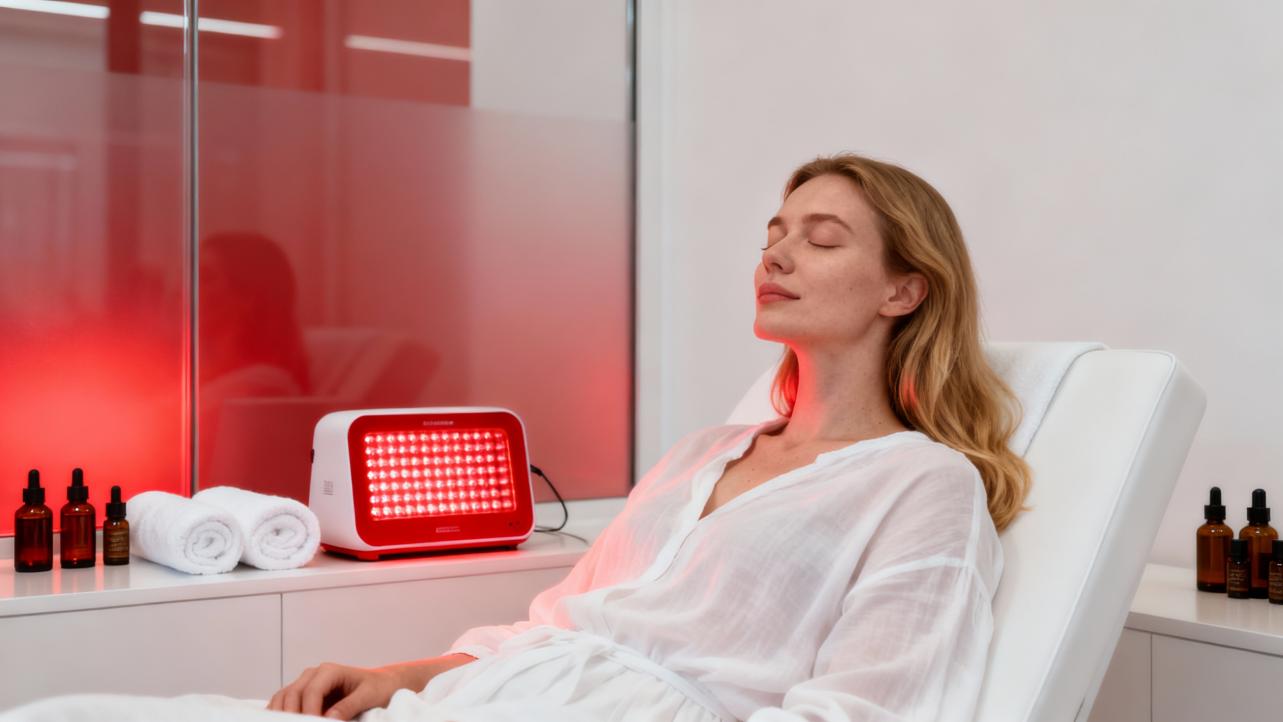
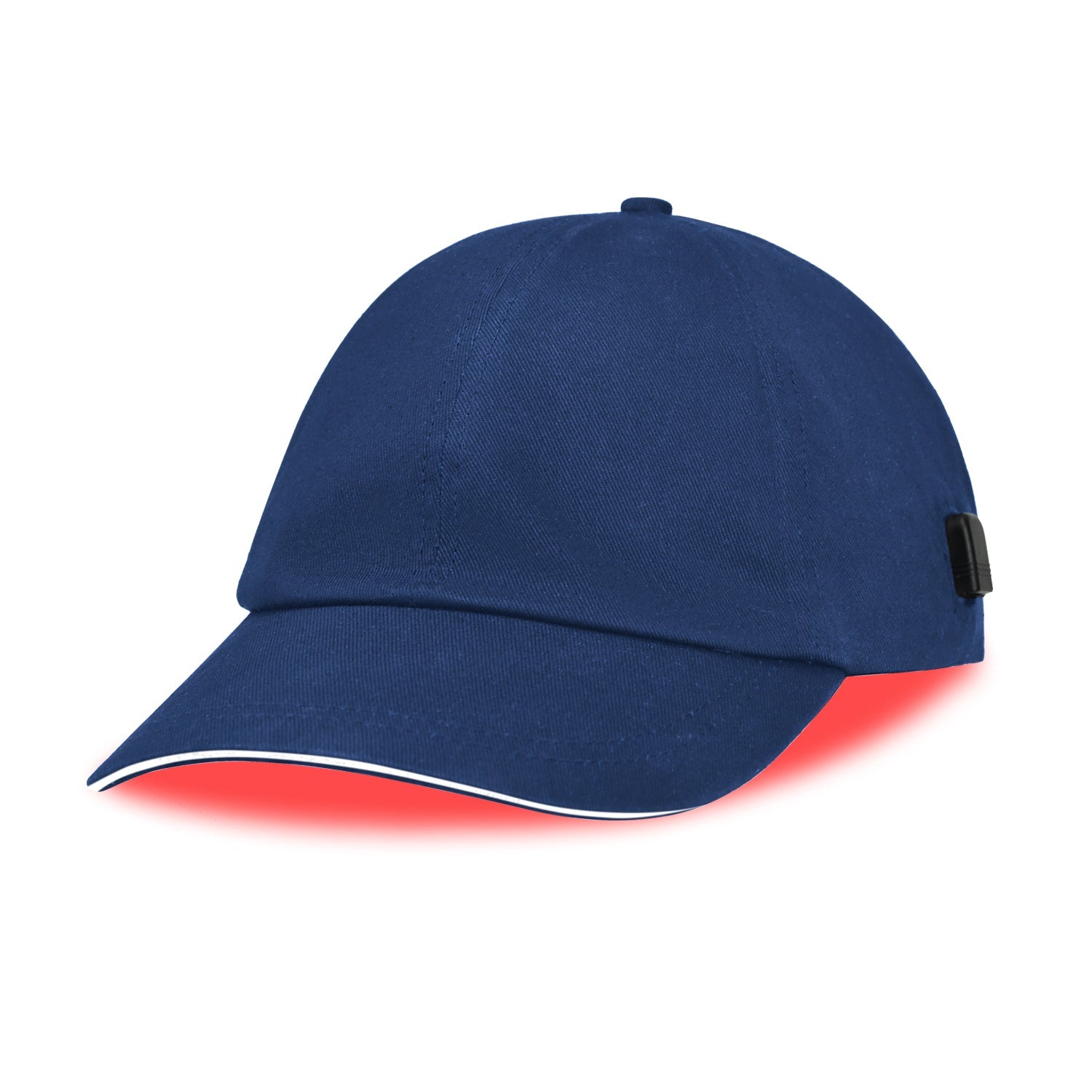
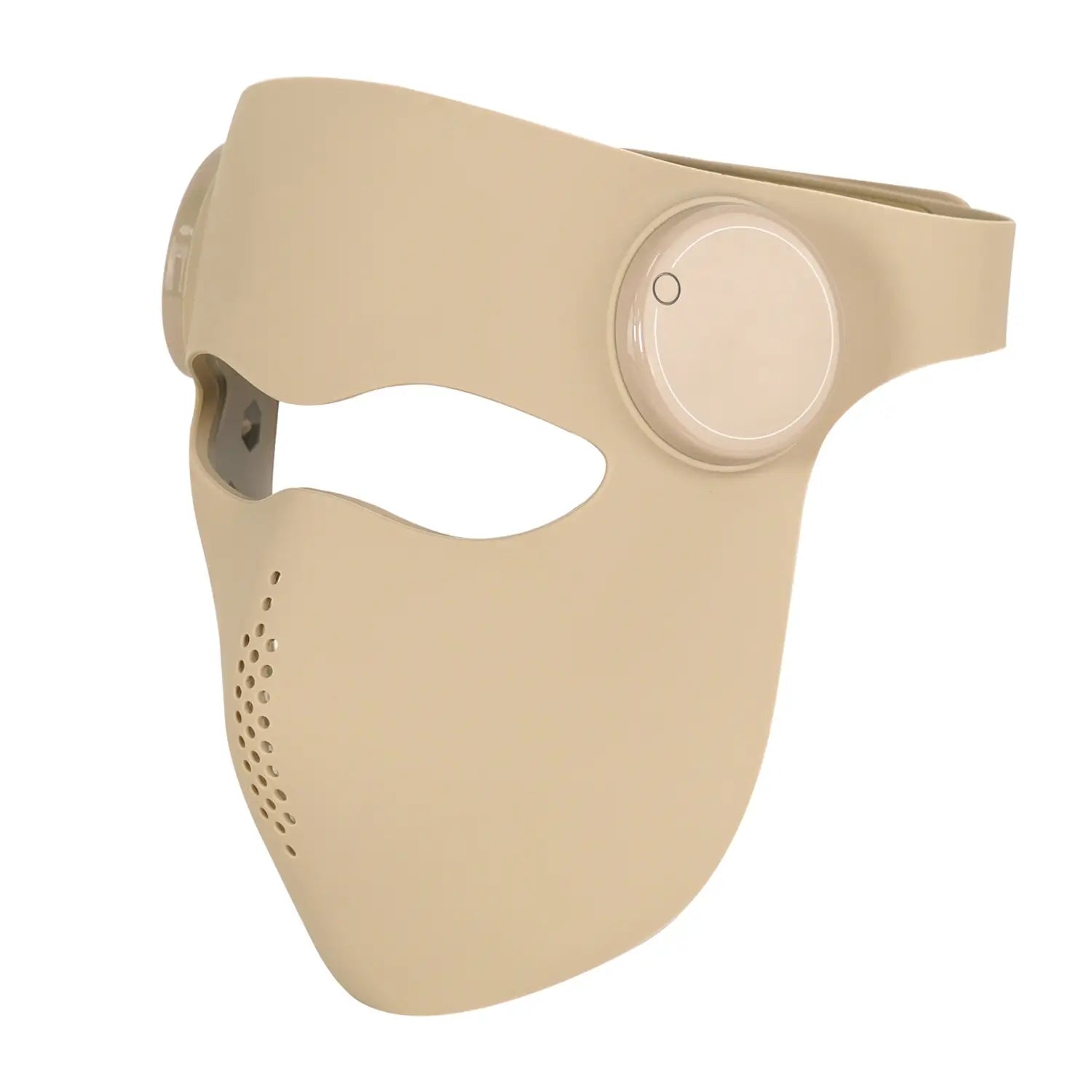
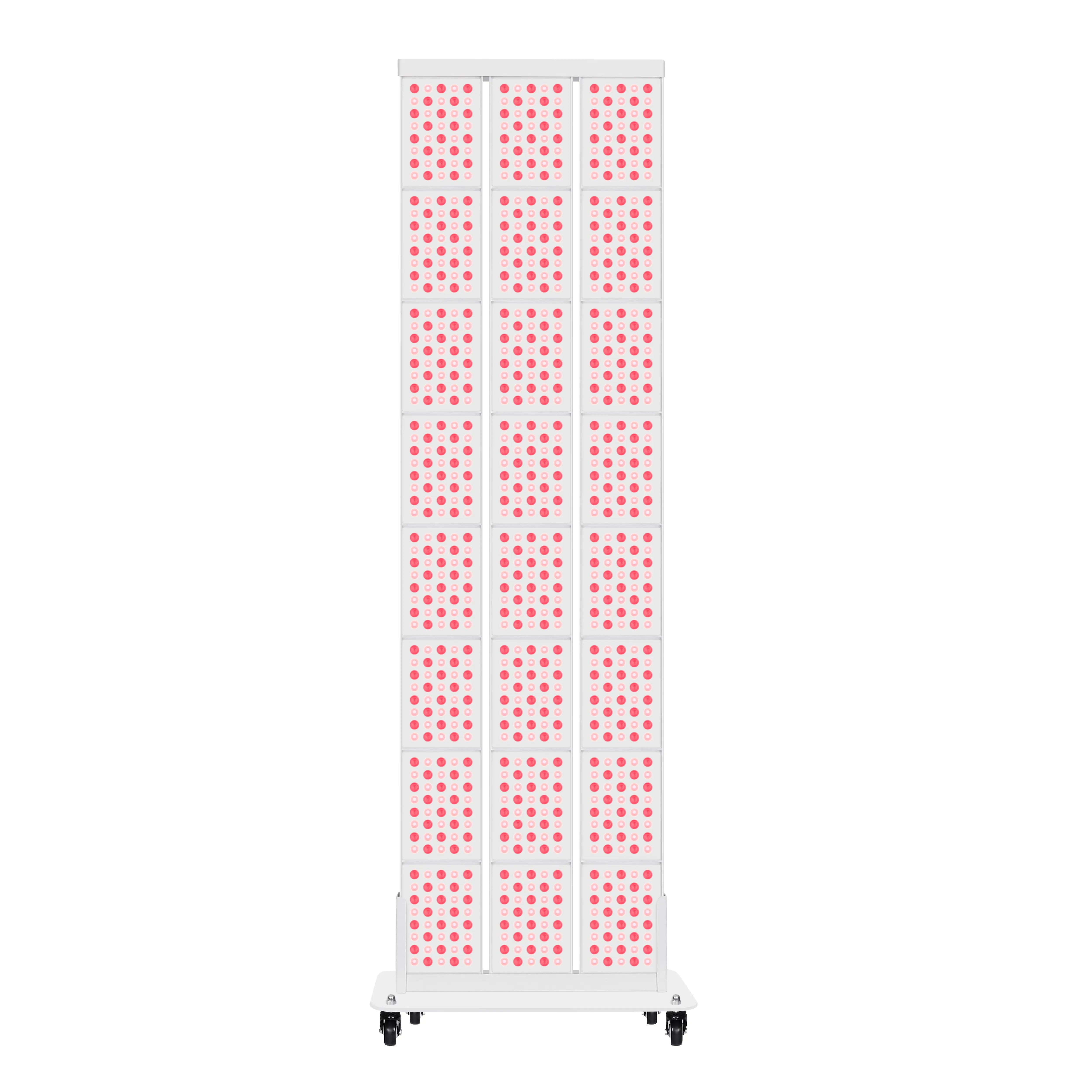
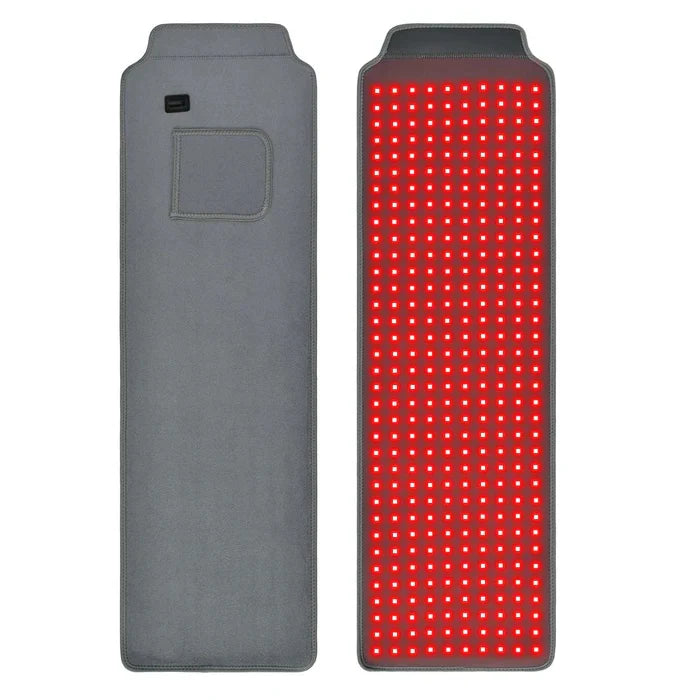
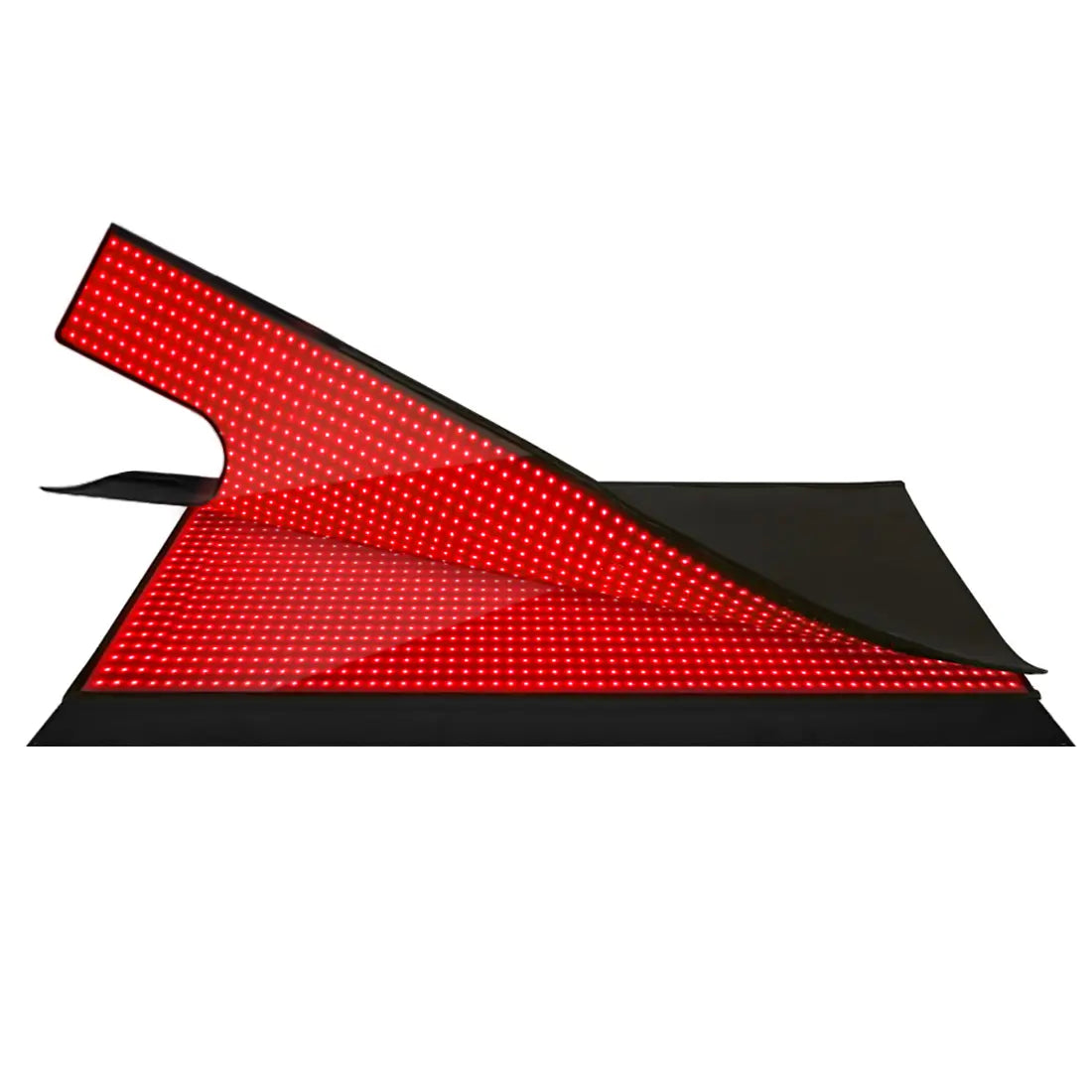
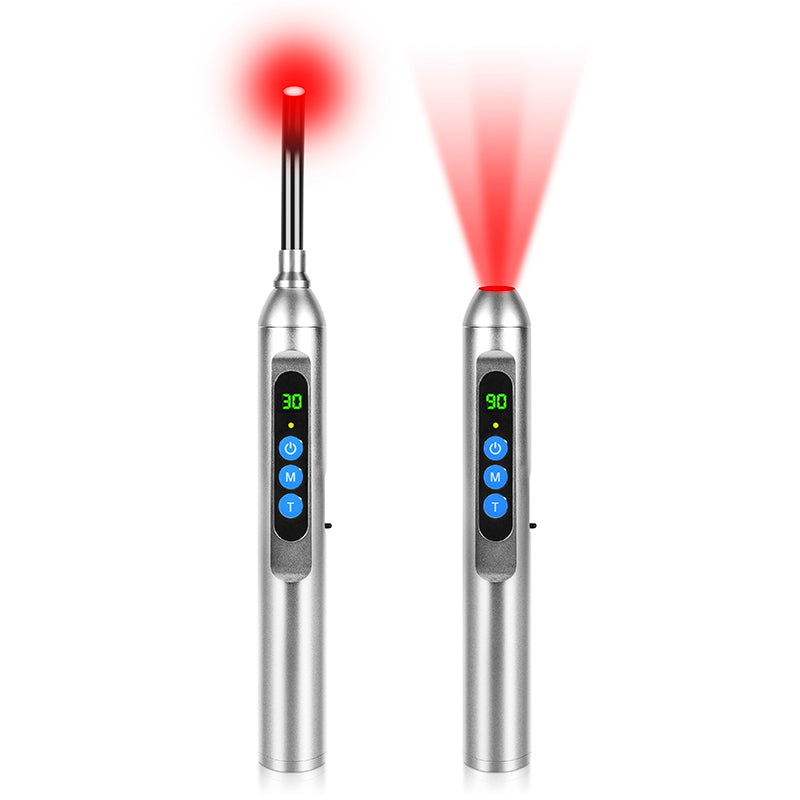
Consumer and clinic devices come in several formats, as described by ACE Fitness, LED Technologies, Therabody, and others. Small handhelds and wraps can target localized problem areas such as calves or Achilles tendons. Panels and beds provide broader coverage for quads, hamstrings, and glutes. Some products combine red and infrared light with heat, vibration, or compression, like the integrated devices highlighted by Therabody.
A simple way to frame the options is:
Device type |
Coverage and typical use |
Handheld / wand |
Small areas such as Achilles, plantar fascia, focal knee pain |
Wrap / pad |
Calves, quads, hamstrings, lower back, hips |
Panel |
Larger muscle groups; partial or near full‑body exposure |
Bed / chamber |
Full‑body sessions, usually in clinics or high‑end recovery labs |
Regardless of device, look for clear labeling of wavelengths, independent or at least plausible power density claims, and, where possible, FDA clearance for indications like temporary relief of muscle and joint pain or improved circulation. Stanford Medicine notes that clearance primarily addresses safety rather than strong proof of efficacy, but it is still one quality filter. Many home devices deliver lower power than research‑grade equipment, as ACE Fitness emphasizes, so real‑world effects may be smaller than those seen in tightly controlled trials.
Timing Sessions Around Key Workouts
If you are going to experiment as a marathoner, the “when” is as important as the “what.”
The photobiomodulation review and practical guidance from the Physical Achievement Center and Medco Athletics point to muscular pre‑conditioning as a consistently effective timing strategy. Exposing target muscles to red or near‑infrared light roughly 15–30 minutes before intense training or competition appears to enhance fatigue resistance and delay metabolic stress. Athletic Lab notes that endurance athletes often achieve maximal benefits when light therapy is used both before and after sessions.
For post‑exercise recovery, Function Smart highlights protocols in which 10–20 minute sessions per body area are delivered within about 2–4 hours after training. The goal is to ride the window when your muscles are shifting from exertion to repair, providing extra ATP and circulation precisely when cells are rebuilding.
Poll to Pastern suggests that for focused recovery or injury phases, 20–30 minute sessions per area can be used up to three times daily, with two or three sessions per week often adequate for maintenance. City Fitness suggests that 10–20 minutes of red light therapy in the evening can also be layered in specifically to support sleep and circadian rhythm.
For a marathoner, a conservative and evidence‑aligned pattern could be to use a brief pre‑run exposure to calves, quads, and hamstrings before your toughest sessions and long runs, followed by a slightly longer post‑run session on the same regions within a few hours, and optional short evening sessions during high‑stress weeks to support sleep. That structure mirrors patterns seen in clinics such as the Physical Achievement Center and in the athletic performance literature, while remaining manageable in real life.
Integrating Red Light Therapy with Your Recovery Stack
Every serious review, from ACE Fitness and Physiopedia to University Hospitals and Poll to Pastern, emphasizes the same principle: red light therapy should complement, not replace, proven recovery strategies.
Sleep remains foundational. Athletic Lab calls it the most important recovery modality, and red light therapy is a poor substitute for adding another hour of quality sleep or cleaning up pre‑bed screen habits. Nutrition and hydration need to match your energy expenditure, with adequate protein and carbohydrate intake to support glycogen replenishment and muscle repair. Poll to Pastern explicitly frames red light therapy as one tool in a broader kit that includes rest, high‑quality nutrition, hydration, active recovery, and mobility work.
Other recovery tools like compression, massage, and cold or contrast therapy still have roles. Interestingly, Medco’s review of studies comparing cryotherapy with red light therapy found that across five studies, red light therapy was superior for DOMS reduction and lowering muscle damage markers such as creatine kinase, while cryotherapy did not significantly prevent muscle damage. That does not mean ice baths are useless, but it does suggest that if you are choosing where to invest in a new modality for muscle recovery, light therapy has a stronger mechanistic and biochemical rationale than simply numbing tissue.
The smart approach is to stack small gains: prioritize sleep and training structure, nail fueling and hydration, then layer in red light therapy as an adjunct that might tip borderline recovery days into the “ready to go” category.
Pros and Cons for Marathon Runners
Potential Advantages
Red light therapy offers a cluster of potential benefits that map well onto the demands of marathon training.
Mechanistically, it supports mitochondrial function, ATP production, and blood flow, which are central to endurance performance. Clinical and performance reports from organizations such as Function Smart, the Physical Achievement Center, ACE Fitness, and Medco Athletics indicate improvements in time to exhaustion, running performance, repetition capacity, and recovery markers in various exercise models.
From a recovery standpoint, multiple studies and clinic reports suggest reductions in DOMS, faster restoration of strength, and accelerated return‑to‑play after injuries. The Laser Therapy journal data cited by LED Technologies, showing injured athletes returning in roughly half the expected time, exemplifies this potential. For marathoners managing chronic tendon or joint irritations, University Hospitals and Fick PT & Performance describe encouraging results for tendinopathies, superficial inflammatory problems, and chronic musculoskeletal pain when light therapy is integrated with rehabilitation.
The modality is non‑invasive and drug‑free, with a generally favorable safety profile. Stanford Medicine notes that when used as directed and kept out of the eyes, red light therapy carries a low risk of serious side effects. Physiopedia and NSCA‑style guidance highlight that standard precautions and basic eye protection are usually sufficient for healthy adults, assuming no photosensitizing conditions or medications.
Finally, there may be indirect benefits via sleep and mood. City Fitness and Athletic Lab both point to studies where evening red light exposure improved subjective sleep quality and melatonin levels. Fick PT & Performance and RehabMart add that red light therapy may influence serotonin and stress levels, potentially reducing anxiety and supporting mental resilience during heavy training blocks.
Real Limitations and Risks
Despite the promising mechanisms and early data, there are important caveats that every evidence‑minded marathoner should respect.
The athletic performance and sleep evidence is still considered weak or preliminary by conservative medical reviewers. Stanford Medicine explicitly states that claims in these domains lack robust, high‑quality backing compared to dermatologic uses. The large photobiomodulation narrative review concludes that while many randomized trials show positive results, heterogeneity in devices, dosing, and protocols prevents the creation of standardized treatment guidelines.
There is also a real risk of over‑interpreting effect sizes. Specific numbers like up to 200 percent increases in cellular energy output or 50 percent reductions in DOMS are tied to particular devices and conditions. They are not guaranteed outcomes for every panel or wrap marketed to runners. ACE Fitness emphasizes that many consumer devices are less powerful than research‑grade units, meaning actual tissue dosing may fall well below what clinical trials used.
Dosing itself follows a biphasic response. NSCA‑style guidance and Physiopedia both note that very low doses may be ineffective, while excessive doses can blunt or even reverse benefits. More is not always better. Without clear FITT (frequency, intensity, time, type) guidelines, which ACE Fitness notes are currently lacking, marathoners are left to a careful trial‑and‑error approach.
Cost and opportunity cost matter too. University Hospitals points out that handheld devices start under about one hundred dollars but more powerful home or clinic systems can run into the hundreds or thousands, typically without insurance coverage. RehabMart likewise notes that quality devices often range from roughly one thousand to many thousands of dollars. Given that meaningful effects usually require repeated, consistent treatments over weeks, the real investment is both financial and time‑based.
Finally, there are standard medical cautions. Physiopedia highlights the need for eye protection and warns against application over active malignancy, the pregnant abdomen or low back, areas of active bleeding, the thyroid, or growth plates in children, as well as use in people with photosensitive disorders or medications. University Hospitals recommends discussing any red light plan with a physician, especially if you are considering medical‑grade devices or have significant health issues.

A Sensible Experiment for Marathoners
If you are a marathon runner curious about red light therapy and comfortable with the financial cost, here is a pragmatic way to integrate it without losing the plot.
Start by tightening your fundamentals for a full training block: consistent sleep, adequate calories and protein, hydration, structured long runs and workouts, and basic strength training. Use that as your baseline. Then, for a four‑ to eight‑week period, introduce red light sessions targeted at the main running muscles and any chronic trouble spots.
Before your toughest session of the week and your long run, expose calves, quads, and hamstrings to red or red‑plus‑near‑infrared light for something in the neighborhood of 10–20 minutes per region, using wavelengths in the 630–660 and 810–850 nm range if available, as described by Function Smart and the Physical Achievement Center. After the session, repeat a briefer treatment within a few hours. If sleep is a limiter for you, consider a short evening session with red light only, in line with the sleep‑related protocols mentioned by Athletic Lab and City Fitness.
Throughout this experiment, track tangible outcomes: how your legs feel 24 and 48 hours after long runs, whether you can maintain pace on key workouts, any changes in niggling pains, and, ultimately, your performance in tune‑up races or specific long‑run benchmarks. If, after a fair trial, you do not see meaningful improvement, accept that your individual response may be modest and redirect time and money toward higher‑yield interventions.
Brief FAQ
Does red light therapy replace ice baths, massage, or strength work?
No. Reviews from ACE Fitness, Physiopedia, and NSCA‑style sources all stress that photobiomodulation is an adjunct. Interestingly, a review summarized by Medco found red light therapy outperforming cryotherapy for reducing DOMS and muscle damage markers, but that does not mean you should abandon other tools that you know help you. Think in terms of layering small benefits rather than swapping out foundational practices.
Is red light therapy safe to use daily during marathon training?
For healthy adults, typical therapeutic doses of red and near‑infrared light are described as low risk by Stanford Medicine, Physiopedia, and University Hospitals, especially when eye protection is used and contraindicated areas are avoided. Poll to Pastern mentions that some protocols use multiple daily sessions during injury phases. That said, daily use is not automatically better, and pushing dose or frequency aggressively may reduce effectiveness. It is wise to start conservatively, follow manufacturer instructions, and involve a healthcare professional if you have underlying conditions.
Can red light therapy by itself make me a significantly faster marathoner?
On current evidence, it is unlikely that light therapy alone will transform your marathon performance. Studies summarized by ACE Fitness, Medco Athletics, Athletic Lab, and clinical providers show meaningful but modest improvements in recovery and performance metrics when red light is layered on top of solid training. The biggest impact comes when it enables you to train more consistently and recover more fully over months. Training design, sleep, and nutrition still dominate the outcome.

Closing Thoughts
As a light‑therapy‑obsessed endurance nerd, I see red and near‑infrared light not as a shortcut, but as a way to smooth out the rough edges of marathon training when everything else is already dialed in. Used intelligently, grounded in the science rather than the hype, it can help you show up fresher to the workouts that really matter and stack more high‑quality miles with fewer breakdowns. Treat it as a precision tool, not a magic wand, and let the clock and your recovery logs tell you whether it earns a permanent place in your marathon toolkit.

References
- https://lms-dev.api.berkeley.edu/studies-on-red-light-therapy
- https://pmc.ncbi.nlm.nih.gov/articles/PMC5167494/
- https://behrend.psu.edu/student-life/student-services/counseling-center/services-for-students/wellness-offerings/red-light-therapy
- https://med.stanford.edu/news/insights/2025/02/red-light-therapy-skin-hair-medical-clinics.html
- https://www.acefitness.org/resources/pros/expert-articles/8857/red-light-therapy-and-post-exercise-recovery-the-physiology-research-and-practical-considerations/?srsltid=AfmBOop-B_MB65QzudMLxrr1rhsJDu1AjTaREhZQJGuq17VxcNM_ZTsB
- https://www.uhhospitals.org/blog/articles/2025/06/what-you-should-know-about-red-light-therapy
- https://www.physio-pedia.com/Red_Light_Therapy_and_Muscle_Recovery
- https://www.athleticlab.com/red-light-therapy-for-athletes/
- https://cityfitness.com/archives/36400
- https://fickptandperformance.com/red-light-therapy-benefits-how-it-can-enhance-your-sports-recovery-and-performance/