Combining Red Light Therapy with Home Healthcare: A Realistic Guide from a Light Therapy Geek

Combining Red Light Therapy with Home Healthcare: A Realistic Guide from a Light Therapy Geek

Red light therapy offers a powerful tool for home healthcare. Get a realistic, science-backed guide on using it for pain relief, skin rejuvenation, and recovery.
Red Light Therapy for Emergency Burns and Scalds: A Science-Backed Guide for Light Geeks Reading Combining Red Light Therapy with Home Healthcare: A Realistic Guide from a Light Therapy Geek 24 minutes Next Effects of Red Light Therapy on Reducing Exam Anxiety

Why Stack Red Light Therapy with Other Home Methods at All?

When people email me their “biohacking stack,” red light therapy nearly always shows up next to things like stretching, mobility work, skincare, or sleep gadgets. The instinct is good: light is a powerful biological signal. Used well, it can amplify what you are already doing for pain, skin, and recovery. Used poorly, it becomes an expensive red nightlight.

Across major medical centers and systematic reviews, a consistent picture emerges. Red and near‑infrared light at low levels can nudge cells into higher performance, especially around pain, inflammation, and certain skin and hair concerns. Cleveland Clinic, MD Anderson Cancer Center, UCLA Health, WebMD, and others all describe red light therapy (also called photobiomodulation or low‑level light therapy) as non‑invasive, generally safe in the short term, and promising in specific niches like localized pain and skin rejuvenation. A large review of low‑intensity laser and LED therapy for musculoskeletal pain found reduced pain in conditions such as non‑specific knee pain, knee osteoarthritis, low back pain, and fibromyalgia when the light dose and wavelength were appropriate.

At the same time, dermatology experts at Stanford and the Cleveland Clinic emphasize that evidence is modest or inconsistent for many bold claims: systemic performance enhancement, dramatic body sculpting, cures for dementia, or sweeping “anti‑aging” miracles. University of Arizona researchers also stress that phototherapy should be treated like a medication: useful, but dose‑dependent and not risk‑free.

So as a long‑time “light therapy geek,” here is the frame I use at home and with readers: red light therapy is a precision tool that works best when you plug it into a thoughtful home routine, not as a replacement for movement, rehab, skincare, or medical care. The rest of this article shows you exactly how to do that.

What Red Light Therapy Actually Does Inside Your Body

Light as a Cellular Energy Signal

Most of the credible science clusters around one unifying idea: photobiomodulation. Many sources, from Cleveland Clinic to Brown University Health, describe this as the use of specific red and near‑infrared wavelengths to alter cellular behavior without heating or destroying tissue.

In the red and near‑infrared range (roughly 600–1000 nanometers), light penetrates skin and is absorbed by mitochondrial enzymes such as cytochrome c oxidase. A detailed explainer from a physical medicine clinic describes how red light in the 630–700 nm band and near‑infrared in the 800–900 nm band are absorbed by this enzyme, which accelerates the mitochondrial respiratory chain and increases production of ATP, the cell’s energy currency. When cells have more usable energy, they can repair damage, replicate, and coordinate tissue healing more effectively.

A randomized controlled trial from Germany using whole‑body red and near‑infrared light for skin rejuvenation found improved skin complexion, better “skin feeling,” reduced measurable skin roughness, and increased collagen density compared with baseline and untreated controls. The light doses were non‑thermal and did not cause tissue destruction; they simply up‑regulated regenerative processes. That “gentle push” is the core of photobiomodulation.

Blood Flow, Nitric Oxide, and Microcirculation

Pain and sluggish recovery are often circulation problems in disguise. A detailed mechanistic article on circulation and red light therapy explains how these wavelengths trigger the release of nitric oxide from the lining of blood vessels. Nitric oxide is the body’s own vasodilator. When it is released, smooth muscle in the vessel wall relaxes, the vessel widens, and more blood can move through.

This vasodilation means more oxygen and nutrients reach stressed muscles, irritated joints, or aging skin, and metabolic waste products are cleared more efficiently. The same source points out that this happens not only in larger vessels but also in tiny capillaries, improving microcirculation where the actual exchange of oxygen and nutrients happens. Red and near‑infrared exposure appears to encourage angiogenesis, the formation of new small blood vessels, giving damaged or under‑served tissue better access to blood.

If you want a concrete picture, imagine you have a stiff knee from osteoarthritis. A multimodal randomized trial on non‑specific knee pain used 12 sessions of multi‑wavelength photobiomodulation over four weeks, alongside standard physical therapy or chiropractic care. Pain scores improved by about 50 percent, with the active light group doing roughly 15 percent better than the placebo group, and those gains held a month later. Better blood flow and reduced inflammatory signaling are two of the main suspects behind that improvement.

Inflammation, Oxidative Stress, and Pain Signaling

Chronic pain is rarely just “weak tissue”; it is often nervous system sensitivity plus a smoldering inflammatory fire. Several sources converge on how red light influences that fire.

A systematic review of low‑intensity laser and LED therapy for musculoskeletal conditions describes multiple mechanisms. Light in specific near‑infrared bands is absorbed by receptors in nerve cell membranes, alters ion gradients, and temporarily inhibits nerve action potentials in pain fibers, producing analgesia within about 10 to 20 minutes. At the same time, photobiomodulation down‑regulates pro‑inflammatory mediators such as prostaglandin E2, interleukin‑6, and tumor necrosis factor alpha, and promotes anti‑inflammatory cytokines such as interleukin‑10. Macrophages, the immune cells that can either inflame or repair tissue, are nudged toward a healing phenotype.

Another key element is oxidative stress. The circulation article notes that by improving mitochondrial efficiency, red and near‑infrared light better regulate reactive oxygen species and boost antioxidant defenses. Less oxidative stress means less collateral damage to cells and fewer inflammatory “alarms” being sounded.

The result is not numbness in the sense of a strong painkiller, but a more balanced inflammatory response. University Hospitals summarizes this well: red light therapy appears most promising as an adjunct to help with tendinopathies, superficial inflammatory issues, and some osteoarthritis‑related pain, but it does not magically repair structural problems like ligament tears.

Red vs Near‑Infrared: Which Does What?

Many home devices advertise both red and near‑infrared LEDs. The difference is not marketing fluff; these bands reach different depths and tissues. The circulation article provides a clear comparison that we can summarize as follows.

Wavelength band

Approximate range (nm)

Primary depth and targets

Typical functions cited in the literature

Red light

630–700

More superficial: skin and just under the surface

Collagen production, fine lines and wrinkles, wound healing, local redness

Near‑infrared (NIR)

800–900

Deeper: muscles, joints, even bone and deeper circulation

Pain relief, joint health, circulation support, deeper inflammatory issues

The same source emphasizes that combining both red and near‑infrared often makes sense, since most people care about both surface‑level appearance and deeper pain or stiffness.

Where Red Light Therapy Truly Helps, And Where Hype Takes Over

Skin, Hair, and Wounds

Dermatology is where red light therapy first earned its stripes. Stanford dermatology experts note that its original medical use was in photodynamic therapy, where a drug plus red light kills precancerous skin cells. Red light alone does not kill cancer cells, but it does clearly alter skin biology through photobiomodulation.

Multiple human trials show that certain red wavelengths increase collagen production and improve superficial blood flow. The German randomized trial described earlier documented reduced skin roughness, increased intradermal collagen, and visually apparent wrinkle reduction compared with an untreated control group. Brown University Health and several dermatology clinics highlight similar findings: smoother texture, mild softening of fine lines and wrinkles, and faster healing of some wounds and scars when used consistently over weeks.

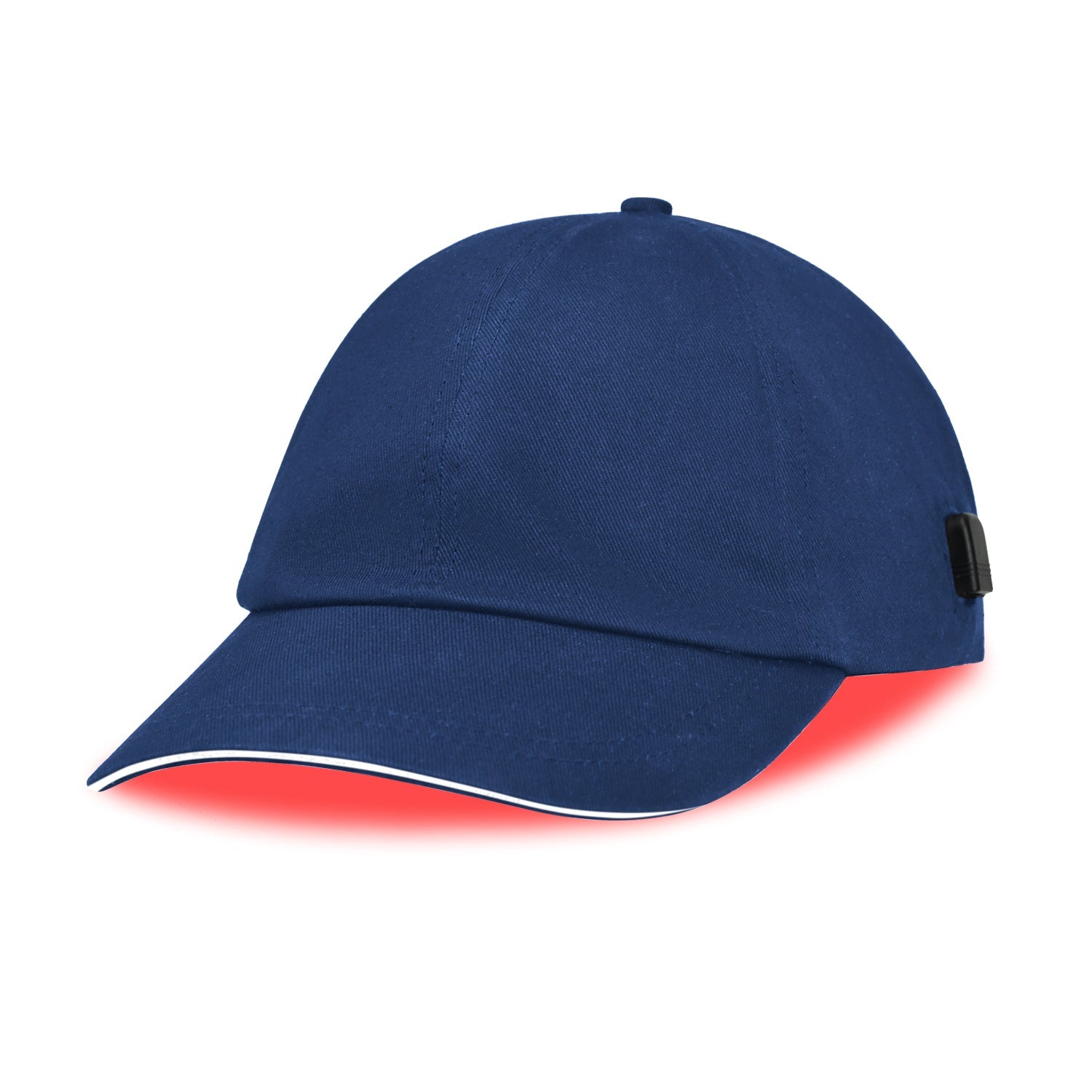
For hair, Stanford experts consider the evidence “relatively strong” compared with other claims. Early work in animals accidentally found increased hair growth in light‑treated mice. Since then, multiple human studies of red light caps and combs show that several months of regular use can improve hair density in androgenetic hair loss. The caveat is crucial: benefits stop when treatment stops, and completely bald, scarred areas with nonviable follicles are unlikely to respond.

Wound healing data are mixed. Some surgical studies show faster early healing on red light–treated sides, while others show only marginal advantages that disappear by six weeks. Overall, major centers frame red light as a modest but reasonable adjunct for superficial skin recovery, not a magic wound‑healing beam.

From a home‑care perspective, this is where combining methods gets powerful. Dermatology groups and hospital systems consistently recommend building red light into a broader routine: daily sunscreen, gentle cleansers, hydrating serums, and, when appropriate, acne medications or other prescriptions. One health system specifically advises pairing red light with a solid skincare routine that includes daily sunscreen and hydrating serums, and then using at‑home masks or panels two or three times a week for 10 to 20 minutes per area.

You also see a growing category of “light‑activating” skincare, such as a serum designed specifically for red light sessions with ingredients like spirulina, methylene blue, vitamin C derivatives, peptides, and hydrating agents. These products are marketed as pre‑treatment essentials to enhance skin radiance and firmness during light exposure. While those claims are mostly promotional at this stage, they fit the larger pattern: light is a tool that can potentially amplify what your topical regimen is already doing.

Musculoskeletal Pain, Arthritis, and Recovery

This is where my own fascination began, and where the most clinically useful data live.

A comprehensive review of low‑intensity laser and LED therapy for musculoskeletal conditions concluded that photobiomodulation reduces pain in non‑specific knee pain, osteoarthritis, neck and low back pain, temporomandibular disorders, and pain after total hip replacement, when devices are dosed correctly. The review found essentially no documented adverse effects under appropriate use and emphasized that photobiomodulation can reduce reliance on non‑steroidal anti‑inflammatory drugs and opioids.

For knee osteoarthritis, a meta‑analysis of 22 randomized trials with over 1,000 participants reported pain reductions compared with placebo at the end of treatment and at follow‑ups up to 12 weeks. Importantly, these benefits appeared when energy per site and wavelengths were within recommended ranges for the joint line. When the dose was too low, some trials found no difference. That is a big clue for home users: the device and dosing details matter.

In non‑specific knee pain, the study mentioned earlier saw a 50 percent pain improvement after 12 photobiomodulation sessions added to standard care, with the active group outperforming placebo. After total hip replacement surgery, a small randomized study found that photobiomodulation applied over the incision area produced an 82 percent greater immediate reduction in pain compared with placebo, with signs of better inflammatory control.

Other conditions like fibromyalgia show a similar pattern. A large trial in 160 women compared exercise alone, photobiomodulation alone, the combination, and placebo. Exercise and light therapy each produced about 50 percent greater pain reductions than placebo, but the combination group showed the largest reduction in tender points and pain intensity. Yet a smaller trial using a different dosing protocol found no added benefit from light over exercise. Systematic reviews suggest that photobiomodulation is a noninvasive, well‑tolerated tool for fibromyalgia, but not a guaranteed fix.

University Hospitals, WebMD, and UCLA Health all echo a similar message: red and near‑infrared light can reduce pain and inflammation in multiple musculoskeletal conditions, including tendinopathy and some arthritis, but benefits may be temporary and often require ongoing sessions. Several reviews report that chronic pain often begins to return within weeks of stopping therapy.

That is exactly why combining red light with home‑based movement, rehabilitation, and strength training is so powerful. Exercise has rock‑solid evidence for long‑term improvement in osteoarthritis and fibromyalgia. Photobiomodulation can make that exercise more tolerable and potentially more effective in the short term, while your movement work tackles biomechanics and conditioning over months and years.

Brain, Mood, and “Whole‑Body” Claims

If there is a part of the red light story that tends to drift into fantasy, this is it.

Research groups working on transcranial and intranasal near‑infrared light have reported intriguing early results in mild to moderate dementia: one study noted cognitive improvements after six minutes per day of near‑infrared exposure for eight weeks, with no significant adverse effects reported. WebMD summarizes reviews suggesting benefits for dementia, such as better sleep or mood, but labels the evidence base small and preliminary.

Meanwhile, Stanford experts explicitly state that evidence is not yet strong for claims that red light improves athletic performance, sleep, erectile function, chronic pain, or dementia in a consistent, clinically proven way. Cleveland Clinic similarly reports no scientific support at this time for red light therapy as a primary treatment for depression or seasonal affective disorder.

Interestingly, University of Arizona researchers have found that a different wavelength, green light, may reduce pain intensity and flare frequency by about 50 percent in conditions like fibromyalgia and migraine when used through the eyes for one to two hours nightly over ten weeks. Participants also reported better sleep and quality of life. These findings are early but remind us that not all “light therapy” is the same, and that light can act through the visual system as well as the skin.

From a home wellness perspective, here is the evidence‑based stance. It is reasonable to experiment cautiously with red or near‑infrared light for mood and cognitive support as long as you treat it as an adjunct, not a replacement, for standard medical care, and you understand the science is early and mixed. For green light and migraine or fibromyalgia, the University of Arizona work suggests a promising, low‑risk option, but it should be guided by a clinician if you have complex pain or neurological conditions.

Designing a Smart Home Red Light Protocol

Choosing the Right Device for Your Goal

Cleveland Clinic and multiple dermatology sources point out that home devices are generally less powerful than clinic lasers or professional LED panels, which means results may be slower or less dramatic. They also vary wildly in wavelength, power, coverage area, and build quality. Truemed’s guidance on hardware selection is helpful for structuring decisions.

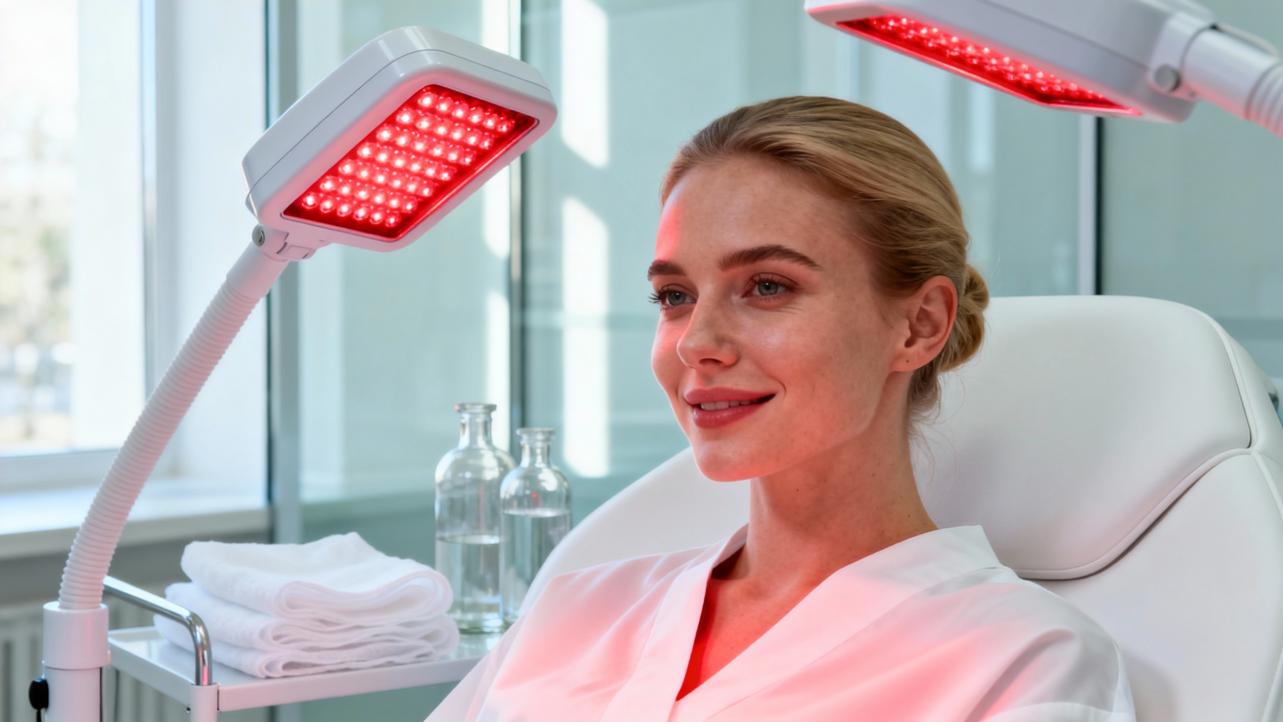
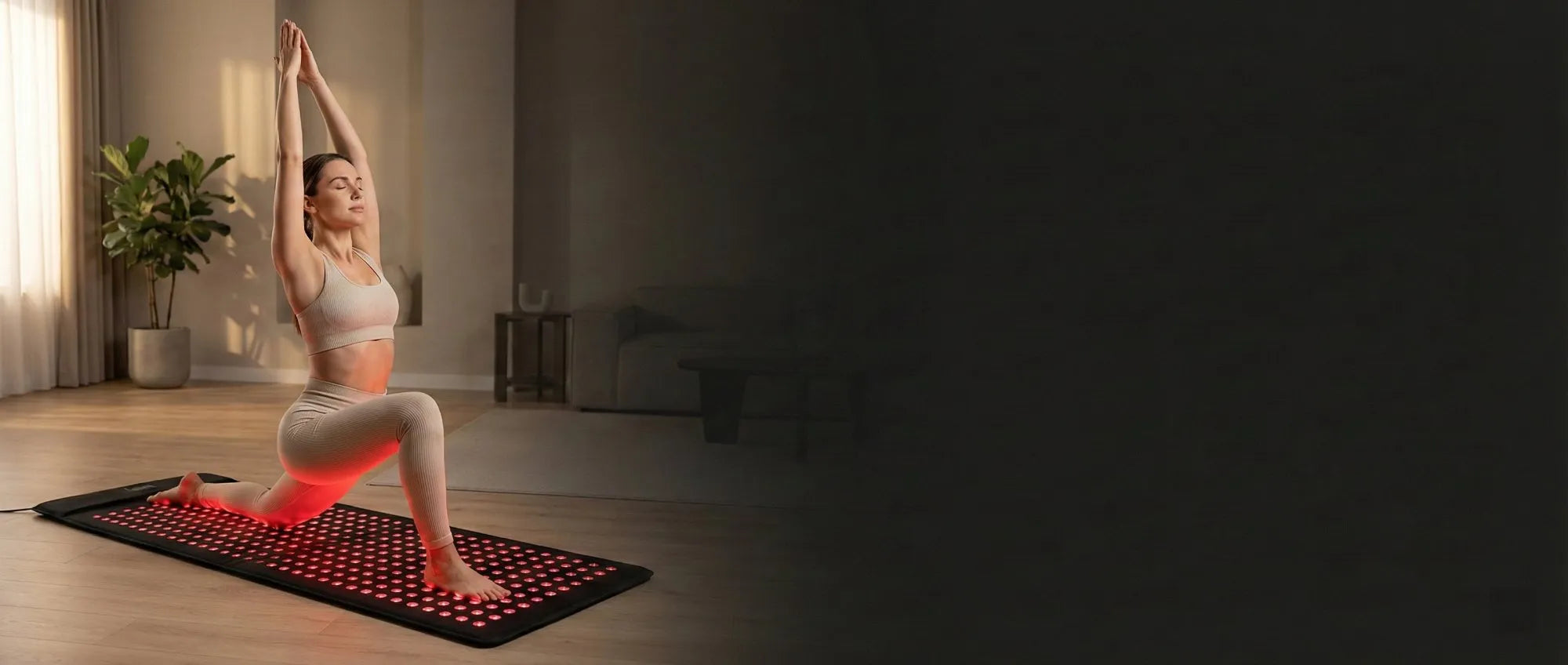
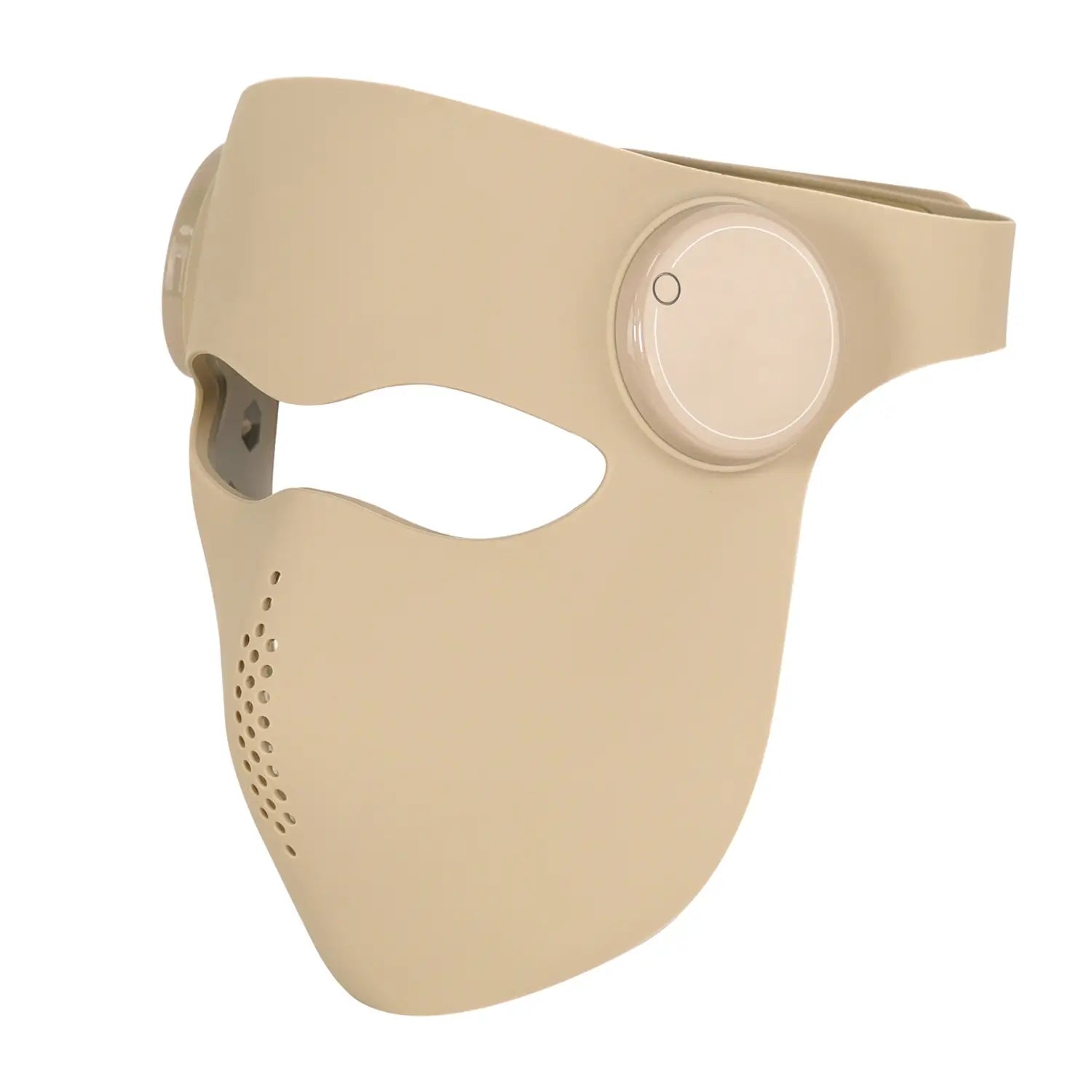
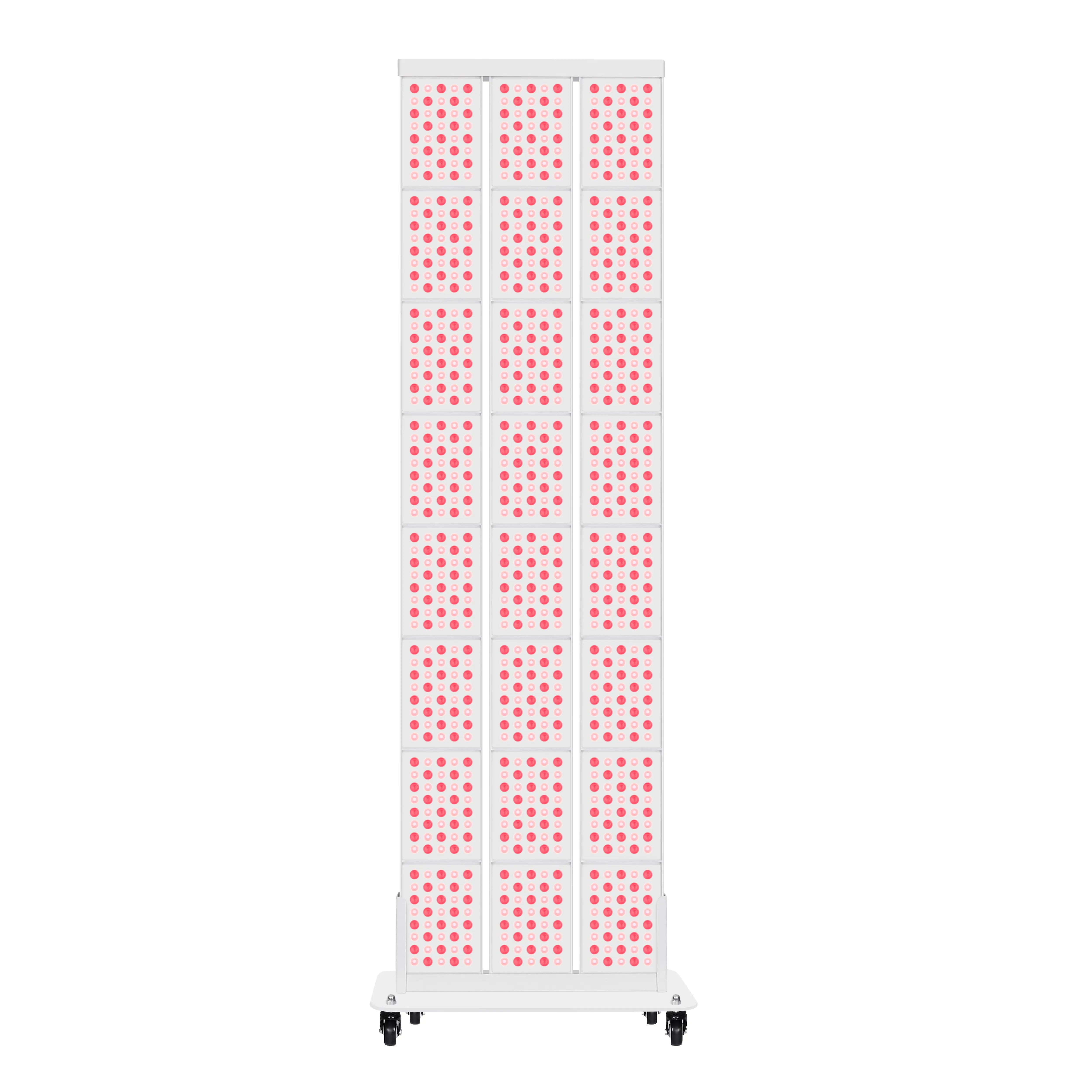
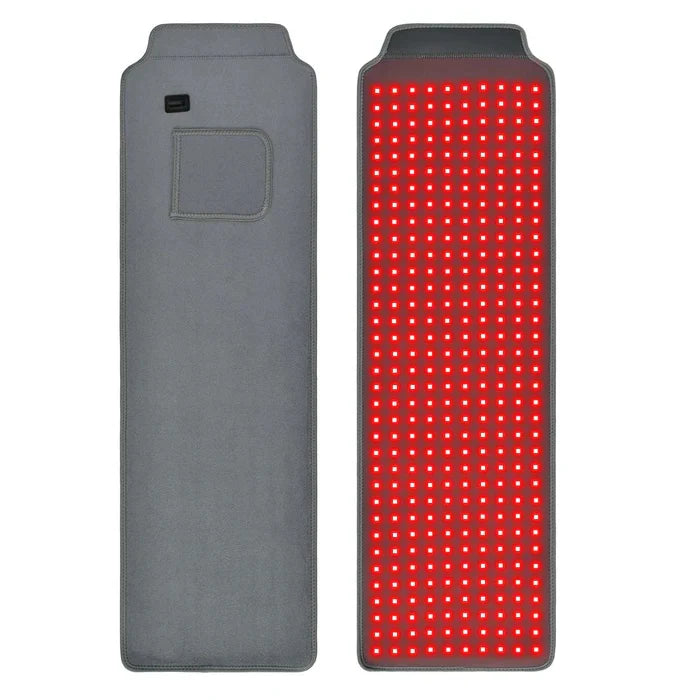
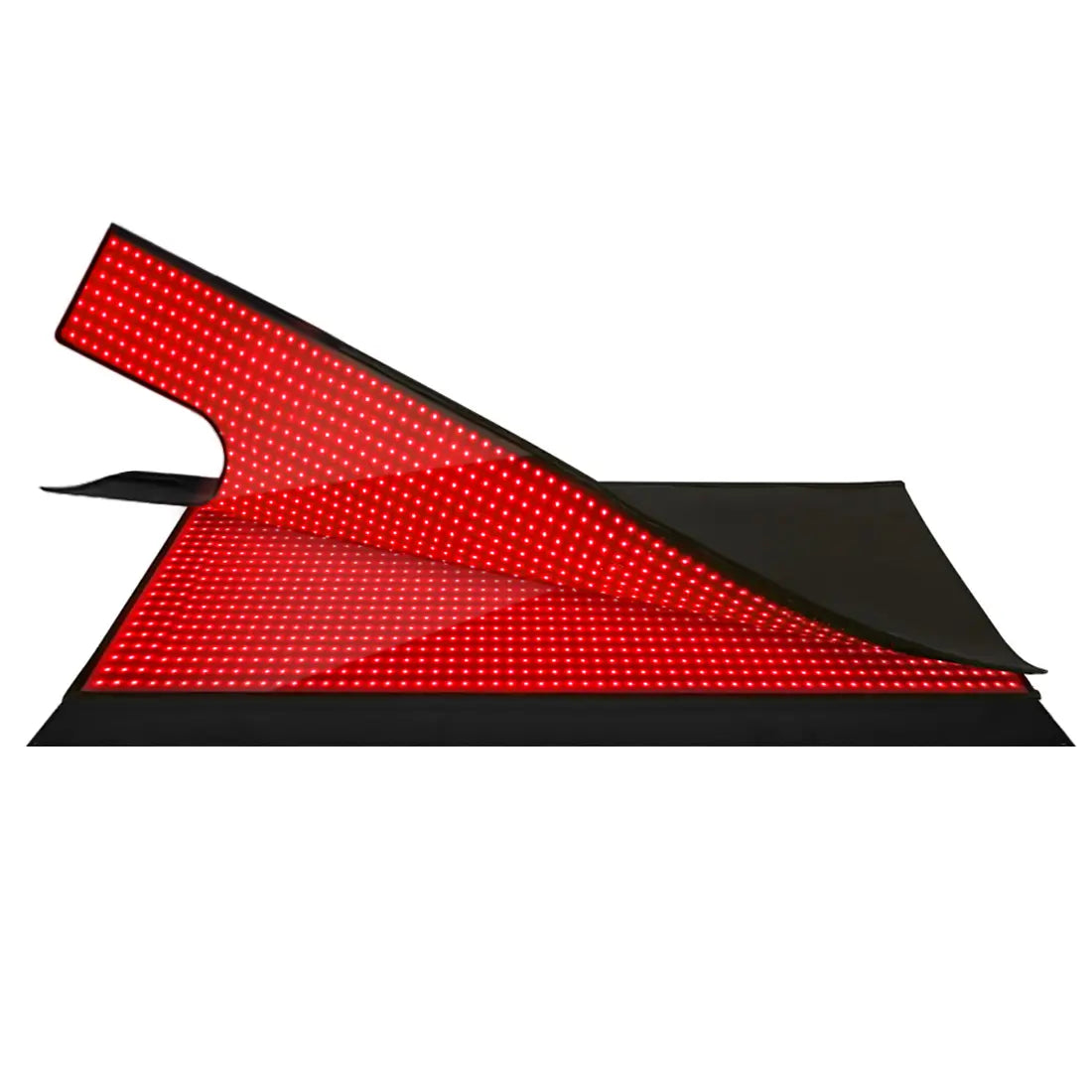
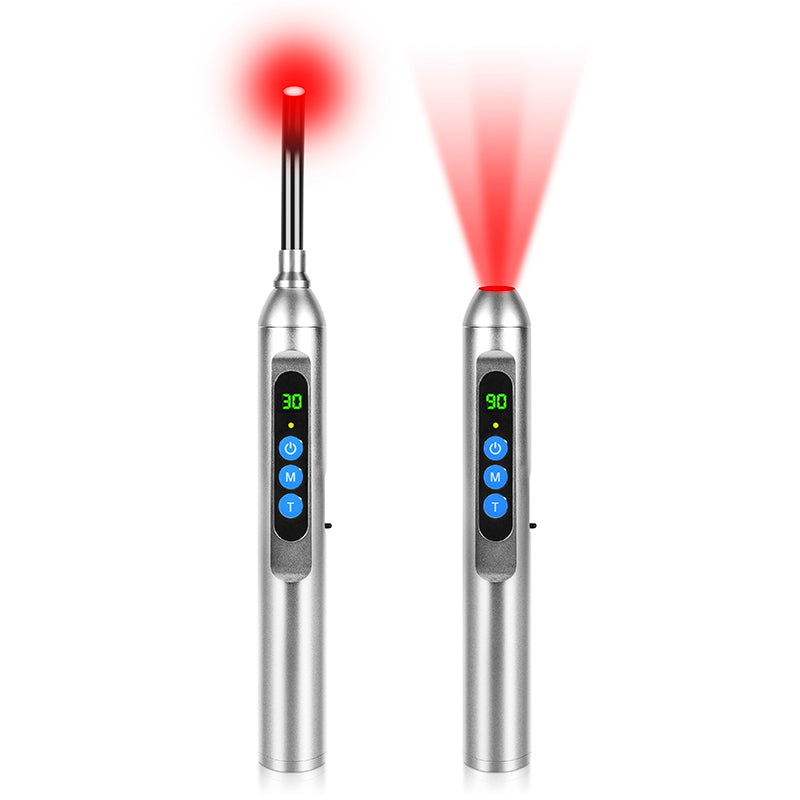
You can think of devices in several broad categories. Full‑body panels or beds are designed for systemic recovery and widespread pain or inflammation. Face masks and compact panels target anti‑aging, acne, and hairlines. Handheld wands and spot devices are best for individual joints, small scars, or a stubborn patch of tendon pain. Flexible wraps and sleeves contour around knees, shoulders, or backs for arthritis and post‑workout soreness.

When comparing options, Truemed and several clinical sources advise looking for dual wavelengths (both red and near‑infrared), clinically reasonable irradiance at typical distances, treatment times in the 5 to 20 minute range per area, and features such as eye protection, built‑in timers, and cooling or fans to manage heat. For example, one user testimonial describes a quiet red light panel with multiple intensity settings, a built‑in fan to prevent overheating, and an adjustable timer being used daily for wound healing and cosmetic skin benefits. That is anecdotal, but it illustrates practical usability features that will matter if you are going to use the device several times each week.

Prices range widely. Some dermatologist‑endorsed handheld or mask devices are a few hundred dollars, while large professional panels can cost several thousand. Truemed notes that, in some cases, devices can be purchased with health savings or flexible spending accounts when prescribed for qualifying medical conditions like chronic musculoskeletal pain or documented acne, provided you obtain a letter of medical necessity.

Dosing Fundamentals: Time, Frequency, and Consistency

One of the biggest mistakes I see in home users is either massive overuse (“an hour every night must be better”) or barely using the device at all. The studies and medical articles point toward a middle ground.

Clinical dermatology and hospital guidelines commonly describe sessions lasting about 5 to 20 minutes per treated area, several times per week. BSW Health mentions 10 to 20 minute sessions two or three times weekly for skin and hair benefits. Brown University Health notes that protocols in clinics and spas often involve several sessions per week for an initial four to eight week period. Truemed suggests about three or four sessions per week for 15 to 20 minutes per area for the first month or two, followed by a shift to less frequent maintenance once you see a stable benefit.

Musculoskeletal protocols in randomized trials often used two or three treatments per week for several weeks. The knee pain trial used 12 sessions over four weeks. The whole‑body skin rejuvenation trial delivered twice‑weekly sessions for about 15 weeks. University of Arizona’s green light studies for migraine and fibromyalgia involved one to two hours daily for ten weeks, with benefits typically appearing after about three weeks and building each week.

Translating that to a practical home routine, imagine you use a panel on your knees and low back for 15 minutes per area, three evenings per week. That is 45 minutes weekly of light exposure, plus a few minutes to set up. Over a month, you have invested about three hours. That is a realistic, sustainable block of time in a home wellness plan.

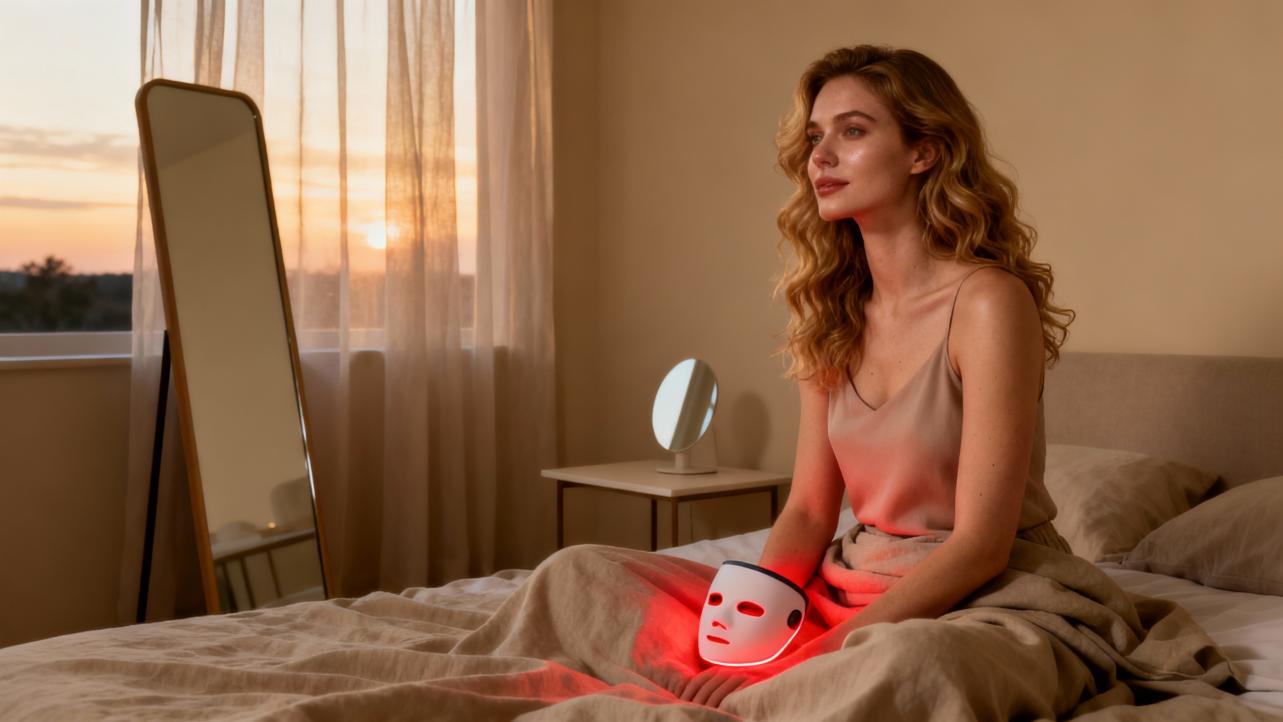
Shorter, more targeted routines can work for facial goals. A flexible mask or wand used ten minutes per session, three times weekly, fits easily into a nighttime skincare ritual. Several dermatology practices suggest that visibly smoother texture and mild wrinkle softening often appear after about four to six weeks of consistent use, which matches the trial timelines.

Importantly, more is not always better. Cleveland Clinic and multiple hospital systems warn that overuse, especially at high intensities or very close distances, can lead to skin irritation or, in extreme cases, burns. Research reviews emphasize that photobiomodulation has a dose window: too little produces no effect, and too much can be counterproductive.

How to Combine Red Light with Other Home Therapies

This is where you shift from “gadget owner” to “home protocol designer.” The question is not just “How do I use my red light?” but “What do I pair it with for maximum benefit?”

For joint and muscle pain, the musculoskeletal review and fibromyalgia trials send a clear message: pairing photobiomodulation with exercise or physical therapy often outperforms either one alone. In knee osteoarthritis, some trials found that exercise plus correctly dosed light outperformed exercise with sham light, while mis‑dosed light made no difference. In fibromyalgia, the group receiving both light and exercise showed the greatest reduction in tender points and pain intensity.

Practically, this means planning your home rehab sessions around your light schedule. Many clinicians and researchers use light either shortly before or shortly after exercise. Pre‑exercise light may reduce pain and stiffness, making movement easier and improving exercise quality. Post‑exercise light may support recovery and inflammation control. University Hospitals notes that red light applied before activity may lower levels of an enzyme associated with muscle damage and soreness.

For example, on three evenings each week, you might position a wrap or panel around a painful knee for 15 minutes, then move immediately into your prescribed strengthening and mobility work. On alternate days, you can perform shorter exercises without light. This integrates light into a habit you need anyway, rather than adding another isolated chore.

For skin health, both dermatology clinics and health systems recommend weaving red light into a comprehensive regimen rather than relying on it as a stand‑alone tool. That typically means cleansing the skin, applying any prescribed acne or pigmentation treatments, letting them absorb if they are not photosensitizing, using a compatible serum or moisturizer if desired, and then doing a ten to twenty minute light session with appropriate eye protection. Afterward, many clinicians advise applying hydrating and barrier‑supporting products, then, in the morning, using sunscreen. One skincare brand has even formulated a serum specifically marketed as a “pre‑light essential,” to be applied before red light to improve radiance and firmness, reflecting the broader trend toward light‑optimized topical routines.

For chronic pain syndromes like fibromyalgia, the European League Against Rheumatism and the fibromyalgia trials emphasize that almost all types of exercise improve pain and function, and that photobiomodulation appears to further improve outcomes when layered on top of movement. A realistic home plan might pair light sessions with short, manageable walks, gentle resistance training, and sleep hygiene work, while you and your clinician progressively adjust medications. The key is multimodal care, not expecting light alone to carry the load.

Finally, some people use red light or green light therapy as part of an evening wind‑down, particularly in chronic pain. The University of Arizona’s green light trials asked participants to use green light for an hour or two nightly over several weeks, and participants reported better sleep along with less pain. While that work used a specific green light exposure through the eyes and is still investigational, it illustrates an important pattern: consistent, time‑boxed light exposure as part of a daily rhythm, not sporadic blasts.

Safety, Risks, and When to Get Help

All the major medical sources in your research notes agree: correctly used, red and near‑infrared light therapy has a favorable short‑term safety profile. Cleveland Clinic, WebMD, UCLA Health, Brown University Health, and the musculoskeletal review describe it as non‑invasive, non‑ionizing, and generally low risk, with most reported side effects limited to transient redness, warmth, tightness, eye strain, or mild headache. Across many photobiomodulation trials for pain, no significant adverse events were reported when contraindications were respected.

That said, there are important caveats. The musculoskeletal review lists several contraindications: areas of active carcinoma, areas of infection, and the thoracoabdominal or pelvic regions in pregnancy. People on photosensitizing medications or with photosensitive conditions should talk with their clinicians before using light therapy, a point strongly emphasized by dermatology and hospital guidelines. Several sources remind readers that some wavelengths, such as high‑intensity ultraviolet, can damage DNA and raise cancer risk, which is why you should treat light with the care you would give a medication.

Eye safety is non‑negotiable. MD Anderson, UCLA, the American Academy of Dermatology, and WebMD all warn against looking directly into bright red or near‑infrared sources. Clinical settings routinely use goggles or shields to prevent retinal damage. At home, you should follow the device manual on eye protection and distance, especially for facial treatments and powerful panels.

Cleveland Clinic also cautions that enthusiastic overuse without guidance can irritate or damage skin, and emphasizes that long‑term safety data remain limited. Many dermatology societies advise consulting a dermatologist, particularly if you have darker skin with higher hyperpigmentation risk, a history of skin cancer, or complex conditions such as psoriasis or eczema.

Finally, there is the risk of misplaced expectations and wasted money. Universities and hospital systems repeatedly point out that many consumer devices are cleared by regulators for safety, not for proven effectiveness on the long list of conditions claimed in their marketing. Red light therapy is also rarely covered by insurance, so between clinic sessions and device purchases, costs can add up quickly. University Hospitals notes that, from a physician’s perspective, the main risk for most people is financial rather than medical.

If you are dealing with significant chronic pain, post‑surgical recovery, active cancer, pregnancy, uncontrolled chronic illness, or serious eye disease, it is worth building your light strategy with an informed clinician—ideally in the context of a larger plan that includes movement, nutrition, sleep, and evidence‑based medications or procedures when needed.

Brief FAQ

Is red light therapy enough on its own for arthritis, chronic pain, or fibromyalgia?

The best evidence says no. Reviews of musculoskeletal photobiomodulation and clinical guidance from University Hospitals and MD Anderson are clear that red light therapy is best used as part of a multimodal approach. In knee osteoarthritis and fibromyalgia trials, photobiomodulation plus exercise often outperformed exercise alone, but exercise remained essential. Think of light as a way to reduce pain and inflammation enough that you can move better and tolerate the rest of your program.

How long before I should expect to feel or see results at home?

Timelines vary by goal and device strength. For localized pain, some randomized trials and cancer center reports note that pain relief can begin within minutes to days, but often requires repeated treatments over weeks. For skin rejuvenation, the German whole‑body trial measured improvements after about 15 weeks, while many dermatology practices report visible anti‑aging improvements within about three months of regular use, sometimes lasting a month after stopping. In green light studies for migraine and fibromyalgia, participants typically noticed benefits after about three weeks, with additional gains each week over a ten week protocol. A good rule of thumb is to commit to four to eight weeks of consistent, reasonable use before judging whether a given device and dose are helping you.

How do I know if my device is strong enough to be useful?

There is no simple at‑home measurement, but there are clues. Reputable devices clearly list their wavelengths, power output, and suggested distances and treatment times. Trials that produced benefits in knee osteoarthritis and skin used specific energy doses per site and wavelengths in the 600–900 nm range, delivered several times per week. If your device’s instructions suggest extremely short exposures regardless of distance, or if wavelengths fall outside well‑studied ranges, that is a red flag. Reviews from organizations like WebMD and hospital systems also suggest that clinic‑grade devices are often more effective, so if you have a serious condition and a very low‑power home device, you might treat it as a maintenance or adjunct tool rather than the foundation of your treatment.

Closing Thoughts from a Fellow Light Therapy Geek

When you strip away the marketing and focus on the data, red and near‑infrared light therapy emerge as what I call “honest tools.” They are not miracle cures, but they can meaningfully boost circulation, calm inflammation, and support tissue repair when you dose them intelligently and combine them with proven habits like movement, structured rehab, and thoughtful skincare. If you treat light like a small, precise nudge layered onto solid home healthcare, rather than a shortcut around the basics, you are using it the way the best research and the most careful clinicians do.

References

  1. https://healthsciences.arizona.edu/news/stories/exploring-phototherapy-new-option-manage-chronic-pain
  2. https://pmc.ncbi.nlm.nih.gov/articles/PMC3926176/
  3. https://med.stanford.edu/news/insights/2025/02/red-light-therapy-skin-hair-medical-clinics.html
  4. https://www.brownhealth.org/be-well/red-light-therapy-benefits-safety-and-things-know
  5. https://www.mainlinehealth.org/blog/what-is-red-light-therapy
  6. https://www.mdanderson.org/cancerwise/what-is-red-light-therapy.h00-159701490.html
  7. https://my.clevelandclinic.org/health/articles/22114-red-light-therapy
  8. https://www.gundersenhealth.org/health-wellness/aging-well/exploring-the-benefits-of-red-light-therapy
  9. https://www.uclahealth.org/news/article/5-health-benefits-red-light-therapy
  10. https://www.aad.org/public/cosmetic/safety/red-light-therapy