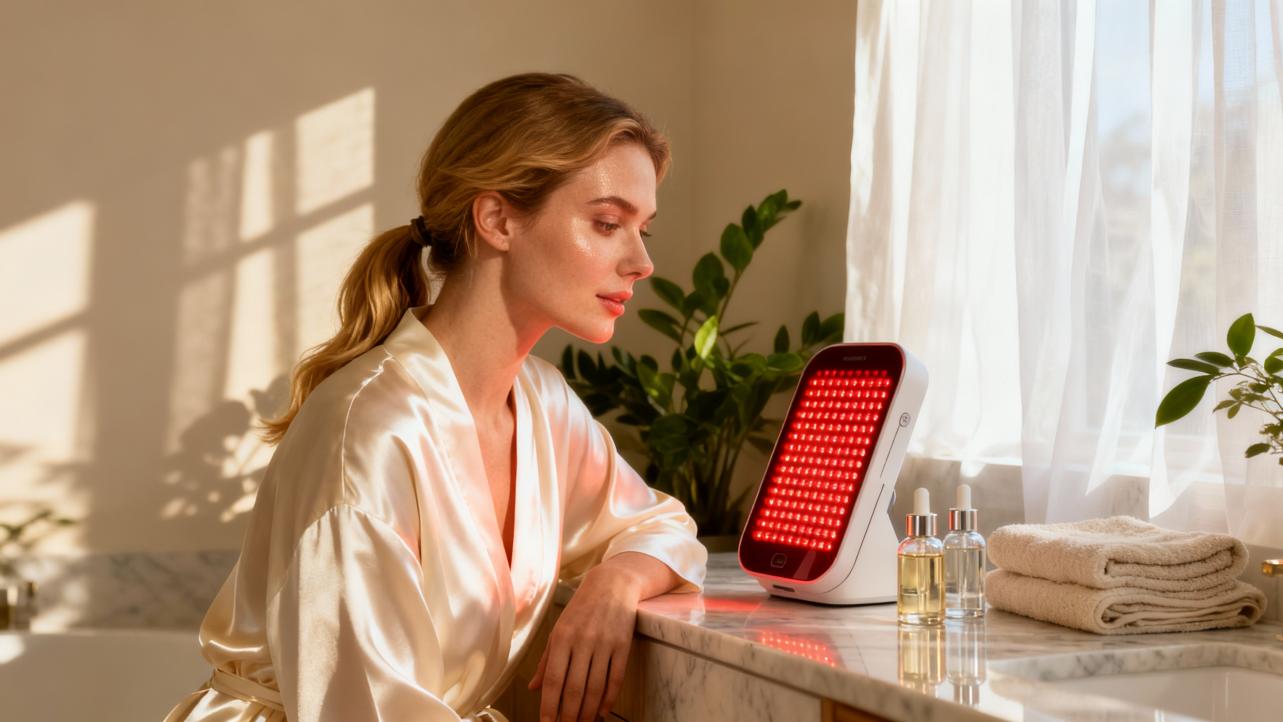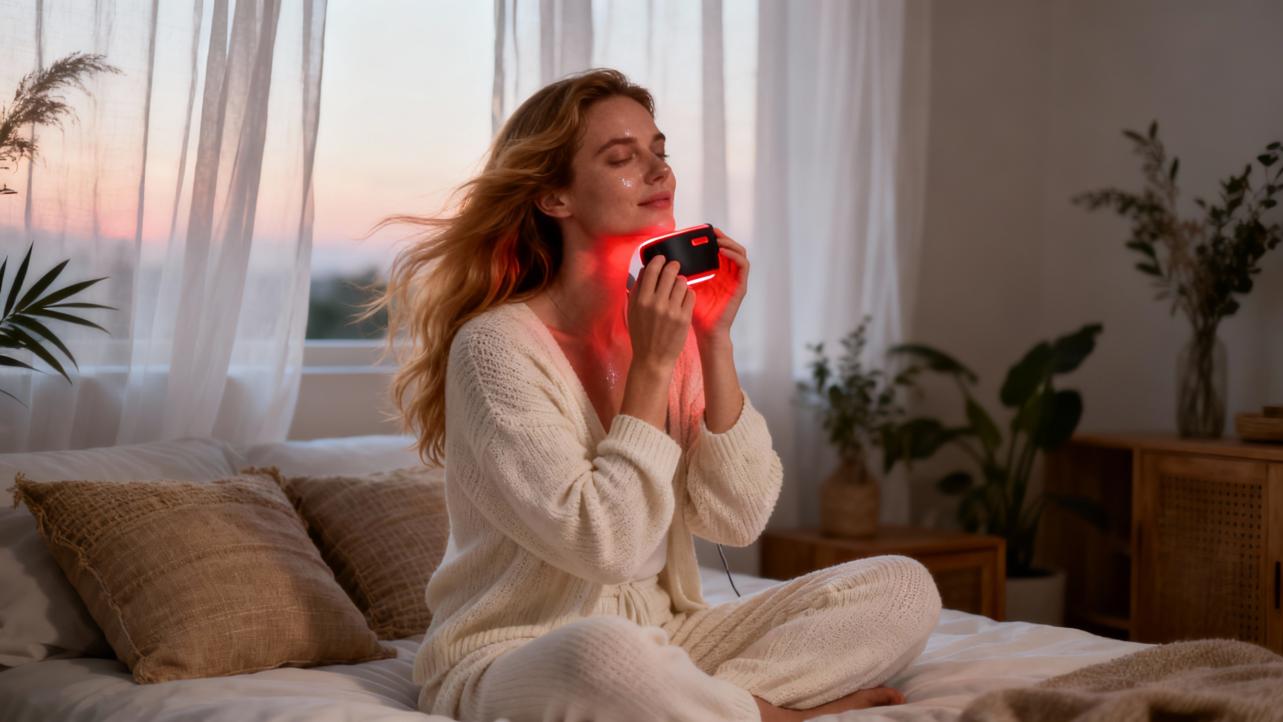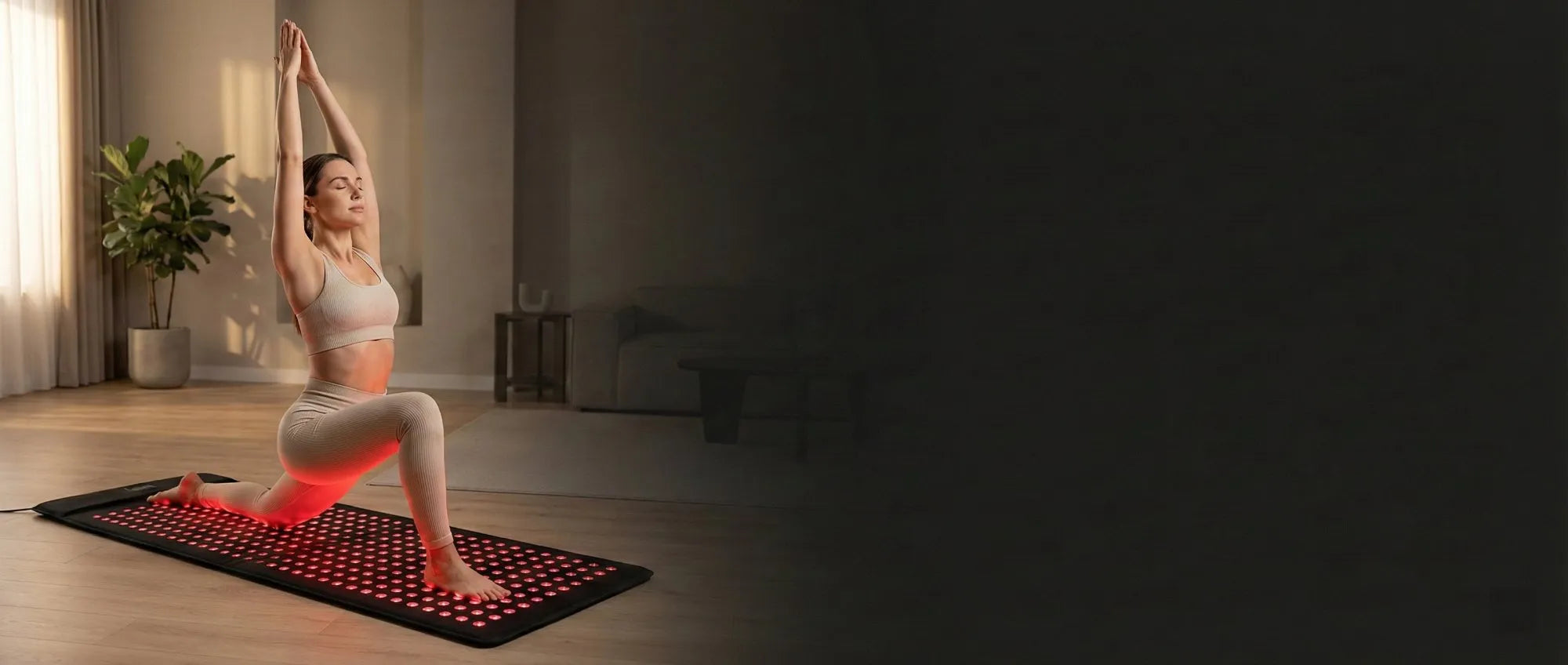
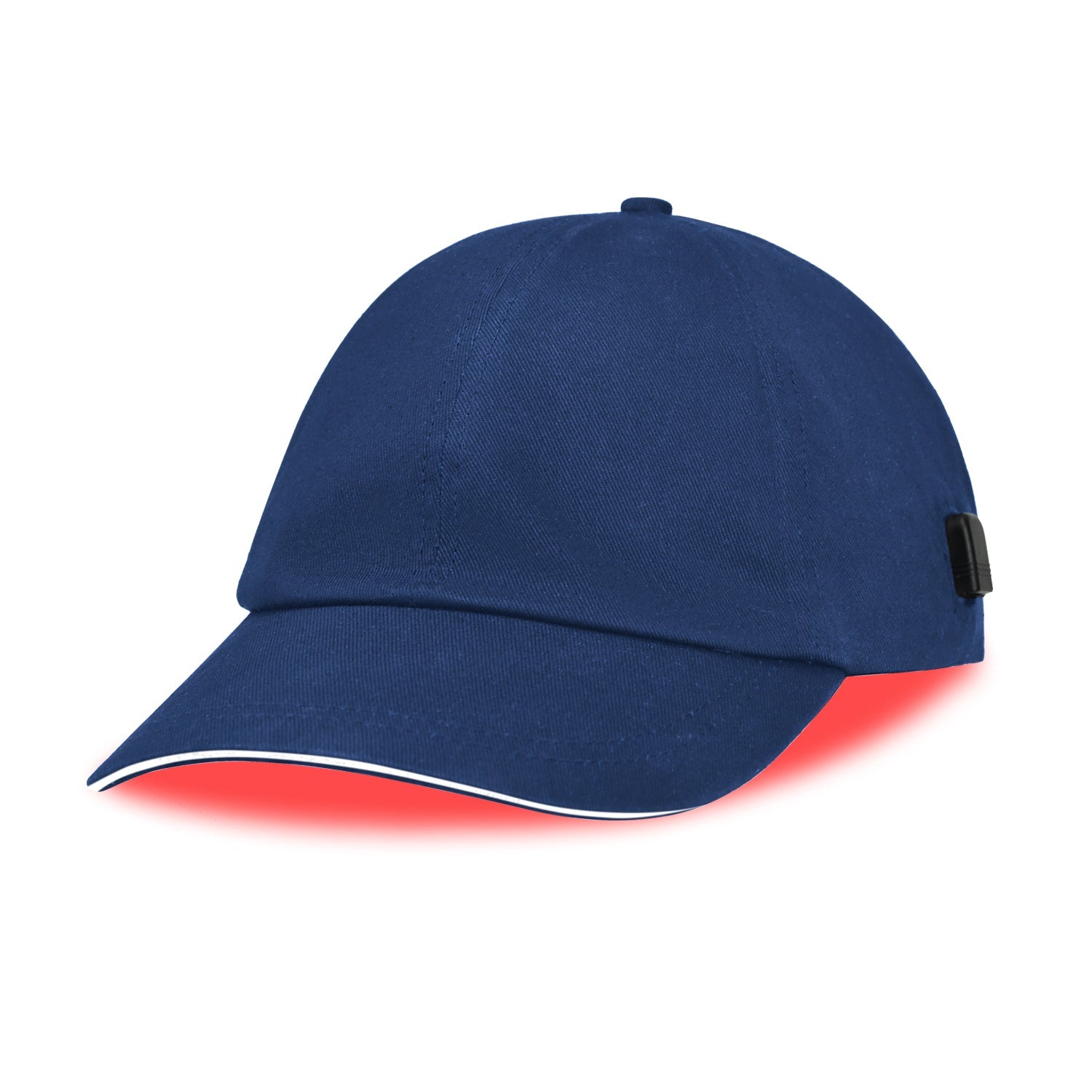
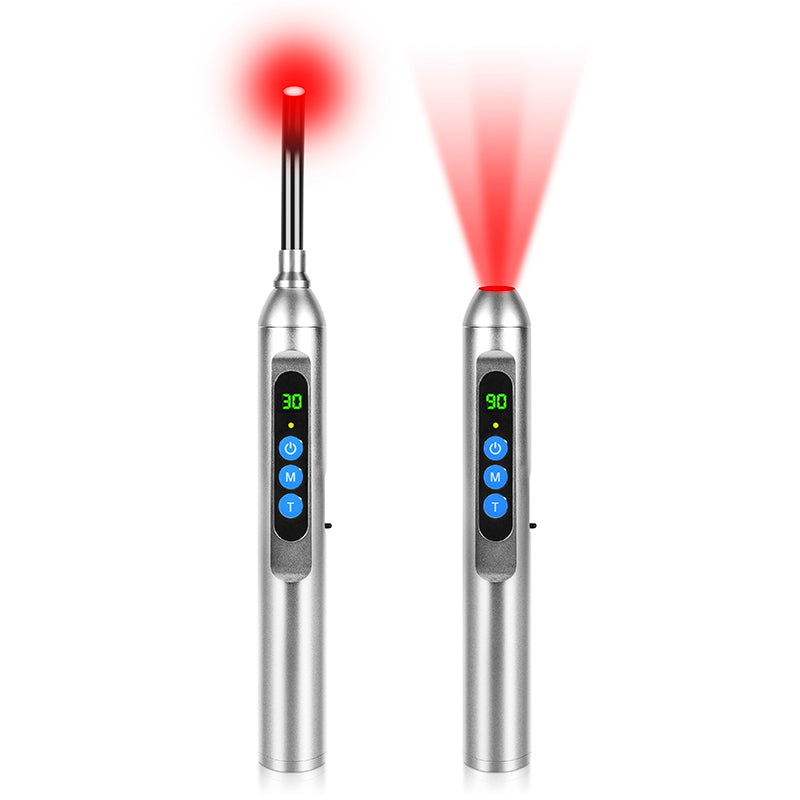

Red light therapy has gone from obscure NASA research to something you now see in dermatology clinics, med spas, gyms, and home bathrooms. The biohacker in me loves that we can now shine very specific wavelengths on skin and deeper tissues and measurably change how cells behave. The skeptic in me insists that those changes be backed by real data, not influencer hype.
If you care about aging well at every decade of life, red light therapy is worth a serious look. The literature from groups such as Harvard Health, Cleveland Clinic, Stanford dermatology, the American Academy of Dermatology, and multiple peer‑reviewed trials paints a clear picture: used correctly, red and near‑infrared light are a low‑risk way to improve several visible and functional aspects of aging. They are not magic, they do not replace sunscreen, sleep, or nutrition, and they absolutely have dose limits. But as a tool in a broader longevity stack, they are powerful.
This guide will walk you through what red light therapy actually does, where the evidence is strongest, how to tailor protocols for different ages and goals, and how to avoid the common mistakes that waste time and money.
What Red Light Therapy Really Is
Red light therapy is also called photobiomodulation or low‑level light therapy. Devices use low‑energy LEDs or low‑power lasers that emit visible red light, typically around 620 to 700 nanometers, and often near‑infrared light in roughly the 800 to 1,000 nanometer range. These wavelengths are non‑UV and non‑ionizing, so unlike tanning beds they do not damage DNA or increase skin cancer risk.
Clinically, red light is already part of standard dermatology care as the activating light in photodynamic therapy for certain precancerous and cancerous skin lesions. In that setting, a drug is applied to the skin and then activated with a specific light. When we talk about anti‑aging and wellness, we are usually talking about red light alone, without a drug, used at low energy for photobiomodulation rather than for destroying tissue.
Historically, NASA investigated red light to help plants grow in space and support wound healing in astronauts. Since then, hundreds of laboratory, animal, and human studies have explored how these wavelengths influence cells in skin, hair follicles, joints, nerves, and more. Photobiomodulation became an official Medical Subject Heading in PubMed in 2015, which gives you an idea of how rapidly the evidence base has grown.

How Red Light Rejuvenates Skin And Tissues
Mitochondria, ATP, And The Cellular “Battery”
The most consistent mechanism across studies is mitochondrial. Red and near‑infrared photons are absorbed by chromophores in the mitochondrial respiratory chain, especially cytochrome c oxidase. Research summarized in dermatology trials and reviews shows that this absorption increases production of ATP, the cell’s energy currency, and modulates the redox state and gene expression.
When energy production improves, cells can do more of the repair work they are wired for: synthesizing collagen and elastin, repairing DNA damage, balancing inflammatory signals, and restoring normal cell turnover. Red light also appears to cause mild vasodilation, which improves local blood flow and nutrient delivery.
Several papers emphasize that this is a dose‑dependent effect. At low doses there may be no meaningful change. At an optimal dose range you see stimulation and repair. At excessively high doses biological activity can be inhibited. This “Goldilocks” or biphasic dose response has been observed in both small facial studies and a larger full‑body trial, and it is one reason that “more minutes” is not automatically better.
Collagen, Elastin, Hyaluronic Acid, And Dermal Remodeling
Collagen loss and elastin damage are core drivers of wrinkles, sagging, and thinning skin. Multiple sources, including Florida Academy, West Dermatology, Harvard Health, and a controlled trial of a high‑irradiance facial mask, converge on several findings.
A three‑month study of a red LED mask delivering light around 630 nanometers at a power density near 22 milliwatts per square centimeter, used twice weekly for 12 minutes on the face, found progressive improvements in wrinkle depth, cheek roughness, skin firmness, elasticity, and dermal density on ultrasound. Importantly, benefits persisted for up to a month after stopping, suggesting real structural remodeling rather than a short‑lived plumping effect.
A separate randomized controlled trial with 136 volunteers used full‑body red or polychromatic light in the 570 to 850 nanometer range for 30 sessions over about 15 weeks. Compared with controls, treated participants had significantly better skin complexion and feeling, reduced roughness on profilometry, and increased intradermal collagen density.
Across clinical and spa settings, red light has repeatedly been shown to stimulate fibroblasts, the cells that make collagen and elastin, and to increase production of hyaluronic acid. People often report firmer, bouncier, more hydrated skin and smaller‑appearing pores with consistent use.
Inflammation, Circulation, And Repair
Inflammation is one of the under‑appreciated drivers of premature aging. Red light has measurable anti‑inflammatory effects. Cleveland Clinic and WebMD note that low‑level red light can reduce inflammation in conditions ranging from ankle tendinitis and knee osteoarthritis to chemotherapy‑related mouth sores.
Dermatology sources such as Venusrising Medspa, West Dermatology, and the American Academy of Dermatology describe how red light calms redness and irritation in acne, rosacea, and eczema. It also accelerates wound healing and can improve the appearance of scars from acne, surgery, or injury, although Stanford experts point out that wound healing data are mixed and that some studies fail to show long‑term differences once healing is complete.
Improved microcirculation is a recurring theme. By increasing blood flow and capillary formation, red light helps deliver more oxygen and nutrients to tissues and remove inflammatory byproducts. That is part of why athletes and people with chronic pain use it to recover from workouts and calm sore joints.
Hair Follicles And Scalp Health
One of the earliest red light discoveries was in hair. In the 1960s, experiments designed to test whether low‑level lasers might cause cancer in mice unexpectedly showed increased hair growth instead. Since then, multiple studies summarized by Stanford dermatology, UCLA Health, BSW Health, and WebMD have found that regular red or near‑infrared light exposure can stimulate hair follicles in androgenic (pattern) hair loss.
FDA‑cleared combs, helmets, and caps typically use near‑infrared wavelengths to reach follicle‑rich layers of the scalp. Trials report gradual increases in hair density, thickness, and length over several months, in some cases with effects comparable to topical minoxidil. The catch is that benefits appear to fade when treatment stops, and completely bald areas without viable follicles do not sprout new hair.
What The Science Actually Supports
When you sift through marketing and focus on reputable sources such as Harvard Health, Cleveland Clinic, Stanford, UCLA, WebMD, and the American Academy of Dermatology, a consistent pattern emerges. Certain uses are well supported, others are promising but preliminary, and some popular claims are not backed by evidence.
Here is a high‑level snapshot using only what current research notes support.
Application |
Evidence summary |
Typical setting |
Key limitations |
Facial skin aging (wrinkles, texture, tone) |
Multiple small but well‑designed trials show increased collagen, reduced wrinkles and roughness, improved tone, and dermal thickening after several weeks to months of structured protocols. |
Dermatology clinics, med spas, and increasingly at‑home masks and panels. |
Studies are often small and short‑term; optimal dosing, device parameters, and long‑term outcomes are still being refined. |
Acne and redness |
Red light reduces inflammation and supports healing. When combined with blue light, several studies report greater acne clearance than with a single color. |
Clinics and esthetics practices, some at‑home masks with red plus blue modes. |
Many trials are limited in size; blue light can irritate sensitive or melasma‑prone skin and should be used cautiously. |
Hair loss (androgenic alopecia) |
Reviews of multiple trials find that low‑level red and near‑infrared light can thicken existing hair and slow loss when used consistently over months. |
FDA‑cleared combs, caps, helmets in clinics and at home. |
Effects are maintenance‑dependent; hair regresses when treatment stops and dead follicles are not revived. |
Wound healing and scars |
Some studies (for example after eyelid surgery) show faster early healing or quicker scar resolution on treated areas; others show no long‑term difference once healing finishes. |
Medical and surgical aftercare, sometimes home devices. |
Mixed results mean expectations should stay modest; light is adjunctive, not a replacement for proper wound care. |
Joint pain, arthritis, tendinopathy |
Reviews cited by WebMD and Cleveland Clinic note low‑to‑moderate quality evidence for short‑term reduction of inflammatory pain and improved function in rheumatoid arthritis and tendinopathies. |
Physical therapy clinics, pain centers, some home panels and pads. |
Benefits can be temporary and may fade within weeks after stopping; osteoarthritis results are weaker; more robust trials are needed. |
Brain and cognition |
Early work, including a 2021 study of daily six‑minute head and nasal treatments over eight weeks, suggests possible cognitive improvements in mild to moderate dementia. |
Specialized headsets and helmets under research protocols. |
Studies are small, often uncontrolled; experts stress that claims in this area remain speculative. |
Weight loss and body contouring |
WebMD notes that some providers use red light for body contouring with temporary circumference changes in treated areas, but not real fat loss. |
Some aesthetic clinics and spas. |
No solid evidence that red light causes meaningful, lasting weight loss; marketing claims here should be viewed skeptically. |
Across these domains, professional organizations emphasize that red light therapy is generally safe when used correctly, but that many consumer devices and wellness centers overstate benefits. It should be one modality in a broader care plan, not a replacement for evidence‑based medical treatment.

Device Choices And Dosing: Designing A Smart Protocol
You can absolutely get meaningful anti‑aging benefits at home if you treat your setup like an experiment rather than an impulse buy. The strongest protocols in the literature share several parameters.
Wavelengths And Device Types
Most skin‑focused studies use visible red light in the 630 to 670 nanometer range. Some combine this with near‑infrared around 830 to 850 nanometers to reach deeper structures. For example, Dp Dermaceuticals devices use 633 nanometer red plus 830 nanometer near‑infrared, while research reviewed by Cleveland Clinic notes devices spanning 630 to 850 nanometers for therapeutic benefit. HealthLight recommends 630 to 850 nanometers for home pads targeting pain and inflammation.
Red light tends to concentrate its effects in the epidermis and superficial dermis. Near‑infrared penetrates more deeply toward muscle, joints, and perhaps even brain tissue, which is why athletic recovery devices emphasize near‑infrared.
Devices come in several formats backed by the research notes.
Device type |
Best use cases |
Pros |
Tradeoffs |
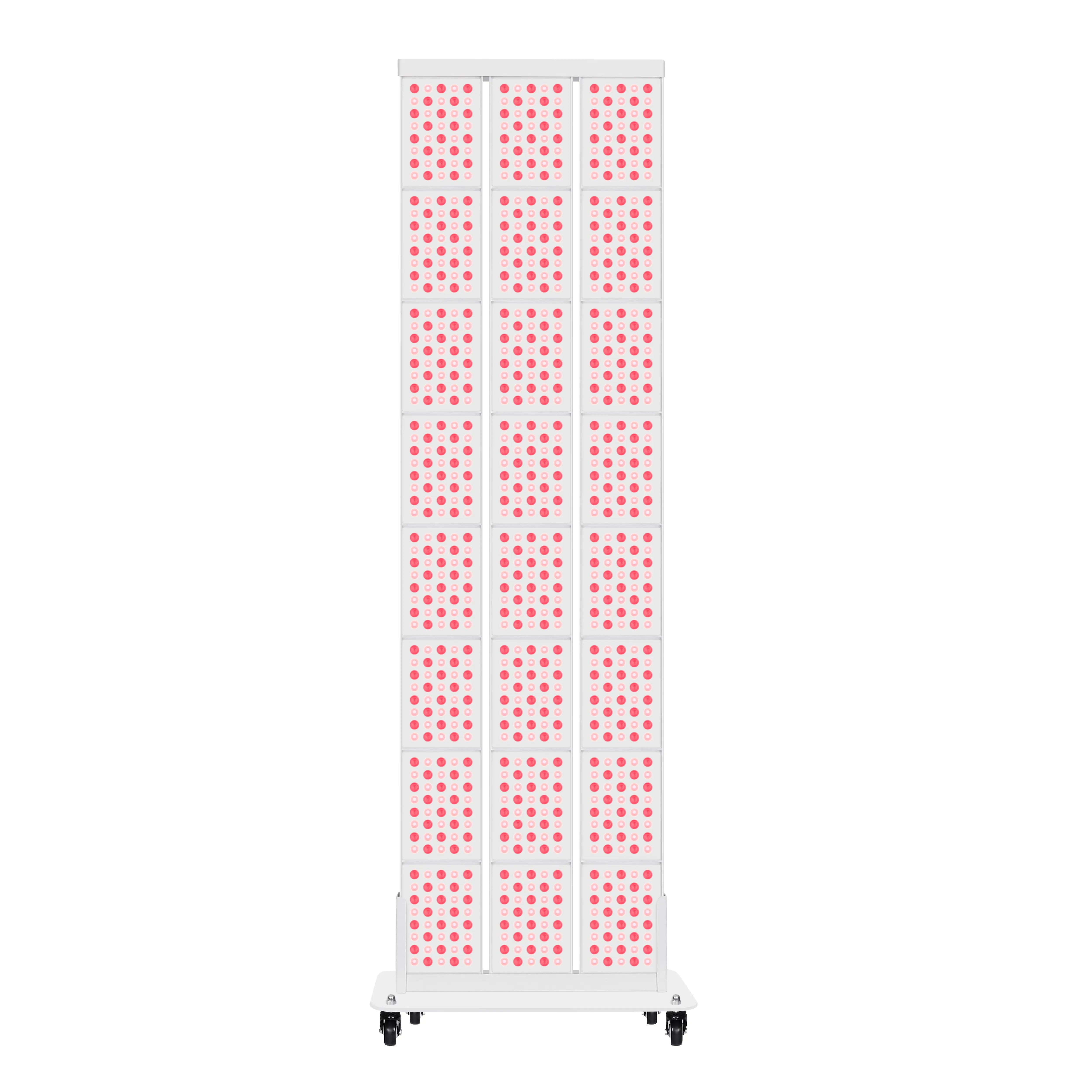
Global skin quality, systemic pain or fatigue, full‑body collagen and circulation support. |
Cover large surface area quickly; more standardized power in clinics. |
Expensive, require space and time; home panels vary widely in power and quality. |
|
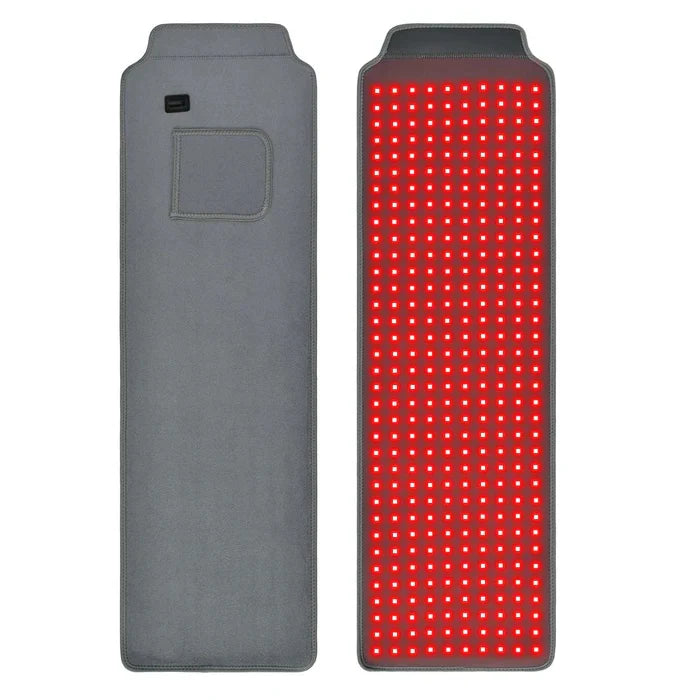
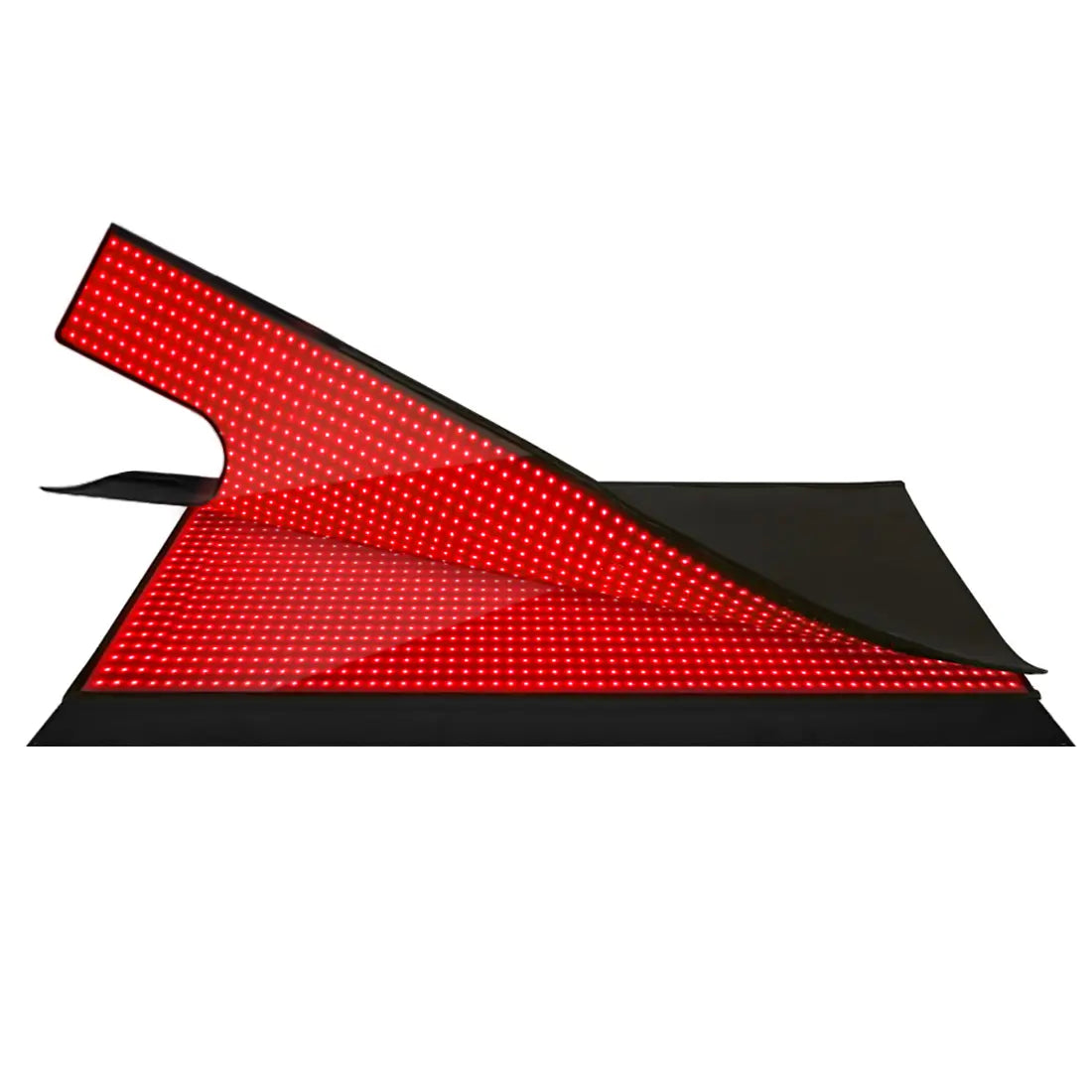
Flexible pads and wraps |
Localized pain, tendons, joints, feet, and ankles; some skin applications. |
Conform to body contours; can be strapped on and used while seated; often comfortable for frequent use. |
Smaller coverage; you may need multiple pads for larger areas; quality and wavelength specs matter. |
Wearable masks and targeted panels |
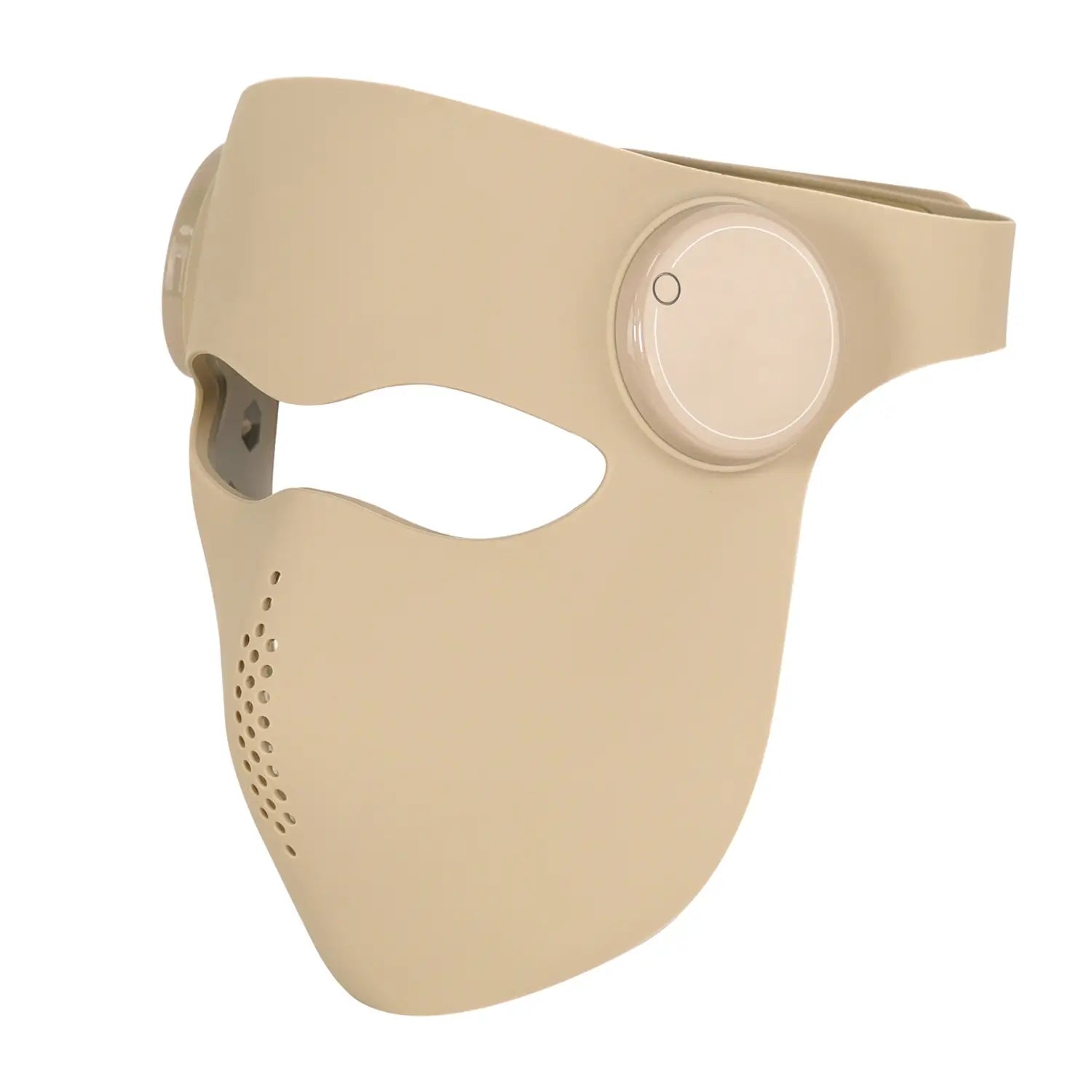
Face, neck, chest, and hands for wrinkles, pigmentation, and redness. |
Strong evidence base for anti‑aging; easy to use at home between clinic treatments. |
Limited to the zones the mask covers; cheaper masks can be underpowered or poorly characterized. |
Handheld wands |
Small spots on face, hands, or scars; sensitive skin that prefers very targeted dosing. |
Highly targeted; convenient for travel. |
Easy to underdose or overdose an area if moved inconsistently; time‑intensive for larger regions. |
Whatever you choose, look for clearly stated wavelengths within therapeutic ranges and, where possible, FDA‑cleared status for the specific indication. Harvard Health and the American Academy of Dermatology both highlight that some devices are FDA‑cleared primarily for safety, not guaranteed cosmetic efficacy, but clearance still filters out the worst offenders.
Power, Distance, And Session Length
One of the easiest ways to ruin red light therapy is to ignore dosing. Atria’s clinical guidance and controlled trials suggest that power densities in the neighborhood of about 20 to 100 milliwatts per square centimeter, delivered for roughly 5 to 20 minutes per area, are typical for skin and superficial tissues. The high‑irradiance facial mask study achieved a dose of about 15.6 joules per square centimeter in 12 minutes at around 21.7 milliwatts per square centimeter. In the full‑body trial, different lamp types were calibrated so that the red band dose around 611 to 650 nanometers was roughly 9 joules per square centimeter per session, even though total spectral output varied.
Most panel manufacturers translate this into practical instructions using distance. Atria suggests keeping panels roughly 6 to 24 inches from the body, with closer distances giving stronger intensity to a smaller area. BlockBlueLight recommends about 12 to 36 inches for purely cosmetic skin work and 6 to 12 inches when you are targeting deeper tissues like muscles or joints. Pads and masks, by design, sit directly on the skin but tend to operate at lower irradiances because they are so close.
Dermatologists such as Doctor Rogers often favor lower irradiance with slightly longer sessions, especially in sensitive or melasma‑prone skin, to reduce the risk of irritation or heat buildup. That is a good illustration of the biphasic response: you want to stimulate, not overwhelm. Clinics commonly use session lengths of about 10 to 20 minutes, sometimes extending to 30 minutes for professional devices, while at‑home masks from brands like Omnilux or Solawave often standardize at 10 minutes.
Frequency And Consistency
If there is one theme all the data agree on, it is this: consistency beats intensity.
Cleveland Clinic notes that people typically need ongoing sessions one to three times per week over weeks to months, with occasional touch‑ups. Atria recommends at least three days per week, often three to five days initially, increasing toward daily if tolerated. BlockBlueLight and several at‑home device companies report visible changes in three to six weeks with ten to twenty minute sessions three times per week, with further gains over three to four months. The Lucibel mask study used two sessions per week for three months and still achieved meaningful improvements.
Hair, tendons, and arthritis often need even longer. Reviews summarized by WebMD and UCLA indicate that many musculoskeletal and pain outcomes improve during active treatment and drift back toward baseline within weeks after stopping. Hair regrowth likewise tends to slow or reverse once therapy is discontinued.
The practical translation is simple. Expect to commit to at least eight to twelve weeks where you are using red light therapy three to five times per week before you make any big decisions about whether a protocol is working. After that, many people can shift to a maintenance rhythm a few times per week.
Timing Within The Day
Because red and near‑infrared light can interact with circadian and hormonal biology, timing is not trivial.
Atria notes that red and near‑infrared light alone can be used at whatever time best fits your sleep patterns, though some people find sessions energizing and prefer mornings, while others find them relaxing and prefer evenings. If your device includes blue light for acne, however, both Atria and several dermatology sources recommend keeping that strictly to morning or afternoon. Blue light in the evening can confuse your circadian clock and make it harder to wind down.
Rouge, a home device company that has gone deep on protocol education, suggests avoiding very bright panel light straight into the eyes within about two hours of bedtime and often recommends anchoring sessions around sunrise or earlier in the evening instead. This is consistent with what we know about light and melatonin.

Age‑Specific Anti‑Aging Strategies
The core biology of red light does not change with age, but your strategy should. The skin of a twenty‑year‑old with acne is a different ecosystem than the skin of a sixty‑year‑old with actinic damage and joint pain.
Teens And 20s: Acne, Barrier Health, And Prevention
For younger skin, the main evidence‑based uses are acne control, redness reduction, and early prevention of photoaging.
Florida Academy and Venusrising highlight that red light can calm inflammatory acne and support healing without the dryness and irritation common with some topical medications. Blue light is particularly effective against acne‑causing bacteria and, when combined with red, has outperformed single‑wavelength treatments in a large acne study reviewed by UCLA. At the same time, blue light carries more risk of irritation and pigmentation issues in melasma‑prone or darker skin, so conservative use under professional guidance is wise.
Red light alone is friendly to sensitive skin when dosed correctly. It can reduce redness, support the skin barrier, and improve texture without downtime. For someone in their late teens or twenties, a realistic anti‑aging goal is to use red light therapy as a complement to meticulous sun protection, a simple evidence‑based skincare routine, and healthy sleep and nutrition, rather than as a stand‑alone “fix.”
30s And 40s: Collagen Rescue And Multi‑Zone Care
This is the decade where subtle loss of collagen, elastin, and hyaluronic acid starts to show up as fine lines, dullness, and loss of snap. It is also when many people start noticing that their neck, chest, and hands do not match the work they have put into their face.
Dp Derm points out the “three faces of aging”: the face, the neck and chest, and the hands. Hands and the décolletage are constantly exposed to ultraviolet light and environmental damage yet often get neglected in skincare routines. Red light’s ability to stimulate collagen and elastin, even out tone, and fade sun damage makes it ideal for these forgotten zones.
One strategy that blends clinic‑grade rigor with real‑life convenience is to pair in‑office treatments with structured at‑home sessions. For example, a med spa might use a professional LED canopy that covers face, neck, chest, and hands in customized zones, while recommending a flexible mask like the Dp Dermaceuticals or Omnilux devices, which use well‑studied red and near‑infrared wavelengths, for home maintenance three to five times per week. Research on these masks and on full‑body panels shows that this type of regimen can gradually reduce wrinkles, improve firmness, and maintain results achieved with procedures such as microneedling or peels.
50s, 60s, And Beyond: Elasticity, Comfort, And Recovery
Later decades of life bring more advanced collagen loss, dryness, slower healing, and often more joint and muscle discomfort. The good news is that many red light trials have actually focused on middle‑aged and older adults.
The Lucibel mask study enrolled adults between 45 and 70 years old with visible facial aging and documented improvements across wrinkles, sagging, elasticity, and dermal density over three months. The large full‑body trial included adults up to 79 years old and showed that both full‑body red‑only and polychromatic light were safe and effective for improving skin feel and appearance, with no major side effects.
For joints and tendons, reviews summarized by WebMD and Cleveland Clinic found that red light can provide short‑term relief in rheumatoid arthritis and tendinopathy, and may help with some types of low back pain. HealthLight, which develops home pads, notes that red light can support pain reduction and tissue repair in a wide variety of conditions, though it does not cure underlying disease.
In practice, that means someone in their 60s might legitimately use red light in two parallel ways: a cosmetic protocol for face, neck, chest, and hands to maintain skin quality, and a therapeutic protocol with flexible pads for knees, shoulders, or back to help manage pain and stiffness, always in coordination with their physician.

Integrating Red Light Into A Broader Anti‑Aging Lifestyle
Harvard Health, Cleveland Clinic, and the American Academy of Dermatology all stress that red light therapy is an adjunct, not a replacement, for core skin and health habits.
From a longevity perspective, the hierarchy looks something like this. Daily broad‑spectrum sun protection, a diet rich in whole foods, consistent movement, restorative sleep, and smart management of stress and metabolic health do the heavy lifting. Red light therapy can then be layered on top to accelerate collagen repair, support barrier function, ease inflammation, and boost the cosmetic and functional results of other treatments.
Several sources recommend pairing red light sessions with thoughtful skincare. Doctor Rogers and Zap Laser Center suggest starting with clean, bare skin, avoiding strong exfoliants, acids, or retinoids immediately before a session, and focusing instead on hydrating serums such as hyaluronic acid. After treatment, soothing moisturizers and barrier creams help lock in moisture and comfort, while daily mineral sunscreen protects the freshly energized tissue from ultraviolet damage. Solawave emphasizes patch testing and ramping up gradually, especially in sensitive skin.
Hydration is another low‑risk lever. Rouge and other home‑therapy educators note that well‑hydrated cells may respond more robustly to photobiomodulation. While the clinical evidence on hydration timing is still early, there is no downside to drinking water throughout the day and using a good moisturizer before and after sessions.
Some integrative practices combine red light therapy with other modalities such as exercise, proper nutrition, or even hyperbaric oxygen therapy, based on the logic that healthier mitochondria and better oxygen delivery synergize. The hard data on stacked protocols are limited, so think of these pairings as experimental and always run them past your healthcare team if you have medical conditions.
Safety, Risks, And Who Should Be Cautious
Short‑term, directed use of red light therapy appears generally safe across skin types and ages when used as instructed. Devices deliver non‑thermal, non‑UV light, and large studies have not linked these wavelengths to increased skin cancer risk. Side effects are usually mild and transient, such as temporary redness, tightness, or slight irritation.
At the same time, several important caveats appear repeatedly in guidance from Cleveland Clinic, WebMD, Harvard Health, Stanford, UCLA, and the American Academy of Dermatology.
Misuse can cause issues. Very high intensities or excessively long sessions have caused skin redness and blistering in early‑stage trials. Overuse can also backfire biologically because of the biphasic dose response, blunting or even reversing benefits.
Eyes deserve respect. Because the light can be intense, experts recommend protective eyewear during facial or full‑body treatments and advise you never to stare directly into the LEDs. Most at‑home masks and panels ship with goggles for good reason.
Certain groups should talk to a doctor before starting. People taking medications that increase light sensitivity, those with photosensitive conditions such as lupus, anyone with a history of skin cancer or significant eye disease, and those with melasma‑prone skin should get individualized guidance, ideally from a board‑certified dermatologist. Harvard Health also notes that darker skin tones may be more prone to developing dark spots from visible light, so starting with lower doses and professional oversight is prudent.
Pregnancy data are limited but somewhat reassuring. WebMD cites a study of 380 pregnant women who received laser light treatments without apparent harm to parent or fetus, yet most clinicians still recommend caution and individual consultation during pregnancy.
From a device standpoint, quality matters. Atria and the American Academy of Dermatology recommend prioritizing devices from reputable manufacturers, with clear wavelength specifications and, where applicable, FDA‑cleared status. Many cheaper online imports are not FDA‑listed, making safety and quality uncertain.
Finally, cost and expectations should be realistic. At‑home devices commonly range from about one hundred to one thousand dollars according to BSW Health and Harvard Health. In‑office sessions can cost eighty dollars or more each, and red light used for cosmetic purposes is rarely covered by insurance. Multiple sessions are usually needed, and maintenance is ongoing.

A Sample Evidence‑Informed Routine
Every protocol should be individualized, but combining the parameters from clinical studies and medical guidance gives you a reasonable starting template.
For facial and neck anti‑aging, a healthy adult might choose an FDA‑cleared red light mask or a panel that delivers red light around 630 to 670 nanometers, optionally combined with near‑infrared around 830 to 850 nanometers. Sessions would typically last about 10 to 20 minutes per area, three to five times per week, at a distance of roughly 6 to 24 inches for panels or in direct contact for masks. The skin should be clean, with makeup and sunscreen removed. Hydrating serum and moisturizer can be applied afterward, followed by daily sunscreen. Consistency over at least three months is key before judging results.
For joint or tendon discomfort, a person might use flexible pads emitting 630 to 850 nanometer light, placed directly on the affected area for 10 to 20 minutes, up to once or twice daily depending on device instructions. Research reviews suggest that benefits in pain and function often track with active treatment and may recede after stopping, so this is best seen as an ongoing supportive therapy alongside exercise, physical therapy, and medical management.
In all cases, it is wise to start on the low side of manufacturer‑recommended time and frequency, monitor how your skin and body respond for several weeks, then adjust. If you notice persistent redness, irritation, or any worsening of a condition, dial back or stop and consult a healthcare professional.
Quick Questions
How long before I see results?
Most cosmetic studies and expert summaries converge on a timeline of several weeks to several months. Some users in trials saw visible changes in skin tone or acne within about three to four weeks of three times weekly sessions. More structural changes in wrinkles, firmness, and dermal density in the facial mask and full‑body studies emerged progressively over three months and were still detectable a month after stopping. Hair and joint benefits tend to accumulate over months and depend heavily on ongoing use.
Can I overdo red light therapy?
Yes. The Arndt‑Schulz law and repeated observations in clinical work show that too little light does little and too much can inhibit cellular processes or irritate skin. High‑intensity, long‑duration exposures have caused blistering in some trials. Think of this therapy more like a supplement than like surgery: the goal is a precise, repeated nudge, not to “blast” tissues.
Is it a replacement for sunscreen, retinoids, or medical procedures?
No. Harvard Health, Cleveland Clinic, and the American Academy of Dermatology all position red light therapy as a complement to, not a substitute for, core skincare and medical treatments. It can enhance collagen production, even tone, and speed healing, and it can help maintain results from procedures such as microneedling, peels, or laser resurfacing, but it does not erase the need for sun protection, evidence‑based topical treatments, or medically appropriate interventions.
Is red light therapy appropriate at any age?
Most published studies focus on adults, often in midlife or older. Devices are marketed to a broad age range and are generally considered low risk when used correctly, but children and adolescents should only use them under medical guidance, especially when treating medical conditions rather than cosmetic concerns. Older adults with multiple medications or complex health histories should likewise coordinate protocols with their physicians.
Red light therapy is one of the few at‑home biohacking tools that consistently holds up under scientific scrutiny when used intelligently. If you approach it with respect for dosing, a long‑term mindset, and an understanding of its strengths and limits, it can become a quiet but powerful ally in keeping your skin and tissues biologically younger than your chronological age.

References
- https://lms-dev.api.berkeley.edu/does-red-light-therapy-work-for-wrinkles
- https://florida-academy.edu/the-benefits-of-led-light-therapy-a-revolutionary-skin-treatment/
- https://www.health.harvard.edu/staying-healthy/red-light-therapy-for-skin-care
- https://pmc.ncbi.nlm.nih.gov/articles/PMC10311288/
- https://med.stanford.edu/news/insights/2025/02/red-light-therapy-skin-hair-medical-clinics.html
- https://atria.org/education/your-guide-to-red-light-therapy/
- https://my.clevelandclinic.org/health/articles/22114-red-light-therapy
- https://www.gundersenhealth.org/health-wellness/aging-well/exploring-the-benefits-of-red-light-therapy
- https://www.uclahealth.org/news/article/5-health-benefits-red-light-therapy
- https://www.aad.org/public/cosmetic/safety/red-light-therapy