
If you hang out in wellness circles long enough, you start seeing the same scene on repeat. Someone invests in a serious red light mask, lines up three expensive serums on the counter, presses power, and confidently declares that the light is “pushing everything deeper.” As a long‑time light therapy geek who has tested devices since the early LED panels hit clinics, I love the enthusiasm—but I also care about what is actually evidence‑based.
The good news is that there is real science behind red light therapy and skin rejuvenation, and there are solid reasons it can make your serums perform better. The catch is that the benefits are mostly indirect: red light creates a more receptive skin environment rather than acting like a magic syringe that forces product into the dermis.
In this article, I will unpack how red light therapy works, what “enhanced serum absorption” really means, what the research actually shows about light‑plus‑topicals, and how to build a practical routine that uses light as a smart amplifier rather than a gimmick.
Red Light Therapy, In Plain English
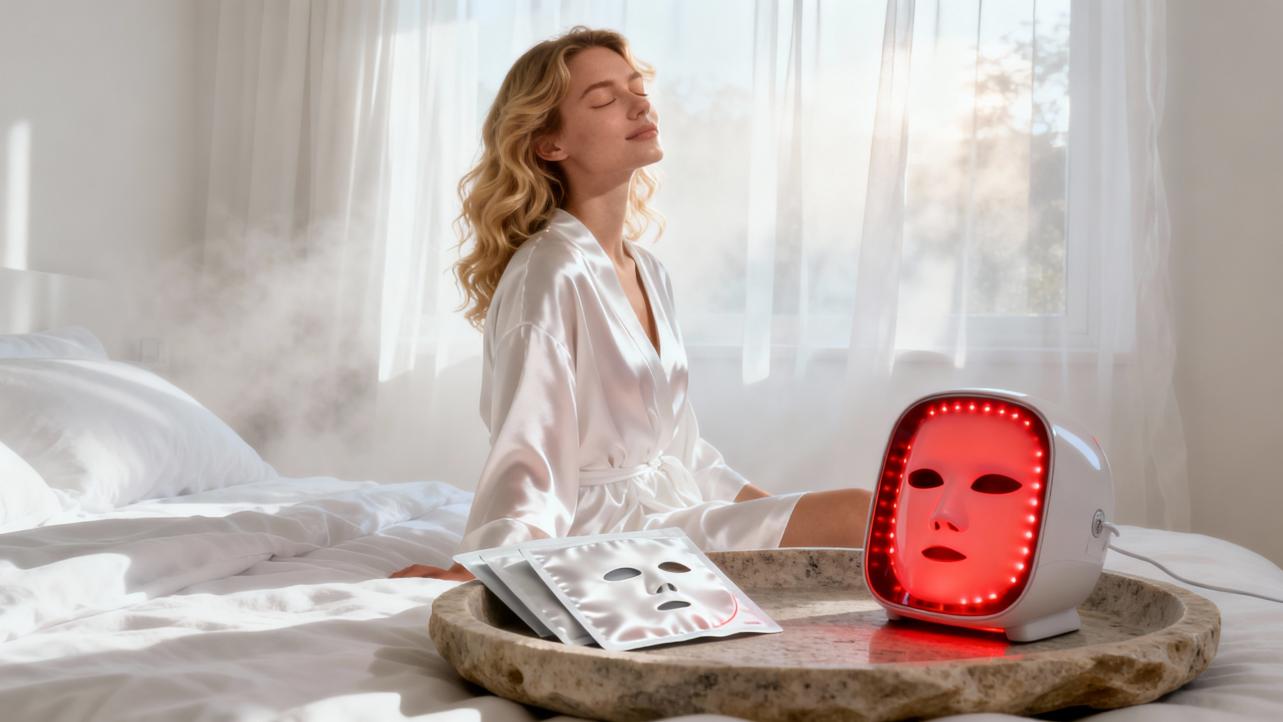
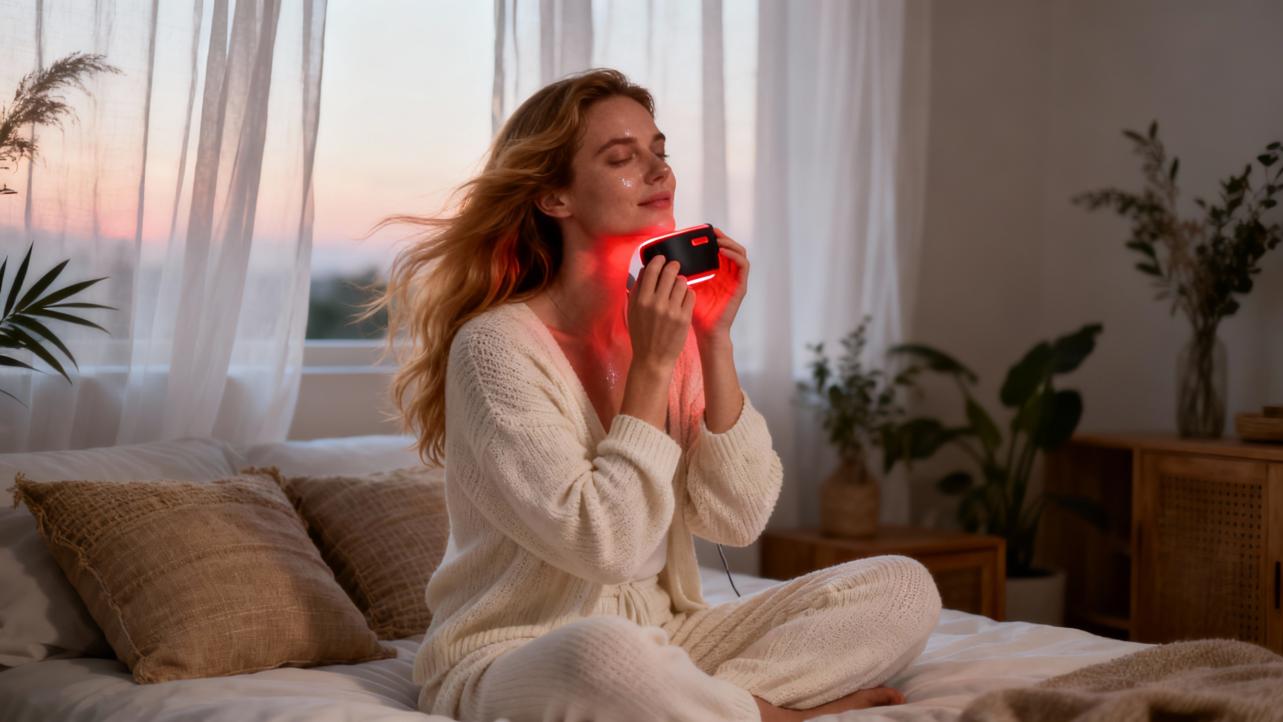
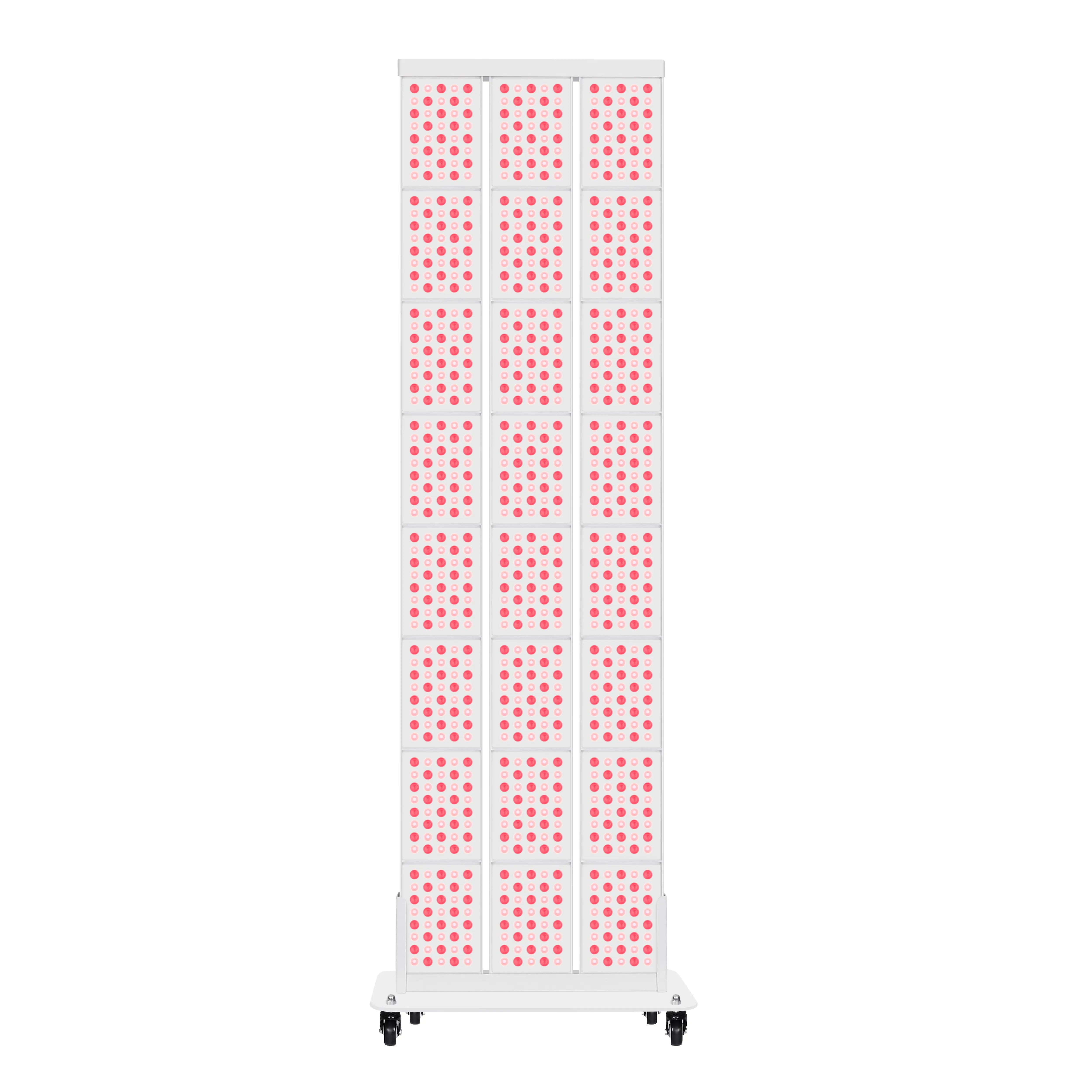
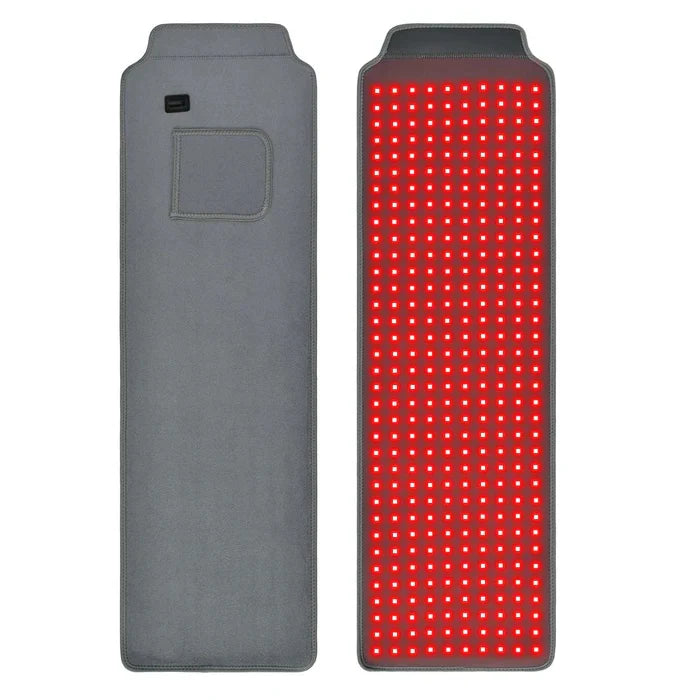
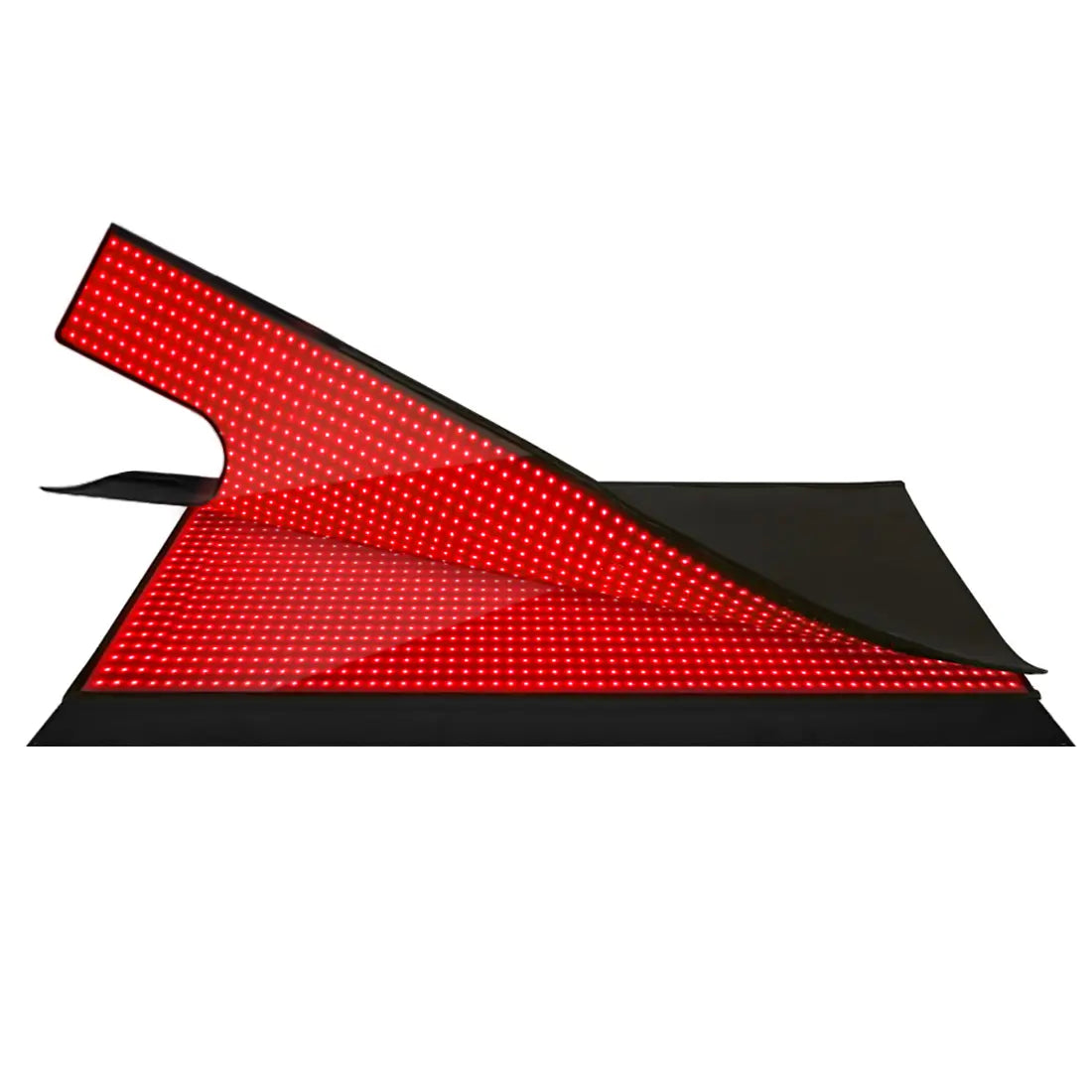
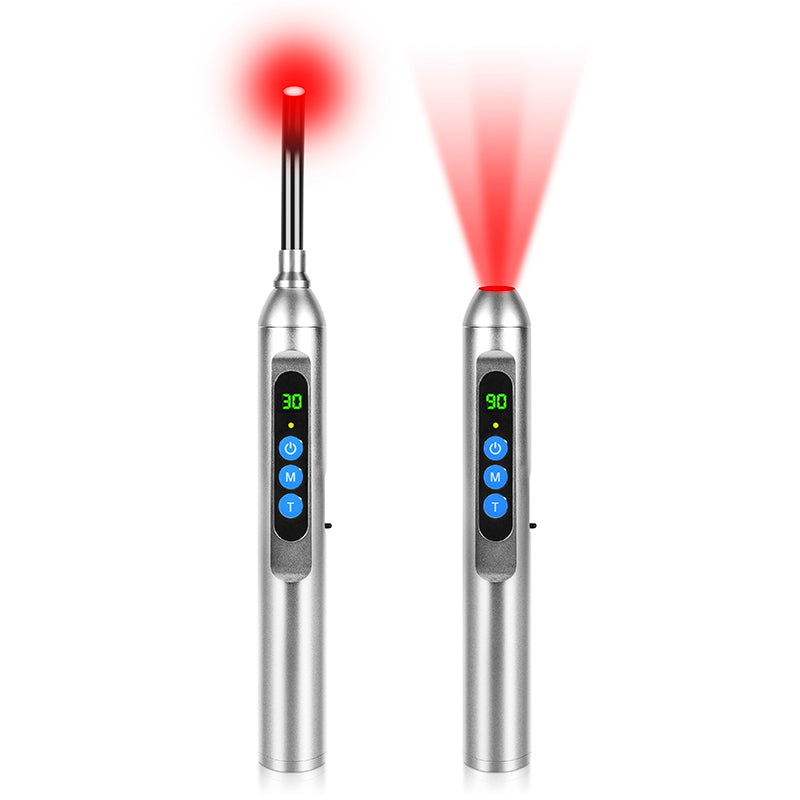
Red light therapy, often labeled low‑level light therapy or photobiomodulation, uses specific red and near‑infrared wavelengths (roughly the mid‑600 nanometer range for red and mid‑800s for near‑infrared) to nudge skin cells into higher‑performance mode. NASA used similar lights decades ago for wound healing experiments. Today, clinics and at‑home devices use LEDs or low‑energy lasers rather than ultraviolet, so there is no tanning or burning.
Health systems such as Cleveland Clinic and Harvard Health describe the same core mechanism. These wavelengths are absorbed by structures in your mitochondria, the “power plants” inside cells. When that happens, several things tend to follow. Cellular energy, measured as ATP, goes up. Fibroblasts, the cells that make collagen and elastin, become more active. Local blood vessels relax and open slightly, improving microcirculation. Inflammatory signaling drops, which calms redness and irritation.
A large body of dermatology research, summarized by groups including Stanford Medicine and in peer‑reviewed photobiomodulation reviews, shows that these effects translate into visible changes. Trials report modest but real improvements in fine lines, wrinkles, skin roughness, and overall complexion, especially with consistent treatments over weeks to months.
One high‑quality clinical study of a 630‑nanometer LED mask used for twelve minutes twice a week over three months found that participants’ crow’s‑feet wrinkles softened by roughly thirty‑eight percent, dermal density increased by almost forty‑eight percent, and sebum output dropped by about seventy percent. Importantly, those gains persisted for around a month after treatment stopped, which suggests deeper structural remodeling, not just a temporary plumping trick.
From a safety standpoint, major organizations such as Cleveland Clinic, Harvard Health, UCLA Health, and Mayo Clinic all converge on a similar message. Short‑term, directed use of red and near‑infrared light appears generally safe, non‑invasive, and free of UV‑type DNA damage when devices are used as directed. The main cautions are overuse, unprotected eyes, photosensitizing medications, and the fact that long‑term dosing rules are still being refined.

What “Better Serum Absorption” Actually Means
When people ask if red light therapy “pushes” serums deeper, they are usually visualizing something like microneedling or injection without needles. That is not what the science shows.
Your outermost skin layer, the stratum corneum, is a remarkably tough barrier made of compressed dead cells and lipids. It is designed to keep water in and the environment out. Most serum ingredients act mainly in the upper layers; only specific small, well‑formulated molecules reach deeper.
So when we talk about red light therapy improving serum absorption, we are really talking about several overlapping effects.
First, we can ask whether more of an ingredient physically crosses that outer barrier. Right now, there are very few human studies that directly measure extra micrograms of serum entering the skin after light exposure. So we do not have a precise “plus thirty percent penetration” statistic to quote.
Second, we can look at delivery. If red light increases microcirculation and lymphatic flow, any ingredients that do pass the barrier can be distributed more efficiently to living cells, rather than stagnating at the surface.
Third, we need to consider cellular responsiveness. A cell that has more ATP, less oxidative stress, and quieter inflammatory signaling is in a much better position to respond fully to vitamin C, peptides, growth factors, niacinamide, and barrier‑repair lipids.
Fourth, we can consider the barrier itself. Photobiomodulation can support healthy lipid and ceramide production and normalize turnover, which makes the barrier more resilient but not hyper‑compacted. That “just right” state can allow beneficial actives to get where they need to go while still protecting you.
Put together, the strongest scientific case is that red light creates a more receptive skin environment—improving circulation, barrier function, and cellular energy—rather than acting as a brute force penetration enhancer. That framing is important, because it keeps expectations honest.
How Red Light Therapy Can Make Serums Work Harder
Several independent lines of evidence, plus what I have seen in practice, point to three main ways red light therapy supports serum effectiveness.
Better Microcirculation And Delivery
Dermatology overviews from Stanford Medicine and photomedicine journals highlight vasodilation as a key mechanism of red and near‑infrared light. The light signals small blood vessels to widen, which increases local blood flow.
For topical products, this matters because once an ingredient crosses the barrier, it relies on microcirculation to reach its cellular targets. When blood and lymph flow are sluggish, even well‑formulated actives can under‑perform. When microcirculation improves, each absorbed molecule can be “more productive,” delivering oxygen, nutrients, and actives more efficiently.
You can think of this like upgrading the plumbing in a house. The walls of the house (your barrier) may be the same thickness, but the pipes behind them suddenly move water a lot better.
Healthier, More Selectively Permeable Barrier
Reviews on LED phototherapy and skin barrier function note that red light appears to support the synthesis of lipids and ceramides that make up the barrier, while normalizing the rhythm of cell turnover. Rather than making the barrier leaky, red light nudges it out of a stressed, compacted state into something more functional.
Some skincare‑focused analyses describe red light as opening “channels” in the barrier in a controlled way, alongside its impact on blood flow and ATP production. In practical terms, that means skin may temporarily allow more water‑based formulas to access follicles and upper layers, especially when the tissue is gently warmed and relaxed. This effect is subtle compared with heat‑based devices, but it is one more piece in the absorption puzzle.
Energized, Less Inflamed Cells
Health systems such as Cleveland Clinic and UCLA Health, along with many PubMed‑indexed studies on photobiomodulation, emphasize that light energy absorbed by mitochondria boosts ATP production and influences the cellular redox state. That energy spike is not random; it is associated with increased synthesis of collagen and other structural proteins, shifts in gene expression toward regeneration rather than breakdown, and more balanced reactive oxygen species.
At the same time, red light shows consistent anti‑inflammatory effects in contexts ranging from acne to radiation‑induced skin injury. That is crucial for serum tolerability. Sensitive or reactive skin often struggles with potent actives not because the ingredients are “bad,” but because the baseline inflamed state makes every application feel like an attack. Calming that baseline inflammation tends to reduce stinging and makes it realistic to use ingredients that actually help.
An ATP‑rich, less inflamed cell is simply easier to help. It can take what your serum is offering and do the repair work.
What The Research Says About Light Plus Topicals
Most of the best clinical data look at red light itself rather than light‑plus‑one‑specific‑serum, but the patterns are still instructive.
A controlled trial published in Photomedicine and Laser Surgery used combined red and near‑infrared light for skin rejuvenation. Compared with untreated controls, participants had significant improvements in skin roughness, complexion, and intradermal collagen density. In one study, more than ninety percent of participants described their skin as softer and smoother after treatment. These changes happened without any changes to their basic topical routine, which tells you that light alone can move the needle.
The Dior × Lucibel mask study is particularly relevant for real‑world routines. Twenty adults with visible facial aging used a 630‑nanometer LED mask at home for twelve minutes twice a week over three months, spaced roughly seventy‑two hours apart. Researchers tracked wrinkle depth, sagging, firmness and elasticity, dermal density, roughness, pore size, sebum, and complexion homogeneity.
By one month, crow’s‑feet wrinkles were already down about fifteen percent, dermal density up more than twenty‑six percent, and sebum reduced about thirty‑five percent. By three months, crow’s‑feet softened by around thirty‑eight percent, sagging scores dropped roughly twenty‑five percent, dermal density increased nearly forty‑eight percent, skin roughness decreased almost twenty‑four percent, pore size reduced about thirty‑three percent, and sebum fell around seventy percent. One hundred percent of volunteers reported an overall improvement in skin quality, and follow‑up measurements showed that the gains held for at least a month after they stopped using the mask.
Participants used the mask on clean faces while keeping their usual day and night products. That is exactly the pattern I see when people use a well‑designed light routine and then apply high‑quality serums consistently: light improves the “soil” and structure, and the same products suddenly seem to yield better glow, texture, and balance.
Industry‑facing and consumer education articles from LED‑focused brands and clinics echo this. They describe combining LED sessions with peptide creams, hydrating serums, or post‑procedure products to enhance visible effects. A dermatology‑oriented LED guide from Glo Skin Beauty, for example, specifically notes that serums and moisturizers applied after LED treatment may absorb better and perform more effectively.
Mechanistic research reinforces the importance of using biologically active wavelengths. A wound‑healing study in mice compared four wavelengths delivered at identical doses. Red light around 635 nanometers and near‑infrared around 810 nanometers significantly sped re‑epithelialization and collagen formation, while 730 and 980 nanometers did not help under the same conditions. That supports the idea that “red” is not enough on its own; wavelength and dose matter.
What we still lack are human trials that compare “serum alone” with “serum plus red light” while measuring ingredient penetration directly. Until those arrive, the most honest summary is that light clearly improves the skin’s internal environment and structural health, and that in both clinical and real‑world use, adding evidence‑based serums on top of that environment tends to produce faster and more noticeable changes.
Choosing The Right Serums To Pair With Red Light
Different serum categories harmonize with red light in different ways. Based on the research and the routines I have seen work best, a few classes stand out as particularly smart partners, while others are better saved for non‑light times.
Hydrating serums built around hyaluronic acid are almost tailor‑made for red light routines. Studies and brand guides emphasize that hyaluronic acid pulls water into the upper layers of the skin and improves plumpness. When you apply it after a light session, you are pouring hydration into tissue that has increased microcirculation and freshly energized cells. In clinical practice, people often notice a “juicier” look within a couple of weeks when they keep this combo consistent.
Peptide serums are another logical match. Short chains of amino acids can signal skin to build more collagen and elastin. Several LED‑focused guides, including Neo Elegance and RD Alchemy, explicitly recommend pairing peptide‑rich serums with red light to amplify anti‑aging effects on firmness and fine lines. You are essentially stacking a biophysical stimulus (light) with a biochemical stimulus (peptides) that aim at the same fibroblast machinery.
Vitamin C serums, especially those designed for daytime, bring antioxidant and brightening power. Articles aimed at LED users suggest applying vitamin C after red light sessions rather than during, to avoid any potential interference with light penetration. In that slot, vitamin C can help neutralize free radicals, support collagen cross‑linking, and even out tone on skin that is already enjoying better circulation and reduced inflammation.
Niacinamide, or vitamin B3, deserves a special mention. Multiple guides highlight it for reducing inflammation, tightening the look of pores, and improving texture. Those effects dovetail beautifully with red light’s impact on sebum balance, pore size, and barrier repair, as documented in the LED mask study where pore diameter shrank by more than thirty percent and sebum production fell dramatically over three months.
Barrier‑supportive formulas rich in ceramides and lipids are valuable when you are using light regularly. Photobiomodulation research and brand analyses note that red light supports barrier repair and oil balance. Following your light session with a ceramide‑rich moisturizer or serum helps lock in water, reinforce the barrier, and maintain the gains in homogeneity and smoothness, especially if your skin runs dry or reactive.
On the caution side, several prevention‑focused LED guides advise avoiding strong exfoliating acids, high‑percentage retinoids, benzoyl peroxide, heavy fragrance, and certain essential oils during the actual light session. Neo Elegance specifically recommends keeping retinol out of LED sessions and, if you use it at all, applying it later, such as at night on a non‑light day. These ingredients can raise photosensitivity or irritation risk. In my experience, if you want to combine retinoids or aggressive acids with light, you should only do so under a dermatologist’s guidance and not at the same moment.
To pull this together visually, here is a concise overview.
Serum type |
Primary goal |
How red light supports it |
Best timing with light |
Key cautions |
Hyaluronic acid |
Deep surface hydration and plumpness |
Increases microcirculation and cellular energy for better water uptake |
Immediately after sessions |
Keep formulas gentle and fragrance‑light |
Peptides |
Collagen and elastin stimulation |
Activates fibroblasts that peptides also target |
After sessions, ongoing use |
Avoid highly irritating vehicles |
Vitamin C |
Antioxidant protection and brightening |
Reduces inflammation, improves tone and circulation |
After morning light sessions |
Introduce slowly on sensitive or rosacea‑prone skin |
Niacinamide |
Pore, redness, and texture control |
Complements sebum balancing and anti‑inflammatory effects |
After sessions or daily use |
Rarely irritating, but patch test if reactive |
Ceramide/lipid formulas |
Barrier repair and resilience |
Supports barrier normalization and oil balance |
Final step after serums |
Choose non‑comedogenic versions for acne‑prone skin |
Strong acids/retinoids |
Resurfacing and intensive renewal |
Not directly supported; may increase photosensitivity |
Use away from light sessions |
Combine only with professional supervision |
Building A Serum‑Friendly Red Light Routine
Most medical and cosmetic sources converge on similar patterns for timing and frequency. Clinical protocols that showed meaningful changes generally used treatments several times per week over multiple weeks or months, not sporadic “whenever I remember” sessions.
The Dior LED mask study used twelve‑minute sessions twice per week on clean skin, spaced about seventy‑two hours apart, for three months. Neo Elegance recommends pairing LED with serums about three to five times per week, with sessions lasting around ten to twenty minutes. RD Alchemy’s guidance for at‑home panels often falls in the same range, suggesting ten to twenty minutes per session and a distance of about six to twelve inches from the skin for panels, with a few minutes per treatment area for handheld tools. Vital Red Light’s educational content points toward ten to twenty minute sessions three to four times per week initially, followed by one or two weekly maintenance sessions.
Drawing on those patterns, a conservative, evidence‑aligned routine to maximize serum benefits might look like this described in words rather than steps. Begin with a gentle cleanse, removing makeup and sunscreen thoroughly and avoiding leaving a heavy occlusive film that could scatter light at the surface. Pat the skin dry. If you really need a pre‑light layer, stick to a very light, water‑based hydrator that your device manufacturer explicitly approves for use under LEDs.
Next, use your red light device exactly as instructed. For most at‑home masks and panels, that means about ten to twenty minutes of exposure per session, two or three times per week to start. Some users push into the three to five times per week range with well‑tolerated devices, but remember that photobiomodulation follows a biphasic dose‑response curve, sometimes called the Arndt‑Schulz law. Too little light does nothing; too much can actually blunt the stimulatory effect. More is not always better.
Immediately after you switch off the light, while microcirculation and mitochondrial signaling are elevated, apply your targeted serums. This is where your hyaluronic acid, peptides, vitamin C, niacinamide, or barrier serums go to work on primed tissue. Follow with a well‑chosen moisturizer to lock in water and support the barrier. During the day, always finish with a broad‑spectrum sunscreen, because long‑term sun protection will do more for your skin than any gadget.
Some brands advocate applying serums before light to “drive them deeper,” and there are situations where that can make sense, particularly with thin, LED‑compatible conductive gels designed to work under devices like wands that use galvanic currents. However, unless your product and device have been tested together for that purpose, applying your actives after the light remains the safest and most evidence‑consistent approach.
If you are new to light therapy or have sensitive skin, I suggest starting with two sessions per week for a few weeks, using only very gentle hydrating and barrier‑supportive serums afterward. Once you see how your skin responds, you can add more sophisticated actives and nudge frequency upward if needed.
In terms of timelines, brand reviews that combine LED with serums commonly report improved glow and hydration within two to three weeks and more noticeable changes in firmness and fine lines after about six to eight weeks of consistent use. That matches what both the Dior mask study and larger red‑plus‑near‑infrared trials show: light‑induced remodeling is gradual, not overnight.

Pros, Cons, And Realistic Expectations
Pairing red light therapy with well‑chosen serums offers real upsides. The combination can accelerate visible improvement in radiance, plumpness, and texture. It can help reactive skin tolerate important actives by dialing down baseline inflammation. For some people, especially those dealing with oil imbalance or early aging, it can reduce reliance on more aggressive in‑office treatments.
However, the strategy has limitations. Proper devices are not cheap, and you still need to buy quality skincare. Sessions demand time and consistency; in many trials, meaningful results required multiple weekly sessions for months, followed by maintenance. Evidence for enhanced serum absorption is mechanistic and experiential rather than based on direct penetration measurements, so any precise numeric claims are marketing, not science.
There is also a risk of overdoing it. Stacking strong acids, high‑dose retinoids, benzoyl peroxide, multiple serums, and long, frequent light sessions is a perfect recipe for barrier breakdown. I see more problems from people trying to “throw the kitchen sink” at their skin than from light alone. If your skin is persistently red, stinging, or flaking, it is telling you that your current stack is too aggressive.
Finally, red light is not a cure‑all. Major medical centers and photobiomodulation reviews see the best evidence for mild to moderate skin aging, certain forms of acne, some wound and scar applications, and hair thinning. Claims about dramatic weight loss, cellulite removal, or mental health cures with light are not supported by robust data at this time.

How To Choose A Device When Serums Are Part Of The Plan
If you care about serum performance, you should care about device quality. Look for clear information on wavelength, not just the word “red.” Devices that operate around 620 to 650 nanometers for red light and possibly 800 to 850 nanometers for near‑infrared are closer to the ranges shown to be biologically active in controlled studies and wound‑healing experiments.
Cleveland Clinic, Harvard Health, and UCLA Health all note that at‑home devices tend to be less powerful than those used in dermatology offices. That is not inherently bad; lower power can improve safety margins. It does mean that results may be slower and that you must be consistent.
As you compare options, check for “FDA‑cleared” language rather than vague “approved” wording. FDA clearance for Class II light devices mainly speaks to safety for a specific indication rather than ironclad proof of cosmetic efficacy, but it is still an important quality signal. Brands such as Vital Red Light and Solawave emphasize that their devices are FDA‑cleared and designed around clinically studied wavelengths.
If you have darker skin tones, a history of hyperpigmentation, skin cancer, or eye conditions, or you take photosensitizing medications, it is worth consulting a dermatologist before investing. Organizations like the American Academy of Dermatology and Harvard‑affiliated dermatologists repeatedly emphasize that professional guidance is especially important in these groups because light responses and pigment changes can behave differently.
Quick Answers To Common Questions
Q: Should I apply my serum before or after red light therapy? A: Most medical and evidence‑oriented sources, as well as clinical protocols like the Dior LED mask study, use red light on clean, product‑free skin and then apply serums afterward. This approach reduces the risk of product‑light interactions and takes advantage of the post‑light window of increased microcirculation and cellular activity. If a brand specifically formulates a conductive serum to be used during light exposure and has tested it that way, you can follow their instructions, but otherwise think “light first, actives second.”
Q: How often should I combine red light and serums? A: Studies showing meaningful changes in wrinkles, texture, and oil balance tend to use two to five sessions per week over at least six to twelve weeks. Many people do well starting at two or three sessions per week for ten to twenty minutes, then adjusting based on how their skin responds. Remember that more is not automatically better; staying within device guidelines and listening to your skin is more important than hitting some arbitrary maximum.
Q: Can red light therapy replace my active skincare products? A: No. The most balanced guidance from Cleveland Clinic, Harvard Health, and major photobiomodulation reviews is that red light therapy should complement, not replace, core skin health practices. That includes daily sunscreen, a sensible cleanse‑treat‑moisturize routine, and topical actives chosen for your specific concerns. Red light can make that routine more effective and more tolerable, but it cannot do the entire job by itself.
A Light‑Geek Closing
After years of watching gadgets come and go, red light therapy is one of the few that consistently earns its place in a serious skincare toolkit—especially when you treat it as a way to upgrade how your serums perform, not as a shortcut around doing the fundamentals well. If you respect the biology, pick your wavelengths and products thoughtfully, and commit to steady use instead of quick fixes, you can turn that glow from wellness‑trend hype into something your skin can genuinely sustain.
References
Cleveland Clinic, “Red Light Therapy” patient education article.
Harvard Health Publishing, “Red Light Therapy for Skin Care.”
Stanford Medicine dermatology insights on red light therapy for skin and hair.
UCLA Health, “Health Benefits of Red Light Therapy (Photobiomodulation).”
Peer‑reviewed trial on red and near‑infrared light in Photomedicine and Laser Surgery.
Clinical study, “Reverse Skin Aging Signs by Red Light Photobiomodulation” using the Dior × Lucibel mask.
Photobiomodulation review, “Unlocking the Power of Light on the Skin” (dermatologic applications).
Educational materials from Neo Elegance, BestQool, Glo Skin Beauty, Vital Red Light, Solawave, RD Alchemy, and West Dermatology on LED routines and serum pairing.
- https://brillarebeautyinstitute.edu/benefits-of-red-light-therapy/
- https://www.health.harvard.edu/staying-healthy/red-light-therapy-for-skin-care
- https://pmc.ncbi.nlm.nih.gov/articles/PMC10311288/
- https://med.stanford.edu/news/insights/2025/02/red-light-therapy-skin-hair-medical-clinics.html
- https://my.clevelandclinic.org/health/articles/22114-red-light-therapy
- https://www.gundersenhealth.org/health-wellness/aging-well/exploring-the-benefits-of-red-light-therapy
- https://www.uclahealth.org/news/article/5-health-benefits-red-light-therapy
- https://www.aad.org/public/cosmetic/safety/red-light-therapy
- https://santabarbaraskincare.org/2025/03/06/the-power-of-red-light-therapy-for-healthier-skin/
- https://www.bswhealth.com/blog/5-benefits-of-red-light-therapy