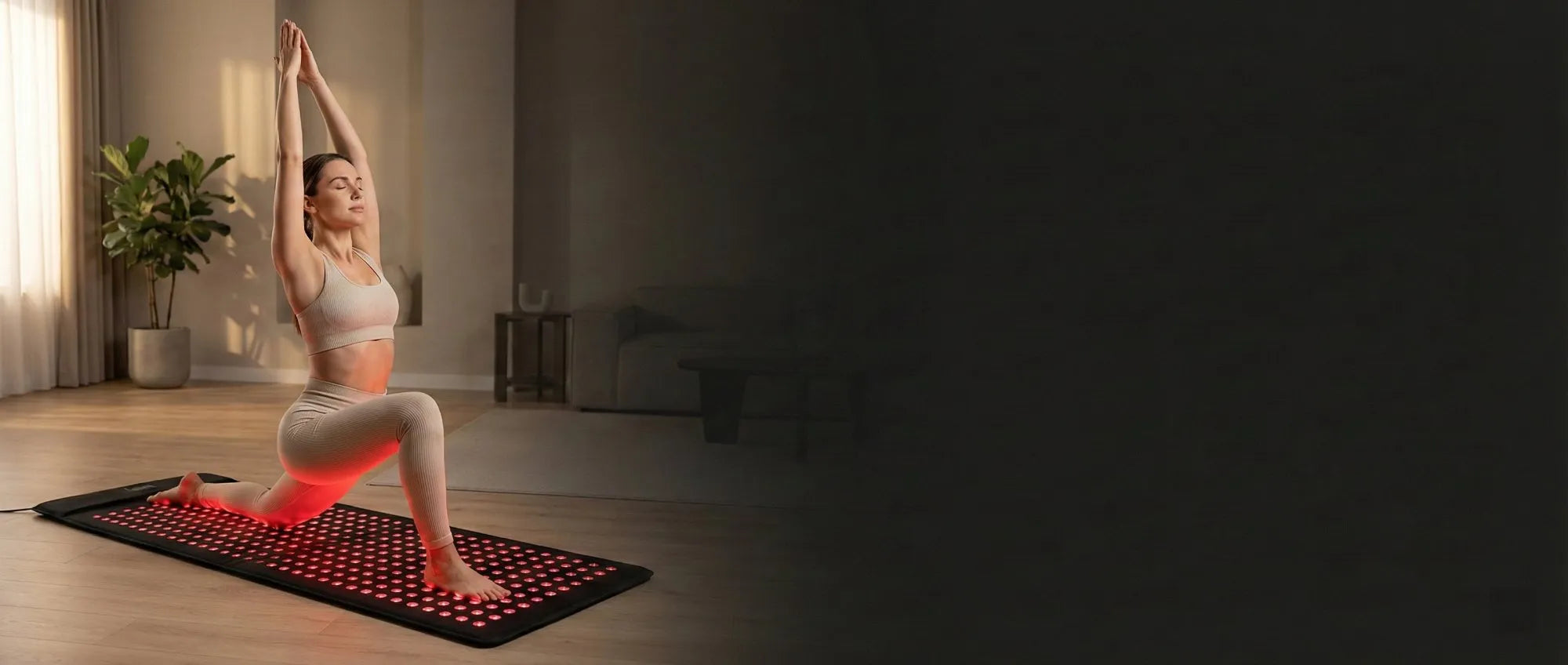
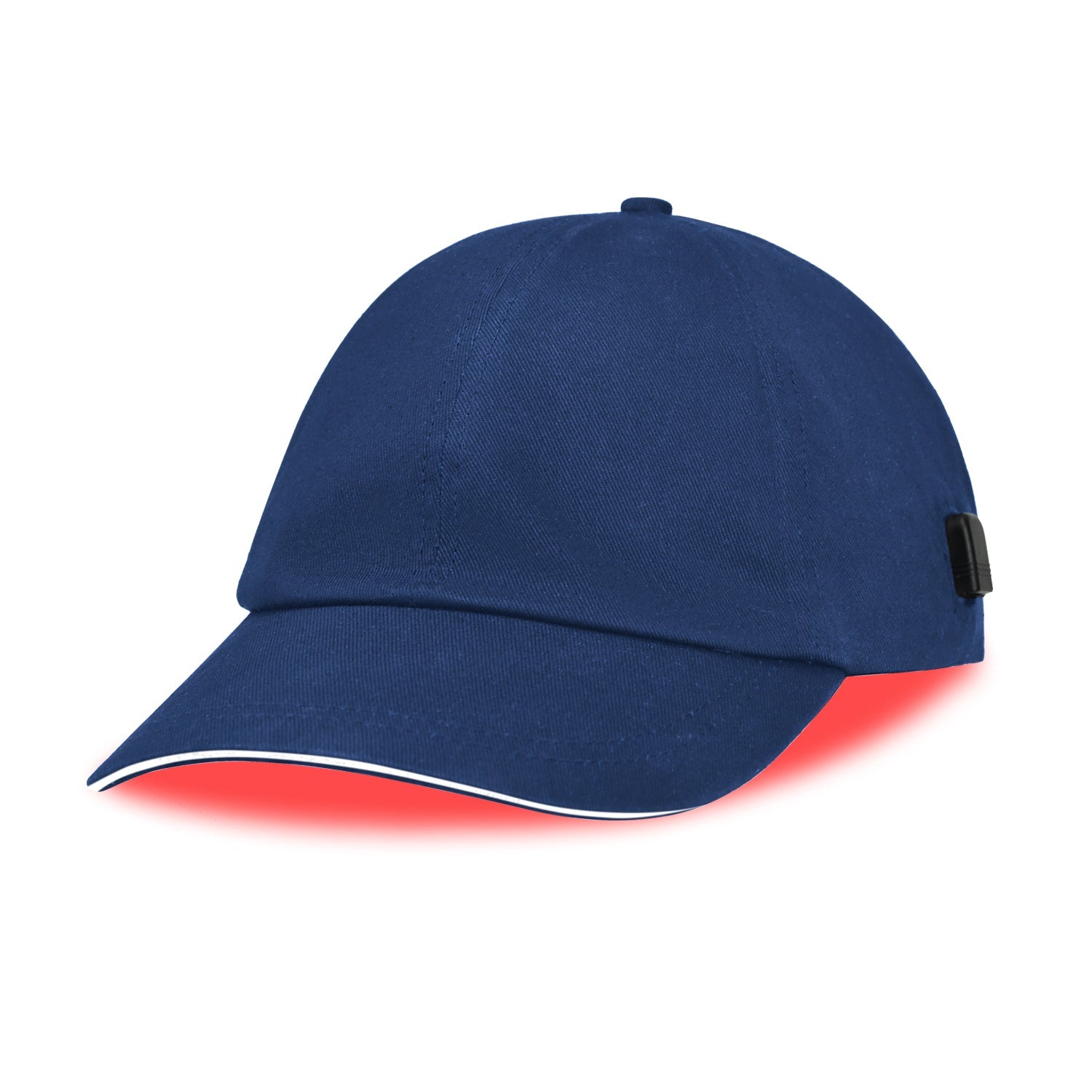
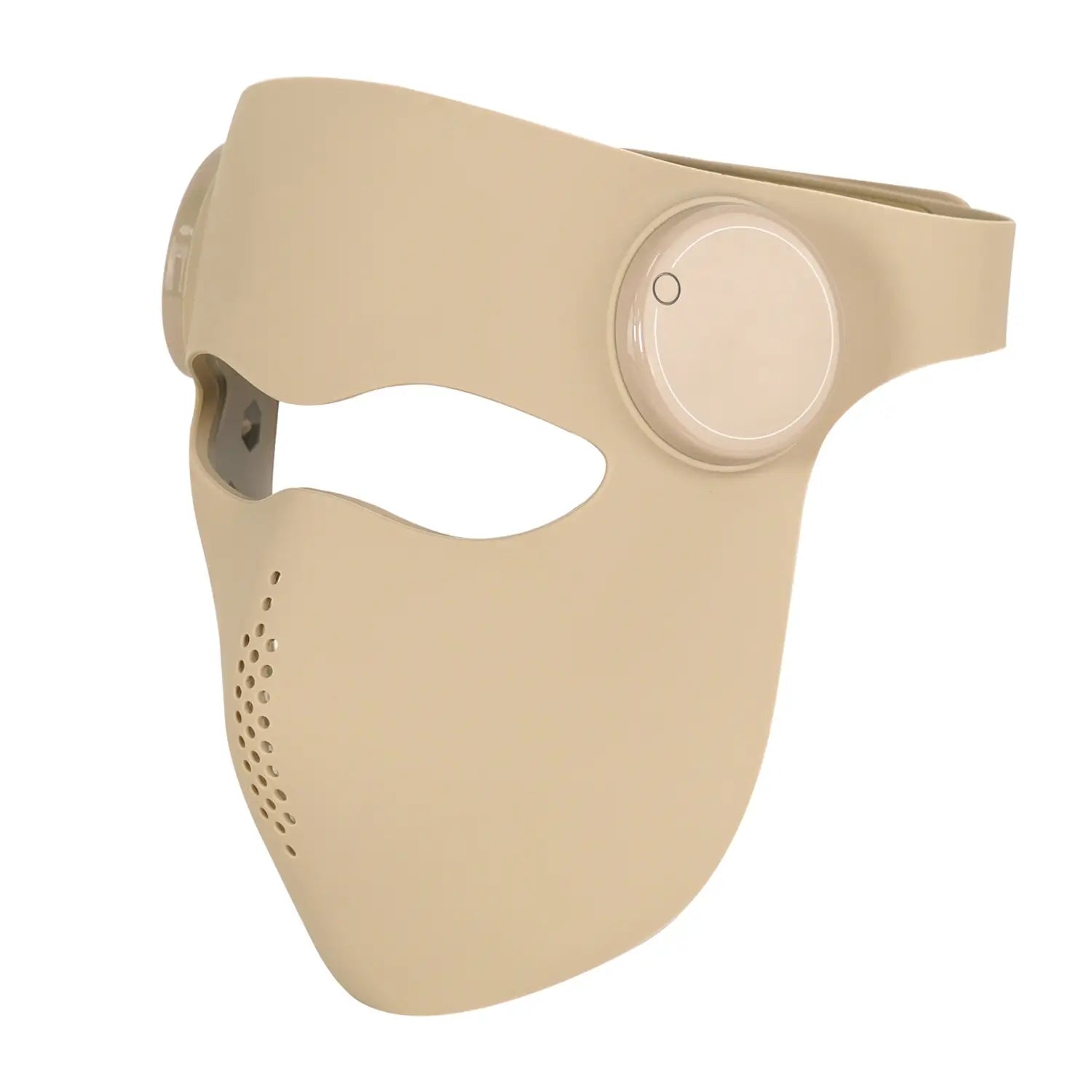
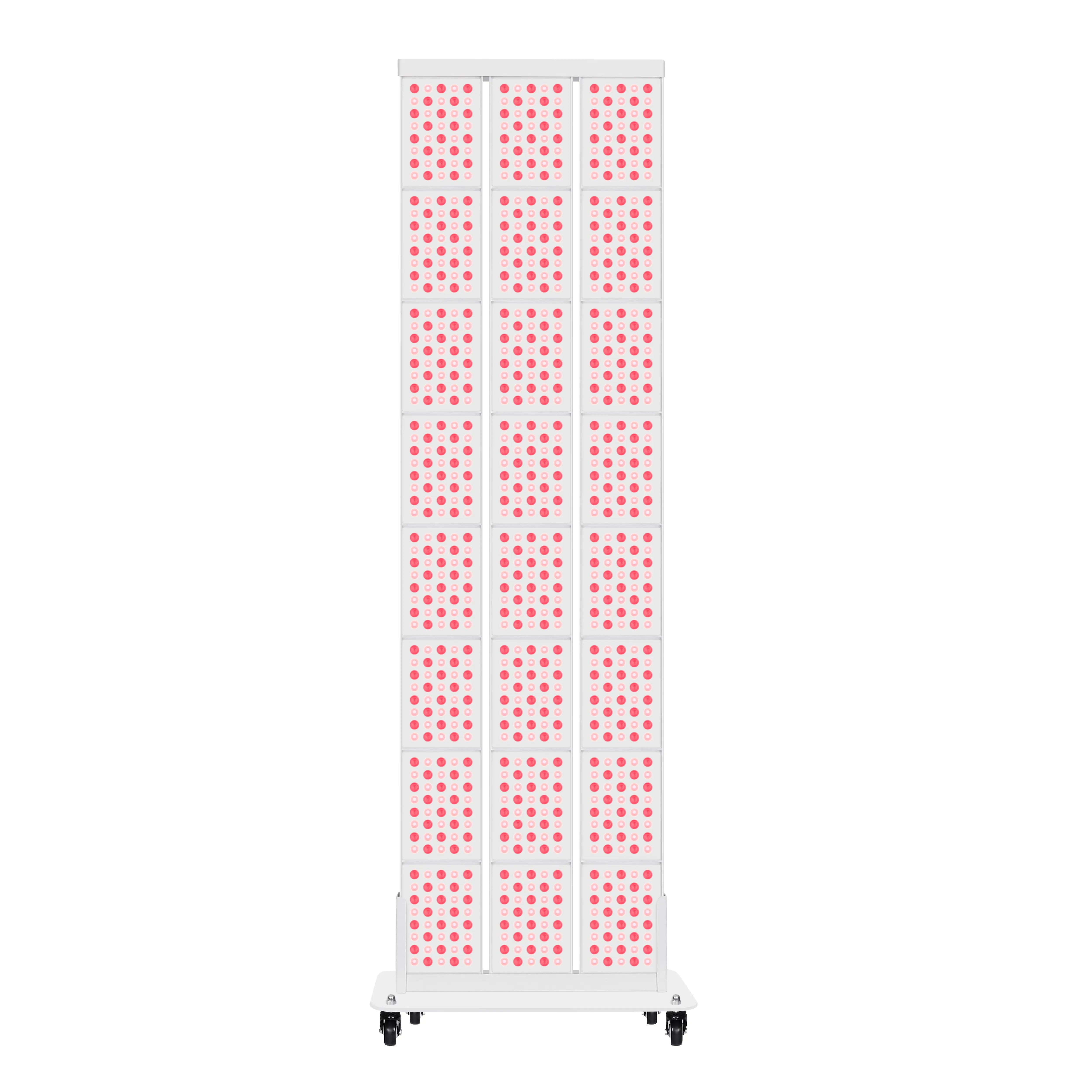
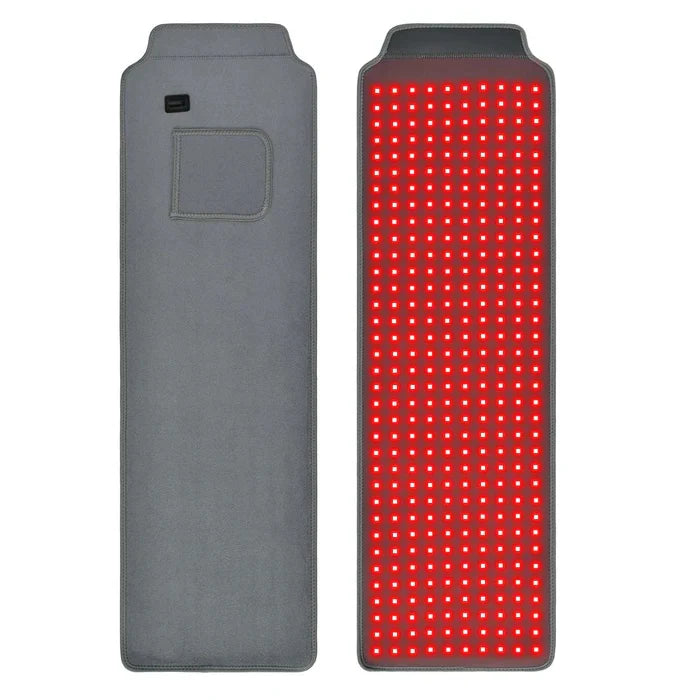
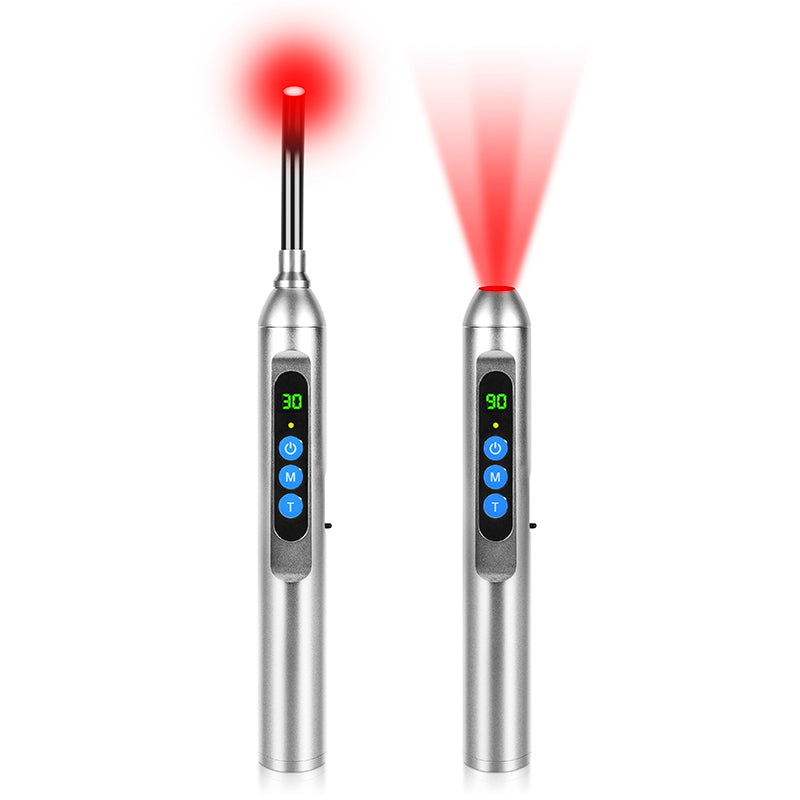

If you are past 45 and paying attention, your body is sending you quiet status reports every day. The skin around your eyes looks different in the mirror. Your scalp is not as dense as it used to be. A hard workout lingers in your joints longer than it did in your 30s.
As someone who has spent years testing red light panels, masks, caps, and clinical systems, I can tell you this therapy is neither a miracle nor a scam. It is a targeted tool. Used wisely, it can help you hold on to function and appearance in midlife and beyond. Used blindly, it mostly helps device companies hit their sales targets.
This article breaks down where red light therapy actually makes sense after 45, what the science supports, and how to fold it into a serious, evidence-based longevity routine.
How Red Light Therapy Really Works
Red light therapy goes by several names in the medical literature, including photobiomodulation and low-level laser or light therapy. In practice, it means exposing your tissues to low-intensity red and near‑infrared wavelengths, usually delivered by LEDs or low‑power lasers.
Dermatology groups such as the American Academy of Dermatology and large health systems including Cleveland Clinic and Harvard Health describe the core mechanism in similar terms. Red and near‑infrared light are absorbed by cellular structures, especially mitochondria, the “power plants” inside your cells. This stimulation appears to increase cellular energy production, improve blood flow, and modulate inflammation. In the skin, it also drives fibroblasts to produce more collagen and elastin, the proteins that keep skin firm and springy.
Stanford dermatology experts frame it this way: shorter wavelengths and higher energies can destroy cells, while longer red and near‑infrared wavelengths at lower intensities can stimulate repair and regeneration. A major review on connective tissue shows that these effects are highly dose‑dependent. With the right combination of wavelength, intensity, and exposure time, red light can enhance bone, cartilage, and tendon healing; with too little or too much, you get no benefit or even harm.
Researchers now use “photobiomodulation” as the umbrella term, and it was formally added to the National Library of Medicine’s vocabulary in 2015 after decades of work dating back to the 1960s. NASA experiments helped push interest when red light improved plant growth and wound healing in astronauts. Since then, dermatology, sports medicine, and neurology labs have taken it much further.
One important distinction: in mainstream oncology and dermatology, a related technique called photodynamic therapy pairs a red laser with a photosensitizing drug to kill abnormal cells, including some skin cancers and severe psoriasis. That is very different from the wellness panels and masks you see online. Consumer red light therapy is not designed to kill cells; it is designed to nudge them.
Why After 45 Requires A Different Strategy
Most of the highest‑quality human trials in red light cosmetic use enroll people from the mid‑40s onward. A notable example is a clinical study of a 630 nm red LED mask by the Dior × Lucibel collaboration, where volunteers were between 45 and 70 years old, with an average age in the mid‑50s. Over three months, twelve‑minute sessions twice a week improved wrinkle depth, sagging, dermal density, pore size, and complexion homogeneity, with benefits persisting at least a month after stopping.
Another controlled trial of full‑ and partial‑body red and near‑infrared exposure included volunteers up to 79 years old and showed increases in intradermal collagen density and reductions in skin roughness and wrinkles. That age distribution matters. These studies are effectively targeting the physiology of midlife and older skin, not twenty‑something models.
By the time you are in your late 40s, several trajectories tend to converge. Collagen production slows, and superficial sun damage from earlier decades becomes visible. Hair follicles are more vulnerable to hormonal and inflammatory stress. Tendons and joints are less forgiving after heavy training, and low‑grade inflammation is more common. Cognitive sharpness and sleep quality can feel less automatic.
Red light therapy will not reverse time, but this is exactly the terrain where it has the best chance to make a measurable dent if you are willing to work with the evidence, not the hype.
Key Areas to Target After 45
Facial Skin: Wrinkles, Texture, and Tone
If you are going to pick one body region for red light after 45, the evidence is strongest for facial skin rejuvenation.
Harvard Health, referencing both medical literature and guidance from the American Academy of Dermatology, reports that red light therapy can reduce fine lines and wrinkles, lighten dark spots, smooth texture, diminish redness, accelerate wound healing, boost hair regrowth at the hairline, minimize scars, and ease acne. Stanford dermatologists describe hundreds of clinical studies on skin rejuvenation with specific red wavelengths, showing increased collagen and modest cosmetic improvement, although exact dosing remains uncertain.
Two types of data stand out.
First, the Dior × Lucibel mask trial used 630 nm LEDs delivering about 15.6 J/cm² in a twelve‑minute session, twice weekly for three months. Objective imaging and ultrasound showed progressive improvements in wrinkle depth, firmness, dermal density, and complexion evenness, with participants subjectively noticing better skin quality. Follow‑up a month after stopping still showed benefits. The researchers built the protocol around the classic Arndt–Schulz law: too little energy does nothing, and too much or too frequent dosing can shift from stimulation to inhibition.
Second, the larger trial of red and polychromatic light in more than a hundred volunteers had people undergo thirty sessions, twice weekly, over several weeks. Doses in the key red band around 611–650 nm were roughly 8.5–9.6 J/cm². Compared with untreated controls, treated subjects had smoother skin, higher intradermal collagen scores, and better blinded physician ratings of wrinkles. Importantly, the broad‑spectrum devices did not outperform narrowband red when red dose was matched, which tells you that simple red LED arrays can be enough when the parameters are right.
In everyday language, this means that if you are over 45 and want to use red light for your face, you have decent evidence that consistent, moderate‑dose treatment can improve texture and lines. It will not do what a deep resurfacing laser or injectables can do for severe wrinkles, and Harvard clinicians are clear that it is a gentle adjunct, not a replacement. But it is one of the rare “beauty” devices with actual randomized controlled data behind it.
Pros for this area include noninvasiveness, minimal downtime, and a very favorable short‑term safety profile. Studies and reviews from Cleveland Clinic and Harvard Health report no link between red light and skin cancer and mostly mild, temporary redness as the main side effect. On the downside, results are gradual and require months of use multiple times per week, devices can be expensive, and the market is crowded with products that do not clearly disclose their wavelengths or power.
Scalp and Hair Density
Hair is another high‑yield target after 45, especially for early thinning rather than shiny, scarred baldness.
Stanford dermatology calls hair growth one of the best‑supported indications for red light. Clinical studies using caps and comb‑like devices in hereditary hair loss show increases in hair counts and improvements in thickness and quality over several months. A well‑known trial in men with androgenetic alopecia used a helmet containing 655 nm lasers and LEDs every other day for sixteen weeks. Compared with a placebo device that looked identical but did not deliver therapeutic light, the active group achieved roughly 35 to 39 percent increases in hair counts, with no reported adverse events.
Other trials in women show similar percentage improvements. Observationally, the benefits tend to fade once treatment stops, which mirrors the behavior of other hair‑loss therapies such as minoxidil. In other words, for hair, red light is not a one‑time fix. It is ongoing maintenance.
UCLA Health notes that the FDA has cleared several at‑home caps and combs for hair loss. “Cleared” is an important word here. It means the device is considered low risk and substantially similar to an existing device; it does not mean the FDA has proven strong long‑term effectiveness. Yet combined with the clinical data and expert guidance from institutions like Stanford and UCLA, it is reasonable to prioritize the scalp as one of the main red light targets after 45 if hair density matters to you.
The advantages are clear: noninvasive, safe, compatible with standard therapies, and supported by randomized trials. Drawbacks include daily or near‑daily treatment schedules, the need to start before follicles are completely inactive, and cost. Helmet‑style systems often run several hundred dollars, and the more medicalized devices can be even more.
Hands, Neck, and “Age‑Telling” Skin
Faces get most of the marketing, but for real‑world aging optics, the backs of the hands, the neck, and the upper chest often reveal the story first. We do not yet have head‑to‑head trials that only treat these zones with red light, but the full‑body photobiomodulation study and broad dermatology experience suggest that the same mechanisms operating in facial skin can act elsewhere.
The large controlled trial of 570–850 nm light applied to full‑ and partial‑body regions showed improvements in skin roughness and intradermal collagen in the treated zones. Stanford and Cleveland Clinic point out that red‑light‑driven collagen increases and anti‑inflammatory effects are not confined to the face and can, in principle, benefit sun‑exposed areas such as the neck and chest, where skin is thinner and more vulnerable.
Harvard dermatologists do include sun damage, discoloration, and age spots among the concerns that red light can modestly improve. For people with darker skin, they recommend more caution, because visible light, including red, can sometimes worsen hyperpigmentation. Their suggestion is to start with lower doses, monitor closely, and coordinate with a dermatologist.
From a practical standpoint, once you have a panel or large mask, it is straightforward to tilt it toward your neck and upper chest or briefly treat the backs of your hands after facial sessions. This is a classic “stacked benefit” zone in midlife: one device, multiple cosmetically important areas, with similar risk profiles.
Joints, Tendons, and Musculoskeletal Recovery
Around midlife, many people discover that their biggest barrier to exercise is not willpower but tissues that complain for days after a hard session. Here the red light data are more complex and less definitive, but still promising enough to justify targeted use.
A major review on photobiomodulation and connective tissue shows that low‑level red and near‑infrared light can influence bone, cartilage, and tendon cells in both lab and animal models. In bones, specific protocols increased osteoblast proliferation, mineralization, and markers of bone formation. In cartilage models of osteoarthritis, red and near‑infrared light reduced inflammatory mediators, increased protective factors like type II collagen and anti‑inflammatory cytokines, and helped preserve cartilage structure. Tendon studies showed improved tenocyte migration, higher expression of stress‑protective proteins, and better collagen organization during healing.
Clinical data in humans with musculoskeletal pain are less uniform but trending positive. University Hospitals specialists describe reviews showing that red light therapy may reduce pain and improve quality of life in various acute and chronic conditions, including some tendinopathies and mild‑to‑moderate osteoarthritis. A 2021 review highlighted benefits for musculoskeletal and fibromyalgia‑type pain, although symptoms often returned within weeks of stopping treatment, indicating that ongoing or repeated sessions are needed.
Sports medicine groups note that red or infrared light applied before intense exercise can lower levels of enzymes associated with muscle damage and soreness, potentially supporting recovery and lowering injury risk. At the same time, other reviews find modest or uncertain effects, especially for deep or severe injuries, and emphasize the heterogeneity of protocols.
The connective tissue review gives an important warning that should shape your approach after 45. The therapeutic window is narrow. Low doses can stimulate repair; high doses, especially at certain wavelengths, can impair cell viability or worsen histological injury early in healing. Some animal models showed worse tendon histology at seven days when red light was used alone but better results later when combined with biological scaffolds or exercise.
In practice, that means red light on joints and tendons should be treated as a supplemental anti‑inflammatory and recovery tool, not as a standalone cure or something to “blast” your tissues with indiscriminately. Consistent, moderate exposures around sore knees, shoulders, or Achilles tendons may help you tolerate more of the strength and mobility work that truly protects joints in the long run. The structural problems themselves, such as advanced osteoarthritis or torn ligaments, still require conventional medical strategies.
Chronic Pain and Arthritis Symptoms
Chronic pain and osteoarthritis become much more common after 45. Here, red light sits in an interesting middle ground. It is not a proven cure, but it is one of the more plausible non‑drug adjuncts.
UCLA Health and University Hospitals describe reviews where red light therapy significantly reduced pain and inflammation in a variety of acute and chronic conditions, particularly when inflammation is near the surface. People with mild‑to‑moderate osteoarthritis symptoms saw improvements in pain and function, though advanced disease did not reverse. A 2021 review concluded that red light can be a helpful part of chronic pain management and fibromyalgia care, but the benefits fade when therapy stops.
The advantage for midlife is that red light is low risk, drug‑sparing, and compatible with physical therapy, strength work, and medications when needed. If you are trying to reduce reliance on pain pills, a home device used consistently on affected joints can be a reasonable experiment, as long as you are clear that it will not rebuild bone or cartilage on its own.
Brain, Cognition, and Sleep
This is the frontier many biohackers are excited about, and it is precisely where you need to be the most cautious and evidence‑driven.
Animal studies suggest that red and near‑infrared light to the head can improve cognitive function in models of Alzheimer’s and Parkinson’s disease. That is what sparked the current wave of transcranial and intranasal devices. UCLA Health describes early human work where headsets and helmets delivering near‑infrared light through the skull and nostrils produced significant cognitive improvements in people with mild‑to‑moderate dementia. In one small 2021 study, six minutes of daily red light for eight weeks led to measurable cognitive gains with no major side effects.
For sleep, evidence is even thinner. A study in twenty athletes found that thirty minutes of full‑body red light nightly for two weeks improved self‑reported sleep quality and melatonin levels compared with no‑light control. Other small trials in neurologic conditions suggest that blue or bright white light can outperform red for certain sleep outcomes.
Independent nutrition and health researchers at ZOE emphasize that across sleep and cognition, samples are small, protocols vary widely, and many studies involve device manufacturer funding. Current data fall far short of what you would want for a primary therapy in dementia or serious sleep disorders.
For someone over 45 who is cognitively healthy but concerned about long‑term brain aging, this area is best treated as an optional experiment rather than a core strategy. The basics of sleep hygiene, exercise, blood pressure and glucose control, social engagement, and cognitively demanding activities are still orders of magnitude more important and far better validated. Red light to the scalp or via a specialized headset might be an interesting addition once those pillars are in place and under medical supervision, especially if you are participating in a clinical trial.
Wound Healing and Scars
Red light’s role in wound care sits between skin aesthetics and medical treatment. Dermatology centers and institutions like Cleveland Clinic report that red light can accelerate healing and reduce the appearance of scars from acne, surgery, or injury, especially when used as part of a broader treatment plan.
Studies in postsurgical settings, such as eyelid surgery, show that red light can speed early healing or improve scar quality roughly twice as fast on treated areas, though by about six weeks outcomes often converge between treated and untreated sites. In other words, red light may help you get to the same end point more quickly, but it does not completely rewrite what your skin is capable of.
Anti‑inflammatory and circulation‑boosting effects are likely part of this benefit. The Dior mask study also noted improvements in dermal density and texture that persisted a month after stopping, supporting the idea that you can get structural changes rather than just transient swelling.
For people over 45, this is particularly relevant after procedures such as blepharoplasty, joint replacement incisions, or dermatologic surgeries, where slower healing is more common. Under the direction of your surgeon or dermatologist, adding red light during the proliferative and remodeling phases of healing can plausibly support better scar quality. The key is coordination; you do not improvise on fresh surgical wounds without medical input.
Metabolism, Weight, and “Whole‑Body Rejuvenation”
You will see bold claims that red light therapy burns fat, fixes metabolic syndrome, or “detoxes” the body in a few sessions. This is exactly where the science does not yet justify the marketing.
The University of Utah men’s health podcast notes that animal models show promising effects of red light in conditions like metabolic syndrome, diabetes, and neurodegenerative diseases. However, human trials are only just beginning, and much of the hype online comes from extrapolating early animal data to people. Independent reviews, including those cited by Cleveland Clinic and ZOE, are explicit that there is no solid evidence red light helps with weight loss or general cancer treatment, and that for many proposed systemic benefits, data are sparse or nonexistent.
Full‑body red light beds can cost well into six figures, and memberships at spas and gyms that offer them can be pricey. Before you invest heavily in whole‑body “rejuvenation” claims, it is worth acknowledging that you will get more proven metabolic benefit from improving your diet quality, walking more, building muscle, and sleeping better. Red light may eventually find a defined place in managing specific metabolic or inflammatory conditions, but it is not there yet.

How Different Areas Stack Up Today
To give you a high‑level snapshot of where the evidence sits for someone over 45, it helps to compare target areas side by side.
Target area |
Evidence today |
Best use after 45 |
Key caution |
Facial skin aging |
Multiple randomized and controlled trials; hundreds of studies overall; endorsed as useful adjunct by dermatology experts at Harvard, Stanford, and Cleveland Clinic |
Softening fine lines, improving texture and dark spots, supporting post‑procedure healing over months of consistent use |
Modest changes, not a substitute for lasers or injectables in severe aging |
Scalp and hair |
Several randomized trials with around 35 percent greater hair growth versus placebo in hereditary hair loss; FDA‑cleared devices available |
Early to moderate thinning, as a long‑term maintenance tool alongside standard therapies |
Requires ongoing use; limited effect on completely bald areas |
Hands, neck, chest |
Indirect evidence via full‑body trials and facial studies; plausible extension of skin mechanisms |
Treating sun‑damaged, age‑telling skin with the same regimen used for the face |
Less direct research; monitor for pigmentation changes in darker skin |
Joints and tendons |
Strong mechanistic and animal data; human studies and reviews suggest pain relief and functional gains in mild‑to‑moderate disease |
Reducing superficial inflammatory pain, supporting rehab and recovery so you can keep training |
Doses must be moderate; does not fix structural damage or advanced arthritis |
Chronic pain and fibromyalgia |
Reviews show symptom improvements and better quality of life in some conditions; effects fade after stopping |
As an adjunct to physical therapy and medical management, especially when trying to reduce medication load |
Benefits are variable and often temporary; not a stand‑alone treatment |
Cognition and sleep |
Early small human trials with positive signals; more preclinical than clinical evidence |
Optional experiment under medical guidance in mild cognitive issues or for marginal sleep gains |
Very small studies, often with commercial ties; do not depend on it for serious disease |
Wound healing and scars |
Clinical trials show faster early healing and better scar quality in some procedures; dermatology guidance supports use |
Post‑procedure cosmetic recovery and better scar appearance, especially when healing may be slower |
Must be coordinated with your surgeon; not a substitute for proper wound care |

Choosing Devices and Doses Wisely After 45
For midlife and beyond, the question is not just “does red light work?” but “is this device and protocol worth it for me compared with other investments in my health?”
Major health organizations offer overlapping practical guidance.
Cleveland Clinic and Harvard Health recommend starting with a dermatologist or qualified medical professional, especially if you have existing skin conditions or are taking medications that increase light sensitivity, such as certain antibiotics or acne treatments. They also point out that most cosmetic uses are not covered by insurance and require one to three sessions per week for weeks or months, which means real time and money.
AARP and UCLA Health outline typical cost ranges. In‑office sessions for cosmetic red light usually run around fifty to one hundred fifty dollars per visit. At‑home masks often cost between fifty and five hundred dollars, while larger panels and more advanced systems can range from about one hundred dollars up into the thousands. Full‑body beds for commercial settings can exceed one hundred thousand dollars, which is interesting but not necessary for personal use.
Several expert groups, including AARP, Harvard Health, and the American Academy of Dermatology, emphasize a few device‑selection rules. Look for units labeled “FDA‑cleared,” not just “FDA approved” or vague claims. Make sure the device is designed for the specific area and condition you care about, for example an acne‑targeted mask for acne or a hair‑loss cap for androgenic thinning. Check that the wavelengths are in a range that has been studied. For skin rejuvenation and hair, therapeutic red bands around roughly 625 to 670 nm are commonly used, and some devices add near‑infrared around 800 to 850 nm.
Session length and frequency matter. Many at‑home skin devices recommend ten to twenty minutes per session, two or three times a week. The Dior mask protocol used twelve minutes twice weekly. Hair caps in trials often use about twenty‑five minutes every other day. Sports and musculoskeletal studies sometimes apply red or infrared light shortly before intense activity. Across conditions, consistency over several months is more important than any single session.
The connective tissue review and DNA‑repair patent work from University of California researchers both stress the same principle: there is a biphasic dose response. Under‑dose and nothing happens; over‑dose and cells can be stressed or damaged. Some bone and tendon cell cultures responded poorly to high‑dose or poorly timed exposures. That is why more is not automatically better and why respectable protocols space sessions out, like every seventy‑two hours in the Dior trial.
Safety precautions are straightforward but non‑negotiable. Dermatologists at Harvard and other institutions advise:
Use eye protection when manufacturer instructions recommend it, especially with facial devices.
Avoid red light therapy entirely if you have light‑sensitive conditions such as lupus or if you are on strongly photosensitizing medications, unless your physician specifically clears it.
If you have darker skin, start with lower doses and shorter sessions and work with a dermatologist, because visible light can occasionally trigger dark spots.
Patch test a small area first to check for unexpected irritation.
One more subtle EEAT point: some of the most polished consumer marketing sites do not provide direct access to underlying data. In the research notes above, an attempt to retrieve a PDF about a branded red light belt at a university server returned a 404 error. That does not mean the product is ineffective, but it does mean your default posture should be healthy skepticism when a company claims miracle outcomes without accessible, peer‑reviewed evidence.

Integrating Red Light with the “Core Four” After 45
The men’s health team at University of Utah Health talks about a “Core Four” of health drivers: nutrition, physical activity, emotional and mental health, and sleep, with genetics layered on top. Red light therapy sits outside those fundamentals. It can be a plus‑one, but it is not a substitute.
In real life, the people over 45 who get the most from red light are usually the ones who have already cleaned up the basics. They are lifting weights a few times per week, eating protein‑rich, nutrient‑dense food, walking daily, protecting their skin from sun damage, managing stress, and respecting their sleep. They then use red light as a low‑friction accessory. A facial mask session while they journal at night. A hair cap while they read in the morning. A brief, moderate panel treatment on sore knees after physical therapy sessions.
That pattern matches the research. Nearly every beneficial effect in the literature depends on repeated, moderate exposures over weeks or months. Almost every disappointment comes from expecting a magic shortcut.
If you are over 45 and building a plan, one sensible sequence is to stabilize the basics for three months, then add a focused red light block, also for three months, on one or two priority areas: facial skin plus scalp, or knees plus shoulders, for example. Track what you are doing. Take photos and notes. At the end of that period, decide whether the effects justify the ongoing investment for you.

Short FAQ for 45+ Red Light Users
How long before I see results?
Most clinical studies that show meaningful changes run for at least eight to twelve weeks, often longer. The Dior mask trial for facial aging used three months of twice‑weekly sessions. Hair‑growth trials have generally used sixteen weeks or more of every‑other‑day use. Harvard Health suggests planning on multiple treatments per week for four to six months and viewing early changes as gradual and subtle rather than dramatic.
Is red light safe if I am older or on medication?
Short‑term use appears safe and non‑carcinogenic in studies so far, but age often comes with more medications and conditions. Cleveland Clinic and AARP caution that some antibiotics, acne medications, and other drugs increase light sensitivity, which can raise the risk of irritation or pigment changes. Autoimmune and light‑sensitive conditions also complicate the picture. If you are over 45 and on any regular medications, especially if you have systemic disease, involve your physician before starting.
Can red light replace my retinoid, injectables, or physical therapy?
Current evidence and expert opinion say no. Stanford and Harvard dermatologists position red light as an adjunct for modest cosmetic gains, not a replacement for well‑studied treatments like prescription topicals, lasers, or injectables when those are appropriate. Sports and pain specialists likewise view red light as a supportive therapy that can reduce pain and inflammation and help you tolerate the exercises and rehab that truly rebuild capacity. It is best thought of as a multiplier on good habits and medical care, not as a standalone alternative.
Red light therapy is one of the few wellness trends that has matured into a legitimate therapeutic modality with real clinical backing, especially for skin and hair. After 45, that makes it worth your attention. If you respect the biology, match your expectations to the evidence, and put it in its correct place alongside the fundamentals, those quiet status reports from your body over the next decade can start reading a little better.
References
- https://lms-dev.api.berkeley.edu/does-red-light-therapy-help-wrinkles
- https://www.academia.edu/143249930/The_Science_Behind_At_Home_Red_Light_Therapy_for_Scalp_and_Skin_Health
- https://www.health.harvard.edu/staying-healthy/red-light-therapy-for-skin-care
- https://techtransfer.universityofcalifornia.edu/NCD/30453.html
- https://pmc.ncbi.nlm.nih.gov/articles/PMC10311288/
- https://aichat.physics.ucla.edu/fetch.php/book-search/cCHe7n/Alleva-Red-Light-Therapy-Belt.pdf
- https://med.stanford.edu/news/insights/2025/02/red-light-therapy-skin-hair-medical-clinics.html
- https://healthcare.utah.edu/the-scope/mens-health/all/2024/06/176-red-light-therapy-just-fad
- https://do-server1.sfs.uwm.edu/key/4XK0454820/course/1XK6807/the_science__of_phototherapy.pdf
- https://my.clevelandclinic.org/health/articles/22114-red-light-therapy