
If you love gadgets and glow as much as I do, you already know that red light therapy and face masks both work. The real question is when and how to combine them so you are not just stacking trends, but stacking benefits.
Used well, low‑level red and near‑infrared light can nudge your skin cells to repair better, build more collagen, and calm inflammation. That is the consistent thread across clinical summaries from Cleveland Clinic, Stanford Medicine, and WebMD. At the same time, modern face masks—whether they are LED devices or topical sheet and cream masks—deliver actives that hydrate, soothe, or exfoliate.
The magic is not in owning these tools; it is in timing. In this guide, I will walk you through evidence‑based timing strategies drawn from dermatology sources and LED manufacturers, and how I would actually use them in a real‑world routine.
What Exactly Are You Combining?
Before you can optimize timing, you need to be clear on what “red light” and “face masks” actually mean in this context.
What Red Light Therapy Does to Your Skin
Red light therapy, sometimes called low‑level light therapy or photobiomodulation, uses low‑intensity red and near‑infrared wavelengths to influence cellular behavior. Cleveland Clinic and WebMD describe several mechanisms that show up repeatedly in the literature:
Red and near‑infrared light are absorbed by the mitochondria, often called the cell’s “power plants.” This can increase cellular energy production and stimulate fibroblasts to make more collagen and elastin, the proteins that keep skin firm and bouncy.
Clinical overviews from Stanford Medicine and Cleveland Clinic note that these wavelengths appear to improve microcirculation and reduce inflammation, which translates on the surface into softer fine lines, more even tone, and calmer redness for many people.
Importantly, this is not ultraviolet light. Medical sources consistently point out that low‑level red and near‑infrared devices used correctly are non‑ionizing and have not been linked to UV‑type skin cancer, although overuse or staring into bright LEDs can irritate skin or eyes.
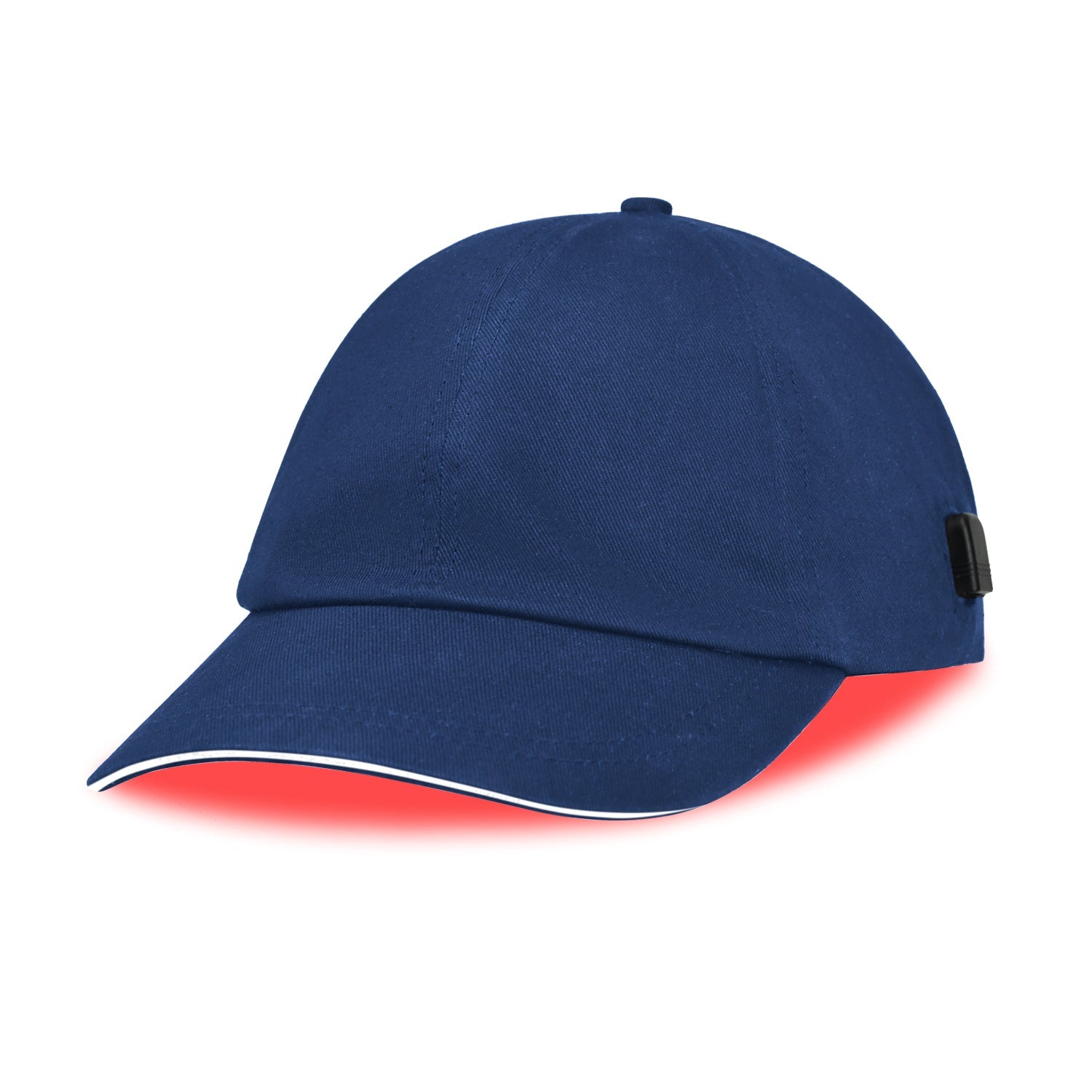
At home, red light usually shows up as:
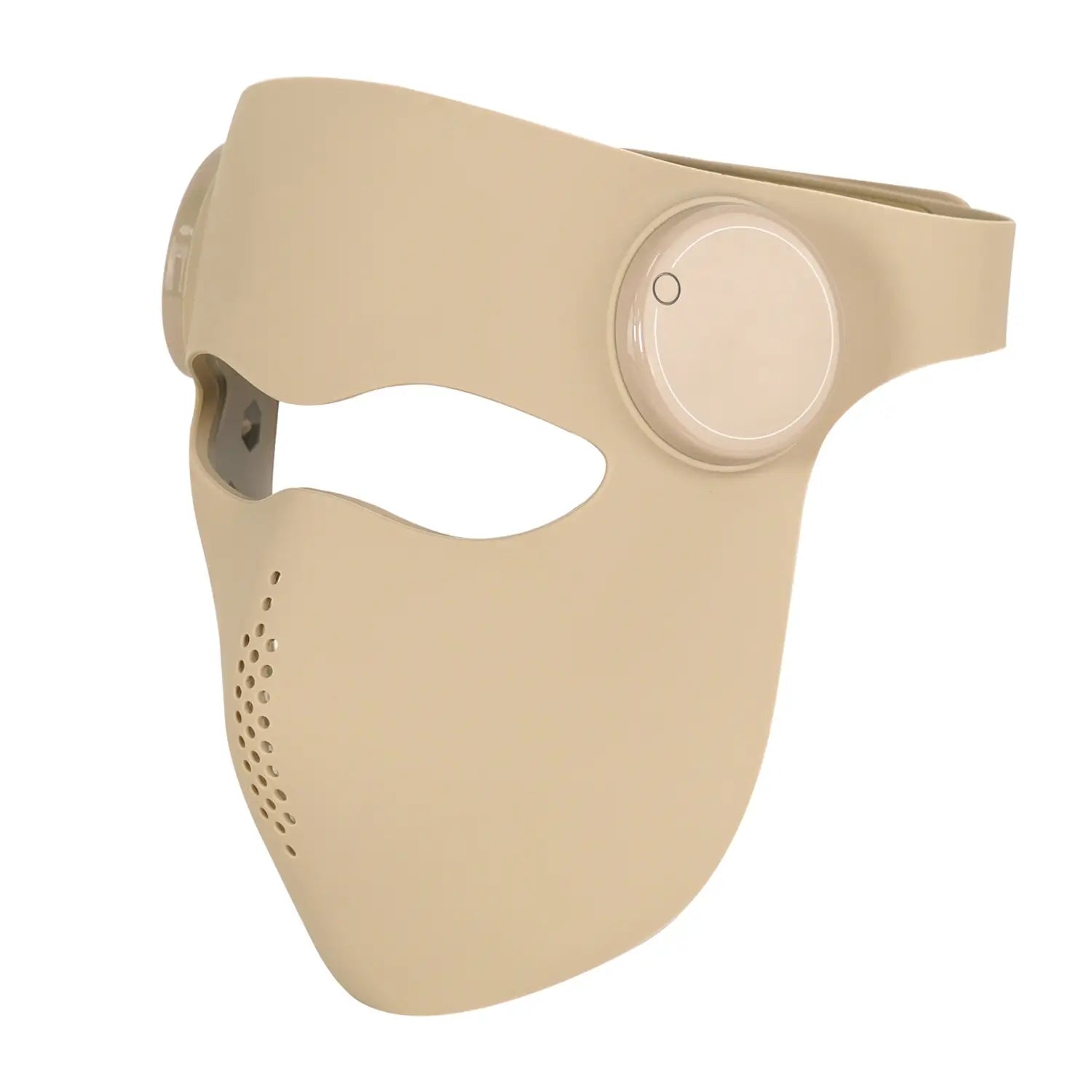
LED face masks that sit directly on the face.
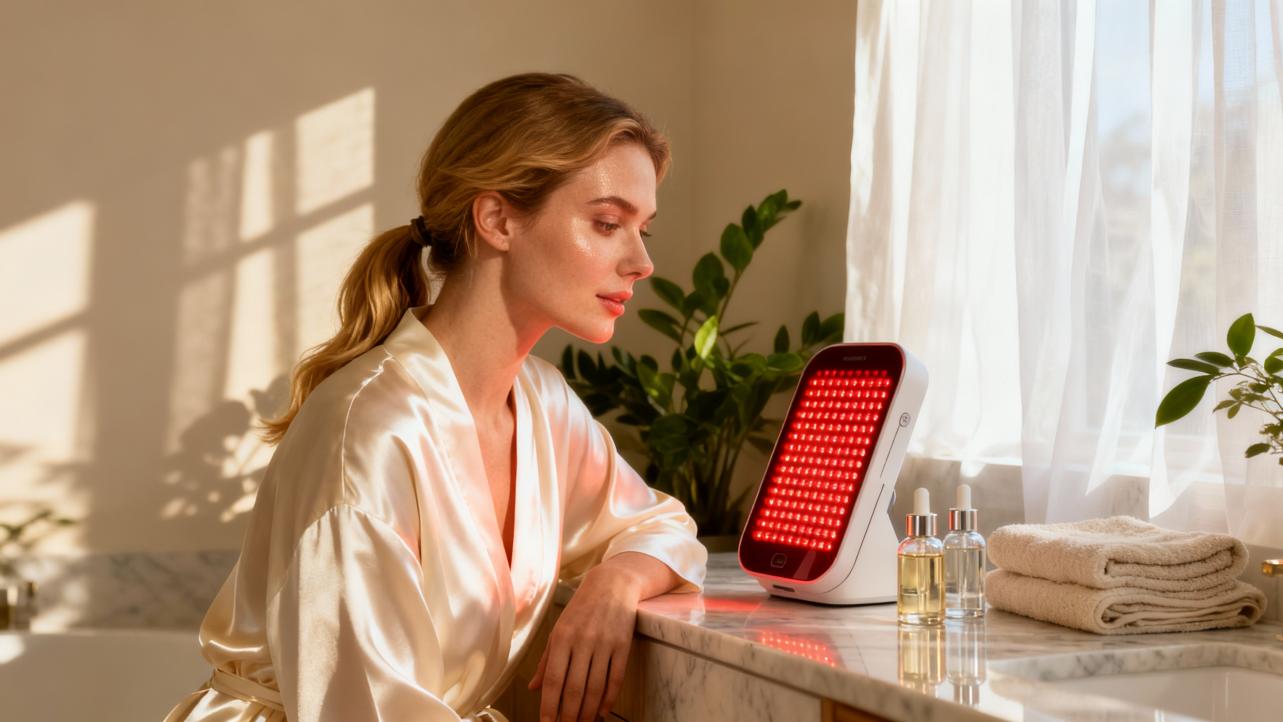
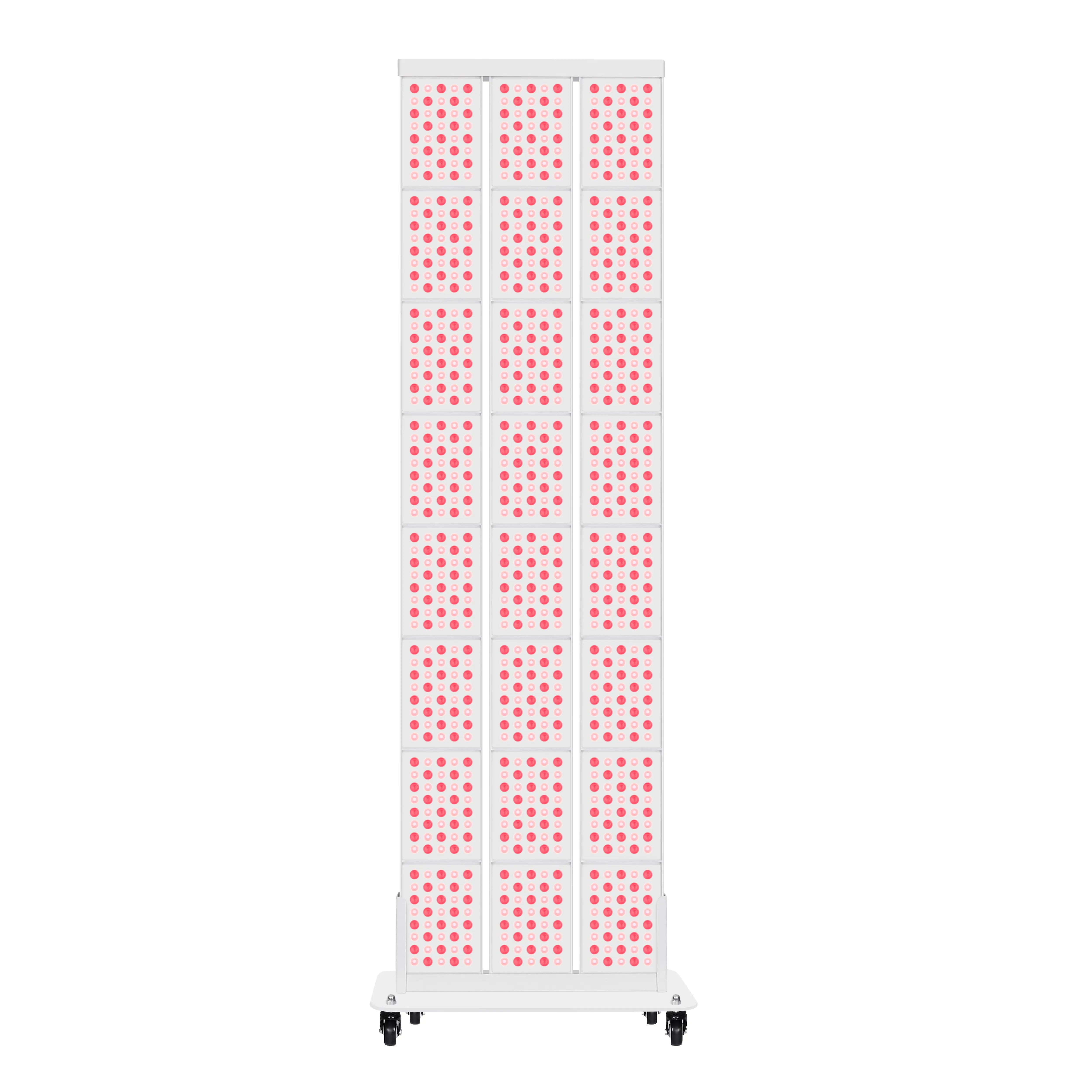
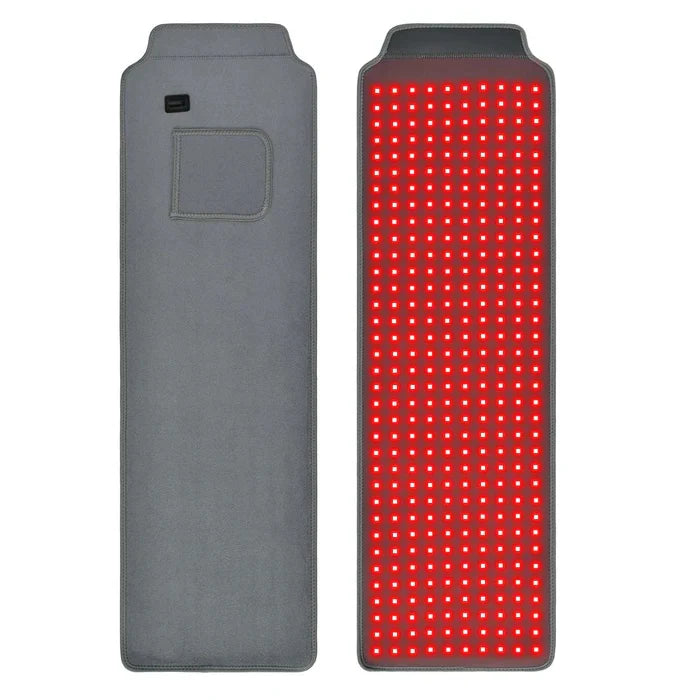
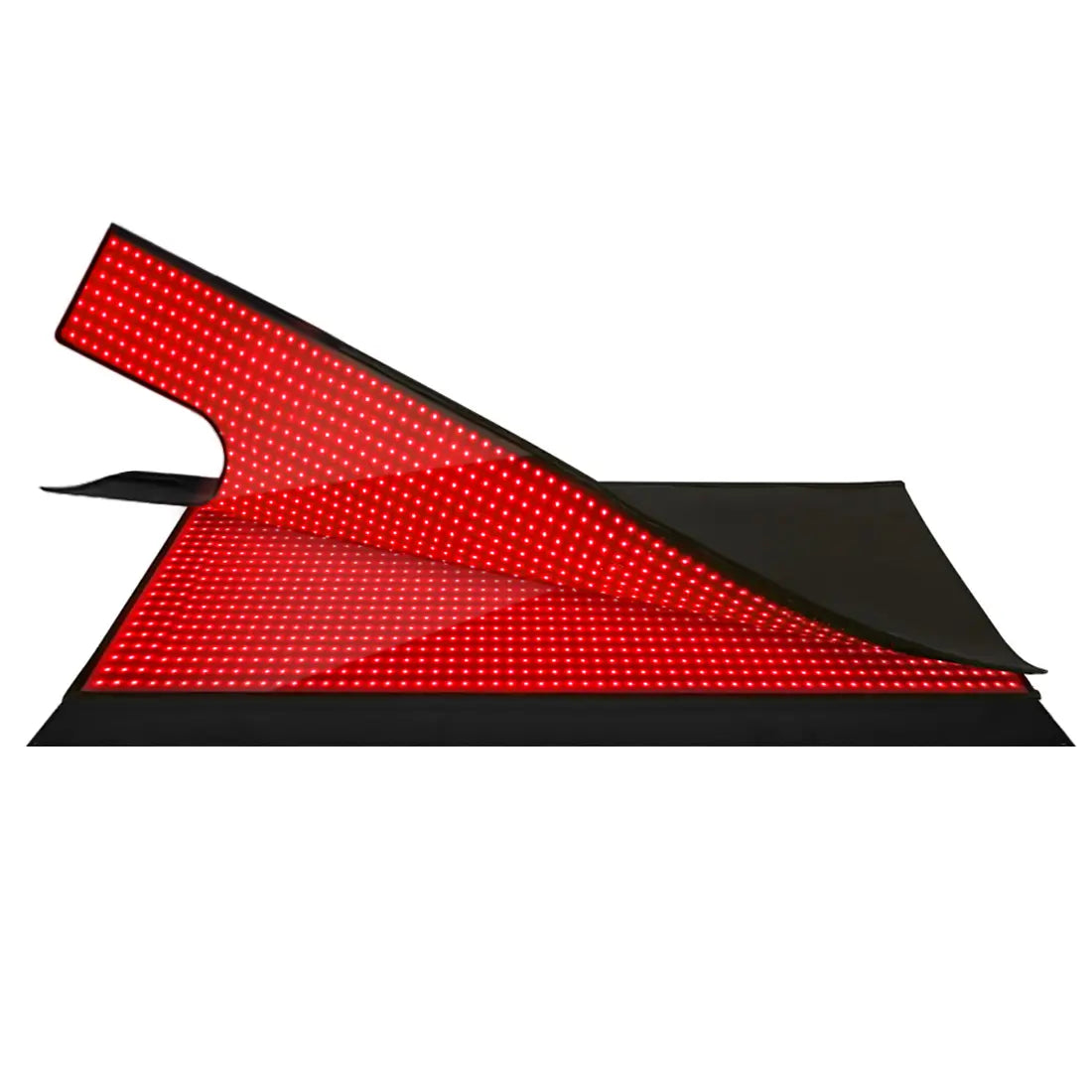
Panels and pads for larger areas or full‑body use.
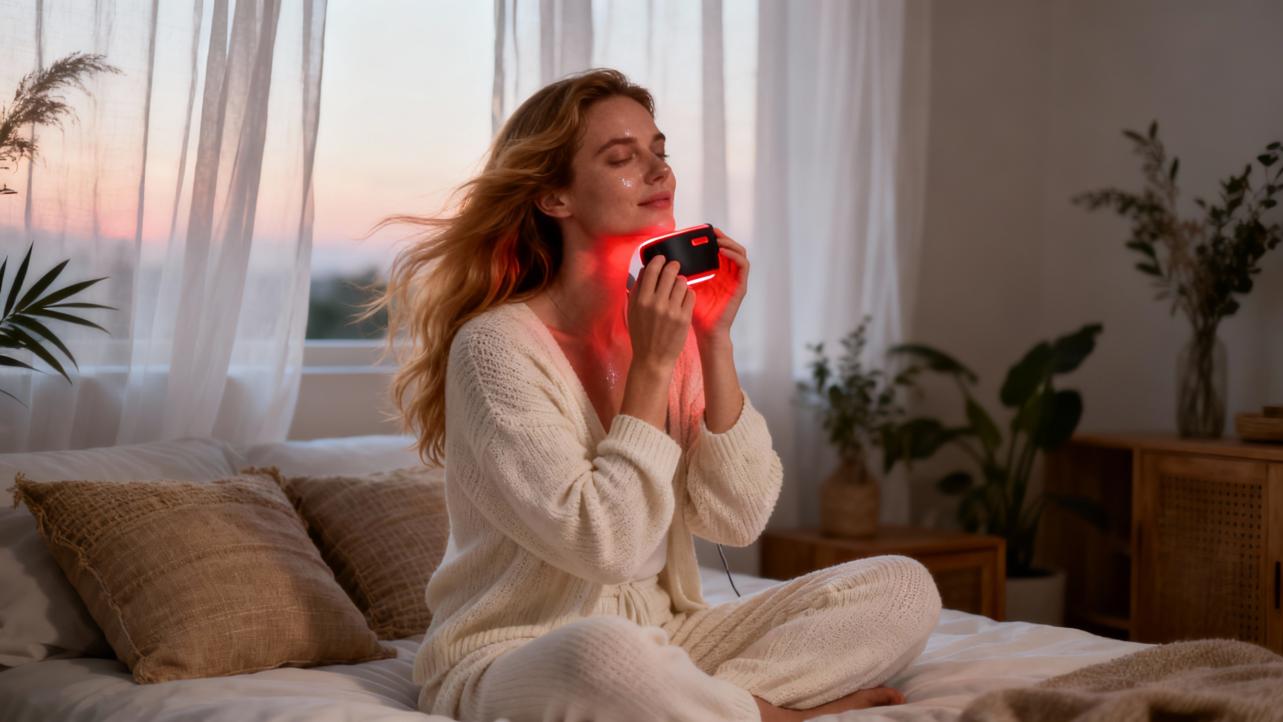
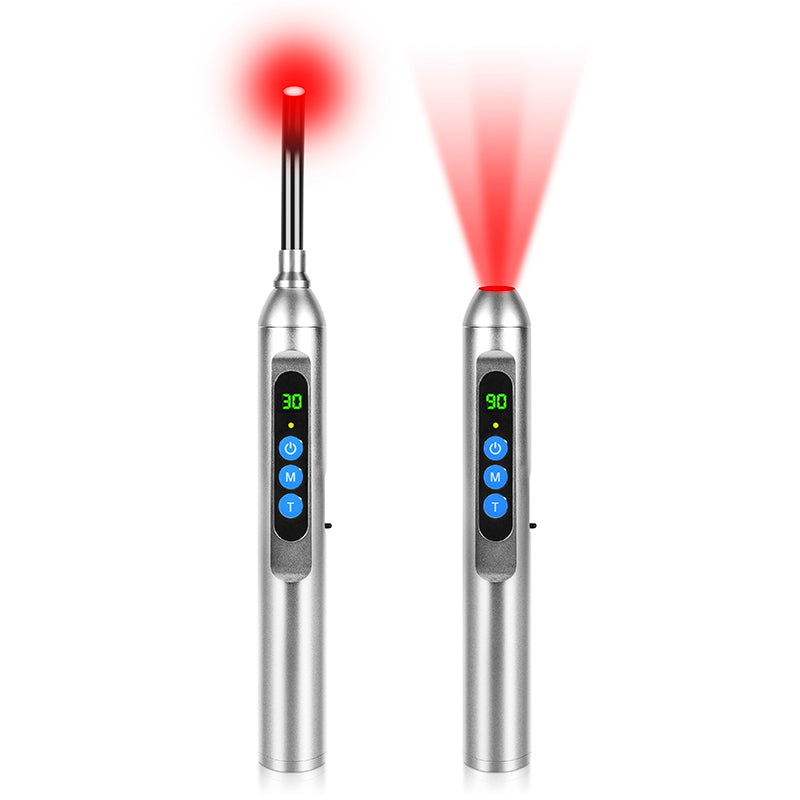
Handheld wands or spot tools for specific patches of skin.
All of these rely on similar biology. What changes is how much area you treat and how you time them.
Two Different “Face Masks”
In this article, “face mask” can mean two very different things.
An LED face mask is itself a light therapy device. Guides from LED Esthetics, Boncharge, Solawave, and Mayo Clinic Store all describe soft, often silicone, masks embedded with red and sometimes blue or near‑infrared LEDs. These are typically used for about 10–20 minutes per session, several times per week, to stimulate collagen, smooth texture, and help with acne or redness.
A topical face mask is a sheet, hydrogel, or cream mask infused with ingredients. Articles from The Shine Spa, Sunsred, and Mayo Clinic Store describe these in the context of facials, hydrating and soothing treatments, and post‑procedure care. They may contain humectants, calming botanicals, exfoliating acids, or brightening agents.
When people ask about “combining red light and face masks,” they usually mean red light therapy plus topical masks, but LED masks and topical masks often share the same routine. So we will cover both.

Why Timing and Order Matter More than You Think
Red light therapy is dose‑dependent and cumulative. Stanford Medicine’s review of photobiomodulation emphasizes that both wavelength and dose (intensity and duration) determine whether light supports healing or irritates tissue. Cleveland Clinic and WebMD echo that meaningful results come from repeated sessions over weeks, not one marathon blast.
On the mask side, Sunsred and The Shine Spa highlight that LED therapy increases circulation and cellular activity, which can enhance absorption of active skincare ingredients. That is a double‑edged sword. You can either boost hydration and repair, or you can push already‑stressed skin over the edge if you stack too many aggressive treatments at once.
Several expert‑driven guides underline this point:
A frequency guide from Dr. Sabrina’s eye‑care and LED‑mask resource warns that overusing high‑intensity or very long sessions, especially alongside strong actives, can trigger dryness, sensitivity, and mild redness.
Cleveland Clinic and WebMD both caution that at‑home devices should be used according to instructions, with particular care in people on photosensitizing medications or with a history of skin cancer or eye disease.
LED Esthetics notes that heavy creams and occlusive products before a light session can physically block or scatter light, reducing its effectiveness, while light serums and hydrogel masks after treatment can enhance results.
That is the backdrop. Timing is not just about convenience; it is about respecting how much stimulus your skin can usefully process in a session and across a week.

Inside a Single Session: Best Order for Red Light and Topical Masks
The biggest practical question I hear is whether to put a sheet or cream mask on before or after red light therapy. Fortunately, we have clear hints from multiple sources.
Why “Red Light First, Mask Second” Usually Wins
LED Esthetics’ usage guidelines, Glamour’s dermatologist interviews, and Sunsred’s LED‑plus‑skincare guide all converge on a simple principle: red light works best on clean, relatively bare skin.
Here is the pattern they describe.
They advise starting by cleansing thoroughly and patting the skin dry. Mayo Clinic Store’s education piece even suggests a short warm compress or gentle steam beforehand to open pores and increase circulation, as long as you avoid excessive heat.
LED Esthetics and Glamour then recommend avoiding heavy moisturizers or thick creams before a light session because they can block or scatter the light. If you want to layer something, those sources favor lightweight, compatible serums such as vitamin C or hydrating formulas designed for use with light therapy.
After the red light session—often 10–20 minutes for home masks according to LED Esthetics, Dr. Sabrina, Mayo Clinic Store, and Glamour—skincare products come back into play. LED Esthetics explicitly recommends applying a hydrogel mask afterward to lock in hydration and soothe the skin. Sunsred similarly suggests following LED treatments with serums, moisturizers, and other targeted products to take advantage of the skin’s heightened receptivity.
Mayo Clinic Store adds another layer: they recommend pairing LED treatments with cold therapy afterward to reduce any residual redness and puffiness. Cooling tools and refrigerated masks fit neatly into that step.
Taken together, these sources support a sequence where red light therapy happens on clean, lightly prepped skin, followed by topical mask and skincare to seal the deal. In my own routine, that is the default pattern I use for hydrating and soothing masks.
When a Deep‑Cleansing or Exfoliating Mask Comes First
Professional treatments sometimes flip the order. The Shine Spa’s overview of combining LED with other procedures explains that pairing LEDs with chemical peels and microneedling can speed recovery, decrease redness and inflammation, and enhance penetration of treatment solutions. They also note that in facial protocols involving cleansing, exfoliation, extractions, and masks, LED light helps calm and soothe skin and boost product effectiveness.
The practical takeaway for home use is nuance rather than a completely different order.
If you are using a strong peel‑like or clay mask that leaves your skin temporarily sensitive, it can make sense to reserve red light for a different evening or to use a low‑intensity, short session afterward, watching your skin closely. Dr. Sabrina’s LED‑mask guide and Solawave’s advice for sensitive skin both stress starting slowly—about two sessions per week for reactive skin—and cutting back or pausing if you see persistent irritation.
For more moderate exfoliating masks, many experienced users mimic the spa logic: cleanse, use the treatment mask as directed, rinse fully, let the skin settle, then use a brief, low‑intensity red light session primarily for calming, followed by a simple moisturizer. That approach fits with Shine Spa’s observation that LEDs can reduce post‑treatment redness and support repair.
The key here is not to stack maximum‑strength everything on one night. Aggressive exfoliation plus long, high‑intensity light sessions plus potent active serums is exactly the kind of combination Dr. Sabrina flags as a risk for dryness and sensitivity.
Why Wearing an LED Mask over a Sheet Mask Is Not Ideal
Because we love shortcuts, people understandably ask whether they can wear a sheet mask under an LED mask to “double up.” None of the clinical or brand education sources I have seen recommend that.
LED Esthetics specifically warns that heavy creams and thick products can interfere with light penetration. Sunsred and Glamour both frame LED as something to do on clean or lightly treated skin, with most of the richer skincare steps after the light.
There is also no evidence in the cited materials that stacking a sheet mask under an LED mask boosts results. By contrast, we do see repeated recommendations to use hydrogel or fabric masks after light therapy, when the skin is warm, circulation is increased, and ingredients can be absorbed more readily.
For that reason, I treat simultaneous LED‑over‑sheet‑mask setups as a gimmick, not a science‑backed strategy.
Weekly Rhythm: How Often to Combine Red Light and Masks
Once your per‑session order is clear, you can zoom out to the week.
Several independent sources land in the same ballpark for LED mask frequency. Dr. Sabrina’s comprehensive usage guide, Mayo Clinic Store, Maysama, LED Esthetics, BlockBlueLight, Glamour, and HealthLight all describe typical home regimens of around 10–20 minutes per session, roughly three to five times per week, with visible improvements showing up over four to eight weeks and deeper changes assessed over eight to twelve weeks.
Dr. Sabrina offers more granular guidance:
For acne‑prone skin, blue light (often combined with red) may be used three to five times per week, and short daily sessions can be reasonable during flare‑ups.
For anti‑aging goals, red light three to four times per week for eight to twelve weeks is a common starting protocol.
For sensitive skin, about two sessions per week at lower intensity is recommended initially.
For maintenance or general glow, one to two sessions per week often suffice once you have built a base.
Solawave’s sensitive‑skin article aligns with that, emphasizing ten‑minute sessions per area, three to five times per week, with the warning that results are cumulative and that overuse can backfire.
Topical mask frequency is more product‑specific, and the sources here are more qualitative than numerical. Sunsred suggests integrating an LED face mask into the skincare routine two to three times per week after cleansing and exfoliating, followed by serums and moisturizers. They highlight that pairing LED with well‑chosen products yields better results than either alone, especially for concerns like acne, hyperpigmentation, and dullness.
Given that, a sensible, evidence‑aligned pattern for most people is to let hydrating or soothing masks “ride along” on your red light days—used right after LED therapy—and to place more intense exfoliating or peel‑like masks on separate evenings or paired with very gentle LED settings. Dr. Sabrina’s caution about overloading sensitive skin, along with Sunsred’s advice to patch test new combinations, strongly supports that conservative approach.
Here is a simple way to visualize timing options drawn from these sources.
Goal or skin type |
Evidence‑based LED schedule |
How face masks can fit in |
Sensitive or reactive skin |
About 2 sessions per week at low intensity (Dr. Sabrina, Solawave) |
Use soothing hydrating masks after LED on those days, or on separate off‑days if you are very reactive. |
Acne‑prone skin |
Blue plus red 3–5 times per week; short daily sessions possible in flares (Dr. Sabrina) |
Pair LED days with non‑comedogenic calming masks; keep strong acne treatment masks on separate evenings. |
Anti‑aging build phase |
Red light 3–4 times per week for 8–12 weeks (Dr. Sabrina, Skin Therapeutics) |
Add hydrating or peptide‑rich masks after LED on two or three of those nights. |
Long‑term maintenance |
About 1–2 sessions per week (Dr. Sabrina) |
Use nourishing masks either after your LED sessions or on additional spa‑nights as your skin tolerates. |
The numbers in the table come directly from clinical and brand guidance. Within those guardrails, you can experiment with whether you prefer your mask on every red light day or only on some of them.

Time of Day: Morning vs Evening for Combined Routines
There is no single magic clock time when red light “works better,” but there are smart ways to match timing with your skin’s needs and your lifestyle.
Morning sessions make sense when you are using blue light alongside red for acne. Project E Beauty’s discussion of multi‑wavelength protocols notes that many routines start with shorter blue‑light sessions in the morning because blue can feel more stimulating, followed by red later to support recovery. Glamour’s dermatologist‑backed guide adds that when you use an LED mask in the morning, you should always follow with a broad‑spectrum sunscreen, since light‑therapy treatments and active skincare together can leave skin more reactive to UV and sun protection is foundational for any anti‑aging plan.
If you choose morning for both red light and a topical mask, an evidence‑consistent flow looks like this: cleanse, optional lightweight serum, LED session, hydrating or calming mask, then moisturizer and sunscreen. Strong exfoliating or retinoid masks are better saved for evenings, both because they can increase sun sensitivity and because Dr. Sabrina, Glamour, and Solawave all caution against layering intense actives immediately before light treatments.
Evening sessions work well for the deeper, “repair‑oriented” feel many people want from red and near‑infrared light. BlockBlueLight’s home‑use guide and Skin Therapeutics’ wrinkle‑focused overview describe red and near‑infrared therapy as non‑invasive tools that support nighttime repair by nudging collagen production, improving circulation, and calming inflammation. While they do not mandate evening use, that is when many people can unplug for a ten‑ to twenty‑minute mask and a nourishing topical mask afterward.
For my own use, I put most of my combined red light plus mask sessions at night. That lets me layer richer hydrating or peptide‑rich masks afterward without worrying about daytime shine, and it gives my skin hours of down‑time to process the stimulation.
Regardless of time of day, Cleveland Clinic, WebMD, and multiple LED brands are unanimous on one point: consistency beats perfection. Three moderate sessions every week for several months, backed by basic sun protection and a sane skincare routine, will outperform sporadic “LED marathons” almost every time.

Combining Panels, LED Face Masks, and Topical Masks
If you have moved beyond a single device, timing becomes a three‑dimensional puzzle: full‑body red light panel, facial LED mask, and topical masks.
Sunglor’s guide to combining panels and masks frames panels and facial masks as complementary rather than competing. Panels provide large‑area, systemic benefits such as reduced inflammation, faster muscle recovery, better joint comfort, and improved body‑skin tone, drawing on a body of research summarized in BlockBlueLight and HealthLight’s home‑therapy overviews. Facial LED masks, by contrast, contour closely to the face and deliver concentrated red and sometimes blue or near‑infrared light for fine lines, wrinkles, tone, and acne, much like the devices described by LED Esthetics, Boncharge, and Solawave.
Sunglor suggests a practical combined routine: position the panel about 6–18 inches from the body, cleanse the face, place the LED mask on clean, bare skin, then run both devices together for roughly 10–15 minutes. Afterward, their advice mirrors LED Esthetics and Sunsred: apply serums, hyaluronic acid, or moisturizer to take advantage of better absorption and finish with any cooling or hydrating mask you enjoy.
Frequency guidance here stays familiar. Sunglor and BlockBlueLight both recommend using panels and masks about three to five times per week, with each session lasting around 10–20 minutes per area, and they stress that long‑term, regular use is what drives visible change.
The timing hierarchy in that combined setup is clear:
Clean skin first.
Red light therapy from panel and facial mask simultaneously.
Topical mask and skincare products after the light.
That structure respects both the physics of light penetration and the way the cited sources describe synergy between LEDs and topical treatments.
Pros and Cons of Different Timing Strategies
To choose the best timing for you, it helps to zoom out and weigh the trade‑offs between approaches.
Stacking red light and a hydrating mask in the same session is efficient and deeply pampering. LED Esthetics, Sunsred, and Mayo Clinic Store all suggest that red light enhances microcirculation and cellular activity, and that hydrating products or hydrogel masks afterward can lock in moisture and soothe skin. The downside is that even hydrating formulas can overwhelm very reactive skin if you also increase LED intensity or duration too quickly, which is why Solawave and Dr. Sabrina keep reminding sensitive users to start low and slow.
Alternating red light nights and more aggressive treatment masks (such as exfoliating or peel‑like formulas) is less “spa‑like” but often safer for easily irritated skin. The Shine Spa’s description of LEDs reducing post‑treatment redness suggests there can be a place for red light in a peel‑night routine, but given Dr. Sabrina’s warnings about overuse and combination with strong actives, many people will do better introducing one stimulus at a time and only later experimenting with careful stacking.
Morning LED plus mask routines are helpful if you are targeting acne with blue and red light and need the treatment to integrate into a busy schedule. Project E Beauty’s note that blue light is often used earlier in the day because it can feel stimulating dovetails with this. The drawbacks are practical: you must be diligent about sunscreen afterward, as Glamour’s dermatology experts emphasize, and you probably want to keep morning masks on the lighter, non‑greasy side.
Evening LED plus mask routines cater to anti‑aging and barrier repair. Skin Therapeutics, BlockBlueLight, and HealthLight all frame red and near‑infrared therapy as supportive of collagen production, wound healing, and inflammatory skin conditions over time. An evening ritual allows you to follow light therapy with richer hydrating or peptide‑based masks, then simply go to bed. The potential downside is purely behavioral: if you are exhausted at night, you may be tempted to skip sessions, so you have to be realistic about your habits.
Here is a quick comparison of these timing strategies based on the discussed sources.
Timing strategy |
Advantages |
Things to watch |
Red light then hydrating mask, same session |
Efficient; leverages increased circulation; supports hydration and calmness (LED Esthetics, Sunsred, Mayo Clinic Store). |
Keep LED dose moderate; watch for subtle dryness or sensitivity, especially at the start. |
Alternating LED nights and strong treatment masks |
Reduces total irritation load; easier to see which product causes a reaction (Dr. Sabrina, Solawave). |
Requires patience; results may feel slower if you are eager to stack everything. |
Morning blue + red sessions |
Convenient for acne protocols; blue can feel more stimulating; easy to build into AM routine (Project E Beauty, Glamour). |
Sunscreen afterward is non‑negotiable; keep masks light and non‑comedogenic. |
Evening red / near‑infrared sessions |
Pairs naturally with anti‑aging and repair; allows richer masks afterward; promotes a relaxing ritual (Skin Therapeutics, BlockBlueLight, HealthLight). |
You must actually make time at night; avoid stacking with every other strong treatment at once. |

Safety, Skin Signals, and When to Step Back
Every source worth listening to underlines safety.
Cleveland Clinic, WebMD, and the Cleveland Clinic overview of LED light therapy all agree that when used correctly, red and near‑infrared devices have a strong safety profile and are non‑invasive. At the same time, they caution that high‑intensity exposure or very long sessions can cause redness or even blistering, and that eye protection matters, especially with bright devices.
Dr. Sabrina and Solawave’s sensitive‑skin guidance echo that overuse, particularly daily 30‑minute sessions with strong devices or in combination with other intense skincare, can trigger dryness and sensitivity. Their fix is simple: follow manufacturer instructions, start with fewer and shorter sessions, and back off quickly if your skin feels hot, tight, persistently red, or itchy.
Multiple sources—Cleveland Clinic, WebMD, and Solawave’s sensitive‑skin piece—also advise extra caution if you:
Take medications that increase photosensitivity, such as certain antibiotics or retinoids.
Have a history of skin cancer or pre‑cancerous lesions.
Have photosensitivity disorders or inherited eye conditions.
Are pregnant and considering light therapy near the abdomen or face, since data remain limited.
In any of these situations, checking in with a dermatologist or healthcare provider before you build a robust red light plus mask routine is the smart move.

A Sample Evidence‑Aligned Routine
Putting all of this together, a realistic, science‑respecting plan for someone with early signs of aging and a normal to slightly sensitive skin barrier might look like this.
On three evenings per week, you cleanse your face thoroughly and, if your skin tolerates it, use a short warm compress to encourage circulation without overheating. You keep exfoliation to a couple of times per week, on nights when you are not also planning a full red light session.
You dry your skin completely, apply a lightweight, calming serum if you enjoy that step, then use your FDA‑cleared red light mask for about ten to twenty minutes, following the manufacturer’s settings. This pattern mirrors the 10–20‑minute, three to five times per week frequency described by LED Esthetics, Glamour, Dr. Sabrina, Mayo Clinic Store, and others.
After the mask switches off, you apply a hydrating or peptide‑rich sheet or cream mask on most of those evenings, letting it sit as directed, then finish with a simple moisturizer. On one or two nights per week, you may skip the mask and just apply moisturizer to keep things minimal.
You maintain this routine for at least four to eight weeks, which is the time frame where multiple LED sources—including Dr. Sabrina, LED Esthetics, Solawave, and BlockBlueLight—report that most users start to notice softer fine lines, improved texture, and more even tone. You take monthly photos in similar lighting to track changes, just as BlockBlueLight suggests in its home‑use guide.
If at any point your skin feels consistently tight, dry, or flushed, you cut the LED sessions to twice weekly, reduce or pause any strong treatment masks, and favor soothing, fragrance‑free formulas until your skin settles.
That is the mindset of a true light‑therapy geek: respect the data, listen to your skin, and think in months, not days.

FAQ
Should I put on a sheet mask before or after red light therapy?
Based on usage guides from LED Esthetics, Sunsred, and Mayo Clinic Store, it is usually best to use red light therapy on clean, dry skin, possibly with a lightweight compatible serum, and then apply a hydrating or soothing mask afterward. Heavy creams or thick sheet masks placed before light can block or scatter the light, while masks used after a session can take advantage of increased circulation and help lock in moisture.
Can I combine retinol or strong acids with red light and a mask on the same night?
Several sources, including Dr. Sabrina’s LED‑mask guide, Glamour’s dermatologist interviews, and Solawave’s sensitive‑skin article, recommend avoiding intense actives such as strong acids or retinol immediately before LED treatments, especially if you are new to light therapy or have reactive skin. If you want to use retinol in the same routine, a safer approach is to establish tolerance to both retinol and red light separately, then slowly introduce retinol after shorter LED sessions, watching carefully for irritation. Patch testing, as Sunsred emphasizes, is non‑negotiable when combining powerful products with light therapy.
Is it safe to use red light and face masks every day?
Home‑use articles from Dr. Sabrina, LED Esthetics, Maysama, Mayo Clinic Store, BlockBlueLight, and HealthLight mostly center on three to five light sessions per week, with ten to twenty minutes per session, as a sweet spot for results and safety. Daily use of short, low‑intensity sessions can be appropriate for some devices and some acne protocols, but daily 30‑minute sessions at high intensity are repeatedly flagged as a risk for dryness and sensitivity. Hydrating or soothing masks can often be used more frequently than strong treatment masks, but if you notice persistent redness, tightness, or stinging, it is a sign to reduce both light exposure and mask frequency and consult a professional if symptoms persist.
In the end, optimal timing is less about hacking the clock and more about stacking the odds: clean skin, light first, smart masks after, and a rhythm you can sustain for months. That is how you turn a red light gadget and a pile of masks into a serious, science‑backed skin upgrade.
References
- https://med.stanford.edu/news/insights/2025/02/red-light-therapy-skin-hair-medical-clinics.html
- https://my.clevelandclinic.org/health/articles/22114-red-light-therapy
- https://www.sunglor-led.com/double-the-benefits-how-combining-red-light-therapy-panels-and-masks-maximizes-your-results.html
- https://www.sunsred.com/a-the-benefits-of-pairing-your-led-face-mask-with-skincare-products.html
- https://www.glamour.com/story/how-to-use-an-led-face-mask
- https://www.mynuface.com/pages/red-light-therapy?srsltid=AfmBOoo3UXpHYLm4eD1c6EqDaPerMf_JSZUl5EzESrgtxhllwGbcarQX
- https://www.silkn.com/blog/led-face-mask-ultimate-guide.html
- https://www.skintherapeutics.com/the-complete-guide-to-red-light-therapy-for-wrinkles/
- https://theshinespa.com/the-benefits-of-combining-led-light-therapy/
- https://www.webmd.com/skin-problems-and-treatments/red-light-therapy