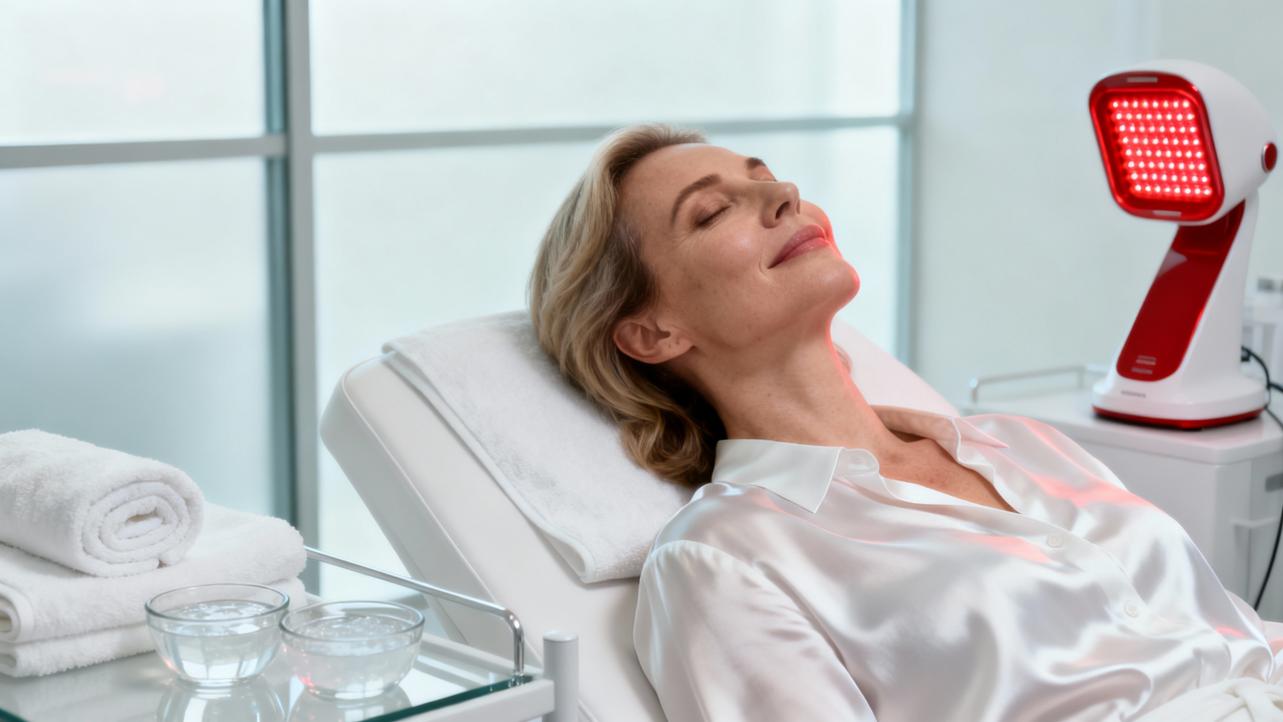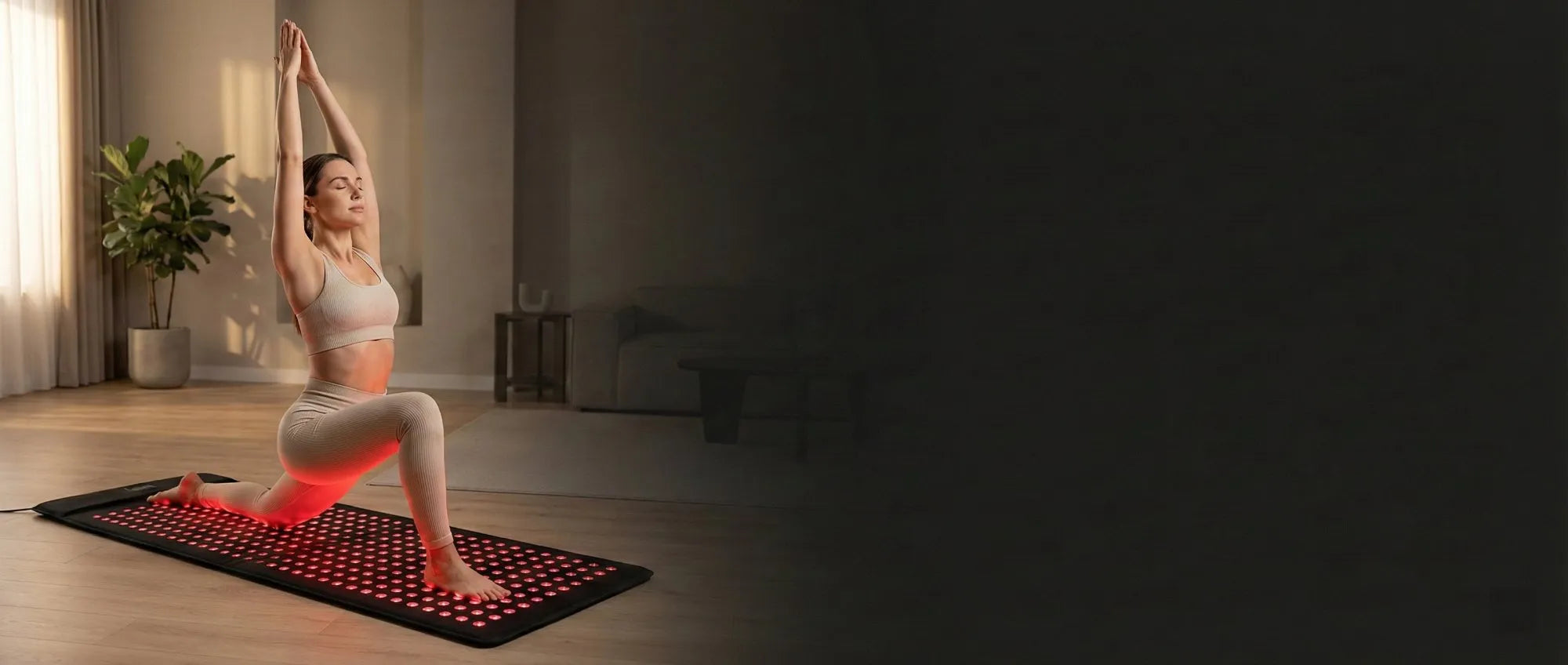
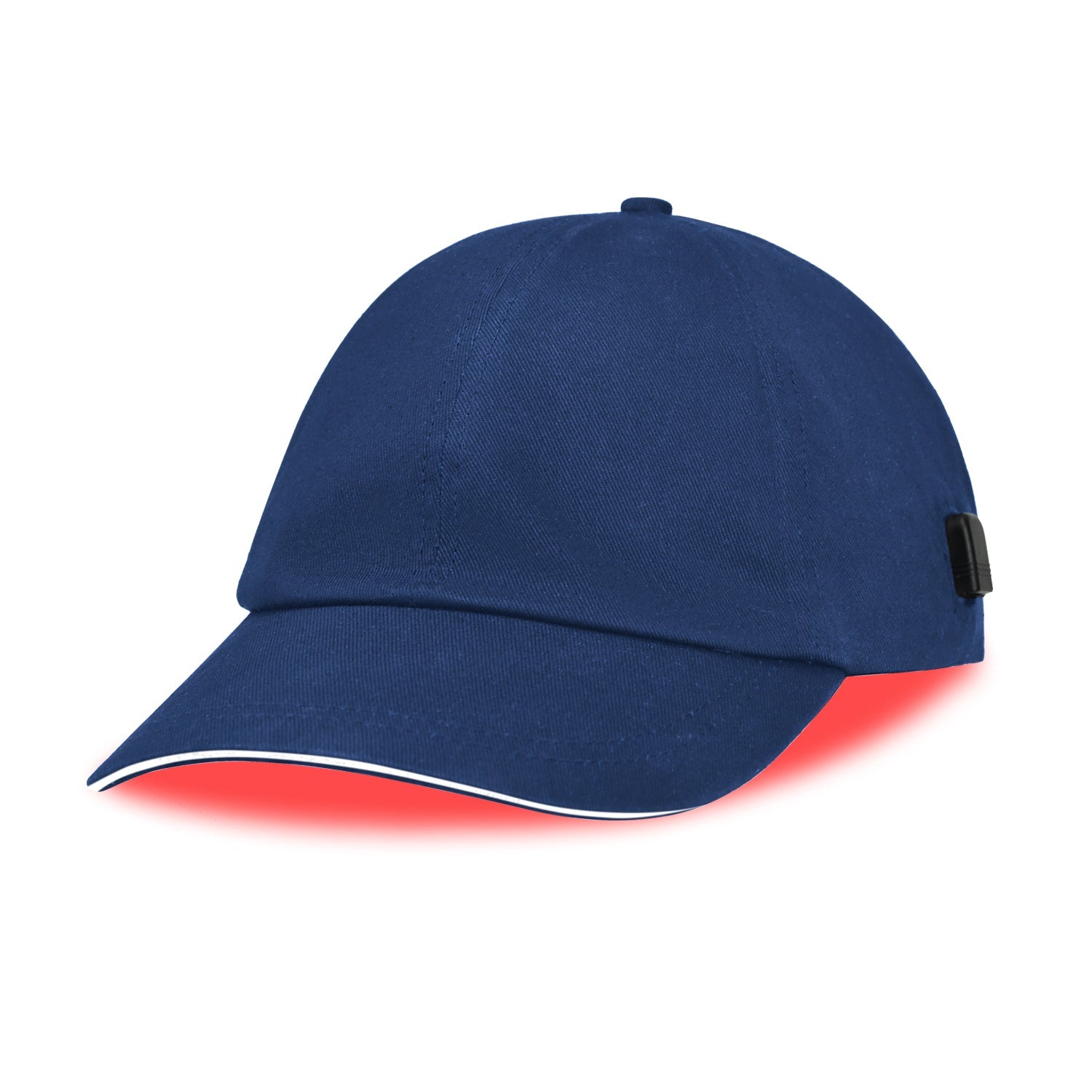
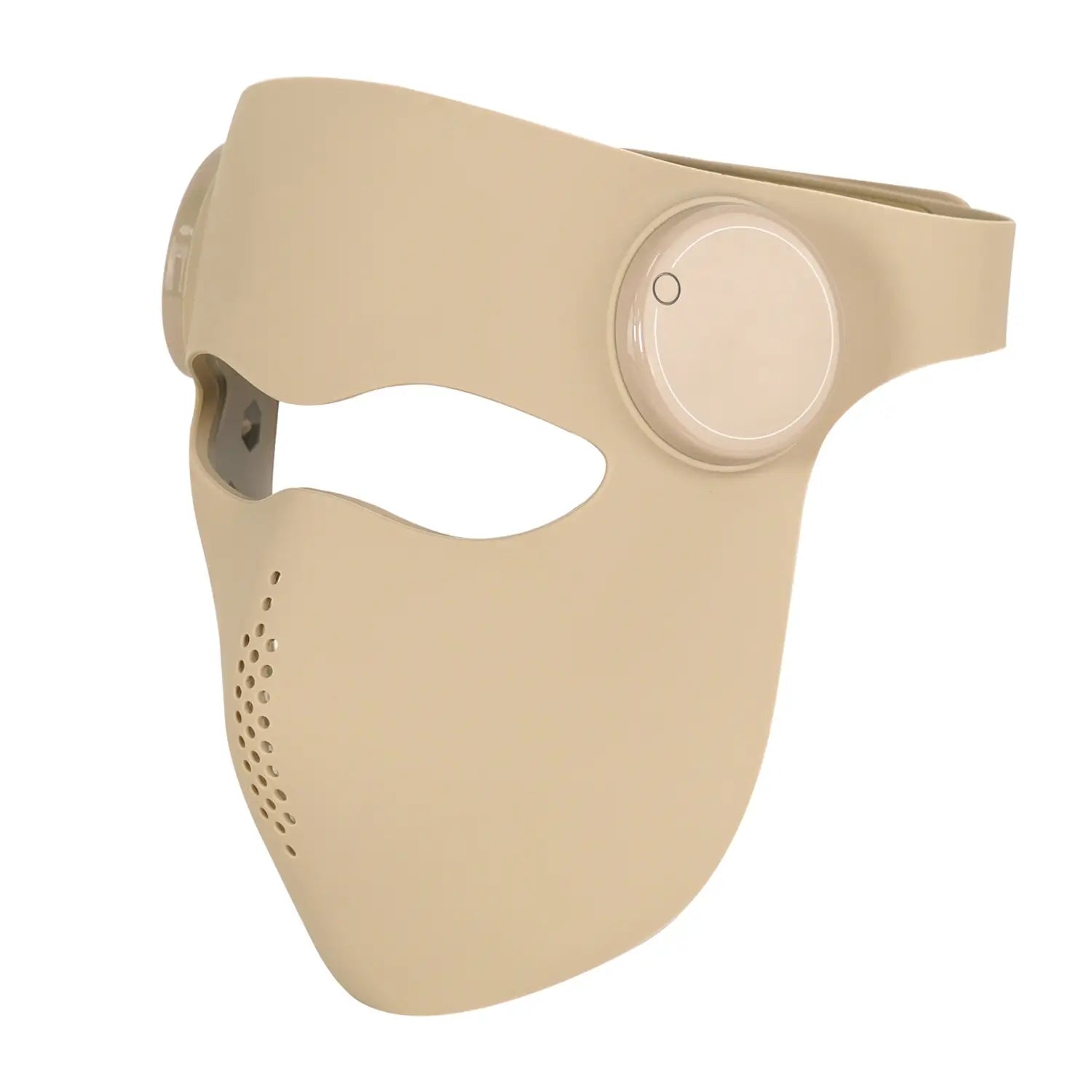

The New Duo in Non-Surgical Facial Rejuvenation
Thread lifts and red light therapy are two of the most interesting tools in the modern non-surgical anti-aging toolkit. One physically repositions sagging tissue with dissolvable threads. The other uses specific wavelengths of red and near-infrared light to drive cellular repair without breaking the skin. When people ask me where the real “biohacking” is happening in aesthetics, this combination is high on my list.
From a science-first perspective, the logic is compelling. Thread lifts create mechanical lift and trigger collagen production around the threads. Red light therapy, also called photobiomodulation or low-level light therapy, increases cellular energy in the same fibroblasts that build collagen, improves microcirculation, and calms inflammation. Studies summarized by Cleveland Clinic, Stanford Medicine, UCLA Health, and peer-reviewed journals show modest but real improvements in wrinkles, elasticity, and healing when red light is used consistently and correctly.
But there is also a reality check. Red light therapy is not a magic wand, and there are no large randomized trials yet that specifically test “thread lift plus red light” as a combined protocol. What we do have is solid mechanistic science, controlled trials on skin rejuvenation, and growing clinical experience in post-procedure recovery that we can apply thoughtfully to thread lift care.
If you are considering a thread lift and you are a light therapy enthusiast, understanding how and when to integrate red light can help you recover smarter and potentially get more value from every thread placed.

How Thread Lifts Reshape the Face From the Inside Out
A thread lift is a minimally invasive cosmetic procedure in which fine sutures are placed under the skin to subtly lift and support sagging tissues. Unlike a surgical facelift, there is no large incision and no skin is removed. Instead, dissolvable threads are inserted through tiny entry points and then tightened to reposition the skin and underlying soft tissue.
Plastic surgeons and dermatologists position thread lifts as a bridge between injectables or skin resurfacing and a full facelift. Sources such as Dr. Sofonio and FACE describe them as office-based procedures performed under local anesthetic, often in under an hour, with most people resuming normal activities quickly. Providers commonly target jowls, jawline, cheeks, nasolabial folds, and sometimes the neck. The effect is meant to be natural and subtle: a refreshed contour rather than a completely new face.
The threads themselves do more than pull. Modern thread technology, as reviewed in an MDPI article on the evolution of thread lifting, has evolved into several functional categories. Barbed or cogged threads have tiny textural “hooks” that anchor into the superficial muscular aponeurotic system (the SMAS layer) to give a mechanical lifting vector. Smooth monofilament threads are more about reinforcement and microtrauma-induced collagen rather than dramatic lift. Spring or twin threads have a helical design with “shape memory” that helps redistribute tension and restore some volume in areas that have thinned with age.
Materials also matter. Older thread lifts relied heavily on nonabsorbable polymers such as polypropylene or silicone. These are strong and durable, but their permanent presence in the tissue increases the risk of chronic foreign-body reactions, granulomas, and visible irregularities over time, especially as the face continues to age. Modern protocols lean toward absorbable threads, particularly polydioxanone (PDO), poly-L-lactic acid (PLLA), and polycaprolactone (PCL), which have long histories as surgical sutures.
PDO threads, for example, are synthetic, biodegradable, and generally metabolized over about six months according to the MDPI review. They come in smooth, barbed, and spiral variants. Smooth PDO threads mostly stimulate neocollagenesis and improve fine lines and skin quality. Textured PDO designs add mechanical support and trigger a cascade of remodeling: new collagen fibers, improved dermal density, better microcirculation, and a moderate lifting effect that develops over months. PLLA and PCL threads tend to last longer in tissue and can support results for one to three years, as described in the FACE thread lift FAQ, although the visible longevity also depends on placement, facial movement, age, and lifestyle.
In short, a thread lift resets facial architecture through controlled trauma and foreign-body stimulation. The procedure lifts and then relies on your biology to lay down fresh collagen around each thread. That biology is exactly where red light therapy can be a strategic ally.

What Red Light Therapy Does at the Cellular Level
Red light therapy is a noninvasive treatment that uses specific low-intensity wavelengths of red and near-infrared light to influence cellular function. Dermatology and wellness clinics typically use light around 600–650 nanometers in the visible red range and 800–850 nanometers in the near-infrared range. Steel City Dermatology, for example, highlights devices that deliver 633 nm red and 830 nm near-infrared light, while clinical trials summarized in a controlled photobiomodulation study focused on 611–650 nm red light.
At these wavelengths and doses, the light is non-thermal and does not burn or ablate tissue. Instead, it is absorbed mainly by mitochondrial chromophores such as cytochrome c oxidase. The MDPI photobiomodulation review on skin aging explains that this absorption increases ATP production, oxygen consumption, RNA and protein synthesis, and redox-sensitive gene expression that relate to tissue repair. In practical language, you are giving tired cells more fuel and turning on some of their repair programs.
Skin rejuvenation and collagen remodeling
Multiple sources converge on a core set of skin benefits when red light therapy is used consistently and correctly. Dr. Sabrina, West Dermatology, UCLA Health, and WebMD all note that red light stimulates fibroblasts, the cells that produce collagen and elastin. Clinical work summarized by Stanford Medicine and Cleveland Clinic supports modest improvements in fine lines, wrinkles, and skin plumpness, likely via this increased collagen.
One randomized controlled trial of photobiomodulation for skin rejuvenation enrolled 136 adults and compared several red and polychromatic light devices to untreated controls. Participants received twice-weekly treatments for a total of 30 sessions, with all active devices normalized to deliver a similar dose of red light around 611–650 nm. Compared with controls, treated subjects reported better complexion and skin feel. Objective measures showed reduced skin roughness, increased intradermal collagen density, and visible wrinkle reduction on standardized photographs. Importantly, broader polychromatic spectra did not outperform red-only light when the red dose was matched.
A separate MDPI study evaluated a home-use mask that delivered 630 nm “cold” red LED light at a dose of about 15.6 joules per square centimeter for 12 minutes, twice per week, over three months. In this trial, volunteers aged 45–70 maintained their usual skincare while adding the mask. Over one, two, and three months, researchers measured progressive improvements in wrinkle depth, facial sagging, firmness, elasticity, dermal density, pore size, and complexion uniformity using objective instruments. The improvements persisted for at least a month after stopping treatment, suggesting genuine structural changes rather than a momentary plumping effect.
These studies do not involve thread lifts directly, but they tell us that correctly dosed red light can increase dermal collagen, improve elasticity, and refine texture, all of which are exactly the parameters that determine how good a thread lift ultimately looks on the surface.
Inflammation, circulation, and wound healing
Thread lifts are microtrauma by design. Cannulas or needles pass through the tissue; threads sit under the skin and irritate it just enough to drive collagen formation. That means short-term inflammation, swelling, bruising, and a controlled wound-healing response.
Red light therapy has well-documented anti-inflammatory actions. Aesthetic Bureau’s review of spa-based red light notes reductions in pro-inflammatory cytokines and oxidative stress, as well as improvements in lymphatic drainage. Dr. Sabrina and West Dermatology both emphasize that red light calms redness, soothes sensitive or reactive skin, and helps conditions like acne, rosacea, and eczema. By increasing microcirculation, red light supports nutrient delivery and metabolic clearance, which can accelerate healing of wounds and scars. Some studies described by Stanford Medicine found that red light–treated surgical scars (for example, after eyelid surgery) healed faster in the early weeks than untreated areas, although long-term outcomes sometimes equalized after about six weeks.
UCLA Health adds that red light has been used to reduce oil production and improve acne lesions with minimal side effects, and a small study using six treatments every two weeks significantly reduced sebum output without adverse events. While acne is not the main concern after a thread lift, the same biology of inflammation, sebum, and barrier repair is in play.
Safety overview from major medical centers
The safety profile of red light therapy has been examined by several mainstream institutions. Cleveland Clinic describes red light as generally safe when used short term and as directed, noting that it is noninvasive, non-toxic, and avoids ultraviolet radiation. WebMD similarly labels it low risk in the short term, with possible side effects including temporary redness, blistering with excessive intensity, and eye damage if used improperly near the eyes. Dr. Sabrina also lists transient skin sensitivity, dryness, eye discomfort without protection, occasional headaches or dizziness, and temporary acne flare-ups as possible side effects of overuse.
Stanford Medicine emphasizes that some devices are cleared by the FDA for safety, but that this clearance is not proof of dramatic effectiveness, and long-term safety of chronic use still needs more study. UCLA Health and Cleveland Clinic both stress that current evidence is limited by small sample sizes, short durations, and lack of standardization across devices and protocols.
The American Academy of Dermatology underscores the importance of discussing energy-based treatments like red light therapy with a board-certified dermatologist. That becomes even more crucial when you are stacking red light in the same area that has just undergone an implant-based procedure like a thread lift.

Why Red Light Pairs So Well with Thread Lifts
There are three main biological levers in a thread lift: the mechanical lift from tensioned threads, the inflammatory and wound-healing cascade they trigger, and the longer-term remodeling of collagen and extracellular matrix around those threads. Red light therapy can touch all three, albeit indirectly.
Before the procedure: conditioning the canvas
Going into a thread lift with healthier skin is like starting a strength program when you are already mobile and well nourished. Red light therapy can be used in the weeks leading up to a thread lift to improve baseline skin quality. Studies of red LED masks and full-body panels show increases in collagen and elastin, smoother texture, and more even tone after several weeks of consistent use. Clinics described by Enhance Plastic Surgery and Dr. Daniel Barrett often use red light as part of facial light treatments to address hyperpigmentation, dullness, and fine lines.
If your skin is less inflamed, better hydrated, and more resilient on the day of your thread lift, it may tolerate the procedure more comfortably and remodel more predictably. This is especially relevant if you have a history of redness, mild eczema, or post-inflammatory hyperpigmentation, where calming the skin in advance can be beneficial. It is always wise to coordinate this pre-conditioning phase with your dermatologist or surgeon, particularly if you have darker skin tones that may be more prone to pigment changes, a point highlighted by UCLA Health.
Right after: calming inflammation and bruising
Immediately after a thread lift, the priorities are to control pain and swelling, protect the threads while they “set,” and avoid infection. Red light’s anti-inflammatory and pro-circulatory properties make it an attractive adjunct for this phase, but timing and dosing need to be individualized.
In general dermatology practice, red light is used post-procedure to calm the skin after treatments like laser resurfacing and microneedling, decreasing downtime by reducing redness and speeding healing. Aesthetic Bureau notes that spas often apply red light after facials or more aggressive treatments to minimize post-procedure redness and discomfort. Because red light in the therapeutic range is non-thermal, it does not add heat stress to traumatized tissue, which is a key distinction from some other energy devices.
For thread lifts, the same biology should apply: less inflammatory cytokine production, better microcirculation, and improved lymphatic flow could, in theory, clear bruising and swelling faster and make the early healing period more comfortable. However, since threads rely on very specific vectors and tissue tension, any modality applied in the first days needs explicit approval from your surgeon. The main concern is not that red light will melt or physically damage PDO or PLLA threads, which are designed to tolerate body temperatures, but that aggressive manipulation, pressure, or prolonged sessions could irritate tissues that are still stabilizing. Many practices therefore introduce red light only after initial tenderness and swelling have started to settle, but the exact timing is a clinical decision rather than something to self-experiment with.
The remodeling months: guiding collagen for smoother results
This is where red light therapy shines as a companion to thread lifts. After the first week or two, the mechanical work has been done, and your face enters a months-long remodeling phase. The threads stimulate neocollagenesis and fibrillogenesis around them, thickening and strengthening the dermal matrix. Histologic studies of PDO threads, summarized in the MDPI review, show increased dermal density, neovascularization, and the formation of a supportive fibrous framework as part of this process.
Red light therapy engages many of the same pathways. The randomized trial with 30 red-light sessions and the MDPI mask study both demonstrated gradual improvements in collagen, elasticity, and dermal structure over periods of about three months, with benefits that outlasted the treatment window. The MDPI researchers specifically spaced treatments about 72 hours apart, citing the Arndt–Schulz law: low to moderate doses stimulate cellular activity, while excessive dosing may blunt or reverse the effect. They found that giving tissue time to respond between sessions increased the net benefit.
From a “stacking” standpoint, the months after a thread lift are an ideal time to use red light on a schedule similar to those studied in anti-aging trials, once your provider clears you to start. By doing so, you are repeatedly nudging fibroblasts to produce high-quality collagen, improving microcirculation, and supporting more even remodeling around each thread. The goal is not to “tighten more” aggressively, but to help the skin settle into its new support structure with better tone, texture, and resilience.
Long term: maintaining results as threads dissolve
Absorbable threads gradually lose tensile strength and are broken down by the body. Results often last longer than the threads themselves because the new collagen scaffold persists, but gravity, facial expressions, and ongoing aging continue. FACE notes that visible thread lift results can last roughly six months to three years, depending on thread material, placement, and patient factors.
Red light therapy can function as long-term “maintenance nutrition” for your skin. Regular, moderate use supports ongoing collagen turnover, helps with pigment and texture issues that injectables and threads do not directly address, and keeps inflammation in check. Clinics such as Steel City Dermatology and Dr. Barrett’s practice explicitly recommend at-home red light devices as tools to maintain in-office results between visits. Using light this way will not freeze aging, but it can help your face age in a more controlled, even way once the structural gains from a thread lift have been banked.
Practical Ways to Integrate Red Light Around a Thread Lift
Red light protocols are not yet standardized even for basic anti-aging, and certainly not for thread lift aftercare. That said, we can look at patterns in the published studies and clinical guidance to get a sense of reasonable parameters, always with the caveat that your own dermatologist or surgeon has the final say.
Here is a snapshot of the kinds of settings used in skin-focused research and clinical practice:
Parameter |
Typical range in skin studies |
Why it matters |
Wavelength |
About 600–650 nm red; often combined with about 800–850 nm near-infrared in some devices |
These bands penetrate into the dermis and are absorbed by mitochondria and dermal cells, stimulating collagen and repair without UV damage. |
Session length |
About 10–20 minutes per treatment |
Sufficient time to deliver a biologically active dose at low power without overheating tissue when devices are used as directed. |
Dose (fluence) |
Roughly 8.5–9.6 J per square centimeter in one controlled trial; about 15.6 J per square centimeter with a home-use mask in the MDPI study |
Indicates total energy delivered to the skin; there seems to be a “sweet spot” where too little has no effect and too much may be counterproductive. |
Frequency |
About 2–3 sessions per week; some practices use up to 3–5 sessions per week initially |
Cells need repeated stimulation with recovery time in between; many studies used twice-weekly sessions. |
Program length |
Around 8–12 weeks, extending out to 3 months in the MDPI mask study |
Collagen remodeling is slow; visible changes typically build over several weeks and continue to accrue across months. |
These ranges apply to general skin rejuvenation. When you are adding red light around a thread lift, three practical principles apply.
First, timing is everything. Pre-procedure conditioning in the weeks before your thread lift is usually straightforward, but early post-procedure use should only begin when your surgeon confirms that your entry points have closed, swelling is trending down, and you are cleared for gentle energy-based therapies. There is no universal day count for this, because it depends on how aggressive your lift was, which threads were used, and how your tissue responded.
Second, respect dose and spacing. More is not better. The studies showing improvements in wrinkles and dermal density used low power densities and modest session durations, with regular spacing of about 48–72 hours. Ignore social media advice to “bake” under a panel for an hour every night. Overexposure can cause irritation, headaches, and potentially diminish the very regenerative effects you are chasing.
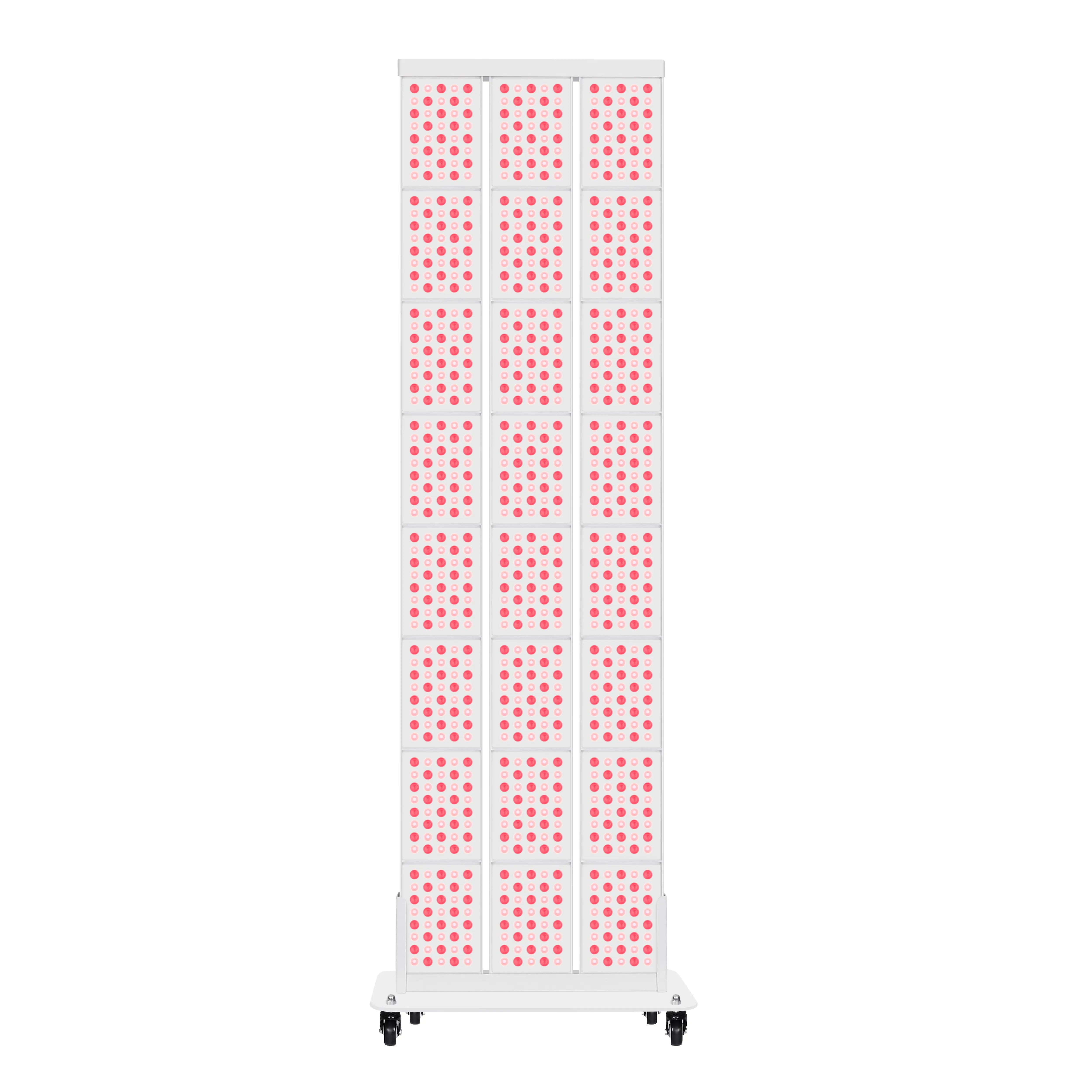
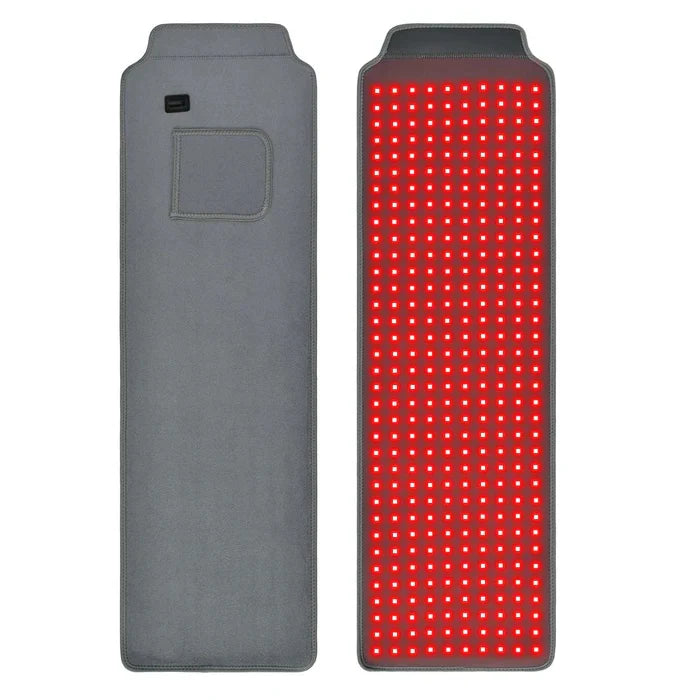
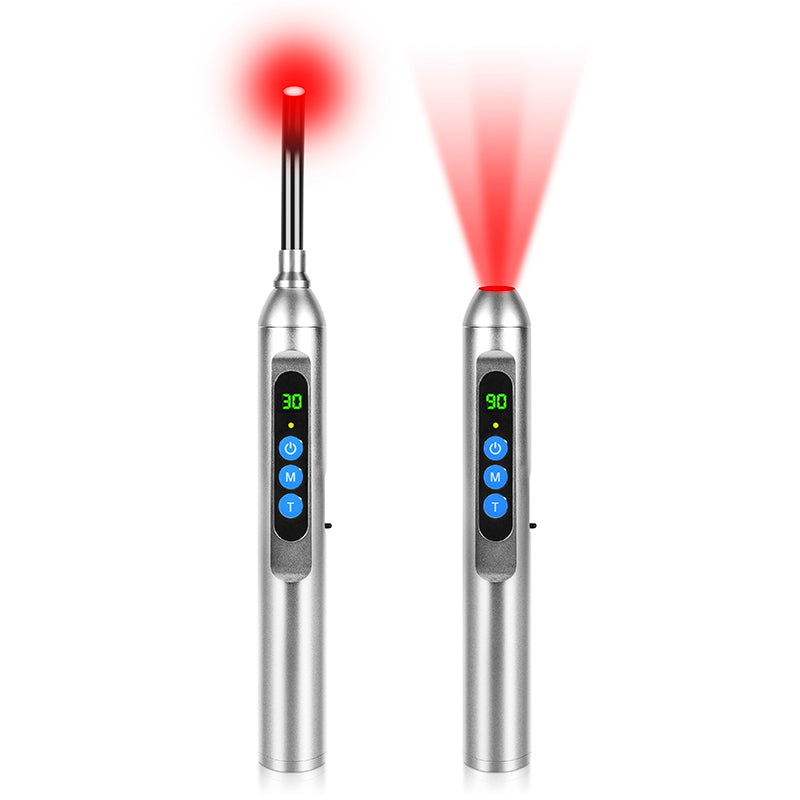
Third, be device-specific. An FDA-cleared mask designed for facial use will have very different power, beam spread, and contact characteristics than a full-body bed or a handheld wand. Follow the manufacturer’s directions closely, especially around the eyes, and do not modify a device setup, such as by stacking devices, without medical guidance.
Benefits and Limitations of Combining Red Light with Thread Lifts
When you use red light therapy intelligently around a thread lift, you are essentially adding a biologic amplifier to a mechanical procedure. The potential upsides are meaningful but measured.
You can reasonably hope for calmer, less reactive skin after the procedure, thanks to red light’s anti-inflammatory effects documented in dermatology sources like West Dermatology and Dr. Sabrina’s review. Bruising and swelling may resolve more quickly as improved microcirculation and lymphatic flow help clear byproducts of trauma. Over the following months, repeated red light exposures are likely to support better collagen quality and more even texture, building on the thread-induced remodeling seen in histologic studies. Noticeable improvements in fine lines, tone, and elasticity beyond what the threads alone provide are plausible, since these benefits have been shown in trials of red light without any threads.
However, red light therapy will not fix a poorly planned thread lift. It cannot change the vector of a thread that was placed in the wrong plane, cannot replace missing volume the way fillers do, and cannot give the dramatic tightening of a surgical facelift when laxity is simply too advanced. Stanford Medicine explicitly cautions against treating red light as a universal cure, and Cleveland Clinic notes that evidence is limited, with many studies small or lacking robust controls. Claims that red light will lift the face by inches, melt fat, erase cellulite, or cure systemic diseases are not backed by strong data.
There are also people who should be cautious. WebMD and Dr. Barrett both mention that individuals on medications that increase photosensitivity, such as certain antibiotics or isotretinoin, should avoid red light therapy or discuss it carefully with a physician. Dr. Sabrina points out that some rashes or highly reactive skin conditions may flare with overexposure, at least initially. UCLA Health advises particular care with darker skin types because of potential hyperpigmentation from certain light therapies, even though red light is generally gentler than higher-energy laser treatments. People with a history of skin cancer or serious eye disease, as well as pregnant individuals, are often advised to consult their dermatologist or obstetrician before using any light-based therapy regularly.
Viewed through a realistic lens, the combination of thread lifts and red light therapy is best seen as a synergy between structure and biology. Threads reposition and scaffold. Red light optimizes the environment in which your skin heals and remodels. When you respect the limitations of both, the results can be more harmonious and longer lasting than either would deliver alone.
Choosing Devices and Practitioners You Can Trust
Because both sides of this combo involve your face, provider selection matters as much as the technologies themselves. The American Academy of Dermatology encourages patients to seek board-certified dermatologists for cosmetic procedures involving energy devices. The same logic applies to thread lifts, where you want a surgeon or dermatologist who performs them frequently, understands different thread materials and designs, and can explain how they manage complications.
For red light therapy, Cleveland Clinic and WebMD make several practical points. In-office devices tend to be more powerful and better characterized in terms of wavelength and dose. Sessions can cost around eighty dollars or more and usually require multiple visits over weeks or months. At-home devices, including masks, panels, wands, and full-body units, are more convenient and can be very effective if they are well designed and used consistently, but many cheaper products lack adequate power or the right wavelengths.
UCLA Health recommends looking for devices that are specifically labeled as FDA-cleared for the indication you are targeting, such as facial wrinkles or hair thinning, and warns that terms like “FDA approved” or “FDA certified” are often misused in marketing. Steel City Dermatology highlights devices like Omnilux, which are backed by multiple peer-reviewed studies and designed as flexible silicone masks that conform to facial contours for uniform dosing. Dr. Barrett similarly recommends that users choose devices with built-in timers, eye protection, and reputable certifications, and he cautions that misuse, such as long sessions at very high intensity, can cause burns or skin damage even with red light.
The takeaway is simple. Vet your practitioner for the thread lift. Vet your device and protocol for the red light. And do not hesitate to bring your panel or mask information to your consultation so your dermatologist or surgeon can help you integrate it safely into your treatment plan.
Frequently Asked Questions
Is red light therapy safe over PDO or PLLA threads?
Red light therapy in the therapeutic range is non-thermal, meaning it uses low-power light that does not heat or burn tissue when used correctly. PDO, PLLA, and PCL threads are designed to live in the body at normal body temperature and withstand everyday mechanical stresses. There is no evidence in the dermatology and aesthetics literature provided here that properly dosed red light degrades or melts these materials. The main safety questions are about timing, dose, and tissue state. Right after a thread lift, your tissues are inflamed, entry points are healing, and threads are settling into position. Any new modality, even something as gentle as red light, should be introduced only when your surgeon is comfortable that it will not irritate or destabilize the area. Once cleared, red light can be considered a biologically compatible adjunct that works with, rather than against, absorbable thread materials.
Can red light therapy replace my thread lift?
No. Red light therapy can improve skin quality, boost collagen, even out tone, and modestly reduce wrinkles and sagging when used consistently over time. Controlled trials and reviews from Stanford Medicine, UCLA Health, and Cleveland Clinic support these kinds of benefits, but they describe incremental changes, not structural repositioning of facial tissues. A thread lift physically lifts and re-suspends tissues that have descended due to gravity and collagen loss. If your main issue is significant jowling, deep nasolabial folds, or neck laxity, light alone cannot recreate the vector and support created by threads or surgery. Where red light excels is in optimizing the skin that drapes over that new structure, making the outcome look smoother, healthier, and more radiant.
Do I really need both clinic and home red light to get results?
You do not need both, but they serve different roles. In-office treatments often use higher-power devices with carefully controlled parameters and can jump-start results in fewer sessions, guided by a dermatologist or plastic surgeon. At-home devices trade some power and precision for consistency and convenience. UCLA Health and WebMD both point out that therapy needs to be used consistently over time to maintain benefits; that is where a home mask or panel shines. Many people do a short series of clinic treatments, especially around major procedures, and then switch to a well-designed home device for maintenance. Others rely entirely on at-home masks and still see meaningful improvements when they stick with a schedule similar to the research protocols: several sessions per week for at least a couple of months.
If I am already doing microneedling and peels, is adding red light around a thread lift overkill?
Stacking treatments can absolutely be powerful, but it also increases the complexity of your skin’s recovery. Clinical sources emphasize that combination approaches are often used in practice for tightening and rejuvenation, pairing procedures with topical products and lifestyle upgrades. The key is sequencing and recovery. Aggressive resurfacing, microneedling, chemical peels, thread lifts, and red light all create demands on your skin’s repair systems. A smart plan staggers these modalities so that each has space to do its job without pushing you into chronic inflammation. Red light is generally the gentlest of the group and is frequently used to help skin bounce back from more intense treatments, but when you add threads to the mix, your dermatologist needs to orchestrate the timing. Think of red light as the recovery and optimization layer that should be woven in around, not on top of, your most invasive days.

Closing Thoughts
When you combine a well-planned thread lift with disciplined red light therapy, you are not chasing a gimmick; you are aligning mechanical engineering and cellular biophysics in your favor. As someone who has spent years obsessing over wavelengths, dosing, and real-world skin responses, my advice is simple. Let your surgeon handle the vectors. Let red light handle the biology. And let your habits—sleep, nutrition, sun protection, and stress management—create the foundation that makes both technologies worth the investment.

References
- https://pmc.ncbi.nlm.nih.gov/articles/PMC10311288/
- https://med.stanford.edu/news/insights/2025/02/red-light-therapy-skin-hair-medical-clinics.html
- https://my.clevelandclinic.org/health/articles/22114-red-light-therapy
- https://www.gundersenhealth.org/health-wellness/aging-well/exploring-the-benefits-of-red-light-therapy
- https://www.uclahealth.org/news/article/5-health-benefits-red-light-therapy
- https://www.aad.org/public/cosmetic/safety/red-light-therapy
- https://www.youareface.com/thread-lift
- https://www.bswhealth.com/blog/5-benefits-of-red-light-therapy
- https://aestheticbureau.com.au/red-light-therapy-spa-benefits/?srsltid=AfmBOor9QLmVLVQsYR_qWX81qCkDYC32z4c_2MMd4IgB5FoxHecmYfKk
- https://www.drdanielbarrett.com/blog/benefits-of-red-light-therapy