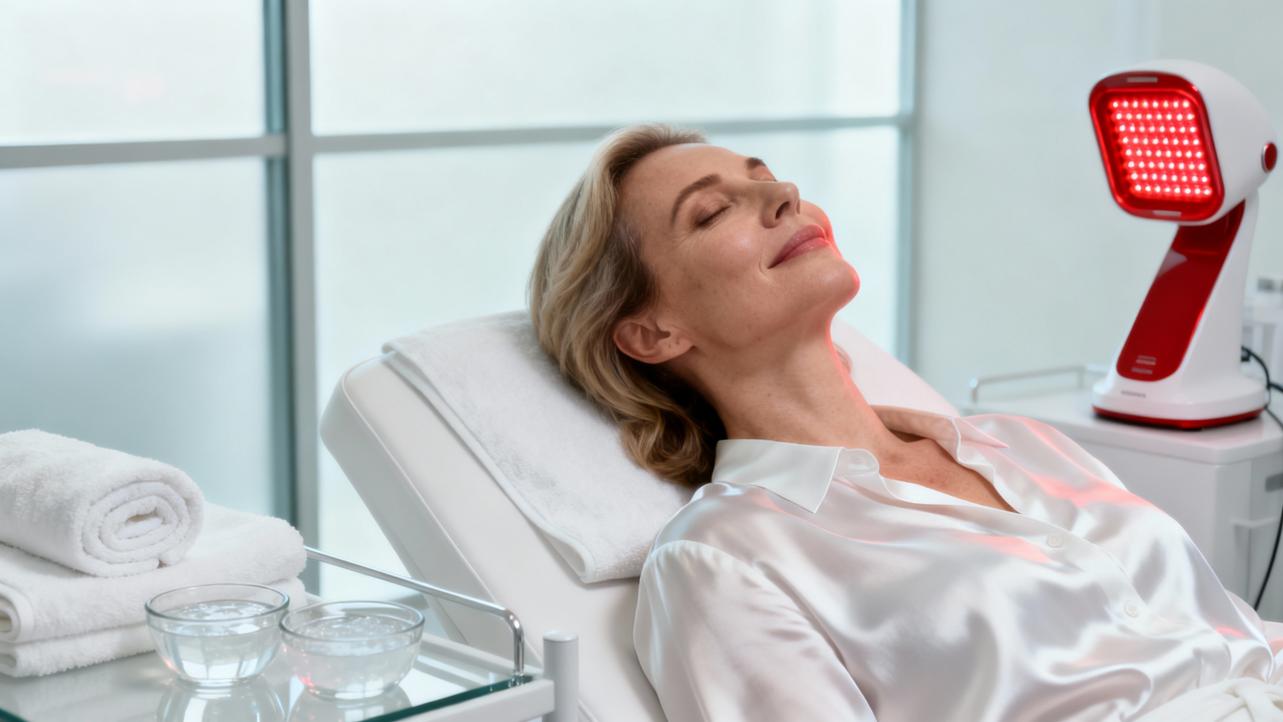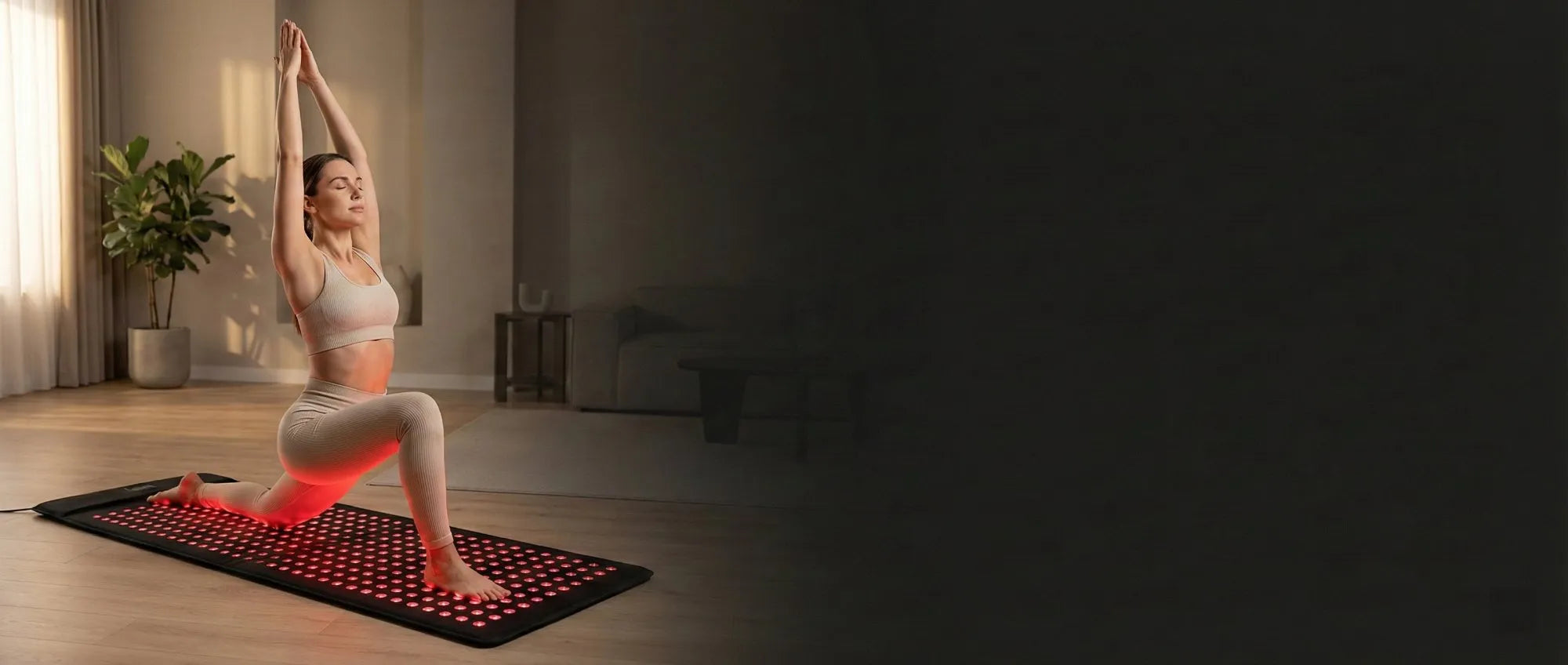
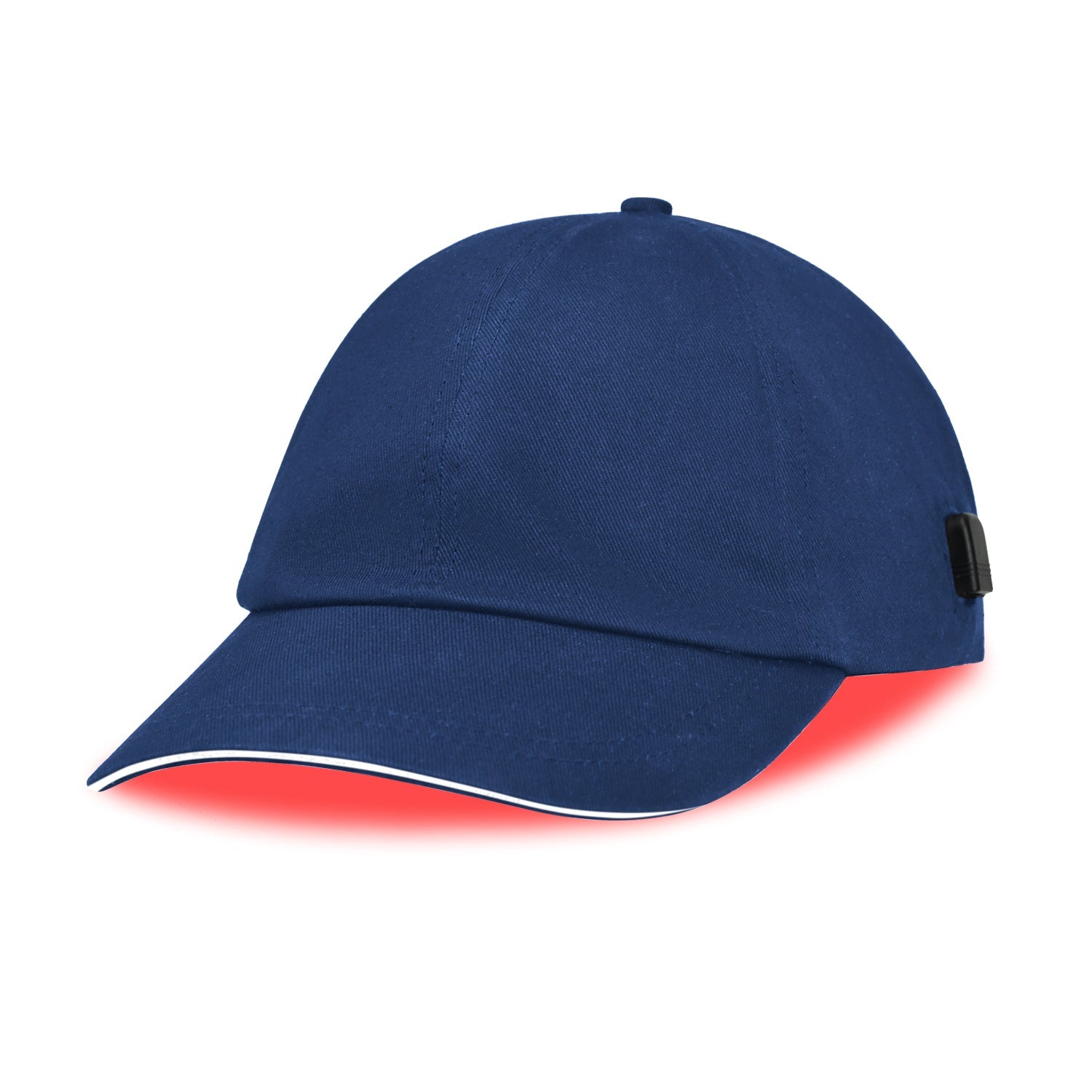
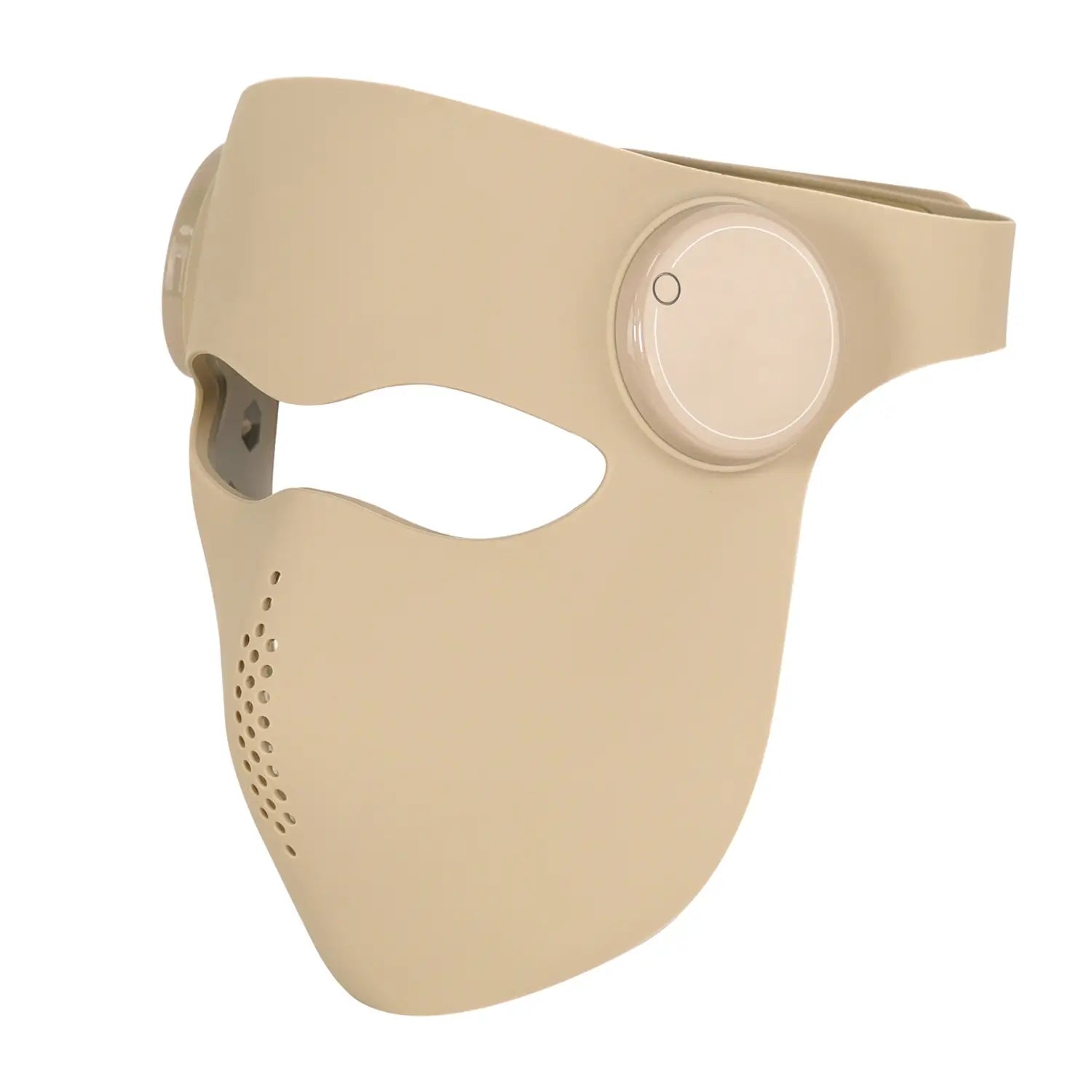

If you are investing in a thread lift and you also love gadgets, panels, and glowing LED masks, the natural question is obvious: can red light therapy actually make your lift last longer, or is it just an expensive feel‑good ritual?
As someone who has spent years testing red light protocols on real skin concerns and obsessively reading the photobiomodulation literature, I’ll give you the evidence-based answer: red light therapy can meaningfully improve skin quality, healing, and collagen. That matters for the way a thread lift looks and ages. But we do not yet have direct clinical trials showing that red light extends the lifespan of thread lift results, and it definitely does not replace the mechanical support of the threads themselves.
Let’s break down what we can say with confidence, where we are extrapolating, and how to use red light therapy intelligently after a thread lift.
Thread Lifts and Red Light Therapy: The Big Picture
A thread lift is a minimally invasive cosmetic procedure where fine threads are placed under the skin to reposition and support sagging tissue. It combines a mechanical lift with the body’s own healing response. Over time, the threads lose strength and the natural aging processes of collagen loss and gravity continue, so results gradually soften.
Red light therapy, also called photobiomodulation or low-level light therapy, uses low-energy red and sometimes near-infrared light to stimulate cellular processes without heating or burning the skin. A Cleveland Clinic overview notes that red light can boost mitochondrial energy production, increase collagen and fibroblast activity, enhance blood flow, and reduce inflammation in treated tissue. Healthline and Harvard Health Publishing describe similar mechanisms and emphasize that the devices used for skin are non‑UV and typically non‑thermal.
So the core idea is simple: thread lifts rely heavily on the quality of your skin and underlying collagen network, and red light therapy is one of the few noninvasive tools that consistently nudges that biology in a healthier direction. The question is how far that support can go.
What Red Light Actually Does in Skin
Photobiomodulation 101
Photobiomodulation is the technical term for what red light therapy is doing at the cellular level. In a detailed research paper on facial rejuvenation masks, investigators defined photobiomodulation as low-level red or near‑infrared light in roughly the 600–1,100 nanometer range. This light is absorbed by a mitochondrial enzyme called cytochrome c oxidase, which:
- Increases cellular energy (ATP) production.
- Modulates oxidative stress.
- Turns on genes involved in tissue repair.
- Downregulates inflammatory pathways.
Unlike ablative lasers, this is not about controlled wounding or heat. The studies emphasize that properly dosed red LED treatments are non‑thermal and atraumatic, which is precisely why they are attractive post‑procedure. There is also a biphasic response: too little energy does little, but too much can actually reduce the beneficial effect. This dose‑sensitivity matters when you are designing home routines around a thread lift.
Evidence for Collagen, Firmness, and Sagging
To understand whether red light might help a thread lift age better, we first need to know if it truly changes skin structure, not just gives a short‑term glow.
In one full‑face clinical study using a 630 nanometer LED mask twice per week for three months, 20 volunteers between 45 and 70 years old saw statistically significant improvements across an array of aging markers. After three months, the researchers reported that crow’s feet wrinkle depth decreased by about 38 percent and facial sagging along the lower face decreased by nearly 25 percent. Dermal density increased by close to 48 percent, and skin firmness and elasticity improved meaningfully. Importantly, when they re‑measured 14 and 28 days after stopping treatment, there was no significant loss of benefit, suggesting more than a fleeting swelling effect.
A larger randomized trial with 136 volunteers tested two types of non‑thermal light: a red‑focused spectrum in the 611–650 nanometer range and a broader band that extended into near‑infrared light. Participants received 30 sessions, roughly twice per week, with doses normalized to about 8.5–9.6 joules per square centimeter in the red range. Both groups, compared with untreated controls, showed:
- Better subjective ratings of complexion and skin feel.
- Objective reductions in skin roughness around the eyes.
- Ultrasound‑measured increases in intradermal collagen density.
- Physician‑graded wrinkle improvements on standardized photos.
The broader spectrum did not outperform red‑only light. In other words, well‑structured red light alone was sufficient to increase collagen density and smooth out the skin surface over a series of weeks.
Multiple dermatology clinics, including Texas Dermatology and West Dermatology, summarize these findings by highlighting red light’s ability to stimulate fibroblasts, encourage collagen and elastin production, and improve firmness, texture, and tone with minimal discomfort and downtime.
These effects do not replace lifting threads, but they directly influence the “canvas” those threads are lifting.
Evidence for Acne, Scars, and Wound Healing
Thread lifts are not scalpel surgeries, but they still involve needles, micro‑injuries, and sometimes mild bruising. Here, red light’s role in acne, scars, and wound healing becomes relevant.
Several lines of evidence support its reparative role:
- A study comparing red (630 nanometer) and infrared (890 nanometer) low‑level laser therapy for adult facial acne found that the red light side had about a 77 percent reduction in inflammatory lesions, compared with a nonsignificant 17 percent reduction on the infrared side, using equal energy doses. Both sides also received a topical antibiotic. All patients completed the protocol without light‑related complications, reinforcing the safety of red light for inflamed skin.
- A review article on acne scars describes red and near‑infrared light as stimulating mitochondrial repair, fibroblast activity, and collagen remodeling, with clinical series showing dramatic reductions in lesion counts over multiple sessions, and minimal side effects. The same physiology—structured collagen replacement of damaged tissue—is what you want around thread entry points and along the vector of the lift.
- Scar‑focused discussions, including commentary from a Chicago plastic surgeon cited by a device manufacturer, note that red and near‑infrared LED therapy can reduce post‑surgical swelling and inflammation, accelerate healing, lessen pain, and improve the appearance of scars. Clinical evidence suggests it can be used safely in the early postoperative period to limit excessive scar formation.
- Dermatology practices and mainstream overviews (including Cleveland Clinic, Texas Dermatology, and West Dermatology) consistently mention red light as a tool to speed wound healing and improve the look of scars from acne, surgery, or injury, largely by enhancing circulation, cellular turnover, and collagen organization.
Put simply, red light appears to help skin repair itself in a calmer, more organized way. After a thread lift, that is exactly what you want: quiet inflammation, well‑structured collagen, and minimal surface irregularities.
Why Thread Lift Results Fade
To understand what red light can and cannot do for longevity, it helps to unpack why thread lift results soften over time.
Any lifting procedure is fighting three big forces.
The first is gravity and repetitive motion. Your facial tissues are constantly pulled downward and outward every time you sleep on your side, chew, speak, or express emotion.
The second is the biology of aging. Collagen and elastin gradually break down; fibroblasts become less active; fat pads shift. Several of the red light studies above show that you can nudge these systems in a better direction, but you are still working within an aging organism.
The third is the nature of the threads themselves. The materials used in thread lifts are designed to eventually lose tensile strength and, in many cases, resorb. That is part of their safety profile. Once the threads soften or dissolve, their mechanical lifting contribution declines, even if your skin quality remains relatively good.
Red light therapy can meaningfully influence the second factor—skin biology—and can potentially help the tissues recover smoothly from the insertion trauma. It cannot prevent gravity, and it does not alter the physical lifespan of the threads.
What We Actually Know About Red Light and Thread Lift Longevity
None of the research summarized in the notes specifically studies red light therapy as a way to prolong thread lift results. There are no randomized controlled trials, no split‑face comparisons of “thread lift plus red light” versus “thread lift without red light,” and no hard data on months of added lift.
So any discussion here is an extrapolation from three better‑studied areas: red light for skin rejuvenation, for wound healing and scars, and for general soft‑tissue recovery.
Here is how those pieces map onto your question.
Red‑light effect |
Evidence from the literature |
Likely relevance after a thread lift |
In a 3‑month full‑face mask study with 630 nanometer light, dermal density increased by nearly half, while wrinkles and sagging decreased substantially. A larger 136‑person trial also showed increased collagen density and smoother skin after 30 sessions of red‑focused light. |
Higher collagen density and firmer skin can make a lifted face look smoother, more defined, and more “held” in place. This supports the aesthetic of a thread lift but does not change how quickly the threads themselves lose strength. |
|
Anti‑inflammatory and wound healing support |
Acne and scar studies, along with surgical scar reports, show reduced inflammation, faster lesion resolution, and better scar appearance with red or red plus near‑infrared light, often in protocols of 2–3 sessions per week over several weeks. |
Calming inflammation and promoting orderly collagen during the early healing phase can reduce visible downtime, minimize textural irregularities, and possibly support healthier tissue integration around the threads. That improves quality, not necessarily duration, of the lift. |
Skin texture, pores, and sebum |
The facial mask trial documented reductions in cheek roughness, pore size, and sebum production, and improved complexion homogeneity. Acne‑focused clinics also note smoother texture and fewer breakouts with combined blue and red light. |
If your skin looks smoother, less shiny, and more even in tone, the contours from a thread lift tend to read as more natural and youthful. This is a “supportive” effect rather than a direct extension of thread longevity. |
Structural lifting and thread lifespan |
None of the red light trials involve mechanical lifting devices. University Hospitals and WebMD summaries emphasize that red light is promising for soft‑tissue inflammation and mild pain, but it does not repair structural or mechanical damage. |
There is no evidence that red light can tighten ligaments, reposition deep fat pads, or halt the planned weakening of the threads. It should not be expected to maintain the lift once the mechanical support is gone. |
From an evidence‑based standpoint, the fairest conclusion is this: red light therapy is likely to improve the way your thread lift heals and the overall quality of your skin in the treated area, which can make the result look better and potentially age more gracefully. It is not a proven method to meaningfully extend how long the threads keep your tissues elevated.

Practical Ways to Use Red Light Around a Thread Lift
Even without thread‑specific trials, the skin and scar data give us a realistic framework for how to integrate red light into a thread lift journey. This is not personal medical advice; it is a science‑informed template for discussions with your dermatologist or injector.
Timing and Frequency
Clinical anti‑aging and acne protocols tend to cluster around short, frequent exposures:
A full‑face 630 nanometer mask study used 12‑minute sessions twice per week for three months, with measurable improvements starting around four weeks and increasing through the three‑month mark.
Acne and acne scar protocols in dermatology clinics and trials often use two to three sessions per week for at least four to six weeks, sometimes longer, with red light alone or combined with blue light.
The larger 136‑person rejuvenation trial delivered 30 sessions, also roughly twice per week, with sustained improvements documented at the end of treatment.
If you are building a plan around a thread lift, those patterns suggest that brief, two or three times weekly sessions make much more sense than occasional long exposures. Many home devices recommend similar schedules, usually 10–20 minutes per session.
Immediately after a thread lift, your provider may have specific instructions about when you can safely start light therapy on the area. Some plastic surgeons and dermatologists already incorporate red LED sessions early in their post‑procedure protocols for other surgeries, but your injector’s guidance should come first, especially regarding swelling, bruising, and any risk of heat or pressure on the treated tissue.
Wavelengths and Device Choice
Not all red light devices are created equal, and the wavelengths they use matter.
The University of Utah men’s health podcast highlights common therapeutic wavelengths around 640, 720, 810, and 940 nanometers, noting that they penetrate to different depths, with the 600‑700 nanometer range acting more superficially and the 800‑900 range reaching deeper tissues. The anti‑aging mask study that improved sagging and wrinkles used a narrow band around 630 nanometers. Scar‑focused protocols often combine around 633 nanometer red with approximately 830 nanometer near‑infrared light, leveraging both surface collagen stimulation and deeper wound‑healing effects.
Clinicians interviewed by AARP and other outlets emphasize choosing devices that clearly list their wavelengths and are cleared by the U.S. Food and Drug Administration for safety. For home users, they also recommend looking for brands that have clinical data on their specific device design rather than generic “red light” claims.
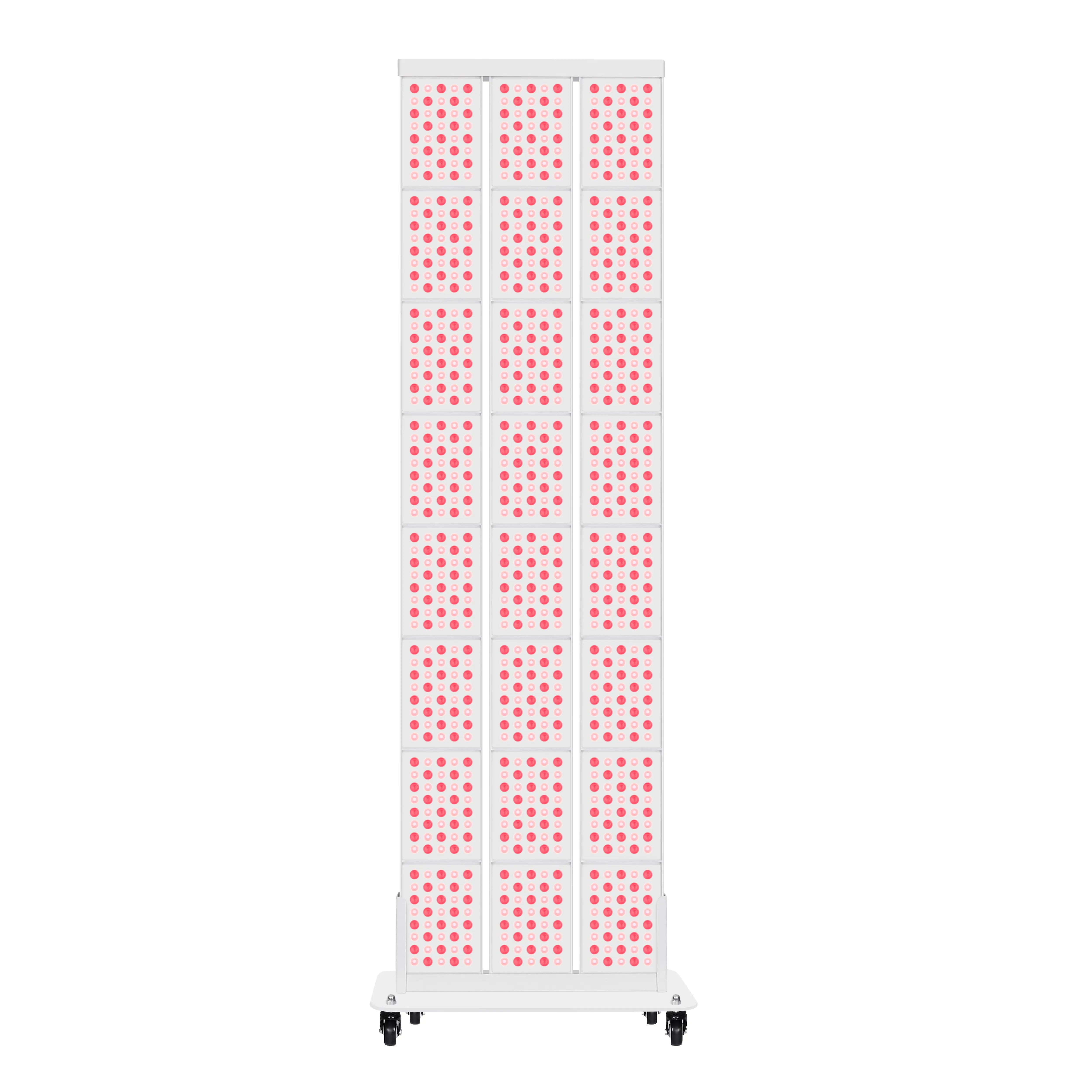
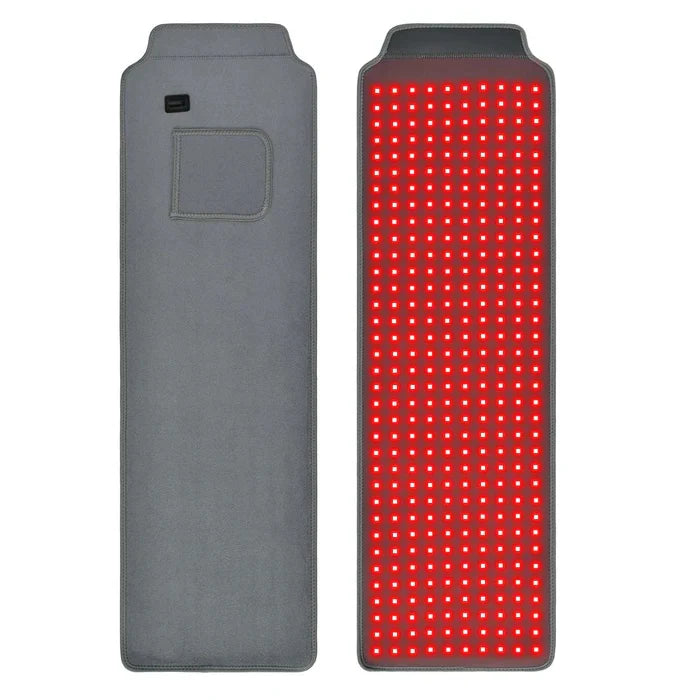
In practical terms, if your goal is to support the skin overlying your thread lift, a face mask or panel that delivers documented doses of red light in the 620–670 nanometer range—possibly combined with near‑infrared if heat is well controlled—is aligned with the parameters used in published trials.
Safety and Contraindications
Across Cleveland Clinic, WebMD, Harvard Health Publishing, and multiple dermatology practices, the safety story is fairly consistent:
Red light therapy for skin, when used properly, is low risk in the short term. It does not involve ultraviolet light and is not believed to cause skin cancer. Typical side effects include temporary redness, mild swelling, or irritation. Rarely, darker pigmentation or burns have occurred, usually with malfunctioning or misused devices.
Eye safety is important. While standard red LEDs are not inherently strong enough to burn your eyes, the brightness of masks and panels can be uncomfortable, and there have been enough concerns that one major acne mask brand was recalled due to potential eye risks in susceptible users. Most clinical sources recommend protective goggles, especially when the device is close to the face.
People on photosensitizing medications, such as certain antibiotics or acne medications, and those with specific eye diseases or a history of skin cancer should talk with their physician before adding red light therapy. The American Academy of Dermatology consistently urges patients to consult board‑certified dermatologists before pursuing any light‑based cosmetic procedure.
For thread lifts specifically, the additional concern is mechanical. You do not want to press a heavy panel into freshly treated areas, stretch the skin, or expose it to excessive heat. This is where your injector’s instructions override any generic red light schedule.
Pros, Cons, and Who Might Benefit Most
Thinking like a “light therapy geek” who also cares deeply about real‑world outcomes, the pros of using red light around a thread lift are compelling but nuanced.
On the plus side, red light is noninvasive, has minimal downtime, and has a growing body of evidence for improving collagen, firmness, texture, and scar behavior. The facial mask study shows that sagging and wrinkles can improve significantly with a realistic home‑routine schedule of two sessions per week. Scar and wound‑healing literature suggests that red and near‑infrared light can reduce swelling and improve early healing, which may translate into nicer‑looking thread entry sites and overall smoother recovery. For someone already invested in an in‑office thread lift, stacking a relatively low‑risk modality that supports skin biology is conceptually attractive.
On the downside, there is a clear evidence gap for your exact question. No study currently proves that red light therapy extends thread lift longevity in months or years. Devices vary widely in power and wavelength, so it is easy to spend hundreds or even thousands of dollars on hardware that does not match the parameters used in solid trials. In‑office sessions can run about $50 to $150 each, and home masks range roughly from $50 up to several hundred dollars for the face alone, with full‑body beds priced in the tens of thousands of dollars according to University of Utah and AARP reporting.
There is also an opportunity cost. The Utah researchers stress what they call the “Core Four” of health: nutrition, physical activity, mental and emotional health, and sleep. Free morning sunlight, strength training, and restorative sleep will do more for your long‑term tissue integrity than any LED panel, even though panels have their place. Red light therapy should be an adjunct, not the star of the show.
If you heal slowly, bruise easily, struggle with post‑inflammatory pigmentation, or already benefit from red light for acne or skin quality, you are a particularly reasonable candidate to discuss post‑thread protocols with your dermatologist. If your expectation is that red light will double the lifespan of your lift, you are likely to be disappointed.
How to Talk to Your Injector or Dermatologist
Because the American Academy of Dermatology and major medical centers consistently advise professional guidance for any light‑based treatment, it is worth having a focused conversation before you park yourself under a panel.
You might frame the discussion this way: you are interested in red light because studies in reputable journals show improved collagen, firmness, and scar healing with short, regular sessions using specific wavelengths. You understand there is no direct evidence that it prolongs thread lift results, but you want to know whether your provider sees a role for it in your case.
Key points to cover in natural conversation include when it would be safe to start red light on the treated areas, whether they prefer in‑office sessions or are comfortable with a high‑quality home device, and any specific precautions based on your anatomy, medications, or medical history. If they already use red light in their practice, ask which parameters and schedules they find most helpful in the context of minimally invasive lifts or similar procedures.
This alignment matters more than any single device specification. A thoughtful provider can help you avoid overdoing it, wasting money, or accidentally irritating already traumatized tissue.

FAQ: Common Questions from Thread Lift Patients Who Love LEDs
Is it safe to use red light therapy right after a thread lift?
The safety of immediate post‑procedure red light depends on the specifics of your lift, your skin, and the device. The research summarized here shows that red LED therapy can be used safely even in the early postoperative period for some surgeries and that it tends to calm inflammation rather than provoke it. However, none of those trials involve thread lifts specifically, and some devices can produce more heat or pressure than is ideal. That is why the safest sequence is to get clearance from your injector on exact timing, starting with shorter, well‑spaced sessions once they are confident that the initial swelling and mechanical stress have stabilized.
Can red light therapy replace future thread lifts?
There is no evidence that red light can replace the mechanical lifting effect of threads once they weaken. Red light improves the health and appearance of the skin that drapes over the lifted structures; it does not re‑suspend deeper tissues or alter the lifespan of the threads themselves. Think of it as maintaining the quality of the fabric, not replacing the internal stitching. You may still choose to repeat a thread lift in the future, but your skin may look better going into that next procedure if you have consistently cared for it with evidence‑based tools, potentially including red light.
If I can only afford one, should I invest in red light or in my thread lift?
From a purely mechanical perspective, a well‑performed thread lift will produce visible lifting and contour changes that red light cannot match. Most experts interviewed across mainstream medical sources recommend prioritizing core health habits and proven procedures, then using red light as a complementary tool. If budget is tight, you might consider a modestly priced, FDA‑cleared home device and a disciplined lifestyle before investing in premium full‑body panels or high‑frequency in‑office red light sessions.
Stepping back into my “light therapy geek” mindset, here is the honest, science‑based bottom line: red light therapy is one of the better‑supported noninvasive tools we have for upgrading skin biology—more collagen, calmer inflammation, better texture and tone. Those gains can absolutely make a thread lift look cleaner, heal more gracefully, and age more beautifully. Just remember that light can optimize the terrain, but it does not change the rules of gravity or the lifespan of your threads. Use it wisely, in partnership with a skilled dermatologist or injector, and let it be a smart amplifier of good work rather than a promised shortcut that science does not yet support.

References
- https://www.health.harvard.edu/diseases-and-conditions/led-lights-are-they-a-cure-for-your-skin-woes
- https://pmc.ncbi.nlm.nih.gov/articles/PMC10311288/
- https://med.stanford.edu/news/insights/2025/02/red-light-therapy-skin-hair-medical-clinics.html
- https://healthcare.utah.edu/the-scope/mens-health/all/2024/06/176-red-light-therapy-just-fad
- https://my.clevelandclinic.org/health/articles/22114-red-light-therapy
- https://www.gundersenhealth.org/health-wellness/aging-well/exploring-the-benefits-of-red-light-therapy
- https://www.uclahealth.org/news/article/5-health-benefits-red-light-therapy
- https://www.aad.org/public/cosmetic/safety/red-light-therapy
- https://www.aarp.org/health/healthy-living/red-light-therapy-for-wrinkles/
- https://www.uhhospitals.org/blog/articles/2025/06/what-you-should-know-about-red-light-therapy