
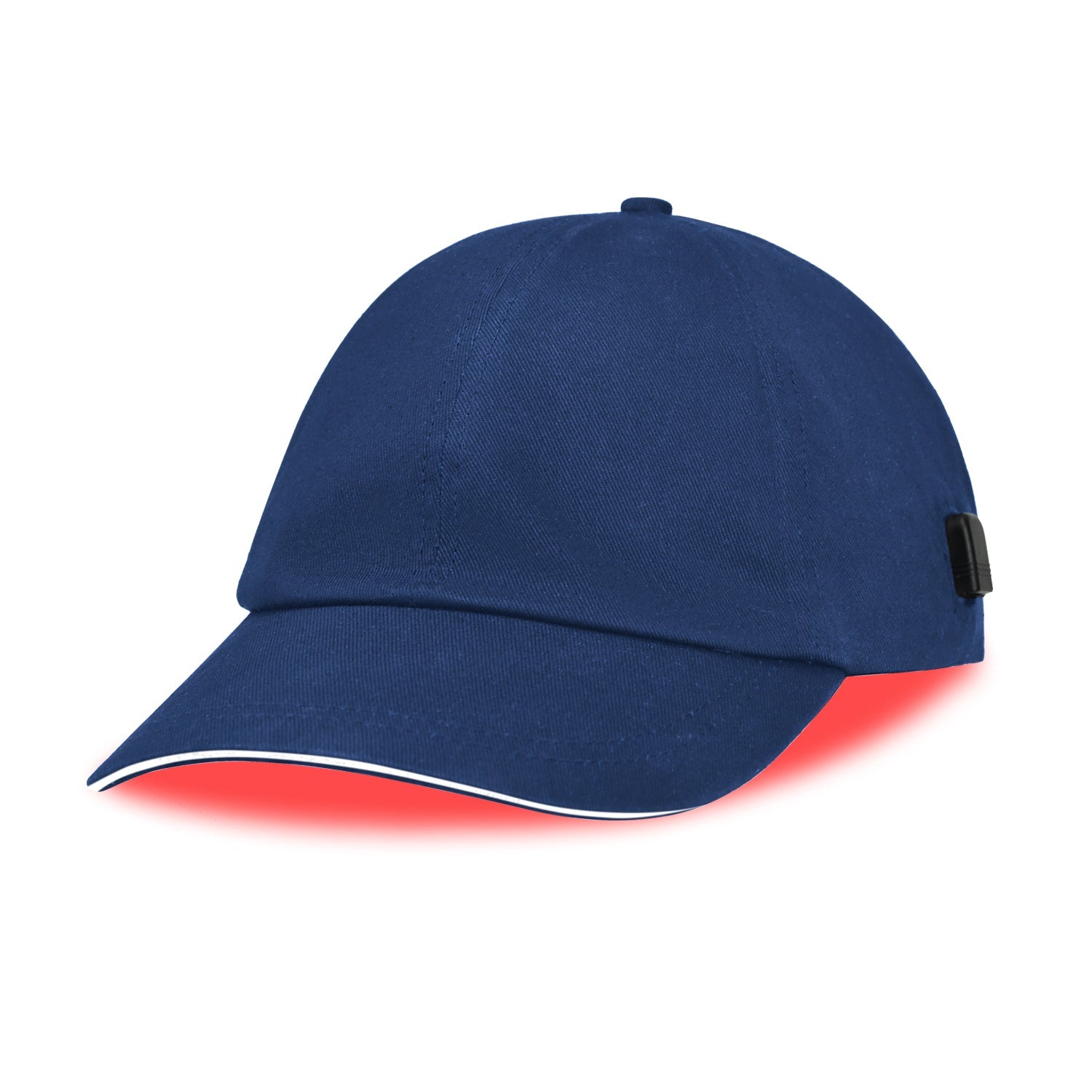
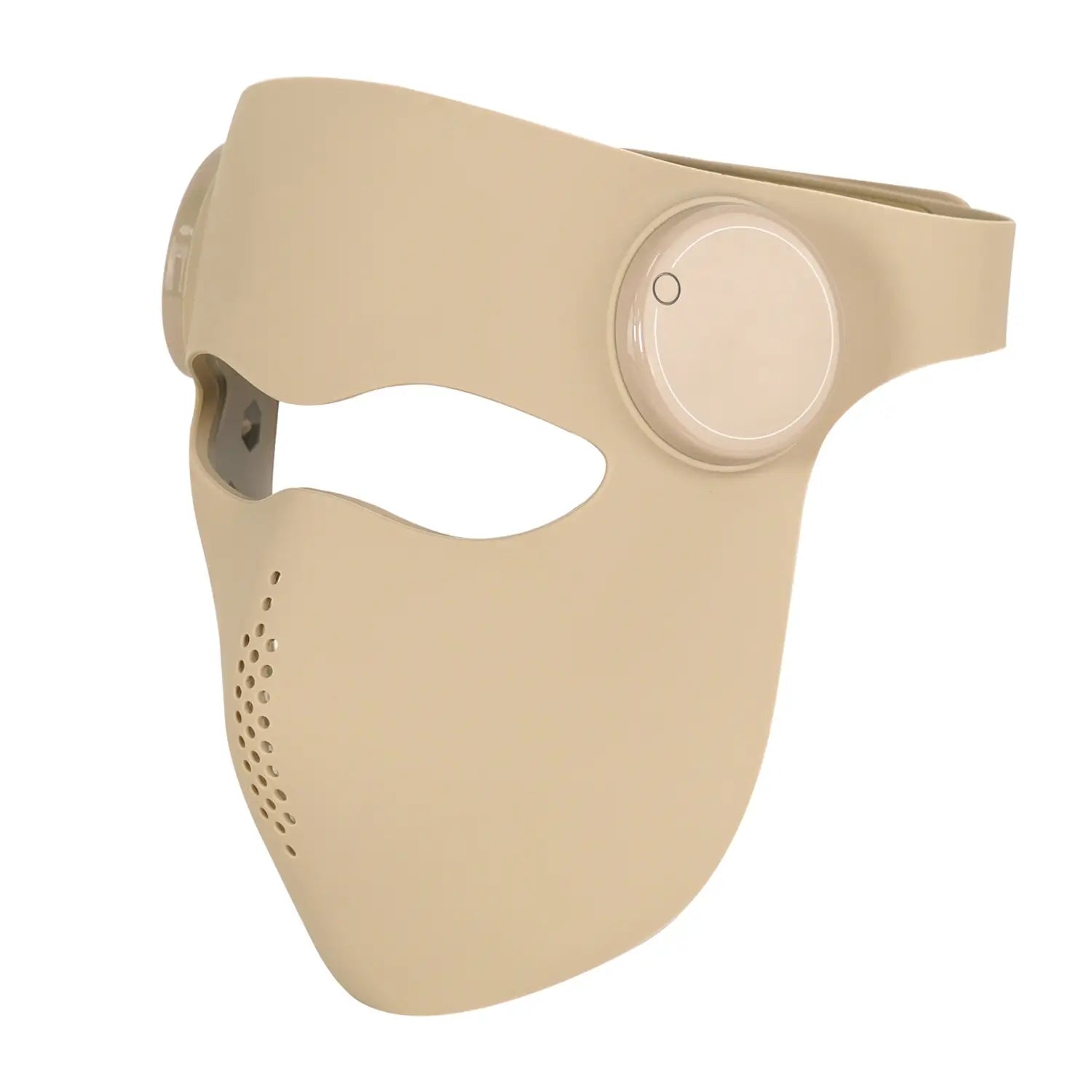
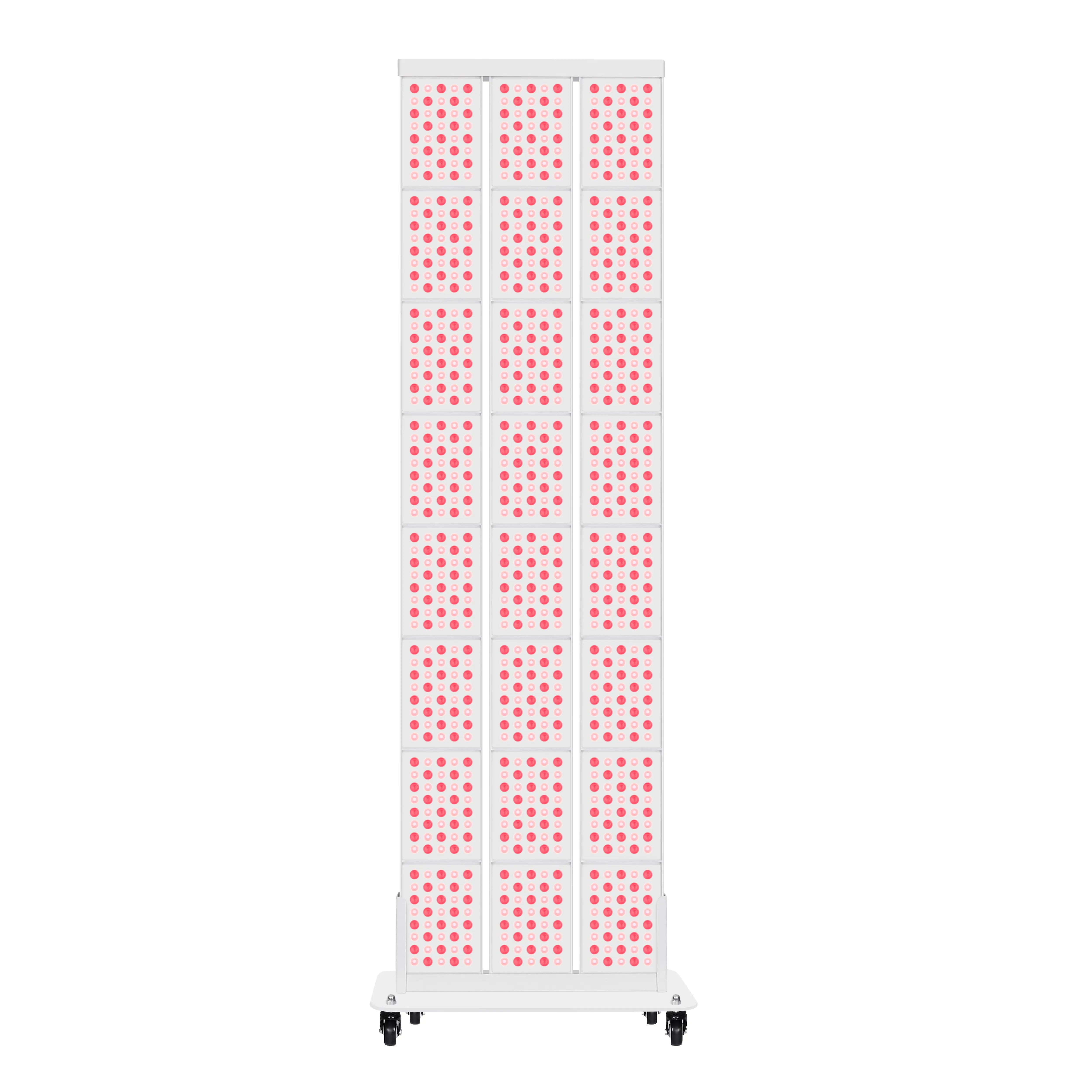
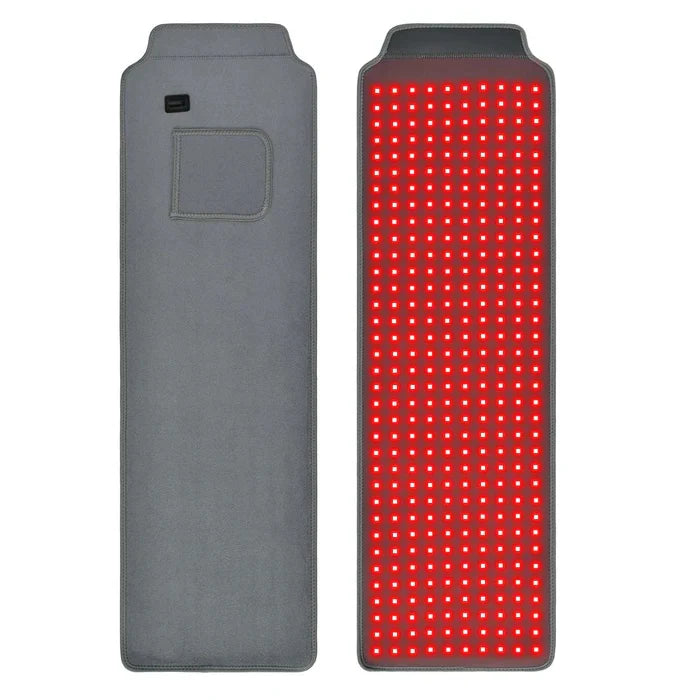
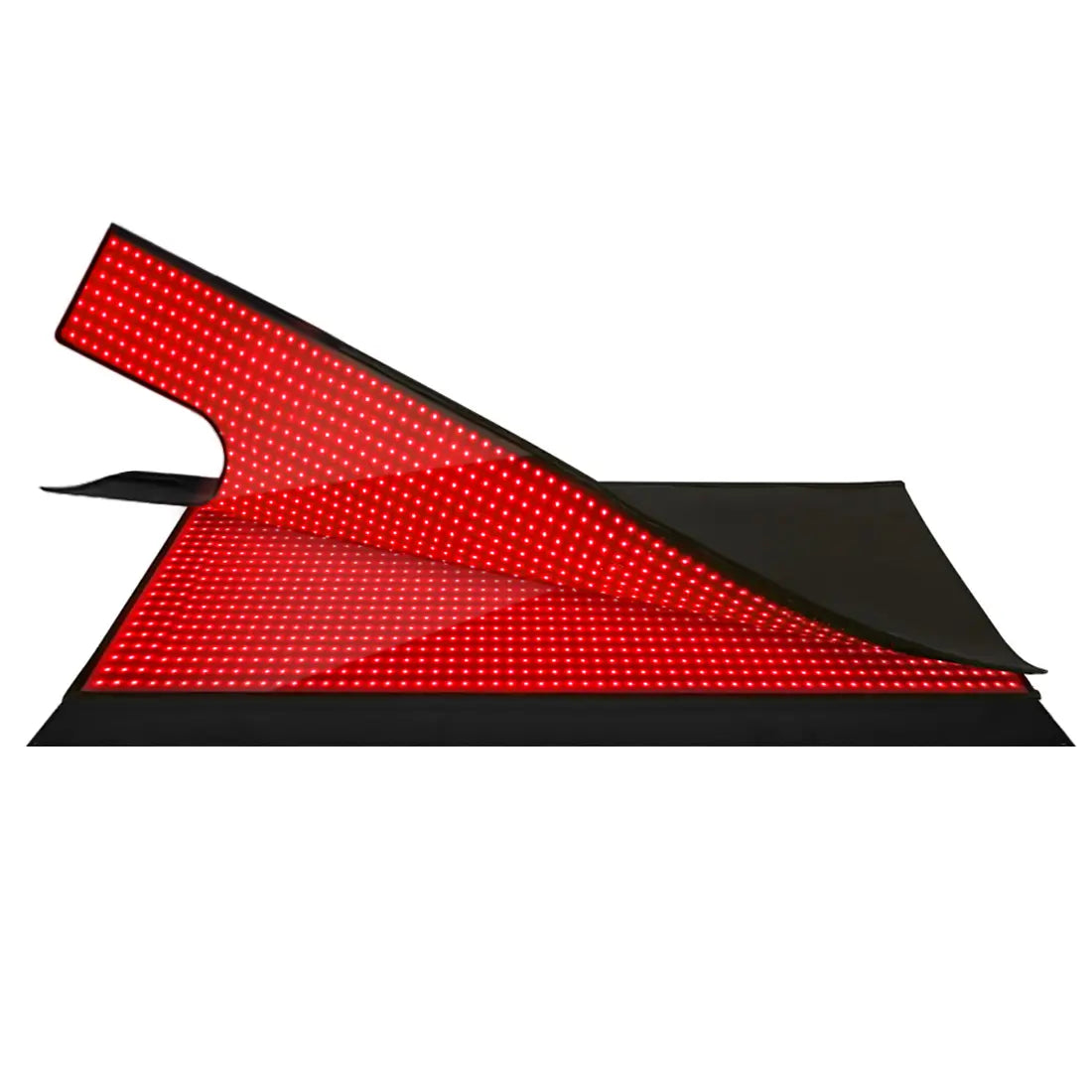
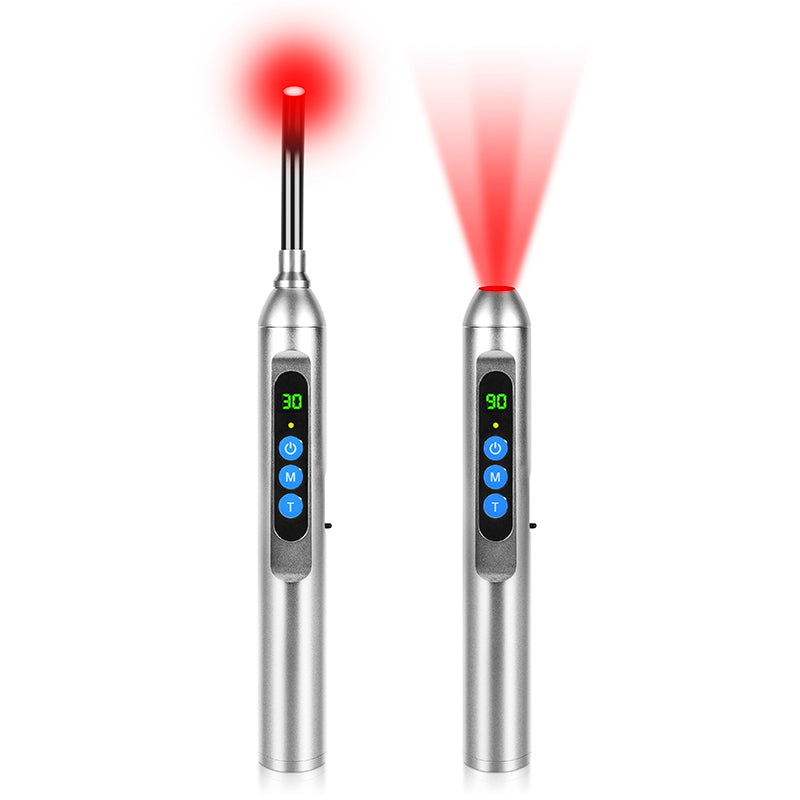

Red light therapy and injectable fillers sit at an interesting crossroads in modern aesthetics. One is rooted in physics and mitochondrial biology; the other in precision sculpting of facial structure. When you combine them thoughtfully, you can often turn a “good” filler result into something that simply looks more refined, more blended, and more like you woke up that way.
From a light-therapy geek’s perspective, this pairing makes sense only if we stay ruthlessly honest about what the science actually shows. We have solid data on red light therapy for skin quality, inflammation, and wound healing, and plenty of clinical experience with it after plastic surgery. We do not yet have large, filler-specific trials. So the goal here is to use the evidence we do have, then translate it into a practical, safe strategy for post-filler contouring without sliding into hype.
Filler Contouring 101: What Are We Actually Optimizing?
Dermal fillers are injectable gels, most commonly based on hyaluronic acid, designed to restore or add volume. When clinicians “contour” with filler, they are not just puffing things up; they are rebalancing light and shadow along bone, fat pads, and ligaments. Cheekbones look sharper, jawlines cleaner, under-eyes less hollow, lips more proportionate.
Right after injection, what you see in the mirror is not the final result. Your tissues have just been mechanically disrupted by a needle or cannula. Tiny blood vessels can leak, lymphatic flow slows, and the immune system rushes in. The immediate effect is a mix of filler volume plus swelling, redness, sometimes bruising and uneven texture. Over the following days and weeks, several things happen at once: micro-injuries repair, filler integrates with the surrounding tissue, collagen and elastin remodel around the new volume, and superficial fine lines either soften or stubbornly remain.
That entire process is essentially controlled inflammation and wound healing. If you can influence inflammation, blood flow, and collagen behavior without damaging the skin or disturbing the filler, you can often nudge the end result toward a smoother, more natural contour. This is exactly the biological territory where red light therapy, or photobiomodulation, operates.

What Red Light Therapy Actually Does To Skin
In medical language, red light therapy is photobiomodulation. It uses non-ionizing red and near-infrared light, typically in the range of about 620 to 700 nanometers for visible red and 700 to roughly 1,100 nanometers for near-infrared, delivered by LEDs or low-level lasers. Unlike ultraviolet light, it does not tan the skin, and it is not known to increase skin cancer risk according to dermatology summaries from Cleveland Clinic, Harvard Health, and WebMD.
Mechanistically, multiple reviews describe the same core story. Specific wavelengths are absorbed by mitochondrial chromophores, especially cytochrome c oxidase. That absorption increases the cell’s energy production (ATP), alters reactive oxygen species signaling, and promotes nitric oxide release, which can widen blood vessels. In practical terms, this means treated tissue often shows better microcirculation, lower inflammatory signaling, and more robust repair activity.
Fibroblasts, the cells that build collagen and elastin, are particularly responsive. Clinical and preclinical work summarized in dermatology literature and photobiomodulation reviews shows that low-level red light can increase collagen and elastin synthesis in the dermis. A controlled trial of more than 100 cosmetic patients receiving red and near-infrared light twice a week for 30 sessions found improvements in skin roughness, intradermal collagen density, and physician-rated wrinkles compared with untreated controls. Another home-use study with a powerful 630-nanometer LED mask in 20 adults aged roughly 45 to 70 used 12-minute sessions twice weekly for 3 months. Objective measures showed progressive gains in wrinkle depth, firmness, dermal density, and complexion, and those benefits persisted for about a month after stopping the mask, suggesting real structural change rather than a fleeting plump.
Red light therapy also shows anti-inflammatory and wound-healing effects. Reviews in the dermatology and oncology space report that photobiomodulation can reduce treatment-related skin toxicity, support ulcer and surgical-wound healing, and decrease inflammatory lesion counts in acne. Plastic surgery blogs from board-certified surgeons describe using red light after operations to reduce swelling, pain, and scar visibility. These clinical observations line up with lab data showing accelerated cell migration, better collagen architecture, and modulated immune-cell behavior in healing tissue.
Importantly, light dose matters. A detailed mask study emphasized the Arndt–Schulz principle: too little light does nothing, an appropriate dose stimulates, and too much can inhibit biology. The mask protocol of about 15.6 joules per square centimeter delivered over 12 minutes, twice weekly, was designed as a balanced stimulatory dose, not a “more is better” approach.
From a safety standpoint, organizations like Cleveland Clinic and Harvard Health characterize red light therapy as noninvasive and generally low risk when used as directed, with the main caution being overuse or misused devices that can overheat or cause eye strain without protection. A large photobiomodulation review notes good safety data even in oncology settings, although darker skin tones may tolerate lower maximum doses before developing redness or dark spots, so conservative dosing is recommended there.

Why Pair Red Light With Dermal Fillers? The Biologic Rationale
Red light therapy does not reshape filler itself. Hyaluronic acid gels are not magically “melted” or molded by LEDs. The realistic goal is to optimize the tissues around the filler so that the final contour looks smoother, healthier, and more coherent with the rest of the face.
When your injector places filler, they trigger a controlled injury. Photobiomodulation has been shown to influence all phases of wound healing: it can regulate early inflammation, support proliferation of repair cells, improve microcirculation, and guide collagen remodeling. Dermatology reviews, clinical mask studies, and randomized trials all point in the same direction: low-level red light can meaningfully change how skin behaves under stress.
Plastic surgery practices have already leveraged this. Surgeons describe using red light after facelifts, rhinoplasty, breast surgery, abdominoplasty, and lipedema procedures to help reduce swelling and bruising, accelerate incision healing, support lymphatic drainage, and improve scar texture. The same underlying biology is at work in the post-filler period. While filler injections are less invasive than surgery, they still involve vascular trauma, local inflammation, and tissue remodeling. The logic is straightforward: if red light can safely support healing and appearance after larger surgical trauma, it is reasonable to explore it as an adjunct after injectable contouring, with appropriate caution and individualized timing.
The clearest scientifically grounded ways red light may enhance post-filler results are through its effects on swelling and bruising, collagen and elastin networks, microcirculation and lymph flow, and the overall texture and tone of the overlying skin.
Swelling, Inflammation, and Bruising
Right after filler, many people are surprised by how “puffy” and uneven the area looks. This early phase is dominated by fluid accumulation, microbleeds, and inflammatory signaling. Clinical accounts from plastic surgeons who use red light post-operatively consistently highlight reduced swelling and inflammation. Scientific reviews echo this, describing red and near-infrared light as anti-inflammatory and analgesic in various tissues.
In an oral and maxillofacial context, for example, red light has been used after procedures to reduce pain and accelerate healing of oral ulcers and surgical sites. In reviews of tendon and arthritis pain, low-level light therapy often decreased pain and improved function, though effects sometimes faded after stopping treatment, implying that ongoing sessions are helpful during active healing phases.
Bruising is a visible sign of tiny blood vessels leaking into tissue. There are no large randomized trials yet measuring bruise resolution after filler injections with and without red light. However, because photobiomodulation improves microcirculation and supports macrophage function, many clinicians infer that it can help the body clear blood pigments and breakdown products more efficiently. It is reasonable to view red light as a potential tool to shorten the “social downtime” window, especially in zones prone to bruising like under-eyes and lips, while acknowledging that this is extrapolated from broader wound-healing data rather than filler-specific trials.
Collagen, Elastin, and Skin Drape Over Filler
The shape you see after contouring is not just filler volume and bone. It is also the quality of the “fabric” laying over that structure: dermis, epidermis, and the collagen–elastin network. If that fabric is thin, creased, or sun-damaged, even an expertly placed filler can look slightly off, especially in strong light.
Here the evidence for red light therapy is stronger. The randomized trial of 136 subjects receiving whole- or partial-body red and near-infrared light twice weekly showed increased intradermal collagen density and reduced objective skin roughness. The 20-person mask study with a 630-nanometer device demonstrated progressive improvement in wrinkle depth, firmness, dermal density, and complexion over three months, with effects persisting for about four weeks after treatment stopped. Reviews from academic centers like Stanford note that red light modestly improves fine lines and texture by stimulating collagen in superficial skin layers, with blinded trials confirming plumping and rejuvenation, though results vary by device and protocol.
When you overlay these findings on filler contouring, you can think of red light as a way to improve the drape of the skin over the newly sculpted structure. Instead of only adding volume underneath etched lines, you are also encouraging the skin itself to behave more like healthy, well-organized tissue. Over time, that can mean fewer fine creases sitting on top of a nicely contoured cheek or jawline and a more harmonious transition between treated and untreated areas.
Microcirculation and Lymphatic Flow
Healthy contours rely on more than static volume. They depend on how fluid moves through tissue. When lymphatic drainage is sluggish, you get puffiness, particularly around the midface, jawline, and under-eye area. Some clinicians use red and near-infrared panels not just for skin, but specifically for lymphatic support and jaw and neck sculpting.
Dental and facial practices using contoured red light panels describe increased nitric oxide production, vessel dilation, and enhanced lymphatic flow in the tissues they treat. In their experience, and in early mechanistic work, this combination can help clear excess fluid and metabolic by-products, which visibly reduces a “boggy” look around the jaw and neck and supports better definition.
Applied after filler, that same physiology may help the area move through its post-injection fluid phase more efficiently. The goal is not to dehydrate the tissue but to prevent lingering puffiness from blurring an otherwise well-executed contour.
Contour Precision And Fat Pads
Certain red and near-infrared protocols, such as “contour” settings on specific panels, are marketed for localized fat-cell shrinkage in the jaw and neck. The proposed mechanism is temporary pore formation in fat-cell membranes, allowing lipids to exit and be metabolized while preserving the cells themselves. These claims are based on device-specific data and case series rather than large independent trials, so they should be viewed with healthy skepticism.
For post-filler contouring, the message is nuance. In areas where you are using filler to enhance bone structure against deep fat pads, a small reduction in superficial puffiness and improved muscle and skin tone can make the architecture more visible. But there is no robust evidence that red light can selectively remodel deep facial fat in a predictable, clinically significant way. And there is no evidence that low-level red light dissolves or moves hyaluronic acid fillers.
The safest way to think about red light here is as a gentle, biologically active backdrop: it can support tissue health, microcirculation, and collagen, which together may help your filler work look crisper and more “at home” in your face. The contour still comes primarily from your injector’s technique and your anatomy.
How To Integrate Red Light After Fillers In The Real World
Because there are no standardized filler-plus-red-light protocols yet, integration should be conservative and guided by your injector or dermatologist. The good news is that we can borrow from existing skin-rejuvenation and post-surgery protocols to outline a sensible approach.
Many dermatology and wellness centers use red light for about 10 to 20 minutes per session, a few times per week, for skin rejuvenation. Clinical sources aimed at patients emphasize consistency over intensity: it is better to use an appropriate dose steadily than to blast your skin with long, daily sessions. The at-home 630-nanometer mask trial used 12 minutes twice weekly. A plastic surgery practice discussing post-operative recovery suggests beginning red light within days after surgery and continuing two or three times weekly during the initial healing phase, under supervision.
For filler-specific care, a practical pattern often looks like this in principle: your primary procedure day is devoted to injections, immediate assessment, and basic aftercare such as ice and gentle cleansing. Once your provider is satisfied that the acute bleeding and tenderness have settled, they may introduce red light either in the office or by clearing you to use a home device. That might be as soon as within a few days, or they may prefer to wait longer in certain high-risk areas such as the nose or tear troughs.
Session length and frequency should stay within ranges that are already well tolerated for skin rejuvenation: short treatments in the 10 to 20 minute range, two or three times per week, rather than marathon daily sessions. More is not always better; excessively high fluence has been shown to inhibit rather than stimulate beneficial responses.
The device should never be pressed aggressively into the treated area. Red light therapy is non-contact or very light-contact by design. You want even illumination, not mechanical pressure that could distort filler placement. It is also important to avoid devices that generate substantial heat; the photobiomodulation literature and clinical mask designs emphasize non-thermal delivery precisely to avoid pigment changes and tissue damage.
Finally, always align red light with the rest of your plan. Harvard Health and the University of Utah’s health experts both stress that red light is an adjunct, not a replacement, for core skin health and overall health behaviors. That applies here as well. Good injector technique, smart product choice, strict sun protection, adequate sleep, and basic skincare will always dwarf LEDs in impact. The light is there to refine, not rescue, the result.
In-Office Versus Home Devices After Fillers
One of the most common questions I hear from light-therapy enthusiasts is whether they really need clinic sessions if they already own a mask or panel. The answer depends on your goals, budget, and how closely you want your protocol tied to clinical evidence.
Here is a concise comparison in the context of post-filler care.
Setting |
What you get |
Pros for post-filler contouring |
Considerations |
Dermatology or medical aesthetics clinic |
Calibrated red and sometimes near-infrared systems, often with higher power and known wavelengths |
Supervised dosing, integration with your filler plan, ability to adjust timing if there is unusual swelling or bruising |
Higher per-session cost, need for appointments, availability varies by practice |
At-home mask or panel |
Consumer devices using LEDs, often at lower power and with variable technical specs |
Convenient, allows frequent, short sessions; helpful for maintenance of skin quality over filler |
Devices vary widely; many do not report precise dose; results may be slower and less predictable; you must self-monitor for redness or dark spots |
Harvard Health and Cleveland Clinic both point out that in-office systems tend to allow more precise dose control, while at-home units can be effective but generally require more time and consistency. WebMD and other patient-facing sources advise looking for FDA-cleared devices, following instructions carefully, and using eye protection when indicated.

Safety, Contraindications, And When To Be Cautious
The overall safety profile of red light therapy is reassuring when used at appropriate doses. Reviews and clinical guidance from institutions like Cleveland Clinic, Harvard Health, UCLA Health, and major dermatology organizations agree on a few key points.
Red light therapy is noninvasive and uses low-level, non-UV light. It does not tan the skin and has not been shown to cause skin cancer. Short-term side effects tend to be mild: temporary redness, warmth, or tightness. At very high intensities or prolonged exposures, early-stage trials have reported blistering and more pronounced redness, which is why respecting dose recommendations matters.
The eyes are a special case. Blue-violet and high-intensity visible light can injure the retina. Even with red LEDs, repeated bright exposure close to the eyes can be uncomfortable or risky. Many clinical protocols therefore use opaque eye shields or goggles during facial treatments, especially if panels are strong.
One large photobiomodulation review notes that darker skin tones may have a lower maximum tolerated dose of visible red light before developing persistent redness or hyperpigmentation, likely because melanin absorbs more energy. In practice that means starting with conservative doses in deeper skin tones and increasing slowly only if the skin tolerates it well.
In the context of fillers, there are additional common-sense cautions. You should not use red light over any area where you suspect a filler complication such as vascular compromise, infection, or severe, sudden asymmetry; those scenarios require urgent medical evaluation, not LEDs. People taking photosensitizing medications, those with a history of skin cancer, significant eye disease, or autoimmune conditions that flare with light should clear any light-based therapy with their dermatologist or physician first.
Expert sources such as the American Academy of Dermatology, Harvard Health, and WebMD consistently recommend talking with a board-certified dermatologist before investing heavily in devices or weaving red light into complex treatment plans. That advice is even more relevant when you are combining modalities like fillers and light.
Pros And Cons Of Red Light After Filler Contouring
When you evaluate red light as a post-filler tool, it helps to keep the balance sheet straightforward and grounded in data.
On the benefit side, red light therapy is one of the few noninvasive interventions with published human data showing improvements in skin texture, wrinkle depth, dermal density, and overall skin quality. Multiple studies and reviews in dermatology and photomedicine support modest but real effects on collagen and elastin, microcirculation, and wound healing. Plastic surgery practices leverage it to reduce swelling and discomfort after operations, and dental practices use it to accelerate oral wound healing and ease temporomandibular joint symptoms. All of these mechanisms are relevant to how your face recovers and remodels after filler injections. For someone who cares about maximizing skin health and minimizing downtime, that is a compelling package.
On the downside, the evidence is not filler-specific. We have to extrapolate from studies in photoaged skin, acne, oral surgery, arthritis, tendinopathy, and post-radiation dermatitis. Dose parameters across studies vary wildly, and there is no universally agreed “best” protocol for any single indication, let alone post-filler contouring. Consumer devices vary in wavelength accuracy and power, and many marketing claims go far beyond the modest, condition-specific benefits documented in academic work from groups at Stanford, Cleveland Clinic, Harvard, and others.
There is also the cost–benefit question. Consumer masks and panels can range from around a hundred dollars into the thousands, while full-body beds and high-end systems can reach very high price points. Health experts from academic centers emphasize that red light therapy should not distract from foundational health behaviors: nutrition, movement, sleep, and stress management. That same logic applies in aesthetics. A superb injector, photoprotection, and disciplined skincare will move the needle far more than even the glossiest LED device.
What The Evidence Can And Cannot Promise
To avoid disappointment, it is important to be explicit about what science currently supports in the specific scenario of post-filler contouring.
There is good evidence that red and near-infrared light can improve overall skin quality, modestly reduce wrinkles, and enhance dermal collagen in photoaged skin. There is meaningful evidence that it can modulate wound healing and inflammatory responses in various contexts, from oral surgery to radiation dermatitis to acne. Clinical practices in plastic surgery and dentistry report improved swelling, pain, and scar or tissue quality when they incorporate red light into recovery protocols.
There is not yet strong direct evidence that red light therapy makes hyaluronic acid fillers last longer, prevents filler migration, or dramatically changes the final contour in a way that can be precisely quantified. Any benefits in those domains are likely indirect: less swelling obscuring the result in the short term, better skin drape and texture over time, and potentially smoother integration of filler into a healthier extracellular matrix.
The most honest position, and the one adopted in dermatology and photomedicine reviews, is to frame red light therapy as a low-risk adjunct. It can meaningfully support some of the biological processes that determine how your face looks and feels after filler, but it is not a magic wand.

FAQ: Common Questions About Red Light After Fillers
Does red light dissolve or damage my filler?
Low-level red and near-infrared LEDs used for photobiomodulation are non-thermal and non-cytotoxic at typical cosmetic doses. Current dermatology literature does not show that these devices dissolve hyaluronic acid fillers or degrade them directly. The fillers themselves break down over months through enzymatic processes in your body. That said, you should avoid high-heat sources or aggressive laser treatments on freshly filled areas unless your injector or laser specialist specifically approves them.
Will red light make my filler last longer?
No study has yet demonstrated that red light therapy extends the lifespan of dermal fillers. Any benefit is likely indirect, through better skin quality and healthier surrounding tissue. Think of it as protecting and optimizing the environment around your filler rather than preserving the filler material itself.
How soon after filler can I use red light?
There is no one-size-fits-all rule because filler types, injection planes, and individual risk profiles differ. Many surgical and dermatology practices introduce red light within days after procedures for swelling and healing support, but you should follow your injector’s specific guidance. If you already own a device, ask them when they are comfortable having you start, how long each session should last, and what signs would make them want you to stop and come in for a check.
Is red light necessary to get a good filler result?
Absolutely not. Excellent results are achieved every day without red light therapy. Skillful injection technique, appropriate product choice, realistic volumes, and diligent aftercare are the primary drivers of success. Red light therapy is an optional, science-informed tool that may refine the experience and the finish, especially if skin quality and downtime are priorities for you.
In the end, pairing red light therapy with filler contouring is less about chasing the latest gadget and more about respecting the biology of healing. When you use light as a targeted, evidence-aware ally—rather than as a miracle shortcut—you can support your skin’s repair systems, reduce some of the inflammatory noise, and let your injector’s artistry show through more clearly. That is how a true wellness optimizer thinks: align tools with mechanisms, stay skeptical of hype, and use technology to amplify, not replace, the fundamentals.

References
- https://lms-dev.api.berkeley.edu/studies-on-red-light-therapy
- https://vivo.weill.cornell.edu/display/pubid19146602
- https://scholars.duke.edu/individual/pub1683616
- https://www.health.harvard.edu/staying-healthy/red-light-therapy-for-skin-care
- https://pmc.ncbi.nlm.nih.gov/articles/PMC10311288/
- https://med.stanford.edu/news/insights/2025/02/red-light-therapy-skin-hair-medical-clinics.html
- https://healthcare.utah.edu/the-scope/mens-health/all/2024/06/176-red-light-therapy-just-fad
- https://my.clevelandclinic.org/health/articles/22114-red-light-therapy
- https://www.gundersenhealth.org/health-wellness/aging-well/exploring-the-benefits-of-red-light-therapy
- https://www.uclahealth.org/news/article/5-health-benefits-red-light-therapy