
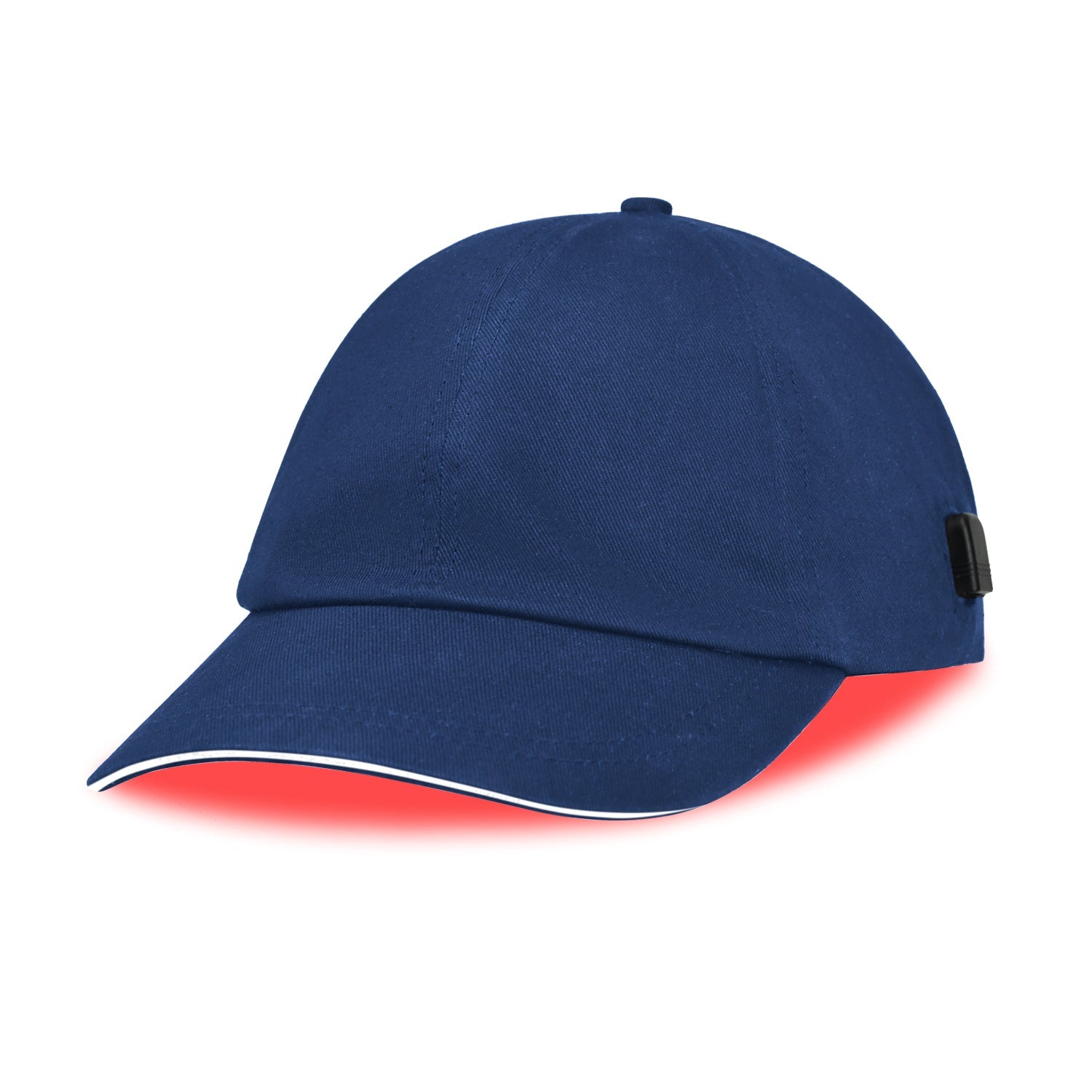
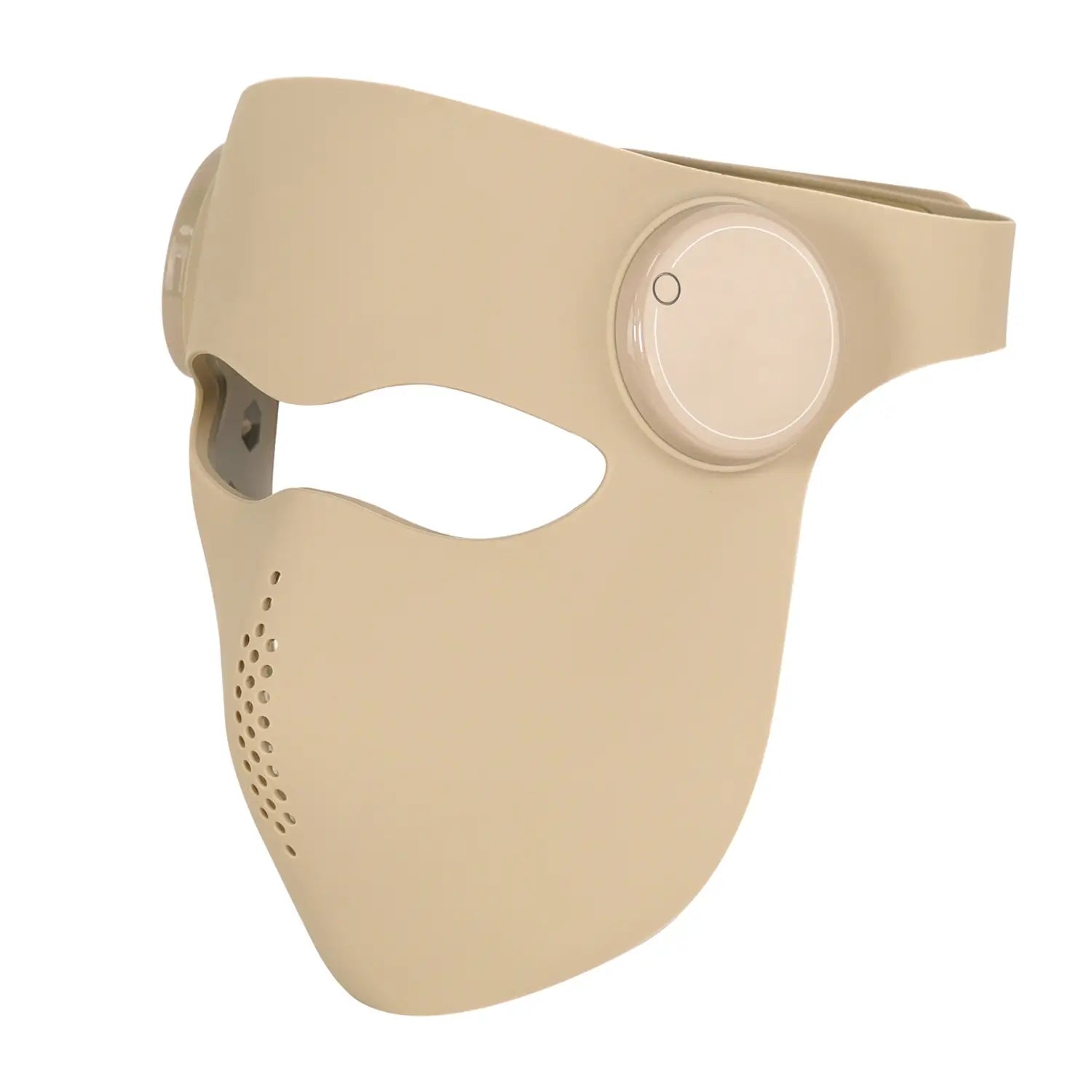
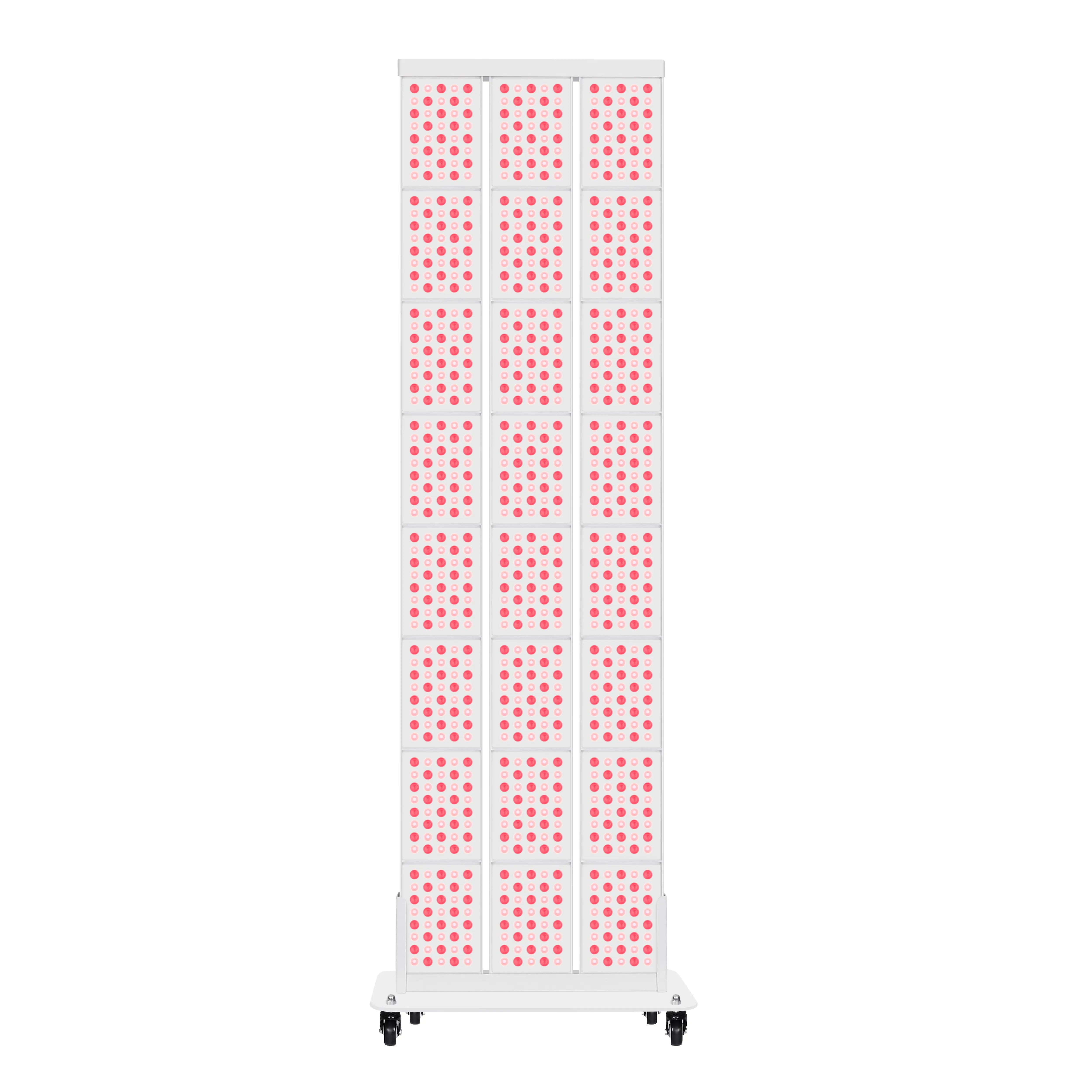
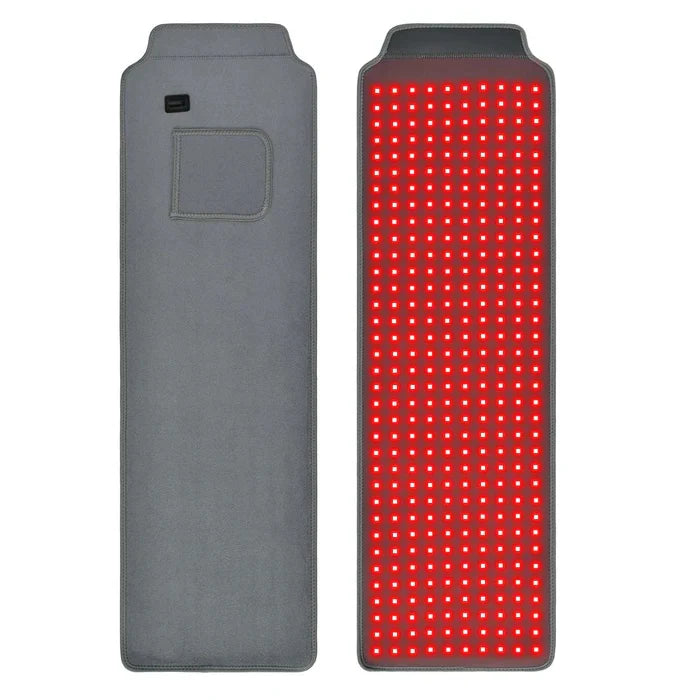
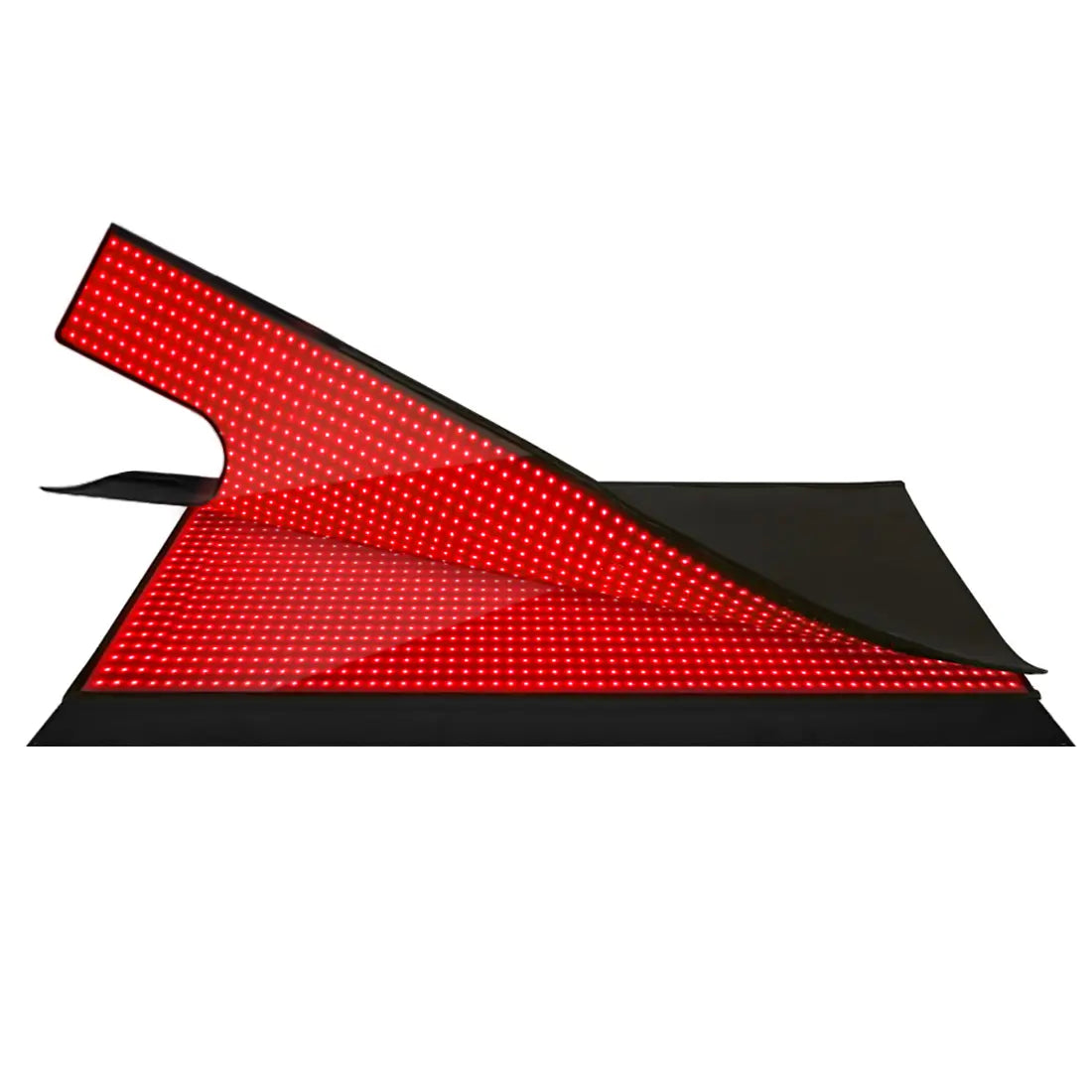
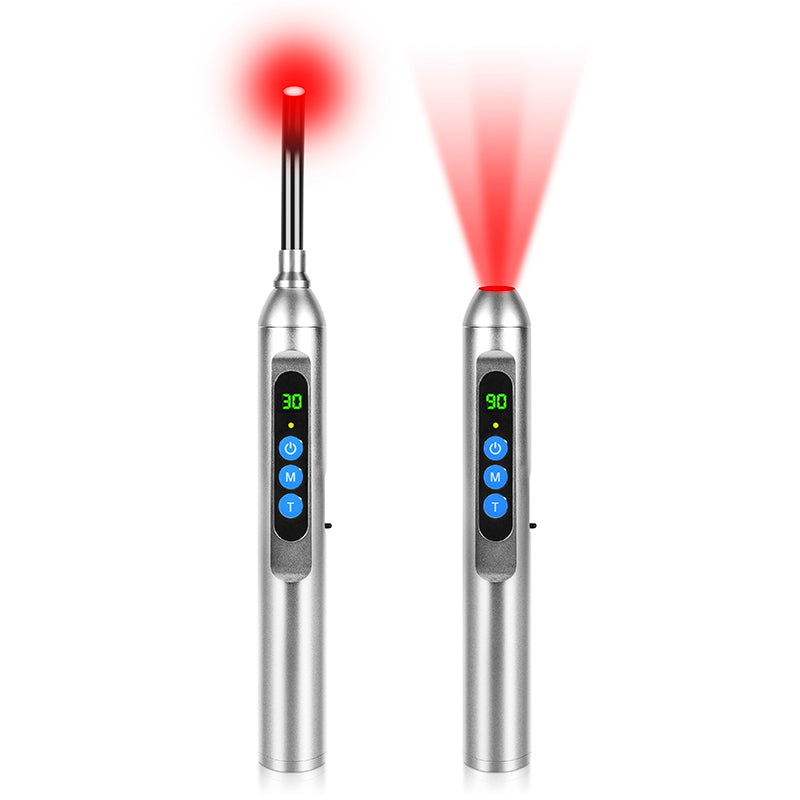

Red light therapy has become a darling of the biohacking world for skin health, hair growth, and even brain and pain applications. But when we zoom in on the face, a specific question keeps coming up: what exactly is red light doing to your blood vessels? Does it tighten and “shrink” them, or does it actually open them up?
As someone who lives in the weeds of light wavelengths, fluence windows, and dermatology trials, I can tell you the vascular story is far more nuanced than most social media posts suggest. The good news is that we now have enough mechanistic and clinical data to sketch a clear, science-based picture of how red light interacts with facial blood vessels and what that means for redness, flushing, and vascular lesions.
Facial Blood Vessels 101
Your facial skin sits on top of a dense network of tiny arteries, capillaries, and veins. These vessels deliver oxygen and nutrients, clear metabolic waste, and participate in immune responses. When this vascular network misbehaves, it shows up as:
Flushing and blushing, where vessels transiently widen and the face suddenly looks red and warm.
Rosacea and persistent redness, where superficial vessels and inflammatory pathways are overactive.
Telangiectasia or “broken capillaries,” those tiny red or purple threadlike lines, especially around the nose and cheeks.
Vascular lesions such as red moles or clusters of dilated vessels.
Two terms matter here. Vasodilation means vessels relax and widen, increasing blood flow and visible redness. Vasoconstriction means they tighten and narrow, which can reduce redness but also decrease nutrient delivery. There is also angiogenesis, the process of forming new blood vessels. As highlighted in an angiogenesis-focused overview from EvenSkyn, this involves endothelial cells migrating, dividing, and organizing under the influence of signals like vascular endothelial growth factor when tissue becomes relatively low in oxygen.
Aging skin tends to show reduced healthy angiogenesis and less flexible vasculature, which slows wound healing and contributes to a dull, uneven complexion. Any honest discussion of red light therapy and facial vessels must sit inside this vascular framework.

What Red Light Therapy Actually Is
Most of what wellness consumers call red light therapy is technically photobiomodulation. It uses low-level red or near-infrared light from LEDs or low-power lasers to tweak biology, not burn or ablate tissue.
Cleveland Clinic, the American Academy of Dermatology, and WebMD all describe this modality as noninvasive and non‑UV. Typical “skin wavelengths” fall in the visible red range around roughly 600–700 nanometers, with some protocols extending into the near‑infrared up to about the low 900s. That spectral range lines up with what photobiology reviews call the optical window of skin, where light can penetrate relatively deeply without being heavily absorbed by melanin, hemoglobin, or water.
Red light therapy in dermatology originally rode along with photodynamic therapy for certain cancers and precancerous lesions. In that setting, a drug is applied first and red light then activates it to selectively destroy abnormal cells. But the red light alone, at low power and in the absence of the drug, does not destroy skin; instead it modulates cell signaling, inflammation, and circulation.
Today, you typically encounter two very different “red light” families in facial practice.
Low-Level Red LED Photobiomodulation
This is what most home masks, panels, and many clinic “rejuvenation domes” use. It involves non‑thermal, low‑power red LEDs or low‑level lasers. A large scientific review of low‑level laser and light therapy in skin describes this approach as non‑ablative and non‑traumatic: it does not intentionally damage the epidermis or dermis. Instead, it increases mitochondrial ATP production, growth factor signaling, microcirculation, and collagen synthesis while reducing inflammatory mediators.
In a controlled German trial of 136 volunteers using full‑body red and polychromatic light twice a week for 30 sessions, both treatment groups showed statistically significant improvements in subjective complexion and skin feeling, objective skin roughness, and ultrasound‑measured collagen density compared to controls, with no serious adverse events. This sort of protocol is the backbone of evidence for “red light facials” and home masks.
High-Energy Vascular Lasers And Red-Light Devices
Dermatology clinics also offer treatments for vascular lesions that use what some clinics loosely call red light therapy but that are really targeted medical lasers. The Derm Clinic in Canada, for example, describes using advanced laser technology to treat facial flushing, rosacea, telangiectasia, and red moles by collapsing unwanted vessels, which are then gradually absorbed by the body.
This approach fits the concept of selective photothermolysis described in dermatology literature: the wavelength and pulse are chosen to be absorbed by blood in the vessel, converting light to heat that damages that vessel just enough that it clots and later disappears, while sparing surrounding skin.
Those two modalities behave very differently at the vascular level. It helps to see them side by side.
Modality |
Typical devices |
Primary target |
Immediate vessel effect |
Long-term vessel effect |
Home masks, panels, clinic LED domes |
Cell metabolism, inflammation, microcirculation, fibroblasts |
Mild vasodilation and increased blood flow; no coagulation |
Angiogenesis and remodeling, improved microcirculation; does not literally “burn out” specific vessels |
|
High-energy vascular lasers called “red light” in some clinics |
Pulsed dye, KTP, and other vascular lasers tuned to blood |
Hemoglobin in abnormal vessels |
Intense heating and coagulation of targeted vessels |
Functional “contraction” and disappearance of those vessels over weeks |
When people say “red light shrinks facial vessels,” they are often conflating these two worlds.

Mechanisms: How Red Light Talks To Blood Vessels
Under the hood, red light interacts with skin and vasculature through a combination of mitochondrial activation, nitric oxide signaling, redox biology, and, at higher intensities, controlled thermal damage.
Mitochondria And Nitric Oxide
A classic mechanistic review by Michael Hamblin on low‑level light therapy highlights cytochrome c oxidase in the mitochondrial respiratory chain as a key absorber of red and near‑infrared light. Nitric oxide produced in stressed or hypoxic cells can bind to that enzyme and temporarily inhibit respiration. Red and near‑infrared photons can displace nitric oxide from cytochrome c oxidase, freeing the enzyme to bind oxygen again and restoring ATP production.
This interaction does two vascularly relevant things. First, it increases cellular energy in endothelial cells and supporting tissue, enabling better repair and function. Second, freed nitric oxide is a powerful vasodilator; it diffuses and signals smooth muscle in vessel walls to relax, widening the vessel and increasing local blood flow.
A more recent mechanistic paper in Frontiers in Photonics broadens this picture. It notes that red light generates far fewer reactive oxidants in skin than shorter visible wavelengths yet still activates protective pathways and nitric oxide signaling, supporting vasodilation, reduced lipid peroxidation, and modulation of ion channels and mitochondrial respiration. The net result, at appropriate doses, is a kind of vascular “tuning” and improved microcirculation.
Redox Hormesis And Inflammation
The same Frontiers article emphasizes that skin operates under a redox balance. There is a hormetic dose response: very low doses of red light are neutral, moderate doses are stimulatory and protective, and excessively high doses push the system toward oxidative distress with mitochondrial injury and impaired function.
Low‑level red light can reduce pro‑inflammatory cytokines such as IL‑6 and TNF‑alpha in conditions like psoriasis and atopic dermatitis. Mayo Clinic dermatology and the American Academy of Dermatology similarly describe red light as an option for calming inflammatory skin conditions, including acne and photoaging‑related redness, when used in controlled clinical settings.
Inflammation and vascular behavior are tightly linked. When you reduce inflammatory mediators, you often see less pathological vasodilation and leakage, and the face looks less swollen and inflamed even if the underlying vessels are not literally “constricted” like a pharmacologic vasoconstrictor would cause.
Angiogenesis And Endothelial Activation
Angiogenesis is not just an abstract concept. The EvenSkyn review on red light and blood vessel formation highlights in vitro work where endothelial cells exposed to 650‑nanometer red light showed significantly more angiogenesis than those exposed to 808‑nanometer near‑infrared. The red‑light‑treated cells showed increased proliferation, cell cycle progression, nitric oxide generation, calcium influx, and VEGF production.
On the skin level, that sort of endothelial activation translates into the potential for new, well‑structured capillaries and better tissue perfusion in the upper dermis. Multiple dermatology reviews of low‑level light therapy in skin link red and near‑infrared exposure to increased microcirculation and vascular perfusion alongside collagen and elastin synthesis.
Crucially, healthy angiogenesis is not the same as the fragile, dilated vessels you see in telangiectasia. Angiogenesis here is part of broader tissue repair and remodeling, not uncontrolled vessel proliferation.
Vessel Collapse Under High-Energy Laser
The true “contraction” or collapse of facial vessels happens when light is intense enough and targeted enough to cause thermal damage specifically within those vessels. Vascular lasers tuned to hemoglobin deliver short pulses that heat blood quickly. That heat denatures proteins and damages the vessel wall just enough that it seals and clots. Over days to weeks, the body breaks down that clotted vessel and reabsorbs it.
Clinics such as The Derm Clinic in Canada describe exactly this process: they apply specific wavelengths of light to the skin, the unwanted facial vessels collapse, and the body gradually clears them, fading the visible redness. This is not photobiomodulation in the gentle sense. It is controlled photothermolysis.

What The Studies Show For Skin And Vessels
Most clinical studies in this space measure wrinkles, skin roughness, and collagen, not literal vessel diameter. But they still tell us a lot about how red light reshapes the tissue environment that vessels live in.
Full-Body Red Light Trial In 136 Volunteers
A prospective randomized trial in 136 adults looked at full‑body red and polychromatic low‑level light treatments for skin rejuvenation. Participants received 30 sessions, twice weekly, using gas‑discharge lamps with peaks around the red range. Compared with 23 untreated controls, those receiving either red‑only or broader‑spectrum light had:
Significant improvement in subjective skin complexion and skin feeling.
Statistically significant reductions in skin roughness measured by 3D profilometry.
Significant increases in intradermal collagen density measured by high‑resolution ultrasound.
Blinded physicians’ wrinkle assessments rated wrinkles as improved in roughly two‑thirds to three‑quarters of treated subjects, versus worsening in most controls over the same weeks.
Notably, no serious adverse events occurred. One volunteer with existing facial telangiectasia did notice increased visibility of those superficial vessels after early treatments and chose to shield that area for the remainder of the sessions. That anecdote is important for vascular‑sensitive readers: low‑level red light is generally safe, but in some individuals with very superficial dilated vessels, those vessels can temporarily stand out more as microcirculation increases.
High-Power Facial Mask Trial
Another clinical study, this time on a high‑intensity red LED mask developed with a luxury brand, enrolled 20 volunteers aged 45–70 with visible facial aging. The mask delivered cold red light around 630 nanometers at a relatively high power density, with 12‑minute sessions twice weekly for 3 months, spaced 72 hours apart.
Dermatologic assessments over one, two, and three months showed progressive improvements in wrinkle depth, skin firmness and elasticity, dermal density, and complexion homogeneity. Cheek roughness and pore appearance improved, and even sebum and porphyrin‑containing pores decreased in oily‑skin subjects. Follow‑up measurements showed benefits persisting for up to a month after stopping treatments.
This trial reinforces a key theme: red light is capable of driving structural remodeling in the dermis and microvasculature, in a dose‑window‑dependent way. The authors emphasized that more frequent sessions were unnecessary and potentially counterproductive, reflecting the hormetic nature of photobiomodulation rather than “more is better.”
Evidence For Microcirculation And Angiogenesis
Dermatology reviews of low‑level light therapy consistently report improved microcirculation and vascular perfusion, particularly with red and near‑infrared wavelengths between about 600 and 1,100 nanometers. In the same review that covers wrinkles and UV damage, the authors note that light in this range can increase microcirculation and vascular perfusion along with collagen production and fibroblast activity.
The angiogenesis‑focused piece from EvenSkyn ties this back to skin aging. It points out that aging skin shows diminished angiogenesis and more rigid vessels. Red light in the 600–700‑nanometer band penetrates roughly the first fraction of an inch of skin and has been studied for boosting both collagen and angiogenesis. In their synthesis, red light aids tissue repair, reduces inflammation, improves blood flow, and supports fibroblast function, all of which contribute to better skin tone and fewer wrinkles.
Pain Photobiomodulation And Vascular Tone
A narrative review from the University of Arizona on pain photobiomodulation adds an interesting angle. It notes that cutaneous application of red light around 660 nanometers can reduce pain in neuropathies and complex regional pain syndrome when applied to the skin for minutes, with effects mediated through both peripheral nerves and central pathways. At the same time, visual (eye) exposure to the same red wavelength can exacerbate migraines, while visual exposure to green light can reduce pain.
This split reinforces that route, dose, and context matter. Red light onto skin for minutes tends to improve microcirculation and reduce pain, while hours of red light into the eye can overdrive central circuits. The relevance for facial vessels is that short, cutaneous exposures are the studied sweet spot. The facial vasculature is being modulated, not chronically hammered.

So, Does Red Light Actually “Contract” Facial Blood Vessels?
With that background, we can finally answer the big question. The honest evidence‑based answer depends on which modality you are using and what timescale you care about.
Low-Level Red LED Therapy: Mostly Modulation, Not Clamp-Down Constriction
Short, low‑level exposures from typical home masks or clinic LED arrays tend to:
Increase microcirculation through nitric‑oxide‑mediated vasodilation. In the very short term your skin may look slightly pinker or more flushed, not less.
Reduce inflammatory signaling over days to weeks, which can reduce edema and reactive redness, especially in acne, photoaging, and some inflammatory dermatoses.
Drive dermal remodeling with more collagen, elastin, and hyaluronic acid, improving tissue structure around vessels.
There is currently no strong human evidence that standard low‑level red LED facials directly and durably constrict or obliterate specific visible facial capillaries. Instead, they appear to normalize the microenvironment: healthier vessels, better perfusion, calmer inflammation, and structurally stronger dermis. Clinically that often feels like a calmer, more even complexion, but it is not the same as “tightening off” a broken vessel.
Vascular Lasers: True Vessel Collapse And Clearance
High‑energy vascular lasers used in dermatology, some of which operate in the red or near‑red range, absolutely can produce functional vessel contraction. The Derm Clinic description matches the broader vascular‑laser literature: specific wavelengths are directed at vascular lesions, the unwanted vessels collapse, and the body clears them, reducing redness over a series of sessions.
Here the mechanism is heat. Blood absorbs the light, heats quickly, and the vessel wall is damaged enough to clot and close. Over time, that vessel is gone. That is real contraction in any everyday sense, but it is not what your at‑home LED mask is doing.
A simple way to think about it is that low‑level red LEDs train vessels and their surrounding tissue to behave better, while vascular lasers prune the worst offenders from the network.

Practical Guidance If You Care About Facial Blood Vessels
As a light‑therapy obsessive who cares about both mechanisms and real‑world outcomes, here is how I would interpret the current evidence when you are deciding what to do with your own face.
If You Have General Redness Or Post-Acne Inflammation
For diffuse redness, lingering inflammation after acne, and early photoaging, low‑level red LED photobiomodulation is a reasonable, science‑aligned tool. Dermatology sources from West Dermatology to major academic centers note that red light can reduce inflammation, support collagen, and improve tone and texture when used consistently.
Most studied facial protocols sit in the range of about 10–20 minutes per session for a given area, a few times per week, over several weeks to a few months. The Dior‑mask trial used 12‑minute sessions twice weekly for 3 months, and the full‑body trial used twice‑weekly sessions over about 15 weeks. Another mask trial summarized by a university health system found that three months of regular use produced anti‑aging benefits that persisted for about a month after stopping.
If your main goal is calmer, stronger, less reactive skin, a red mask or panel that operates in a similar time‑and‑frequency range, ideally grounded in published parameters, makes sense. You should expect subtle, gradual improvements rather than dramatic overnight “vessel shrinking.”
If You Have Obvious Spider Veins Or Red Moles
Distinct telangiectasia, red moles, or complex rosacea patterns usually require targeted medical intervention if you want them truly gone. Clinics explicitly treating vascular lesions, like the one described in the Derm Clinic article, use advanced laser systems to collapse those vessels.
If visible “broken capillaries” are your main concern, it is more honest to think in terms of a dermatology consultation for pulsed‑dye or other vascular lasers, with red LED therapy as a supportive tool for background inflammation and skin quality, rather than as a replacement for vascular laser work.
If You Have Rosacea Or Hyper-Reactive Vessels
Rosacea combines vascular hyperreactivity and chronic inflammation. Low‑level red light’s anti‑inflammatory properties are attractive, but its tendency to increase microcirculation poses a nuance.
The full‑body trial’s telangiectasia anecdote shows that at least one person with fragile superficial vessels found them more visible early in treatment. That does not mean red light worsens rosacea by default, but it is a reminder that you cannot assume a universal calming effect on every vascular pattern.
If you have rosacea or pronounced facial flushing, it is wise to bring a dermatologist into the conversation before you dive into any at‑home device. Many dermatologists will steer rosacea patients toward carefully dosed, clinic‑based protocols, sometimes combining red light with other therapies, and will advise you on whether your particular pattern is more likely to benefit or flare.
Building A Vessel-Friendly Home Protocol
If you and your dermatologist decide that a home red‑light device is appropriate for general redness or anti‑aging support, the evidence suggests a “slow and spaced” approach rather than daily marathons.
Look for an FDA‑cleared device that clearly states its wavelength range in the red band used in studies, and that provides realistic timing recommendations. Most at‑home tools and clinical references cluster around sessions of roughly 10–20 minutes per area, two or three times per week. The Dior mask trial and the reverse‑aging photobiomodulation paper both used twice‑weekly protocols separated by about 72 hours, explicitly to stay inside the tissue’s optimal response window. An angiogenesis‑focused commercial protocol used three 25‑minute sessions per week.
Start at the lower end of the manufacturer’s time range, monitor your skin for several weeks, and only then adjust. Pay attention to how your own vessels behave: a brief, mild flush right after a session is expected; persistent burning, intense throbbing, or worsening visible telangiectasia over days is a signal to stop and seek professional input.
Always protect your eyes as recommended, stay away from unregulated high‑power devices, and avoid stacking multiple light sources or wavelengths in a way that dramatically increases total dose beyond what any study has tested. The skin photobiomodulation literature is very clear that dose matters and that more is not always better.
Pros And Cons For Facial Blood Vessels
From a vascular standpoint, red light therapy is neither a miracle vessel‑eraser nor something you should fear if you have normal vessels.
The upside is that low‑level red LED exposure can enhance microcirculation, support angiogenesis where it is lacking, reduce inflammatory drivers of redness, and strengthen the dermal matrix around vessels, all with a generally favorable safety profile when used as studied. Major medical centers and dermatology organizations consistently emphasize that red light devices are non‑UV and have low rates of significant side effects in the short term.
The limitations are that low‑level red light does not selectively remove abnormal vessels the way vascular lasers can, that some individuals with very superficial fragile vessels may see those vessels stand out more initially, and that long‑term vascular outcomes are not yet mapped in rigorous detail. Claims that a home mask will “erase broken capillaries” are not supported by the clinical trials we have.
High‑energy vascular lasers can indeed collapse facial vessels and dramatically reduce visible redness from lesions, but they carry their own risks of bruising, pigment changes, and, if misused, scarring. They belong in experienced dermatologic hands, often as part of a staged plan that may include topical agents and other modalities.
FAQ: Red Light And Facial Blood Vessels
Does my face getting redder right after a red light session mean I am damaging my vessels?
A transient pink or mildly flushed look immediately after a session is usually just vasodilation and increased microcirculation, driven in part by nitric oxide. In the low‑level dose ranges used in published skin studies, that transient flush has not been associated with structural vessel damage; in fact, those studies report improved collagen, smoother skin, and better subjective complexion. If redness is intense, painful, or persists for many hours, the dose is probably too high for your skin and you should stop and talk with a professional.
Can a home red light mask get rid of broken capillaries on my nose and cheeks?
No solid human data show that low‑level red LED masks reliably erase individual telangiectasia. Those broken capillaries are usually treated with targeted vascular lasers that intentionally collapse the vessels. Red light masks can still be useful for general redness, texture, and post‑inflammatory marks, but if distinct spider veins are what bother you most, a consultation for vascular‑specific laser or other medical therapy is the more evidence‑aligned route.
Is red light therapy safe if I have vascular or systemic health issues?
Large dermatology and pain‑management centers describe red light therapy as generally safe and low risk, but they also consistently advise caution for people with medical conditions or those taking medications that increase light sensitivity. If you have significant vascular disease, complex cardiovascular history, or are on multiple medications, treat red light as something to clear with your physician or dermatologist before starting, rather than as a trivial gadget. The evidence base for red light in those specific populations is still evolving.
A Light-Therapy Geek’s Closing Thought
If you strip away the hype, red light’s relationship with facial blood vessels is elegant rather than magical. Low‑level red LEDs coach your vascular system and surrounding skin to function more smoothly; high‑energy vascular lasers prune problem vessels outright. When you respect those differences, match the tool to the job, and stay inside evidence‑based dosing windows, red light becomes a powerful ally in calming, not abusing, the vascular story written across your face.
References
- https://lms-dev.api.berkeley.edu/red-light-tjerapy
- http://ui.adsabs.harvard.edu/abs/2008SPIE.6846E..02H/abstract
- https://pmc.ncbi.nlm.nih.gov/articles/PMC10311288/
- https://patients.sonoran.edu/treatment/cold-laser-and-led-light-therapy/
- https://experts.arizona.edu/en/publications/mechanisms-and-pathways-of-pain-photobiomodulation-a-narrative-re/
- https://med.stanford.edu/news/insights/2025/02/red-light-therapy-skin-hair-medical-clinics.html
- https://healthcare.utah.edu/the-scope/mens-health/all/2024/06/176-red-light-therapy-just-fad
- https://www.brownhealth.org/be-well/red-light-therapy-benefits-safety-and-things-know
- https://www.mdanderson.org/cancerwise/what-is-red-light-therapy.h00-159701490.html
- https://my.clevelandclinic.org/health/articles/22114-red-light-therapy