
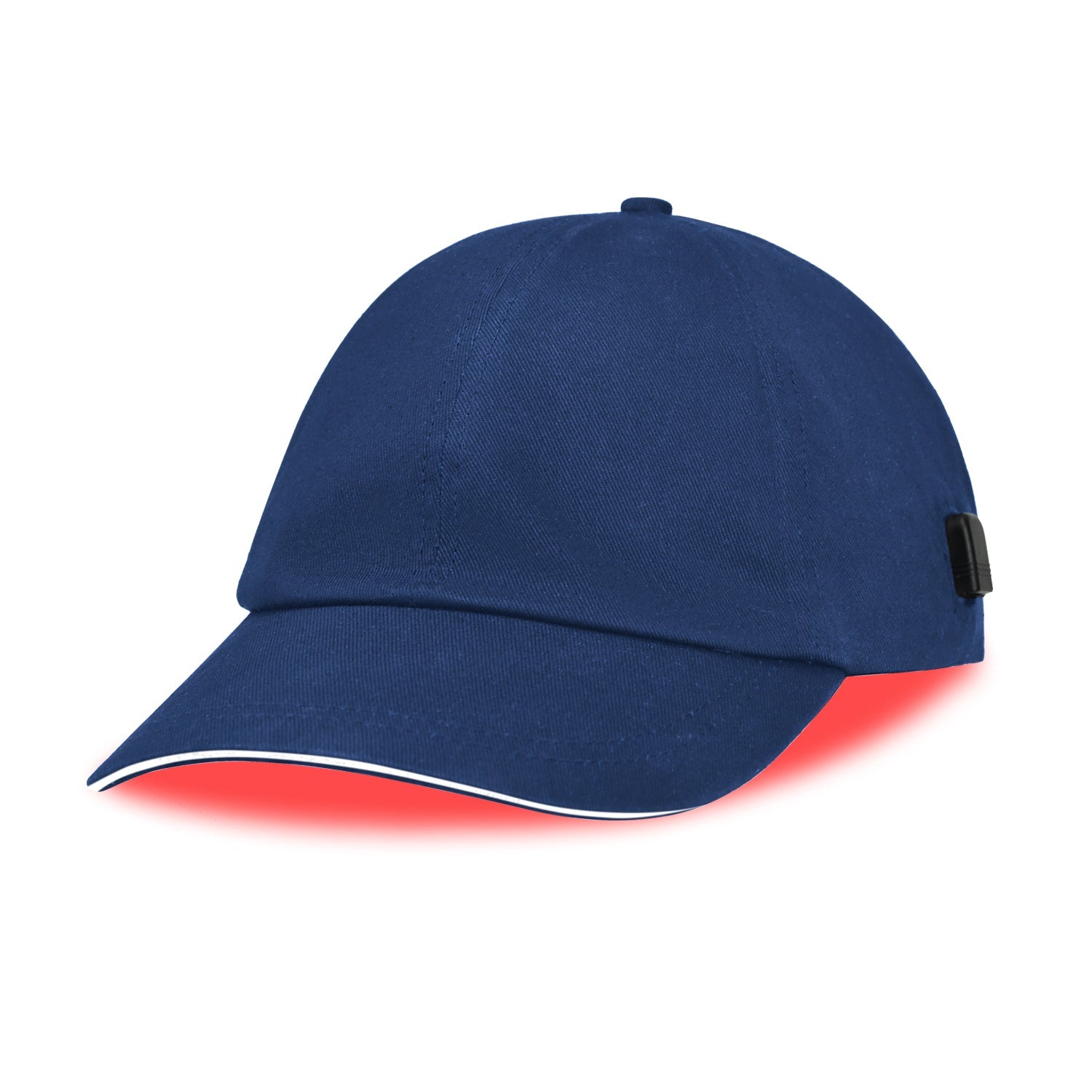
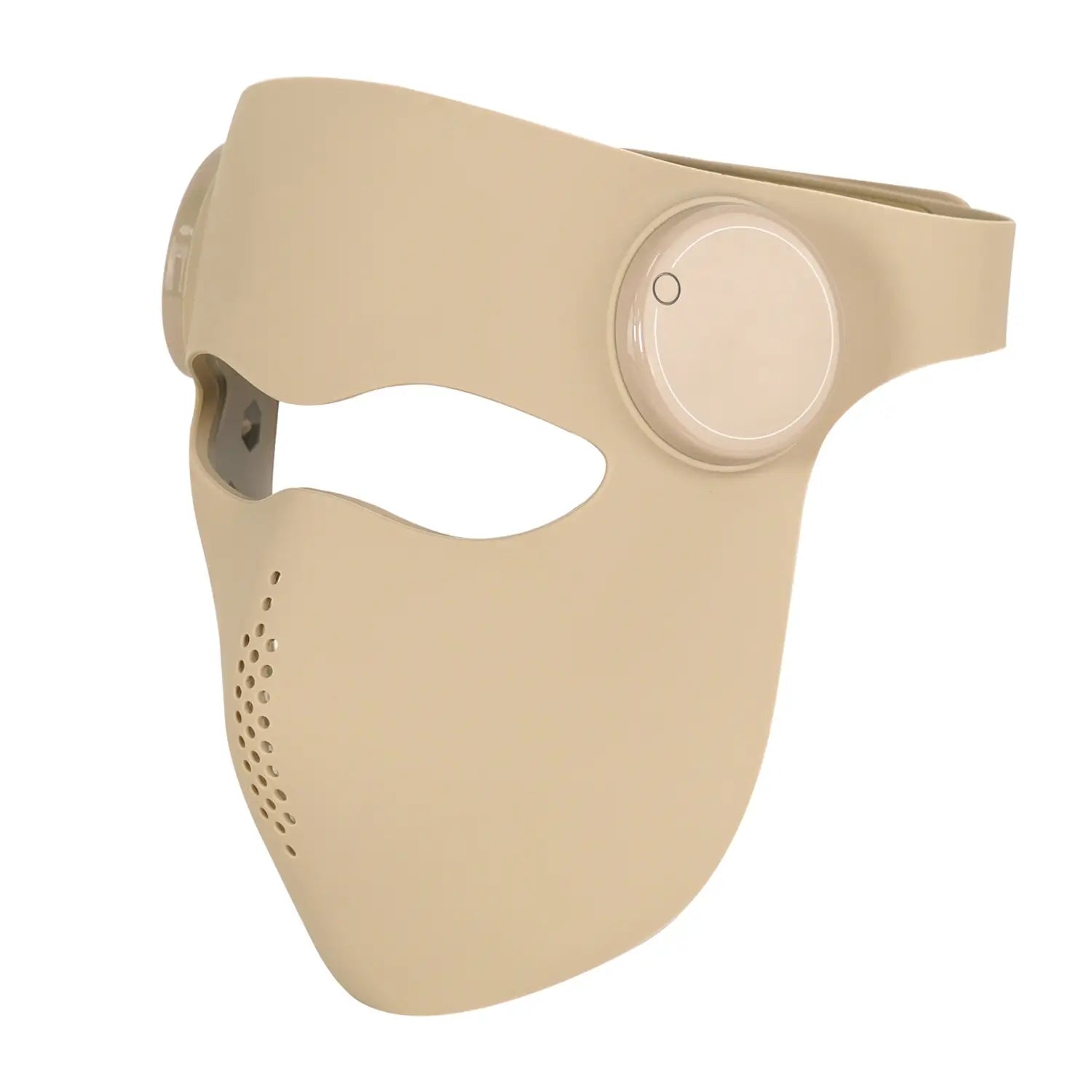
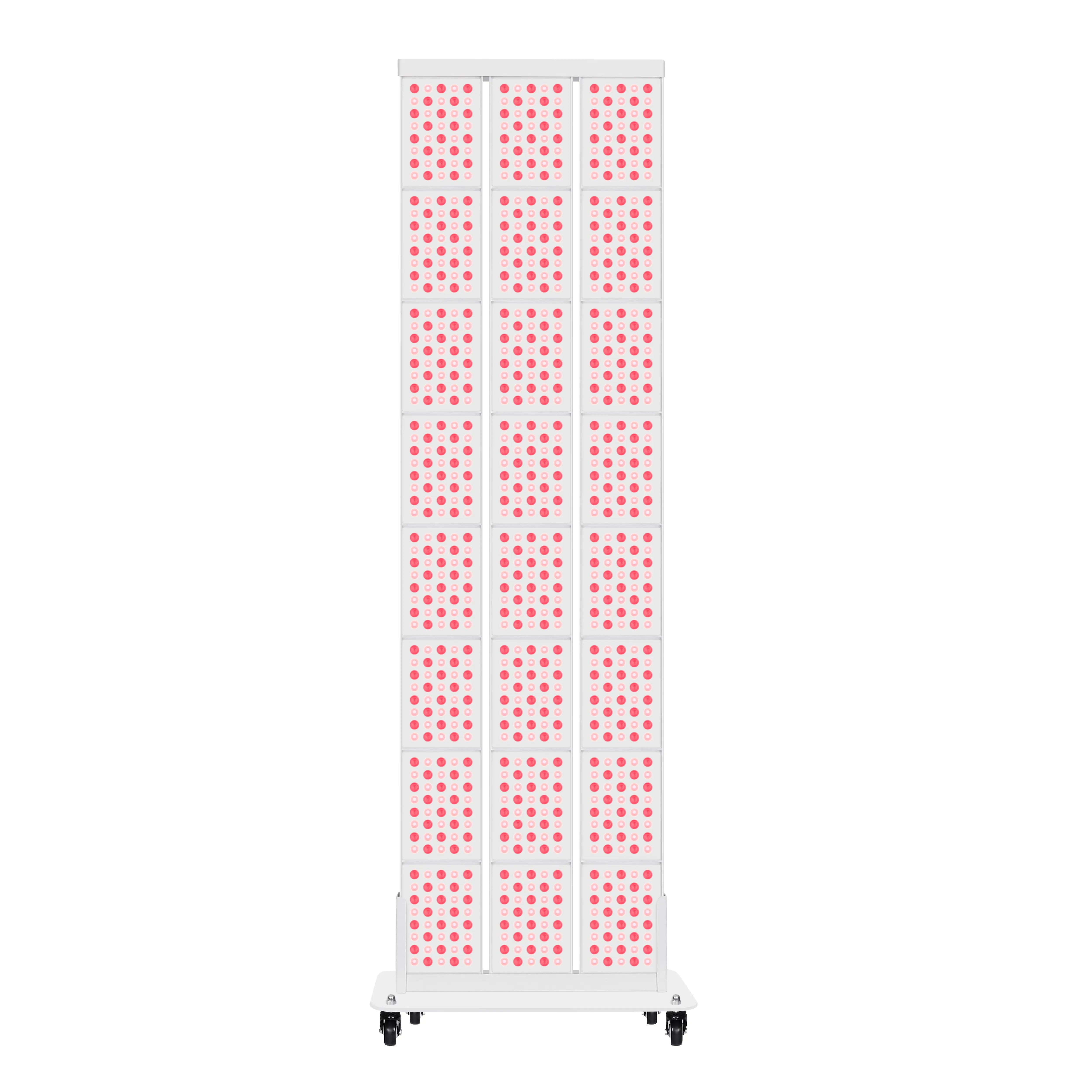
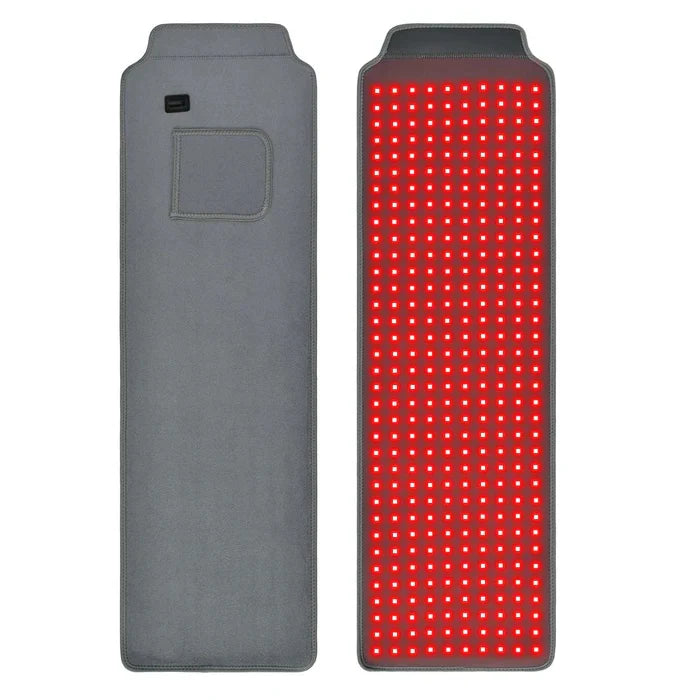
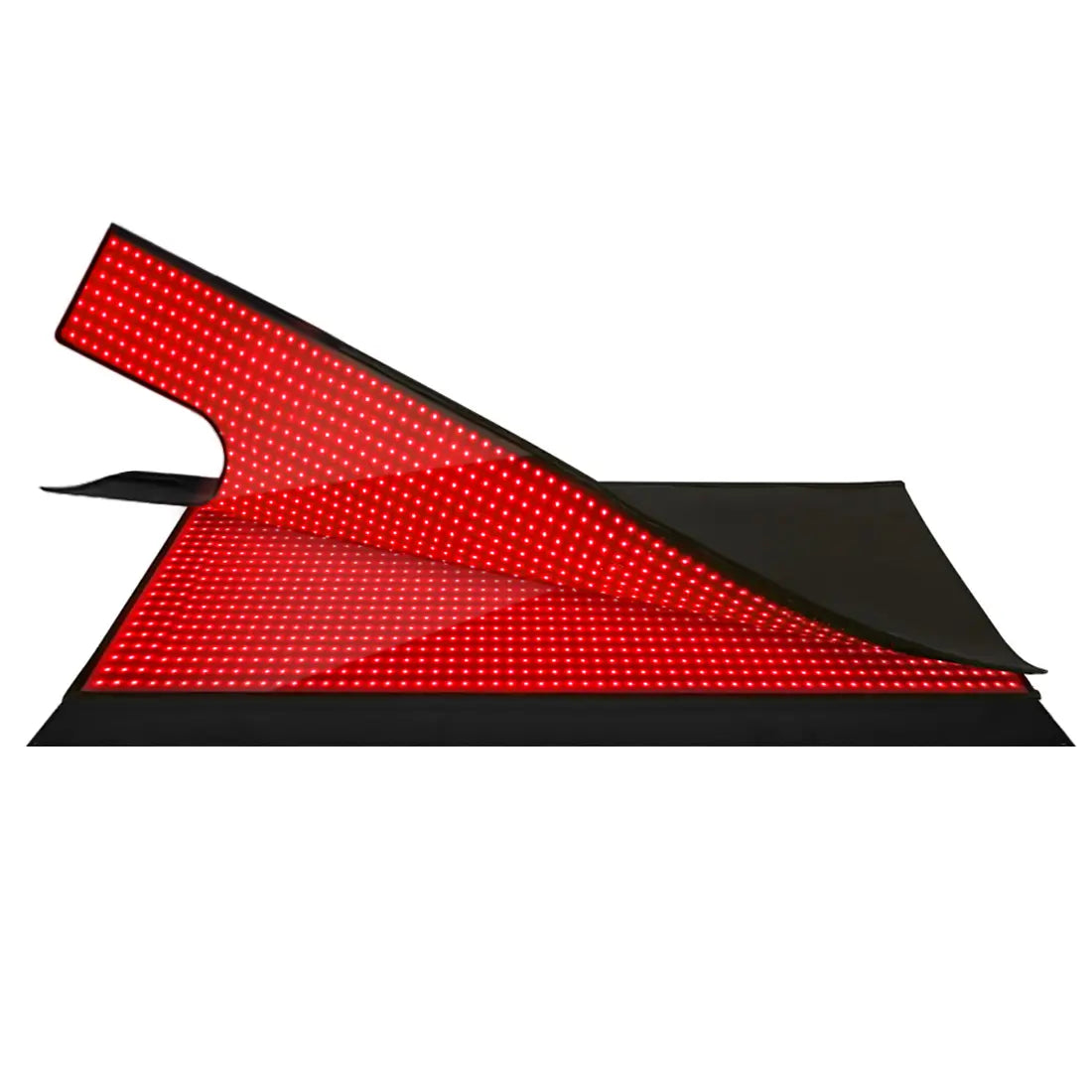
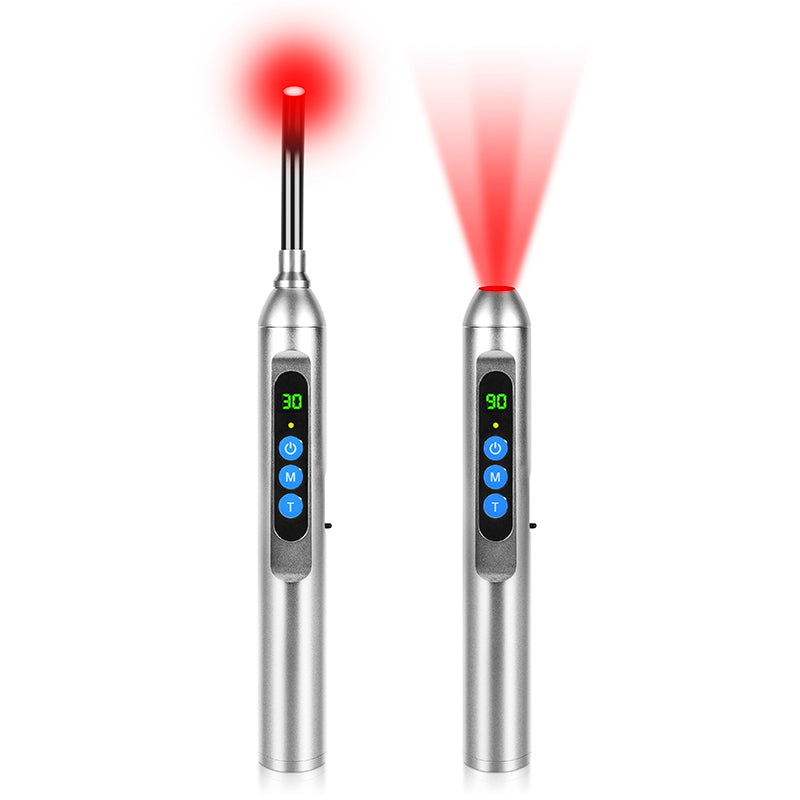

When someone comes to me in the middle of “hormonal cream withdrawal,” the story is almost always the same: their skin feels angrier, thinner, more reactive, and they are desperate for something that will support healing without throwing gasoline on the fire. As a long-time light therapy geek who has personally sat through hundreds of LED sessions and guided many clients through skin recovery, I see red light therapy as one of the more promising tools to support this transition—if you understand what it can and cannot do.
There is an important caveat right up front. The research you are about to read is largely on red light therapy for skin aging, acne, scars, inflammation, and wound healing. None of the reputable sources in the notes directly study “hormonal cream withdrawal” as a category. So everything I say about withdrawal is based on first-hand experience and general dermatologic principles, layered on top of what the studies do show about red light therapy. I will be very clear about where the evidence stops and where informed extrapolation begins.
What Red Light Therapy Actually Does To Your Skin
Red light therapy, also called photobiomodulation or low-level light therapy, uses specific red and near-infrared wavelengths to trigger biological changes in your cells. Multiple medical organizations, including Cleveland Clinic and Harvard Health, describe it as a noninvasive, non-UV treatment that aims to improve skin appearance and healing by giving cells more usable energy.
In many dermatology reviews, including those summarized by Franklin Dermatology and Stanford Medicine, red light devices typically emit light in the red range around 600 to 650 nanometers, and sometimes in the near-infrared range around 800 to 880 nanometers. These wavelengths penetrate into the dermis without the DNA damage associated with ultraviolet light.
At the cellular level, red light is absorbed primarily by mitochondria, the energy “power plants” of the cell. Several sources, including Cleveland Clinic and multiple clinical trials in Photomedicine and Laser Surgery and Lasers in Medical Science, describe a fairly consistent mechanism: light increases production of adenosine triphosphate, or ATP, which is the energy currency for cellular repair and regeneration. When fibroblasts—the cells that build collagen and elastin—have more ATP, they tend to increase collagen synthesis, help remodel tissue, and support wound healing.
Clinical research backs up these mechanistic claims. A 2014 study in Photomedicine and Laser Surgery, summarized by Franklin Dermatology, showed that several weeks of red light therapy significantly improved skin tone and increased collagen. Another lab study in Lasers in Medical Science reported up to a fourfold increase in collagen synthesis in human skin fibroblasts exposed to red light. Larger clinical work with full-body red and near-infrared lamps in 136 volunteers also found measurable improvements in skin roughness and increased intradermal collagen density, again without the tissue damage associated with more aggressive lasers.
The anti-inflammatory side of red light therapy is just as important. Cleveland Clinic, Stanford Medicine, and several dermatology practices note that red light can reduce inflammation, improve microcirculation, and support faster tissue repair. In practical terms, that translates into softer wrinkles, improved texture, and better healing of wounds and scars, often with minimal downtime and mild side effects when used appropriately.
This is the biological “engine” we are working with as we think about hormonal cream withdrawal.

What Happens To Skin During Hormonal Cream Withdrawal
Although the research notes you provided do not discuss hormonal creams directly, the pattern is familiar in real life whether the cream is a topical steroid, a hormone-containing anti-aging product, or a medical hormone preparation.
When you apply a hormone or steroid cream regularly, the skin adapts to that external signal. Depending on the formulation, you might see artificial calmness in inflammatory conditions, suppression of redness, or temporary thickening, smoothing, and plumping of the skin. The trouble starts when you reduce or stop the cream.
Here is what I repeatedly see in people tapering off these products, and what many dermatology patients report anecdotally. The skin can swing into a rebound state with more redness, burning, and flushing. The barrier often feels thinner, drier, and more prone to stinging from products that used to be fine. There may be a flare of acne-like bumps, increased oil in some areas with dry peeling in others, or post-inflammatory hyperpigmentation that appears as the skin cycles through irritation and repair.
None of that is surprising if you think in terms of biology. You have removed a strong upstream signal, and the tissue has to relearn how to regulate inflammation, oil production, and repair on its own. During that window, anything harsh tends to backfire. What you want is a therapy that can quietly support collagen production, help blood flow and oxygen delivery, calm inflammation, and accelerate healing, without adding extra chemical load.
That is the theoretical niche where red light therapy fits, and it is why I reach for it frequently during hormonal cream withdrawal, even though the studies have been done in conditions like aging, acne, scars, eczema, and wound healing rather than in “withdrawal” itself.

How Red Light Therapy Targets The Same Pathways Withdrawal Disturbs
Because we do not have direct trials on red light therapy for hormonal cream withdrawal, the logical strategy is to map what withdrawal typically does to skin onto the known effects of red light therapy from the literature.
Redness, Flushing, And Inflammation
Rebound inflammation is one of the hardest parts of coming off hormonal creams. Fortunately, anti-inflammatory action is one of the most consistent findings across red light therapy research.
Cleveland Clinic notes that red light therapy can reduce inflammation in cells, increase blood circulation to the tissue, and improve conditions such as psoriasis, rosacea, eczema, and acne. Conejo Dermatology and other dermatology clinics echo this, describing red light as particularly helpful for redness and irritation in sensitive or reactive skin.
Several clinical sources emphasize improved microcirculation. A 2016 study summarized by Franklin Dermatology found that red light therapy increased skin microcirculation, which enhances oxygen and nutrient delivery while helping remove waste products. Better circulation, paired with lower inflammatory signaling, tends to translate into less persistent redness and a healthier tone over time.
In practical terms, when I place someone with withdrawal-related redness under a properly dosed red light panel, I am leveraging these same pathways: increasing blood flow and ATP, nudging inflammatory chemistry in a calmer direction, and doing it without introducing another drug.
Barrier Integrity, Texture, And Fine Lines
Hormonal creams can temporarily mask fine lines and dryness, so when you stop them, the skin often looks older and more depleted than you expected. Red light therapy has some of the strongest evidence in this domain.
Multiple controlled trials, including a randomized study in Photomedicine and Laser Surgery and research showcased by Franklin Dermatology, show that several weeks of red light therapy improve skin texture, reduce roughness, and enhance elasticity. Ultrasound measurements in full-body photobiomodulation trials reveal increased intradermal collagen density. A separate single-arm study of a 630-nanometer red LED mask used twice weekly for three months showed progressive reductions in wrinkles, better firmness and elasticity, improved dermis density, and smoother texture, with benefits persisting for at least a month after stopping.
These changes are not just surface-level. Mechanistic work summarized in scientific reviews explains that red light is absorbed by components of the mitochondrial respiratory chain, especially cytochrome c oxidase. This triggers a cascade of increased ATP, RNA, and protein synthesis, shifts in cellular redox state, and activation of growth factors such as transforming growth factor beta. The downstream effect is more collagen and elastin, stronger extracellular matrix, and better structural integrity in the dermis.
If you are withdrawing from a cream that was propping up collagen or masking fine lines, these same mechanisms are what you want on your side, so your skin can build its own scaffolding instead of relying on the cream.
Acne Flares And Scarring Risk
For many people, stopping hormonal creams comes with a spike in breakouts. The notes you shared contain extensive evidence that red light therapy, especially when combined with blue light, can be a useful tool for acne and scar prevention.
Gold Skin Care Center describes acne light therapy as a noninvasive treatment where blue light targets acne-causing bacteria while red light penetrates deeper to reduce inflammation, speed healing, and stimulate collagen. They report that consistent sessions, often a few times per week, can improve acne over four to six weeks. Healthline and WebMD similarly describe blue plus red visible light as particularly effective for mild to moderate inflammatory acne, with professional sessions typically repeated two to three times weekly at first.
The scarring side of the story is also relevant. HigherDOSE’s review of acne scar research notes that red light can boost fibroblast activity and collagen production and cites studies where red light–based photodynamic protocols produced major reductions in acne lesions without complications. Other sources, including dermatology clinics and clinical device trials, highlight improved scar appearance and faster wound healing with red LED therapy.
The takeaway for hormonal cream withdrawal is straightforward. If coming off the cream triggers breakouts, you want to do everything you can to shorten lesion lifespan, reduce inflammation, and support collagen-rich healing so you do not trade hormonal dependency for permanent scarring. Red light therapy is not a cure for acne, but the anti-inflammatory, pro-healing, pro-collagen profile makes it a rational adjunct.
Wound Healing, Microtears, And Procedure Recovery
Some people are tapering hormonal creams at the same time they are having aesthetic procedures, microneedling, or chemical peels. Baylor College of Medicine’s aesthetic expert notes that red light therapy is commonly used immediately after procedures such as peels and microneedling to support healing. Multiple clinical sources also report accelerated wound healing and scar improvement with red light, though Stanford Medicine notes that results for deep or surgical scars can be mixed and may converge with controls by around six weeks.
Still, the general trend is toward faster early healing, reduced swelling, and improved early scar quality in the presence of red light. For withdrawal, where the skin may be more fragile and prone to microtears or barrier disruption, they are the very processes you want to strengthen.
What The Research Says—and What It Does Not
To keep this evidence-based, it is important to explicitly separate what we know from what we are inferring.
There is currently no direct clinical trial in the notes that looks at people withdrawing from hormonal creams and putting them under red light therapy. That exact scenario has not been rigorously tested in the sources provided.
What we do have are several lines of evidence.
Dermatology and academic centers such as Cleveland Clinic, Harvard Health, UCLA Health, WebMD, and Stanford Medicine acknowledge that red light therapy can improve fine lines, wrinkles, texture, some types of hyperpigmentation, mild to moderate acne, certain scars, and wound healing, with a generally favorable short-term safety profile. Multiple small to medium-sized trials demonstrate increased collagen, improved elasticity, reduced roughness, and enhanced subjective skin quality after weeks of treatment.
We also have mechanistic studies showing that red light influences mitochondrial function, increases ATP, modulates inflammatory signaling, and improves microcirculation. These are precisely the biological levers you want to pull when skin is trying to recover from long-term exposure to a strong hormonal or steroid cream.
On the other side, expert sources repeatedly point out the limits. Cleveland Clinic stresses that for many claimed uses, including non-skin conditions, the evidence remains preliminary and that many studies are small or lack placebo controls. Stanford Medicine emphasizes that while red light has credible benefits for hair growth and some wrinkle reduction, evidence for wound healing and scar improvement can be mixed, and broader wellness claims remain speculative. Harvard Health notes that optimal dosing for specific conditions is not well established and that at-home devices vary widely in strength and quality.
If we put that together, it is fair to say this. Red light therapy has mechanisms and clinical data that make it plausible and biologically sensible as a support tool for the inflammation, barrier issues, and acne flares that often accompany hormonal cream withdrawal. What we cannot say, based on these notes, is that red light therapy has been formally proven in trials to make hormonal cream withdrawal safer, faster, or easier. Anyone who claims that is overstating the evidence.
How To Fold Red Light Therapy Into A Hormonal Cream Taper
Because your skin is already under stress when you taper hormonal creams, the way you use red light matters as much as the fact that you use it. Here is how I approach it in practice, grounded in the dosing and safety patterns from dermatology and academic sources.
Start With Your Prescriber Or Dermatologist
If your hormonal cream was prescribed—for example, a topical steroid for eczema, a hormone-containing cream, or a medically supervised anti-aging product—the first conversation is always with that clinician or with a dermatologist. Cleveland Clinic, WebMD, and the American Academy of Dermatology all emphasize that red light therapy should not replace scientifically vetted treatments and that a medical professional should confirm your diagnosis and guide your plan.
This is especially important if you have conditions like lupus or other light-sensitive autoimmune diseases, a history of skin cancer, or if you are taking medications that increase photosensitivity, such as some antibiotics or acne drugs. Several sources, including Cleveland Clinic, WebMD, Harvard Health, and UCLA Health, advise caution or medical supervision in those cases. Baylor College of Medicine also notes that LED light therapy is not appropriate for individuals with epilepsy.
Choose A Thoughtful Device Rather Than Just A Trendy Gadget
Across the notes, there is a clear distinction between in-office devices and at-home tools. Dermatology clinics and academic centers describe professional devices as more powerful and tightly controlled, with carefully chosen wavelengths and intensities. At-home masks, panels, and wands are generally weaker and more variable.
Harvard Health and Stanford Medicine both highlight that consumer devices can differ widely in wavelength, intensity, and exposure time, making their effectiveness hard to predict. Cleveland Clinic notes that at-home products are often less powerful than devices in dermatologist offices and may deliver less dramatic results. UCLA Health and other sources mention that FDA-cleared devices have at least met basic safety standards, although clearance does not guarantee strong efficacy.
For hormonal cream withdrawal, where your skin may be hypersensitive, a high-powered, poorly controlled device is not your friend. I generally favor either a medically supervised course on professional panels or a high-quality at-home device that clearly lists wavelengths in the red and near-infrared ranges, includes eye protection guidance, and has been cleared by the FDA for skin-related indications.
Dose Like A Scientist, Not Like A Biohacker Daredevil
One of the biggest mistakes I see is the assumption that more light, more often is always better. The clinical literature does not support that.
Professional sources commonly describe protocols built around relatively short sessions repeated several times a week. Dermatology clinics such as those summarized via Brillare Beauty Institute recommend starting with around two to three sessions per week for the first month, then shifting to weekly maintenance. Others, like BSW Health and Harvard Health, describe typical at-home protocols of about 10 to 20 minutes per session, several times per week, with visible changes emerging only after multiple weeks or months of consistent use.
The red LED mask trial in about 20 older adults used a very specific protocol: 630-nanometer light for 12 minutes, twice per week, over three months. Participants showed progressive improvements over the three months and maintained benefits for a month after stopping. The authors of that study explicitly caution against overdoing it, referencing a biphasic dose response where too little light does nothing but too much can be counterproductive.
In practice, for someone whose skin is already irritated from withdrawal, I lean toward conservative dosing similar to what these studies describe. Short, regular sessions with adequate rest days between them, rather than daily marathons under a high-powered panel, are more likely to help than to overload already stressed tissue.
Support The Basics So Light Has Something To Work With
No amount of red light will save you if your skin-care routine is undermining your skin. Cleveland Clinic, WebMD, Healthline, and multiple dermatology clinics emphasize that red light therapy should complement, not replace, foundational care such as gentle cleansing, barrier-supporting moisturizers, and diligent sun protection.
For hormonal cream withdrawal, this usually looks like a fragrance-free, non-stripping cleanser, a well-formulated moisturizer with ceramides or similar barrier-supporting ingredients, and daily broad-spectrum sunscreen. Harsh exfoliants, scrubs, and overly acidic actives can be too aggressive while the skin relearns how to self-regulate inflammation, and several light therapy guides advise pausing strong retinoids or peeling agents before and after light-based treatments to avoid excessive irritation.
If a dermatologist has you tapering the hormonal cream, follow that protocol closely. I treat red light as an adjunct to help your skin keep up with the new demands, not as an excuse to cut corners on the taper.

Pros And Cons Of Red Light Therapy During Hormonal Cream Withdrawal
A balanced view is essential, especially in a field riddled with hype. Based on the notes you provided, here is how the potential upsides and downsides stack up in this context.
Aspect |
Potential Advantage |
Potential Risk or Limitation |
Inflammation and redness |
Red light has documented anti-inflammatory effects and improves microcirculation in skin, which could help with rebound redness and irritation that often follow hormonal creams. |
Evidence is mostly from acne, rosacea, eczema, and wound healing studies, not from formal withdrawal trials, so benefit in withdrawal remains an educated extrapolation. |
Collagen and texture |
Clinical trials show increased collagen density, improved elasticity, and reduced roughness after weeks of red light therapy, which could counteract the deflated look that appears when hormone-related plumping fades. |
Changes are gradual, typically requiring many sessions over weeks or months; results vary by device and individual, and there is no guarantee of a dramatic transformation. |
Acne and scarring |
Red plus blue light protocols have reduced acne lesions and improved scarring in studies, suggesting a role in managing withdrawal-triggered breakouts and scar risk. |
Visible light therapy is not a stand-alone cure for acne and may be less helpful for certain lesion types; dermatology guidelines still place standard topical and oral therapies as first-line. |
Safety and comfort |
Expert sources consistently describe red light therapy as noninvasive, generally safe, and painless when used as directed, with side effects usually limited to transient redness or irritation. |
Overuse or incorrect use can cause skin irritation or eye damage; long-term safety data are still maturing, and some conditions or medications make unsupervised use inappropriate. |
Hormone system effects |
There is no indication in the notes that red light therapy directly disrupts or replaces hormonal regulation, which is reassuring when you are already adjusting hormone exposure. |
Likewise, there is no solid evidence that red light therapy normalizes systemic hormone levels or “fixes” hormone withdrawal; it is essentially a local skin-support tool, not an endocrine therapy. |
You can think of red light therapy during hormonal cream withdrawal as a way to give your skin a more favorable biological environment while it recalibrates, rather than as a magic off-ramp from hormonal dependence.

FAQ: Red Light Therapy And Hormonal Cream Withdrawal
Can red light therapy replace my hormonal cream or steroid?
Based on the sources in your notes, no. Cleveland Clinic, WebMD, and other medical organizations are clear that red light therapy is still an emerging treatment and should not be considered a replacement for established medical therapies without professional guidance. In the context of hormonal creams, red light therapy is best viewed as an adjunct that may support skin healing, texture, and inflammation while you taper under a clinician’s supervision. It does not deliver hormones, and it does not replicate the systemic effects of those creams.
Could red light therapy make my withdrawal symptoms worse?
Used appropriately, most expert sources describe red light therapy as well tolerated. However, they also warn that misuse—too frequent sessions, excessive intensity, or ignoring eye protection—can irritate skin or harm eyes. When your skin is hypersensitive from withdrawal, you are more likely to notice even mild irritants, so it becomes especially important to start gently, follow evidence-based session durations, and monitor your skin’s response. If redness or burning clearly worsens after sessions, you should stop and check in with a dermatologist.
When during my taper should I start red light therapy?
There is no direct study in these notes that prescribes an ideal moment in a taper. In my experience, many people benefit from starting while still on a reduced dose of the hormonal cream, so the skin is already receiving extra repair support as the drug signal is lowered. That said, the key variable is your doctor’s plan. Several sources emphasize that red light therapy is not covered by most insurance and often requires multiple weekly sessions, so you and your clinician should weigh cost, logistics, and your skin’s condition before deciding when to add it.
How long will it take to see benefits?
The research summarized in your notes suggests that red light therapy is a slow-burn strategy, not an overnight fix. Brillare Beauty Institute’s brief notes describe visible improvements after several sessions, with more robust changes after around 10 to 12 sessions. Other sources, including Harvard Health and UCLA Health, talk about needing regular treatments multiple times per week for several months for anti-aging benefits, with acne improvements often appearing after several weeks of consistent use. When you overlay hormonal withdrawal on top of that, expect any red light benefits to track on the order of weeks to months, not days.
Closing Thoughts From A Light Therapy Geek
If you are coming off a hormonal cream, you are essentially asking your skin to grow up fast and take care of itself again. Red light therapy will not do that job for your skin, and it will not rewrite your endocrine story. But the science we do have shows that it can make your cells more energetic, your collagen network more resilient, and your inflammation a little less volatile while you go through that process.
Used with respect for the evidence, honest expectations, and partnership with a good clinician, red light therapy is one of the few home-accessible tools that genuinely nudges biology in the same direction your skin is already trying to go. That is exactly the kind of aligned, science-backed support I want in the mix when I help someone step off the hormonal treadmill.
References
- https://brillarebeautyinstitute.edu/red-light-therapy-vs-traditional-skin-treatments/
- https://www.health.harvard.edu/staying-healthy/red-light-therapy-for-skin-care
- https://pmc.ncbi.nlm.nih.gov/articles/PMC10311288/
- https://blogs.bcm.edu/2025/06/24/led-light-therapy-how-does-it-work-on-your-skin/
- https://med.stanford.edu/news/insights/2025/02/red-light-therapy-skin-hair-medical-clinics.html
- https://my.clevelandclinic.org/health/articles/22114-red-light-therapy
- https://www.gundersenhealth.org/health-wellness/aging-well/exploring-the-benefits-of-red-light-therapy
- https://www.uclahealth.org/news/article/5-health-benefits-red-light-therapy
- https://www.aad.org/public/cosmetic/safety/red-light-therapy
- https://www.uhhospitals.org/blog/articles/2025/06/what-you-should-know-about-red-light-therapy