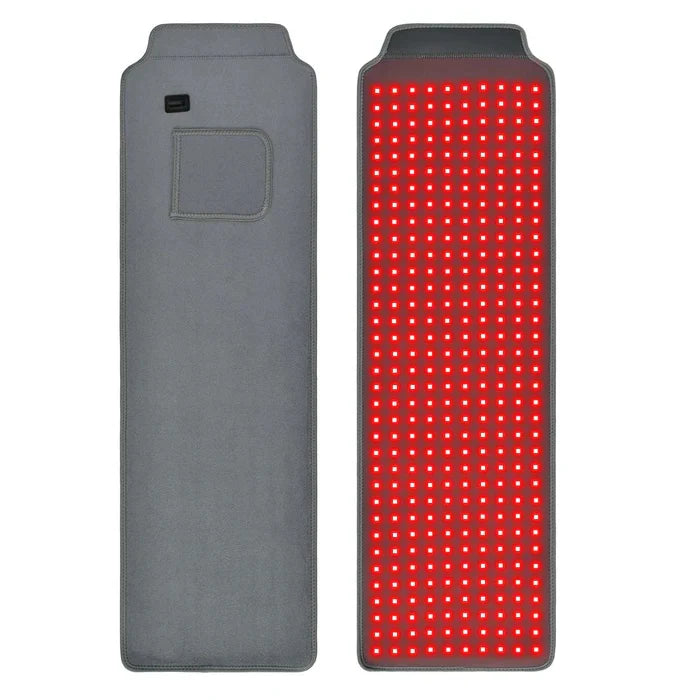
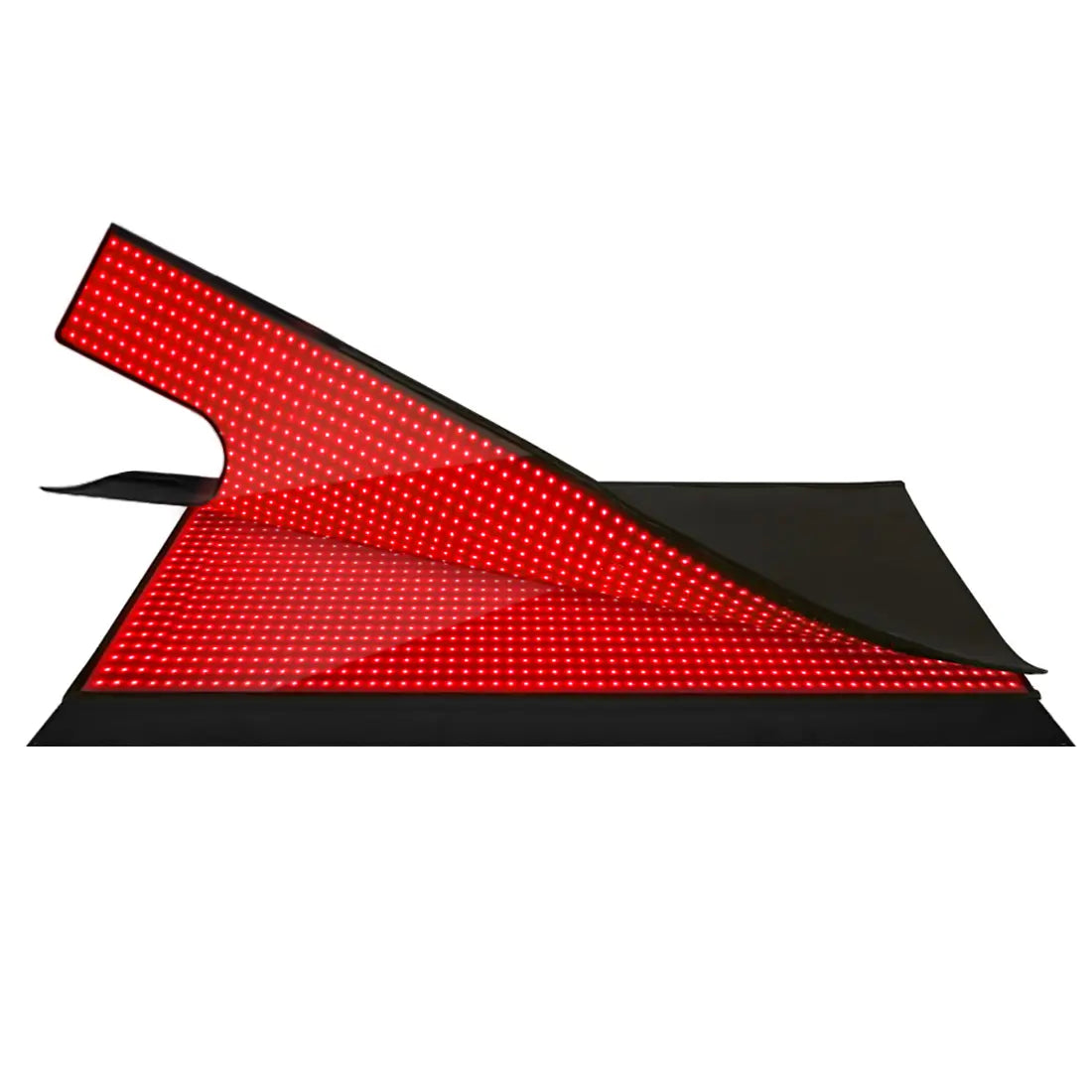
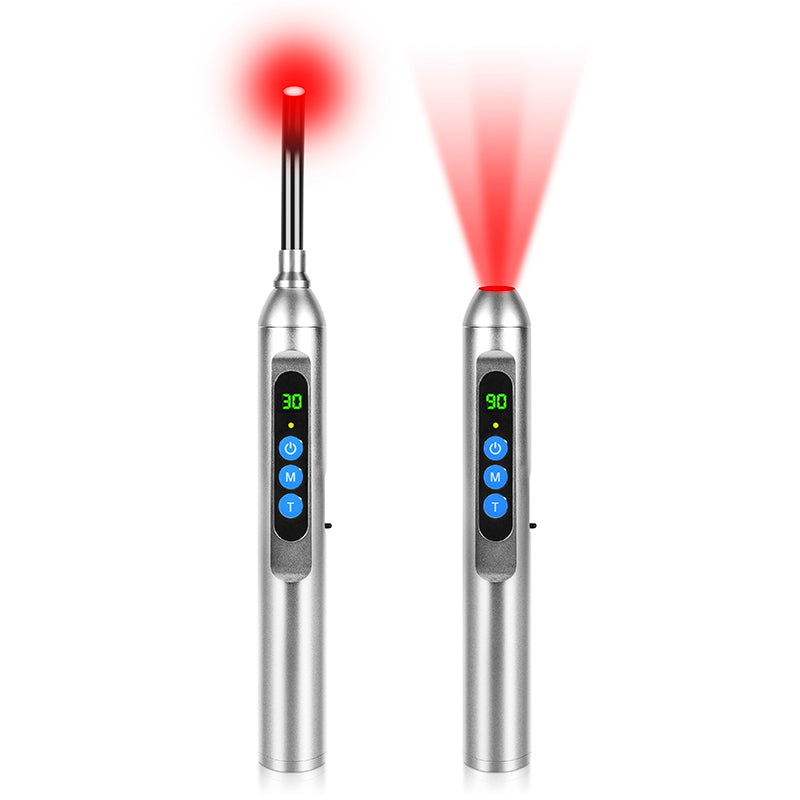

Seasonal allergies turn what should be a great time outdoors into a months‑long survival game. If you are anything like me, you have probably tried every antihistamine, nasal spray, and “miracle” gadget that crosses your feed. Red light therapy sits right at that crossroads of hype and genuine potential, especially for people looking for drug‑free ways to support their immune system and get ahead of hay fever.
In this deep dive, I will walk through what the science actually says about red light therapy and seasonal allergies, where the evidence stops, and how a seasoned light‑therapy geek thinks about using it as part of a prevention and relief strategy. I will stay anchored to clinical data and reputable medical sources, not marketing claims.
Seasonal Allergies 101: Why Your Nose Is Under Attack
Seasonal allergies, or seasonal allergic rhinitis, are essentially your immune system overreacting to harmless particles in the air. The National Library of Medicine describes allergy as an exaggerated immune response to otherwise inert substances in the environment. For seasonal allergies, those substances are usually pollens from trees, grasses, and weeds, plus mold spores.
An allergic reaction happens in two broad phases. In the early phase, allergens trigger mast cells to release histamine and other mediators, leading to nasal itching, runny nose, sneezing, and congestion. In the late phase, immune cells such as eosinophils and cytokines like interleukin‑4 move in and sustain inflammation, which keeps your nose blocked and your eyes inflamed long after the initial exposure.
A review highlighted in Karger’s patient‑education platform notes that allergic rhinitis affects roughly three in ten adults and four in ten children worldwide, contributing to sleep problems, headaches, sinus pressure, and poorer quality of life. Over the last three decades, respiratory allergies have been rising globally, which means more people are looking for tools that go beyond just masking symptoms.
Standard of care still centers on avoidance strategies, oral antihistamines, and intranasal steroid sprays following ARIA guideline recommendations. But adherence is hard and medications do not fully control symptoms for everyone. That is the niche where low‑level light and laser therapies are being explored.

What Is Red Light Therapy, Really?
Red light therapy (RLT) is a noninvasive treatment that uses low levels of red or near‑infrared light to modulate cellular processes. Cleveland Clinic describes it as a therapy that uses low‑level red light to improve skin appearance and potentially address other conditions. In different settings you will hear it called low‑level laser therapy, low‑power laser therapy, soft or cold laser, non‑thermal LED light, photobiomodulation, or phototherapy.
Interest in this type of light started with NASA experiments, first looking at plant growth in space and later at wound healing in astronauts. Red light is already medically accepted in photodynamic therapy, where low‑power red lasers activate a photosensitizing drug to destroy certain cancer and abnormal skin cells. That use is very different from what we are talking about here, but it shows that red light can produce potent biological effects when combined with the right context.
Most consumer and wellness devices use either LEDs or low‑power lasers that emit specific wavelengths, often around 630 to 660 nanometers for visible red light and in the near‑infrared range around 830 to 940 nanometers. These are nowhere near the intensity of surgical lasers and do not use ultraviolet light.
Cleveland Clinic emphasizes that red light therapy, when used correctly and short term, appears generally safe, non‑toxic, and non‑invasive, and is not associated with the cancer‑causing ultraviolet radiation you get from sunburns or tanning beds. However, they also stress that long‑term safety is not well established and misuse, like overexposure or poor eye protection, can still potentially damage skin or eyes.

How Red Light Interacts With Cells and Immunity
If you strip away the marketing language, the proposed mechanisms for RLT are fairly consistent across medical and wellness sources.
Cleveland Clinic explains that red light is thought to act on mitochondria, the “power plants” of cells. By being absorbed into specific molecules in the respiratory chain, red light may increase cellular energy production. With more energy available, cells theoretically can repair tissue more efficiently, support new cell growth, and modulate inflammation.
Several sources focused on immune and inflammatory effects add additional layers. Utah Valley Dermatology notes that red and near‑infrared light can modulate the immune system’s inflammatory response, helping to dial down both acute and chronic inflammation. A wellness clinic article on immunity from Greentoes Tucson frames it more simply: red light gives cells more energy, which can help the immune system work better and lower chronic inflammation so your body can respond faster when you do get sick.
Healthline’s coverage of red light therapy and asthma introduces more allergy‑relevant mechanisms. In early studies, red light exposure has been associated with better control of mast cells and increased anti‑inflammatory cytokines. Because mast cells are central to allergic reactions, including asthma and allergic rhinitis, this mast‑cell modulation is one plausible route by which red light might influence allergy symptoms. Healthline also reports that red light therapy has been linked to improvements in sinus congestion by reducing mucus production and helping clear existing mucus more quickly.
In allergic rhinitis specifically, a PubMed Central article describing low‑level intranasal phototherapy highlights that visible and infrared light may increase metabolism and blood flow in the nasal mucosa and reduce inflammation and oxidative stress. Animal models referenced in that work suggest reductions in total immunoglobulin E and interleukins involved in allergic inflammation, along with decreased eosinophil infiltration into the nasal mucosa.
Mechanistic studies are still early, and human data are largely indirect, but a pattern emerges: low‑level red and near‑infrared light can modulate inflammatory and immune pathways. The question is how much that matters for real‑world allergy prevention and control.
Clinical Evidence: Red Light Therapy for Allergic Rhinitis
When you focus strictly on allergic rhinitis and hay fever, several types of light‑based approaches have been studied. Most involve intranasal application of visible red light, sometimes combined with near‑infrared, and some use low‑level lasers while others use LED sources.
Single‑Session Red Light Rhinophototherapy
One randomized study published in PubMed Central looked at red light rhinophototherapy using visible red light at around 660 nanometers delivered intranasally. Sixty adults with moderate to severe allergic rhinitis were assigned either to a single intranasal red light session plus standard medical therapy or to standard therapy alone.
The red light protocol in that study used low‑energy red light applied for about fifteen minutes per session. Subjectively, patients in the red light group reported clear short‑term relief in key symptoms such as nasal congestion, runny nose, itchy nose, and sneezing thirty minutes after treatment. The total symptom score dropped significantly in that window.
However, when researchers measured objective nasal airflow using rhinomanometry and acoustic rhinometry, they did not see a corresponding improvement. In fact, the second minimal cross‑sectional area in the nasal cavity decreased and some distal nasal cavity volume decreased, suggesting no objective decongestion and possibly a slight narrowing in some airway regions immediately after treatment.
Two days later, after both groups had continued medical therapy with intranasal steroids and oral antihistamines, both the red light and control groups showed significant symptom improvements, and there were no significant differences between them. The study’s key conclusion was that a single intranasal red light session can produce marked short‑term subjective relief but does not provide sustained benefit beyond standard therapy or objective improvement in nasal patency.
From a light‑therapy geek’s perspective, that study is a classic example of why you cannot stop at “I felt better after a session.” The body’s own variability, placebo effects, and the power of any new sensory input are real. Objective measures and control groups are the guardrails that stop us from overinterpreting a good thirty minutes.
Four Weeks of Low‑Power Intranasal LED Phototherapy
A more recent single‑arm observational study, also in PubMed Central, looked at a different protocol. This time, twenty‑one adults with mild persistent allergic rhinitis received intranasal phototherapy with red light at 660 nanometers and near‑infrared light at 940 nanometers, both from low‑power LED sources at about five milliwatts.
Participants inserted the device probes into both nostrils and used the therapy three times a day for four weeks, spacing sessions at least five hours apart. Symptoms were tracked using the Rhinoconjunctivitis Quality of Life Questionnaire and a visual analog scale, and daily scores for nasal obstruction, runny nose, sneezing, and itching were recorded.
Median quality‑of‑life and visual analog scores improved significantly after two weeks and again after four weeks compared with baseline. By around seven days of treatment, runny nose and nasal congestion had improved to a statistically significant degree. Itching and sneezing fluctuated more but still trended better over time.
Nasal smear tests showed that some patients with moderate or severe eosinophilia at baseline moved to lower eosinophil categories after treatment, although the small numbers prevented strong statistical conclusions. Adverse reactions were minimal, limited to a temporary dry nose in one participant and short‑lived itching.
This study did not include a control group, so we cannot say confidently how much of the improvement was due to the light itself, natural fluctuation of symptoms, or expectation effects. The authors explicitly call for larger, controlled trials. Still, the signal is encouraging: with consistent daily intranasal use over weeks, low‑level red and near‑infrared light was associated with sustained symptom relief and better allergy‑related quality of life in mild persistent rhinitis.
Low‑Level Laser Therapy in Systematic Review
To zoom out beyond individual trials, an article summarized by Karger’s education platform reviewed sixteen studies on low‑level laser therapy for allergic rhinitis. These studies generally used low‑intensity “cool” lasers under about five hundred milliwatts applied inside the nose, targeting inflammation in the nasal mucosa.
Across the included studies, before‑and‑after analyses showed reductions in nasal symptoms and improvements in quality of life, and safety was considered acceptable. Mechanistically, low‑level lasers appeared to reduce pro‑inflammatory mediators such as tumor necrosis factor alpha, cyclooxygenase‑2, prostaglandin E2, and interleukin‑1 beta.
However, when results from laser therapy were compared with placebo conditions, improvements in symptoms were often similar in size between the real and sham treatments. The authors concluded that low‑level laser therapy is probably helpful but not definitively superior to placebo based on current data. They highlight the need for larger, methodologically robust trials and direct comparisons with standard medications.
What This Means for Prevention
Taken together, these data support a cautious but optimistic interpretation. Intranasal red and mixed‑spectrum low‑level light can provide short‑term and sometimes sustained symptom relief in allergic rhinitis, especially when used consistently. Subjective symptom scores and quality of life improve in many patients, while side effects are minimal.
At the same time, objective airflow changes are inconsistent, placebo responses are strong, and many studies are small or lack proper controls. A single session is not a magic decongestant, and current evidence does not show that red light cures allergies or replaces standard therapies.
For prevention, the most reasonable conclusion is that regular light exposure may help reduce the intensity of symptoms once allergy season hits, and possibly support a calmer baseline inflammatory state. True long‑term prevention or disease modification has not been demonstrated.
Intranasal Red Light Devices for Hay Fever and Allergies
Beyond formal trials, several consumer‑facing sources discuss intranasal red light devices for hay fever.
An overview from The Family Chemist describes red light therapy for hay fever as a noninvasive treatment that delivers low‑level red or near‑infrared light directly inside the nose with a small handheld device. Typical use involves treating each nostril for about three to five minutes. Users often report symptom relief that lasts for most of the day.
That article notes that scientific studies increasingly support intranasal red light therapy for hay fever, with significant reductions in nasal congestion, sneezing, and itching when used regularly. In at least one comparative study, light therapy produced greater improvements in allergy symptoms than both placebo and an oral antihistamine, specifically fexofenadine, across all symptom categories. Red light therapy was not portrayed as a cure but as a tool to manage the immune response and reduce disease burden over time.
Practical advantages highlighted include the fact that these devices are drug‑free, non‑drowsy, and suitable for daytime use without sedation or impaired concentration. The devices are small, portable, reusable at home, and usually considered well tolerated with a favorable safety profile. The Family Chemist recommends using red light therapy as either a standalone option for mild cases or, more realistically, as an adjunct to standard treatments like antihistamine tablets, nasal steroid sprays, and allergy eye drops.
When you cross‑reference that with the medical trials, a pattern emerges. Intranasal red light is best thought of as an add‑on that may reduce daily symptom load and improve comfort, especially during high‑pollen days, but not as a replacement for high‑quality pharmacologic control when needed.

LED Red Light for Skin Symptoms Around the Eyes and Face
Seasonal allergies do not just hit the nose. They often leave your under‑eye area puffy, red, and tired‑looking. Here, external LED red light devices rather than intranasal systems come into play.
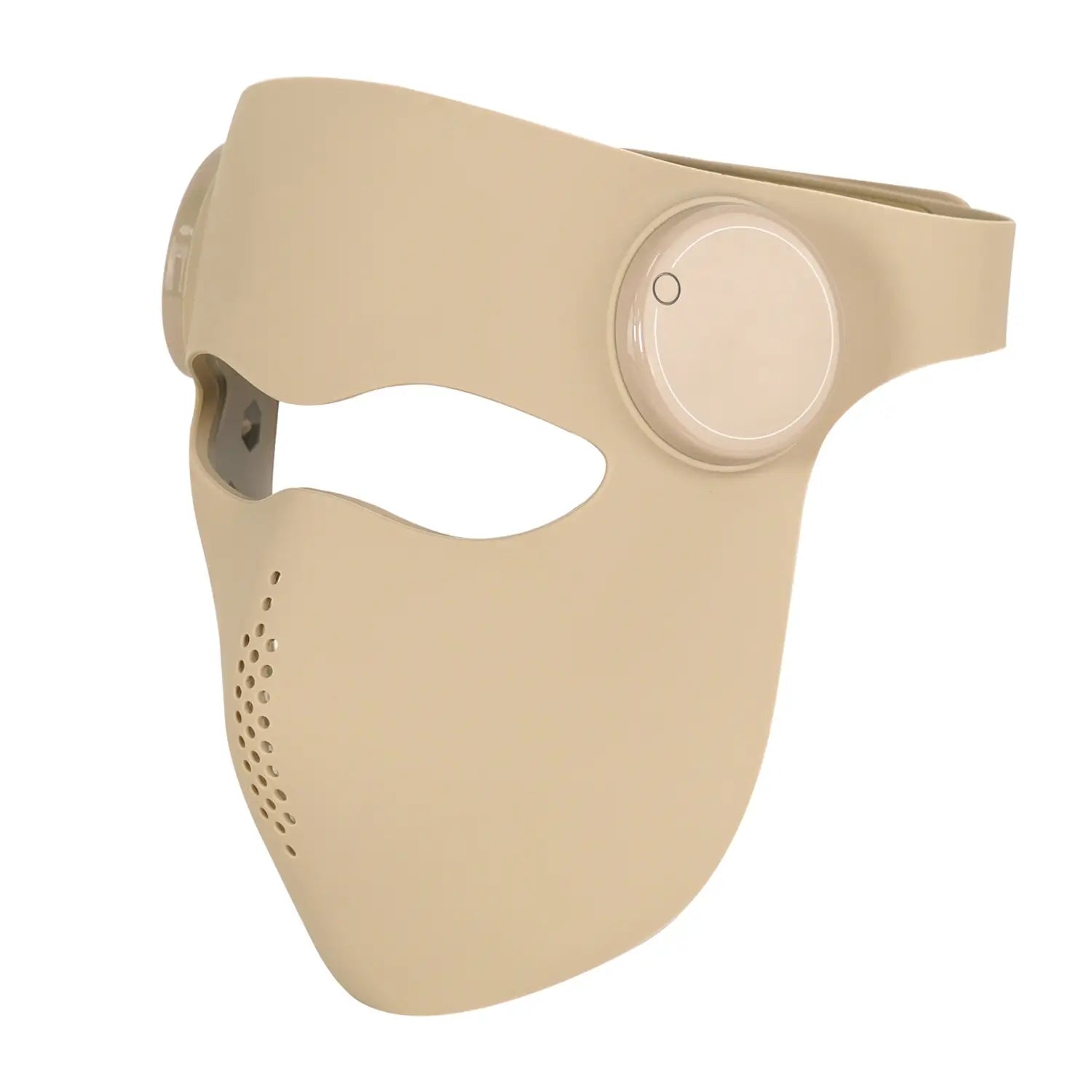
A consumer article from SmoothSkin describes LED red light therapy as a non‑invasive way to calm allergy‑related redness and puffiness, particularly around the delicate under‑eye area. Their eye‑patch system combines visible red light around 630 nanometers with near‑infrared light around 833 nanometers. The transparent hydrocolloid patches applied over the LEDs are infused with ingredients like hyaluronic acid, niacinamide, and peptides for added hydration and brightening.
Sessions in that setup run about ten minutes. With consistent use over roughly six weeks, users are told to expect reduced fine lines and wrinkles, a brighter under‑eye area, and less prominent under‑eye bags. The same device can also be used for smile lines, frown lines, and crow’s feet, so the value proposition extends beyond allergy season.
While this is primarily a cosmetic approach, it dovetails with broader clinical observations from dermatology and aesthetic medicine. Utah Valley Dermatology, for example, uses red light therapy to treat precancerous skin conditions and highlights benefits like reduced inflammation, improved skin tone, enhanced wound healing, and increased collagen production through fibroblast stimulation. For allergy sufferers, the key crossover benefits are dampened inflammation and improved skin repair in areas that get rubbed, irritated, and inflamed every day during pollen season.
Systemic Wellness Approaches: Red Light in the Allergy “Stack”
Several wellness studios integrate red light therapy into broader allergy‑support protocols. These should not be confused with medical treatments, but they are informative for how people actually use light in the real world.
A Greentoes Tucson article on red light therapy and immunity describes it as a way to give cells more energy and help the immune system work more efficiently. They report that many users feel they get sick less often and recover faster from minor infections, while emphasizing that light therapy does not replace basic health behaviors or medical care.
For seasonal allergies, they note that red light therapy may calm skin irritation, reduce allergy symptom intensity, and help people recover faster after being sick. They recommend session times of about ten to fifteen minutes per area, two to three times a week for four to six weeks, then shifting to weekly sessions if progress is observed. They also suggest using red light more often during allergy season or periods when you typically get sick more easily.
Another provider, Restore Hyper Wellness, discusses red light therapy alongside cryotherapy, infrared sauna, and IV drip therapies as part of a year‑round allergy support program. In their framing, red light helps regulate mucus production and reduce inflammation in the respiratory tract, potentially lowering systemic inflammation and helping flush allergens via improved circulation. Infrared saunas are said to loosen mucus in nasal passages and lungs and support detoxification through sweating, while IV drips deliver nutrients like vitamin C and glutathione to support immune function.
Their article on seasonal allergies mentions that red light therapy may help reduce runny nose, nasal blockages, and inflammation while optimizing sleep to allow better recovery, and that infrared sauna exposure may help with inflammation, itchiness, and nasal obstruction while boosting energy.
All of these wellness applications sit on a spectrum from evidence‑informed to more speculative. They align directionally with the anti‑inflammatory and circulation‑enhancing effects described in medical literature but do not substitute for rigorous clinical trials. The providers themselves emphasize that their services are offered by independently owned medical practices when applicable, often require clearance or a prescription, and are not meant as stand‑alone medical treatment or diagnostic tools.
Safety, Contraindications, and Practical Caution
Any time you point a light source at tissue, especially sensitive areas like the nasal mucosa or eyes, safety comes first.
Cleveland Clinic’s review of red light therapy underscores that it appears safe in the short term when used as directed. It is non‑thermal, non‑invasive, and free of ultraviolet wavelengths that drive skin cancer risk. At‑home devices and spa‑based panels are usually lower power than devices used by dermatologists, which can further reduce risk but may also reduce efficacy.
They also caution that misuse, such as overusing devices or skipping eye protection, could damage skin or eyes and that the long‑term safety of frequent red light exposure is not fully known. Their strongest recommendation is to consult a dermatologist or other qualified medical professional to confirm diagnoses, review evidence‑based options, and ensure red light is appropriate and properly used.
The allergic rhinitis studies provide additional real‑world safety snapshots. In the red light rhinophototherapy trial, a few patients experienced burning or pain around the nostrils and mild headaches. In the four‑week LED phototherapy study, one participant reported two days of nasal dryness and another experienced temporary itching. No serious adverse events occurred.
Wellness clinics add further cautionary boundaries. Greentoes Tucson suggests talking to a doctor before using red light therapy if you are pregnant, have cancer, take medications that make your skin light‑sensitive, have uncontrolled thyroid problems, or have certain autoimmune conditions. Healthline’s discussion of red light therapy and asthma similarly notes that people with photosensitivity due to conditions such as lupus should avoid red light therapy, and that pregnancy is a time when the risks are not well studied, so treatment is considered unsafe.
Across sources, one theme is consistent: red light therapy should not be used as a reason to stop prescribed allergy medications or avoid standard care. It fits best as an adjunct, not a replacement, and should be introduced thoughtfully, especially in medically complex situations.

Pros and Cons of Red Light Therapy for Seasonal Allergies
Here is a concise comparison of potential upsides and limitations based strictly on the available evidence and reputable commentary.
Potential Upside |
Evidence‑Based Notes |
Drug‑free, non‑drowsy symptom support |
Intranasal studies and pharmacy commentary report reductions in congestion, sneezing, and itching without sedative effects, making daily functioning easier during allergy season. |
Symptom and quality‑of‑life improvements |
Controlled and observational trials in allergic rhinitis show significant short‑term and multiweek improvements in patient‑reported symptom scores and quality‑of‑life measures. |
Local, targeted treatment |
Intranasal and facial devices deliver light directly to the nasal mucosa or periorbital skin, aligning with where symptoms are most intense. |
Favorable short‑term safety |
Clinical studies and clinic reports describe mostly mild, transient side effects such as dryness, local irritation, or headache, with no serious complications in the small cohorts studied. |
Useful adjunct to standard therapy |
A pharmacy article and allergy guidelines suggest red light can be layered with antihistamines, nasal steroids, and eye drops, especially for those who cannot tolerate higher drug doses or prefer multimodal strategies. |
Key Limitation |
Evidence‑Based Notes |
Inconsistent objective airflow changes |
At least one rhinophototherapy trial showed subjective relief without statistically significant improvements in nasal airflow and even reductions in certain nasal cavity dimensions immediately after treatment. |
Placebo and study design issues |
A systematic review of low‑level laser therapy in allergic rhinitis found symptom improvements similar to placebo in several trials, underscoring the need for better‑designed studies. |
Not a cure or disease‑modifying therapy |
Clinical and pharmacy sources consistently frame red light as symptom management and immune‑response modulation, not a cure for hay fever or allergic disease. |
Protocol variability and uncertainty |
Wavelengths, dose, session duration, and frequency vary widely between devices and studies, making it hard to transfer any single protocol directly to home use. |
Cost, access, and insurance coverage |
Cleveland Clinic notes that red light therapy is typically not covered by insurance and may require repeated sessions over weeks or months, leading to significant out‑of‑pocket costs and time commitments. |
Limited evidence for some popular claims |
Cleveland Clinic explicitly states there is no scientific evidence supporting red light therapy for weight loss, cancer treatment, cellulite removal, or mental health conditions like depression and seasonal affective disorder, despite online promotion. |

Integrating Red Light Into a Seasonal Allergy Strategy
When you step back and put all of this together, a rational, science‑aligned way to think about red light therapy for seasonal allergy prevention looks something like this.
Start with fundamentals. Avoidance remains foundational: keeping windows closed during high‑pollen periods, changing clothes after outdoor exposure, and cleaning your home regularly can meaningfully reduce allergen load. Restore’s allergy article emphasizes that dust mite and indoor allergens can worsen rhinitis and even asthma and eczema, and that tracking pollen indoors on shoes and clothing is commonplace. They recommend removing shoes at the door, dusting and vacuuming often, and laundering sheets regularly.
Layer evidence‑based nutritional and microbiome strategies where they fit your context. That same source notes that quercetin, a plant‑derived compound, may help block histamine release, with a study from 2016 suggesting usefulness in treating allergic disorders. A 2021 review on probiotics reports that specific Lactobacillus and Bifidobacterium strains can reduce the duration and severity of allergy symptoms in adults with rhinitis, asthma, and atopic dermatitis, especially when combined with a healthy lifestyle and gut microbiome.
Keep guideline‑backed medications in the toolkit. Oral antihistamines and intranasal corticosteroids remain the backbone of care for many people, as highlighted in the ARIA‑based overview from Karger’s article. Even in laser and light trials, patients often continued standard therapy.
Within that framework, intranasal red light therapy can be considered as a drug‑free adjunct for people who want more tools, particularly if they prefer to minimize medication doses or still struggle with congestion and itching. For some, using a handheld intranasal device daily during their worst allergy weeks may reduce symptom intensity enough to improve sleep and daytime function. Others might use external LED red light on the face and around the eyes to calm puffiness and redness while simultaneously supporting skin quality over the long term.
From a wellness optimization perspective, clinic‑based red light panels, infrared saunas, and combined modalities may offer additional subjective benefits, especially in terms of general inflammation, recovery, and perceived resilience during allergy season. Serious limitations in clinical evidence mean these should be approached as optional extras, not core treatment.
Above all, I always return to two rules when evaluating any light‑therapy option for allergies. First, match the device and protocol as closely as possible to what has actually been studied in allergic rhinitis or related conditions. Second, involve a medically qualified professional who can keep an eye on interactions with your existing conditions and treatments, particularly if you are considering intranasal devices, have asthma, or fall into any higher‑risk category.
FAQ: Red Light Therapy and Seasonal Allergies
Is red light therapy a replacement for antihistamines or nasal sprays?
Based on current evidence and expert commentary, no. Standard treatments like antihistamines and nasal corticosteroid sprays remain first‑line therapies for allergic rhinitis. Clinical trials of intranasal red light have typically added light therapy on top of conventional medication rather than replacing it. Both pharmacy and medical sources recommend treating red light as an adjunctive option.
When should I start red light therapy relative to allergy season?
In the four‑week intranasal LED study, symptom improvements became clearly noticeable by about one week and continued through weeks two and four. The Family Chemist and wellness providers suggest daily use during high‑pollen periods for hay fever, often in the morning, with the option to layer medications later in the day if symptoms persist. Since protocols vary and long‑term prevention data are limited, it is wise to work with a clinician on timing.
What kind of light therapy should I avoid confusing with red light for allergies?
Ultraviolet phototherapy is a different modality entirely. Health articles on atopic dermatitis describe UVB and UVA1 phototherapy with clear risks, including potential skin cancer, cataracts, and premature skin aging, which is why it is tightly supervised and reserved for specific skin conditions that do not respond to other treatments. Red and near‑infrared light therapies used for allergies do not involve ultraviolet wavelengths, and their safety profile is quite different. It is important not to assume that benefits or risks from UV phototherapy automatically apply to red light therapy, or vice versa.
Red light therapy is one of the more intriguing tools in the allergy‑optimization toolbox, but it is not a magic shield against pollen. Used wisely, it can be a low‑risk adjunct that nudges inflammation and symptoms in a better direction. As someone who lives in this world of wavelengths and wellness, my advice is simple: let the data set your expectations, keep your core allergy plan grounded in proven strategies, and use red light as a carefully chosen enhancement rather than the whole strategy.
References
- https://www.academia.edu/127751265/Phototherapy_in_allergic_rhinitis
- https://commons.und.edu/cgi/viewcontent.cgi?article=5727&context=theses
- https://pmc.ncbi.nlm.nih.gov/articles/PMC6311790/
- https://repositori.upf.edu/bitstreams/616924e8-9fb9-478c-8b94-78e196608384/download
- https://old.ntinow.edu/book-search/61u8MJ/6S9116/LightTherapyForAllergies.pdf
- https://dev.ppc.uiowa.edu/libweb/4P8037/HomePages/LightTherapyForAllergies.pdf
- https://admisiones.unicah.edu/Resources/61u8MJ/6OK116/light__therapy_for_allergies.pdf
- https://www.logan.edu/mm/files/LRC/Senior-Research/2012-aug-21.pdf
- https://my.clevelandclinic.org/health/articles/22114-red-light-therapy
- https://www.alpinglow.ch/post/red-light-therapy-and-allergies-a-natural-solution-for-springtime-relief