
Enlarged pores are one of those deceptively simple skin complaints. They are tiny openings, but they can dominate how your face looks in a close-up photo or in harsh bathroom lighting. Over the last decade, a lot of people have begun aiming red light panels, masks, and wands at their faces hoping to “shrink” pores without downtime or harsh chemicals. As someone who spends a lot of time in front of LED panels, reading photobiomodulation papers, and testing devices against real-world skin goals, I want to separate wishful thinking from what the science actually supports.
Using the research we have on pores, collagen, oil production, and light therapy, this article will walk you through what enlarged pores really are, how red light works at a cellular level, what evidence we do and do not have for pore size, and how to use red light as part of a sane, science-backed routine rather than a miracle cure.
Enlarged Pores 101: What You Are Actually Seeing
Pores are not flaws in the skin; they are the visible openings of hair follicles. Each pore connects to a sebaceous gland that secretes sebum, the natural oil that keeps your skin flexible and protected. Dermatology sources like Cleveland Clinic emphasize that pores are normal anatomy. They are simply more concentrated and more active in what skin-care people call the T-zone: forehead, nose, and chin.
The nose in particular is a pore hot spot. Sebaceous glands on the nose are larger and more active, which means more oil, more chances for clogs, and more visible “dots” when you look closely. When someone says, “My pores are huge,” they are usually describing one of two things. Either their baseline pores are naturally larger because of genetics and oil production, or their pores have gradually been stretched by repeated clogging, sun damage, and age-related loss of collagen and elasticity.
A review from dermatologist Davin Lim notes that pore size is largely genetically determined and tends to be bigger in people with oily or acne-prone skin, in those who have squeezed pimples, and in some ethnic groups. That baseline is not something you can permanently change. However, the way pores look on the surface can absolutely change, sometimes dramatically, depending on how much oil, debris, and structural support surrounds them.

Why Pores Look Enlarged: Oil, Structure, and Inflammation
Several recurring factors drive the “large pore” look.
Genetics and sex set your baseline pore diameter and oil gland activity. Some people simply have more active sebaceous glands and more visible follicle openings from adolescence onward.
Sebum production is a major player. Excess oil mixes with dead skin cells and pollution, forming plugs that stretch the pore. This is the “strawberry nose” phenomenon: blackheads and oxidized plugs dotting the nose, making each opening look wider and darker.
Dead skin buildup adds another layer. When dead cells are not shed efficiently, they accumulate in the pore opening, exaggerating the size of the dot you see, especially under makeup.
Collagen and elastin loss slowly change the architecture around the pore. With age and sun exposure, the collagen “ring” that supports each pore loosens. Dermatology content from Dr Lim and others stresses that this age-related skin laxity is a key reason pores look larger in the thirties and beyond. The pore itself is not growing; the walls are sagging around it.
Ultraviolet exposure accelerates this process. UV light breaks down collagen and elastin, and over time that translates to larger-looking pores, fine lines, and uneven tone, especially on high-exposure zones like the nose.
Hormones and inflammation layer on top of all that. Hormonal swings can drive oil production higher, and inflammatory conditions such as acne or rosacea can cause persistent redness and swelling around pores. BestQool’s pore and redness guide notes that people with acne and rosacea frequently have both enlarged pores and chronic redness in the same zones, and that treating oil, inflammation, and aging skin together usually gives the best results.
The practical conclusion is simple but important. You cannot override your genetics, but you can change how clear, firm, and calm the skin around the pore is. That is where red light therapy may play a role.
Red Light Therapy Basics: What It Actually Does
Red light therapy, often grouped under terms like low-level light therapy or photobiomodulation, uses low-energy visible red and near-infrared light to nudge cellular metabolism without burning or ablating the skin. Clinical and review articles from journals such as Medicine and Skin Research and Technology, as well as overviews from hospital systems like Baylor Scott & White Health and Clinikally, describe a fairly consistent mechanism.
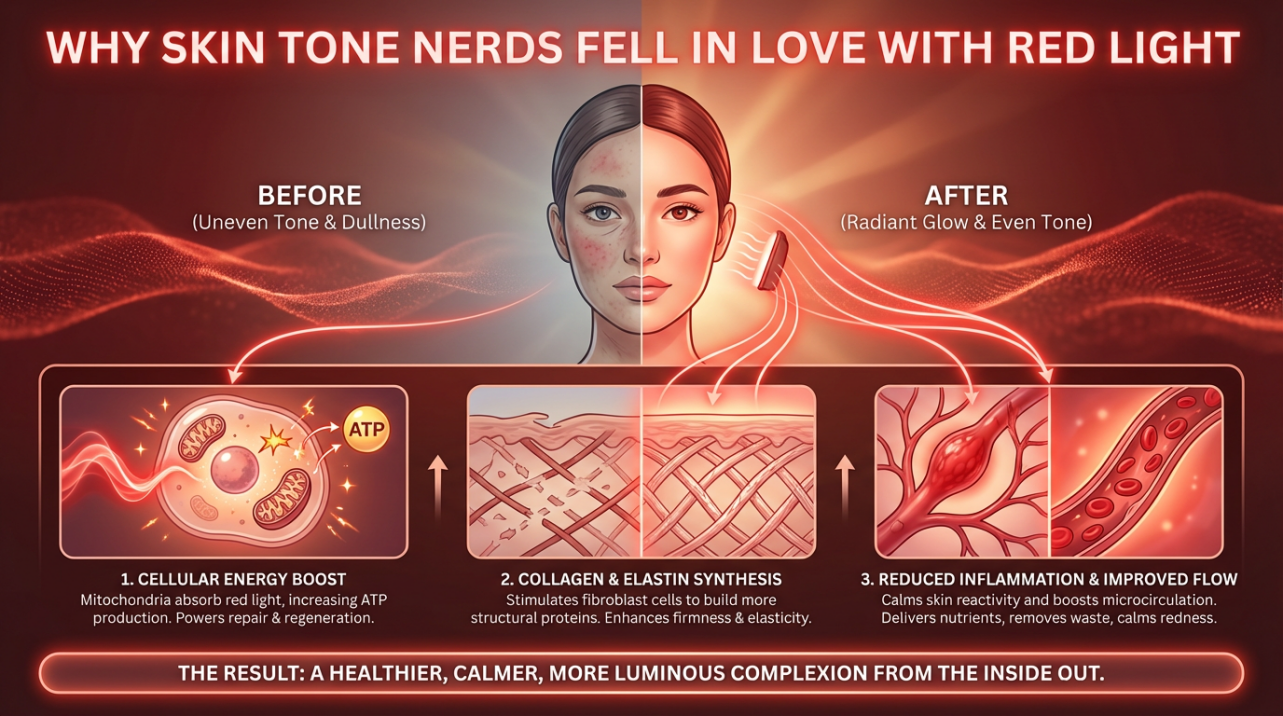
Photons in the red and near-infrared range are absorbed by cellular chromophores, especially in the mitochondria. A key chromophore is cytochrome c oxidase in the respiratory chain. When that complex absorbs light, a few things happen at once: reactive oxygen species and ATP production increase in a controlled way, nitric oxide is released, and mitochondrial metabolism is upregulated. In the skin, this translates into more active fibroblasts, increased collagen and elastin synthesis, modulated inflammation, and enhanced tissue repair.
Several clinical studies back up these basic effects on skin structure and texture. A randomized trial published in Medicine evaluated a home-use LED mask combining 630 nm red and 850 nm infrared light in adults with crow’s feet. Participants used the mask for nine minutes, five times per week, for twelve weeks. At the twelve-week mark, about 86 percent of the active group had at least a one-point improvement on a crow’s feet grading scale, compared with about 17 percent in the sham group, and the difference was statistically significant. Importantly, this was a controlled, double-blind trial, and the device was well tolerated.
Another controlled trial with red and near-infrared light (611–650 nm and 570–850 nm) treated over a hundred volunteers twice weekly for thirty sessions. Researchers measured skin roughness and intradermal collagen density with objective instruments and found significant reductions in roughness and increased collagen density compared with controls, alongside high patient satisfaction about skin feel and complexion.
A small series in the Journal of the American Academy of Dermatology used continuous 633 nm red and 830 nm infrared light on sixteen patients. Treatments lasted around twenty minutes and were given several times per week over a few weeks. The outcome measures specifically included pore size, fine lines, redness, scars, and pigment changes. All patients improved in at least one area, and the most consistent gains were in texture parameters like fine lines, pores, and scarring. Biopsies showed new collagen deposition and reduction in small dilated blood vessels, supporting a genuine structural change, although this study lacked a control group and had a short follow-up.
Consumer-facing reviews and clinical blogs echo these mechanisms. Baylor Scott & White Health notes that red light therapy boosts collagen and elastin, improves skin texture, and is associated with smaller-looking pores and a more even tone. Spa practices and LED device brands consistently emphasize that results are gradual and depend on regular sessions rather than a single blast of light.
All of this is good news for aging, texture, and fine lines. But what does it mean specifically for enlarged pores?
What Evidence Exists Specifically for Pores?
There are three levels of evidence we can lean on: direct pore measurements under red light, broader collagen and texture data, and more anecdotal or brand-reported findings.
The most direct evidence comes from the facial rejuvenation series in the Journal of the American Academy of Dermatology that explicitly tracked pore size. After a series of combined red and infrared treatments, patients showed visible improvement in pore appearance, along with fine lines and scars. Histology confirmed collagen remodeling and normalization of the dermal–epidermal junction. The limitation is that this was a small, uncontrolled series of sixteen people, so we cannot robustly quantify “how much” pore reduction it produced, but it does show that pores can respond to light-driven collagen changes.
The broader photobiomodulation trials give us context. The Medicine helmet trial and the larger full-body red light trial did not measure pores directly, but they documented increased intradermal collagen density, reduced skin roughness, and improved subjective skin quality. A review cited by LED device manufacturers, including LEDesthetics and Luminous Skin Lab, notes that red light around 660 nm can increase collagen production in treated skin by up to roughly 31 percent and reorganize collagen fibers, especially when combined with 850 nm near-infrared light.
Marketing-oriented but evidence-informed articles add another piece. Brands such as Rojo Light Therapy describe red light as targeting several pore drivers at once: stimulating fibroblasts to rebuild collagen around the pore, helping regulate sebaceous gland activity to reduce excess oil, and lowering chronic low-grade inflammation. They cite research in Photomedicine and Laser Surgery reporting increased collagen density and improved skin texture with regular red light, and work in the British Journal of Dermatology showing reduced inflammation and oil production in mild-to-moderate acne under light therapy.
Real-world, non-academic reviews align with this “appearance” story. A long-form evaluation in Women’s Health followed an at-home red light device used two to three evenings per week for about five minutes per session. After roughly two weeks, the author noticed plumper skin, and by two months friends were commenting on smaller-looking pores and smoother makeup application. A dermatologist quoted in that review explains that the apparent pore shrinking comes from collagen plumping the surrounding skin, not from eliminating the pore entirely.
On the other side of the ledger, a pore and redness guide that draws on Cleveland Clinic material makes a sober point: current evidence for at-home red light therapy specifically as a pore-size treatment is limited. The guide suggests that while red light is promising for redness, healing, and collagen support, it should not be marketed as a stand-alone, proven pore-shrinking tool in the way that certain lasers or chemical procedures are.
Taken together, a fair statement is this. Red light therapy can improve the structural and inflammatory context around pores. It strengthens collagen, decreases roughness, and can calm redness and acne in some people. That combination can make pores look smaller and less noticeable, especially when you are also managing oil and exfoliation. However, the high-quality pore-specific data set is still small compared with the data we have for wrinkles and wound healing, and claims of dramatic pore “shrinking” from LEDs alone go beyond what controlled studies currently show.

Red Light Compared With Other Pore Treatments
To really understand where red light fits, it helps to compare it with other evidence-based options for enlarged pores.
Dermatologist Davin Lim’s pore size reduction work lays out a spectrum. On the mild end, non-procedural measures such as twice-daily cleansing with oil-free wash, mineral makeup, light moisturizers, and prescription vitamin A (retinoid) creams can modestly improve mildly enlarged pores, especially under supervision.
For more significant enlargement, chemical peels using glycolic, lactic, salicylic, or retinoic acids, combined with prescription vitamin A, can reduce pore appearance. Deeper or “pathological” pores, especially those tied to acne scarring, may need targeted TCA CROSS (trichloroacetic acid reconstruction of skin scars). Each TCA CROSS session can raise the base of a deep pore or ice-pick scar by about 20 to 40 percent, and most patients need two to four procedures followed by fractional laser resurfacing. Healing for each TCA treatment typically takes close to a week, and in darker skin tones there is a real risk of post-inflammatory hyperpigmentation lasting a couple of months.
Fractional lasers and radiofrequency devices are heavy hitters in this space. Dr Lim reports that RF devices like eMatrix can reduce pore size by about 20 to 50 percent over four to five sessions, with a day or two of downtime per session, while fractional lasers such as Fraxel or Clear + Brilliant can shrink pores by up to around 60 percent over a few treatments. These are significant, semi-permanent changes, but they require clinical supervision, downtime, and careful matching of device caliber to pore size to avoid making things worse.
Microneedling is another option, but here the nuance matters. While home dermarollers using very short needles can modestly help some pores, Dr Lim notes that microneedling with needles larger than the pore diameter can actually stretch and worsen pore appearance, especially on the nose, and his clinic rarely relies on microneedling for pores compared with controlled heat-based devices.
Against this backdrop, red light therapy sits firmly on the non-invasive, low-risk side of the spectrum. It does not peel, puncture, or ablate the skin, and clinical trials report minimal downtime and almost no serious adverse events. The trade-off is that its pore effects are subtle and cumulative rather than dramatic and immediate. This is not a TCA CROSS substitute; it is a background signal that supports collagen, calms inflammation, and gradually refines texture.
A practical way to think about it is that red light is a “terrain modifier.” It improves the landscape in which pores live: firmer collagen, calmer inflammation, better healing, and often an improved response to other treatments. For deep, scar-like pores, lasers and chemical reconstruction remain the main evidence-based tools. For everyday oiliness and moderate pore enlargement, red light can be a useful partner to smart skincare.
Quick Comparison: Red Light vs Other Pore Treatments
Approach |
Invasiveness |
Downtime |
Evidence for Pores |
Typical Role |
Daily skincare (cleansing, acids, SPF, retinoids) |
Non-invasive |
None |
Mild improvement, strong support |
Foundation for everyone |
Red light therapy (LED RLT/PBM) |
Non-invasive |
None |
Texture, collagen, redness; limited direct pore data |
|
Chemical peels |
Minimally invasive |
Days of peeling |
Good for texture, acne, some pore reduction |
Step-up when skincare is not enough |
TCA CROSS |
Invasive, focal |
About a week per session |
Strong for deep or pathological pores |
Targeted treatment for deep pores and scars |
Fractional lasers / RF devices |
Invasive, energy-based |
Days to weeks depending on strength |
Significant pore reduction (up to about 60 percent in some series) |
For substantial, procedure-level pore concerns |

How To Use Red Light Intelligently for Enlarged Pores
Set Realistic Goals
Because pores are largely genetically set, the goal with red light is not to erase them but to help them blend into healthier surrounding skin. Based on the clinical dosing studies and consumer reports in sources like Medicine, Women’s Health, and multiple LED brands, pattern recognition suggests a realistic timeline.
Within a few weeks of consistent use, people often report more even tone, calmer redness, and a slight smoothing of rough areas. The Women’s Health review noted visible plumping in about two weeks with a five-minute protocol. More meaningful texture and pore changes tend to show up after eight to twelve weeks of regular treatment, which matches the time frames used in formal trials and in neck and chest LED research that report progressive improvements over weeks to months.
If your pores are primarily enlarged by oil and mild congestion, red light combined with proper exfoliation and oil control may give you a smoother, less shiny T-zone with more refined-looking pores. If your pores are deep and scar-like from past cystic acne, red light alone is unlikely to match what fractional lasers or TCA CROSS can do, though it may improve scar redness and support healing if you eventually pursue those procedures.
Build A Pore-Smart Routine First
Every pore-focused review, from BestQool to Dr Lim to Cleveland Clinic content cited in multiple guides, converges on the same point: consistency beats intensity, and the fundamentals matter more than any device.
A gentle, twice-daily cleanse with a non-comedogenic gel or cream cleanser clears sweat, oil, sunscreen, and makeup without stripping your barrier. Over-cleansing or scrubbing with harsh soaps can actually increase oil production and redness, which makes pores more visible.
Smart exfoliation is where you really address the pore interior. Chemical exfoliants are favored over scratchy scrubs. Alpha hydroxy acids like glycolic or lactic acid loosen the “glue” between dead surface cells, smoothing texture. Beta hydroxy acid, almost always salicylic acid, is oil-soluble and can travel into the pore lining to dissolve sebum and keratin inside the pore. Articles from Asian skin-care educators, Exponent Beauty, and dermatology-linked sources call salicylic acid a cornerstone for clogged pore management, especially around the nose.
Leave-on actives layer in deeper benefits. Niacinamide helps regulate sebum and strengthen the barrier, and is often highlighted for both enlarged pores and redness-related conditions like rosacea and seborrheic dermatitis. Retinoids (including retinol) increase cell turnover and support collagen, tackling both clogging and laxity around pores. Gentle botanicals such as green tea and chamomile extracts add anti-inflammatory support, while licorice and some vitamin C formulations help with uneven tone and antioxidant defense.
Daily moisturization and sunscreen are not optional. Light, non-comedogenic moisturizers with humectants like glycerin or hyaluronic acid and barrier-supportive ingredients such as ceramides or squalane keep the skin flexible and less reactive. Broad-spectrum sunscreen of at least SPF 30, in gel or fluid textures that do not clog pores, is critical for preventing UV-driven collagen breakdown that will otherwise undo your efforts.
Once these basics are in place and tolerated, red light therapy becomes far more effective, because it is now amplifying a system that is already set up to keep pores clear and supported.
Slotting Red Light Into That Routine
Here is how the evidence suggests using red light for enlarged pores in a realistic, biohacker-friendly way.
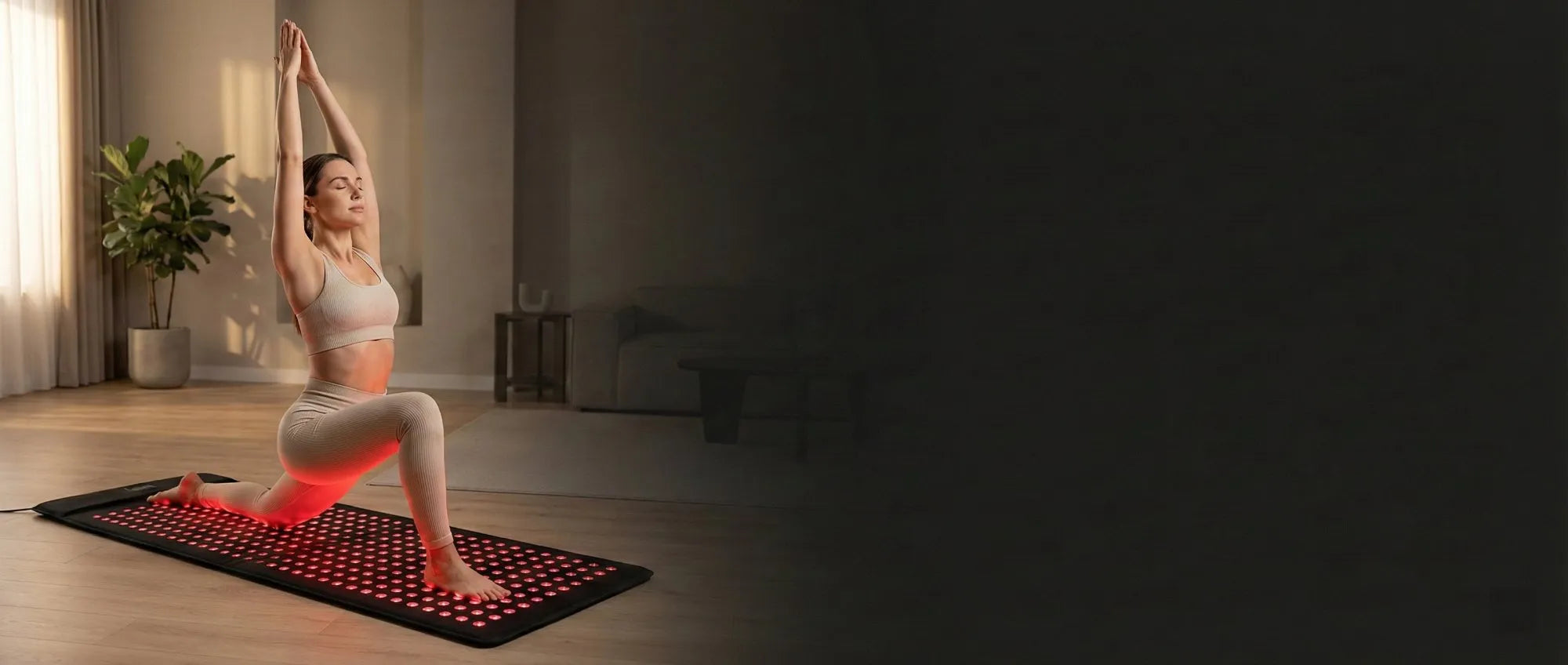
Most clinical and esthetic protocols cluster around short, frequent sessions rather than infrequent marathons. The Medicine crow’s feet study used nine minutes, five times per week, for twelve weeks. Neck and chest LED protocols described by LEDesthetics recommend ten to twenty minutes, three to five times per week. Baylor Scott & White Health and several spa practices describe at-home routines of about ten to twenty minutes, two to three times per week, as typical for ongoing skin health.
Dosing guides in the photobiomodulation community, such as those summarized by The Energy Blueprint, explain why: there is a biphasic dose response, where low to moderate doses improve function and very high doses can flatten or even reverse benefits. Effective protocols across skin and hair applications usually stay within relatively low intensities and total doses in the single to low double digits of joules per square centimeter for superficial tissues. More is not automatically better; it is just more.
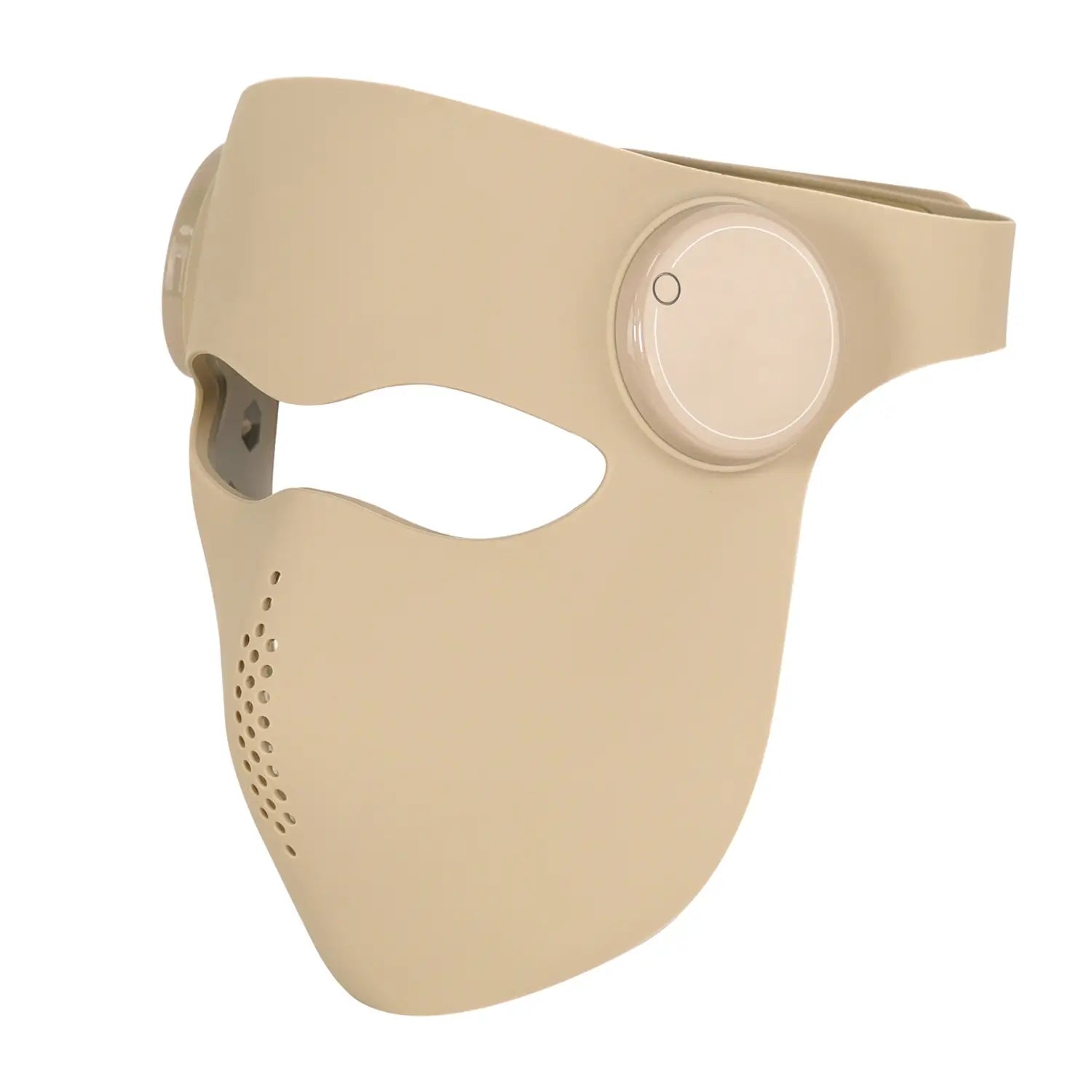
In practice, that means starting conservatively. Cleanse your face, remove sunscreen and makeup thoroughly, and pat dry. Use your LED mask or panel at the recommended distance for about five to ten minutes per treatment area, three to five times per week. Many at-home masks, including the one tested in Women’s Health, auto shut off after around five or ten minutes to prevent accidental overdosing.
In the early weeks, it can be helpful to keep the rest of your routine simple on light-treatment days: hydrating serums, niacinamide, light moisturizers, and sunscreen in the morning. Strong acids and retinoids are best used on nights when you are not doing light therapy, especially if your skin is reactive. This aligns with aftercare guidance from light therapy clinics such as Dr Muller, which recommend avoiding harsh acids and retinoids for about a day after sessions while the skin is more sensitive.
After the session, apply your supportive skincare while the skin is warm and circulation is elevated. Several LED brands and clinical protocols take advantage of this window by applying peptides, antioxidants, or retinoids immediately after professional LED, as long as irritation is under control, to leverage enhanced absorption and cellular activity.
The bottom line: stay within moderate session times, use the device consistently, and integrate it into a routine that supports pore health in multiple ways.
Choosing A Device That Actually Helps
Device quality matters. Clinikally’s comprehensive guide notes that red light therapy devices should emit within roughly the 600 to 1000 nm range to reach skin and tissue targets. LEDesthetics and Luminous Skin Lab highlight specific wavelengths around 630 to 660 nm for red and 850 nm for near-infrared as well-studied for collagen and deeper support.
Professional-grade, FDA-cleared devices with known spectra and validated power densities tend to outperform off-brand gadgets that do not disclose their wavelengths. LEDesthetics notes that neck-specific devices designed with accurate 660 and 850 nm outputs and ergonomic fit outperform low-power consumer gadgets with unspecified light. Luminous Skin Lab recommends masks with sufficient and evenly distributed LEDs for full-face coverage, comfortable fit, hands-free design, and clear safety accessories such as eye protection.
Medical systems like Baylor Scott & White Health emphasize that FDA-cleared devices are preferred for safety, and that at-home devices commonly range from about $100 to $1,000 in price. Very inexpensive options may cut corners on quality and consistency, while ultra-premium devices sometimes charge far more without necessarily delivering better wavelengths or evidence.
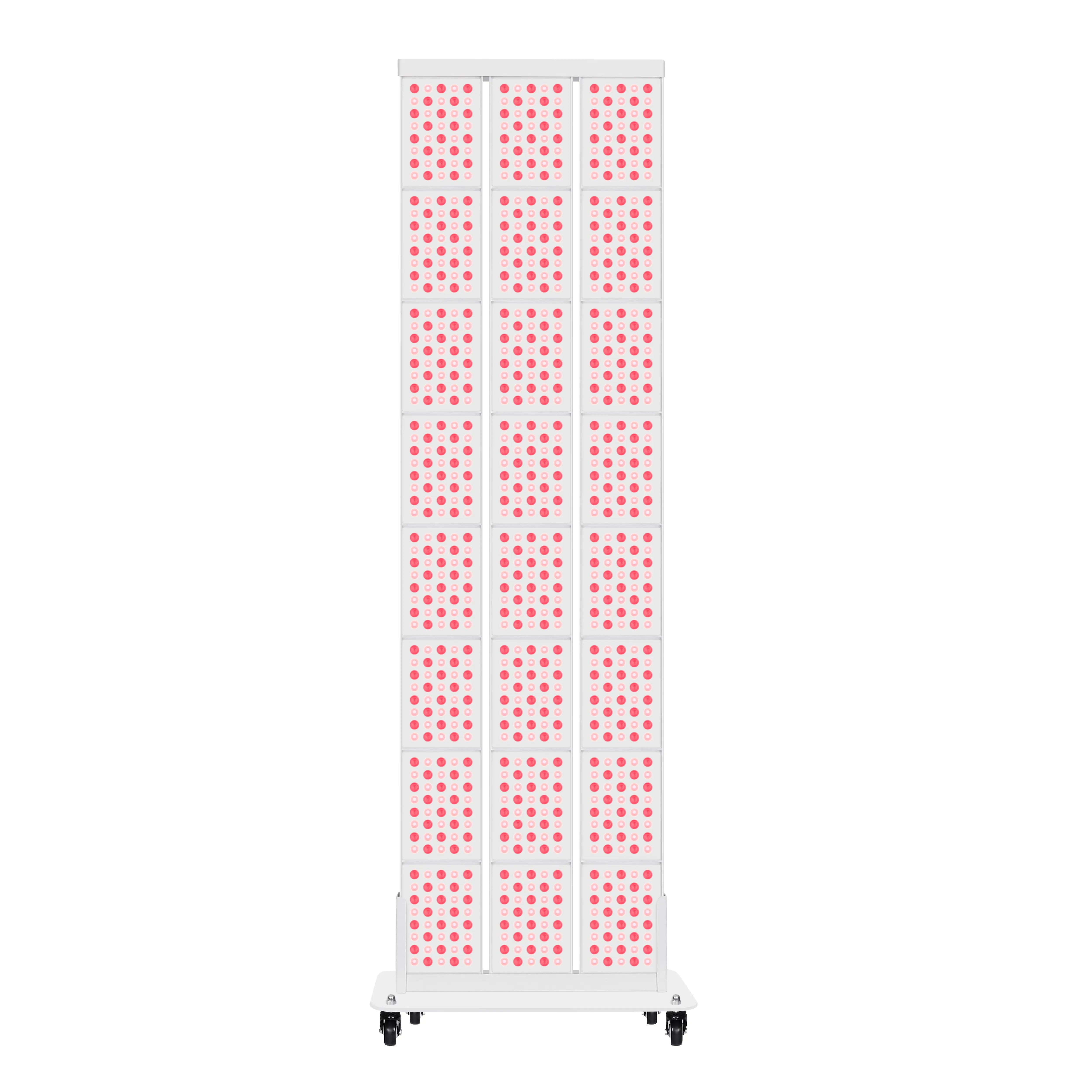
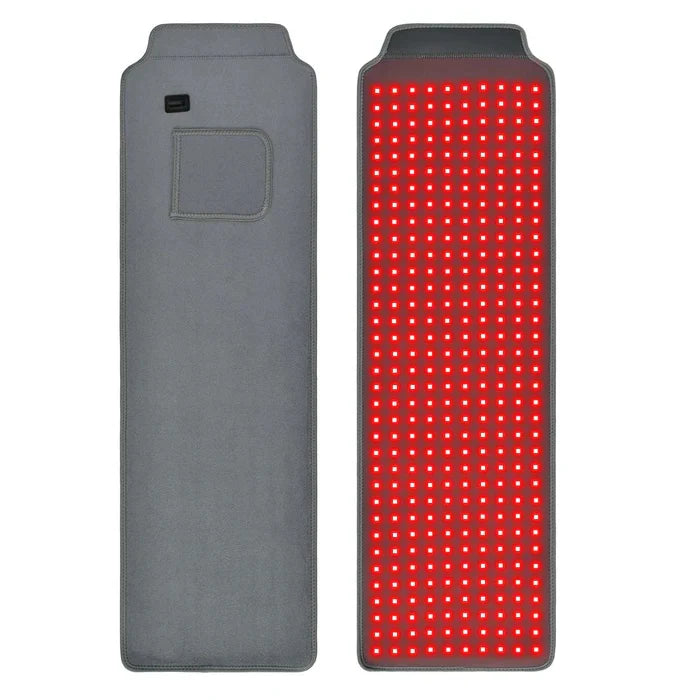
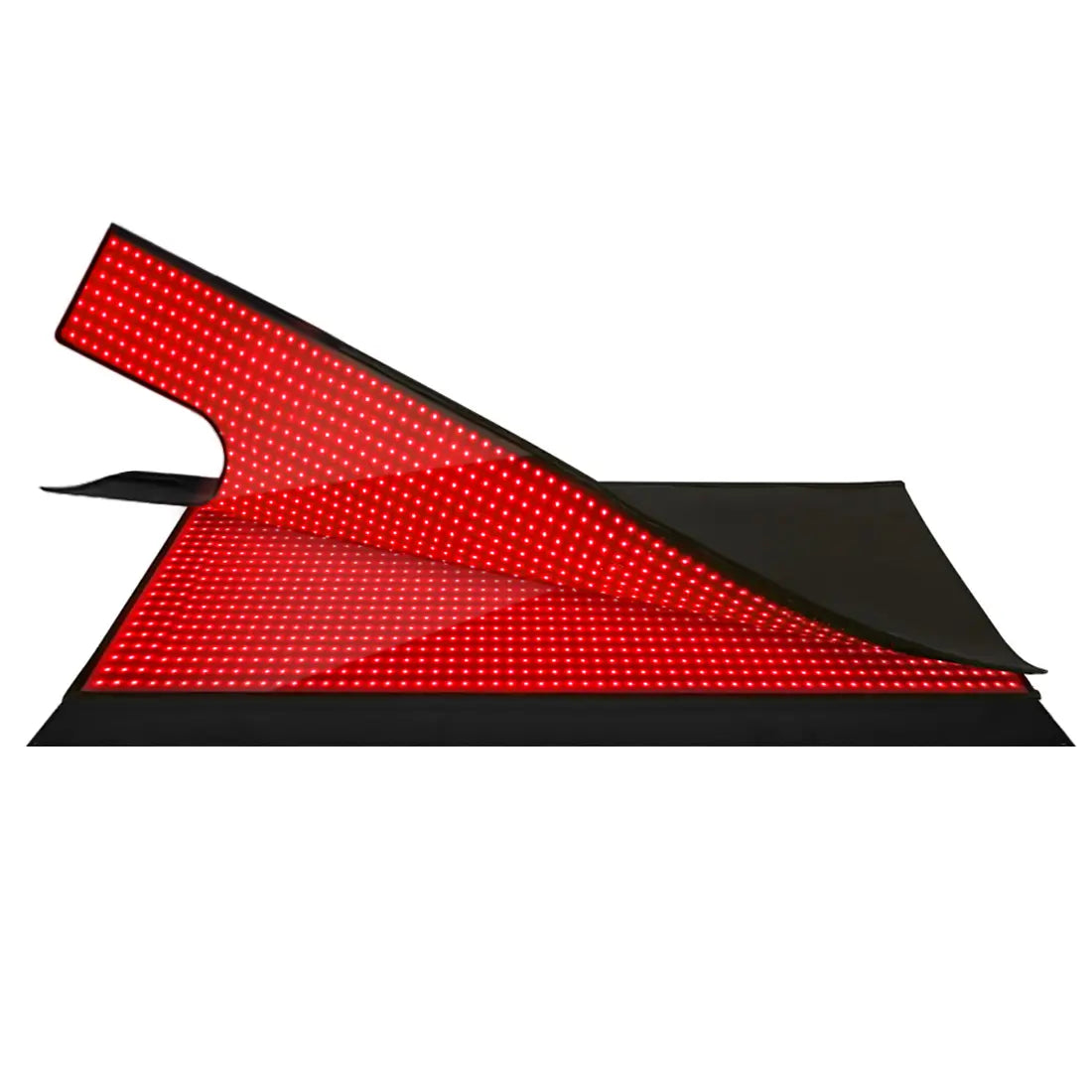
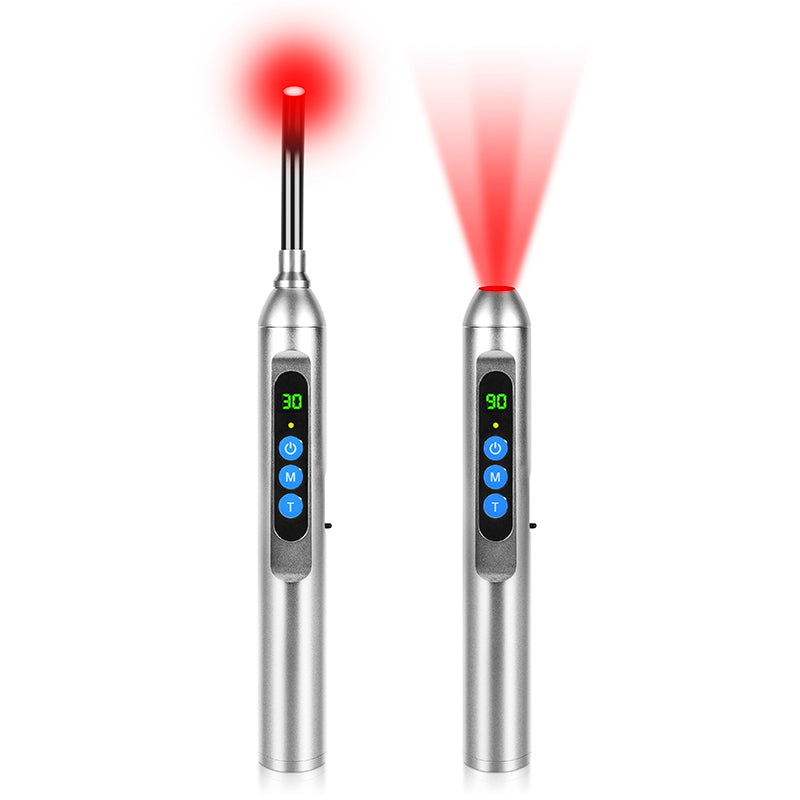
From a light therapy geek’s perspective, the essentials are straightforward. You want a device with clearly stated red wavelengths in the 630 to 660 nm band, ideally with an additional near-infrared channel around 850 nm. You want published, plausible power outputs rather than vague marketing. You want coverage that actually bathes your pore-prone areas evenly rather than a couple of LEDs on the cheeks. And you want a form factor you will actually use three to five times per week without dread.
Aftercare and Lifestyle: Multiplying the Signal
How you treat your skin before and after red light sessions has a big influence on outcomes. Aftercare guidance from light therapy providers like Dr Muller is refreshingly aligned with basic skin health.
In the hours after a session, your skin can be more sensitive. Avoid direct sun, and if you do go outside, use a broad-spectrum sunscreen with at least SPF 30 and a wide-brimmed hat. Skip strong acids and retinoids for a day or two after treatment, and cleanse with a mild, non-irritating cleanser, patting rather than rubbing dry.
Hydration is essential. Light therapy sessions can leave the skin feeling a bit dry. Drinking plenty of water and applying a hydrating serum with ingredients such as hyaluronic acid or aloe vera helps restore moisture without adding pore-clogging oils. Lightweight, non-comedogenic moisturizers with ceramides, glycerin, and niacinamide support the barrier and keep redness in check.
Antioxidant-rich products, for example serums with vitamin C or E, can help protect against environmental damage and amplify the rejuvenating effects of red light, but very strong or irritating formulas are best introduced away from treatment days until you know how your skin responds.
Lifestyle inputs matter more than any gadget. Diets rich in vitamins A, C, and E and omega-3 fatty acids support collagen and barrier function. Chronic stress can worsen breakouts and aging, so simple stress-management practices like breathing exercises or yoga indirectly support your pore goals. Sleep in the seven to nine hour range gives your skin time to repair, complementing the cellular boost from light therapy.
In other words, red light is not a hall pass for burning your face in the sun, sleeping four hours, and skipping sunscreen. It is one lever among many in a holistic system.

Pros and Cons of Red Light for Enlarged Pores
Red light therapy brings real strengths to the table.
It is non-invasive and generally very safe. Trials in Medicine and other journals report high completion rates with almost no serious adverse events. There is no ablation, no needles, and no downtime; most people can go back to normal life immediately after a session. Hospital systems such as Baylor Scott & White Health emphasize that red light, unlike ultraviolet light, does not damage DNA or increase skin cancer risk when used appropriately.
It targets several pore drivers at once. By stimulating collagen synthesis, red light can tighten the matrix around pores. By modulating inflammation, it can reduce the redness and swelling that makes pores and blackheads look angrier. When combined with blue light, as in some salon HydraFacials and home devices, it can also help target acne-causing bacteria and reduce oil, indirectly helping pores. A review in Seminars in Cutaneous Medicine and Surgery found synergistic acne benefits when red and blue light were combined.
It plays well with other treatments. Many dermatologists and med spas integrate red light after procedures like chemical peels, microneedling, or even more aggressive resurfacing, because it appears to accelerate healing and reduce post-treatment redness. At-home brands like AMIRO and Luminous Skin Lab design devices that pair light with microcurrent, heat, or skincare infusion to enhance collagen stimulation and product penetration.
However, there are real limitations.
Evidence for pores specifically is still limited. While small studies and brand reports show promising improvements in texture and pore appearance, and reputable institutions mention smaller-looking pores anecdotally, the bulk of robust, controlled data still focuses on wrinkles, wound healing, and general skin quality. A Cleveland Clinic–linked summary explicitly notes that red light is not yet strongly supported as a primary pore-size treatment.
Results are modest and require consistency. The most persuasive trials use multiple sessions per week for many weeks. The Medicine helmet study ran sixty sessions over twelve weeks. Full-body PBM trials used thirty sessions spread over months. LED manufacturers and dermatology clinics alike caution that results are gradual, and not everyone responds the same way.
Devices vary widely. Some at-home devices have validated wavelengths and outputs; others do not. Inexpensive, unspecified devices may deliver too little energy to matter, while too-powerful devices used at very close range for too long can cause irritation or flatten the benefits due to the biphasic dose response described in dosing guides.
Not everyone is an ideal candidate. Clinikally’s overview and dermatologist advice in Women’s Health note that people with certain active skin conditions, photosensitivity, or a history of skin cancer should talk with a physician before using red light devices. Cancer-related cautions are particularly important; some experimental data suggest light may affect cancer cell behavior, and experts do not yet agree on safety in that context.
If you approach red light as a gentle, long-term texture and redness optimizer that works best on top of smart skincare, it is a powerful ally. If you expect it to laser-drill your pores away in a month, you are setting yourself up for disappointment.

FAQ: Red Light and Enlarged Pores
Can red light therapy actually shrink my pores?
Red light does not change your genetically set pore diameter. What it can do is improve collagen support, smooth surface roughness, and calm inflammation so that pores look smaller and less obvious. Small studies and brand reports, including a facial rejuvenation series in the Journal of the American Academy of Dermatology and a Women’s Health case review, show visible improvements in pore appearance, but these are more about optical improvement than permanently closing the pore.
How long before I see a difference in pore appearance?
Based on clinical protocols and long-form user reviews, you should think in weeks to months, not days. Some people notice improved brightness and plumping in a couple of weeks of regular use. More noticeable changes in texture and pore visibility tend to appear after eight to twelve weeks of consistent treatment schedules, such as nine to twenty minutes per session several times per week, as used in controlled trials and neck or chest LED protocols.
Is red light therapy enough on its own for enlarged pores?
For most people, no. Dermatology reviews make it clear that the most effective pore strategies either decrease sebum, improve texture and collagen, or both. Daily care with proper cleansing, chemical exfoliation, non-comedogenic moisturizers, and sunscreen is foundational. Red light works best as an add-on that boosts collagen, calms redness, and supports healing, rather than as a stand-alone cure. Deep, scar-like pores usually need clinical procedures like TCA CROSS or fractional lasers if you want large, lasting reductions.
Can I use red light therapy if I have acne or rosacea?
Light therapy is commonly used for acne, particularly when blue and red light are combined, and some studies report reduced inflammation and oil production in mild-to-moderate acne under light exposure. However, people with active inflammatory conditions, including rosacea, can be more reactive. Cleveland Clinic–linked content and dermatologists quoted in consumer reviews recommend consulting a board-certified dermatologist before starting if you have significant acne, rosacea, psoriasis, or a history of skin cancer. When supervised and matched to the condition, red light can help calm redness and support healing; when used indiscriminately, it can sometimes flare sensitive skin.
How do I avoid overdoing it?
Respect the biphasic dose response. That means starting with short sessions, usually in the five to ten minute range per area, a few times per week, as many clinical and brand protocols recommend. Watch your skin’s behavior. Persistent redness, tightness, burning, or unexplained fatigue or headaches are signals to reduce frequency or duration and to involve a professional. More intensity, more panels, and longer sessions do not guarantee better pores; they often just irritate your barrier.
Red light therapy is one of my favorite tools because it rewards patience and consistency instead of bravado. If you pair a solid, pore-smart routine with a well-chosen device and realistic expectations, you can absolutely create calmer, smoother, more light-resilient skin where pores recede into the background rather than steal the spotlight.
References
- https://pmc.ncbi.nlm.nih.gov/articles/PMC3926176/
- https://www.jaad.org/article/S0190-9622(04)02792-6/fulltext
- https://www.bswhealth.com/blog/5-benefits-of-red-light-therapy
- https://drdavinlim.com/pore-size-reduction/
- https://www.drjamrozek.com/breaking-down-the-benefits-of-celluma-red-light-therapy/
- https://www.novuskin.com/led-light-therapy-before-after/
- https://spadaspa.com/does-your-skin-need-red-light-therapy-everything-to-know-about-this-effective-facial-technology/
- https://www.bestqool.com/blogs/learn/enlarged-pores-redness-nose?srsltid=AfmBOorAIboyfdmxT2dBhlC9SHmZfLeR8DXbkYE3QLPYKgf991W7fW3J
- https://blakecharlessalons.com/latest-news/benefits-of-red-light-therapy-for-your-skin/
- https://www.clinikally.com/blogs/news/comprehensive-guide-to-red-light-therapy?srsltid=AfmBOorKe2EOlhR0TvveCS2omhkDOK3c6PvGEodhUYJl-fhc5241wmkO