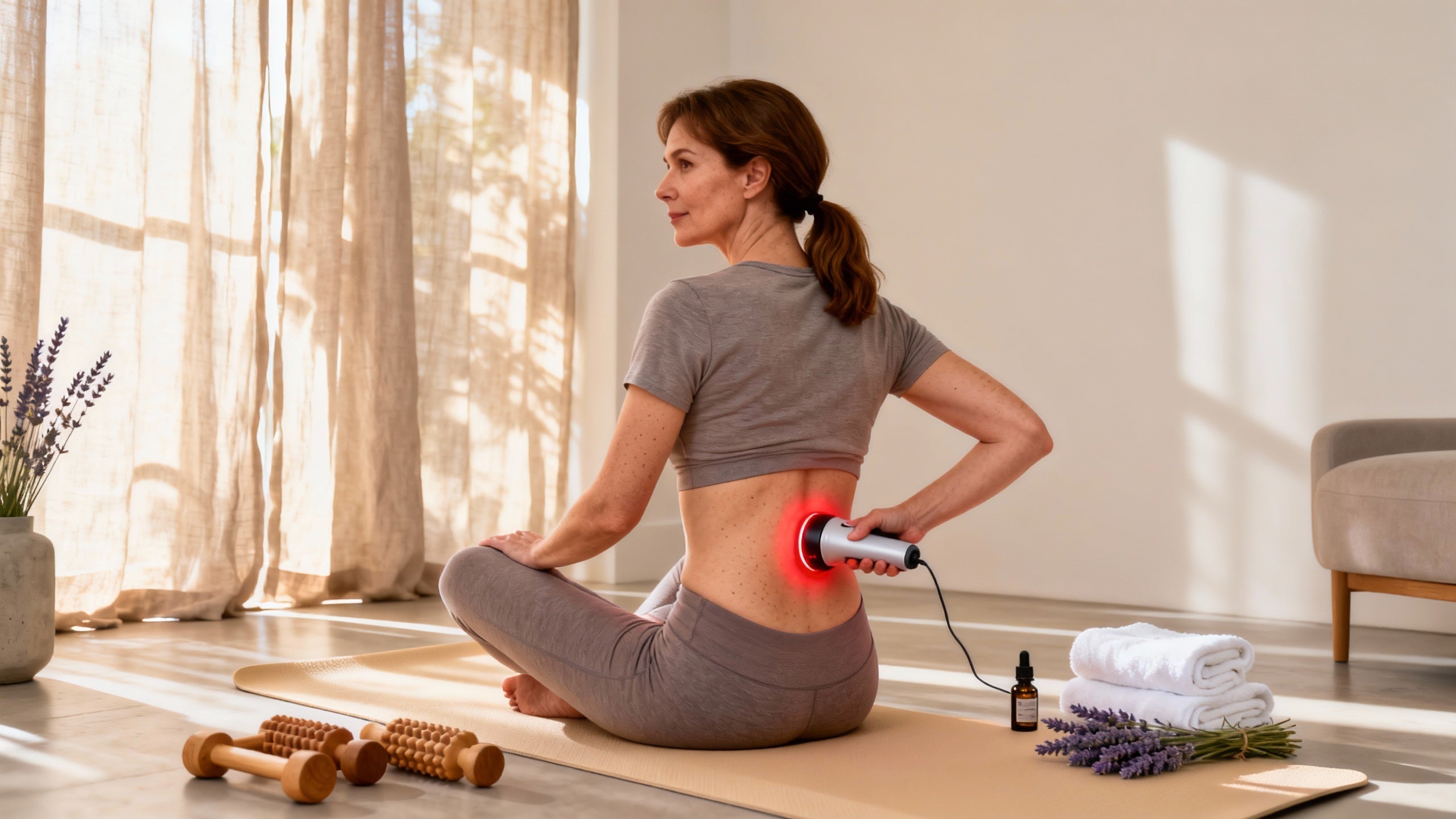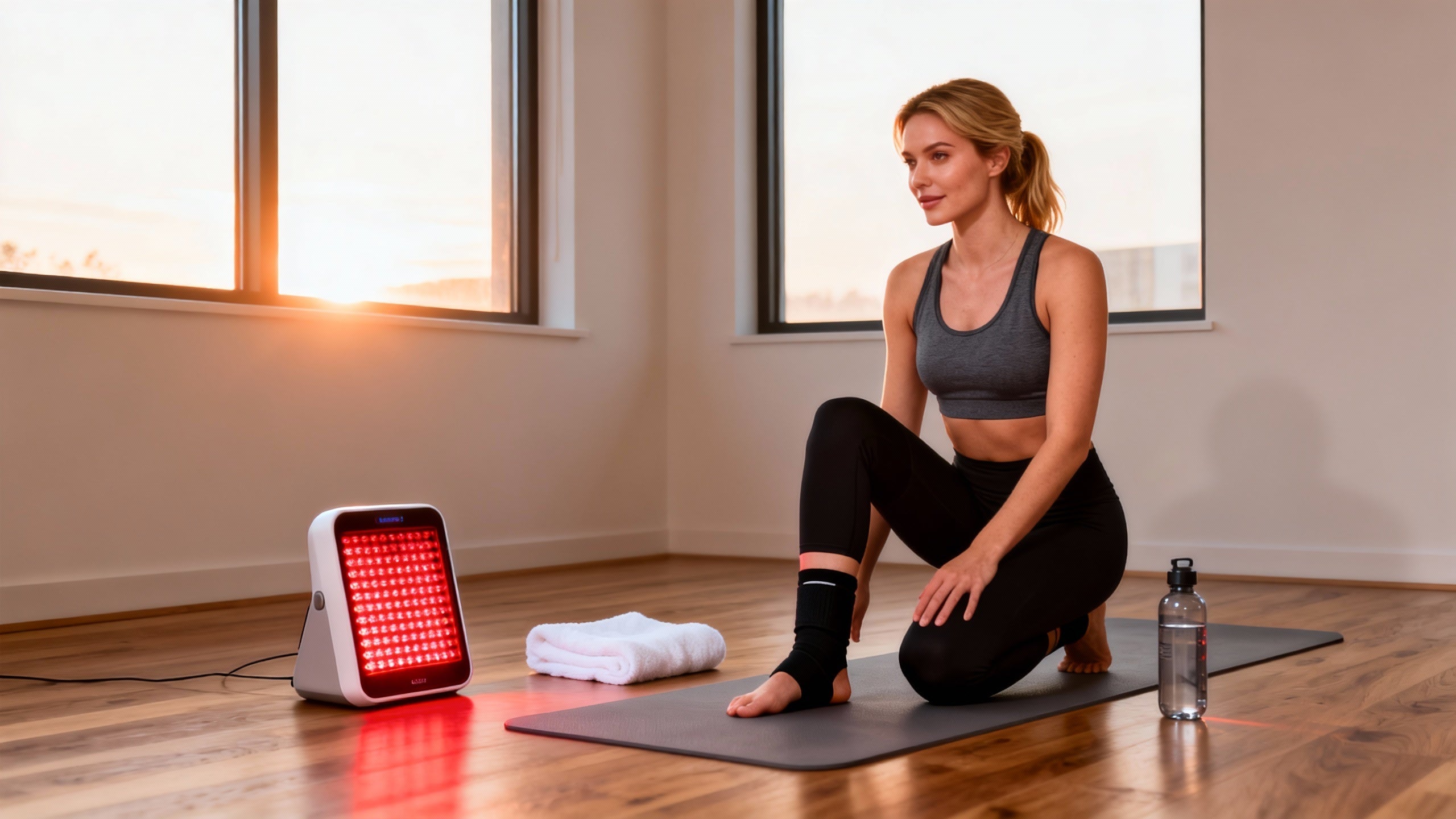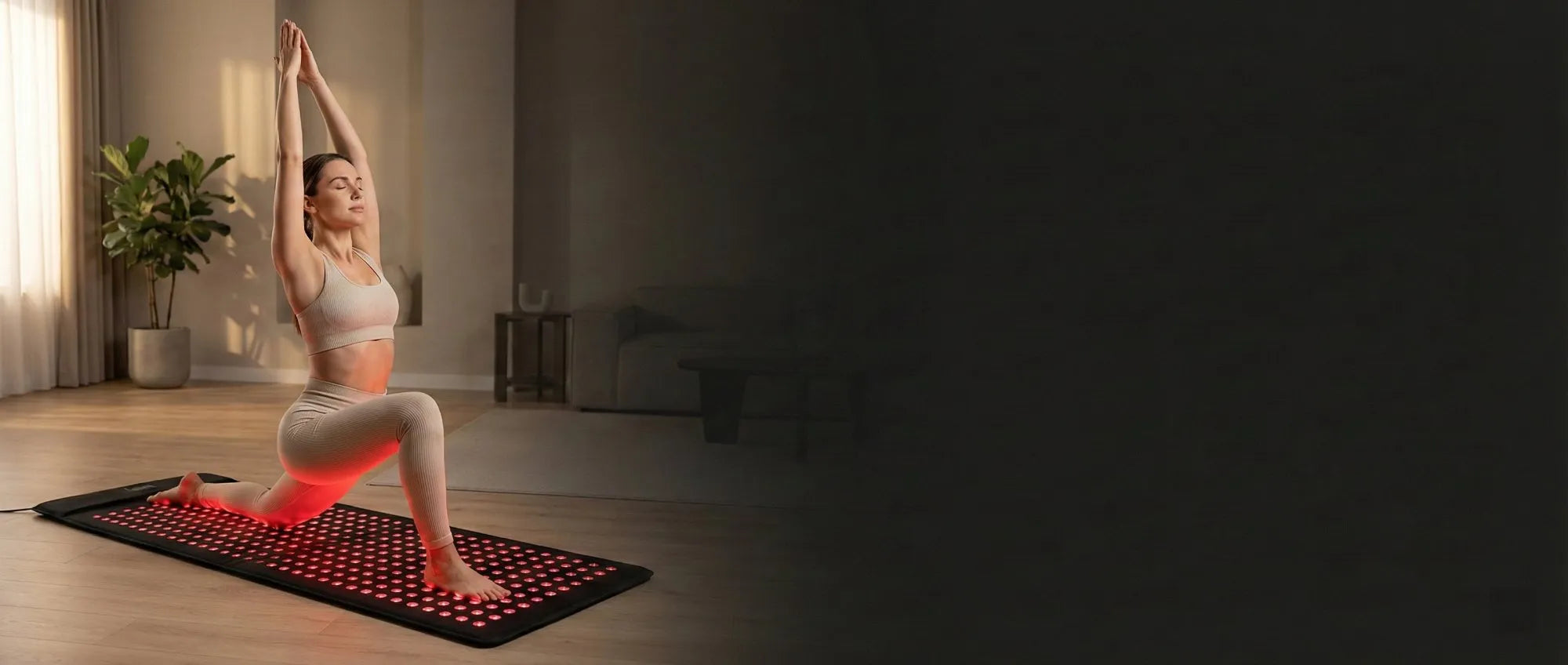
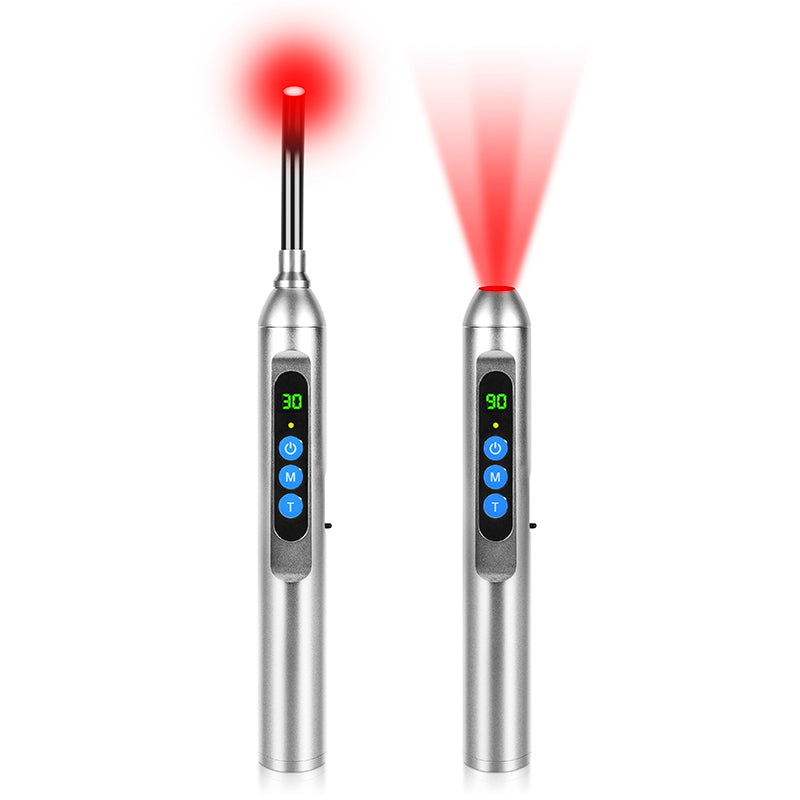

When you live at the edges of what your body was designed for—hammering your skin with midday sun, training in sub-freezing air, or grinding through months of gray winter—you learn quickly which recovery tools are hype and which actually move the needle. Red light therapy sits in a fascinating middle ground: not a miracle gadget, but a physics-based way to give stressed cells a head start.
In this article, I will walk through what the science actually says about red and near‑infrared light in the context of “extreme environment injuries” like intense UV exposure, cold and dry conditions, and prolonged low-light seasons. I will lean on data from dermatology, photobiology, and sleep and mood research, and I will be transparent where the evidence is strong, where it is early, and where red light absolutely should not replace basic safety like sunscreen, clothing, or medical care.
What Red Light Therapy Really Does
Red light therapy, often called photobiomodulation or low‑level light therapy, uses low‑energy red and near‑infrared wavelengths, typically around 600–700 nanometers for red and up to about 850 nanometers for deeper near‑infrared. Unlike ultraviolet light, these wavelengths do not break DNA bonds and do not cause sunburn or tanning.
Several major centers, including Cleveland Clinic, UCLA Health, MD Anderson Cancer Center, and Stanford Medicine, describe a similar core mechanism. Red and near‑infrared photons are absorbed by chromophores inside mitochondria, particularly an enzyme called cytochrome c oxidase. That interaction can:
- Increase ATP production, the energy currency your cells spend on repair.
- Modulate reactive oxygen species and antioxidant defenses.
- Trigger signaling that upregulates growth factors and collagen.
- Improve microcirculation and vasodilation in local tissues.
- Dampen inflammatory pathways in skin, joints, and sometimes deeper structures.
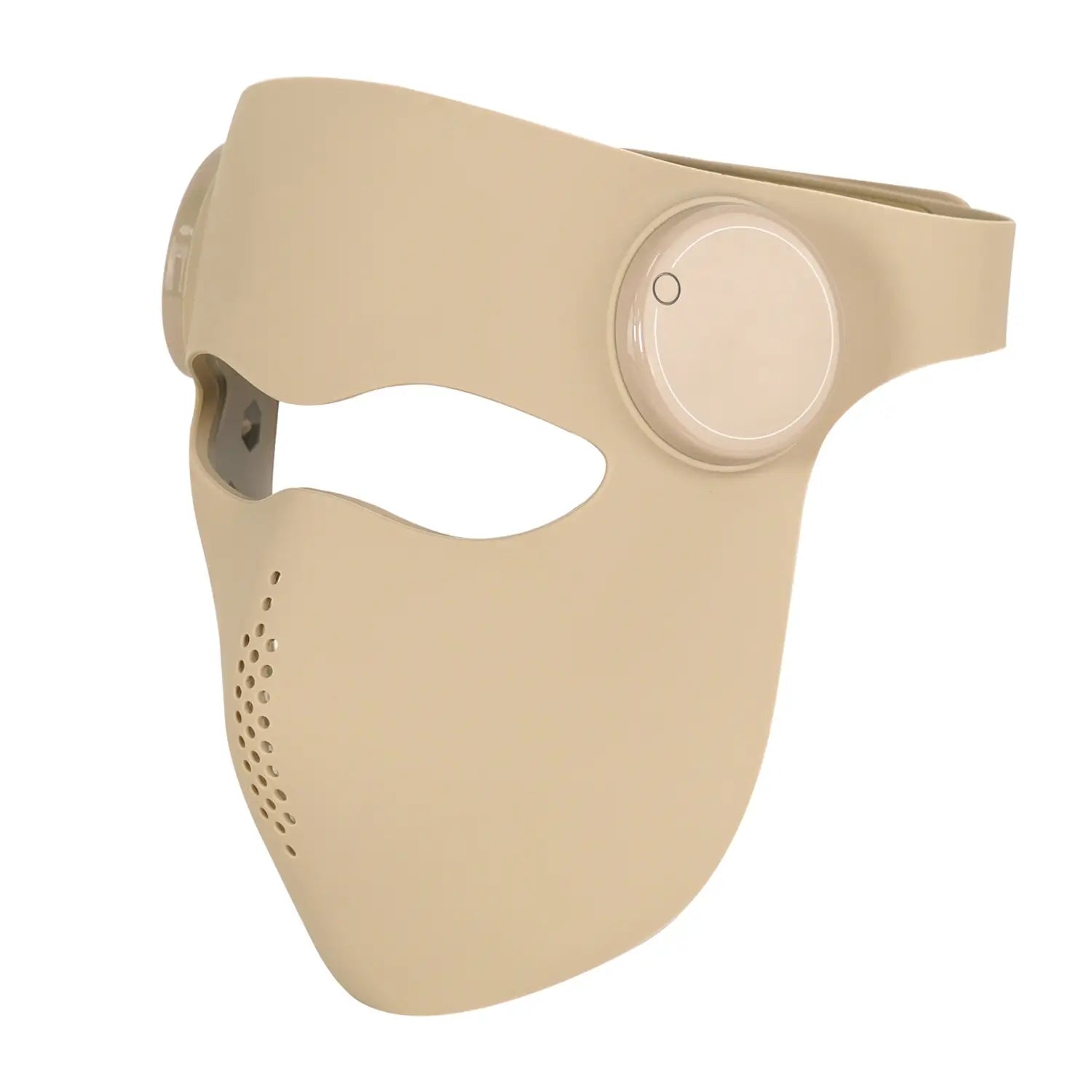
In dermatology, this has translated into measurable increases in collagen density, modest wrinkle reduction, faster wound healing, and improvements in inflammatory skin conditions in small but well‑designed trials. For example, a home‑use red LED mask at about 630 nanometers used for twelve minutes twice weekly over three months improved facial wrinkles, firmness, dermal density, pore appearance, and complexion in healthy volunteers, with benefits that persisted roughly a month after stopping.
At the same time, a Cleveland Clinic overview and a Stanford Medicine review both emphasize that many marketed claims are far ahead of the evidence. Most human studies are small, device parameters vary widely, and the strongest data are still in relatively “simple” tissues like skin, hair follicles, and superficial wounds. That perspective is important to keep in mind as we look at more demanding situations like high UV exposure and harsh cold.

Extreme UV Exposure: Sunburn, Photoaging, And Preconditioning With Red Light
High ultraviolet exposure is one of the clearest “extreme environments” humans voluntarily enter. Think all‑day summer surf sessions, high‑altitude training without adequate shade, or long days on reflective water or snow.
How UV Damages Skin
Dermatology and photobiology research show that UVB radiation in particular triggers a cascade in the epidermis and dermis. Keratinocytes and fibroblasts produce reactive oxygen species, which activate signaling pathways that:
- Upregulate matrix metalloproteinases that degrade collagen.
- Shift the balance between type I and type III collagen, weakening the dermal matrix.
- Promote abnormal elastin accumulation, leading to the warped elastic fibers characteristic of photoaged skin.
- Thicken the epidermis and disturb its orderly architecture, while recruiting inflammatory cells.
Over time, this adds up to wrinkles, loss of elasticity, pigment changes, and a greater risk of skin cancers. Acute overexposure gives you the more obvious “injury” of sunburn: erythema, pain, swelling, and in severe cases blistering.
Animal Evidence: Red LED Pretreatment Against UVB
One well‑controlled study in hairless mice looked specifically at whether red LED light could harden skin against UVB injury. Mice were divided into control, UVB only, LED only, and LED plus UVB groups. The LED group received 630 nanometer light for thirty minutes twice daily for five days; all but the control group then received a standardized UVB dose on three consecutive days.
Histology told the story. In the UVB‑only group, the epidermis was thickened, dermal tissue was disorganized, collagen fibers were broken and irregular, and elastin content was reduced. In the LED plus UVB group, epidermal thickening and inflammatory infiltration were much less pronounced, collagen fibers were more regular and dense, and elastin levels looked more like the uninjured control animals.
On the molecular level, LED pretreatment increased Claudin‑1, a tight‑junction protein critical for barrier integrity and hydration, and reduced markers associated with oxidative stress responses, including Nrf‑2 and HO‑1, compared with UVB alone. The authors interpreted these changes as evidence that red LED exposure preconditions skin by strengthening structural proteins and reducing oxidative burden, making it more resistant to photoaging‑type damage.
That is still an animal model, but it gives a mechanistic foundation for the idea of using red light as a “UV preconditioning” step in extreme sun environments.
Human Data: Less Redness, SPF‑Like Behavior
A review from Project E Beauty summarizes several human and in vitro studies on red and infrared light and UV damage. One in vivo study exposed small patches of human skin to 660 nanometer red light before controlled UV exposure. About eighty‑five percent of participants had at least one site where the pretreated area showed more than fifty percent less redness than untreated skin.
Interestingly, the UV‑exposed but red‑light‑pretreated skin behaved as though it had an effective protection similar to roughly SPF 15, even without sunscreen. The protective effect appeared to build with repeated LED sessions. The same work reported reductions in the risk of post‑UV hyperpigmentation, consistent with other data suggesting red light can help normalize melanin production and reduce hyperactive melanocytes.
Other experiments using yellow light around 590 nanometers, still within the therapeutic window, showed that pre‑UV treatment could lower reactive oxygen species, restore procollagen levels, and blunt activation of stress‑related and inflammatory proteins such as JNK, c‑Jun, c‑Fos, NF‑κB, COX‑2, and MMP‑9. These are the exact pathways that drive photoaging and UV‑induced inflammation.
Taken together with the hairless mouse data and broader photobiomodulation research, there is coherent evidence that red and certain adjacent wavelengths can both repair UV damage and, when used before exposure, meaningfully reduce the severity of UV‑induced injury.
Why Red Light Cannot Replace Sunscreen
The American Cancer Society and the American Academy of Dermatology are both clear that UV radiation is a major risk factor for skin cancer and that proven protections are broad‑spectrum sunscreen, protective clothing, shade, and timing your exposure intelligently. The human red‑light studies described above are promising, but they show partial protection, not invincibility.
Infrared and red light do not stop UVA from damaging cell membranes via lipid peroxidation, and they do not absorb or block UV photons the way sunscreen filters do. As Project E Beauty emphasizes, LED preconditioning should be viewed as an adjunct, not a replacement for SPF.
From a practical standpoint, that means treating red light therapy as a way to give your skin a better chance to withstand and recover from UV stress, especially when you know you will be in a high‑UV environment. It does not mean you can skip sunscreen or ignore basic sun‑safety strategies.

Cold, Dry, And Windy: Winter Skin As An Extreme Environment
At the other end of the spectrum, cold and dry environments batter the skin barrier in different ways. Low humidity, cold air, and aggressive indoor heating can strip moisture, constrict blood vessels, and starve skin of oxygen and nutrients. A Light Lounge overview on winter skin notes that this combination increases transepidermal water loss, weakens the barrier, and leads to dryness, flakiness, irritation, and a dull, sallow look. Circulation slows in the cold, so nutrient delivery and waste clearance both lag.
Over time, this environmental stress can cause micro‑cracking, chapping, and delayed healing. The injuries are less dramatic than a blistering sunburn, but anyone who has trained in sub‑freezing wind with inadequate protection knows how raw “windburn” can feel.
Barrier Support, Hydration, And Red Light
Red light therapy interacts with several of the variables cold and dry air disturb. The Light Lounge piece and a detailed skin‑barrier article from EvenSkyn highlight a few key points.
First, red and near‑infrared light boost mitochondrial ATP production in epidermal and dermal cells. With more energy, keratinocytes and fibroblasts can upregulate repair processes that restore the structure and function of the stratum corneum, the outer barrier composed of corneocytes in a lipid matrix.
Second, photobiomodulation appears to improve lipid barrier function and moisture retention. By supporting the synthesis and organization of barrier lipids and proteins, red light helps reduce transepidermal water loss, which is exactly what cold, dry environments accelerate. Users often notice a subjective increase in “plumpness” and comfort, which aligns with controlled findings of improved hydration metrics.
Third, red light stimulates fibroblast activity, increasing collagen and elastin synthesis. The Lucibel red LED mask study mentioned earlier documented increases in dermal density, elasticity, and reductions in roughness and pore visibility after three months of twice‑weekly sessions at around 630 nanometers. That kind of remodeling strengthens the skin’s mechanical resilience, which matters when it is being physically abraded by wind and dry air.
Finally, controlled studies and clinical reviews indicate that red light can lower pro‑inflammatory cytokines and visibly reduce redness in inflammatory conditions like eczema, rosacea, and acne. Light Lounge describes similar anti‑inflammatory effects in winter‑stressed skin, with clients reporting calmer, less reactive faces during prolonged cold spells.
Wound Healing And Micro‑Injuries
Red light’s wound‑healing effects are not just anecdotal. NASA’s early work in the 1990s noticed faster healing of astronaut wounds under red LEDs. MD Anderson Cancer Center notes that red light is used in oncology settings to treat painful oral mucositis from cancer therapy. A Cleveland Clinic review highlights its use for surgical wounds, stretch marks, and scars.
The Project E Beauty summary synthesizes several studies, noting data in which red light helped wounds heal about twenty percent faster with less scarring, by stimulating phagocytosis of damaged tissue, increasing blood flow and oxygenation, and promoting the growth of new collagen, connective tissue, and capillaries.
While no controlled trials have looked specifically at “windburn” or chapping, the logic is straightforward: if red light can accelerate healing of surgical incisions and ulcerated tissue, it is reasonable to expect that it may speed resolution of micro‑cracks and barrier disruptions caused by cold and wind. That does not mean it treats frostbite or deep tissue damage; those remain acute medical emergencies. It does mean that in cold, dry environments, regular red light exposure can be one more tool supporting the recovery of an overtaxed skin barrier.
Low‑Light, Long Winters, And Systemic Stress
Not all extreme environments leave obvious marks on the skin. Prolonged low‑light seasons, especially in northern latitudes, are a metabolic stress test in their own right. They disrupt circadian rhythms, alter serotonin and melatonin balance, and often come bundled with cold and indoor confinement.
Bright Light Therapy Versus Red Light
For Seasonal Affective Disorder, Cleveland Clinic describes bright light therapy with full‑spectrum boxes delivering about 2,500 to 10,000 lux as the best‑supported non‑drug treatment. Typical use is twenty to thirty minutes soon after waking, with the box placed off to the side, about sixteen to twenty‑four inches away. Large trials show meaningful improvements in depressive symptoms, especially when this is combined with psychotherapy and, when necessary, medication.
Red light therapy is different. Low‑level red and near‑infrared panels are dim in terms of lux and do not act through the same retinal pathways that reset the circadian clock. In fact, medical sources routinely use red light as a placebo condition in light‑therapy trials because it exerts minimal direct circadian effect.
A rainy‑season brief drawing on Cleveland Clinic and other mainstream sources points out that there is no solid evidence that consumer‑grade red light panels can treat depression or Seasonal Affective Disorder on their own. That is an important guardrail: if your “extreme environment injury” is true seasonal depression, a light box and mental health care are frontline, while red light remains a secondary wellness tool.
Near‑Infrared Home Lighting: Winter‑Specific Data
There is, however, intriguing evidence that near‑infrared photobiomodulation integrated into home lighting can support well‑being and some aspects of physiological resilience in winter.
In a double‑blind, randomized, placebo‑controlled trial, adults with mild sleep‑related complaints used overhead lighting that delivered near‑infrared light at 850 nanometers for several hours per day over four weeks. Groups were assigned to placebo (no NIR) or doses of 1, 4, or 6.5 joules per square centimeter at the skin. Researchers looked at composite scores for well‑being, health, and sleep, as well as inflammatory markers, hair cortisol, resting heart rate, and circadian measures like dim‑light melatonin onset.
Across all seasons, the main effects were modest. But when the data were analyzed by season, winter participants receiving the highest NIR dose showed:
- A significant improvement in composite well‑being scores compared with placebo, with average gains of about three and a half points versus less than one point with placebo.
- Improved mood and reduced daytime drowsiness on subjective scales during winter, including a reduction in Epworth Sleepiness Scale scores by roughly two to three points compared with minimal change on placebo.
- Reduced levels of the pro‑inflammatory cytokine IFN‑γ, particularly in winter, where the 6.5 joules per square centimeter group showed a drop of about three picograms per milliliter while placebo participants had a slight increase.
- Lower resting heart rate, with winter participants in the high‑dose group seeing about a five‑beat‑per‑minute decrease versus an increase of nearly two beats per minute in the placebo group.
Notably, this near‑infrared lighting did not significantly shift circadian timing, melatonin secretion, or actigraphy‑measured sleep. In other words, it is not a substitute for bright light therapy. Instead, it appears to act more as a systemic anti‑inflammatory and mitochondrial support stimulus, with benefits that were most visible under winter conditions when natural NIR exposure is low.
From an extreme‑environment perspective, that is relevant because prolonged cold, darkness, and indoor stagnation are not just psychological stressors; they are biological ones. A tool that can tonically lower inflammatory tone and resting heart rate without significant side effects may help you “carry” winter more easily, especially when stacked with evidence‑based bright light therapy, movement, and good sleep hygiene.
Mechanisms That Matter In Harsh Conditions
When you zoom out across the UV studies, winter‑skin data, and near‑infrared lighting trial, several recurring mechanisms emerge. These are the levers that matter for extreme environment injuries.
|
Mechanism |
Evidence snapshot |
Why it matters in extreme environments |
|
Mitochondrial ATP boost |
Multiple clinical and laboratory studies show increased ATP production under 600–900 nm light |
Energy‑starved cells after UV, cold, or low‑light stress can repair and adapt more quickly |
|
Collagen and elastin remodeling |
Red light around 630–670 nm increases collagen density and improves dermal structure in anti‑aging and UV studies |
Stronger dermis and elastic network better withstands both photoaging and mechanical stress |
|
Barrier proteins and TEWL |
Animal UVB plus LED study showed higher Claudin‑1; skin‑barrier articles report reduced transepidermal water loss |
Better barrier integrity protects against cold, dry, and chemical insults |
|
Anti‑inflammatory cytokine shifts |
Near‑infrared lighting reduced IFN‑γ and sometimes TNF‑α; skin studies show lowered pro‑inflammatory mediators |
Calmer baseline inflammation improves recovery after repeated environmental insults |
|
Microcirculation and vasodilation |
Dermatology and sports studies show improved local blood flow and faster muscle recovery with red and NIR light |
Enhanced nutrient delivery and waste clearance after UV or cold exposure |
|
Preconditioning against UV stress |
Hairless‑mouse and human red‑light pretreatment reduced UVB damage and redness; behavior similar to modest SPF |
Skin faces high UV with stronger structural and antioxidant defenses |
These are not speculative; they come directly from controlled experiments and clinical observations. The open question is not whether these mechanisms are real, but how far they scale when you push the body into more severe extremes.
Benefits, Risks, And The Limits Of The Current Evidence
Red light therapy’s upside in this context is genuine. It is non‑invasive, uses non‑UV wavelengths, and short‑term use has an excellent safety profile in studies summarized by Cleveland Clinic, UCLA Health, and Stanford Medicine. Hundreds of trials document measurable effects on skin aging, wound healing, hair regrowth, and some pain and inflammation syndromes. NASA and subsequent sports studies have shown less exercise‑induced muscle damage and soreness when red or near‑infrared light is used before or after intense workouts.
For extreme environments, that translates into several realistic benefits. Skin exposed to intense UV appears to redden less and recover more quickly when it is preconditioned with red light. Winter‑battered skin can regain hydration and elasticity, and micro‑injuries can heal faster. Systemic near‑infrared exposure under low‑light conditions can modestly improve mood, reduce subjective drowsiness, lower inflammatory markers like IFN‑γ, and reduce resting heart rate in winter.
The limitations matter just as much. Most of these studies are small, and many focus on cosmetic or subclinical outcomes. Dose, wavelength, and treatment schedule are critical; the same review that shows wrinkle reduction also warns that too little light does nothing, while too much can inhibit biological responses. Consumer devices range from carefully characterized, FDA‑cleared systems to cheaply made panels with unknown output.
Stanford Medicine’s review is explicit that claims around athletic performance, sleep, chronic pain, erectile function, and dementia are still early or speculative. Cleveland Clinic points out that there is no evidence supporting red light for weight loss, cellulite, or mental health conditions like major depression and Seasonal Affective Disorder. MD Anderson notes that for pain, red light remains an investigational adjunct, not a stand‑alone therapy with standardized dosing.
Crucially, red light does not replace fundamentals. In high‑UV environments you still need sunscreen, clothing, and shade. In bitter cold you still need proper gear, moisture management, and medical care for hypothermia or frostbite. In low‑light winters you still need appropriate psychiatric evaluation if your mood collapses and bright light therapy for true Seasonal Affective Disorder.
Photosensitive conditions, eye disease, certain medications, and bipolar disorder are all reasons to talk with a clinician before starting any light‑based modality. Dermatology societies also advise caution when using red light on darker skin tones because of a theoretical risk of hyperpigmentation with misuse, even though red light itself is non‑UV.

Making Red Light Therapy Work For You In Harsh Conditions
If you want to use red light therapy as part of your toolkit for extreme environments, the goal is not to chase every claim but to leverage the mechanisms that are actually supported.
Choosing And Using A Device
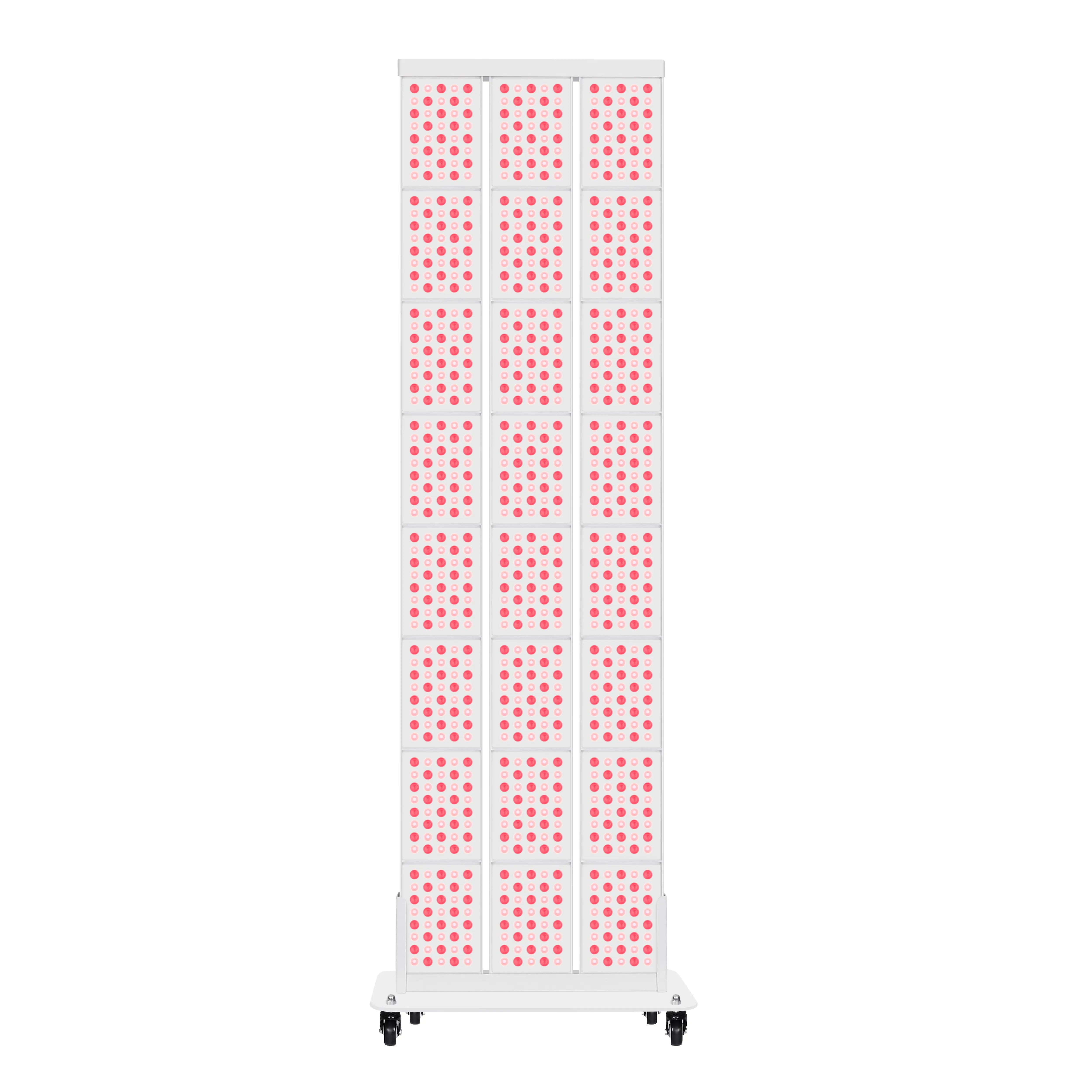
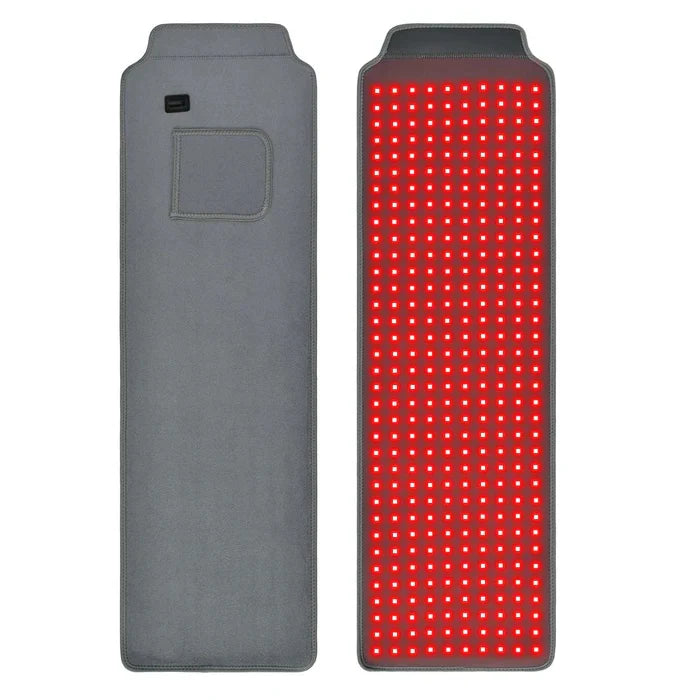
Dermatology and wellness sources converge on a few practical guidelines. For skin‑focused goals like UV preconditioning or winter barrier support, devices that emit in the red range around 630–670 nanometers are most studied. For deeper systemic or musculoskeletal effects, panels or systems that add near‑infrared wavelengths up to roughly 850 nanometers are useful.
Clinical and home‑use protocols commonly recommend positioning the device about six to twelve inches from the target area and running sessions for ten to twenty minutes, several times per week. For example, Fuel Health Wellness and multiple aesthetic clinics suggest two or three sessions per week for at least eight to twelve weeks to see structural changes in skin. The Lucibel mask trial used twelve‑minute sessions twice weekly, and many sports‑recovery protocols use similar exposure times.
Whatever device you choose, eye protection is non‑negotiable with more powerful panels. Follow manufacturer instructions closely; more light is not always better, and overuse can at least theoretically lead to diminishing returns or skin irritation.
Timing Around Exposure
For intense sun exposure, the most evidence‑aligned approach is to treat red light as a preconditioning and recovery tool. Human and animal studies applied red or yellow light in the hours before UVB exposure, often in repeated sessions over days, and observed reductions in redness and structural damage. In practice, that might mean integrating facial red‑light sessions into your morning or evening routine in the days leading up to a surf trip, mountain expedition, or long outdoor event, while still using sunscreen and protective clothing.
After sun or cold exposure, red light can be part of your recovery stack alongside hydration, barrier‑repairing moisturizers, and sufficient sleep. A short session in the evening can give your skin’s repair machinery extra ATP and circulatory support during the overnight window when it naturally regenerates.
In long, dark winters, near‑infrared panels or integrated lighting can be used daily or near‑daily, particularly at higher energy doses shown to shift inflammatory markers and resting heart rate. They should sit alongside, not replace, bright white light boxes for circadian and mood regulation when those are indicated.
Stacking With Fundamentals
I tend to think of red light as “light nutrition,” an analogy used by Joovv and echoed in several clinical overviews. Just as supplements can fill gaps in your diet but cannot rescue a junk‑food lifestyle, red light can fill gaps in your light environment but cannot undo chronically poor sleep, inactivity, or neglect of skin protection.
The most resilient people in extreme environments layer simple things that work: sleep aligned with their schedule and light environment, real food, smart hydration, movement, sun or cold exposure that is progressive rather than reckless, and basic gear. Red light therapy fits neatly alongside those habits because it is non‑drug, predictable, and, once set up, easy to automate into your mornings or evenings.
Used that way, it becomes less of a gadget and more of a quiet background input that keeps your cells slightly more charged, your skin barrier slightly more robust, and your inflammatory load slightly lower as you push against environmental edges.
FAQ
Can red light therapy replace sunscreen on very sunny days?
No. Human studies show that 660 nanometer red light pretreatment can cut UV‑induced redness by more than half in many people and make skin behave as if it had protection roughly comparable to SPF 15, but it does not block or absorb ultraviolet radiation. Organizations such as the American Cancer Society and the American Academy of Dermatology still consider broad‑spectrum sunscreen, protective clothing, shade, and timing your exposure as the primary defenses against sunburn, photoaging, and skin cancer. Use red light as a shield under your armor, not instead of your armor.
Is it safe to use red light on sunburned or windburned skin?
Short‑term, correctly dosed red light therapy appears generally safe and is non‑UV, and it has been used in clinical settings to speed healing of various skin injuries. Mild warmth or redness during or after a session is usually transient. That said, if your skin is blistered, deeply burned, or clearly infected, you should prioritize medical evaluation. Once acute care is in place, a dermatologist or other qualified clinician can advise whether and when to layer in red light to support healing.
How long do the benefits last if I stop using red light?
In the Lucibel red LED mask study, structural skin improvements persisted for about a month after stopping three months of regular use, suggesting that at least some of the gains represent real remodeling rather than transient swelling. More broadly, reviews from Cleveland Clinic and others note that many benefits, including pain relief and wrinkle reduction, tend to fade over weeks to months once treatment stops. Think of red light as a training stimulus for your cells: when you remove the stimulus, your biology slowly drifts back toward baseline.
Used intelligently, red and near‑infrared light are not about escaping the elements; they are about meeting them with tissue that is better energized, better organized, and better able to repair. In extreme environments you still have to respect the basics of physics and physiology, but photobiomodulation gives you one more lever to pull so that your recovery no longer lags quite so far behind your ambition.
References
- https://pmc.ncbi.nlm.nih.gov/articles/PMC10311288/
- https://med.stanford.edu/news/insights/2025/02/red-light-therapy-skin-hair-medical-clinics.html
- https://health.clevelandclinic.org/light-therapy
- https://www.mdanderson.org/cancerwise/what-is-red-light-therapy.h00-159701490.html
- https://www.uclahealth.org/news/article/5-health-benefits-red-light-therapy
- https://www.aad.org/public/cosmetic/safety/red-light-therapy
- https://www.recoverienyc.com/glow-up-how-red-light-therapy-transforms-your-skin-and-well-being
- https://fuelhealthwellness.com/red-light-therapy-skin-care-insights/
- https://www.generatorathletelab.com/blog/the-difference-between-red-light-therapy-and-sun-exposure
- https://lightlounge.life/about/blog?post=red-light-therapy-for-healthy-skin-in-cold-weather