
Why Texture Is The New “Wrinkle”
As a lifelong light-therapy geek, I can tell you this: when people say they want “younger skin,” they are almost always talking about texture. It is the difference between makeup gliding on or catching, between looking “tired” or lit from within even on a bad night’s sleep.
Texture includes fine lines and wrinkles, yes. But it also includes roughness, enlarged pores, acne marks, lingering redness, and that dull, uneven look that no moisturizer seems to fix. All of those are driven by what is happening in your collagen matrix, your microcirculation, and your skin’s inflammatory state.
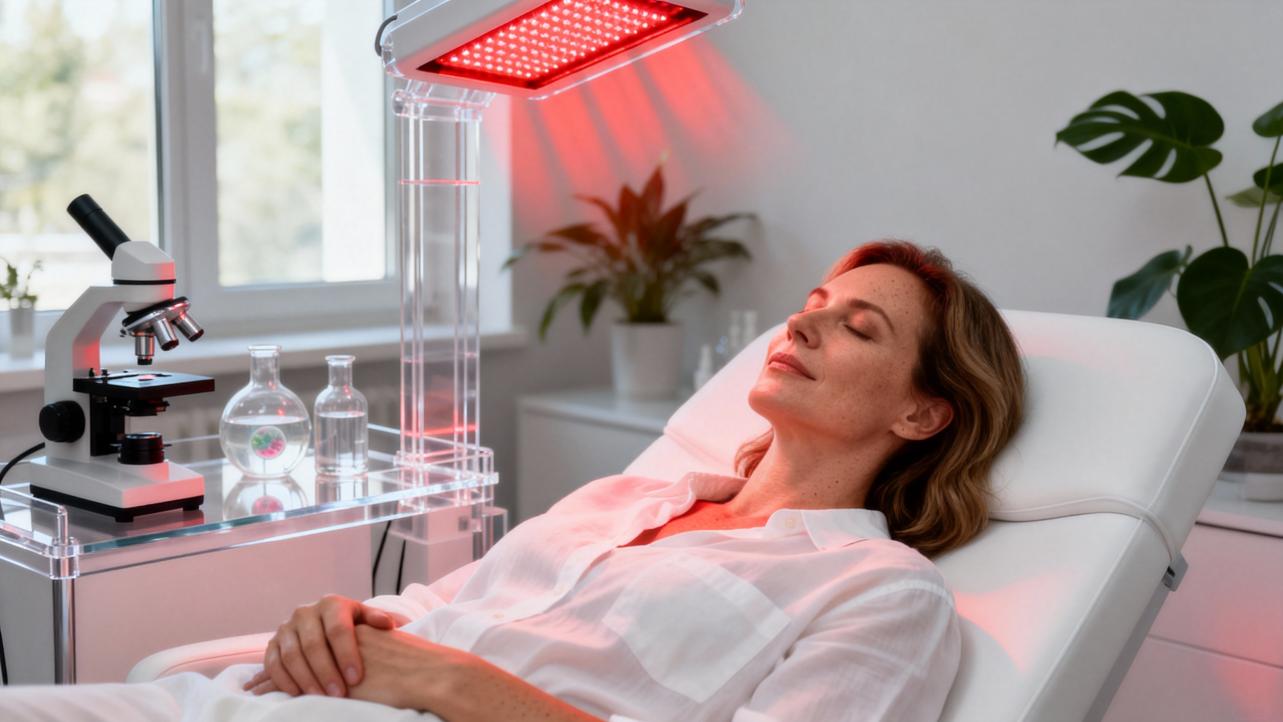
Red light therapy—more formally called photobiomodulation—is one of the few non-invasive tools that targets those deeper levers instead of just sitting on top like another cream. The question is not whether red light does anything; the science is clear that it does. The real questions for a serious optimizer are how much it can realistically change skin smoothness, over what time frame, and for whom.
This is where we need to strip away the marketing and sit with the data.

What Red Light Therapy Actually Is
Photobiomodulation In Plain English
Red light therapy uses low levels of visible red and near‑infrared light, typically somewhere in the 600–900 nm range, delivered by LEDs or low‑level lasers. Unlike surgical lasers that intentionally heat and injure tissue, this light is non‑thermal at the doses used in skin rejuvenation. In the photobiomodulation literature, it is explicitly described as atraumatic and non‑ablative.
The core mechanism, documented in reviews published in dermatology and photomedicine journals, is mitochondrial. Chromophores such as cytochrome c oxidase in your mitochondria absorb these photons. That absorption leads to an increase in cellular energy (ATP) and modulates reactive oxygen species and nitric oxide. Downstream, this shifts inflammatory signaling and upregulates growth factors.
For skin, the big players are fibroblasts and endothelial cells. Fibroblasts build collagen and elastin; endothelial cells line blood vessels. Red and near‑infrared light stimulates fibroblasts, increases collagen and elastin synthesis, improves microcirculation, and reduces pro‑inflammatory pathways. This combination is exactly what you want if your goal is smoother, more even skin.
How RLT Differs From Lasers, IPL, And UV
Traditional resurfacing lasers and intense pulsed light (IPL) work by controlled damage. They heat or partially destroy epidermal or dermal structures, which forces a wound‑healing response and collagen remodeling. That can produce dramatic texture improvement but at the cost of pain, downtime, and risks such as pigment changes and scarring.
LED‑based red light therapy is categorized in the non‑thermal, non‑ablative family. A prospective controlled trial on LED phototherapy for facial rejuvenation describes it as a type II nonablative modality that stimulates cellular activity without overt tissue damage. A larger randomized trial of red and broadband light (611–650 nm and 570–850 nm) similarly delivered energy at fluences that did not even reach minimal erythema doses, yet still improved texture measures.
Unlike ultraviolet light, which is a known carcinogen and damages DNA, red and near‑infrared light are non‑ionizing. Reviews from major medical centers and systematic PBM overviews emphasize that, when used appropriately, red/NIR wavelengths have not been shown to cause UV‑type skin cancer and are generally well tolerated.
In practical terms, red light therapy feels more like lying in a warm, glowing room than undergoing a procedure. No ablation, no peeling, and typically no downtime. The trade‑off is that results are gradual and depend heavily on consistency and dose.
How Red Light Therapy Changes Skin Smoothness And Texture
Collagen, Elastin, And Wrinkle Depth
If you care about texture, you care about collagen. Aging and photo‑damage thin and fragment collagen fibers, leading to fine lines, creases, and laxity. Multiple sources in the photobiomodulation literature show that red light stimulates type I and III collagen synthesis and elastin production by activating fibroblasts.
A prospective randomized controlled trial with 136 volunteers evaluated red and near‑infrared LED therapy for skin appearance. Participants received 30 sessions over several weeks. Compared with untreated controls, treated skin showed statistically significant:
- improvement in subjective skin complexion and “skin feeling”
- reduction in objectively measured skin roughness by digital profilometry
- increases in intradermal collagen density on ultrasound
Blinded physician assessment confirmed visible wrinkle reduction. Importantly for our texture focus, a broadband 570–850 nm device conferred no clear advantage over a narrower 611–650 nm red band, suggesting that well‑dosed red light in the HeNe‑like window alone can be sufficient for collagen‑driven smoothing.
A clinical trial around 633 nm reported in the cosmetic dermatology literature found about a 20% increase in collagen density and a similar reduction in wrinkle depth after a series of treatments. That is not a facelift, but it is a meaningful change if you think in terms of subtle, cumulative improvements.
Consumer‑grade data point in the same direction. In an in‑house case study by LED Technologies using a home red light device, 97.4% of participants aged 39–66 reported visible improvements in fine lines, wrinkles, and skin tone after ten weeks of use. About 77% rated fine‑line improvements as good to significant, and more than 92% reported notable improvement in skin tone. These are self‑reports, not blinded clinical grading, but they align with the controlled trials.
From a practical standpoint, what I see most consistently is softening of crow’s feet and fine textural lines rather than dramatic erasure of deep folds. Red light thickens and organizes the collagen mattress under the skin; it does not rearrange the entire facial structure.
Surface Roughness, Pores, And That “Glass Skin” Feel
Texture is more than wrinkles. It is the micro‑topography of the skin: the tiny hills and valleys that catch light. That is why objective measures like profilometric roughness (Ra) matter. In the randomized trial noted earlier, red light therapy significantly reduced Ra compared with controls, which matches what participants reported as “smoother” skin.
A review of clinical evidence summarized by a light‑therapy manufacturer highlights a controlled trial published in Photomedicine and Laser Surgery where consistent red and near‑infrared LED treatments improved overall skin complexion, subjective “skin feel,” and quantified skin roughness, alongside increased collagen density. In that summary, more than 90% of participants noticed softer, smoother skin.
Other clinical and wellness sources, including dermatology practices and hospital systems, consistently describe improvements in:
- overall tone and radiance
- minimized appearance of pores
- reduction in dullness
Mechanistically, this makes sense. Red light increases microcirculation and oxygen delivery to skin tissue. It also appears to support better extracellular matrix organization and barrier function. When you combine a healthier microvasculature with a denser, more orderly collagen network and less inflammation, the skin’s surface reflects light more evenly, which people interpret as “glow” and smoothness.
Acne, Redness, And Post‑Inflammatory Texture
If you have texture issues from acne—bumps, red marks, uneven patches—red light can help by attacking the problem from several angles.
Photobiomodulation studies show that red light in the 620–700 nm window can:
- reduce sebum production
- modulate inflammatory cytokines
- be absorbed by Cutibacterium (Propionibacterium) acnes in ways that impair bacterial viability
A 2017 study cited in wellness and clinical sources found that red light near 630 nm led to about a 60% reduction in inflammatory acne lesions over several weeks. Another small study summarized by academic medical centers found that a series of six treatments every two weeks significantly decreased skin oil secretion and improved acne lesions, with no reported adverse effects.
Clinically, red light is often paired with blue light for acne. Blue light targets acne‑causing bacteria at the surface, while red light penetrates deeper to reduce inflammation, promote healing, and minimize post‑inflammatory hyperpigmentation. Dermatology clinics and wellness centers consistently position this combination as a way to reduce active breakouts and help older lesions resolve more cleanly, with better texture.
As a veteran user, my experience aligns with the data: red light alone rarely “cures” acne, but it reliably reduces the angry, swollen component and speeds how quickly blemishes flatten and fade. Over time, that translates into fewer new textural scars and a smoother canvas.
Scars, Wounds, And Uneven Patches
Texture problems are often scar problems—acne pits, surgery lines, or rough, shiny patches after injury or procedures. Here the evidence is promising but more mixed.
A comprehensive review on photobiomodulation in dermatology notes that red and near‑infrared light influence all phases of wound healing. They stimulate collagen and elastin synthesis, reduce inflammation, promote angiogenesis, and support granulation tissue formation. Clinical trials, including work on diabetic ulcers in journals such as Lasers in Surgery and Medicine, show accelerated wound closure with PBM.
For scars, the picture is more nuanced. Stanford Medicine’s overview highlights a blepharoplasty (eyelid surgery) study where red light seemed to halve scar‑healing time on the treated side compared with the untreated side. Another trial, however, showed only a small, statistically nonsignificant advantage. The conclusion from academic reviewers is that any effect on scarring and texture is likely modest, most relevant in early healing phases, and still needs better‑designed trials.
From a texture perspective, this means red light is a smart adjunct after microneedling, chemical peels, or minor procedures, and a gentle support for new scars. It should not be sold as a magic eraser for long‑standing, deep atrophic scars.
Putting It Together: Texture Targets And Evidence
Here is how the major texture issues map to mechanisms and current evidence.
Texture target |
How red light appears to help |
Evidence snapshot |
Fine lines and wrinkles |
Stimulates fibroblasts, increases collagen and elastin, improves dermal density |
Randomized controlled trial: improved collagen density and reduced skin roughness; clinical trial near 633 nm reported around 20% collagen increase and similar wrinkle reduction |
Overall roughness and “feel” |
Enhances microcirculation and extracellular matrix organization |
Profilometry data show reduced surface roughness; more than 90% in one clinical series reported softer, smoother skin |
Acne‑related bumps and redness |
Reduces sebum, modulates inflammation, supports bacterial control, complements blue light |
Studies around 630 nm report about 60% reduction in inflammatory lesions and significant oil reduction |
Scars and post‑procedure texture |
Supports wound healing, angiogenesis, and collagen remodeling, especially early after injury |
Trials in surgical and chronic wounds show faster healing; effect on established scars appears modest and variable |

What The Evidence Really Says (And What It Doesn’t)
Major medical organizations are cautiously optimistic—but not starry‑eyed—about red light therapy.
Cleveland Clinic describes red light therapy as generally safe and non‑toxic, with promising results for wrinkles, scars, redness, acne, and hair growth. At the same time, they emphasize that many studies are small, often not placebo‑controlled, and do not always meet the gold standard of large randomized trials.
Stanford Medicine’s review concludes that skin rejuvenation is one of the better supported cosmetic uses of red light, alongside hair regrowth. However, it warns that claims around athletic performance, sleep, chronic pain syndromes, and more speculative conditions remain weakly supported and should be viewed as research questions, not established outcomes.
A comprehensive academic review of photobiomodulation notes several key limitations:
- lack of standardized parameters (wavelengths, fluence, frequency)
- heavy use of small, heterogeneous study populations
- inconsistent reporting of dose and device characteristics
Yet, within those limitations, the signal for skin texture is real. Multiple controlled trials, objective measures like profilometry and ultrasound, and converging consumer and clinical experience all point in the same direction: consistent red light exposure in the appropriate wavelength and dose range can modestly but meaningfully improve skin smoothness and overall texture.
So if you are expecting your eleven lines to vanish in three sessions, you will be disappointed. If you are targeting a measurable yet natural shift in smoothness and “quality of skin” over several months, your expectations are aligned with the science.

How To Use Red Light Therapy Specifically For Texture
Wavelengths And Devices
Most skin‑focused protocols use visible red light around 630–670 nm, sometimes combined with near‑infrared light around 810–850 nm. Clinical and wellness sources consistently mention this range for anti‑aging and texture, while higher near‑infrared wavelengths are more often studied for deeper tissues such as muscle and joints.
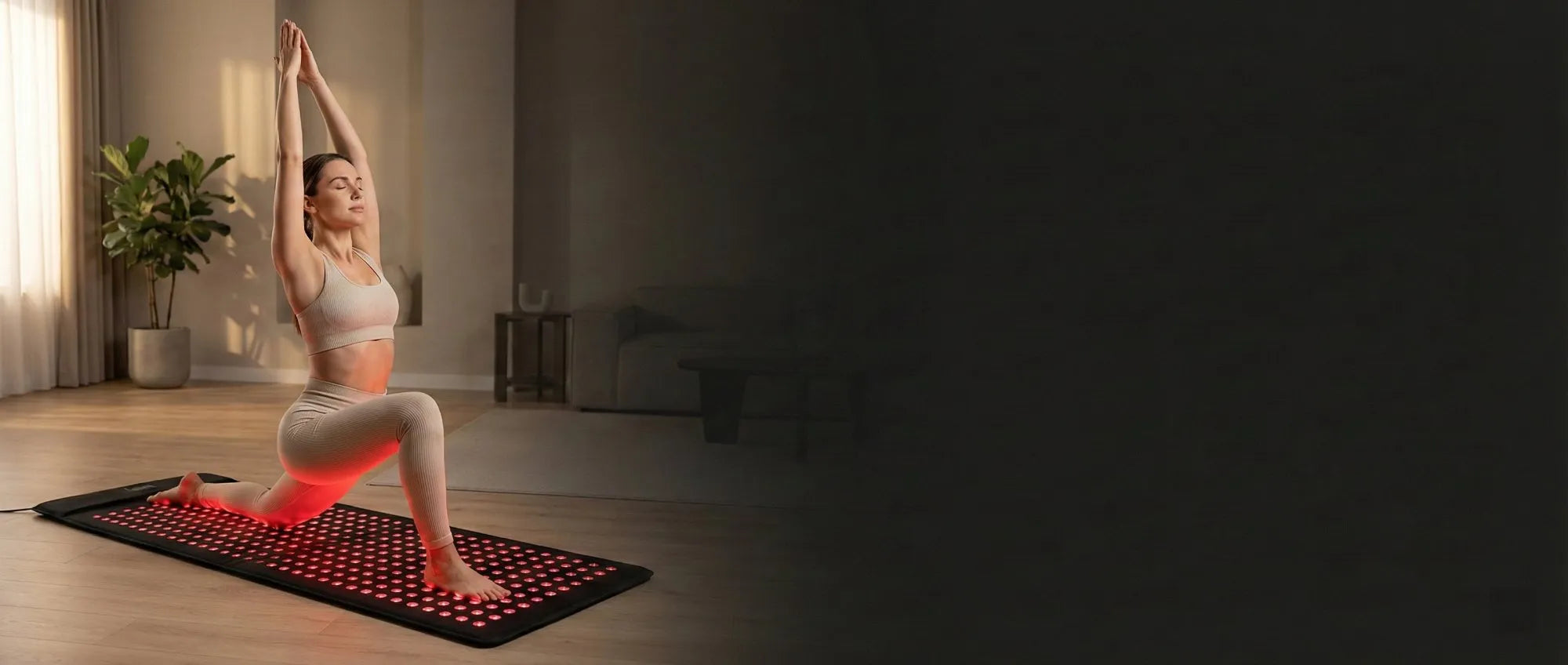
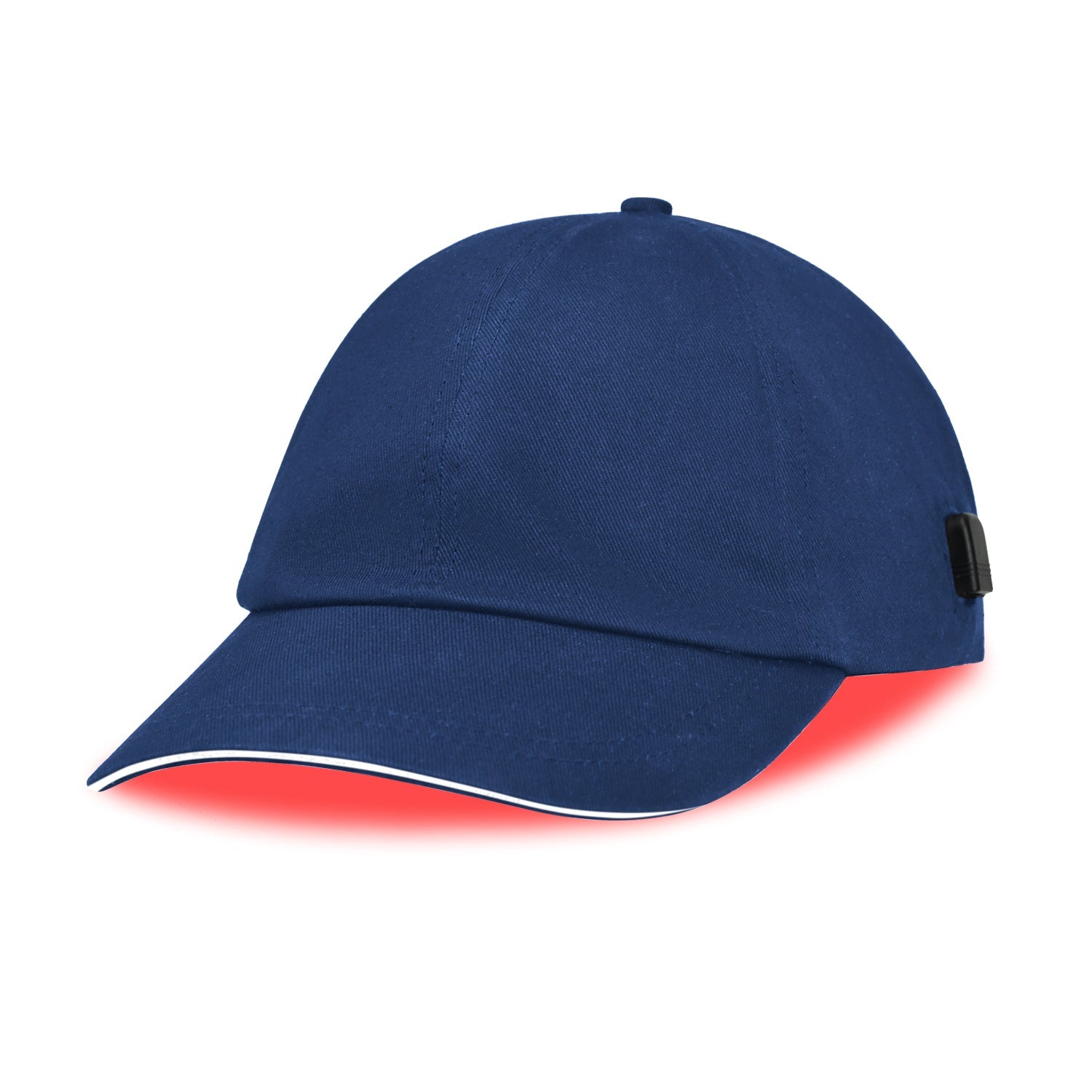
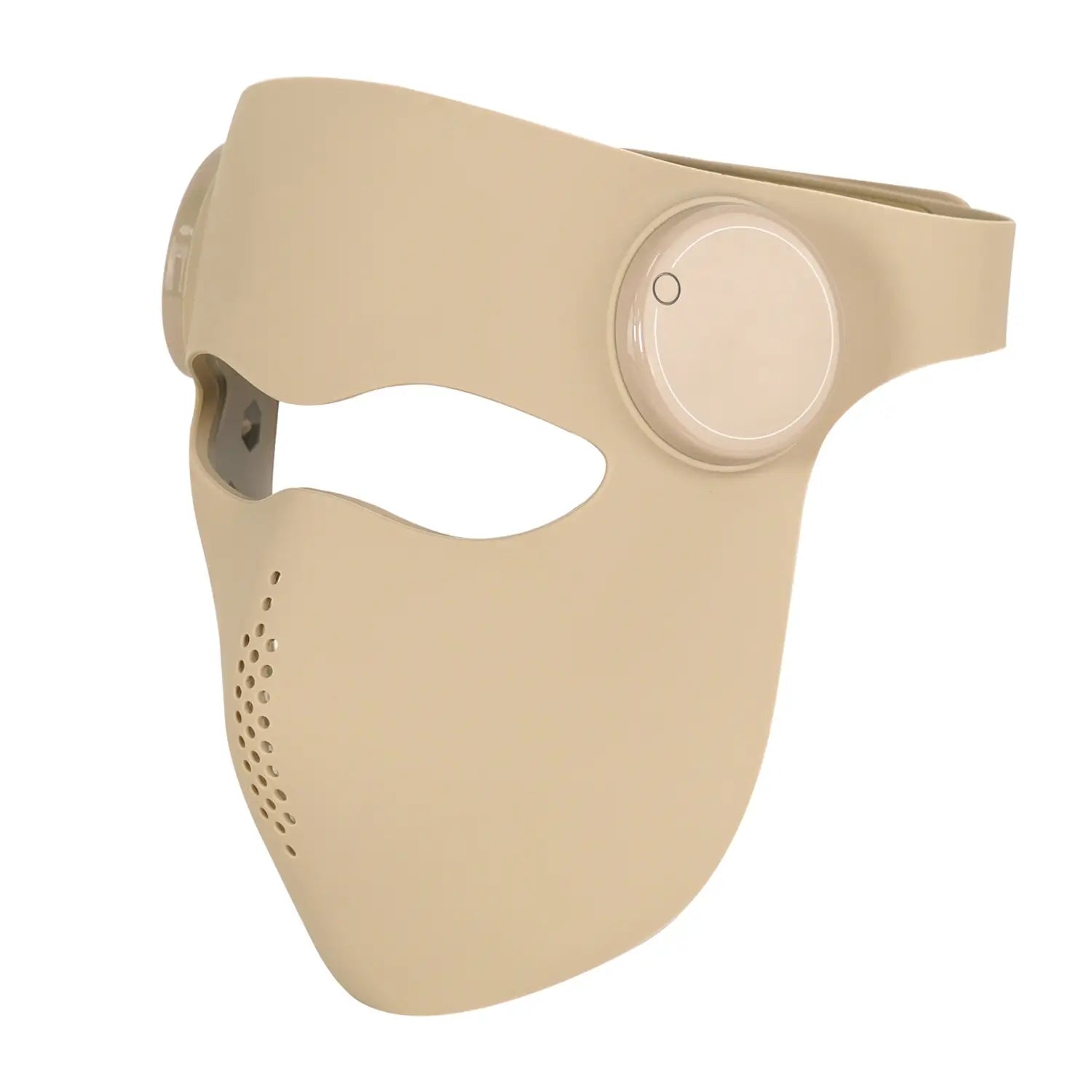
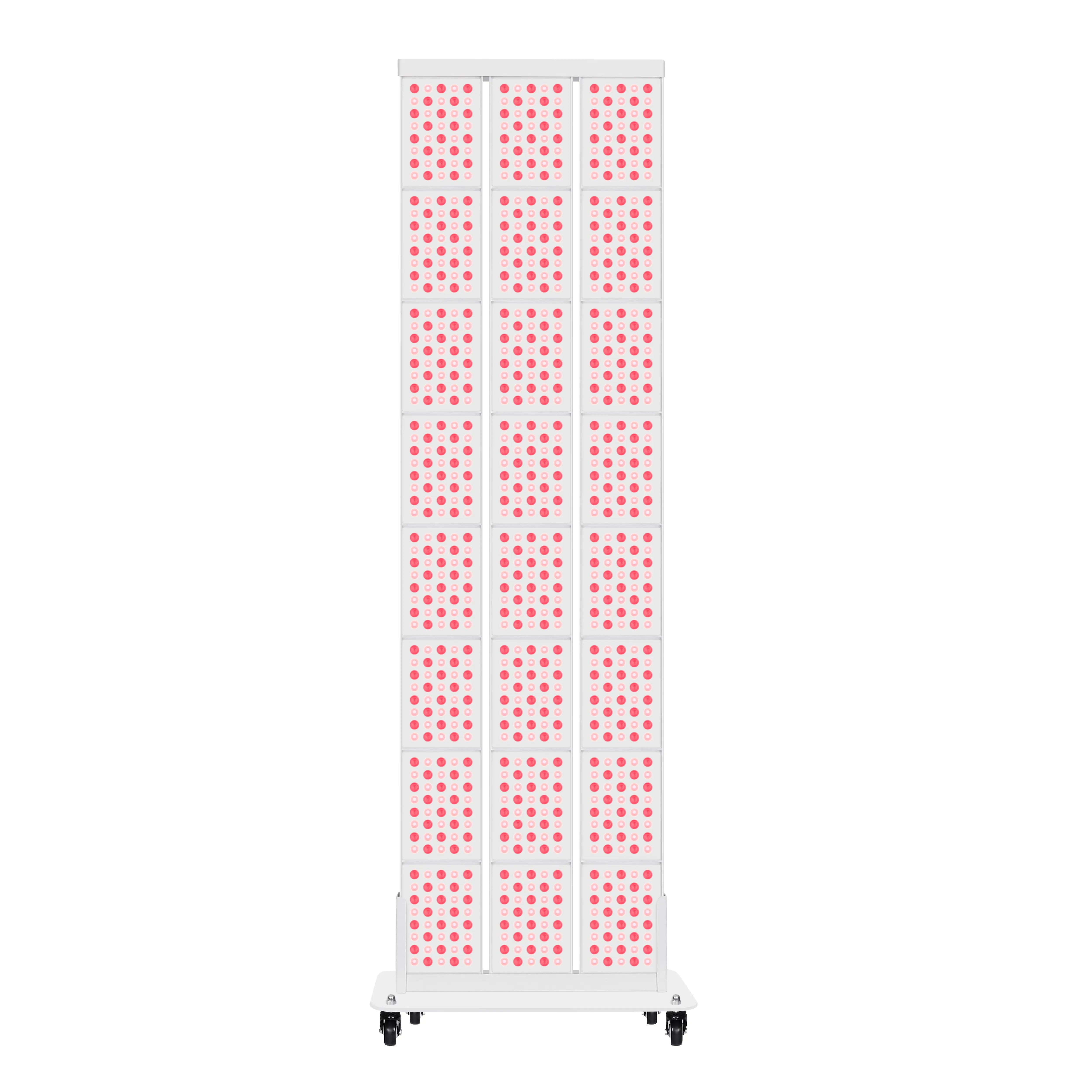
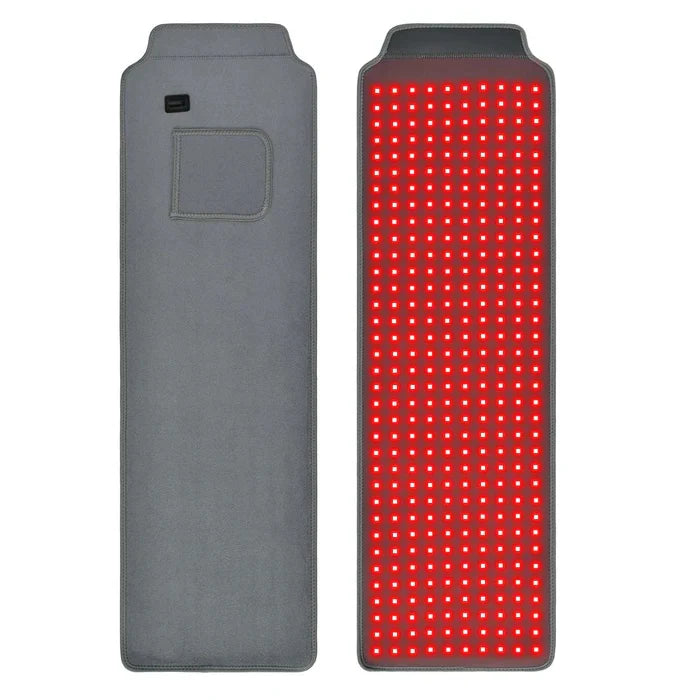
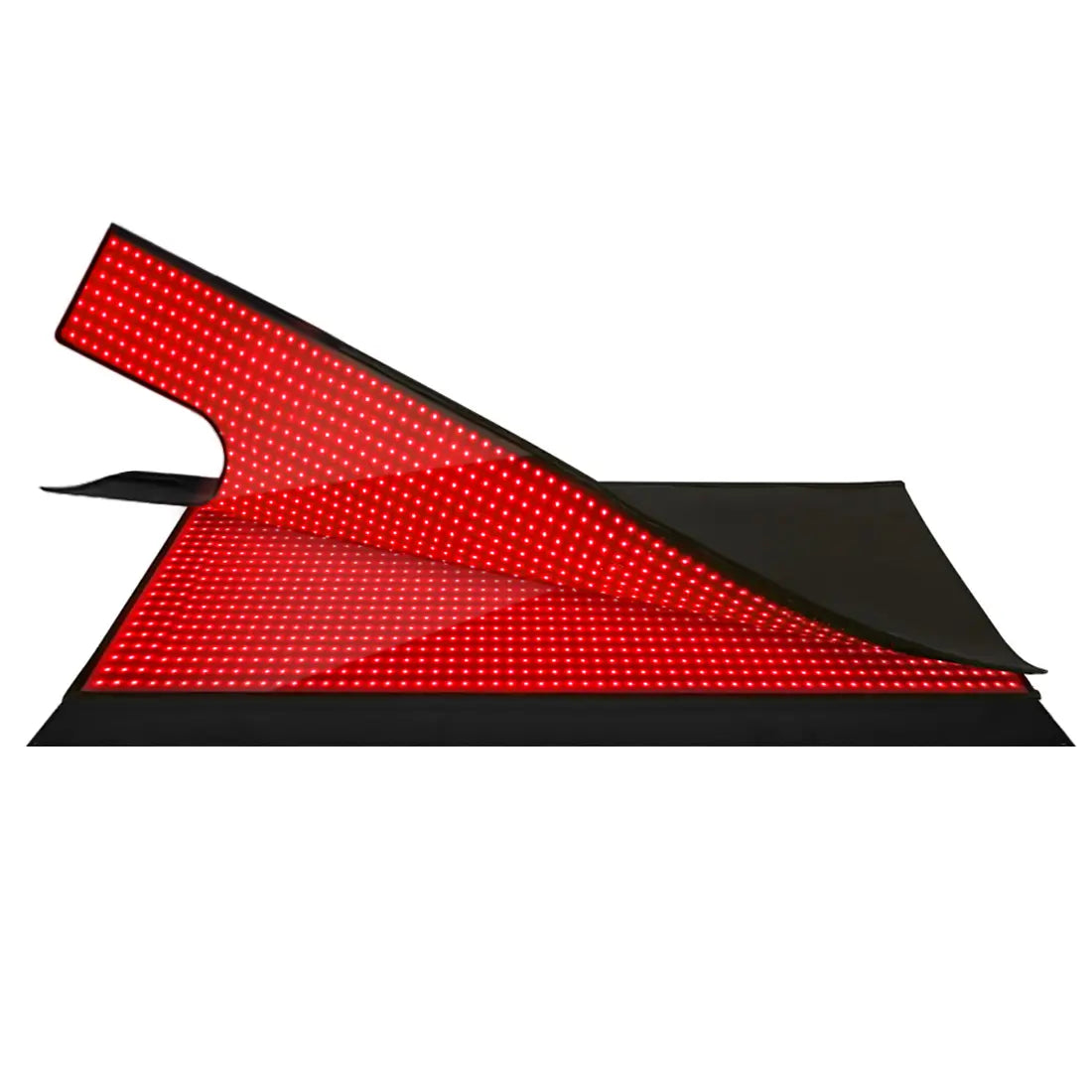
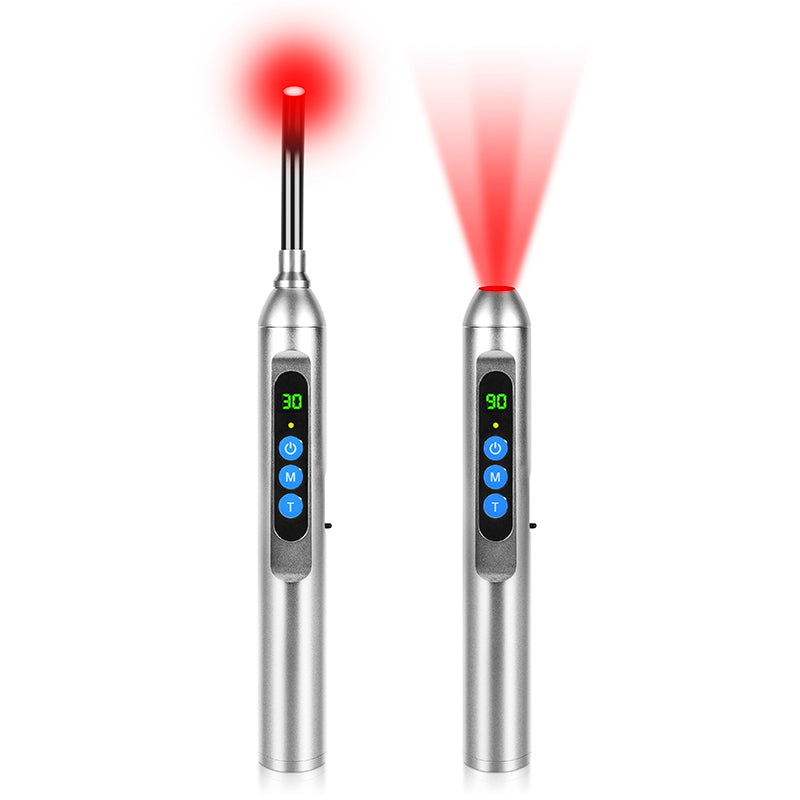
Device formats include masks, handheld wands, panels, and full‑body beds. Dermatology and wellness clinics tend to use more powerful, better characterized systems that deliver known irradiance and dose. Stanford Medicine notes that in‑clinic devices are generally more powerful and consistent than at‑home devices, which vary widely in wavelength, intensity, and build quality.
At home, masks and panels cleared by the U.S. Food and Drug Administration as Class II medical devices have at least passed basic safety and performance benchmarks for intended use, although FDA clearance primarily addresses safety, not broad cosmetic effectiveness. Cleveland Clinic and other medical sources recommend choosing devices with clear wavelength disclosure, FDA clearance where applicable, and manufacturer protocols grounded in published ranges.
Dose: Distance, Time, And Frequency
If you want smoother skin, dosage is where most people either give up too soon or silently overdose. The published protocols give a helpful range.
Dermatology clinics and research studies commonly use sessions of about 10–20 minutes, delivered two or three times per week, for eight to twelve weeks. Home‑use guidelines cited in wellness and clinical sources recommend positioning the face about 6–12 inches from a panel or mask, with sessions of 10–20 minutes, three to five times per week initially, then tapering to maintenance.
In the randomized controlled trial with thirty sessions, participants were treated twice weekly until completion, and only after that full course did the significant reductions in roughness and increases in collagen density emerge. A three‑month mask study summarized by academic medical sources found visible reversal of aging signs with results lasting about a month after stopping.
From a veteran user perspective, a realistic skin‑texture protocol for a healthy adult might look like this, assuming an FDA‑cleared red or red plus near‑infrared device and no contraindications from your dermatologist:
- Start with ten to fifteen minutes per session to the face, three evenings per week, at the manufacturer’s recommended distance.
- Maintain that schedule for at least eight to twelve weeks before making a judgment.
- Once you see stable improvement, shift to twice weekly for maintenance, or pulse in short higher‑frequency blocks around stressful periods, travel, or procedures.
Sessions should feel pleasantly warm at most, never hot or stinging. Persistent redness, tightness, or discomfort are signals to back off duration, increase distance, or reduce frequency.
Pairing Red Light With Smart Skincare
One of the most powerful aspects of red light therapy is its ability to amplify other interventions. Clinical and wellness sources repeatedly recommend coupling RLT with evidence‑based topical care.
For texture, that usually means:
- Antioxidants such as vitamin C serums to support collagen and mitigate oxidative stress.
- Collagen‑supporting actives such as retinoids or retinol derivatives, used at times of day that do not compound photosensitivity with light exposure.
- Hydrating, barrier‑supportive products such as hyaluronic acid, niacinamide serums, and ceramide‑rich moisturizers to reinforce the improved barrier and microcirculation that red light promotes.
Some professional protocols pair red light with procedures like microneedling, peels, or laser treatments to reduce redness and accelerate recovery, taking advantage of PBM’s wound‑healing support. The data from wound and scar studies suggest this is a rational strategy, even though exact optimal timing remains under investigation.
In my own routine and in people I have coached, the best results come when red light is treated as part of a larger skin‑health ecosystem: diligent sunscreen use, smart topicals, sufficient protein and micronutrients, and good sleep. Red light is the accelerator, not the chassis.

At‑Home Panels Versus Clinic Treatments For Texture
When you chase better texture, one of the first decisions is whether to invest in an at‑home device or rely on in‑office sessions. The research notes and clinical commentary suggest a clear pattern.
Factor |
At‑home red light devices |
In‑clinic systems |
Power and dose control |
Typically lower power; wide variation in wavelength and intensity; dose harder to quantify |
Higher, more consistent irradiance; parameters chosen and monitored by trained providers |
Convenience |
Extremely convenient; easy to integrate into daily routine |
Requires appointments; often bundled with facials or procedures |
Cost structure |
Upfront device cost, then essentially free per use |
Per‑session fees; may be bundled in treatment packages |
Speed of results |
Generally slower, especially for deeper texture issues |
Often quicker visible changes due to higher power and tailored dosing |
Oversight and safety |
Self‑managed; need to follow instructions and protect eyes |
Professional oversight; safer for combining with other procedures |
Stanford Medicine and Cleveland Clinic both stress that at‑home devices can work but tend to deliver weaker or slower results than professional devices. For texture, this often means that clinic treatments are ideal for jump‑starting change, while at‑home devices are best for maintenance and long‑term incremental gains.

Safety, Skin Types, And When To Be Cautious
Red and near‑infrared light therapy has one of the better safety profiles in aesthetic medicine when used correctly. Large clinical experience, including extensive use in oncology patients for radiation dermatitis and mucositis, has not shown pro‑oncogenic effects with red/NIR PBM. Studies using relatively high power densities report mainly mild, transient erythema.
That does not mean it is risk‑free or that you can ignore dosing. Key cautions from academic reviews and major dermatology sources include:
- Eye protection is non‑negotiable when treating the face. Improper use of bright visible light, especially blue and high‑intensity violet, can damage the retina. Even though red light is generally safer, manufacturers and clinicians routinely recommend goggles during treatment.
- Long‑term safety data for very frequent, high‑dose cosmetic use are still limited. The absence of evidence of harm is not the same as proof of indefinite safety, so it is wise to stay within clinically studied ranges.
- People with darker skin tones may be more photosensitive to visible PBM light. A clinical trial cited in a major photobiomodulation review found up to a 50% lower maximum tolerated dose of LED red light in darker phototypes compared with lighter ones, with higher‑dose lasers producing more heat and pain due to higher melanin absorption. For these skin types, dosing should start conservatively and be titrated up while monitoring for erythema, hyperpigmentation, or discomfort.
- Individuals on photosensitizing medications, with certain eye conditions, or with complex skin diseases should involve a dermatologist or other qualified professional before starting RLT. Cleveland Clinic and other medical bodies explicitly recommend medical consultation rather than relying solely on spas or wellness centers.
There is also the question of expectations. Cleveland Clinic notes that despite extensive marketing, there is currently no good evidence for red light therapy as a treatment for weight loss, cellulite, cancer, or mental health conditions. For skin, on the other hand, the evidence is trending positive. Keeping your goals tightly aligned with what is actually supported—texture, mild to moderate wrinkles, redness, and wound healing as an adjunct—helps you use red light safely and rationally.

Pros And Cons For Texture Optimization
From a skin‑texture standpoint, red light therapy sits in an attractive middle ground between “do nothing” and “go under the laser.”
On the plus side, it is non‑invasive, comfortable, and usually free of downtime. It directly influences the biology of collagen, elastin, inflammation, and microcirculation, which are the levers that matter for smoothness and tone. Controlled trials and large real‑world series show improvements in roughness, fine lines, and subjective skin feel, and major medical centers acknowledge its potential as a useful adjunct for skin rejuvenation and acne care. It plays well with other modalities and can be integrated into a broader health and performance routine.
On the minus side, the evidence base, while promising, is not yet as deep or standardized as for some other interventions. Results are modest, not surgical, and they demand consistency over weeks to months. At‑home devices vary widely in power and specification, which means many users may be under‑dosing without realizing it. Costs can be substantial, whether in sessions or devices, and insurance rarely covers cosmetic use.
If your priority is transforming severely photo‑damaged or deeply scarred skin in the shortest possible time, you may still need to consider more aggressive options under a dermatologist’s care. If your goal is steady, low‑risk improvement in smoothness, glow, and fine textural irregularities, red light therapy deserves a serious look.

FAQ
How long does it take for red light therapy to make skin feel smoother?
Most of the clinical and consumer data focus on treatment series lasting several weeks to a few months. In the randomized trial with thirty sessions over roughly fifteen weeks, objective texture measures improved after completing the full course. A three‑month mask study reported visible reversal of aging signs, and a ten‑week consumer study found that more than 97% of participants noticed improvements in wrinkles and tone. In real‑world use, many people notice subtle changes in plumpness and feel within four to six weeks, with more obvious smoothing over two to three months of consistent use.
Can red light therapy replace retinoids, peels, or laser treatments for texture?
For mild to moderate texture issues, some people can achieve their goals with a combination of red light therapy, topical care, and sun protection alone. However, dermatology and academic sources tend to frame RLT as an adjunct rather than a direct replacement for more established treatments. It is particularly valuable for enhancing recovery and results after procedures like microneedling or peels, and for people with sensitive or reactive skin who cannot tolerate aggressive topicals. For advanced photoaging or significant scarring, a dermatologist can help you decide whether to layer red light into a broader plan that might still include retinoids or procedural options.
Is it safe to use red light therapy every day on my face?
Some at‑home devices are marketed for daily use, but the best‑studied protocols for skin texture typically use red light several times per week rather than every single day. Photobiomodulation reviews and clinical guidelines emphasize the existence of a therapeutic window: more is not always better. Excessive dosing can potentially blunt benefits or increase the risk of irritation. A practical approach is to start with the schedule used in many clinical and wellness protocols—about ten to twenty minutes, two to five times per week—assess your skin’s response over eight to twelve weeks, and adjust with guidance from a dermatologist if needed.
Closing Thoughts From A Light Therapy Geek
Used intelligently, red light therapy is one of the rare “trendy” tools that actually has real biology and human data behind it. It will not turn back the clock twenty years, but it can make the surface of your skin measurably smoother, more even, and more resilient over time. Treat it the way you would a strength‑training program for your skin: pick the right load, show up consistently, recover well, and let the incremental gains compound.

References
- https://pmc.ncbi.nlm.nih.gov/articles/PMC11049838/
- https://med.stanford.edu/news/insights/2025/02/red-light-therapy-skin-hair-medical-clinics.html
- https://my.clevelandclinic.org/health/articles/22114-red-light-therapy
- https://www.uclahealth.org/news/article/5-health-benefits-red-light-therapy
- https://www.aad.org/public/cosmetic/safety/red-light-therapy
- https://santabarbaraskincare.org/2025/03/06/the-power-of-red-light-therapy-for-healthier-skin/
- https://www.uhhospitals.org/blog/articles/2025/06/what-you-should-know-about-red-light-therapy
- https://www.bswhealth.com/blog/5-benefits-of-red-light-therapy
- https://fuelhealthwellness.com/red-light-therapy-skin-care-insights/
- https://icryo.com/the-benefits-of-red-light-therapy-for-skincare/