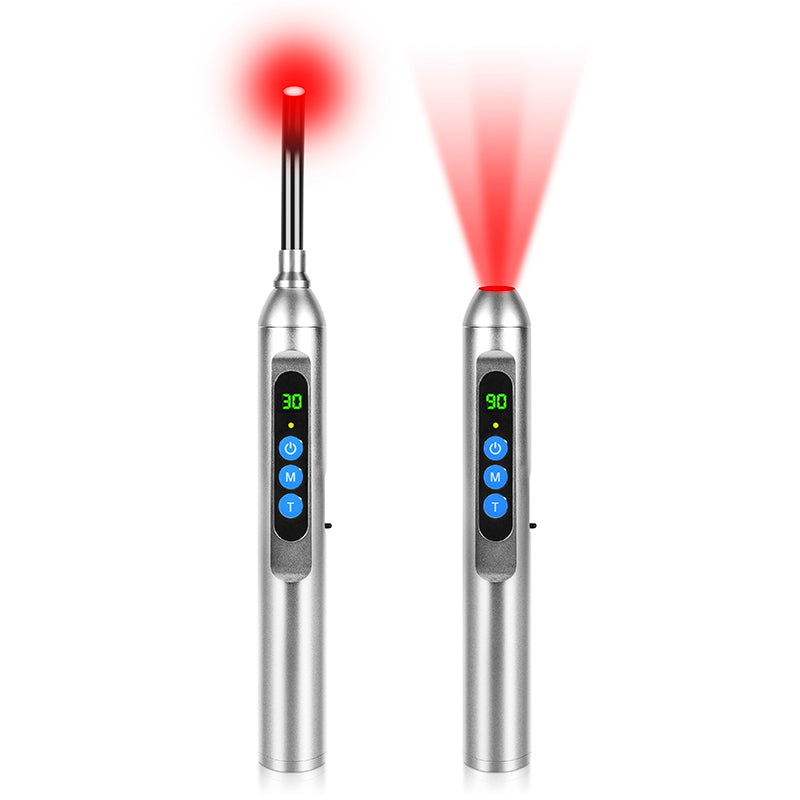

I have spent years sitting under LED panels, testing masks, and reading more photobiomodulation papers than I care to admit. Red light therapy remains one of the few “biohacks” that consistently earns a place in my own regimen and in the routines I design for acne‑prone, reactive skin. Not because it is magic, but because it reliably nudges one critical lever: inflammation.
In this article, I will walk through how red light therapy actually interacts with acne biology, what the best clinical data show, how to integrate it with your skincare, and where its limits are. The focus is inflammation, not hype.
Acne: An Inflammatory Disease First, A Pore Problem Second
Acne vulgaris is not just “dirty pores.” It is a chronic inflammatory disease of the pilosebaceous unit. A large review in PubMed Central notes that it affects more than 85% of adolescents and often continues into adulthood. Hormones increase sebum production, dead skin cells clog the follicle, and Cutibacterium (formerly Propionibacterium) acnes overgrow inside that plugged environment.
Those steps alone do not guarantee angry breakouts. The tipping point is the immune system’s response. As C. acnes proliferates and porphyrins build up, the follicle becomes a tiny inflammatory reactor. White blood cells arrive, cytokines surge, and the wall of the follicle can rupture, spilling oily, bacteria‑rich material into surrounding tissue. That is when you see red, swollen papules, pustules, and painful nodules.
This is why modern acne research treats inflammation as central, not secondary. Visible‑light reviews in dermatology journals repeatedly describe acne as an inflammatory disease and look at light not only for its antibacterial effects but also for its ability to modulate inflammatory pathways and sebaceous gland activity.
If you have skin that “flares at the slightest thing,” that chronic, low‑grade inflammation is the background noise red light therapy is designed to quiet.

What Red Light Therapy Actually Is
Red light therapy falls under the broader umbrella of photobiomodulation: using low‑level light to alter biological processes in cells. Cleveland Clinic and WebMD describe it as exposure to low‑power red or near‑infrared light, usually delivered by LEDs or low‑energy lasers.
Clinically and in most devices marketed for skin, red light sits roughly in the 620–750 nanometer range, sometimes paired with near‑infrared up to about 850 nanometers. Unlike ultraviolet light from the sun or tanning beds, these wavelengths do not carry ionizing radiation and do not damage DNA. They are non‑thermal at the doses used for skin: you may feel gentle warmth, but the tissue is not being burned or ablated.
Researchers and major health systems describe several key mechanisms.
Mitochondrial stimulation appears central. Cleveland Clinic explains that red light interacts with mitochondria, boosting cellular energy production and potentially improving repair, new cell growth, and collagen synthesis. Stanford Medicine notes that red and near‑infrared light can promote healing, cell growth, and collagen production when the dose is tuned correctly.
Vasodilation is another mechanism. Stanford’s experts describe red light increasing blood flow by widening small blood vessels, delivering more oxygen and nutrients to tissue. For acne‑prone skin, that means better support for healing and barrier recovery after inflammation damages the follicle and surrounding dermis.
Red light also behaves as an anti‑inflammatory signal. The University of Arizona’s work on phototherapy for chronic pain shows that red and infrared light can shift cytokine profiles: decreasing pro‑inflammatory mediators and increasing anti‑inflammatory ones. Those studies looked at pain rather than pimples, but the principle is the same: light can change inflammatory signaling in living tissue.
In short, red light therapy is not “heat” and it is not “laser resurfacing.” It is low‑energy, non‑ablative light exposure designed to nudge mitochondrial output, circulation, and inflammatory pathways in a favorable direction.

How Red Light Interacts With Acne Inflammation
Penetrating Deeper, Toward Sebaceous Glands
Blue light, typically around 407–420 nanometers, is strongly absorbed by porphyrins produced by C. acnes. That makes it excellent at generating reactive oxygen species that kill bacteria near the skin surface, as summarized in multiple reviews in PubMed Central and Healthline’s overview of light therapy for acne.
Red light is absorbed less by porphyrins but penetrates more deeply. The systematic review “Visible Light in the Treatment of Acne Vulgaris” describes red light as reaching the level of sebaceous glands and acting primarily as an anti‑inflammatory modality. Similarly, another PubMed Central review of light‑based therapies notes that longer wavelengths such as red can influence cytokine release from immune cells and affect sebaceous gland function.
In some clinical trials using combined blue and red light, investigators documented not only lesion reductions but also decreased sebum production and smaller sebaceous glands in the treatment group. That is exactly what you want if your acne flares whenever your skin gets oily.
Modulating Cytokines And Immune Activity
Inflammation in acne is mediated by cytokines and other immune signals. The Arizona Health Sciences team, studying phototherapy for chronic pain, observed that red and near‑infrared light exposure can tilt the balance away from pain‑promoting, pro‑inflammatory mediators and toward pain‑relieving, anti‑inflammatory ones. They also report reduced activation of microglia, the nervous system’s immune cells.
In the skin, visible‑light reviews describe red light influencing inflammatory cell infiltration around sebaceous glands and follicles in treated acne. Combined blue‑red regimens have been associated with attenuated inflammatory cell presence in biopsies, not just a cosmetic change on the surface.
From a “light therapy geek” perspective, that is the most interesting part. You are not only shrinking a pimple from the outside; you are altering the inflammatory conversation happening around that clogged follicle.
Supporting Repair, Collagen, And Barrier Function
Several dermatology articles on red light therapy for healthier skin, from clinics and from controlled trials, converge on the same point: red light stimulates fibroblasts, the cells that make collagen and elastin. A randomized trial of red and near‑infrared photobiomodulation in more than 130 volunteers found increased intradermal collagen density, reduced skin roughness, and improved overall appearance compared with controls.
Why does that matter for inflamed, acne‑prone skin? Because every inflamed lesion is a tiny wound. Better collagen organization and faster wound closure mean less time spent in the inflamed state and a lower risk of long‑lasting scars and post‑inflammatory hyperpigmentation. Clinical practices describe using red light after procedures and on acne scars to accelerate healing and soften tissue over time.
Cleveland Clinic and other medical centers also point out that by improving blood flow and cellular turnover, red light can help even out tone and texture, including areas of redness or pigment left behind after breakouts.
What You Actually See On Your Face
When you translate these mechanisms into real‑world skin, you see a pattern that shows up both in research and in practice:
Red and red‑plus‑blue light reduce the intensity of redness and swelling in inflammatory lesions. Gold Skin Care and several dermatology groups describe patients noticing calmer, less angry pimples and a more even tone with fewer lingering red marks.
Lesion counts fall, especially for inflammatory papules and pustules. In the large visible‑light review including 1,185 acne patients, most of whom had mild to moderate disease, 91–92% experienced at least partial improvement, and only a small minority worsened. Blue and combined blue‑red modalities dominated those trials, but red light contributed the anti‑inflammatory component.
Skin heals faster and scars gradually soften. Clinic reports and the randomized trial of red light for skin rejuvenation both note improvements in skin texture, collagen density, and fine scarring, aligning with what many acne patients experience when red light is layered onto a conventional regimen.
In my own long‑term testing on acne‑prone skin, the change is rarely dramatic overnight. What tends to happen is that individual breakouts resolve a little more quickly and quietly, and the baseline background redness and blotchiness slowly recede over a period of weeks.
Blue Versus Red Versus Combined Light For Acne
It is impossible to talk about red light and acne without acknowledging blue. Most of the strongest acne data involve blue light alone or in combination with red, not red by itself.
A systematic review of visible light therapies for acne, covering studies from the late 1990s through 2023, found that blue light was the most commonly used modality, accounting for about two‑thirds of cases. On average, blue light reduced total lesion counts by around 43% at four weeks, with treatments several times per week.
Combined blue and red light, however, produced some of the most compelling numbers. In that same review, blue‑red regimens led to partial clearance in 89% of patients and complete clearance in 9%. Inflammatory lesions improved by roughly 49%, while non‑inflammatory lesions improved by about 24% at four weeks. Treatment courses often involved around 34 sessions over about eight weeks.
Another clinical trial cited by Schweiger Dermatology, published in the Journal of Drugs in Dermatology, reported that combined blue and red light therapy achieved approximately a 76% reduction in inflammatory lesions and a 60% reduction in non‑inflammatory lesions after 12 weeks.
Red light alone has been studied far less in acne, and the data are more modest and sparse. The visible‑light review describes red light primarily as an anti‑inflammatory option with deeper penetration to sebaceous glands, but emphasizes that the evidence base for pure red light is less robust than for blue or blue‑red combinations.
Healthline, summarizing light therapy for acne with input from dermatology guidelines, notes that visible light works best for mild to moderate inflammatory acne and is not effective for whiteheads, blackheads, or nodular lesions. The American Academy of Dermatology echoes that visible light should be seen as an adjunct, not a stand‑alone cure.
The practical takeaway for acne‑prone skin is straightforward. Blue light attacks C. acnes directly, but red light calms the inflammatory fallout and supports repair. Using both together often gives better results than either alone, especially when layered on top of a solid topical regimen.
Comparison At A Glance
You can think of the different light strategies for acne this way:
Approach |
Main wavelengths |
Primary targets |
Typical outcomes reported |
Role in inflammation |
Best suited for |
Blue LED |
About 407–420 nm |
C. acnes porphyrins near skin surface |
Around 40–60% reductions in inflammatory lesions in many trials, modest effect on comedones |
Some anti‑inflammatory effects in keratinocytes, but strongest impact is antibacterial |
Mild to moderate inflammatory acne with active bacterial component |
Red LED |
About 620–750 nm |
Sebaceous glands, fibroblasts, local microcirculation |
Fewer and smaller studies, generally showing improvement but with weaker data than blue or combination |
Stronger anti‑inflammatory profile, deeper penetration, supports healing and collagen |
Redness‑dominant, reactive skin; post‑acne inflammation; adjunct for healing |
Combined blue + red |
Typically blue around 415 nm plus red in the 620–750 nm range |
Bacteria, sebaceous glands, inflammatory cells, dermal matrix |
In several studies, roughly 49–77% reduction in inflammatory lesions and meaningful gains in non‑inflammatory lesions over 8–12 weeks |
Synergistic: blue reduces bacterial load while red calms inflammation and promotes repair |
Mild to moderate acne with both active lesions and lingering redness or early scarring |
These numbers should not be treated as guarantees, because the studies vary in devices, dosing, and patient populations. They do, however, illustrate a consistent pattern: red light’s value in acne is largely anti‑inflammatory and reparative, especially when paired with blue light or conventional treatments.
How To Integrate Red Light Therapy Into An Acne Routine
In‑Office Treatments
Dermatology and medical skin clinics typically use higher‑powered, well‑calibrated devices. Cleveland Clinic and Healthline describe common regimens where patients lie under LED panels or within a light canopy for about 15–30 minutes per session, often two or three times per week, over four to six weeks. Some protocols extend to eight weeks or more with a total of about 20 to 30 sessions in clinical trials.
Costs vary. Healthline reports typical per‑session fees of about $40 to $60 for visible light treatments, while WebMD notes that some sessions in medical or spa settings may cost $80 or more. Because multiple treatments are usually required and insurance rarely covers cosmetic acne light therapy, the financial commitment adds up.
Before treatment, dermatologists often advise pausing retinols or other skin‑thinning products for about two weeks, avoiding tanning beds and prolonged unprotected sun exposure in the days before sessions, and reviewing any medications that increase light sensitivity. During a session, you will usually wear eye protection while a nurse or dermatologist positions your face under a blue, red, or combined LED array.
Afterward, mild redness or peeling and some increased sensitivity are common. Healthline emphasizes avoiding scrubs, exfoliants, and topical vitamin A for a few days while sticking closely to sunscreen, since the treated skin is more reactive to sunlight.
In my experience, in‑office red or blue‑red treatments are ideal for jump‑starting control of inflammation, especially if you are already working closely with a dermatologist on topicals or oral medications.
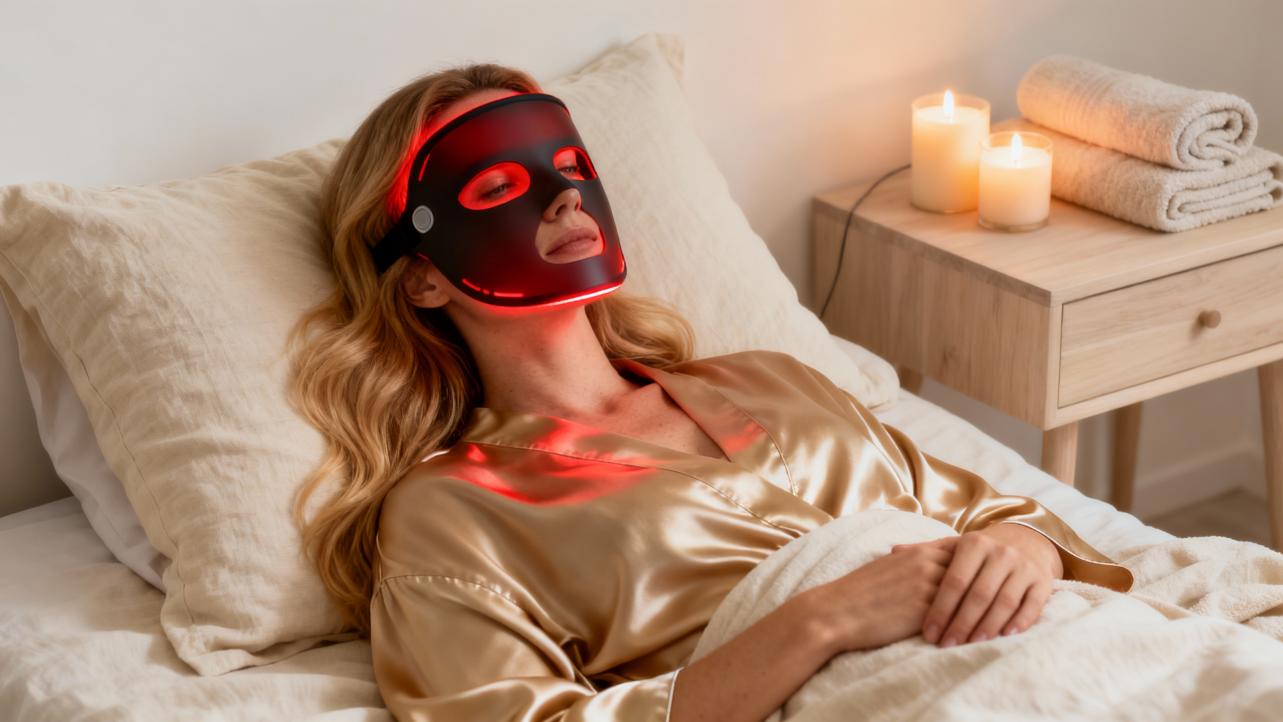
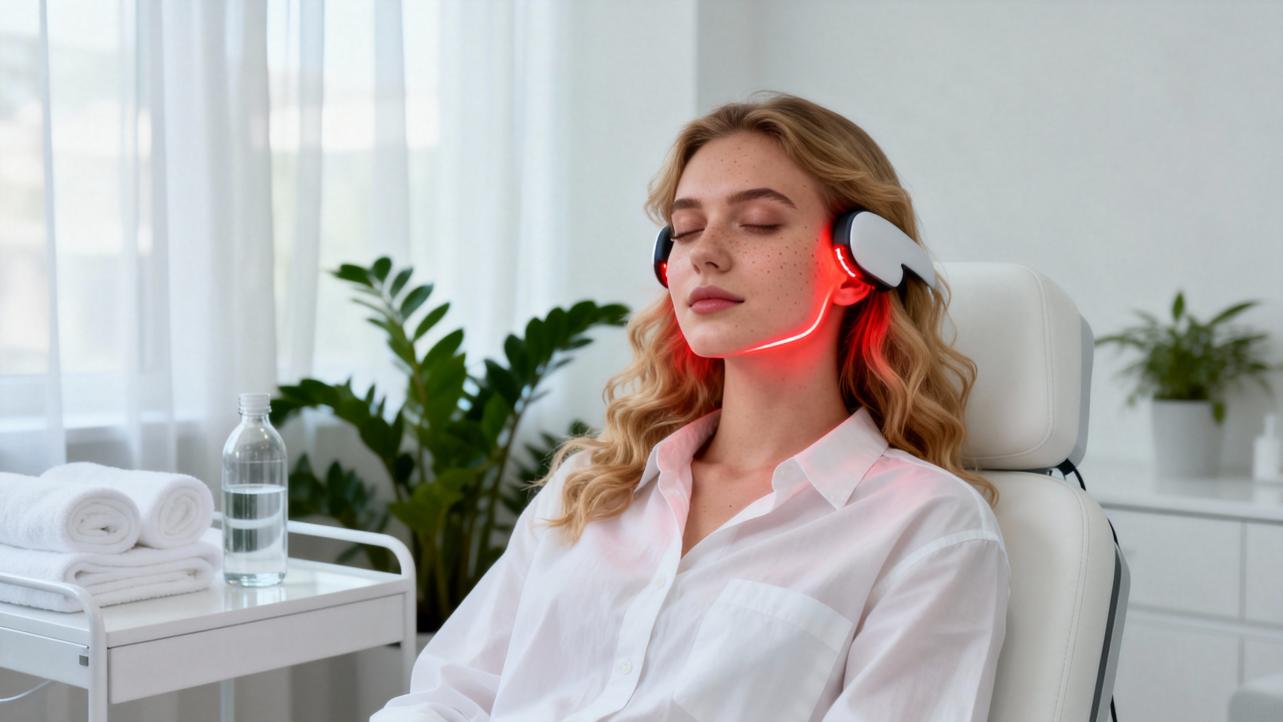
At‑Home Masks And Panels
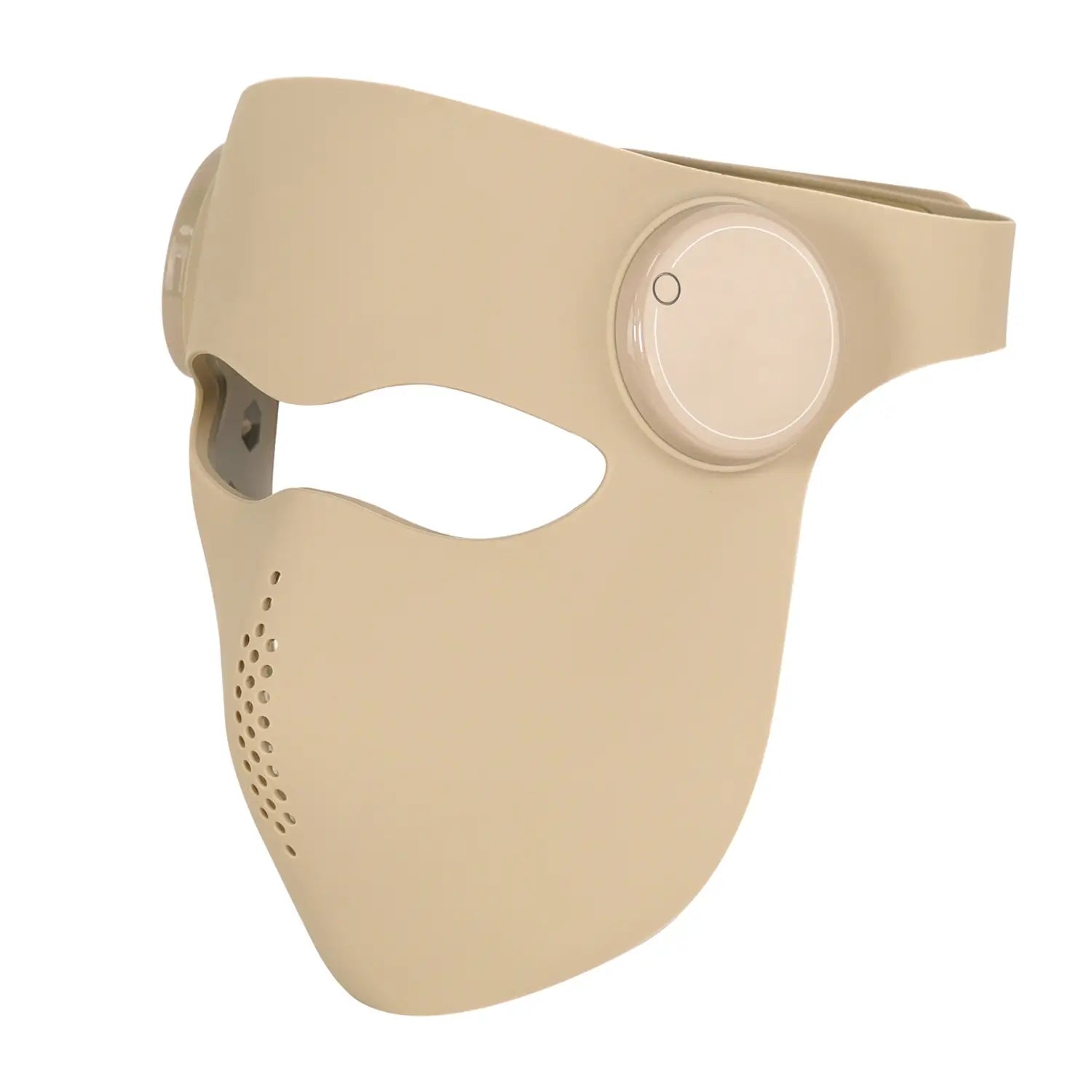
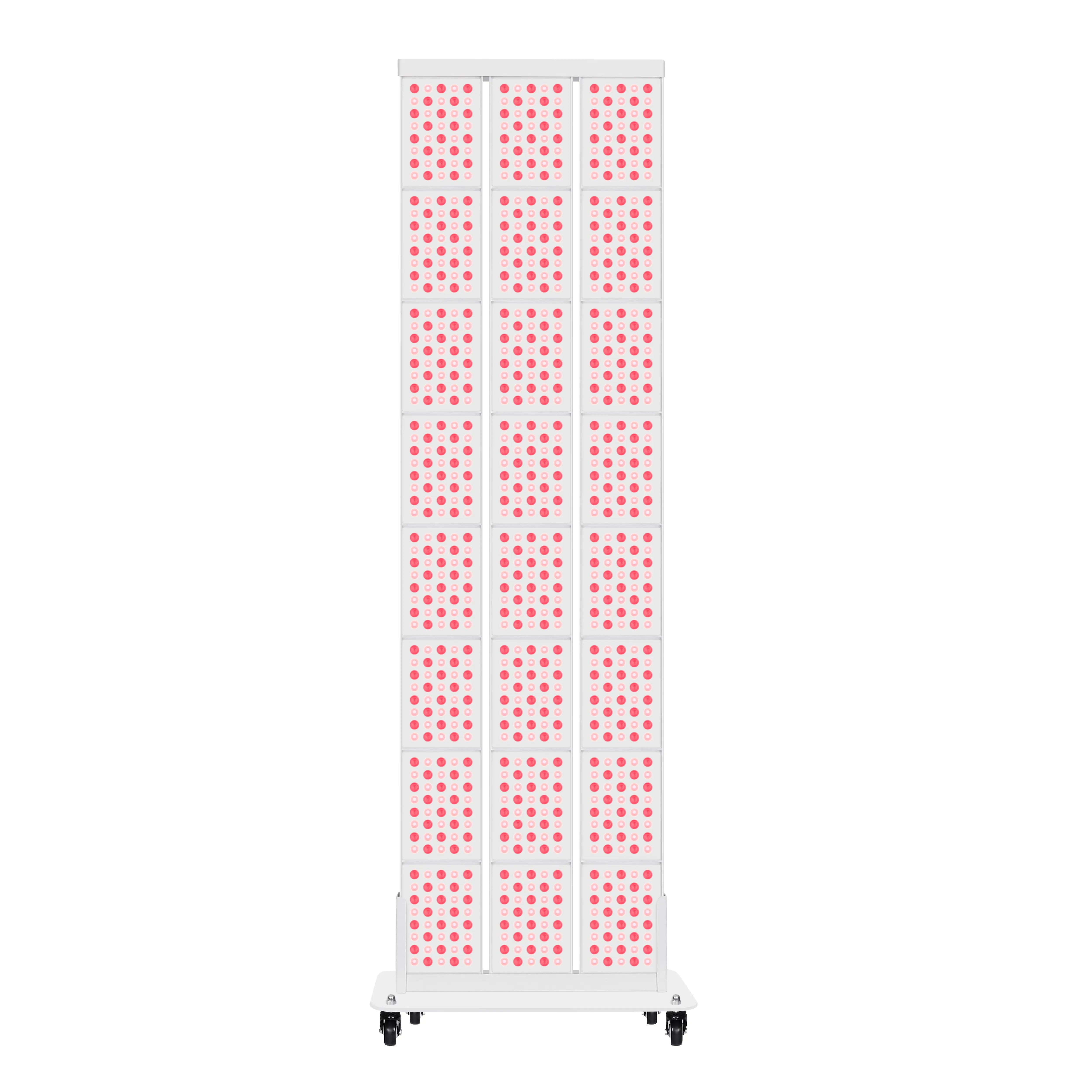
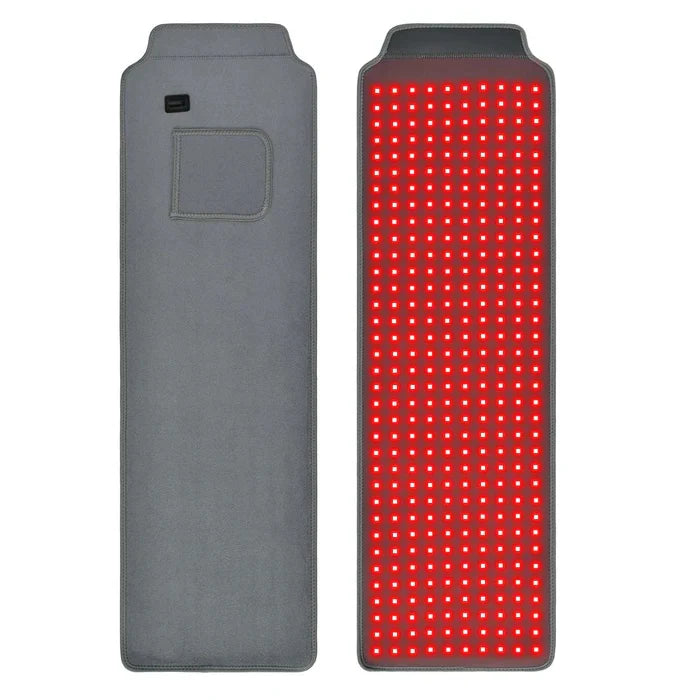
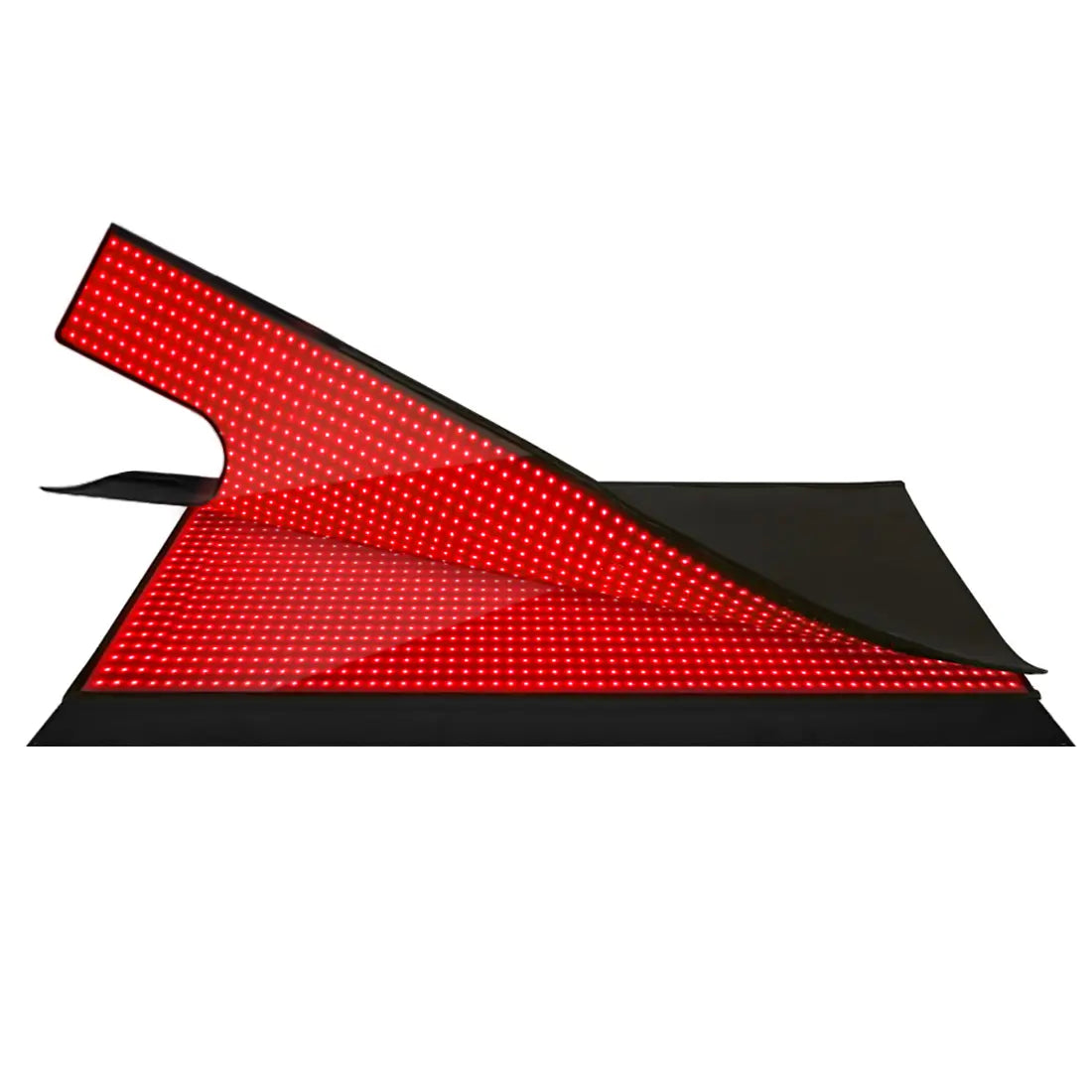
At‑home LED masks and panels are widely available. Cleveland Clinic and WebMD both note that home devices are generally less powerful than those in clinics, and Stanford’s experts point out that device quality and dosing vary so much that it is hard to compare results. A paper on photobiomodulation effectiveness highlights that many consumer devices do not clearly specify wavelength, power, or pulsing parameters, which complicates evidence‑based selection.
Treatment schedules differ by product. Cleveland Clinic describes some home devices that require twice‑daily use for 30–60 minutes over four or five weeks, while others need only a few minutes per day. A small study cited by Healthline found that 28 days of self‑applied blue light therapy reduced acne lesion counts, suggesting that home devices can be helpful when used consistently.
For red light panels marketed for skin, BSW Health notes that many at‑home units cost roughly $100 to $1,000, with usage often around 10–20 minutes per session, two or three times per week, mirroring frequencies used in clinic studies. WebMD and UCLA Health both recommend prioritizing devices labeled as FDA‑cleared for specific indications, understanding that clearance typically speaks to safety, not guaranteed efficacy.
When I test home setups for acne‑prone skin, I focus on three things. First, wavelength: look for clearly labeled red and optional near‑infrared ranges rather than vague “beauty light.” Second, eye safety: make sure you can use protective goggles comfortably. Third, realistic scheduling: choose a protocol you can realistically stick with for at least four to six weeks.
A Practical Framework For Acne‑Prone Skin
A reasonable way to integrate red light for inflamed acne, grounded in the protocols described by dermatology sources, looks like this.
Cleanse your skin gently and pat it completely dry. Use a non‑stripping cleanser, since over‑cleansing will only worsen irritation.
Expose the affected areas to your red or blue‑red device for about 10–20 minutes, several times per week, following the manufacturer’s distance and timing instructions. The clinical literature often uses 15–20 minute sessions, and Healthline points to 15–30 minute exposures per visit in office settings, so most home units are designed around similar ranges.
Apply your prescription or over‑the‑counter acne treatments after the light session rather than before, unless your dermatologist instructs otherwise. This keeps potent actives from being degraded by light and reduces the risk of extra irritation during illumination.
Finish with a non‑comedogenic moisturizer and, in the daytime, broad‑spectrum sunscreen. Cleveland Clinic emphasizes that red light does not replace sun protection; in fact, you should be more diligent with sunscreen when you are actively managing inflammation.
Give the protocol at least four weeks before judging. The visible‑light reviews report that improvements often become noticeable around four weeks, with benefits continuing to accumulate over six to eight weeks of consistent use.
Above all, treat red light as an adjunct. The strongest evidence for acne control comes from combining light therapy with topical retinoids, benzoyl peroxide, or other standard therapies, not from light alone.
Pros, Cons, And Who Should Be Cautious
A balanced view is essential if you want to avoid chasing fads.
Aspect |
Potential benefits |
Important considerations |
Inflammation and redness |
Multiple reviews and clinical reports show red and blue‑red light can reduce inflammatory lesion counts and visibly calm redness and swelling, especially in mild to moderate acne |
Data are stronger for blue or combined blue‑red light than for red alone; severe nodular or cystic acne usually requires systemic therapies |
Scarring and post‑inflammatory marks |
Red light stimulates collagen and supports wound healing, and dermatology clinics report softer, smoother scars and improved tone over time |
Improvements tend to be gradual and modest; deep scars still respond better to procedural treatments like lasers, microneedling, or peels guided by a dermatologist |
Safety and tolerability |
Cleveland Clinic, WebMD, and Stanford describe red light as generally safe, noninvasive, and non‑UV, with few serious side effects when used correctly |
Overuse or misuse can still cause irritation, burns, or eye injury; long‑term safety data for very frequent home use are limited, and FDA clearance focuses on safety more than robust efficacy |
Suitability for sensitive skin |
LED therapy often avoids harsh chemicals and can be a good option when topicals cause dryness or stinging; Gold Skin Care and others highlight its usefulness in sensitive or reactive skin |
People on photosensitizing medications, with a history of skin cancer or inherited eye diseases, or who are pregnant should consult a dermatologist before starting; light is not appropriate for everyone |
Cost and time |
Some home devices and short clinic protocols can reduce reliance on long antibiotic courses and fit into regular routines once established |
Multiple in‑office sessions at 80 or more each add up, and home devices can cost hundreds of dollars; results require continued use over weeks to months, not a single treatment |
For acne‑prone skin, red light therapy tends to be most valuable when you have persistent redness, frequent inflamed papules, or significant post‑inflammatory marks, and when you either cannot tolerate aggressive topicals or want to minimize systemic medications.

Safety, Side Effects, And Smart Use
Cleveland Clinic and WebMD both characterize short‑term red light therapy as generally safe, nontoxic, and noninvasive. It does not use ultraviolet light, so the cancer risks associated with UV do not apply in the same way. Large dermatology trials of red and near‑infrared photobiomodulation for skin rejuvenation reported no severe adverse effects and described the treatments as non‑thermal, atraumatic, and non‑ablative.
Mild, transient side effects are more common. Across visible‑light acne studies, blue and blue‑red treatments sometimes caused temporary erythema, dryness, peeling, mild hyperpigmentation, or short‑lived acne flares. Combination protocols that add a photosensitizing agent, such as aminolevulinic acid in photodynamic therapy, can produce more intense redness, crusting, and swelling that can last several days, although those regimens are different from simple LED red light therapy.
Eye protection is non‑negotiable. LED light therapy guidelines from Cleveland Clinic emphasize avoiding direct exposure to the eyes, especially with higher‑powered devices, and using proper goggles for clinic treatments. WebMD also notes that high light strengths can increase the risk of skin redness and blistering and that eye damage is a concern if safety instructions are ignored.
Certain groups should be cautious or avoid visible light therapy. Healthline lists people who are extremely photosensitive or who burn very easily, those taking specific antibiotics or other photosensitizing drugs, and pregnant individuals as groups who may not be good candidates for acne phototherapy. LED therapy guidance from Cleveland Clinic recommends that people with a history of skin cancer or inherited eye diseases consult their physicians before using these devices.
If you choose to experiment with red light at home, take a conservative, science‑aligned approach. Start with shorter sessions and fewer weekly exposures than the maximum recommended, monitor for irritation or darkening, and escalate slowly. Do not shine devices into your eyes, and do not combine red light with harsh peels or unapproved off‑label photosensitizers without medical supervision.
How Strong Is The Evidence, Really?
This is where the “geek” part of me gets picky. There is no doubt that light changes biology. Stanford Medicine notes that hundreds of clinical studies and blinded trials show red light can modestly boost collagen and smooth skin. Visible‑light reviews in acne report high rates of partial improvement, often in the 40–70% range for inflammatory lesion reductions.
However, Cleveland Clinic points out that much of the red light literature still rests on small, lower‑quality studies, often without rigorous placebo controls. A research review discussed by Zoe highlights that although a 2021 analysis of randomized trials found red light therapy roughly equivalent to some standard acne treatments in older studies, a 2024 Cochrane review concluded there is no high‑certainty evidence that light therapies improve acne.
There is also a device problem. The photobiomodulation paper from Harvard‑linked researchers stresses that effectiveness depends heavily on wavelength, power, and pulsing frequency, yet many commercial devices do not clearly state those parameters. That makes it difficult to match a device to the dosing used in successful clinical trials.
So the evidence supports a cautious, nuanced position. Red and red‑plus‑blue light can meaningfully reduce inflammation and lesion counts in many people with mild to moderate acne, especially as an adjunct. At the same time, light therapy is not a first‑line replacement for well‑studied topical retinoids, benzoyl peroxide, or appropriate oral medications in more severe disease.
When I evaluate a new panel or mask, I treat the published numbers as a rough probability, not as a promise. If you approach red light therapy with that mindset, you are far less likely to be disappointed and far more likely to spot real, incremental benefits in your skin.
Short FAQ
Can red light therapy replace my acne medications?
Current evidence and dermatology guidelines say no. Light‑based reviews and Healthline’s summary of phototherapy for acne emphasize that visible light works best for mild to moderate inflammatory acne and is usually used alongside, not instead of, topical or oral treatments. For moderate to severe or scarring acne, retinoids, benzoyl peroxide, and sometimes oral medications remain the backbone, with red or blue‑red light as a useful add‑on for inflammation and healing.
How long before I see less redness and fewer inflamed pimples?
Most clinical protocols run for at least four to six weeks. The systematic review of visible light in acne notes that improvements often become evident by around week four, with lesion reductions continuing to accumulate through week six to eight as sessions continue. In practice, many people report that individual pimples look calmer after a few sessions, but more global changes in redness and breakout frequency take a month or longer. Consistency matters more than intensity.
Does red light help with post‑inflammatory hyperpigmentation and scars?
Red light appears to help primarily by supporting collagen production, circulation, and overall wound healing. Dermatology clinics report smoother texture and a more even tone with ongoing use, and the randomized trial of red light for skin rejuvenation showed increased collagen density and reduced roughness. That aligns with what many acne‑prone patients notice: dark or red marks fade more evenly, and shallow scars soften. For deep, ice‑pick scars or very stubborn pigment, you will usually need targeted procedures performed by a dermatologist.
Red light therapy is one of the rare tools that sits comfortably at the intersection of biohacking and dermatologic science. Used intelligently, it can dial down inflammation, support healing, and make other acne treatments work more smoothly. The key is to treat it not as a miracle, but as a precise lever: the right wavelengths, at the right dose, in the right context. When you do that, especially on acne‑prone skin, the light starts to look a lot less like a fad and a lot more like a quiet, steady ally.

References
- https://digitalcommons.cedarville.edu/cgi/viewcontent.cgi?article=1013&context=education_theses
- https://healthsciences.arizona.edu/news/stories/exploring-phototherapy-new-option-manage-chronic-pain
- https://ui.adsabs.harvard.edu/abs/2022SPIE11940E..0BL/abstract
- https://pmc.ncbi.nlm.nih.gov/articles/PMC11585190/
- https://med.stanford.edu/news/insights/2025/02/red-light-therapy-skin-hair-medical-clinics.html
- https://www.brownhealth.org/be-well/red-light-therapy-benefits-safety-and-things-know
- https://my.clevelandclinic.org/health/articles/22114-red-light-therapy
- https://www.gundersenhealth.org/health-wellness/aging-well/exploring-the-benefits-of-red-light-therapy
- https://www.uclahealth.org/news/article/5-health-benefits-red-light-therapy
- https://www.aad.org/public/cosmetic/safety/red-light-therapy