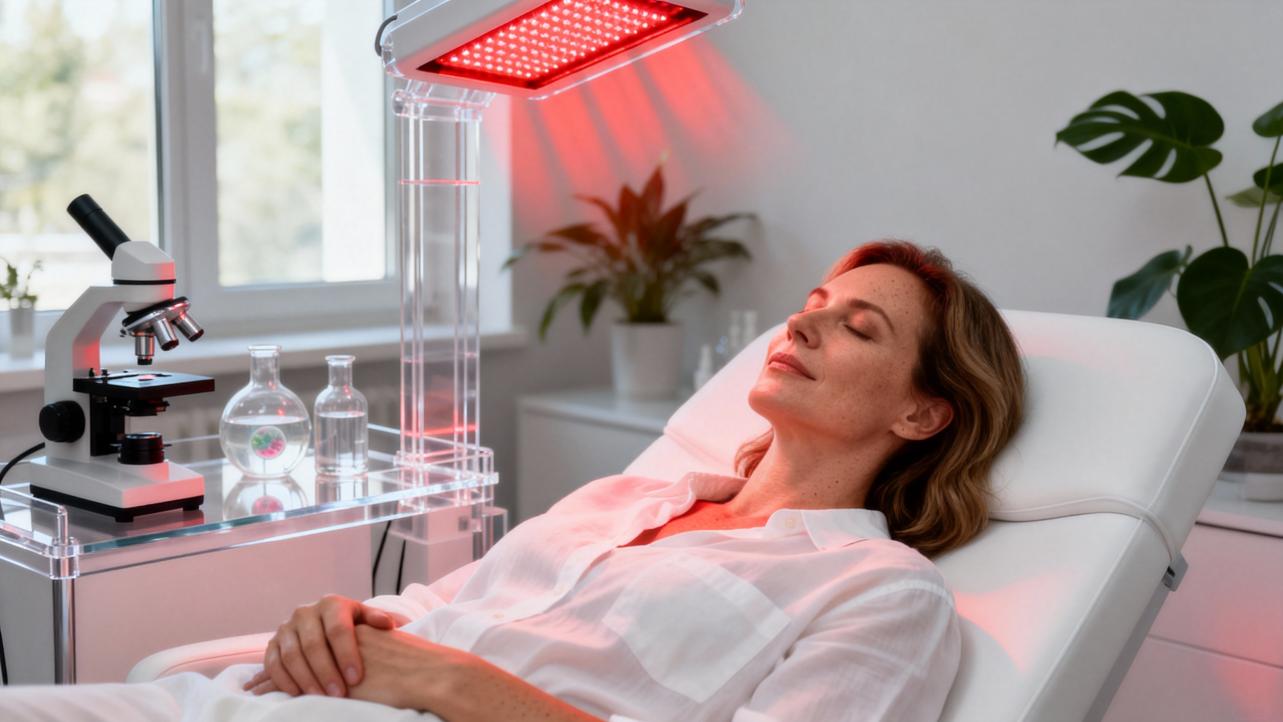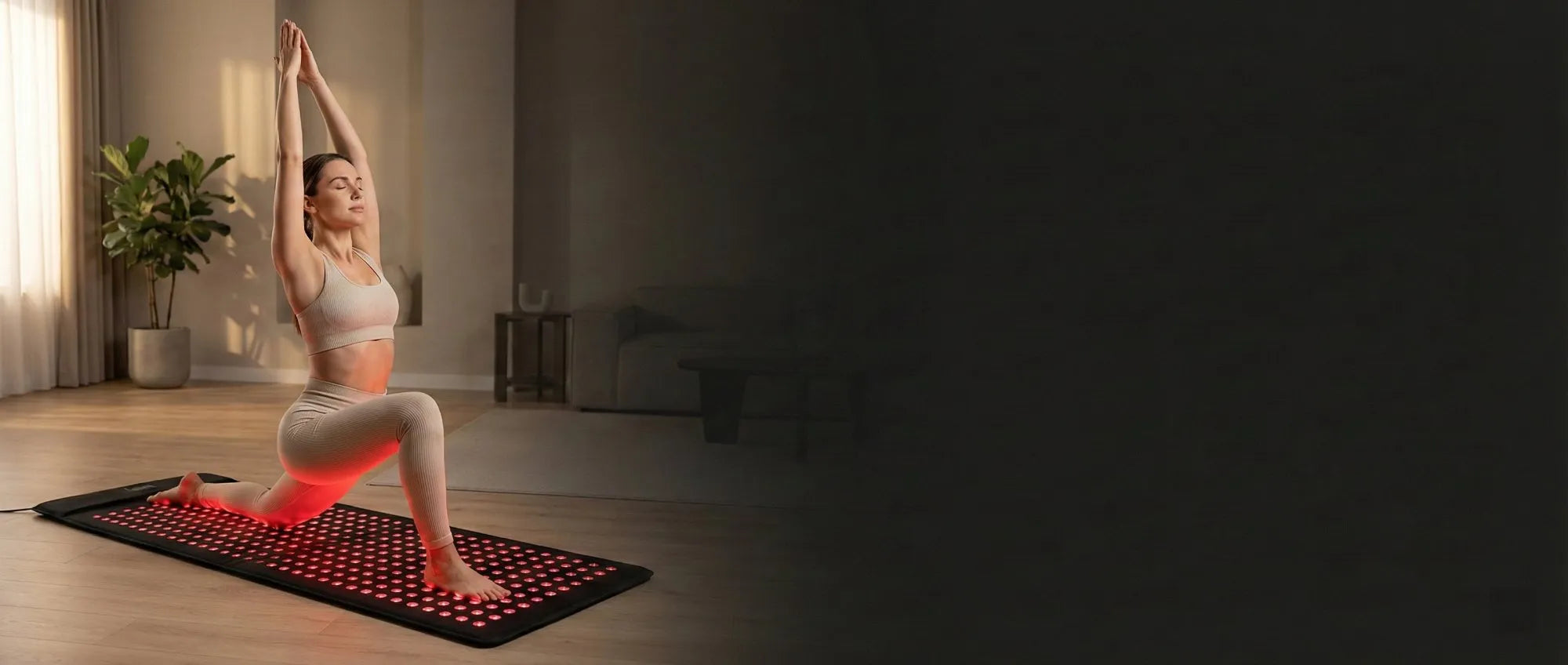
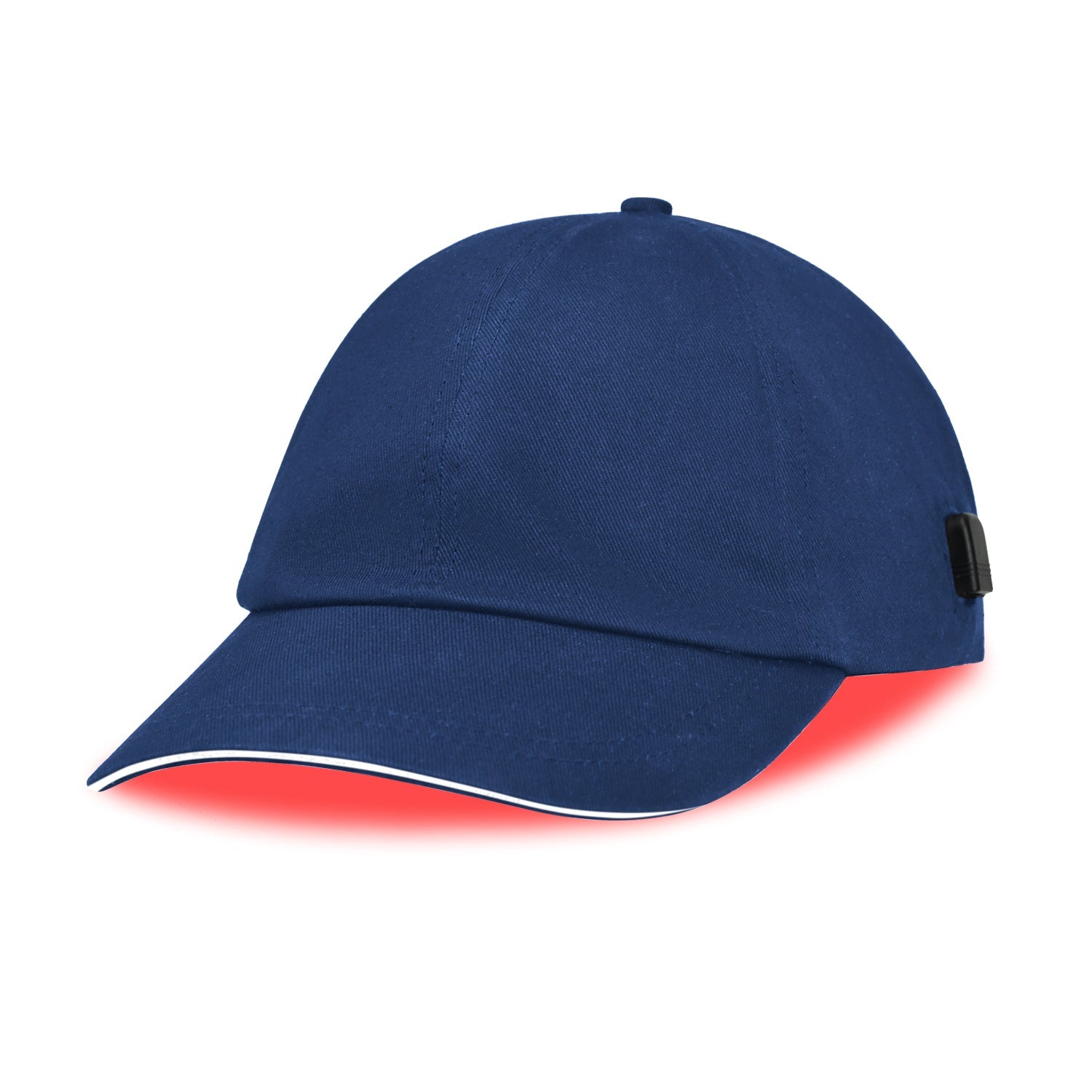
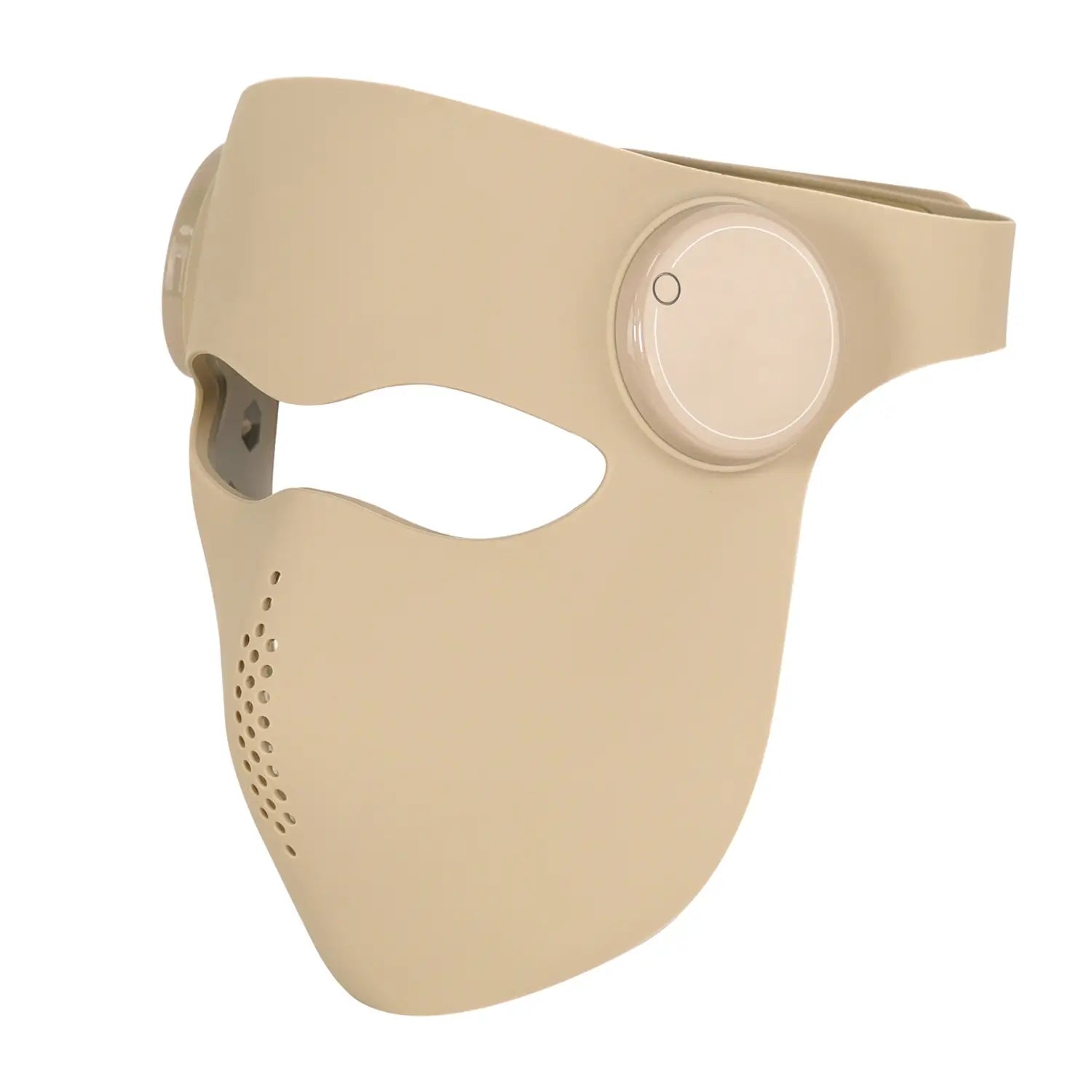

If your forehead, nose, and chin start shining by mid-morning no matter what mattifying primer you use, you are dealing with the classic T‑zone problem. As someone who has spent years testing clinic‑grade panels, masks, and wands specifically on oily, acne‑prone skin, I can tell you that red light therapy is one of the more interesting tools we have for dialing back oil production without wrecking your skin barrier.
But “interesting” is not the same as “magic.” The real question is whether red light therapy can actually change how much oil your T‑zone produces, and what the science says about it. Let’s walk through the data, the mechanisms, and how I would structure a practical, biohacker‑level protocol for an oily T‑zone.
The T‑Zone, Sebum, and Why It Shines
The T‑zone runs across your forehead and down the bridge of your nose to your chin. This area is loaded with sebaceous glands compared with the cheeks. These glands are packed with sebocytes, the cells that manufacture sebum, a mixture of lipids that helps keep skin flexible and forms part of your barrier.
You actually need sebum. It slows water loss, buffers against friction, and carries antioxidants to the surface. Problems start when sebocytes are overactive. Excess oil pools in enlarged pores, mixes with dead cells, and feeds acne‑related bacteria. The result is shine, congestion, and breakouts, especially in that central facial zone.
Sebum output is driven by multiple levers: androgens, low‑grade inflammation, diet, stress, genetics, and even how aggressively you strip your skin. That complexity is exactly why simply drying the T‑zone with harsh toners rarely works long‑term. Red light therapy approaches the issue from the inside out, by nudging cell behavior rather than just degreasing the surface.

What Red Light Therapy Actually Does
Red light therapy, also called photobiomodulation or low‑level light therapy, uses specific red and near‑infrared wavelengths, typically in the 600–700 nm (visible red) and 800–1100 nm (near‑infrared) range. These wavelengths do not include ultraviolet, so they do not cause UV damage.
At the cellular level, photons are absorbed by chromophores inside the mitochondria, especially cytochrome c oxidase. Multiple sources, including medical practices and wellness clinics, describe the downstream effects the same way:
Red light increases adenosine triphosphate (ATP) production, giving cells more energy for repair and regeneration. It modulates reactive oxygen species into a controlled signaling role rather than pure damage, turning on transcription factors that regulate repair genes. It improves microcirculation by increasing nitric oxide and vasodilation, bringing more oxygen and nutrients while improving waste removal. In skin, this means better collagen and elastin synthesis, calmer inflammatory signaling, and more efficient healing.
When red light is combined with blue light around 415–480 nm, you add a surface antibacterial effect against acne‑related bacteria such as Cutibacterium (formerly Propionibacterium) acnes, which is why many acne protocols use both colors.
The open question for us is how much of this mitochondrial and anti‑inflammatory magic translates into less oil coming out of your T‑zone.
Research on Red Light and Sebum Production
Lab Evidence: Sebocytes Under LEDs
A key piece of evidence comes from a study in the journal that appears in the PubMed record “Regulation of lipid production by light‑emitting diodes in human sebocytes.” Researchers took human sebocytes in culture and exposed them to two wavelengths: 415 nm blue light and 630 nm red light.
Blue light around 415 nm mainly slowed sebocyte proliferation, meaning fewer oil‑producing cells. The 630 nm red light, however, strongly downregulated lipid production inside those cells. Using several different lipid stains and thin‑layer chromatography, the authors showed that red light directly suppressed sebum synthesis.
This is in vitro work, not a facial treatment. The cells sit under LEDs in a dish, not on your nose, and the energy doses are tightly controlled. Still, it demonstrates that sebocytes respond to red wavelengths in a way that could plausibly translate into lower oil output.
Clinical Evidence: Oily Skin and Acne
On the clinical side, several acne‑focused sources report that red light can reduce oiliness as part of its effect on breakouts.
A summary from Koze Health cites a 2019 clinical trial in which red light therapy improved skin texture and lowered sebum production. Earlier work in the Journal of the American Academy of Dermatology reported that combining red and blue light reduced acne lesion counts, and a 2017 study showed reduced skin inflammation after red light treatment.
A separate review from Koze notes that red light therapy is non‑comedogenic; it does not involve pore‑clogging substances and instead tends to lower inflammation and, in some cases, regulate oil production rather than trigger breakouts.
Rojo Light Therapy UK reviews a 2015 Indian Dermatology Online Journal study in which repeated red light exposure induced mild, controlled phototoxicity in sebaceous glands. That superficial stress appeared to shrink gland surface area and was associated with reduced oil output.
Several brands focusing on oily or acne‑prone skin, including LED Esthetics, Qure Skincare, and others, frame red light as a way to “help regulate sebum” and “target oil glands” in addition to calming inflammation. While they are not primary research sources, they are all drawing on the same core science: sebocytes are photoreactive, and red light can make them less lipogenic.
How Strong Is the Evidence?
Cleveland Clinic and other medical summaries remind us that most red light research is still early. Many studies are small, short term, or performed in animals or cell cultures. There are promising signals for acne and oil regulation, but we do not yet have large, long‑duration human trials focused specifically on T‑zone sebum.
So the fairest conclusion is this: red light therapy has a plausible, evidence‑supported mechanism for reducing sebum production and sebaceous gland size, with early clinical data showing improved oiliness and acne. It is not yet a fully proven, stand‑alone cure for oily T‑zones, but it is much more than hype.

Mechanisms: How Red Light Could Normalize a Shiny T‑Zone
Putting the pieces together, here is how red light therapy is likely influencing T‑zone oil.
First, it appears to directly modulate sebocyte metabolism. The sebocyte study showed that 630 nm red light strongly downregulated lipid synthesis. Rojo Light Therapy UK suggests that this happens via changes in inflammatory pathways and possibly hormone‑related signaling inside sebaceous glands. With less lipid output per cell and, in some cases, slightly smaller glands, oil production starts to move toward a more balanced range rather than “always on.”
Second, it quiets the chronic low‑grade inflammation that is almost always present in oily, acne‑prone T‑zones. Multiple reviews highlight red light’s ability to reduce pro‑inflammatory cytokines. When sebaceous glands are constantly bathed in inflammatory signals from clogged pores and an impaired barrier, they tend to become dysregulated. By calming that micro‑inflammation, red light therapy may indirectly reduce the “hyper” state of oil glands.
Third, it supports barrier repair and collagen. Several clinical sources show that red light can increase collagen density by roughly 20–30 percent in treated skin and improve overall dermal structure. Other authors note that it strengthens the skin barrier and reduces the need for compensatory sebum production that shows up when harsh skincare or environmental stressors strip natural oils. A more resilient barrier means your T‑zone does not have to slam the gas pedal on oil production to protect itself.
Finally, when red and blue light are combined, you get both bacterial control and reduced inflammation. Blue light around 415 nm damages P. acnes through porphyrin activation, while red light eases redness and speeds healing. Fewer inflamed lesions mean fewer stimuli for glands to flare.
In practice, this combination of direct sebocyte effects, anti‑inflammatory action, and barrier support is what I look for when I evaluate whether a red light protocol is actually moving a T‑zone into a healthier, less shiny state.

Practical Protocols for an Oily T‑Zone
Theory is great, but devices sit on bathroom counters, not in journals. Here is how to translate the research into a practical routine for the forehead, nose, and chin.
Choosing a Device with Oil in Mind
For oil regulation and acne‑prone zones, the most relevant wavelengths are in the visible red range around 630–660 nm, with optional blue around 415 nm if breakouts are a major concern.
Professional and home‑use guides from clinics and manufacturers often recommend:
Red in the 630–670 nm range to reach sebaceous glands and dermal fibroblasts while staying in a safe penetration window of roughly a third of an inch. Blue around 415 nm on the surface to reduce acne bacteria. Near‑infrared around 810–850 nm can be layered in for deeper circulation and recovery, but it is less critical specifically for oil.
Look for a device that discloses its wavelengths and is backed by clinical or regulatory data rather than vague “LED” marketing. Several sources emphasize the value of FDA‑cleared devices for ensuring that the light output is both therapeutic and safe. Low‑power, unspecified devices may simply not deliver enough energy to affect sebocytes.
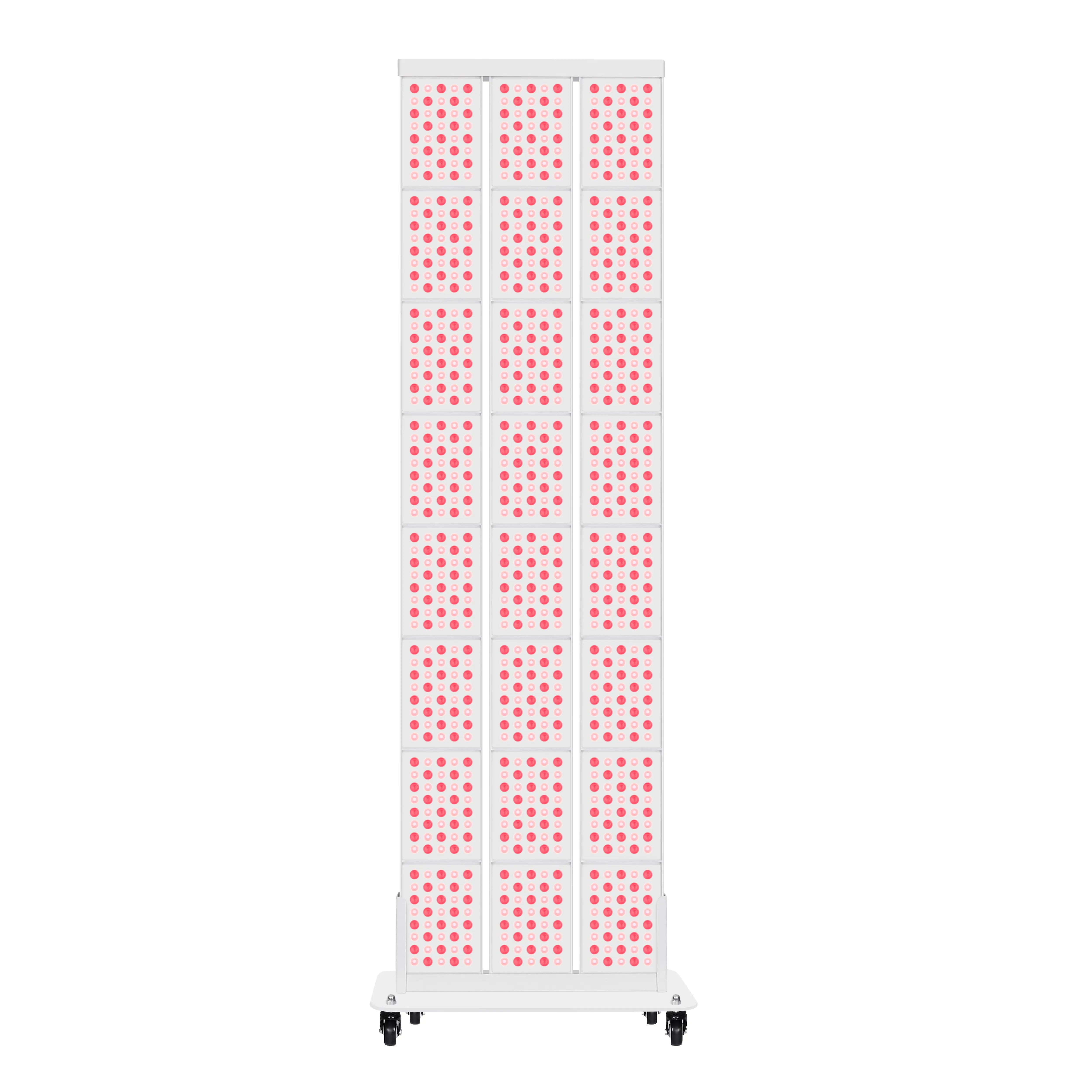
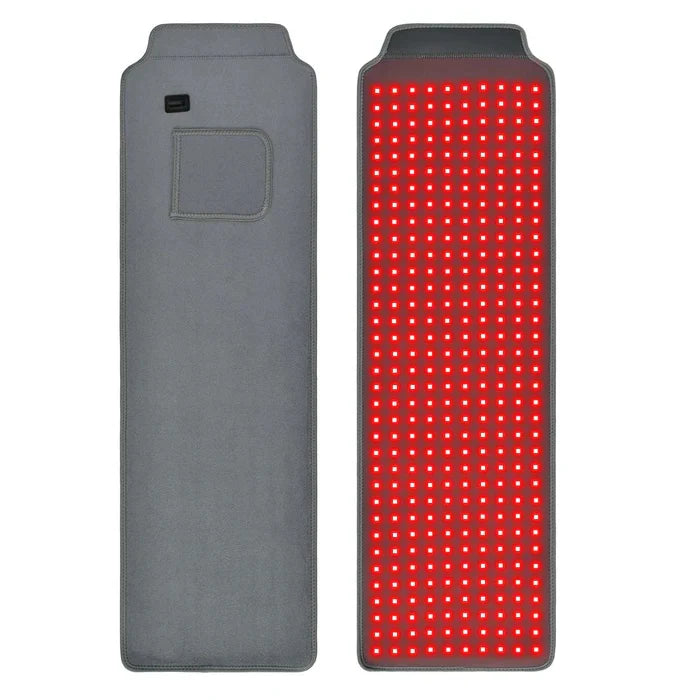
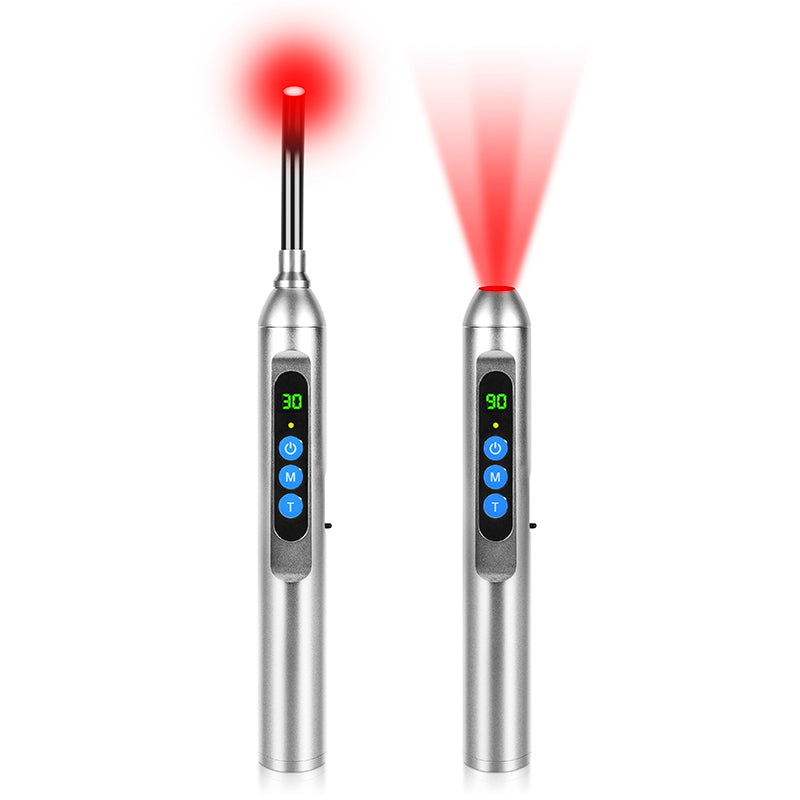
Panels and larger masks work best if you want to treat the entire T‑zone consistently. Handhelds can be useful for spot‑treating extremely oily areas such as the sides of the nose.
Dialing In Dose: Time, Distance, and Frequency
Across multiple sources, effective skincare protocols cluster around similar patterns.
Session length is typically in the 10–20 minute range for facial treatment, even in professional settings. Home‑use guides commonly suggest starting with about 5–10 minutes and building up to that 10–20 minute window as your skin tolerates it.
Distance from the device is usually around 6–12 inches for panels, which provides enough irradiance without uncomfortably intense heat or light. Masks or collars sit directly on the skin but are engineered for lower power per unit area.
Frequency matters more than intensity. Many clinical and at‑home protocols use about three to five sessions per week during an initial phase of 6–12 weeks, then step down to two or three weekly sessions for maintenance. Some authors even note that daily use can be safe for most people, provided session times and total dose stay within recommended ranges.
For pure oil control, Rojo Light Therapy UK suggests about 10–15 minute sessions, three to five times per week, and emphasizes consistency over occasional marathon sessions. That rhythm lines up well with broader red light acne protocols described by dermatology‑focused clinics.
Building a T‑Zone‑Focused Routine
The way you prepare your skin and stack your routine around red light therapy will strongly influence your results.
I like to think of each session as a focused “training block” for your sebaceous glands. Before you ever turn on the device, cleanse your face thoroughly with a gentle, non‑stripping cleanser. Mito Red Light and others stress that clean skin is not optional; makeup, sunscreen, and oils can reflect or scatter light, reducing penetration and leaving hot spots.
If your cheeks are normal or dry but your T‑zone is oily, you can either treat the whole face or shield the drier regions with a thin cotton cloth or mask cutout so the T‑zone takes most of the dose. That is a simple hack for people who want to dial down shine without flattening already‑dry skin.
Once your skin is dry, run your red light session according to your device’s instructions, usually 10–15 minutes for oil‑focused facial work. If you have access to both red and blue light, you can use a combined setting or alternate sessions: for example, a red‑dominant treatment one day to work on glands and inflammation, followed by a shorter red plus blue session another day to target surface bacteria. The key is that these patterns stay consistent week to week so the glands receive a clear, repeated signal.
After the session, allow your skin to cool briefly, then apply a non‑comedogenic moisturizer and any actives that play well with light therapy, such as simple hydrators, niacinamide, or gentle antioxidants. Several sources note that red light can enhance microcirculation and potentially improve product penetration, so this is not the moment to pile on harsh acids or strong retinoids over an already sensitized barrier.
Over the next 6–12 weeks, track simple markers rather than obsessing over each pore. How many times a day do you feel the need to blot your T‑zone? Does makeup last longer before it breaks up on the nose? Are midday photos slightly less shiny? Those are more meaningful indicators than chasing a single “before and after” selfie.

Pros and Cons for Oily, Acne‑Prone Skin
When you view red light therapy through an oily T‑zone lens, the benefits are compelling but not absolute.
On the positive side, red light therapy is non‑invasive and generally well tolerated across skin types, including sensitive and rosacea‑prone skin when used correctly. It does not introduce occlusive ingredients, so it is inherently non‑comedogenic. The mechanistic data on sebocyte lipid suppression at 630 nm, combined with early clinical signals of reduced sebum and acne severity, align with what many practitioners see in the field: a gradual trend toward less shine, fewer inflamed lesions, and smoother texture. You also get secondary benefits like improved healing of post‑acne marks and stronger dermal structure.
On the limitation side, the evidence base is still evolving. Cleveland Clinic and other medical authorities emphasize that many studies are small and heterogeneous. Results are gradual and require weeks to months of regular use, which is a big ask if you prefer quick fixes. Overuse can backfire, causing irritation, dryness, or transient breakouts, especially if you start stacking light therapy on top of aggressive exfoliants and strong actives without adjusting anything.
Maybe most importantly, red light therapy does not address every driver of oiliness. Androgen levels, high‑glycemic diet, chronic stress, and certain medications all influence sebaceous glands in ways that light alone cannot fully override. The sweet spot is using red light as a regulatory lever alongside smart skincare and lifestyle work, not as a standalone cure.

Red Light vs Other Oil‑Control Tools
To put red light therapy into context, it helps to compare it with other options you might be using on your T‑zone.
Approach |
Primary Target in Oily T‑Zone |
Evidence for Sebum Reduction |
Advantages |
Limitations |
Red LED (~630–660 nm) |
Sebocyte metabolism, inflammation, collagen |
In vitro sebocyte data; small clinical trials show lower sebum and improved acne |
Non‑invasive, non‑comedogenic, barrier‑supportive |
Evidence still early; requires consistent use |
Blue LED (~415 nm) |
P. acnes bacteria in follicles |
Multiple acne studies show lesion reduction |
Direct antibacterial effect |
Little direct sebum data; can be drying for some users |
Red + blue LED combination |
Bacteria plus inflammation and healing |
Clinical work shows fewer lesions and better texture |
Synergistic effect on acne and post‑acne marks |
Same research gaps for long‑term sebum control |
1450 nm diode laser |
Deep sebaceous gland heating and partial destruction |
Stronger data for gland shrinkage in moderate‑severe acne |
Faster, often more dramatic results |
Costly, potential downtime and pigment risks in some skin types |
Topical retinoids and acids |
Keratinization, microcomedones, surface oiliness |
Extensive dermatology data for acne and congestion |
Well studied, widely accessible |
Can be irritating, barrier‑disruptive, hard to tolerate in sensitive T‑zones |
In my experience, the best results for oily T‑zones come from combination strategies: retinoids or other dermatologist‑guided topicals to normalize cell turnover, gentle cleansers and barrier‑friendly moisturizers, and red plus sometimes blue light to gradually normalize oil production, fight inflammation, and speed healing.

Safety, Side Effects, and When to Be Careful
Most summaries, including those from Cleveland Clinic and comprehensive guides such as Clinikally, agree that correctly used red light therapy is generally safe, non‑toxic, and much gentler than many chemical or ablative interventions. It also avoids ultraviolet, so it does not introduce UV‑related cancer risk.
That does not mean it is risk‑free. Overlong sessions or damaged devices can cause burns or blistering. Some users experience temporary redness, warmth, or mild irritation, especially at the beginning. A few people report headaches or eye strain if they stare directly at intense panels; proper eye protection and sensible positioning are non‑negotiable.
Koze and similar acne‑focused sources note that new breakouts early in a protocol are often indirect effects instead of true “red light–induced acne.” Treating unclean skin, suddenly increasing session frequency, or pushing intensity too quickly can aggravate an already irritated T‑zone. If that happens, pull back on session length, verify that your skincare is gentle and non‑comedogenic, and give your skin time to adapt.
Clinikally and other medical summaries advise particular caution for people with a current or past history of cancer, since there is no clear consensus on how red light affects all cancer cell types. Those individuals should work closely with their oncology and dermatology teams and may choose to avoid cosmetic red light entirely. Similarly, people with melasma or a strong tendency toward hyperpigmentation should consult a dermatologist before starting, as photobiomodulation sometimes interacts unpredictably with pigment pathways.
The rule of thumb is straightforward. If you have significant underlying medical conditions, are on photosensitizing medications, or have a history of severe pigment issues, treat red light therapy as a medical decision, not a gadget choice.

FAQ: Red Light Therapy and T‑Zone Oil
Can red light therapy make my T‑zone more oily?
Based on current evidence, red light therapy itself is unlikely to increase oil production. It is non‑comedogenic and, in lab work, red wavelengths around 630 nm actually suppress lipid production in sebocytes. Clinical reports of lower sebum and improved acne support this direction of effect. When people feel “oilier” at first, it is often due to over‑treating, combining red light with harsh products, or misinterpreting a short adjustment phase. If your shine clearly worsens over several weeks, reassess your entire routine, not just the light.
How long before I see less shine on my T‑zone?
Most sources describing facial red light therapy note visible changes in four to eight weeks of consistent use, with deeper structural and oil‑related changes often taking two to three months. If you are using a well‑designed protocol three to five times per week, give it at least eight to twelve weeks before making a firm judgment. That does not mean you will be completely matte by then, but the goal is a modest decrease in midday shininess, fewer inflammatory breakouts on the forehead and nose, and better overall texture.
Should I use red light alone or combine it with blue light for my T‑zone?
If your primary issue is slick shine with only occasional breakouts, red light alone is a logical starting point because it targets sebocytes, inflammation, and barrier support. If you have active acne across the T‑zone, adding blue light around 415 nm gives you a direct antibacterial effect against P. acnes. Several clinical studies show that red plus blue together reduce lesion counts more effectively than either alone. The key is not to chase every color at once but to design a consistent, tolerable protocol that you can maintain for months.
Red light therapy is not a magic eraser for T‑zone oil, but it is one of the few non‑invasive tools that targets the biology of sebaceous glands rather than just stripping the surface. If you pair a science‑based device with consistent use, smart skincare, and realistic expectations, you can tilt your T‑zone away from constant shine and toward a calmer, more balanced state—without sacrificing the resilience your skin actually needs.
References
- https://pubmed.ncbi.nlm.nih.gov/25690162/
- https://ww2.jacksonms.gov/scholarship/qQWN57/4OK085/RedLightTherapyInstructions.pdf
- https://healingwaterswellness.org/red-light-therapy-for-skin/
- https://my.clevelandclinic.org/health/articles/22114-red-light-therapy
- https://www.holistichottie.com/red-light-therapy-guide
- https://deeplyvitalmedical.com/rlt-for-acne-wrinkles-pigmentation-skin-health/
- https://fuelhealthwellness.com/red-light-therapy-skin-care-insights/
- https://modgirlstyle.com/red-light-therapy-guide/
- https://skinovationnc.com/laser-treatments-vs-red-light-therapy-for-acne/
- https://www.clinikally.com/blogs/news/comprehensive-guide-to-red-light-therapy?srsltid=AfmBOooAX2rM3sqZfLRQ5qn9SHCE8HZGQdBlf2pS3Q8GE5qCB9N-69_T