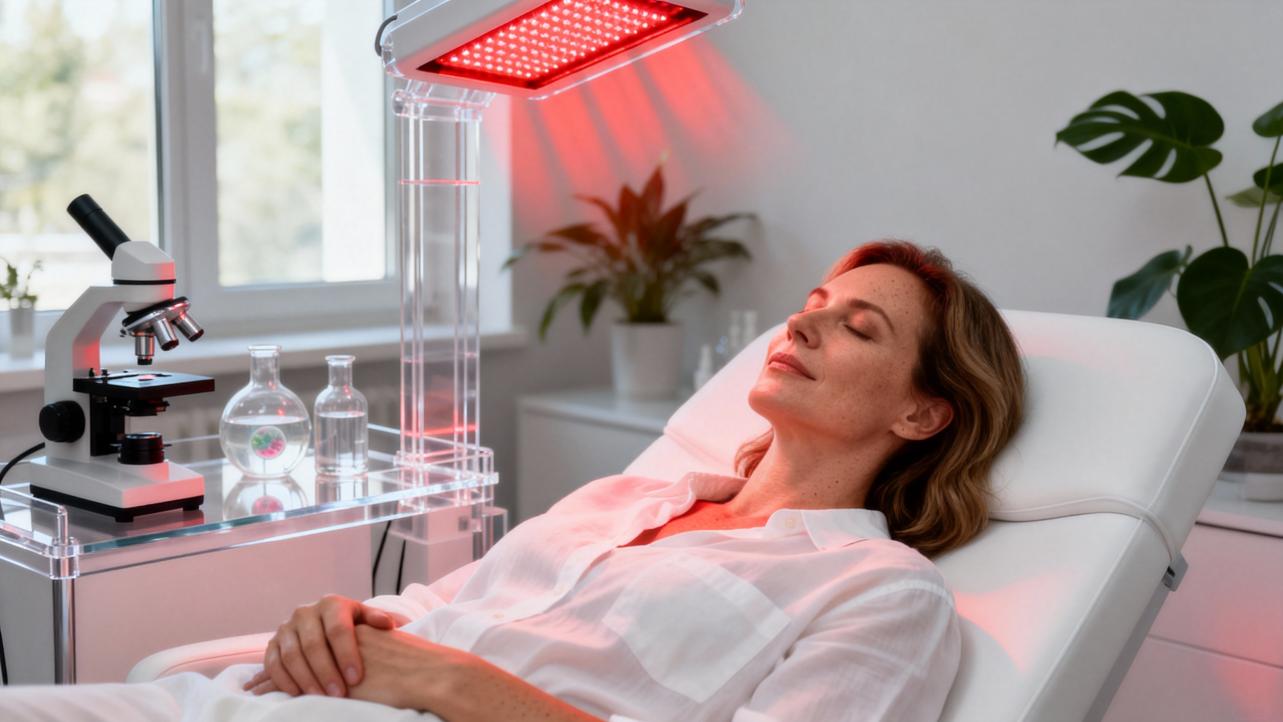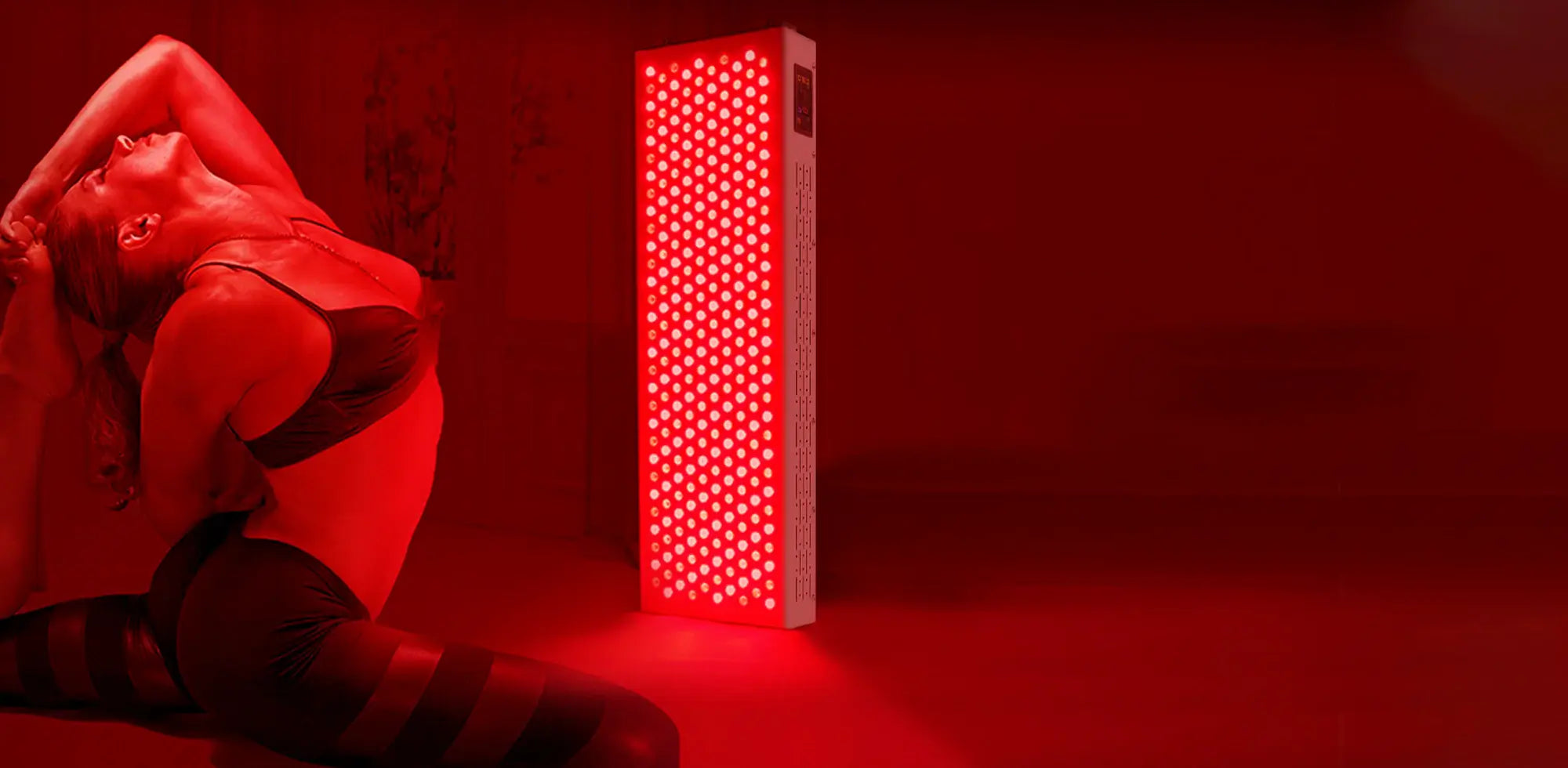
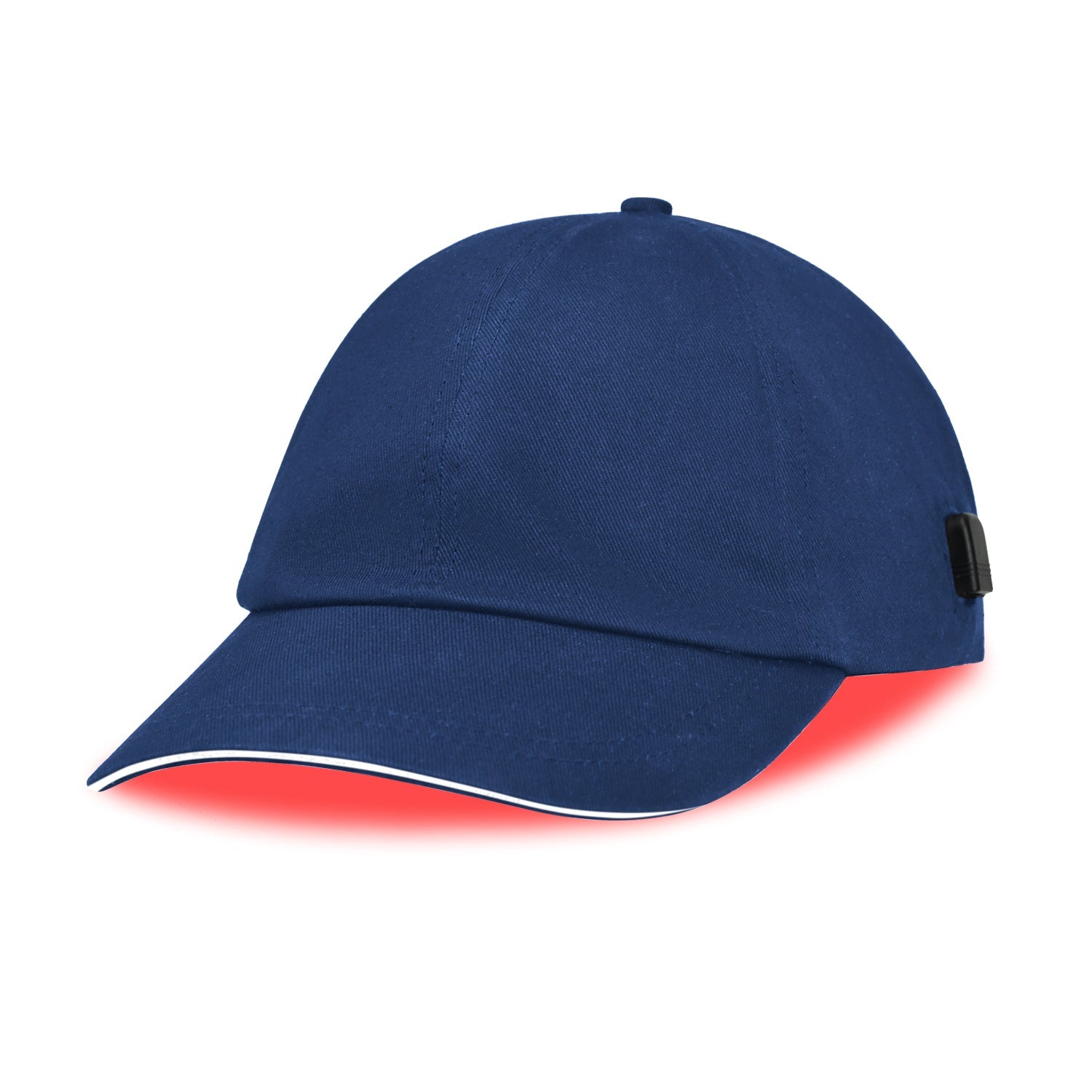
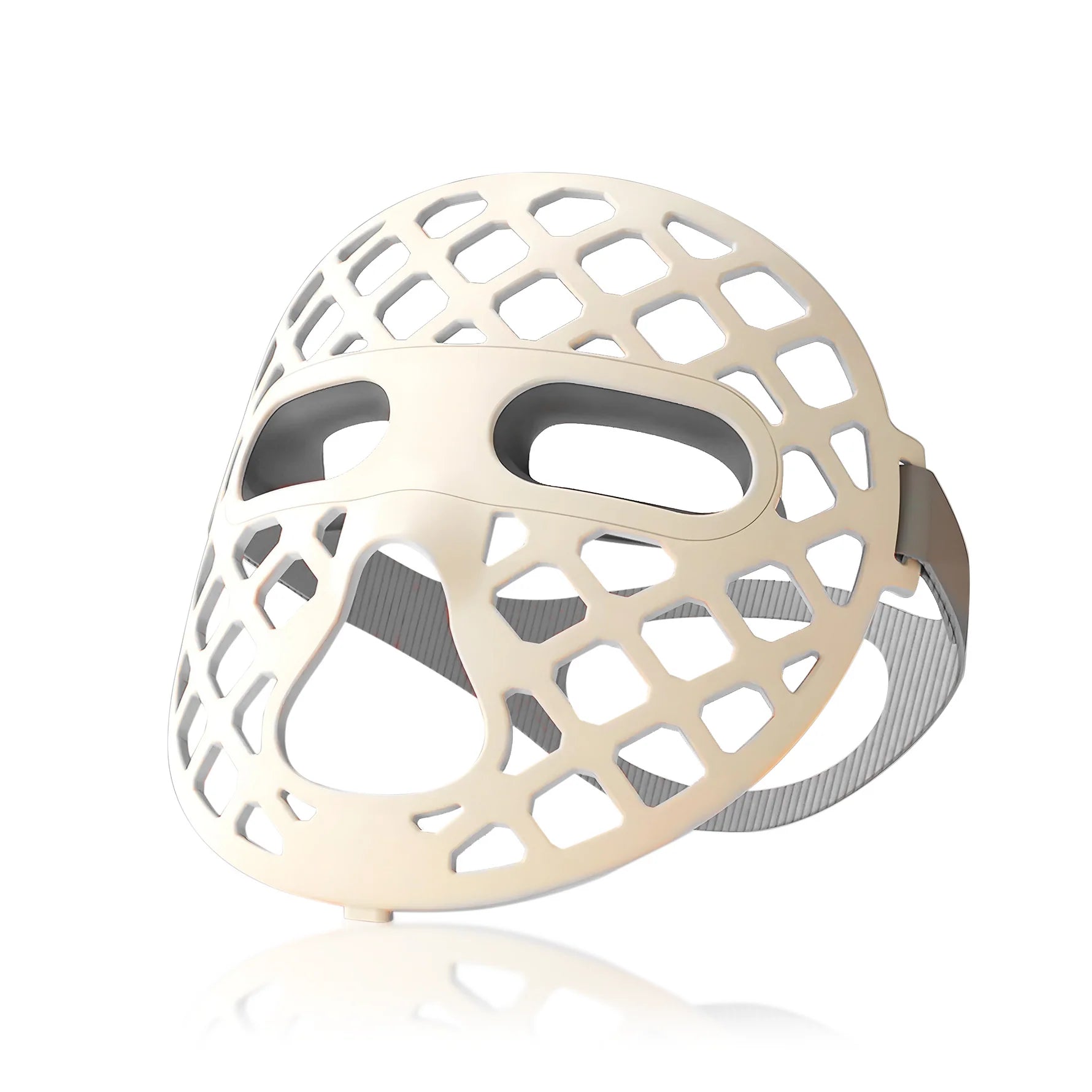
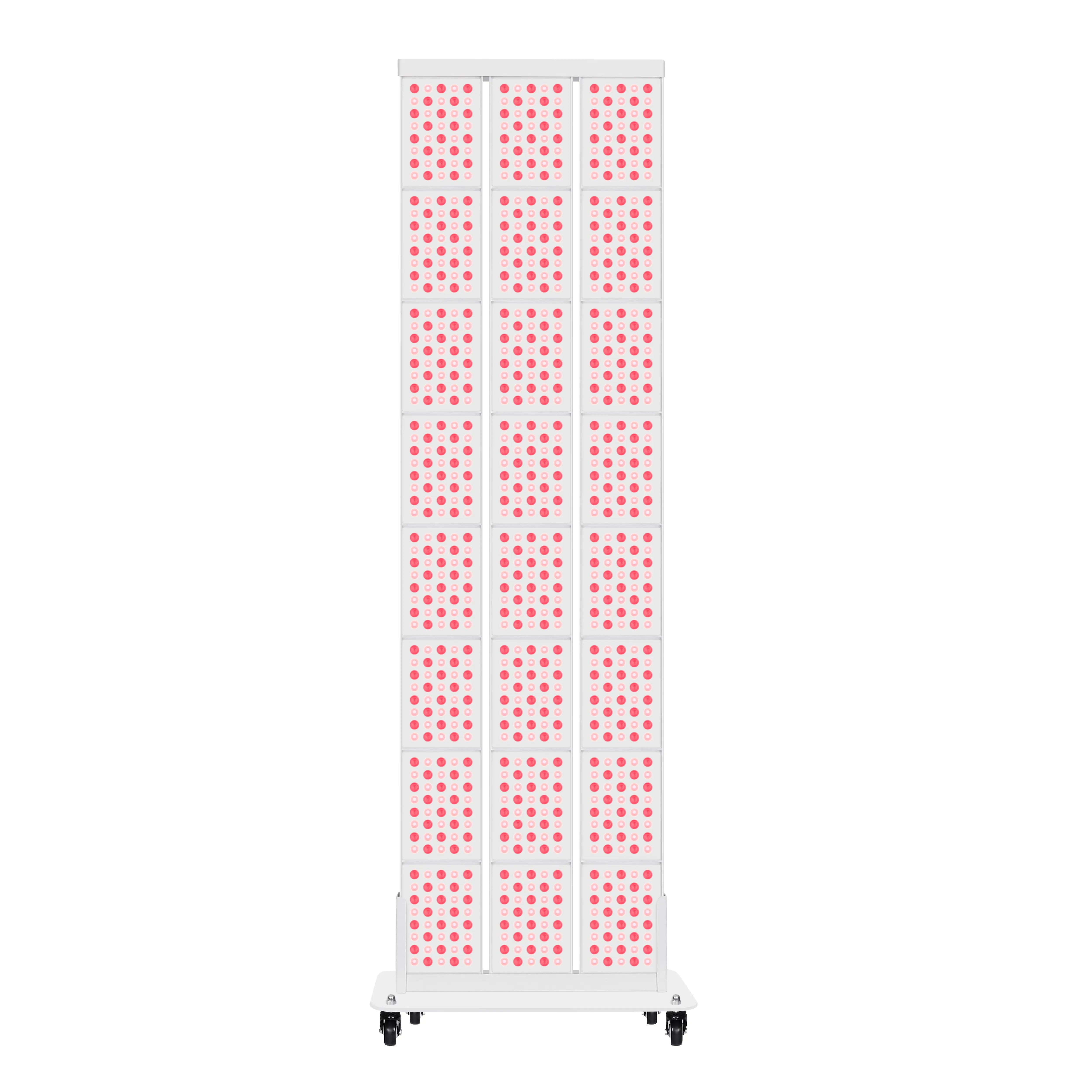
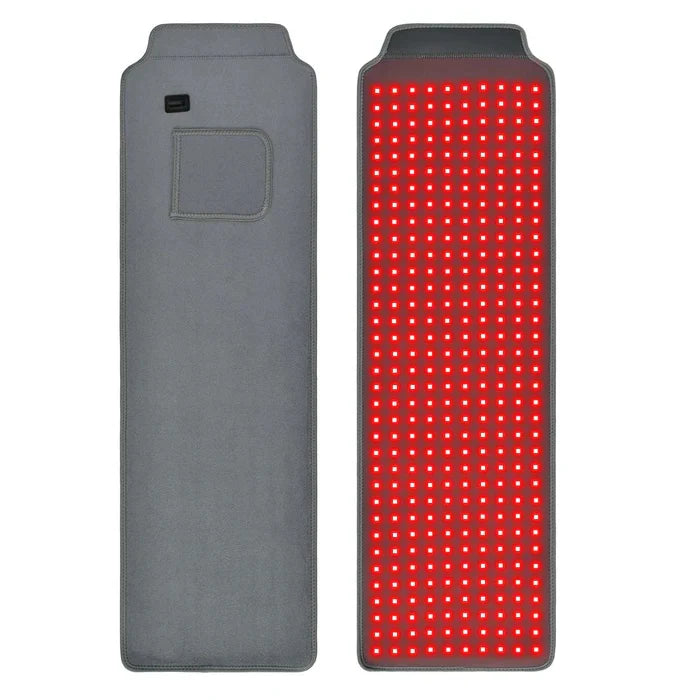

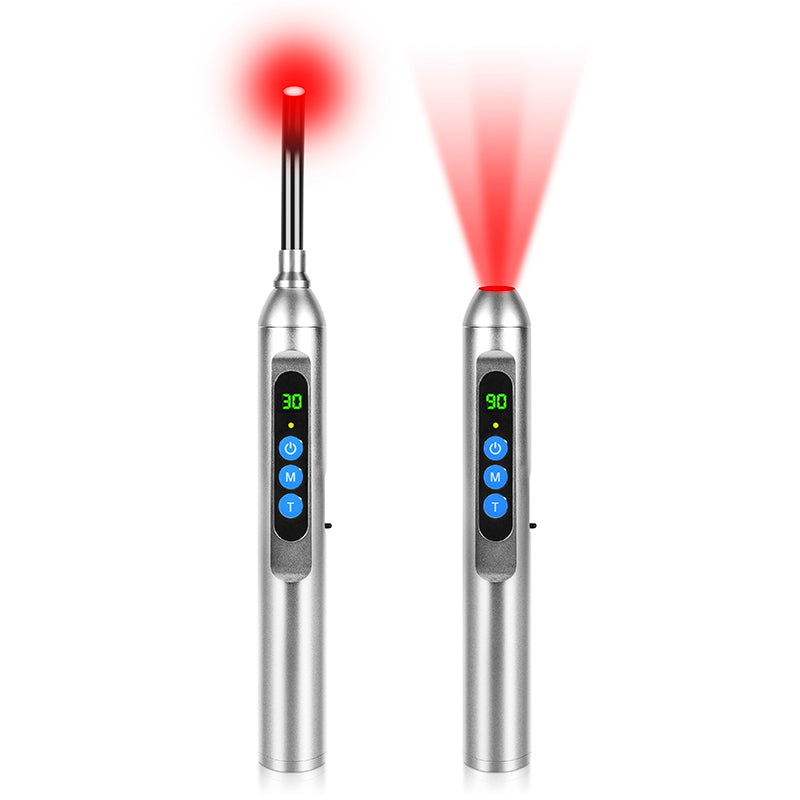

Why Skin Tone Nerds Fell in Love With Red Light
As someone who has spent years experimenting with photobiomodulation devices, from clinical-grade panels to consumer masks, I’ve learned a simple truth: most people don’t actually care about “collagen density” as a number. They care about what they see in the mirror. Does their skin look more even, less blotchy, less dull? Does their natural undertone look clearer instead of being drowned out by redness or dark patches?
Red light therapy has exploded in the wellness world as an anti‑aging tool, but its most underrated impact is on skin tone and the way undertones show through. The science is real, but the story is nuanced. Some studies show measurable improvements in complexion homogeneity and post‑acne marks. Others show clear benefits for inflammation and texture, which indirectly brighten the face. At the same time, dermatologists warn that misusing light, especially in people prone to hyperpigmentation or melasma, can backfire.
This article breaks down what red light therapy can and cannot do for skin tone and undertones, based strictly on current evidence from sources like Stanford Medicine, Cleveland Clinic, UCLA Health, peer‑reviewed trials, and dermatologist‑authored reviews. I will also weave in how I approach protocols in my own light therapy experiments, always within the bounds of what the data supports.
The Science: How Red Light Interacts With Tone, Redness, and Texture
What Red Light Therapy Actually Is
Red light therapy, also called low‑level light therapy or photobiomodulation, uses low‑energy visible red wavelengths, often around 620–670 nanometers, and sometimes near‑infrared bands around the mid‑800 nanometers. Unlike ultraviolet, these wavelengths do not tan or burn the skin when used properly and are not linked to skin cancer in current research, according to summaries from Cleveland Clinic, UCLA Health, and WebMD.
At the cellular level, multiple sources, including Cleveland Clinic and several PubMed‑indexed trials, converge on the same mechanism. Red light is absorbed by chromophores in mitochondria, especially an enzyme called cytochrome c oxidase. This boosts the production of adenosine triphosphate, the cell’s energy currency, and nudges cells into a higher‑functioning state. Mild increases in reactive oxygen species act as signals that switch on repair pathways and growth factors, rather than causing damage when properly dosed.
In skin, that cascade leads to several downstream effects that matter a lot for tone:
Mitochondria work more efficiently, so turnover and repair improve. Fibroblasts become more active, increasing collagen and elastin. Local blood vessels dilate slightly, improving microcirculation. Inflammatory signaling falls. Sebum output may normalize in oily areas. None of these individually “repaints” your skin color, but together they influence how even, bright, and calm your complexion looks.
Why This Matters for Tone and Undertones
Your visible skin tone is a blend of three main optical players:
Melanin in the epidermis, which gives the base color and many hyperpigmented spots. Hemoglobin in blood, which contributes red and pink hues and visible redness. The collagen‑rich dermis and surface texture, which affect how light scatters and whether the skin looks smooth and luminous or dull and rough.
Undertones (warm, cool, neutral, olive) are mostly about how melanin and hemoglobin interact and how light reflects through the dermis. Red light therapy does not change your genetic undertone. What it can do is reduce the “noise” on top of that undertone: blotchiness, lingering redness after acne, rough texture that dulls reflection, and in some cases the appearance of dark spots.
That is the lens I use as a light therapy geek: not “Can this make me a different color?” but “Can this remove interference so my natural undertone reads more clearly and consistently across my face?”

What the Research Actually Shows About Complexion and Tone
Clinical Trials on Complexion Homogeneity
A detailed clinical study published in a dermatologic journal and indexed in PubMed looked specifically at a high‑power red LED mask, the Skin Light Dior x Lucibel device. Twenty volunteers between 45 and 70 years old, all with visible facial aging, used the mask at home for 12 minutes per session, twice a week, for three months. The mask emitted cold red light at around 630 nanometers, with a fluence of about 15.6 joules per square centimeter, a relatively robust dose for a home device.
Researchers did more than just take before‑and‑after selfies. Under dermatologic supervision they measured:
Crow’s feet wrinkle depth. Facial sagging with a standardized aging atlas. Firmness and elasticity with a suction‑based Cutometer. Dermal density with ultrasound. Roughness and pore diameter with macro photography. Oil output and porphyrin‑containing pores in oily skin. And crucially for tone, complexion homogeneity using a chromameter that quantifies brightness differences between inner and outer cheek areas.
After one month, they recorded progressive improvements across multiple parameters. Crow’s feet depth decreased, dermal density increased by over 25 percent, roughness and pore diameter dropped, and sebum levels fell substantially in oily subjects. By the second month, skin elasticity increased further and the measured homogeneity of complexion improved by roughly one‑third. Those gains continued through month three and remained detectable for up to a month after stopping treatments.
From a tone perspective, that chromameter result matters. It means brightness differences between different facial zones shrank in a measurable way. The skin was not just “less wrinkled”; it reflected light more consistently across the face. That is exactly what people describe as a more even tone or “my skin just looks smoother and more uniform.”
Other controlled trials echo the complexion story. A randomized study published in Photomedicine and Laser Surgery and another in the Journal of Cosmetic and Laser Therapy used red or red‑plus‑near‑infrared light on over one hundred volunteers, delivering around 8.5–10 joules per square centimeter in the red band, twice a week for thirty sessions. Outcomes included subjective complexion scores, profilometric roughness, and ultrasound measures of collagen.
The treated groups reported significantly better skin complexion and feel compared with untreated controls. Objective measurements showed reduced roughness and increased intradermal collagen density. While these trials did not always quantify hyperpigmentation separately, the combination of smoother microtexture and more organized collagen translates to a more uniform surface reflectance and more even‑looking tone.
Evidence on Hyperpigmentation and Dark Spots
Hyperpigmentation is trickier. Several sources point to potential benefits, but the nuance is critical.
A review discussed by a red‑light protocol resource summarized studies where red light around 660 nanometers improved hyperpigmentation and evened tone by modulating melanocyte activity and accelerating cell turnover, paired with reduced inflammation. One dermatology‑focused summary referenced a Journal of Photochemistry and Photobiology study showing that red light could reduce hyperpigmented areas, helping even out dark spots from sun exposure, acne, or hormonal shifts.
In the Dior x Lucibel trial, complexion homogeneity improved, which indirectly suggests more balanced pigment distribution, though the study focused more on brightness and texture than counting individual dark spots.
On the other hand, a dermatologist‑authored article from SkinTypeSolutions, which specializes in matching skincare to Baumann skin types, raises serious caveats. This author points out that red light follows a biphasic, or Arndt‑Schulz, dose response: low to moderate doses support repair, but excessive intensity, duration, or frequency can generate too much oxidative stress and actually accelerate aging or worsen pigment issues. They explicitly warn that patients with melasma or established hyperpigmentation can see darker patches or new discoloration when exposed to certain light regimens, especially when the device also emits heat from near‑infrared or blue light.
From an evidence‑based standpoint, the fair conclusion is this: there is early data that properly dosed red light can help fade some hyperpigmentation and even tone, but people with melasma or pigment that darkens easily must proceed with extreme caution and preferably under dermatologic supervision. This is not a “safe for everyone, no matter what” tool.
Redness, Acne Marks, and Blotchiness
The strongest and most consistent tone‑related data for red light is on redness and post‑inflammatory changes rather than long‑standing dark patches.
Multiple sources, including Cleveland Clinic, Baylor Scott & White Health, and dermatology clinics, agree that red light has clear anti‑inflammatory effects and supports wound healing. It calms redness and swelling, supports tissue repair, and can lessen the appearance of scars after acne, surgery, or injury.
A summary from West Asheville Aesthetics references a review in Journal of Comparative Effectiveness Research where red light shortened surgical wound healing time and improved cosmetic outcomes, partly by reducing inflammation and improving circulation. A red‑light protocol guide cites studies where red wavelengths at 660 nanometers reduced inflammatory acne lesions by about three‑quarters and cut overall breakout frequency by more than half after eight weeks. Less active inflammation and faster resolution of lesions translates into fewer lingering red marks.
Several clinical and consumer‑oriented summaries, including those from Intra‑V, LovelySkin, and CurrentBody’s clinical testing, all describe visible benefits such as less blotchiness, more even tone, and a general brightening of the complexion after weeks of consistent use, often with sessions around ten minutes, several times per week.
Put simply, the most reliable tone benefit of red light is “de‑angering” the skin. If your undertone is being drowned out by chronic redness, broken‑looking capillaries, and post‑acne pink marks, red light is much more likely to help you than if your only concern is long‑standing dark patches that behave like melasma.

Skin Undertones 101: What Red Light Can and Cannot Change
Before deciding whether red light can “fix” your undertone, it helps to be precise about what undertones actually are.
Your overtone is the surface color you see when you glance in the mirror. Your undertone is the stable hue beneath that surface: more golden or peach (warm), more rosy or bluish (cool), or somewhere in the middle (neutral). Olive undertones add a subtle green or gray cast due to particular melanin and hemoglobin interactions.
These undertones are primarily determined by:
How much and what type of melanin your melanocytes produce. How deeply that pigment is packed in the epidermis. How blood volume and oxygenation interact with that pigment. How the dermis and collagen scatter and reflect light back out.
Red light therapy does not rewrite your genetic melanin blueprint. It will not turn a cool undertone into a warm one or vice versa. What it can realistically do is reduce noise that obscures your undertone: chronic diffuse redness, dull rough texture, and scattered hyperpigmented specks that break up the visual field.
Many people think their undertone is “weird” when, in reality, they are seeing:
Generalized redness over a naturally neutral undertone. Surface sallowness from sun damage and roughness over a naturally warm undertone. Patches of post‑inflammatory hyperpigmentation over a naturally cool undertone.
By improving microcirculation, dialing down inflammation, smoothing texture, and sometimes improving overall pigment homogeneity, red light can make your true undertone read more clearly and consistently across your face. It is more like cleaning the lens of a camera than replacing the sensor.

Pros and Cons for Different Skin Tones and Conditions
Fair, Redness‑Prone, or Rosacea‑Like Skin
If your main issue is persistent redness, visible flush, or lingering pink marks after acne, you are squarely in the group most likely to see tone benefits from red light.
Cleveland Clinic, Baylor Scott & White Health, and multiple dermatology clinics highlight red light’s anti‑inflammatory power and its ability to calm redness without UV damage. Clinical data show reductions in inflammatory lesions, improved wound healing, and smoother texture, all of which reduce the red “halo” that can sit on top of fair skin.
The upside for this group is considerable: a calmer, less reactive surface, more even tone, and fewer angry‑looking marks. The downside is relatively modest when doses are kept in clinically studied ranges. Short‑term safety is generally favorable, with mild temporary redness being the most common side effect, and no link to skin cancer found so far.
The key caveat is not to overdo it. The SkinTypeSolutions review emphasizes that too much light, too often, can push cells into stress rather than repair. Even if you tolerate bright light well, your skin biology still follows a biphasic curve. More is not always better.
Medium Tones with Post‑Inflammatory Marks or Melasma Risk
Medium skin tones often juggle two issues at once: red or brown marks after acne and a tendency to develop pigment patches, sometimes edging toward melasma.
For post‑inflammatory erythema and brownish marks after breakouts or minor trauma, red light can be helpful. Studies show faster wound healing, fewer inflammatory lesions, and better cosmetic outcomes when red light is used appropriately, which translates to less lingering discoloration.
Melasma is a different beast. The dermatologist from SkinTypeSolutions strongly advises against casual red light use in melasma or established hyperpigmentation, warning of potential pigment worsening, particularly when devices emit heat from near‑infrared or include blue light bands.
If you sit in this category and are interested in red light for tone, working closely with a dermatologist is non‑negotiable. They can help you decide whether red‑only devices at conservative doses are worth trying, or whether you are better served by topical treatments and in‑office procedures with more predictable pigment outcomes.
Deep Tones and Rich Undertones
For deeper skin tones, the calculus is subtler. On one hand, red light is generally gentle and non‑ablative. Some protocol sources suggest that Fitzpatrick IV–VI may even tolerate slightly higher energy densities, with careful monitoring, because melanin affords some protection and thermal damage thresholds can be higher.
On the other hand, any intervention that modifies melanocyte behavior or creates oxidative stress has the potential to shift pigment. The red light protocol guide notes that darker phototypes may need longer courses and careful dosing. The SkinTypeSolutions article emphasizes that hyperpigmentation risks are real in skin of color, especially when devices emit heat or when protocols are too aggressive.
The plausible upside in deeper tones includes smoother texture, less redness around inflammatory lesions, and subtle brightening that highlights rich undertones. The risk is uneven or unwanted pigment change if protocols are not conservative and individualized.
In my own light therapy tinkering mindset, I would treat deeper tones as “precision only” territory for red light with respect to tone, ideally supervised by a clinician experienced in skin of color and laser or light devices.

Practical Protocols to Improve Tone Without Wrecking Pigment
Dosing Principles from Trials and Dermatology Sources
One of the best guardrails we have is to anchor at‑home use to doses and schedules already used in clinical studies and dermatologist reviews.
The Dior x Lucibel mask study used 630‑nanometer red light at about 15.6 joules per square centimeter, delivered in a twelve‑minute session, twice a week, with at least seventy‑two hours between sessions, for three months. That schedule produced progressive improvements in texture and complexion homogeneity, with effects lasting up to a month after discontinuation.
A 2014 randomized trial in Photomedicine and Laser Surgery used red light between 611 and 650 nanometers at around 8.5–9.6 joules per square centimeter, with twelve to twenty‑five minute sessions, twice per week for thirty sessions. Participants reported better complexion and showed measurable improvements in roughness and collagen.
Several dermatologist and clinic resources, including SkinTypeSolutions and Intra‑V, emphasize spacing treatments by about seventy‑two hours to respect cellular recovery and avoid flipping into bio‑inhibition. They typically recommend no more than about two sessions per week for anti‑aging and tone work when using high‑quality devices in the 630–635 nanometer range at around 15–16 joules per square centimeter.
Other consumer‑oriented sources, such as LovelySkin and some panel manufacturers, mention three to five sessions per week at ten to twenty minutes per session, but those recommendations often come with lower irradiance devices and less explicit discussion of melasma risk. When skin tone and undertones are your priority, the more conservative, dermatologist‑anchored dosing approach is the wiser starting point.
Building a Tone‑Focused Routine
A practical, science‑aligned framework for targeting tone and undertones with red light looks like this:
Begin with a clean face. Both Cleveland Clinic and LovelySkin emphasize that light penetrates best on clean skin without makeup or heavy occlusives.
Choose a red‑only or red‑dominant device for tone. Dermatologist guidance from SkinTypeSolutions suggests avoiding devices that add heat from strong near‑infrared or blue light if you have any tendency toward melasma or hyperpigmentation. Wavelengths around 630–660 nanometers have the most evidence for complexion benefits.
Keep sessions short and spaced. Aim for about ten to fifteen minutes per session, no more than two to three times per week initially, with at least two to three days between sessions. Use the lower end of that range if you are fair and sensitive or if you have any pigment concerns.
Protect your eyes. Multiple sources, including red light protocol guides and WebMD, advise not staring directly into LEDs and using appropriate eye protection, especially with high‑irradiance panels or masks.
Pair with pigment‑smart skincare, not harsh assaults. LovelySkin notes that results are best when red light is combined with supportive ingredients like antioxidants, retinol, and salicylic acid, along with daily broad‑spectrum sunscreen. However, the SkinTypeSolutions caution about hyperpigmentation argues against layering aggressive exfoliants and long sessions together, especially in darker or melasma‑prone skin. A balanced approach is to use gentle antioxidant serums and daily sunscreen consistently, and to introduce stronger actives under a dermatologist’s guidance.
Monitor and adjust. Evidence‑based providers and protocol guides recommend taking consistent‑lighting photos weekly and tracking changes over eight to twelve weeks, then adjusting dose or frequency rather than escalating quickly if results plateau.
At‑Home vs Clinic: What Changes for Tone Work
For skin tone and undertones, the biggest difference between at‑home and clinical devices is power and control.
Stanford Medicine experts note that in‑clinic systems are generally more powerful and better calibrated, but even there, effectiveness varies by wavelength, power, and schedule. At‑home devices tend to have lower irradiance and require longer sessions to reach therapeutic doses. Many are cleared by the Food and Drug Administration for safety, not for guaranteed cosmetic results.
A simplified comparison framed around tone looks like this:
Setting |
Typical device characteristics |
Tone‑related pros |
Tone‑related cons |
Dermatology clinic |
Higher power, tightly controlled wavelengths, precise dosing; sometimes combined with other procedures |
Stronger, faster improvements in texture, redness, and overall complexion; expert oversight for pigment risk |
Costly, requires appointments, may not be necessary for mild concerns |
At‑home device |
Lower to moderate power, variable quality, masks, wands, or panels; safety‑focused FDA clearance common |
Convenient, supports long‑term consistency; good for maintaining texture, subtle brightening, calming low‑grade redness |
Dosing often guesswork without specifications; marketing may oversell hyperpigmentation benefits; easy to overuse if unsupervised |
From a light therapy geek perspective, the ideal route if you care deeply about pigment is to let a dermatologist set the initial parameters, possibly using a clinic device, then transition to a vetted at‑home mask or panel that clearly publishes wavelength and power for maintenance.

When Red Light Therapy Is Not the Right Tone Tool
Even as someone who loves light‑based tools, I stay aligned with the cautionary notes from medical sources.
WebMD and UCLA Health both emphasize that while red light therapy appears safe when used properly and shows benefits for skin and hair, many of the more dramatic marketing claims have not been proven in large, high‑quality trials. Cleveland Clinic points out that most studies are small and methodologically diverse, especially for non‑dermatologic uses.
For skin tone and undertones specifically, red light is probably not your primary tool if:
You have active melasma or a history of pigment darkening with minor light exposure. The SkinTypeSolutions dermatologist is explicit that red light can worsen hyperpigmentation in these scenarios.
Your expectations are that red light will replace sunscreen, retinoids, or pigment‑targeting topicals. Dermatologists repeatedly stress that light therapy is best as an adjunct, not a replacement, for foundational skin care.
You are pregnant, taking photosensitizing medications, or have a history of skin cancer or eye disease. WebMD cites a study of pregnant women where no harm was found with certain light treatments, but still advises discussing any light therapy with a physician in these cases.
You are looking for a quick, one‑off fix before an event. Nearly all sources, from Stanford Medicine to LovelySkin to red light device brands, agree that results are gradual and cumulative over weeks to months, not instant.
In these scenarios, investing in dermatologist‑guided topical regimens, peels, or laser treatments with well‑quantified pigment outcomes may be a better first move, potentially adding red light later as a supportive modality if appropriate.

FAQ: Tone‑Specific Questions I Hear All the Time
Can red light therapy change my natural undertone?
No evidence suggests that red light therapy can change your genetically determined undertone from warm to cool or neutral. What it can do is reduce factors that distort how your undertone appears, such as chronic redness, rough texture, or scattered post‑inflammatory marks. Clinical studies showing improvements in complexion homogeneity and texture support this idea of clarifying what is already there rather than repainting it.
How long does it usually take to see changes in skin tone?
Most of the better‑designed studies run for eight to twelve weeks. The Dior x Lucibel mask trial saw measurable improvements in various skin parameters, including complexion homogeneity, by four weeks, with continued gains at two and three months and persistence for a month after stopping. Consumer‑facing summaries from LovelySkin and Intra‑V also mention visible changes around three to four weeks with regular use. For tone, plan on committing to at least one to three months of consistent, well‑spaced sessions before deciding whether it is helping.
Will red light make my melasma worse?
For melasma and certain types of stubborn hyperpigmentation, dermatologists are cautious. The SkinTypeSolutions review specifically recommends avoiding red light in melasma patients, citing risk of pigmentation worsening, especially with devices that emit heat or blue light. Other sources highlighting hyperpigmentation improvements typically focus on post‑inflammatory marks or sun damage rather than true melasma. If you have melasma, do not start red light therapy without a dermatologist who can assess your pattern of pigment and monitor you closely if they choose to incorporate light in your treatment plan.
Is red light therapy safe for darker skin tones?
Short‑term safety data suggest that properly used red light is generally low risk in all skin types and does not carry UV‑type cancer risk. Some protocol sources suggest that deeper phototypes may need adjusted dosing and longer treatment courses. At the same time, dermatologists emphasize that any light‑based therapy can provoke unwanted pigment shifts in skin of color if not managed carefully. If you have a deeper tone and care about undertones and evenness, the safest path is to work with a dermatologist experienced in skin of color and light devices rather than self‑experimenting with high‑power panels.
Closing Thoughts from a Light Therapy Geek
Red light therapy is not a magic filter that gives you a new face, but it is one of the few non‑invasive tools that has real data behind its ability to refine how your skin handles light itself. By smoothing texture, calming redness, and in some cases subtly evening pigment, it lets your natural undertone show through more clearly. Used with respect for dosing, pigment biology, and the limits of the evidence, it can be an elegant upgrade to a sunscreen‑first, dermatologist‑informed routine.

References
- https://pmc.ncbi.nlm.nih.gov/articles/PMC10311288/
- https://med.stanford.edu/news/insights/2025/02/red-light-therapy-skin-hair-medical-clinics.html
- https://my.clevelandclinic.org/health/articles/22114-red-light-therapy
- https://www.uclahealth.org/news/article/5-health-benefits-red-light-therapy
- https://www.aad.org/public/cosmetic/safety/red-light-therapy
- https://www.bswhealth.com/blog/5-benefits-of-red-light-therapy
- https://www.englishdermatology.com/the-power-of-red-light-therapy-for-healthier-skin/
- https://www.intra-v.com/blog/red-light-therapy-for-skincare
- https://pausestudio.com/blog/red-light-therapy-for-skin-does-it-really-improve-complexion
- https://www.redlight-wellness.com/news/red-light-therapy-for-skin-tone-texture-breakouts?srsltid=AfmBOoryHAOmMaSr9Ze73RtooZBEnbs-uWoWEUuMOcvOh4WGA30eI-EB