
As someone who has spent years under red LEDs, in front of panels, and in clinical light beds, I can tell you that red light therapy is far more than an Instagram filter. It is a real, biologically active stimulus. But it is also not magic, and it can absolutely be misused or overhyped—especially when you are just trying to help a scraped knee, a kitchen cut, or a post‑stitch scar heal better at home.
In this article, I will walk through what the science actually says about red and near‑infrared light for wound healing, how that translates to everyday home use, when it is worth the effort and cost, and when you should stick to traditional care or call your doctor.
How Red Light Therapy Interacts With Wound Healing
From “shiny gadget” to photobiomodulation
Red light therapy, sometimes called low‑level laser therapy or photobiomodulation, uses low‑intensity red and near‑infrared light—roughly in the 600–1,000 nanometer range—to influence cellular behavior rather than burn or cut tissue. Cleveland Clinic and WebMD both describe it as a way of stimulating mitochondria, the energy “power plants” in cells, so they produce more ATP.
Mechanistically, several sources converge on the same story:
Photons in the red and near‑infrared range are absorbed by chromophores such as cytochrome c oxidase in mitochondria. This boosts ATP production, tweaks reactive oxygen species and nitric oxide, and ultimately shifts signaling pathways that control inflammation, blood flow, and tissue repair. Reviews in Photomedicine and Laser Surgery and in PubMed Central summarize this across dozens of animal and cell studies.
In fibroblasts (the workhorse cells that lay down collagen in wounds), this extra energy and altered signaling tends to produce several consistent effects: faster proliferation and migration, more collagen synthesis, improved angiogenesis (new blood vessel growth), and a dampening of excessive inflammation. A large review of low‑power laser and LED therapy for wounds found these effects most consistently when red and near‑infrared wavelengths delivered relatively low energy doses, often around 1–5 joules per square centimeter.
A nice, concrete example comes from a recent scratch‑assay study using a 661‑nanometer red laser on fibroblasts. The researchers tested multiple doses and found that an intermediate energy range, about 3–4.5 joules per square centimeter, significantly accelerated closure of a simulated wound at 24 hours without harming cells. Lower doses did very little; higher doses lost benefit. That is the classic biphasic dose response you see throughout photobiomodulation: enough is good, too much can cancel the advantage.
In short, the core biology is not hand‑wavy. When dosed correctly, red light can energize and guide the cells responsible for rebuilding your skin. The nuance is in “dosed correctly.”
What happens in actual wounds, not just petri dishes
On the animal side, the pattern holds surprisingly well. A widely cited review of near‑infrared LED photobiomodulation found faster healing in ischemic and diabetic wound models, improved cardiac recovery after ischemia, and protection of injured optic nerves. Another animal study led by a University at Buffalo team looked at radiation‑induced skin damage—essentially severe wound‑like radionecrosis. Untreated wounds took about 61 days to close, while near‑infrared light cut that to around 49 days, and red light did even better at roughly 42 days, nearly a 50 percent acceleration in some cases.
At the cellular level, these benefits have been traced to mitochondrial metabolism and downstream growth factors such as TGF‑beta, which stimulate fibroblasts and macrophages to clean up damage and build new tissue. A Nature‑family paper on visible light and wound healing in mice added another piece: visible light can modulate STAT3 signaling, a key transcription factor in both tissue repair and scarring. With carefully chosen dosing, visible light sped closure and reduced scar formation, likely by steering inflammation and fibroblast behavior into a more regenerative, less fibrotic pattern.
What does that mean for your actual skin? Studies summarized by joovv and Degree Wellness, alongside systematic reviews, show that low‑level red and near‑infrared light tends to:
Increase tensile strength and contraction of wounds, meaning the edges pull together better and the healed tissue is mechanically stronger.
Reduce pain, redness, and swelling, especially in early phases.
Decrease scar thickness and improve scar appearance over months, including hypertrophic and burn scars in both children and adults.
Support faster closure of certain burns, diabetic ulcers, and surgical wounds when layered on top of standard care.
None of this makes red light a replacement for proper cleaning, dressings, or sutures, but it does make it a plausible adjunct if you respect its limits.

Where the Evidence Is Strong, Weak, or Unclear
Everyday cuts, scrapes, and surgical incisions
For uncomplicated acute wounds, the evidence is reasonably encouraging. Reviews of low‑level light therapy in wound healing, along with clinical summaries referenced by Degree Wellness, report faster closure and increased wound strength in cuts, abrasions, and sutured surgical sites. A randomized study in sternotomy patients (chest surgery) found that those receiving red light had less pain, fewer wound ruptures, and fewer bleeding‑related complications than controls during recovery.
Consumer and clinic articles from services like Anchor Restorative, Greentoes Tucson, and Joovv echo this, describing patients who seem to heal incisions and traumatic wounds more comfortably and often a bit faster when red light is added to standard care. While these are not large, blinded trials, they align with the mechanistic data and animal work.
In practice, for a small kitchen knife cut that has been cleaned and closed properly, red light is best viewed as an extra nudge: something that may shorten the “angry red” phase, reduce tenderness, and modestly improve final scar quality. For a more serious surgical incision managed by your surgeon, it is an optional add‑on that might make the scar softer and the early healing phase smoother, but it should never replace follow‑up visits, dressings, or any prescribed medications.
Burns and radiation‑related skin injury
Burns are where red light starts to look especially compelling as an adjunct. A systematic review of burn studies summarized by Degree Wellness found that low‑level light therapy can decrease inflammation, stimulate new tissue formation, and promote collagen I and III, translating into faster repair of second‑ and even third‑degree burns in animal models. Human case series in diabetic patients with severe burns and skin grafts reported complete healing within eight weeks in individuals initially considered for amputation when red and near‑infrared light were combined with standard surgical care.
The University at Buffalo radionecrosis model I mentioned earlier is essentially a burn induced by radiation treatment. Red light therapy reduced healing time from about 61 days to roughly 42 days in that model. That does not mean your mild sunburn at home will heal in two‑thirds the time if you blast it with LEDs, but it does show that even very difficult, inflamed tissue can respond favorably to carefully dosed red and near‑infrared light.
For household‑level burns—think a splash of hot oil, a brief touch on a pan, or a mild scald—your priorities are still cooling the area, preventing infection, and not destroying the skin barrier further. Once the acute first aid is handled and the skin is no longer open or severely blistered, short red‑light sessions may help calm residual inflammation and support better tissue remodeling. You are playing a long game here; the biggest payoff is often in how the skin looks and feels months later.
Chronic or high‑risk wounds
When you move into the territory of diabetic ulcers, pressure sores, or wounds in people with major vascular or immune compromise, the evidence shifts from “biohackable at home” to “serious medical territory.”
Studies aggregated in the Dr. Muller and PubMed Central reviews show that red and near‑infrared light can accelerate healing of diabetic ulcers and pressure sores when combined with standard medical management. There are case series of burned diabetic patients avoiding amputation when red light was added to grafting and wound care. Near‑infrared LED arrays have prevented or reduced oral mucositis in pediatric cancer patients.
At the same time, Cleveland Clinic and WebMD are blunt about the limitations: most trials are small, protocols differ wildly, and red light should not be used as the only treatment for deep, infected, or heavily bleeding wounds. These patients need tight glucose control, debridement, antibiotics when indicated, and expert wound‑care teams. In that context, red light is a valuable adjunct, not a substitute.
If you or a family member has diabetes, vascular disease, or a wound that is not closing over a couple of weeks, the right move is to involve a healthcare professional first. If they are comfortable adding photobiomodulation, it should happen under their direction, not as a solo experiment in the living room.
How suitable is home red light for different wounds?
Here is a pragmatic way to think about it, based on the patterns across reviews from Cleveland Clinic, WebMD, Nature‑linked research, and multiple wound‑care summaries:
Wound / situation |
Evidence for red/near‑IR light |
Home use role |
Small cuts, scrapes, minor household wounds |
Mechanistic and animal data strong; human data suggest faster closure and better strength |
Reasonable adjunct once cleaned and closed |
Standard surgical incisions |
Clinical data and case series suggest less pain, fewer complications, better scars |
Possible adjunct if surgeon agrees |
Mild superficial burns |
Burn studies and radionecrosis models show faster repair and less scarring |
Adjunct after proper first aid and once skin is stable |
Evidence supportive but usually with full medical care in place |
Only with clinician supervision |
|
Deep, heavily bleeding, infected wounds |
Light therapy reviews explicitly warn against using it as sole treatment |
Not appropriate as a DIY solution |
Dosing, Devices, and the “More Is Not Better” Rule
Wavelengths, energy, and why details matter
A subtle but crucial point from both the clinical and basic science literature is that red light therapy is dose‑dependent in a non‑linear way.
The large LASER‑versus‑LED review in PubMed Central analyzed sixty‑eight experimental wound studies. Most beneficial results clustered with red or near‑infrared wavelengths between roughly 630 and 830 nanometers and energy densities in the low single digits, often 1–5 joules per square centimeter. At those levels, wounds saw reduced inflammatory cells, more fibroblasts and collagen, and improved angiogenesis. When energy doses climbed much higher, around 10–16 joules per square centimeter and above in some models, the effects often flattened or reversed.
The 661‑nanometer fibroblast scratch‑assay study gives a concrete numeric example. The researchers used three power densities (5, 10, and 15 milliwatts per square centimeter) and three time points (5, 8, and 13 minutes), creating a set of doses from 1.5 to 11.7 joules per square centimeter. All doses were non‑toxic and actually improved cell viability compared with control, but early wound closure at 24 hours was best in the intermediate fluence window around 3–4.5 joules per square centimeter. The single most effective regimen was 10 milliwatts per square centimeter for 8 minutes, delivering 4.8 joules per square centimeter. By 48 hours, all groups had essentially caught up, which tells you the benefit here was accelerating early healing, not altering the final endpoint.
Other wound‑care engineering sources, such as Lumitex, suggest somewhat higher total dosages—often in the 5–40 joules per square centimeter range—for complex wounds, emphasizing that exceeding about 50 joules per square centimeter can become counterproductive or even harmful. That broader range likely reflects deeper, more stubborn wounds and different device geometries.
The take‑home is simple: red light therapy is not a “blast it as long and as hard as you can” tool. There is a sweet spot, and it is lower than many people assume.
Clinics versus home devices
Medical‑grade systems in dermatology and wound‑care clinics are calibrated, documented, and often combined with other treatments. Cleveland Clinic and Stanford experts note that these devices deliver well‑characterized wavelengths and intensities, and some have regulatory clearance for specific indications like oral mucositis or certain skin conditions.
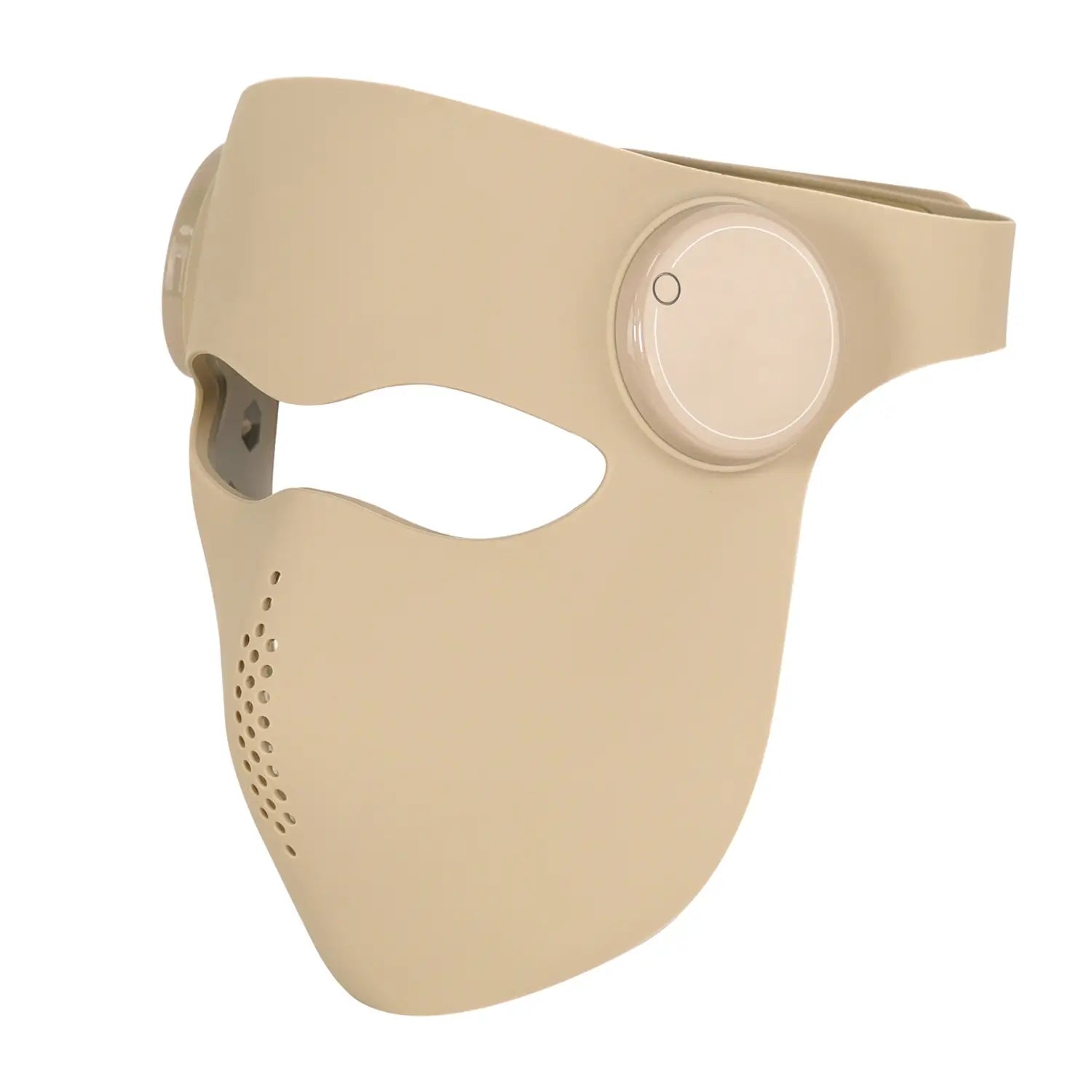
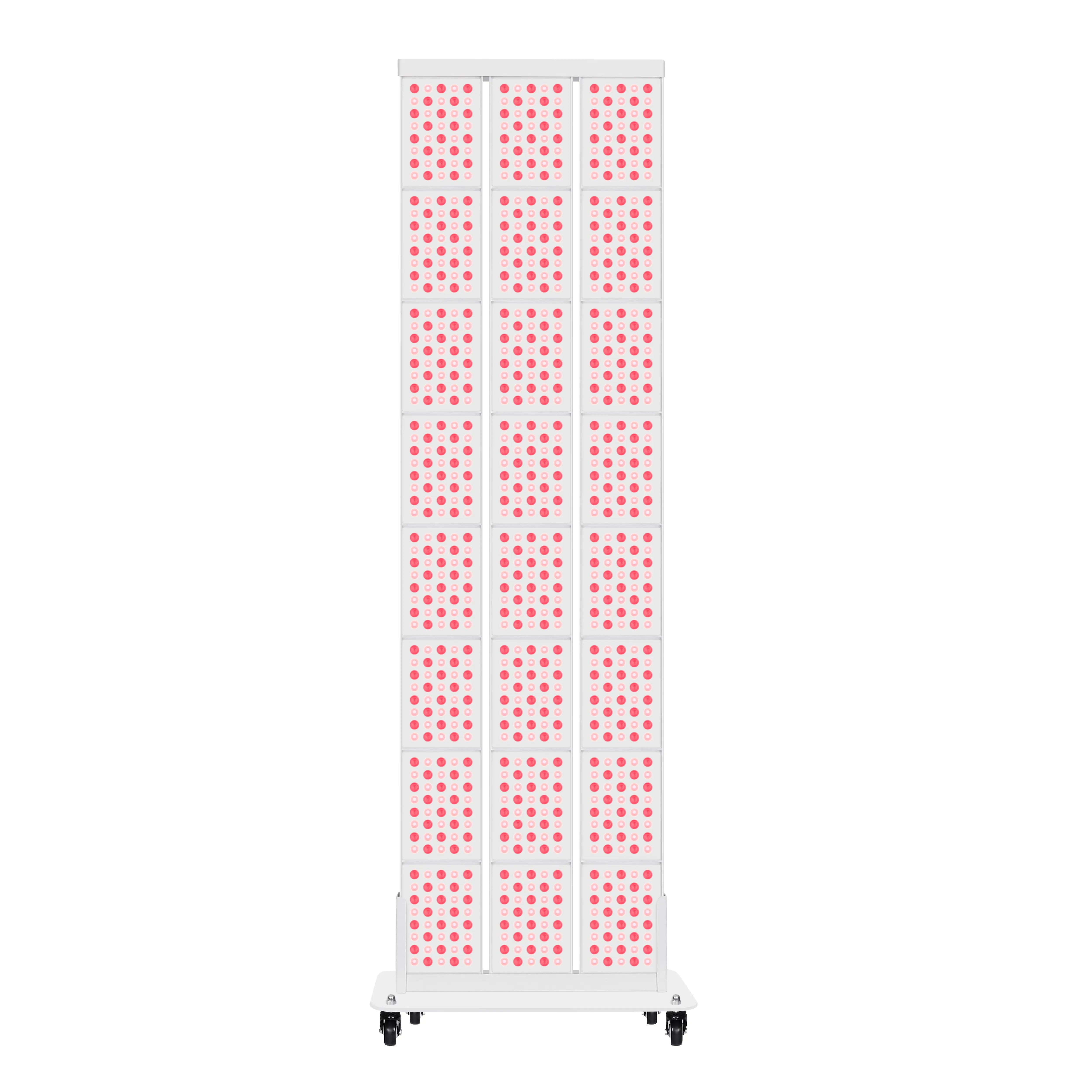
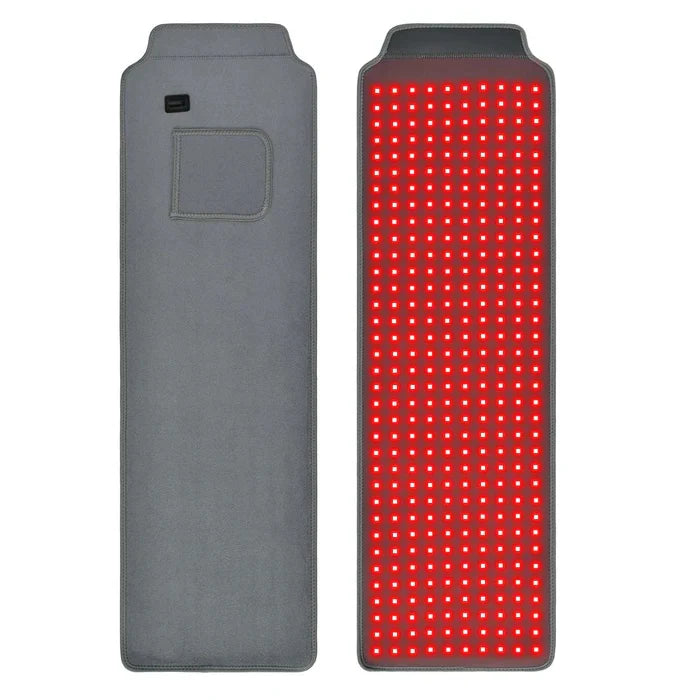
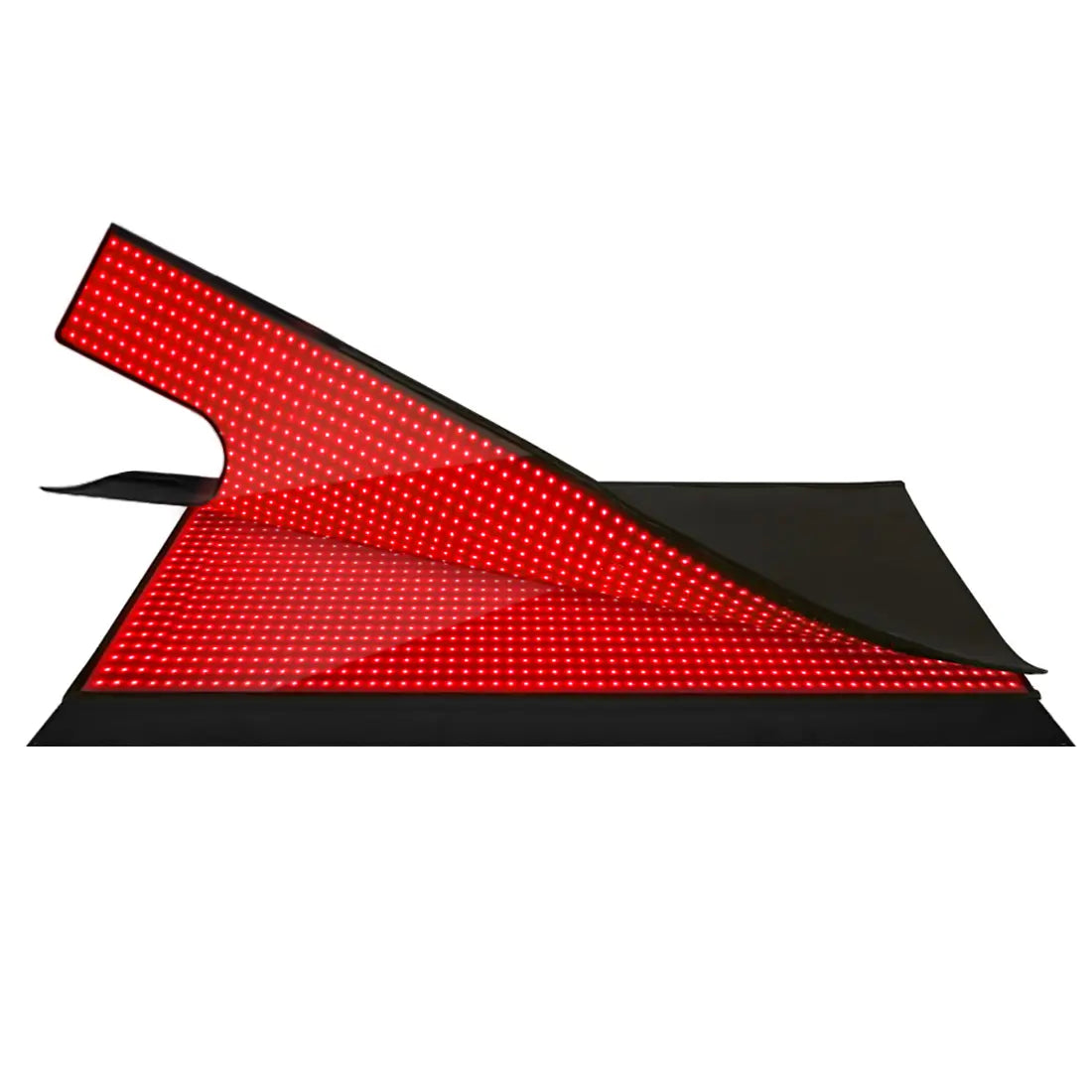
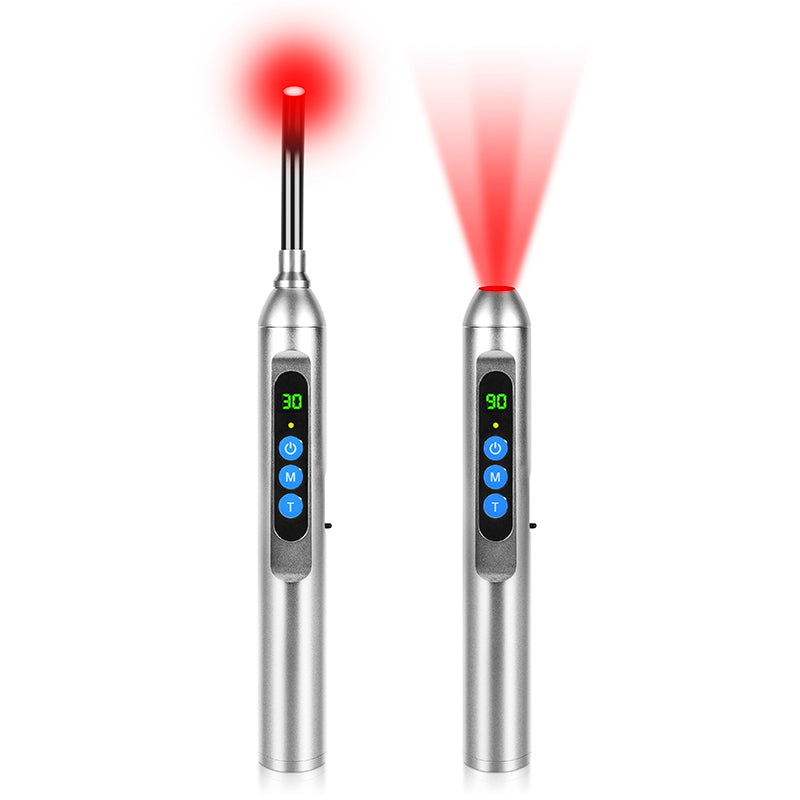
At home, you are dealing with a wide spectrum of panels, wands, pads, and full‑body units whose real output often does not match the marketing copy. University of Utah’s men’s health podcast and University Hospitals commentary both point out that consumer devices can range from masks around a little over $100 to high‑end panels in the 3,500 range, with professional full‑body beds crossing into six‑figure territory. Power and wavelength specs vary widely, and many products simply do not disclose enough details to calculate dose.
Because of this, I treat manufacturer instructions as a starting ceiling, not a goal to exceed. If a panel suggests 15 minutes per area, a cautious, evidence‑aligned approach for a fresh, uncomplicated wound might be something like half that time at a comfortable distance, used consistently rather than aggressively. The biology supports “short, repeated, moderate doses” far more than occasional marathons of intense exposure.
A grounded home protocol for minor wounds
Let us translate all this into what you might actually do when someone in your household gets a minor wound and you have a reputable red‑light device on hand.
Imagine a small but clean kitchen knife cut that required no stitches, stopped bleeding with pressure, and has been washed and covered appropriately. During the first day, your priority is standard first aid: cleaning, keeping it protected, and watching for any signs of infection such as increasing redness, warmth, or pus.
Once the wound edges are dry and stable—not openly bleeding—you could introduce red light as follows. After removing any non‑occlusive dressing briefly, you expose the area to your device’s red or red plus near‑infrared setting for a short session, in the range of several minutes, at a distance that feels warm at most, never hot. If your device happens to provide irradiance information, you want to be somewhere in the low tens of milliwatts per square centimeter, not in the hundreds, such that a 5‑ to 10‑minute exposure stays within roughly the 3–10 joules per square centimeter band that has repeatedly shown benefit without harm in experimental models.
Sessions once per day for the first few days can support the inflammatory and early proliferative phases, when fibroblast activation, angiogenesis, and re‑epithelialization are most active. Over the next couple of weeks, as the wound closes and moves into remodeling, you might shift to every other day or focus on scar quality rather than raw healing speed, continuing for a few months if cosmetic outcome matters. This mirrors the months‑long protocols used in scar and stretch‑mark studies in both children and adults.
Throughout, the device surface should be clean, your eyes protected with appropriate eyewear, and your expectations grounded. You are nudging biology, not rewriting it.
When red light is the wrong tool
There are clear situations where home red‑light use is either irrelevant or unwise.
In a deep, gaping, or heavily bleeding wound, minutes matter, and the only logical move is to seek urgent care. No photobiomodulation study supports replacing sutures, debridement, or antibiotics with light alone. Reviews by Dr. Muller and Cleveland Clinic stress that low‑level light therapy is an adjunct, not a primary treatment, especially for deep or infected wounds.
If you have a history of skin cancer in the area, or if there is a suspicious lesion near the wound, both WebMD and Cleveland Clinic recommend consulting a dermatologist before exposing that region to any therapeutic light. While red light does not carry the DNA‑damaging UV component, the field lacks long‑term cancer safety data in high‑risk individuals.
People on photosensitizing medications or with photosensitive conditions also need medical clearance; even though red and near‑infrared light are gentler than UV, they still carry energy that interacts with tissue. Pregnant individuals, particularly considering treatment over the abdomen, are another group where caution and clinician guidance are wise, as noted in photobiomodulation safety discussions and broad clinical reviews.
Finally, if a wound is not clearly getting better over about one to two weeks, or if pain, redness, or swelling are worsening despite care, that is a signal to stop self‑managing and bring in professional evaluation. The worst sin with red light is using it as a reason to delay proper care.

Pros, Cons, and Real‑World Trade‑offs
The upside
Stepping back from all the mechanistic detail, several advantages emerge consistently across sources like Cleveland Clinic, WebMD, University Hospitals, the UB radionecrosis work, and multiple wound‑care reviews.
Red light therapy is non‑invasive, drug‑free, and generally comfortable. Most people feel gentle warmth at most.
It has a favorable short‑term safety profile when used correctly: no UV, very low risk of burns with intact devices, and minimal reported side effects in both animal and human wound studies.
When layered on top of good basic care, it can meaningfully accelerate closure and enhance scar quality in many, though not all, wounds—from everyday cuts and surgical incisions to certain burns and ulcers.
By reducing pain and inflammation, it may allow lower reliance on pain medications in some contexts, which is not trivial for people sensitive to NSAIDs or opioids.
For the biohacking‑minded household, it offers a way to directly influence cellular energy production and tissue remodeling, something few other home modalities can credibly claim at this level of mechanistic support.
The downside
The major con is cost versus certainty. As University of Utah and University Hospitals point out, consumer masks and small devices often start around a little over $100, serious panels climb into the 3,500 range, and professional beds can exceed $100,000. Meanwhile, many of the core health moves that improve wound healing—good nutrition, blood sugar control, movement, and sleep—are cheaper and more proven.
Evidence quality varies. While the mechanistic and preclinical data are strong, human trials in day‑to‑day wound scenarios are often small, heterogeneous, and not always blinded. Stanford and Cleveland Clinic both emphasize that, outside specific indications, red light should be viewed as promising but not definitive. You can tilt the odds in your favor but cannot guarantee a dramatic effect.
Convenience and consistency are another issue. To get meaningful benefits, you need repeated sessions over days to weeks, sometimes months. That is time you have to carve out, and the more areas you want to treat, the more of a lifestyle commitment it becomes.
Finally, device quality is scattered. Some at‑home tools are thoughtfully engineered with documented wavelengths and irradiance; others are effectively bright Christmas lights with wellness copywriting. Without decent specs, you cannot know if you are even in the right dosing ballpark.
Three Common Household Scenarios, Analyzed
A messy scraped knee
A teenager wipes out on a bike and earns a wide, shallow road rash on the knee. After thorough cleaning, gentle debridement of grit, and an appropriate dressing, the wound looks like a classic abrasion: no deep gaps, just missing epidermis and some weeping.
This is a sweet spot for home red light. The wound is superficial but biologically active, and infection risk is manageable if cleaning was thorough. Once the top layer starts to dry and a thin scab is forming, brief daily red light sessions can help fibroblasts and keratinocytes lay down new tissue and re‑epithelialize faster while modulating inflammation. Over a few weeks, as the wound transitions into the remodeling phase, ongoing treatment may improve pigment evenness and reduce the chances of a raised, thickened scar.
Mechanistically, you are leveraging exactly what scratch‑assay and abrasion models show: red light encourages orderly cell migration, angiogenesis, and matrix formation right at the surface. It is not a miracle, but it is a biologically coherent upgrade to soap, water, and time.
A surgical scar after stitches come out
Consider a small surgical excision on the forearm, closed with sutures and removed after about ten days with a fine linear scar. At this point the wound is technically “healed,” but the tissue is still remodeling for months.
Several scar studies in both children and adults suggest that three or more months of regular low‑level red‑light exposure can flatten hypertrophic scars and improve texture. Combining that with the sternotomy data and broader wound‑healing reviews, it is reasonable to think of red light as a way of coaching collagen into a more organized, less bulky architecture as the scar matures.
In practice, that could look like short, several‑minute sessions every other day along the length of the scar, starting once the surgeon is comfortable with any dressing removal and there is no sign of dehiscence or infection. Over a few months, you are not only trying to avoid an angry, raised line, but also aiming for a more flexible, less itchy segment of skin that moves naturally with the limb.
A small kitchen grease burn
A home cook splashes hot oil on the back of the hand, creating a painful, reddened patch that quickly raises a few small blisters. After cooling the area under cool running water, avoiding popping blisters, and covering gently to protect it, the injury is a classic mild partial‑thickness burn.
This is where animal burn data and the UB radionecrosis work become informative. Early application of low‑level red or near‑infrared light in experimental burns reduces inflammation, promotes earlier granulation tissue, and enhances collagen deposition. In humans, red light combined with good burn care has improved outcomes in small series of challenging cases.
At home, once you are sure the burn does not require urgent care and the skin surface is stable, short exposures to red or red‑plus‑near‑infrared light can be layered onto standard burn dressings. The goal is to reduce prolonged inflammation, support healthy tissue formation, and, over time, improve the look and feel of the healed patch. You are not trying to treat the acute pain with light alone; rather, you are investing in a stronger, smoother recovery over weeks and months.
Brief FAQ
Can I put red light directly on an open, bleeding wound?
No. For open, actively bleeding, or obviously deep wounds, immediate first aid and, if needed, urgent medical care comes first. The research base supports red and near‑infrared light as an adjunct once bleeding is controlled, the wound is cleaned, and basic closure and infection management are in place, not as a primary emergency treatment.
Is red light therapy safe for everyone in the household?
Short‑term safety looks good in most studies when devices are used correctly: no UV, low risk of burns, and minimal systemic effects. However, people with a history of skin cancer in the area, those on photosensitizing medications, individuals with undiagnosed skin lesions, and pregnant people considering treatment over the abdomen should talk with a clinician before using red light on those regions. Eye protection is essential with bright LEDs, even though the light is not ultraviolet.
How quickly should I expect to see results on a minor wound or scar?
Animal and cell models show measurable biological changes within hours and days, but visible differences in human wounds and scars emerge more slowly. Many patients in clinical and cosmetic studies report changes over weeks, with scar quality and texture often continuing to improve over several months of consistent treatment. If a wound’s basic healing trajectory is not improving over one to two weeks, though, that is a sign to seek medical evaluation, not to simply increase light exposure.
If you are the kind of person who keeps a well‑stocked first‑aid kit and a light panel in the same closet, red light therapy can be a legitimate tool for nudging everyday wound healing in a smarter direction. Respect the biology, honor the fundamentals of wound care, and think of photons as a precise supplement to, not a replacement for, common sense and good medicine.

References
- https://lms-dev.api.berkeley.edu/studies-on-red-light-therapy
- https://fcd.mcw.edu/?search/showPublication/id/46322
- https://digitalcommons.cedarville.edu/cgi/viewcontent.cgi?article=1013&context=education_theses
- https://epublications.marquette.edu/cgi/viewcontent.cgi?article=1005&context=dentistry_fac
- https://ui.adsabs.harvard.edu/link_gateway/2022Photo...9..618S/PUB_HTML
- https://pmc.ncbi.nlm.nih.gov/articles/PMC4148276/
- https://www.buffalo.edu/ubnow/stories/2022/01/light-therapy-radiation.html
- https://dspace.mit.edu/bitstream/handle/1721.1/104348/10103_2013_Article_1319.pdf?sequence=1&isAllowed=y
- https://med.stanford.edu/news/insights/2025/02/red-light-therapy-skin-hair-medical-clinics.html
- https://healthcare.utah.edu/the-scope/mens-health/all/2024/06/176-red-light-therapy-just-fad