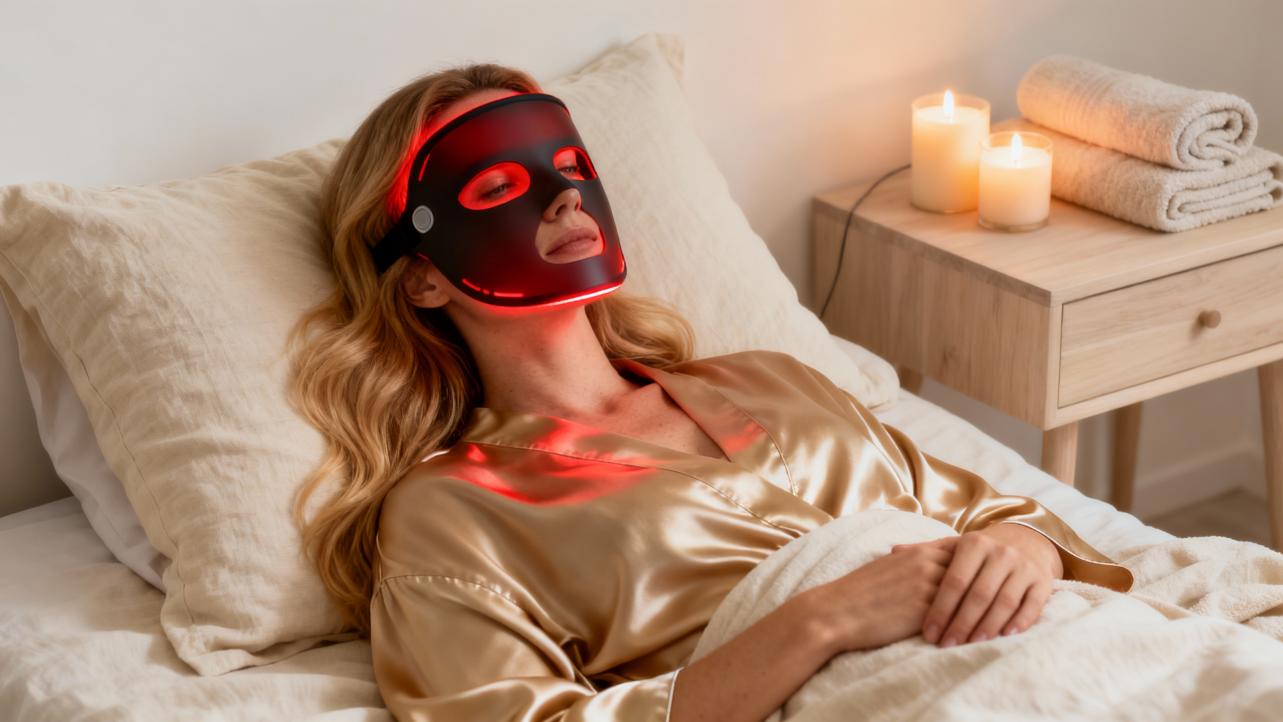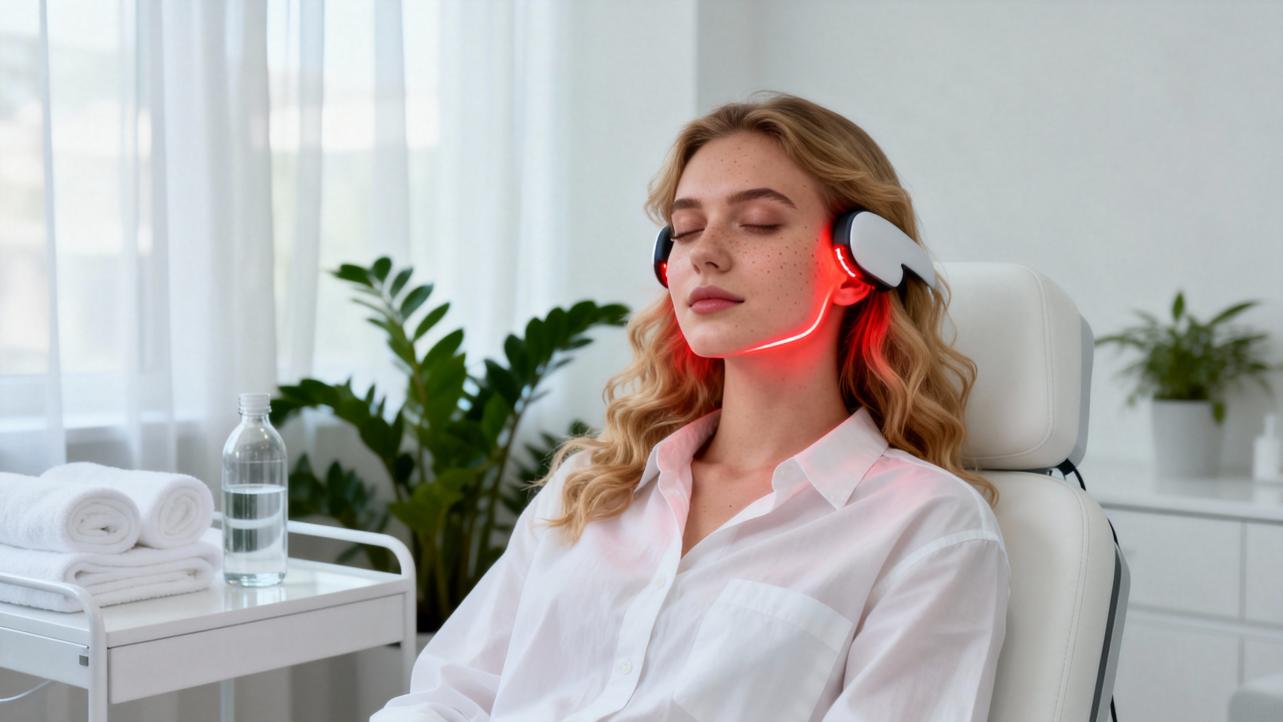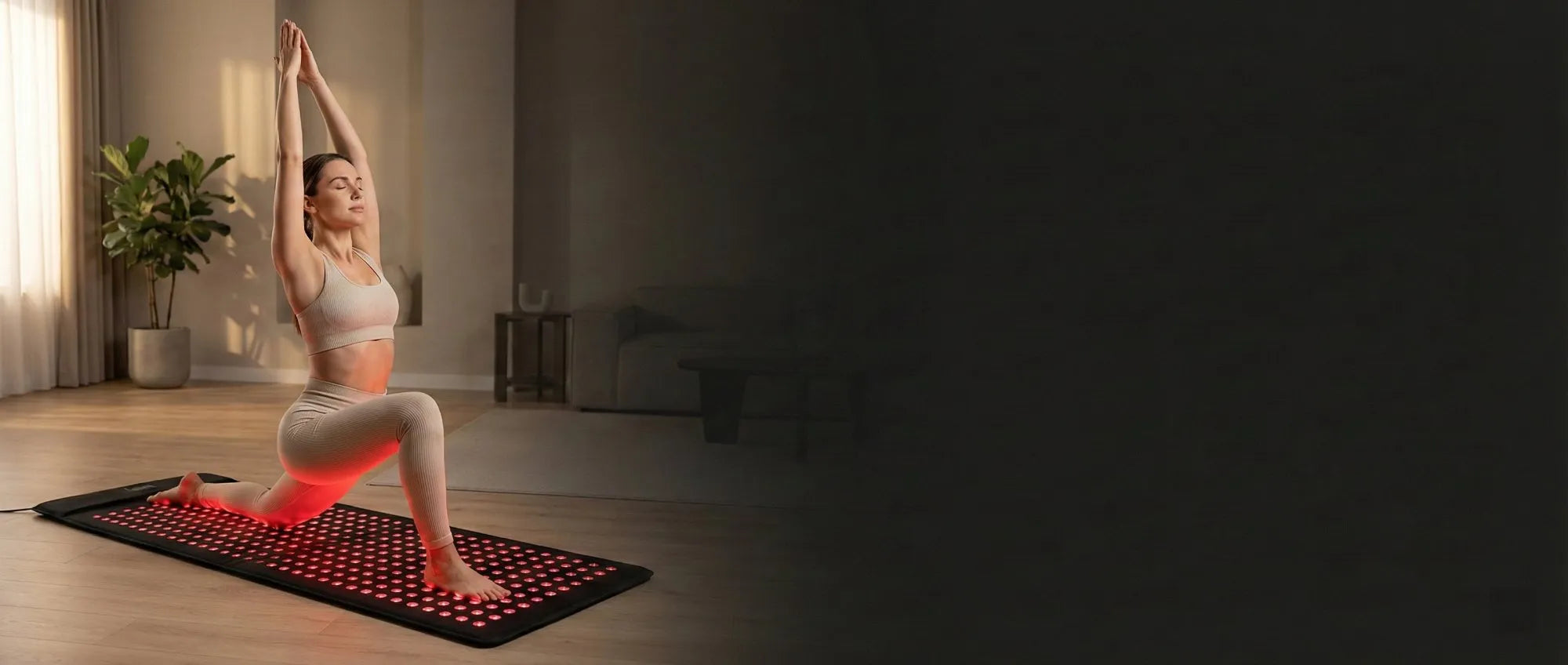
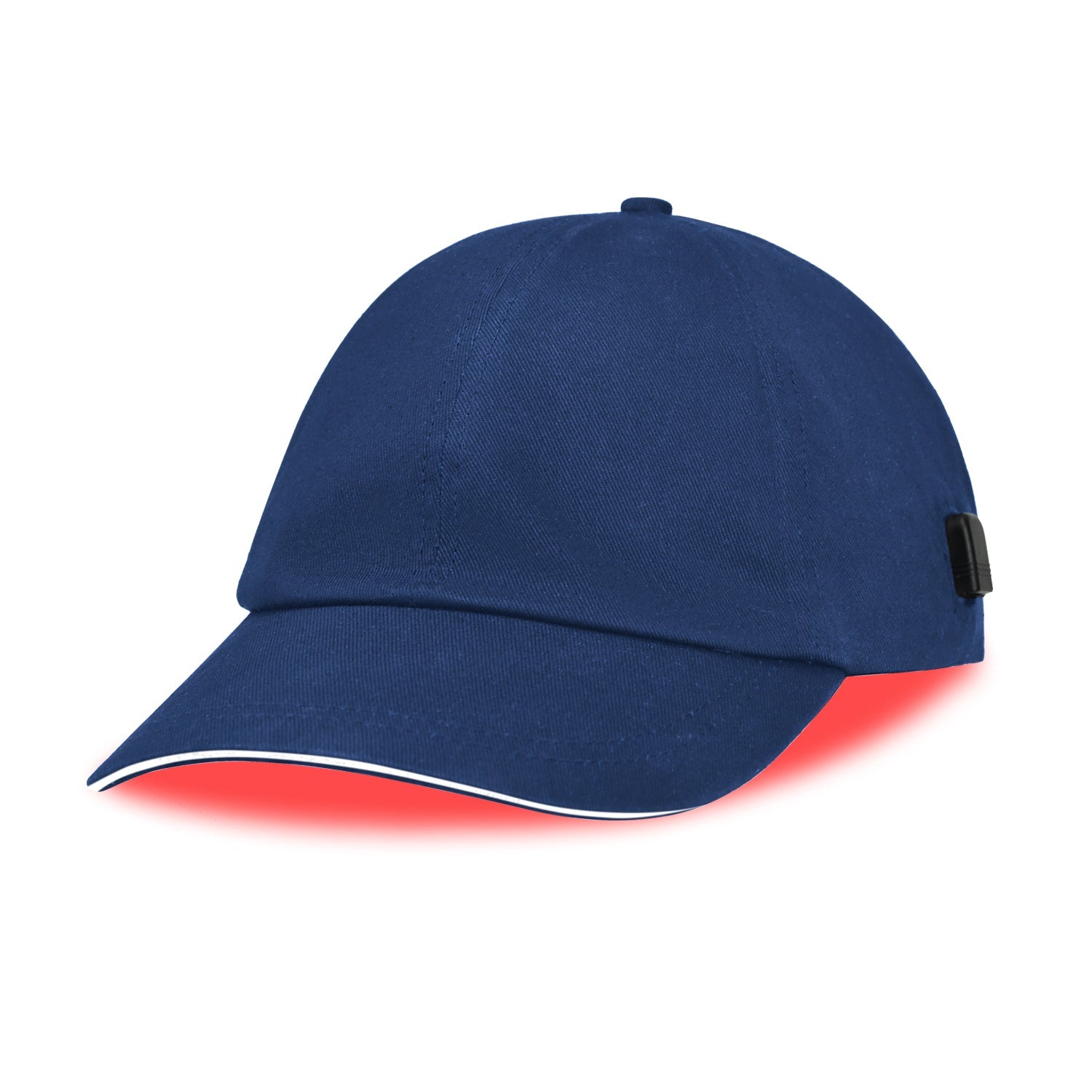
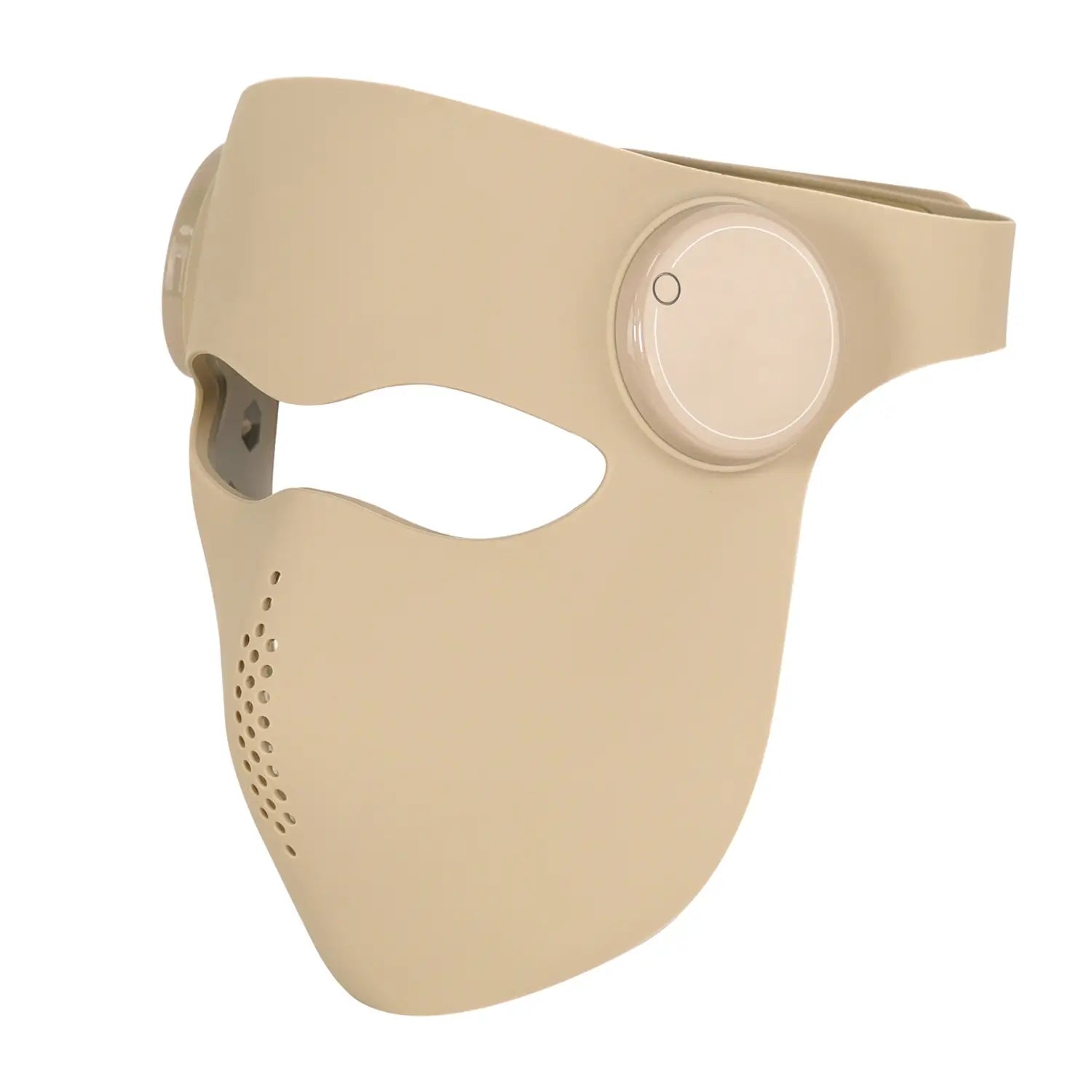
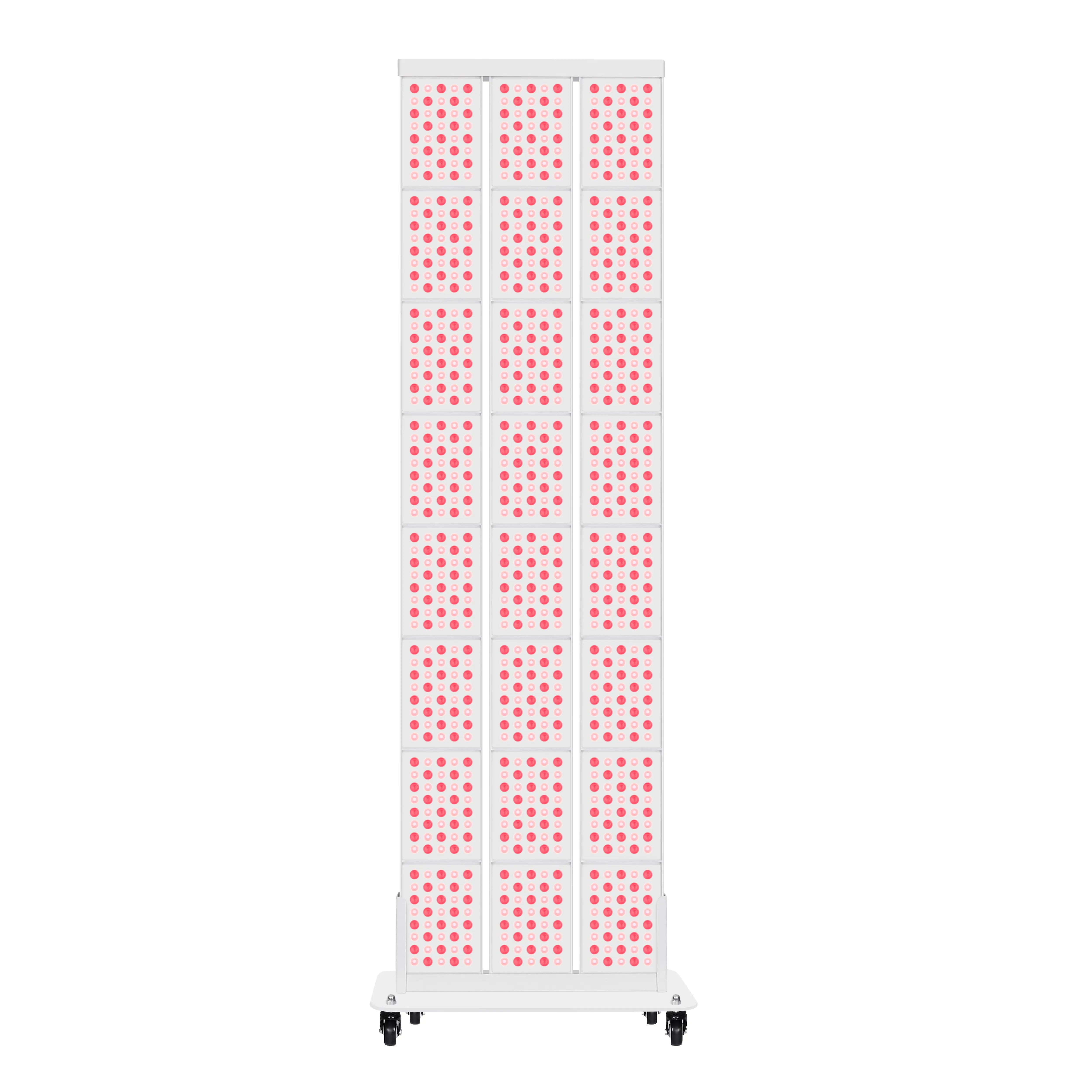
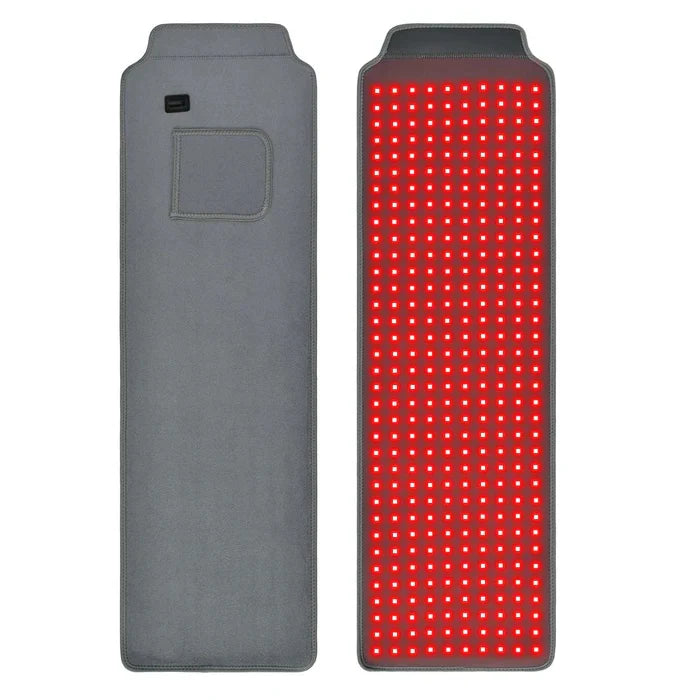
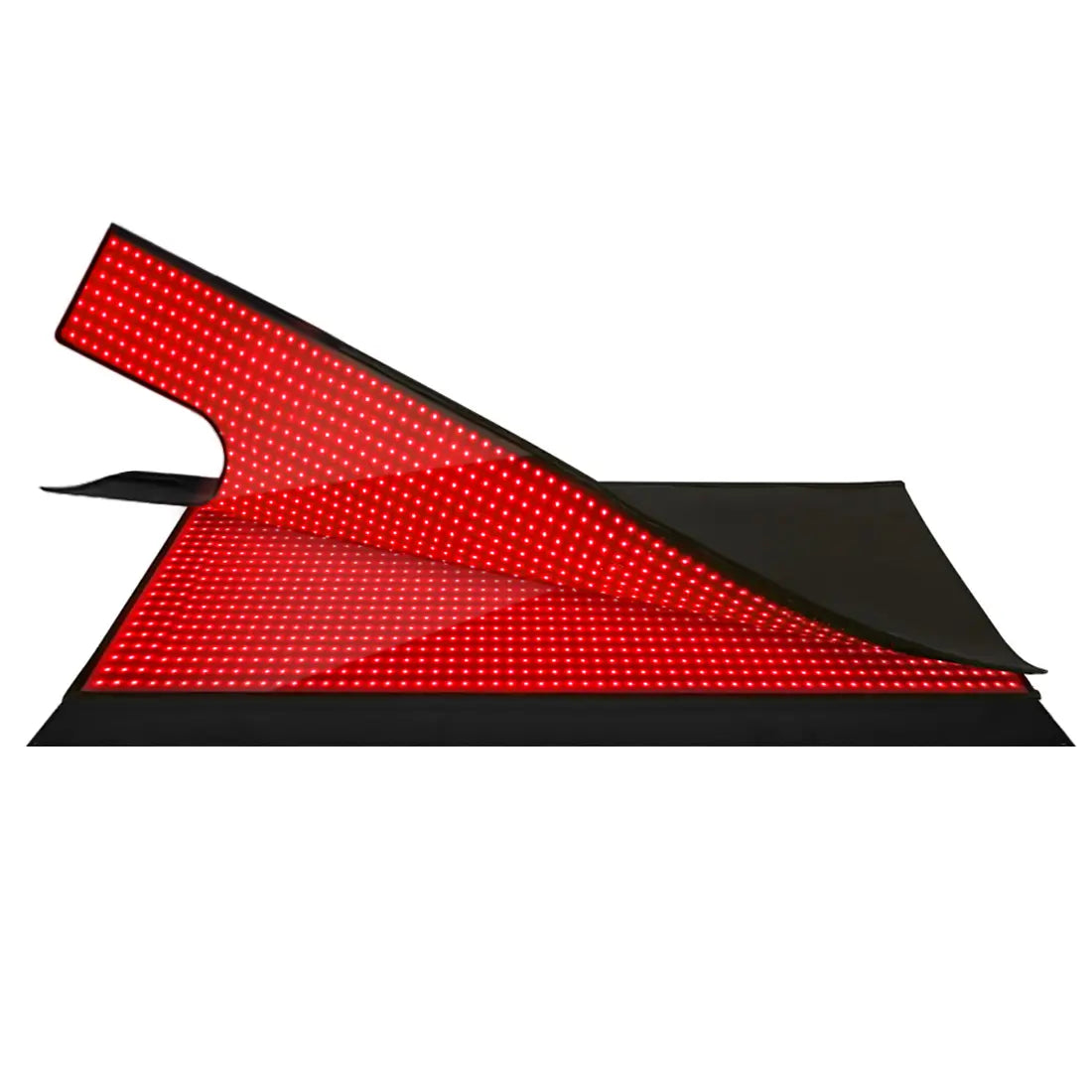
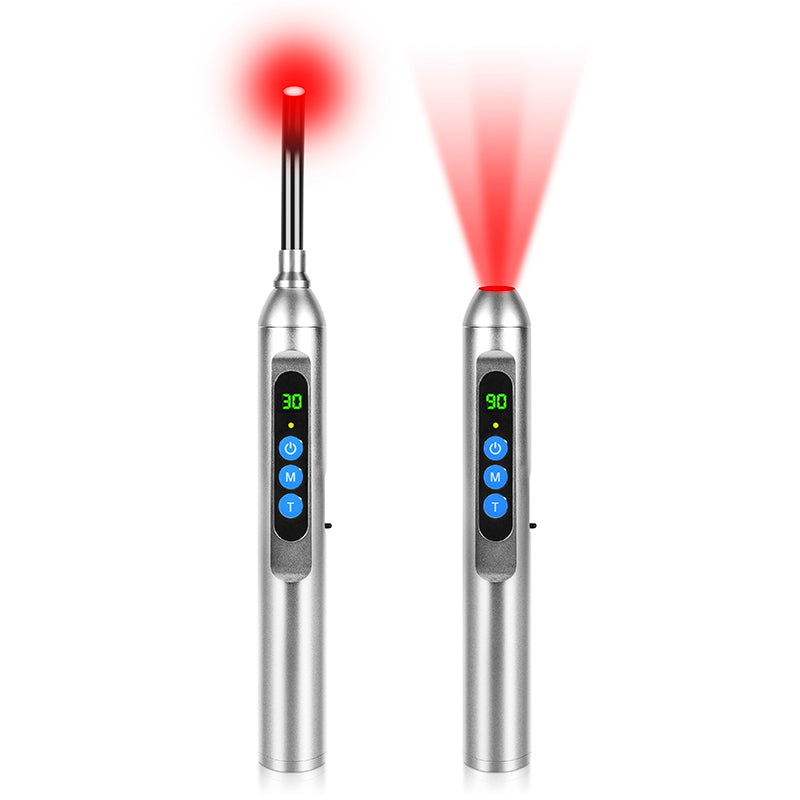

Red light therapy used to be something only astronauts and niche dermatology clinics talked about. Today, I see it sitting on bathroom counters and hanging on bedroom doors all over the country. As someone who has spent years experimenting with red and near‑infrared panels, LED masks, and clinic protocols, I love the potential of this technology—but I love nuance even more.
The single biggest mistake I see is treating red light therapy as a one‑size‑fits‑all fix. Your skin type, your skin tone, and your underlying conditions all change how your skin responds to light. The research backs this up: dose, frequency, wavelength, and even device design matter, and so does the biology of the skin you are treating.
In this guide, I will walk through what the science actually shows, how different skin types tend to respond, and how to tailor sessions so you are more likely to land in that “Goldilocks” zone of benefit instead of wasting time—or worse, irritating your skin.
How Red Light Therapy Works In Skin
Before we talk skin types, it is worth understanding what the light is actually doing.
Red light therapy, often called photobiomodulation or low‑level light therapy, uses low‑energy visible red light (roughly around 620–700 nanometers) and often near‑infrared light (around 800–1,000 nanometers). These wavelengths penetrate into the skin without burning it. Unlike ultraviolet light, they are non‑ionizing and are not known to damage DNA or cause skin cancer according to organizations such as Cleveland Clinic and Harvard Health.
Inside your cells, the photons are absorbed by a mitochondrial enzyme called cytochrome c oxidase. Research summarized by groups like Atria Health and Research Institute and in peer‑reviewed work on red LED masks suggests several downstream effects:
Your skin’s fibroblasts—the cells that build collagen and elastin—are particularly responsive. Clinical trials in aging skin have reported up to about a 20% increase in dermal collagen density and measurable improvements in wrinkle depth and texture after a series of red light sessions. A controlled study of a 630‑nanometer LED mask used 12‑minute treatments twice per week for three months and documented progressive improvements in wrinkles, sagging, and dermal density, with benefits persisting for at least a month after stopping treatments.
This same mitochondrial mechanism also helps explain why red light is being explored beyond aesthetics, for wound healing, support during cancer treatment, musculoskeletal pain, and hair loss, as described by UCLA Health, Cleveland Clinic, and others. For this article, we will focus on skin.
The Goldilocks Dose: Why More Is Not Better
Photobiomodulation follows what is known as a biphasic dose response (sometimes called the Arndt‑Schulz law). At low to moderate doses, red light can enhance cellular function. If the dose is too low, you get no measurable effect. Push the dose too high and biological response actually falls off; in some cases, you can even trigger bio‑inhibition.
This is not theoretical. Atria’s preventive medicine experts recommend staying within a power range of roughly 20 to 100+ milliwatts per square centimeter, using sessions of about 5 to 20 minutes per body area, and paying close attention to distance from the device, because intensity drops rapidly when you move farther away. The LED mask study I mentioned earlier intentionally spaced treatments 72 hours apart and still saw strong anti‑aging effects, which is a big hint that daily marathon sessions are unnecessary and may be counterproductive.
Bottom line: with red light therapy, you are looking for enough stimulation to nudge your skin into repair mode, not a “blast it and hope” strategy.
Devices: Panels, Masks, Wands, and Clinic Systems
The marketplace is noisy, but most devices fall into a few categories.
Dermatology and aesthetic clinics often use higher‑power LED arrays or low‑level lasers. These let them tune wavelength, intensity, and treatment time precisely. They are the systems used in many of the clinical trials for wrinkles, acne, and wound healing.
At‑home devices—masks, handheld wands, and panels—typically use LEDs at lower intensities. Harvard Health and Cleveland Clinic both note that these are generally considered safe when FDA‑cleared, but they are usually less powerful than in‑office devices, so improvements tend to be more subtle and require longer periods of consistent use. That aligns with what I see in real life: panels and masks work, but only when people treat them like a long‑term training program, not a weekend boot camp.
Some devices also include blue light or near‑infrared. Blue light can be excellent for acne because it targets acne‑causing bacteria, but it is also more likely to disrupt circadian rhythms or generate free radicals if overused, as discussed by dermatology sources on LED therapy. Near‑infrared penetrates deeper and is often used for pain and deeper tissue support.
Most of the skin‑focused evidence clusters around visible red light alone or red plus blue, so that is where we will stay.

Skin Types 101: Why They Matter With Red Light
When I talk about skin type in a light‑therapy context, I look at three overlapping layers.
There is the classic oil‑dryness spectrum—oily, dry, combination, normal. There is reactivity or sensitivity—how easily you flush, sting, or flare. And there is skin tone or phototype, often described by the Fitzpatrick scale (from very fair to very dark).
Multiple dermatology practices, including Lansdale Plastic Surgery and Trophy Skin’s educational content, emphasize that red light therapy can be suitable across all of these, but dose and protocol need to be customized. Lighter, more sensitive skin often needs shorter and gentler sessions to start. Medium tones typically tolerate standard protocols. Darker tones (Fitzpatrick V–VI) can absolutely benefit, but they require careful attention to intensity and exposure time to avoid hyperpigmentation or unwanted darkening, especially since visible light itself can occasionally trigger pigment changes in darker skin, as cautioned by Harvard and Cleveland Clinic.
With that framework in mind, let us look at how red light tends to behave on different skin types.
Oily and Acne‑Prone Skin
If you have oily or acne‑prone skin, red light therapy meets you at two key pathways: bacteria and inflammation.
Dermatology centers such as Camelback Dermatology and Gold Skin Care describe how blue light targets Propionibacterium acnes (now usually called Cutibacterium acnes) by activating porphyrins within the bacteria, generating reactive oxygen species that kill them. Red light penetrates a bit deeper and is primarily anti‑inflammatory. It reduces redness and swelling around lesions, supports tissue repair, and stimulates collagen in a way that can gradually soften old acne scars.
Several clinical studies back up meaningful, though not miraculous, results. A trial cited in Fuel Physical Therapy’s review reported around a 60% reduction in inflammatory acne lesions with red light in the 630‑nanometer range after several weeks of treatment. A Journal of Drugs in Dermatology study highlighted by Schweiger Dermatology found that combining blue and red light yielded approximately a 76% reduction in inflammatory lesions and a 60% reduction in non‑inflammatory lesions after 12 weeks.
Healthline’s overview of visible light for acne emphasizes that this approach is most effective for mild to moderate inflammatory acne, not for whiteheads, blackheads, or deep nodular cysts. That matches what I see: inflamed papules and pustules are where red light really shines as an adjunct.
On the biological level, red light helps quiet pro‑inflammatory signals such as TNF‑alpha and interleukin‑6, as described in research summarized by Qure’s acne‑focused review, while boosting ATP and microcirculation so the skin can clear debris and rebuild barrier function more efficiently.
From a practical standpoint, here is how oily and acne‑prone skin typically interacts with light therapy when you follow the evidence:
Sessions in dermatology offices often last around 15 to 30 minutes per treatment area, two or three times per week, over four to six weeks or longer. At‑home devices usually suggest something in the range of 10 to 20 minutes, three to five times per week. Studies of combined red and blue light that showed meaningful acne reductions used consistent treatment over roughly two to three months rather than sporadic use.
Oily, acne‑prone skin generally tolerates red light well because it is non‑ablative, non‑peeling, and does not sting the way benzoyl peroxide or high‑strength acids can. It becomes especially valuable for people who cannot tolerate strong topicals or systemic medications but still want to calm inflammation and speed healing.
There are important caveats. Visible light therapy is not a cure; it manages acne. People on isotretinoin, certain antibiotics, or other photosensitizing medications should be evaluated carefully; several sources, including Healthline and Cleveland Clinic, recommend avoiding light‑based acne treatments in those settings or proceeding only under dermatologist supervision. And while red‑blue protocols can impressively debulk inflammatory lesions, severe nodulocystic acne or extensive scarring usually requires a more aggressive medical plan.

Dry or Dehydrated Skin
Dry skin often shows up as rough texture, fine lines that look deeper than they really are, and a compromised barrier. The good news is that dry skin tends to love well‑dosed red light.
Trophy Skin’s breakdown of skin types and red light therapy notes that dry skin benefits from boosts in collagen and elastin, which improve resilience and help the moisture barrier function better. Consistent use of panels or masks is described as making dry, flaky areas less pronounced and creating a plumper, dewier look. Lansdale Plastic Surgery likewise mentions improved skin texture, firmness, and radiance after regular sessions.
Mechanistically, this makes sense. Red light does not strip lipids or exfoliate; it nudges fibroblasts to build better scaffolding and enhances microcirculation, delivering more nutrients to the epidermis. Studies of red LED masks in aging skin show improvements in firmness, dermal density, and roughness. It is reasonable to expect that dry, line‑prone skin will look more hydrated once the underlying matrix is healthier.
Where dry skin gets into trouble is when people stack too many aggressive treatments at once—strong retinoids, microneedling, chemical peels—and then add long or intense light sessions on top. Even though the LEDs themselves are “cold,” higher‑power panels near the skin can create mild warmth and, combined with a compromised barrier, that can tip you into temporary irritation.
So for dry skin, smart practice typically looks like shorter initial sessions (for example, closer to the five‑ to ten‑minute range that Atria recommends as a starting point), strict moisturizing, and avoiding layering red light right on top of fresh peels or strong retinoid application. Harvard Health explicitly frames red light therapy as an adjunct—not a replacement—for fundamentals like regular moisturizing and sun protection, which is exactly how I use it in dry, mature skin.
Sensitive and Rosacea‑Prone Skin
Sensitive skin is where the “light therapy geek” in me gets particularly cautious. On one hand, red light therapy is widely described as gentle and non‑ablative. Dermatology centers like Natural Image Skin Center emphasize that LED red light is safe and painless, making it a popular option for reactive or rosacea‑prone complexions. Camelback Dermatology notes that red light’s anti‑inflammatory effects can reduce redness and irritation in conditions such as rosacea and eczema.
On the other hand, people with true photosensitivity or autoimmune conditions that flare with light exposure are a different story, and several medical sources advise caution. Cleveland Clinic and Harvard both recommend avoiding at‑home devices if you have light‑sensitive conditions (such as lupus) or use light‑sensitizing drugs, unless a dermatologist specifically clears you.
Lansdale Plastic Surgery offers a helpful, pragmatic guideline: for lighter, more sensitive skin types (Fitzpatrick I–II), start with shorter sessions and gradually increase exposure as tolerated. Medium tones (III–IV) usually handle standard intensities and timings. Darker tones (V–VI) can still use red light safely but need carefully managed intensity and exposure times to avoid pigmentation shifts.
In my own log of client and personal protocols, the most successful sensitive‑skin users share a few traits. They start below the device’s maximum suggested treatment time. They space sessions out—often closer to the two‑ or three‑times‑per‑week schedule rather than jumping straight to daily use. They keep the light at the recommended distance instead of pressing devices directly into flushed cheeks. And they track their skin carefully for a month before increasing dosing.
The upside, when you respect that sensitivity, can be significant: calmer baseline redness, fewer flares after triggers, and faster recovery when the skin is irritated.

Combination Skin
Combination skin—oilier in one zone, drier in another—is, frankly, where red light therapy feels almost too easy. The light does not know whether it is shining on your T‑zone or your cheeks; it delivers photons and lets the local biology decide what to do with them.
Educational content from Trophy Skin suggests that red light can both help regulate oiliness in the T‑zone and support hydration and barrier repair in drier areas, ultimately leading to a more balanced tone and texture across the face. Because the mechanism is upstream at the mitochondrial level, you are not forcing a single outcome; you are restoring capacity and letting the tissue self‑organize.
Practically, I treat combination skin much like normal skin, but adjust supporting skin care. On oilier areas, I keep pre‑treatment skin clean and free of occlusive products. On drier areas, I am comfortable with a light, non‑occlusive hydrating serum before or immediately after treatment, which aligns with how some clinics pair red light with hydrating and antioxidant formulas.

Mature and Aging Skin
If there is one use case where red light therapy earns its hype, it is aging skin.
Multiple sources—from Harvard Health and Cleveland Clinic to dermatology practices and the red LED mask clinical trial—converge on similar themes. Red light therapy can reduce fine lines and wrinkles, improve skin texture, increase firmness, lighten dark spots, and enhance overall radiance. It does this mainly by stimulating fibroblasts to produce more collagen and elastin and by improving microcirculation so skin behaves more like its younger self.
The 630‑nanometer mask study provides especially helpful parameters. Twenty volunteers between 45 and 70 years of age, all with visible facial aging, used a cold red LED mask at home for 12 minutes, twice a week, for three months, with sessions spaced 72 hours apart. Objective measurements (3D photography, ultrasound of dermal density, cutometry for elasticity) showed progressive improvements month after month. Subjective self‑ratings mirrored these gains, and importantly, the benefits persisted for at least four weeks after stopping, suggesting that structural remodeling had occurred.
Fuel Physical Therapy’s review of the red light literature cites similar findings: trials reporting up to about a 20% increase in collagen density and measurable reductions in wrinkle depth after series of treatments in the 630–670‑nanometer range.
In real‑world terms, that translates to modest but meaningful improvements. This is not a surgical facelift, but for someone already committed to sunscreen and a solid topical routine, red light can move the needle in a way most moisturizers cannot.
For aging skin, the main variables that change with skin type are sensitivity and pigment behavior. Fair, thin skin may flush more easily and therefore benefit from shorter, less intense sessions at first. Darker, melanin‑rich skin can absolutely respond well—Dior’s mask study specifically noted safety even in darker phototypes when using cold red LEDs without near‑infrared—but Harvard and Cleveland Clinic both point out that visible light can occasionally trigger dark spots in darker skin, so starting at lower doses and working closely with a dermatologist is wise.

Darker Skin Tones (Fitzpatrick V–VI)
Darker skin has more melanin, which is protective against ultraviolet damage but can also respond to visible light and inflammation by creating hyperpigmentation. Any energy‑based treatment has to respect that.
Lansdale Plastic Surgery explicitly recommends careful management of intensity and exposure duration for darker skin tones when using red light, even though the therapy itself is non‑ablative and generally safe. Harvard Health and Cleveland Clinic both flag the potential for visible light to contribute to dark spots in some people with darker skin and advise medical supervision and lower starting doses.
Some device designers are already baking that caution into hardware choices. In the 630‑nanometer LED mask study, the manufacturer intentionally used cold red light without near‑infrared to avoid heat‑related and pigmentation risks while still maintaining safety for phototypes 5 and 6.
In practice, here is how I adapt protocols for darker tones when I want the benefits of red light without provoking hyperpigmentation:
I favor cold LED devices over anything that produces noticeable warmth. I start at the low end of the manufacturer’s recommended treatment time—often in the 5‑ to 10‑minute range—and avoid daily use initially, staying closer to two or three sessions per week. I watch closely for any increase in uneven pigmentation over four to six weeks and adjust dose downward or discontinue if that appears.
When those precautions are in place, darker skin can gain the same collagen, elasticity, and wound‑healing advantages that lighter skin types experience, with a lower risk of post‑inflammatory pigmentation.
The Eye Area and Eyelids
The eyelid area is one of the most aging‑sensitive regions of the face: thin skin, constant motion, and heavy exposure to the elements. Not surprisingly, people are curious about using red light there.
A comprehensive guide from Texas State Optical describes using red light therapy on the eyelids and periocular area to address puffiness, fine lines, dark circles, and local inflammation. Users report improvements in fine lines and dark circles, and the clinic emphasizes that the therapy is generally comfortable and relaxing.
However, the eye is not a casual target. The same source stresses that red light therapy around the eyes should always be done with protective eyewear and careful adherence to manufacturer instructions, and notes that red light has not been proven 100% safe for the eyes themselves, so precautions are mandatory. That aligns with broader guidance from Cleveland Clinic and Harvard, which both emphasize eye protection for facial light therapy.
For all skin types around the eyes, I treat this as an advanced zone. If you are going to do it, involve an eye‑care professional or dermatologist, use approved goggles, and err on the side of shorter, lower‑intensity sessions.

Matching Dose and Frequency To Skin Type
One of the most practical ways to think about red light therapy is as a training schedule for your skin. You are looking to match intensity and frequency to the “fitness level” of your skin type and concern.
The table below synthesizes parameters described by Atria, clinical studies, and various dermatology sources. It is not a prescription; it is a snapshot of the ranges that have been used in research and practice.
Skin type or goal |
Key wavelength band cited in research |
Example session pattern reported in sources |
Special considerations |
Mild to moderate acne, oily skin |
Visible red around 630–670 nm, often plus blue light |
In‑office: about 15–30 minutes, two or three times per week for 4–12 weeks; at home: roughly 10–20 minutes per area, three to five times per week |
Most effective for inflammatory acne; limited effect on blackheads or deep nodules; avoid if using strong photosensitizing meds unless supervised |
Dry or photoaged skin |
Red around 630–670 nm, sometimes with near‑infrared (around 660/850 nm) |
Mask study: 12 minutes, twice weekly for 3 months with 72‑hour spacing; many at‑home protocols suggest 10–20 minutes, three to five times per week |
Start at shorter times if skin is thin or sensitive; combine with moisturizing and diligent sun protection |
Sensitive, rosacea‑prone skin |
Red around 630–660 nm |
Often closer to 5–10 minutes per area, two or three times per week initially |
Introduce slowly; monitor for flares; avoid if you have light‑sensitive conditions or are on light‑sensitizing medications without medical clearance |
Combination skin |
Red around 630–660 nm, possibly plus near‑infrared |
Similar to normal skin: around 10–20 minutes, three to five times per week |
Keep oilier areas clean before treatment; hydrate drier areas afterward |
Darker tones (Fitzpatrick V–VI) |
Cold red around 630 nm |
Often start below full recommended dose, for example 5–10 minutes, two or three times per week |
Favor non‑heating LEDs; watch carefully for new dark spots; consider dermatologist oversight |
General anti‑aging maintenance |
Red around 630–670 nm |
Many sources describe 3–5 sessions per week for several weeks, then maintenance; Harvard notes that meaningful results often require multiple sessions per week over 4–6 months |
Think long‑term consistency rather than quick fixes; respect the biphasic dose—more is not necessarily better |
Across all skin types, Atria’s guidance about the “Goldilocks” zone is worth repeating: pay attention to three variables together—power output, distance, and time. A small panel that delivers roughly 100 milliwatts per square centimeter at 6 inches may be significantly underpowered at 36 inches. Even a modest at‑home mask can deliver a therapeutically meaningful dose if you keep to the recommended schedule and spacing.
Pros and Cons Across Skin Types
Red light therapy has some undeniable strengths.
It is non‑invasive, non‑ionizing, and generally non‑thermal at the intensities used for skin. Major institutions such as Cleveland Clinic and Harvard consistently describe its short‑term safety profile as favorable, with typical side effects limited to temporary redness or mild irritation. It plays well with the vast majority of skin types when dosing is individualized. It can target multiple concerns at once—wrinkles, tone, mild acne, redness, and wound healing—without peeling or ablation. And it is increasingly accessible in both clinics and FDA‑cleared at‑home devices.
There are also meaningful limitations.
The evidence base, while promising, is still young. Many studies are small, short, or lack ideal control groups, and researchers consistently call for larger randomized trials. Different devices use different wavelengths and intensities, making it hard to translate results from a study directly to a device you bought online. Results are gradual and modest, often requiring weeks to months of consistent use. At‑home devices are typically weaker than professional systems, so expectations have to be realistic.
There are also claims that are simply not supported. Cleveland Clinic specifically notes that there is no scientific evidence that red light therapy causes weight loss, removes cellulite, treats cancer itself, or cures mental health conditions such as depression or seasonal affective disorder, despite many online promises. Blue light, while powerful for acne, may contribute to free‑radical damage and skin aging if misused, and new mixed red‑blue panels should be used earlier in the day to avoid circadian disruption, as Atria points out.
Finally, there are safety caveats. People with light‑sensitive conditions or on light‑sensitizing medications, those with a history of certain skin cancers or inherited eye diseases, and those who are pregnant should not assume light therapy is automatically safe. Healthline, Harvard, and Cleveland Clinic all emphasize consultation with a dermatologist or qualified clinician first. And everyone, regardless of skin type, should use eye protection when facing panels or masks.
How I Think About Building A Smart Routine
When I help someone integrate red light therapy into a broader skin‑health plan, I treat light as one tool in a toolbox, not the whole kit.
For an oily, acne‑prone, medium‑tone twenty‑something, that might mean a medically supervised course of combined blue and red light two or three times per week for a few months, layered onto a gentle topical routine, with maintenance at home using an FDA‑cleared mask for about 10–15 minutes several evenings a week.
For a dry, sensitive, fair‑skinned person in their fifties focused on fine lines and texture, it might look more like a cold red mask used for 10–12 minutes twice a week, spaced 72 hours apart, combined with a barrier‑supportive routine and strict sunscreen. Over three months, that is very much in line with the clinical mask data.
For a darker‑skinned client concerned about both acne and post‑inflammatory hyperpigmentation, I might prioritize inflammation control and barrier repair with red light at conservative doses, avoiding extra heat and monitoring pigment closely, while relying more heavily on topical pigment‑balancing agents and medical guidance.
In every case, the constants are the same: evidence‑based expectations, respect for the Goldilocks dose, attention to skin type and tone, and collaboration with a dermatologist when there are underlying conditions or more advanced concerns.
FAQ
Can every skin type use red light therapy?
Most dermatology and research sources agree that red light therapy is generally safe for all skin types when intensity and exposure are customized. Practices such as Natural Image Skin Center and Lansdale Plastic Surgery describe using it across the spectrum, from very fair to very dark. The critical nuance is dose: lighter, more sensitive skin needs shorter, gentler sessions at first; darker tones need careful attention to intensity and time to avoid hyperpigmentation; and anyone with light‑sensitive conditions or medications needs medical clearance before starting.
How long does it take to see results?
Timelines vary by goal and device. Atria’s clinical guidance suggests that it can take two to four weeks of consistent use before benefits are noticeable. Acne studies cited by Fuel Physical Therapy, Healthline, and Schweiger Dermatology describe improvements unfolding over four to twelve weeks of repeated treatments. The 630‑nanometer mask study saw progressive anti‑aging changes over three months, with benefits persisting for at least a month after stopping. Harvard Health notes that for some people, meaningful cosmetic improvements may require several months of multiple sessions per week. In my experience, if nothing at all has changed by the three‑month mark, it is time to reassess dose, device, or whether light therapy is the right tool.
Who should avoid or be especially cautious with red light therapy?
People with light‑sensitive autoimmune conditions, those taking light‑sensitizing medications such as certain antibiotics or isotretinoin, and those with a history of particular skin cancers or inherited eye diseases should not start red light therapy on their own. Healthline also recommends that people who are pregnant or think they might be pregnant avoid visible light therapy for acne. Major medical centers consistently advise consulting a dermatologist or other qualified clinician first if you fall into any of these categories or if you have darker skin and are prone to dark spots.
Red light therapy is one of the rare wellness tools that stays exciting even after you dig into the research instead of relying on hype. When you respect your skin type, honor the Goldilocks dose, and treat it as a long‑term partnership rather than a quick fix, you give your skin’s biology room to do what it is wired to do: repair, regenerate, and quietly make you look like you are aging a little more slowly than the calendar says.
References
- https://www.health.harvard.edu/staying-healthy/red-light-therapy-for-skin-care
- https://pmc.ncbi.nlm.nih.gov/articles/PMC10311288/
- https://atria.org/education/your-guide-to-red-light-therapy/
- https://my.clevelandclinic.org/health/articles/22114-red-light-therapy
- https://www.uclahealth.org/news/article/5-health-benefits-red-light-therapy
- https://www.aad.org/public/cosmetic/safety/red-light-therapy
- https://lansdaleplasticsurgery.com/red-light-therapy-benefits
- https://www.tsoatchampions.com/Red-Light-Therapy-for-Eyelids-and-Face:-A-Comprehensive-Guide.html
- https://www.bswhealth.com/blog/5-benefits-of-red-light-therapy
- https://www.dermatologist-nyc.com/red-light-therapy-acne/