
When you cross 55, your relationship with recovery changes. Bruises hang around longer. Joints complain after a weekend of gardening. Skin tells the story of every summer you ever loved. As someone who has spent a lot of time dissecting light therapy studies, specs sheets, and real-world outcomes, I can tell you this: red light therapy is not magic, but it is one of the more intriguing tools in the modern recovery and longevity toolkit.
Used well, especially later in life, it can help. Used carelessly or with inflated expectations, it mostly helps your credit card company. The difference comes down to understanding what the science actually supports, what is still speculative, and how aging biology changes the risk–benefit picture.
This guide focuses specifically on what matters if you are 55 or older and considering red light therapy.
What Red Light Therapy Actually Is (And Is Not)
Red light therapy is usually delivered by LEDs or low-power lasers that emit specific red and near-infrared wavelengths, roughly in the 600–900 nanometer range. In the medical literature you will see names like photobiomodulation, low-level light therapy, low-level laser therapy, or soft laser therapy. These are essentially describing the same core concept: using low-intensity light to nudge biology, not burn or cut tissue.
Cleveland Clinic and Harvard Health both describe the basic mechanism the same way. Red and near-infrared light are absorbed by mitochondria, the “power plants” of your cells. That absorption can increase energy production, modulate oxidative stress, and stimulate fibroblasts (the cells that build collagen) while also influencing blood flow and inflammation.
It is important to distinguish this from photodynamic therapy, a well-established dermatologic treatment in which red light is used to activate a drug that selectively destroys cancerous or precancerous cells. As Stanford dermatology experts emphasize, red light alone does not kill skin cancer. At-home panels, masks, and caps are not performing photodynamic therapy, and they are not a cancer treatment.

How Aging Changes Your Response to Red Light
After midlife, several processes that red light targets become more fragile or sluggish.
Mitochondria become less efficient, which means your cells generate less energy for repair. Skin produces less collagen and elastin, so it sags and wrinkles more easily. Blood vessels can become stiffer, and microcirculation slows, which affects everything from wound healing to joint recovery. Chronic low-grade inflammation tends to creep upward.
Red and near-infrared light interact exactly with these levers. Research summarized by Cleveland Clinic, Stanford Medicine, and others indicates that photobiomodulation can:
- Boost mitochondrial ATP production.
- Stimulate collagen and elastin synthesis in skin by activating fibroblasts.
- Promote vasodilation via nitric oxide release, improving circulation.
- Modulate inflammatory cytokines, often decreasing pro-inflammatory signals and increasing pro-healing ones.
- Influence nerve function and pain signaling, in some cases with rapid analgesic effects.
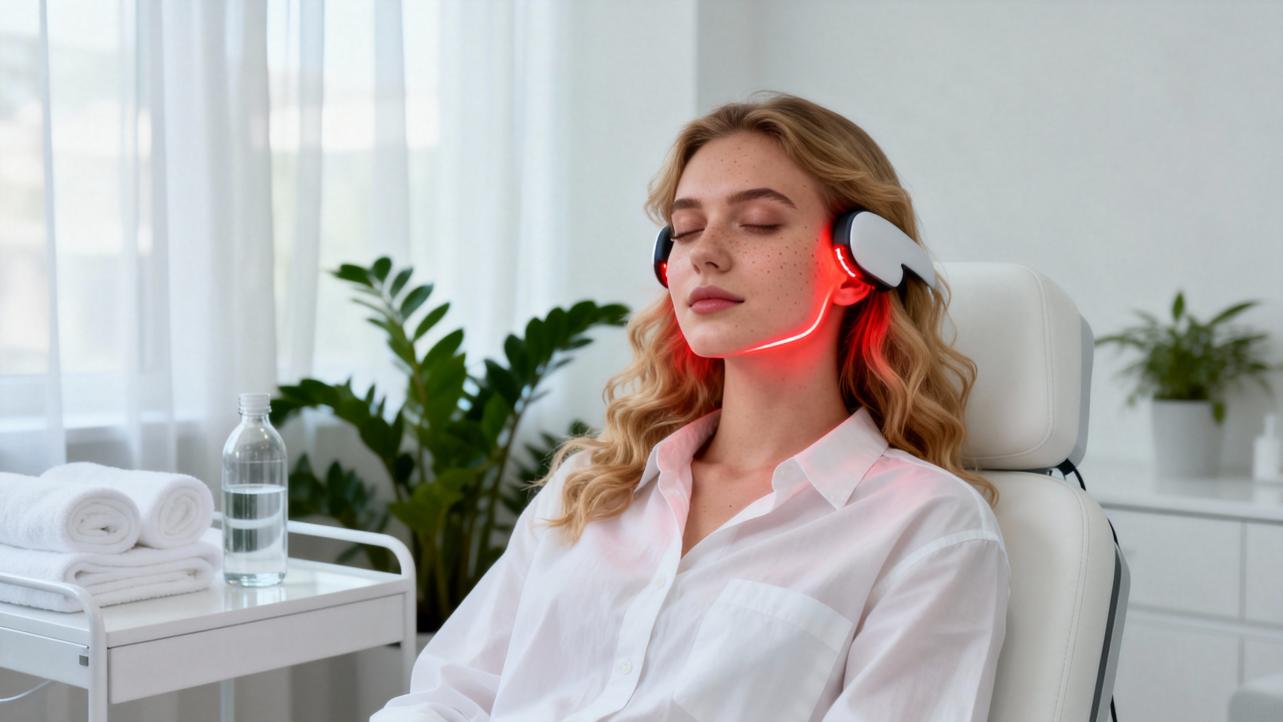
A notable clinical study in middle-aged to older adults (45 to 70 years old, average age about 56) used a 630 nm red LED facial mask twice weekly for 12 minutes over three months. The researchers reported sizable objective improvements: crow’s-feet depth reduced by more than a third, facial sagging and roughness decreased, dermal density increased, pores shrank, and sebum production fell in those with oily skin. Improvements were still visible weeks after stopping treatment, suggesting more than a fleeting cosmetic effect.
That said, photobiomodulation follows a biphasic dose response. The study authors and other photobiomodulation researchers emphasize that doses that are too low do very little, while doses that are too high can blunt or reverse benefits. More sessions, more time, and more power are not automatically better, which becomes especially important with aging tissues.
Where Red Light Therapy Is Most Evidence-Backed After 55
The internet will tell you red light can fix almost everything. The research does not. Here is how I think about major use-cases for someone in their late 50s, 60s, or beyond, drawing directly from medical centers and clinical data rather than influencer reels.
Skin Aging and Texture
This is where the evidence is strongest and most consistent.
Harvard Health, UCLA Health, Stanford Medicine, and Cleveland Clinic all point to red light’s most reliable role in dermatology: gradually improving fine wrinkles, mild skin laxity, and overall skin quality. Red light acts on fibroblasts, increases collagen production, and improves extracellular matrix organization.
The three-month facial mask study in adults aged 45–70 is especially relevant for the 55-plus group. By day 84 of twice-weekly sessions, the researchers documented:
- Substantial reductions in crow’s-feet depth and facial sagging.
- Improved firmness and elasticity.
- Nearly 50 percent increases in dermal density.
- Noticeable improvements in complexion homogeneity and pore size.
Participants continued using their usual cleansers and creams, so the changes were attributed to the mask. Importantly, improvements persisted for at least a month after stopping, and the device was well tolerated even in darker skin tones.
AARP highlights the practical side: in-office red light sessions for wrinkles often run about 150 per treatment, usually not covered by insurance. At-home masks typically cost around 500, with some high-end devices much higher. Dermatology and AARP experts recommend looking for devices within an anti-wrinkle wavelength sweet spot of about 625–670 nm and favor brands that show actual clinical trial data rather than just marketing claims.
Even then, expectations matter. AARP and Harvard Health both stress that red light is a good option for subtle improvements with minimal downtime, especially for fine lines and mild texture issues, but it does not replace lasers, deep resurfacing, or injectables for more advanced photoaging.
Hair Thinning and Scalp Health
Hair is another area where middling but real evidence exists.
Stanford dermatologists and UCLA Health both note that red and near-infrared light can stimulate hair follicles in androgenetic (pattern) hair loss. Studies using caps, combs, and helmets show increased hair density, thickness, and sometimes length over several months of consistent use. One study cited by UCLA even found low-level light therapy comparable in effectiveness to minoxidil for pattern hair loss in some patients.
There are important caveats for older adults. Stanford experts emphasize:
- Benefits appear in thinning areas where follicles are still alive, not on completely bald regions where follicles are gone.
- Gains are dependent on continued treatment. When therapy stops, hair shedding and thinning usually resume.
- Clinic devices tend to be more powerful and better characterized than many consumer caps and helmets.
If your main goal after 55 is to slow early thinning or support transplanted hair, red light from a cap or helmet with well-defined wavelengths can be a reasonable adjunct. If the scalp is already shiny and bald, red light will not resurrect dead follicles.
Joint Pain, Muscle Recovery, and Mobility
For many people in their 60s and 70s, this is the most compelling potential use-case – and where hype is loudest. The evidence is promising but still uneven.
Cleveland Clinic, a high-level review summarized by WebMD, and a 2021 literature review discussed by UCLA Health all report that red or near-infrared light can:
- Reduce pain and morning stiffness in some musculoskeletal conditions.
- Improve function in tendinopathy and certain inflammatory pain syndromes.
- Provide short-term relief for conditions such as rheumatoid arthritis and fibromyalgia.
Seniors Blue Book, summarizing a large body of photobiomodulation research, notes that red and near-infrared light can increase circulation, relieve pain, relax muscle spasm, and reduce stiffness associated with arthritis. They highlight that thousands of musculoskeletal studies, although varied in quality, tend to show positive pain and function effects.
A sports medicine piece from University Hospitals adds nuance that is especially important after 55. An orthopedic sports physician there points out:
- Red light therapy shows early promise for tendinopathies and more superficial, inflammatory problems.
- It may help with recovery after exertion, decrease soreness, and support people dealing with chronic pain.
- It does not repair mechanical issues such as full ligament tears or reverse advanced osteoarthritis. When the problem is structural, light cannot rebuild anatomy.
In practical terms, that means red light is best viewed as a non-drug pain and recovery tool for milder to moderate joint and soft tissue issues, not as a substitute for surgery when structural damage is severe.
Circulation, Wound Healing, and Blood Clots
Some of the most interesting data for older physiology involve circulation and clotting, but this is also where we must be most cautious.
Clinics that focus on performance and neuropathy report that red and near-infrared light:
- Trigger nitric oxide release, causing vasodilation and improved blood flow.
- Support angiogenesis, or the formation of new capillaries, which can help feed under-served tissues.
- Enhance lymphatic drainage, which can reduce swelling and speed the transition from inflammation to healing.
These mechanisms are plausibly helpful for slow-healing wounds or neuropathy in older adults, and they are being actively explored in research settings. The facial mask study also documented improved dermal density and texture, consistent with better microcirculation and matrix remodeling.
A research team from the University of Pittsburgh and UPMC went a step deeper into systemic vascular biology. In mice, long-wavelength red light exposure over several days led to almost five times fewer blood clots compared with blue or white light, with reductions in inflammatory “nets” that trap platelets and changes in platelet activation. In a separate observational analysis of more than 10,000 cataract surgery patients, cancer patients who received blue-blocking lenses (which allow more red light to reach the retina) had a lower clot risk than those with standard lenses.
These findings are early and not yet a basis for clinical prescriptions. The authors themselves stress that controlled human trials are needed before recommending red light as a clot-prevention therapy. If you are over 55 and already at high clot risk, this line of research is intriguing, but it is not a green light to self-treat. It is a reason to pay attention as more data emerge.
Brain Health, Mood, and Sleep
This is the area where marketing runs far ahead of evidence, especially in older adults.
WebMD and UCLA Health both note small studies in people with mild to moderate dementia using transcranial and intranasal red or near-infrared light. In these trials, brief daily treatments over several weeks were associated with improved cognitive scores and no major adverse effects. A broader review of dementia-related red light therapies summarized by WebMD also reports potential benefits for agitation, sleep, and cognition, but emphasizes that most trials are small and often lack robust control groups.
The Utah men’s health discussion on red light therapy goes out of its way to caution that influencer claims about mental health, mood, and cognitive enhancement outstrip the evidence. Benefits, if they exist, depend on very specific wavelengths and dosages. Many consumer face masks and panels do not deliver what those brain-focused studies used.
Complicating things further, not all helpful “light therapy” is red. A double-blind study in long-term care residents found that moderate-intensity blue light for 30 minutes on weekdays improved certain cognitive scores and reduced tension compared with dim red placebo light. That tells us wavelengths matter, and blue light is a different tool with different trade-offs.
For now, if you are over 55 and considering red light primarily for brain or mood effects, it is best to treat it as experimental, ideally under the supervision of a clinician or researcher involved with photobiomodulation protocols, rather than self-directing based on marketing alone.

Safety Essentials That Matter More After 55
Short-term, properly used red light therapy has a good safety profile in studies and in clinical practice. But aging changes your risk landscape. Here are the safety layers I would insist on for any 55-plus user.
Eye Safety
LED devices feel gentle, but your retinas are precious, and red and near-infrared light can be quite bright.
Harvard dermatology experts remind us that Neutrogena withdrew an acne light mask in 2019 amid concerns about potential eye damage in people with certain eye diseases or on photosensitizing medications. AARP and Cleveland Clinic both advise using protective goggles, especially with more powerful panels or masks that sit close to the face.
If you have a history of cataracts, retinal disorders, glaucoma, or other significant eye issues, you should treat eye protection as non-negotiable and talk with your ophthalmologist before using facial or scalp devices.
Medications and Photosensitivity
Multiple sources, including AARP, Cleveland Clinic, and Seniors Blue Book, warn about photosensitizing medications. These can include certain antibiotics, acne medications, and other drugs that make skin or eyes more sensitive to light.
If you are over 55, the odds are high that you take at least one prescription. Before starting red light therapy, especially higher-power panels or lasers, review your medication list with a physician or pharmacist and ask explicitly about light sensitivity. When in doubt, err on the side of a more conservative protocol or skip red light entirely.
Skin Cancer, Suspicious Lesions, and Darker Skin Tones
American Academy of Dermatology guidance and Harvard Health both stress this point: red LED devices are not a diagnostic or treatment tool for skin cancer. They will not catch a melanoma early, and they will not treat it. In fact, red light is used with a drug in photodynamic therapy to intentionally destroy precancerous lesions under physician supervision.
If you have a history of skin cancer, actinic keratoses, or even just a lot of sun damage, you should see a dermatologist before using red light for cosmetic reasons. Any concerning spot should be evaluated in person, not “watched” under a mask.
UCLA Health also notes that people with darker skin tones may be more prone to hyperpigmentation with red light, particularly if dosing is aggressive. For older adults with richer skin tones, that means you should start with very conservative exposure, patch-test a small area, and work with a provider who understands pigment biology.
Chronic Conditions and Complex Health Profiles
Cleveland Clinic and WebMD both highlight that red light therapy is being studied – but is not yet established – for a variety of systemic conditions, from chemotherapy side-effect reduction to tendonitis, rheumatoid arthritis, and osteoarthritis. Seniors Blue Book and musculoskeletal clinics position it as a supportive, nonpharmacologic option for neuropathies and chronic pain.
If you live with conditions like diabetes, significant cardiovascular disease, autoimmune disease, or are undergoing cancer treatment, the safest move is to involve your care team before adding light therapy. Most of the time, the risk will be low, but your doctor may want to adjust other treatments or advise specific precautions or treatment areas to avoid.

Choosing Devices Wisely After 55
At this point, the device marketplace is a jungle. As a light therapy geek, I always look at three things first: where you get treated (clinic versus home), what kind of device you are actually buying, and whether its specifications match the evidence for your goal.
Clinic Versus At-Home Devices
Medical-grade devices used in dermatology and pain clinics are typically more powerful, better characterized, and applied by professionals who understand dosing. They are also more expensive per session and require appointments.
AARP notes that in-office wrinkle treatments often cost around 150 per session. WebMD and Cleveland Clinic both point out that you may need sessions one to three times per week for weeks or months, plus occasional maintenance, which adds up in time and money.
Home devices range from under-$100 handhelds to high-end panels and full-body beds costing many thousands of dollars. Most are weaker than clinic units, and many do not clearly state their wavelengths or power output. Stanford dermatology experts highlight that consumers often have no idea which wavelengths or doses they are actually getting, which makes it very hard to align home protocols with research.
For most people over 55, a reasonable strategy is to:
- Consider a series of clinic treatments when you want a well-controlled trial run for a specific issue (for example, facial wrinkles or a stubborn tendon), then decide whether the effect justifies the ongoing cost.
- If results are encouraging and you want to maintain them at home, invest in a carefully chosen home device rather than paying for indefinite clinic sessions.
Panels, Masks, Caps, and Beds
UCLA Health and WebMD describe the main device categories:
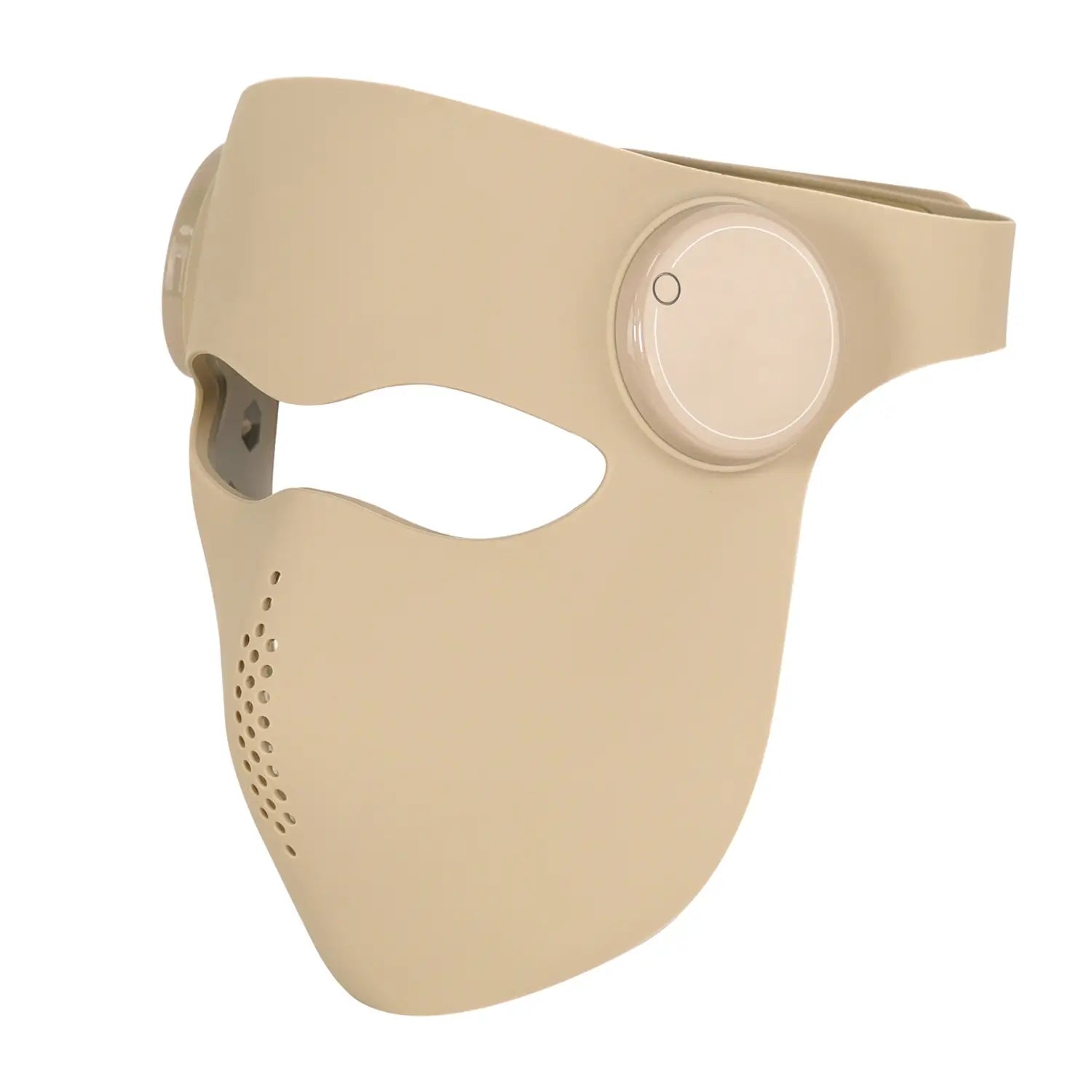
- Facial masks that sit close to the skin and bathe the face in red light.
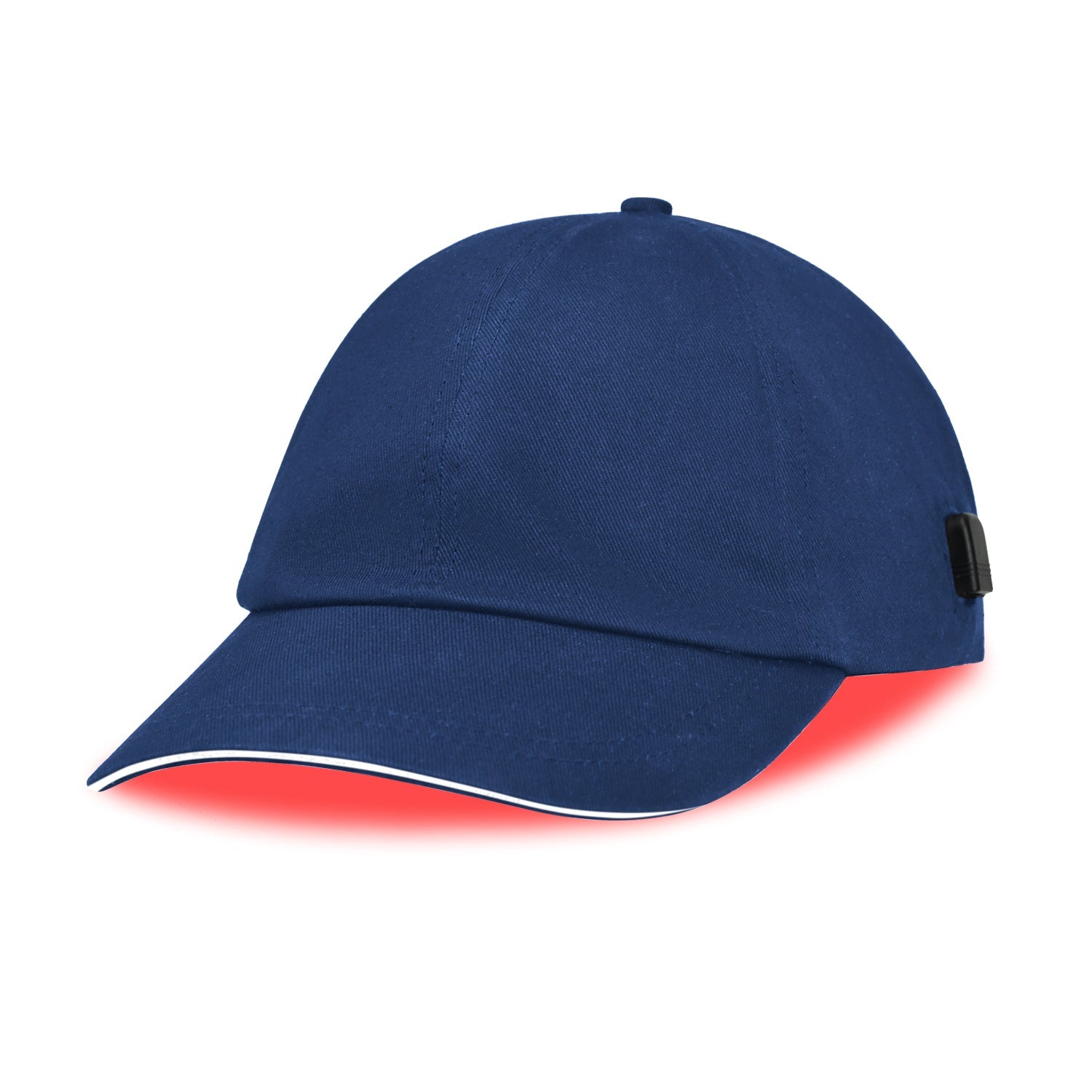
- Caps and helmets designed for scalp exposure and hair regrowth.
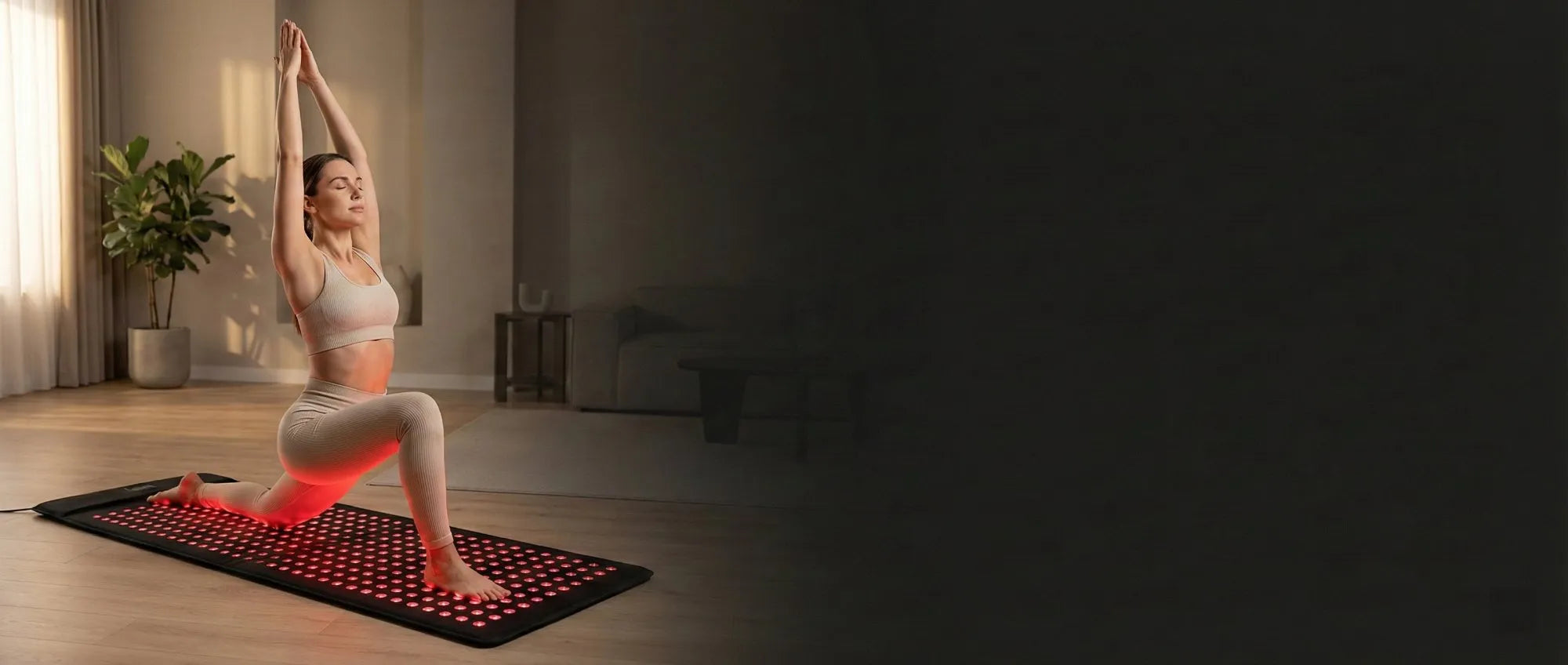
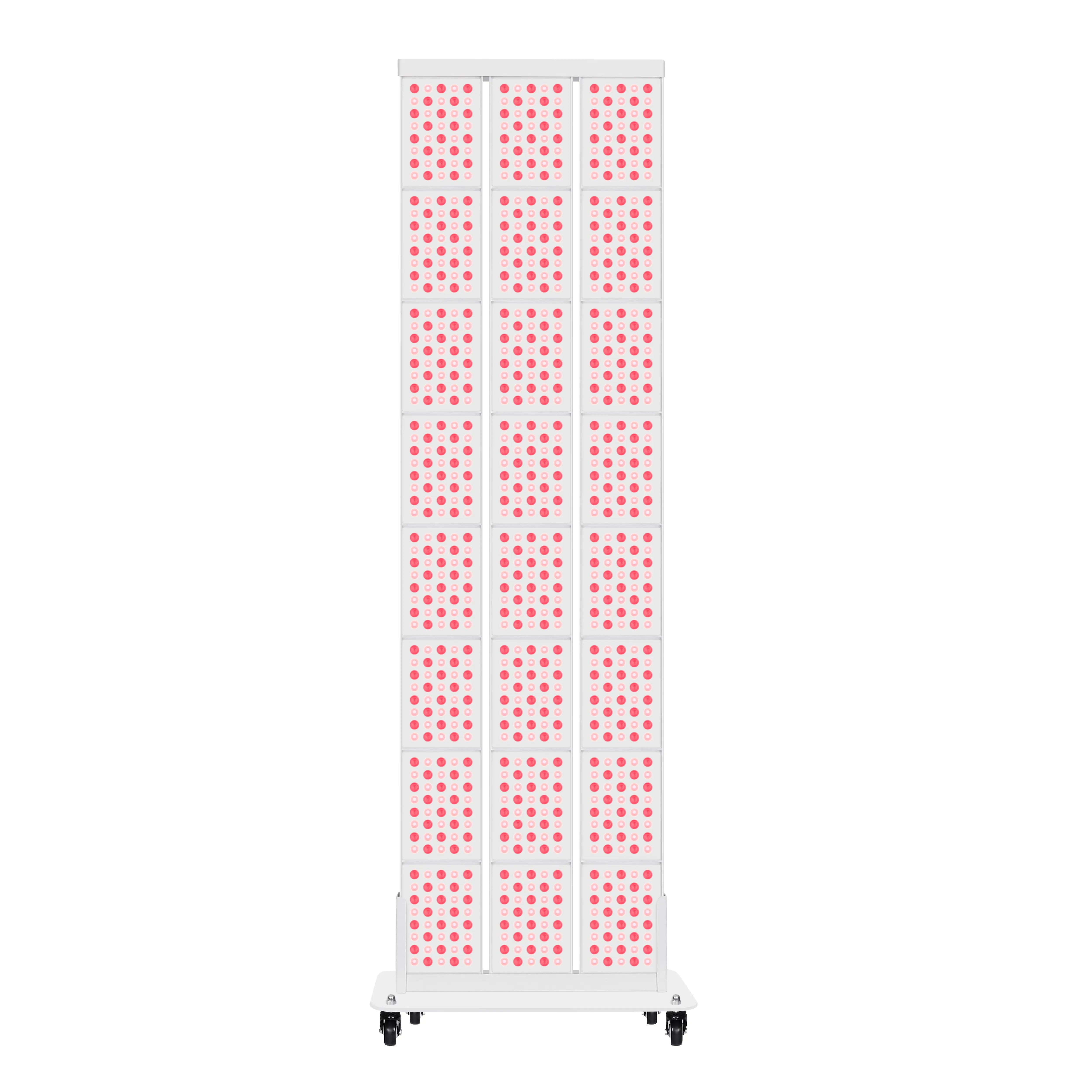
- Wall‑ or stand‑mounted panels for larger body areas.
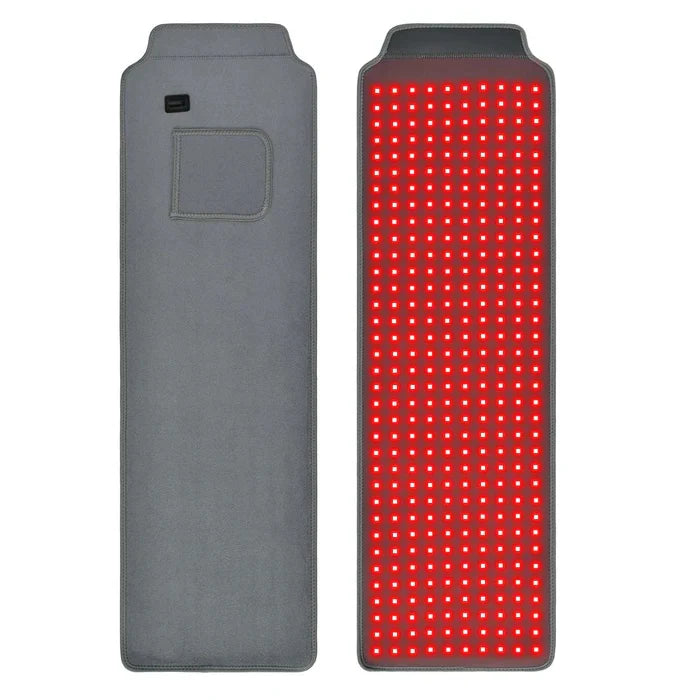
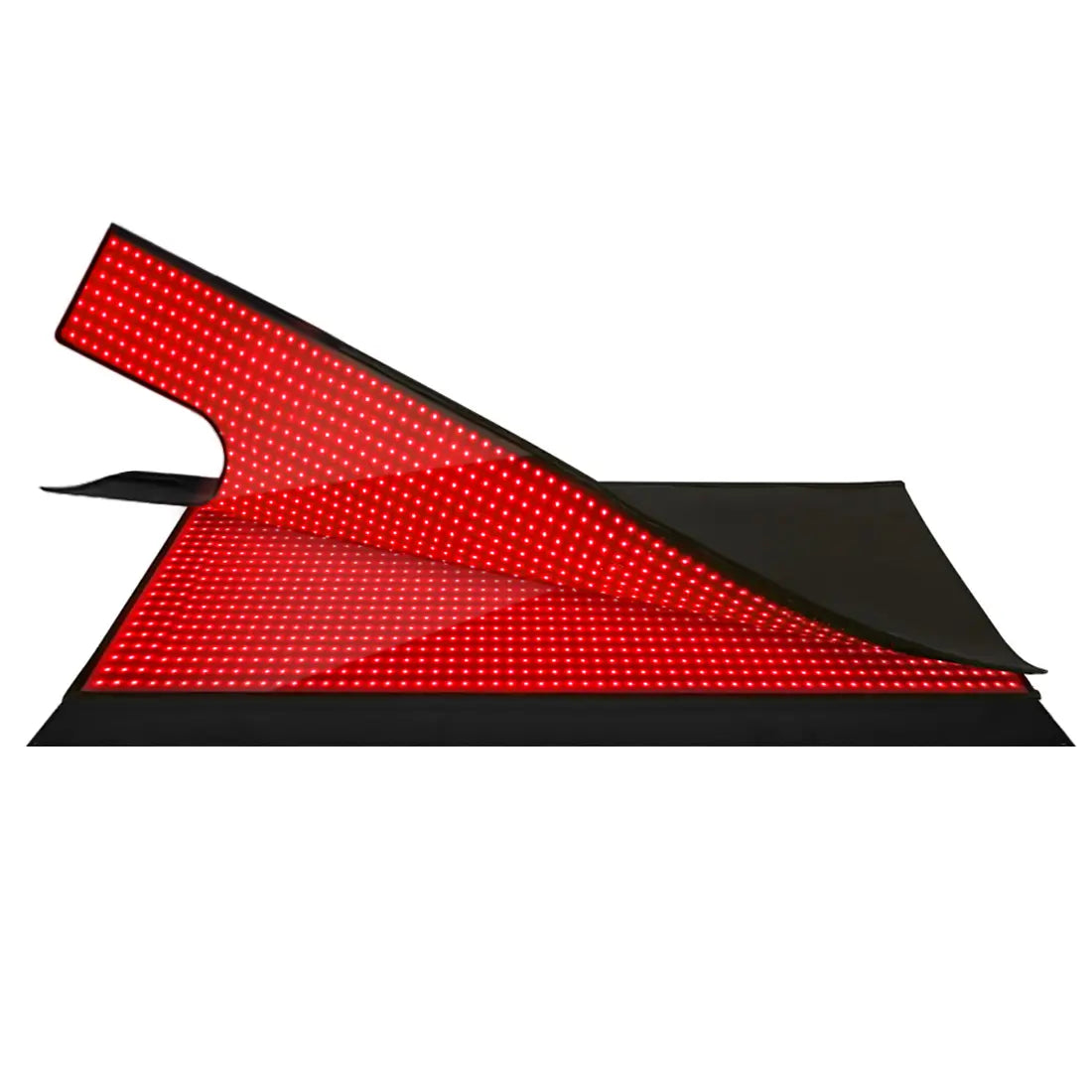
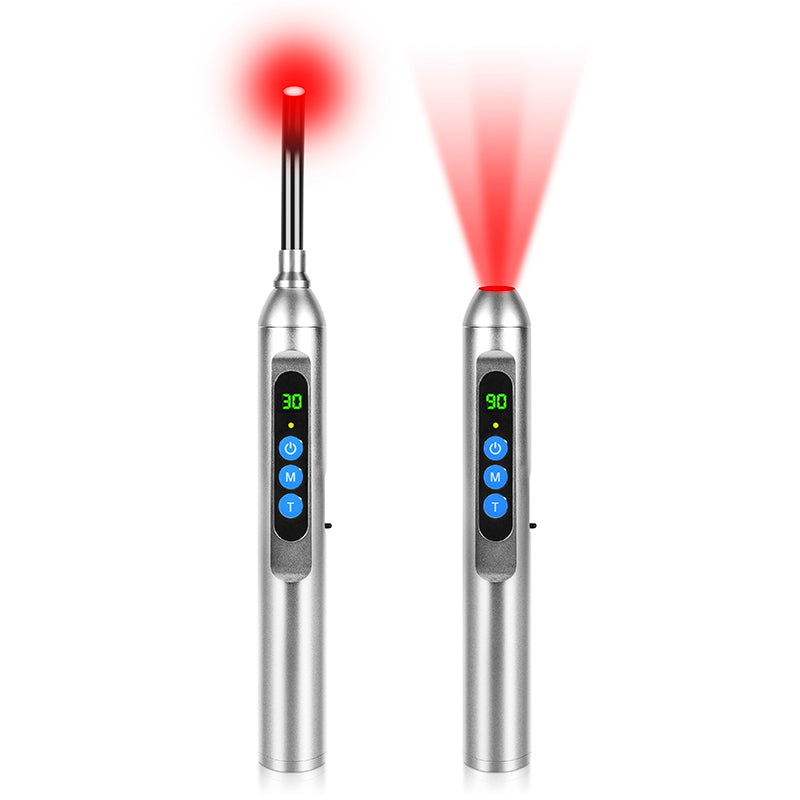
- Handheld wands and pads for small, targeted areas like a knee or shoulder.
- Full‑body beds that resemble tanning beds and expose the entire body.
Form factor matters less than whether the device is credible and matched to your goal. For skin, masks with well-chosen wavelengths and evidence behind the specific model can make sense. For joints and muscles, a panel or flexible pad that can sit a few inches from the area is often more practical than waving a tiny wand around.
A professional device such as the Celluma PRO, for example, combines blue, red, and near-infrared wavelengths in a flexible panel and is cleared for acne, wrinkles, and pain. The manufacturer explicitly emphasizes that more LEDs or higher power are not automatically better; the tested combination of wavelengths, intensity, and time is what matters. That philosophy is a good one to apply to any device you are evaluating.
Specs That Actually Matter
Across AARP, Stanford Medicine, UCLA, and Harvard Health, several themes repeat when experts talk about choosing devices:
- Wavelength: For anti-wrinkle effects, many studies cluster in the roughly 625–670 nm range. Hair and deeper-tissue studies often include near-infrared wavelengths such as 810 or 850 nm. A device that uses only off-range wavelengths may not replicate the protocol you are reading about.
- Transparency: You should be able to find exact wavelengths, power density, and recommended distance and duration. If a brand will not share these, it is hard to treat the product as anything but a lottery ticket.
- FDA status: Look for “FDA-cleared” rather than vague phrases like “FDA certified.” As several sources note, clearance means a device has been deemed low risk and substantially equivalent to an existing device for safety. It does not mean it is guaranteed to work, but it does weed out some low-quality entrants.
- Evidence for that specific model: AARP suggests favoring devices where the actual product (not just “red light in general”) has been studied in a small clinical trial, even if the trial is modest.
In my own reviews, I treat readouts of wavelength and power the way a pilot treats an airspeed indicator: if the dials are missing, I do not take off.

Dosing, Frequency, and Realistic Timelines
Most clinical and wellness sources converge on a few core dosing principles, even though the field still lacks universal standards.
Many protocols for skin and joint issues use treatments in the 10–30 minute range per area, several times per week. The facial mask study in older adults used just 12 minutes twice a week with at least 72 hours between sessions and still achieved strong outcomes over three months. Male-focused wellness guidance often suggests 10–20 minutes, three to five days per week, then tapering to maintenance.
Several important patterns emerge across the literature:
- Consistency beats intensity. UCLA Health emphasizes that photobiomodulation is not a one-time intervention. Benefits build with regular use and fade when treatment stops.
- More is not always better. The red LED mask researchers and other photobiomodulation experts stress the biphasic response: doses that are too high can actually suppress beneficial effects.
- Benefits are often reversible. Stanford notes that hair regrowth stops and reverses when therapy stops. Pain studies summarized by UCLA and WebMD report that chronic pain often returns within weeks of ending treatment. Skin improvements appear more durable than pain relief, but even there, aging and sun exposure continue.
For someone over 55, I usually recommend thinking in terms of three phases, always coordinated with a clinician if you have health conditions:
- A starter phase of about eight to twelve weeks where you use a conservative evidence-aligned protocol and track how you feel and look.
- A refinement phase where you adjust timing, distance, or frequency based on response and any skin or eye sensitivity.
- A maintenance phase if you find clear benefit, where you may reduce frequency but keep enough sessions to sustain gains.
If you are not seeing any meaningful change after a fully honest three-month trial, it is reasonable to reassess whether red light therapy is worth your time and money versus other proven tools like strength training, physical therapy, or targeted dermatologic procedures.
Integrating Red Light Therapy into a 55+ Longevity Plan
One of the most grounded points in the Utah health discussion is that fundamental health behaviors still do more for longevity and vitality than any device. Nutritious eating, regular physical activity, emotional well-being, and quality sleep have orders of magnitude more evidence behind them than photobiomodulation.
From a veteran optimizer’s perspective, that means red light therapy belongs in the “adjunct and amplifier” category, not the “foundation” category.
Used wisely, red light can:
- Make it a little easier to keep joints moving so you actually stay active.
- Nudge skin quality and hair confidence upward in a way that supports self-image.
- Offer a non-drug way to dial down pain or soreness, possibly reducing reliance on medications in select cases.
- Provide structured, low-friction recovery rituals that keep you engaged with your own health.
But it cannot replace a strength program, a daily walking habit, a sane bedtime, or deep relationships. And if your budget is tight, those fundamentals will yield far more return on investment than any panel or mask.
Brief FAQ for the 55+ Crowd
Am I “too old” to benefit from red light therapy?
The best-studied facial anti-aging mask included participants up to age 70 and showed robust improvements in wrinkles, firmness, and skin density with good tolerability. Pain and circulation studies commonly include older adults as well. There is no clear age cut-off where red light “stops working,” but expectations should match the degree of underlying damage. Deep creases and advanced arthritis will not be erased, though comfort and surface quality can still improve.
How often can I safely use a red light device?
Most medical and wellness sources recommend several sessions per week rather than daily marathons. The facial mask study used twice-weekly sessions spaced by at least 72 hours and still produced strong results. Because photobiomodulation has a biphasic response, pushing dose and frequency far above what has been studied can backfire. More power, longer sessions, or daily use are not automatically better, especially for aging skin. Start low and stay within the manufacturer’s directions and any protocol your clinician recommends.
Should I stop if I have a history of skin cancer?
Red light alone does not treat skin cancer, and LED devices will not detect it. If you have any history of melanoma or other skin cancers, or if you simply have many suspicious spots, it is wise to see a dermatologist before starting red light therapy, particularly for facial use. They can help decide whether it is appropriate, which areas to avoid, and how to monitor your skin over time.
Red light therapy can be a smart, science-informed ally in aging well, but only if you treat it like what it is: a nuanced biological nudge, not a miracle beam. When you pair calibrated light with strong lifestyle fundamentals, careful device selection, and realistic expectations, the odds of seeing meaningful, sustainable benefits after 55 go up substantially. That is the kind of optimization that is worth chasing.

References
- https://lms-dev.api.berkeley.edu/studies-on-red-light-therapy
- https://digitalcommons.cedarville.edu/cgi/viewcontent.cgi?article=1013&context=education_theses
- https://www.health.harvard.edu/diseases-and-conditions/led-lights-are-they-a-cure-for-your-skin-woes
- https://pubmed.ncbi.nlm.nih.gov/21683660/
- https://www.medschool.pitt.edu/news/red-light-linked-lowered-risk-blood-clots
- https://med.stanford.edu/news/insights/2025/02/red-light-therapy-skin-hair-medical-clinics.html
- https://healthcare.utah.edu/the-scope/mens-health/all/2024/06/176-red-light-therapy-just-fad
- https://my.clevelandclinic.org/health/articles/22114-red-light-therapy
- https://www.uclahealth.org/news/article/5-health-benefits-red-light-therapy
- https://www.aad.org/public/cosmetic/safety/red-light-therapy