
If you have ever looked at a baby’s cheek and thought, “I want that skin,” you are asking for more than just fewer wrinkles. You are talking about a complete skin architecture: ultra-smooth texture, plumpness, even tone, and that soft, hydrated “bounce.”
As someone who has spent years experimenting with red light panels, LED masks, and full‑body beds—on my own skin and in clinic settings—I can tell you this: red light therapy is one of the most interesting, science-backed tools we have for improving texture. But can it truly restore baby‑like skin?
Let’s walk through what the research actually shows, where the limits are, and how to use red light therapy intelligently if your goal is smoother, more youthful texture rather than hype-driven miracles.
What “Baby Skin Texture” Really Means
Baby skin looks special because of a few biological advantages. Collagen and elastin are abundant and well-organized. Hyaluronic acid and natural lipids keep the surface hydrated and cushiony. Cell turnover is efficient, so the outer layer sheds evenly and does not accumulate rough, dead patches. There is minimal cumulative sun damage, minimal chronic inflammation, and no long history of acne, picking, or harsh treatments.
By contrast, adult skin has taken hits for years. One clinical source notes that we lose roughly one percent of our collagen each year after about age thirty, which contributes to thinning skin, laxity, and more visible lines. Repeated UV exposure roughens the surface, breaks collagen down, and drives pigment changes. Hormonal shifts, pollution, and lifestyle stress add chronic low‑grade inflammation.
So, when you ask whether red light therapy can give you baby‑like skin, what you are really asking is whether a noninvasive light treatment can reverse years or decades of collagen loss, micro‑scarring, and photodamage—and how much it can smooth and refine the surface in a realistic timeframe.

How Red Light Therapy Works In Skin
Red light therapy, also called photobiomodulation or low‑level light therapy, uses low‑intensity red and near‑infrared wavelengths, typically somewhere around 600–900 nanometers. Cleveland Clinic, Harvard Health Publishing, and dermatology research broadly agree on the same core mechanism: the light is absorbed in the mitochondria, the “power plants” of your cells, particularly in fibroblasts and keratinocytes.
Several key effects follow from that mitochondrial activation:
Red and near‑infrared light increases ATP, the energy currency cells use to repair and rebuild. A number of laboratory studies summarized by dermatology authors show that fibroblasts exposed to red light can ramp up collagen production dramatically, with one in‑vitro study reporting up to a fourfold increase in collagen synthesis in human skin fibroblasts when the light dose is optimized.
The light also nudges fibroblasts to produce more elastin, the protein that lets skin spring back. Clinical and imaging studies in journals such as Lasers in Medical Science report measurable increases in dermal collagen density after a course of red light therapy sessions.
Red light improves microcirculation. Several human studies, including work cited in Lasers in Medical Science, show enhanced blood flow in the skin after treatments. More oxygen and nutrients to the tissue means better repair and a brighter, more “awake” complexion.
Finally, red light exerts anti‑inflammatory effects. Reviews from clinical dermatology sources point to reductions in inflammatory markers, less redness, and calmer skin in conditions like acne and rosacea. That matters because chronic inflammation is a big driver of the dull, rough, uneven texture people associate with “tired” skin.
Unlike UV, red and near‑infrared light at these doses are non‑ionizing and non‑erythemogenic. Multiple sources, including Cleveland Clinic and Harvard Health Publishing, emphasize that properly used red light therapy does not damage DNA or increase skin cancer risk in the way ultraviolet does. In short, you get a cellular nudge toward repair without deliberate injury to the surface.

What Clinical Studies Say About Texture And “Baby-Smooth” Skin
Mechanisms are encouraging, but texture lives and dies in real‑world results. Here is what well‑designed studies and large case series actually show.
Controlled trials on roughness and collagen
One of the more rigorous pieces of evidence comes from a randomized controlled trial with 136 volunteers, published in a peer‑reviewed photomedicine journal and summarized in the research notes. Participants received full‑ or partial‑body treatments with either a narrow red band around 611–650 nanometers or a broader polychromatic spectrum from about 570–850 nanometers, twice a week, for thirty sessions. A control group received no light.
This study did not rely solely on “I think my skin looks better.” Researchers measured periorbital skin roughness with computerized profilometry, intradermal collagen density with high‑frequency ultrasound, and had blinded physicians rate wrinkle severity from standardized photographs.
The results matter for anyone chasing baby‑like texture:
Participants in both red‑only and polychromatic groups showed statistically significant reductions in surface roughness after thirty sessions, while the untreated controls actually became rougher over the same period. In other words, texture in the treated groups smoothed out in a measurable way, not just in selfies.
Collagen intensity scores increased in both treatment groups by around five to six points on the ultrasound scale, with no meaningful change in the control group. That indicates true remodeling inside the dermis, not just swelling or temporary plumping.
Blinded experts judged that wrinkles improved in about seven out of ten treated participants but in only a tiny fraction of controls, while wrinkles worsened over time for most controls. This aligns with other clinical reports that describe modest but real reductions in fine lines.
Importantly, a follow‑up months after the last session found that improvements in skin feeling, complexion, and collagen density were still better than baseline for many subjects, though the effects softened over time. That matches what Stanford dermatology experts note: benefits build gradually over months and tend to fade when you stop.
Independent trials and case series
Other clinical work paints a consistent picture. A 2014 trial in Photomedicine and Laser Surgery and a 2018 study in Clinical, Cosmetic and Investigational Dermatology both reported improvements in overall texture, elasticity, and tone after several weeks of red light therapy, with reduced surface roughness.
One review cited in FranklinDerm’s summary mentions in‑vitro data showing up to a 400 percent increase in collagen synthesis and human trials where collagen density increased by roughly twenty percent in treated areas. Another study summarized by wellness clinics found that nearly ninety‑seven percent of participants using an FDA‑cleared red light device at home for ten weeks reported visible improvement in fine lines, wrinkles, and overall skin tone and texture.
Harvard Health Publishing and Cleveland Clinic both acknowledge this pattern: red light therapy is noninvasive, appears safe in the short term, and there is a growing body of literature showing modest improvements in wrinkles, texture, scars, and redness, with some devices cleared by the FDA for these cosmetic indications.
So, does the data say “baby skin”?
The short answer is no—and yes, depending on what you mean.
If “baby skin” means erasing decades of structural changes, deep wrinkles, and significant sagging, the evidence does not support that. Stanford Medicine explicitly characterizes the effect as modest skin rejuvenation, not a total reset, and both Harvard and Cleveland Clinic stress that studies are small, often short, and not definitive for dramatic transformations.
If “baby skin” means smoother texture, finer pores, improved glow, better hydration, and softer fine lines, then several controlled trials and real‑world case series strongly suggest that red light therapy can move you meaningfully in that direction, especially when used consistently and combined with sensible skincare.

Baby Skin Versus Red Light Reality
To keep expectations grounded, it helps to line up what defines baby‑like skin with what red light therapy can actually influence.
Skin feature |
Baby-skin baseline |
Evidence-backed effect of red light therapy |
Surface roughness and texture |
Extremely smooth, no micro-scaling or rough patches |
Controlled trials show measurable reductions in roughness and smoother feel after weeks of treatment compared with untreated controls. |
Fine lines and micro-folds |
Essentially absent |
Multiple clinical studies report visible reductions in fine lines and superficial wrinkles; improvements are modest rather than total erasure. |
Dermal collagen density |
Very high, uniformly organized |
Ultrasound and biopsy studies show significant increases in collagen density and improved dermal structure after repeated sessions. |
Hydration and “bounce” |
High water content and strong barrier function |
Studies and clinical reports note improved hydration, plumper appearance, and enhanced barrier function, likely via better circulation and collagen support. |
Pigment and tone |
Even tone, minimal sun damage |
Research and clinical experience show more even tone, fading of some dark spots, and less redness, particularly when inflammation is a driver. |
Sagging and deep folds |
None |
Evidence suggests only modest tightening; red light does not replace what has been lost through major collagen decline or gravity. |
The takeaway is that red light therapy excels at refining the surface—texture, fine lines, glow—and nudging dermal collagen back in the right direction. It is far less capable of reconstructing the entire architecture to infant status once significant laxity and deep structural damage are present.

How To Use Red Light Therapy Intelligently For Texture
If you decide to lean into the “carmine glow” to chase smoother skin, strategy matters. The research and clinical protocols point to some clear patterns that separate “nice gadget” from “noticeable change.”
Choose a device aligned with the science
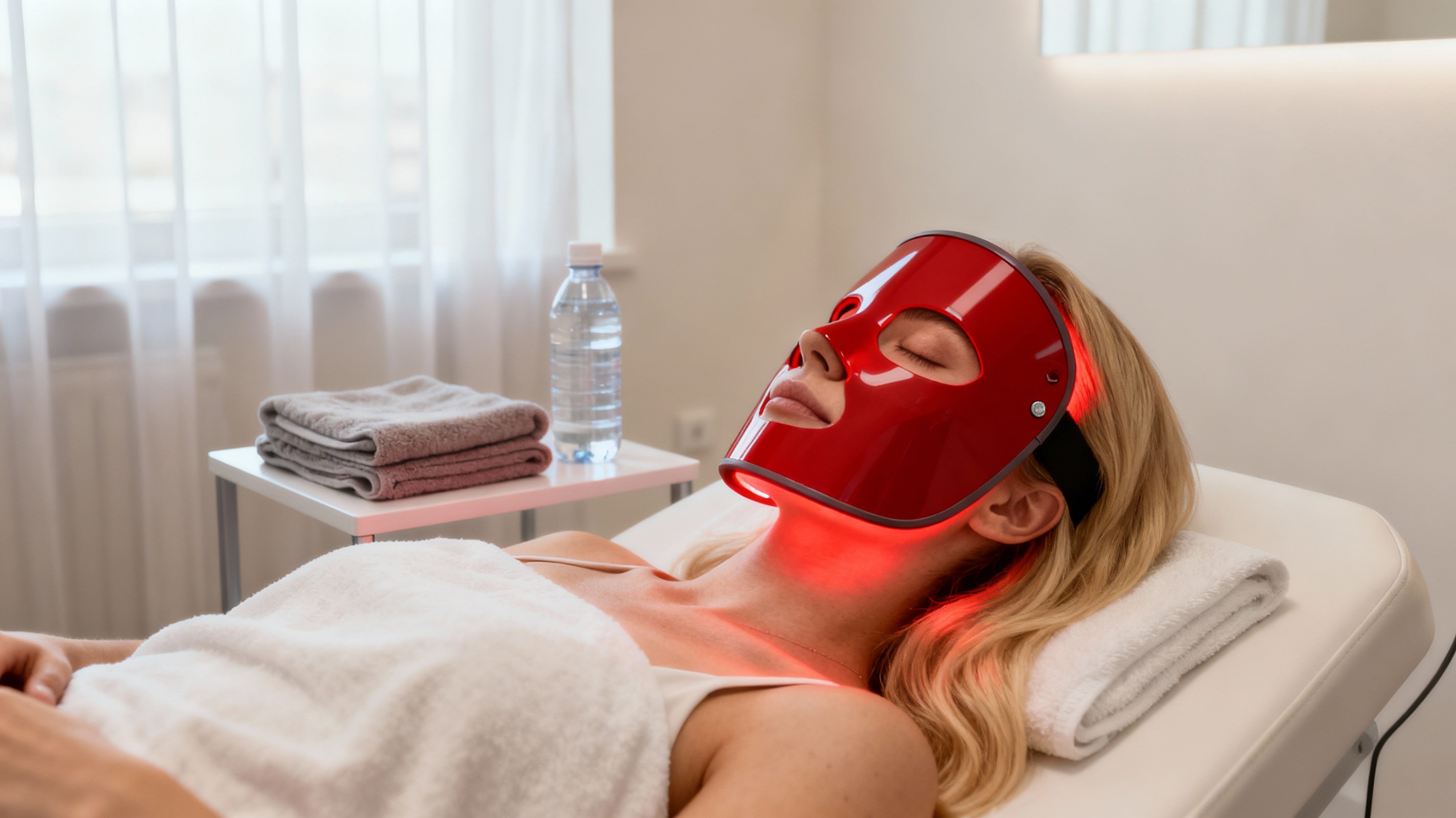
Across multiple sources, the sweet spot for skin rejuvenation sits in the visible red range around 630–670 nanometers, sometimes combined with near‑infrared wavelengths around 800–850 nanometers that reach slightly deeper tissues. Dermatology and wellness clinics commonly use devices in the broader 630–900 nanometer band.
Medical and wellness centers emphasize choosing FDA‑cleared devices from reputable manufacturers, especially for home use. Clinic systems tend to be more powerful and better calibrated; home devices are weaker but can still be effective if you use them consistently and understand their specifications.
For texture-focused goals, look for:
Clear labeling of wavelength ranges in the red and near‑infrared bands rather than vague “LED beauty light” claims.
Reasonable irradiance, so that recommended session times fall in the ten to twenty minute range rather than hours.
Transparent clinical or preclinical data from the brand, ideally referencing peer‑reviewed studies that used similar wavelengths and doses.
Dial in dose, distance, and frequency
The people in the strongest clinical trials did not get baby‑skin‑like changes from a one‑off spa session. They followed a structured protocol for weeks.
The full‑body trial mentioned earlier used two sessions per week for thirty treatments, which works out to about fifteen weeks. Other clinical protocols summarized by Fuel Health and LifeMed Institute recommend two to three sessions per week over roughly twelve weeks for anti‑aging goals, often with ten to twenty minute exposures at distances of about six to twelve inches from the skin for home panels.
Harvard Health Publishing notes that seeing meaningful results from at‑home systems often requires multiple sessions per week for four to six months, and that red light is a gradual, cumulative treatment rather than a quick fix.
In practical terms, that means you should think in terms of months, not days, and be prepared for texture improvements to build slowly: a touch more smoothness after a few weeks, clearer and more hydrated skin after a couple of months, and more visible texture refinement and softening of fine lines as you approach the twelve week and beyond mark.
Combine red light with skin-supportive habits
One theme across expert sources is that red light therapy works best as an adjunct, not a stand‑alone magic trick.
Fuel Health and several clinic guides suggest pairing red light with topical antioxidants such as vitamin C, collagen‑supportive skincare, and modalities like massage or microneedling when appropriate. Harvard Health emphasizes that no light treatment can replace core fundamentals such as daily sun protection, adequate sleep, and sensible moisturizing.
If your goal is texture as close to “baby” as your biology allows, the most effective stack typically looks like this: consistent red light sessions, applied to clean skin so light penetration is not blocked, layered on top of a daily routine that includes broad‑spectrum sunscreen, a gentle cleanser, and evidence‑based actives chosen with your dermatologist or skin professional. Red light can then amplify the repair and renewal work those habits already set in motion.
Home devices versus clinic panels and beds
Cleveland Clinic and Stanford Medicine both point out that at‑home red light devices are generally less powerful than those found in dermatology offices, spas, and medical wellness centers. That does not mean they are useless; rather, it means the curve shifts from “intense bursts” to “slow burn.”
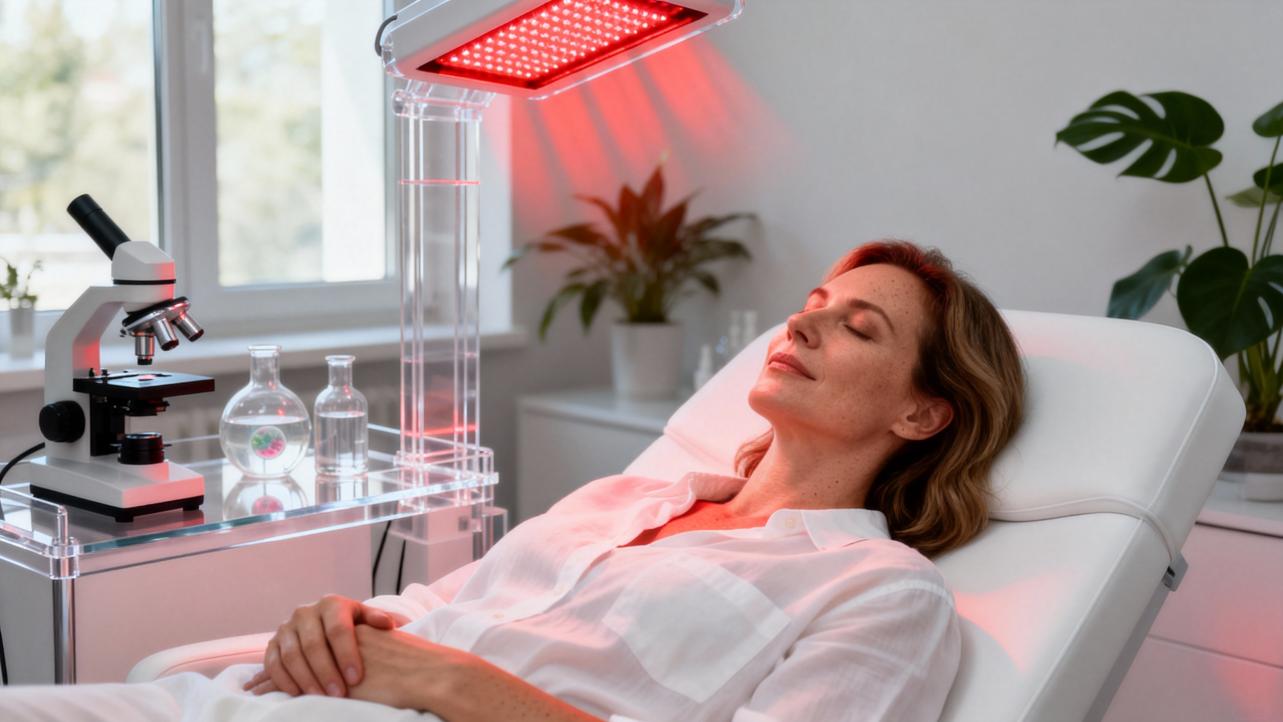
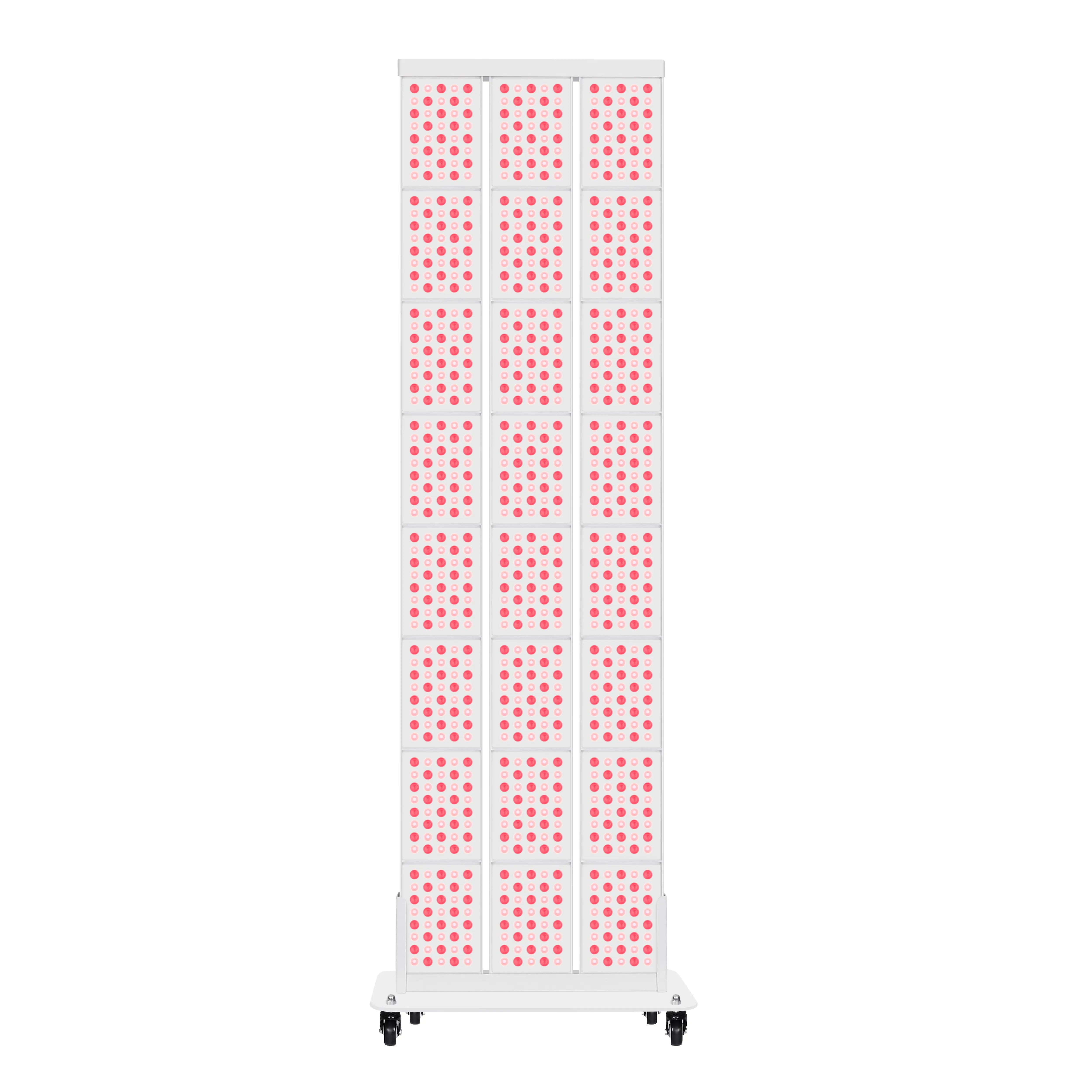
Clinic devices, whether face‑specific panels, full‑body beds, or modular arrays, can deliver higher-intensity light in a controlled dose. Protocols in these environments often involve two or three sessions per week for four to six weeks initially, with maintenance visits afterward. People often see texture and tone changes faster with these systems, at the cost of time and session fees.
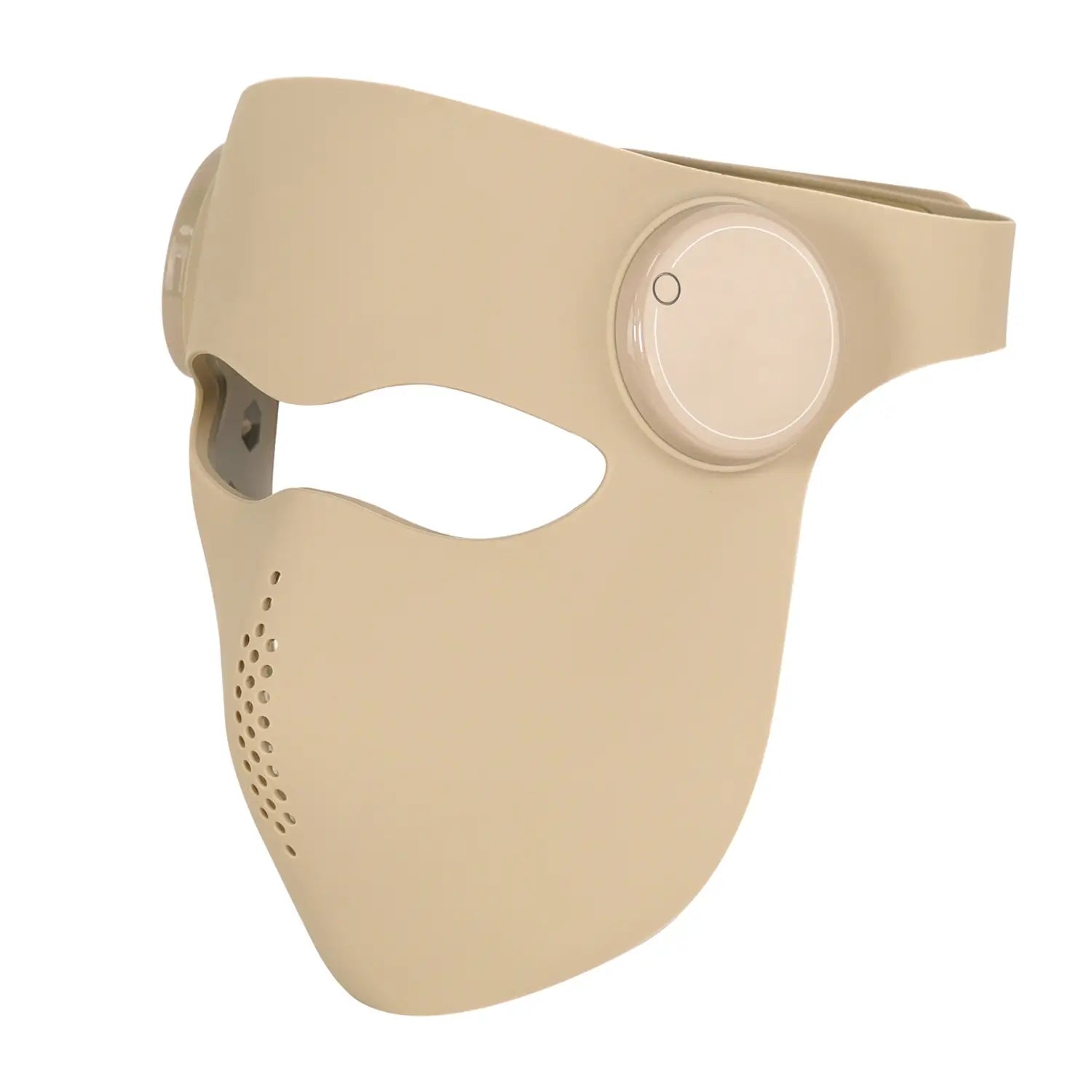
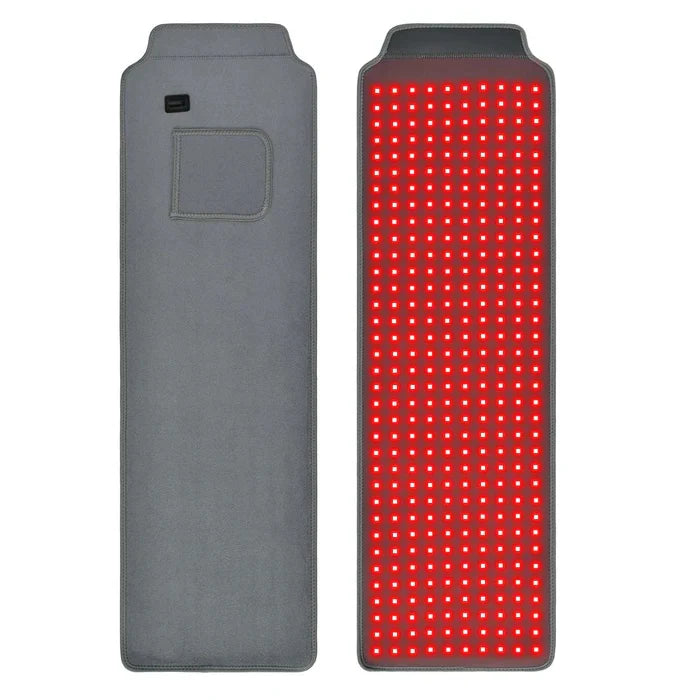
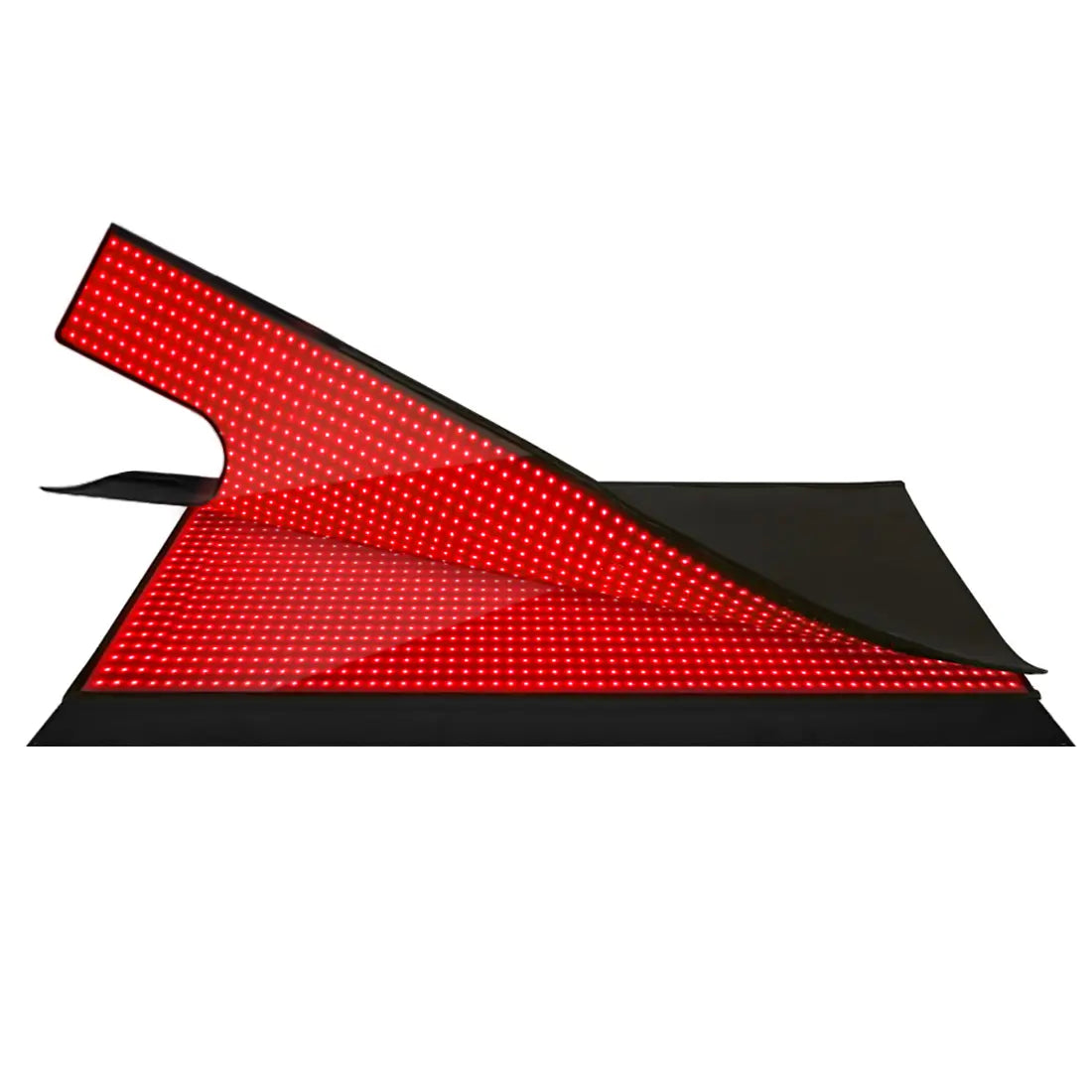
High‑quality home panels, masks, and wands typically recommend ten to twenty minute sessions, several times per week. Brands often position these as long‑term tools: you treat more often, but without the travel and per‑session cost. Evidence from case series and manufacturer‑run studies suggests that dedicated users can achieve meaningful improvements in tone, texture, and fine lines over a ten to twelve week window.
From a veteran user’s perspective, the “best” choice is the one you will actually use consistently for months. A weaker panel you use four nights a week will beat a powerful clinic bed you visit once every month.

Safety, Side Effects, And Red Flags
One of the reasons red light therapy has become a favorite of dermatologists and wellness optimizers is its safety profile—provided you respect dose and basic precautions.
Cleveland Clinic describes red light therapy as non‑toxic and noninvasive, with short‑term use appearing safe and no evidence that it causes skin cancer. The most common side effects are mild and temporary: slight redness, warmth, or irritation if you overdo it. The controlled thirty‑session trial on full‑body red light reported no severe adverse events; a few participants saw temporary changes like increased visibility of existing facial vessels or mild reddening of an old scar that resolved within a week.
Harvard Health and major hospital systems add a few important caveats. People with light‑sensitive conditions such as lupus, or those taking photosensitizing medications like certain antibiotics, should not start red light therapy without medical guidance. Darker skin tones can respond differently to visible light; Harvard Health recommends that individuals with more pigmented skin consult a dermatologist first and start with conservative dosing because of the possibility of unwanted dark spots.
Eye protection matters too. Even though these wavelengths are not UV, staring into bright LEDs repeatedly is not wise. Many clinical protocols specify goggles, and home devices typically come with guidance on shielding the eyes or limiting direct exposure.
Finally, be wary of overblown marketing. Cleveland Clinic explicitly notes there is no solid evidence that red light therapy alone causes significant weight loss, erases cellulite, treats depression, or cures systemic diseases. Stanford Medicine researchers call claims around athletic performance, erectile dysfunction, and dementia speculative at this point. When you see a panel promising overnight baby‑skin transformation plus fat melting and cognitive enhancement, your skepticism is a sign of a healthy brain.

How Close To Baby Skin Can You Realistically Get?
When you put all the pieces together—the mechanistic data, controlled trials, cautious expert commentary—the picture is clear.
Red light therapy can:
Smooth the surface of adult skin in a measurable way, reducing roughness and softening fine lines when used consistently for weeks to months.
Increase intradermal collagen density, which supports firmer, more resilient skin and contributes to that subtle “bounce” we associate with youth.
Improve microcirculation and hydration, leading to a healthier glow, more even tone, and better barrier function.
Support faster healing and calmer inflammation in contexts like acne, post‑procedure recovery, and some inflammatory skin conditions.
Red light therapy cannot:
Rebuild your face into a baby’s, especially if you have deep etched wrinkles, significant sagging, or extensive sun damage.
Replace foundational skincare, sun protection, or more targeted medical treatments where they are clearly indicated.
Defy basic cell biology by delivering permanent changes after a few quick sessions; benefits are gradual and maintenance is required.
From a veteran user’s standpoint, the most accurate way to think about red light therapy is as a texture optimizer and collagen coach, not a time machine. It can move your skin several notches closer to the baby‑smooth ideal, especially in terms of fine texture, micro‑lines, and radiance. It will not erase every mark of time.

FAQ
Can red light therapy literally give me baby skin again?
No device can reverse decades of aging and environmental exposure back to a newborn baseline. What red light therapy can do, based on controlled studies and clinical experience, is smooth roughness, soften fine lines, improve tone, and increase collagen enough that skin looks fresher, more even, and more hydrated. Many people describe their cheeks as “bouncier” and makeup as gliding on more like it did years ago, but the shift is partial, not absolute.
How soon will I see texture changes?
In my experience and in line with the studies, some people notice a subtle glow and slightly smoother feel within a few weeks of consistent sessions, especially if they started with a compromised barrier or a lot of dullness. The more “structural” texture improvements—fewer fine lines, less crepe, more even tone—usually show up around the eight to twelve week mark when you are using a well‑designed protocol several times per week. Professional systems may accelerate the timeline slightly, but you still need repeated exposure.
Do the improvements disappear if I stop?
Most of the evidence suggests that red light therapy behaves like strength training: gains fade if you completely stop stimulating the tissue. Stanford experts note that benefits tend to regress over time once treatment is discontinued. That does not mean you must treat daily forever, but it does mean that some form of maintenance—whether weekly at home or periodic professional sessions—will help preserve your smoother texture and enhanced collagen.
As a committed light‑therapy geek, I keep red light in my toolkit not because it turns back the clock to infancy, but because it quietly shifts skin biology in the right direction every week. If you pair that gentle nudge with smart skincare and realistic expectations, red light therapy can get your adult skin surprisingly close to the soft, even texture you remember—without needles, burning, or downtime.
References
- https://www.health.harvard.edu/staying-healthy/red-light-therapy-for-skin-care
- https://pmc.ncbi.nlm.nih.gov/articles/PMC3926176/
- https://med.stanford.edu/news/insights/2025/02/red-light-therapy-skin-hair-medical-clinics.html
- https://my.clevelandclinic.org/health/articles/22114-red-light-therapy
- https://www.uclahealth.org/news/article/5-health-benefits-red-light-therapy
- https://www.aad.org/public/cosmetic/safety/red-light-therapy
- https://www.uhhospitals.org/blog/articles/2025/06/what-you-should-know-about-red-light-therapy
- https://franklinderm.net/anti-aging/red-light-therapy-for-skin-health-and-anti-aging-what-the-research-shows/
- https://www.bswhealth.com/blog/5-benefits-of-red-light-therapy
- https://fuelhealthwellness.com/red-light-therapy-skin-care-insights/