
When people ask me which skin type is the hardest to “hack,” I never say dry or oily. I say combination. You are dealing with an oily T‑zone, drier or even flaky cheeks, occasional breakouts, and sensitivity that flares the second you overdo exfoliation or actives. It is a balancing act, and that is exactly why red light therapy has become one of my favorite tools for this skin type when it is used correctly and backed by real data, not hype.
In this article I will walk you through what red light therapy actually does at the cellular level, what clinical research shows for oil regulation, hydration, redness, and texture, and how I personally structure protocols for people with combination skin who want a calmer, more even, and resilient complexion. I will flag clearly what is supported by studies and what comes from hands‑on experience, so you can make disciplined, science‑aligned decisions at home or with a professional.
Red Light Therapy 101 For Mixed And Sensitive Skin
Red light therapy, more formally called photobiomodulation or low‑level light therapy, uses specific wavelengths of visible red and near‑infrared light to nudge your cells into a higher‑functioning state without burning or damaging tissue.
Several reputable medical and wellness groups, including dermatology reviews and health systems, describe the same core mechanism. Red and near‑infrared photons are absorbed by chromophores inside your mitochondria, especially an enzyme called cytochrome c oxidase. When this happens, the cell produces more ATP (its energy currency), releases small pulses of nitric oxide and controlled reactive oxygen species, and switches on genes involved in repair, collagen and elastin synthesis, and anti‑inflammatory signaling.
The most studied skin wavelengths sit around 630–660 nanometers for visible red light, which mainly affects the epidermis and superficial dermis, and around 810–850 nanometers for near‑infrared light, which penetrates deeper into tissue. Clinical devices and many home masks focus on the red range for surface skin concerns like wrinkles, tone, and acne, and add near‑infrared when deeper inflammation or tissue repair is the goal.
Unlike tanning beds, red light devices do not use ultraviolet radiation and, at therapeutic doses, operate at low energy levels that do not heat or ablate the skin. That is why large randomized trials, case reports, and institutional reviews consistently describe red light therapy as non‑invasive and generally low risk when used appropriately, with typical side effects limited to transient warmth, mild redness, occasional dryness, or eye strain if you stare into the LEDs.
Historically, light‑based skin therapy has serious pedigree rather than being a passing beauty gadget trend. Over a century ago, Niels Finsen used red light therapeutically for skin disease, and in the 1990s NASA experiments with LEDs in astronauts demonstrated faster cell growth and wound healing in microgravity. Those findings helped push red light from a curiosity into mainstream dermatologic and rehabilitation research.

Why Combination Skin Is So Hard To Balance
Combination skin is not an official diagnosis but a pattern many people recognize immediately. The central part of the face tends to be oilier with more visible pores and more breakouts, while the cheeks, jawline, or eye area feel normal to dry, tight, or even flaky. This unevenness reflects a mismatch between oil production, barrier function, and local inflammation across different facial zones.
Research on photobiomodulation usually categorizes participants by conditions such as acne, wrinkles, or “mixed‑to‑oily skin,” rather than using the label “combination skin.” Even so, the mechanisms documented in the literature map almost perfectly onto the core problems that make combination skin difficult:
Cellular and clinical studies summarized in a recent comprehensive review of photobiomodulation show that red light can reduce sebum production and transepidermal water loss, modulate inflammation, and stimulate type I and III collagen and elastin. Another dermatology‑focused article highlights that red light therapy can regulate sebum, improve hydration, calm redness, and support faster healing in acne and rosacea. Those are precisely the levers you want to adjust if your forehead and nose are greasy by noon while your cheeks sting when you use a standard acne routine.
So instead of thinking of red light as a generic “anti‑aging” tool, it is more accurate to view it as a cellular rebalancing input. The same wavelength can downshift excessive oil production and inflammatory activity in oily patches while strengthening barrier and collagen in fragile, drier areas. The art is in dosing and in how you pair the light with the rest of your skincare.

What The Science Actually Shows About Skin Balance
Collagen, Elasticity, And Barrier Strength In Drier Zones
Several controlled trials have looked directly at structural skin changes from red light therapy.
A clinical study of a 630 nanometer LED mask used at home twice a week for twelve minutes over three months in adults with visible facial aging measured objective parameters such as crow’s feet depth, facial sagging, elasticity, dermal density, roughness, complexion homogeneity, pore size, and sebum‑related metrics in a mixed‑to‑oily subset. Across one, two, and three months, skin roughness decreased, firmness and elasticity improved, dermis density increased, and overall skin quality scores rose. Importantly for long‑term resilience, many benefits persisted for about a month after stopping, indicating real tissue remodeling rather than a fleeting plumping effect.
Another randomized controlled trial followed over one hundred volunteers who received thirty sessions of non‑thermal red and near‑infrared light over several weeks. The lamps had a key red band around 611–650 nanometers. Compared with untreated controls, the light‑treated groups showed significant improvements in skin feeling and complexion on visual analogue scales, measurable reductions in skin roughness, and increased ultrasound collagen intensity. Blinded experts judged wrinkles as improved in roughly seventy percent of red‑treated participants, whereas only about four percent of controls improved and most worsened.
A separate mask study using combined 630 nanometer red and 850 nanometer infrared LEDs focused on crow’s feet wrinkles. After twelve weeks of nine‑minute sessions five times per week, about eighty‑six percent of the active group had at least a one‑grade improvement on a standardized wrinkle scale compared with seventeen percent in the sham group, with no serious adverse events.
For combination skin, these collagen and barrier improvements matter most in the drier, more delicate zones. Stronger dermal support and better barrier integrity translate into less tightness, less visible fine creping, and better tolerance of exfoliants or acne treatments used elsewhere on the face. The photobiomodulation review also notes reduced transepidermal water loss in treated skin, which is a fancy way of saying the barrier leaks less moisture.
In my own practice with red light masks on clients who describe their skin as combination, the most consistent early feedback from the “dry side” of the face is that cheeks and eye areas feel less papery and reactive after several weeks, even if nothing else in the routine has changed.
Sebum, Pores, And Breakouts In Oilier Zones
If you have combination skin, you probably care just as much about midday shine and clogged pores as you do about fine lines. Here the data on sebum regulation and acne is relevant.
The same comprehensive photobiomodulation review reports that red and near‑infrared light can reduce sebum production and decrease transepidermal water loss, and that light can be absorbed by Cutibacterium (formerly Propionibacterium) acnes, helping reduce bacterial burden and inflammatory lesions. A subset of participants with mixed‑to‑oily skin in the 630 nanometer mask study showed reductions in pores containing sebum and porphyrins, markers associated with acne‑prone skin.
Several controlled trials have tested combined blue and red LEDs for acne, using blue light around 415–420 nanometers and red light around 630–660 nanometers. In one home‑use trial using 420 and 660 nanometer LEDs, inflammatory lesion counts fell by about seventy‑seven percent with no serious adverse events. Other studies of blue‑red LED combinations report significant decreases in lesion counts and improved skin appearance compared with sham devices.
A review from a major dermatology journal and guidance from large health systems both emphasize that red light on its own is primarily anti‑inflammatory and barrier‑supporting, while blue light is the main antibacterial workhorse for surface acne. Combining them often yields better acne outcomes than either alone. However, there are theoretical safety concerns around high‑dose blue and blue‑violet light, including retinal risk and oxidative stress at the cellular level, so dose and eye protection matter.
In practical terms, the evidence suggests that red light alone can help quiet inflammatory acne, support healing of active lesions, and remodel early scars, and that blue plus red can be particularly effective for classic T‑zone inflammatory breakouts when used in controlled doses. For someone with combination skin, I usually consider red or red‑dominant devices as the backbone for whole‑face balance, optionally layered with carefully dosed blue‑red spot treatment on highly acne‑prone areas.
Redness, Sensitivity, And Rosacea‑Prone Skin
Many people with combination skin also report diffuse redness, flushing, or visible vessels on the nose and cheeks. Several lines of evidence suggest red light can be helpful here, especially for rosacea‑like inflammation.
A skin‑focused wellness article drawing on human and animal data notes that red light downregulates inflammatory cytokines, calms redness and rosacea, improves circulation, regulates sebum, and speeds healing of lesions and scars. Basic science studies show that LED light can downregulate molecules like cathelicidin, kallikrein 5, and Toll‑like receptor 2 in keratinocytes and rosacea‑like mouse skin, all of which are involved in the inflammatory cascade of rosacea.
Clinically, case reports of patients with rosacea treated with coupled blue and red LED therapy describe reduced inflammatory papules and pustules and softening of background erythema after repeated outpatient sessions, with minimal side effects. Broader reviews of LED‑based phototherapy remark that red light is gentle and non‑ablative, and often well tolerated by sensitive skin when parameters are chosen carefully.
From a combination‑skin perspective, that matters because you want options that can soothe redness and micro‑inflammation in the central face without stripping or burning the already fragile areas. Red light’s pattern of lowering inflammatory signaling and supporting the microvasculature and barrier gives you that anti‑inflammatory leverage without the trade‑offs of harsh topicals.

From Lab Bench To Bathroom Shelf: Practical Protocols
Picking The Right Device For Combination Skin
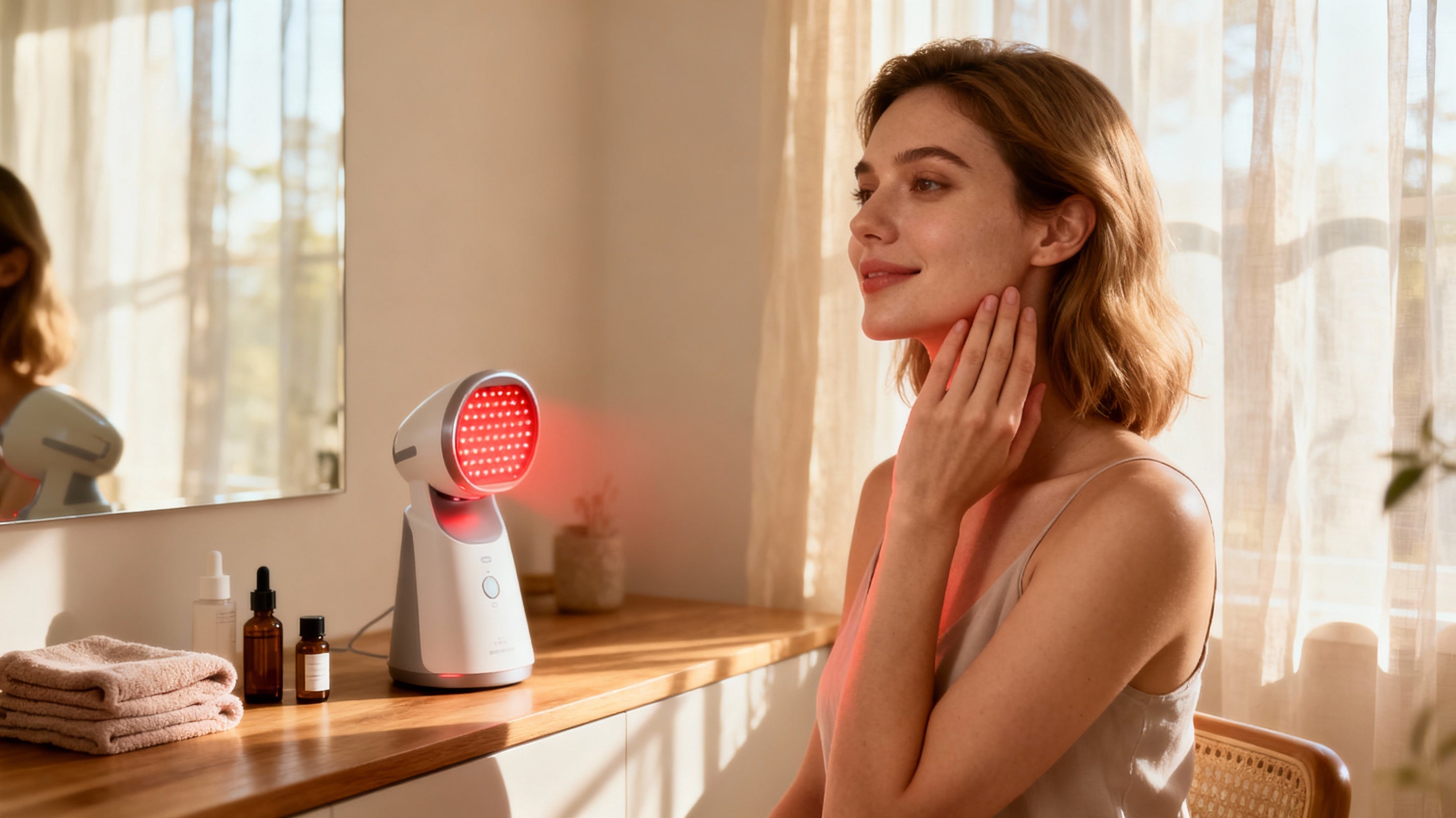
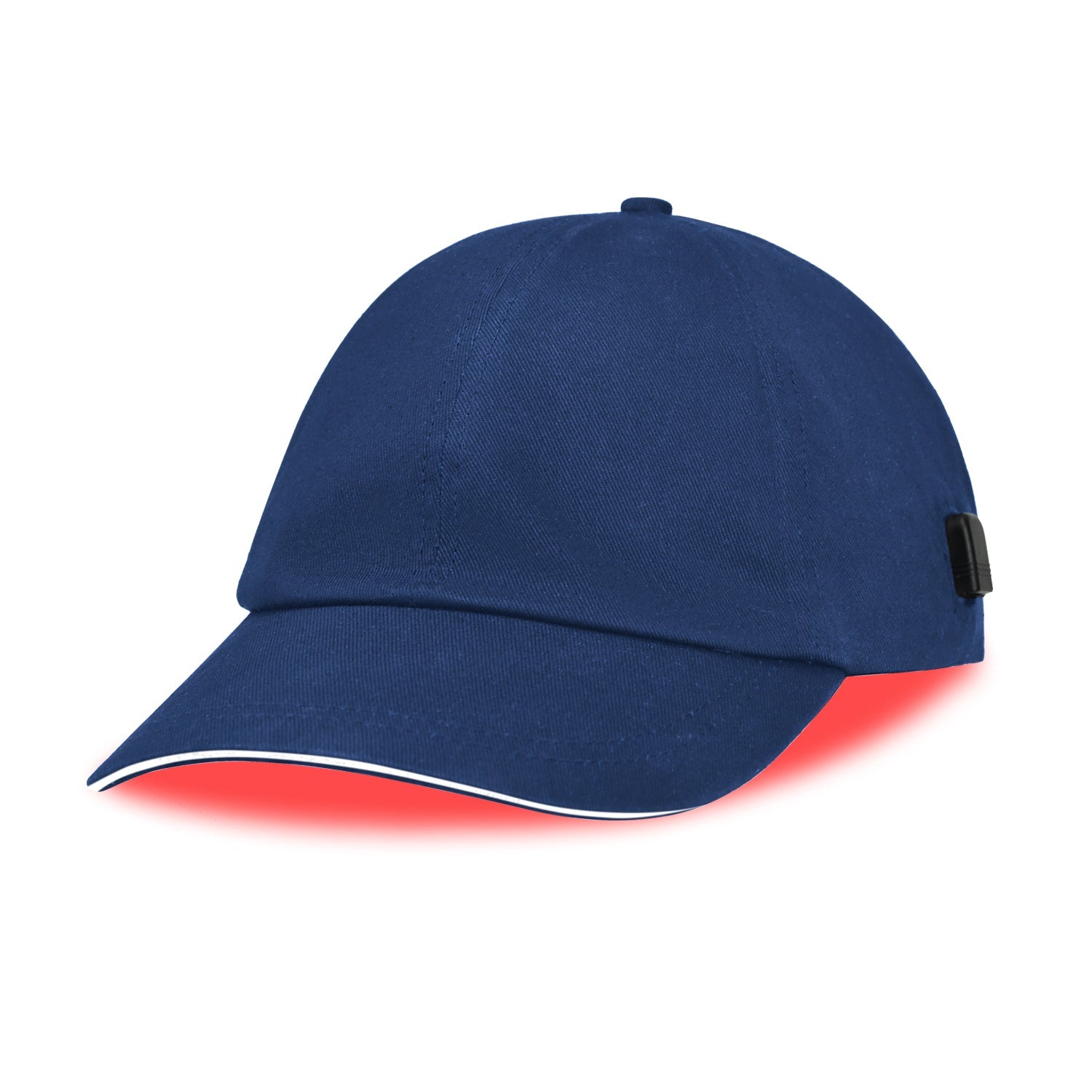
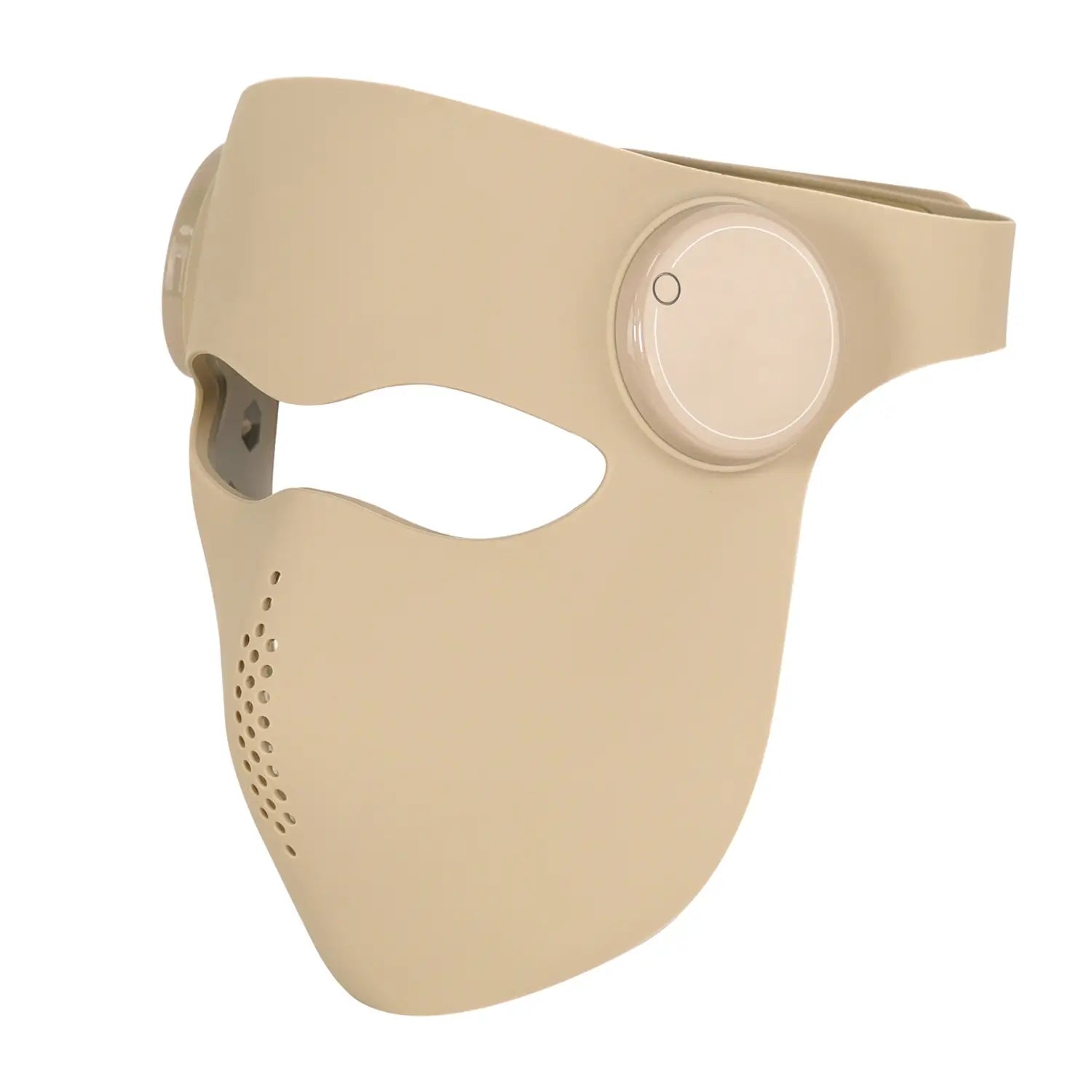
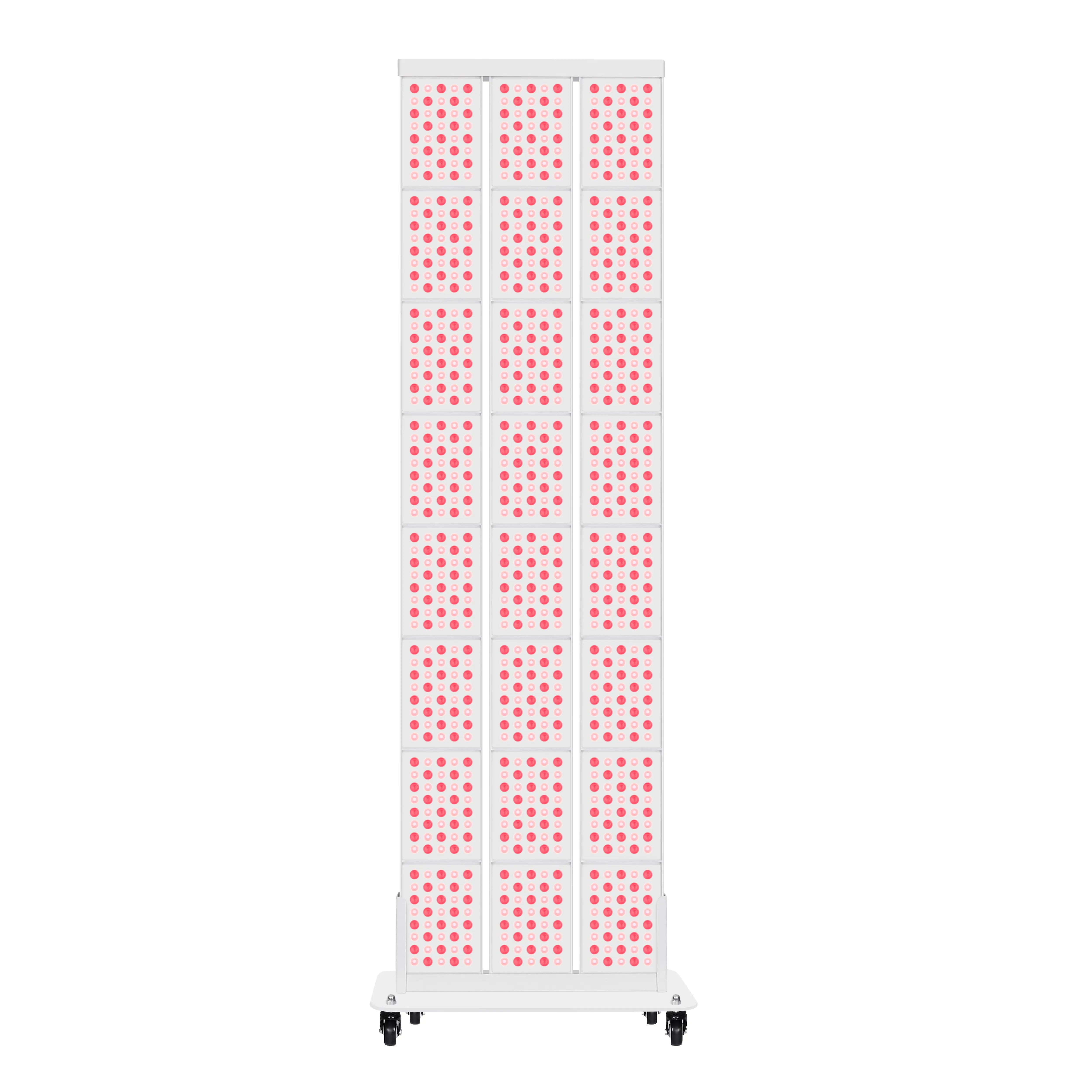
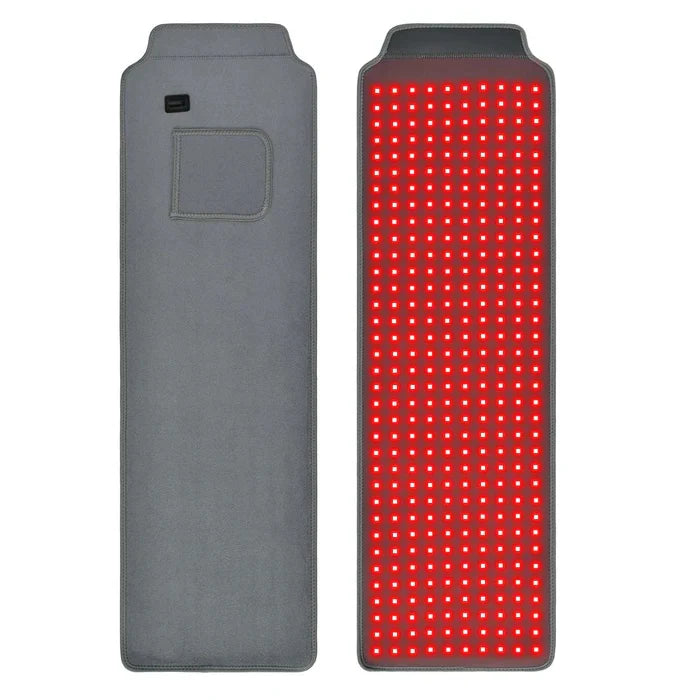
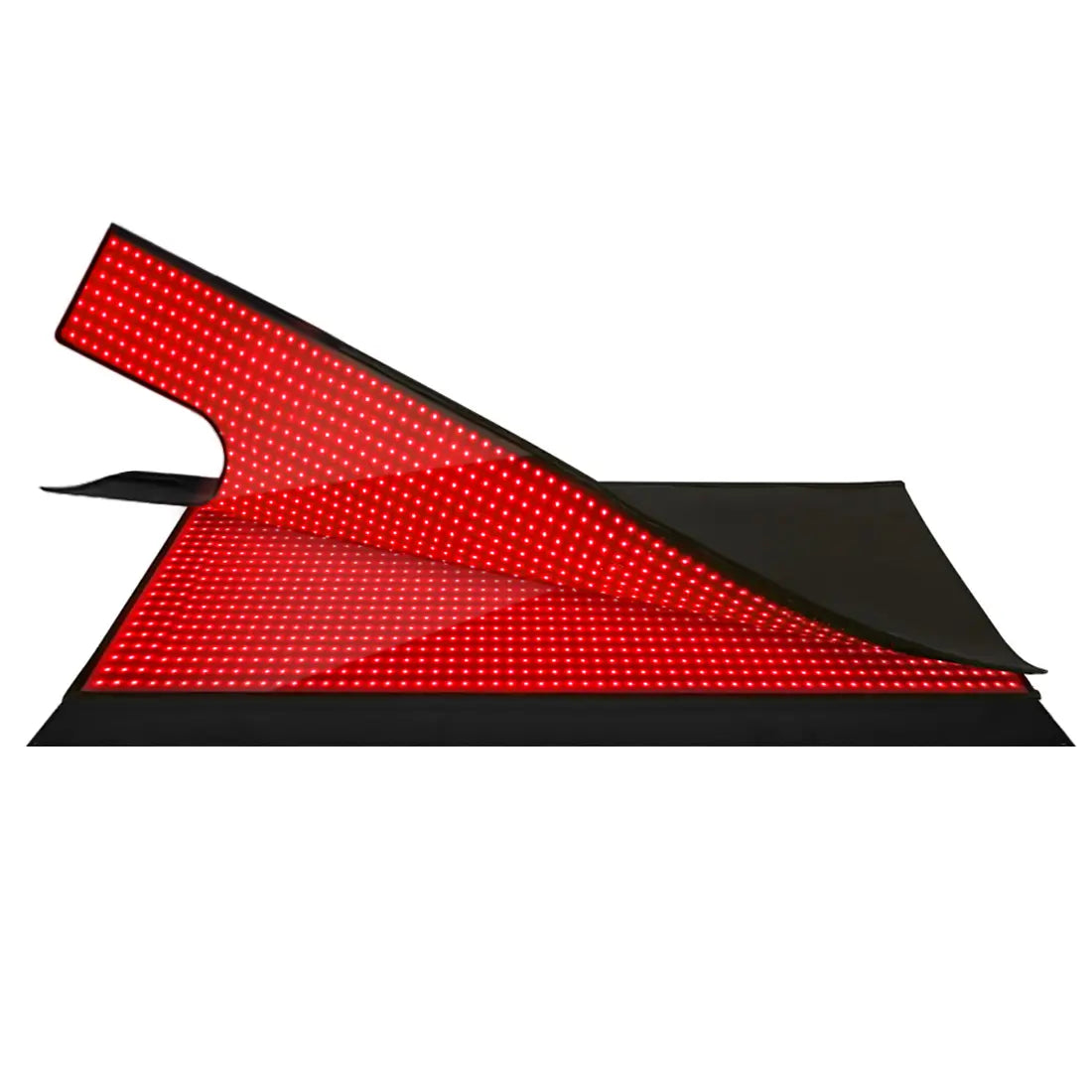
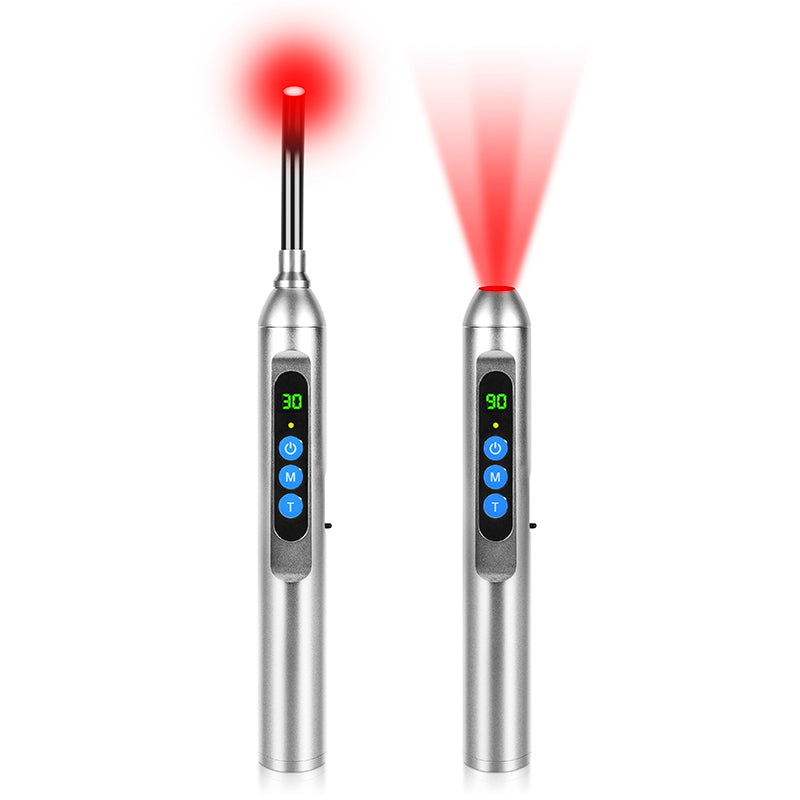
Clinical and review articles describe several common device formats: rigid or flexible LED masks that bathe the entire face in red light, helmet‑type devices for scalp and face, handheld wands or spot devices for local treatment, and larger panels or full‑body beds used in clinics or gyms.
For combination skin, full‑face LED masks with predominantly red light around 630–660 nanometers and moderate power are often the most balanced option. They provide even coverage across oily and dry regions and mirror the parameters used in the published mask studies. Some masks also add near‑infrared LEDs around 810–850 nanometers, which can enhance collagen and deeper tissue effects similar to the crow’s feet and rejuvenation trials.
Handheld wands and small panels can be useful if your main issues are localized, such as a breakout‑heavy T‑zone, while you keep the rest of your routine minimalist. Clinic‑based panels and beds tend to deliver higher irradiance over larger areas, and studies show they can be very effective for texture, wrinkles, and wound healing, but they require more logistical investment and professional oversight.
Across sources, experts repeatedly recommend choosing devices with known wavelengths in the therapeutic red and near‑infrared range, safety features like timers and eye protection, and clearance from regulatory bodies for at least one skin indication. That does not prove a particular device will work miracles for your combination skin, but it does mean the manufacturer has documented basic safety and technical specifications.
Dialing In Frequency, Duration, And Dose
If you read through the clinical papers and wellness guidance side by side, a clear pattern emerges. Many at‑home protocols cluster around ten to twenty minutes per session, several times per week, over at least six to twelve weeks.
One dermatologist‑authored article on red light for skin and wellness suggests typical home sessions of ten to twenty minutes, three to five times weekly, with structural improvements often appearing after six to twelve weeks of consistent use. Another consumer‑oriented health system guide describes at‑home regimens of two to three sessions per week in a similar time range, with in‑office devices used once or twice weekly for a month, followed by maintenance.
The 630 nanometer mask study deliberately limited use to two twelve‑minute sessions per week with seventy‑two hours between sessions, based on photobiomodulation kinetics and the Arndt–Schulz principle, which states that very low doses may be ineffective but too much energy can flip from stimulation to inhibition. In other words, blasting your face with high‑powered LEDs daily is not necessarily better and may even backfire with more dryness or irritation.
Guidance from cosmetic dermatology sources and red light device reviews aligns with this. They emphasize following manufacturer instructions, starting cautiously if your skin is sensitive, and remembering that skin remodeling is a slow, cumulative process. Most users who see meaningful change do so over weeks to a few months, not overnight.
For combination skin specifically, I tend to favor a red or red‑dominant mask or panel for the whole face about two to three times per week on non‑consecutive days, in the ten to fifteen minute range, for at least eight to twelve weeks before judging results. People whose skin is extremely reactive or darker‑toned may need to start with shorter exposure and gradually build up, which leads directly to the next point.
Layering Red Light With Your Skincare Routine
Almost every reputable source makes two practical points about pairing red light with topical products. First, treatment is usually done on clean skin, without heavy occlusive layers that could block light penetration. Second, photobiomodulation can synergize with well‑chosen skincare but may clash with others if used back‑to‑back.
Cleveland‑based guidance and device manufacturers advise using goggles or keeping eyes closed, washing the face beforehand, and avoiding strong photosensitizing agents such as topical retinoids or acids immediately before a session. A review of light therapy modalities also recommends avoiding light use directly after applying retinol and consulting a professional if you are in the middle of intensive resurfacing or laser treatments.
Dermatologist‑reviewed articles note that red light works well alongside antioxidants, retinol, and salicylic acid as part of a broader regimen, provided you listen to your skin and avoid over‑exfoliating. Several sources explicitly suggest moisturizing after treatment, especially for sensitive skin, to lock in hydration and support the barrier.
For combination skin, that might mean cleansing with a gentle, non‑stripping cleanser; using your red light device for the prescribed time; then applying a hydrating serum and a non‑comedogenic moisturizer, perhaps tailoring textures to each zone. In the daytime, an appropriate broad‑spectrum sunscreen remains non‑negotiable, because red light does not protect against UV.
My practical tip from years of tinkering is to change only one or two things at a time when you add red light. If you introduce a new acid, a retinoid, and a mask simultaneously and your cheeks start burning, it will be almost impossible to know which variable is to blame.

Pros And Cons Of Red Light Therapy For Combination Skin
Because high‑quality evidence is still evolving, it is helpful to place the potential of red light therapy into a balanced framework.
Aspect |
Evidence‑supported potential |
Key caveats for combination skin |
Oil regulation and breakouts |
Reviews report reduced sebum and inflammatory lesions, with combined blue‑red LEDs achieving around three‑quarter reductions in inflammatory acne in one trial; mixed‑to‑oily subsets show fewer sebum‑laden pores. |
Most studies are on acne rather than “combination skin” per se; blue light adds benefit for acne but carries more theoretical risk for oxidative stress and retinal damage if misused. |
Barrier and hydration |
Clinical mask studies show improved dermal density, firmness, and reduced transepidermal water loss, with subjective improvement in skin feeling and roughness. |
Overuse or high‑intensity exposure can cause temporary dryness or irritation, particularly if you layer strong actives without adjustment. |
Redness and sensitivity |
Dermatology articles and basic research indicate downregulation of inflammatory mediators and improvement in rosacea‑like inflammation, with case reports showing reduced papules, pustules, and erythema. |
Data comes largely from small studies and case series; protocols are not standardized, and people with very reactive or darker skin may tolerate lower maximum doses. |
Texture, pores, and fine lines |
Randomized trials document significant improvements in texture, wrinkle scores, and collagen intensity compared with controls, and mask studies report lasting effects for at least a month post‑treatment. |
Results are gradual and modest, not surgical; expectations should be aligned with “soft focus and better balance” rather than total pore erasure. |
Convenience and cost |
At‑home devices allow frequent, brief sessions, and several are cleared by regulators for skin indications; sessions are painless and require no downtime. |
Quality devices can be expensive, clinic visits are not usually covered by insurance for cosmetic use, and lower‑power home devices may require longer or more frequent use to achieve similar effects. |
Across these dimensions, red light therapy looks less like a miracle cure and more like a well‑tolerated “nudge” that can move multiple skin parameters in the right direction at once. For combination skin, that ability to slightly down‑regulate oil and inflammation while fortifying the barrier and collagen is the definition of balance.

Safety, Skin Tone, And When To Talk To A Professional
Multiple randomized trials, reviews, and institutional summaries emphasize that red and near‑infrared photobiomodulation in the 630–940 nanometer range is generally safe and non‑thermal, with very low rates of significant adverse events. Short‑term studies have not found evidence that these wavelengths increase cancer risk, and some safety reviews include hundreds of participants.
That does not mean “anything goes,” especially if you have combination skin with sensitivity or deeper skin tones. One clinical trial mentioned in the comprehensive photobiomodulation review found that individuals with darker skin types tolerated about fifty percent lower maximum doses of visible red light than those with lighter phototypes and experienced higher skin temperature increases and pain at the same laser settings, likely because melanin absorbs more energy. The authors advise starting with lower doses and titrating upward cautiously in skin of color, while monitoring for hyperpigmentation or prolonged redness.
Blue and blue‑violet light in the 380–440 nanometer range, often used for acne, pose additional concerns at high intensities, including retinal damage and oxidative stress. That is why safety‑oriented articles stress the importance of not staring directly into bright LEDs and of using protective goggles, particularly with higher‑power devices.
Almost every reputable source also lists clear precautions. People taking photosensitizing medications, including certain antibiotics, antifungals, and mood stabilizers, those on isotretinoin, and those with a history of skin cancer or specific inherited eye diseases should speak with a clinician before starting light therapy. Many authors recommend caution or medical guidance in pregnancy and advise against shining red light directly over active cancerous lesions or in certain photosensitive neurological conditions.
For anyone with complex dermatologic conditions, severe or scarring acne, marked rosacea, or a history of post‑inflammatory hyperpigmentation, involving a board‑certified dermatologist is wise. They can help you integrate red light into a broader treatment plan that may also include prescription topicals, oral medications, or in‑office procedures, rather than relying on LEDs alone.

Frequently Asked Questions About Red Light And Combination Skin
Will red light therapy make my oily areas more oily?
The available evidence does not suggest that red light therapy increases oil production. In fact, several studies cited in dermatology reviews show reductions in sebum output and in sebum‑related metrics such as sebum‑filled pores, along with decreases in inflammatory acne lesions. In real‑world use, some people experience a short‑term “purge” as deeper congestion comes to the surface, but over weeks the trend in properly dosed protocols is toward calmer, less inflamed skin. For combination skin, pairing red light with a sensible, non‑stripping cleansing routine usually supports balance rather than worsening oiliness.
How long until my combination skin feels more balanced?
Timing depends on your baseline condition, your device, and how consistently you use it. In controlled mask and lamp studies focused on wrinkles and texture, measurable improvements often appeared after eight to twelve weeks of regular use, with some benefits persisting for about a month after stopping. Acne‑focused blue‑red LED trials sometimes report meaningful lesion reductions within several weeks. From an optimization perspective, I encourage people with combination skin to commit mentally to at least eight to twelve weeks of steady red light use alongside a stable skincare routine before judging whether balance, shine control, and comfort have genuinely improved.
Can I combine red and blue light if I have both acne and sensitivity?
Several clinical trials indicate that combining blue and red LEDs can be particularly effective for inflammatory acne, and large reviews of LED therapy consider this combination a promising, drug‑sparing option for mild to moderate acne. However, blue and blue‑violet light at high doses carry greater theoretical risks for oxidative stress and retinal harm, and sensitive or darker skin may respond unpredictably. If you have combination skin with frequent breakouts but you also flush easily or have rosacea tendencies, a prudent approach is to work with red‑dominant light for whole‑face balance and use blue‑red devices in shorter, carefully controlled sessions, ideally under professional guidance. High‑powered DIY blue light on an already reactive face is not a biohack I recommend.
After years of experimenting with everything from full‑body panels to humble home masks, my bottom line is simple: for combination skin, red light therapy is not magic, but it is one of the rare interventions that can support both oil control and barrier strength at the same time, provided you respect the science, dose it modestly, and let consistency do the heavy lifting.
References
- https://pmc.ncbi.nlm.nih.gov/articles/PMC10311288/
- https://med.stanford.edu/news/insights/2025/02/red-light-therapy-skin-hair-medical-clinics.html
- https://www.brownhealth.org/be-well/red-light-therapy-benefits-safety-and-things-know
- https://healingwaterswellness.org/red-light-therapy-for-skin/
- https://my.clevelandclinic.org/health/treatments/22146-led-light-therapy
- https://www.jaad.org/article/S0190-9622(04)02792-6/fulltext
- https://www.uclahealth.org/news/article/5-health-benefits-red-light-therapy
- https://www.aad.org/public/cosmetic/safety/red-light-therapy
- https://www.uhhospitals.org/blog/articles/2025/06/what-you-should-know-about-red-light-therapy
- https://www.bswhealth.com/blog/5-benefits-of-red-light-therapy