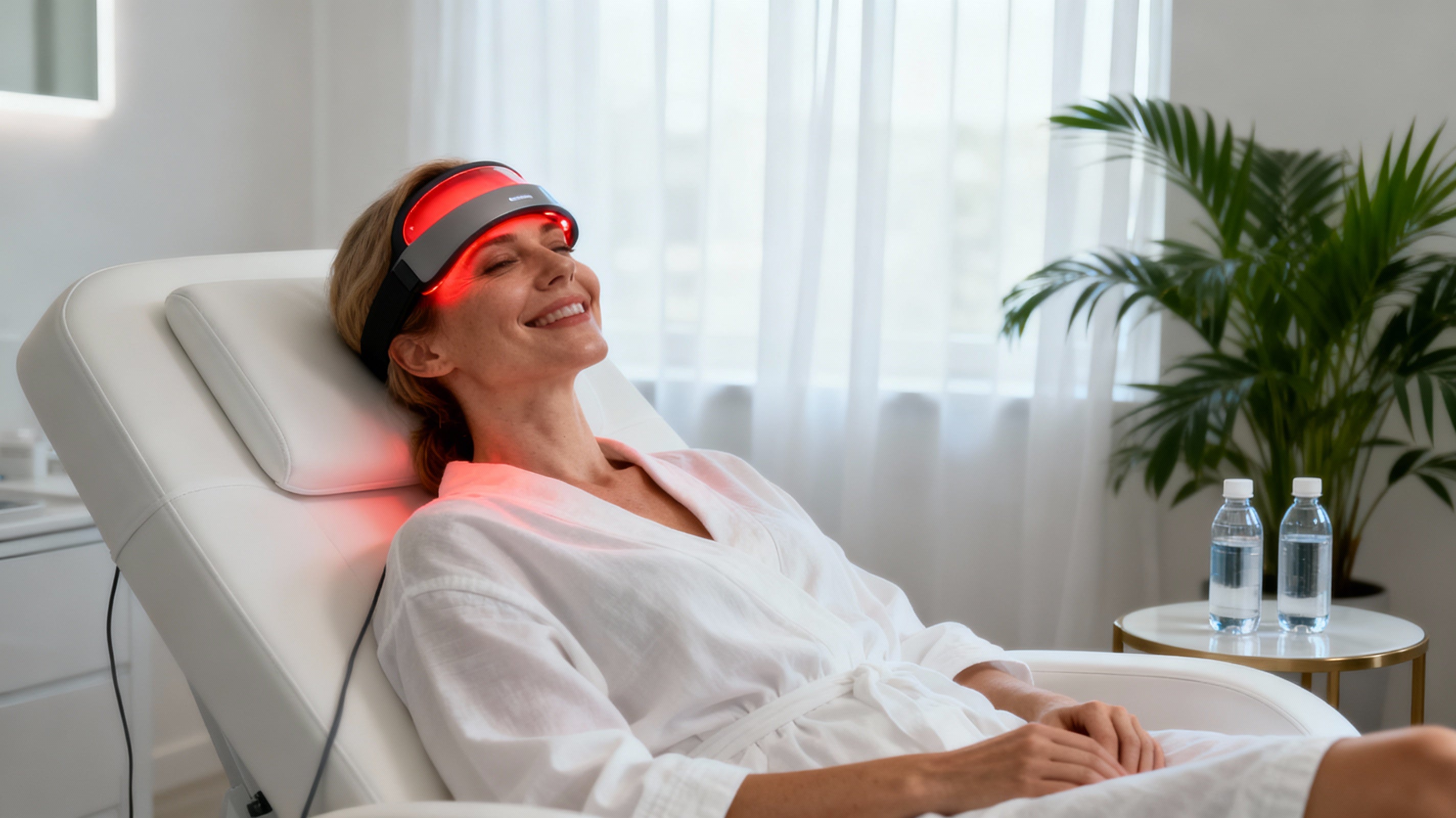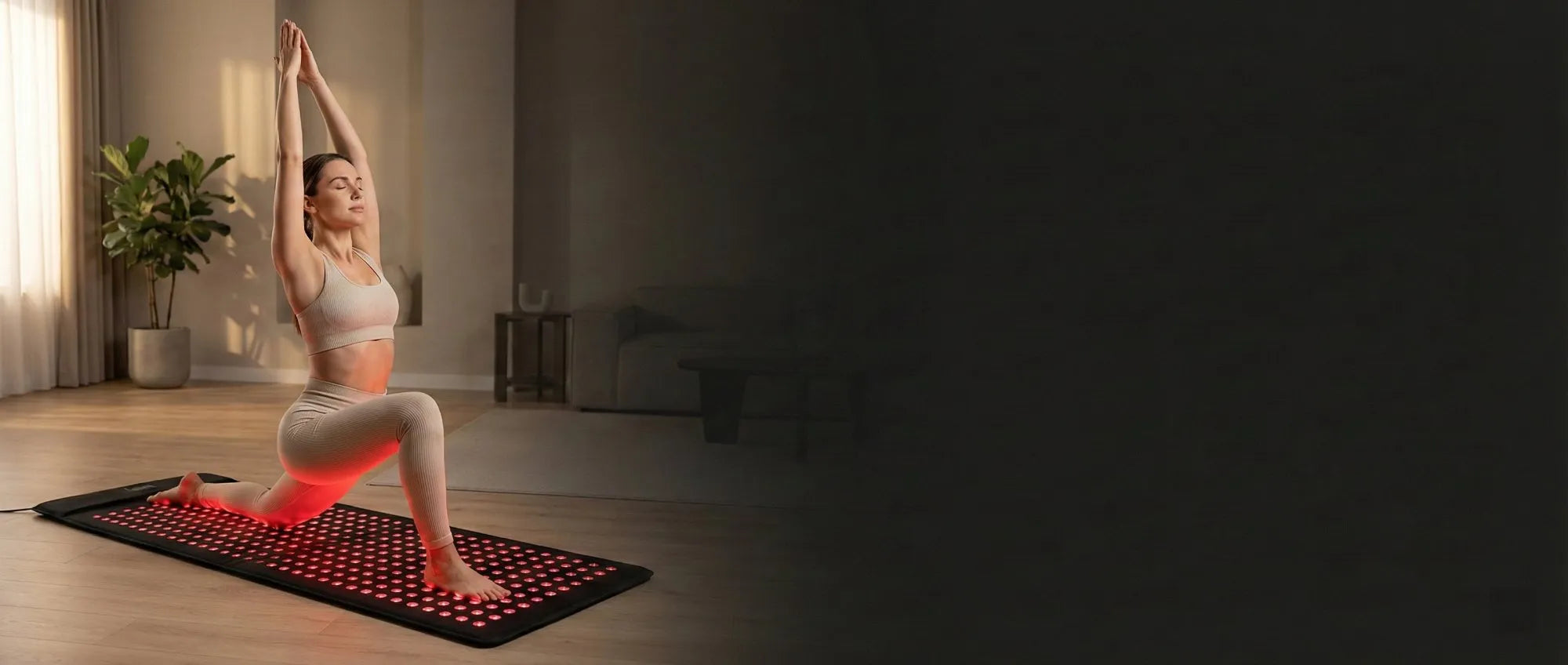
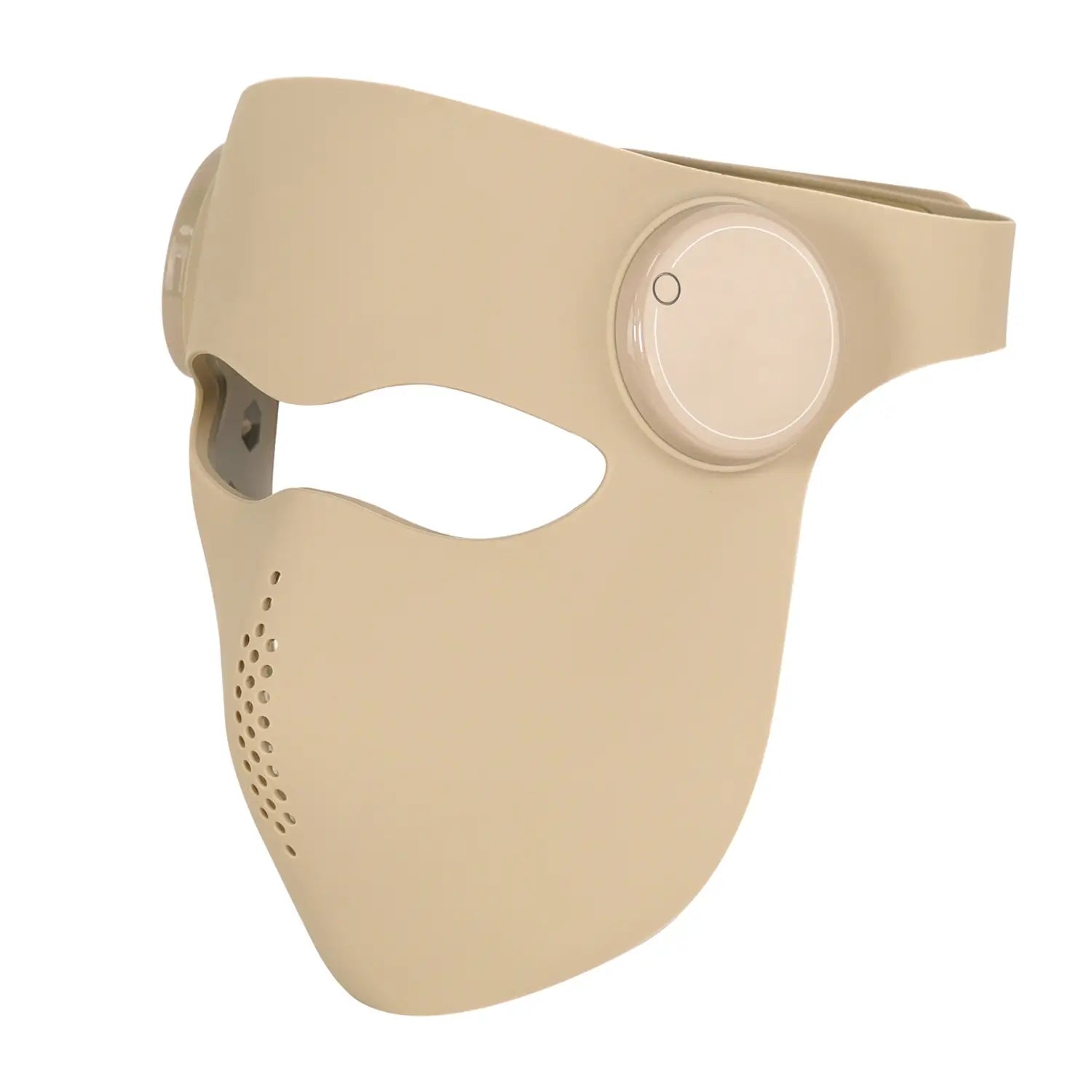
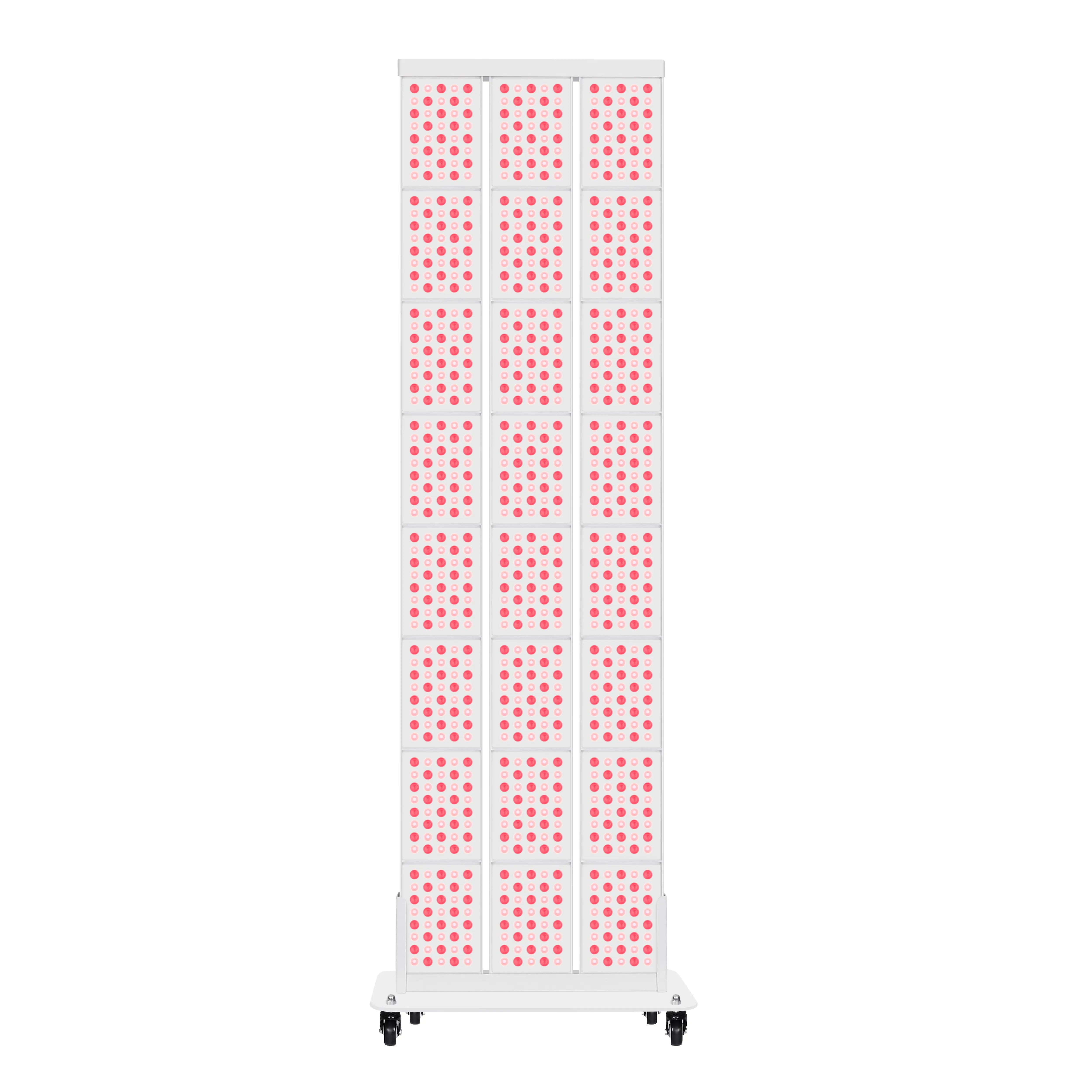
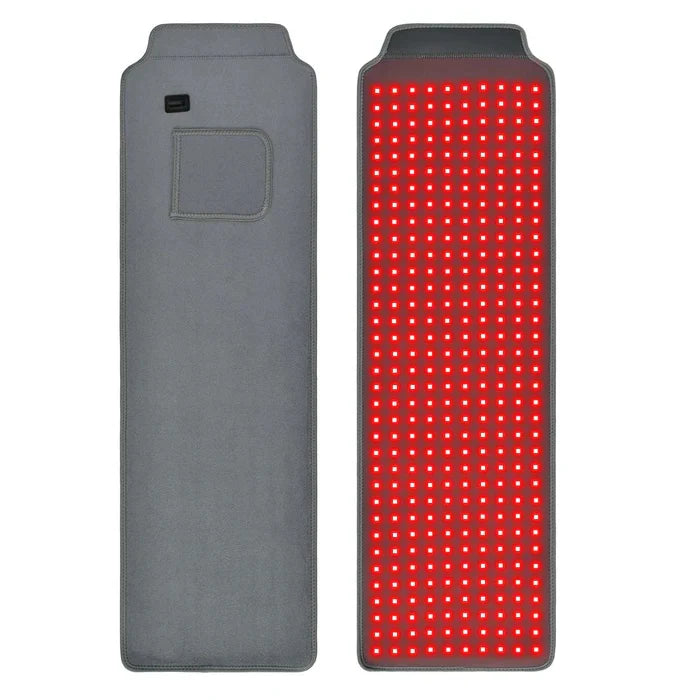
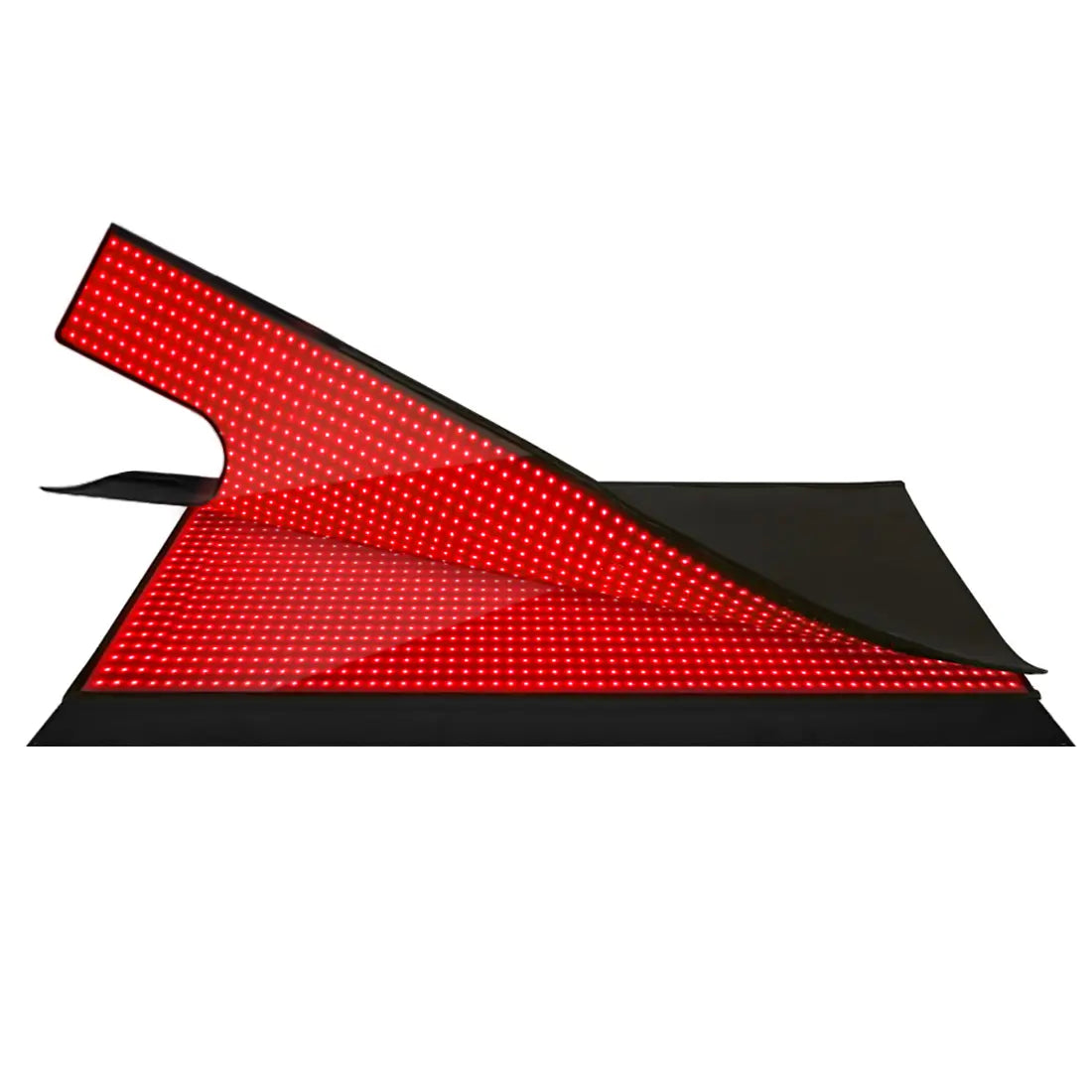
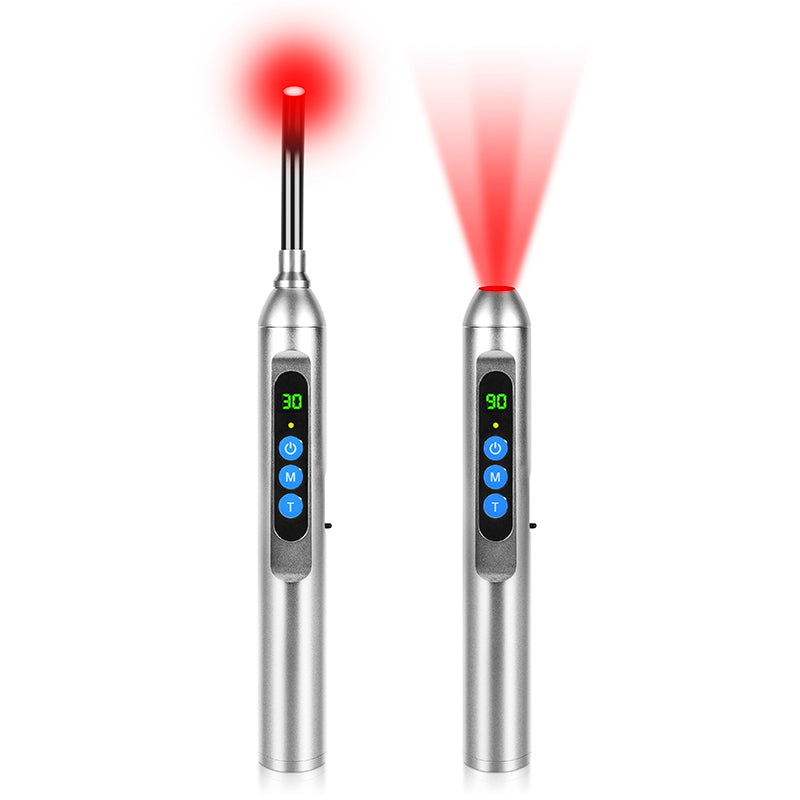

What Red Light Therapy Actually Is
Red light therapy sits in that fascinating space between hard physiology and what a lot of people would label “biohacking.” In the clinical world it is usually called photobiomodulation, low‑level light therapy, or low‑level laser therapy. The basic idea is straightforward: specific red and near‑infrared wavelengths bathe your tissues with very low‑power light, and your cells respond biochemically rather than by heating up.
Cleveland Clinic and other major centers describe it as the use of low levels of red or near‑infrared light, often from LEDs or low‑power lasers, to influence cellular energy production, circulation, and inflammation. Penn State Behrend’s counseling and wellness program uses it as a noninvasive service and defines it similarly: red and near‑infrared light penetrate the skin, are absorbed by mitochondria (your cellular power plants), and increase adenosine triphosphate, the energy currency of the cell.
Mechanistically, this light is absorbed mainly by cytochrome c oxidase in mitochondria. Work highlighted by University of Utah physicians, building on early research by Dr. Karu and others, suggests that red and near‑infrared photons can displace nitric oxide bound in the mitochondrial respiratory chain. That frees up oxygen to engage the aerobic energy system more efficiently and boosts ATP production markedly compared with anaerobic metabolism. On the tissue level, multiple sources including Cleveland Clinic and MD Anderson Cancer Center note that this translates into higher cellular energy, more collagen and fibroblast activity, better blood flow, and changes in inflammatory signaling molecules such as interleukins.
Critically, this is non‑ionizing light with no ultraviolet, so it does not work the way tanning beds or X‑rays do. When used properly, it does not burn or damage DNA, which is a big part of why academic centers such as Stanford and MD Anderson characterize the risk profile as generally low when protocols are followed.

Muscle Cramps And Spasms: The Problem We Care About
Before talking prevention, it helps to be clear about what we are trying to prevent. The Deeply Vital Medical review on muscle spasms describes them as involuntary muscle contractions that can range from mild twitches to intense, painful episodes lasting minutes. Triggers include dehydration, electrolyte imbalance, overexertion, poor circulation, nerve compression, and medical conditions affecting nerves or metabolism.
In everyday language, people mix “spasms” and “cramps.” A classic “charley horse” in the calf during the night or after a long run is a sudden, powerful spasm that locks the muscle and hurts. Chronic back or neck tightness often reflects repeated smaller spasms in postural muscles. Menstrual cramps are another version of painful, involuntary contractions, in this case involving uterine muscle.
Traditional management leans on rest, stretching, massage, heat, and medications, plus lifestyle work on hydration, electrolytes, and training load. Deeply Vital’s review frames red light therapy as an adjunct: something that can slot into a broader plan, not a replacement for fundamentals.
From the muscle‑geek perspective, a cramp is what you see when energy supply, circulation, nerve signaling, and local inflammation all misbehave at the same time. That is exactly the cluster of processes photobiomodulation has been shown to influence. That does not automatically mean it prevents cramps, but it does make the question scientifically reasonable.

How Red Light Could Help Prevent Cramps: Mechanisms That Matter
More Cellular Energy, Less Fatigued Muscle
Low‑level red and near‑infrared light boosts mitochondrial ATP production. Cleveland Clinic, Penn State, and University of Utah sources all converge on this point: mitochondria absorb these wavelengths, and ATP production increases.
A comprehensive review of photobiomodulation in human muscle tissue, published in a sports context and summarized in PubMed Central, looked at forty‑six clinical and case‑control studies with more than one thousand healthy subjects and athletes. Across many of these trials, using red or near‑infrared light on working muscles improved performance metrics such as repetitions, torque, and time to exhaustion, and reduced biochemical markers of muscle damage and inflammation. The benefits were especially clear when the light was applied before exercise as muscular “pre‑conditioning.”
In plain language, muscles that go into a workout with a higher energy budget and less oxidative stress are less likely to hit that extreme fatigue zone where nerves and muscle fibers start sending chaotic signals. Since fatigue and overexertion are known contributors to spasms and cramps, anything that meaningfully delays fatigue may indirectly lower cramp risk, even if the studies did not measure cramps directly.
Improved Circulation And Oxygen Delivery
Multiple sources, including Penn State Behrend, Stanford dermatology experts, MD Anderson, and Deeply Vital Medical, highlight vasodilation as a core effect of red light. In hair‑growth applications, Stanford’s Zakia Rahman notes that red light appears to widen blood vessels, delivering more blood and nutrients to follicles. Similar vasodilation is suspected to underlie improvements in wrinkles and other skin changes.
In the musculoskeletal world, MD Anderson reports that red light therapy can help repair muscles and relieve muscle pain by decreasing local inflammation and increasing blood flow. HealthLight, a medical‑device manufacturer whose review draws from more than four thousand PubMed‑indexed studies, emphasizes nitric‑oxide–mediated vasodilation as a key mechanism, improving oxygen delivery and microcirculation in the treated area.
Better blood flow means better delivery of oxygen and electrolytes, and faster removal of metabolites like lactate and inflammatory byproducts. Since poor circulation is one of the contributors to spasms cited by Deeply Vital, vasodilation is a plausible link between red light therapy and a lower tendency toward cramping, especially in overworked muscle groups.
Lower Inflammation And Oxidative Stress
Inflammation and oxidative stress make muscles irritable. The big photobiomodulation reviews of musculoskeletal conditions, including a PubMed Central paper on low‑intensity laser and LED therapy for musculoskeletal pain, describe how red and near‑infrared light can damp down pro‑inflammatory mediators such as prostaglandin E2, interleukin‑6, and tumor necrosis factor‑alpha. They also point to changes in antioxidant defenses and reduced oxidative stress.
Clinically, that translates into less pain and better function in conditions like knee osteoarthritis, non‑specific knee pain, neck and back pain, and temporomandibular disorders, when treatments follow evidence‑based dosing. A meta‑analysis of twenty‑two randomized controlled trials in knee osteoarthritis, totaling 1,089 participants, found significant pain reductions compared with placebo, especially when recommended energy doses were used around the joint line.
For cramps, this matters because inflamed muscle tissue and irritated nerves are more likely to spasm. If red light therapy keeps post‑exercise inflammation and micro‑injury on a tighter leash, the terrain becomes less cramp‑friendly.
Nervous System And Pain Modulation
Photobiomodulation does not just work on muscle fibers; it also interacts with nerve membranes. The musculoskeletal pain review notes that near‑infrared light can modulate sodium‑potassium flux in nerve cell membranes and reduce nociceptor activity in pain‑carrying A‑delta and C fibers. This creates an analgesic effect that often appears within ten to twenty minutes of treatment and may last around a day in chronic pain protocols.
HealthLight’s article notes FDA clearance for indications including pain relief, increased circulation, relaxation of muscles, reduction of spasms, and relief of arthritis‑related aches and stiffness. In other words, regulatory decisions have already recognized muscle relaxation and spasm reduction as legitimate indications when devices are correctly used, even though full mechanistic details are still being refined.
This neuromodulatory effect is why many athletes and patients experience not just less pain but also a subjective feeling that muscles are “less tight” after a session. That does not prove cramp prevention, but it does show the nervous system is part of the therapeutic target.

What The Evidence Shows For Muscles, Spasms, And Cramps
A Pilot Study In University Athletes
One of the most directly relevant human studies comes from a pilot trial published in PubMed Central that looked at near‑infrared LED phototherapy in university athletes with acute musculoskeletal injuries. The device used was an 830‑nanometer LED system delivering sixty joules per square centimeter over twenty minutes per session, with the treatment head positioned a few inches from the injured tissue.
Over fifteen months, the sports medicine team treated three hundred ninety‑five injuries, including sprains, strains, tendonitis, and contusions, across 1,669 light treatments. For a detailed analysis, they focused on sixty‑five athletes with complete treatment and follow‑up data, covering hamstring strains, knee sprains, ankle sprains, costochondral sprains, and hip pointer injuries.
Here is what they found. Pain scores on a visual analog scale improved by two to eight points, and all sixty‑five athletes reached a final pain score of zero after between two and six sessions. Even more striking, average return‑to‑play time in this group was 9.62 days compared with a historically expected mean of 19.23 days for similar injuries managed with conventional therapy. That is roughly a halving of time away from sport. The difference was statistically significant, and importantly, there were no adverse events; athletes mainly reported mild surface warmth.
In the introduction, the authors highlight muscle spasm relaxation, pain control, and blood flow enhancement as key reasons for using near‑infrared LED therapy in musculoskeletal injuries. While the study did not quantify cramps or spasms as an outcome, the faster return to full function and marked pain reduction strongly suggest that local muscle tone and spasm behavior improved as part of the overall therapeutic effect.
Methodologically, this was a pilot without a randomized control group, and return‑to‑play comparisons were made against historical expectations rather than concurrent controls. So it is promising, not definitive. For a Light Therapy Geek, this is a strong “signal” but not yet the last word.
Photobiomodulation And Muscle Performance
The review on photobiomodulation in human muscle tissue I mentioned earlier pulled together forty‑six eligible clinical and case‑control studies with more than one thousand healthy subjects and athletes. Most were level 1b randomized controlled trials. Researchers used red and near‑infrared lasers or LED clusters in wavelengths roughly between 655 and 830 nanometers, delivered over major muscle groups such as the quadriceps, hamstrings, biceps, and triceps surae.
Outcomes included strength and endurance variables like maximum voluntary contraction, torque, number of repetitions, time to exhaustion, and electromyography‑based fatigue, as well as biochemical markers such as creatine kinase, lactate, C‑reactive protein, and antioxidant enzymes. Many of these trials found that red or near‑infrared light, especially when applied shortly before exercise, increased fatigue resistance, improved time to exhaustion, and reduced post‑exercise markers of muscle damage and inflammation compared with placebo light. Some studies also reported less delayed onset muscle soreness and better range of motion.
However, not all trials were positive. The review emphasizes a clear dose‑ and parameter‑response relationship. When researchers used appropriate wavelengths, moderate total energy distributed over the whole muscle, and adequate coverage, results tended to be favorable. When doses were too low or too high, or irradiation did not cover the full working muscle, benefits often disappeared.
For cramp prevention, this matters because performance and fatigue resistance are upstream factors. Muscles that fatigue later and endure stress with less biochemical damage are less likely to reach the tipping point where cramps occur. The caveat, again, is that none of these trials were designed around cramp frequency as the primary endpoint.
Red Light For Muscle Spasms And Chronic Pain
The Deeply Vital Medical overview is one of the few sources that explicitly links red light therapy with muscle spasms. It notes that red and near‑infrared light can increase mitochondrial ATP production, improve blood flow, reduce inflammation and oxidative stress, and promote muscle relaxation and analgesia, potentially lowering the frequency and intensity of spasms. It also mentions clinical use in menstrual cramps and other pain conditions.
The HealthLight clinical summary goes further, pointing out that LED‑based photobiomodulation has FDA clearance for increasing circulation, relieving pain, relaxing muscles, and reducing spasms, as well as easing arthritis‑related stiffness. Their review of thousands of musculoskeletal studies describes rapid pain relief, often within minutes of a session, and notes that muscle relaxation and spasm reduction are typical clinical goals for pad‑based protocols.
Broad musculoskeletal pain data reinforce this. A review of red and near‑infrared photobiomodulation for common musculoskeletal conditions reports improvements in non‑specific knee pain, osteoarthritis, post‑surgical pain, fibromyalgia, and temporomandibular disorders when dosing follows evidence‑based guidelines. In one multicenter randomized trial for non‑specific knee pain, adding a multi‑wavelength light protocol to standard care produced about a fifty percent improvement in pain, roughly fifteen percent better than placebo, across twelve treatments over four weeks. In total hip arthroplasty patients, targeted light along the incision produced an eighty‑two percent greater pain reduction than placebo immediately after treatment.
Chronic muscle spasms are baked into many of these conditions. When pain, inflammation, and nerve excitability drop, muscles often stop firing in those rigid, involuntary patterns. That is not the same as proving that light prevents classic exercise‑induced calf cramps, but it shows clear relevance to muscle spasm physiology.
Where The Data Are Thin
For all the intriguing physiology and supportive indirect evidence, there is an important reality check. Across the articles summarized from PubMed Central, Cleveland Clinic, WebMD, MD Anderson, Stanford, and other sources, there is very little in the way of large, well‑controlled trials where “frequency of nocturnal leg cramps” or “exercise‑associated muscle cramp incidence” was the primary outcome.
Stanford experts explicitly note that evidence for some athletic performance claims is limited or mixed, even as hair growth and wrinkle reduction are better supported. The Utah physician‑hosted podcast also concludes that while red light therapy is not snake oil and has credible data for certain indications, many broader wellness claims—especially online—are ahead of the human evidence.
In other words, the science strongly supports red and near‑infrared light therapy for certain kinds of pain, for aspects of recovery and performance, and for general muscle relaxation. It gives us a plausible, evidence‑backed rationale for cramp prevention. But if you are looking for a randomized trial that shows “fewer night cramps per week” as the outcome, we are not there yet.

How To Integrate Red Light Into An Anti‑Cramp Strategy
First, Build A Cramp‑Resistant Foundation
Even as a passionate light‑therapy nerd, I have to echo what the University of Utah physicians call the “Core Four”: nutrition, physical activity, sleep, and emotional or mental health, along with your genetic and medical context. Deeply Vital’s muscle spasm overview reminds us that dehydration, electrolyte imbalance, poor circulation, overexertion, and nerve compression are major triggers. No light panel or pad will override bad basics.
That means your first line of defense against cramps is still adequate hydration, sound electrolyte intake, smart training progression, appropriate footwear and biomechanics, and medical evaluation when cramps are frequent or severe. Red light therapy fits best once those fundamentals are at least reasonably addressed.
Evidence‑Informed Ways To Use Red Light For Muscles
If your basics are solid and you want to layer in red light as an experiment for cramp risk, it helps to model your routine on what the research is actually doing.
For post‑injury and high‑risk muscles, that athlete pilot study is a useful template. They treated acute sprains and strains as soon as possible after injury, using an 830‑nanometer LED device delivering sixty joules per square centimeter in twenty‑minute sessions. Treatments were typically organized in blocks of three consecutive daily sessions, sometimes repeated. Pain dropped to zero over a few sessions, and return‑to‑play times were dramatically shorter than historical expectations.
At home, you are unlikely to have an identical device or dosing, and consumer panels or pads are usually less intense than clinic systems, as Cleveland Clinic and WebMD both point out. But you can borrow the rhythm: short, consistent treatments over days and weeks, aimed at the muscles that tend to cramp or feel overworked.
For performance and recovery, that forty‑six‑trial muscle review suggests that applying red or near‑infrared light as pre‑exercise conditioning over large working muscle groups can improve fatigue resistance and recovery in many, though not all, studies. Typical research protocols use red wavelengths around the mid‑600 nanometers or near‑infrared around 800 to 830 nanometers, with energy delivered over the full muscle belly in sessions lasting from under a minute to around fifteen minutes depending on power output.
For chronic pain and spasm‑linked conditions like knee osteoarthritis, the musculoskeletal pain review and meta‑analyses show benefits when doses are in recommended ranges and treatment courses last roughly three to four weeks, with multiple sessions per week. Subjective relief often appears during or shortly after sessions, but full functional benefits accumulate over weeks.
Taken together, a practical, science‑aligned approach for cramp‑prone muscles might look like this in broad strokes. Use a medically designed or reputable red or near‑infrared device. Apply it to the muscles that tend to cramp, particularly before higher‑risk activities, for about ten to twenty minutes per session if you are using consumer‑level panels or pads, acknowledging that clinic devices can deliver similar energy in more controlled ways. Stay consistent for several weeks while you track cramp frequency, soreness, and performance.
This is not a protocol in the sense of a clinical guideline because the literature has not anchored a specific cramp‑prevention dose. It is a way to align your experimentation with how the existing science is being done.

Choosing And Using Devices Safely
When you geek out on light therapy devices, three parameters matter most: wavelength, dose, and coverage. The Utah men’s health discussion emphasizes that specific wavelengths drive specific effects, and devices that do not disclose wavelengths are hard to evaluate. Many muscle and joint studies cluster around red in the mid‑600s and near‑infrared in the low‑800s.
Cleveland Clinic, WebMD, and MD Anderson all stress that clinic‑grade lasers and LED arrays are more powerful and more tightly controlled than most at‑home gadgets, and that at‑home devices may therefore be slower or less potent. University Hospitals Cleveland notes that panels, masks, pads, blankets, and full‑body beds all exist, and that home units often start around the low hundreds of dollars and can climb into the thousands. Full‑body beds used in professional contexts can run into very high five‑figure price tags.
A simple way to visualize the landscape is to compare contexts.
Setting or Device Type |
Typical Use Described In Sources |
Relevance For Cramp‑Focused Muscle Work |
Clinic lasers and LED arrays (dermatology, pain clinics, sports medicine) |
Higher‑power, precisely dosed treatments for skin conditions, musculoskeletal pain, nerve‑related pain, and post‑surgical healing; sessions often around ten to twenty minutes per area |
Strongest control over parameters; promising for targeted treatment of chronically cramping muscles under professional supervision |
Medical‑grade LED pads and wraps (such as those described by HealthLight) |
Flexible pads that wrap around joints or muscle groups, delivering red and near‑infrared light over a wide area for about twenty minutes per session |
Ideal for covering large cramp‑prone muscle groups like calves or hamstrings; easy to combine with rehab exercises |
Consumer panels and face/body masks |
Panels or masks used at home for skin, hair, general wellness, or muscle recovery; usually lower power than clinic systems |
Useful for self‑experimentation when expectations are modest and safety instructions are followed; dose per session is often lower and less standardized |
Whole‑body red light beds |
Large devices in gyms, spas, and some clinics; whole‑body sessions lasting around twenty to sixty minutes |
Broad systemic exposure that may support overall recovery and well‑being; much more expensive and still lightly researched for specific outcomes like cramp incidence |
Safety is non‑negotiable. Across Cleveland Clinic, WebMD, MD Anderson, HealthLight, and other medical sources, several themes repeat. Red light therapy is generally safe, noninvasive, and non‑addictive when used correctly, with serious adverse events rare. However, burns and skin damage can occur with malfunctioning or misused devices, especially high‑intensity lasers, and direct eye exposure to strong red or near‑infrared light can harm the retina. That is why clinical settings use protective goggles or shields.
HealthLight and the musculoskeletal pain review both list important precautions. Do not shine infrared‑emitting pads directly into open eyes. Avoid treating directly over known or suspected tumors. Take special care around pregnancy, generally avoiding direct application over the abdomen or pelvis. Exercise caution if you take photosensitizing medications or have a history of skin cancer. In oncology, MD Anderson uses red light to treat oral mucositis related to cancer therapies but does so under strict protocols.
At home, choosing an FDA‑cleared device for a specific indication, following manufacturer instructions, using eye protection, and not overusing the device are simple but crucial steps. WebMD reminds users that many consumer devices fall under wellness marketing, where claims may overreach what the evidence supports.

Pros And Cons For Muscle Cramp Prevention
When you strip away hype and look through the lens of cramps and spasms, red light therapy comes with a distinctive profile.
On the plus side, the safety data are reassuring. Across hundreds of trials in skin, musculoskeletal pain, and performance, serious adverse events are rare. HealthLight’s review even calls the adverse‑event rate “almost negligible” when dosing guidelines are followed. Treatments are painless and noninvasive, and devices like LED pads can cover large muscle areas while you simply sit or lie still. For athletes and active people, the sports and performance literature indicates that pre‑exercise photobiomodulation can enhance performance and recovery in many protocols, and the athlete pilot study suggests that near‑infrared LED therapy can dramatically shorten return‑to‑play times without reported side effects.
Another major advantage is that red light does not interact with the liver, kidneys, or central nervous system the way medications do. The musculoskeletal pain review positions photobiomodulation as an opioid‑sparing modality, potentially reducing reliance on painkillers for certain conditions when integrated into a broader plan.
On the minus side, evidence specific to classic cramp prevention remains sparse. We have strong mechanistic clues, encouraging but indirect performance and pain data, and a pilot trial pointing toward spasm‑relevant benefits, but no definitive cramp‑focused randomized trials. Device quality is highly variable, and many consumer gadgets do not clearly state wavelengths or actual power output, making it hard to know if you are in an evidence‑based dosing range. Costs can be substantial. University Hospitals and WebMD both flag that clinic sessions often cost tens of dollars or more each and that devices can range from about one hundred dollars into the thousands, rarely covered by insurance.
There is also the opportunity cost. As the Utah physicians argue, money and attention directed toward expensive wellness devices might produce a bigger health return if invested in high‑quality food, sleep optimization, training guidance, or counseling, depending on your situation. From a cramp‑prevention angle, ignoring hydration, electrolytes, and training errors while expecting a red light panel to bail you out is not a smart bet.

Who Might Consider Red Light Therapy For Cramp Prevention
Given the state of the evidence, the people most likely to benefit are those for whom muscle spasms live in the overlap between pain, overuse, and recovery.
That includes athletes and exercisers whose cramps cluster around heavy training blocks, long races, or periods of high fatigue, and who already manage hydration, electrolytes, and load intelligently. It includes individuals with joint or soft‑tissue pain where red or near‑infrared light has documented benefits, such as certain patterns of knee pain or postoperative pain, and whose muscle spasms are tightly linked to those painful areas. It may also include people already using red light therapy for other indications—skin, hair, chronic pain—who would like to angle some of their sessions toward cramp‑prone muscles and see whether those muscles behave better over time.
On the other hand, people with unexplained frequent cramps, significant neurological disease, uncontrolled metabolic conditions, or red‑flag symptoms (for example, weight loss, severe weakness, or systemic illness) should prioritize medical evaluation before experimenting with light. Pregnant individuals, people with active cancer, and those on photosensitizing medications should only proceed under direct medical guidance, if at all.
In every case, the common‑sense move is to discuss your specific situation with a clinician who understands both your underlying health and the basics of photobiomodulation, rather than relying solely on marketing claims.
Brief FAQ
Can red light therapy stop a cramp while it is happening?
There is no solid evidence that red light can abort an active cramp in real time. Most studies look at pain relief over minutes to hours and performance or recovery over days to weeks. A sudden cramp needs immediate measures such as stretching and addressing underlying causes. Red light therapy is better thought of as an upstream tool for improving muscle energy, circulation, and inflammation, which may reduce the likelihood of cramps over time rather than functioning as an on‑the‑spot rescue.
Is near‑infrared better than visible red for muscles and cramp risk?
Many of the muscle performance and sports‑injury studies use near‑infrared wavelengths in the 800 to 830 nanometer range, while some use visible red around the mid‑600s. The athlete pilot study used 830 nanometers. The broader evidence suggests that both red and near‑infrared can be effective when parameters are optimized, and that dose, coverage, and timing matter at least as much as the precise spot in the spectrum. There is not yet a definitive “best” wavelength for cramp prevention.
How long does it take to see a difference?
Timelines vary. In musculoskeletal pain studies, some people experience noticeable pain relief within a single ten‑ to twenty‑minute session, while larger functional changes often emerge over three to four weeks of repeated treatments. In the athlete pilot trial, return‑to‑play times were meaningfully shorter over the course of days to a couple of weeks. For chronic cramp tendencies, it is reasonable to think in terms of a multi‑week experiment with consistent, well‑dosed sessions while tracking your cramp frequency, soreness, and performance—always alongside attention to hydration, electrolytes, and training load.
The Light‑Therapy‑Geek Verdict
Red and near‑infrared light therapy is not a magic anti‑cramp switch, but it is a scientifically plausible and increasingly well‑supported way to upgrade the environment your muscles operate in. If you treat it as an evidence‑informed adjunct layered on top of excellent basics—hydration, smart training, sleep, nutrition—it can be a smart, low‑risk experiment in your cramp‑prevention toolkit. The key is to respect the science, respect the safety guidelines, and remember that the real biohack is still how you live the other twenty‑three hours of your day.
References
- https://lms-dev.api.berkeley.edu/studies-on-red-light-therapy
- https://digitalcommons.butler.edu/cgi/viewcontent.cgi?filename=0&article=1010&context=buhealth&type=additional
- https://scholarsarchive.byu.edu/cgi/viewcontent.cgi?article=7743&context=etd
- https://news.mit.edu/2023/light-activated-muscle-grafts-show-promise-aiding-muscle-recovery-post-trauma-1030
- https://nsuworks.nova.edu/cgi/viewcontent.cgi?article=2599&context=ijahsp
- https://pmc.ncbi.nlm.nih.gov/articles/PMC4846838/
- https://www.science.gov/topicpages/l/level+light+therapy
- https://cdn.clinicaltrials.gov/large-docs/16/NCT03015116/Prot_SAP_000.pdf
- https://aichat.physics.ucla.edu/Download_PDFS/publication/YCvxS1/AriWhittenRedLightTherapyRecommendations.pdf
- https://dash.harvard.edu/server/api/core/bitstreams/3c6f36f1-0010-4f64-9675-14686c456953/content