
As someone who has spent years experimenting with light panels, laser clusters, and every “recovery hack” I could reasonably justify, I can tell you this: red light therapy is not magic, but it is not snake oil either. It is a physiological nudge. Used wisely, especially after an acute muscle strain from training, it can tilt your biology in favor of faster, cleaner healing. Used blindly, it can waste time, money, and give a false sense of security while a real injury is ignored.
In this article, I will walk you through how red light therapy works in muscle tissue, what the research actually shows for exercise-induced muscle damage, how that maps onto true acute strains, and how to build a sane, science-aware protocol around your training and rehab.
Acute Muscle Strain Versus “Normal” Soreness
Before you shine anything on your body, you need to know what you are dealing with. Most of the red light therapy research in sports science is built on models of exercise-induced muscle damage, sometimes called EIMD. Studies published in sports journals describe protocols like repeated sprints or heavy eccentric lifting that produce micro-damage, swelling, and delayed onset muscle soreness, the classic soreness that peaks 24 to 72 hours after a hard session.
An acute muscle strain is different. Instead of diffuse soreness, you feel a sudden sharp pull, often during a sprint, jump, or explosive lift. The pain is localized, movement may be limited on the spot, and sometimes you will see bruising over the next couple of days. A strain involves overstretching and micro-tearing of muscle fibers; in stronger injuries there can be partial tearing of the muscle-tendon unit.
Most photobiomodulation studies do not look specifically at clinically diagnosed grade I or II strains. They look at EIMD and DOMS: the sprinting model in the International Journal of Sports Physical Therapy paper, the elbow flexor fatigue protocols in the photobiomodulation review, or whole-body training studies where LED therapy is combined with resistance training. That means we have to be honest. When we talk about red light therapy for acute strains, we are extrapolating from data on soreness, performance, and biochemical markers, and combining that with what we know from pain and wound-healing literature in major medical centers like MD Anderson Cancer Center, Stanford Medicine, WebMD, and University Hospitals.
The takeaway is simple. First, if you cannot bear weight, cannot move the joint, or see significant deformity, you need medical evaluation, not a light panel. Once a clinician has confirmed this is a mild strain and cleared you to manage it conservatively, red light therapy becomes a reasonable adjunct to support healing, reduce pain, and get you back to training more comfortably.

How Red Light Therapy Works In Muscle Tissue
Red light therapy falls under the broader umbrella of photobiomodulation. It uses low-level red and near‑infrared wavelengths to influence cellular processes without heating or burning the tissue. Articles from Penn State Behrend, ACE Fitness, and PhysioPedia, along with reviews in journals such as J Biophotonics, describe the same core mechanism: photons are absorbed by chromophores in the mitochondria, especially an enzyme called cytochrome c oxidase.
When that enzyme absorbs red or near‑infrared light, several things happen. Mitochondria become more efficient at producing adenosine triphosphate, the ATP that powers cellular repair and normal function. Nitric oxide is displaced from the respiratory chain, which improves oxygen use while also increasing nitric oxide availability, a key driver of vasodilation and microcirculation. At the same time, signaling cascades shift: inflammatory markers tend to decrease, antioxidant defenses are upregulated, and genes involved in muscle repair and mitochondrial biogenesis are expressed more strongly, as seen in human biopsy work reported in the LED therapy study hosted on PubMed Central.
Clinics focused on athletic recovery, such as the ones summarized by FunctionSmart and the Physical Achievement Center, typically use wavelengths around 630 to 660 nanometers for red and 810 to 850 nanometers for near‑infrared. Red tends to influence skin and superficial tissues; near‑infrared penetrates more deeply to reach muscle, fascia, and tendon. One clinical device described in the sports-therapy research uses a nine‑diode cluster with 850‑nanometer infrared lasers and 650‑nanometer LEDs, delivering roughly 60 joules of laser energy per treatment site in about 30 seconds, which shows how powerful medical equipment can be compared with consumer panels.
To put the mechanism into concrete terms, imagine the strained area as a construction site after a storm. Red and near‑infrared light do not rebuild the structure for you. Instead, they increase the energy budget of each worker, open more roads to deliver materials, and temper the inflammatory “firefighters” so they do not overreact and cause collateral damage. In some lab and clinical settings, athletic recovery clinics report ATP production increases of up to 200 percent in treated muscles, though those data are device‑ and protocol‑specific and not universal.
Key Mechanisms At A Glance
You can think about the main mechanisms in three simple buckets: energy, circulation, and signaling.
In the energy bucket, mitochondria produce more ATP, which gives your muscle cells more fuel for repairing damaged proteins and rebuilding structure. In the circulation bucket, nitric‑oxide‑driven vasodilation increases blood flow to the injured area, bringing in oxygen and nutrients and clearing metabolic waste faster. In the signaling bucket, inflammatory pathways and antioxidant systems shift in ways that, in multiple human studies, correlate with lower creatine kinase levels, less oxidative stress, and reduced delayed onset muscle soreness.
A practical example helps here. Suppose your strained hamstring is receiving slightly compromised blood flow because you are guarding it. A 15‑minute session with a near‑infrared wrap that improves local circulation and boosts ATP production may not change the structural tear, but it can make each hour of rest more productive, reduce pain, and speed the resolution of secondary inflammation. That is the bet you make when you stand in front of a light panel.

What The Research Says About Recovery
When you step back from marketing claims and look at the data, you see a mixed but intriguing picture.
A narrative review in J Biophotonics collected dozens of photobiomodulation studies in human volunteers and athletes. Many of the pre‑conditioning trials, where muscles were irradiated just before exhaustive exercise, reported more repetitions to failure, longer time to exhaustion, or higher maximal voluntary contraction compared with placebo. Some of these studies also found lower blood lactate and creatine kinase, along with less delayed onset muscle soreness. However, other well‑designed trials, including triple‑blind crossover designs, saw no significant changes in soreness or performance, even when using similar wavelengths and power outputs. The review authors stressed that outcomes depend heavily on dose and protocol; both under‑ and over‑treating seemed to reduce benefits.
ACE Fitness, reviewing the same body of work for exercise professionals, concluded that photobiomodulation shows meaningful reductions in markers of inflammation and muscle damage and can improve running performance and weight‑training repetitions in some settings. Their assessment is that red and near‑infrared light appear superior to cryotherapy for post‑exercise recovery in certain studies, but they also underscore the lack of standardized frequency, intensity, time, and type guidelines.
On the strength and hypertrophy side, one human experimental study available through PubMed Central examined the combination of LED therapy with resistance training. The group that received active red and near‑infrared light over the trained muscles gained more muscle size and strength and showed lower biochemical markers of damage and delayed onset muscle soreness compared with the sham group, with statistically significant differences in several outcomes. Gene expression data in that work aligned with increased mitochondrial biogenesis and a more anabolic profile.
Pain research adds another angle. WebMD, MD Anderson Cancer Center, and University Hospitals all highlight red light therapy as a low‑risk option with early evidence for reducing pain in musculoskeletal conditions and tendinopathies, and for managing acute and chronic pain in some patients, although they emphasize that many studies are small and not definitive. MD Anderson, for example, uses low‑level laser therapy in the pain management clinic for issues such as mouth sores from cancer treatment and general pain, noting benefits but also the lack of large randomized trials defining ideal dosing.
Then there is the skeptical perspective, which matters if you care about real‑world performance. A TrainingPeaks analysis that leans heavily on the J Biophotonics review points out that many studies show biochemical shifts without corresponding improvements in actual performance or soreness that an athlete would feel or that a coach could measure. In upper‑extremity studies, only a minority demonstrated performance gains, and several lower‑extremity trials were inconsistent. In other words, cells sometimes look better on paper, but you may not run faster or lift more.
Finally, a study cited by LED Technologies and published in the journal Laser Therapy followed college athletes with a range of sports injuries. Those who used LED phototherapy returned to play in an average of 9.6 days compared with an anticipated 19.23 days. It is a striking difference, but the injuries were diverse, the study was not limited to muscle strains, and it is only one piece of the puzzle.
The pattern across all of this is clear. Red light and near‑infrared therapy can reduce markers of muscle damage, decrease soreness, and sometimes improve performance measures. Effects are not guaranteed, they are highly dose‑dependent, and not every protocol works. But there is enough signal, especially for pain and post‑exercise recovery, that using red light as a serious adjunct makes sense for many athletes and active people.
From DOMS To Acute Strains: What Carries Over?
Most of the research above deals with controlled exercise damage in otherwise healthy tissue. An acute strain represents a more focal mechanical injury, yet the same healing phases still apply: inflammation, proliferation, and remodeling.
University Hospitals notes that red light therapy seems particularly useful for relatively superficial, inflammatory problems, including musculoskeletal pain and tendinopathies, while also pointing out that it will not repair structural injuries such as torn ligaments or advanced osteoarthritis. That same logic applies to muscle. If a strain is mild and largely microscopic, photobiomodulation can theoretically help by energizing cells, improving circulation, and moderating inflammation. If there is a significant tear with a major mechanical deficit, red light therapy will not knit torn fibers back together by itself.
Pain‑management experts at MD Anderson and reviewers at WebMD emphasize another point: repeated sessions over days or weeks are usually required to see noticeable changes in symptoms or function. That lines up with the athletic recovery literature where protocols typically run for several weeks and multiple sessions per week, whether the goal is accelerating hypertrophy gains, reducing DOMS, or supporting repeated heavy training.
So when I talk about using red light therapy for acute muscle strains after exercise, I frame it this way. First, treat the strain as a legitimate injury: confirm the diagnosis, protect the tissue, and respect the natural healing timeline. Second, use red and near‑infrared light as a way to bias the biology of that area toward cleaner, more efficient repair and better pain control, not as a way to “skip” healing. That mindset shift is crucial.
Practical Use After An Acute Strain
Once a clinician has ruled out a severe tear and you are cleared for conservative care, you can bring red light therapy into play.
In the first couple of days, your priorities are pain control, managing swelling, and avoiding further damage. Articles like the Poll to Pastern recovery guide are very clear that core practices still dominate here: adequate rest, sleep, hydration, and nutrition, along with smart use of cold or heat when appropriate. For immediate post‑exercise damage, cold can be useful, while warm showers or heat often come into play later when stiffness dominates. Red light therapy simply layers into this ecosystem.
For an acute mild strain, a reasonable pattern, supported by athletic clinic protocols and at‑home guidelines, looks like this. Within the first 24 hours, once you are comfortably settled and not actively icing, you can apply red or near‑infrared light to the injured area for about 10 to 20 minutes, keeping the light source at the distance recommended by the manufacturer. Clinics described by FunctionSmart often use 10 to 20 minutes per body region, especially when targeting deep muscles with near‑infrared wavelengths around 810 to 850 nanometers. Some at‑home guides, such as Poll to Pastern, suggest 20 to 30 minutes per area with red light around 630 to 660 nanometers, up to three times per day for active healing, and two or three times per week for maintenance.
For most athletes using consumer panels or pads, I suggest starting conservatively: perhaps 15 minutes once or twice per day over the strained area in the first week, then adjusting based on comfort, skin response, and guidance from your health professional. If you did that twice daily for seven days, you would accumulate about 210 minutes of targeted exposure on that injury in the first week, which gives the tissue repeated opportunities to benefit without overwhelming it.
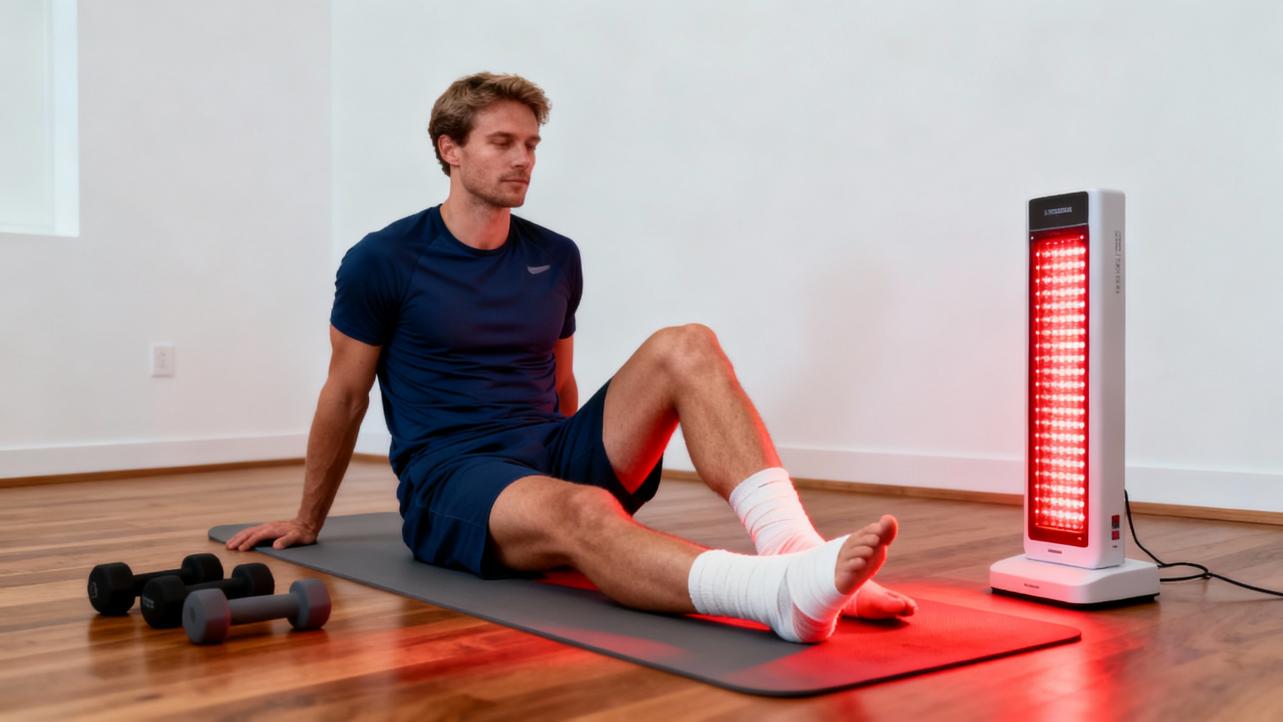
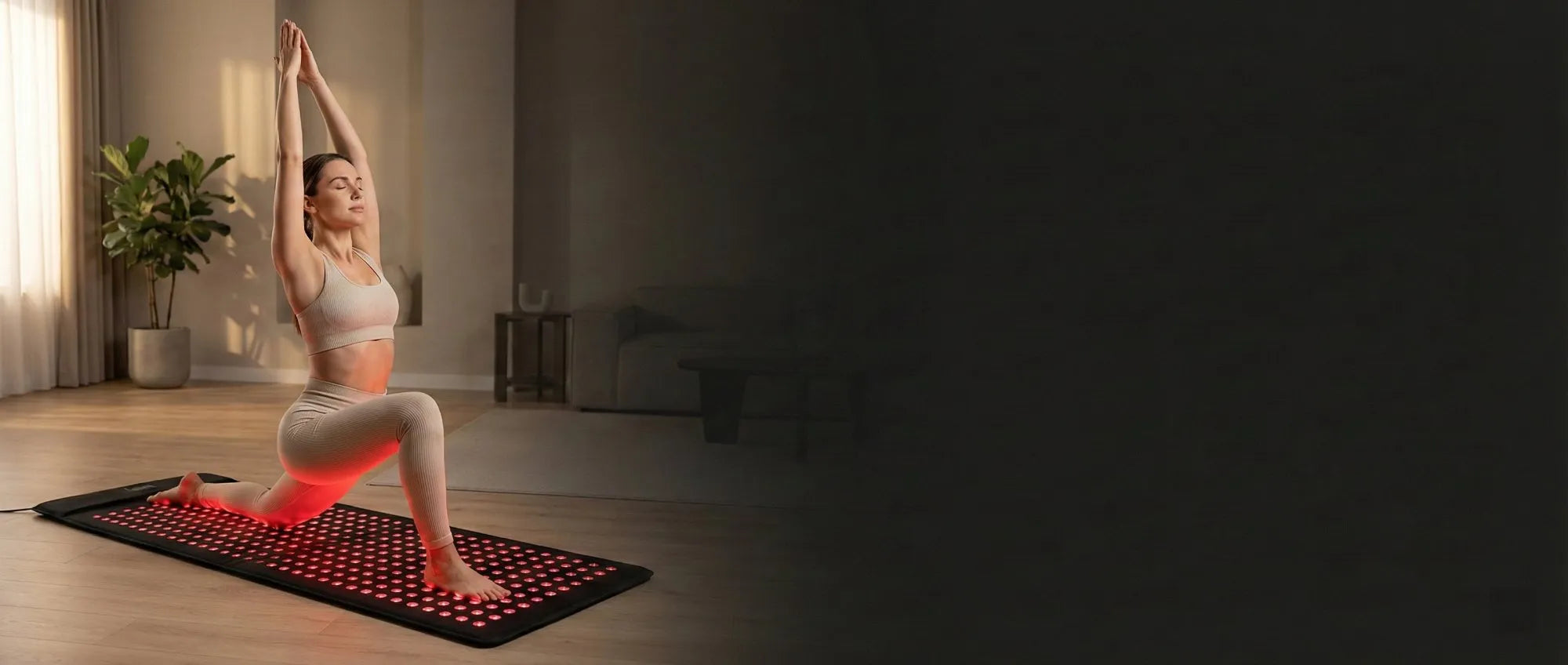
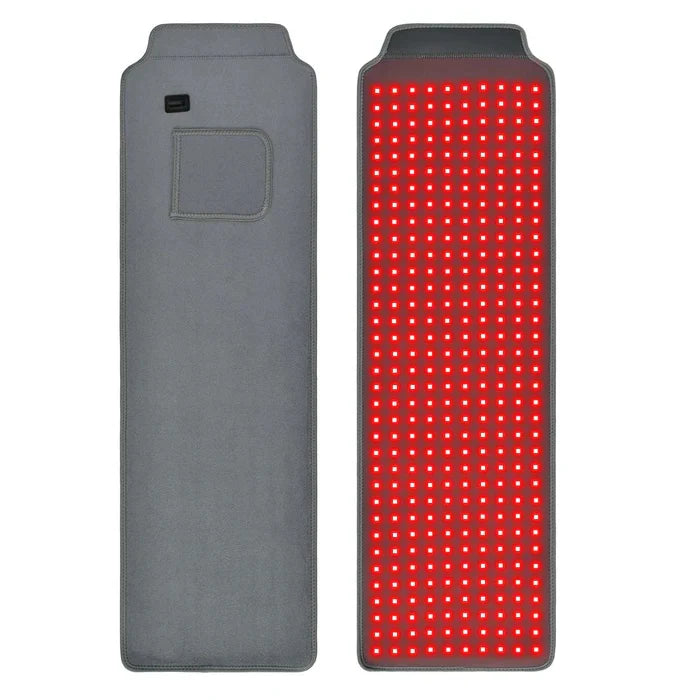
Positioning matters. Clean the skin, remove clothing over the area, and align the device so that light hits the muscle belly rather than primarily bone. For a hamstring strain, that might mean lying prone with a flexible pad wrapped around the back of the thigh, or standing in front of a panel that covers the entire posterior chain from glutes to calves to keep things simple. For a calf strain, a wrap or panel aimed at the mid‑calf region while you sit relaxed can be effective. The goal is comfortable, hands‑off exposure where you are not tensing the muscle to hold a device.
As pain decreases, usually over several days, you can begin adding gentle mobility work and low‑intensity active recovery, following the kind of gradual progression described in the Poll to Pastern article: easy walking, light cycling, and eventually simple body‑weight movements. Red light sessions can be kept after those sessions to support recovery or used before them as a warm‑up tool that improves local circulation, an approach supported by pre‑conditioning data from the photobiomodulation review and by practical experience in endurance clinics described by the Physical Achievement Center.
Throughout this process, remember that red light therapy should make the muscle feel better, not worse. If a session increases pain, causes unusual skin reactions, or leads you to push harder than your tissue can tolerate, scale back and discuss with your clinician.
Pros And Cons For Acute Muscle Strains
The upside of red light therapy in this context is attractive. Multiple reviews and clinical articles from ACE Fitness, WebMD, and University Hospitals describe reductions in inflammatory markers, lower creatine kinase, and improvements in pain and function for musculoskeletal conditions. Human trials combining LED therapy with resistance training show greater muscle hypertrophy and strength gains, along with less soreness, for muscles receiving active light. Athletic clinics and brands citing studies in journals such as Laser Therapy report shorter return‑to‑play times across a range of sports injuries when LED phototherapy is added to standard care.
On a subjective level, many athletes report that sore or strained areas feel looser and less painful after a 10‑ to 20‑minute session, and that they can tolerate more high‑quality training sessions per week. This lines up with the physiological mechanisms: better energy availability, improved circulation, and moderated inflammation tend to produce less stiffness and discomfort, which can make rehab work more productive.
However, the limitations are equally important. Stanford Medicine and TrainingPeaks both emphasize that, across many indications, red light therapy is still an emerging, not fully proven modality. While there is solid evidence for specific uses in dermatology and hair growth, and promising data in pain and tendinopathies, the exercise‑recovery literature is heterogeneous. Some trials show impressive benefits; others show none.
Device and dosing variability are major culprits. The photobiomodulation review in sports performance highlights that energy density, wavelength, number of diodes, and treatment area all influence outcomes, and that the best results often occur within a narrow window. Consumer devices vary widely in power and beam spread. As University Hospitals and WebMD both point out, home units are generally less intense than clinic systems, meaning real‑world effects may be smaller than what you see in studies using medical‑grade lasers and carefully controlled dosages.
There are also risks, though they are relatively rare when devices are used correctly. MD Anderson notes reports of skin damage and burns in the literature when lasers are misused, and insists on protective eyewear to prevent retinal injury. WebMD and other mainstream sources echo the need to avoid looking directly at intense light sources, especially in the red and near‑infrared bands, and to be cautious with high‑power devices. People with photosensitive conditions, those on photosensitizing medications, individuals with lupus or certain seizure disorders, and anyone with a history of skin cancer or serious eye disease should speak with a physician before experimenting. Poll to Pastern explicitly advises that pregnant individuals avoid red light therapy because of uncertain effects, which is consistent with a conservative approach in the absence of robust data.
Finally, there is the very real downside of cost and complexity. TrainingPeaks notes that full‑size panels and beds can cost hundreds or thousands of dollars, often without insurance coverage, and that the evidence does not yet justify substantial investment for performance gains alone. University Hospitals emphasizes that the primary “risk” for many healthy users may be financial rather than medical.
The rational conclusion is this. For acute muscle strains, red light therapy looks like a smart adjunct for people who already invest in their health, appreciate nuanced evidence, and are willing to be consistent. It should not be your only strategy, it should not be a reason to skip medical evaluation, and it should not blow up your budget at the expense of basics like good coaching, quality sleep, and sound nutrition.

Choosing A Device For Muscle Strains
If you decide red light therapy deserves a place in your recovery stack, device selection matters. The research notes and mainstream medical sources give you a clear checklist.
You want wavelengths that actually target muscle. That usually means a combination of visible red around 630 to 660 nanometers and near‑infrared around 810 to 850 nanometers, as described in athletic clinic write‑ups and photobiomodulation reviews. Red handles skin, superficial connective tissue, and collagen‑driven healing; near‑infrared penetrates more deeply into muscle, fascia, tendon, and even bone. Many full‑body beds and panels used in sports clinics combine both.
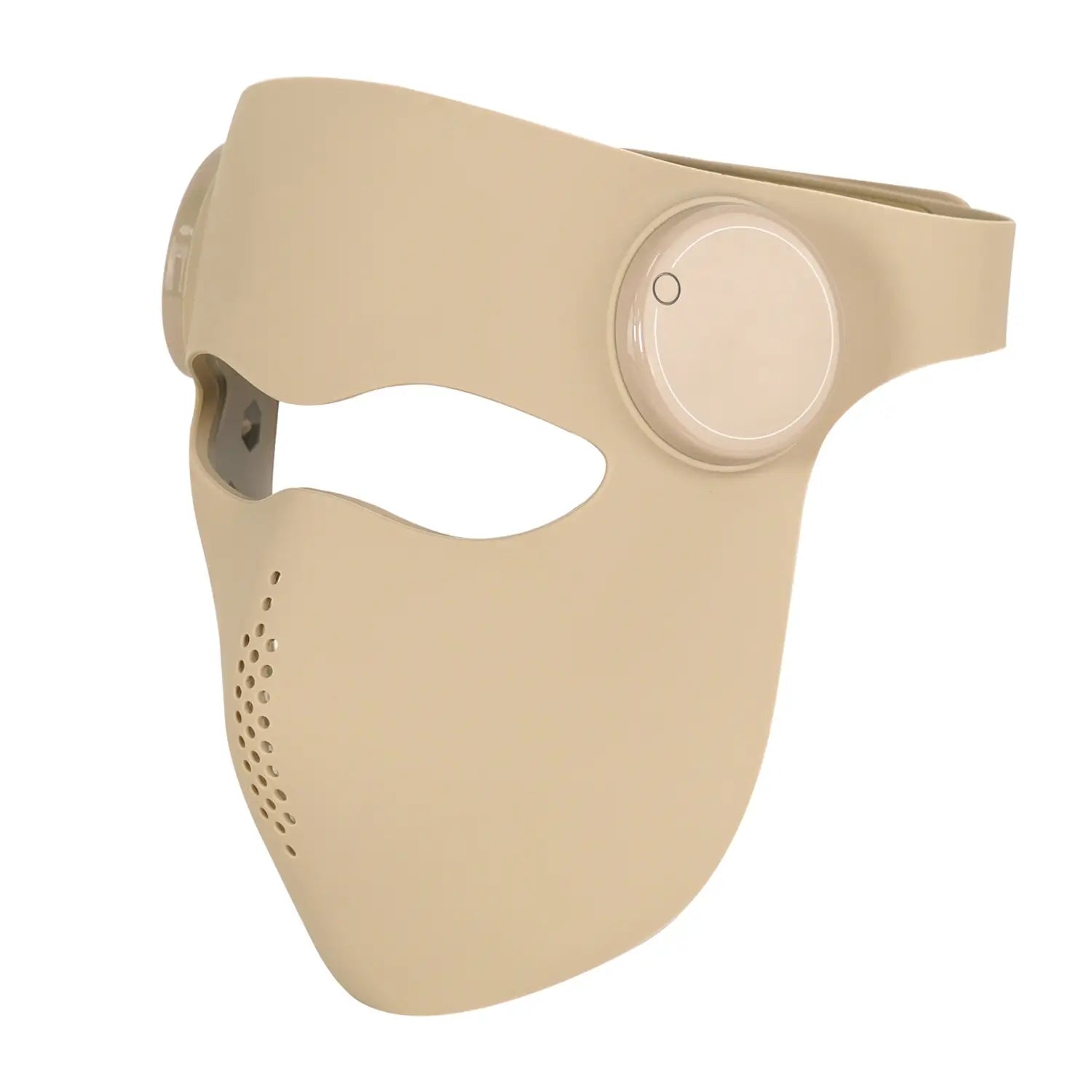
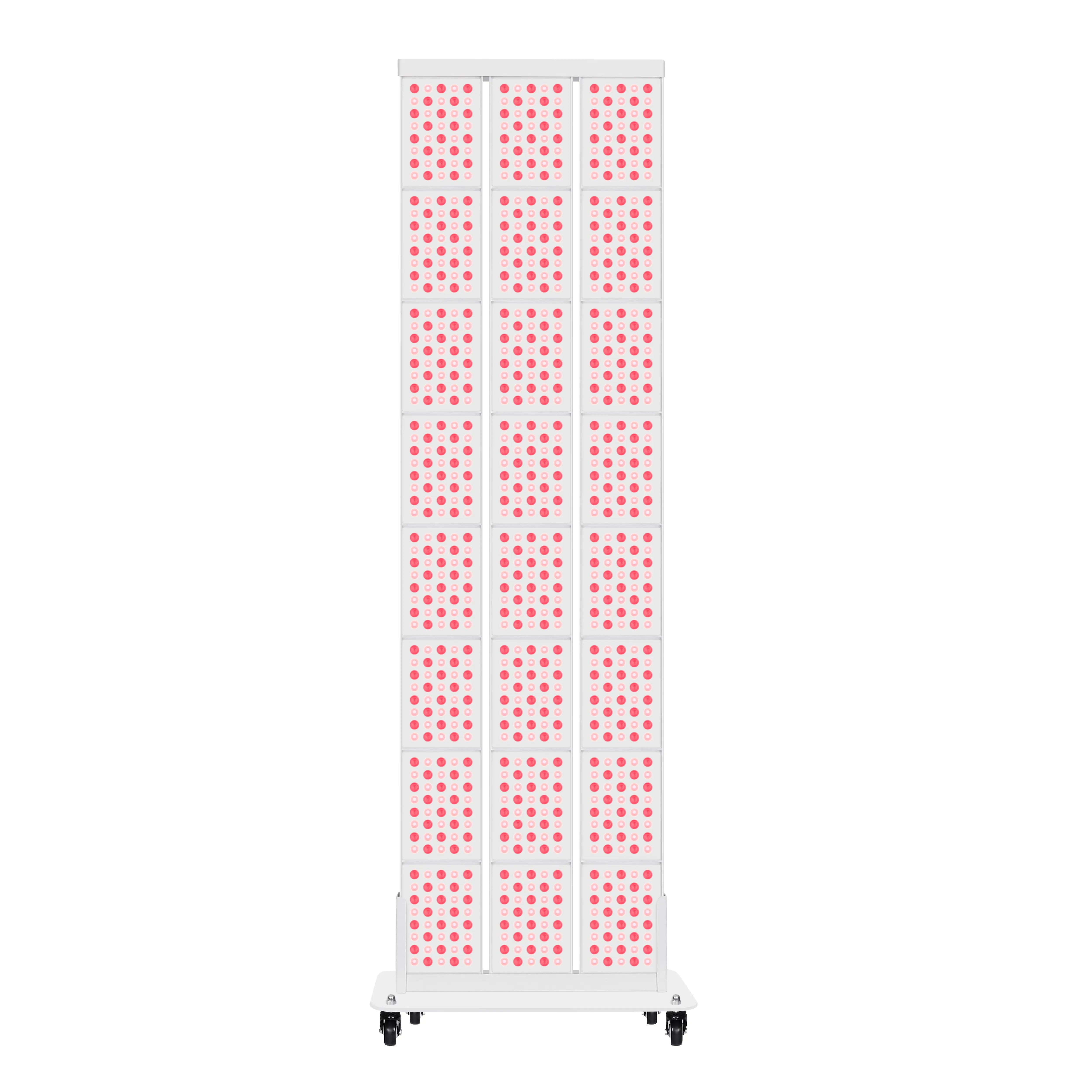
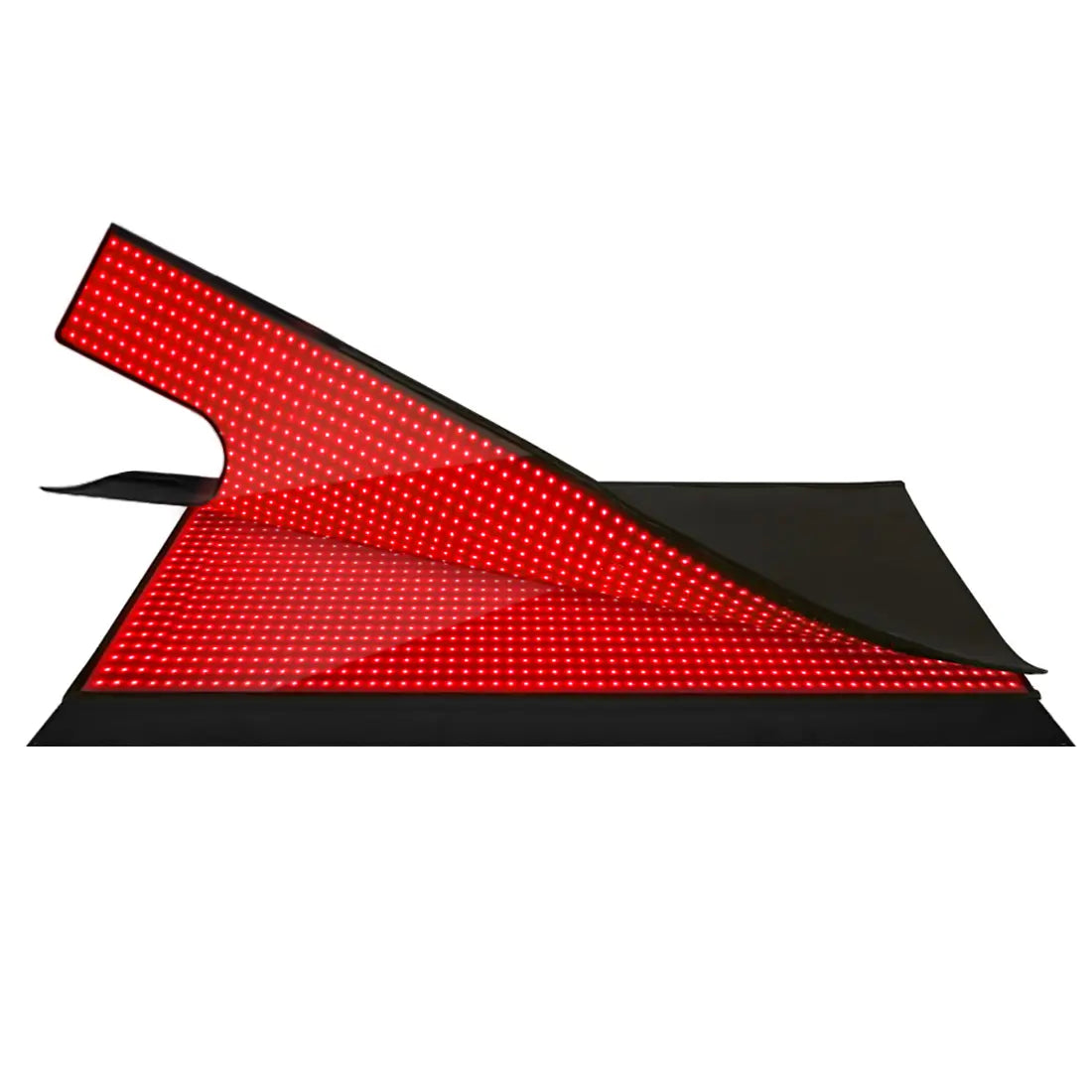
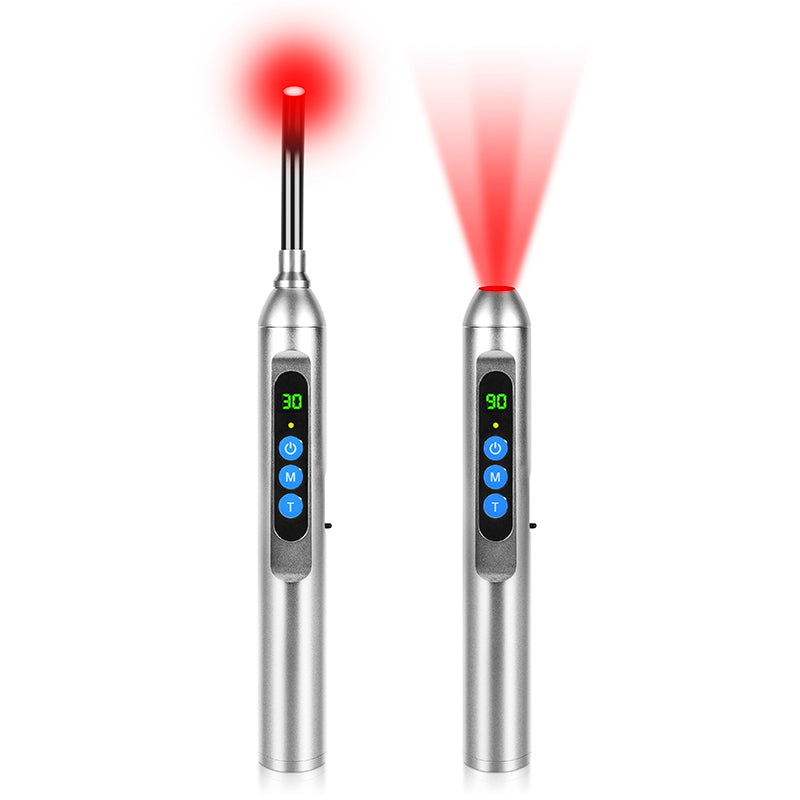
Coverage area is the next question. Small handheld wands, highlighted by LED Technologies and WebMD, are good for very focal pain, but for a hamstring or quadriceps strain you will spend a lot of time “painting” the area. Flexible pads and wraps can contour around a thigh or calf, which is helpful for strains. Larger wall‑mounted panels or horizontal beds offer the most coverage but also require the greatest upfront investment.
Safety and regulatory status should not be an afterthought. MD Anderson and LED Technologies both stress the value of FDA clearance, at least for aesthetic or pain indications, as a proxy that basic safety testing has been performed. Red and near‑infrared LEDs do not emit ultraviolet radiation, so they do not carry the same skin‑cancer risk as UV tanning devices, but power output still matters. Choose devices from manufacturers that disclose wavelength, irradiance, and recommended treatment distance, and follow those guidelines rather than guessing.
Cost and practicality round out the picture. University Hospitals notes that small home devices often cost under $100, while larger, more powerful systems can run into the hundreds or thousands of dollars. If you are testing the waters, starting with a mid‑sized pad or panel that allows you to cover a thigh or calf without constant repositioning is a reasonable compromise. If you later find that you respond particularly well and want to invest in a more robust system or clinic‑grade sessions, you will be doing so from an informed place.

Example: A Week Of Red Light After A Mild Hamstring Strain
To bring this down from theory to practice, imagine you finish an all‑out sprint session and feel a sharp grab high in your hamstring. You stop, walk it off slowly, and later that day a clinician confirms a mild strain without significant tearing. You can bear weight, but sprinting is off the table for now.
For the first forty‑eight hours, you prioritize rest, gentle pain‑free movement, sleep, hydration, and a nutrient‑dense diet with adequate protein, as the Poll to Pastern recovery guide recommends. You apply cold packs in short intervals initially if swelling is present, then transition to more warmth as stiffness becomes the main complaint.
You also decide to use a red and near‑infrared wrap that covers the back of your thigh. Beginning the first evening, you run a fifteen‑minute session with the wrap on low to moderate intensity, keeping your leg relaxed. You repeat this the next morning and evening, accumulating about forty‑five minutes of exposure in the first day and a half. The sensation is mild warmth; pain does not increase, and you notice a modest reduction in ache by bedtime.
From days three through seven, you continue with two fifteen‑minute sessions per day, one in the late morning after a short walk and easy upper‑body training, and one in the evening while you unwind. That yields about 210 minutes of targeted light exposure over the strained area for the week. During this period you gradually increase light walking, add gentle range‑of‑motion work, and begin simple isometric hamstring contractions under the supervision of your therapist or coach.
Will you be fully healed at day seven solely because of red light? No. But by stacking photobiomodulation on top of sound rehab, you are giving your tissue repeated metabolic nudges to clear inflammation, support mitochondrial function, and manage pain. Over multiple cycles and multiple injuries across a lifetime of training, that kind of marginal gain can matter.
Safety, Common Sense, And When To Say No
Despite its generally favorable safety profile, red light therapy is not appropriate for everyone or every situation. If you are dealing with severe pain, visible deformity, significant bruising, or loss of function, you need diagnostic imaging and professional assessment before you worry about any device. If your strain sits over a region with a known malignancy, active infection, or unexplained mass, do not shine high‑intensity light on it without clearance from your physician.
Even for healthy users, both WebMD and MD Anderson insist on eye protection when using higher‑power lasers or panels, and they report rare cases of skin burns when light is misapplied or devices are used at excessive intensity. Any sensation of burning, marked redness, blistering, or unusual rash is a sign to stop immediately and consult a clinician. Individuals with photosensitive skin conditions, those taking medications that increase light sensitivity, and people with lupus or certain neurologic conditions should be cautious and seek medical advice before experimenting.
Finally, one of the subtle risks is psychological. Because the light feels pleasant and “high tech,” it is tempting to lean on it while neglecting the boring fundamentals that every study and clinical article, from Poll to Pastern to ACE Fitness to University Hospitals, still emphasize: progressive loading, good sleep, adequate nutrition, and smart periodization. Light is a high‑leverage tool, but it is still an accessory lift in the program, not the primary movement.
FAQ
Can I replace ice and rest with red light therapy after a strain?
No. Cold, rest, and appropriate loading are still the foundation of early strain management. Reviews from ACE Fitness and practical guides like Poll to Pastern are clear that red light therapy should complement, not replace, established recovery practices. It may reduce pain and support healing, but it does not substitute for time off high‑risk movements, gradual rehab, and overall training management.
How quickly should I expect results?
Most mainstream sources, including WebMD, MD Anderson, and University Hospitals, highlight that benefits of red light therapy generally emerge over multiple sessions and weeks rather than overnight. For an acute strain, you may notice pain relief or less stiffness within a few sessions, but meaningful functional improvements usually track the normal healing timeline, hopefully with a smoother trajectory rather than an instant fix.
Is it safe to combine red light therapy with physical therapy and medications?
Large medical centers that use low‑level laser therapy in pain clinics routinely combine it with medications, physical therapy, and other interventions. As long as your prescribing providers know what you are doing, and you respect contraindications related to skin, eyes, and photosensitivity, combining red light with conventional rehab is exactly how it has been used in most of the published studies.
From one light‑therapy geek to another, think of red and near‑infrared light as a way to make every hour of your recovery count a little more. Used with clear eyes about what the science supports, aligned with your therapist or physician, and stacked on top of disciplined training habits, it can turn a painful post‑workout strain from a roadblock into a temporary detour on a longer, stronger journey.
References
- https://lms-dev.api.berkeley.edu/studies-on-red-light-therapy
- https://digitalcommons.butler.edu/cgi/viewcontent.cgi?filename=0&article=1010&context=buhealth&type=additional
- https://scholarsarchive.byu.edu/cgi/viewcontent.cgi?article=7743&context=etd
- https://nsuworks.nova.edu/cgi/viewcontent.cgi?article=2599&context=ijahsp
- https://pmc.ncbi.nlm.nih.gov/articles/PMC5026559/
- https://dash.harvard.edu/server/api/core/bitstreams/3c6f36f1-0010-4f64-9675-14686c456953/content
- https://behrend.psu.edu/student-life/student-services/counseling-center/services-for-students/wellness-offerings/red-light-therapy
- https://med.stanford.edu/news/insights/2025/02/red-light-therapy-skin-hair-medical-clinics.html
- https://www.mainlinehealth.org/blog/what-is-red-light-therapy
- https://www.mdanderson.org/cancerwise/what-is-red-light-therapy.h00-159701490.html