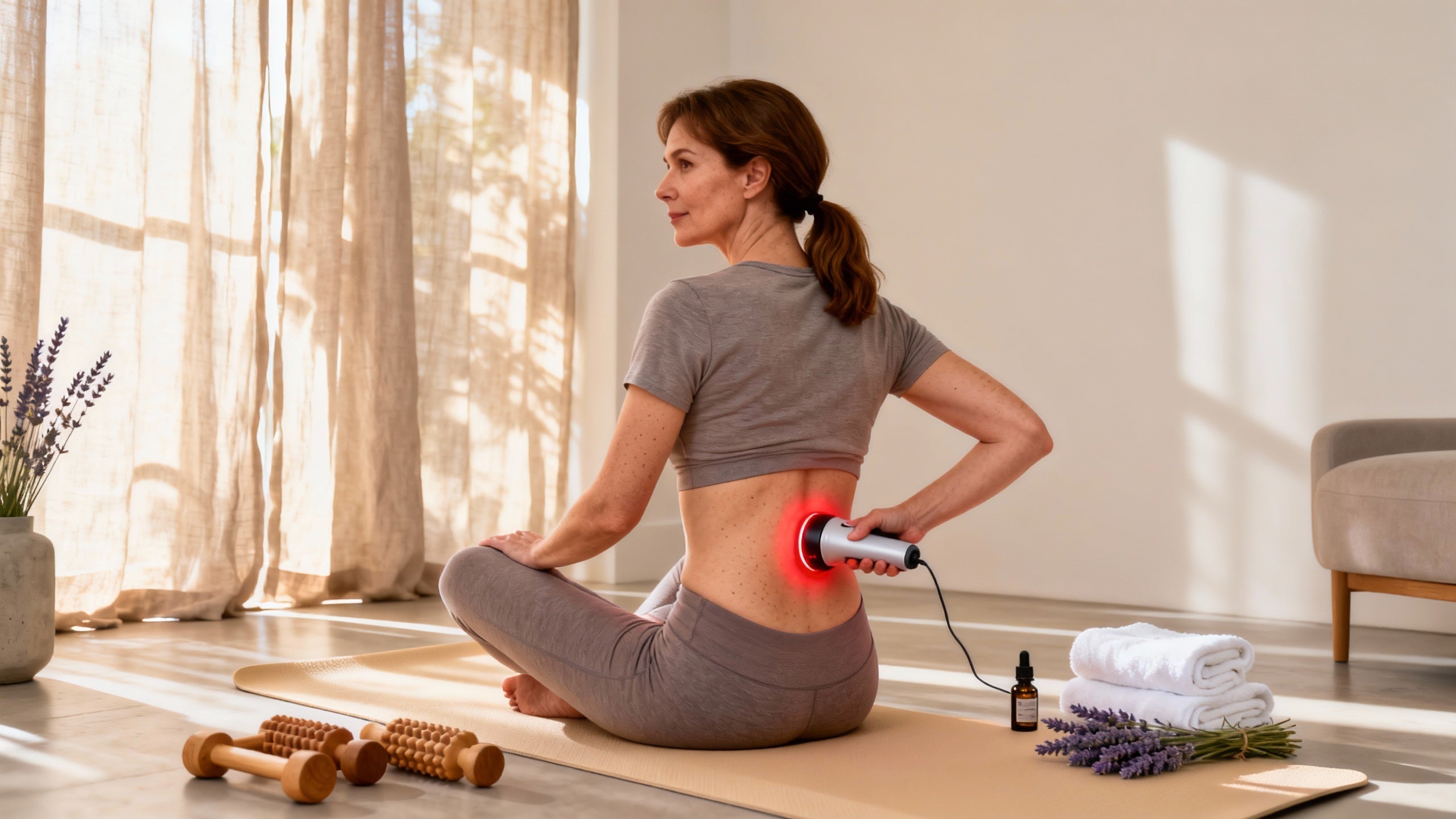


Spend a few years doing delivery runs on foot or by bike and your knees will tell the story long before your resume does. Long stairwells, curbs, sudden pivots to dodge cars, and hours of stop‑and‑go walking or pedaling day after day create exactly the kind of repetitive loading that drives “wear‑and‑tear” osteoarthritis.
As someone who has spent years optimizing recovery for high‑mileage legs and experimenting with every kind of red and near‑infrared light device I can get my hands on, I see the same question from courier crews all the time: can red light therapy actually protect my knees, or is it just another gadget that makes me feel better while the joint keeps breaking down underneath?
In this article, I will walk through what we really know from the science on red light therapy for knee joints, how that maps onto the realities of a courier’s workload, and how to use light strategically so it supports, rather than replaces, the fundamentals like strength, movement, and load management.
Why Couriers’ Knees Wear Out So Fast
If you strip the job down to its biomechanics, modern delivery work is an osteoarthritis machine. Osteoarthritis, described by organizations such as Active Care Chiropractic and HealthLight as a degenerative “wear and tear” joint disease, happens when cartilage in a joint gradually breaks down. The knee is one of the classic targets because it bears body weight, handles impact, and twists when you cut or pivot quickly.
Major risk factors for osteoarthritis include aging, repetitive joint use from sports or occupational strain, prior injuries such as ligament tears, and higher body weight that magnifies the force on each step. Couriers tick several of those boxes at once. There is repetitive use from walking flights of stairs, running packages to doors, jumping in and out of vehicles, and standing or pedaling through long shifts. Past injuries are common in people who spend years on their feet. Extra load from heavy backpacks or boxes only increases knee compression.
Symptoms often creep up slowly. Early on, there may be an ache at the end of a double shift, or stiffness after sitting in the car between stops. Over time this can evolve into more persistent pain with walking, swelling around the joint line, morning stiffness, creaking or grinding sensations, and reduced range of motion. The problem is that couriers tend to push through these early warning signs because the job does not reward time off.
Medical consensus from sources such as Cleveland Clinic and national arthritis programs is very clear on one thing: there is no cure that fully reverses osteoarthritis. The goal is to manage pain and inflammation, protect the remaining cartilage, and keep you moving as well as possible for as long as possible. Standard care includes physical therapy, low‑impact exercise like walking or cycling, weight management, and medications such as NSAIDs or, in some cases, injections or even knee replacement.
Red light therapy sits in that “adjunct” category. It does not replace the fundamentals. Where it may matter for couriers is in how it can modulate inflammation and pain, and possibly support tissue repair, so that every mile you walk or ride does a little less damage.

What Red Light Therapy Actually Does
Red light therapy, also called photobiomodulation or low‑level light therapy, uses specific red and near‑infrared wavelengths to deliver low‑level light energy to tissues. Articles from Atria, WebMD, and University Hospitals describe the key ranges as visible red light around 620 to 700 nanometers and near‑infrared light roughly 800 to 1,000 nanometers.
These wavelengths sit in what researchers call an “optical window” where light can penetrate deeper into tissue without being heavily absorbed by blood or water. For a knee joint, that means photons can reach not only the skin but also muscle, synovial tissue, and to some extent structures around the joint line.
From Photons to Cellular Energy
Mechanistically, several lines of evidence, including work summarized in a National Institutes of Health review on the anti‑inflammatory effects of photobiomodulation, point to mitochondria as a primary target. Mitochondria are often described as the cell’s power plants. Inside them, an enzyme called cytochrome c oxidase absorbs red and near‑infrared photons. When that happens, several things tend to follow.
First, electron transport through the mitochondrial chain becomes more efficient, which increases the cell’s production of adenosine triphosphate, or ATP, the energy currency that drives repair processes. Second, the light appears to dislodge nitric oxide that can temporarily block cytochrome c oxidase, which improves oxygen usage and local circulation. Third, there is a controlled rise in signaling molecules such as reactive oxygen species and activation of transcription factors that regulate genes involved in cell survival, repair, and antioxidant defenses.
This is not just theoretical. Clinical overviews from Atria, Main Line Health, and Dr. Graber’s joint‑injury practice describe consistent patterns across wound healing, tendon injuries, and arthritis: faster tissue repair, better circulation, and improved joint mobility when red light is dosed correctly.
A critical nuance is the so‑called biphasic or “Goldilocks” dose response. Low to moderate doses stimulate these beneficial processes, while very high doses can actually reduce mitochondrial membrane potential and blunt the effect. Atria suggests aiming for power densities in the neighborhood of 20 to above 100 milliwatts per square centimeter with exposure times around 5 to 20 minutes per body area, respecting device guidance on distance. More is not always better, and that matters for overworked knees.
How Light Blunts Pain and Inflammation
On the pain side, a Kineon research brief and other clinical discussions explain that red light therapy seems to alter nerve cell membrane permeability to sodium ions and raise the firing threshold of pain fibers, making them less reactive to painful stimuli. At the same time, the therapy appears to trigger the release of endorphins and other natural opioids, which further reduces perceived pain.
For inflammation, the NIH review on photobiomodulation describes a consistent pattern across tissues. Red and near‑infrared light nudge immune cells away from a strongly pro‑inflammatory mode, reduce pro‑inflammatory cytokines and prostaglandins, decrease oxidative stress markers, and sometimes even reduce local swelling or edema. In joint models, there is evidence that this translates into calmer synovial tissue and less destructive inflammatory signaling.
Clinics such as HealthLight and Bedrock Bioscience translate this into everyday language: with regular use, many people with arthritic joints report less morning stiffness, reduced swelling, and easier motion through daily activities.
For a courier, those mechanisms add up to a simple functional story. If you can quiet down post‑shift inflammation and pain without relying exclusively on drugs, it becomes easier to keep walking or riding with good mechanics. That is where the potential impact on “joint wear” begins.
What the Evidence Says About Knees
The key question is not whether red light therapy can feel good. It is whether it meaningfully changes pain, function, and possibly the environment inside an osteoarthritic knee. Several sources in the research notes address that directly.
Clinical Trials in Knee Osteoarthritis
A classic randomized controlled trial indexed in PubMed enrolled 50 older adults with degenerative osteoarthritis in both knees. Participants were assigned to receive low‑power narrow‑band red light, infrared light, or a placebo emitter. They applied the light twice daily for 15 minutes over 10 days to both sides of each knee.
Before treatment, pain and disability scores did not differ meaningfully between groups. After the 10‑day course, both the red and infrared groups showed more than 50 percent reductions in pain across multiple pain scales, along with significant improvements in functional disability. The placebo group did not see significant improvements.
An especially interesting metric in that trial was how long the benefits lasted. On average, people in the red light group went a little over four months before they asked for retreatment, and those in the infrared group went a bit over six months. The placebo group, by contrast, sought retreatment in about half a month on average. This suggests that, at least for these older adults, a short course of properly dosed red or infrared light created a clinically meaningful window of reduced pain and improved function.
More recent evidence summarized by Hypervida, Solawave, and Arthritis Knee Pain Centers points to similar trends. Narrative reviews and meta‑analyses of red and near‑infrared photobiomodulation in knee osteoarthritis report reductions in pain and disability scores, better gait and strength, and improved tolerance for exercise, especially when light therapy is combined with supervised physical therapy. One 2023 systematic review in Lasers in Medical Science found that therapeutic‑grade red light therapy reduced pain and improved function versus placebo in knee osteoarthritis.
These studies are not huge, and protocols vary in wavelengths, dose, and device type. Still, the pattern is consistent enough that multiple sources now describe red light therapy as a viable noninvasive adjunct for osteoarthritis knee pain, not just a speculative experiment.
Arthritis and Musculoskeletal Pain More Broadly
Beyond knee osteoarthritis, overviews from Cleveland Clinic, WebMD, Brown Health, UCLA Health, and University Hospitals note that red light or low‑level laser therapy is being explored for rheumatoid arthritis, tendinopathies, low back pain, and other musculoskeletal conditions. Reviews tend to find clearer benefit for inflammatory and tensile issues such as tendinopathy and rheumatoid arthritis, with more mixed or emerging evidence for osteoarthritis.
HealthLight cites more than 4,000 studies on photobiomodulation and suggests that red light therapy can relieve both acute and chronic musculoskeletal pain with a favorable safety profile. That figure covers a vast range of conditions and does not guarantee dramatic results for every joint, but it illustrates how extensively this modality has been studied.
The consensus across conservative organizations such as Cleveland Clinic and Brown Health is cautious but positive. Red light therapy is generally low risk, appears to help some people with pain and inflammation, and should be treated as a complement to standard care rather than a replacement.
Impact on Knee Joint Wear in Couriers
Now comes the hard question for working couriers: does red light therapy actually affect joint wear itself, or is it mostly a pain‑management tool?
To answer that honestly, we have to separate what is clearly supported, what is plausible, and what is still unproven.
Short‑Term Gains: Pain, Stiffness, and Function
Across sources like Arthritis Knee Pain Centers, Bedrock Bioscience, Hypervida, and HealthLight, typical reported knee benefits with consistent red light therapy include lower day‑to‑day pain, reduced swelling, less morning stiffness, and easier motion during activities like walking, climbing stairs, or light jogging.
Couriers often notice the same patterns. After a week or two of regular sessions, it is common to feel less “rusty” during the first packages of the day, to tolerate longer routes before pain ramps up, and to have fewer throbbing nights after stacked shifts. Some people are able to lean less on over‑the‑counter pain medications, which matters given the cardiovascular and gastrointestinal risks associated with chronic NSAID use described by HealthLight and other medical sources.
Functionally, being able to perform deep squats, step ups, and controlled descents without sharp pain is critical for maintaining strength in the quadriceps and glutes. The stronger those muscles, the better they can offload impact from the knee joint itself. In that sense, even if red light therapy were “only” a pain‑reduction tool, it indirectly supports joint health by allowing better strength training and more natural gait patterns.
Possible Long‑Term Influence on Wear
The harder question is whether red light therapy slows the structural progression of osteoarthritis in a high‑load occupation like courier work.
Some clinical and preclinical discussions, including those from HealthLight and Dr. Graber, suggest that photobiomodulation can help repair and regenerate connective tissues such as tendons, cartilage, and even bone. Mechanistic work reviewed by the NIH indicates that red and near‑infrared light can reduce destructive inflammatory processes, improve microcirculation, and support cell survival pathways. In rheumatoid arthritis models, photobiomodulation appears to dampen immune activity that drives joint destruction.
From a systems perspective, if you reduce chronic inflammation, oxidative stress, and joint effusions inside a knee that is being stressed daily, you are creating a more favorable environment for the remaining cartilage and subchondral bone. Less inflammatory fluid means less chemical damage to cartilage. Better nutrition and oxygen delivery via improved microcirculation support repair processes. Healthier muscles around the joint improve load distribution.
However, the honest state of the evidence is that we do not yet have large, long‑term imaging studies in couriers or similar high‑load workers showing that red light therapy slows cartilage loss or joint space narrowing. Most trials focus on symptoms and functional scores over weeks or months, not structural changes over years.
So the fairest evidence‑based statement is this. Red light therapy can meaningfully reduce pain and inflammation and support function in osteoarthritic knees. Those changes likely make the joint environment less hostile and may, in theory, slow wear, especially when combined with strength training, weight management, and smart workload management. But structural protection in couriers remains a plausible but unproven benefit, and red light should not be viewed as armor that lets you ignore overuse.

How I Recommend Couriers Use Red Light Therapy
When I help delivery workers design a routine, I approach red light therapy the same way I approach supplements or advanced recovery tools: it sits on top of, not instead of, the basics. You still need good footwear, strong legs, sensible body weight for your frame, and as much route variation and recovery as your job allows.
Within that context, light becomes a powerful lever.
Choosing a Device That Can Reach the Knee Joint
The first question is device choice. For knee wear, you want a device that can deliver both red and near‑infrared light across the whole joint line, not just a tiny spot. Articles from Arthritis Knee Pain Centers, Atria, Solawave, and Hypervida point toward devices that use red wavelengths around 630 to 660 nanometers plus near‑infrared around 810 to 850 nanometers. Red light influences superficial tissues such as skin and more superficial tendons, while near‑infrared reaches deeper muscle and joint structures.
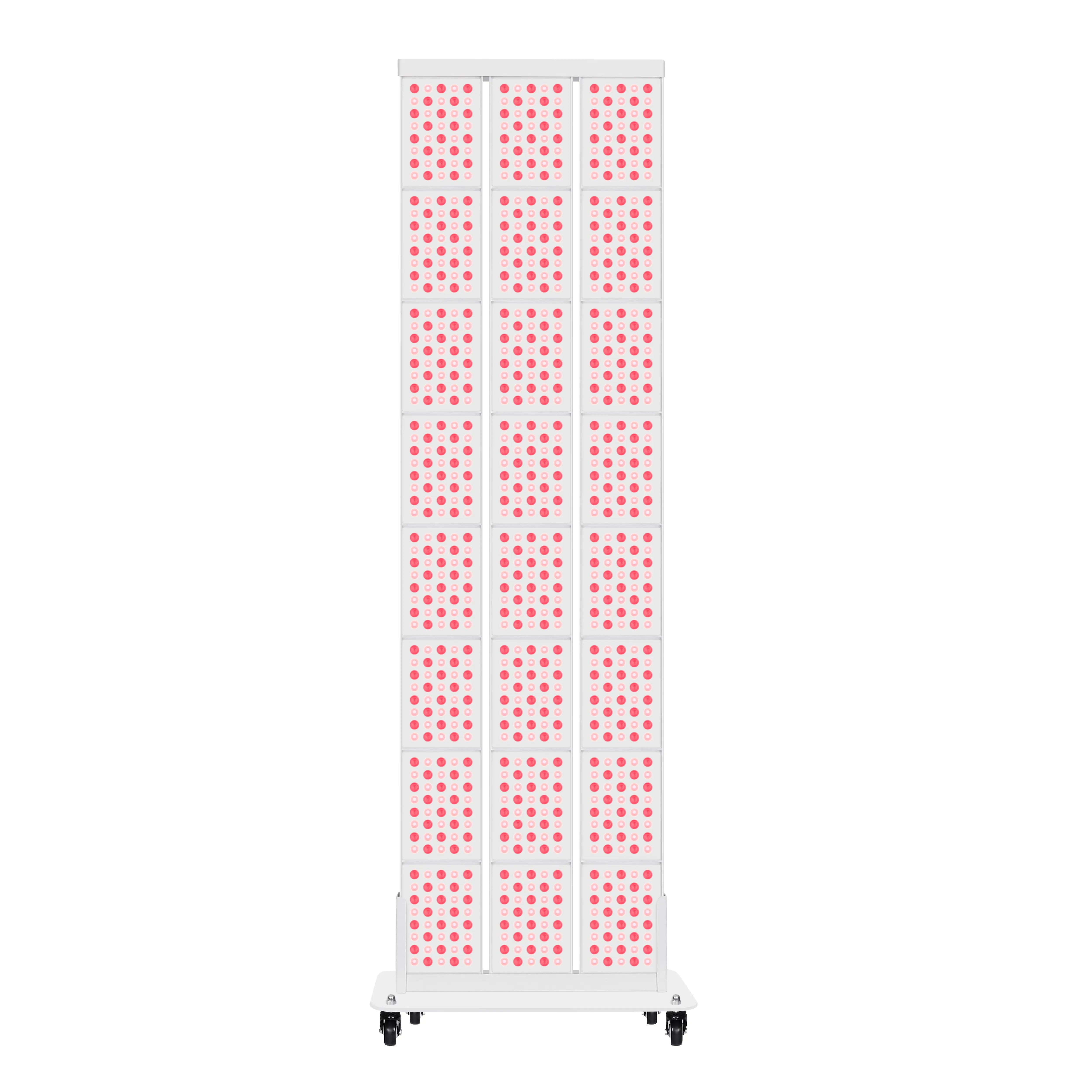
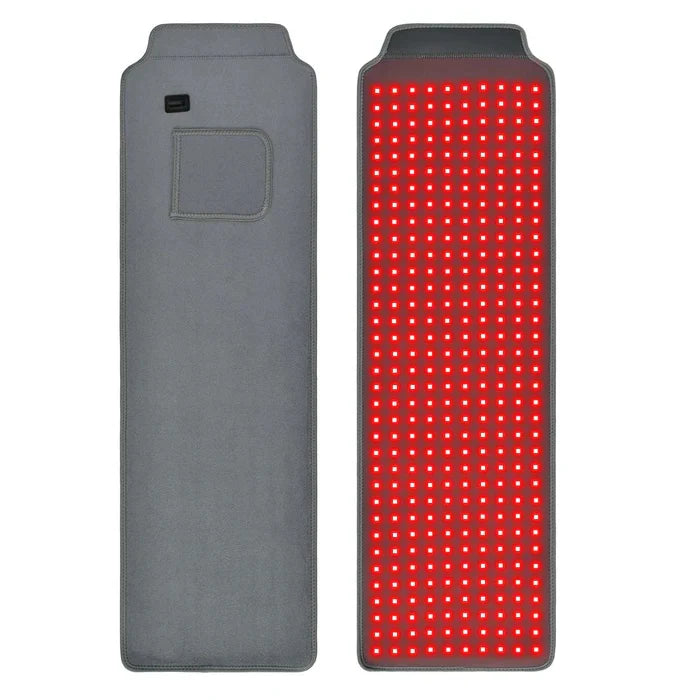
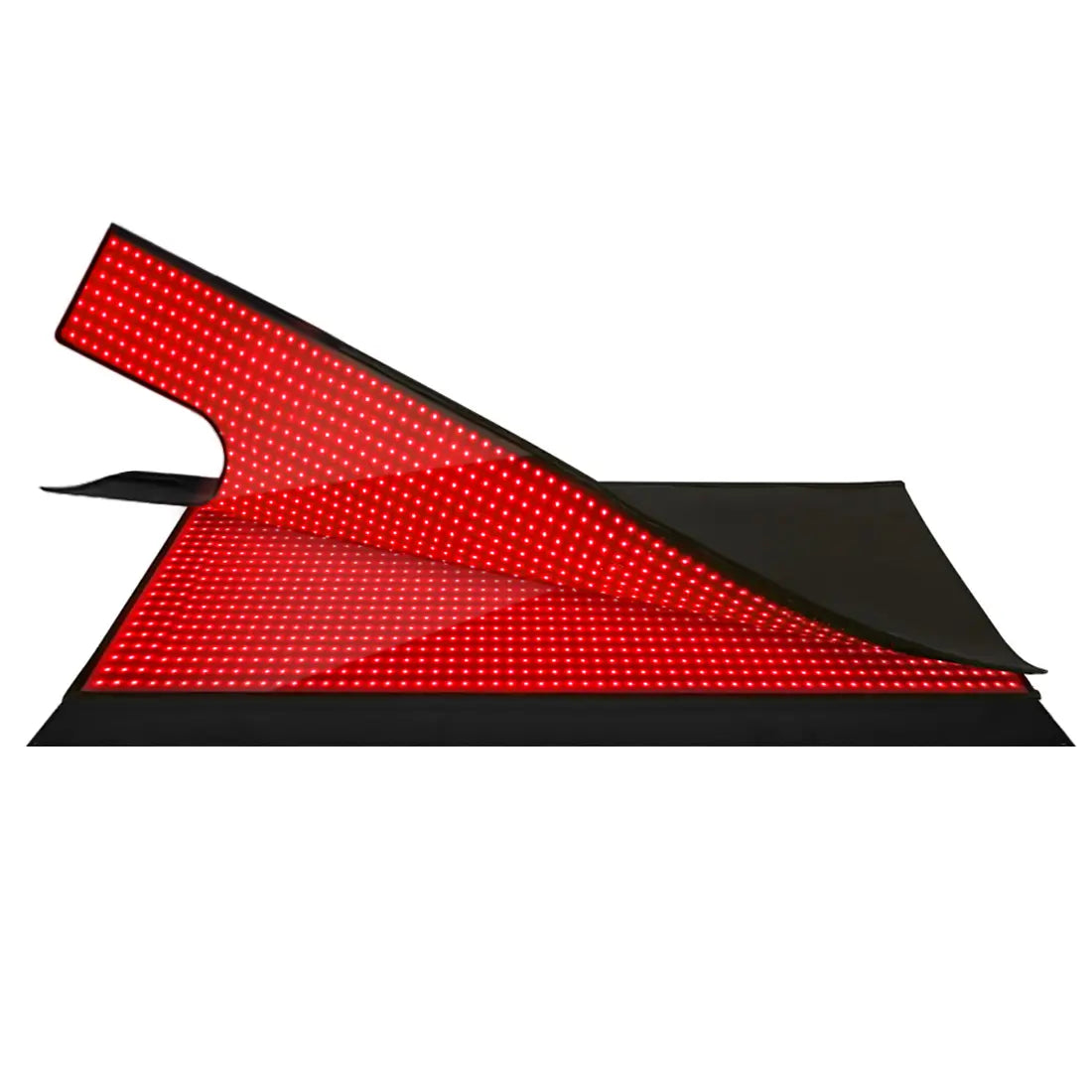
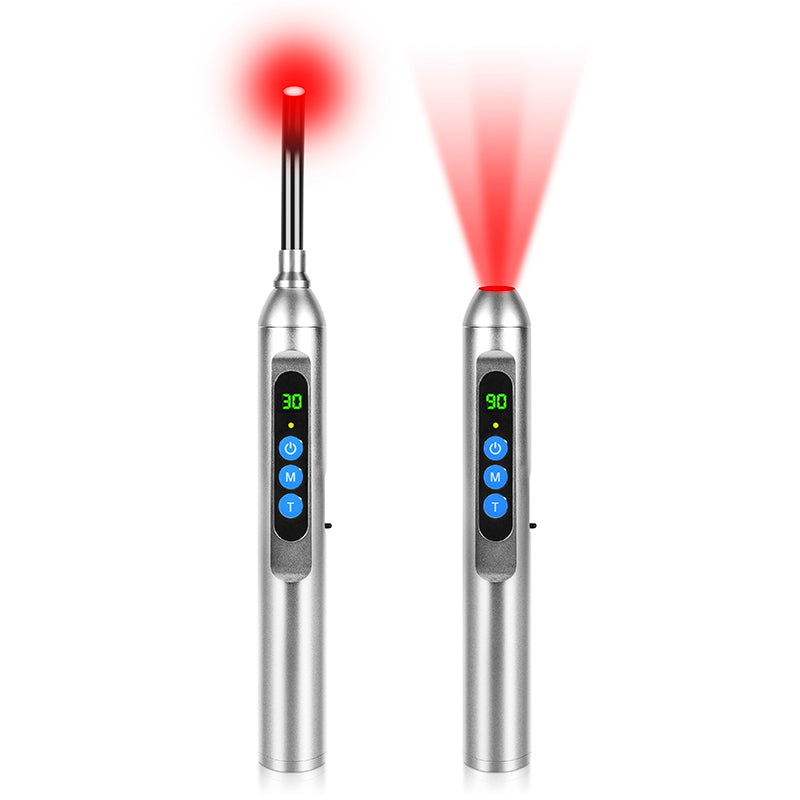
Handheld wands can work if you are disciplined enough to move them systematically around the knee for the full session, but most couriers do better with either a wrap‑style pad or a small panel they can rest alongside the leg while they unwind. Knee‑specific flexible pads, like the ones promoted by some clinical brands, offer the advantage of wrapping around the front, sides, and sometimes even the back of the joint at once, which is ideal.
Power matters, but “more” is not simply better. Atria notes that for most consumer panels and pads, you get a good therapeutic window at distances around 6 to 24 inches. Wrap pads typically sit in direct contact by design and are calibrated accordingly. The device manufacturer should specify whether it delivers power densities in the therapeutic range and how close you should be.
A simple way to think about it is this. You want enough power that you can treat a knee in roughly 10 to 20 minutes per side, not so little that you would need an hour, and not so much that your skin feels hot or irritated quickly.
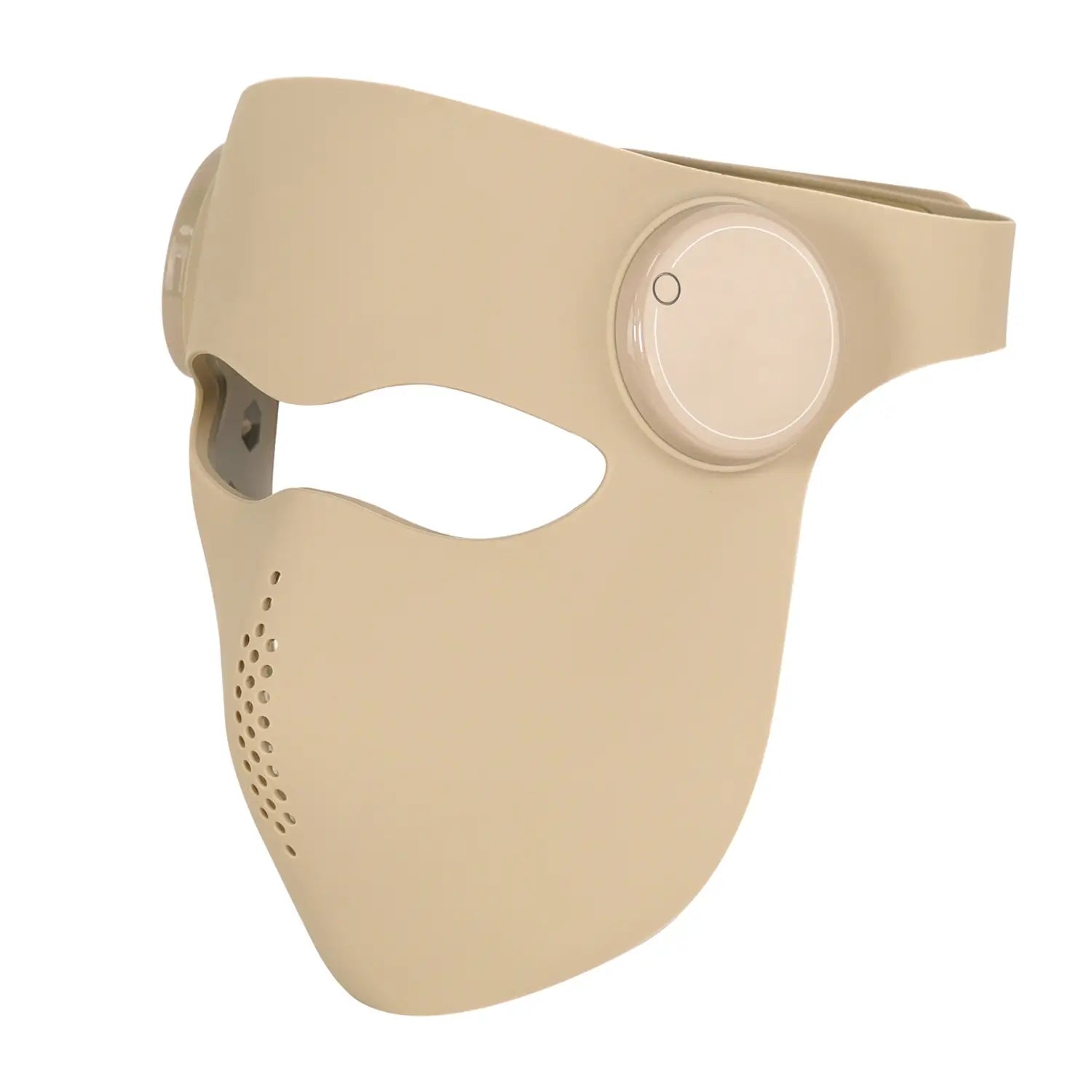
Here is a concise way to compare common options from a courier’s perspective.
Device type |
Courier‑relevant advantages |
Courier‑relevant limitations |
Wrap‑style knee pad |
Hands‑free, treats whole knee at once, easy during TV |
Usually single‑joint only, tethered to power source |
Small panel |
Can treat both knees sequentially, flexible for other areas |
Requires careful positioning, not portable on route |
Handheld wand |
Targeted for specific tender spots |
Demands attention and time, easy to under‑treat area |
The exact brand matters less than the physics. Aim for combined red and near‑infrared wavelengths in the therapeutic band, adequate coverage of the entire knee, and clear guidance on distance and session time. When in doubt, favor devices that are FDA‑cleared for muscle and joint pain rather than purely cosmetic skin devices, since the latter often lack the power or wavelength mix for deep joint work.
Dosing and Scheduling Around Long Routes
Most knee protocols discussed by Hypervida, Bedrock Bioscience, HealthLight, and Atria cluster around similar parameters. A typical home routine is about 10 to 20 minutes per knee, three to five times per week, for at least four to eight weeks before you fully judge the effect. Some companies suggest daily use at slightly shorter times, often around 20 minutes, especially in the morning.
For a courier schedule, several patterns work well.
One pattern is a pre‑shift priming session. You sit with the device on the more symptomatic knee or knees for 10 to 15 minutes while you drink your coffee and plan your route. This tends to loosen stiffness, improve comfort during your first hour of walking, and may help moderate inflammation that is already present from the previous day.
Another pattern is an evening recovery block. After you get home and shower, you apply light for 10 to 20 minutes per knee while you relax. This fits nicely with gentle mobility work, such as pumping the knees through flexion and extension and working on soft‑tissue release for the quads and calves, which further improves circulation.
Whichever pattern you choose, respect the Goldilocks principle. If a device manual suggests 15 minutes at about 6 to 12 inches three to five times per week, do not double the time or sit pressed against the panel in an attempt to “supercharge” the effect. Overdoing exposure may flatten the benefit or irritate the skin. If you feel warmth, mild redness, or fatigue in the knee afterward, that is usually fine. If you feel burning, intense heat, or lingering irritation, shorten sessions or increase distance.
Consistency beats intensity. Clinical sources such as Atria and Bedrock emphasize that meaningful benefits often emerge over two to four weeks of regular use, not in a single weekend experiment.
Pairing Light with Movement to Protect Your Knees
The strongest results in the knee osteoarthritis literature often happen when photobiomodulation is paired with supervised exercise or physical therapy. Hypervida notes that studies combining red light therapy with structured exercise show larger gains in strength, gait, and function than either approach alone.
For couriers, this means your light routine should be tightly integrated with a strength and mobility program focused on the muscles that control the knee but also on the hips and ankles that share load with the knee.
Low‑impact aerobic work, such as controlled walking or cycling on off days, supports joint lubrication and cartilage nutrition. Strength work for the quadriceps, hamstrings, glutes, and calves improves force absorption on each step. Mobility drills help maintain joint range, so any existing cartilage can do its job evenly instead of bearing uneven loads.
Active Care Chiropractic and other arthritis resources consistently recommend such low‑impact exercise and strength training as core osteoarthritis management. Viewing red light therapy as a way to make those sessions more comfortable and sustainable is a far more realistic strategy than hoping light alone will offset poor mechanics or heavy, unbalanced loads.
Safety and When to Skip a Session
The good news is that, according to safety overviews from Cleveland Clinic, WebMD, UCLA Health, Brown Health, and multiple clinic guides, red light therapy is considered low risk when used appropriately. It uses non‑ionizing light, does not involve ultraviolet, and generally does not burn tissue at therapeutic power levels.
That said, there are important caveats.
Individuals with a history of skin cancer, suspicious moles, or known malignancies should not put red or near‑infrared light directly over those areas without explicit guidance from an oncologist. Several safety guides, including those from Physical Achievement Center and Hypervida, stress this point.
People who are pregnant, have photosensitive conditions such as lupus or porphyria, or are taking medications that increase light sensitivity, such as certain antibiotics or acne medications, should talk with a qualified health professional before starting red light therapy. Eye protection is essential if the device is near the face, even when you are just treating knees, since high‑intensity red or invisible near‑infrared light can stress deeper eye structures over time.
You should also avoid applying light directly over open wounds, fresh surgical incisions, or acute infections on the knee unless your surgeon or physician specifically recommends a protocol. Mild warmth, temporary redness, or a feeling of fatigue in the joint is usually acceptable; burning sensations, sharp pain, or persistent skin irritation are signs to stop and reassess.
Finally, remember that therapy is an investment. Insurance rarely covers red light therapy for musculoskeletal use, and devices range from relatively inexpensive handheld units to more expensive clinical‑grade pads and panels. Organizations such as Brown Health and WebMD remind patients to consider both time and out‑of‑pocket cost before committing.

Pros and Cons for Couriers
When you put all the data, mechanisms, and day‑to‑day realities together, the impact of red light therapy on knee joint wear for couriers looks like a trade‑off with clear strengths and equally clear limitations.
On the positive side, red light therapy is noninvasive, drug‑free, and generally safe when used correctly. Multiple clinical trials and reviews in knee osteoarthritis show reductions in pain and improvements in function that can last weeks to months. Mechanistic work makes it plausible that the therapy reduces harmful inflammation and oxidative stress in and around the joint. For a courier, that means it can become a reliable tool to keep pain manageable, stiffness lower, and legs functional across long, demanding weeks.
On the downside, evidence is still emerging, especially for long‑term structural protection in high‑load occupations. Light therapy requires consistent use over weeks before you can fairly evaluate it, and devices with enough power to treat a knee joint effectively are not cheap. It cannot heal structural problems such as complete ligament tears or severe cartilage loss and does not exempt you from doing the harder work of strength training, weight control, smart route planning, and rest.
Used wisely alongside those fundamentals, red light therapy can be a meaningful advantage for your knees. Used as a stand‑alone crutch while you keep abusing a weak, overloaded joint, it is unlikely to save you from long‑term wear.
FAQ: Red Light Therapy and Delivery Work
Does red light therapy actually protect my cartilage, or just reduce pain?
Most of the hard data we have focus on pain, stiffness, and function. Red and near‑infrared light clearly help many people with osteoarthritis feel and move better, and laboratory work suggests that photobiomodulation calms down inflammatory signaling that damages cartilage. Some clinical and commercial sources also report improvements in connective tissue regeneration. However, long‑term imaging studies proving slower cartilage loss in couriers or other high‑load workers are not yet available. It is safest to think of light as reducing a lot of the biochemical stress on the joint and making strength work possible, rather than as a proven shield for cartilage by itself.
How soon should a courier expect to feel results?
Clinical timelines vary. In the older adult trial of knee osteoarthritis, measurable benefits appeared after 10 days of twice‑daily treatment. Bedrock Bioscience and Hypervida report that many people notice less stiffness and easier walking after several weeks of sessions, often three to five times per week. In real courier life, if you are consistent with a reasonable protocol and pair it with strength and mobility work, you should expect to gauge your response over about two to four weeks, not two or three sessions.
Is it safe to use red light therapy on my knees almost every day during peak season?
Most safety reviews describe daily treatment within recommended parameters as acceptable, especially for chronic pain. For example, HealthLight suggests a simple 20‑minute daily routine in the morning for chronic joint discomfort. The key is to stay within the manufacturer’s guidance on duration and distance, watch your skin response, and respect the Goldilocks principle. If you have underlying health conditions, a history of cancer, photosensitive disorders, or you are taking light‑sensitizing medications, you should clear daily use with your clinician first.
Closing Thoughts
If you make your living on your feet or in the saddle, your knees are non‑negotiable hardware. Red light therapy will not magically erase years of stairs and sidewalks, but used intelligently, it can take a surprising amount of chemical heat out of the joint, buy you more comfortable miles, and make the strength and movement work that truly protects your knees far more sustainable. Treat the light as a daily ally, not a miracle cure, and your future self stepping out of the van or off the bike in ten years will thank you.
References
This article draws on educational and clinical materials from Cleveland Clinic, WebMD, UCLA Health, University Hospitals, Brown Health, Atria, Active Care Chiropractic, Arthritis Knee Pain Centers, HealthLight, Bedrock Bioscience, Gaithappens, Hypervida, South Loop Chiropractic, Dr. Graber’s joint‑injury practice, HelloPhysio, Sports Injury Physio, and peer‑reviewed research on photobiomodulation mechanisms and knee osteoarthritis, including a randomized controlled trial of narrow‑band red and infrared light therapy in elderly patients with degenerative knee osteoarthritis and a comprehensive National Institutes of Health review on the anti‑inflammatory effects of photobiomodulation.
- https://lms-dev.api.berkeley.edu/studies-on-red-light-therapy
- https://pubmed.ncbi.nlm.nih.gov/1727843/
- https://nsuworks.nova.edu/cgi/viewcontent.cgi?article=2599&context=ijahsp
- https://www.brownhealth.org/be-well/red-light-therapy-benefits-safety-and-things-know
- https://www.mainlinehealth.org/blog/what-is-red-light-therapy
- https://atria.org/education/your-guide-to-red-light-therapy/
- https://my.clevelandclinic.org/health/articles/22114-red-light-therapy
- https://www.uclahealth.org/news/article/5-health-benefits-red-light-therapy
- https://www.uhhospitals.org/blog/articles/2025/06/what-you-should-know-about-red-light-therapy
- https://bedrockbioscience.com/guide-to-red-light-therapy-for-knee-pain/?srsltid=AfmBOorFaOfsaCdeWexLKnO3hX_F5zi_3T1g5kpEinKHXg0yb3iSVqFl