
Acute sports injuries are where theory meets reality. A strained hamstring, a rolled ankle, or a brutal bout of post‑game soreness will tell you very quickly whether your “recovery stack” actually does anything. Red light therapy has become one of the most hyped tools in that stack, especially in athletic circles. But hype is cheap; tissue remodeling is not.
In this deep dive, I will stay close to what the research actually shows about red and near‑infrared light therapy for acute sports injuries and hard training, and I’ll translate that into practical, real‑world guidance. Think of this as the playbook I’d hand to an evidence‑hungry strength coach or a serious recreational athlete who also happens to be a bit of a physiology geek.
What Red Light Therapy Actually Is
Red light therapy, often called photobiomodulation or low‑level light therapy, uses low‑intensity red and near‑infrared (NIR) light to nudge cells, not burn them. The key details from clinical and sports‑performance literature are remarkably consistent.
Therapeutic devices use:
- Red wavelengths roughly in the 630–700 nanometer range, which mainly affect superficial tissues such as skin, superficial fascia, and very shallow muscle.
- Near‑infrared wavelengths roughly between 800 and 900 nanometers, which penetrate more deeply into muscle, fascia, tendons, and even bone.
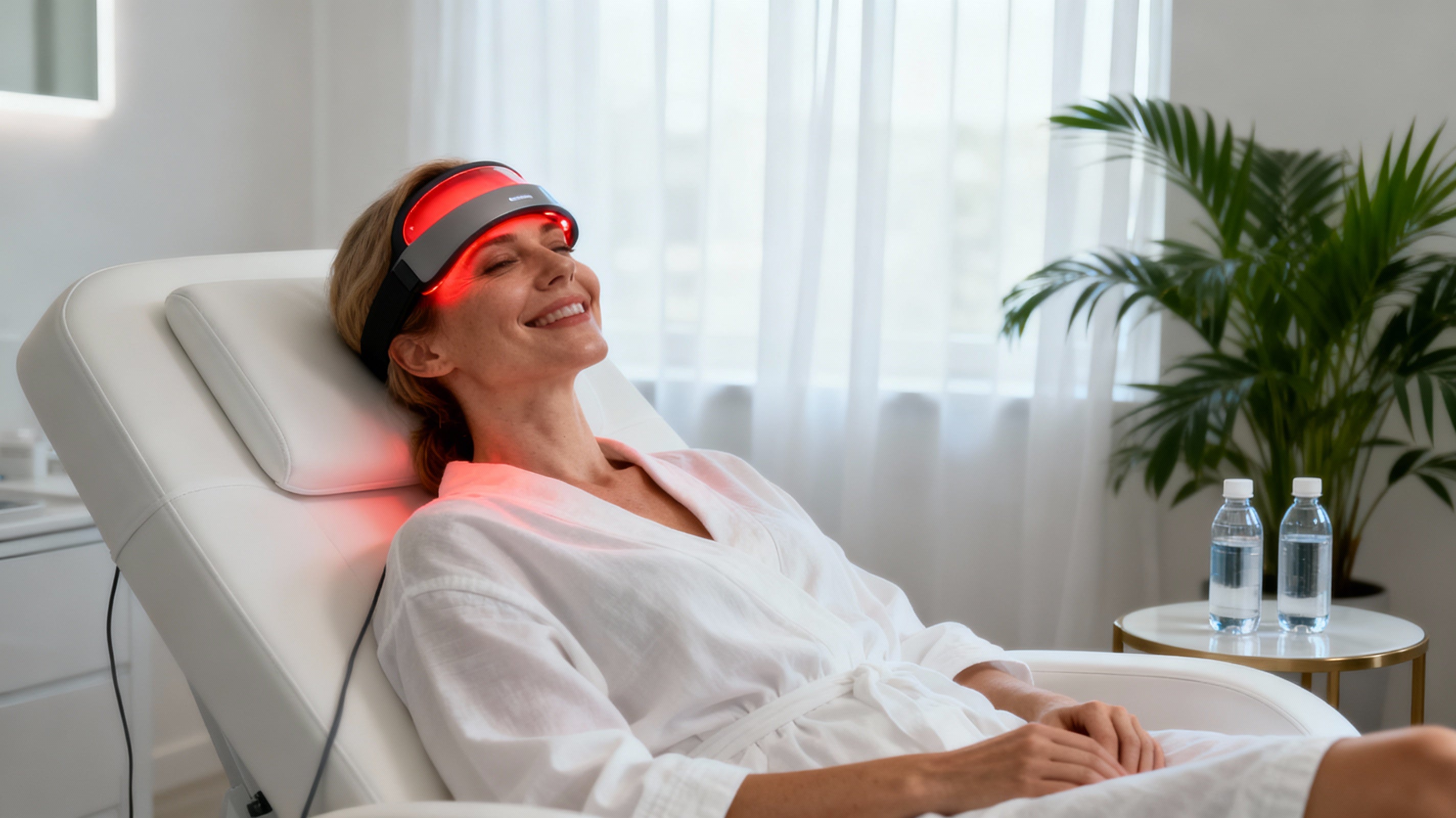
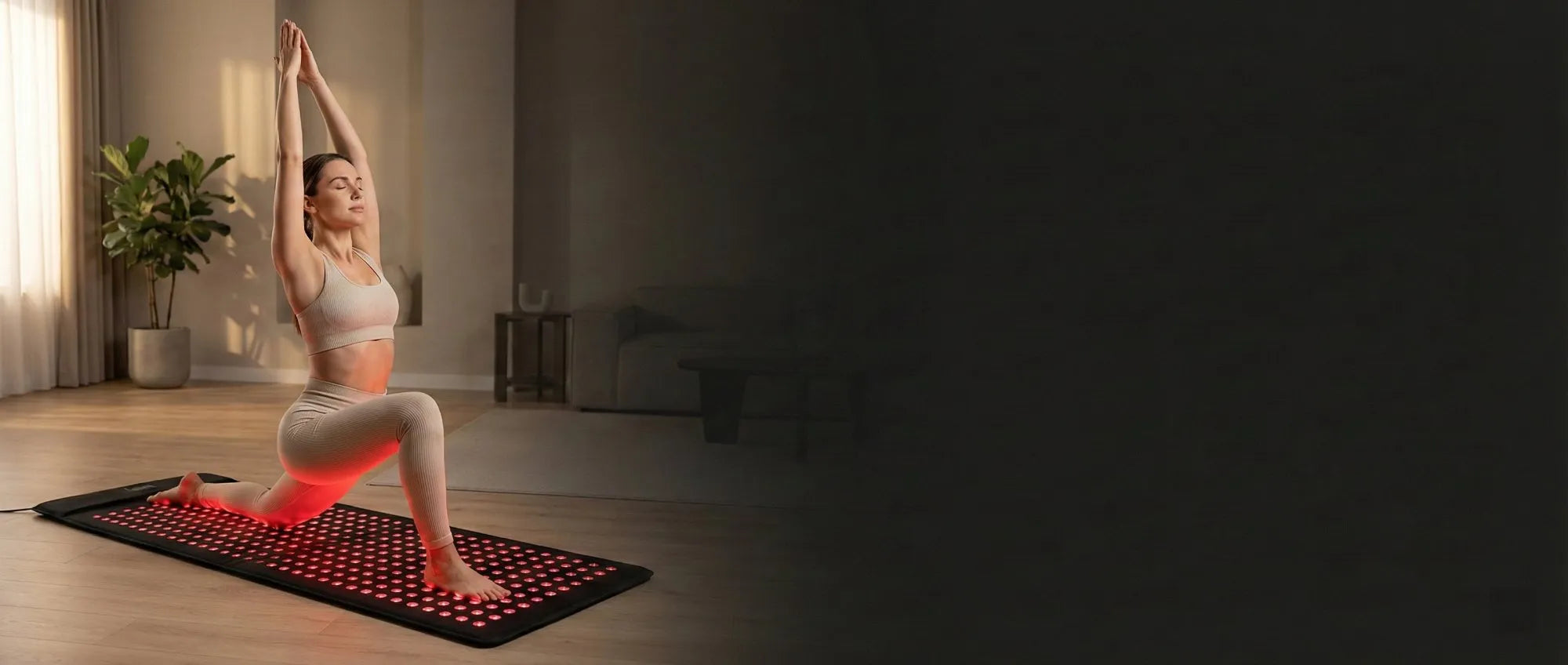
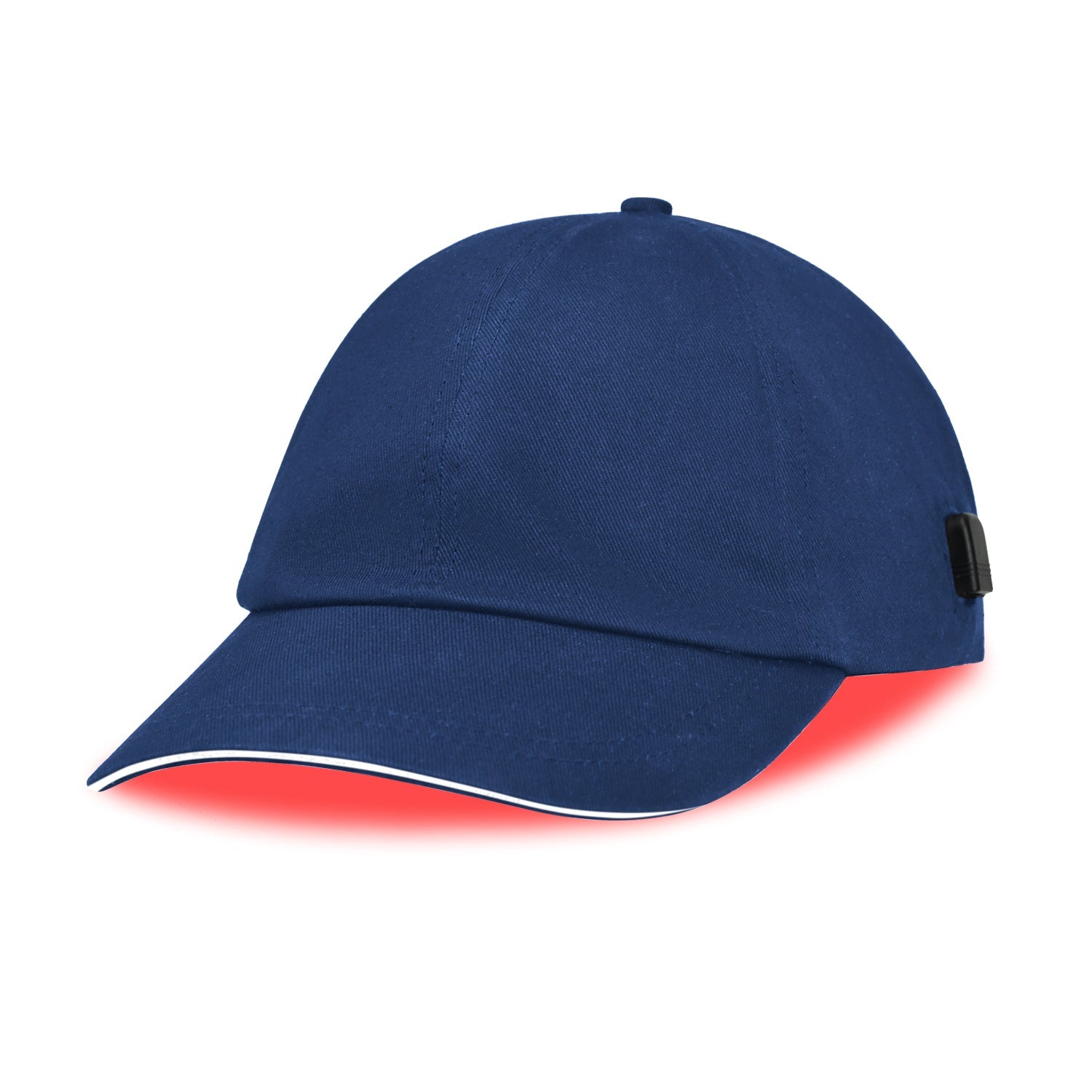
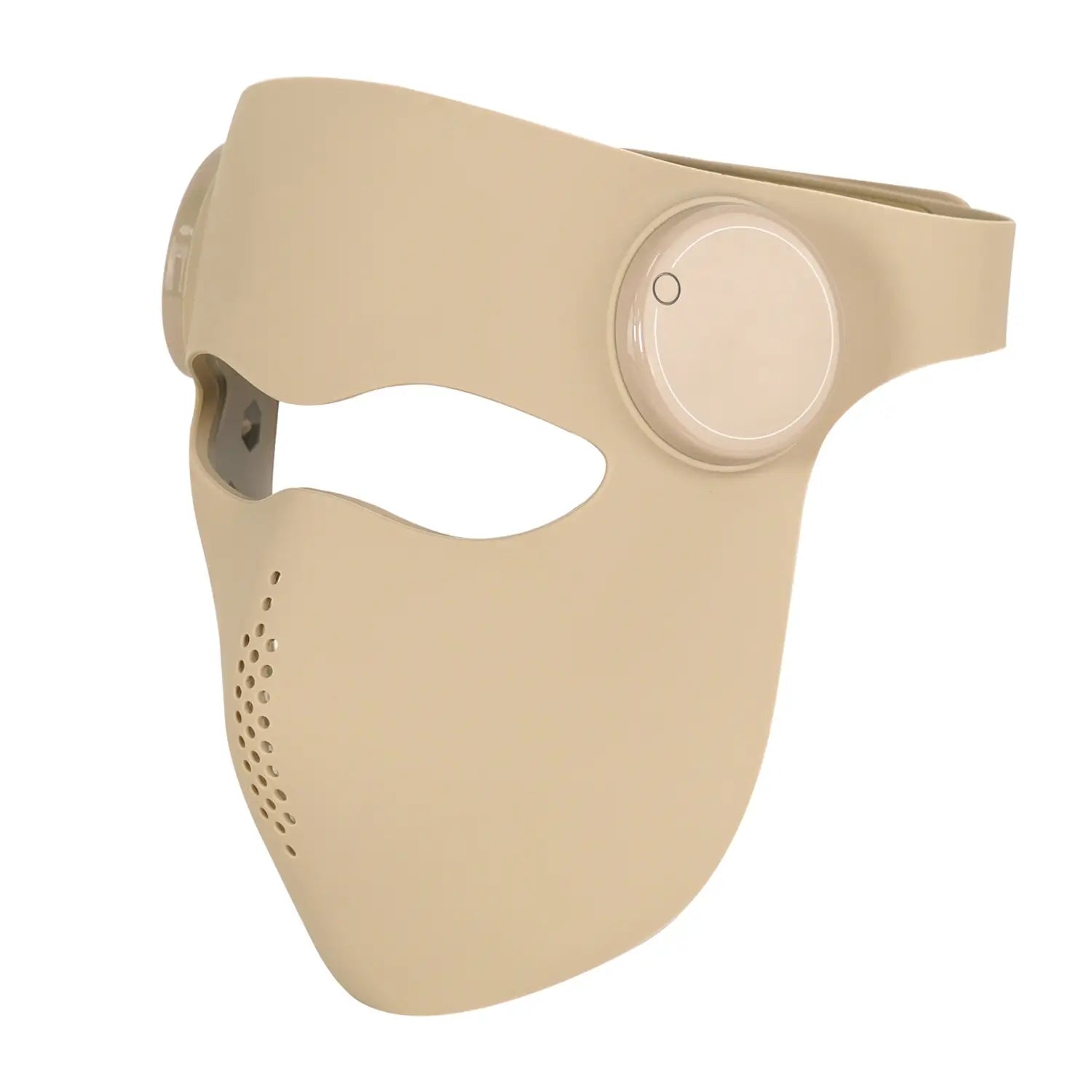
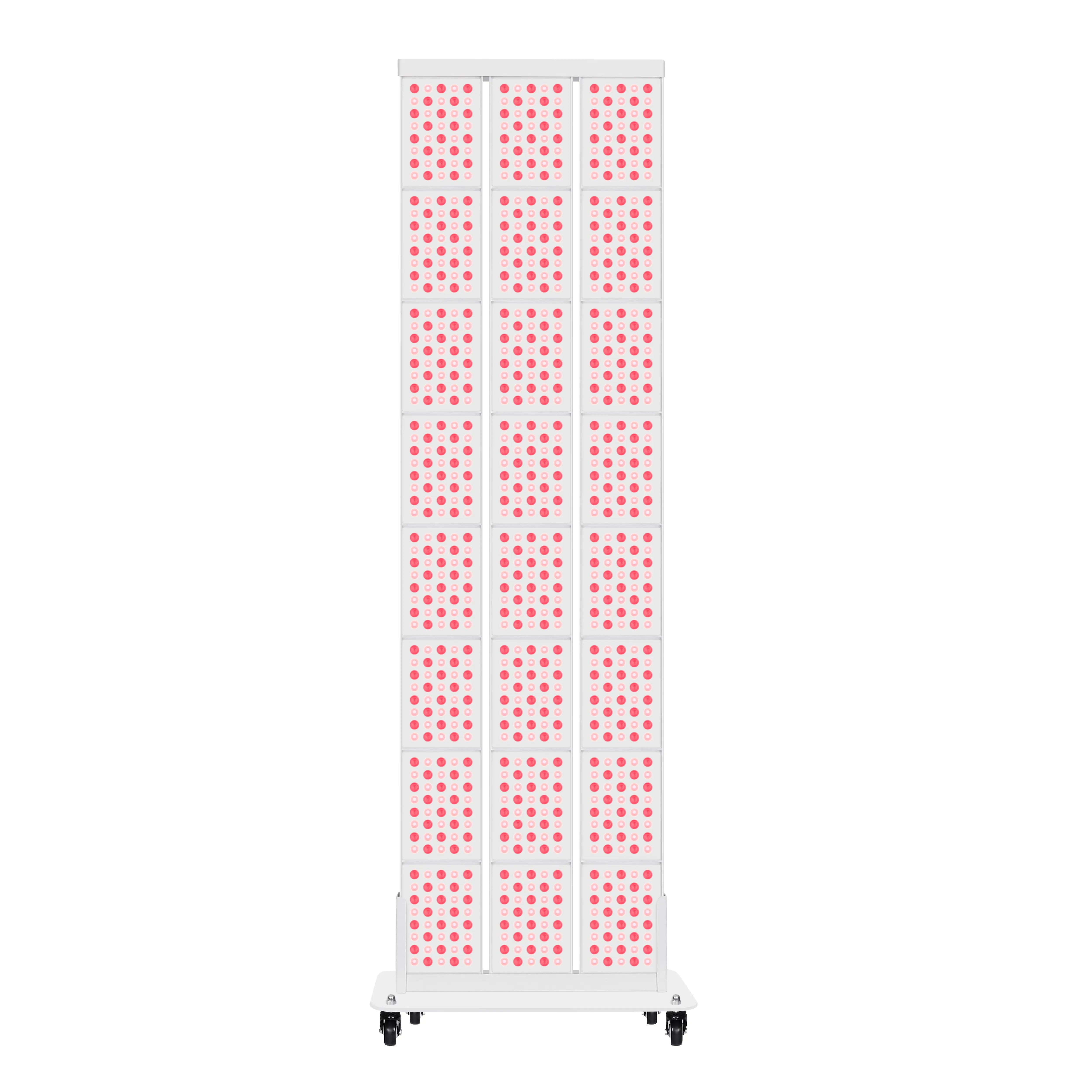
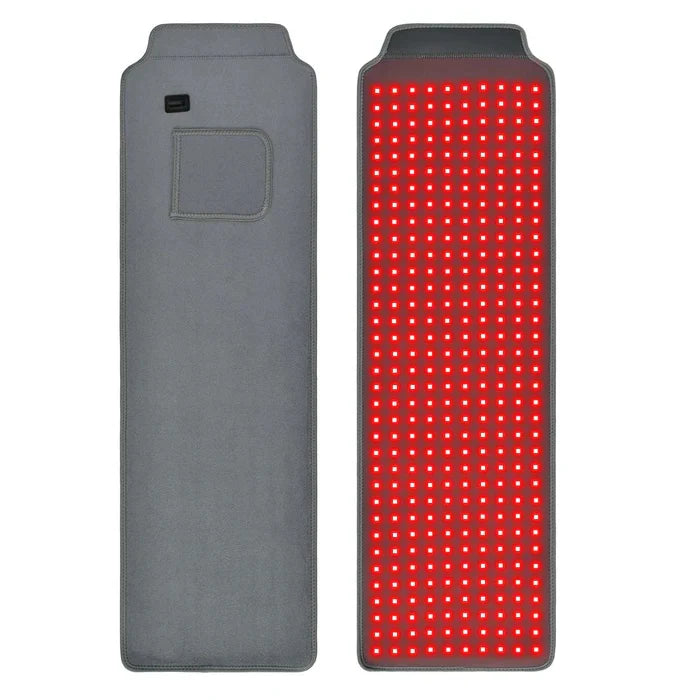
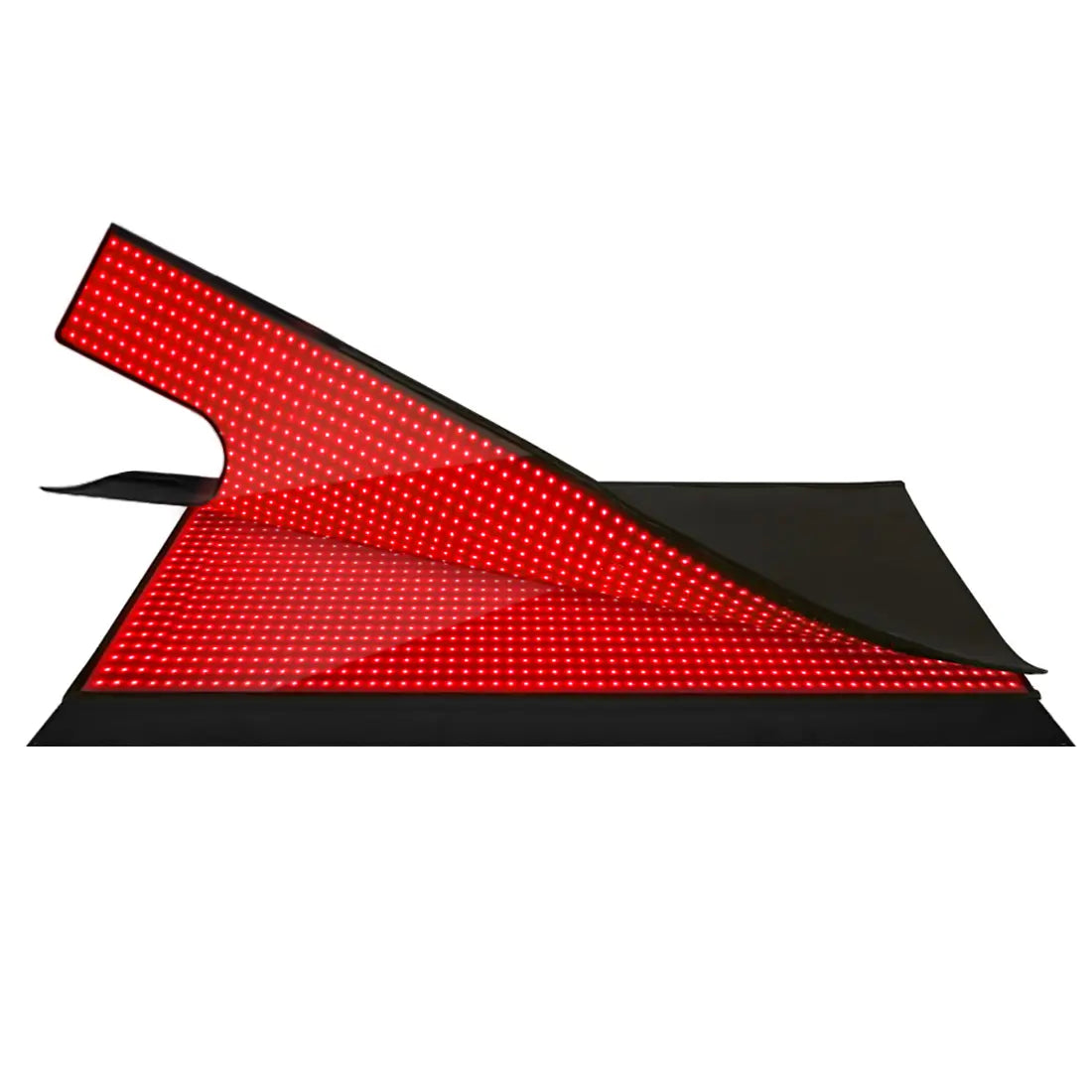
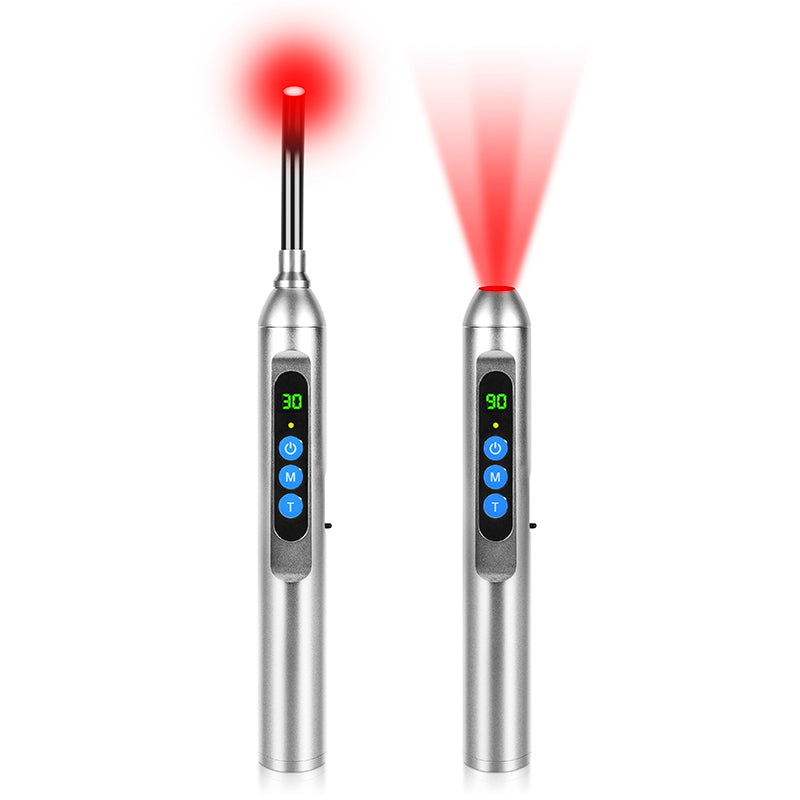
The devices themselves range from small handheld wands and flexible pads, through mid‑sized panels, to full‑body beds. They almost all use LEDs, not surgical lasers, for sports applications. Because the light is non‑ionizing and low‑heat, it does not tan or burn the skin and does not deliver ultraviolet radiation.
Mechanistically, red and NIR photons are absorbed by chromophores inside cells, especially an enzyme called cytochrome c oxidase in the mitochondrial respiratory chain. Studies summarized by photobiomodulation researchers such as Michael Hamblin show that this can:
- Increase ATP production, giving cells more usable energy.
- Modulate reactive oxygen species and nitric oxide, two key signaling molecules.
- Shift inflammatory signaling toward a more resolving, less destructive profile.
The end result is not a magic “healing beam,” but a subtle metabolic re‑tune that appears to help stressed or injured tissue do what it already wants to do: repair, remodel, and calm excessive inflammation.

Acute Sports Injuries: Why This Use Case Is Different
Acute sports injuries are dominated by inflammation and disrupted micro‑structure. The first few days after a sprain, strain, contusion, or hard training bout are a biochemical storm.
Short‑term, that storm is not the enemy. Acute inflammation is the body’s built‑in damage control system: immune cells migrate into the area, damaged fibers are cleared, and the groundwork for repair is laid. Multiple sports and rehab sources in the literature emphasize that problems start when this acute response fails to resolve and transitions into chronic, low‑grade inflammation layered with repeated microtrauma.
Several athletic‑focused articles, including work from Joovv and Degree Wellness, frame this clearly: train hard, recover poorly, repeat, and you end up with persistent pain, thickened tendons, stiff joints, and chronically “angry” muscle tissue.
So the key question for red light therapy in acute injuries is not “Can we shut down inflammation?” It is whether we can support a faster, cleaner inflammatory phase and earlier progression into true repair and remodeling, without blunting adaptation.

Mechanisms That Matter For Fresh Injuries
The mechanistic work on photobiomodulation is surprisingly deep, and much of it is directly relevant to acute sports injuries.
Mitochondria and Cellular Energy
Multiple peer‑reviewed reviews of photobiomodulation report that red and NIR light can increase ATP production in muscle and other tissues. Some sources aimed at athletes, such as Function Smart’s overview of red light therapy for athletes, cite research showing up to roughly a doubling of cellular energy output under certain conditions.
In the context of an acute strain or heavy eccentric session, that additional ATP is not about “biohacking superpowers.” It is about giving stressed cells enough energy to:
- Clear calcium and restore normal contraction–relaxation cycles.
- Run ion pumps to restore membrane potentials.
- Synthesize proteins needed for repair, including structural proteins such as collagen.
The PBM mechanisms review literature also notes a biphasic dose response: low to moderate light doses enhance mitochondrial function, while excessively high doses can blunt or reverse the benefit. That matters when home users are tempted to think “more minutes, closer to the panel, must be better.” The biology does not agree.
Blood Flow, Nitric Oxide, and Microcirculation
Several athletic and clinical articles converge on a second mechanism: transient release of nitric oxide and improved microcirculation.
Red and NIR light can:
- Prompt nitric oxide release from endothelial cells lining blood vessels.
- Relax smooth muscle in vessel walls, causing vasodilation.
- Increase local blood flow and oxygen delivery.
The Physical Achievement Center’s detailed explanation of red light therapy for circulation highlights this clearly. Better flow through both larger vessels and tiny capillary beds means more oxygen and nutrients delivered to injured tissue and faster clearance of metabolic waste and inflammatory byproducts.
There is also evidence that photobiomodulation promotes angiogenesis, the formation of new capillaries, in damaged tissue. That is not specific to sports injuries—it has been shown in burn models and post‑surgical wound studies—but the same biology should apply to torn muscle fibers or acutely overloaded tendons.
Inflammation Modulation, Not Suppression
A key anti‑inflammatory review of photobiomodulation in cells, animals, and humans shows consistent patterns:
- Decreases in pro‑inflammatory cytokines such as TNF‑alpha and certain interleukins.
- Increases in anti‑inflammatory mediators such as IL‑10 in inflamed tissue.
- Shifts in macrophages from a destructive “M1” phenotype toward a resolving “M2” phenotype.
- Reductions in edema across joints, lungs, brain tissue, and injured muscle.
Degree Wellness summarizes this clinically: in surgical patients and muscle‑injury models, red and NIR light reduce markers of inflammation, improve pain, and accelerate functional recovery, partly through these immune shifts.
This is crucial for acute sports injuries. Red light therapy appears to help the inflammatory cascade resolve more efficiently, rather than acting like a pharmacologic hammer that simply suppresses it. That is very different from the action of nonsteroidal anti‑inflammatory drugs or high‑dose ice, both of which can blunt beneficial aspects of the acute response.
What The Evidence Actually Shows For Acute Sports Injuries
Claims online range from “light therapy heals anything” to “it does nothing.” The truth, as usual, lives between those extremes. Let’s look at the human data that really matters for acute sports injuries.
Return‑to‑Play After Real Injuries
One of the most compelling data sets for acute sports injuries comes from a study published in the journal Laser Therapy and summarized by LED‑focused manufacturers and a National Institutes of Health article.
In that work, 65 university athletes with a wide range of sports injuries—sprains, strains, contusions, tendon issues, and even some fractures—received 830‑nanometer LED phototherapy in addition to standard sports medicine care. The protocol used:
- A near‑infrared LED system delivering about 60 joules per square centimeter over 20‑minute sessions.
- Treatment initiated as soon as possible after injury, typically in a short series of sessions in the acute phase.
The mean return‑to‑play time was about 9.6 days, compared with an anticipated 19.23 days based on historical data for similar injuries at the same institution. In other words, athletes returned in roughly half the expected time, with no reported adverse events.
Is this a perfect randomized, blinded trial? No. The comparison is against anticipated rather than concurrently randomized control times, and the injury mix is heterogeneous. But as a real‑world data point in actual athletes with genuine injuries, it is hard to ignore.
Muscle Damage, Strength Loss, and DOMS After Hard Training
Several human trials look at acute muscle damage from strenuous exercise rather than traumatic injury. Two chunks of evidence are worth separating: strength preservation and delayed onset muscle soreness (DOMS).
A controlled crossover trial published in a sports medicine journal used near‑infrared laser light at 800 and 970 nanometers applied to the biceps immediately before a fatiguing resistance protocol. Participants did three sets of 20 maximal contractions on an isokinetic dynamometer, an established model for provoking strength loss and soreness.
The findings:
- The laser treatment modestly reduced the immediate drop in maximal isometric strength compared with a sham light treatment.
- There were no significant differences in range of motion or muscle tenderness between active and sham conditions up to 48 hours later.
So in that study, pre‑exercise light therapy helped preserve strength right after the session but did not measurably change soreness or mobility over the next two days.
The broader muscle‑recovery literature, summarized in a human muscle PBM review, paints a more nuanced picture. Some trials using red or NIR light before eccentric or fatiguing exercise report:
- Lower creatine kinase levels, indicating less muscle damage.
- Better preservation of force production over the following days.
- Reduced DOMS compared with placebo.
Other well‑controlled trials find no significant differences. Overall, pre‑conditioning muscles with light is more likely to help when:
- Wavelengths are in established therapeutic ranges.
- Doses are moderate rather than extremely high.
- The light is applied to multiple sites over the target muscle belly.
But the results are not uniformly positive, and the review authors explicitly call out the need for more standardized protocols and higher‑quality trials.
Red Light Therapy vs Cryotherapy After Exercise
Cryotherapy—good old icing—has been a staple for acute post‑exercise soreness and minor strains for decades. A 2019 scientific review that compared cryotherapy with red light therapy after exercise is therefore highly relevant.
Across three clinical trials and two animal studies, all five experiments found red light therapy superior to cryotherapy for key recovery outcomes:
- Greater reductions in delayed onset muscle soreness.
- Larger decreases in muscle inflammation.
- Reductions in creatine kinase and other markers of muscle damage only in the red light groups, not with icing.
The review’s explanation matches what we see in mechanistic work. Red light therapy:
- Stimulates mitochondria to improve energy production.
- Modulates oxidative stress and inflammatory signaling.
- Increases growth factor production in the tissue.
Cryotherapy primarily constricts blood vessels and reduces fluid accumulation. It is excellent for limiting acute swelling, but it does not appear to drive the deeper cellular changes that support remodeling. The takeaway is not to throw out ice packs entirely; it is that if your goal is genuine recovery and not just short‑term numbing, red light therapy has stronger evidence.
Tendons, Joints, and Acute Flare‑Ups
Several clinical reviews from sources such as WebMD, Cleveland Clinic, and a large rheumatology‑focused meta‑analysis report that low‑level red or NIR light:
- Reduces pain and morning stiffness in rheumatoid arthritis.
- Offers low‑to‑moderate quality evidence for improved pain and function in tendinopathy when used alongside exercise.
- Has more modest or inconsistent effects in osteoarthritis, especially in advanced joint degeneration.
Most of this research addresses chronic rather than acute tendon or joint problems. However, athletes seldom have “purely acute” tendinopathies; a sudden painful flare is often sitting on top of long‑standing overload and poor mechanics.
In that context, using red light therapy during an acute tendon flare is not unreasonable, especially when paired with load management and rehabilitative exercise. The evidence that it can modulate tendon pain and inflammatory markers in clinical populations suggests the same mechanisms may help athletes calm an aggravated tendon enough to progress rehabilitation safely.
Wounds, Burns, and Surgical Tissue
We can also learn from non‑sports acute tissue data. A series of animal and human studies from University at Buffalo and other groups show that red and NIR photobiomodulation:
- Speeds healing of radiation‑induced skin injury and burn wounds.
- Reduces wound severity and time to closure.
- Activates TGF‑beta 1 and other growth‑related pathways.
Similarly, a triple‑blind clinical trial in hip‑replacement patients found that adding photobiomodulation around the surgical site reduced acute pain and post‑surgery inflammation compared with placebo light.
These are not sprained ankles, but the biology of acute tissue damage and repair is remarkably conserved. The same combination of increased cellular energy, better microcirculation, and controlled inflammation that helps a burn or surgical wound heal faster is highly relevant to muscle fiber tears and ligament sprains.
How Big Are the Benefits, Really?
When you pull the data together, a realistic picture emerges.
At the high end, the university‑athlete return‑to‑play study suggests that well‑structured near‑infrared LED therapy, delivered early and consistently after injury, can reduce time away from play by roughly half in motivated athletes under close supervision.
At the moderate level, repeated findings show:
- Faster recovery of strength and function after heavy training.
- Lower DOMS and fewer sore days in some protocols.
- Reduced pain and improved function in tendon and joint issues, especially when combined with exercise.
At the conservative end, some well‑controlled trials show little or no effect on certain outcomes, especially when doses are off, treatment areas are too small, or protocols are poorly matched to the injury.
Across all of this, one theme from the anti‑inflammatory and muscle‑PBM reviews keeps popping up: there is a biphasic dose response. Low to moderate dosing tends to help; very high dosing can flatten or reverse the benefits. That alone explains why some enthusiastic early adopters with ultra‑powerful devices and marathon sessions end up underwhelmed.
Practical Parameters For Acute Sports Injuries
If you want to use red light therapy intelligently for an acute sports injury, the safest strategy is to anchor your protocol in what successful studies and clinician guidelines have actually used.
Wavelengths and Depth
A simple way to think about wavelength and depth, consistent with multiple clinical and athlete‑oriented sources, is:
Wavelength band |
Typical range (nm) |
Primary depth focus |
Sports‑relevant targets |
Red |
~630–660 |
Superficial skin and subcutaneous tissue |
Superficial muscle fibers, small joint areas |
Near‑infrared |
~800–850 |
Deeper muscle, fascia, tendons, some bone structures |
Large muscle groups, tendons, ligaments, bone |
Many athletic devices combine both ranges so they can cover superficial and deeper structures in one session.
Dose, Time, and Frequency
Looking across sports‑specific and clinical sources such as the Function Smart athletic protocol, Atria’s practical guide, and recovery‑oriented LED and panel manufacturers, a consistent practical range emerges:
- Session length is typically in the 5–20 minute range per body area, not hours.
- Distances from panels are commonly around 6–24 inches, depending on power; closer distances deliver more power to a smaller area.
- Many practitioners and coaches use red light therapy three to five days per week for a given area, at least through the early rehabilitation phase.
- For acute training stress, treating within the first two to four hours after a hard session is commonly recommended; for pre‑conditioning, exposure 15–30 minutes before training has been used in endurance and strength studies.
In the controlled trials that achieved big return‑to‑play reductions, doses were substantial but not extreme: for example, around 60 joules per square centimeter delivered over 20 minutes, targeted on and around the injured area, repeated over a short series of sessions in the acute phase.
The anti‑inflammatory photobiomodulation literature reinforces that more is not automatically better. Once you overshoot the “sweet spot” for energy density, mitochondrial function and beneficial signaling can drop back toward baseline or worse. Respecting the manufacturer’s dosing guidance and the ranges seen in clinical trials is not optional if you care about outcomes.
How To Integrate Red Light Therapy Into Acute Injury Care
Red light therapy works best when it is layered onto, not substituted for, sound sports medicine.
For an acute soft‑tissue injury—say a moderate ankle sprain or hamstring strain—the evidence‑aligned sequence looks something like this, expressed in plain language rather than stepwise instructions.
First, rule out serious pathology with a qualified clinician. Red light therapy is not a substitute for imaging, fracture management, or ligament repair when those are needed.
Next, manage the acute phase with intelligent load modification. That means relative rest, compression, elevation, and gentle pain‑free motion as tolerated, not bed rest.
Within this framework, red light therapy becomes one of the active recovery inputs. For deeper structures such as hamstrings, calves, or quadriceps, you would choose a device that includes near‑infrared wavelengths in roughly the 800–850 nanometer range, position it at an appropriate distance, and treat the entire muscle belly and surrounding tissue for somewhere between 10 and 20 minutes per session, several days per week in the first couple of weeks.
When the injury is more superficial—such as a mild contusion, superficial tendon irritation near the skin, or post‑surgical incisions—red wavelengths in the lower band can be enough. Panels, pads, or smaller arrays can easily cover these areas.
As you progress into active rehabilitation with a physical therapist—strengthening, neuromuscular re‑education, and return‑to‑sport drills—red light can be used as a pre‑conditioning tool before sessions or as a recovery aid afterward. Studies in both athletes and older adults show that pre‑exercise photobiomodulation can increase fatigue resistance and help muscle maintain performance across repeated sets.
However, even the most optimistic clinical trials do not show red light therapy magically repairing structural lesions such as fully torn ligaments. Sports medicine physicians and orthopedic surgeons from hospital systems that have reviewed the data are clear: mechanical problems still need mechanical solutions. Red light in those scenarios is best viewed as a way to manage pain, control inflammation, and accelerate healing in tissues that are capable of healing.

Pros and Cons For Acute Sports Injuries
When you stack up the pros and cons specifically for acute sports injuries, the picture is fairly clear.
On the plus side, red light therapy is:
- Noninvasive and generally well tolerated, with a strong safety record when basic precautions are followed.
- Backed by promising human data for faster return‑to‑play, reduced DOMS, and improved recovery after intense exercise.
- Supported by mechanistic research showing real, measurable changes in mitochondrial function, blood flow, and inflammatory signaling, not just placebo‑level tinkering.
- Synergistic with physical therapy, strength and conditioning, and good nutrition and sleep hygiene.
On the minus side, it is:
- Not a cure‑all. Evidence for systemic performance enhancement, advanced osteoarthritis reversal, or dramatic transformation of severe injuries is weak or absent.
- Highly sensitive to dosing and protocol; slapdash, “any light will do” approaches are unlikely to reproduce the positive trials.
- Financially nontrivial. Quality panels and beds can be expensive, and in‑clinic sessions are rarely covered by insurance.
- Prone to over‑marketing. Academic dermatology and pain‑medicine centers routinely warn that many claims in the consumer market overshoot the actual evidence, especially for exotic or systemic indications.
For an acute sports injury, the right mental model is to treat red light therapy as a high‑quality recovery and rehab amplifier, not a magic treatment that allows you to ignore diagnosis, rest, or load management.

Safety, Risks, and When To Be Cautious
Large clinical overviews from academic centers and hospital systems converge on one point: when used correctly, red and near‑infrared light therapy have a favorable safety profile.
Key safety considerations include:
- Eye protection. Direct staring into powerful red or NIR arrays is a bad idea. Trials and clinical guidelines consistently recommend goggles or eye shields during higher‑intensity sessions.
- Skin response. At recommended doses, significant burns are rare, but a small early‑stage clinical trial demonstrated that very high‑intensity red LED exposure can cause redness or blistering. If a device feels uncomfortably hot or leaves persistent redness, the dose is likely too high.
- Photosensitivity and skin cancer history. People on medications that increase light sensitivity, or those with a history of skin cancer or serious eye disease, are advised by medical references to consult a physician before using red light therapy.
- Pregnancy and internal organs. Although one large study of several hundred pregnant women treated with low‑level light did not show harm to parent or fetus, pregnancy data remain limited. Major organizations therefore treat red light as probably low‑risk but still recommend medical oversight in pregnancy.
Separate from red light therapy, there is a specific safety concern around a different protocol called low‑level red light therapy for childhood myopia, which involves children staring directly into red laser devices twice a day for minutes at a time. Optometry researchers have warned that those specific myopia devices can exceed safe retinal exposure and may cause retinal damage. This is not how sports‑recovery panels and pads are used, but it underscores the point that more intensity and longer times are not automatically better.
For most field and gym uses—panels or pads positioned several inches away from skin, for minutes rather than hours, away from the eyes—serious risks are rare. The biggest “danger” is usually to your wallet if you over‑invest in a device and then under‑use it.
How I Would Approach Red Light Therapy For a Fresh Sports Injury
If we combine the mechanistic data, the clinical trials, and the sports‑specific case reports, a cautious, evidence‑aligned approach to red light therapy for acute sports injuries looks like this.
After you and your medical team have confirmed that you are dealing with a soft‑tissue injury appropriate for conservative management, consider layering red light therapy in alongside compression, elevation, smart loading, and, when indicated, short‑term medication.
For deeper injuries in large muscles or major tendons—hamstring strains, calf strains, proximal quadriceps injuries—choose a device that includes near‑infrared wavelengths around 800–850 nanometers, ideally combined with red wavelengths around 630–660 nanometers. Position the device at a manufacturer‑recommended distance, which for most athletic panels will be in the several‑inch range, and treat the entire muscle belly and surrounding area for roughly 10–20 minutes in a session. Aim for multiple sessions in the first week or two, not just a single blast.
For superficial injuries—minor contusions, shallow tendon flare‑ups, or incisions healing after arthroscopy—red‑dominant devices with shorter wavelengths can be sufficient, again used for brief, repeated exposures over the affected region.
If you are integrating red light therapy with training, treat it like you would a potent but subtle training variable. For heavy strength work, pre‑session light on the prime movers has been shown in multiple trials to increase repetitions to failure and preserve force. For conditioning blocks or tournaments, using light after sessions to speed recovery and control soreness is more reasonable.
In every case, let your tissue response and function, not social‑media claims, drive your decisions. Reduced pain, earlier restoration of full range of motion, and quicker return to baseline strength are meaningful. Complete disappearance of legitimate pain signals in the first forty‑eight hours after a significant sprain is a red flag that you may simply be masking a problem.
Brief FAQ
Does red light therapy work for truly acute sprains and strains?
For mild to moderate acute soft‑tissue injuries, the best data we have—including that university‑athlete study cutting return‑to‑play roughly in half—suggest that properly dosed near‑infrared and red light can meaningfully accelerate recovery when added to standard care. It is much less likely to “fix” severe structural damage such as complete ligament ruptures or high‑grade muscle tears, where surgery or prolonged immobilization may still be needed.
How does red light therapy compare to icing after a hard session?
Comparative studies show that red light therapy outperforms cryotherapy for reducing muscle soreness, inflammation, and markers of tissue damage after strenuous exercise. Icing is still useful for short‑term symptom control and limiting gross swelling, but if the goal is to support deeper recovery, the evidence leans toward red light therapy.
Do I need a full‑body bed, or is a panel enough?
For most acute sports injuries, you do not need a luxury full‑body bed. The key is getting the right wavelengths and dose to the injured area. Well‑designed mid‑sized panels and pads that deliver both red and near‑infrared light to the specific muscle or joint, for appropriately timed sessions, are sufficient to reproduce what successful studies have done.
If you treat red light therapy less like a miracle gadget and more like a finely tuned training input—layered on top of diagnosis, intelligent loading, good sleep, and solid nutrition—it can be a powerful ally in shortening the road from acute injury back to full performance.
References
- https://lms-dev.api.berkeley.edu/studies-on-red-light-therapy
- https://digitalcommons.cedarville.edu/cgi/viewcontent.cgi?article=1013&context=education_theses
- https://pmc.ncbi.nlm.nih.gov/articles/PMC4299734/
- https://www.buffalo.edu/news/releases/2021/08/003.html
- https://news.harvard.edu/gazette/story/2020/09/mgh-led-study-shows-light-therapy-is-safe/
- https://med.stanford.edu/news/insights/2025/02/red-light-therapy-skin-hair-medical-clinics.html
- https://www.mainlinehealth.org/blog/what-is-red-light-therapy
- https://www.uhhospitals.org/blog/articles/2025/06/what-you-should-know-about-red-light-therapy
- https://www.physio-pedia.com/Red_Light_Therapy_and_Muscle_Recovery
- https://www.athleticlab.com/red-light-therapy-for-athletes/