
Why Mental Preparedness Deserves Its Own Protocol
Physical preparation is the easy part to see: miles logged, weight lifted, watts pushed. Mental preparedness is harder to measure, but every serious athlete knows the feeling of being “on” even when the body is tired, and the feeling of being flat even when the metrics say you should be ready.
Mental readiness is not one thing. It emerges from several overlapping factors: restorative sleep, low background pain, manageable soreness, calm but alert arousal, and confidence that your body will respond when you ask it to. Red light therapy, or photobiomodulation, is being marketed as a shortcut to that state. The truth is more nuanced.
The research we have is encouraging in a few specific areas and underwhelming in others. Used wisely, red light can support some of the biological systems that underlie mental preparedness. It is not, however, a magic focus lamp or a replacement for training, sleep hygiene, or sound psychology.
What follows is an evidence-based tour of how red light interacts with the brain–body systems that matter most for athletic mental readiness, along with practical ways to experiment without falling for the “cure-all” trap.

Red Light Therapy 101: What It Actually Does
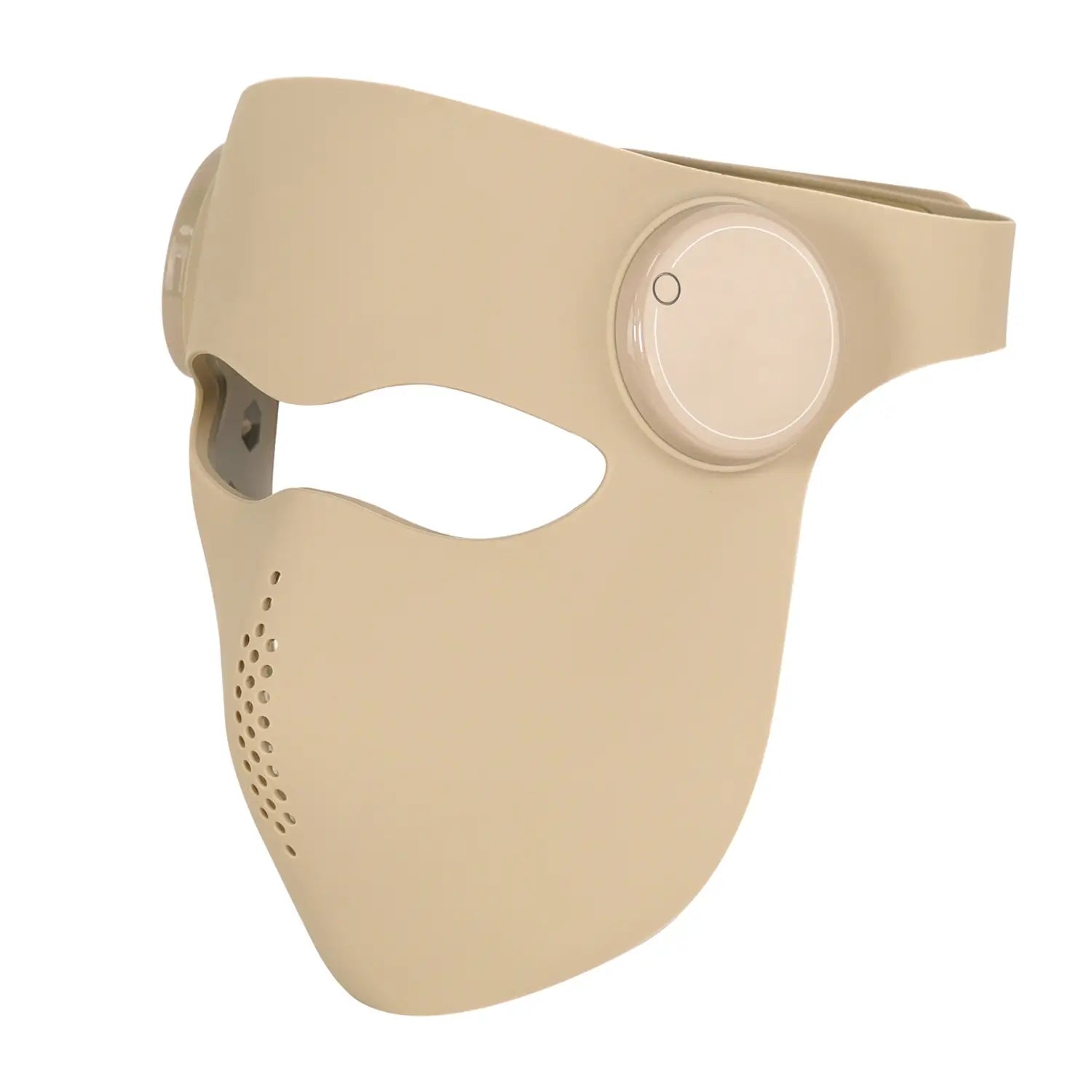
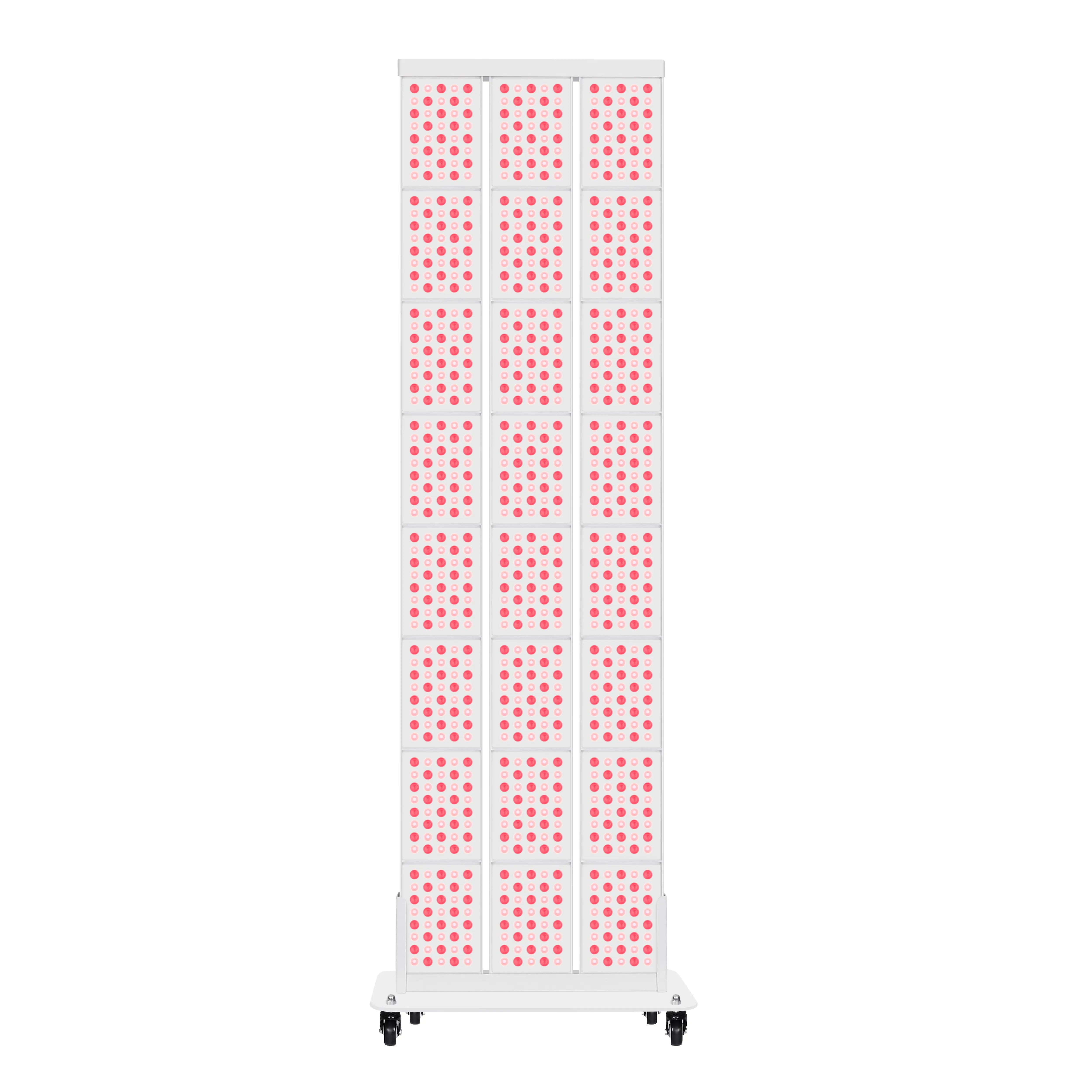
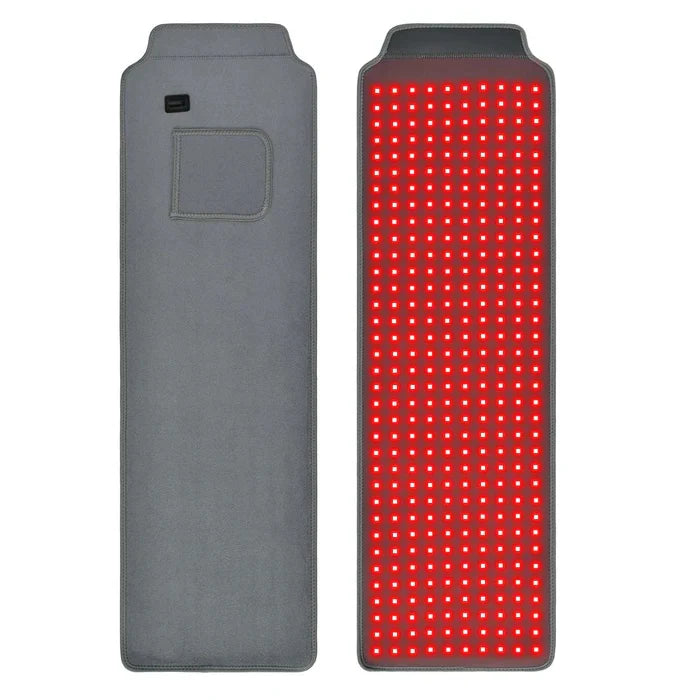
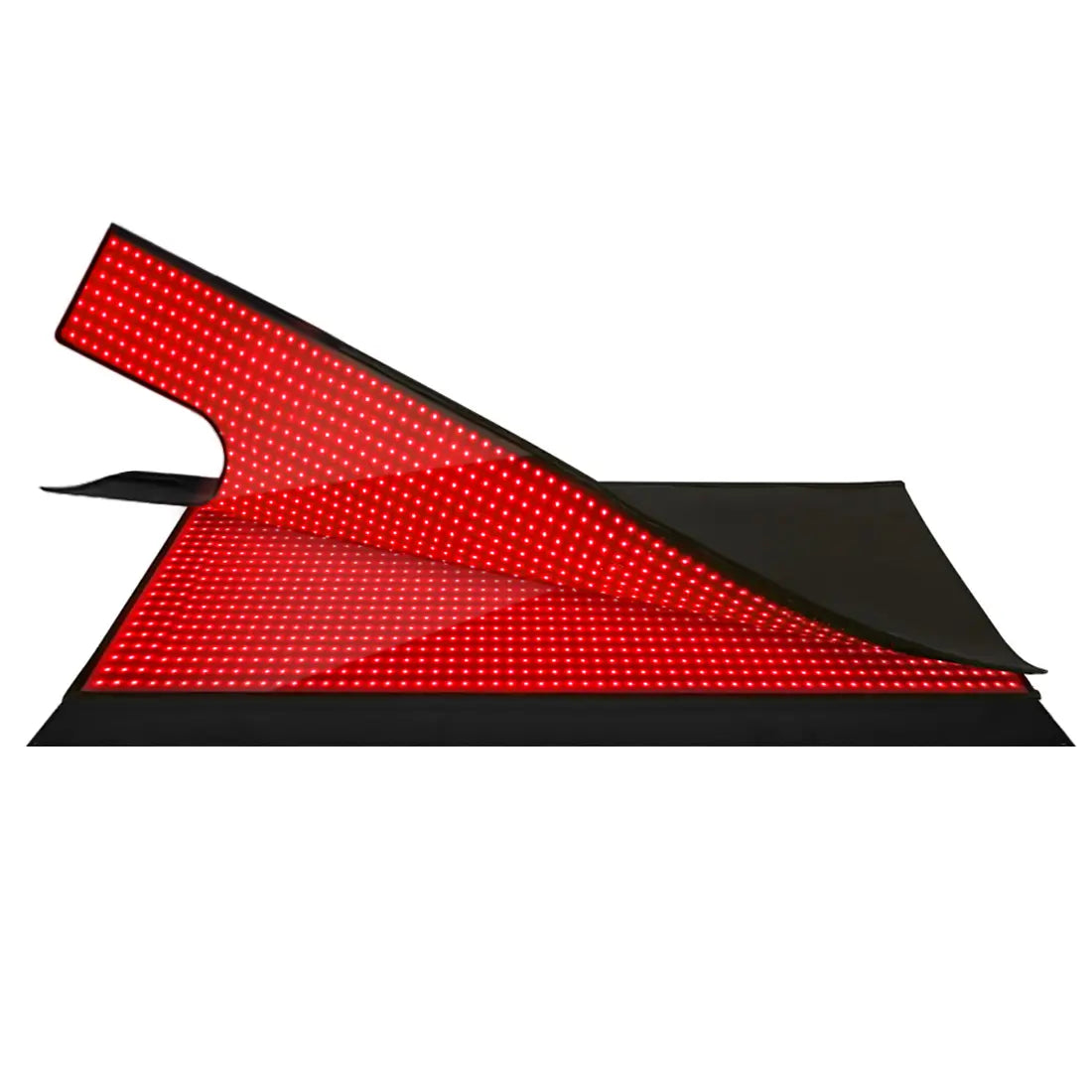
Red light therapy, also called low-level laser therapy or photobiomodulation, uses visible red and near‑infrared light, typically somewhere around 630–900 nanometers, delivered by LEDs or low‑power lasers. Unlike tanning booths, it does not use ultraviolet light and does not heat or burn the skin when used correctly.
Multiple reviews, including a PubMed Central review of photobiomodulation in human muscle tissue and an overview from the National Strength and Conditioning Association, converge on a core mechanism. Photons are absorbed by chromophores in mitochondria, especially the enzyme cytochrome c oxidase. This absorption can increase production of ATP, the cellular energy currency, modulate oxidative stress, and promote the release of nitric oxide, which in turn can improve microcirculation.
In muscle, this can:
- Increase ATP availability for contraction and repair.
- Reduce certain markers of muscle damage and inflammation in some protocols.
- Improve fatigue resistance or repetitions to failure when light is applied before exercise in specific trials.
The same general mechanism is at play in nerves, skin, and other tissues. Where mental preparedness comes in is at the level of systems that strongly influence the brain: sleep, circadian biology, pain signaling, and overall recovery status.

Mechanisms That Touch the Mind
To understand how red light might influence mental readiness, it helps to map mechanisms to potential mental effects.
Mechanism or system |
How red/near‑infrared light interacts |
Possible mental relevance |
Evidence snapshot |
Mitochondrial ATP production |
Photons absorbed by cytochrome c oxidase increase ATP output in cells |
More cellular energy for neurons and muscle; may support subjective energy |
Demonstrated at cellular level; functional mental effects mostly theoretical in healthy athletes |
Nitric‑oxide–mediated vasodilation |
Light can displace nitric oxide from mitochondria and promote vessel dilation |
Better blood flow may support recovery and reduce discomfort that distracts focus |
Supported in muscle and skin; indirect mental benefits via less pain and better recovery |
Inflammation modulation |
Some trials show reduced inflammatory markers in muscle and tendon tissue |
Reduced pain and stiffness can free up cognitive resources and improve mood |
Evidence for pain relief in tendinopathy and rheumatoid arthritis is low‑to‑moderate quality |
Melatonin and circadian effects |
Evening red light has increased nocturnal melatonin in athletes; morning red light can reduce sleep inertia |
Better sleep and smoother wake‑up transitions are core inputs to mental sharpness |
Supported in small athlete and sleep studies; needs broader replication |
Brain network modulation |
Small dementia studies show cognitive and behavioral benefits from head and intranasal light |
Shows that brain tissue responds to light; but these are diseased brains, not healthy athletes |
Early and low quality; cannot be generalized to peak‑performance settings yet |
The most tangible pathways for an athlete are the ones tied to sleep and pain, so those deserve closer scrutiny.

Sleep, Circadian Rhythms, and the Pre‑Competition Mind
If you care about mental preparedness, you have to care about sleep. Sleep quality and timing drive hormone patterns, reaction time, emotional stability, and resilience to training stress. Poor sleep is a hallmark of overtraining, while consistent high‑quality sleep protects against it.
Several lines of research suggest that red light can influence sleep‑related biology in ways that matter for athletes.
Evening Red Light and Recovery Sleep
An often‑cited trial on Chinese female basketball players tested the effect of red light applied in the evening on sleep quality and serum melatonin. Compared with a placebo group, the athletes receiving red light reported better sleep quality and had higher nocturnal melatonin levels. This was summarized in the Athletic Lab review of red light for athletes and lines up with broader work showing that melatonin supports deeper, more restorative sleep.
Separate from that trial, a wellness article focused on exercise recovery notes that red light may support circadian rhythm alignment and melatonin production when used as part of an evening wind‑down routine. The exact protocols differ, but the theme is consistent: gentle red light exposure in the evening seems unlikely to disrupt circadian timing and may, in some contexts, support the physiology of sleep.
For mental preparedness, that matters less because of any mystical “brain stimulation” during the session and more because sleep quality is the foundation for focus, emotional control, and confidence. When an athlete logs better sleep during heavy training blocks, they are less likely to slip into the irritability, brain fog, and decision‑making errors that go hand‑in‑hand with overreaching.
Morning Red Light and Sleep Inertia
Sleep inertia is the groggy, sluggish state you feel after waking, especially from deep sleep. It impairs short‑term memory, alertness, and performance for a period after waking. For athletes who train early or compete in morning sessions, that window can overlap with key workouts or races.
A study highlighted in the Athletic Lab article, led by Figueiro and colleagues, found that red light used during or immediately after waking reduced sleep inertia, leading to improved alertness and performance on cognitive tasks. This is important for mental readiness: it suggests red light can be used not only to support sleep at night but also to “smooth the launch” into wakefulness without the circadian disruption that bright blue‑rich light can cause in the wrong time window.
In practical terms, a short red‑light session soon after waking may help you feel switched on faster, particularly on dark winter mornings. It is not a substitute for adequate sleep, but it may be a useful adjunct to coffee rather than another late‑night screen blast.

Pain, Soreness, and the Psychology of Readiness
Anyone who has tried to focus through throbbing tendons or deep muscle soreness knows how physical discomfort hijacks mental bandwidth. Pain changes movement patterns, increases threat signals in the brain, and undermines confidence in maximal efforts. Even if performance is not objectively impaired, belief that the body is “beat up” can make an athlete pull their punches.
Several reputable medical and sports sources converge on red light’s role in pain and tissue recovery, though the details are messy.
What the Muscle and Pain Research Actually Shows
A broad review on photobiomodulation in human muscle, hosted on PubMed Central, evaluated 46 studies in healthy volunteers and athletes. Many of these trials applied red or near‑infrared light to muscles before exercise as “pre‑conditioning.” Under certain parameters—enough energy delivered to sufficient muscle area—the authors reported increased repetitions, longer time to exhaustion, and in some cases lower blood markers of muscle damage and inflammation. However, other protocols using different doses, wavelengths, or smaller treatment areas showed no benefit.
When researchers turned to delayed onset muscle soreness (DOMS), results were similarly mixed. Some randomized trials using low‑level lasers or LEDs after damaging eccentric exercise found no meaningful difference in soreness, range of motion, or torque compared with placebo. Other studies, using different wavelength combinations and doses, did find reduced soreness and better preservation of strength for up to 96 hours.
A systematic review and meta‑analysis summarized in the Athletic Lab article looked specifically at DOMS across 15 studies and more than 300 participants. The conclusion was cautious: evidence for meaningful DOMS reduction was lacking and more high‑quality research was needed.
Outside muscle‑damage studies, medical sources are somewhat more consistent. WebMD reports low‑to‑moderate quality evidence that red light can reduce pain and improve function in tendinopathy and may provide short‑term relief of pain and morning stiffness in rheumatoid arthritis, although it seems less helpful for osteoarthritis. A review summarized by University Hospitals notes that red light used around intense activity may lower enzymes associated with post‑workout muscle damage and achiness and can reduce pain in acute and chronic musculoskeletal conditions.
Taken together, the message is that red light can help some kinds of pain and tissue irritation, but the effect is protocol‑dependent and not guaranteed. It is also typically modest rather than dramatic.
How Pain Reduction Feeds Mental Preparedness
Even modest pain relief can be psychologically important. When soreness and tendon discomfort drop from a distracting roar to a background murmur, athletes often feel freer to attack training sessions and trust their bodies in competition. Fewer pain signals mean less cognitive load spent on monitoring, protecting, and worrying about specific joints or muscles.
Better control of post‑workout achiness also supports sleep. Waking up repeatedly due to throbbing knees or shoulders disrupts deeper stages of sleep, which then worsens mood, focus, and emotional regulation the next day. Since red light appears to help at least some musculoskeletal pain conditions, it can indirectly support the mental side by improving comfort at rest.
However, both the Stanford Medicine commentary on red light and performance and the evidence review summarized on TrainingPeaks warn against over‑interpreting these effects. Many performance and recovery trials are small, inconsistent, or show changes in biochemical markers without real‑world performance gains. In other words, even if red light nudges a pain marker downward, that does not always translate into clear improvements in how you move or feel during workouts.
From a mental‑readiness standpoint, that means red light can be one more tool to keep pain in a manageable zone but should not be banked on as a cure for chronic issues or a reliable way to feel “fresh” after every hard session.
Does Red Light Directly Sharpen the Athletic Mind?
This is the part many marketers gloss over. The idea of shining light on your head to instantly boost focus and reaction time is compelling, but the current evidence does not support strong claims in healthy athletes.
WebMD summarizes a 2021 review of ten studies using red light in people with dementia. Across these small and often uncontrolled trials, red light applied to the head and sometimes intranasally appeared to improve memory, sleep, and behavioral measures such as irritability. That tells us two important things. First, brain tissue does respond to appropriately dosed red or near‑infrared light in ways that can affect cognition and mood. Second, these are diseased brains, and the trials are not robust enough to guide performance protocols in healthy, highly trained individuals.
A Stanford Medicine overview notes that claims around red light for athletic performance, muscle recovery, sleep, chronic pain, and dementia all lack strong, reproducible clinical data and remain speculative. TrainingPeaks reaches a similar conclusion for sports performance specifically: a 2016 review found inconsistent and modest benefits at best, with many studies showing no significant improvements in functional outcomes despite interesting biochemical shifts.
There is also very little high‑quality work directly tying red light exposure to cognitive variables like reaction time, decision‑making accuracy, or sport‑specific tactical awareness in healthy populations.
So while it is reasonable to say that red light might indirectly support mental sharpness through better sleep and lower pain, claiming that it directly creates a “flow state” or makes you neurologically superior on race day is not evidence‑based at this point.
Practical Use: Structuring Red Light Around Mental Readiness
With the limitations acknowledged, there are still sensible ways to weave red light into a performance lifestyle with mental preparedness in mind. The key is to use it where there is signal in the science: sleep, pain, and recovery, and to be realistic about the size of the effects.
Different sources provide slightly different protocols, but they cluster in a similar range. A skin and performance–focused brand describes sessions of about ten to twenty minutes applied to target muscles ten minutes to two hours before training and again within a few hours afterward. An endurance‑focused guide suggests shorter pre‑workout exposures of about three to five minutes for large muscle groups and longer post‑workout sessions of ten to twenty minutes, with general pain‑management exposures of roughly six to fifteen minutes, several times per week. The National Strength and Conditioning Association emphasizes that effective protocols usually deliver on the order of about five to sixty joules per square centimeter at the skin, with irradiance in the range of about ten to one hundred milliwatts per square centimeter for thirty seconds to fifteen minutes per area, a few times per week.
These are wide ranges, and individual devices vary substantially in power, beam spread, and build quality. Clinic‑grade systems are usually more powerful and precisely dosed than home devices.
For mental preparedness, three timing windows are most relevant.
Pre‑Workout and Pre‑Competition “Priming”
Several randomized trials summarized in the muscle photobiomodulation review applied red or near‑infrared light directly to working muscles before exercise. Under certain parameters, this muscular pre‑conditioning increased the number of repetitions, extended time to exhaustion, and reduced blood markers of muscle damage and inflammation compared with placebo.
From a mental standpoint, this can matter in two ways. First, if pre‑conditioning reliably improves how your muscles perform in warm‑ups and early sets, you experience less “unexpected” fatigue, which supports confidence. Second, the ritual of a short, focused pre‑session light exposure can act as a psychological cue that training or competition is starting, similar to taping your wrists or lacing your spikes in a particular way.
Because the evidence suggests benefits are more likely with pre‑exercise application than with delayed post‑exercise use, and because pre‑session routines strongly shape mental state, folding red light into the first ten to thirty minutes of your warm‑up window is a reasonable experiment if you already have access to a quality device.
Post‑Workout “Downshift” and Sleep Support
Multiple sources, including recovery‑focused wellness articles and medical organizations such as University Hospitals, highlight red light’s potential to reduce post‑exercise achiness, support tissue repair, and ease musculoskeletal pain. Coupled with evidence that evening red light exposure in basketball players improved sleep quality and melatonin, this makes a post‑workout and pre‑bed session attractive for mental recovery.
The practical pattern looks something like this in words rather than numbers: train, cool down, refuel, then spend a brief period exposing the most taxed or problematic muscle groups to red or near‑infrared light. Later in the evening, especially on heavy days, add a relaxing, low‑stimulation red‑light session as part of your wind‑down ritual. That might coincide with gentle stretching, breath work, or journaling.
The goal is not just tissue repair. It is sending your nervous system a clear signal that the work is done, the environment is safe, and it is time to shift from sympathetic drive into recovery mode, which sets up deeper sleep and a calmer mind the next day.
Morning Activation for Early Sessions
For early morning practices or competitions, where sleep inertia can blunt sharpness, the Figueiro red‑light study provides an intriguing tool. A short red‑light exposure immediately after waking can reduce grogginess and improve alertness without the circadian phase‑shifting risk posed by intense blue‑heavy light at the wrong time.
Used alongside a consistent wake time, hydration, and a sensible caffeine strategy, this kind of morning red‑light use can make it easier to step into technical drills, playbook review, or early tactical decisions with a clearer head.
Pros, Cons, and Red Flags
Red light therapy sits in an interesting middle ground: more evidence‑based than many wellness fads, but far from a proven, high‑impact performance enhancer for the general athletic population.
On the plus side, multiple independent sources, including WebMD, University Hospitals, and the PubMed Central muscle review, indicate that red light can:
Support cellular energy production and microcirculation in muscle and superficial tissues. Provide pain relief or functional improvement in several musculoskeletal conditions, particularly tendinopathy and inflammatory pain. Improve sleep quality and melatonin in at least one small athlete trial, and reduce sleep inertia in a controlled study. Offer these effects with a generally good safety profile when used correctly, without ultraviolet exposure or significant heat.
On the downside, several caveats from skeptical but athlete‑focused reviews must be taken seriously. Examine.com emphasizes that performance benefits are small, context‑dependent, and not robustly established, and that red light does not reliably reduce DOMS. TrainingPeaks notes that a major review of red light and performance found inconsistent results, and that even where biochemical markers changed, real‑world performance often did not. Stanford Medicine points out that claims around performance, recovery, and sleep are not yet backed by strong, reproducible trials, and labels these areas as speculative.
There are also practical concerns. Clinical‑grade devices and full‑body beds can cost from hundreds to thousands of dollars, as noted by both TrainingPeaks and University Hospitals. Home devices tend to be weaker and less precisely documented, and the consumer market is poorly regulated. The Stanford overview warns that device comparisons are often “apples to oranges” due to huge variability in wavelength, power, and dosing. Over‑dosing can cause skin redness or blistering, and directing light into the eyes can be hazardous, which is why medical sources recommend protective goggles.
For mental preparedness specifically, the pros and cons can be summarized like this.
Aspect |
Realistic upside |
Key limitations or risks |
Sleep and circadian rhythm |
Better sleep quality, melatonin support, and smoother wake‑ups may indirectly enhance focus, mood, and readiness |
Evidence base is small; benefits are not guaranteed and require consistent routines |
Pain and soreness |
Less pain can reduce cognitive load, improve confidence, and support better sleep |
DOMS relief is inconsistent across trials; not a cure for structural injuries or advanced joint degeneration |
Direct cognitive effects |
May help reduce sleep inertia; dementia studies show brain responsiveness to light |
No strong evidence for direct focus or reaction‑time improvement in healthy athletes |
Psychological ritual |
Incorporating red light into pre‑ and post‑session routines can cue the nervous system for effort or recovery |
Benefits may be more about ritual than light; hard to separate placebo from physiological effects |
Safety and cost |
Generally low risk when used properly and not directed at eyes |
Devices can be expensive; some consumer products make exaggerated claims without solid data |
How to Experiment Without Losing Your Science Mind
For athletes and coaches who want to test red light as part of a mental‑readiness strategy, a rational approach looks like this in narrative terms rather than checkboxes.
Start from a foundation of well‑managed training load, robust sleep habits, solid nutrition, and basic psychological skills. Without those, red light is just expensive wallpaper. Choose devices that clearly list wavelength, power, and recommended exposure times and that avoid grandiose “cure‑all” claims. Integrate light exposures at times where biology and evidence suggest leverage: before key strength or endurance sessions, after demanding workouts, and around bedtime or wake‑time on particularly heavy days.
Track your own data. That can include subjective readiness scores, sleep quality ratings, pain levels, and performance indicators over several weeks. Look for patterns rather than single isolated sessions, because both sleep and tissue change slowly. If you do not see meaningful changes after a fair trial and your core habits are solid, be willing to conclude that red light is not a big lever for you personally.
Above all, resist the temptation to believe that buying a high‑priced panel or booking time in a red‑light bed automatically upgrades your mental toughness. Mental preparedness is still built in the hard, unglamorous work of consistent training, recovery discipline, and honest self‑reflection. Red light can support some of the biology underneath that work; it cannot replace it.
FAQ: Red Light and the Athletic Mind
Does red light therapy put you “in the zone” on race day?
Current evidence does not support the idea that a single red‑light session directly flips a switch into flow. What it may do is support the background conditions that make flow more likely: better sleep, lower pain, and smoother warm‑ups. Used regularly as part of a broader recovery system, it can be one small piece of a larger mental‑performance puzzle.
Do you need a full‑body bed for mental benefits, or is a small panel enough?
Many of the studies on sleep, pain, and muscle performance used targeted devices applied to specific muscles or regions rather than whole‑body beds. Medical reviews also note that clinic‑grade, localized systems are more powerful and carefully dosed than many at‑home tools. For mental preparedness, localized treatment of key muscle groups, paired with strategic evening or morning light exposure, is a reasonable and often more affordable starting point than full‑body beds.
Can you overdo red light therapy in ways that hurt performance or health?
Yes. While red light is generally safe and non‑ionizing, medical sources report that very high intensities can cause skin redness and blistering, and eye damage is a risk without protection. The NSCA review also emphasizes a biphasic dose response: too little light may do nothing, while too much can blunt benefits. Following device guidelines, wearing eye protection, and avoiding marathon sessions simply because more feels better are all part of responsible use.
Closing Thoughts
As a long‑time “light therapy geek,” my bias is to be curious but ruthless with the data. Red light is not the secret weapon that will turn an average competitor into a champion, and the mental‑performance claims are often ahead of the science. Yet in the areas that matter most for a stable, sharp athletic mind—sleep, pain, and recovery biology—there is enough signal to justify careful, measured experimentation. Treat it as a quiet amplifier of the fundamentals, not a replacement for them, and you can explore its benefits without losing either your money or your skepticism.
References
- https://pmc.ncbi.nlm.nih.gov/articles/PMC5167494/
- https://med.stanford.edu/news/insights/2025/02/red-light-therapy-skin-hair-medical-clinics.html
- https://www.uhhospitals.org/blog/articles/2025/06/what-you-should-know-about-red-light-therapy
- https://www.physio-pedia.com/Red_Light_Therapy_and_Muscle_Recovery
- https://www.athleticlab.com/red-light-therapy-for-athletes/
- https://cityfitness.com/archives/36400
- https://www.fasttwitch.com.au/learn/red-light-therapy-before-or-after-a-workout
- https://functionsmart.com/red-light-therapy-for-athletes-faster-recovery-and-enhanced-performance/
- https://www.medco-athletics.com/articles/red-light-therapy-and-sports-performance
- https://www.pellapilates.com/blog/red-light-therapy