
Your Voice Is A High-Performance System
If you are a singer, your vocal folds are not just tissue; they are high-performance biological microphones. They take on hours of rehearsals, sound checks, gigs, travel, and often less-than-ideal air and sleep. Researchers at Northwestern University point out that about one in thirteen adults lives with vocal fatigue, and they designed a wearable patch that sits on the sternum and quietly tracks how much you talk or sing in real life. Their data make something very clear: vocal damage is usually cumulative, not a single “bad night.”
For professional singers, that cumulative load is multiplied. The story of Joe Miraglilo, a piano-bar performer treated at The University of Texas Voice Center, is typical of what happens when load and pathology collide. After years of work and prior surgery, he developed a vocal cord polyp that derailed his range and tone. A modern pulsed KTP surgical laser procedure restored his four-octave range and allowed him to tackle songs like Aerosmith’s “Dream On” again, but only after a carefully structured period of vocal rest and strict hygiene.
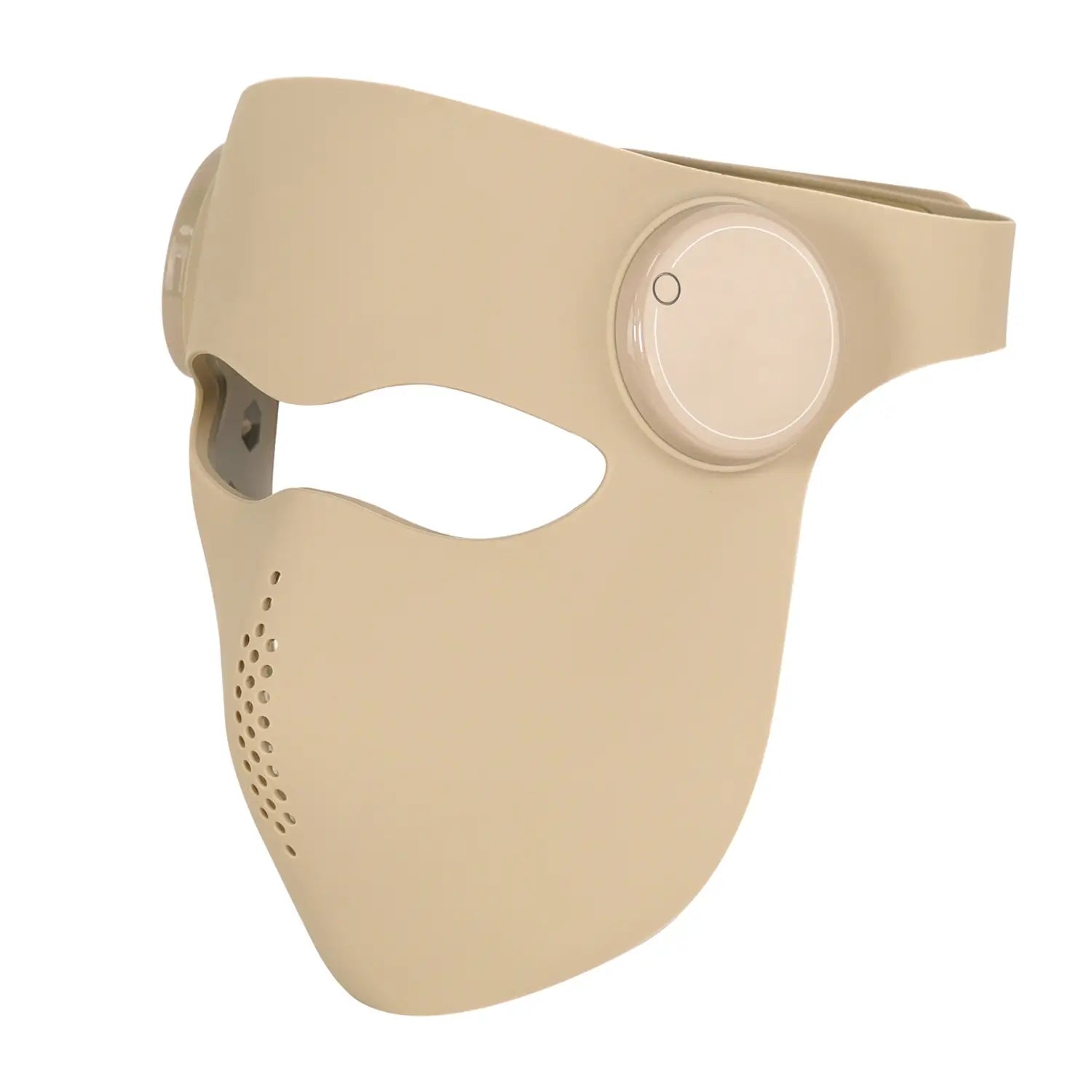
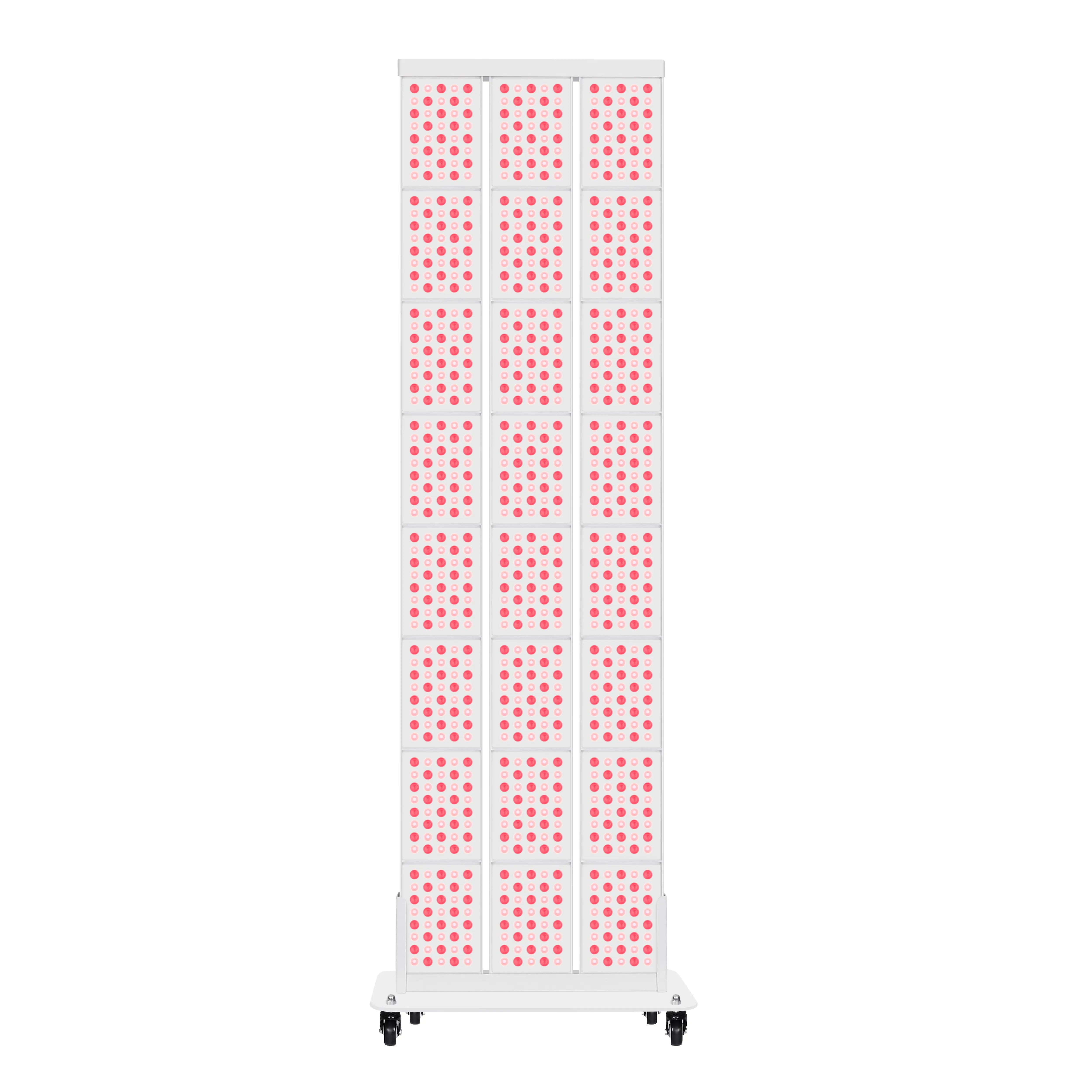
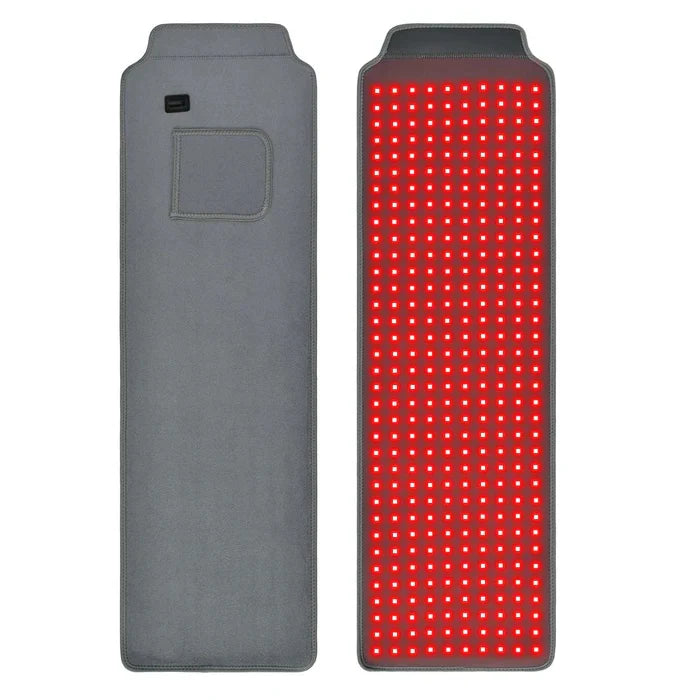
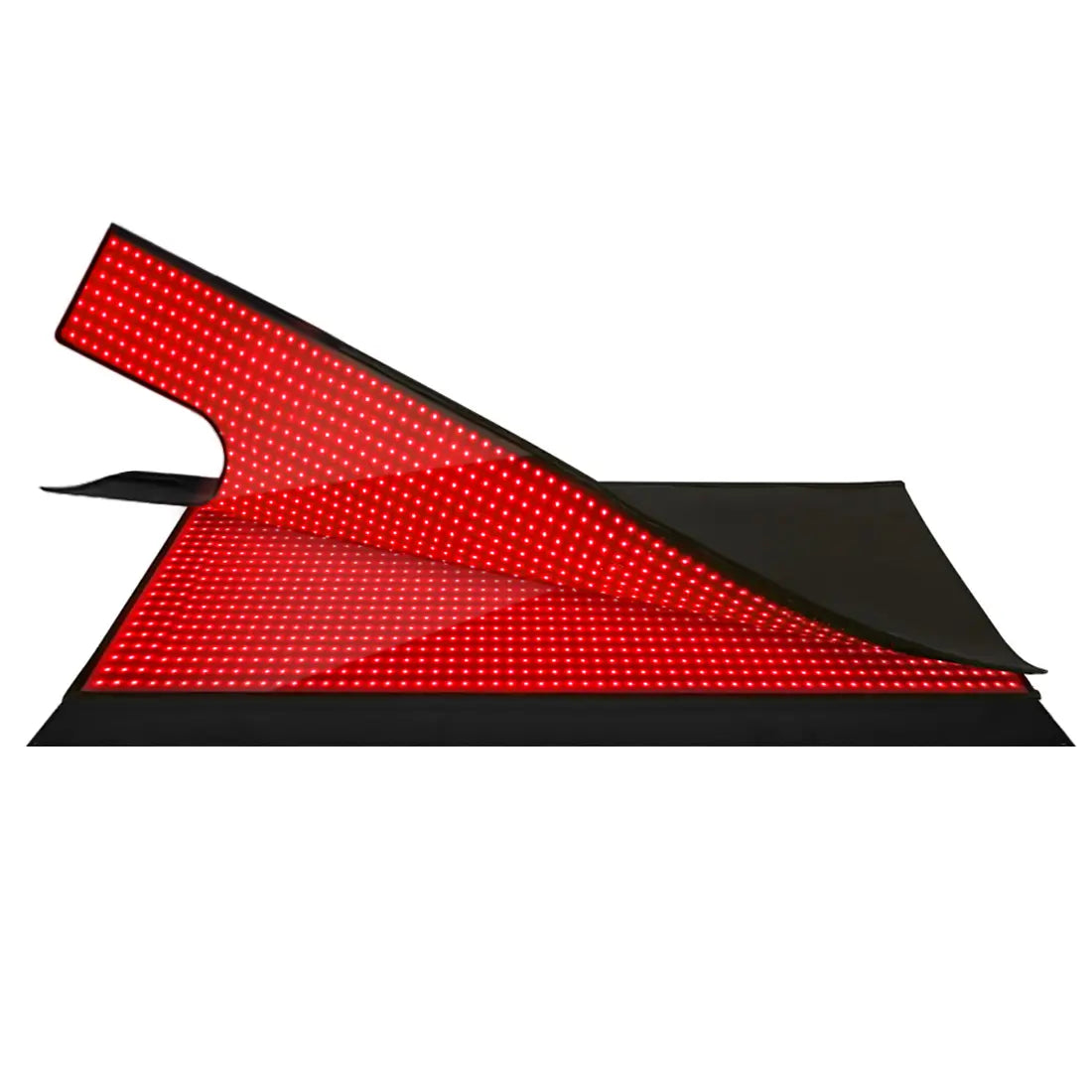
That same voice-science world is now experimenting with a gentler class of light: low-level red and near-infrared light, also called photobiomodulation. Unlike surgical lasers, these devices use low-power light to influence cellular metabolism rather than cutting or burning tissue. Speech and feeding therapy clinics, sports-medicine teams, pain researchers, and voice labs are all exploring where this fits. For singers who think like biohackers, that opens an interesting question: can red light therapy become a reliable tool for protecting and restoring the voice, rather than just fixing it after a crisis?

Red Light Therapy 101 For Vocal Health
Photobiomodulation is the formal term for what most wellness communities call red light therapy. It uses low-intensity red and near-infrared light, typically in the range around 630 to 850 nanometers, delivered by LEDs or low-power lasers. The process is non-thermal, meaning the primary effect is not heating tissue. Instead, the light is absorbed by mitochondrial chromophores, which increases mitochondrial membrane potential and ATP production. Several foundational studies in photobiology show that light in this range can raise cellular ATP and trigger a cascade of photochemical events, with a biological response that often peaks a few hours after exposure.
Clinically, low-level light therapy has been applied to wound healing in skin and oral tissues, pain and inflammation control, tendon injuries, muscle fatigue, and even neurorehabilitation. A randomized trial in runners, for example, reported that targeted low-level light improved skeletal muscle status and markers related to oxidative stress during progressive-intensity exercise. Systematic reviews have found benefits for certain types of musculoskeletal neck pain as well.
In the voice world, this same mechanism is being explored for three broad goals: reducing vocal fold inflammation, supporting micro-injury repair after heavy use, and potentially assisting nerve recovery in cases of vocal fold paralysis. Speech-language clinics have begun using red light as an adjunct in dysphagia and speech rehabilitation, with the intention of modulating tissue healing and neuromuscular function, not replacing traditional therapy.
A simple way to frame what the science suggests is to look at mechanisms and how they map to singer needs.
Mechanism described in research |
Potential relevance for singers |
Increased ATP and mitochondrial activity |
More cellular energy available for repair in vocal fold and laryngeal muscle tissue after demanding rehearsals or shows |
Modulation of inflammatory pathways and neutrophil influx |
Potentially less swelling and soreness after heavy voice use or acute phonotrauma |
Improved microcirculation and neovascularization |
Better oxygen and nutrient delivery to stressed vocal folds and supporting muscles |
Support for nerve recovery in experimental and case reports |
Possible adjunct in select cases of vocal fold paralysis under specialist supervision |
The key principle is that you are not “forcing” the voice to work harder. You are attempting to give the underlying tissues more energy and a calmer inflammatory environment in which to heal. For a singer, that is the difference between pushing through fatigue and actually recovering from it.

Can Light Actually Reach Your Vocal Folds?
Skeptical singers and ENTs ask the same question: how much light can really get through the skin, neck muscles, and cartilage to the vocal folds themselves? One of the most important recent pieces of research on this question is a laryngeal photobiomodulation study that used a flexible endoscope to watch what happens inside the larynx while red laser light is applied to the front of the neck.
Fifteen vocally healthy women with different body mass indexes and skin phototypes were enrolled. The researchers carefully palpated the hyoid, thyroid, and cricoid cartilages and marked six standardized points on the front of the neck corresponding to key laryngeal structures: the anterior commissure of the vocal folds, the membranous and cartilaginous portions of the folds, and the cricothyroid muscle region. They then applied red low-level laser doses and used nasofibrolaryngoscopy to rate whether light reached the laryngeal structures and how strong the illumination appeared.
The endoscope images showed red light reaching the anterior commissure, the thyroarytenoid region, the cartilaginous posterior portion of the folds, and the cricothyroid muscle at all three doses tested. In other words, low-level laser applied on the neck could be visualized inside the larynx, directly on the vocal folds and intrinsic muscles. That gives objective anatomical support to what many voice clinicians have been doing empirically: applying light over the thyroid cartilage and adjacent anterior neck when targeting the larynx.
The study also highlighted two important modifiers. First, participants with higher body mass index showed weaker illumination. Thicker subcutaneous tissue and deeper laryngeal position appear to attenuate the light, meaning that heavier necks may need adjusted parameters to achieve comparable doses at the folds. Second, there was a phototype effect: in this small sample, moderate to dark brown skin phototypes showed more evident illumination than lighter phototypes, suggesting that melanin and tissue optics interact with the red wavelength in non-obvious ways. The main takeaway is not that one skin tone is better suited to red light, but that anatomy genuinely alters dose at the target, so one-size-fits-all settings are unlikely to be ideal.
Separate radiographic work with a commercially available LED device placed over the ventral neck found that only a small fraction of surface light, on the order of a few percent, actually reached the medial vocal fold surface. Yet the vocal folds and paraglottic tissues still visibly glowed under imaging, confirming that a biologically meaningful amount of light can penetrate into laryngeal tissues from outside the neck. For voice-focused biohacking, that is the core proof of concept: if the device is positioned correctly and the neck anatomy is accounted for, the vocal folds are not out of reach.
Red Light Therapy And Vocal Fatigue
Vocal fatigue is more than feeling tired at the end of a rehearsal. It is a state where effort rises, range shrinks, tone suffers, and the voice often feels worse across the day and only improves with rest. Physiologically, laboratory studies link fatigue to reactive hyperfunction of laryngeal muscles, increased heat generation in the folds, and a rise in mucosal viscosity, all of which make phonation more expensive.
A pilot randomized study published in the Journal of Voice tackled the question of whether low-level light can help attenuate that process. Sixteen vocally healthy adults were put through a controlled vocal loading protocol: about an hour of loud reading designed to stress the voice, with monitoring to keep vocal intensity in a fairly high range. Measures were collected at baseline, after loading, after treatment, and one hour after treatment.
The treatment conditions targeted the ventral neck over the larynx. One group received red light at approximately 628 nanometers, a second group received infrared light around 828 nanometers, a third group received heat alone, and the fourth group had a no-heat, no-light control. The outcomes were carefully chosen: phonation threshold pressure, which is the minimum subglottal pressure required to start voicing; relative fundamental frequency around voiceless consonants, which is sensitive to vocal hyperfunction; and a self-rating of inability to produce soft voice, which is a perceptual index of how “stuck” or inflamed the folds feel.
The vocal loading did what it was supposed to do. Phonation threshold pressure increased, relative fundamental frequency values shifted in the direction associated with hyperfunction, and participants felt less able to produce an easy, soft voice. When the researchers compared interventions, only the red-light condition showed a meaningful normalization of the combined objective and subjective profile one hour after treatment. Infrared light, heat, and the control condition did not produce the same shift.
This fits with broader photobiomodulation research showing that there is a wavelength- and dose-specific sweet spot, and that beneficial effects often emerge not instantly but in the one to several hours after exposure, as mitochondrial and inflammatory cascades play out. For singers, that implies two practical ideas grounded in data. First, if you use red light as a vocal recovery tool, expecting peak effects immediately during or at the end of a session is unrealistic; the biology suggests a delayed window. Second, the specific red band used in that study appears more promising for vocal fatigue than infrared alone, at least in that experimental context.
Animal work further supports the inflammation angle. In a rat model of experimental laryngitis, a protocol using combined red and near-infrared wavelengths reduced a key marker of neutrophil-driven inflammation and improved reparative collagen synthesis in laryngeal tissue compared with untreated inflamed controls. When you layer this on top of the human fatigue trial, a picture emerges in which red light after heavy voice use may help quiet inflammation and normalize the mechanical workload on the folds.

Red Light For Vocal Injury, Nodules, And Nerve Damage
Strain, Nodules, And Post-Surgical Recovery
Beyond transient fatigue, many singers face vocal fold nodules, polyps, or structural injuries from chronic overuse. The standard of care is evaluation with a laryngologist, possible surgical intervention for certain lesions, and targeted voice therapy. As in the case of Joe Miraglilo and the pulsed KTP procedure, even modern minimally invasive surgery usually requires a period of strict voice rest and a disciplined warm-up and cool-down routine afterward.
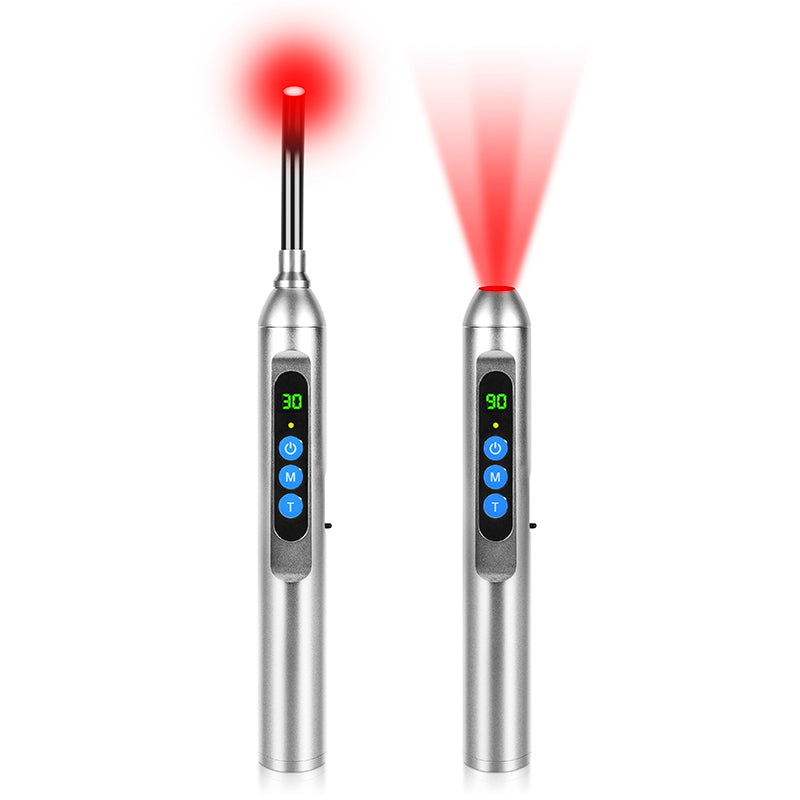
Commercial and clinical red light sources aimed at vocal cord health describe a complementary role in these scenarios. Educational material from one manufacturer, for example, outlines a protocol of fifteen to thirty minute sessions targeting the throat and neck four to five times per week for acute issues, with less-than-weekly use for maintenance once symptoms improve. They position red light as a way to increase local blood flow, modulate pain, and speed tissue repair in both post-surgical and non-surgical injuries such as nodules and chronic strain.
Importantly, the better clinics and authors frame red light as an adjunct. A speech and feeding therapy practice that adopted photobiomodulation for swallowing and speech work makes this explicit: red light is a tool folded into a comprehensive therapy plan, not a stand-alone cure. For singers, the same mindset applies. Red light may support healing and comfort, but it does not replace surgical decision-making, stroboscopic monitoring, or high-quality voice therapy with a specialist.
Laryngitis And Chronic Inflammation
Acute and chronic laryngitis, whether from infection, reflux, or ongoing vocal abuse, is another area where light has shown potential. The experimental laryngitis study mentioned earlier used repeated low-level laser sessions on inflamed laryngeal tissue and found an amplified anti-inflammatory effect when combining two wavelengths. In more practical language, this means inflamed larynges that were given low-level light had fewer inflammatory cells and a more favorable healing profile.
On the clinical side, voice-focused red light education materials note that users with chronic vocal inflammation often report faster resolution of hoarseness and discomfort when red light is added to standard care such as medication, hydration, and reflux management. Chronic laryngitis sufferers also frequently present with neck and shoulder muscle tension, which further distorts vocal mechanics. Vocal massage therapists, who specialize in myofascial work around the larynx, describe pairing manual release with red light and even infrared sauna sessions to deepen relaxation and support circulation. While these practice patterns are not randomized trials, they are consistent with the mechanistic and animal data: reduce inflammatory load, improve blood flow, and the tissues tend to behave better.
Nerve Injury And Vocal Fold Paralysis
The most dramatic uses of photobiomodulation in the larynx involve nerve injury and vocal fold paralysis. Vocal fold paralysis, whether unilateral or bilateral, is a serious condition often caused by trauma, surgery, or chemical injury and traditionally managed with a mix of voice therapy, surgical implants, or nerve grafting.
A recent case report described a two-year-old girl who swallowed a lithium button battery that lodged in the upper esophagus and caused severe electrochemical burns. Despite prompt endoscopic removal, intensive care, and repeated hospitalizations, she developed bilateral vocal cord paralysis, subglottic fibrosis, and recurrent life-threatening breathing episodes. Tracheostomy was recommended multiple times, but her parents refused.
Clinicians then attempted a course of low-level laser therapy using red and infrared wavelengths applied over the neck and specific acupuncture points. Over twenty sessions, daily at first and then on alternate days, the child’s oxygen saturation improved, severe shortness-of-breath attacks ceased, and bronchoscopy eventually showed normal vocal fold movement. At follow-up from three to ten months, she had no respiratory or speech disorders and no tracheostomy had been needed. The authors emphasized that this may be the first documented non-invasive use of low-level laser therapy to reverse bilateral vocal cord paralysis after button battery injury and prevent tracheostomy, while also stressing that it is a single case and that broader clinical trials are needed.
Separately, a photobiomodulation study on unilateral vocal fold paralysis reported measurable improvements in nerve conduction, vocal fold mobility, and vocal function after a structured treatment series, suggesting support for reinnervation and functional recovery. These data, together with well-established neurology and sports-medicine applications of red and infrared light for nerve and soft-tissue injuries, make it plausible that photobiomodulation can contribute to nerve healing in some laryngeal cases.
For singers, the takeaway is not that red light can magically reverse paralysis. The consistent message in these reports is that nerve-related vocal fold problems are managed under close ENT and speech-therapy supervision, with light added as a carefully dosed adjunct. No DIY protocol over the bathroom sink can substitute for that level of medical oversight.
Light-Based Cancer Treatment Is A Different Category
You may also encounter headlines about “light therapy saving voices in early laryngeal cancer.” At Henry Ford Hospital, clinicians use photodynamic therapy, which combines a powerful laser with a light-activated drug to selectively destroy early-stage laryngeal tumors. In a small cohort of patients with early squamous cell carcinoma of the vocal folds, this approach allowed tumor control while preserving vocal fold vibration on videostroboscopy, with vocal function trending back toward normal about ten weeks after treatment.
While this reinforces the idea that light-based interventions can be voice-preserving, it is crucial to separate photodynamic cancer therapy from the low-level red and infrared light used in wellness and rehabilitation. Photodynamic therapy uses different power levels, different drugs, and different risk profiles, and it remains firmly in the hands of oncology and laryngology teams. Any suspicion of cancer, unexplained bleeding, or persistent hoarseness belongs in that world, not in a home red light session.

Putting It Together: Practical Red Light Strategy For Singers
From a veteran wellness-optimizer perspective, the responsible way to bring red light into vocal care is to anchor everything in what has actually been studied and in what voice clinicians already recommend.
When To Use Red Light
In the vocal fatigue trial, red light was applied after a rigorous vocal loading task, and the main benefits showed up about an hour later. Basic photobiomodulation research similarly reports that mitochondrial and inflammatory responses often peak between three and six hours after stimulation. That suggests a clear use-case for singers: red light as part of your post-load recovery window rather than a quick “boost” right before walking on stage.
For example, after a long rehearsal or show day, a red light session over the neck in the evening can be thought of as feeding your laryngeal tissues extra ATP and nudging inflammatory chemistry toward resolution while you sleep. That does not mean pre-show use is useless; in sports, some protocols apply light before or after exercise. However, voice-specific data comparing pre- versus post-use are not yet available, so anchoring your experiments on the timing that has been tested is the safer scientific move.
Where To Aim The Light
The laryngeal photobiomodulation study provides a helpful anatomical map. The researchers were able to see red light at the anterior commissure of the folds, in the membranous and cartilaginous vocal fold regions, and at the cricothyroid muscle when light was applied over the midline thyroid cartilage and slightly lateral points along the anterior neck.
For home or clinic devices, that translates into positioning light over the area commonly felt as the “Adam’s apple” and a bit to either side, as well as just below that region at the cricothyroid space. Some protocols also include more lateral placements near the anterior border of the sternocleidomastoid muscles, which correspond to deeper laryngeal laminae. Because neck thickness clearly changes how much light gets through, singers with thicker necks or higher body mass index may consider spending a bit more total exposure time or working both the front and slightly lateral aspects rather than a single narrow spot, though such adjustments should ideally be made in conversation with a clinician familiar with your anatomy.
How Much And How Often
Existing vocal-focused sources provide a reasonable envelope for safe experimentation. The vocal fatigue study used a single twenty-minute application over the ventral neck after loading. Educational material from a red light manufacturer that targets vocal users suggests sessions in the fifteen to thirty minute range, several times per week for acute issues, with shorter or less frequent sessions once symptoms settle. Clinicians at a major voice center have reported using ten minutes of red light plus ten minutes of infrared over the larynx in muscle tension dysphonia as part of a broader therapy approach.
Taken together, this points to a pragmatic pattern for many singers exploring red light under appropriate guidance: sessions on the order of fifteen to twenty minutes, with the device positioned a short distance from the front of the neck, repeated multiple times per week during phases of heavy vocal demand or active recovery, and tapered to occasional maintenance use once the voice feels stable. Staying within these time frames mirrors what has already been tried in research and practice rather than venturing into untested extremes.
Stacking Red Light With Proven Vocal Hygiene
Red light should live inside a serious vocal-hygiene framework, not replace it. The Northwestern vocal fatigue wearable research underscores that tracking your total vocal load matters; their system alerts users, sometimes via a haptic wrist device, when personal vocal-use thresholds are approached, and clinicians recommend inserting brief, deliberate windows of complete silence across the day so that vocal fold tissue can repair. Experts commonly suggest that fifteen to twenty minute blocks of total silence are especially restorative.
Alongside these rest windows, classic pillars remain non-negotiable: adequate sleep, hydration, and technique-focused warm-ups and cool-downs. Vocal massage therapy, which combines gentle work on the muscles around the larynx with myofascial techniques and sometimes lymphatic drainage, can reduce neck and jaw tension that otherwise keeps the laryngeal system in a constant state of guardedness. Some practitioners pair such massage with red light or infrared sauna time to deepen relaxation and circulation, then encourage clients to protect that newly freed-up voice with smart scheduling rather than rushing straight back into hours of loud use.
In clinical speech and feeding therapy, photobiomodulation is explicitly woven into a comprehensive plan that may include targeted exercises for swallowing, articulation, and breath support. Singers can take a similar systems view: use red light to support tissue health, but rely on skilled pedagogy and therapy to reshape how you use the instrument in the first place.
Who Should Guide The Process
Across the more serious case reports and clinical blogs, one recommendation repeats: red light around the larynx should be discussed with an ENT physician or voice therapist when you have anything beyond simple, short-lived fatigue. The cold-laser overview for vocal nerve injuries strongly advises consulting an otolaryngologist or speech therapist before applying photobiomodulation to the neck because of the complexity of laryngeal structures and the risk of masking symptoms that need direct intervention. Pediatric battery-ingestion cases, early laryngeal cancers, and complex post-surgical situations in the literature were all managed under specialist care, even when low-level light was added.
For a working singer, that might mean using red light on your own for routine post-load fatigue only after a baseline exam has confirmed healthy folds, and looping your voice team in before leaning on light therapy to manage recurring hoarseness, range loss, pain, or suspected lesions.
Pros, Cons, And Open Questions For Singers
Red light therapy brings several advantages to the vocal world. It is non-invasive, generally well-tolerated, and has a growing body of evidence in adjacent fields like wound care, sports performance, and neuropathic pain. In voice-specific research, red light reduced experimentally induced vocal fatigue in healthy adults, laryngeal animal models showed anti-inflammatory and reparative effects, and case reports suggest possible benefits in nerve-related paralysis and complex injuries. For touring singers or teachers who cannot simply cancel weeks of work, a modality that might speed recovery without drugs is naturally attractive.
However, the limitations are just as important. The vocal fatigue trial involved only sixteen healthy adults and a single loading paradigm. The laryngeal penetration study recruited fifteen women and focused on whether light reached the folds, not on clinical outcomes. The bilateral paralysis reversal is a single pediatric case with multiple simultaneous interventions. Many of the enthusiastic descriptions in blogs and marketing pieces are qualitative, experience-based narratives rather than controlled data. Optimal dosimetry, ideal wavelength combinations, and long-term safety profiles for daily or near-daily use in singers are not yet firmly established in large trials.
Access and cost are also real considerations. While over-the-counter LED devices exist and have been used in research, higher-powered or more targeted units may still require clinic visits. Insurance coverage is inconsistent. And crucially, red light cannot correct poor technique, inadequate rest, or chronic over-scheduling. In fact, if it makes the voice feel better while you continue to overload it, there is a nontrivial risk of silently prolonging or worsening underlying pathology.
A reasonable stance, then, is to treat red light as an exciting but still maturing tool. The evidence base justifies cautious integration into a comprehensive vocal-care routine, especially for fatigue and certain inflammatory states, while acknowledging that we are at the early phase of voice-specific photobiomodulation science.
FAQ: Red Light Therapy And Singers’ Voices
Can red light therapy replace vocal rest, hydration, or technique work?
No. Every credible source in voice science still treats vocal rest, hydration, and healthy technique as foundational. In the Northwestern vocal fatigue work, clinicians explicitly recommended inserting short periods of total silence throughout the day to allow recovery. Photobiomodulation research positions red light as a way to modulate inflammation and energy metabolism on top of those basics, not instead of them. Think of red light as improving the repair environment, while rest and technique reduce the damage you are asking your body to repair.
Is a home LED panel enough, or do I need a clinical laser?
The vocal fatigue study used a commercially available LED device rather than a high-end surgical laser, and radiographic tests with that kind of unit showed that a small but meaningful fraction of red and infrared light reaches the vocal folds from the front of the neck. Clinics also report subjective benefits with similar hardware. That suggests that a well-designed LED system with appropriate wavelengths and sufficient power density can be adequate for voice applications. Clinical lasers add precision and potentially higher intensities but are not strictly required to begin exploring vocal photobiomodulation, particularly for fatigue and mild inflammation, as long as you stay within established exposure times and work with your care team.
How quickly should I expect changes in my voice?
In the controlled vocal fatigue study, participants did not experience an immediate restoration of function during the light session itself. The more robust normalization of measures like phonation threshold pressure and inability to produce soft voice emerged about an hour after treatment. Animal laryngitis data and general photobiomodulation research likewise suggest that biological effects unfold over hours, not seconds. Structural healing, such as modulation of nodules, scarring, or nerve recovery, is even slower and can take weeks to months, as illustrated by the bilateral paralysis case with follow-up across ten months. If you try red light for your voice, expect a trajectory closer to training or rehabilitation than to a switch you flip.
Closing
Singers already live like endurance athletes of the larynx, whether they identify that way or not. Red light therapy does not change the fundamentals of vocal health, but the emerging science says it can become a powerful ally in how you repair and protect your instrument. Approach it like a seasoned wellness optimizer: grounded in evidence, integrated with smart vocal hygiene, and always in conversation with the specialists who know your voice best.
References
- https://pubmed.ncbi.nlm.nih.gov/27839705/
- https://news.uthscsa.edu/vocal-cord-therapy-restores-singers-range/
- https://safety.dev.colostate.edu/browse/fkkA7z/0GF017/ben-greenfield-red-light__therapy.pdf
- https://news.northwestern.edu/stories/2023/02/first-wearable-device-for-vocal-fatigue-senses-when-your-voice-needs-a-break
- https://webcentral.uc.edu/eprof/media/attachment/eprofmediafile_5436.pdf
- https://dev.ppc.uiowa.edu/libweb/4P8039/index.jsp/MarkHymanRedLightTherapy.pdf
- https://www.jvoice.org/article/S0892-1997(16)30231-4/abstract
- https://www.researchgate.net/publication/309744181_The_Effectiveness_of_Low-Level_Light_Therapy_in_Attenuating_Vocal_Fatigue
- https://www.jmchemsci.com/article_142451.html
- https://urban-massage.ca/discover-the-benefits-of-vocal-massage-therapy/