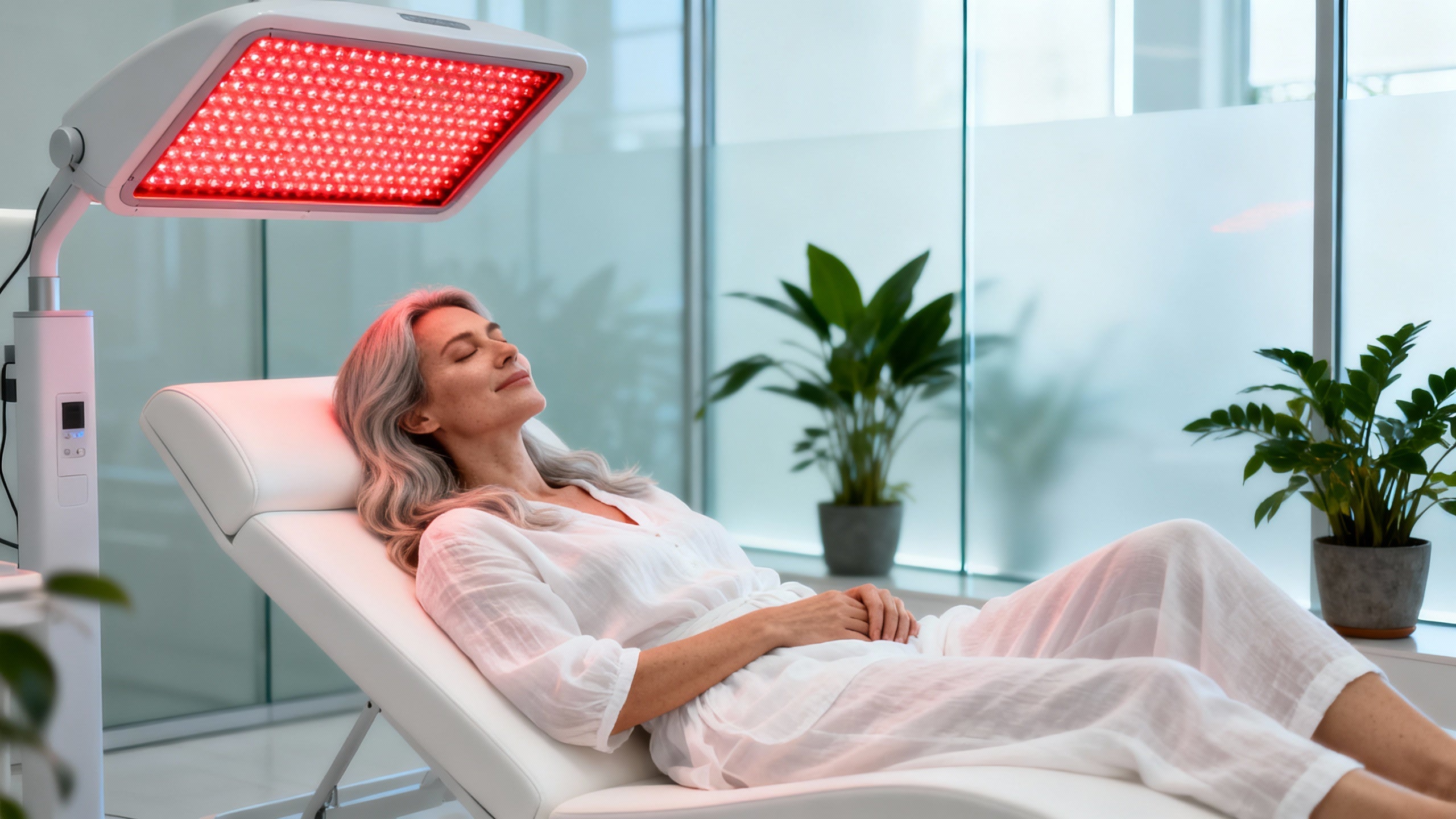
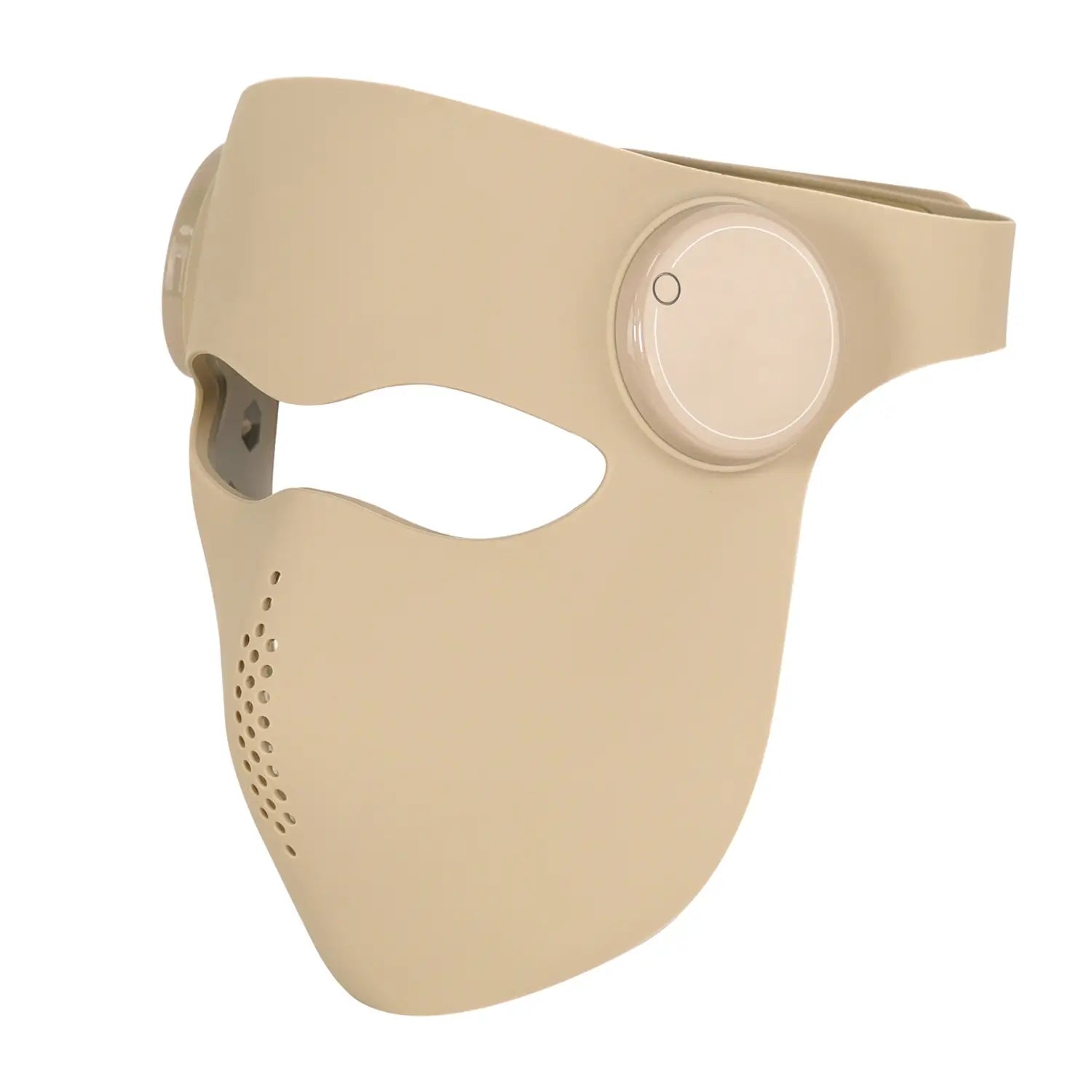
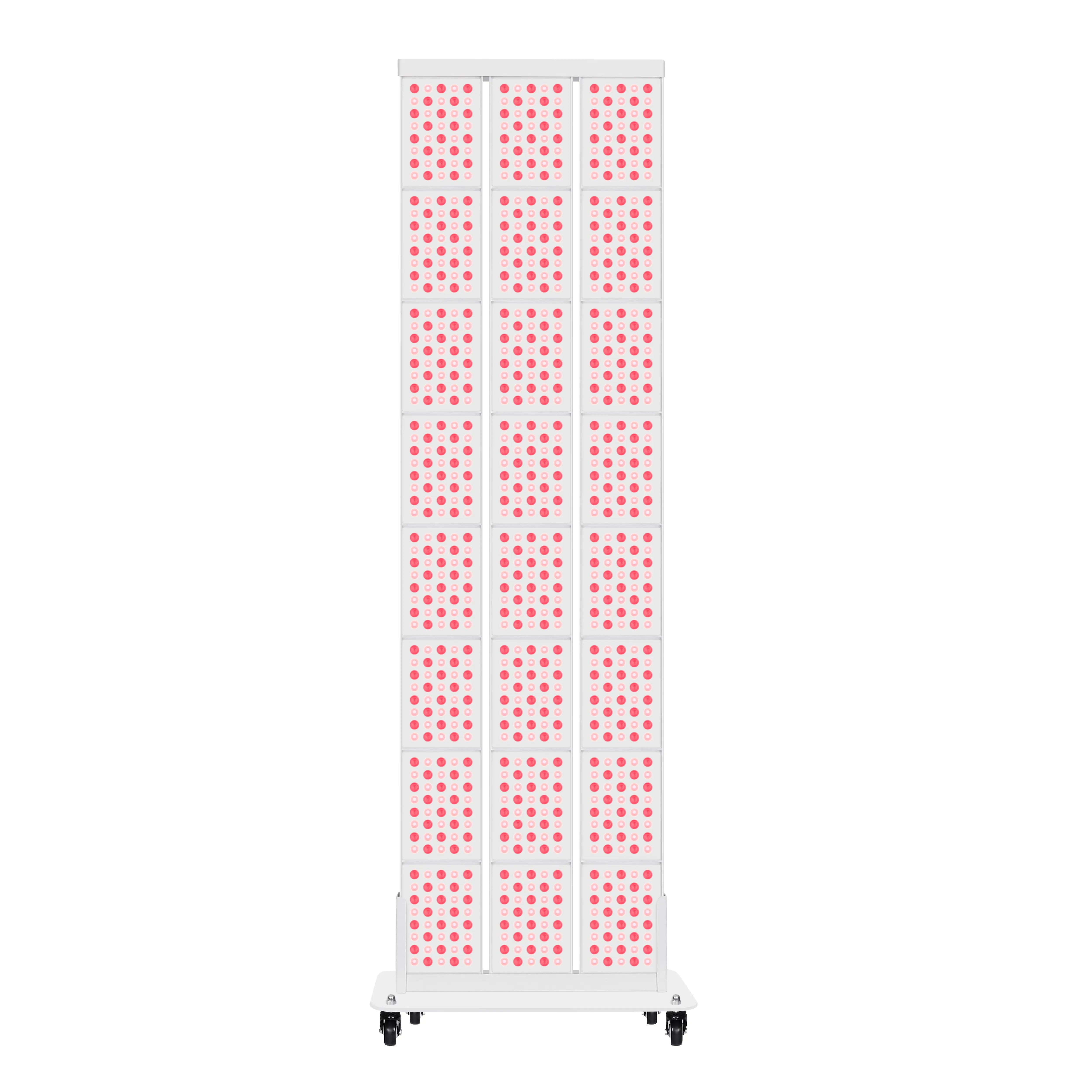
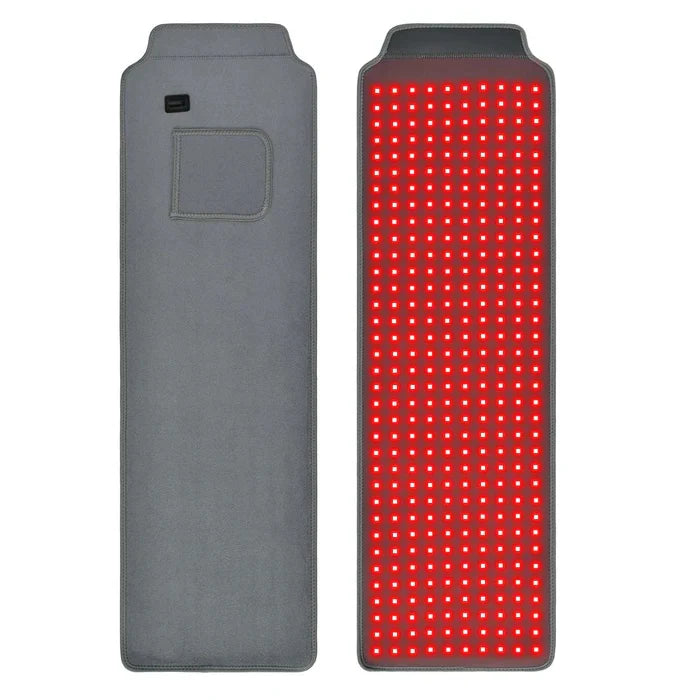
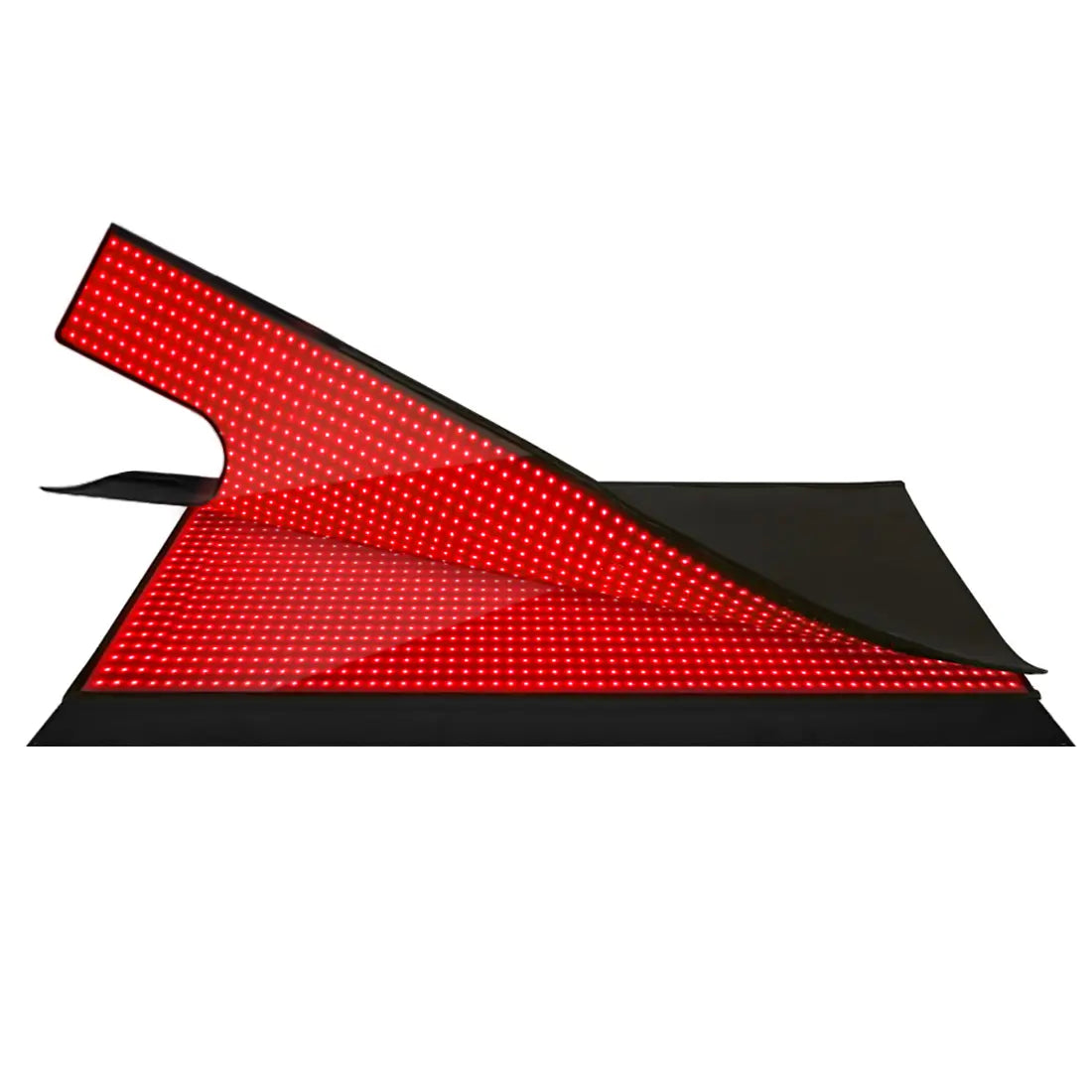
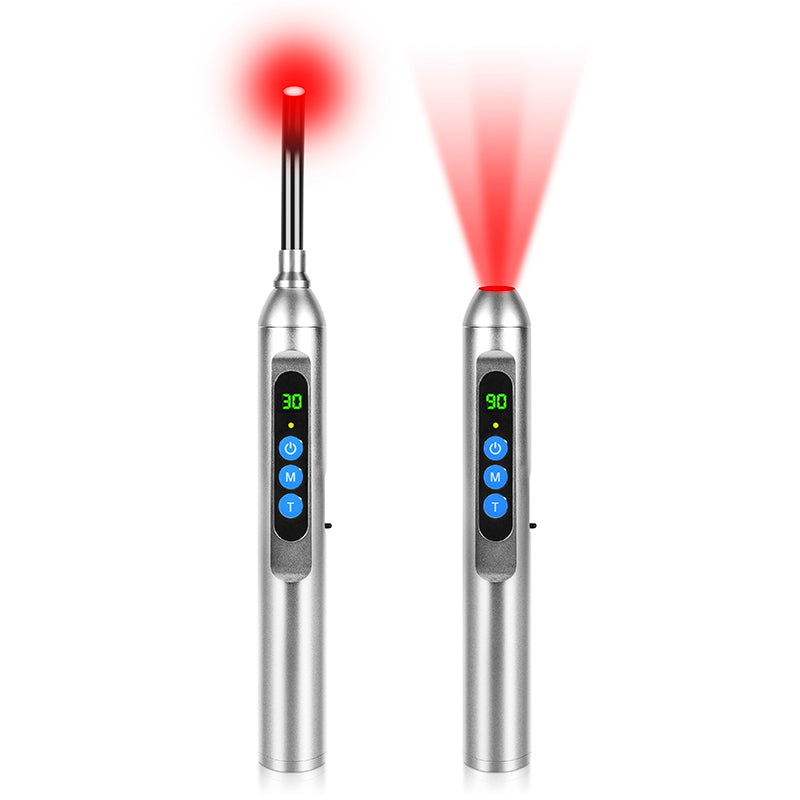

If you spend enough time around high performers, you eventually notice a pattern. The athletes who can string together year after year of quality training are not just obsessing over sets, reps, and macros. They protect their hormone health, their sleep, and their ability to recover from stress. That is exactly where red light therapy, or photobiomodulation, starts to get interesting.
I have been a light-therapy geek long enough to see red light panels move from fringe recovery rooms into mainstream gyms and physical therapy clinics. Most of the hype focuses on faster recovery and more reps in the weight room. The deeper question, and the one serious athletes should care about, is how all this light actually touches the endocrine system: melatonin, cortisol, testosterone, thyroid, and reproductive hormones.
The short version is that the hormone story is real, but uneven. We have solid human data for melatonin and sleep in athletes, and mainly early, low-resolution evidence for testosterone and other hormones. If you use red light therapy as a smart adjunct to training, it can support your hormonal environment; if you expect it to act like hormone replacement in a box, you will be disappointed.
Let’s unpack what we actually know.
How Red Light Therapy Interfaces With the Endocrine System
A Quick Definition of Red Light Therapy
Red light therapy, often grouped under the technical umbrella of photobiomodulation, uses specific red and near‑infrared wavelengths, typically around 600–700 nm for red and 700–1,000 nm for near‑infrared. Devices deliver this light via LEDs or low‑level lasers at intensities that do not heat or damage tissue.
Across multiple reviews in sports and rehab settings, including a large narrative review in Photonics and Lasers in Medicine and education pieces from NSCA Coach and ACE Fitness, the core mechanism looks consistent. Photons are absorbed primarily by cytochrome c oxidase in mitochondria. This boosts ATP production, modulates reactive oxygen species, and changes nitric oxide handling. The downstream effect is more cellular energy, better blood flow, and changes in inflammatory and gene‑expression pathways.
Most of that literature focuses on muscles, tendons, and connective tissue. But hormones are simply chemical messengers produced and regulated by those same cells and tissues, especially within the endocrine system. When you change mitochondrial function and cellular signaling, you inevitably influence hormones, at least indirectly.
Hormones That Matter Most for Athletes
Wellness-focused articles and clinic write‑ups on hormonal red light therapy tend to circle around the same key players:
Hormone or system |
Primary role for athletes |
What red light therapy might do |
Evidence level in notes |
Melatonin |
Nighttime sleep timing and quality, circadian rhythm |
Increase melatonin secretion and improve sleep quality |
Randomized trial in elite basketball players; several wellness articles referencing similar effects |
Cortisol and stress hormones |
Stress response, catabolism, energy mobilization |
Indirectly support healthier stress responses via improved sleep and cellular energy; direct cortisol data sparse |
Fitness and wellness articles claiming benefits; no detailed athlete trials in the notes |
Testosterone and reproductive hormones |
Muscle mass, strength, libido, menstrual health, fertility |
May help normalize low testosterone and support reproductive function, especially in women and in fertility contexts |
Early clinical and wellness reports; limited methodological detail; no athlete‑specific trials in notes |
Thyroid and metabolism |
Resting metabolic rate, energy, temperature regulation |
May support thyroid function in people with thyroid issues; not a cure |
Mentioned in hormone‑health article; no athlete‑specific data |
Serotonin and mood‑sleep hormones |
Mood, pain perception, resilience, sleep regulation |
May increase serotonin, easing stress and aiding emotional recovery |
Claimed by a physical therapy performance clinic; mechanisms discussed but no quantitative stats in notes |
This table already hints at the hierarchy. Melatonin and sleep sit at the top with direct sports data. Testosterone, reproductive, thyroid, and stress hormones are still in the “promising but early” category. A grounded strategy starts with what we truly know, then layers in the emerging possibilities.

Melatonin, Sleep, and Athletic Recovery
When we talk about hormones in athletes, most people jump straight to testosterone. That is premature. The cleanest human data we have for red light therapy and hormones is about melatonin and sleep.
The Basketball Study Everyone Should Know
A randomized trial published in Journal of Athletic Training followed twenty elite female basketball players, average age about nineteen, over a two‑week period. Ten athletes received whole‑body red light therapy at around 658 nm for 30 minutes every night for fourteen nights. The other ten lay under the same device without actual illumination, acting as a placebo group. Training loads were matched between groups.
Researchers measured three things. They assessed sleep quality using the Pittsburgh Sleep Quality Index, drew blood in the morning to measure serum melatonin, and tested endurance with a 12‑minute run on a 400‑meter track, which is roughly a quarter mile loop.
After two weeks, the red light group showed significantly better sleep scores compared with placebo. Their melatonin levels rose from about 22 pg/mL at baseline to nearly 39 pg/mL, while the placebo group barely changed. There was a strong inverse correlation between melatonin change and sleep score change: the bigger the melatonin bump, the bigger the improvement in sleep quality. Endurance performance improved over time, with a clear pre‑post gain in the red light group, although the difference versus placebo did not reach strong statistical significance.
That is a lot of physiology from a 30‑minute nightly light session. The key point is that we have controlled evidence that red light therapy can meaningfully increase melatonin and improve subjective sleep quality in real athletes under real training load.
Why Melatonin Matters So Much More Than People Realize
Melatonin is not just a “sleep hormone.” It is a central timekeeper for the entire endocrine system. When your melatonin rhythm is robust and aligned with your sleep schedule, downstream processes such as recovery, tissue repair, and immune function tend to line up as well.
Several performance‑oriented sources, including Athletic Lab’s deep dive for athletes and educational content from NSCA Coach, highlight sleep quality as a major predictor of overtraining risk. Overtraining syndrome is not just about sore legs; it is a systemic hormonal stress state where recovery, mood, and performance all decline. Poor sleep is an early warning sign that your endocrine system is not keeping up with your training.
By using red light in the evening to nudge melatonin upward and strengthen your circadian rhythm, you are essentially investing in your whole hormonal recovery system. HyperCharge Clinic’s article on women’s hormonal balance cites increased melatonin production as one of the clearest benefits of red light, and the basketball trial gives that claim solid backing.
Sleep Inertia and Early‑Morning Training
Many athletes struggle with early‑morning practices or competitions, where they wake up in the dark and need to perform at a high level before their brains are fully online. That groggy, hazy state right after waking is called sleep inertia, and it can impair short‑term memory, alertness, and performance.
Athletic Lab’s article references work by Figueiro and colleagues showing that red light exposure during or right after waking can blunt sleep inertia and improve alertness. In practice, that means you can use a red light panel or device shortly after getting out of bed to “clear the cobwebs” without the circadian disruption risk that comes from blasting yourself with bright blue light at the wrong time of day.
Taken together, evening red light to enhance melatonin and morning red light to reduce sleep inertia give you a simple, biologically plausible way to use light as a hormone‑friendly recovery tool.

Stress Hormones, Inflammation, and Cortisol
Cortisol is the next hormone most athletes ask about. It is your primary stress hormone, and chronic elevations can increase muscle breakdown, impair sleep, and blunt training adaptations. So can red light therapy “lower cortisol”?
Here the evidence shifts from clear to suggestive.
A City Fitness overview on red light therapy claims that it positively influences the endocrine system, mentioning testosterone and cortisol regulation. HyperCharge Clinic’s hormone‑balance article suggests that by boosting ATP and cellular energy, red light therapy can help limit stress hormone production. Fick Physical Therapy and Performance describes mood and emotional recovery benefits, likely linked to increases in serotonin and improved sleep, both of which tend to normalize stress responses.
On the more objective side, the ACE Fitness expert article on red light and post‑exercise recovery summarizes an impressive body of research showing that photobiomodulation reduces markers of inflammation such as C‑reactive protein and muscle damage markers like creatine kinase. It also notes that red light therapy can improve running performance, increase lifting repetitions, and reduce delayed onset muscle soreness across different exercise protocols.
Inflammation and muscle damage are not hormones, but they are tightly intertwined with the stress axis. Lower systemic inflammation and better tissue repair usually translate into less chronic stress on the body, which is favorable for cortisol balance. However, the notes do not provide direct cortisol measurements from red light trials in athletes, so it would go beyond the evidence to claim a specific cortisol‑lowering effect.
The responsible position right now is that red light therapy can indirectly support a healthier stress‑hormone environment by improving sleep, reducing inflammatory load, and increasing cellular energy. If you stack those advantages on top of sensible training and life‑stress management, you create conditions in which cortisol and other stress hormones are more likely to fall into a productive, rather than destructive, range.

Testosterone, Reproductive Hormones, and Fertility
This is the area where marketing gets loudest and research is quietest.
What the Current Articles Actually Say
Several hormone‑oriented wellness sources in the notes touch on testosterone and reproductive hormones.
HyperCharge Clinic’s article on women’s hormonal balance states that red light therapy can help normalize testosterone levels in women, particularly older women experiencing muscle loss or reduced libido from low testosterone. It also references improvements in fertility and reduced inflammation in reproductive organs such as ovaries and uterus when red light is used alongside other conservative treatments.
A broader hormone‑health article from Project E Beauty describes how red and infrared light may support reproductive health by increasing blood flow, oxygen, and nutrients, reducing inflammation and oxidative stress, easing menstrual pain and premenstrual symptoms, and potentially supporting testosterone levels and sperm motility in men. That same article notes that testosterone is produced primarily in the testes and in smaller amounts in the ovaries, and that too little or too much can create health issues.
All of this fits with what we would expect when we increase mitochondrial function, improve circulation, and reduce inflammation in the reproductive system. Better tissue health and energy supply set the stage for healthier hormone production. However, none of the summaries in the notes provide the kind of detailed, controlled, athlete‑focused testosterone data we would like: no baseline versus post‑intervention numbers, no clear dosing, no large samples.
One of the documents in the notes is simply a platform listing for a PDF titled “Red Light Therapy Testosterone Results,” but the file itself is not summarized; the description explicitly states that it contains no clinical data, only metadata about access. So any actual testosterone data within that PDF is not available here and cannot be used.
What This Means for Athletes Right Now
From an evidence‑based standpoint, here is the sober view. There is early, biologically plausible, clinical interest in using red light therapy to support testosterone and reproductive health in both men and women. Clinics and product companies are already integrating it as an adjunct for fertility support, menstrual symptoms, and age‑related hormonal changes.
For athletes specifically, the hormone‑focused upside currently remains speculative. There is no clear, controlled trial in the notes showing that red light therapy meaningfully raises testosterone in healthy, training athletes or produces anabolic effects comparable to changes you can get from training, nutrition, sleep, and managing energy availability.
If you are a male or female athlete with clearly documented low testosterone or menstrual disturbances, your first line of action should always be proper medical evaluation. Red light therapy, in that context, can be explored as a supportive tool alongside medical treatment, not as a substitute. If you are hormonally healthy and looking for a “testosterone hack,” red light therapy should be viewed as part of a bigger recovery and sleep strategy rather than a standalone hormone booster.

Thyroid, Menopause, and Broader Hormone Health
Hormone‑health practitioners do not stop at melatonin and testosterone. The Project E Beauty article also notes that red light therapy has been explored for thyroid support and for easing menopausal symptoms.
The thyroid gland governs metabolic rate through thyroid hormone secretion. The article emphasizes that red light therapy does not cure thyroid disease, but may support thyroid function and metabolism in people who already have thyroid disorders. During menopause, when estrogen and other hormones shift dramatically, red and infrared light are described as tools to stimulate collagen, support tissue and bone density, and reduce symptoms like inflammation, insomnia, and musculoskeletal pain.
Again, these are hormone contexts that matter for many masters‑level athletes and active adults. The pattern is similar to testosterone: mechanistic plausibility, clinical enthusiasm, and some early research, but not enough tightly controlled, athlete‑specific data in the notes to let us quantify the effects.
For athletes with thyroid disease or in menopause, red light therapy may be one more recovery lever to discuss with their medical team. It is not a replacement for evidence‑based endocrine care, but it can reasonably be framed as a low‑risk adjunctive modality.
Pros and Cons of Red Light Therapy From a Hormone Perspective
When you look at red light therapy through a hormonal lens, its strengths and weaknesses come into clearer focus.
On the plus side, we have a randomized trial in elite basketball players showing improved sleep scores and a substantial increase in morning melatonin after nightly red light sessions over two weeks. Sleep and melatonin sit at the core of the athletic hormone story, and this is exactly the kind of non‑drug intervention most athletes want. Additional evidence summarized by ACE Fitness and NSCA Coach suggests that photobiomodulation can reduce inflammatory markers, lower muscle damage, and modestly enhance performance metrics such as time to exhaustion, repetitions, and peak torque in various protocols. Indirectly, all of that supports a more favorable hormonal environment.
Red light therapy is also noninvasive and, across multiple reviews and clinical discussions, appears to have a very good safety profile when used correctly. Common precautions focus on avoiding direct eye exposure to strong beams, particularly lasers; being cautious over the thyroid, active malignancies, and the abdomen or pelvis in pregnancy; and watching for photosensitive conditions or medications. Adverse effects, when reported, are usually mild and transient, like warmth or temporary skin redness.
On the downside, the evidence for sex hormones, cortisol, and thyroid function in athletes is still heterogeneous and often comes from small samples, mixed devices, and varied protocols. Consumer devices in gyms and homes often deliver less power and less precise dosing than research‑grade units, as the ACE Fitness article and a University Hospitals overview both caution, so real‑world effects may be smaller than those seen in tightly controlled studies.
A large narrative review of photobiomodulation in muscle performance and recovery stresses dose‑response complexity. Benefits tend to cluster around specific ranges of energy per area; too little does nothing, too much may also blunt benefits. In addition, a review in NSCA Coach emphasizes the need for standardized reporting of wavelength, intensity, dose, and timing relative to exercise. Until that standardization happens, any claim of guaranteed hormonal outcomes from a given commercial device should be treated skeptically.
Finally, as that same review notes, if red light’s performance‑enhancing effects keep gaining traction and become ubiquitous at the elite level, organizations like WADA and the IOC may be forced to clarify its regulatory status. There is currently no blood or urine test that shows whether an athlete used a red light panel the night before a race, and the modality is nonpharmacologic. That makes it more of an ethical and philosophical question than a classic doping issue, but serious competitors should stay informed as the conversation evolves.
Practical Guidance: Using Red Light Therapy to Support Hormone Health
If you want to use red light therapy to support hormones rather than chase marketing promises, you need to ground your practice in what is actually in the literature.
The first principle is that red light therapy belongs on top of, not instead of, the fundamentals. No amount of light is going to compensate for chaotic sleep schedules, poor nutrition, under‑recovery, or chronic psychological stress. The athletes who benefit most are the ones who already have reasonable training hygiene and use light to close the gap between “good enough” and “dialed in.”
From the basketball trial, we have one usable nightly protocol: whole‑body red light at about 658 nm for 30 minutes, every night for fourteen consecutive nights. That is a relatively long session compared with the 10–20 minute windows often recommended by performance clinics for each body area. City Fitness highlights ten to twenty minutes in the evening as a simple pre‑sleep strategy, and several physical therapy articles note similar session lengths for muscle recovery.
A reasonable, evidence‑informed pattern for sleep and melatonin might look like this in practice: several times per week, spend about ten to twenty minutes in front of a red or red‑dominant panel in the early evening, close enough that the light clearly bathes your torso and limbs without causing discomfort. If you have access to a full‑body bed or booth, you can replicate the 30‑minute nightly approach for a short block of weeks, then reassess your sleep quality. Combine that with consistent sleep and wake times and a dark bedroom to leverage the melatonin boost.
For early‑morning wake‑ups, the Athletic Lab summary of Figueiro’s work suggests that a short bout of red light exposure soon after waking can reduce sleep inertia. In practice, that might mean flipping on your panel while you do mobility work or pre‑hab in the morning, using the same ten to twenty minute window, rather than scrolling on your cell phone in the dark.
When it comes to pre‑ and post‑exercise use, the evidence base is robust for performance and recovery, even though it does not directly measure hormones. Sports medicine articles from FunctionSmart, Synergy Physical Therapy and Wellness, Physical Achievement Center, and others consistently report that pre‑exercise sessions can enhance strength and power gains and delay fatigue, while post‑exercise sessions can reduce soreness and speed recovery. Some endurance trials show greater improvements when light is used both before and after training sessions. Because hormone health is tightly coupled to training stress and recovery, using red light therapy to manage tissue stress indirectly helps protect your endocrine system.
On device selection, the recurring advice across ACE Fitness, NSCA, and University Hospitals content is to favor reputable manufacturers who clearly disclose wavelength, power, and suggested treatment distances and times. Small cosmetic gadgets with vague specifications rarely deliver enough power or coverage to match the studies. Full‑body beds or large panels come closer, but they are more expensive. Whatever you choose, start conservatively, follow manufacturer guidance, and track how you actually feel and perform rather than chasing a specific number on a lab test that the research does not yet support.
For athletes with known endocrine conditions, such as thyroid disease, menopausal symptoms, or clinically low testosterone, involve your medical team. The hormone‑health articles in the notes are explicit that red light therapy should not be used as a stand‑alone treatment for serious imbalances. It is a complementary modality that may make medications, nutrition, and training more effective, not a substitute for proper diagnosis and management.
What We Still Need to Learn
Looking at the research summaries together, several gaps stand out.
We need more and larger athlete‑specific trials that directly measure hormones like cortisol, testosterone, and thyroid hormones alongside performance and recovery outcomes. The melatonin data in elite basketball players is a solid start, but it is just one population and one protocol.
We need standardized treatment parameters: wavelength, energy density, duration, treatment frequency, and timing relative to training. The narrative review in Photonics and Lasers in Medicine underscores how inconsistent current protocols are, which makes it difficult to compare devices or set practical guidelines. The ACE Fitness article highlights the same issue when it notes that commercially available devices often bear little resemblance to research setups.
We also need better long‑term safety and adaptation data. Short‑term studies show favorable safety and promising performance and recovery benefits, but we still do not know how daily or near‑daily use for many months interacts with complex hormonal systems in different types of athletes.
Until those gaps are closed, the healthiest stance for performance‑obsessed, science‑minded athletes is pragmatic optimism. Use red light therapy where the evidence is strongest, remain cautious where it is thin, and do not let devices distract you from the boring, powerful fundamentals.
Brief FAQ: Hormones and Red Light Therapy
Can red light therapy replace hormone replacement therapy or testosterone replacement?
Based on the material in these notes, no. Red light therapy shows clear benefits for melatonin and sleep, early promise for reproductive and thyroid support, and plausible indirect benefits for stress hormones. It does not have the depth of evidence or magnitude of effect to replace medically supervised hormone therapy in people with significant endocrine disorders.
Will red light therapy get me in trouble with anti‑doping agencies?
The review on photobiomodulation in sports performance notes that if performance‑enhancing effects are confirmed and widely adopted, organizations like WADA and the IOC may need to clarify the regulatory status of red and near‑infrared light therapy. At present, it is nonpharmacologic, leaves no blood or urine markers, and is not classified like a drug or hormone. You should still stay current with your sport’s regulations, but nothing in the provided material suggests that standard photobiomodulation protocols are treated like banned hormone use.
How long until I feel hormonal benefits?
The basketball study saw measurable melatonin and sleep changes in fourteen days. Performance‑oriented red light research often reports subtle improvements within a few sessions and clearer changes after two to four weeks of consistent use. Hormones shift slowly and respond to your whole lifestyle, so think in terms of weeks and months, not hours, and use light as one component of a comprehensive recovery plan.
In the end, red light therapy is not a magic hormone wand. It is more like a precision environment tweak: a way to feed your cells extra energy, clean up some inflammatory noise, and give your melatonin rhythm a stronger signal. For the athlete who already respects sleep, nutrition, and smart training, that tweak can be the difference between surviving heavy workloads and actually adapting to them. That is where the real magic lives.
References
- https://digitalcommons.cwu.edu/cgi/viewcontent.cgi?article=3077&context=etd
- https://ir.library.illinoisstate.edu/cgi/viewcontent.cgi?article=2562&context=etd
- https://pmc.ncbi.nlm.nih.gov/articles/PMC3499892/
- https://safety.dev.colostate.edu/uploaded-files/Um1y57/1GF050/joovv__red_light-therapy__benefits.pdf
- https://admisiones.unicah.edu/fulldisplay/xPte8D/3OK067/red__light__therapy-testosterone__results.pdf
- https://www.acefitness.org/resources/pros/expert-articles/8857/red-light-therapy-and-post-exercise-recovery-the-physiology-research-and-practical-considerations/?srsltid=AfmBOopTZzohPa5148O1XEgr0GbpL2-A_Gg_mNtyTS8U-yXE9iJnlICj
- https://www.uhhospitals.org/blog/articles/2025/06/what-you-should-know-about-red-light-therapy
- https://www.physio-pedia.com/Red_Light_Therapy_and_Muscle_Recovery
- https://www.athleticlab.com/red-light-therapy-for-athletes/
- https://cityfitness.com/archives/36400