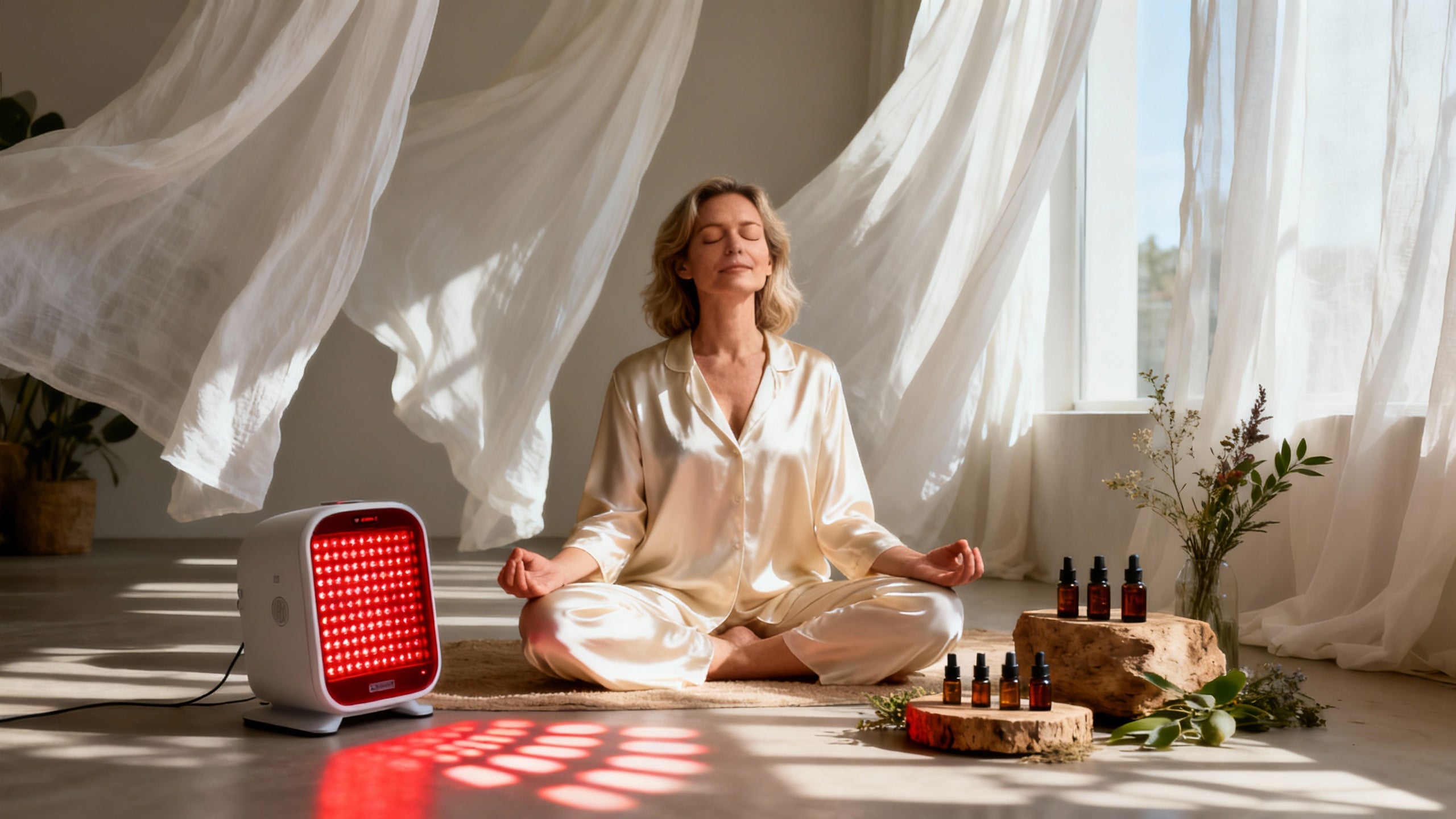
If you train hard, you live with stress. Not just the obvious kind—tight deadlines, big races, pressure from coaches—but the subtler biological stress from every interval, lift, and late-night practice. As someone who has spent years experimenting with red and near‑infrared light panels alongside more conventional tools, I see red light therapy less as “spa tech” and more as a lever for stress resilience when it is used correctly and with realistic expectations.
In this article, I will walk through how red light therapy may help athletes manage stress on three levels: physical stress from training and competition, biological stress from inflammation and oxidative load, and mental stress tied to pain, sleep disruption, and recovery anxiety. I will also be clear about where the science is strong, where it is mixed, and where it is mostly hype.
What Red Light Therapy Really Is (And Isn’t)
Red light therapy is a form of photobiomodulation. You will also see it called low‑level laser therapy or low‑level light therapy. All of these describe non‑invasive exposure to specific red and near‑infrared wavelengths—roughly 600–1,000 nanometers—at low power, with the goal of changing how cells behave without heating or damaging tissue.
From clinical and sport-science literature summarized in journals such as J Biophotonics and in reviews highlighted by organizations like ACE Fitness and the National Strength and Conditioning Association (NSCA), several mechanisms show up again and again.
First, mitochondria absorb these wavelengths, particularly a protein called cytochrome c oxidase in the respiratory chain. When that happens, nitric oxide is displaced from the enzyme, oxygen binds more effectively, and the electron transport chain runs more efficiently. The downstream effect is more adenosine triphosphate, the energy currency every cell uses. Some clinical pieces, such as content from Function Smart Physical Therapy, even reference research suggesting cellular energy production can rise dramatically under certain parameters, though those numbers vary by study.
Second, red and near‑infrared light influence nitric oxide and blood flow. A review from Elevate Health and multiple physical therapy clinics describe how this vasodilation improves circulation and oxygen delivery, which in turn helps clear metabolic waste and supports tissue repair. This matters because post‑workout recovery is really about rebuilding with sufficient energy, oxygen, and raw materials.
Third, photobiomodulation modulates inflammation and oxidative stress. Meta‑analyses in journals like Lasers in Medical Science and Journal of Photochemistry and Photobiology B report reductions in inflammatory markers and improvements in tissue regeneration in musculoskeletal conditions. ACE Fitness also highlights reductions in C‑reactive protein and creatine kinase after hard exercise in some trials.
Where does this intersect with stress management? Stress is fundamentally about load versus capacity. If red light therapy can modestly boost cellular energy, reduce inflammatory load, and improve circulation, then in theory it increases your capacity to tolerate the physical and biological stress of training and life.
The key phrase is “in theory.” Stanford Medicine’s dermatology perspective on red light is blunt: evidence is strongest for skin and hair; claims for athletic performance, systemic recovery, or broad stress reduction remain preliminary or inconsistent. That tension—biologically plausible mechanisms, mixed real‑world results—is the backdrop for any honest conversation about red light and athlete stress.

Three Faces of Stress in Athletes
When athletes talk about stress, they often mean “I feel worn down” or “My nervous system is fried.” Under the hood, stress shows up in at least three intertwined ways.
There is physical stress, the micro‑damage to muscle, tendon, and connective tissue from intense training and competition. This is where delayed onset muscle soreness, joint ache, and that heavy‑leg feeling live.
There is systemic biological stress, driven by inflammation, oxidative stress, and metabolic byproducts like lactate and hydrogen ions. This is the invisible storm in your blood and tissues after a brutal session.
Then there is mental and emotional stress: pain, poor sleep, performance anxiety, and the sense that you are never fully recovered. University of Utah Health’s men’s health podcast frames this well, reminding listeners that red light therapy should sit behind foundational “core” behaviors such as nutrition, activity, mental health practices, and sleep, rather than replacing them.
Red light therapy touches each of these layers in slightly different ways.
Physical Stress: Muscle Damage, Soreness, and Recovery
A large body of research has looked at photobiomodulation around exercise. A narrative review in J Biophotonics examined 46 human studies on muscle tissue, including trained and untrained subjects. Some trials applied light before exercise (pre‑conditioning), others after. Outcomes included repetitions to fatigue, time to exhaustion, maximal voluntary contraction, markers of muscle damage, and delayed onset muscle soreness.
Results were mixed but instructive. Several randomized, double‑blind studies applying red or near‑infrared light to major muscle groups before exercise reported more repetitions, longer time to exhaustion, and smaller drops in strength and range of motion afterward. Others found reduced soreness and lower creatine kinase and C‑reactive protein, classic markers of muscle damage and inflammation. At the same time, other well‑run trials showed no meaningful difference versus placebo when similar wavelengths and doses were used.
Clinical blogs from Function Smart Physical Therapy and the Physical Achievement Center echo this split. They describe athletes reporting faster recovery, less soreness, and better tolerance for back‑to‑back sessions. Function Smart even cites reductions in delayed onset muscle soreness on the order of about half in some protocols. Yet a systematic review mentioned by Athletic Lab, looking specifically at soreness, concluded that evidence is insufficient to claim consistent DOMS reduction, despite some positive individual trials.
From a stress‑management standpoint, even a modest, unreliable improvement in soreness is relevant. Soreness and stiffness are stressors. They alter biomechanics, change how you move, and amplify mental fatigue. If post‑exercise red light sessions can, in your case, regularly take the edge off next‑day soreness, that shifts how much stress your body and brain perceive from a given training block.
In practical terms, many sports and rehab clinics use treatment times in the 10–20 minute range per body area with near‑infrared wavelengths around 810–850 nanometers for deeper muscle tissue, as reported by Function Smart, Fyzical, and NSCA material. Poll to Pastern and other wellness providers note that full post‑workout protocols for large muscle groups sometimes run 20–30 minutes. The recurring theme is moderate doses rather than marathon sessions.

Biological Stress: Inflammation and Oxidative Load
Inflammation is both hero and villain in athletic life. You need an acute inflammatory response to repair micro‑damage and adapt. You do not want chronic, low‑grade inflammation simmering in your joints, tendons, and connective tissue.
Photobiomodulation appears to influence this balance. Clinical sources like Fyzical, the Physical Achievement Center, and ACE Fitness point to reductions in pro‑inflammatory cytokines and increases in anti‑inflammatory pathways after red and near‑infrared light exposure. In musculoskeletal conditions such as arthritis, tendonitis, and back pain, a 2020 meta‑analysis in Lasers in Medical Science and a 2015 review in Journal of Photochemistry and Photobiology B found that low‑level light therapy significantly reduced pain and improved joint function.
For athletes, this means that chronic joint or tendon irritation—the nagging knee or Achilles that never fully settles—may respond to carefully dosed red light as part of a broader rehab plan. A 2021 systematic review in Pain and Therapy also reported improved nerve regeneration and reduced burning and tingling in peripheral neuropathy, which, while not a typical sports injury, reinforces the anti‑inflammatory and pro‑healing potential of light at the nerve and tissue level.
On the oxidative stress side, intense training generates free radicals and metabolic byproducts that, left unchecked, damage cells and tissues. Trials summarized in the J Biophotonics review and by ACE Fitness show that photobiomodulation can upregulate antioxidant defenses and lower markers of oxidative damage after exhausting exercise in some protocols. Poll to Pastern similarly emphasizes better clearance of lactate and carbon dioxide, as well as improved blood flow.
When you reduce inflammatory and oxidative load, you are essentially lowering biological “noise” that the brain must process as stress. That can translate into better day‑to‑day energy, fewer reactive pain spikes, and more headspace for actual training rather than just symptom management.

Nervous System Stress: Sleep, Circadian Rhythm, and Alertness
You will not out‑biohack bad sleep. Athletic Lab, which works with high‑performance athletes, calls sleep the primary recovery modality. Overtraining and chronic stress almost always show up as disturbed sleep: trouble falling asleep, poor sleep quality, early awakenings, or heavy dependence on stimulants.
This is where red light therapy may quietly punch above its hype, not by sedating you, but by nudging circadian timing and light exposure patterns.
One study cited by Athletic Lab involved Chinese female basketball players who received evening red light exposure and experienced improved sleep quality and higher nighttime melatonin compared to controls. Another study highlighted in the same article, led by Figueiro, found that red light in the morning helped reduce sleep inertia, the groggy period after waking when mood and performance are impaired.
Wellness clinics like AEON and Poll to Pastern connect these findings to practical use, describing how red light in the evening may support melatonin production and how morning exposure may enhance alertness and circadian anchoring. University Hospitals notes that some small trials in neurological conditions, such as dementia, report better sleep and reduced agitation after head and intranasal red light therapy, suggesting effects on brain function and sleep architecture.
At the same time, Stanford Medicine and University of Utah Health stress that the evidence for broad claims—better sleep for everyone, improved mental health, systemic performance enhancement—is still limited and not robust across large, well‑controlled trials. Many of the sleep and cognition studies involve small samples or special populations.
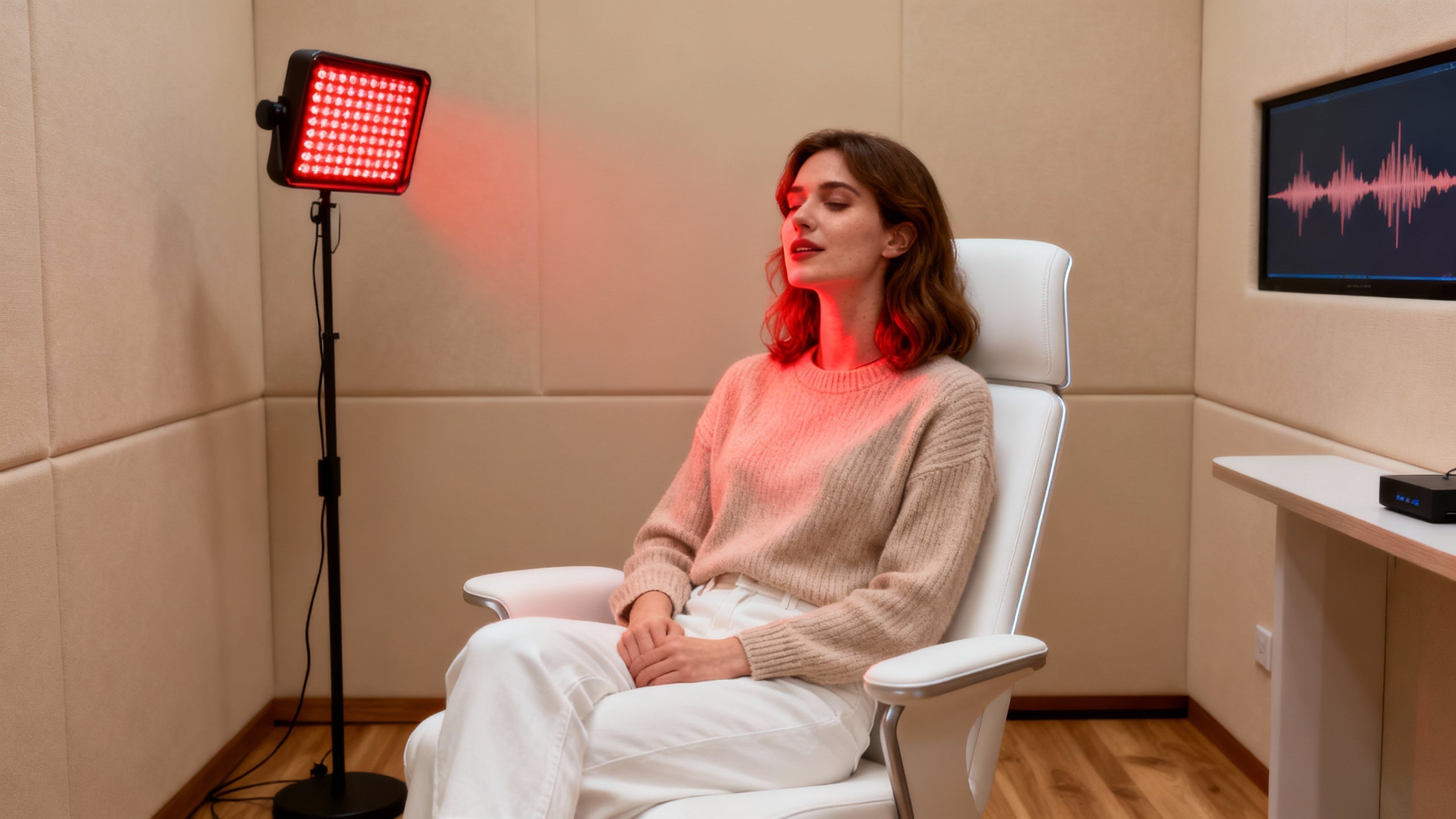
Still, if you think like a stress‑management strategist rather than a gadget shopper, even a modest nudge to sleep quality is worth exploring. For an athlete, a practical approach might involve dimming screens at night, then using a low‑glare red light panel for 10–20 minutes in the evening as part of a calming pre‑bed routine, while avoiding shining the device directly into the eyes. In the morning, a brief dose of red light soon after waking may help you feel less foggy, especially if early training forces you out of bed before sunrise. These behaviors echo the idea, also mentioned in the University of Utah conversation, that natural light exposure—especially in the morning—is a powerful, low‑tech teammate for your nervous system.

Mental Stress: Pain, Mood, and the Perception of Recovery
Chronic pain is a stress amplifier. It raises baseline arousal, degrades sleep, and makes every training decision feel like a risk. If you have ever gone into a workout wondering whether your knee or back will “blow up,” you know how much mental bandwidth that steals.
Here, the best evidence for red light therapy comes from pain and rehab literature rather than pure sports science. WebMD’s clinical review summarizes several lines of research: multiple trials showing reduced tendon pain and improved function; short‑term relief of pain and morning stiffness in rheumatoid arthritis; and improvements in temporomandibular joint pain and tenderness. Fyzical’s synopsis of a 2021 Pain and Therapy review also highlights meaningful pain relief and nerve regeneration in peripheral neuropathy.
University Hospitals sports medicine commentary reinforces that red light therapy appears most promising for tendinopathies and inflammatory problems near the skin surface. It is not going to rebuild a torn ligament or reverse advanced osteoarthritis, but it can in some cases lower pain enough to improve function and quality of life.
For stress management, that matters because lower pain often equals lower anxiety and less catastrophizing. When athletes I work with combine red light therapy with solid physical therapy, load management, and strength work, they often report not only less pain but also more confidence—less bracing and guarding, less fear that every session will make things worse. That shift in perception is a form of mental stress reduction, even if the device never directly touches neurotransmitters or “balances” cortisol the way marketing claims sometimes suggest.

What the Science Actually Says: A Quick Evidence Map
It is easy to get lost in claims. A concise way to think about stress‑related benefits is to map claims against the current human evidence.
Area or claim |
Human evidence so far |
Connection to stress management |
Post‑exercise soreness and recovery |
Mixed but promising: some randomized trials show reduced soreness, faster recovery of strength, and lower muscle damage markers; others show no effect, as summarized in J Biophotonics and by ACE Fitness and TrainingPeaks. |
Less soreness and faster recovery lessen physical and psychological stress between sessions. |
Acute performance (strength, endurance, fatigue resistance) |
Several pre‑conditioning studies report more reps, longer time to exhaustion, or faster gains when light is applied before training, but other high‑quality studies find no benefit. |
Better performance can reduce competitive stress, but results are not guaranteed, and expectations must stay realistic. |
Small athlete and lab studies show better sleep quality and reduced sleep inertia with red light; early work in neurological patients suggests improved sleep and mood, but sample sizes are small. |
Even small improvements in sleep quality can dramatically improve stress resilience. Evidence is early but intriguing. |
|
Chronic and musculoskeletal pain |
Meta‑analyses and reviews in Lasers in Medical Science, Journal of Photochemistry and Photobiology B, Pain and Therapy, and summaries from WebMD and University Hospitals show reduced pain and improved function in arthritis, tendon pain, and neuropathy. |
Lower chronic pain reduces allostatic load and frees mental focus and emotional energy. |
Mental health and cognition |
Animal studies and early human trials in dementia and neurodegenerative conditions suggest possible cognitive and mood benefits, but experts at Stanford Medicine and University of Utah emphasize that strong, reproducible evidence is lacking. |
Potential long‑term stress and brain benefits are speculative; they should not drive your decision to use red light yet. |
Skin and hair |
Robust positive evidence for wrinkle reduction, collagen increase, and hair regrowth, as reviewed by Stanford Medicine and clinical trials in dermatology journals. |
Indirect: feeling better about appearance can matter for some athletes, but this is more aesthetic than stress‑physiology focused. |
The pattern is clear. For stress management in athletes, the most reliable levers appear to be modest improvements in recovery and pain, with sleep and mood as emerging but still uncertain domains.
Pros and Cons for Stressed‑Out Athletes
From a veteran wellness optimizer’s point of view, red light therapy is an appealing tool precisely because it works at the cellular level and, when dosed properly, rarely clashes with other interventions. But it is not a magic reset button.
On the plus side, red light therapy is non‑invasive and generally low risk when you avoid high‑powered lasers and follow basic safety guidelines like eye protection. Multiple reviews and clinical overviews, from WebMD to Stanford Medicine, emphasize that serious adverse events are rare and that the main concern tends to be misuse or faulty equipment rather than inherent toxicity.
It also layers well with existing routines. Clinics like Function Smart, Fyzical, and Physical Achievement Center show how light can be integrated with manual therapy, strength work, and movement retraining. University Hospitals and ACE Fitness both position it as an adjunct, not a replacement, for foundational fundamentals such as sleep, nutrition, and good programming.
The main downsides are uncertainty, cost, and convenience. TrainingPeaks’ evidence review concludes that, given the current state of research, red light therapy is “interesting but unproven” as a performance and recovery enhancer and may not justify the price of high‑end devices for most athletes. Consumer panels, masks, and beds often cost hundreds or thousands of dollars, and Stanford Medicine warns that their output, wavelength accuracy, and dosing can vary widely.
Evidence heterogeneity is another issue. NSCA resources and the J Biophotonics review both emphasize a biphasic dose–response: too little light does nothing, too much can be less effective. Yet there are no universal dosing rules. Sports‑rehab authors who specialize in light therapy suggest aiming for realistic parameters—moderate irradiance in the 20–100 milliwatt per square centimeter range and energy doses roughly 3–20 joules per square centimeter for many recovery scenarios—but these are still broad guidelines, not precise prescriptions.
Finally, there is opportunity cost. University of Utah Health repeatedly reminds listeners that fancy gadgets can distract from the “core four” of nutrition, activity, mental health, and sleep. No recovery technology, including red light, compensates for chronic undersleeping, poor diet, chaotic training loads, or unmanaged psychological stress.
A Practical, Stress‑Centered Way to Use Red Light
So how do you integrate red light therapy if you are an athlete who wants to manage stress intelligently rather than chase the latest gadget?
One useful mindset is to treat light as a structured experiment. Set a clear goal tied to stress: perhaps better sleep, less post‑leg‑day soreness, or calmer joints during a heavy training block. Use a training log to track perceived stress, mood, soreness, and sleep for several weeks before you add red light. Then introduce it in a targeted way and keep tracking.
Some athletes begin with evening sessions. They dim household lights and screens, then spend 10–20 minutes near a red light panel at a comfortable distance, focusing on relaxation rather than stimulation. The goal is to create a nightly ritual that cues the nervous system to shift into recovery mode. This approach borrows from the sleep studies mentioned by Athletic Lab and the circadian insights discussed in University of Utah and University Hospitals content.
Others prioritize post‑workout exposure for large muscle groups. Within two to four hours after a hard session, they apply light to quads, hamstrings, glutes, or upper body areas for 10–20 minutes per region, reflecting protocols described by Function Smart, Physical Achievement Center, and ACE Fitness. The aim is to see whether soreness and perceived fatigue the next day feel meaningfully different over several weeks.
If chronic pain is a major stressor, it can be worth working with a physical therapist or sports medicine professional who uses red light clinically. They can align treatment parameters with evidence from the arthritis, tendon, and neuropathy literature so that light complements, rather than replaces, proven loading and strengthening plans.
A more advanced biohacking route is to pay attention to device specifications. Sports‑injury‑rehab authors who focus on light therapy suggest choosing devices that clearly state their wavelengths (commonly around 630–670 and 800–880 nanometers) and measured irradiance. They caution that higher power is not automatically better, and that exposure time should be adjusted so you land in the moderate dose window, not far below or above it.
Regardless of your approach, the stress‑management principle is the same: use red light to nudge systems that regulate recovery—sleep, inflammation, pain—while keeping the big rocks of training, nutrition, and mental health front and center.
FAQ: Red Light Therapy and Athlete Stress
Does red light therapy replace other stress‑management practices?
Absolutely not. Expert sources from University of Utah Health, University Hospitals, and NSCA all emphasize that light therapy is an adjunct. Sleep, intelligently designed training, nutrition, social support, and psychological skills remain the core of stress management. Red light may help refine the edges, particularly around pain and recovery, but it does not fundamentally change what it takes to be a resilient athlete.
How quickly should I expect to feel less stressed?
In the clinical and performance settings I have seen, some people notice changes in soreness or sleep within a couple of weeks, especially when using light several times per week. Studies summarized by ACE Fitness and J Biophotonics often run for a few weeks to a few months. Think in terms of at least four to six weeks of consistent use before you decide whether red light is meaningfully reducing your stress load.
Is more light always better for stress reduction?
The research suggests otherwise. NSCA resources and sports medicine reviews describe a biphasic response where moderate doses do more good than either very low or very high doses. Over‑using a powerful panel or bed does not necessarily deepen recovery and may simply waste time or, in the case of lasers, increase burn risk. Following device instructions, starting conservatively, and adjusting based on your own response is far smarter than assuming that more light equals more benefit.
From one light‑therapy geek to another: if you respect the fundamentals, treat red light as a disciplined experiment, and stay honest about what the data actually show, it can become a quiet ally in managing the relentless stress of training and competing. Not a miracle, not a fad—just another well‑used tool in a very intentional toolbox.
References
- https://pmc.ncbi.nlm.nih.gov/articles/PMC3926176/
- https://med.stanford.edu/news/insights/2025/02/red-light-therapy-skin-hair-medical-clinics.html
- https://healthcare.utah.edu/the-scope/mens-health/all/2024/06/176-red-light-therapy-just-fad
- https://www.acefitness.org/resources/pros/expert-articles/8857/red-light-therapy-and-post-exercise-recovery-the-physiology-research-and-practical-considerations/?srsltid=AfmBOory22aSA4YwqzjibUuBSVhifH-TgEPuCenR0B2T-l7duNPq33XB
- https://www.uhhospitals.org/blog/articles/2025/06/what-you-should-know-about-red-light-therapy
- https://www.physio-pedia.com/Red_Light_Therapy_and_Muscle_Recovery
- https://www.athleticlab.com/red-light-therapy-for-athletes/
- https://avantibody.com/maximizing-athletic-performance-benefits-of-red-light-therapy-for-athletes/
- https://fickptandperformance.com/red-light-therapy-benefits-how-it-can-enhance-your-sports-recovery-and-performance/
- https://functionsmart.com/red-light-therapy-for-athletes-faster-recovery-and-enhanced-performance/