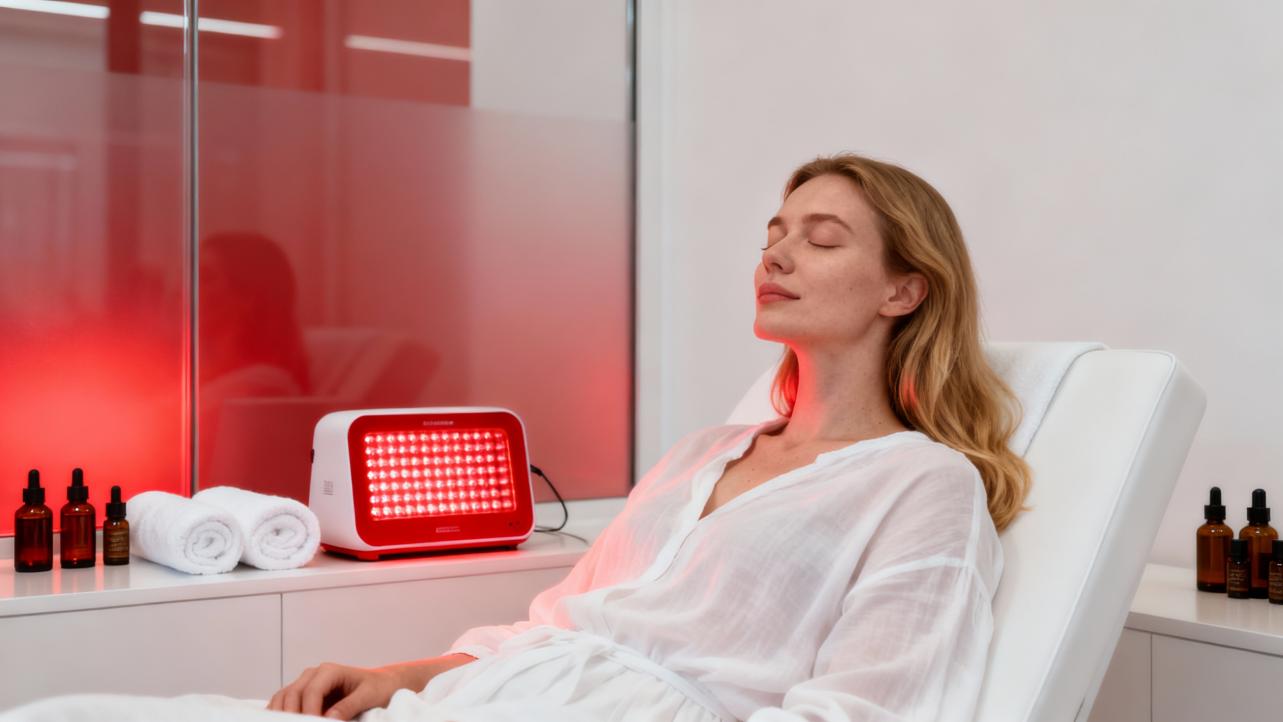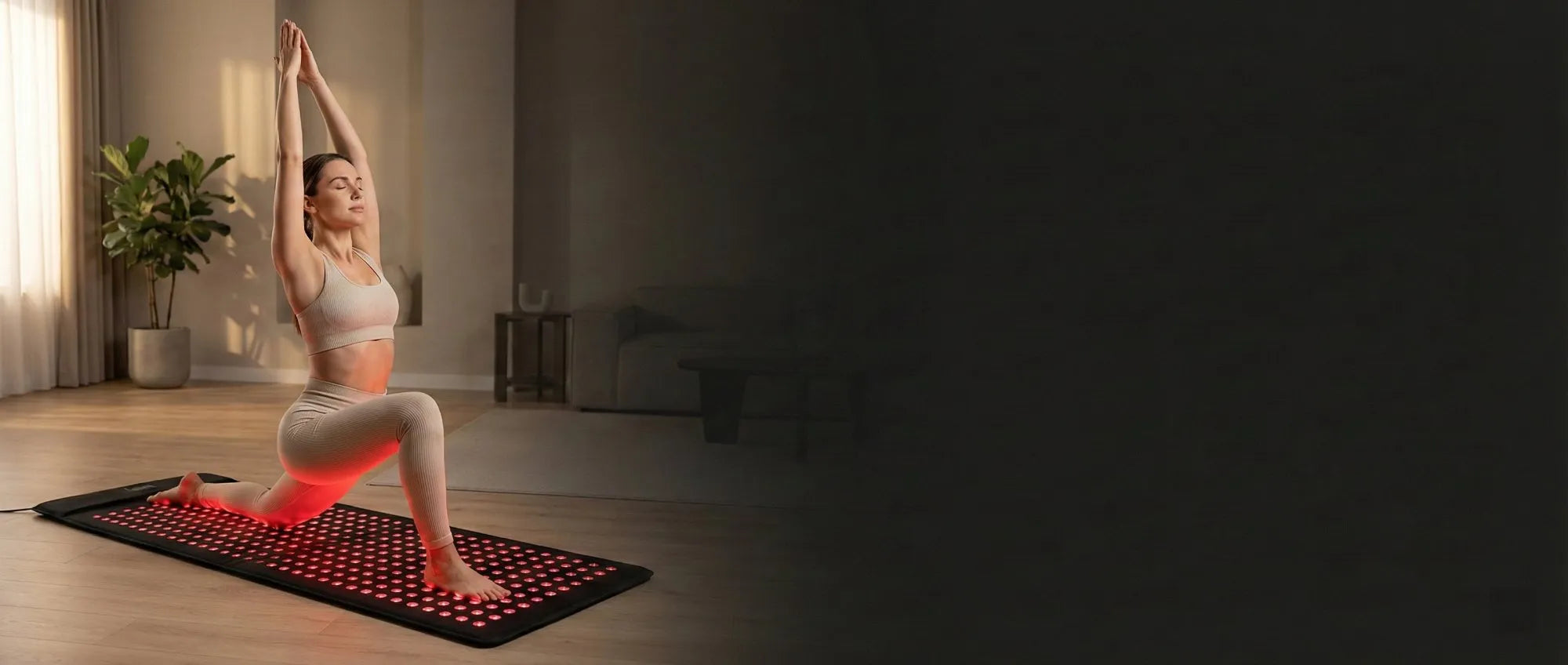
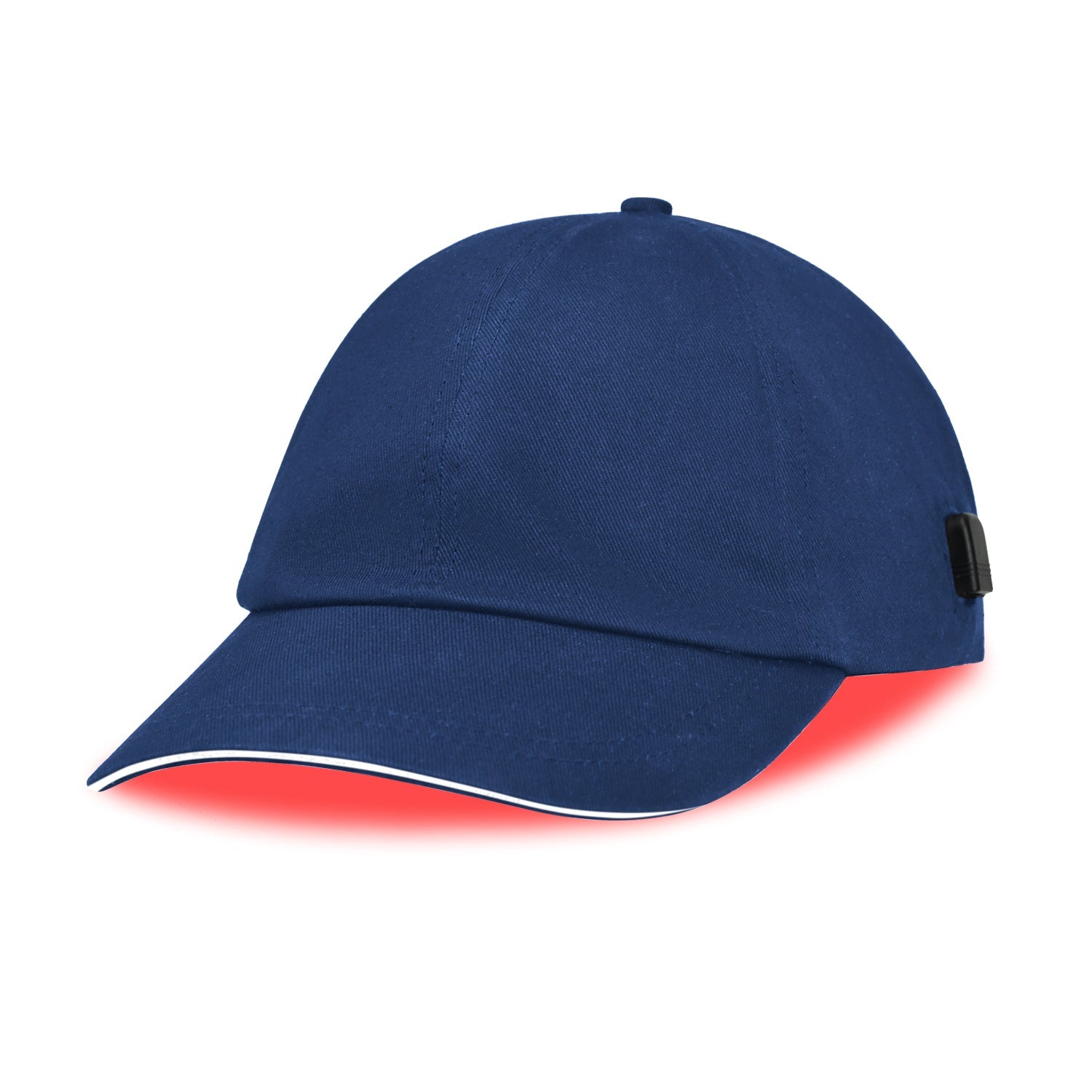
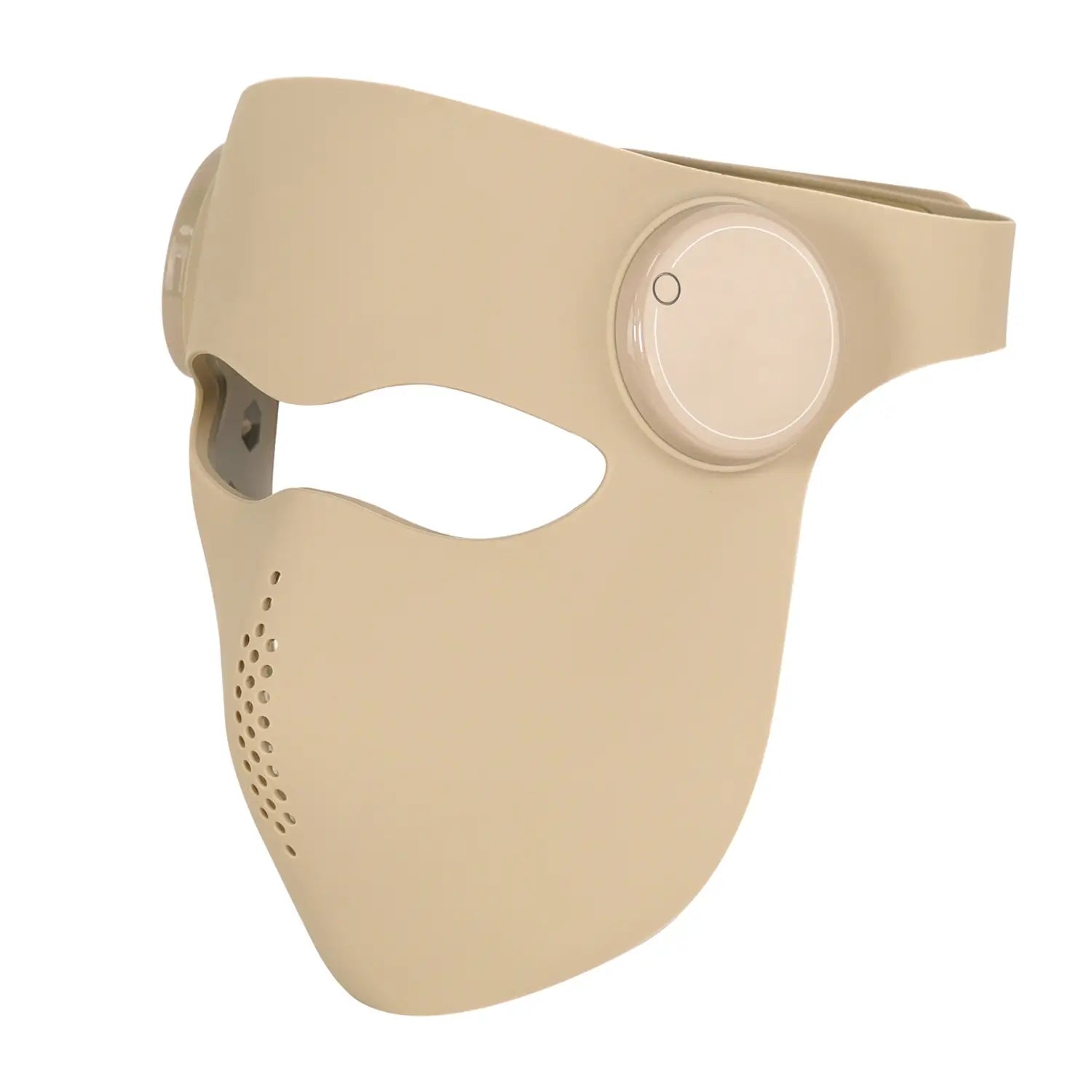

When people hear that I spend my evenings in front of glowing panels of red LEDs, they usually ask two questions: does it actually do anything, and will it mess up my pigment. After years of experimenting on my own skin, dialed-in protocols with clients, and digging through dermatology and photobiology papers, my answer is that red light therapy can absolutely influence pigmentation—but it does so in a nuanced, dose‑dependent way that most marketing completely glosses over.
In this article I will unpack how red light interacts with melanocytes and melanin, what the science actually says about dark spots and melasma, where the hype runs ahead of evidence, and how to use red light intelligently as part of a pigmentation‑focused aesthetic plan.
Red Light Therapy 101: What Are We Actually Doing To The Skin?
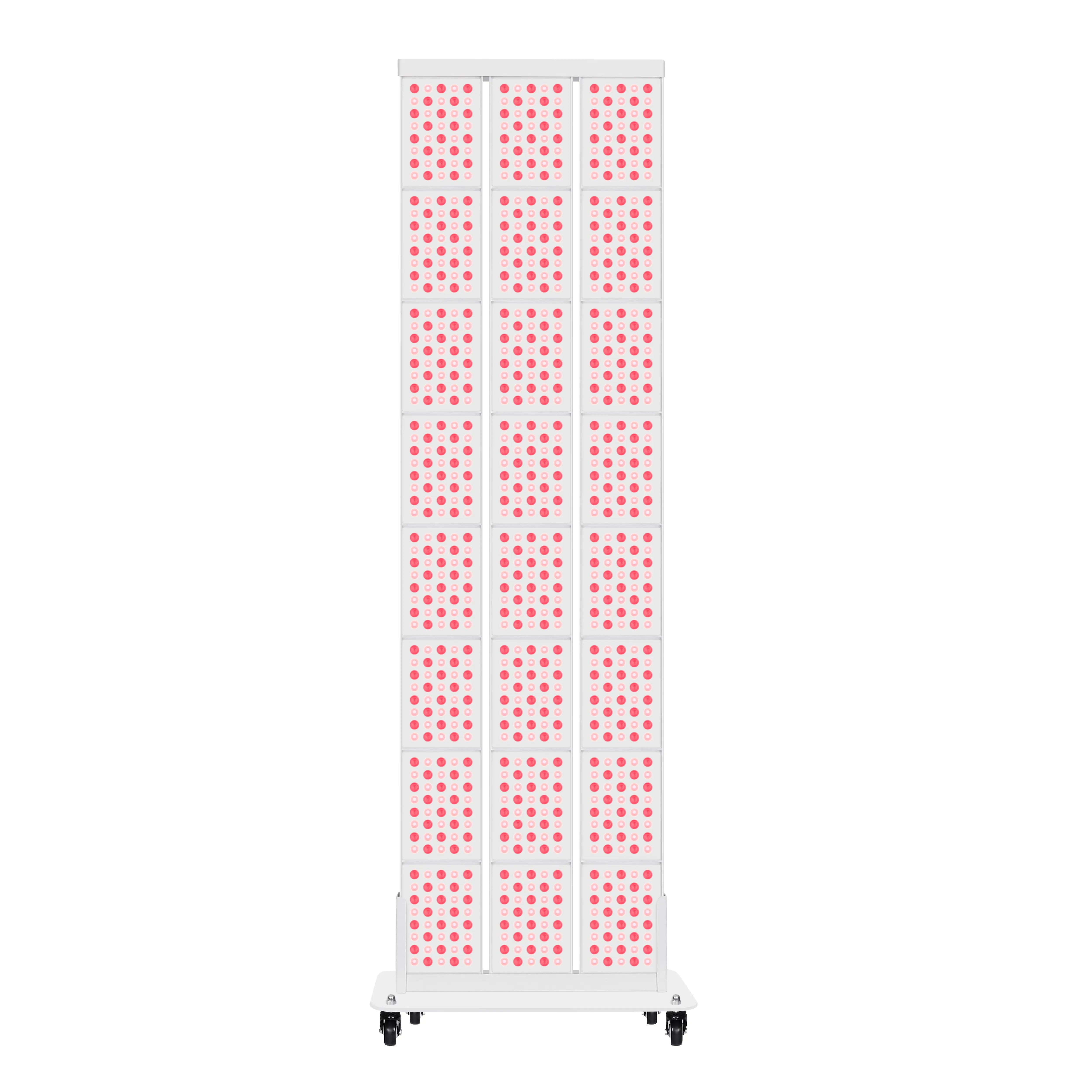
Red light therapy in modern dermatology is usually called photobiomodulation. It uses low‑level red and sometimes near‑infrared light, typically in the mid‑600 nanometer range for red and around the 800 nanometer neighborhood for near‑infrared. Unlike ultraviolet light, these wavelengths are non‑ionizing and do not damage DNA the way sunburn or tanning beds do.
Cleveland Clinic and other academic centers describe this as a non‑thermal, non‑ablative treatment. Instead of blasting or heating tissue like a resurfacing laser or intense pulsed light device, red light delivers relatively low energy that is absorbed by chromophores such as mitochondrial cytochrome c oxidase. A PubMed Central review on photobiomodulation summarizes the downstream effects: more cellular energy in the form of ATP, modulation of reactive oxygen species and nitric oxide signaling, shifts in inflammation, and changes in growth factor and collagen production.
That cellular “tune‑up” is why red light showed up first in wound healing and oncology supportive care, then migrated into dermatology, hair restoration, and now consumer beauty devices. Crucially, it is also why red light can change how pigment behaves, even though it does not bleach melanin in the way a strong peel or laser might.

Pigmentation Basics: Why Dark Spots Form In The First Place
To understand how red light might help or hurt, you need a basic picture of pigment biology.
Melanin is produced by melanocytes in the basal layer of the epidermis. Those melanocytes package pigment into little melanosomes and hand them off to neighboring keratinocytes, which is how you get an even tan—or, when regulation goes sideways, patchy hyperpigmentation.
From the research notes and clinical sources, the main hyperpigmentation patterns in aesthetics are:
Melasma, which shows up as larger, often symmetrical patches on the face. It is strongly driven by hormones and sun or visible light and is more common in women and in darker skin tones.
Age spots or solar lentigines, sometimes called liver spots, which are small, discrete brown spots caused by cumulative sun exposure over years.
Post‑inflammatory hyperpigmentation, the lingering dark marks after acne, eczema, burns, or aggressive procedures. This is particularly common and stubborn in melanin‑rich skin.
All three forms are powered by some combination of UV and visible light exposure, inflammation, and hormonal or genetic susceptibility. That is why every serious hyperpigmentation protocol, with or without red light, emphasizes three pillars described by experienced estheticians and dermatologists: suppressing overactive melanocytes, using antioxidants and pigment modulators like vitamin C, and restoring an even epidermal turnover so older pigmented keratinocytes are shed.
Red light therapy slots into that ecosystem, but it is not a stand‑alone eraser.

How Red Light Interacts With Pigment Biology
The most sophisticated insights come from photobiology papers on visible light, not from brand marketing. One PubMed Central review on visible light and pigmentary disorders divides visible light into blue, green, yellow, and red bands and tracks how each affects melanogenesis.
Blue and high‑energy visible light in the 400s nanometer range are potent drivers of hyperpigmentation, especially in darker skin tones. In experimental models, blue light around 415 nanometers can activate opsin‑based pathways in melanocytes, upregulate MITF (the master pigment regulator), and trigger strong, long‑lasting darkening. Clinically, visible blue light synergizes with UVA to aggravate melasma and post‑inflammatory hyperpigmentation, and standard untinted sunscreens do a poor job of blocking it.
Yellow and red visible light behave differently. At therapeutic doses, yellow light around 585 to 590 nanometers has been shown to suppress melanogenesis via melanocyte autophagy and to reduce vascular and inflammatory components in melasma. Low‑level red light in the 633 to 660 nanometer range increases dermal collagen, reduces matrix‑degrading enzymes, and, importantly for our topic, decreases pigmentation in melasma in clinical LED studies summarized in that same review.
Mechanistically, red light in that window appears to reduce tyrosinase and MITF expression through ERK pathway activation, essentially turning down the volume on pigment production while simultaneously rebuilding the dermal matrix. That fits with what I have seen in real‑world LED protocols aimed at melasma and sun damage: a slow but tangible brightening of mottled tone and a smoother, more elastic surface.
However, dosage and beam type matter. The visible‑light review also documents that very high doses of yellow and red light—such as pulsed‑dye lasers, intense pulsed light, or certain long‑pulsed red‑range lasers—have produced vitiligo‑like depigmented patches in predisposed individuals. In vitro, red light at 630 nanometers and 5 to 20 joules per square centimeter decreased melanocyte viability and increased apoptosis. So there is a narrow therapeutic window: low‑level LED doses can calm excessive pigment; very high doses, especially in focused laser form, can over‑suppress pigment and create white spots.
From a practical standpoint, that means you should not conflate gentle LED panels and masks with pigment‑targeted visible lasers. They live on the same spectrum, but they are different tools.
What The Evidence Says About Dark Spots And Red Light
Brand blogs love before‑and‑after photos, but I care more about how those claims line up with peer‑reviewed data and expert experience.
A photobiomodulation review in dermatology highlights low‑intensity red LED protocols in the 633 to 660 nanometer range that improved melasma and decreased visible pigmentation while also increasing dermal collagen. These were typically delivered as repeated sessions over weeks, not as one‑off treatments.
Consumer‑facing but science‑aware brands echo similar timelines. Infrared panel manufacturers report that users generally see early softening and some fading of dark spots at around four to six weeks, with more meaningful changes after at least three months of consistent red light exposure. Hyperpigmentation‑focused guides from companies like HigherDOSE and Foreo describe subtle radiance and relaxation after initial sessions, then visible changes in deeper discoloration over roughly four to twelve weeks when treatments are done ten to twenty minutes per session, three to five times per week.
An esthetician with over fifteen years of hyperpigmentation practice, writing in collaboration with a medical‑grade red light brand, goes farther and calls mid‑600 nanometer red light a “must” in any hyperpig regimen. She uses it on acne, inflammation, burns, scars, and hyperpigmentation and reports noticeable improvement in some clients after only a few weekly sessions, provided they stop picking and protect the skin.
At the same time, other studies help us calibrate expectations. A controlled trial of far infrared, not red, improved roughness, tightness, and fine wrinkles over six months but did not meaningfully change mottled hyperpigmentation, reminding us that not every non‑UV light will touch pigment. A large polychromatic red‑and‑near‑infrared photobiomodulation trial showed better skin complexion and feeling and higher collagen density, but pigmentation was not the primary endpoint, and the benefits were modest compared with what you can achieve with lasers or strong chemical peels.
Taken together, the pattern is clear. Red light is not the primary weapon for deep or stubborn pigment, but at the right wavelengths and doses it can:
Gently down‑regulate overactive melanocytes in conditions like melasma and post‑inflammatory hyperpigmentation.
Improve the dermal foundation by increasing collagen and elastin, making residual pigment patches less obvious.
Accelerate healing after more aggressive pigment‑targeted procedures, lowering the risk or duration of post‑inflammatory hyperpigmentation.
The changes are gradual and incremental rather than dramatic overnight.
Benefits For Pigmentation: Where Red Light Shines
When I look at real‑world results synced up with the literature, red light therapy is particularly helpful in three scenarios.
First, softening post‑acne marks and post‑inflammatory hyperpigmentation. Red light’s anti‑inflammatory and pro‑healing effects are well documented in acne studies and in broader LED therapy research from Cleveland Clinic. By reducing redness and swelling, speeding re‑epithelialization, and improving microcirculation, it helps those brown and red marks fade more cleanly, especially when paired with pigment‑suppressing topicals like vitamin C or azelaic acid.
Second, supporting melasma treatment without adding trauma. Melasma is notoriously aggravated by both UV and visible blue light. The visible‑light review and clinical experience agree that classic broad‑spectrum sunscreens are not enough; tinted sunscreens with iron oxides provide much better visible‑light coverage and reduce melasma relapses. Within that protected context, low‑dose red and sometimes yellow LEDs have been shown to reduce pigmentation and vascular erythema in melasma while enhancing collagen. That makes red light a useful adjunct around, or between, more aggressive melasma treatments, especially in patients who cannot tolerate repeated peels or lasers.
Third, smoothing and brightening photoaged complexions. Studies from dermatology clinics and reviews out of Stanford Medicine and academic centers describe red light’s ability to modestly reduce fine lines, uneven texture, and subtle mottled pigmentation over three to six months of consistent use. Dermatologists often rate its “glow‑up” potential as moderate but meaningful when combined with diligent sun protection. That matches what I see when people use full‑face panels or masks at home: softer transitions between pigmented and normal skin, and a more uniform canvas, even if individual age spots are still visible.

Limitations And Risks: What Red Light Will Not Do
As someone who loves red light, I am also blunt about its limits.
Red light therapy is not a replacement for targeted pigment lasers, high‑strength chemical peels, or prescription bleaching agents when you have dense or dermal hyperpigmentation. A Project E Beauty overview on hyperpigmentation emphasizes that red light improves firmness and texture but is not the primary way to directly shut down melanin production; in that framework, shorter‑wavelength tools like green light are more direct for superficial pigment.
The evidence base, while increasingly supportive, still leans on small and heterogeneous trials. A Cleveland Clinic review on red light therapy states that many claims remain unproven and that larger, high‑quality randomized trials are needed. Academic reviews echo this: the technology clearly has biological effects, but optimal parameters and long‑term outcomes for specific pigment disorders have not been standardized.
There are also real safety nuances. Blue and violet visible light can induce persistent hyperpigmentation, particularly in darker Fitzpatrick types, and some LED devices include blue diodes alongside red. The visible‑light review documents that conventional broad‑spectrum sunscreens without visible‑light blocking fail to protect against this effect. That is why tinted sunscreens with iron oxides are now recommended for melasma, post‑inflammatory hyperpigmentation, and melanin‑rich skin.
On the other end of the spectrum, very high doses of yellow or red visible lasers can over‑suppress pigment and trigger vitiligo‑like depigmentation patches in susceptible individuals. Dermatology experts advise cautious, conservative protocols in darker skin for this reason.
Finally, we have uncertainty around near‑infrared wavelengths. Some studies suggest that near‑infrared around 830 to 850 nanometers can inhibit tyrosinase and melanin synthesis, which sounds good on paper. However, other clinical data, including work in vitiligo, show that near‑infrared can stimulate melanocytes and occasionally aggravate pigment. An esthetician‑led hyperpigmentation FAQ from a red‑light manufacturer therefore recommends relying on mid‑600 nanometer red only in pigment‑sensitive clients and switching off the near‑infrared option if there is any concern about dark spots.
The take‑home message is that red light is usually safe and forgiving, but it is not trivial. Wavelengths, doses, device design, and your individual pigment biology all matter.
Practical Protocols: Using Red Light Intelligently For Pigmentation
In practice, smart use of red light for pigmentation comes down to three elements: the right kind of device, the right treatment schedule, and the right supporting skincare.
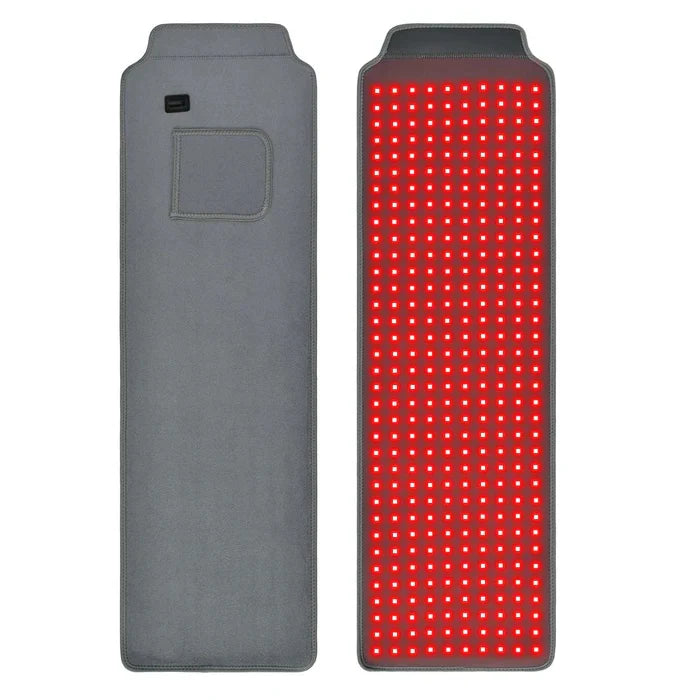
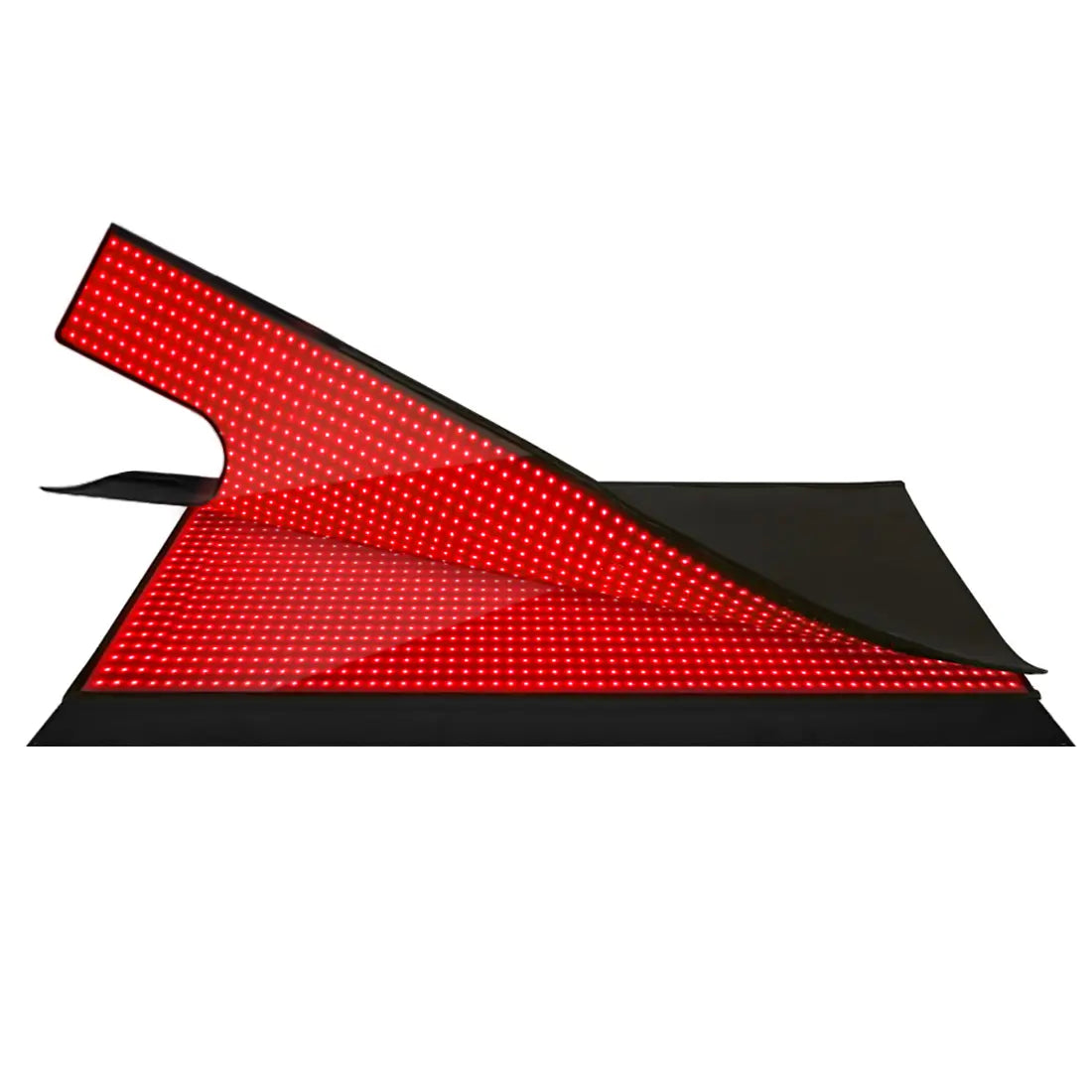
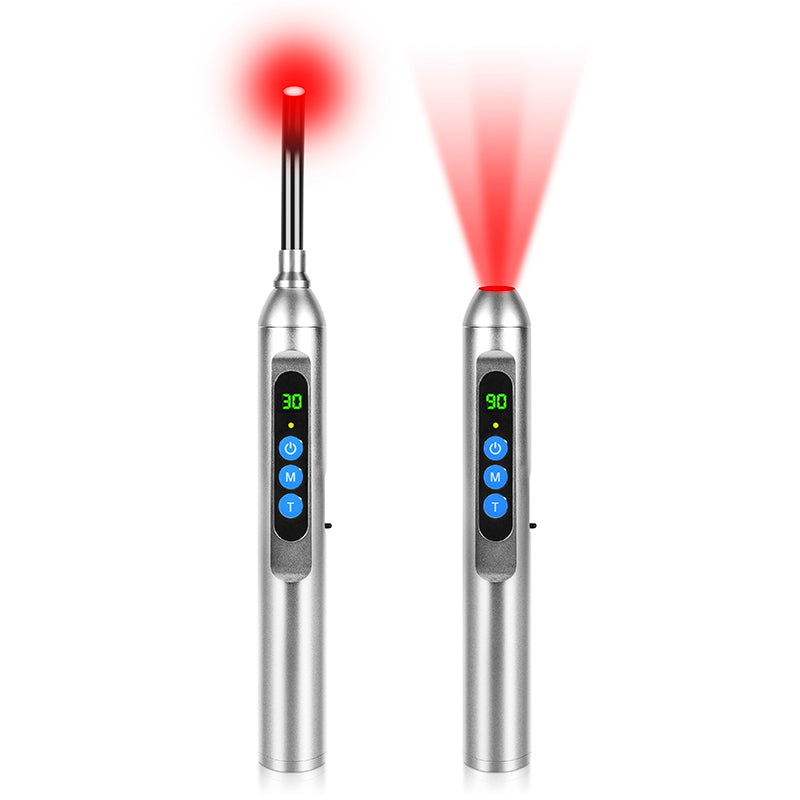
For device selection, favor LEDs that clearly specify their wavelengths around the mid‑600 nanometer range and that allow you to control or disable near‑infrared. Many at‑home masks and panels combine red and near‑infrared; given the mixed literature on near‑infrared and pigment, I generally start pigment‑sensitive clients with red only. Reputable sources like UCLA Health and Cleveland Clinic also recommend looking for devices that are cleared by the Food and Drug Administration for safety, understanding that clearance is typically for specific indications and does not guarantee efficacy for every claim printed on the box.
Session duration and frequency are surprisingly consistent across clinics and brands. Dermatology offices often use about twenty minutes per session, three times per week, for general skin rejuvenation. At‑home hyperpigmentation protocols from Infraredi, HigherDOSE, and Foreo usually recommend ten to twenty minutes per area, roughly three to five times weekly. The large polychromatic photobiomodulation trial used twice‑weekly sessions over thirty treatments, with fluences in the red band around nine joules per square centimeter, and documented improvements in complexion and collagen.
From a veteran user perspective, the sweet spot for pigment work is frequent, moderate dosing rather than occasional marathon sessions. I typically aim for ten to fifteen minutes, three or four days per week, for at least twelve weeks, and keep the LEDs close enough to the skin to deliver meaningful light without generating uncomfortable heat.
Supporting skincare is non‑negotiable. Every pigment‑focused expert in the notes agrees on daily broad‑spectrum sun protection, and the visible‑light review goes further by recommending tinted sunscreens with iron oxides for melasma and post‑inflammatory hyperpigmentation. These tints extend protection into the visible‑light range, particularly the yellow frequencies that drive hyperpigmentation in melanin‑rich skin.
On top of that photoprotection base, most hyperpigmentation protocols layer in tyrosinase inhibitors and antioxidants. The Joovv hyperpigmentation FAQ highlights twenty percent vitamin C as a “must‑have” to suppress melanocytes and significantly lighten dark spots while only brightening normal skin. Other sources mention kojic acid, alpha hydroxy acids, azelaic acid, and retinoids as useful adjuncts. Brands like HigherDOSE and Foreo also emphasize internal support: antioxidant‑rich diets, hydration, sleep, and stress management to reduce the upstream triggers of pigment chaos.
One important nuance from the esthetic side is not to overload the skin. Combining strong acids, retinoids, and long red‑light sessions out of the gate is a recipe for irritation, which itself can trigger more post‑inflammatory hyperpigmentation. I favor a “low and slow” ramp: introduce red light on top of a gentle, fragrance‑free regimen and a solid sunscreen habit, then gradually layer in stronger actives once you know how your pigment responds.

Special Considerations For Different Skin Types
Skin type profoundly changes how visible light and red LEDs interact with pigment.
In lighter Fitzpatrick types, hyperpigmentation tends to be more obvious as discrete sun spots and freckles. These skin types generally tolerate most procedures well, and several sources point out that they do not carry the same risk of post‑treatment hypopigmentation or rebound hyperpigmentation. In this group, red light is relatively straightforward: you can focus on mid‑600 nanometer wavelengths, use standard ten to twenty minute sessions a few times per week, combine with vitamin C and retinoids, and expect a gradual boost in evenness and glow over a few months.
In medium and darker skin tones, the equation changes. Hyperpigmentation is more common and often more distressing, partly because melanin‑rich skin hyperpigments easily in response to any injury or inflammation. The visible‑light review notes that blue and even some green visible light can induce darker and longer‑lasting pigmentation in phototypes IV through VI than UVA alone. It also reports that the maximum tolerated dose for red LED light can be up to fifty percent lower in darker skin compared with lighter types, with higher doses generating more heat and discomfort due to higher melanin absorption.
Practically, that means starting with shorter sessions and lower intensities in melanin‑rich skin and watching carefully for any increase in darkening, banding, or new hypopigmented spots. Tinted sunscreen with iron oxides is essential, not optional, because it significantly improves protection against visible‑light‑induced hyperpigmentation and helps prevent melasma and post‑inflammatory flares.
There are also specific risk groups. People with a personal or family history of vitiligo, those on photosensitizing medications, and those with autoimmune pigmentary disorders require especially conservative protocols. The literature documents vitiligo‑like patches arising at sites treated with certain yellow and red‑range lasers, pulsed‑dye lasers, and intense pulsed light, particularly in predisposed individuals. While low‑level LEDs are far gentler, I still patch‑test and proceed slowly in anyone with pigment‑autoimmunity history.
Finally, conditions like lupus and other photosensitive disorders are often listed as contraindications for red and visible‑light therapies in dermatology guidelines. If that is you, red light is not a do‑it‑yourself project; you need a dermatologist to guide if and how light belongs in your plan.
Red Versus Near‑Infrared And Other Colors: Choosing The Right Light
Because many aesthetic devices combine multiple wavelengths, it is helpful to zoom out and compare how they behave for pigment.
Band |
Typical range and depth |
Main uses in practice |
Pigment impact from research notes |
Key cautions for aesthetics |
Blue / high‑energy visible |
About 400–490 nm, very superficial epidermal layers |
Acne antibacterial effects, photodynamic therapy |
Strong driver of melanogenesis and long‑lasting hyperpigmentation, especially in darker skin |
Can aggravate melasma and post‑inflammatory hyperpigmentation; requires excellent visible‑light protection |
Green |
About 490–570 nm, upper to mid‑epidermis |
Superficial pigment, redness, adjunct in multi‑color LEDs |
Can inhibit melanocyte activity and help fade superficial spots |
Less studied; still visible‑light and can contribute to pigment at some doses |
Yellow |
About 570–595 nm, mid‑epidermis to superficial dermis |
Vascular lesions, melasma erythema, collagen stimulation |
Low‑dose LEDs suppress melanogenesis and reduce melasma vascularity; high‑energy lasers have caused depigmentation |
Laser‑level doses risk vitiligo‑like white patches in predisposed individuals |
Red |
About 630–660 nm, deeper epidermis and dermis |
Skin rejuvenation, wound healing, adjunct for hyperpigmentation |
In LED form, increases collagen and decreases pigmentation in melasma; down‑regulates tyrosinase and MITF |
High fluence or laser‑level exposures can over‑suppress pigment; dose and skin type matter |
Near‑infrared |
About 700–850+ nm, deepest penetration |
Hair growth, pain relief, deeper tissue repair, PBM |
Mixed data: may inhibit melanin in some models but stimulate melanocytes in others |
In pigment‑sensitive patients, consider disabling near‑infrared until you know how skin responds |
From a pigment‑centric perspective, mid‑600 nanometer red is the safest starting point. Yellow LEDs at carefully controlled doses are promising in melasma. Blue light deserves respect and careful shielding in melanin‑rich or pigment‑prone skin. Near‑infrared can be helpful for deeper tissue issues, but if hyperpigmentation is your main concern, it is reasonable to lean on red alone, especially in the beginning.
Combining Red Light With Other Aesthetic Treatments
One of the best uses of red light in my practice is not as the star player, but as the recovery coach.
After laser resurfacing, chemical peels, or microneedling that target pigment more aggressively, red light sessions can reduce inflammation, speed re‑epithelialization, and potentially shrink the window where post‑inflammatory hyperpigmentation can set in. Dermatology sources describe red light being used successfully to shorten healing after laser procedures and to reduce common symptoms like swelling and discomfort.
Red light also pairs well with neuromodulators and fillers. Clinical dermatology articles note that it is often used as a maintenance or adjunct treatment after Botox‑like injections or resurfacing to maintain collagen and texture between more intensive visits. The pigment upside here is indirect: healthier, more resilient skin is less likely to respond to minor insults with exaggerated pigment changes.
Finally, in chronic conditions like melasma, red light integrates neatly into the long game: daily tinted sunscreen, pigment inhibitors like vitamin C and azelaic acid, internal lifestyle work, occasional targeted procedures, and ongoing low‑level red light to support collagen and even tone.
FAQ
Will red light therapy make my overall skin color lighter?
Red light does not bleach your inherent skin tone. In the wavelength ranges and doses used in LED therapy, its pigment effects are regulatory rather than erasing. Clinical and esthetic reports show a reduction in excess pigment—dark spots, melasma patches, post‑acne marks—paired with improvements in texture and collagen. Your baseline tone remains your baseline tone; the goal is a more even, healthier version of it.
Can red light therapy worsen hyperpigmentation?
It can, but usually indirectly and mostly when protocols are poorly designed. The main culprits for worsening are unshielded exposure to blue visible light, heat or irritation from overlong sessions, or using red light while skipping serious sun and visible‑light protection. In melanin‑rich and melasma‑prone skin, visible‑light reviews clearly show that blue light can aggravate pigment, and that conventional untinted sunscreens are not enough. To minimize risks, prioritize mid‑600 nanometer red LEDs, keep sessions moderate, use tinted sunscreen with iron oxides every day, and start with patch‑testing in darker skin tones.
Is red light therapy safe if I have melasma?
Used intelligently, yes, and it can be a helpful adjunct. PubMed‑indexed reviews document red and yellow LED protocols that improve melasma pigmentation and vascular components while increasing collagen. The bigger issue in melasma is controlling UV and visible‑light exposure and limiting inflammatory and hormonal triggers. That means strict daily tinted sunscreen, careful device and wavelength choice, conservative dosing, and coordination with a dermatologist or experienced esthetician, especially if you have a history of strong melasma flares.
Should I use near‑infrared with my red light device for pigmentation?
Not necessarily. Some experimental work suggests near‑infrared can inhibit melanin production, but other clinical data, including in vitiligo, show that near‑infrared can stimulate melanocytes and sometimes worsen pigment. An experienced hyperpigmentation specialist profiled by a red‑light manufacturer prefers to use mid‑600 nanometer red alone in pigment‑sensitive cases and advises turning off near‑infrared if dark spots are a concern. My practice reflects that: I turn off near‑infrared initially in clients whose main issue is hyperpigmentation, then revisit once we know how their skin behaves.
When you strip away the marketing glow and look at the science plus real‑world experience, red light therapy is neither a miracle eraser nor an empty fad. It is a nuanced, biologically active tool that can nudge pigment behavior in the right direction when you respect wavelength, dose, skin type, and context.
Used as part of a broader, disciplined pigment protocol—with tinted sunscreen, smart topicals, and, when needed, targeted procedures—red light becomes exactly what I love it for: a quiet, consistent signal to your skin to heal better, age slower, and even out the story your pigment is telling.
References
- https://pmc.ncbi.nlm.nih.gov/articles/PMC10707362/
- https://med.stanford.edu/news/insights/2025/02/red-light-therapy-skin-hair-medical-clinics.html
- https://www.brownhealth.org/be-well/red-light-therapy-benefits-safety-and-things-know
- https://www.mdanderson.org/cancerwise/what-is-red-light-therapy.h00-159701490.html
- https://my.clevelandclinic.org/health/articles/22114-red-light-therapy
- https://www.gundersenhealth.org/health-wellness/aging-well/exploring-the-benefits-of-red-light-therapy
- https://www.uclahealth.org/news/article/5-health-benefits-red-light-therapy
- https://www.aad.org/public/cosmetic/safety/red-light-therapy
- https://alamoheightsderm.com/dermatologists-take-on-popular-trends-series-red-light-therapy/
- https://dallasassocderm.com/the-power-of-red-light-therapy-for-healthier-skin/