
As someone who has spent years optimizing home light setups, tweaking wavelengths, and tracking skin changes week by week, I can tell you this up front: red light therapy can absolutely support clearer, smoother, less congested skin. But if you are dealing specifically with blackheads, the story is more nuanced than the marketing suggests. The good news is that when you understand how blackheads really form and what red light actually does in your skin, you can build a smart, evidence-based routine that leans on red light as a powerful support rather than a miracle cure.
In this guide, we will walk through how blackheads form, what the research actually shows about red light and comedonal acne, how to use red light therapy at home in a way that is realistic and effective, and where its limits are so you do not waste time or money.
What Blackheads Really Are (And Why They Keep Coming Back)
Blackheads are not just “dirty pores.” They are a type of non-inflammatory acne lesion called an open comedone. Multiple dermatology sources, including Cleveland Clinic and several clinical reviews, describe acne as a chronic inflammatory disease of the hair follicle and oil gland unit. In this system, oil glands in the skin produce sebum, which normally moves up through a tiny canal (the follicle) and out onto the surface, carrying dead skin cells with it.
When that system runs too fast or gets disrupted, several things happen at once. The gland can pump out excess oil under hormonal influence or in response to blood sugar swings and stress. Dead skin cells may shed too quickly or stick together instead of sloughing off cleanly. Bacteria that naturally live in the follicle, especially Cutibacterium acnes (formerly Propionibacterium acnes), can overgrow inside this clogged environment. The result is a plug made of oil and compacted cells that sits in the pore opening.
If that plug is covered by skin, you get a whitehead or closed comedone. If it is exposed to air, the melanin and lipids in the plug oxidize and darken, creating the familiar black dot of a blackhead. Because there is little or no obvious swelling, blackheads are classified as non-inflammatory acne, but histology and newer research make it clear that micro-inflammation is present even in these early lesions.
The key point is that blackheads are driven by oil production, sticky dead skin, and subtle inflammation. This is exactly why traditional dermatology leans heavily on retinoids and chemical exfoliants for comedones, and why light-based treatments historically do better with red, swollen papules and pustules than with blackheads and whiteheads. Several medical sources, including Cleveland Clinic and Acne.org, explicitly note that visible-light therapies are less effective for blackheads and whiteheads than for inflamed lesions. That is the bar red light has to clear if we are going to talk honestly about prevention.

What Red Light Therapy Actually Does In Your Skin
Red light therapy, also known as low-level light therapy or photobiomodulation, uses specific wavelengths of visible red and often near-infrared light, typically in the range of about 630 to 680 nanometers for red and around 800 to 850 nanometers for near-infrared. Unlike ultraviolet light, these wavelengths do not damage DNA or cause sunburn. They penetrate into the epidermis and upper to mid dermis, where they are absorbed by structures inside your cells, including mitochondria.
Multiple articles that draw on clinical and basic science literature, including reviews cited by Harvard Medical School and Cleveland Clinic, converge on the same core mechanisms. When skin cells absorb red or near-infrared light, mitochondrial enzymes become more efficient, which increases the production of ATP, the cell’s energy currency. That energy boost drives a cascade of effects. Cells repair and regenerate faster, inflammatory signaling molecules are modulated downward, collagen production increases, and microcirculation improves.
For acne-prone skin, especially, several mechanisms stand out. Red light has marked anti-inflammatory effects, reducing the cytokines that drive redness and swelling. It increases collagen and elastin synthesis, which improves overall texture and can soften the appearance of past acne marks. Some studies and expert summaries suggest it can shrink or modulate sebaceous glands and thereby reduce oil output, particularly when you move into near-infrared low-level laser territory.
What red light does not do directly is kill acne bacteria as strongly as blue light. Blue light in the 405 to 420 nanometer range is efficiently absorbed by porphyrins produced by Cutibacterium acnes, generating reactive oxygen species that destroy the bacteria. That is why many clinical protocols use blue or blue-plus-red light. However, blue light has its own trade-offs, including concerns about free radical damage and potential contributions to photoaging with overuse, as noted by dermatology sources and skin-health clinics.
Red light’s job, in the simplest terms, is to calm, repair, and optimize. In the context of blackhead prevention, that means we are banking on its ability to reduce low-grade inflammation around follicles, support barrier function, and potentially normalize sebum production so pores are less likely to clog in the first place.

What The Research Says About Red Light And Comedonal Acne
If you are a data person, here is where it gets interesting. Much of the clinical work on light therapy has focused on inflammatory acne, but we do have some signals specifically related to non-inflammatory lesions such as blackheads.
A systematic review in the British Journal of Dermatology looked at 71 studies on light-based therapies and concluded that, while light can improve acne, the overall quality of evidence is low and most trials were small with short follow-up. A separate Cochrane-style review summarized in the Annals of Family Medicine reached a similar conclusion for blue light, emphasizing the need for more rigorous data. That said, several individual trials offer useful hints for our blackhead discussion.
A randomized, single-blind split-face trial described by Lumebox used a portable red LED device in the 635 to 670 nanometer range. Twenty-eight participants treated one side of the face for 15 minutes twice daily over eight weeks, leaving the other side as a control. The treated side showed a statistically significant greater percentage reduction in both inflammatory and non-inflammatory lesions when compared to the untreated side. That suggests that even pure red LED, without blue light or photosensitizers, can influence comedones over time.
A near-infrared low-level laser study published in a peer-reviewed dermatology journal and summarized in a National Library of Medicine article took things further. Twenty-seven women with mild to severe acne received six sessions of 785 nanometer laser treatment, 10 minutes for the full face, every two weeks. Non-inflammatory lesion counts dropped from an average of 23 to 10, and inflammatory lesions also decreased substantially. Sebum measurements on the forehead and cheek fell significantly as well, and there were no reported adverse effects.
On the other side of the ledger, Cleveland Clinic and Acne.org both point out that LED light therapy in general is not particularly effective for blackheads and whiteheads compared to its impact on red, inflamed bumps. Acne.org emphasizes that physician-grade red light reduced non-inflammatory lesions by about 59 percent in one small study but did not completely clear acne, and lesions tended to return after treatment stopped. Cleveland Clinic is even more conservative, stating that visible light therapy should not be relied on as a sole treatment for blackheads and cysts.
The fairest reading is this. Red and near-infrared light can improve non-inflammatory lesions and sebum metrics, but the effect size is moderate, the data sets are small, and benefits are contingent on consistent, repeated use. Red light is not a stand-alone cure for blackheads. However, used in a smart routine, it can shift the terrain in your favor and make your skin less comedone-prone over time.

How Red Light Therapy Can Help Prevent Blackheads Mechanistically
Blackheads arise because of the convergence of three main drivers: excess oil, sticky dead skin, and subclinical inflammation. Red light therapy interacts with all three in ways that are subtle but meaningful when compounded over weeks.
First, there is sebaceous gland modulation. Both the near-infrared low-level laser study and blue-red combination trials cited in scientific reviews observed reductions in sebum output and sebaceous gland size after a series of treatments. While most of those protocols used either more intense light or photodynamic therapy than a simple home panel, they demonstrate a key point: light can alter how oil glands behave. For an oil-rich T-zone where blackheads dominate, even a moderate reduction in output can translate into fewer clogged pores.
Second, there is micro-inflammation. Modern acne science frames acne as an inflammatory disease from the very beginning, not only after a lesion turns red and swollen. Red light’s ability to downregulate pro-inflammatory cytokines and calm the tissue environment addresses this early-stage inflammation that makes follicular plugs more likely and slower to resolve. Several spa and medical sources, including Healthline and Posh Medical Spa, emphasize that red and near-infrared light reduce redness, swelling, and discomfort while accelerating healing.
Third, there is tissue repair and collagen support. By increasing ATP production and stimulating fibroblasts, red light enhances collagen and elastin synthesis and improves extracellular matrix organization. Clinical and brand-backed articles, such as those from LED esthetics companies and red light device manufacturers, note increases in collagen metrics and dermal thickness with repeated red and near-infrared exposure. While this does not “shrink pores” in the literal sense, healthier, more elastic tissue can make pore openings look less stretched and reduce the appearance of long-standing blackhead-prone areas.
Finally, skin barrier support plays a quiet but important role. When inflammation is lower and cell turnover is better coordinated, the top layer of the skin tends to maintain moisture and structural integrity more effectively. That makes it easier to tolerate topical agents like retinoids and gentle exfoliating acids that directly target comedones. Several articles, including those from Liroma and Solawave, highlight that pairing red light with topicals often improves both healing and tolerance.
Taken together, these mechanisms do not magically vacuum blackheads out of your nose. Instead, they alter the conditions that produce blackheads, lowering the probability of plugs forming and persisting when you also maintain good topical and lifestyle habits.
Here is a simple way to visualize it.
Blackhead driver |
What red light can support |
What it cannot do alone |
Excess oil |
May reduce sebaceous activity and sebum over time |
Does not switch off oil glands completely |
Sticky dead skin cells |
Supports healthier turnover via cellular energy |
Does not replace exfoliating acids or retinoids |
Bacterial overgrowth |
Indirectly helps by improving environment and healing |
Does not strongly kill C. acnes like blue light |
Micro-inflammation |
Downregulates inflammatory pathways and redness |
Does not erase hormonal or diet-driven triggers |
Enlarged or rough-looking pores |
Improves collagen and tissue quality, softening texture |
Does not instantly “erase” pore openings |

Building A Blackhead-Prevention Routine With Red Light
From a veteran wellness optimizer perspective, the worst thing you can do with red light is treat it like a shortcut. It is a signal, not a sledgehammer. The most effective routines blend light with smart skincare and lifestyle levers. The research notes you provided line up remarkably well on a few fundamentals.
A practical home protocol typically starts with device selection. Many sources aimed at both clinicians and consumers, such as Koze Health, SunsUp, Clinic Advisor style content, and Infraredi, describe effective acne-oriented devices as using red wavelengths around 630 to 680 nanometers, often with optional near-infrared around 800 to 850 nanometers. Power density in the range of roughly 20 to 100 milliwatts per square centimeter at the treatment distance is typical for therapeutic panels, while masks and handheld devices vary but should clearly list their specifications.
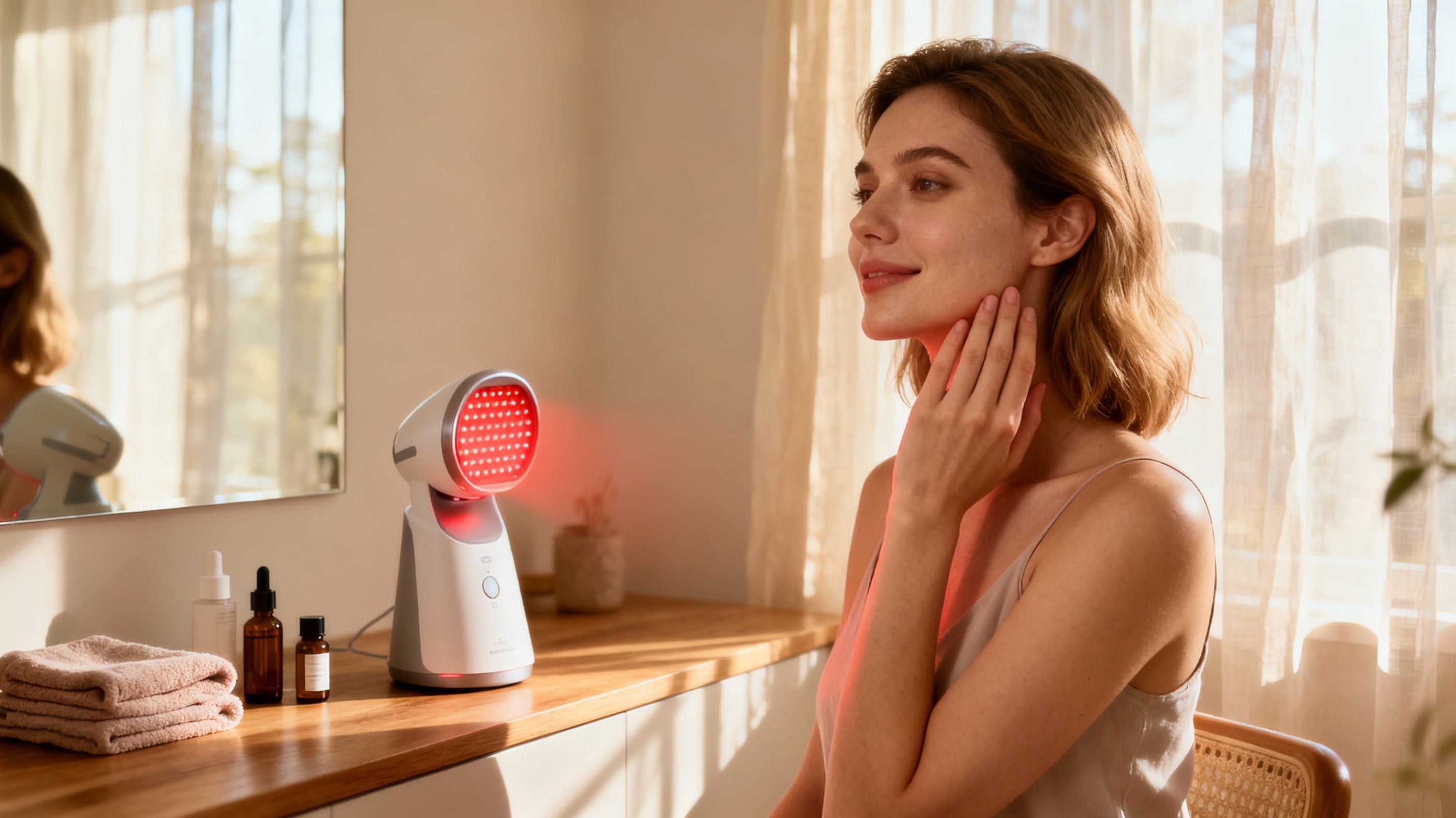
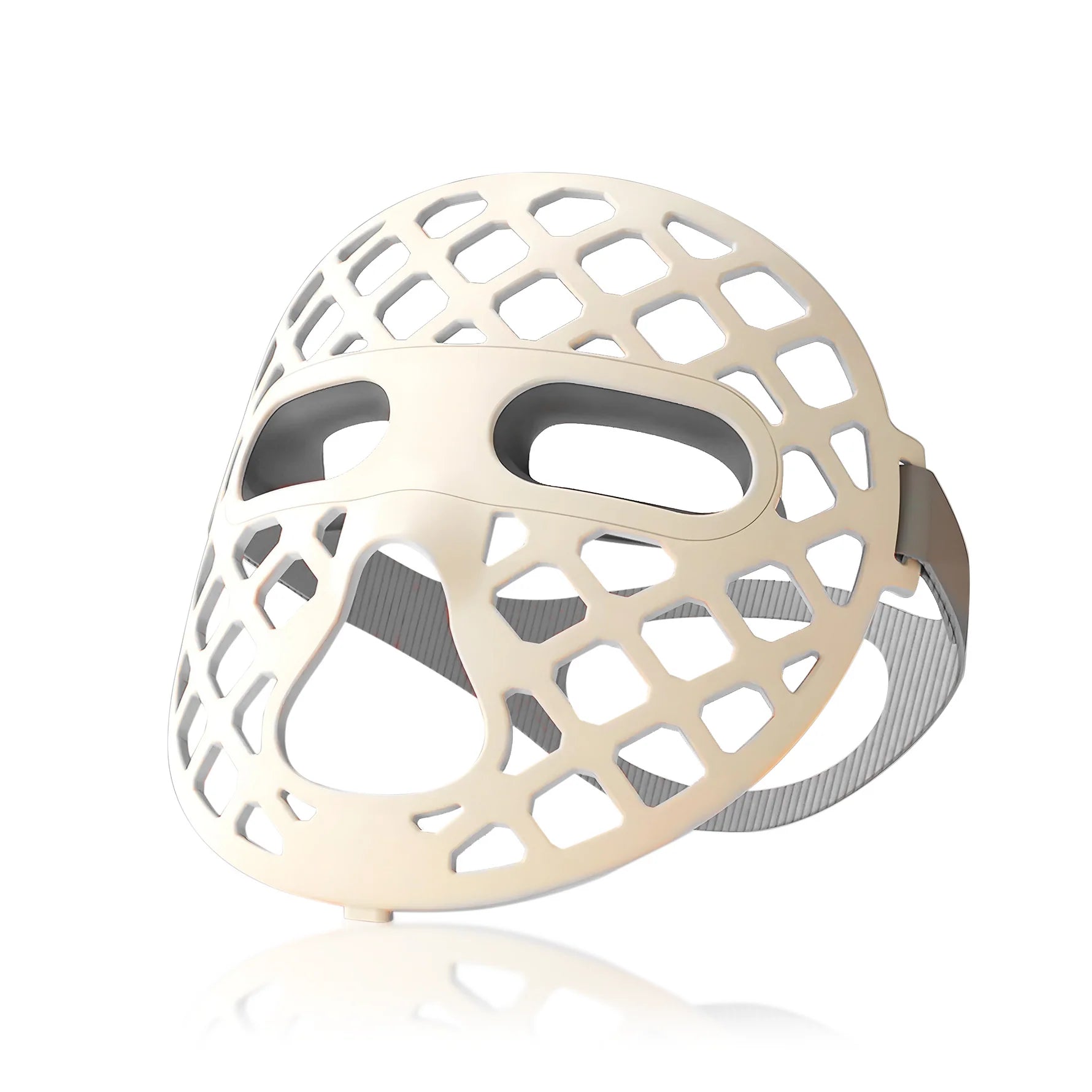
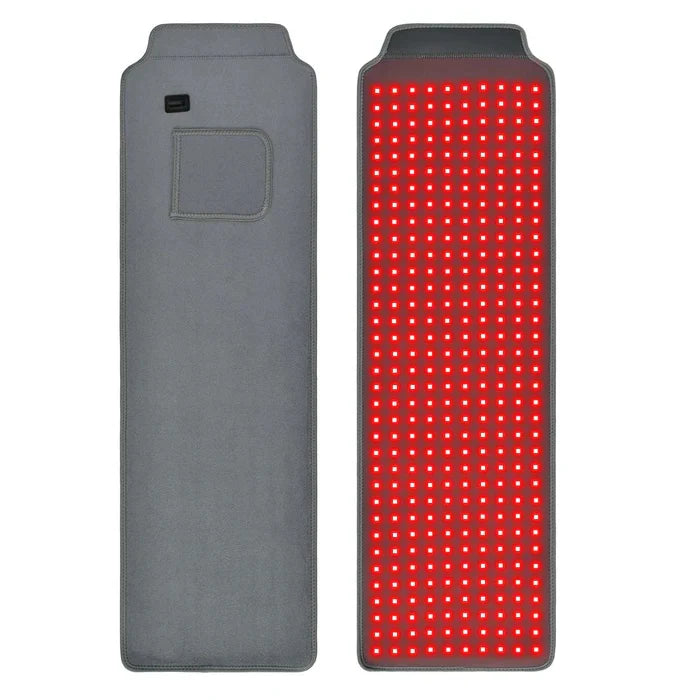
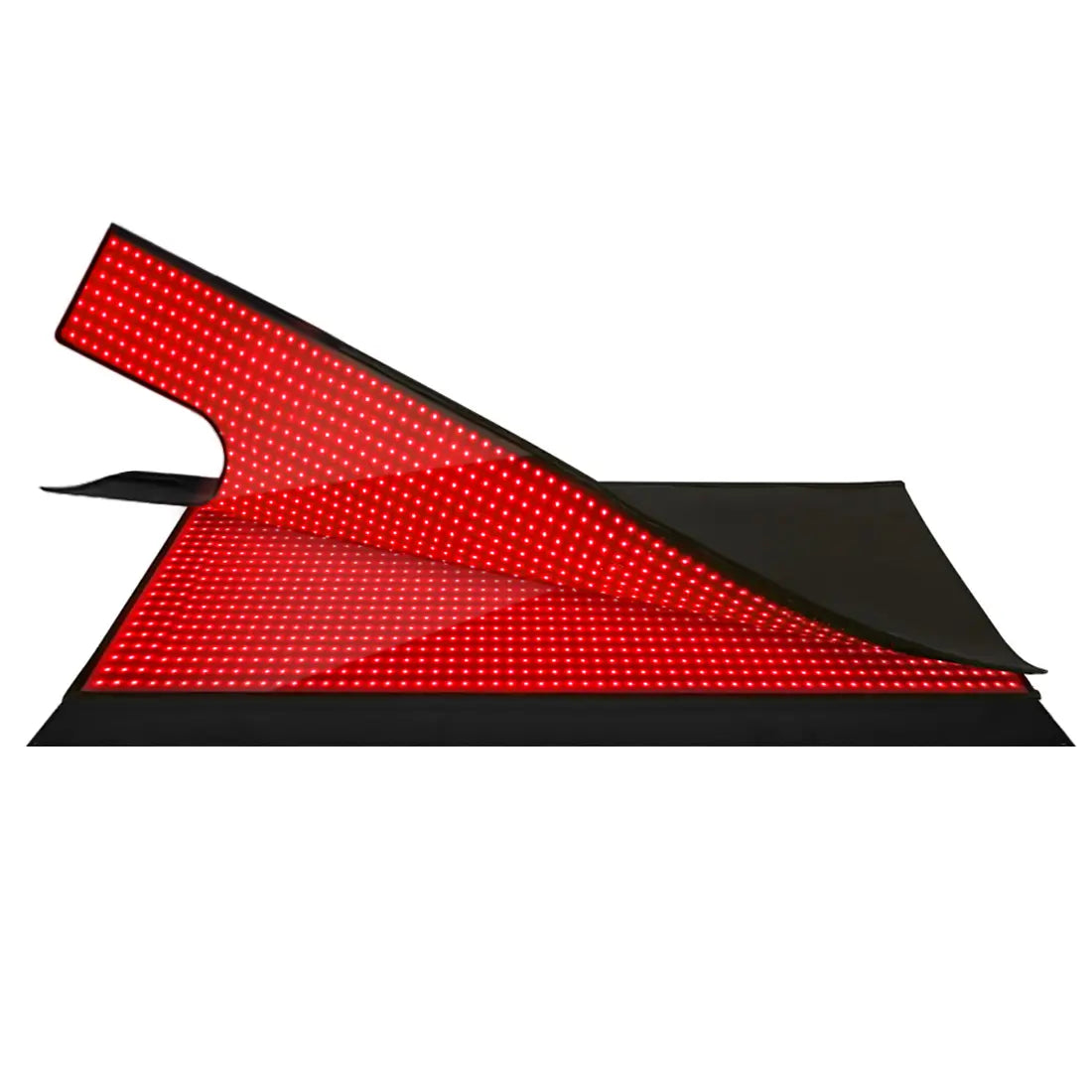
A face-focused routine benefits from a device with even coverage. That might be a dedicated face mask, a curved flexible panel, or a well-positioned small panel set about 6 to 12 inches from the skin, as described in home-use guidance from Koze and similar brands. Handheld spot devices can work, but they demand more discipline because you have to manually cycle them over multiple areas for several minutes per spot.
Once you have a device, think in terms of sequence rather than steps in a list. Before every session, cleanse your skin gently to remove makeup, sunscreen, excess oil, and environmental debris. Most medical and spa articles recommend a mild, non-stripping cleanser so you are not starting your session with irritation. If you are using prescription-strength retinoids or strong acids, do not apply them immediately before the session. Several sources, including HigherDose, Lumebox, and Healthline, advise avoiding retinol right before light exposure because both interventions increase cell turnover and can amplify dryness or peeling when used simultaneously.
With clean, dry skin, position yourself at the distance recommended by your device manufacturer. For masks, this is usually fixed; for panels, it is often roughly half a foot to a foot away. Typical session lengths for at-home red light therapy in the acne literature range from about 10 to 20 minutes per treatment area, two to five times per week. Koze suggests 10 to 20 minutes, two to three times weekly, while multiple consumer and spa sources, such as HigherDose and SunsUp, recommend around 3 to 5 sessions per week for a month or more.
If your primary goal is to prevent blackheads on the nose, chin, and central forehead, ensure those regions receive consistent, direct exposure every session. That might mean leaning closer or slightly adjusting the angle halfway through so the light hits the sides of the nose and along the creases where blackheads cluster. For portable high-output devices like the one discussed by Lumebox, total exposure of about 5 to 6 minutes per facial zone can be sufficient.
After your session, your skin is in a heightened repair and absorption state. Several LED-focused skincare brands and clinics emphasize that applying supportive topicals right after red light may enhance their effects. This is where comedone-specific ingredients come in. A thin application of a non-comedogenic moisturizer with niacinamide, or a gentle retinoid or exfoliating acid on nights when your skin tolerates it, can synergize with the anti-inflammatory and pro-repair effects of the light. Just make sure not to layer every potent product on the same night at the same intensity. If you are prone to sensitivity, alternate: use red light alone some days and combine it with actives on others.
Consistency is the real biohack here. Nearly every source, from HigherDose and Positively reviewed spa articles to peer-reviewed trials, stresses that visible improvements typically show up after three to six weeks, with maximal changes by around eight to twelve weeks. The near-infrared laser study reported clear lesion and sebum improvements only after several sessions spread over weeks. Lumebox notes that most studies show maximal effects at around week twelve. If you only manage a few sporadic sessions, you are unlikely to see meaningful change in blackhead trends.
Tracking helps enormously. Take well-lit, makeup-free photos of your main concern areas every two weeks, ideally at the same time of day. This lets you see subtle changes in congestion, redness, and texture that you would otherwise miss in the mirror.

Device Types And Trade-Offs For Blackhead-Focused Use
Different devices carry different pros and cons that matter when your target is blackhead prevention rather than broad anti-aging.
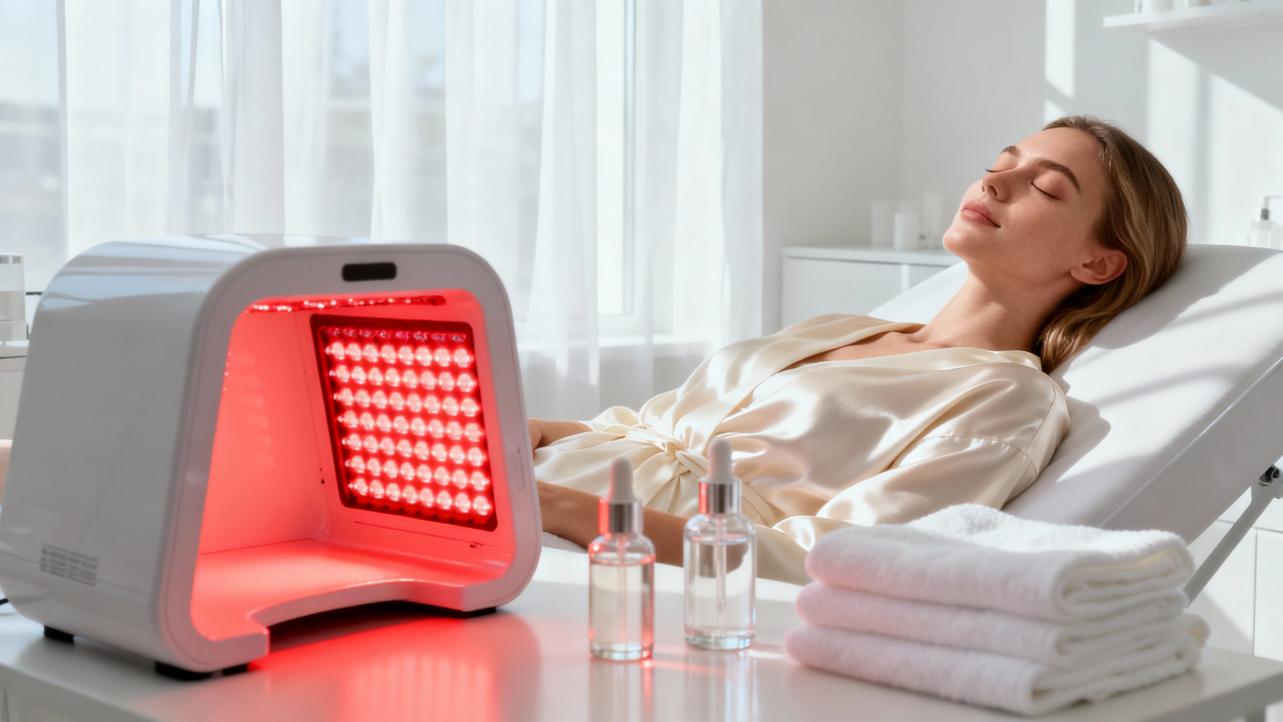
At-home LED masks and flexible panels offer full-face coverage with relatively low effort. Articles from Koze, Mona Dermatology, and others highlight masks that use both red and blue light, often with built-in eye protection and automatic shutoff timers. For blackheads, the full-coverage design ensures that the typical congestion zones, like the nose and central forehead, are always in the light path. The downside is that consumer masks are often lower power than clinical devices, so they may demand meticulous consistency for modest gains.
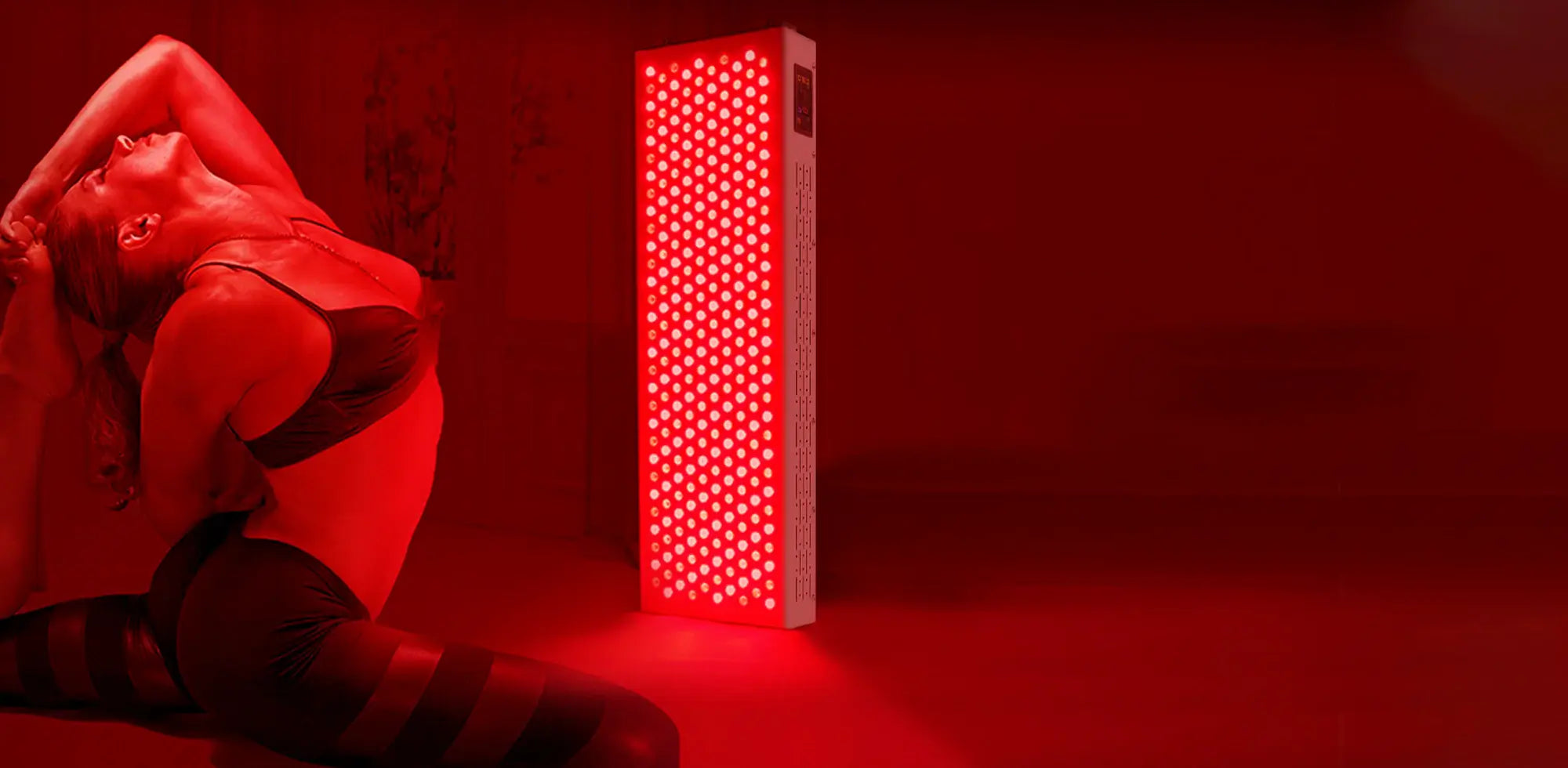
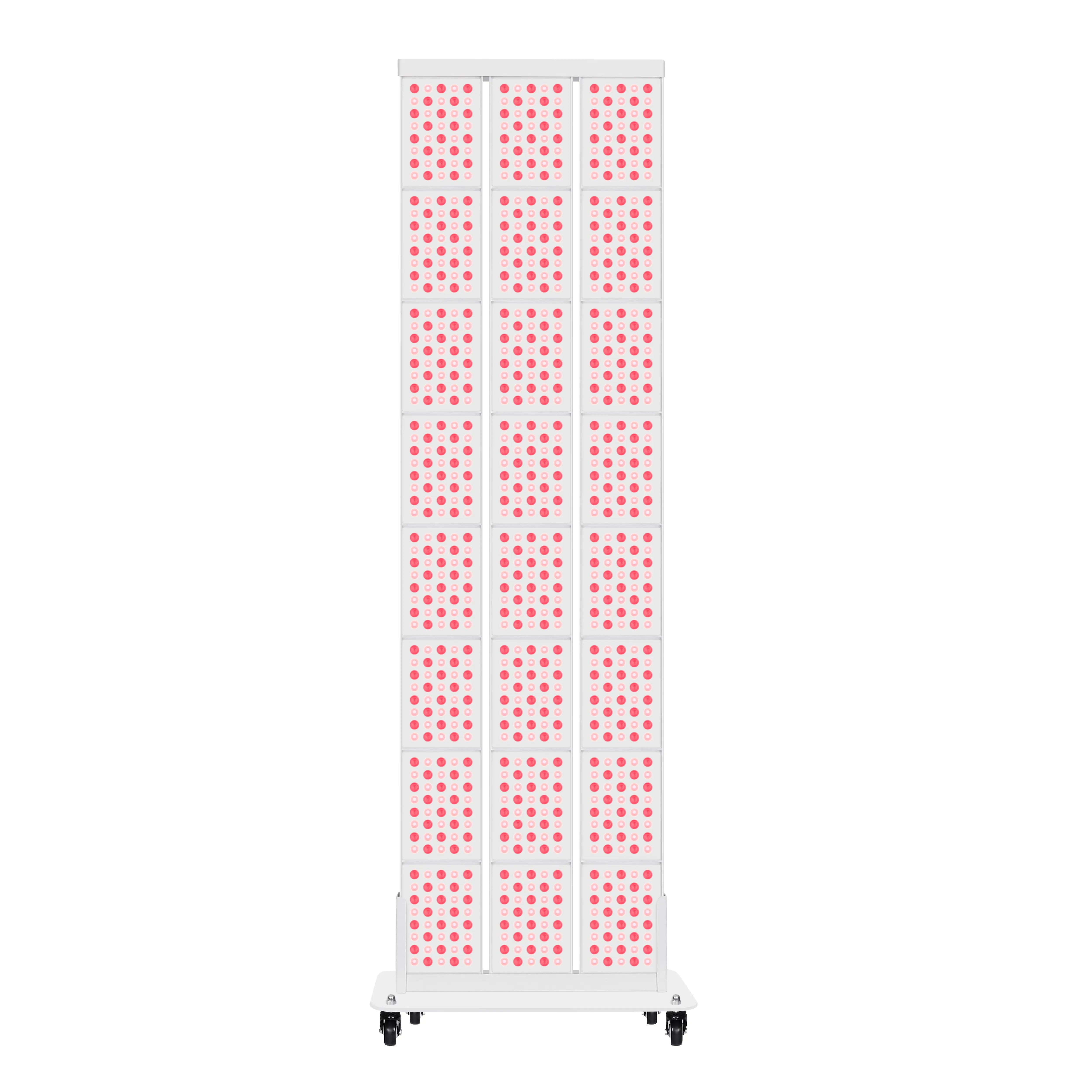
Tabletop or wall-mounted panels are the favorite among serious home biohackers. Brands like those summarized in red light wellness articles emphasize panels that deliver red and near-infrared light across a wide field, sometimes at higher power densities, allowing you to treat both facial and body acne. For blackheads, panels shine when you can maintain a daily or near-daily routine in a fixed spot at home, but they require more setup and space.
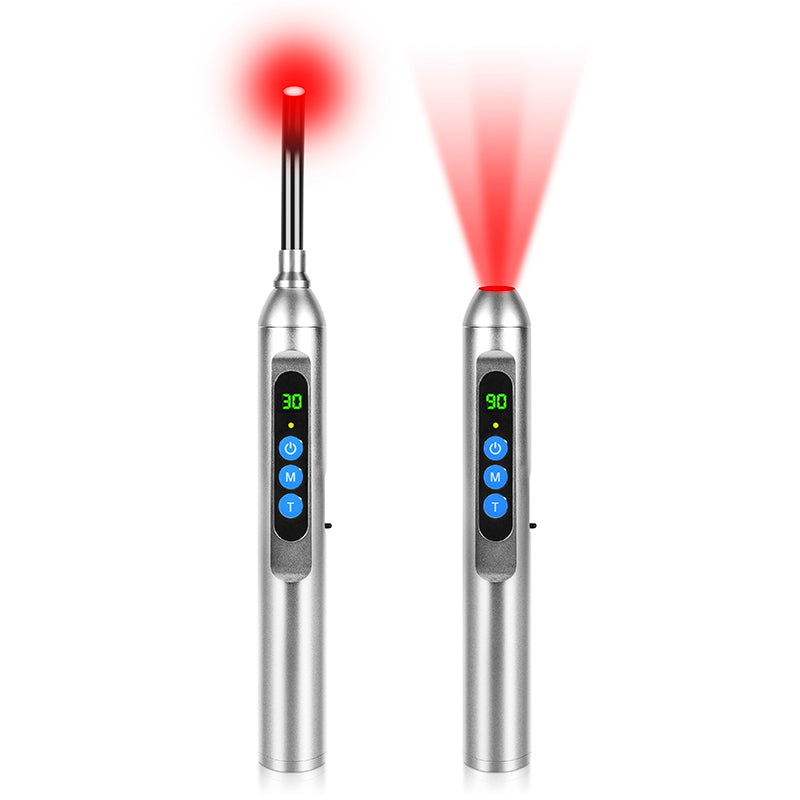
Handheld wands and spot devices, such as those mentioned by spa and device brands, excel for targeted breakouts or small areas but are less efficient if you are trying to cover the entire T-zone for blackhead prevention. They can be a useful add-on if you want to focus extra time on stubborn regions after a general mask or panel session.
In-office devices, including physician-grade LED arrays, intense pulsed light, and photodynamic therapy, deliver higher intensities and often achieve faster, more dramatic reductions in inflammatory lesions. A large randomized study summarized by Lumebox compared red-light photodynamic therapy, intense pulsed light, and blue-red LED, finding that photodynamic therapy achieved full clearance or moderate improvement in most patients after only a few sessions. However, it was more painful and carried more side effects. For blackheads, in-office protocols can help, especially when combined with extractions and medical topicals, but they are rarely used solely for comedones given cost and intensity.

Safety, Risks, And When Red Light Is Not Enough
From a safety standpoint, red and near-infrared light therapy is one of the gentler tools in the acne toolbox when used correctly. Cleveland Clinic and multiple spa and device articles report that LED-based treatments are generally safe for most skin types, with side effects typically limited to transient redness, warmth, or rare dryness when overused. The near-infrared laser study of 27 women reported no adverse effects across six sessions.
There are important caveats. Red and red-plus-blue light can harm the retina if you stare directly into intense sources. Acne.org and Mona Dermatology stress the importance of eye protection, especially with higher-powered panels or devices that sit close to the face. Many consumer masks build in eye shields or only activate when in contact with the skin, but if your device does not, wearing purpose-made goggles during facial sessions is wise.
Light therapy is not for everyone. Healthline and Cleveland Clinic point out that people taking photosensitizing medications, such as certain antibiotics or isotretinoin, or those with conditions like lupus, a history of skin cancer, or inherited eye diseases, need medical guidance before using light-based treatments. Melasma and other pigment disorders may also react unpredictably. Pregnancy is another time where you should clear any new device or protocol with your clinician.
Most importantly for blackheads, trusted dermatology sources are clear that light therapy is best used alongside proven topical and, when needed, oral treatments. The American Academy of Dermatology and review articles emphasize that visible light therapy does not completely clear acne and that comedones in particular respond more poorly than inflamed papules. Effective blackhead prevention still leans on a consistent skincare core that can include gentle cleansing, non-comedogenic moisturizers, retinoids, and salicylic acid or other exfoliating agents tailored by a professional.
If you have predominantly cystic or nodular acne, or scarring acne, red light alone is not an adequate strategy. It can be a supportive add-on to prescription regimens under dermatologic supervision, but ignoring systemic or strong topical options in favor of light alone will usually delay proper care.
Lifestyle Levers That Amplify Red Light’s Effect On Blackheads
The best part of approaching red light the way a biohacker would is that you see it as one element in a larger system. Several of the articles in your research set, including those from Liroma and Lumebox, highlight how diet, gut health, stress, and sleep interact with acne biology.
High-glycemic, highly processed carbohydrates and sugary drinks tend to spike insulin and related hormones that can increase sebum production. Some evidence summarized in these sources suggests that dairy and common food sensitivities may worsen acne in susceptible people, possibly via gut inflammation and so-called leaky gut mechanisms. Moving your diet toward whole-food carbohydrates, such as oats, potatoes, and brown rice, along with plenty of antioxidant-rich plants like berries and turmeric, supports a lower-inflammatory environment.
Regular exercise improves circulation and lymphatic flow, both of which may synergize with red light’s circulation-boosting effects. Resistance training can also help with insulin sensitivity, indirectly supporting hormonal balance. Just make sure to cleanse sweat off your face promptly so it does not mix with oil and clog pores.
Hydration supports skin cell function and helps maintain barrier integrity. Chronic stress and poor sleep, on the other hand, are notorious for destabilizing blood sugar, hormones, and gut microbiota. Several sources draw connections between stress, altered gut microbiome composition, and flare-prone skin. Short red light sessions can be built into end-of-day wind-down routines, which I like from both a skin and nervous system perspective, though you should avoid bright blue-heavy light late at night.
When you line these levers up with a disciplined red light routine and a targeted skincare plan, you create a set of overlapping inputs that all push your skin in the same direction: calmer, less oily, less congested, and more resilient.

Putting It All Together For Blackhead Prevention
If your main pain point is stubborn blackheads on the nose, chin, and forehead, here is how an evidence-informed, real-world red light plan looks when you integrate everything we have covered.
You start with a foundation of daily gentle cleansing and non-comedogenic moisturizing, plus strategically introduced comedone-focused actives like retinoids or salicylic acid, ideally under guidance if your skin is sensitive. You choose a red or red-plus-near-infrared LED device that clearly states wavelengths and power, and you commit to using it on clean skin about three to five times per week for at least eight to twelve weeks, focusing the light on your blackhead-prone zones. You treat red light as an anti-inflammatory, oil-modulating, tissue-supporting signal that makes your skin more cooperative with the rest of your routine, not as a standalone vacuum cleaner for clogged pores. You watch for signs of overuse, protect your eyes, and talk with a dermatologist if you are on photosensitizing medications or have complex skin conditions.
Above all, you respect the biology. The clinical evidence says red light can reduce non-inflammatory lesion counts and sebum production, but it also says that results are moderate, require consistency, and regress if you stop completely. When you approach it with that mindset, it becomes a powerful ally instead of a disappointment.
As a devoted light therapy geek, I see red light as one of the few home wellness tools that genuinely earns its place in a blackhead-prevention stack, as long as it is used like a scientist: consistently, patiently, and in partnership with smart skincare and lifestyle habits rather than in place of them.
FAQ
Is red light therapy alone enough to clear blackheads?
No. Multiple dermatology sources indicate that light therapy is less effective for blackheads and whiteheads than for inflamed pimples. Red light can improve non-inflammatory lesion counts and reduce oil and inflammation, but it works best alongside proven comedone treatments such as retinoids and gentle exfoliating acids.
How long does it take to see fewer blackheads with red light?
Clinical and brand-supported data suggest that visible changes in acne and skin texture usually appear after about four to six weeks of consistent use, with more significant changes around eight to twelve weeks. Blackheads are slow to remodel, so think in terms of months, not days.
Is red light therapy safe for daily facial use?
For most people with healthy skin and no photosensitizing medications or conditions, low-level red and near-infrared LED devices are considered safe when used as directed. However, you should always follow manufacturer instructions, use eye protection when appropriate, and consult a dermatologist if you have underlying medical issues or are unsure how to combine light with your current skincare or medications.

References
- https://pmc.ncbi.nlm.nih.gov/articles/PMC4439741/
- https://www.acne.org/light-therapy
- https://my.clevelandclinic.org/health/treatments/22146-led-light-therapy
- https://www.byrdie.com/light-therapy-for-acne-4800921
- https://www.clinicadvisor.com/led-red-light-therapy/for-acne-guide
- https://dermindy.com/light-therapy-for-acne/
- https://jcadonline.com/efficacy-and-tolerability-of-a-combined-445nm-and-630nm-over-the-counter-light-therapy-mask-with-and-without-topical-salicylic-acid-versus-topical-benzoyl-peroxide-for-the-treatment-of-mild-to-moderat/
- https://www.monadermatology.com/acne-light-therapy/
- https://poshmedicalspa.com/7-led-light-therapy-benefits-for-clear-skin/
- https://www.seksauna.com/blog/how-red-light-therapy-helps-with-acne