
If you hang out in the same circles I do, “glow” is not just an aesthetic goal, it is a proxy for cellular health. Red light therapy has become one of the most talked‑about tools for boosting that glow. The question is not whether the light looks cool on your bathroom shelf; it is whether controlled wavelengths of red light can reliably make skin brighter, clearer, and more even in real life, not just in marketing photos.
The short answer, based on the current science, is that red light therapy can meaningfully improve radiance and clarity for many people when it is used correctly and consistently. It is not magic, and it is not a replacement for sunscreen or a solid skincare routine, but there is much more than hype behind it.
Let’s unpack what the research actually shows, how brightness and clarity change under the light, and how to use this tool like a veteran wellness optimizer rather than an early‑adopter guinea pig.
What Red Light Therapy Actually Is
Red light therapy is a non‑invasive treatment that uses low‑level red and sometimes near‑infrared light to stimulate biological processes in the skin. You will see it described by many names in the medical literature: low‑level light therapy, low‑level laser therapy, soft or cold laser, phototherapy, and, most precisely, photobiomodulation.
The key point is that this is not ultraviolet light. Red and near‑infrared wavelengths are non‑ionizing and non‑UV, so they do not carry the DNA‑damaging risks associated with tanning beds or midday sun. Articles from Cleveland Clinic, WebMD, and Stanford Medicine all emphasize that red light devices use visible red and near‑infrared wavelengths, not UV, and that the therapy is non‑thermal at the doses used for skin.
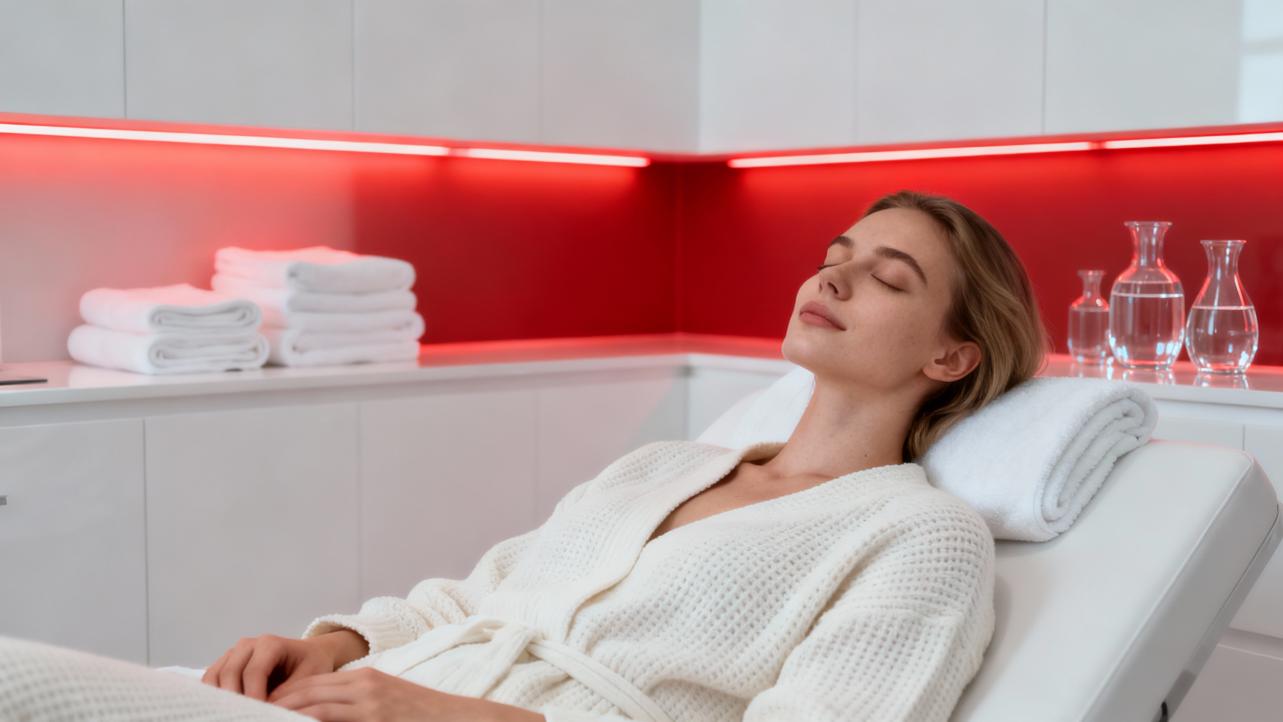
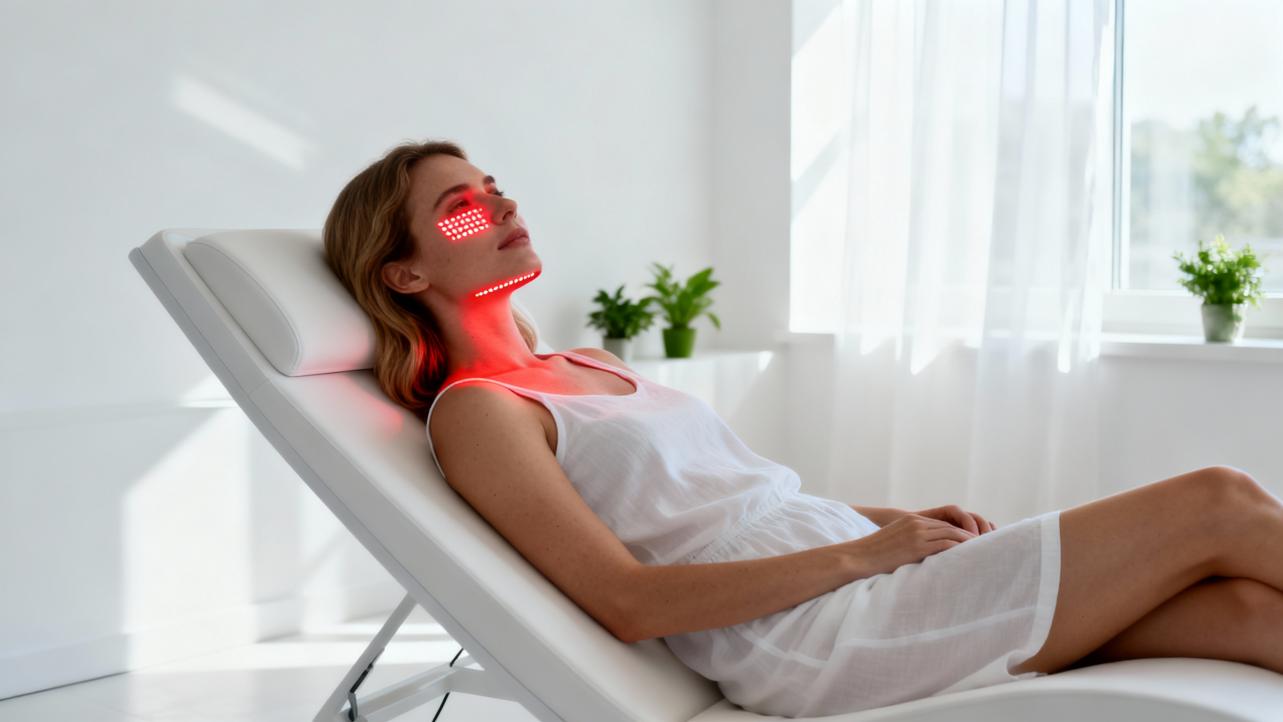
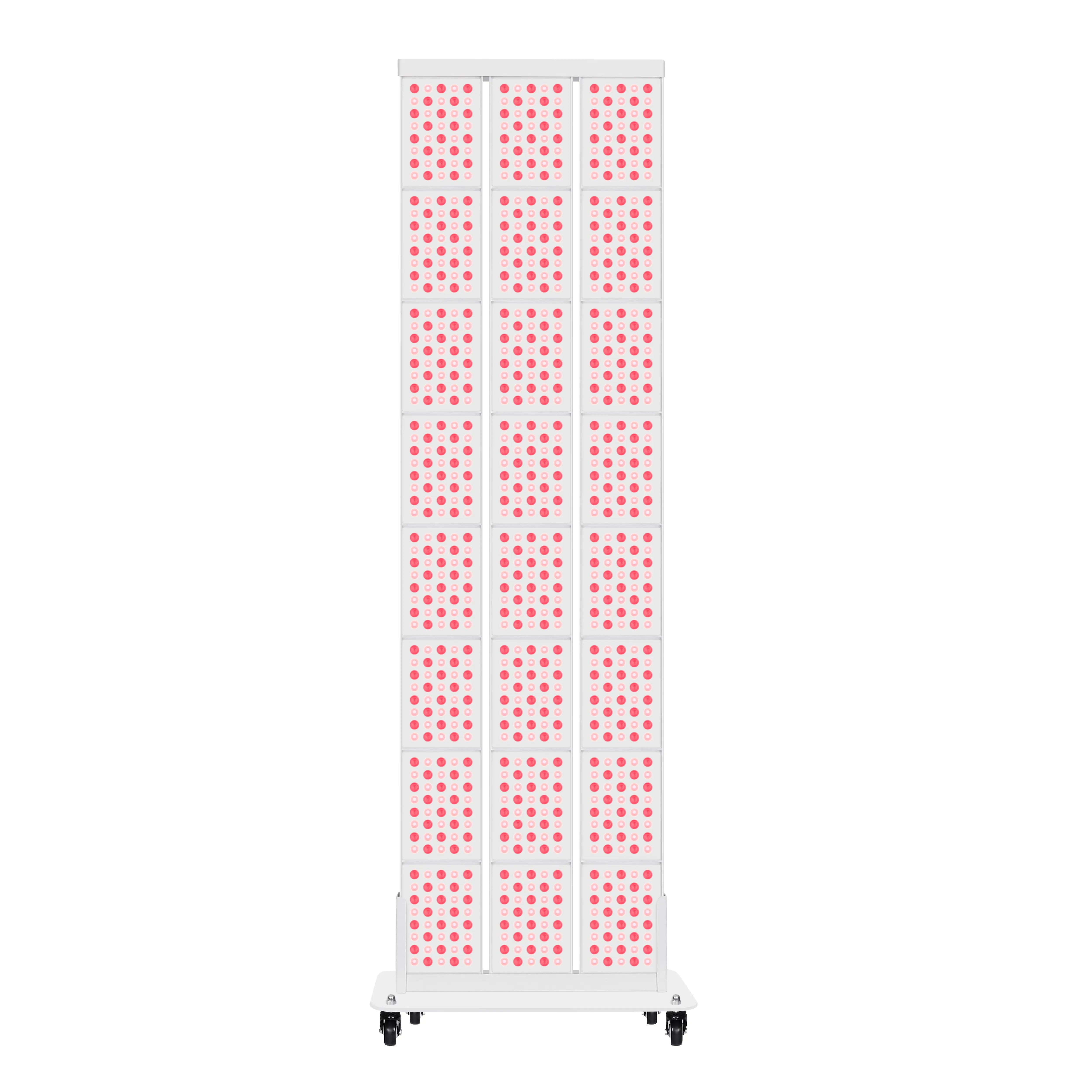
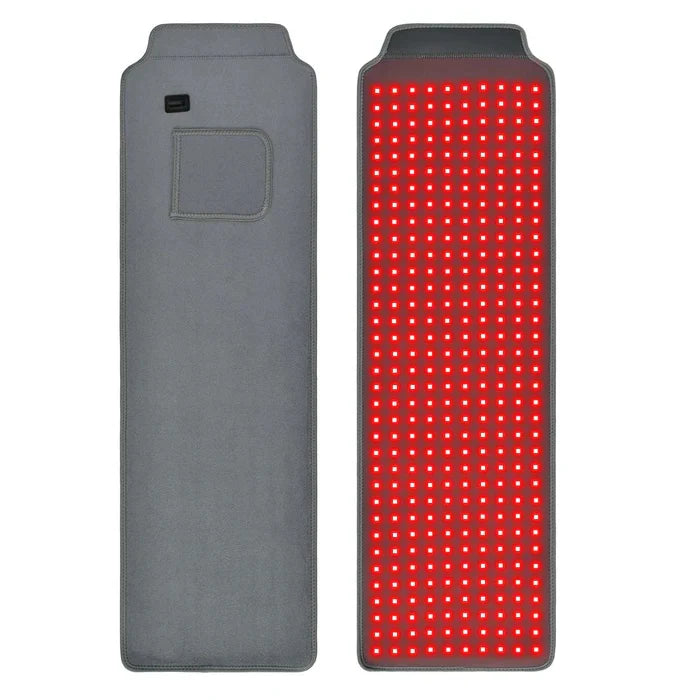
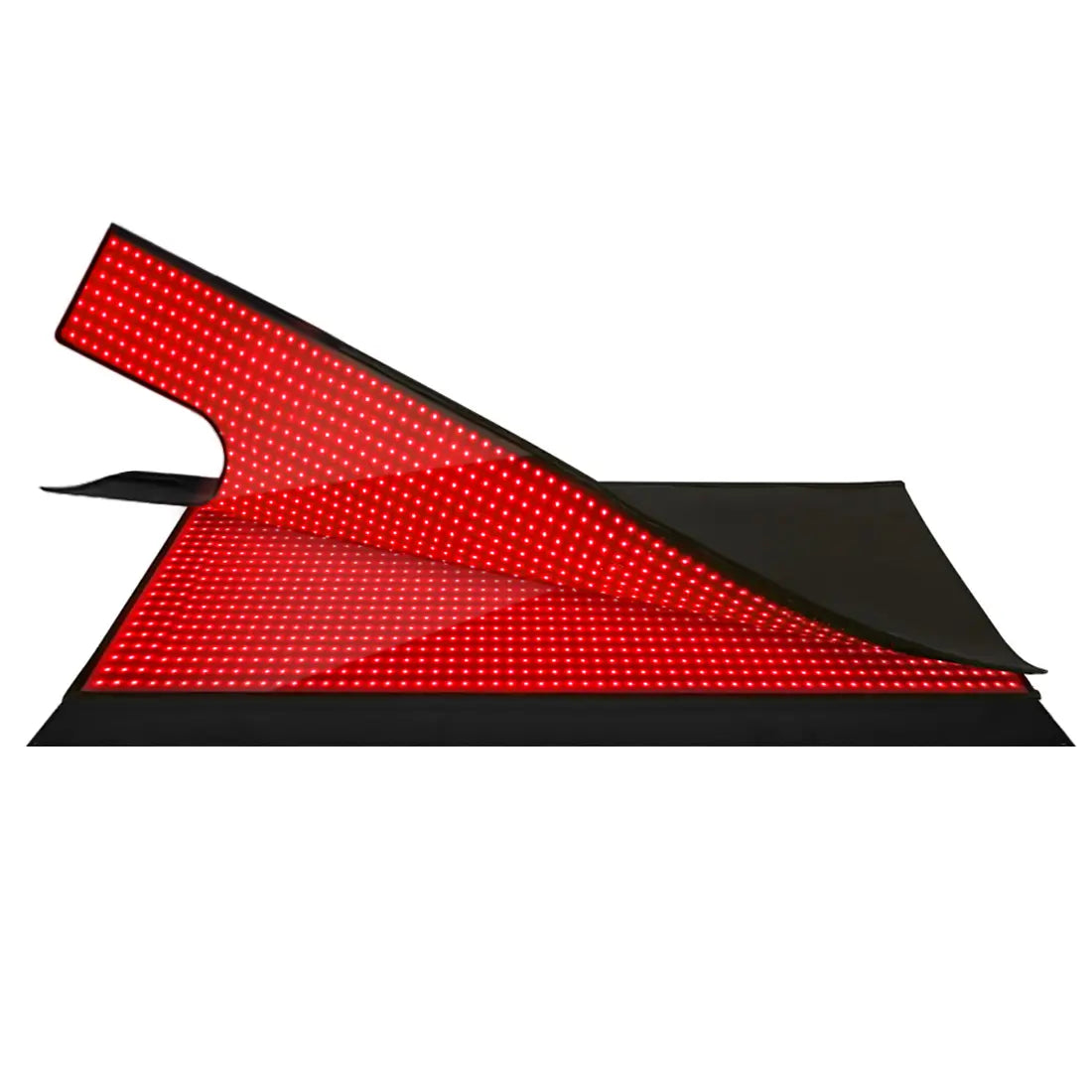
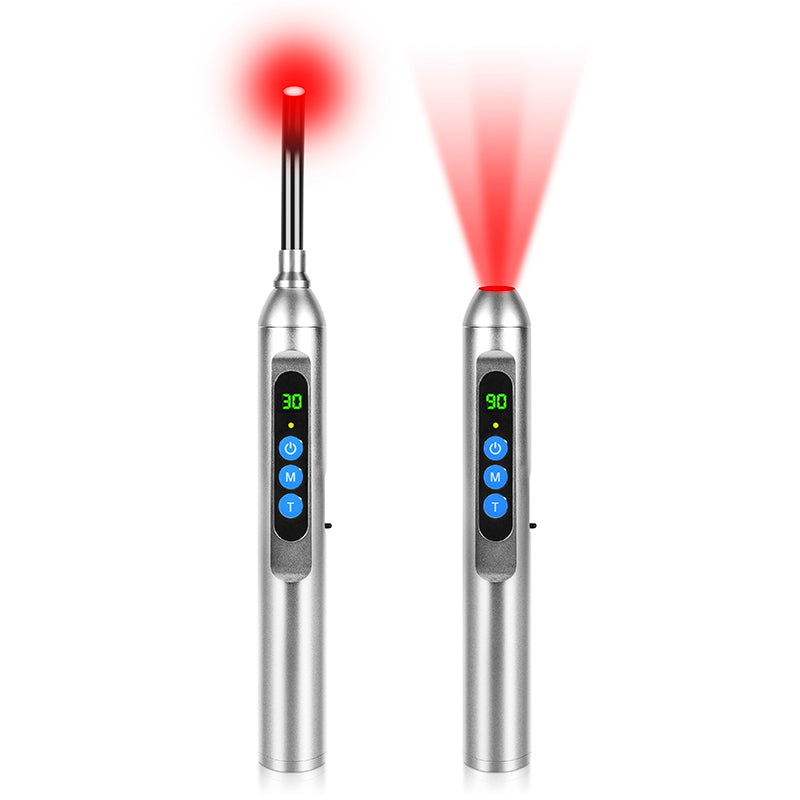
In practical terms, red light therapy can be delivered in dermatology offices with powerful panels or beds, or at home through masks, panels, and handheld wands. Many consumer devices use LEDs at wavelengths around 630 to 670 nanometers for skin resurfacing benefits; some add near‑infrared light around 800 to 850 nanometers for deeper tissue effects.
Originally, this technology emerged from NASA experiments on plant growth and wound healing in space. Since then, dermatologists and photobiology researchers have built a substantial, though still evolving, evidence base for its use in skin rejuvenation, acne, wound healing, and even hair growth.

How Red Light Changes Skin From the Inside Out
To understand why brightness and clarity change under red light, you have to start at the cellular level.
Photobiomodulation and Mitochondria
Photobiomodulation works because specific components inside cells, particularly in mitochondria, absorb red and near‑infrared photons. A large review in the dermatology literature highlights chromophores such as cytochrome c oxidase, heme groups, and flavins. When these molecules absorb red light, mitochondrial respiration and ATP production go up, nitric oxide is released, and low levels of reactive oxygen species act as signaling molecules rather than damage.
This mitochondrial “tune‑up” shifts gene expression toward repair and regeneration. Studies in the photobiomodulation literature show increased expression of genes related to collagen and elastin synthesis, antioxidant defense, and growth factors that support tissue repair. None of this ablates or burns tissue; it nudges biological systems toward a more youthful, resilient pattern.
When you feel like your skin has more “bounce” and recovers faster after irritation, that is exactly the kind of mitochondrial and signaling change these studies are capturing.
Fibroblasts, Collagen, and Elasticity
Fibroblasts are the workhorse cells that maintain collagen and elastin in the dermis. Multiple sources, including clinical trials and brand‑agnostic reviews, report that red light stimulates fibroblast activity, increasing collagen and elastin production. A controlled trial of red and near‑infrared photobiomodulation in over one hundred volunteers found significant increases in dermal collagen density after thirty sessions over about twelve weeks, alongside visible reductions in wrinkle depth and skin roughness.
Another clinical study with a red LED mask at 630 nanometers, using twelve‑minute sessions twice weekly for three months, documented progressive improvements in wrinkle depth, firmness, dermal density, and surface smoothness. Objective imaging showed that these changes accumulated over time and persisted at least a month after the last session. In plain language, the structure under the skin actually changed, which is a big part of why the surface looks plumper and more luminous.
While collagen and elastin are often described in anti‑aging terms, they are central to brightness and clarity as well. Firmer, more even dermal support allows light to scatter more uniformly, so skin reflects light in a way that reads as “glow” instead of “dull.”
Blood Flow, Inflammation, and the “Glow” Effect
Red light also widens blood vessels, a process known as vasodilation. Reviews from Stanford Medicine and other academic sources note that this increases blood and nutrient delivery to the skin. Better microcirculation means more oxygen, more antioxidant nutrients, and faster waste clearance for skin cells. The result is often a subtle but noticeable improvement in color and luminosity.
On the inflammatory side, photobiomodulation consistently reduces pro‑inflammatory cytokines and shifts immune cells toward pro‑repair profiles. A comprehensive review on light therapy in dermatology describes these effects across multiple conditions, from acne to radiation dermatitis. Clinically, this shows up as less redness, less swelling, and faster calm‑down after irritation or procedures.
Brightness and clarity are not just about pigment and collagen; they are also about how much chronic low‑grade inflammation is smoldering in your skin. Red light, when dosed correctly, tends to turn that flame down.
Evidence for Brighter, More Even Skin Tone
Brightness is a combination of even pigmentation, smooth surface texture, and how well skin reflects light. Red light therapy touches all of those dials.
Complexion Homogeneity and Surface Smoothness
In the Dior × Lucibel mask study, twenty volunteers with visible facial aging used a red LED mask at 630 nanometers for twelve minutes per session, twice weekly, with seventy‑two hours between sessions, over three months. Researchers measured crow’s‑feet wrinkle depth, firmness, dermal density, skin roughness, pore appearance, sebum levels, and complexion homogeneity using validated instruments.
Across one, two, and three months, they saw progressive improvements in multiple parameters, including smoother texture, more uniform complexion, smaller‑looking pores, and better sebum regulation in mixed and oily skin. Follow‑up at two and four weeks after stopping treatment showed that improvements persisted at least a month, suggesting real structural change rather than a short‑lived pump‑up effect.
A separate controlled trial of red and near‑infrared whole‑body photobiomodulation in more than one hundred adults similarly found that perceived complexion and objective skin roughness improved significantly over thirty sessions. In untreated controls, skin roughness and wrinkles actually worsened over the same period, which hints that red light benefits are not just seasonal or placebo effects.
When you combine smoother microtopography with more uniform pigment, you essentially get the optical equivalent of a better camera lens: light hits the skin and bounces back in a way that reads as clearer, brighter, and more even.
Hyperpigmentation and Dark Spots
Several clinical and consumer‑facing sources, including Foundation Skincare and dermatology practices that cite peer‑reviewed data, describe red light’s role in hyperpigmentation. Red light appears to modulate melanocyte activity and melanin production, helping to fade sun‑induced dark spots and post‑inflammatory hyperpigmentation over time.
Some studies show red light can inhibit melanin synthesis, while others report improvements in pigmentation when red light is used alongside topicals like azelaic acid or niacinamide. These ingredients have their own pigment‑regulating effects, and red light’s contribution seems to be through improved turnover, reduced inflammation, and more efficient repair.
There is a nuance here for darker skin tones. Guidance from academic and clinical sources such as UCLA Health and the American Academy of Dermatology notes that individuals with darker phototypes may be more prone to uneven pigmentation or hyperpigmentation if energy doses are not properly tailored. In other words, red light can help brighten and even tone, but it should be used carefully and ideally under dermatologic supervision when pigmentation is already a concern.
Dullness, Environmental Damage, and “Tired” Skin
Environmental stressors like UV exposure, pollution, and chronic low‑grade inflammation flatten the skin’s natural radiance. Studies summarized by Cleveland Clinic and WebMD indicate that red light therapy improves signs of sun damage, including roughness, mottled pigmentation, and fine lines. By accelerating repair, supporting antioxidant defenses, and smoothing surface irregularities, red light helps skin recover from that “tired” look that no highlighter can truly fake.
A Journal of Cosmetic Dermatology study cited in a Stanford‑linked review reported improvements in elasticity and hydration in photoaged skin after red light treatments. Better hydration and elasticity directly enhance how light interacts with the surface, which is one reason many people notice a more dewy, lit‑from‑within look after several weeks of consistent use.
Evidence for Clearer Skin: Redness, Acne, and Residual Marks
Clarity is about what you do not see: fewer blemishes, less redness, and minimized residual marks.
Redness, Rosacea, and Sensitive Skin
Multiple clinical reviews and practice‑based reports agree that one of red light therapy’s most reliable effects is reducing inflammation and redness. Cleveland Clinic and Baylor Scott and White Health both highlight its role in calming acne‑related redness and supporting chronic inflammatory conditions like psoriasis, eczema, and rosacea as an adjunct to standard care.
In the broad photobiomodulation review literature, red and near‑infrared light consistently reduce pro‑inflammatory mediators and encourage more reparative immune responses in skin. Clinics that use LED phototherapy report that regular red light sessions leave skin less reactive, with fewer flare‑ups and faster recovery from triggers.
For someone whose “lack of clarity” is mainly persistent blotchiness and post‑procedure redness, this anti‑inflammatory effect can make a bigger visual difference than any blurring primer.
Acne and Breakouts
Acne clarity is where red light’s data gets particularly interesting.
Several sources, including dermatology‑led content and broader medical reviews, report that red light at around 630 nanometers can reduce inflammatory acne lesions by roughly sixty percent in some protocols over several weeks. Foundation Skincare summarizes studies where inflammatory acne decreased by about sixty to seventy percent in certain patients, with improvements in redness, swelling, and sebum production.
Mechanistically, red light helps in at least three ways. First, it quiets inflammation in and around the follicle. Second, it appears to down‑regulate sebum production, which reduces the oily environment that acne bacteria thrive in. Third, by speeding repair, it helps existing lesions resolve more cleanly, which matters for long‑term clarity.
A review in the International Journal of Molecular Sciences described significant reductions in both inflammatory and non‑inflammatory acne lesions with red light, especially when used alongside other therapies. Some studies and clinical practices also combine red and blue light; blue targets acne‑associated bacteria, while red reduces inflammation and supports healing. A large trial summarized by UCLA Health found that combining red and blue light improved acne outcomes more than either color alone.
It is important to be precise about what kind of acne responds. Evidence and clinical experience converge on this point: inflammatory lesions such as papules and pustules do best; non‑inflamed whiteheads, blackheads, and deep cystic lesions are less responsive to red light alone and usually need additional targeted treatments.
Scars, Post‑Inflammatory Hyperpigmentation, and Texture
Clarity is also about what is left behind after breakouts, injuries, or procedures.
Red light has been used in wound healing and scar modulation for decades. In dermatology, it first showed up as part of photodynamic therapy for precancerous lesions and thin skin cancers, where a photosensitizing drug is activated by red light to selectively kill abnormal cells. More recently, low‑level red light without photosensitizers has been investigated for scar appearance and wound repair.
The Dior × Lucibel mask study measured not only wrinkles and firmness but also pore appearance, sebum, and skin roughness, all of which contribute to how visible old scars and textural irregularities are. Improvements in these metrics, along with user‑reported better overall quality, suggest that repeated red light exposure can help refine the visual footprint of past damage.
WebMD’s overview notes that red light lasers can help with old acne scars as well as active lesions, likely by stimulating new collagen in a more organized pattern and supporting better remodeling. Photobiomodulation reviews describe similar benefits in surgical and chronic wounds, with improved collagen deposition, more orderly tissue architecture, and less hypertrophic scarring in some models.
The evidence is not uniform; for example, eyelid surgery studies show mixed results, with one finding only modest benefits and another reporting faster early scar improvement that evened out later. That tells us red light is a helpful nudge in the right conditions, not a guaranteed eraser.

What the Science Says in One Glance
Here is a condensed, data‑driven view of how red light therapy affects brightness and clarity.
Goal |
Proposed effect on brightness and clarity |
Evidence snapshot |
Overall radiance |
Smoother texture, better hydration and elasticity, more uniform tone |
Journal of Cosmetic Dermatology photoaging study; three‑month Dior × Lucibel mask trial showing progressive gains in smoothness, firmness, complexion homogeneity and user‑perceived quality |
Hyperpigmentation and dark spots |
Modulates melanin production; supports fading of sun spots and post‑inflammatory hyperpigmentation when combined with topicals |
Clinical and practice reports summarized by Foundation Skincare and dermatology clinics; mechanistic data on melanocyte regulation and faster turnover |
Redness and sensitivity |
Reduces inflammatory cytokines and improves barrier function, leading to less visible redness and fewer flare‑ups |
Photobiomodulation review with level IA evidence in certain dermatitis settings; clinical testimony from dermatology centers and Cleveland Clinic on rosacea and eczema support |
Acne clarity |
Decreases inflammatory lesions, calms redness, and may lower sebum output |
International Journal of Molecular Sciences acne data; multiple small trials showing roughly sixty percent lesion reductions; Foundation Skincare summary of sixty to seventy percent decreases in some patients |
Scars and post‑procedure recovery |
Supports better wound healing, more organized collagen, and improved texture over time |
Photobiomodulation wound‑healing studies; blepharoplasty and scar trials with mixed but generally favorable early outcomes; Dior × Lucibel data on roughness and pores |
Long‑term effect durability |
Improvements can persist weeks after stopping, but often require maintenance |
Dior × Lucibel follow‑up showing at least one month of sustained benefits; hair and pain trials where gains fade when therapy stops, implying the need for continued use |
This is why many dermatologists and academic reviewers now describe red light as a legitimate adjunct for skin rejuvenation, not just a gadget trend, while still emphasizing that optimal dosing and long‑term effects remain under active study.
How to Use Red Light Therapy for Brightness and Clarity
Now to the practical part: how do you actually use this tool in a way that reflects what the data show rather than just what the marketing copy promises?
Choosing a Device Strategically
Red light devices fall into two broad categories: professional systems in clinics and at‑home devices.
Clinical devices in dermatology offices usually have higher power output and more tightly controlled wavelengths. Studies on skin rejuvenation and acne often use these platforms, sometimes combined with procedures like microneedling, chemical peels, or prescription creams. Because the energy delivery is standardized and supervised, results tend to be stronger and appear faster.
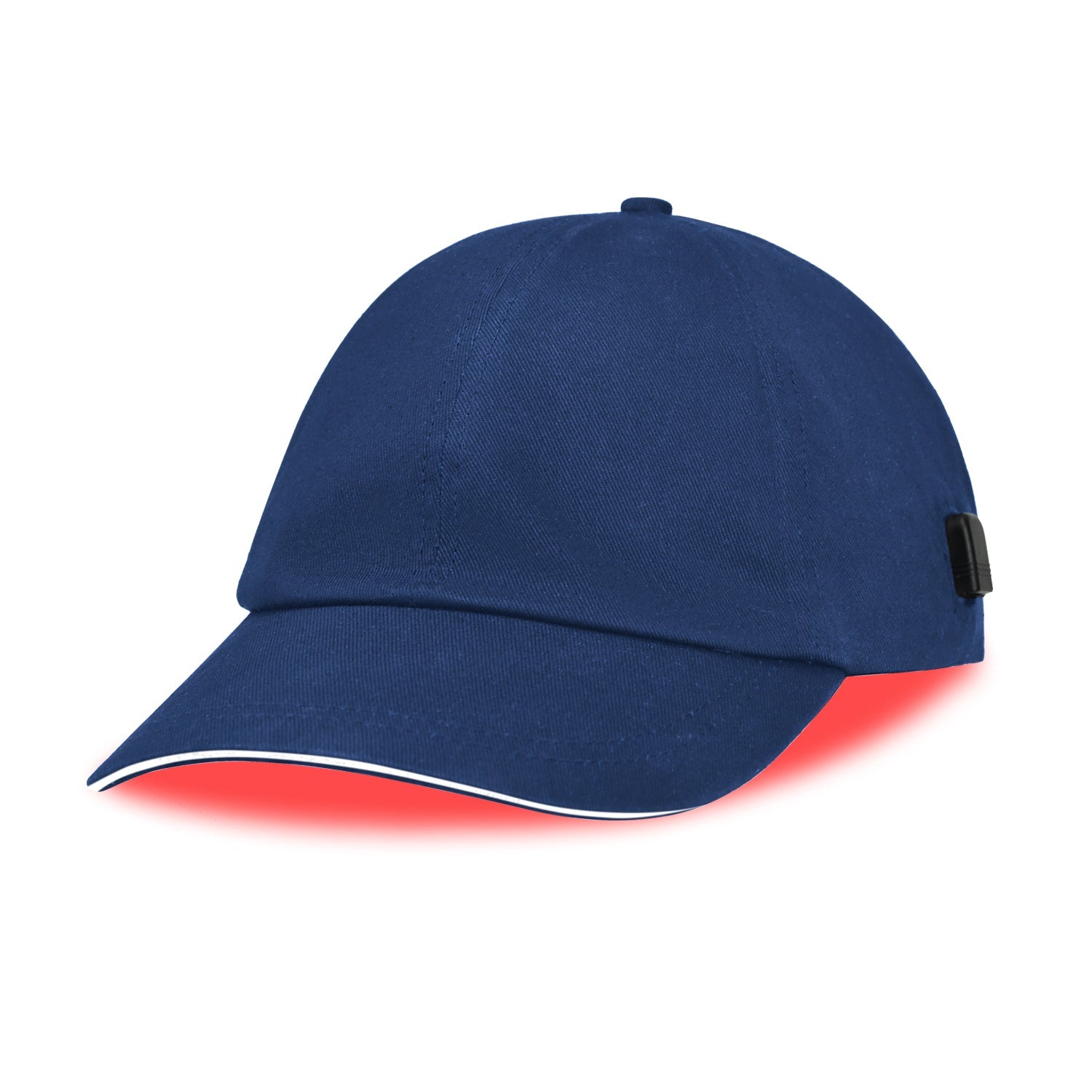
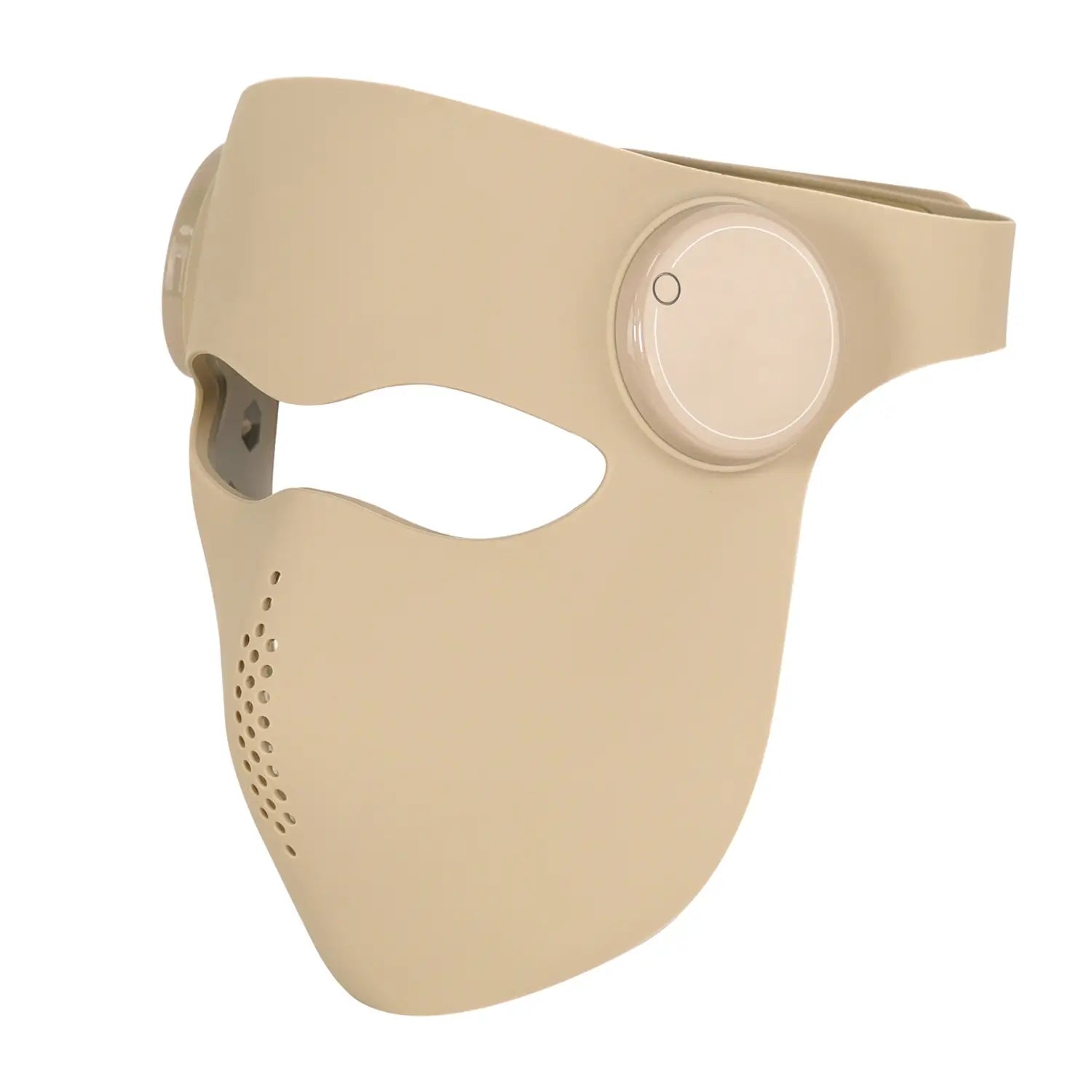
At‑home devices include full‑face masks, panels, wands, and localized masks for the neck, chest, or eye area. Medical sources such as Cleveland Clinic and UCLA Health state clearly that home units are lower power and may take longer to work, but they can achieve similar directional benefits when used consistently.
From a safety standpoint, a key phrase to look for is “FDA‑cleared,” not “FDA approved” or “FDA certified,” which are often used casually in marketing. FDA clearance for these devices primarily indicates that the device is considered low risk and substantially equivalent to existing devices, not that it has been proven to transform your skin. Still, clearance is preferable to no regulatory review at all.
For brightness and clarity, devices targeting visible red wavelengths around 630 to 670 nanometers, using LEDs rather than intense heat‑based sources, are most often used in the literature. Some devices add near‑infrared light to support deeper tissues, which may help with overall skin health but is not essential for surface radiance.
Setting a Realistic Protocol
The protocols that actually work have three things in common: modest doses per session, repeated sessions per week, and multi‑week consistency.
In the Dior × Lucibel mask study, participants used the mask for twelve minutes twice weekly, with at least seventy‑two hours between sessions, for three months. The whole‑body photobiomodulation trial delivered thirty sessions over about twelve weeks. Consumer‑facing clinical guidance from Baylor Scott and White Health, Qure Skincare, and other evidence‑referencing brands converges on similar ranges: roughly ten to twenty minutes per area, around two to five times per week, for eight to twelve weeks before judging results.
An important detail from the Dior × Lucibel trial is the seventy‑two‑hour spacing between sessions, which is based on the Arndt–Schulz principle: too little energy does nothing, but too much can actually inhibit beneficial responses. In other words, more light is not always more benefit. Doing long daily sessions just “because you can” may not move the needle faster and can increase the risk of irritation.
In practice, that means starting on the lower end of your device’s recommended schedule. For facial brightness and clarity, a typical entry point is about ten minutes per session, three times per week, and then adjusting based on skin response.
Combining Red Light With Smart Skincare
Red light is not a standalone ritual; it is a force multiplier when paired with the right topicals and habits.
For redness and barrier support, several dermatology‑linked sources highlight niacinamide, a form of vitamin B3, as a natural pairing. It reduces redness and inflammation and supports barrier function, which nicely complements red light’s anti‑inflammatory and microcirculation effects.
For brightness and collagen, topical vitamin C (often combined with vitamin E) is a strong partner. Studies cited by professional skincare brands and dermatology content show that vitamin C boosts collagen synthesis, fights oxidative stress, and improves overall tone. Using a well‑formulated vitamin C serum in the morning and red light therapy later in the day or evening taps into both pathways without overwhelming your skin.
For hyperpigmentation and post‑acne marks, azelaic acid and niacinamide together appear frequently in expert recommendations. Azelaic acid helps even out tone and fade brown spots while being generally gentle enough to pair with light‑based treatments, as long as you monitor for sensitivity.
The key is timing. Solawave and other careful guides suggest avoiding strong exfoliants, acids, or prescription retinoids immediately before a red light session, since these can make skin more light‑sensitive. Many people cleanse, let the skin dry, use their device on bare or simply hydrated skin, and then apply serums and moisturizers afterward, followed by sunscreen in the morning.
Safety: Where Caution Is Warranted
The safety profile of red light therapy is one of its biggest strengths, but “low risk” does not mean “no rules.”
Medical sources such as Cleveland Clinic, WebMD, and UCLA Health consistently report that red light therapy appears safe in the short term when used as directed. Unlike UV, red light is not associated with skin cancer, and a study of hundreds of pregnant women using laser light treatments found no fetal harm, though data in pregnancy remain limited.
That said, early clinical work with very high red LED doses did produce blistering and significant redness in some participants. Eye damage is also a theoretical risk if light is directed straight at unprotected eyes. For that reason, using proper eye protection or keeping eyes comfortably closed under opaque shields is non‑negotiable for facial treatments.
People taking medications that increase light sensitivity, those with histories of skin cancer or serious eye disease, and individuals with very reactive skin should talk with a dermatologist before starting. Professional organizations also note that people with darker skin may be more prone to uneven pigmentation if energy settings are too aggressive, so physician guidance is especially important there.
Finally, red light therapy should not be used on actively infected, broken, or severely irritated skin unless a medical professional explicitly recommends it.

Pros and Cons for Skin Brightness and Clarity
Compared with many interventions that promise a glow‑up, red light therapy occupies an interesting middle ground between topical skincare and in‑office procedures.
On the plus side, it is non‑invasive, non‑UV, and generally comfortable. There is no peeling or downtime, and studies show genuine improvements in parameters that matter for brightness and clarity: collagen density, skin roughness, complexion uniformity, inflammatory lesion counts, redness, and subjective radiance. Because it works through mitochondrial and signaling pathways, it supports underlying skin health rather than just applying an optical filter.
It also plays nicely with other modalities. Dermatology offices routinely combine red light with microneedling, peels, and medicated creams to promote faster healing and better outcomes. At home, it overlays onto a routine built around sunscreen, antioxidants, barrier support, and targeted actives.
On the downside, the evidence base, while substantial, is not as bulletproof as it is for something like daily sun protection or prescription retinoids. Many trials are small, device parameters vary widely, and there is still no universal consensus on optimal dose or schedule. At‑home devices are not cheap, often ranging from around one hundred to one thousand dollars, and in‑office sessions can cost on the order of eighty dollars or more per visit. Most health insurance plans do not cover red light therapy for cosmetic or wellness indications.
Results also require patience and regular use. Studies that show meaningful changes generally involve weeks to months of consistent treatment. When therapy stops, some benefits gradually fade, especially for conditions like hair loss and chronic pain; for skin brightness and clarity, maintenance use is likely necessary as well.
The biggest risk, in my view, is not damage but disappointment from inflated expectations. Red light therapy is a solid nudge, not a teleportation device to a poreless, airbrushed face.

Frequently Asked Questions
Does red light therapy really make skin brighter?
Evidence from clinical studies and reviews supports noticeable improvements in overall radiance for many users. Trials with facial red LED masks and full‑body photobiomodulation show smoother texture, better elasticity, and more uniform complexion, which together translate into a brighter, more luminous appearance. Medical organizations like Cleveland Clinic and UCLA Health also acknowledge benefits for fine lines, discoloration, and sun damage.
That said, the brightness shift is gradual, not overnight, and it depends heavily on consistent use, appropriate dosing, and the baseline health of your skin.
How quickly will I see changes in brightness and clarity?
Most studies and clinical reports suggest that subtle changes in texture and redness can appear after several weeks, with more obvious improvements accumulating over two to three months. The Dior × Lucibel study documented progressive gains at one, two, and three months. Acne lesion reductions in some trials appeared over several weeks of repeated sessions.
If you are not seeing any shift at all after eight to twelve weeks of disciplined use with a reputable device, it is worth reassessing your protocol or checking in with a dermatologist to make sure expectations and methods align.
Can I overdo red light therapy?
Yes. Photobiomodulation follows a dose‑response curve where too little energy does not help, but excessive dosing can plateau or even reduce benefits. High‑intensity red LED exposure has caused blistering and significant erythema in early clinical experiments.
For skin brightness and clarity, sticking close to evidence‑based patterns is wise: short sessions on the order of ten to twenty minutes per area, several times per week, with rest days in between, rather than long daily marathons. More light is not automatically better light.
Is red light therapy safe for darker skin tones?
Available data and clinical experience suggest that red light can be used safely on darker skin, and some studies and engineering designs explicitly included darker phototypes. However, professional groups caution that darker skin may be more vulnerable to uneven pigmentation if doses are too high or protocols are poorly tailored.
If you have a deeper skin tone and concerns about hyperpigmentation, it is particularly important to work with a dermatologist, start conservatively, and combine red light with strict sun protection and pigment‑safe skincare.
Stepping back, red light therapy is exactly the kind of tool I like in a home wellness stack: biologically plausible, increasingly well‑studied, low on risk, and genuinely synergistic with other habits that build long‑term health. If you approach it as a consistent, modest‑dose input layered on top of sunscreen, smart skincare, and decent sleep, it can help your skin look brighter and clearer in a way that aligns with better function under the surface, not just better filters on your phone.
References
- https://webapp-new.itlab.stanford.edu/red-light-therapy-skin
- https://digitalcommons.butler.edu/cgi/viewcontent.cgi?article=1010&context=buhealth
- https://healthsciences.arizona.edu/news/stories/exploring-phototherapy-new-option-manage-chronic-pain
- https://pmc.ncbi.nlm.nih.gov/articles/PMC10311288/
- https://www.brownhealth.org/be-well/red-light-therapy-benefits-safety-and-things-know
- https://my.clevelandclinic.org/health/articles/22114-red-light-therapy
- https://www.gundersenhealth.org/health-wellness/aging-well/exploring-the-benefits-of-red-light-therapy
- https://www.uclahealth.org/news/article/5-health-benefits-red-light-therapy
- https://www.aad.org/public/cosmetic/safety/red-light-therapy
- https://www.refinedskincarellc.com/the-science-behind-led-light-therapy-benefits-for-acne-aging-and-redness