
The Invisible Injury Behind Every Busy Shift
If you serve tables for a living, you probably know this pattern. You start the shift fine. A few hours in, the top of your shoulder and the back of your neck start to burn. By closing time, lifting a tray or reaching for a glass rack feels like dragging a cement block through molasses. The next morning your shoulder is stiff, but you push through because that is what service industry veterans do.
As someone who has spent years optimizing my own body with light therapy and coaching hospitality workers on recovery routines, I can tell you this clearly: that shoulder is not “just tired.” It is quietly accumulating strain. Orthopedic and sports‑medicine research estimates that a large majority of adults experience shoulder pain at some point in life, and work‑related repetitive strain is a major driver according to occupational medicine clinics and Harvard Health.
For servers, the combination of long hours on your feet, heavy or awkward loads, and often poor recovery is almost the perfect recipe for chronic shoulder overload. Red light therapy has become the go‑to biohack for many servers trying to ease that pain at home. Used wisely, it can be a useful tool. Used badly, it can actually reinforce the movement patterns that got you injured in the first place.
This article walks through what the science actually says about long‑term shoulder strain, how it applies to servers, and where red light therapy realistically fits in. The focus is simple: protect your joints for the long run, not just survive the next double.

What Is Really Going On In A “Server Shoulder”?
The Shoulder, In Real Life, Not In Textbook Diagrams
Your shoulder is not a single joint; it is a complex system. Orthopedic sources describe it as an interaction between the ball‑and‑socket joint of the upper arm, the collarbone–shoulder blade joint, and the way your shoulder blade glides on your rib cage. Over thirty muscles help control this system, and a small group called the rotator cuff provides precise stability so you can lift, rotate, and carry without the ball slipping around in the socket.
In theory, that design gives you incredible freedom of movement. In practice, it also means your shoulder leans heavily on soft tissues for stability. When the workload stays high and mechanics are off, those tissues are where the damage accumulates.
How Repetitive Work Creates Long‑Term Strain
Occupational medicine and sports‑injury literature converge on the same message: repetitive motions, awkward positions, and static loading are the big three risk factors for chronic shoulder problems. Studies of office workers, industrial workers, and overhead athletes all show the same pattern over time.
For servers, those risk factors translate into very familiar habits. You repeatedly carry trays or plates with your arm slightly lifted out from your body. You may reach up to shelves or overhead racks. You hold awkward positions while you lean and twist to serve a large table. If your posture is rounded and your shoulder blades drift forward, the rotator cuff tendons and bursae are squeezed in a narrow space at the top of the shoulder. Orthopedic and yoga‑based sources describe this as a path toward tendinitis, bursitis, and impingement syndromes.
Crucially, strain does not require heavy weights. One occupational medicine source notes that even continuous typing or mouse use with the arm slightly abducted is enough to generate “mouse shoulder,” a repetitive strain syndrome where muscles of the neck, shoulder, and upper back remain mildly contracted for hours. The Canadian Centre for Occupational Health and Safety has reported that people use a computer mouse several times as often as the keyboard, and even that relatively light load can trigger chronic pain when sustained. A tray loaded with drinks or dishes obviously weighs more than a mouse.
From Simple Soreness To Real Diagnoses
When you ignore that deep, post‑shift ache and simply stack more shifts on top, tissues begin to change. Research and clinical reports across sources in sports medicine, physical therapy, and yoga‑based rehab describe a progression that usually looks like this in chronic overuse:
Overworked muscles become tight and fatigued. Tendons start to inflame (tendinitis) or degenerate. Protective bursae inflame (bursitis). The space around the tendons narrows and they get “pinched” between bones (impingement). The joint capsule can stiffen (frozen shoulder), and in some people, arthritis develops over time.
The exact label is less important than the fact that these are not mysterious conditions. They are predictable outcomes of overload plus poor mechanics plus insufficient recovery. That is good news, because it means you can intervene.
Why Servers Are A Special Case
Servers As Industrial Athletes
A Danish statement paper on sports‑related shoulder injuries treats swimmers, volleyball players, and handball players as “overhead athletes” because they repeatedly work in positions above shoulder height at high speed. Servers may not be throwing a ball at full velocity, but they occupy a similar category: call it “industrial athlete with load and repetition.”
Servers: You carry asymmetric loads, often on one side. You repeatedly lift to and from shoulder height. You stay on your feet for hours with minimal breaks. You typically receive zero structured warm‑up or strength training as part of the job.
Hospitality‑specific training content aimed at servers recognizes this reality. One course on shoulder exercises for servers frames the job as physically demanding and focuses on strengthening the rotator cuff and shoulder girdle so staff can lift and carry safely. That framing is exactly right; your shoulder is performing more like an athlete’s than an office worker’s.
The Overlap With Desk‑And‑Device Strain
Here is the twist. Even after you clock out, you probably go home and scroll on your cell phone, binge a show on a laptop, or catch up on messages at a desk. Research from Harvard and multiple physical therapy groups shows that prolonged sitting with rounded shoulders and a forward head, plus extensive device use, dramatically increases shoulder and neck strain.
Forward‑head posture, sometimes called “tech neck,” pushes your head several inches in front of your shoulders. With the average head weighing around 20 to 30 pounds, that shift multiplies the load on your neck and upper back muscles several‑fold. When this posture is layered on top of an already overworked shoulder from serving, it compounds the problem.
So servers are not just dealing with occupational strain during shifts. They are living in a culture and environment that keeps the shoulder and neck under stress almost around the clock.

What The Evidence Actually Supports For Shoulder Pain
Exercise And Active Rehab Beat Passive Care Alone
The Danish Society of Sports Physical Therapy commissioned a large evidence‑grading paper on shoulder injuries in athletes. Across very different sports, a consistent pattern emerged. Prevention programs and rehab plans that combined stretching with targeted strengthening and neuromuscular control exercises produced meaningful reductions in shoulder injury risk and pain compared with doing nothing.
In baseball players, for example, a twelve‑week program that blended warm‑up modalities with shoulder strengthening and a structured cool‑down led to much larger pain reductions than no intervention. Separate prospective work in overhead athletes found that strengthening programs focusing on scapular control and rotator cuff endurance decreased pain scores substantially over months.
The quality of evidence ranges from very low to moderate, but different sports and programs point in the same direction. Shoulders do best when you move them, strengthen them, and improve control, not when you simply rest and hope. Sports‑medicine treatment reviews and Harvard Health guidance echo that same principle for the general population: physical therapy and progressive exercise are the backbone of long‑term recovery for most shoulder problems.
Posture, Ergonomics, And Work Organization Matter
Occupational health sources highlight another critical dimension: how your work is organized and how your environment is set up.
Industrial and office‑focused articles emphasize that long static positions, especially with the shoulders slightly elevated or the arm reaching forward, are toxic for shoulder health. Mouse‑shoulder guidance from orthopedic clinics stresses that even subtle elevations maintained for hours cause low‑grade muscle contraction, tightness, and weakness.
Ergonomic recommendations that consistently emerge across sources include working with shoulders relaxed, keeping the arm close to the body rather than reaching, avoiding prolonged overhead tasks, and taking regular short breaks to change position and stretch. For desk workers, proper chair and monitor setup and using assistive devices like headset microphones or lift tables meaningfully reduce strain.
When you translate that to restaurant work, the lesson is clear. How you hold a tray, where you position heavy items, how often you get micro‑breaks, and even how you stand between tables matter just as much as whatever you do at home to recover.
When Conservative Care Is Not Enough
Multiple orthopedic and physical therapy sources agree on certain red‑flag patterns that mean you should stop self‑managing and get a professional evaluation. These include sharp or shooting pain, pain that wakes you at night, pain that persists or worsens over several days despite rest, noticeable weakness or clumsiness with lifting, and significant loss of shoulder motion.
Clinics that focus on shoulder care note that early assessment generally leads to simpler, more conservative solutions. When people wait until they can barely lift their arm or have weeks of nightly waking, they are more likely to need injections, more intensive rehab, or even surgery.
Where Red Light Therapy Fits In
What Red Light Therapy Actually Does
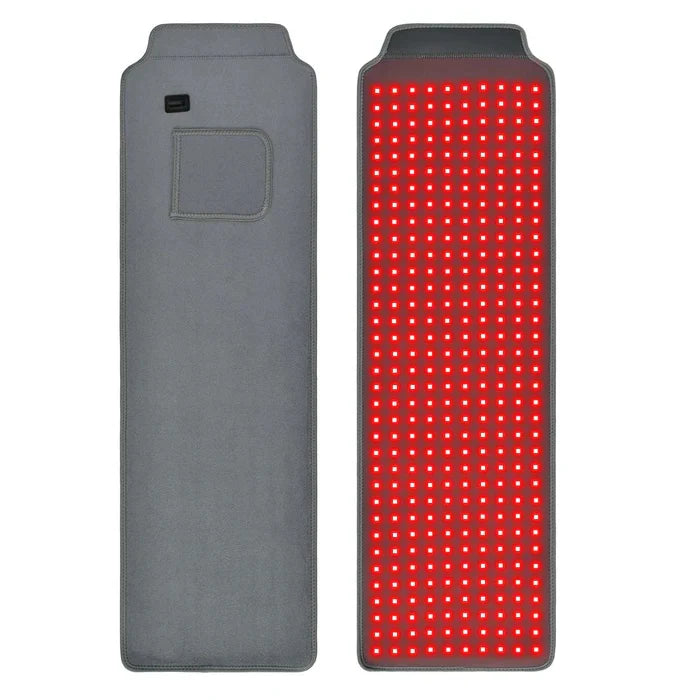
Red light therapy, or photobiomodulation, uses specific wavelengths of red and near‑infrared light to stimulate biological processes in cells. In musculoskeletal applications, the goals are usually to modulate inflammation, support tissue repair, and influence pain signaling.
There is a growing body of research on light‑based therapies for tendon problems, joint pain, and sports recovery, but the research notes summarized for this article focus on more traditional tools: exercise, manual therapy, heat, and ultrasound. One randomized study in athletes used a form of hyperthermia, heating shoulder tissues to roughly 100 to 104°F, and found large short‑term improvements in pain and function for supraspinatus tendinopathy. That intervention used deep heating rather than red light, but it reinforces a broader theme: targeted physical modalities can meaningfully change pain when combined with active rehab.
From a light‑therapy‑geek perspective, I place red light in a similar category: a modality, not a magic fix. It can potentially make tissues feel and function better, but it cannot correct a bad tray‑carrying pattern or years of deconditioning by itself.
What Red Light Therapy Is Not
It is important to be honest about limitations. None of the shoulder‑injury prevention programs graded by the Danish sports physical therapy group included red light therapy. Occupational medicine guidance on shoulder strain in workers does not list it as a primary tool. Harvard Health resources on shoulder pain management emphasize activity modification, physical therapy, and sometimes injections long before any discussion of light‑based devices.
That does not mean red light therapy is useless. It simply means that, as of the evidence summarized here, it is not the central pillar of shoulder care. When servers rely on it the way some people rely on pain pills or constant massage, they risk masking symptoms while continuing the behaviors that caused the problem.
As someone who loves photobiomodulation tools, my rule is straightforward: use light to support a shoulder program that already follows the physics and biomechanics, not as a workaround so you can ignore them.

Using Red Light Therapy Without Adding Shoulder Stress
The Mistake I See Most Often
The most common error I see servers make with red light therapy is very simple: they turn a recovery modality into another static isometric hold.
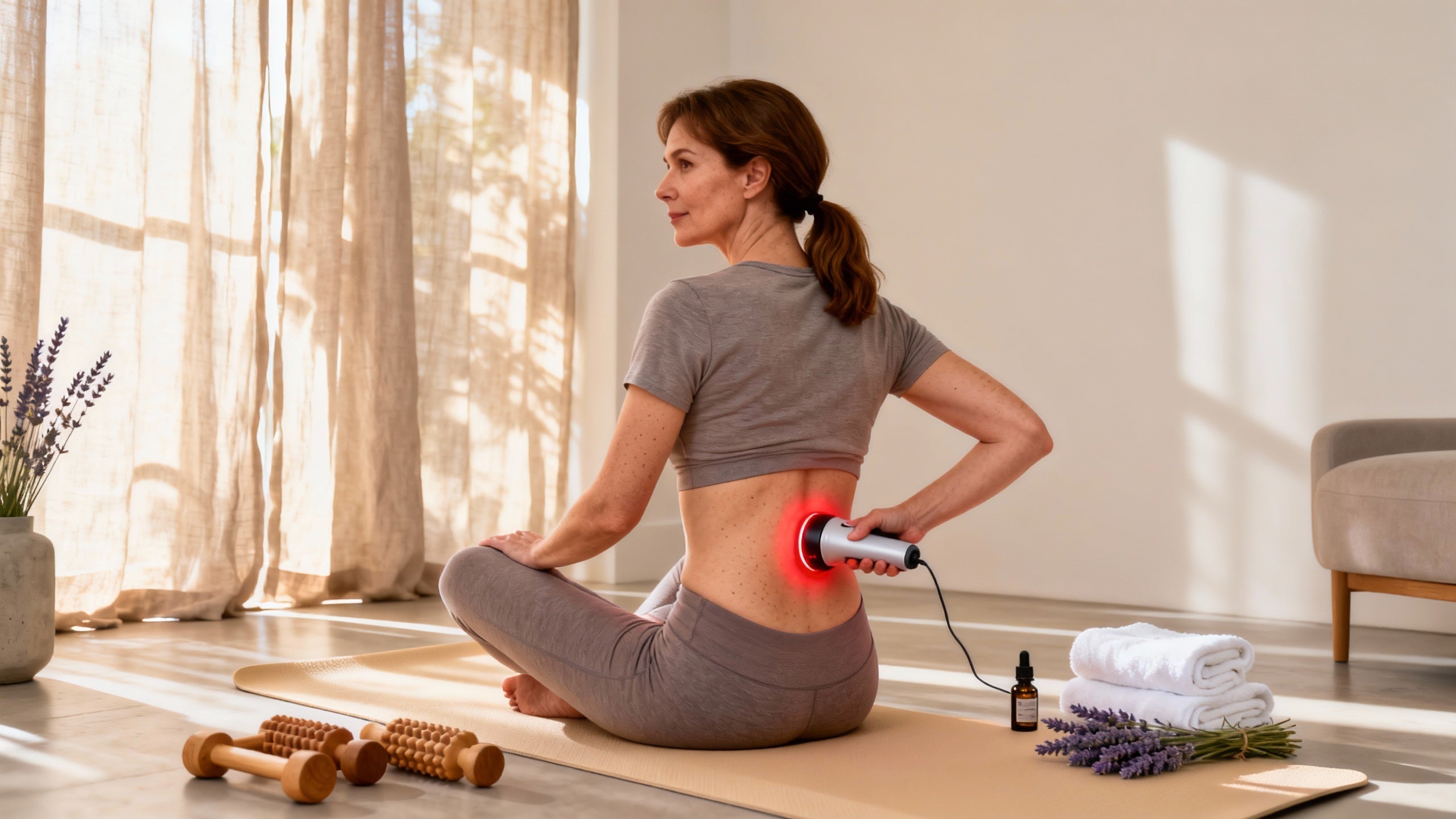
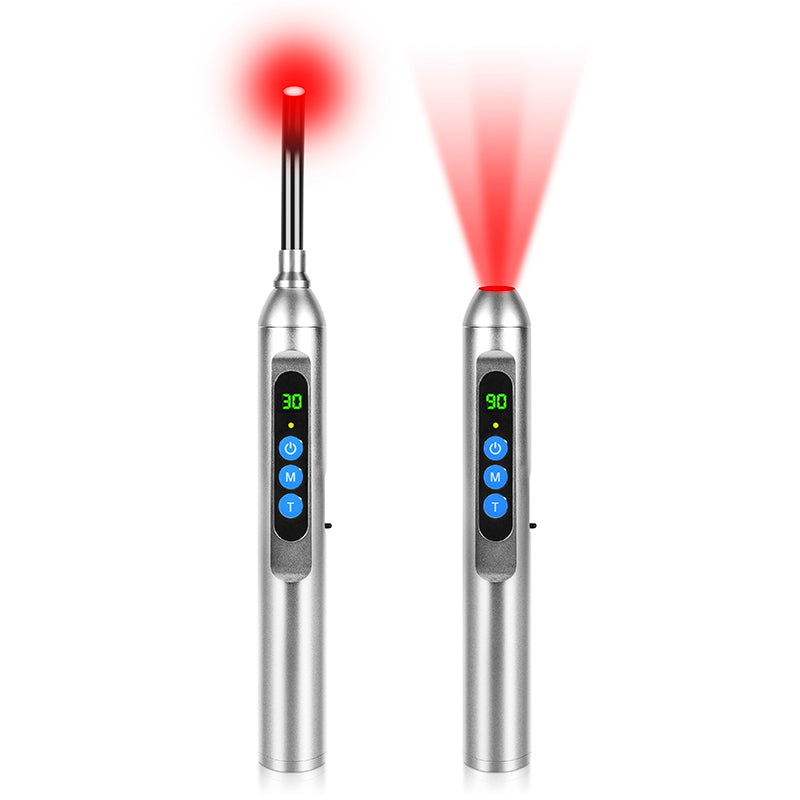
Picture a server coming home from a double shift. The shoulder is throbbing. They grab a small handheld red light device. To “get deeper into the joint,” they raise the device to shoulder height or above and hold it for ten or fifteen minutes. The arm is partially abducted, the upper trapezius fires to hold it in place, and the neck muscles brace. By the end of the session, the shoulder is even more irritated, even though the local tissues received beneficial light.
Static loading is static loading, whether it comes from a tray or a therapy device. The shoulder does not care about your intention.
Principles For Shoulder‑Friendly Light Sessions
When I design light‑therapy routines for servers, I build them around a few simple principles that align with the broader body of shoulder research.
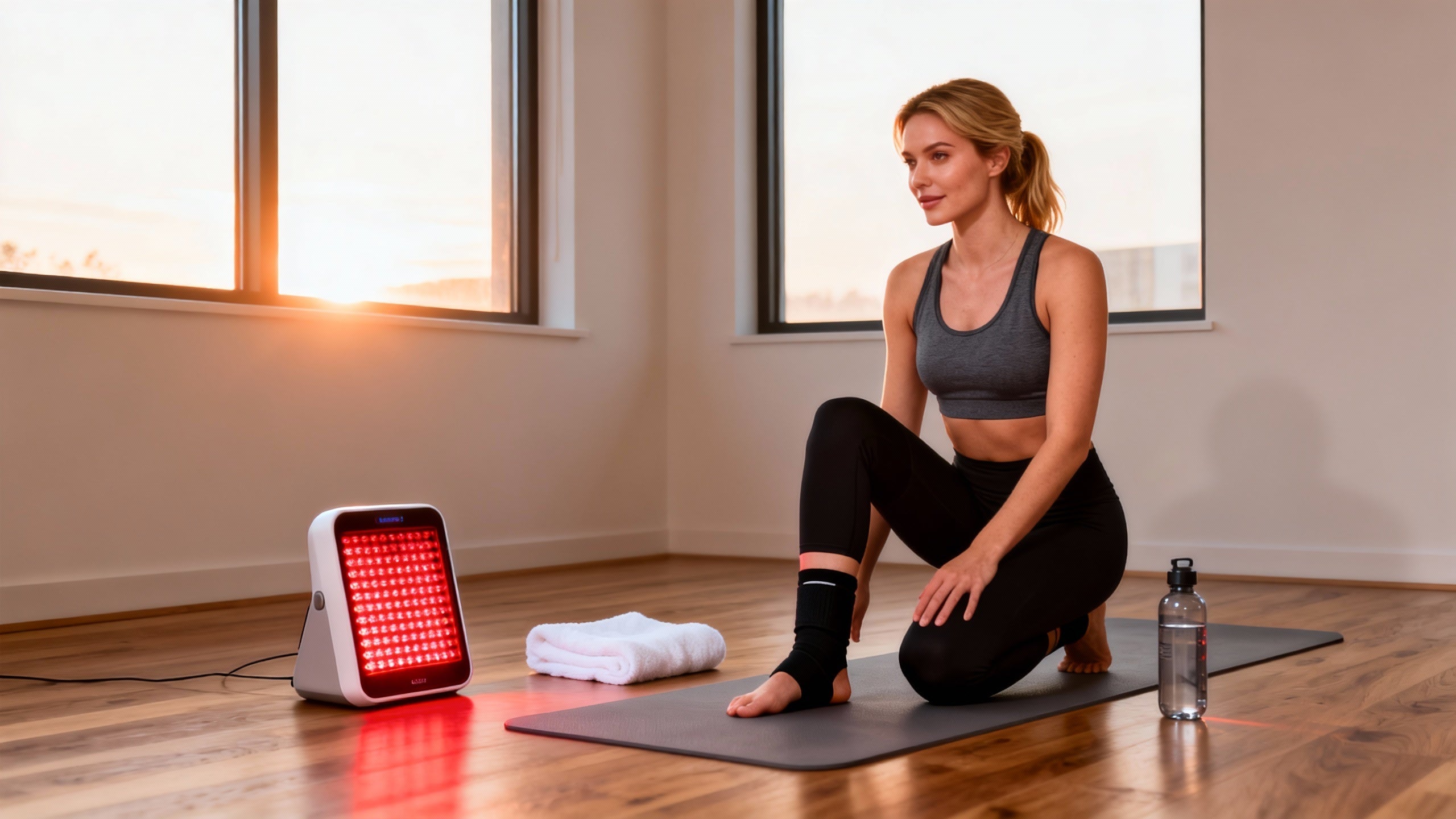
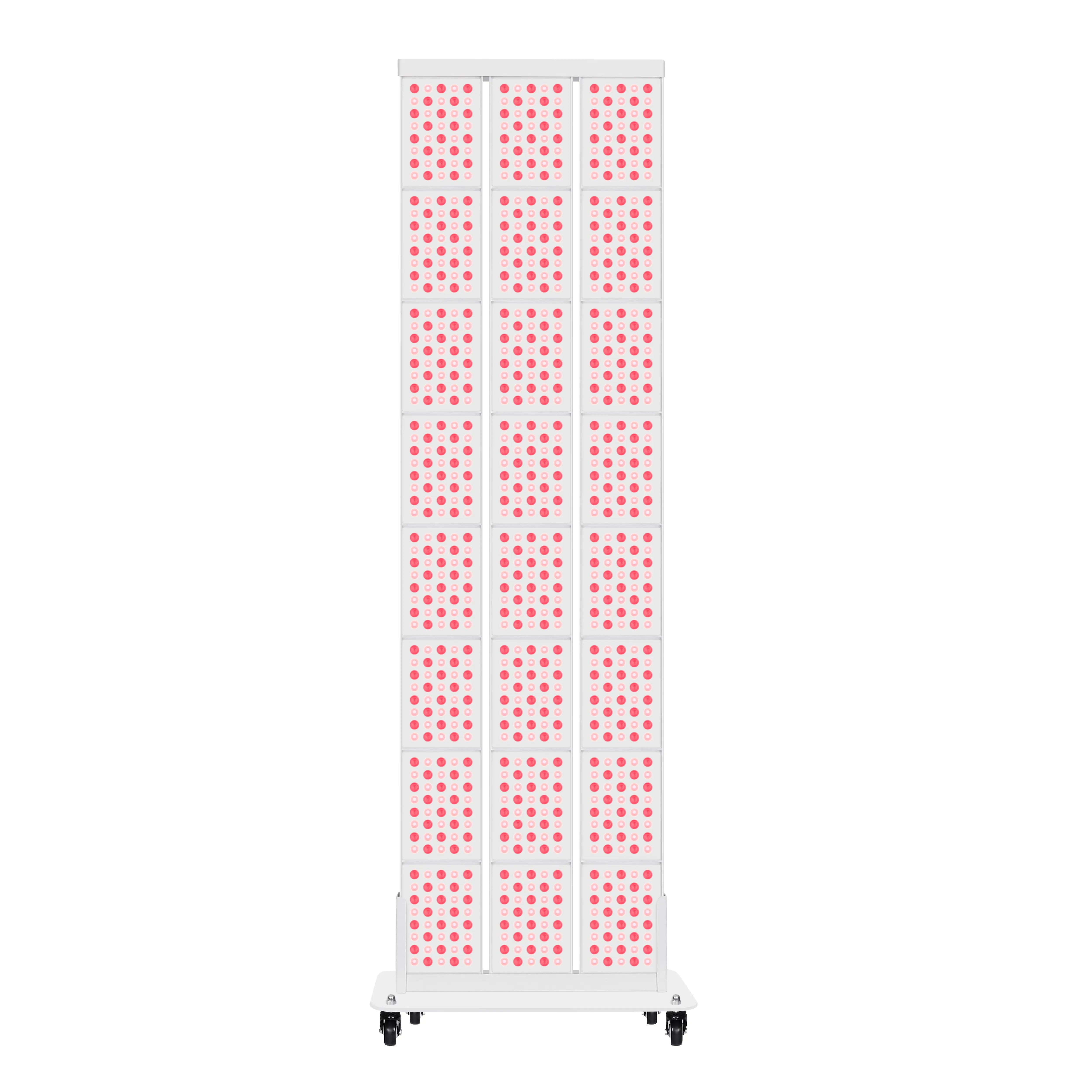
First, eliminate unnecessary load during the session. The light source should be mounted on a stand, against a wall, or propped on furniture so your arm can hang heavy and relaxed by your side. If you use a panel, sit or stand so that the shoulder you are treating faces the panel while your spine is tall and your shoulders are down and back.
Second, favor positions that encourage good scapular mechanics. Physical therapy sources emphasize that healthy shoulder blades rest slightly down and back rather than flaring upward and forward. When you stand in front of a panel, gently draw your shoulder blades toward your back pockets and allow your chest to open. You are using the session as a posture reset as much as a light treatment.
Third, combine light exposure with gentle, pain‑free movement when possible. Athletic rehab research repeatedly shows that active rehabilitation outperforms passive modalities alone. While the light is on the front or side of the shoulder, incorporate slow, comfortable pendulum swings or small pain‑free arcs of motion. Keep the movement easy; this is not a workout, it is a way to signal the nervous system that movement is safe while tissues are being supported.
Fourth, respect total load on the system. If you have just finished a particularly intense week of carrying heavy trays, you may need to shorten the session or pair it with more aggressive offloading strategies like temporary reduction in overhead tasks, not simply “add more light” and hope the shoulder keeps up.
A Sample End‑Of‑Shift Routine Integrating Red Light
To make all of this practical, imagine an after‑shift protocol that borrows directly from the evidence on warm‑ups, scapular control, and active rehabilitation, with red light layered in.
You arrive home and spend a few minutes walking slowly and breathing deeply to down‑shift your nervous system. Next, you perform a gentle dynamic warm‑down for the shoulder: arm circles within a comfortable range, shoulder rolls that intentionally drop your shoulders away from your ears, and a couple of easy chest‑opening doorway stretches. These movements mirror the dynamic warm‑up and stretching elements that sports‑injury prevention programs use to decrease shoulder injury risk.
Then you set up your red light device so you do not have to hold it. Perhaps you sit sideways to a panel, or rest a smaller device on a stack of books on a side table so the light hits the front of the shoulder and upper chest. You sit tall, shoulder blades slightly down and back, chin tucked so your ears are roughly over your shoulders, mimicking the “good posture” cues recommended by spine and ergonomics experts.
During the ten or so minutes of light exposure, you softly swing the arm in small circles or move it through pain‑free arcs out to the side or in front, never forcing a stretch. The goal is to let the rotator cuff and surrounding muscles experience gentle movement under low load.
After the session, you finish with very light band work for scapular muscles, such as rows and shoulder blade squeezes, inspired by programs that strengthen upper back and neck‑support muscles to prevent mouse shoulder and work‑related pain. You keep the resistance low, focus on smooth form, and avoid fatigue.
In that scenario, the light session adds comfort and possibly some cellular support, but the real power lies in the way you combined it with posture correction, stretching, and strengthening.

The Bigger Strategy: Building A Shoulder‑Resilient Career
Strength Is Your Long‑Term Insurance
Multiple orthopedic and sports‑medicine sources agree that strong, well‑controlled shoulders and upper backs are more resilient. Throwing‑sport prevention programs that focus on rotator cuff and scapular strength see reductions in shoulder injury rates compared with no intervention. Office‑worker guidance from orthopedic clinics and yoga‑based movement experts repeatedly suggests strengthening the upper back, external rotators, and core to take pressure off the shoulders.
For servers, this does not have to mean complicated gym sessions. It can mean consistent practice of a few key patterns: horizontal pulling, external rotation, and controlled overhead elevation in pain‑free ranges. Resistance bands, light dumbbells, and bodyweight movements can make a significant impact if you are consistent.
The key is progression and form. An orthopedic sports‑medicine overview stresses that many shoulder injuries stem from poor technique and overdoing load before tissues are ready. That translates to serving as well: build strength gradually, learn to brace with your core and back rather than shrugging your shoulders toward your ears, and respect fatigue.
Work Habits That Quietly Save Your Shoulder
Habit changes inside the restaurant can be as important as everything you do outside of it. Industrial ergonomics guidance suggests avoiding overhead lifting of loads heavier than roughly ten pounds for prolonged durations, keeping objects close to the body, and using assistive devices whenever possible. In a restaurant, that might mean advocating for step stools instead of reaching on tiptoe, storing the heaviest items between hip and chest height, and using two hands or a cart for heavy or awkward loads.
Stages and sections tend to run on autopilot, but you have more control than you think. You can choose to alternate arms for carrying trays instead of always loading one side. You can take a ten‑second micro‑break behind the service station to retract your shoulder blades and gently stretch your chest rather than standing in the same slumped position. You can speak up about workstation layout when something forces you into repeated awkward reaches.
These are small behaviors, but occupational health data on work organization make it clear that frequent low‑effort adjustments and breaks can greatly reduce cumulative strain.
When Red Light Therapy Is Most Useful
In my experience tracking dozens of servers and other hospitality workers, red light therapy tends to be most useful when a few conditions are met. The shoulder pain is in the mild to moderate range, not a severe tear or frozen shoulder. You are already implementing evidence‑backed basics: modifying aggravating activities, strengthening and mobilizing the joint, and improving posture at work and at home. You use the device in positions that unload, not load, the shoulder.
Under those conditions, light therapy can often make pain flare‑ups shorter and reduce the sense of stiffness, especially after long shifts. It can also make it more comfortable to perform your exercises, which indirectly improves outcomes because you are more likely to do the work consistently.
Where it performs poorly is when someone uses it as a substitute for all the other pieces. If you are still carrying trays with a shrugged shoulder, slouching for hours over your phone after work, and never strengthening your upper back, no panel or handheld device is going to magically bulletproof your shoulder.
When To Call In The Pros
Even with the best routine, some shoulder problems need professional eyes and hands. Orthopedic and physical therapy sources list several situations where you should seek medical care promptly. Pain that persists for more than a few days or intensifies. Inability to raise your arm overhead or away from your body. Night pain that routinely wakes you. Visible swelling, deformity, or a sense that the shoulder is slipping or unstable. Numbness, tingling, or weakness in the arm or hand.
In those cases, red light therapy should move from “primary strategy” to “possible adjunct under guidance.” A sports‑oriented physical therapist or an orthopedic specialist who focuses on shoulders can evaluate your mechanics, order imaging when appropriate, and design a tailored plan that might include manual therapy, targeted exercise, taping, injections, or other tools.
If you do use red light therapy while under their care, keep communication open. Let them know what you are using and how. Many clinicians are neutral or cautiously supportive of complementary modalities as long as they do not replace the fundamentals of load management and progressive strengthening.
Closing Thoughts
Your serving job does not have to come with a side order of chronic shoulder pain. The research is clear that posture, smart ergonomics, structured strengthening, and consistent movement can dramatically shift the trajectory of a “bad shoulder.” Red light therapy can be a powerful ally, but only if you treat it as one component in a bigger, evidence‑aligned system, not as a shortcut.
Build strength like an athlete, organize your work like a professional, and use your light intelligently. That is how you keep carrying trays for years without sacrificing your shoulders to the job.
References
- https://www.health.harvard.edu/healthbeat/stretch-to-ease-screen-time-related-neck-and-shoulder-pain
- https://pmc.ncbi.nlm.nih.gov/articles/PMC10086287/
- https://www.tdi.texas.gov/pubs/videoresource/fspreventingsho.pdf
- https://www.franciscanhealth.org/community/blog/back-pain-at-work
- https://www.templehealth.org/about/blog/5-ways-avoid-neck-shoulder-pain-working-from-home
- https://www.hackensackmeridianhealth.org/en/healthu/2020/05/11/3-ways-to-fix-the-neck-shoulder-pain-you-feel-while-working-from-home
- https://orthosports.net/preventing-shoulder-injuries-tips-for-a-strong-and-healthy-joint/
- https://healthpointe.net/occupational-medicine/how-to-avoid-shoulder-injuries-at-work/
- https://www.advancedindustrialmed.com/blog/preventing-shoulder-injuries-in-the-industrial-workforce-strategies-and-insights
- https://www.bswhealth.com/blog/4-simple-exercises-shoulder-pain