
If you have been around the wellness and biohacking world for a while, you already know this pattern. A new modality launches, influencers declare it a miracle, the skeptics roll their eyes, and eventually the dust settles around what actually works. Red light therapy has followed that exact arc.
When I first started experimenting with red and near‑infrared light panels years ago, I treated them like a flashy gadget: a few sessions here and there after a hard workout or a late night. The results were underwhelming. Only when I began treating red light therapy like any other biological input, with a dose and a schedule, did the science and my own experience snap into alignment.
Dermatology departments, major health systems, and academic centers now use red light therapy for skin aging, acne, wound healing, and even hair growth. Harvard Health, Cleveland Clinic, Stanford Medicine, UCLA Health, and others all describe it as promising and generally safe, but they converge on one crucial point: meaningful results come from consistent, repeated exposure, not one-off treatments.
This article breaks down why that is, where continuous treatment truly matters, how to design a sustainable protocol, and when it is perfectly reasonable to say “enough.”
What Red Light Therapy Is Really Doing Inside Your Cells
Red light therapy, also called low‑level light therapy or photobiomodulation, uses specific red and near‑infrared wavelengths to nudge cell biology, not to burn or ablate tissue. Penn State Behrend, Cleveland Clinic, and multiple peer‑reviewed reviews describe the same core mechanism.
Light in the red range, roughly the 600 to 700 nanometer band, and in the near‑infrared range, around 800 to 880 nanometers, penetrates into the skin and is absorbed by mitochondrial enzymes such as cytochrome c oxidase. That light absorption increases production of adenosine triphosphate, the energy currency your cells run on. With more ATP, fibroblasts and other cells can ramp up repair, collagen and elastin synthesis, and antioxidant defenses.
Clinical and laboratory studies summarized by Franklin Dermatology and in controlled trials of full‑body red light show downstream effects that match what many users notice subjectively. Collagen production in fibroblast cultures has increased by as much as several fold under properly dosed red light. Human trials have documented improved skin texture and elasticity, increased intradermal collagen density, more even pigmentation, and reductions in fine lines and wrinkles after weeks of treatment.
The same photobiomodulation pathway appears to underlie anti‑inflammatory effects. Dermatology practices such as West Dermatology and Camelback Dermatology highlight how red light calms redness in acne, rosacea, and eczema. Cleveland Clinic notes reduced inflammation and better blood flow as plausible mechanisms for improvements in pain and wound healing.
Think of it this way. You are not “frying” anything. You are providing repeated, low‑intensity light pulses that act like micro‑workouts for your cells. Just as doing a single set of squats does not build lasting muscle, a single red light session does not rewire skin or joint biology. The mechanism itself argues for continuity.
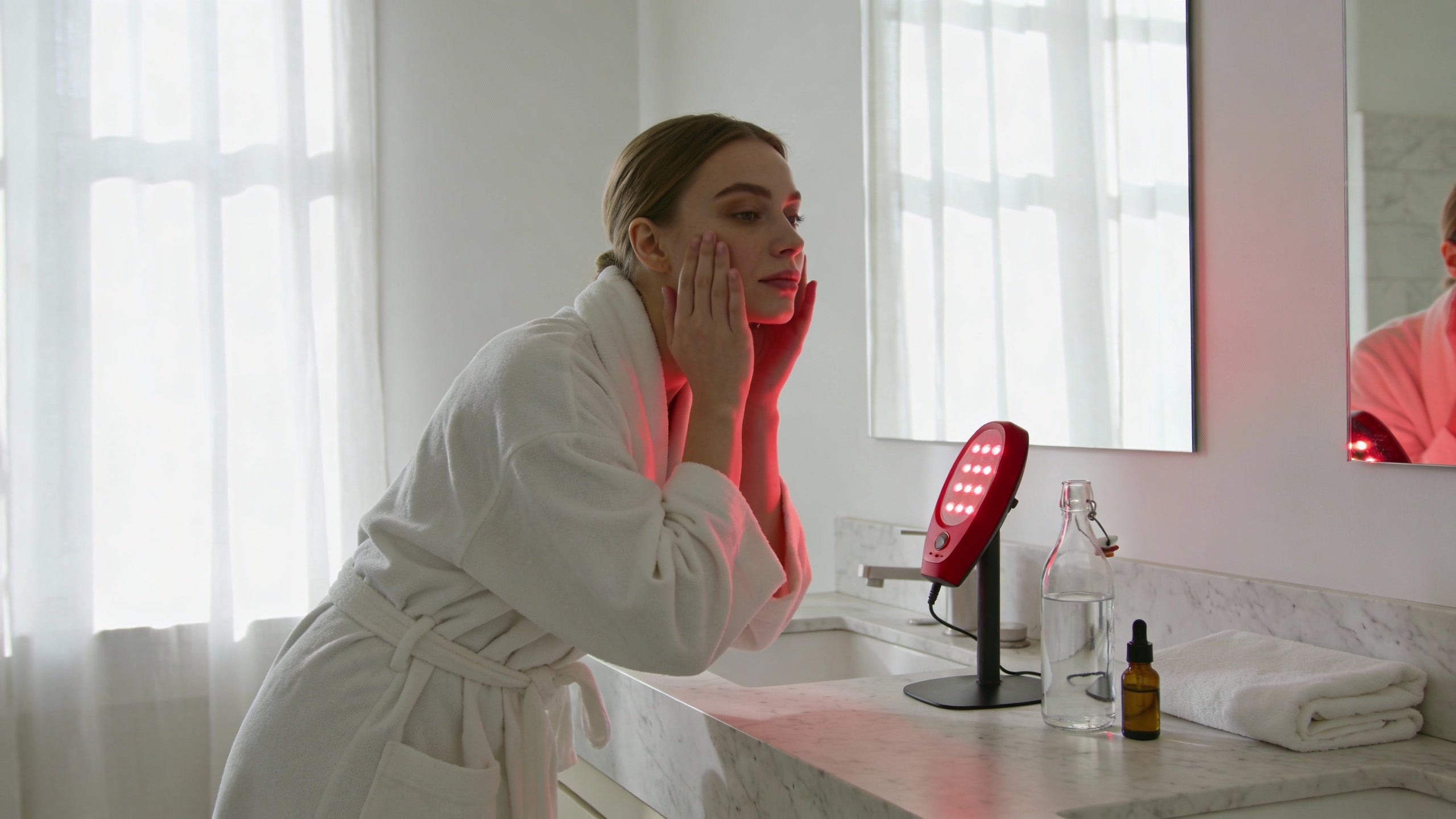
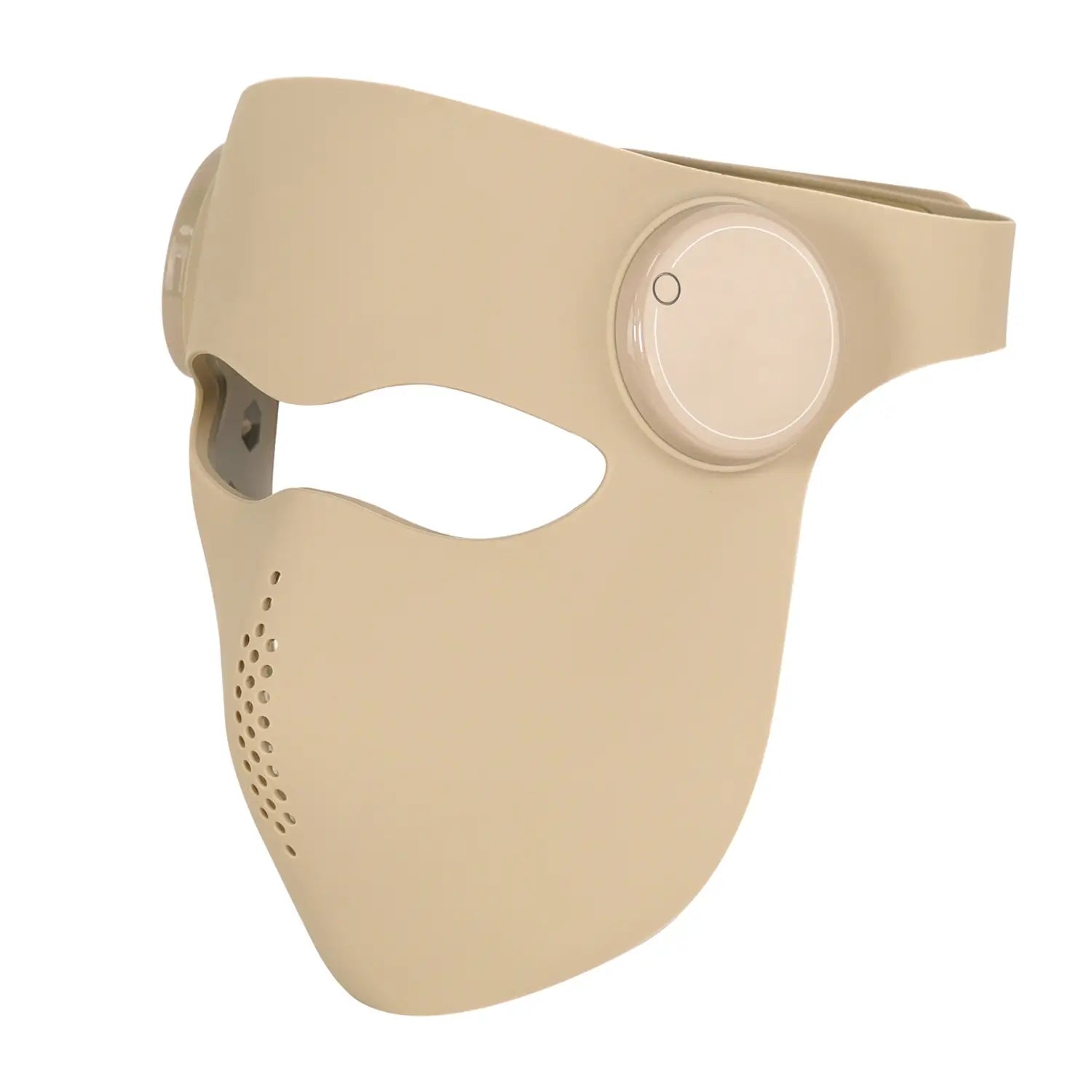
As a concrete example, one home‑use mask studied in a clinical trial delivered twelve‑minute sessions of 630 nanometer red light twice a week for three months. Over that time, participants showed progressive improvements in wrinkle depth, skin firmness, dermal density, texture, and pore size, and those gains persisted for at least two to four weeks after they stopped using the device. The total exposure time over those three months was under five hours, but it was structured and consistent.

Why The Evidence Favors Consistency, Not Single Sessions
Look at how serious clinical studies and reputable clinics use red light therapy and a pattern emerges immediately: they almost never rely on a single treatment.
A large controlled trial of red and near‑infrared photobiomodulation for skin rejuvenation enrolled more than one hundred volunteers. Participants received full‑ or partial‑body red light sessions twice a week for thirty treatments. Depending on the configuration, each session lasted around twelve to twenty‑five minutes, with carefully measured doses. Compared with untreated controls, treated subjects showed statistically significant improvements in complexion, subjective skin feel, objective skin roughness, and collagen density, with no serious side effects.
The facial mask study mentioned earlier used a different protocol but the same principle. Twelve minutes, twice a week, for three months, again with significant improvements in wrinkles, elasticity, dermal density, and sebum control for oily skin. Importantly, the research team deliberately spaced sessions by about seventy‑two hours, citing the classic Arndt–Schulz law: too little stimulus has no effect, too much or too frequent stimulus can actually blunt the response.
Harvard Health echoes this in its patient guidance. To see benefits in real‑world skin aging, devices need to be used multiple times per week for four to six months, and results build slowly. Cleveland Clinic likewise notes that many dermatologic uses involve one to three sessions per week for weeks or months, sometimes followed by maintenance treatments.
UCLA Health, reviewing red light across multiple applications, reinforces the same pattern. For skin aging, a mask study showed improvements after three months that persisted for about a month after stopping. For chronic pain, a review found significant symptom reduction, but in many studies pain gradually returned after therapy stopped, suggesting that ongoing or repeated treatment blocks are needed to sustain benefits.
This is the core point. The best evidence we have is built on repeated, scheduled exposure. There is very little data supporting one‑time or ultra‑sporadic use for the goals most people care about.
To visualize this, consider a few representative protocols from the literature and from clinical practice.
Setting or study |
Typical session pattern |
Outcomes reported |
Full‑body rejuvenation trial (photobiomodulation) |
About twice weekly, thirty sessions total |
Better complexion, smoother skin, higher collagen density |
Home LED mask anti‑aging study |
Twelve minutes, twice weekly, three months |
Reduced wrinkles, better firmness, denser dermis, smaller pores |
Dermatology clinic facials and post‑procedure care |
Ten to twenty minutes, a few times per week or monthly add‑ons |
Faster healing, less redness, enhanced cosmetic results |
Every one of these examples assumes continuity: a block of weeks or months with repeated, reasonably spaced sessions.
Where Continuous Treatment Truly Matters
You do not need the same level of commitment for every goal. For some applications, a defined treatment block followed by occasional top‑ups is enough. For others, the biology and the data point more clearly toward long‑term maintenance.
Skin Aging, Texture, And Pigmentation
This is where the case for continuous red light therapy is strongest and most mature. Dermatology practices from West Dermatology to Coast Dermatology and Camelback Dermatology consistently describe similar benefits. Low‑wavelength red light penetrates to the dermis, stimulates fibroblasts, boosts collagen and elastin production, and improves microcirculation and cellular turnover. Clinically, that translates into smoother texture, fewer fine lines and wrinkles, less sagging, and more even tone.
Franklin Dermatology’s review of the scientific literature highlights fibroblast studies where collagen synthesis increased several fold under properly dosed red and near‑infrared light. Human trials ranging from a few dozen to more than one hundred participants report visible improvements in wrinkles, roughness, and elasticity after several weeks of structured treatment. Green‑focused spa and clinic data show high percentages of patients noticing improvement in softness, smoothness, and dark spot lightening after about a month of red light facials, with greater changes over two to three months of consistent sessions.
The Lucibel–Dior home mask trial is particularly useful for everyday planning. Participants, mostly in their fifties and sixties with visible aging signs, used the mask twelve minutes twice a week for three months while keeping their usual skincare routine. Objective imaging and dermatologist ratings found progressive gains each month, and benefits persisted for at least two to four weeks after stopping.
In practice, that means you can think of facial anti‑aging red light as a training block. For example, three months of two to three short sessions per week adds up to roughly three to five total hours under the light. In many people that is enough to remodel the collagen network enough that your baseline skin quality is improved, even if you pause. However, if you want to keep pushing back against ongoing aging, ultraviolet exposure, and lifestyle stressors, it makes sense to keep some level of maintenance, such as once or twice weekly sessions, rather than returning to zero.
Acne, Redness, And Inflammatory Skin Conditions
Inflammatory acne, rosacea, eczema, and sensitive‑skin redness respond to a different but related aspect of red light therapy: anti‑inflammatory signaling and barrier support. Camelback Dermatology and Coast Dermatology emphasize that red light reduces redness and irritation and is well tolerated by sensitive or reactive skin. In acne care, red light is often paired with blue light, where blue targets acne‑causing bacteria and red calms inflammation and supports healing and scar reduction.
Baylor College of Medicine uses LED red light after laser treatments, chemical peels, and facials to speed recovery and improve cosmetic outcomes. They explicitly stress that LED light therapy should be viewed as an ongoing maintenance treatment rather than a one‑time procedure, and that consistent and diligent use is needed for meaningful benefits. Baylor also cautions that people with epilepsy should avoid these treatments, an important reminder that continuous use must still be tailored to individual risk.
Northwell Health’s skincare experts and several esthetic practices report that people with rosacea, acne, psoriasis, and eczema often notice reduced redness and calmer skin with regular red light sessions. Most at‑home protocols for sensitive skin devices recommend about ten minutes per area, three to five times per week, with gradual improvement over several weeks and more visible redness and fine‑line changes with longer use.
Here, continuous does not necessarily mean daily forever. A common real‑world pattern is an initial intensive phase, for example three or four sessions per week for six to twelve weeks to get inflammation under control, followed by a lower‑frequency maintenance phase. If the underlying triggers, such as diet, hormones, or stress, remain unchanged, inflammation can return when light exposure is removed, so combining continuous but moderate red light with broader lifestyle work usually produces the most stable results.
Hair Growth And Scalp Health
Red and near‑infrared light for pattern hair loss is one of the more rigorously studied non‑drug approaches. Stanford Medicine notes that red light penetrates superficially into the scalp, causes vasodilation, improves blood flow and nutrient delivery to hair follicles, and can enhance hair shaft size and hair quality when used consistently over several months. UCLA Health reports that repeated treatments with near‑infrared combs, caps, or helmets in hereditary hair loss can regrow hair and increase thickness and length, with at least one study suggesting results comparable to a standard topical medication.
There is an important catch. Stanford’s dermatology experts emphasize that benefits stop when treatment stops and that red light does not resurrect dead follicles on a completely bald scalp. In other words, hair growth is a maintenance game. You are supporting existing, vulnerable follicles, not installing new ones.
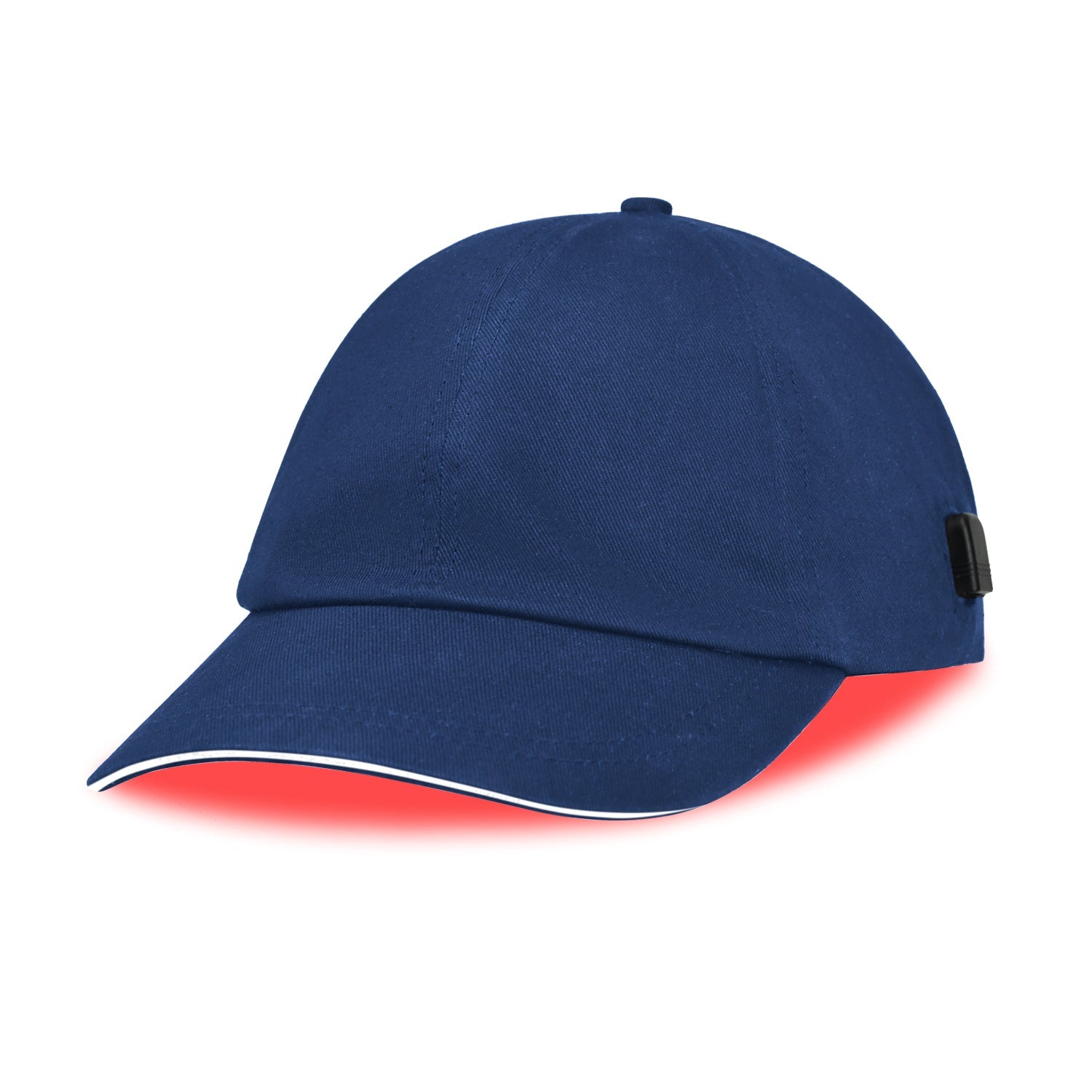
From a practical standpoint, that means a longer and more continuous commitment. Many wearable devices are designed for frequent use, such as several short sessions per week, over many months. Imagine someone with early thinning at the crown investing in a hair‑growth cap and using it four times per week for fifteen minutes. Over six months, that is roughly sixty hours of cumulative exposure. If they see meaningful thickening and then abruptly stop, the underlying androgenic process is still there, and hair often gradually returns to its prior trajectory.
For hair, red light therapy behaves more like brushing your teeth than like a finite orthodontic treatment. You can front‑load effort to gain progress, but some ongoing use is usually necessary to hold on to those gains.
Pain, Joints, And Physical Recovery
Red and near‑infrared light are also being studied for musculoskeletal pain, tendon injuries, and exercise recovery. Reviews summarized by medical organizations like UCLA Health and broader photobiomodulation overviews report modest short‑term reductions in pain and stiffness for osteoarthritis, tendinopathies, and chronic neck or back pain compared with placebo treatments, with generally low risk.
A review of photobiomodulation for pain found that many types of chronic and acute pain respond during the treatment period, but in a number of studies symptoms returned within weeks once therapy stopped. WebMD’s overview of red light therapy reports similar findings for rheumatoid arthritis, tendinopathy, and temporomandibular joint pain: short‑term improvements, particularly for inflammatory pain, but limited evidence of lasting change once the light source is removed.
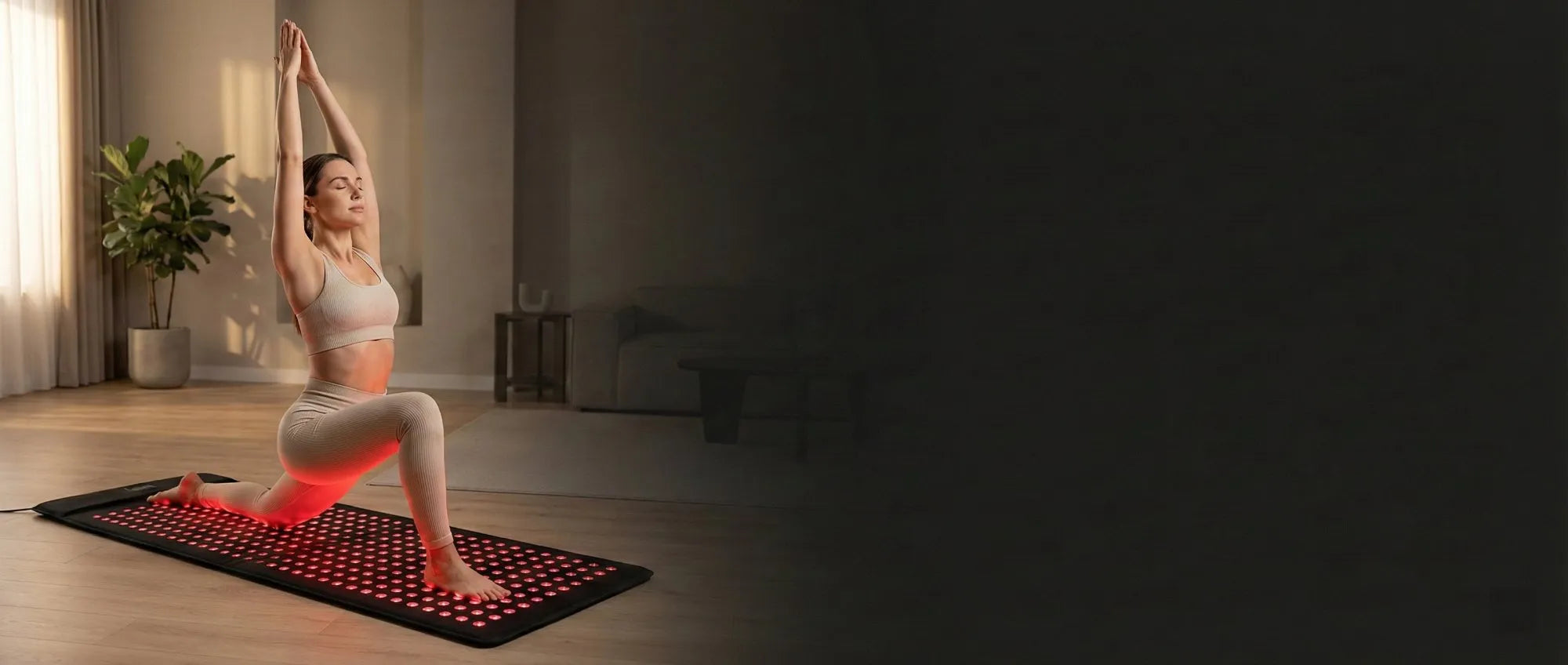
That does not mean continuous daily use is mandatory. Instead, it suggests that people with chronic pain might benefit from structured cycles of treatment, such as several weeks of sessions targeted at a painful joint, followed by a reassessment. For an older adult with knee arthritis, for example, a course of clinic‑based red light twice a week for six weeks might reduce morning stiffness and improve function while they also work on foundational strategies like strength training and weight management. When symptoms flare again months later, another cycle can be considered.
Brain, Mood, And Systemic Claims
This is where a veteran optimizer needs to be most cautious about claims. The Penn State Behrend counseling center offers red light therapy as a non‑invasive wellness option, noting that photobiomodulation may enhance brain cellular function, neurotransmitter production, and sleep, and that some people experience better mood and cognitive function.
Research reviews cited by WebMD and UCLA Health describe small studies in dementia where headsets or intranasal red light used daily for several weeks led to improvements in cognition, sleep, or behavior, with few reported side effects. At the same time, Stanford and University of Utah experts point out that evidence for red light therapy in mental health, athletic performance, sleep, erectile dysfunction, and various systemic conditions is still either preliminary or based largely on animal data.
If you are tempted to use red light daily on your head for mood, memory, or systemic biohacking, that is where continuous treatment is least clearly justified by current human data. Early signals are promising enough to warrant further research, but they are not strong enough to replace well‑validated therapies for depression, anxiety, or neurodegenerative disease. Consulting a clinician before committing to long‑term, brain‑directed protocols is essential, especially if you are on medications or have neurological conditions.

Designing A Continuous Protocol You Can Actually Stick With
Because device power, beam spread, and exact wavelength vary, there is no universally accepted “dose.” Still, when you review clinical trials and guidance from Harvard Health, Cleveland Clinic, dermatology practices, and device studies, some practical ranges emerge.
For cosmetic skin applications, many professional offices use ten to twenty minutes of red light a few times per week, often stacked with peels, microneedling, or facials. Home devices such as LED masks and wands typically recommend sessions in the ten to twenty minute range, two to five times per week. Solawave, a brand focused on sensitive skin, suggests about ten minutes per area, three to five times weekly. Dr. Daniel Barrett reports visible improvements with fifteen to twenty minute sessions, three to five times per week, over about three weeks, with cumulative gains over longer periods.
The Lucibel–Dior mask trial demonstrated that even just two sessions per week, properly spaced, can drive measurable changes over three months. The large full‑body rejuvenation trial showed that thirty sessions, done twice per week, could shift both subjective and objective measures of skin quality. Harvard Health’s summary for patients is blunt: devices need to be used multiple times a week for four to six months, and results are slow and steady rather than rapid.
At the same time, more is not automatically better. The Arndt–Schulz principle, referenced in the Lucibel mask study, holds that low doses stimulate biology, while excessive doses can dampen or even reverse the effect. WebMD and Dr. Barrett both warn that very high intensities or overlong exposures can cause redness, blistering, or eye damage, particularly with poorly designed equipment. That is why many consumer devices set fixed session durations and lockout timers.
One practical way to structure “continuous” treatment without overwhelming your schedule is to think in phases. For example, for skin rejuvenation you might commit to three months of facial sessions three evenings per week, fifteen minutes per session. That totals about nine sessions per month, or roughly forty‑five minutes of light exposure per week. Over three months, you will have built in around thirty‑six sessions and about eleven hours of cumulative facial exposure.
After that block, you can reassess objectively. Good ways to do this include high‑quality before and after photos under similar lighting and simple self‑ratings of wrinkle depth, texture, and pigmentation. If you are satisfied, shift to once or twice weekly maintenance. If you are still improving and tolerating the sessions well, another block of a few months may be reasonable.
To clarify how continuous use differs by goal, it helps to summarize the patterns clinicians and studies often follow.
Primary goal |
Typical pattern seen in studies and clinics |
What “continuous” tends to mean |
Facial anti‑aging |
Ten to twenty minutes, two to three times per week, for three to six months |
A defined multi‑month block, then lower‑frequency maintenance |
Acne and redness |
Short sessions several times per week, often combined with blue light or topicals |
Intensive phase to calm inflammation, followed by maintenance |
Hair growth |
Frequent short sessions per week over many months |
Ongoing use to maintain gains; benefits fade when stopped |
Chronic joint or tendon pain |
Several sessions per week for four to twelve weeks |
Relief during treatment, with possible need for repeat cycles |
These are not prescriptions. They are patterns drawn from the research and from how major dermatology and wellness centers actually operate. Your own plan should be tuned with a dermatologist or knowledgeable clinician, especially if you have medical conditions or are using other procedures.
Do You Really Have To Use Red Light Forever?
This is the question serious planners always ask, and the answer is nuanced.
For structural skin changes such as collagen remodeling and dermal thickening, evidence suggests that benefits can outlast the active treatment window. The Lucibel mask trial found that wrinkle and texture improvements persisted for at least two to four weeks after stopping a three‑month protocol. A mask study referenced by UCLA Health showed that skin quality improvements were still present a month after the end of treatment. Those findings fit the biology; collagen does not instantly vanish when you stop stimulating it.
However, many of the processes you are trying to counteract—chronological aging, ultraviolet exposure, pollution, glycation, chronic low‑grade inflammation—are continuous. That means your skin is still accumulating micro‑damage even as you enjoy the gains from a completed red light block. In that sense, ongoing maintenance, even at a lower frequency, is rational if you want to keep the clock wound back.
For hair and chronic pain, the case for ongoing use is stronger. Stanford dermatologists explicitly report that hair gains diminish when red light treatment is stopped, and pain reviews summarized by UCLA Health and WebMD show symptoms returning within weeks of cessation in many studies. Here, continuous treatment in the long term may be more like brushing and flossing; the payoff depends on not stopping entirely.
For brain and systemic wellness claims, we simply do not have the long‑term human data to say whether continuous daily use is beneficial, necessary, or even neutral over many years. That is where restraint and medical supervision matter most.
In practical terms, think in seasons, not in forever. Commit to a clearly defined block with objective tracking, reassess, and then decide whether to maintain, scale back, or pause. This is how a veteran optimizer uses technology without becoming owned by it.

Risks, Costs, And When Continuous Treatment Is Not Worth It
One of the reasons red light therapy has earned a place in serious wellness conversations is its safety profile when used correctly. Cleveland Clinic and Harvard Health both describe it as non‑invasive, non‑UV, and generally well tolerated, with short‑term side effects usually limited to mild temporary redness or irritation. WebMD and Dr. Barrett agree that most harm comes not from the modality itself, but from overuse, excessive intensity, or poorly designed devices.
There are important exceptions. People with photosensitive conditions such as lupus, those taking photosensitizing medications like certain antibiotics, isotretinoin, or some anti‑inflammatory drugs, and those with epilepsy or a history of skin cancer or serious eye disease should not self‑prescribe red light therapy. Harvard Health, Cleveland Clinic, Solawave’s sensitive‑skin guidance, and Baylor’s dermatology experts all stress the importance of consulting a dermatologist or other qualified clinician before starting in these situations. Eye protection is non‑negotiable with higher‑intensity panels and beds.
Cost is the other major constraint on continuous use. WebMD notes that in‑office red light sessions can cost around eighty dollars or more per treatment, and that many devices and uses are not covered by insurance. BSW Health reports that at‑home devices commonly range roughly from one hundred to one thousand dollars, and the University of Utah’s men’s health discussion highlights full‑body beds that can cost tens of thousands of dollars on the commercial side.
A simple example illustrates why continuous clinic‑only treatment gets expensive fast. Imagine doing two facial sessions per week at eighty dollars each for three months. That is about twenty‑four sessions and roughly one thousand nine hundred twenty dollars. A high‑end, FDA‑cleared at‑home mask in the six hundred dollar range may pay for itself after a handful of clinic‑equivalent treatments. On the other hand, a very low‑cost consumer device with unknown wavelength and power may never deliver the doses used in studies, no matter how continuously you use it.
UCLA Health and the University of Utah both emphasize buying wisely. Look for devices labeled as FDA‑cleared rather than vague claims like “FDA approved” or “FDA certified.” Verify that the wavelengths match those studied for your goal, commonly around the mid‑six hundred nanometer range for skin and hair, with near‑infrared around the eight hundred nanometer band for deeper effects. Device manuals should specify recommended session length and frequency; if they do not, that is a red flag.
Finally, several academic and clinical sources deliver the same reality check. Red light therapy is a low‑risk adjunct, not a replacement for the core health pillars of nutrition, physical activity, sleep, and mental health. The University of Utah’s podcast on red light therapy frames it bluntly: do not let the shiny device distract you from the basics that carry far more evidence and impact.
If budget or bandwidth are tight, continuous use is not automatically worthwhile. It may be smarter to optimize sunscreen, diet, and training first, then layer in a realistic red light protocol that you can actually adhere to.

A Veteran Optimizer’s Framework For Long‑Term Red Light Use
The way I approach continuous red light therapy now is much more disciplined than my early gadget phase, and it aligns closely with what the research supports.
I begin by choosing a single primary goal for a given block, usually either facial aging, acne or redness, hair density, or joint pain. Trying to chase every possible benefit at once makes it impossible to know whether the protocol is helping and invites overuse.
Next, I match the device to that goal. For facial skin, a flexible, FDA‑cleared mask with well‑documented wavelengths is practical and delivers good coverage; Omnilux devices, for example, are backed by more than forty peer‑reviewed studies and are used in dermatology clinics for at‑home maintenance. For localized joint or tendon pain, a targeted panel or wand makes more sense. For hair, caps and combs specifically designed for scalp penetration and spacing between follicles are better.
Then I commit to a defined time frame, often twelve weeks, with a realistic schedule grounded in the patterns discussed earlier. For facial work, that usually means two or three evenings a week while reading or meditating. For scalp or joint work, the frequency is determined by device instructions and any guidance from the treating clinician. I log sessions and make notes on skin feel, breakout frequency, pain levels, or hair shedding every week or two.
At the end of the block, I force a decision point instead of drifting. If objective signs and subjective experience both suggest clear benefit and side effects remain minimal, I shift to a maintenance pattern, usually once or twice a week. If results are modest or absent after an adequate, consistent trial, I am comfortable scaling back or redirecting budget to better‑supported interventions rather than doubling down indefinitely.
This is the mindset shift that turns continuous red light therapy from a vague habit into a deliberate tool in your wellness stack.
Common Questions About Continuous Red Light Therapy
Can I Use Red Light Therapy Every Day?
Most consumer devices and clinical protocols do not require daily use, and some research suggests that spacing sessions may actually be better. The Lucibel mask study deliberately left about seventy‑two hours between sessions to align with the way photobiomodulation effects unfold over several days. Dr. Barrett notes that fifteen to twenty minute sessions three to five times per week can produce visible changes without overloading tissues.
If your device manual allows daily use and you tolerate it well, short daily sessions may be acceptable for some goals, but piling on more time or intensity than recommended is not smart. Overexposure can lead to irritation, redness, or, in extreme cases with high‑powered equipment, blistering. When in doubt, follow the protocol used in studies that match your goal and consult a clinician. Continuous should mean consistent and intelligent, not nonstop.
What Happens If I Miss A Week Or Two?
Biology is not a light switch. If you have built up several weeks or months of consistent use, missing a handful of sessions will not erase your progress. The mask studies showing improvements persisting for two to four weeks after stopping imply that tissue changes have some inertia.
If you are in an early intensive phase for acne or pain, a long break may allow inflammation or symptoms to creep back, and you may need a bit of extra time to regain control when you restart. For maintenance phases, simply resume your prior schedule and watch how your skin or joints respond. Continuous treatment should be robust enough to survive real life, not dependent on perfect adherence every single week.
How Long Should I Continue If I Am Not Seeing Results?
This is where evidence‑based expectations matter. Many skin studies report visible improvements after four to twelve weeks of regular use, with further gains over longer periods. Harvard Health suggests planning on several months of multiple weekly treatments for meaningful skin rejuvenation. Dr. Barrett has observed improvements after about three weeks of consistent facial use, with more change over time.
If you have used a well‑designed, appropriate device consistently for at least eight to twelve weeks, following a protocol similar to those in the literature, and you see essentially no change in your primary outcome, it is reasonable to reassess. Confirm that your device’s wavelengths and power resemble those used in studies, check your other skincare and lifestyle variables, and talk with a dermatologist about whether red light is the right tool for your specific issue. Continuous use for its own sake is not the goal; targeted, effective use is.
Red light therapy is not magic, but it is not snake oil either. It is a gentle, biologically active input whose effects accumulate over weeks and months of well‑dosed exposure. When you respect the need for continuity, choose devices and protocols that mirror the science, and keep it in its proper place alongside the foundational pillars of health, red light becomes exactly what a seasoned wellness optimizer wants: a quiet, compounding lever you can pull for years without burning yourself out.
References
- https://lms-dev.api.berkeley.edu/studies-on-red-light-therapy
- https://florida-academy.edu/the-benefits-of-led-light-therapy-a-revolutionary-skin-treatment/
- https://www.health.harvard.edu/staying-healthy/red-light-therapy-for-skin-care
- https://thewell.northwell.edu/skin-health/red-light-therapy-skincare
- https://pmc.ncbi.nlm.nih.gov/articles/PMC10311288/
- https://blogs.bcm.edu/2025/06/24/led-light-therapy-how-does-it-work-on-your-skin/
- https://behrend.psu.edu/student-life/student-services/counseling-center/services-for-students/wellness-offerings/red-light-therapy
- https://med.stanford.edu/news/insights/2025/02/red-light-therapy-skin-hair-medical-clinics.html
- https://healthcare.utah.edu/the-scope/mens-health/all/2024/06/176-red-light-therapy-just-fad
- https://my.clevelandclinic.org/health/articles/22114-red-light-therapy