
Why Your Mouse Hand Is Going Numb
If your hand regularly goes numb after a long day with a mouse, you are not imagining it. Hours of gripping, clicking, and subtle wrist extension load the small tendons, blood vessels, and nerves that run through the narrow tunnel at your wrist and across the back of your hand. Over time, that load can show up as tingling in the fingers, dull ache in the palm, electric zaps into the thumb and index finger, or even weakness when you open jars or grip a dumbbell.
People call it “mouse hand,” but under the hood you often see familiar patterns: early carpal tunnel–type irritation of the median nerve, tendon inflammation, microcirculatory slowdown, and sometimes nerve sensitization in the forearm and neck. It is essential to say this clearly up front: persistent numbness, weakness, or pain deserves a real medical workup, because similar symptoms can show up in conditions like full-blown carpal tunnel syndrome, cervical spine problems, or diabetic neuropathy. Red light therapy, or photobiomodulation, is best treated as an adjunct, not a replacement for diagnosis and standard care.
That said, if you have already done the basics—better ergonomics, breaks, stretches, and maybe a wrist support—and your mouse hand still complains, red and near‑infrared light become a scientifically plausible tool to add to your toolkit. My goal here is to walk you through what the research actually supports, where the hype exceeds the physics, and how to build a practical home protocol that respects both biology and reality.

Red Light Therapy 101: What You Are Actually Doing to Your Cells
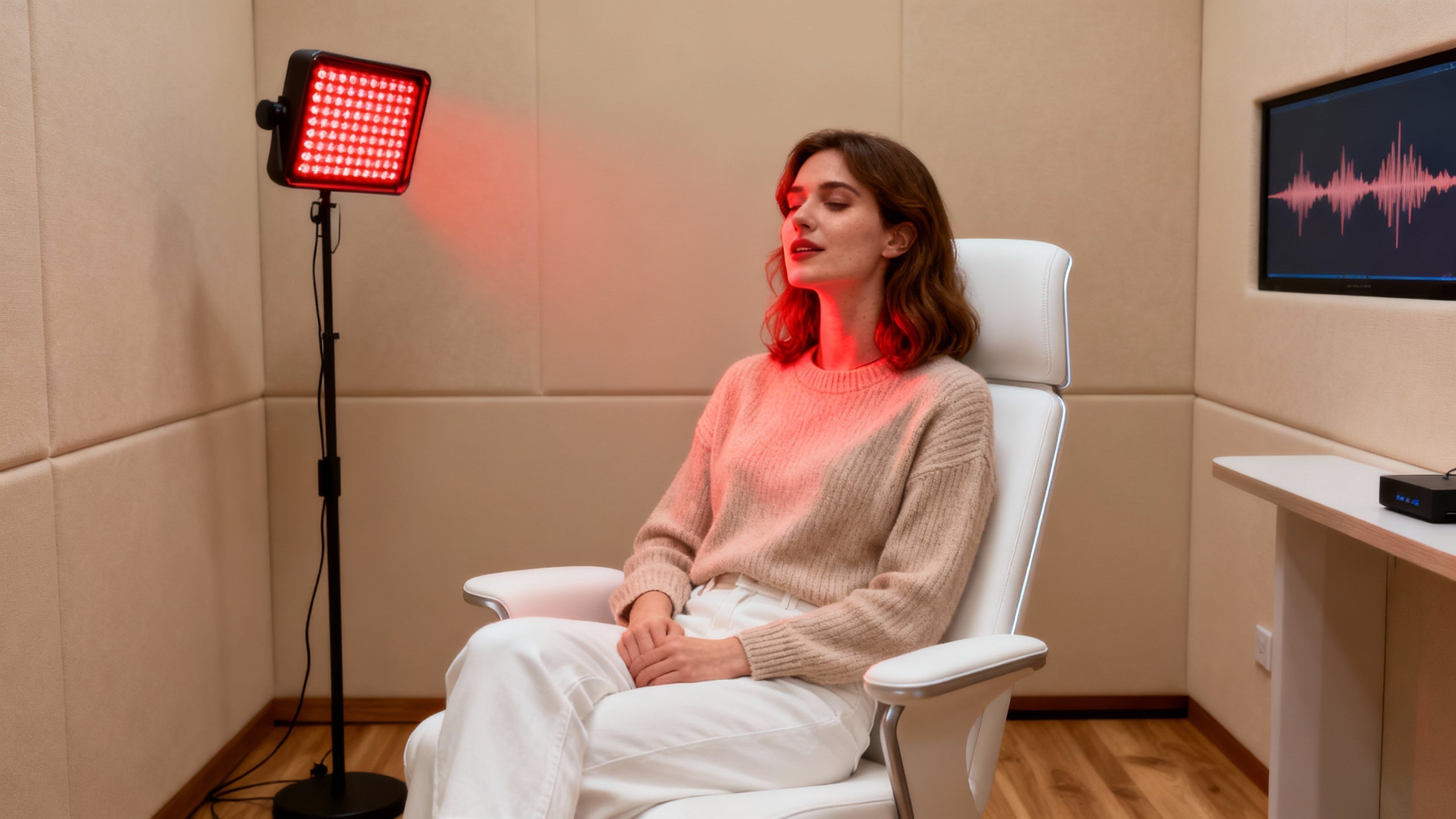
Red light therapy, often called photobiomodulation or low‑level light therapy, uses non‑heating red and near‑infrared wavelengths, roughly in the 600–1,000 nanometer range. Devices deliver this light via LEDs or low‑power lasers to the surface of the skin. Unlike ultraviolet, these wavelengths are non‑ionizing and are not used to burn or ablate tissue. Instead, they nudge cellular processes.
How Red and Near‑Infrared Light Talk to Mitochondria
The core story is mitochondrial. Reviews from Cleveland Clinic and integrative centers such as the Mederi Center describe a converging mechanism: red and near‑infrared photons are absorbed by mitochondrial chromophores, especially cytochrome c oxidase, the enzyme complex that handles most of your cells’ oxygen and ATP production. When that complex absorbs the right band of light, several changes follow.
At the cell level, studies summarized in biomedical reviews show increases in mitochondrial membrane potential, ATP output, and oxygen consumption. Gene expression shifts toward greater antioxidant capacity and lower pro‑apoptotic signaling. Low‑level reactive oxygen species and nitric oxide are produced in balanced amounts that can widen blood vessels and modulate inflammation rather than simply causing damage. In plain English, a brief, well‑dosed pulse of red or near‑infrared light can make a struggling cell behave more like a younger, better‑fueled version of itself.
This broad mitochondrial effect explains why the same technology appears in such different settings: dermatology clinics using red light panels for skin texture; sports labs applying near‑infrared pads over sore quadriceps; neurologists experimenting with transcranial devices; and ophthalmology teams using carefully dosed deep red light to support retinal health.
Dose and Wavelength: The “Goldilocks” Problem
Photobiomodulation is not “more is better.” A major review on near‑infrared therapy for eye and neurological disease highlights a hormetic, or U‑shaped, dose‑response. Very low energy densities can stimulate, but as total dose climbs past roughly 10 joules per square centimeter at the target tissue, effects can flatten or even flip toward inhibition. At the same time, another physics‑heavy review in PubMed Central points out that the dose delivered to the surface is not the dose arriving at deeper tissues. Skin, fat, fascia, and bone scatter and absorb an enormous fraction of incoming photons.
Those physics papers estimate that to get an effective 0.9–15 joules per square centimeter at a deep target, the surface dose must be many times higher. Experiments measuring light transmission through a human hand about 1 inch thick found that an LED source around 35 milliwatts per square centimeter at 830 nanometers delivered only around 0.01–0.09 percent of its power to the far side of the hand. A strong 13.5‑watt laser at 810 nanometers pushed that transmission to about 0.6 percent. When you run the math, a low‑power LED used for just a few minutes delivers far less energy at depth than the biologically active window seen in cell and animal studies.
For brain applications, that limitation is devastating, because the target sits under scalp, skull, and brain tissue. For mouse hand issues, the target is shallower, but the same logic applies: whatever dose you deliver at the skin is only a small fraction of what your median nerve and flexor tendons actually see.
Why Red Light Might Help Mouse Hand Numbness
Even with those constraints, there are three reasons red and near‑infrared light are worth considering for mouse‑hand‑type complaints: anti‑inflammatory effects on soft tissues, microcirculation support, and potential support for nerve repair.
Inflammation and Microcirculation in Overworked Wrist Structures
In athletes and active individuals, red light therapy has been used around joints and muscles to reduce soreness and speed recovery. The Mederi Center review notes that red and near‑infrared exposure can increase blood flow and reduce oxidative stress, producing faster tissue repair and less pain after exercise. Cleveland Clinic also lists osteoarthritis, ankle tendonitis, and other inflammatory joint conditions among the “investigated” uses of low‑level light therapy, although they emphasize that many of the human trials are small and not yet definitive.
Mouse hand shares a lot of biology with those conditions. Repetitive mouse use loads the flexor tendons that run through the carpal tunnel and the small muscles that stabilize the wrist. Microtrauma and low‑grade inflammation in those structures can narrow the tunnel and irritate the median nerve, while local blood flow may become sluggish as tissues swell. A modality that can nudge local blood vessels open, tamp down oxidative stress, and support faster tendon repair has a plausible route to symptom relief even before you talk about direct nerve effects.
Nerve Repair and Carpal Tunnel Research
Where mouse hand gets really interesting for a light therapy geek is at the nerve level. Reviews on near‑infrared photobiomodulation for neurological conditions report preclinical work showing that red and near‑infrared light can protect neurons, promote nerve regeneration after injury, and improve outcomes in carpal tunnel syndrome. Cleveland Clinic likewise includes carpal tunnel syndrome on the list of conditions where low‑level laser or LED therapy has been studied for pain and inflammation reduction.
The details of those carpal tunnel studies matter. They often use relatively powerful, clinic‑grade lasers or tightly focused LED arrays at wavelengths such as 810 or 830 nanometers, applied directly over the carpal tunnel region in structured protocols. Some trials report improved nerve conduction parameters and reductions in pain or numbness, while others show more modest or short‑lived benefits. Overall, the picture is encouraging enough that reputable institutions discuss carpal tunnel as a “promising” but still investigational indication, not a miracle cure.
The nerve‑repair data align with what we know about mitochondria in nervous tissue. Nerve fibers, like retinal cells, are energy‑hungry. The near‑infrared photobiomodulation review notes that mitochondrial cytochrome c oxidase is the primary photoreceptor and that targeting it can increase ATP and antioxidant enzyme activity in neural tissue. If you think of an irritated median nerve as an energy‑starved, inflamed cable, it makes sense that gently restoring ATP and lowering reactive oxygen species might help it recover.
That does not mean a cheap red lamp will “fix” carpal tunnel or mouse hand numbness on its own. It does mean there is a mechanistic and early clinical basis for using red and near‑infrared therapy as a supportive modality while you address mechanics and, when necessary, medical treatment.
Penetration Reality: Can Your Panel Reach the Median Nerve?
This is where the geeky part matters. The question is not just “Does red light help nerves?” but “Can my specific device deliver enough light to the right depth in my wrist or hand to matter?”
What Experiments on Hands Tell Us
The physics‑heavy review mentioned earlier did not just theorize; it measured. In one experiment, researchers shined near‑infrared light through about 1 inch of human hand tissue and measured how much made it through. With a low‑power LED source, the transmitted light at 2.5 centimeters was in the range of 0.01–0.09 percent of the incident power. With a significantly stronger laser outputting roughly 13.5 watts at 810 nanometers, about 0.6 percent of the energy reached the far side of the hand.
Those numbers are sobering. Imagine a relatively strong LED device delivering 50 milliwatts per square centimeter at the skin. If only a few hundredths of a percent of that reaches the depth of the median nerve, the fluence at the nerve during a short session might fall below the 0.9–15 joules per square centimeter range that laboratory studies identify as effective for direct photobiomodulation. The authors of that review show similar math for transcranial applications and conclude that many low‑power devices marketed for brain treatment simply cannot deliver enough light at depth in the minutes‑long treatments that are commonly used.
Mouse hand targets are closer to the surface than brain tissue, and the wrist has more tendon and less bone than a skull. That helps, but it does not eliminate the basic problem: deep tissues get a small fraction of the surface dose, and LED panels are fundamentally low‑power devices.
What This Means for Consumer Devices
When you combine the penetration data with the hormetic dose‑response, a clear picture emerges. For superficial issues like skin quality or very shallow microcirculation changes, a modest home panel placed close to the skin for a few minutes can likely deliver a biologically relevant stimulus. For deeper structures, including the median nerve in the carpal tunnel or the deeper flexor tendons, you either need long sessions, higher irradiance, or both to get an effective dose at depth.
Clinical systems for nerve and joint work often use multi‑watt lasers or tightly focused LED clusters with well‑characterized power densities, and they are operated by trained professionals who understand dosing and safety. In contrast, most home devices are designed primarily for skin and general wellness. They may not publish accurate irradiance data, and their output is typically much lower. A rigorous review in PubMed Central even warns that, for deep targets like the brain, many low‑power LED helmets and panels, especially when used over hair, function largely as placebo devices at the target tissue.
For mouse hand, home devices can still be useful, but expectations should be calibrated. You are likely to get the strongest and fastest benefit in superficial domains: pain perception, local circulation, low‑grade tendon irritation. Nerve‑level changes, if they occur, are probably subtle and slow. That does not invalidate the therapy; it simply argues for using it as part of a broader strategy rather than as a standalone “fix.”
Choosing Wavelengths and Devices for Mouse Hand
The science does not point to a single magical wavelength, but it does narrow the field. Here is a concise way to think about it, using ranges discussed in red‑light reviews.
Wavelength band |
Typical label |
Evidence highlights |
Notes for mouse hand use |
About 630–670 nm |
Visible red |
Used widely for skin rejuvenation and superficial wound healing; 670 nm is used in retinal studies that improved mitochondrial function and color vision in older adults. |
Good for skin, surface circulation, and very shallow tendon issues. |
About 810–850 nm |
Near‑infrared (NIR) |
Identified as a sweet spot for neuro and musculoskeletal applications; reviews cite benefits in nerve repair and carpal tunnel syndrome, and animal work in spinal cord injury. |
More likely than pure red to reach median nerve and deeper tendons. |
Devices that combine a red band around 630–670 nanometers with a near‑infrared band around 810–850 nanometers are common in both clinical and consumer systems. Reviews on photobiomodulation in dermatology and sports medicine point out that these bands sit in a “therapeutic optical window” where absorption by water and hemoglobin is relatively low, allowing better penetration while still targeting mitochondrial chromophores.
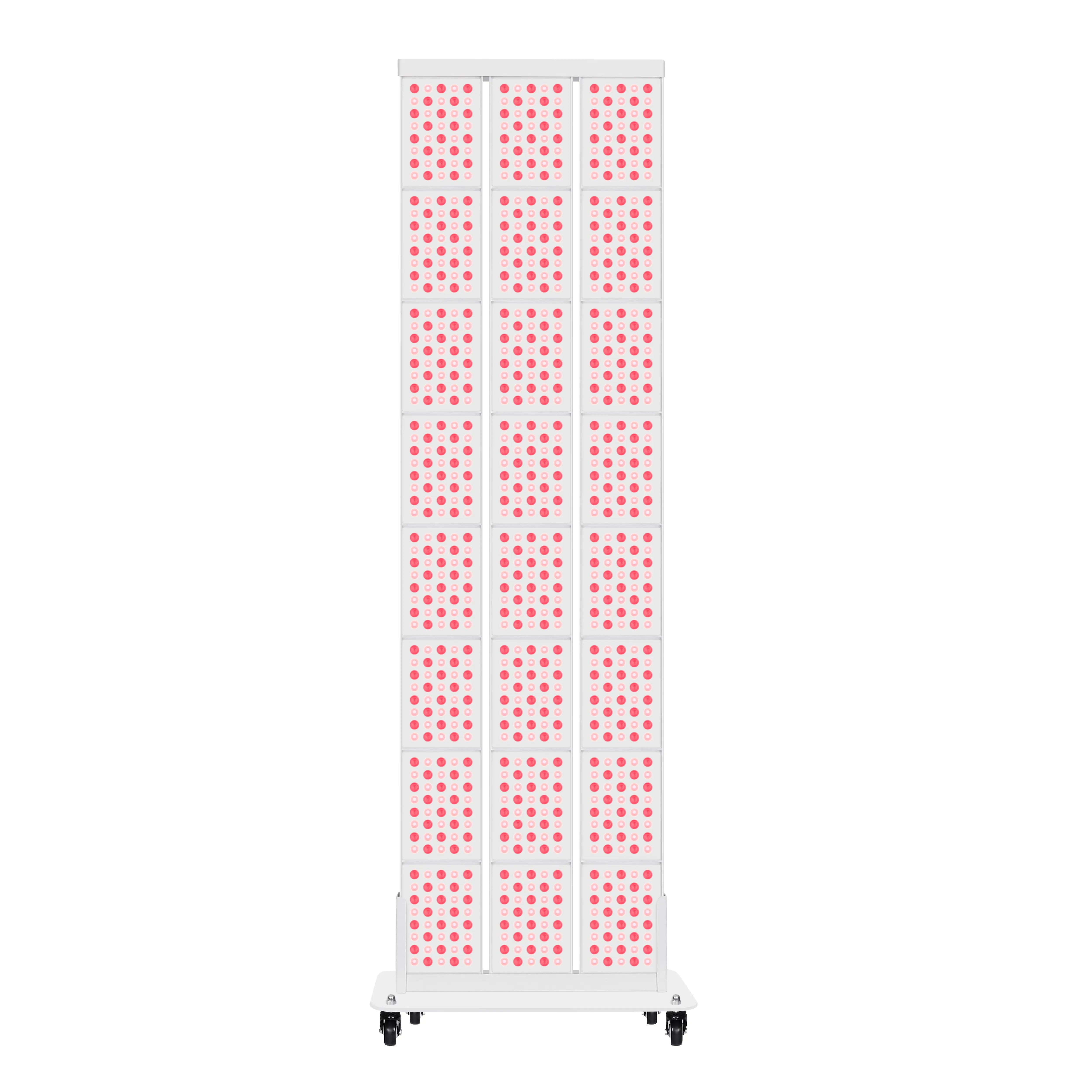
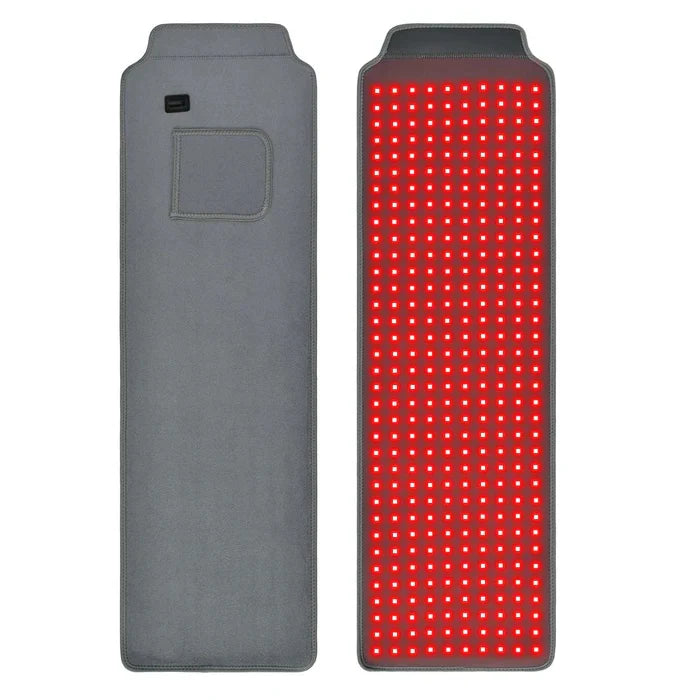
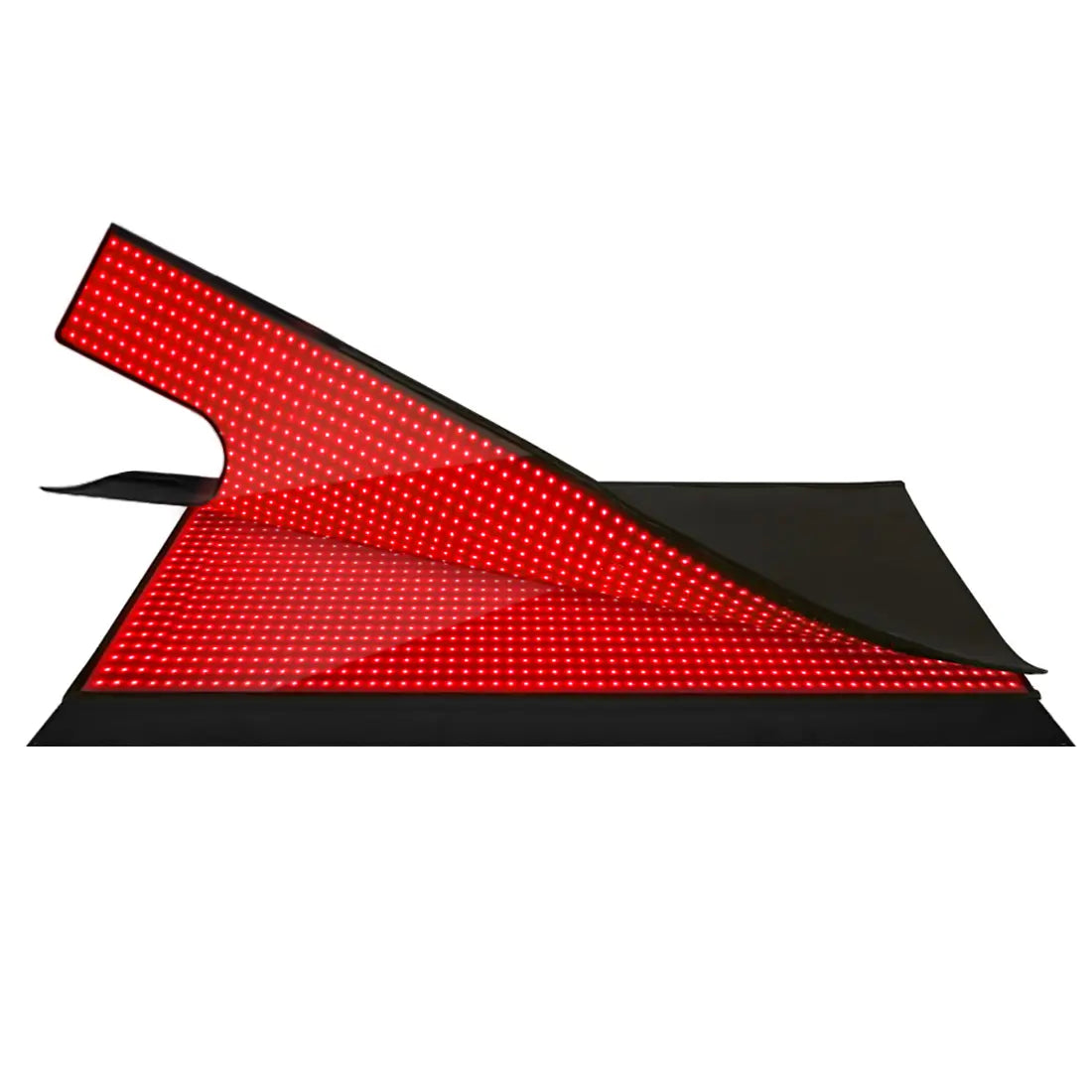
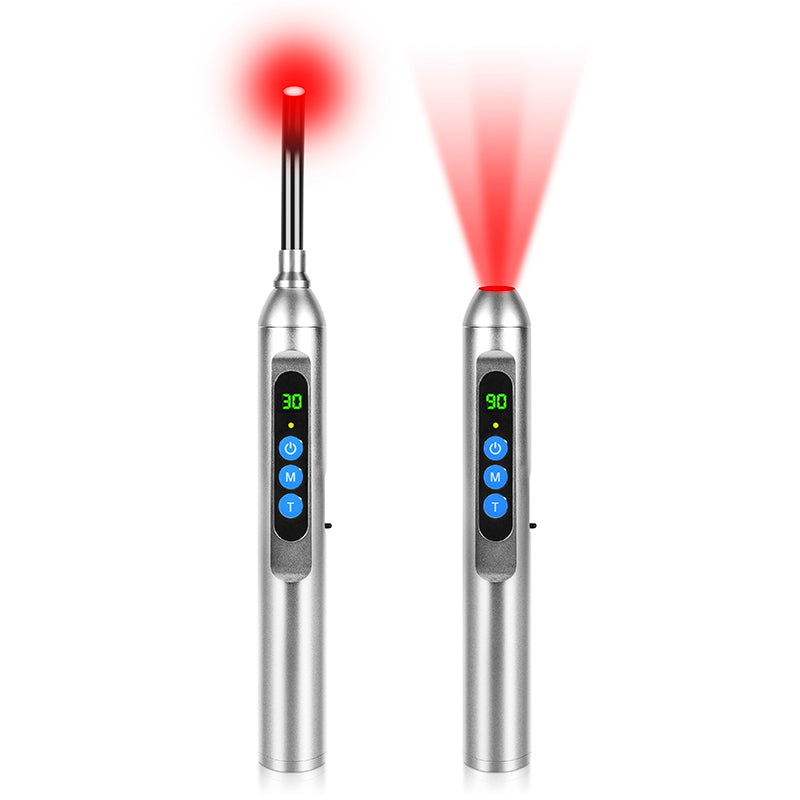
For a mouse hand–oriented setup, this means a practical approach is to favor a device that clearly specifies output in one of those bands, ideally with both red and near‑infrared chips, rather than something that just glows “red” without specs. Lasers are not appropriate for unsupervised home use, but a reasonably powerful LED panel or a dedicated hand‑ or wrist‑wrap unit with published irradiance values is a good starting point.
Building a Mouse Hand Red Light Protocol
Now to the part most people care about: how to use this in a way that is grounded in evidence and respects the biology.
Start with Medical Clearance and a Baseline
Numbness, especially if it wakes you at night or is accompanied by weakness or clumsiness, is not something to self‑treat indefinitely. Before you commit to a long red‑light experiment, it is wise to have a clinician rule out serious nerve compression, systemic causes like diabetes or thyroid disease, and cervical spine problems. If you do have formal carpal tunnel syndrome, light therapy might still be valuable, but it should slot into a plan that might also include splinting, physical therapy, or in some cases injections or surgery.
Once you have that medical baseline, track your own metrics. Before you start, note where you feel numbness, when it appears during the day, whether it wakes you at night, and what activities set it off. This gives you something objective to compare against a month later.
Fix the Mechanics Before You Hack the Light
Every serious review of carpal tunnel and mouse‑hand‑type issues emphasizes mechanics: wrist position, grip load, and total repetition. Red light cannot compensate for a mouse placed too far from your body, a forearm twisted all day, or never‑ending eight‑hour stretches without a break. Adjust your setup so that your forearm is supported, your wrist is neutral rather than bent, your mouse fits your hand, and you take short breaks to shake out your hands and do gentle nerve‑gliding movements. Think of photobiomodulation as a recovery enhancer layered on top of these fundamentals, not a substitute.
Session Structure: Distance, Duration, and Frequency
Because direct mouse‑hand protocols have not been standardized in large clinical trials, the best we can do is triangulate from protocols used for joint pain, tendonitis, and carpal tunnel in reputable reviews.
A plastic surgery review discussing red light devices suggests practical regimens of around 5 to 15 minutes per session applied three to four times per week for several weeks, followed by a lower‑frequency maintenance phase. Consumer education pieces from major health systems describe common wellness protocols of about 10 to 20 minutes per session, several times per week, with distance set so the target area is a few inches from the LEDs. Safety‑focused articles, including one from a red‑light device maker summarized by KOZE Health, recommend starting with shorter sessions around 5 to 10 minutes, then slowly increasing duration as your skin and tissues adapt, and avoiding very long sessions beyond about 20 minutes unless specifically guided by a professional.
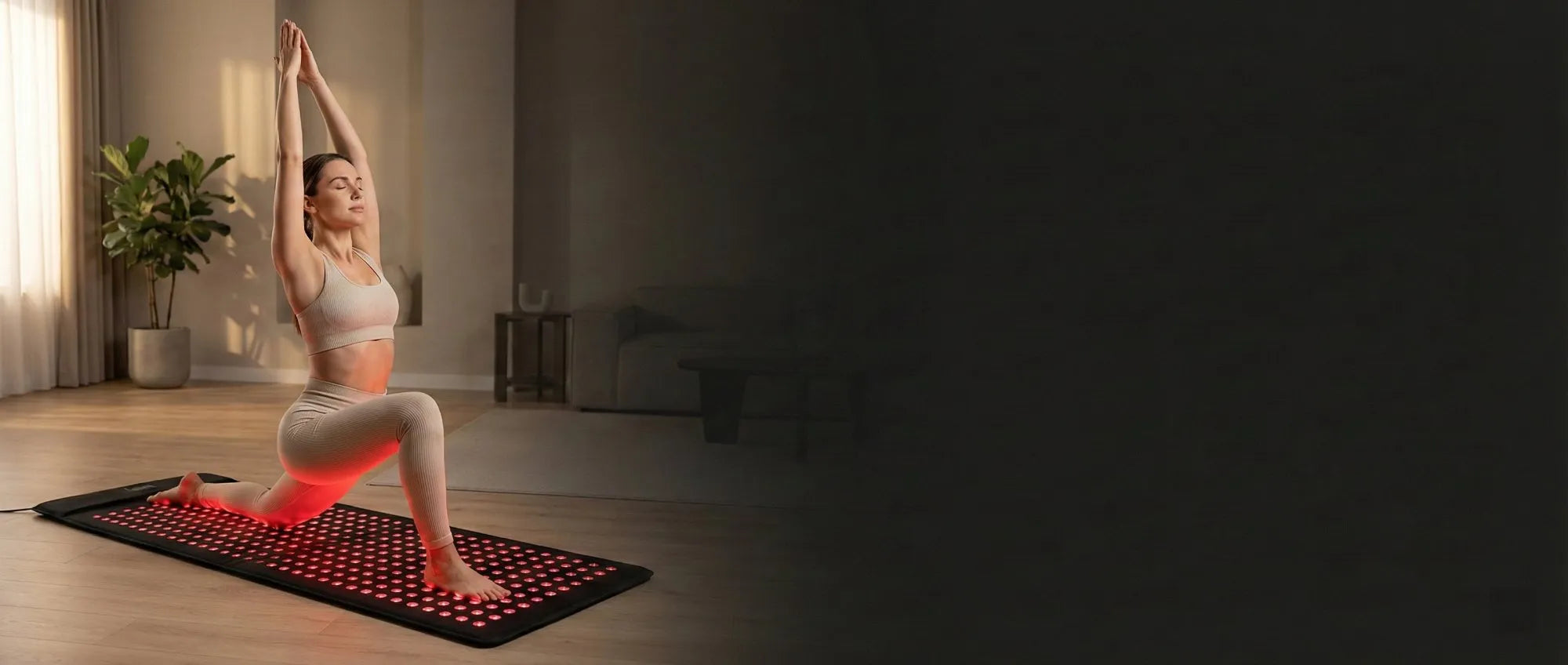
Translating that to mouse hand, a conservative but realistic starting plan would look like this in concept. Place your wrist and palm about 4 to 8 inches from the device, position the panel so the carpal tunnel area and the back of the hand are both in the light over the course of the session, and run sessions of roughly 8 to 12 minutes, three or four days per week. For the first week or two, stay at the low end of that range, then adjust slightly upward if you tolerate it well and feel that symptoms improve. Remember the hormetic curve: doubling or tripling your time is not guaranteed to help and may reduce benefit or increase side effects such as skin irritation or warmth.
Because the penetration to deeper structures is limited, it can be useful to alternate positions within a single session. For example, you might spend a few minutes with the palm down and the dorsal hand facing the light, then a few minutes with the palm up so that light reaches the flexor side and carpal tunnel region. If your device is small, you can also divide the session between wrist and forearm, since nerve irritation can track up the median nerve pathway.
Session Timing and Circadian Considerations
Most of the circadian rhythm research focuses on blue‑enriched light and melatonin suppression, not pure red or near‑infrared. An extensive review on the effects of light on human circadian rhythms emphasizes that short‑wavelength light around 480 nanometers has the strongest impact on the brain’s clock, whereas longer wavelengths are less disruptive. That is one reason many people prefer to do red light sessions in the morning or daytime; the spectral content is less likely to push their clock in the wrong direction.
For a mouse‑hand protocol specifically, the most important factor is consistency rather than precise clock time. Choose session times you can routinely defend in your schedule, such as first thing before work or during a mid‑afternoon break, and avoid blasting your eyes with bright panels in a dark room late at night. If your device emits mostly red and near‑infrared without much blue, occasional evening use is unlikely to be a circadian disaster, but there is no particular advantage to running hand sessions at midnight.
Tracking Progress and Knowing When to Pivot
Give the protocol a fair trial, but not forever. Many pain and joint studies with red light therapy run for several weeks, often with sessions one to three times per week. If you see no change at all in symptoms after about four to six weeks of consistent use and mechanical adjustments, it may be time to reassess. That might mean seeing a specialist for deeper diagnostics, reevaluating your ergonomics, or adjusting your device and dosing. If symptoms are clearly worsening, especially if you develop increasing weakness, clumsiness, or spreading numbness, it is important to stop light sessions and seek medical advice promptly.
Safety, Side Effects, and When Red Light Is a Bad Idea
The good news is that red and near‑infrared light therapy have a strong safety profile when used correctly. Cleveland Clinic notes that low‑level red light is non‑invasive, non‑toxic, and avoids DNA‑damaging ultraviolet wavelengths. Reviews of LED‑based photobiomodulation for skin and eye applications repeatedly describe treatments as well tolerated, with serious adverse events rare in properly designed protocols.
Short‑term side effects do occur. KOZE Health’s overview of red light therapy side effects lists mild skin sensitivity, temporary redness or warmth in the treated area, eye strain or light sensitivity if bright devices are used without adequate eye protection, and occasional transient fatigue or headache after sessions. These effects are generally mild and self‑limited, often fading as the body adapts to the therapy.
Certain groups should approach with extra caution. People with photosensitive conditions or those taking medications that increase light sensitivity should consult a healthcare professional before using light therapy. Several reputable sources, including Cleveland Clinic and dermatology organizations, recommend that pregnant individuals and people with active cancers or poorly characterized skin diseases avoid unsupervised use. And everyone, regardless of health status, should protect their eyes when using bright panels near the face and avoid staring directly into LEDs or lasers.
For a mouse‑hand‑focused protocol, eye risk is low because the target is your wrist and hand, but habits spill over. If you also use the same panel on your face or chest, make sure you have appropriate eye protection and that you follow the manufacturer’s distance and duration guidance.

Pros and Cons of Red Light Therapy for Mouse Hand Numbness
It helps to put the whole story in context, not just at the level of mechanisms, but in terms of real‑world trade‑offs.
Aspect |
Upside |
Downside or limitation |
Pain and inflammation |
Reviews report reduced pain and inflammatory markers in arthritis, tendonitis, and joint pain. |
Not all trials are positive; effect sizes vary, and protocols are not standardized for mouse hand. |
Nerve support and carpal tunnel |
Preclinical and clinical work suggests red and near‑infrared light can aid nerve repair and help in carpal tunnel syndrome. |
Many studies use clinic‑grade lasers and supervised protocols; home panels may not reach similar doses. |
Ease of use |
Non‑invasive, painless, and generally safe when used correctly; easy to integrate into a home routine. |
Requires regular sessions over weeks; not a one‑and‑done fix; time commitment adds up. |
Cost |
Home LED devices are far less expensive than repeated clinic visits or surgery over the long term. |
Quality units still cost real money, and insurance typically does not cover consumer devices. |
Evidence quality |
Hundreds of studies support photobiomodulation for various tissues; mechanisms are biologically plausible. |
For specific issues like mouse hand numbness, evidence is indirect or extrapolated from carpal tunnel data. |
Role in overall care |
Offers a drug‑free option that can slot alongside ergonomics, physical therapy, and medical care. |
Cannot replace diagnosis, splinting, therapy, or surgery in advanced nerve compression syndromes. |
If you are a data‑driven person, you can think of red light therapy for mouse hand as a medium‑probability, low‑risk adjunct. The downside risk is small if you use it sensibly; the upside ranges from modest pain relief to meaningful functional improvement in some people, especially when combined with mechanical changes and, where needed, professional treatment.
Frequently Asked Questions
Can I just point my facial red‑light mask at my hand?
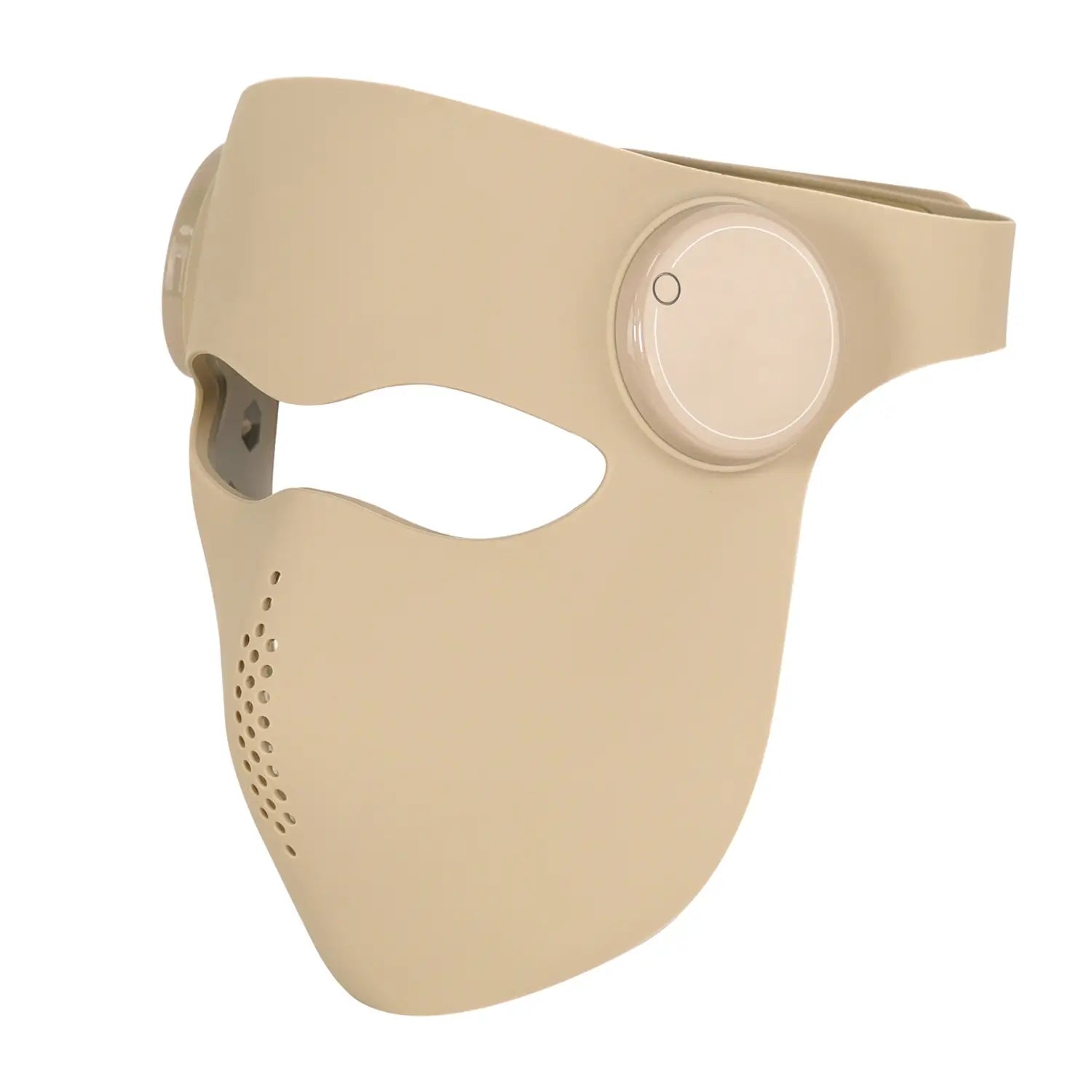
You can, and you may feel some benefit, especially for superficial discomfort, but it helps to know what that mask was designed for. Many at‑home masks were engineered to deliver relatively low power densities at very close range to facial skin for cosmetic benefits. They may emit mostly in a red band tailored for dermal collagen rather than deeper penetration. That means they can certainly bathe the surface of your hand in biologically active light, but they might not deliver enough near‑infrared power to reach the median nerve at depth. If a mask is what you already own, it is reasonable to experiment while you work on your ergonomics and consider whether a more targeted wrist or panel device might be worthwhile.
How long before I notice a difference?
The time course varies. In some musculoskeletal studies, people reported pain relief within days to weeks of starting red light therapy, while structural changes and nerve‑conduction improvements, when they occurred, took longer. For a mouse‑hand protocol, a reasonable expectation is that if red light is going to help, you may notice changes in soreness or tingling over the first four to six weeks of consistent use. If you see no change at all in that span, especially after you have also improved your workstation and movement habits, it is sensible to reassess the plan with a clinician.
Is tingling during a session a good sign or a warning sign?
Gentle warmth in the skin over your wrist or hand during a session is common, especially with more powerful panels, and usually not a concern as long as the skin does not become uncomfortably hot. A slight temporary increase or shift in tingling during or immediately after a session can also occur as blood flow and nerve firing patterns change. That said, any burning sensation, intense pain, or numbness that clearly worsens and persists should be taken seriously. If a particular setup reliably makes your symptoms worse, stop using it and consult a professional rather than pushing through.
Closing Thoughts from a Light Therapy Geek
For someone who lives at a keyboard, mouse hand numbness feels like a betrayal by your own tools. Red and near‑infrared light therapy will not magically erase every problem in your wrist, but the combination of mitochondrial biology, early carpal tunnel data, and practical musculoskeletal results makes it a legitimate part of an evidence‑aware recovery plan. Pair a thoughtfully chosen device with honest ergonomics, smart breaks, and appropriate medical input, and you are no longer just hoping the numbness goes away; you are giving your nerves and tendons a metabolic nudge in the right direction.

References
- https://pmc.ncbi.nlm.nih.gov/articles/PMC11388112/
- https://www.ucl.ac.uk/news/2021/nov/morning-exposure-deep-red-light-improves-declining-eyesight
- https://med.stanford.edu/news/insights/2025/02/red-light-therapy-skin-hair-medical-clinics.html
- https://www.oasisfdn.org/post/redlighteyesight
- https://www.aao.org/eyenet/article/red-light-improves-vision-of-aging-eye
- https://www.brightfocus.org/resource/what-to-know-about-light-therapy-for-dry-macular-degeneration/
- https://my.clevelandclinic.org/health/articles/22114-red-light-therapy
- https://medericenter.org/resources/dr-michael-hummel-blog/therapeutic-benefits-of-red-light-therapy.html
- https://www.uclahealth.org/news/article/5-health-benefits-red-light-therapy
- https://www.news-medical.net/health/Can-Red-Light-Therapy-Improve-Sleep-Skin-and-Recovery.aspx